 Complete Gardening
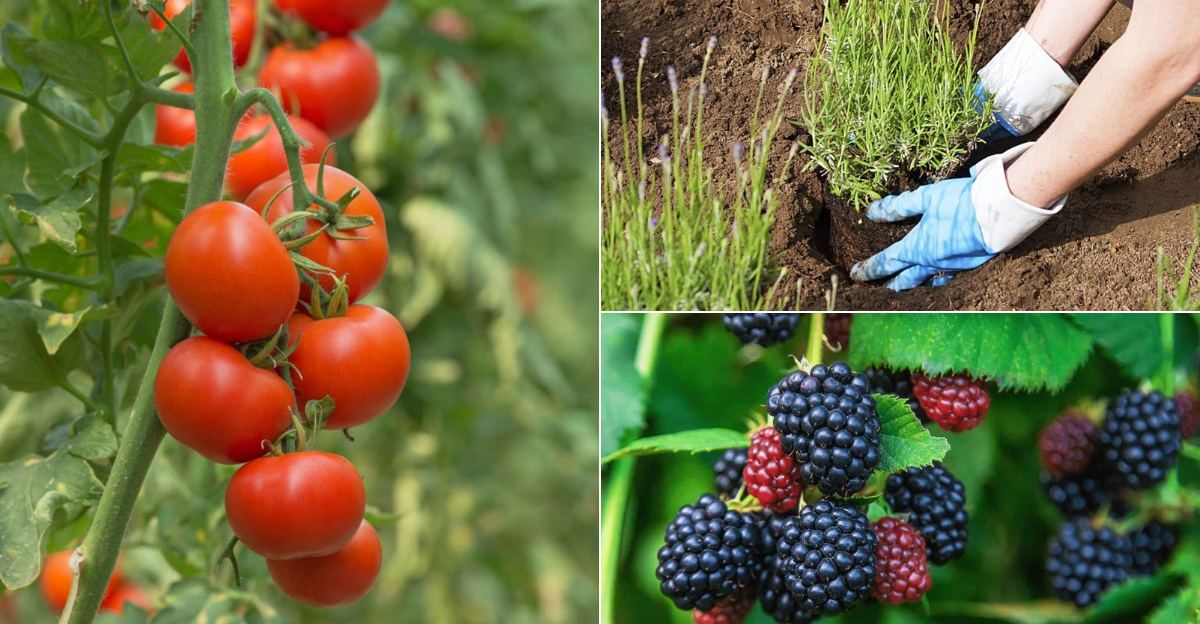
Starting a garden can be one of life’s most rewarding adventures, but not all plants follow the same rulebook. While many gardeners love the magical process of growing plants from tiny seeds, some plants simply perform better when purchased as established transplants. Knowing which plants resist seed-starting can save you time, money, and the heartbreak of failed garden experiments.
1. Asparagus: The Patient Perennial
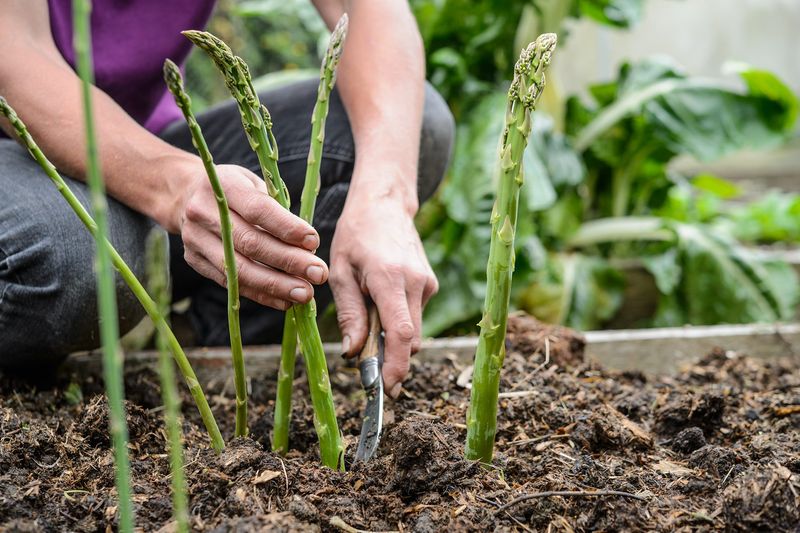
Asparagus demands extraordinary patience when grown from seed, requiring up to three years before your first harvest. Purchasing one-year-old crowns instead gives you a significant head start in your asparagus journey.
Professional growers have already navigated the tricky germination and early growth phases for you. The established root systems of asparagus crowns adapt quickly to new soil conditions, reducing transplant shock.
Additionally, crowns allow you to select all-male varieties, which produce more substantial harvests than female plants that divert energy to seed production.
2. Rhubarb: The Stubborn Stalker
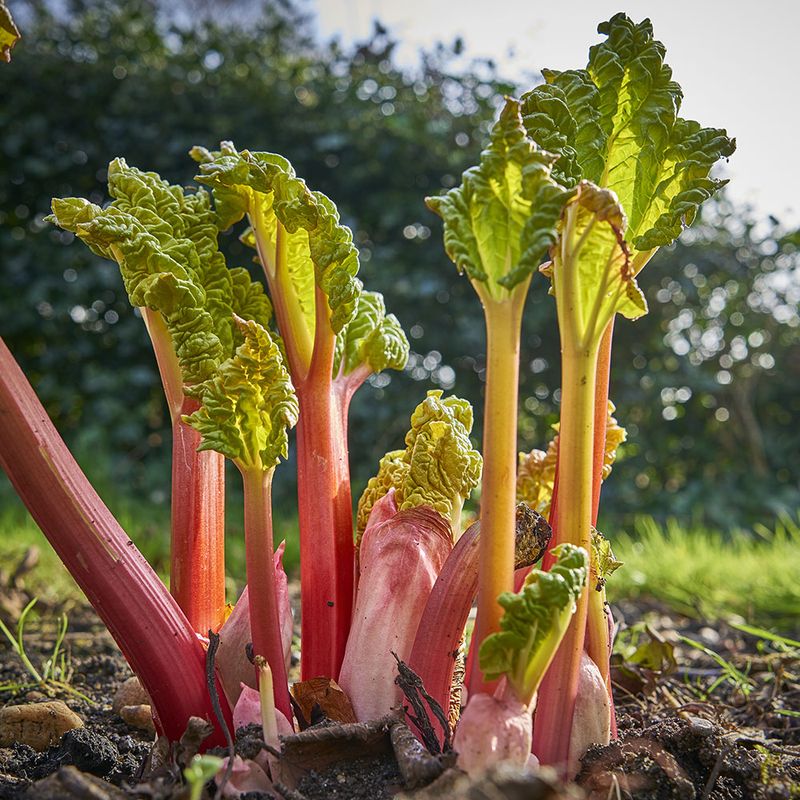
Growing rhubarb from seed creates a botanical lottery ticket—you might wait years only to discover your plants lack the vibrant color and flavor of named varieties. Established rhubarb divisions or crowns guarantee the exact cultivar qualities you’re seeking.
Seed-started rhubarb requires an additional year or two before harvesting compared to divisions. Patience becomes particularly challenging when those ruby-red stalks take extra seasons to mature.
Most critically, purchased rhubarb crowns come from disease-free stock, reducing the risk of introducing soil-borne pathogens that can plague this long-lived perennial for its entire 10-20 year lifespan.
3. Artichokes: The Mediterranean Challenge
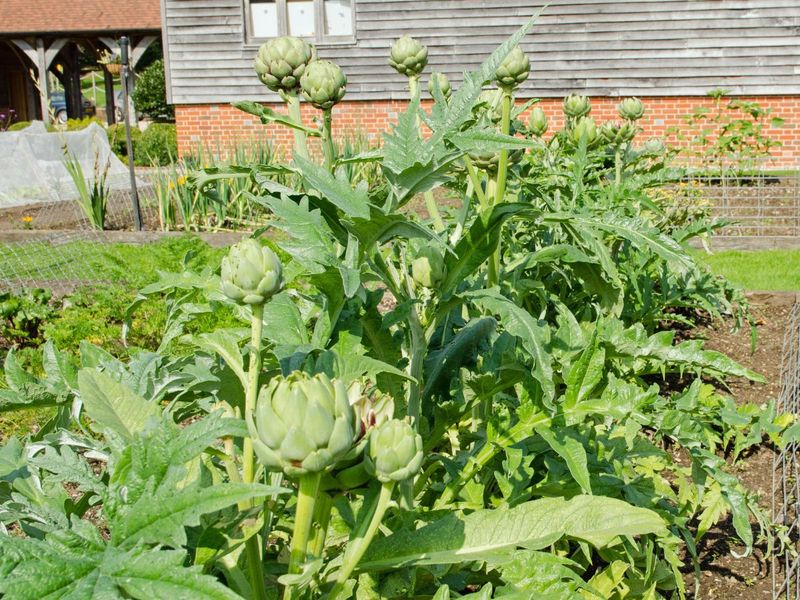
Artichokes grown from seed face a double challenge: they require cold stratification to trigger flowering, yet they’re sensitive to freezing temperatures. Navigating this paradox proves particularly difficult for gardeners in variable climates.
Seed-grown artichokes typically need two full growing seasons before producing their first edible flower buds. Starting with nursery plants cuts this waiting period dramatically, often allowing for harvest within the first year.
Commercial growers propagate artichokes through division, ensuring genetic consistency. Seed-grown plants, however, may produce smaller or differently flavored buds than their parent plants.
4. Strawberries: Berry Disappointing Seeds
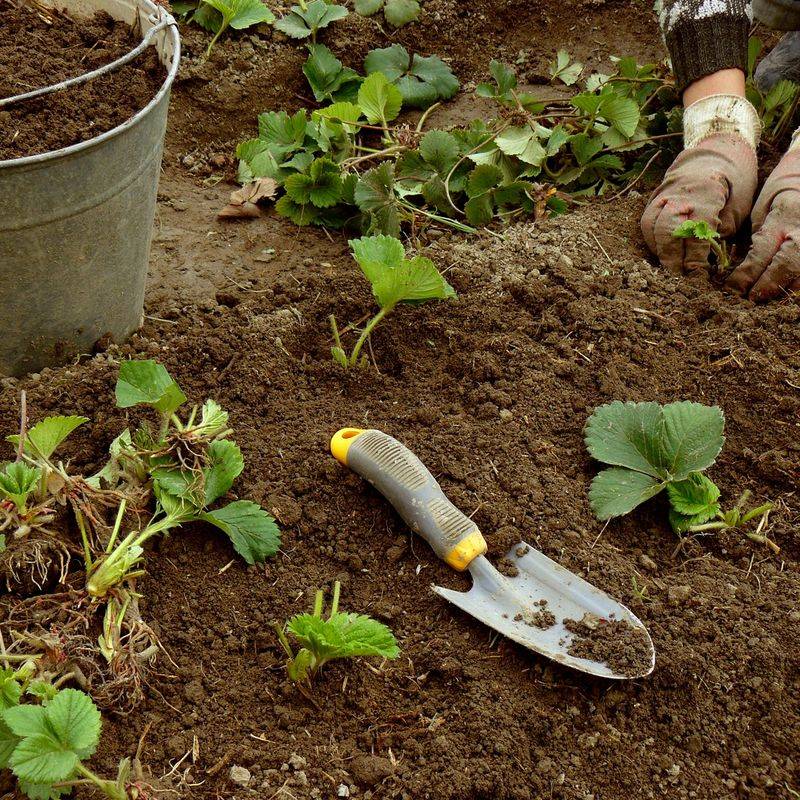
Strawberry seeds challenge even experienced gardeners, requiring precise light and temperature conditions to germinate successfully. The tiny seedlings remain vulnerable for months, demanding constant attention to moisture and protection from pests.
Unlike strawberry runners or plants, seed-grown berries won’t produce fruit until their second year. More concerning, seeds collected from supermarket strawberries often grow into plants that bear little resemblance to their parents due to hybrid genetics.
Certified disease-free strawberry plants offer immediate gratification with fruit production in their first season, plus protection against common soil-borne viruses that can decimate your berry patch.
5. Hybrid Tomatoes: Seed Packet Roulette
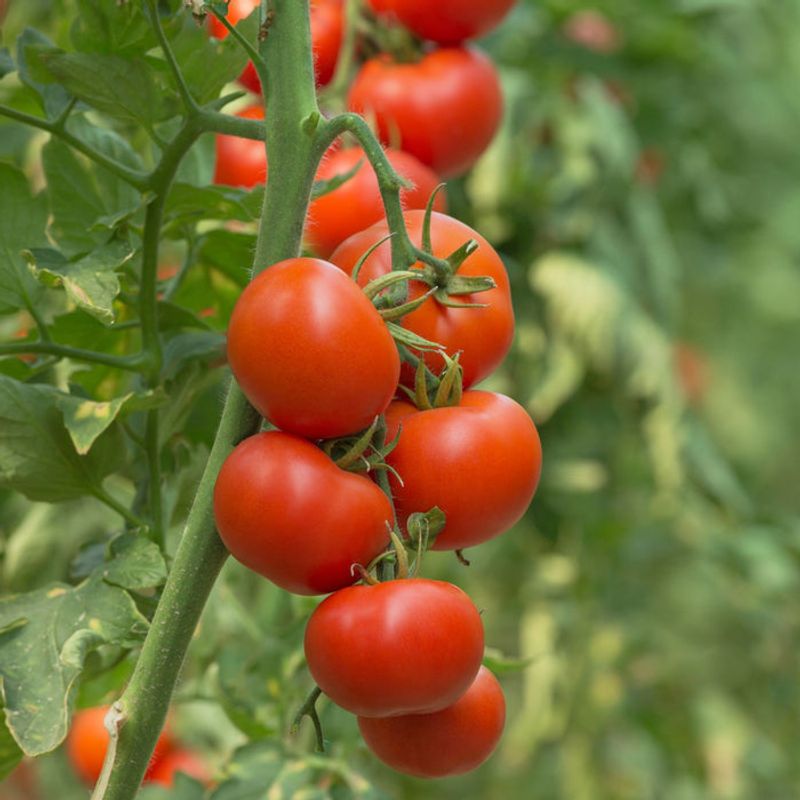
Hybrid tomato varieties like ‘Better Boy’ or ‘Early Girl’ represent carefully engineered crosses between parent plants with specific desirable traits. Seeds saved from these hybrids won’t reproduce true to type, creating a genetic mystery in your garden next season.
Commercial breeders develop hybrids for disease resistance, productivity, and flavor profiles that disappear in second-generation plants. Your carefully chosen hybrid tomato might revert to characteristics from either parent plant, often with disappointing results.
Starting with greenhouse-grown transplants ensures you’ll harvest exactly the tomato variety you selected, with all its intended disease resistance and growth habits intact.
6. Lavender: The Germination Gamble
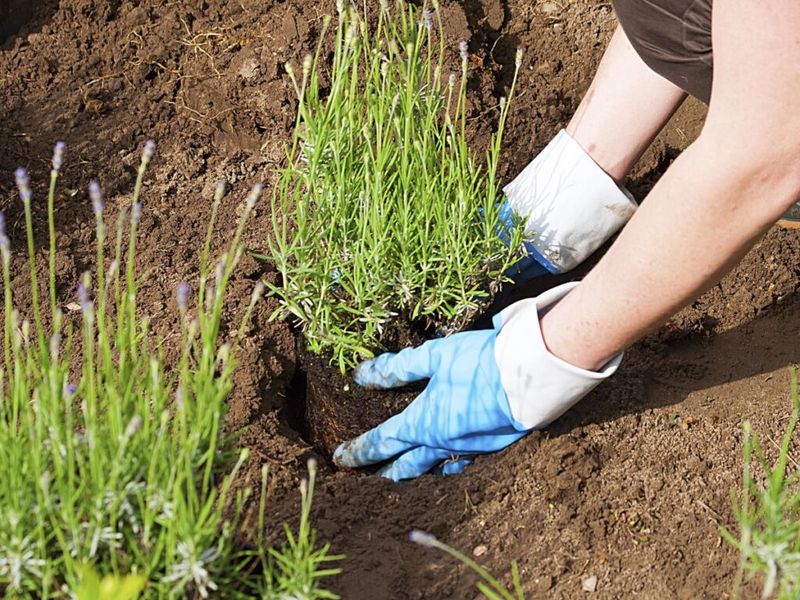
Lavender seeds test a gardener’s patience with their notoriously slow, unpredictable germination rates that can stretch beyond a month. Even with perfect conditions, expect only 50-60% of seeds to sprout, making each successful seedling feel like a minor miracle.
Named lavender varieties like ‘Hidcote’ or ‘Munstead’ simply won’t come true from seed. Their distinctive growth habits, flower colors, and essential oil compositions remain preserved only through cuttings or divisions.
Established lavender plants from nurseries have already developed the woody stems and root systems needed to survive winter conditions, giving them a 1-2 year advantage over their seed-started counterparts.
7. Rosemary: The Stubborn Herb
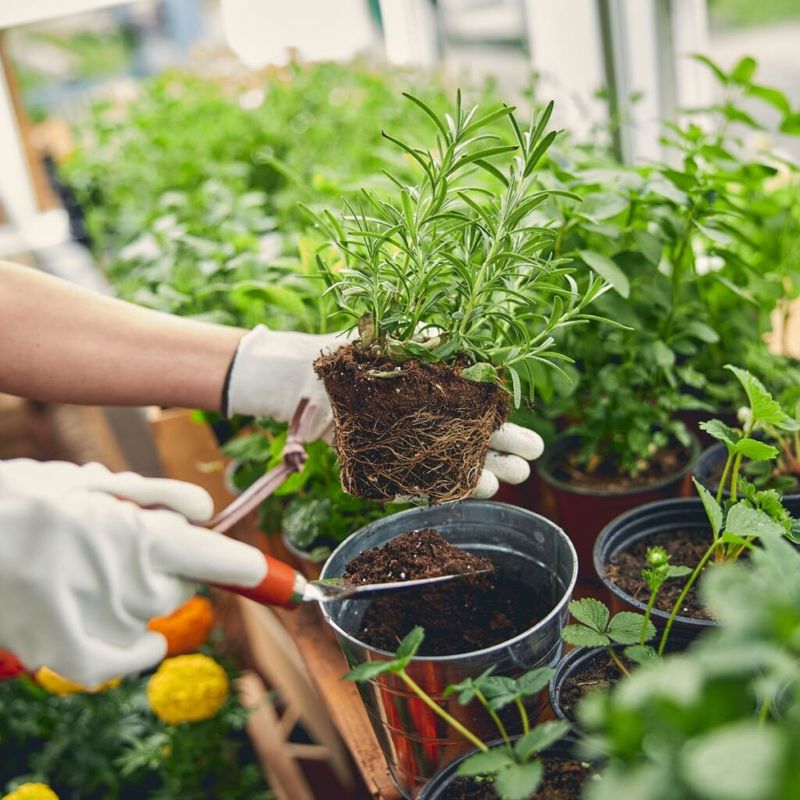
Rosemary seeds germinate at frustratingly low rates—sometimes below 30%—even under ideal conditions. The surviving seedlings grow painfully slowly, requiring months to reach usable size for cooking.
Rooted cuttings establish quickly in the garden and provide harvestable sprigs within weeks of planting. Their well-developed root systems help them withstand drought conditions that would quickly kill young seedlings.
Commercial varieties of rosemary offer specific growth habits ranging from upright to trailing forms. These characteristics remain consistent only in plants propagated through cuttings, making nursery-grown plants the reliable choice for gardeners seeking specific varieties like ‘Tuscan Blue’ or ‘Prostrate’.
8. Citrus Trees: Seeds of Disappointment
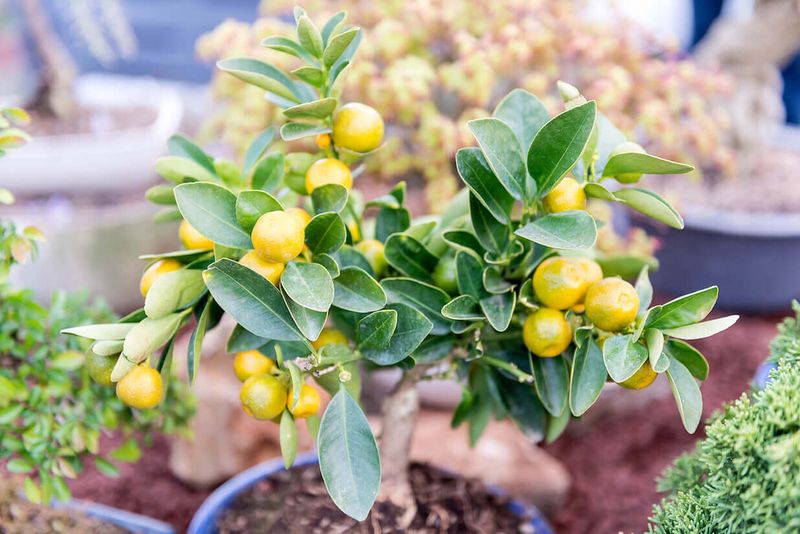
Citrus seeds rarely produce trees resembling their parent plants due to genetic variability and hybridization. That lemon seed from your grocery store fruit might grow into a thorny, bitter-fruited tree bearing little resemblance to its commercial parent.
Seed-grown citrus trees typically require 7-10 years before producing their first fruits. Grafted nursery trees, by contrast, often bear fruit within 2-3 years of planting, rewarding your patience much sooner.
Commercial citrus varieties combine carefully selected rootstocks with desirable fruiting varieties through grafting. This process creates trees with improved disease resistance, cold hardiness, and soil adaptability that seed-grown trees simply cannot match.
9. Avocados: The Pit Pitfall
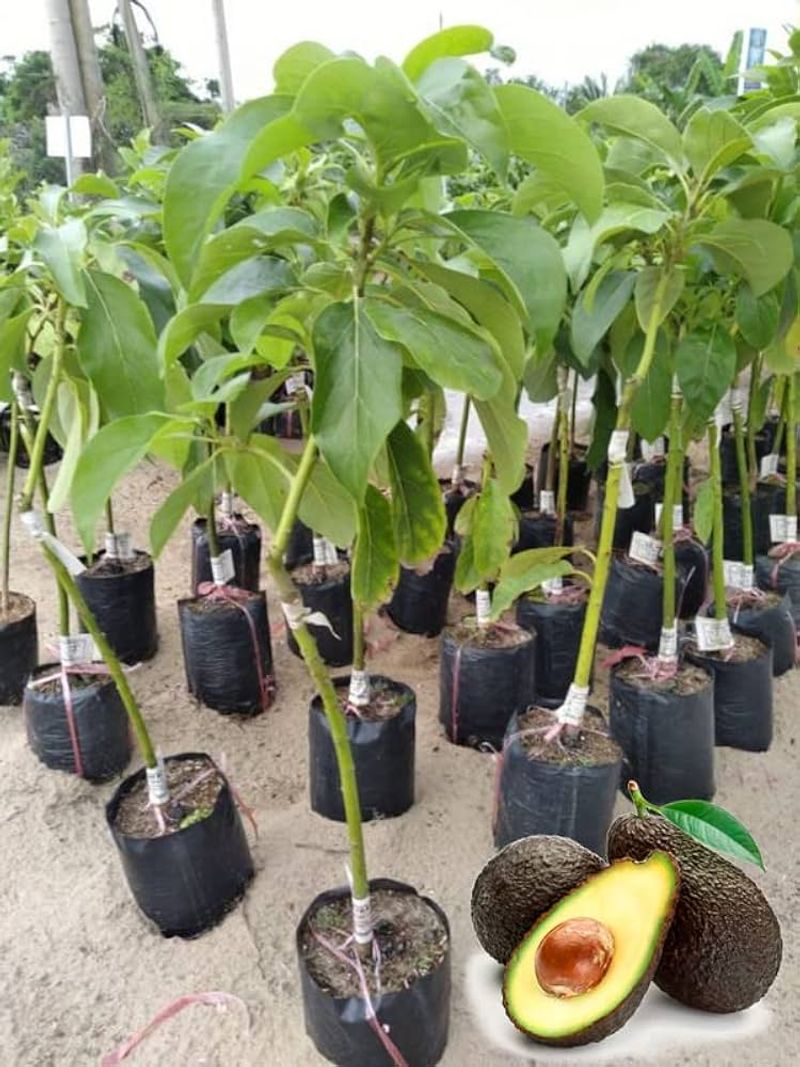
Growing avocados from pits creates wonderful houseplants but rarely produces edible fruit. Commercial avocado varieties require specific grafting techniques to maintain their desirable traits like fruit size, oil content, and disease resistance.
Seed-grown avocados typically need 8-15 years before producing their first fruits, testing even the most patient gardeners. Grafted nursery trees, however, often begin fruiting within 3-4 years of planting.
Most critically, avocados grown from seed lack the genetic predictability of grafted trees. Your decade-long experiment might result in small, fibrous fruits with massive pits—a disappointing outcome after years of care and anticipation.
10. Apples: Seedy Uncertainty
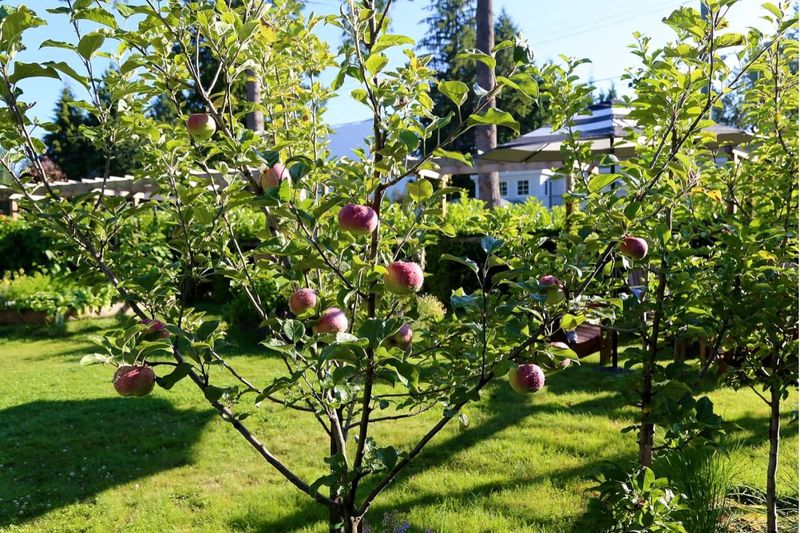
Apple seeds contain genetic material from both parent trees, creating unpredictable results when grown. That seed from your favorite Honeycrisp apple might grow into a tree producing small, tart fruits nothing like its parent.
Time becomes the greatest challenge with seed-grown apples, which typically require 7-10 years before producing their first fruits. Grafted nursery trees often begin bearing within 2-4 years after planting.
Most apple varieties require cross-pollination from a different compatible variety to produce fruit. Purchasing known cultivars allows you to select appropriate pollination partners, ensuring successful fruit production that random seedlings cannot guarantee.
11. Grapes: Vineyard Variability
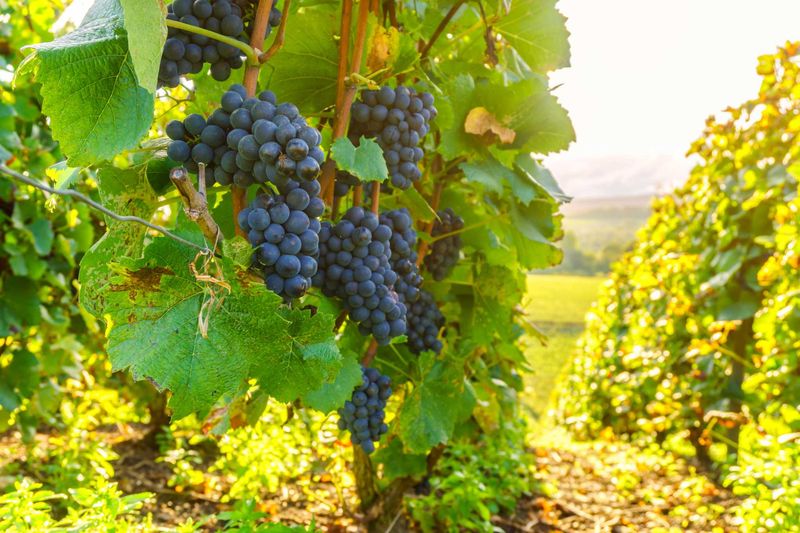
Grape seeds from your favorite variety rarely grow into vines producing similar fruits. Commercial grape varieties maintain their distinctive flavors, growth habits, and disease resistance only through vegetative propagation methods like cuttings or grafting.
Seedling grapes require 3-5 years before producing their first fruits, with uncertain quality outcomes. Nursery-grown vines from cuttings typically begin bearing within 2-3 years and produce exactly the grape variety you selected.
Grafted grape vines combine desirable fruiting varieties with rootstocks selected for specific soil conditions or pest resistance. This specialized combination provides benefits that seed-grown vines simply cannot offer, especially in challenging growing environments.
12. Raspberries: From Seed to Disappointment
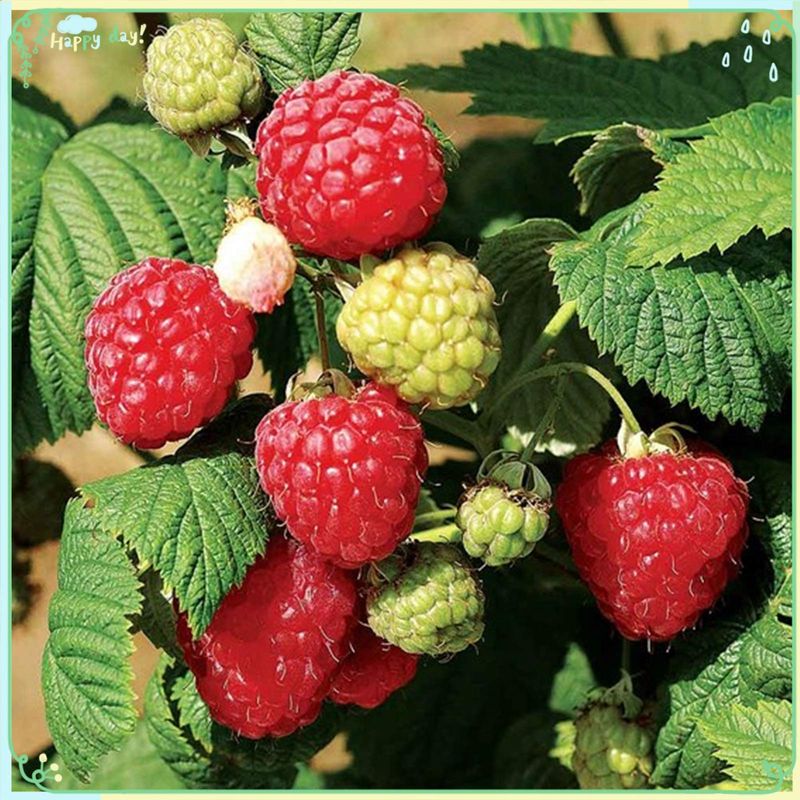
Raspberry seeds extracted from fruits require cold stratification and exhibit unpredictable germination rates, testing even experienced gardeners. The resulting plants may produce berries with vastly different flavors, sizes, and productivity levels than their parent plants.
Starting with bare-root raspberry canes or container plants gives you access to named varieties with specific traits like thornlessness, disease resistance, or everbearing habits. These characteristics remain consistent only in plants propagated through vegetative methods.
Seed-grown raspberries typically need two full growing seasons before producing their first berries. Nursery plants often produce at least a small crop in their very first year, providing much quicker gratification.
13. Blackberries: Thorny Seed Issues
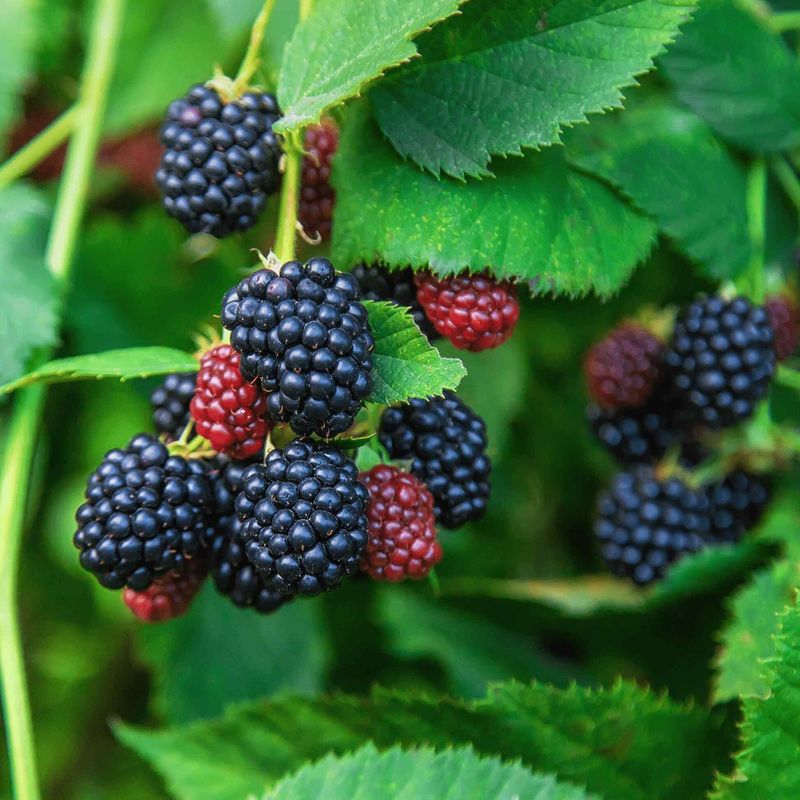
Blackberry seeds challenge gardeners with their tough seed coats requiring scarification and cold stratification to break dormancy. Even with perfect conditions, germination remains sporadic and unpredictable.
Modern thornless blackberry varieties maintain their spineless characteristics only through vegetative propagation. Seeds from these plants often revert to thorny growth habits, creating unexpected maintenance challenges in your garden.
Commercially available blackberry plants provide immediate benefits with established root systems ready to spread through your garden. Their productive canes develop quickly, often providing berries in their first or second season, while seed-grown plants might require three years before significant harvests.
14. Blueberries: Berry Risky Seeds
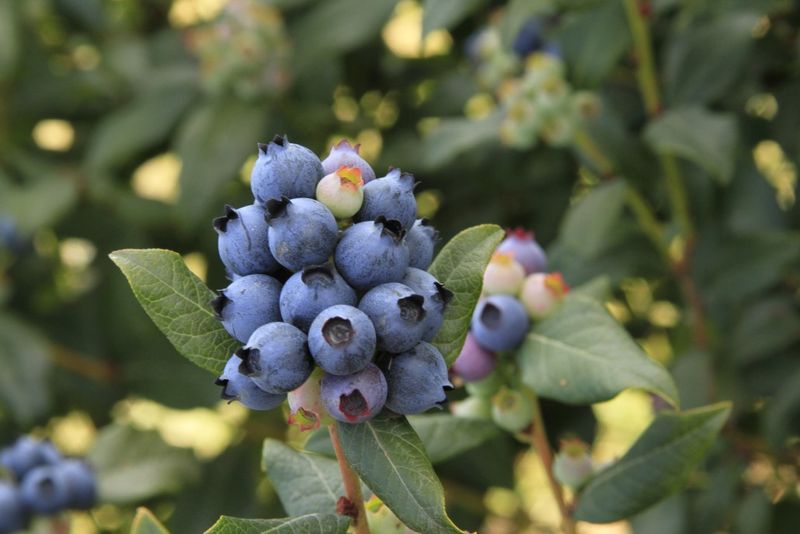
Blueberry seeds demand extraordinary patience, requiring 2-3 months of cold stratification followed by up to 2 months for germination. The resulting seedlings grow painfully slowly, often taking 4-6 years before producing meaningful harvests.
Commercial blueberry varieties maintain their specific traits—like berry size, flavor profiles, and ripening times—only through vegetative propagation. Seed-grown plants introduce genetic variability that may result in smaller berries with different flavor characteristics.
Nursery-grown blueberry plants come properly matched to your soil’s pH requirements and climate conditions. This specialized selection process ensures your plants will thrive in your specific garden environment, something random seedlings cannot guarantee.
15. Peaches: Pit Problems
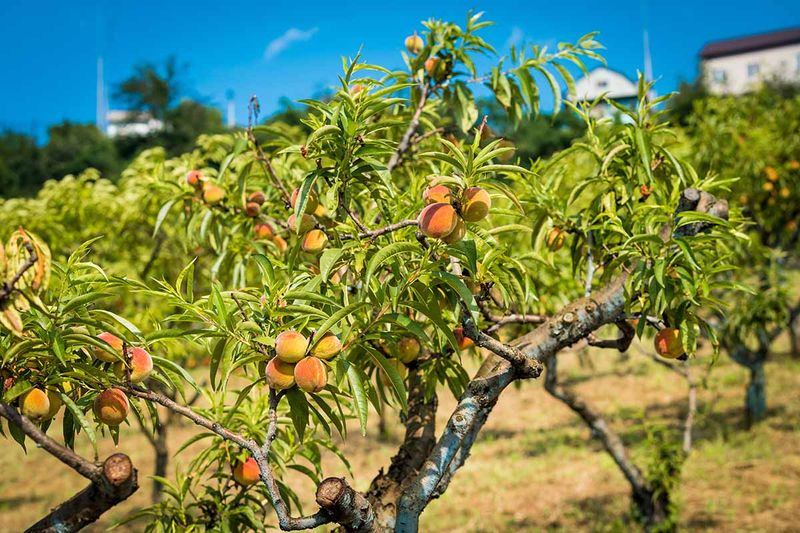
Peach pits from grocery store fruits rarely produce trees resembling their parents due to hybrid genetics. Commercial varieties maintain their desirable characteristics like freestone flesh, disease resistance, and flavor profiles only through grafting.
Seed-grown peach trees typically require 3-5 years before producing their first fruits, with uncertain quality. Grafted nursery trees often begin bearing within 2-3 years and produce exactly the peach variety you selected.
Most importantly, peach varieties are specifically developed for particular climate zones and chill hour requirements. Purchasing adapted varieties ensures your tree will flower and fruit properly in your region, while random seedlings may fail to thrive despite years of care.
16. Pears: Seedy Waiting Game
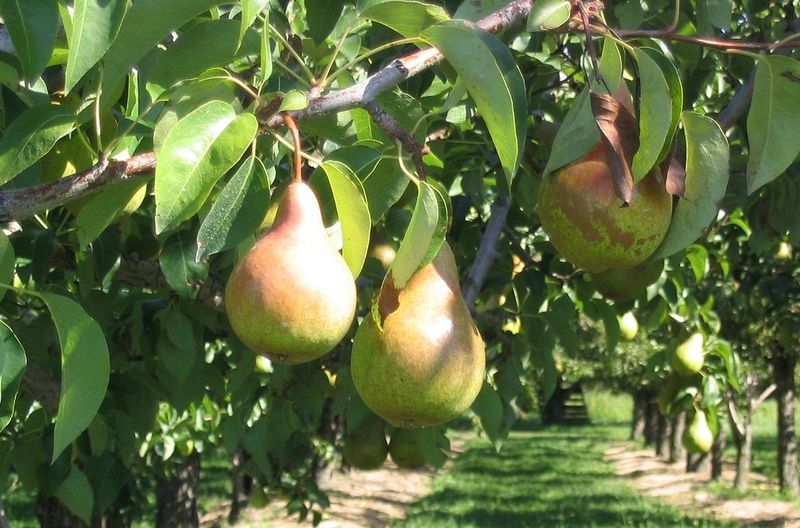
Pear seeds require cold stratification and exhibit notoriously slow germination rates that test a gardener’s patience. The resulting seedlings grow at glacial speeds compared to grafted trees, adding years to your waiting period.
Standard-sized pear trees grown from seed may require 7-10 years before producing their first fruits. Grafted nursery trees on specialized rootstocks often begin bearing within 3-5 years, significantly reducing your waiting time.
Fire blight resistance varies dramatically among pear varieties, making selection of disease-resistant cultivars crucial for success. This carefully bred resistance remains preserved only in trees propagated through grafting, not in unpredictable seedlings.
17. Plums: Stone Fruit Struggles
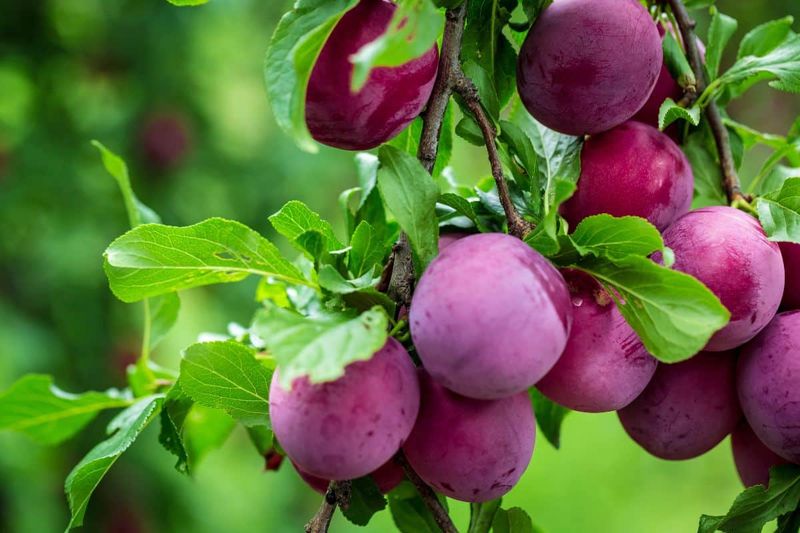
Plum pits require removal of their hard outer shells followed by cold stratification to break dormancy. Even with perfect handling, germination remains unpredictable and may take months to occur.
Japanese, European, and American plum varieties maintain their distinctive fruit characteristics and growth habits only through grafting. Seed-grown trees introduce genetic variability that often results in smaller fruits with different flavors and ripening times.
Most critically, plum varieties have specific pollination requirements that must be matched carefully for successful fruit production. Purchasing named cultivars allows you to select appropriate pollination partners, ensuring productive harvests that random seedlings cannot guarantee.
18. Cherries: Pit Patience Required
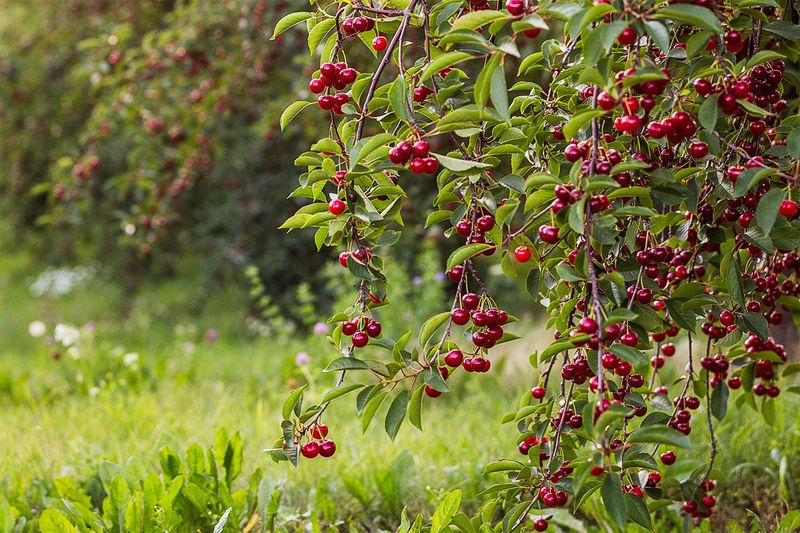
Cherry pits demand extended cold stratification periods of 3-4 months before germination can occur. The resulting seedlings grow slowly and require years of care before revealing their fruit quality.
Sweet cherry varieties maintain their large fruit size, distinctive flavors, and crack resistance only through grafting. Seed-grown trees often produce smaller fruits with higher pit-to-flesh ratios and unpredictable flavors.
Modern dwarf cherry trees combine desirable fruiting varieties with size-controlling rootstocks through grafting. This specialized combination creates manageable trees perfect for home gardens—a benefit impossible to achieve through seed propagation, which typically produces full-sized trees reaching 25+ feet tall.
19. Apricots: Stone Cold Disappointment
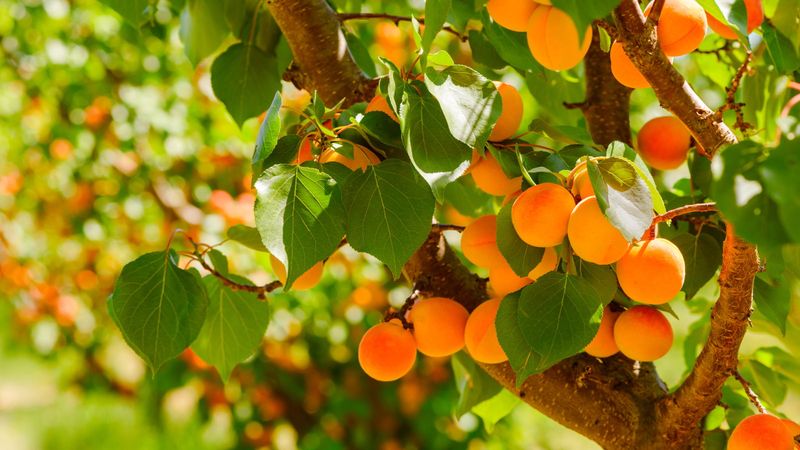
Apricot pits require careful extraction and stratification, yet still germinate unpredictably. The resulting trees rarely match their parent plants in fruit quality, size, or disease resistance.
Commercial apricot varieties combine carefully selected rootstocks with desirable fruiting varieties through grafting. This process creates trees with improved disease resistance, cold hardiness, and soil adaptability that seed-grown trees cannot match.
Seed-grown apricots typically need 3-5 years before producing their first fruits. Grafted nursery trees often begin bearing within 2-3 years and produce exactly the apricot variety you selected, with all its intended characteristics like sweetness, size, and reliable production.
20. Figs: Fruitless Seed Starting
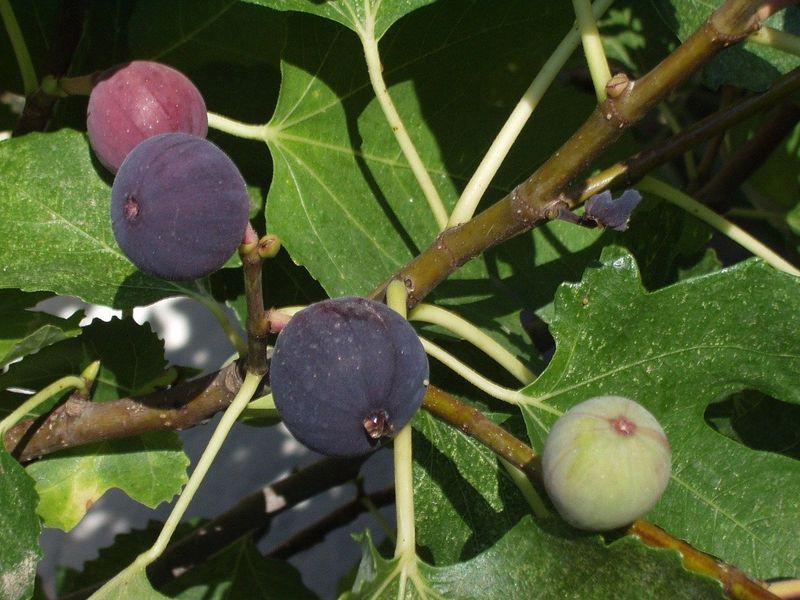
Fig seeds present nearly impossible germination challenges for home gardeners. Most edible fig varieties produce seedless fruits, and those with viable seeds require specialized handling rarely achievable outside laboratory settings.
Commercially available fig varieties maintain their distinctive fruit characteristics—like skin color, flesh texture, and flavor profiles—only through vegetative propagation. Each named variety represents centuries of careful selection that would be lost in seed propagation.
Fig trees grow remarkably easily from cuttings, making seed starting pointlessly difficult. A simple 8-inch cutting from a desirable variety will root readily and begin producing fruit within 1-2 years, while seed-grown trees (if successful) might require 4-5 years before fruiting.
21. Pomegranates: Seed Setbacks
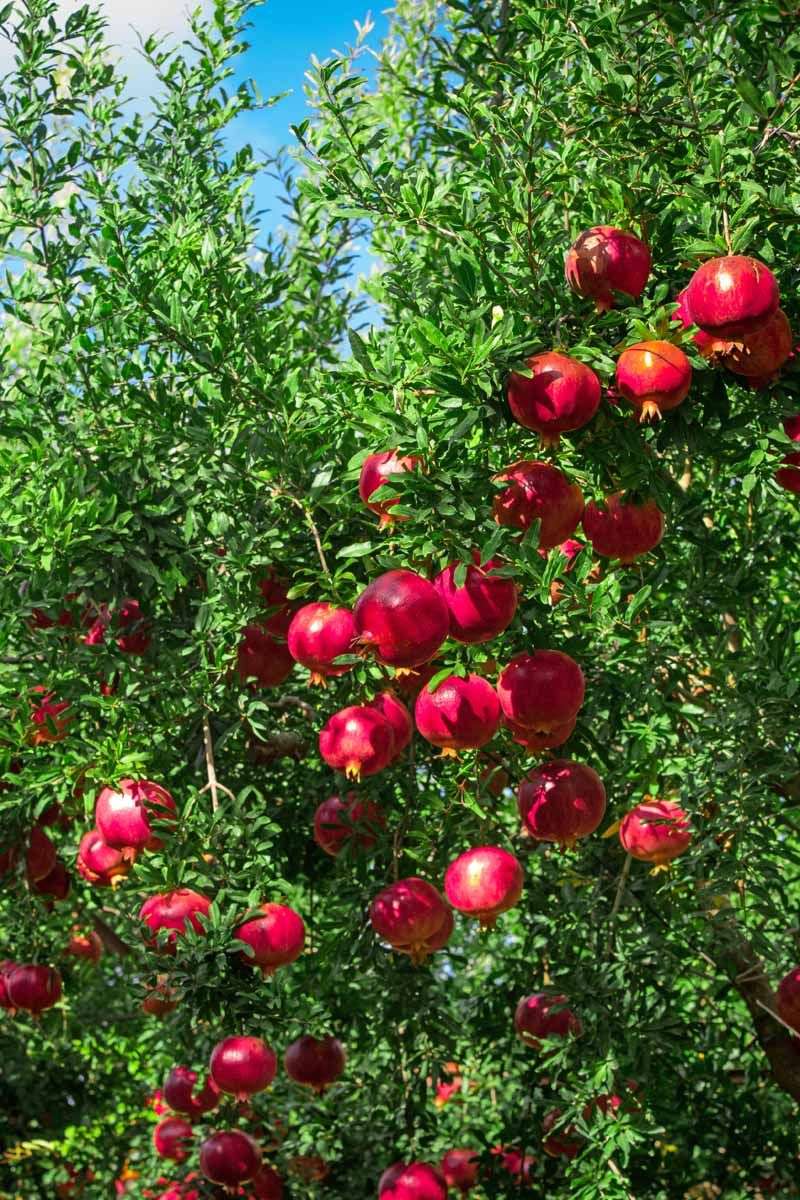
Pomegranate seeds germinate readily but create a genetic lottery ticket in your garden. Commercial varieties maintain their specific traits—like sweet-tart balance, juice content, and soft seed characteristics—only through vegetative propagation.
Seed-grown pomegranates typically require 3-5 years before producing their first fruits. Nursery plants propagated from cuttings often begin bearing within 2-3 years and produce exactly the pomegranate variety you selected.
Most importantly, pomegranate varieties are specifically developed for particular climate zones and cold hardiness. Purchasing adapted varieties ensures your tree will thrive in your region, while random seedlings may suffer winter damage or fail to ripen fruit properly in shorter growing seasons.
22. Olives: Difficult Pits
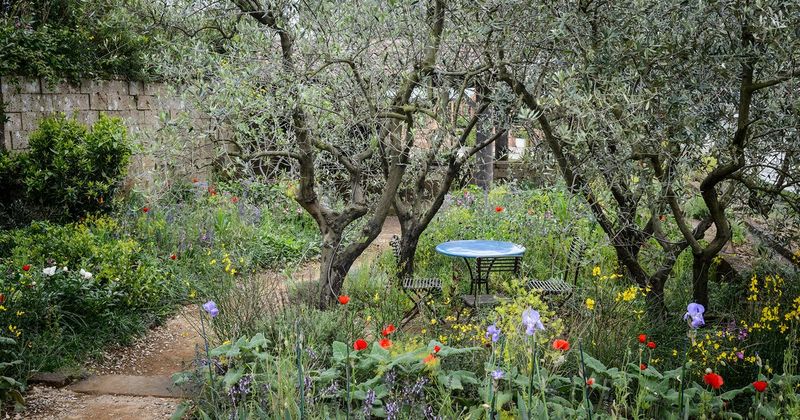
Olive pits require specialized scarification treatments to break through their extremely hard outer shells. Even with proper treatment, germination rates remain frustratingly low and slow, often taking months to occur.
Commercial olive varieties maintain their specific oil content, fruit size, and flavor profiles only through vegetative propagation. Seed-grown trees introduce genetic variability that may result in smaller fruits with different flavor characteristics or lower oil production.
Seed-grown olives typically need 8-10 years before producing their first fruits. Nursery plants propagated from cuttings often begin bearing within 4-5 years—still a wait, but substantially shorter than starting from seed.
23. Kiwi Fruit: Seed Gender Problems
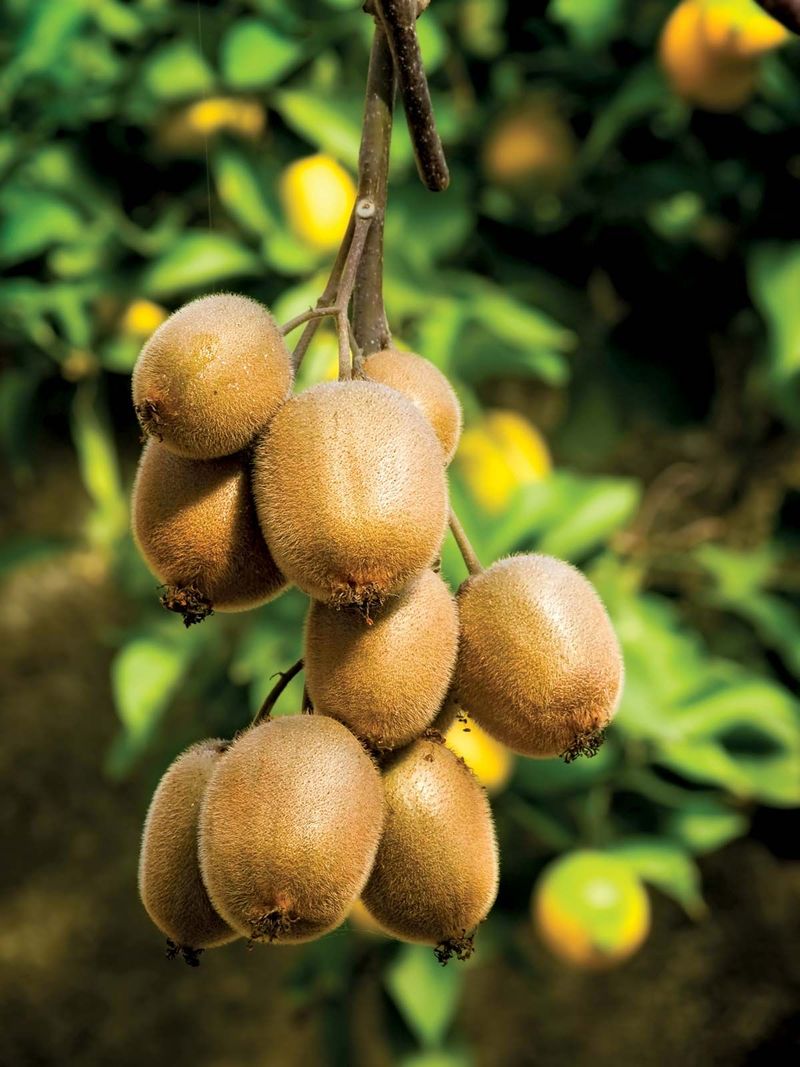
Kiwi seeds create a gender mystery in your garden since male and female flowers grow on separate plants. Without careful selection of both genders, your years of cultivation might result in beautiful vines that never produce fruit.
Commercial kiwi varieties maintain their specific traits—like fruit size, flavor profiles, and vine vigor—only through vegetative propagation. Seed-grown plants introduce genetic variability with unpredictable results.
Most importantly, kiwi varieties are specifically developed for particular climate zones and cold hardiness. Purchasing named cultivars ensures your vines will survive winter conditions in your region, while random seedlings may lack the cold tolerance needed for reliable production.
24. Passionflower: Passionate Patience Required
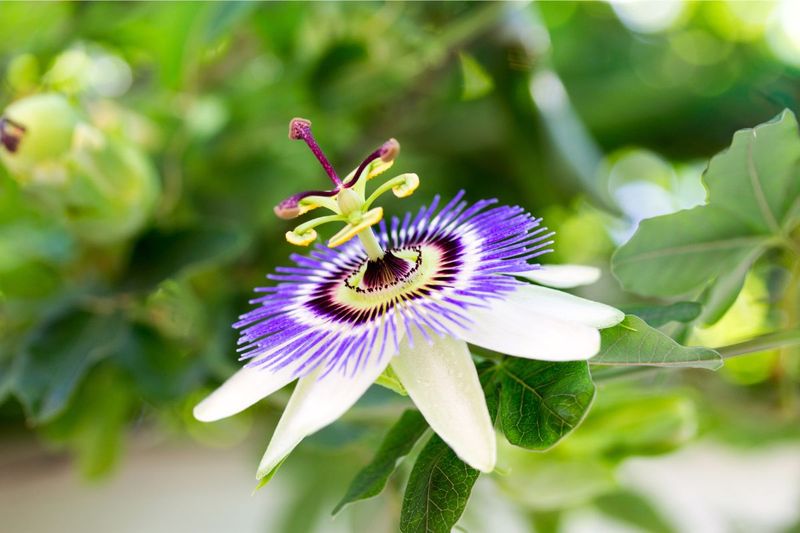
Passionflower seeds demand extraordinary patience with their complex dormancy requirements and slow germination rates. Many species require specific scarification and temperature fluctuations that mimic natural conditions difficult to replicate indoors.
Edible passionflower varieties like Passiflora edulis maintain their fruit quality and productivity only through vegetative propagation. Seed-grown vines introduce genetic variability that may result in smaller fruits with different flavor characteristics.
Nursery-grown passionflower plants establish quickly and often flower in their first season. By contrast, seed-grown plants typically require 1-2 years before producing their first flowers and potentially longer before setting fruit, testing even the most patient gardeners.
25. Lemongrass: Seed Starting Struggles
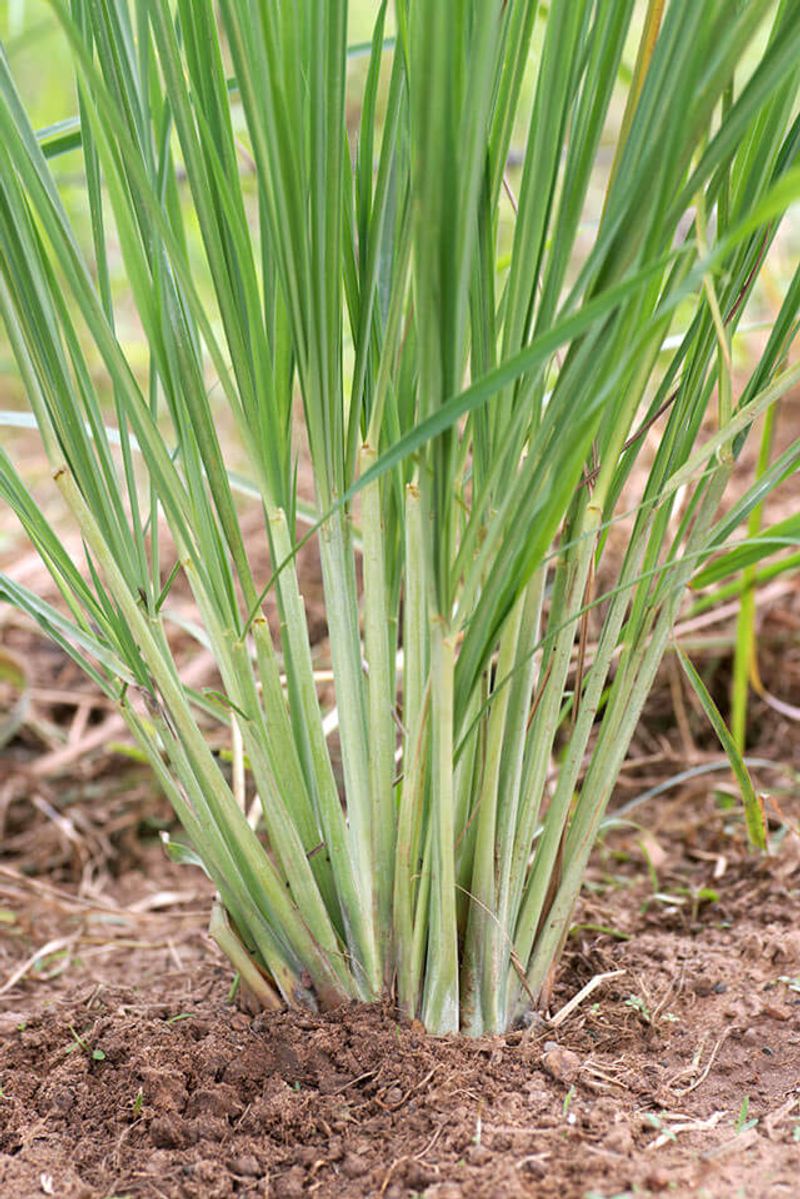
Lemongrass seeds present germination challenges with their specific temperature and moisture requirements. Even under ideal conditions, germination remains sporadic and unpredictable, leading to patchy results.
Commercial lemongrass varieties maintain their essential oil composition and growth habits only through division. These characteristics determine their culinary and medicinal value, making consistent propagation methods essential.
Starting with a single purchased lemongrass plant provides immediate harvesting opportunities. This single plant can be divided repeatedly as it grows, creating dozens of new plants with identical characteristics—a much more efficient approach than the uncertainty of seed starting.
26. Tarragon: The French Connection
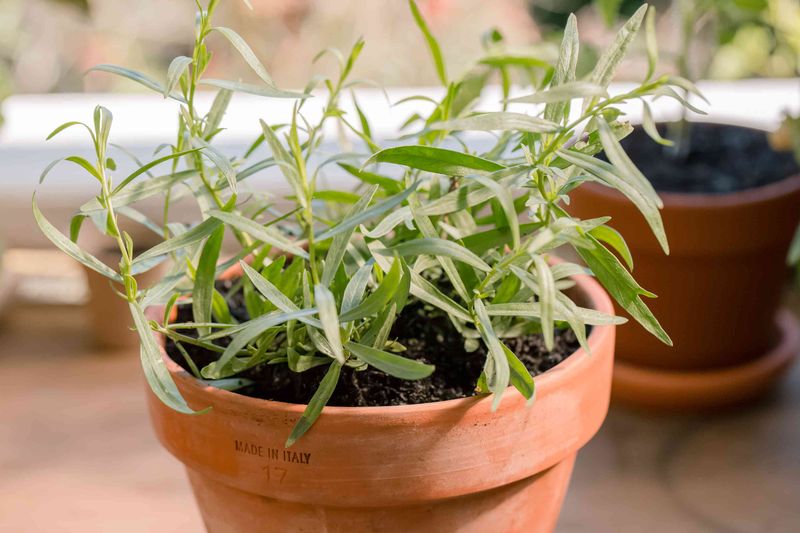
French tarragon, the culinary star with distinctive anise flavor, never produces viable seeds. Any tarragon seeds sold commercially are actually Russian tarragon, a different species with inferior flavor that disappoints gourmet cooks.
True French tarragon maintains its essential oil composition and culinary value only through vegetative propagation. This genetic stability ensures consistent flavor profiles crucial for cooking.
Starting with a single purchased French tarragon plant provides immediate harvesting opportunities. This plant can be divided or propagated through cuttings as it grows, creating new plants with identical flavor characteristics—the only way to obtain genuine French tarragon for your culinary adventures.