 Complete Gardening
Exploring the world of indoor gardening reveals an enchanting variety of plants that can thrive in spaces with minimal light, such as basements. These resilient species not only survive but often flourish, bringing life and beauty to areas that others might overlook. With a mix of low-light tolerance and unique characteristics, these plants have become beloved staples for indoor gardeners everywhere.
1. Snake Plant (Sansevieria)
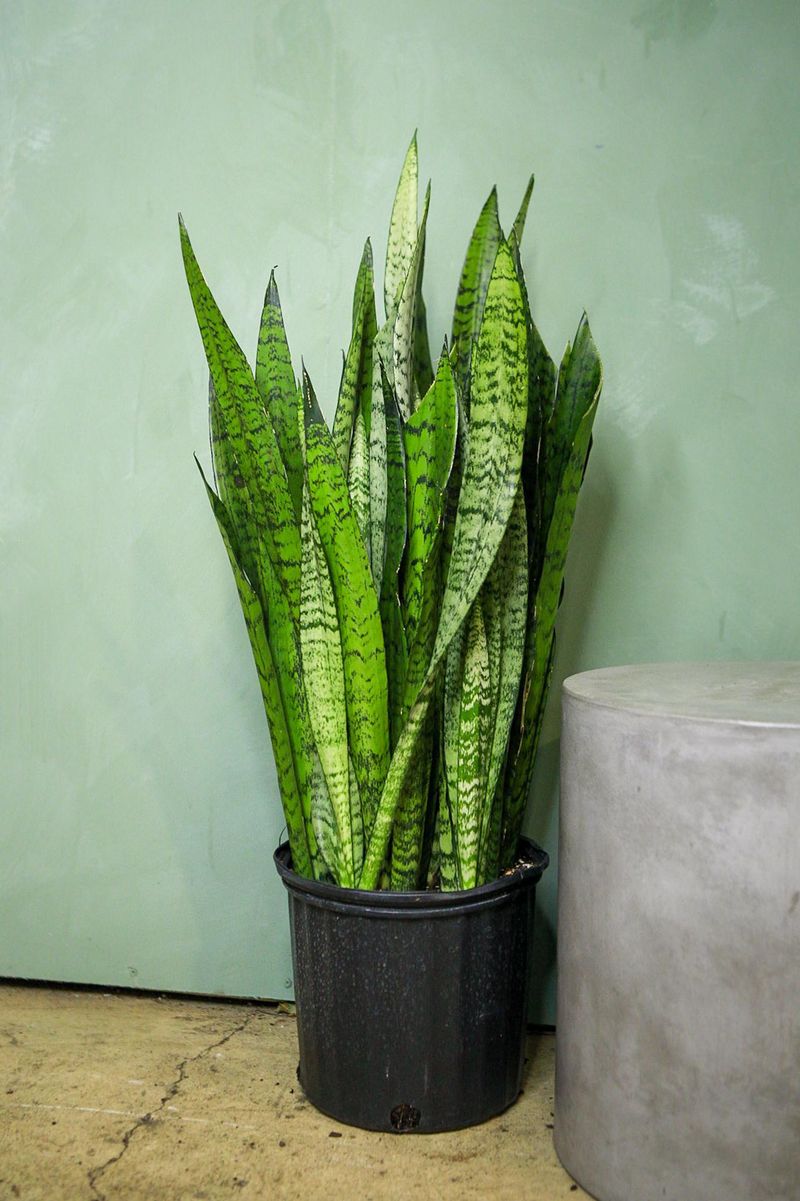
The Snake Plant, also known as Sansevieria, is famed for its resilience. Often dubbed nearly indestructible, this plant can survive with little care. Its striking vertical leaves make a bold statement in any room.
Fluorescent lighting is sufficient to meet its needs, making it a perfect choice for basements. Known for purifying air, it offers both aesthetic and health benefits.
With its ability to thrive in harsh conditions, the Snake Plant stands as a stalwart guardian in the plant world, adding a touch of elegance and freshness to indoor spaces.
2. ZZ Plant (Zamioculcas zamiifolia)
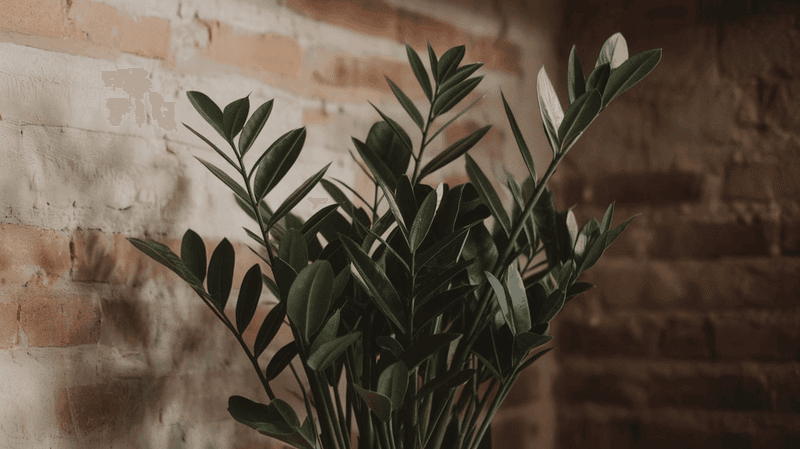
The ZZ Plant is a marvel of nature, effortlessly surviving in near-darkness. Its glossy leaves shimmer even in low light, creating an oasis of tranquility. Known for its minimal care needs, this plant is perfect for those who might forget occasional watering.
The ZZ Plant embodies vitality and resilience, enduring neglect with grace. It’s a favorite among busy plant enthusiasts, thriving quietly in shadowy corners.
With its elegant foliage and robust nature, the ZZ Plant adds a sophisticated touch to any basement setting, proving that beauty can indeed thrive in the dark.
3. Pothos (Epipremnum aureum)
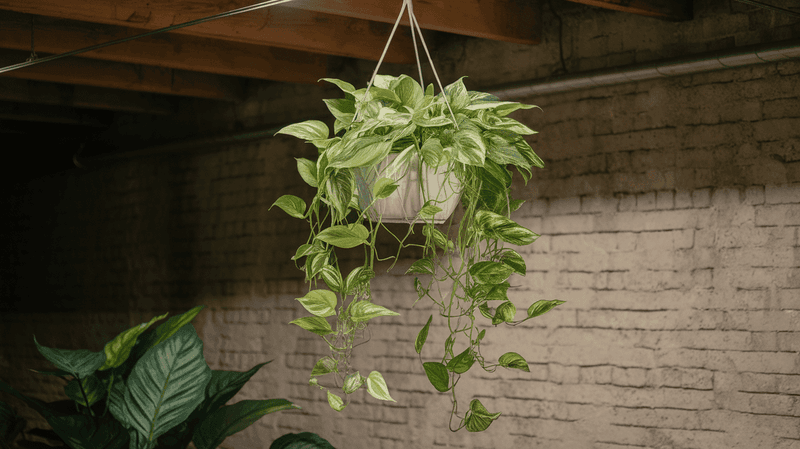
Pothos is a popular choice for indoor gardening, renowned for its trailing vines. This plant adapts well to a variety of lighting conditions, including LED or fluorescent lights, making it ideal for basements.
Its heart-shaped leaves provide a lush, green cascade that can brighten any room. Known for its air-purifying qualities, Pothos contributes to a healthier living environment.
Easy to care for, it requires minimal attention, allowing its beauty to unfold naturally. Pothos’s graceful allure and adaptability make it a timeless addition to any indoor plant collection.
4. Peace Lily (Spathiphyllum)
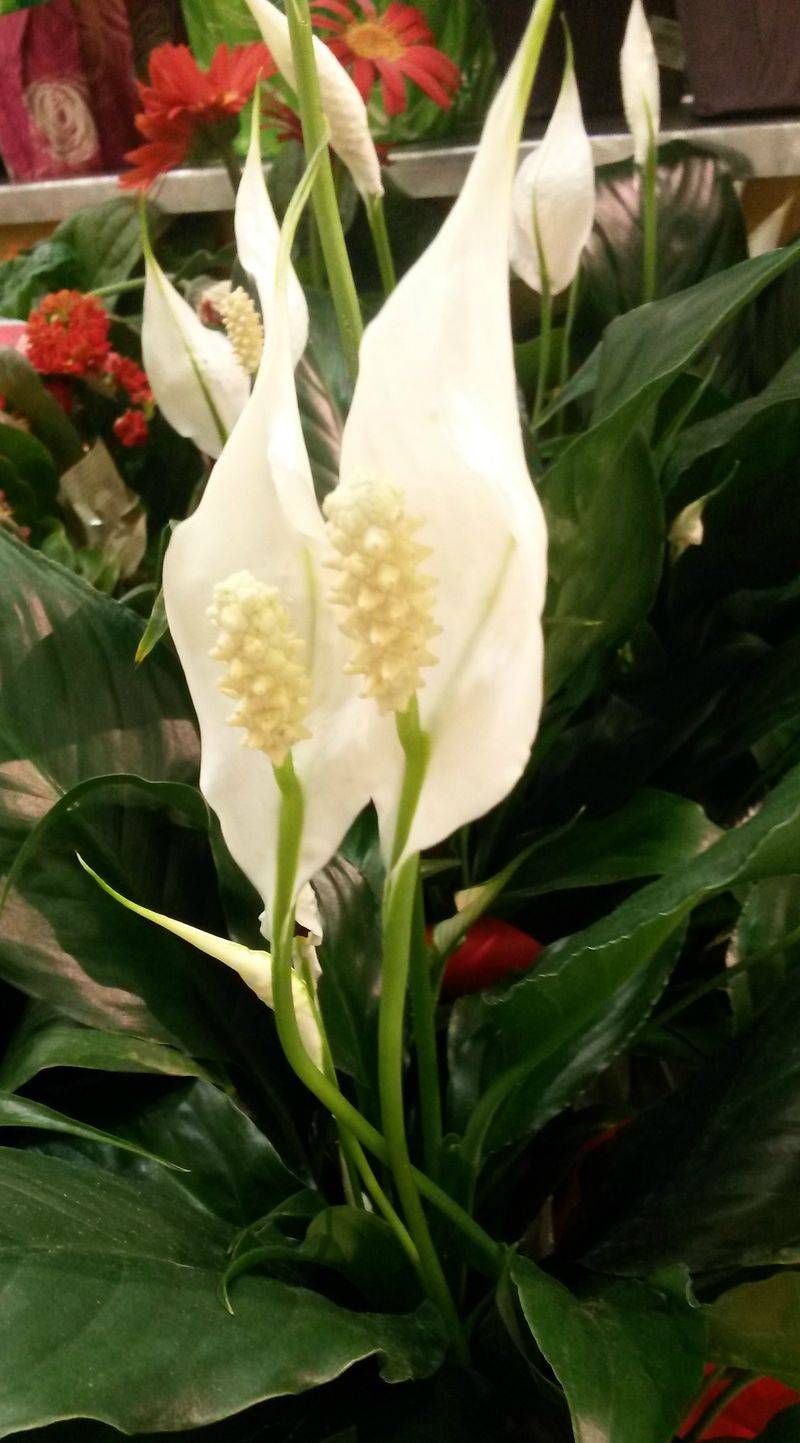
With its elegant white blooms, the Peace Lily exudes serenity. It’s a plant that signals its needs, wilting slightly when water is required, creating an interactive gardening experience.
Thriving in both low light and artificial illumination, this plant brings a breath of fresh air to dim spaces. Its air-purifying properties are a bonus, contributing to a cleaner indoor environment.
The Peace Lily’s gentle presence and communicative nature make it an engaging companion for any basement, transforming shadowy corners into peaceful retreats.
5. Cast Iron Plant (Aspidistra elatior)
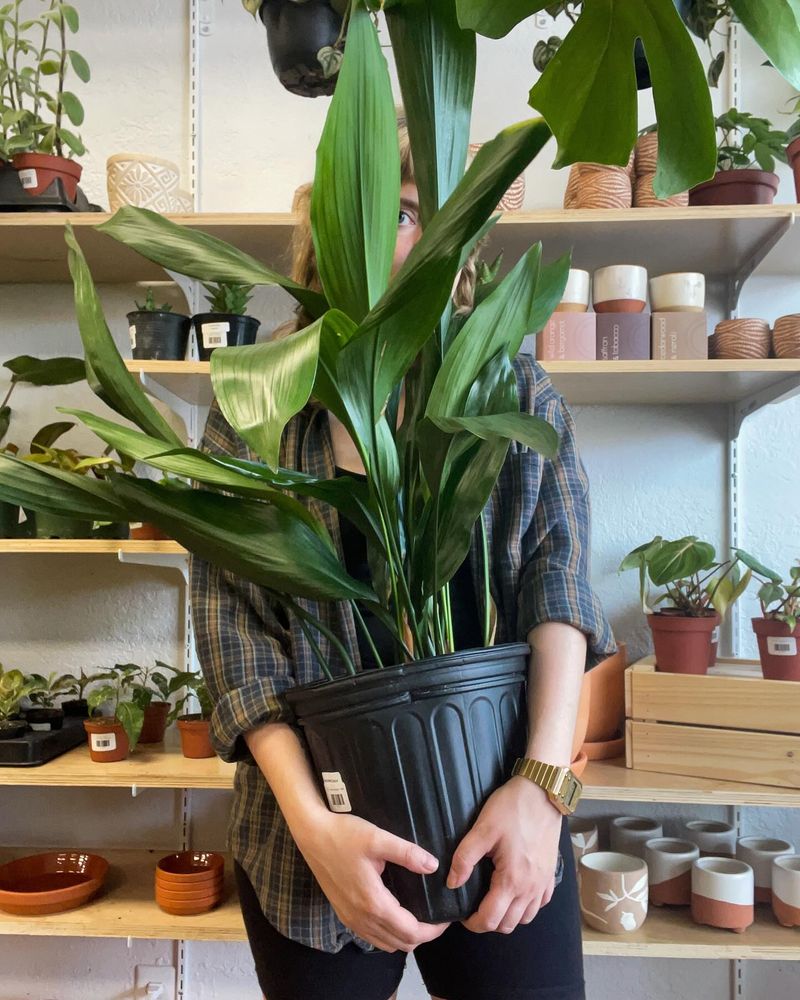
True to its name, the Cast Iron Plant is as tough as they come. This rugged plant can withstand neglect, thriving in dark corners that many plants shun.
Its broad, dark green leaves add depth and texture to indoor settings. Known for its longevity, it’s a plant that quietly endures with minimal care.
Ideal for basement environments, the Cast Iron Plant’s unwavering nature and low-maintenance needs make it a steadfast choice for those seeking greenery in challenging spaces.
6. Boston Fern (Nephrolepis exaltata)
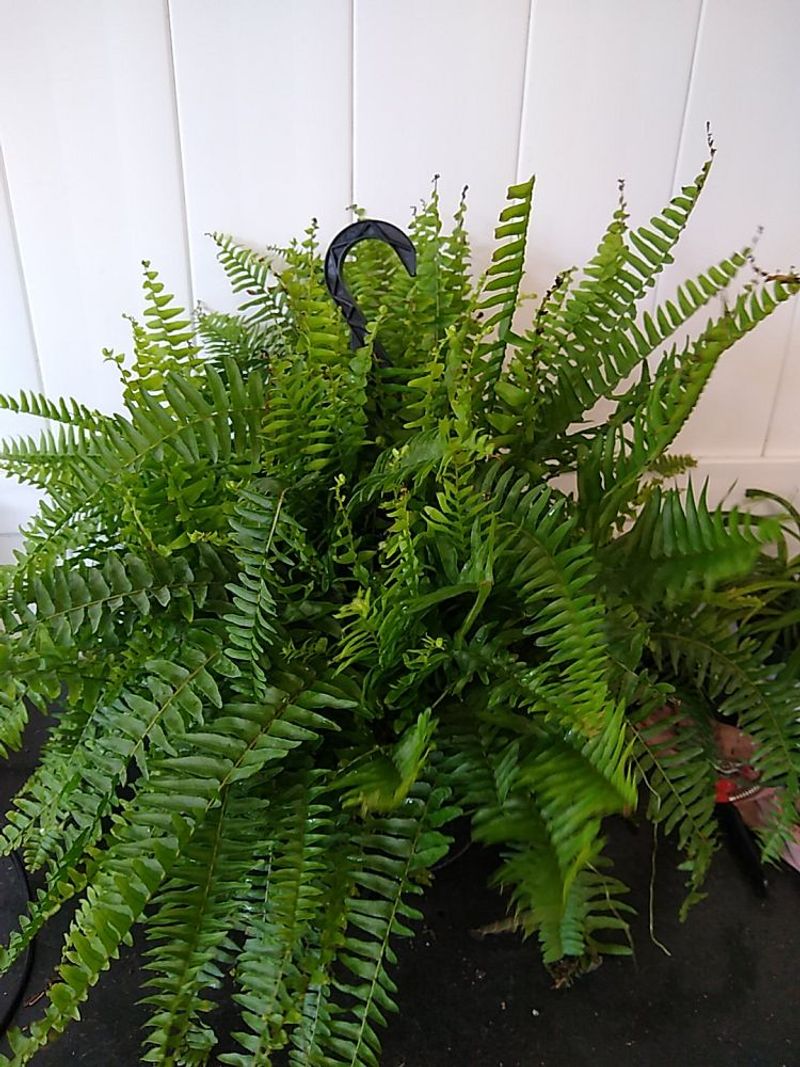
The Boston Fern loves humidity and is well-suited for basement life. Its lush fronds create an atmosphere reminiscent of a woodland retreat.
Under grow lights, this fern thrives, providing a green haven even in dim spaces. It requires regular misting to maintain its vigor and vibrancy.
With its cascading foliage, the Boston Fern transforms ordinary rooms into verdant sanctuaries, offering a touch of nature’s elegance. Perfect for those who enjoy tending to more demanding plants, it rewards care with stunning growth.
7. Maidenhair Fern (Adiantum)
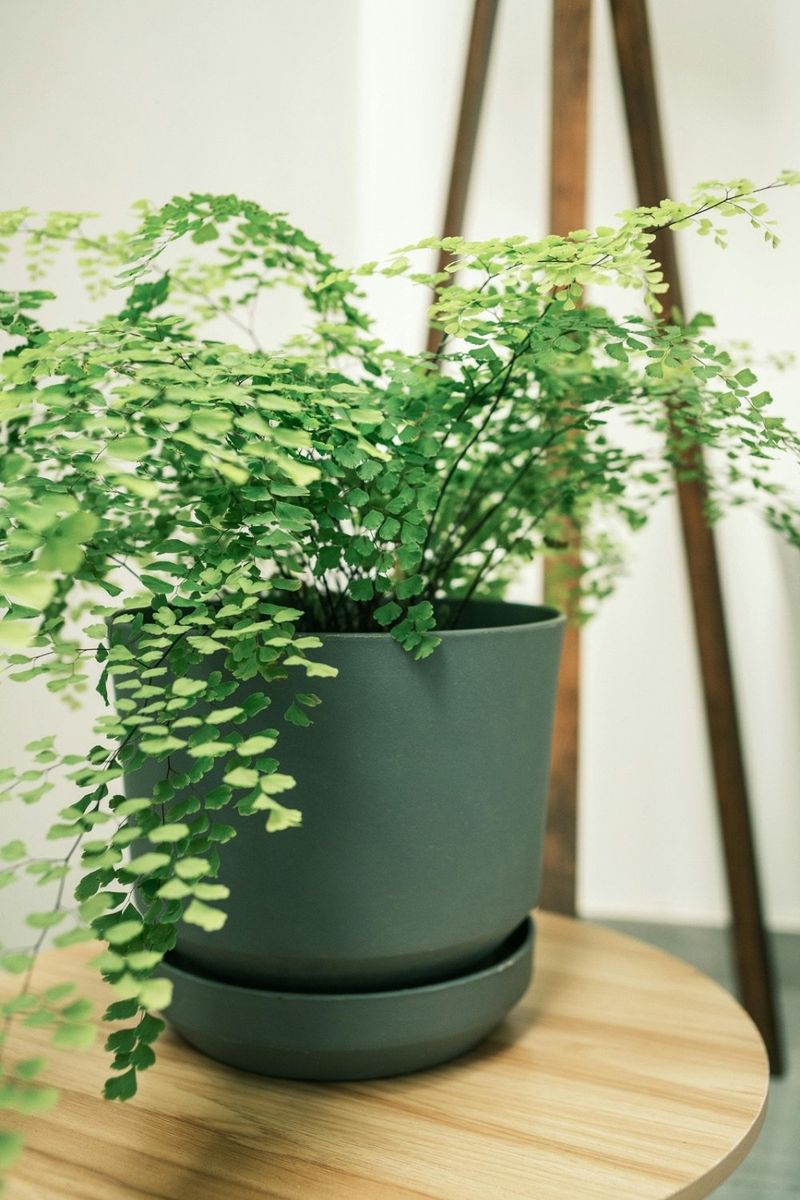
The Maidenhair Fern captivates with its delicate beauty. Its lacy leaves evoke a sense of lightness, making it a charming addition to any room.
Thriving in moist, low-light environments, it is ideally suited for basement gardens. This fern requires attention to humidity and consistent watering to maintain its elegance.
Despite its delicate appearance, the Maidenhair Fern is a robust plant that offers a touch of whimsical charm to indoor spaces. Its ethereal presence can soften the harshest of settings, adding a natural grace to the environment.
8. Bird’s Nest Fern (Asplenium nidus)
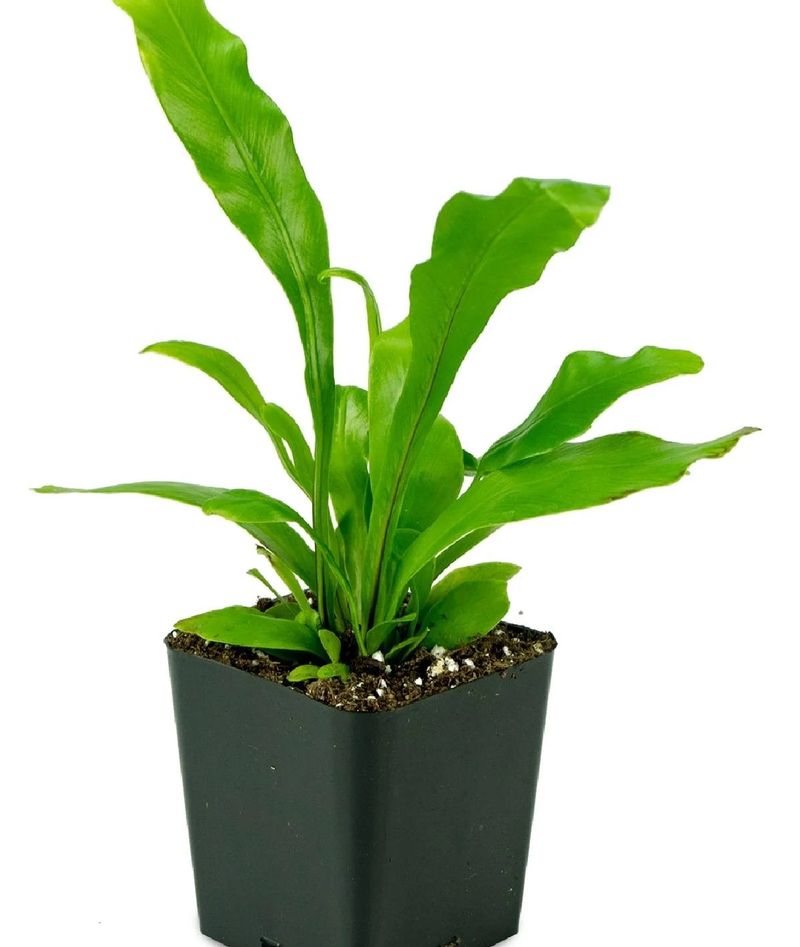
The Bird’s Nest Fern is a plant of understated elegance. Its broad, glossy leaves form a rosette, resembling a bird’s nest, hence its name.
This fern prefers indirect light and high humidity, qualities often found in basement environments. Its unique shape adds visual interest, making it a standout feature.
Ideal for indoor enthusiasts, the Bird’s Nest Fern requires minimal care aside from regular misting. It transforms mundane corners into lush, green retreats, inviting nature’s tranquility indoors.
9. Chinese Evergreen (Aglaonema)
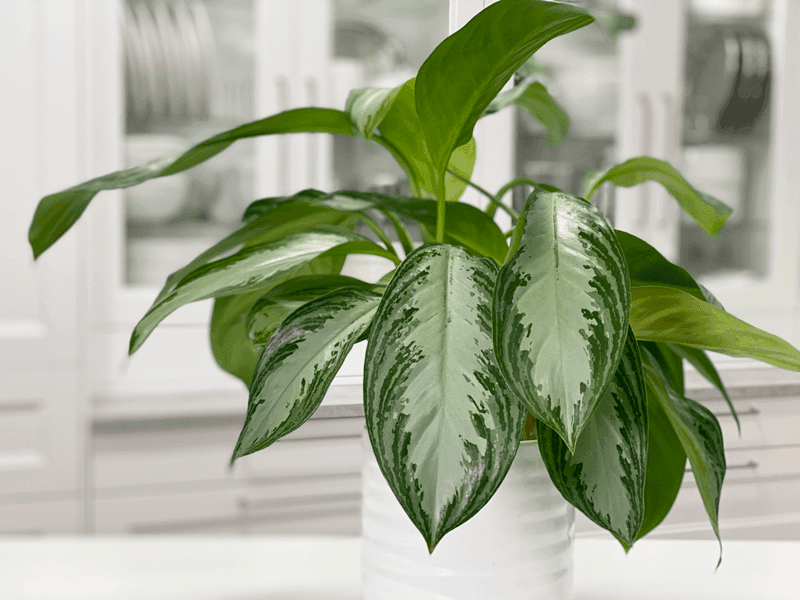
The Chinese Evergreen is renowned for its adaptability to low-light conditions. With its variegated foliage, this plant adds a vibrant touch to dim basements.
Available in a variety of colors, it offers versatility in design and decor. Its robust nature ensures it thrives even in challenging conditions with minimal care.
For those seeking a splash of color in shaded areas, the Chinese Evergreen is a reliable choice, offering both beauty and resilience in equal measure.
10. Dracaena (Dracaena spp.)
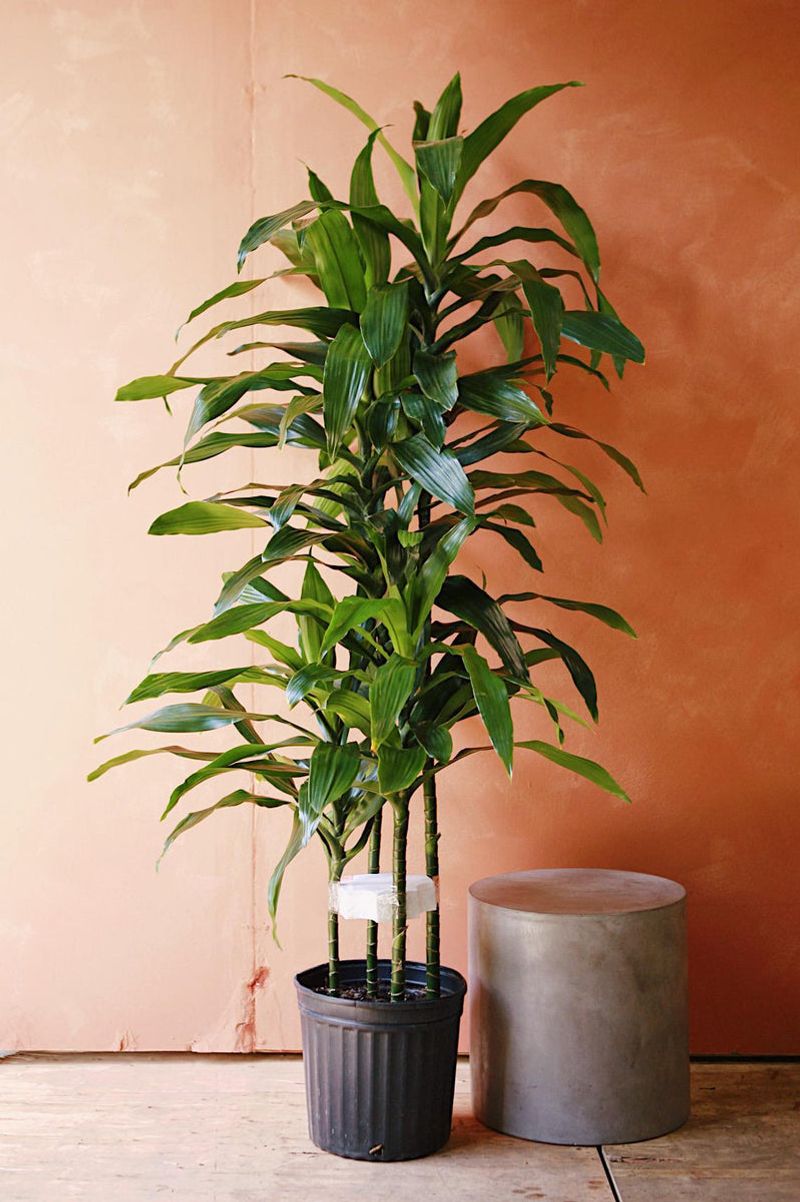
Dracaena, with its many varieties, is a beloved choice for low-light environments. Known for its striking foliage, it can adapt to dim basements without sunlight.
The ‘Janet Craig’ variety, among others, offers an elegant silhouette with long, arching leaves that add a touch of sophistication. Minimal watering and care are needed to maintain its beauty.
Dracaena’s ability to thrive in less-than-ideal conditions makes it a popular choice for those looking to enhance their indoor spaces with artistic flair and natural greenery.
11. Philodendron (Philodendron spp.)
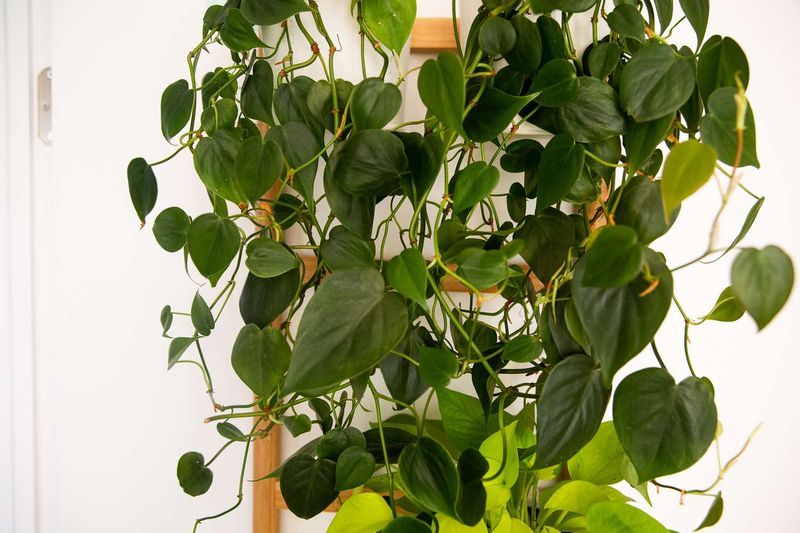
Philodendron, especially the Heartleaf variety, is cherished for its adaptability and lush growth. Its trailing vines add a dynamic element to indoor gardens.
Thriving in low-light conditions, this plant is well-suited for basement settings. Its easy-going nature means it requires little attention, making it a favorite among busy plant lovers.
With its vibrant leaves and graceful demeanor, Philodendron infuses spaces with energy and life, proving that simplicity and beauty can coexist in perfect harmony.
12. Spider Plant (Chlorophytum comosum)
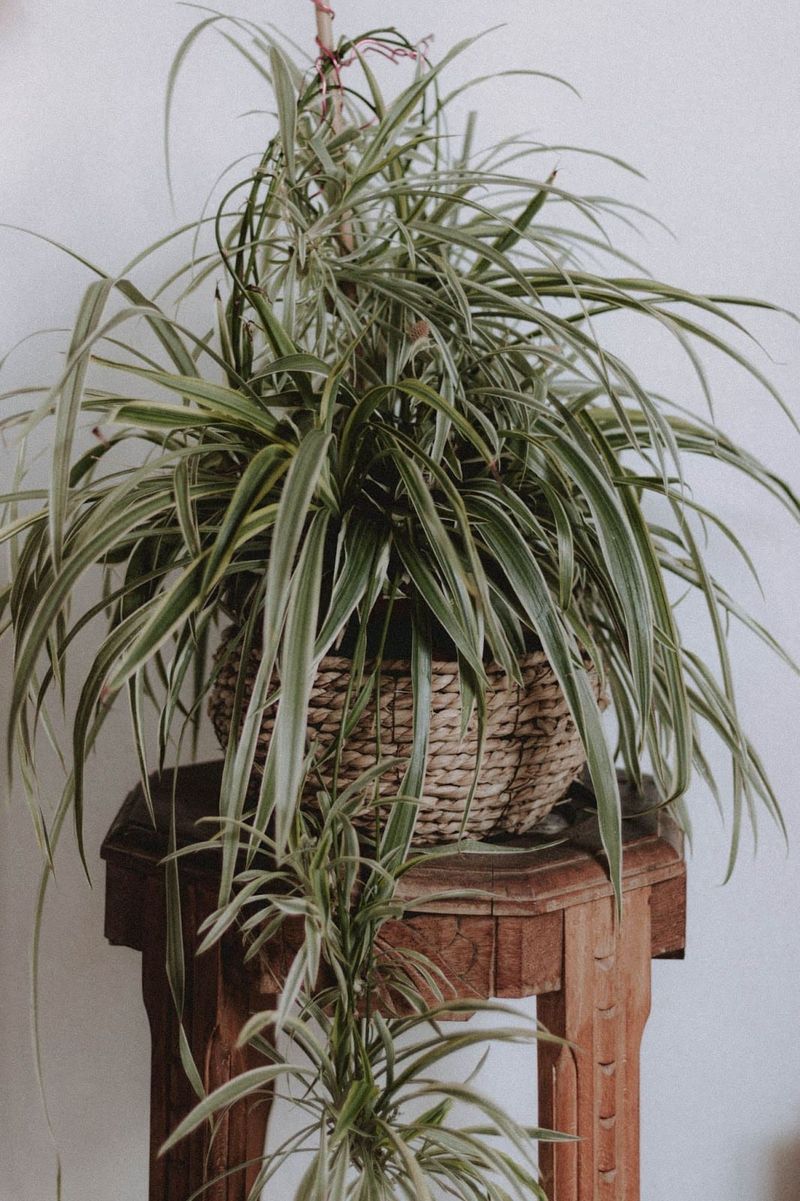
The Spider Plant, known for its distinctive arching leaves and baby ‘spiderettes,’ is a charming addition to any room. It thrives under artificial lighting, making it ideal for basements.
This plant is easy to care for, requiring minimal watering and attention. Its playful appearance adds a lively touch to indoor settings.
Spider Plants are known for their air-purifying abilities, contributing to a healthier indoor environment. With its fun personality and vibrant growth, it’s a delightful companion for plant enthusiasts.
13. Lucky Bamboo (Dracaena sanderiana)
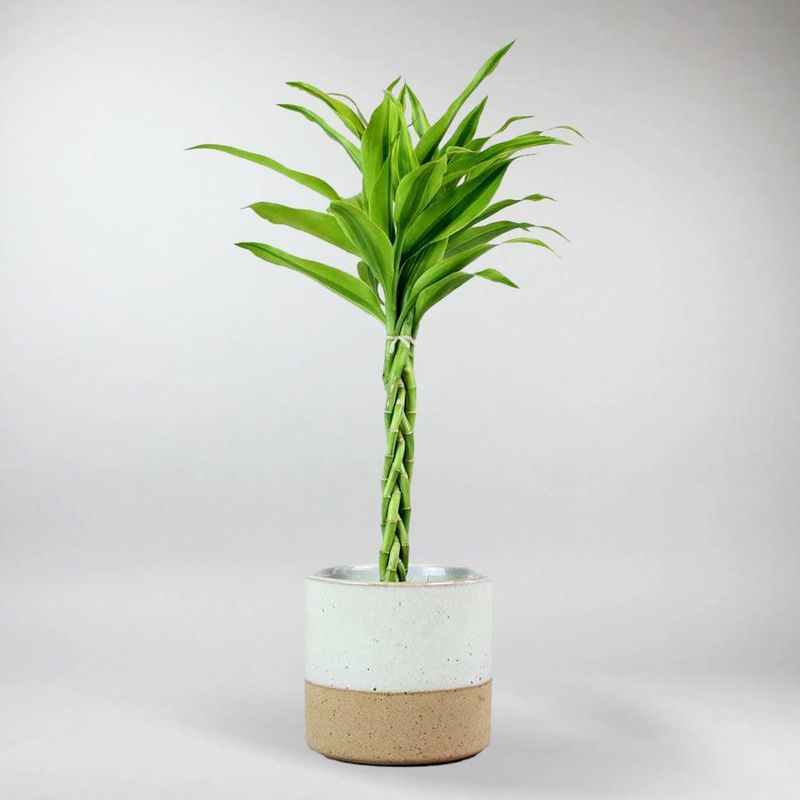
Lucky Bamboo, despite its name, is not a true bamboo but a type of Dracaena. This unique plant grows well in water or soil, needing only artificial light to thrive.
Its elegant, upright stalks create an aura of tranquility and luck, making it a favorite for feng shui enthusiasts. The plant’s low maintenance makes it ideal for busy lifestyles.
Lucky Bamboo’s simple elegance and symbolism of good fortune make it a cherished addition to any basement, bringing a touch of nature’s grace to the space.
14. Parlor Palm (Chamaedorea elegans)
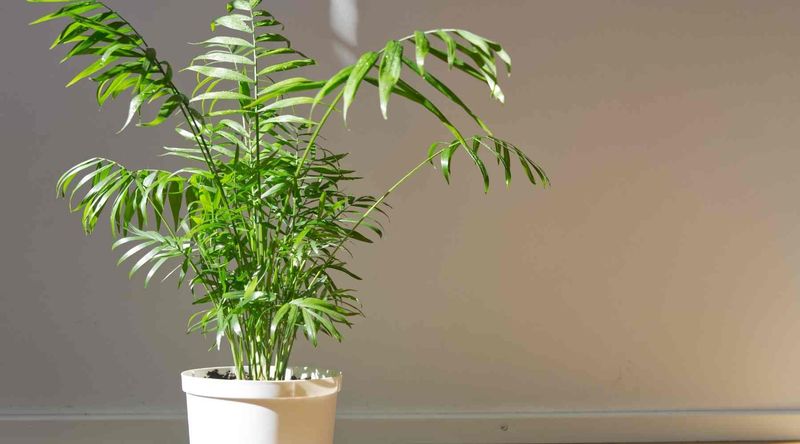
The Parlor Palm, with its gentle, feathery fronds, brings a tropical feel to any indoor space. This small palm thrives in low light, making it perfect for basements.
Its compact size and minimal care requirements make it an excellent choice for plant lovers with limited space. The Parlor Palm adds a touch of elegance and calm to its surroundings.
For those seeking a hint of the tropics, the Parlor Palm delivers beauty and serenity without demanding much attention, enhancing the ambiance of any room.
15. Peperomia (Peperomia spp.)
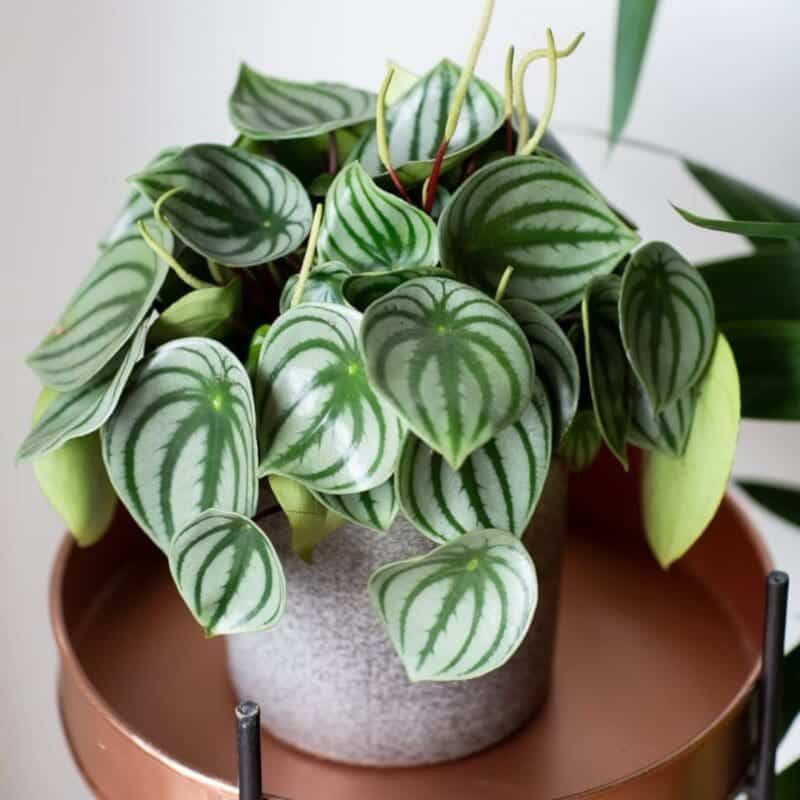
Peperomia plants are compact and diverse, making them a versatile choice for indoor gardens. They flourish under LED grow lights, making basement cultivation a breeze.
With their thick, glossy leaves, Peperomias offer a lush, vibrant presence that enlivens any space. They require minimal watering and are easy to care for.
For those seeking variety, Peperomia provides an array of textures and colors, adding depth and interest to indoor plant collections. Its adaptability and charm make it a popular choice among plant enthusiasts.
16. Mushrooms (Oyster, Shiitake)
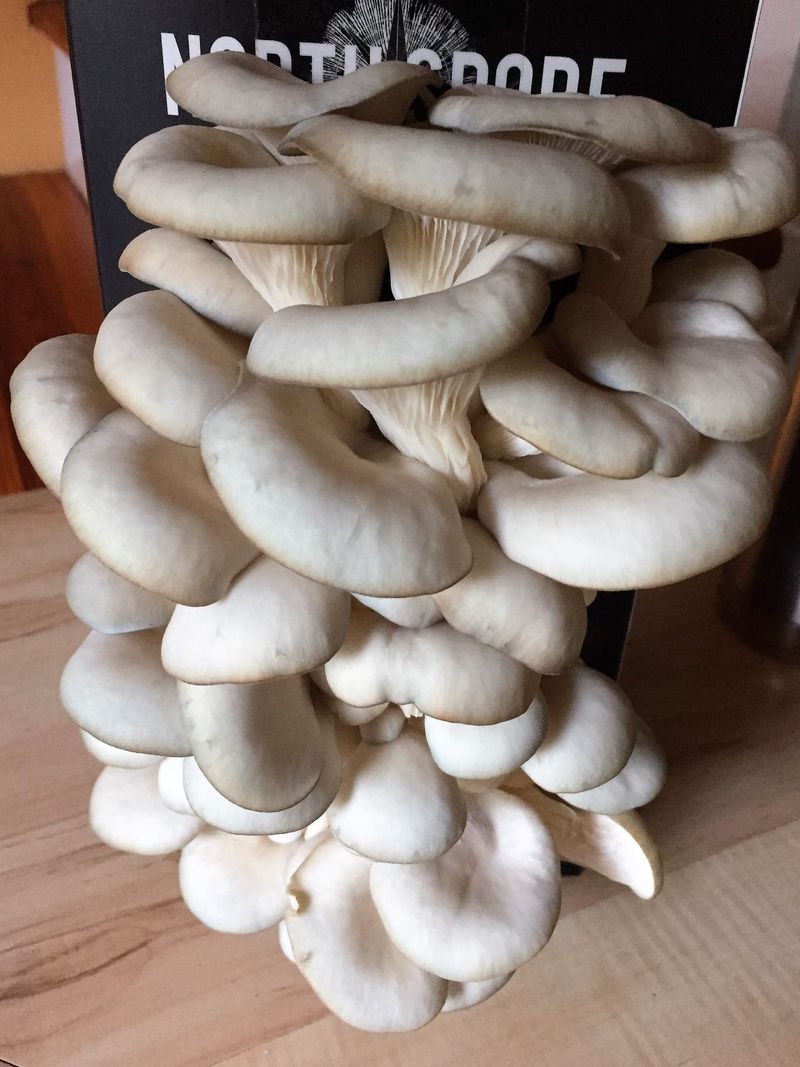
Mushrooms, such as Oyster and Shiitake, are unique additions to indoor gardening. Using grow kits, they can flourish in the dark, humid conditions often found in basements.
These fungi offer more than just visual interest; they’re also edible, making them a practical and delicious choice for home growers. Their cultivation requires some attention to moisture and temperature.
Perfect for culinary enthusiasts, growing mushrooms at home is a rewarding endeavor that combines both gardening and gourmet experiences, enriching the indoor garden with flavor and diversity.
17. Microgreens
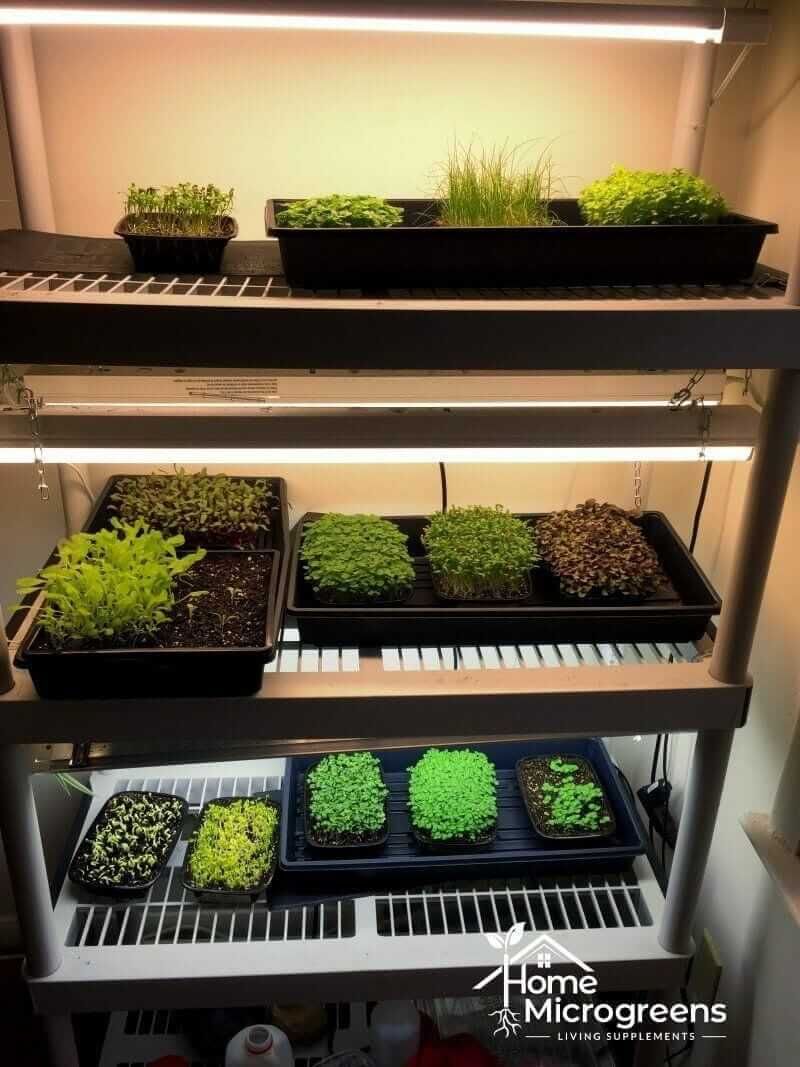
Microgreens are a fast-growing, nutrient-rich addition to any indoor garden. Under LED lights, they can be harvested in as little as 1-2 weeks, making them ideal for quick rewards.
These tiny plants pack a punch in flavor and nutrition, offering a fresh, healthy addition to meals. Their rapid growth and ease of care make them perfect for beginners and seasoned gardeners alike.
For those looking to add a nutritious touch to their gardens, microgreens offer a vibrant and tasty option, transforming simple spaces into green havens of health.
18. Mint (Mentha)
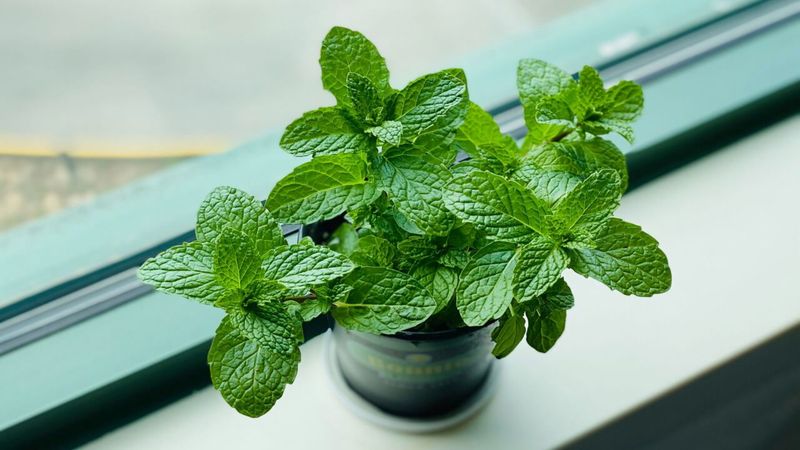
Mint is a fragrant herb that adapts well to indoor cultivation. Under artificial lights, it maintains its lush green foliage, providing a refreshing and aromatic presence.
This herb requires regular watering to stay vibrant and healthy, adding a touch of nature to indoor spaces. Mint is a versatile addition, perfect for culinary use.
For those who love fresh flavors, growing mint indoors offers a constant supply of leaves, enhancing meals and drinks with its invigorating essence.
19. Lemon Balm (Melissa officinalis)
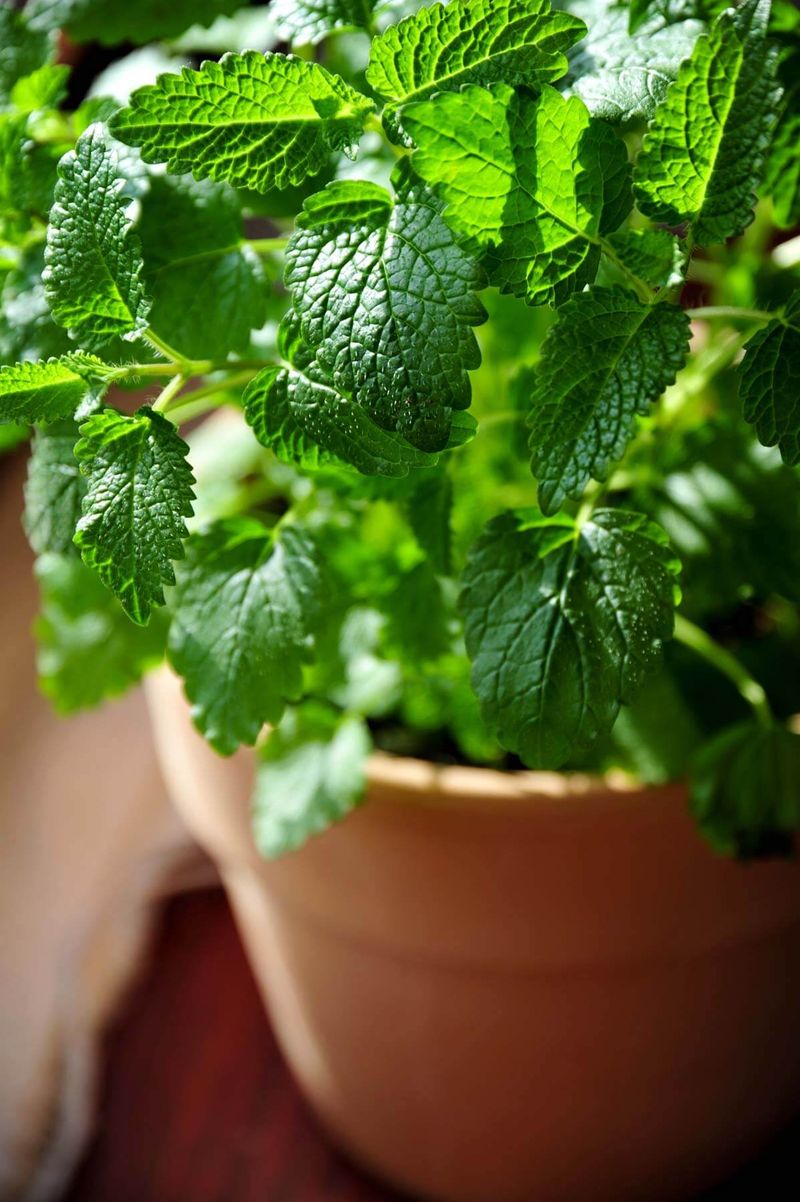
Lemon Balm is an enticing herb known for its refreshing citrus scent. Under grow lights, it thrives in basements, offering a delightful aroma.
This plant requires consistent watering to maintain its vigor. Its lush foliage brings a lively touch to indoor gardens, complementing a variety of dishes and teas.
Lemon Balm’s invigorating fragrance and culinary potential make it a cherished addition for home chefs and plant enthusiasts, enriching indoor spaces with its vibrant energy and refreshing presence.
20. Haworthia (Haworthia spp.)
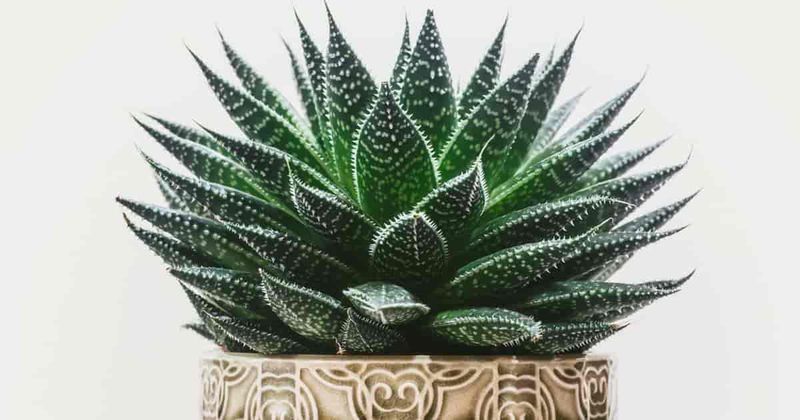
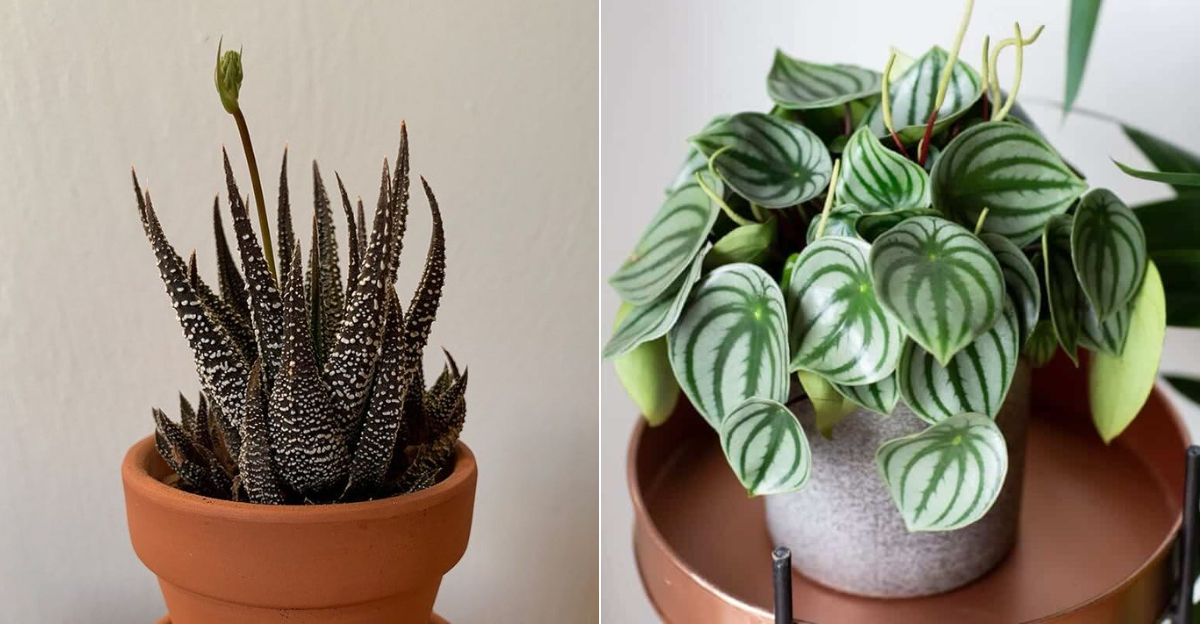
Haworthia, a small succulent, is favored for its ability to handle shade. Its distinctive rosette shape and textured leaves make it a personable plant, adding charm to any space.
These succulents require occasional light and minimal care, making them ideal for indoor gardeners seeking low-maintenance greenery. They thrive quietly in the background, offering subtle beauty.
For those interested in succulents, Haworthia’s resilient nature and unique appearance make it a delightful, understated choice, enhancing indoor gardens with its quiet elegance.
21. Zebra Plant (Haworthiopsis attenuata)
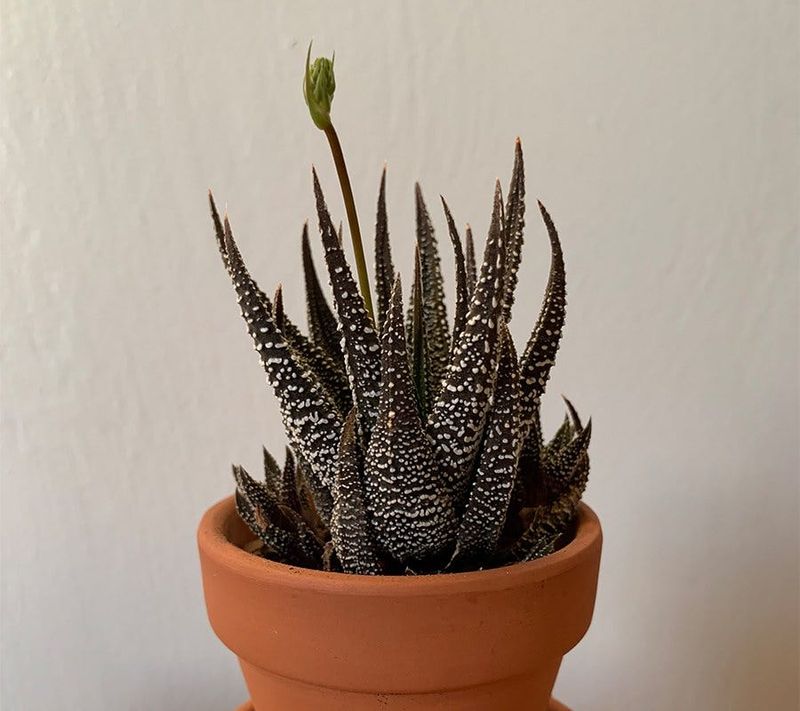
The Zebra Plant, with its striking white-striped leaves, stands out in the succulent world. Known for handling low light better than most, it thrives even in dim basements.
This plant requires minimal care, making it a favorite for those seeking easy-to-care-for options. Its unique appearance adds visual interest to indoor gardens.
Zebra Plant’s bold pattern and resilience make it a captivating addition, proving that even in low light, beauty can flourish in unexpected places.
22. African Violet (Saintpaulia)
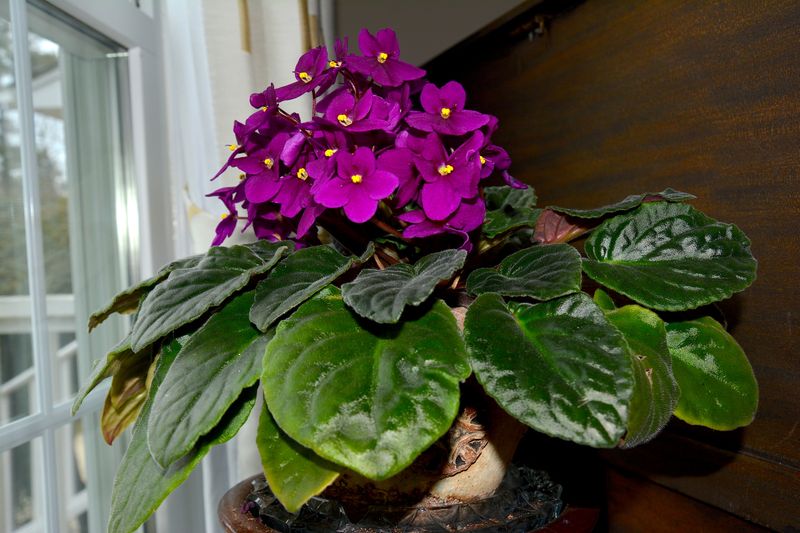
African Violets bring a splash of color to indoor gardens with their vibrant blooms. Thriving under fluorescent or LED lights, they flourish in basement settings.
These flowering plants require consistent care, including regular watering and light maintenance, to keep their blossoms vibrant and healthy.
For those who appreciate a floral touch, African Violets offer a stunning visual display, transforming indoor spaces into vibrant, colorful retreats.
23. Orchids (Phalaenopsis)
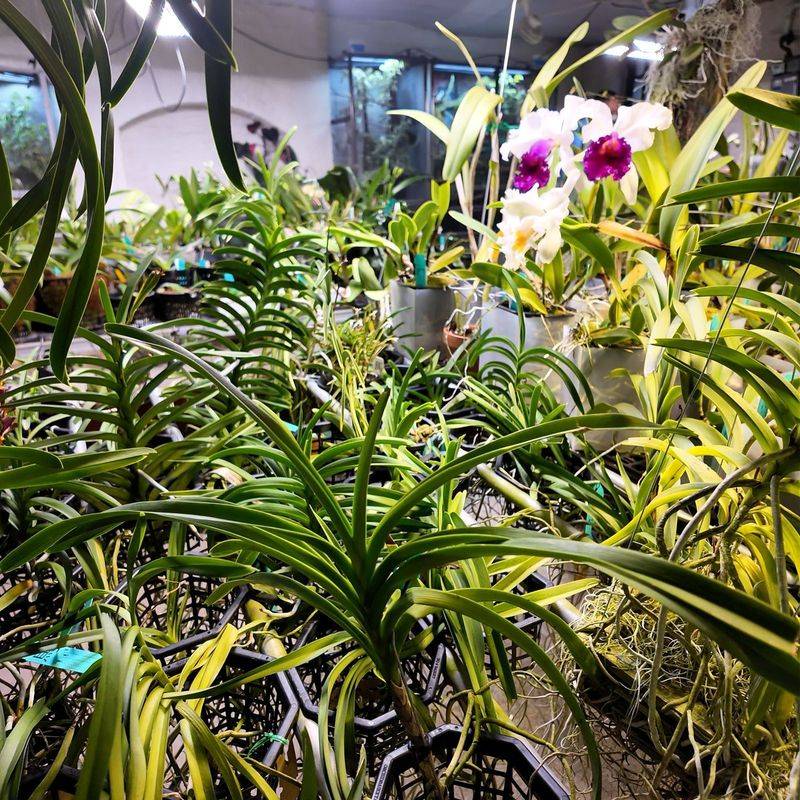
Orchids, especially the Phalaenopsis variety, are adored for their elegance. Under grow lights and with proper humidity, they can thrive even in basements.
These plants require attention to their environment, including regular misting and light adjustments, to maintain their stunning blooms.
Orchids’ exotic beauty and graceful presence make them a sophisticated choice for indoor gardeners seeking to add a touch of luxury and refinement to their spaces.
24. Rubber Plant (Ficus elastica)
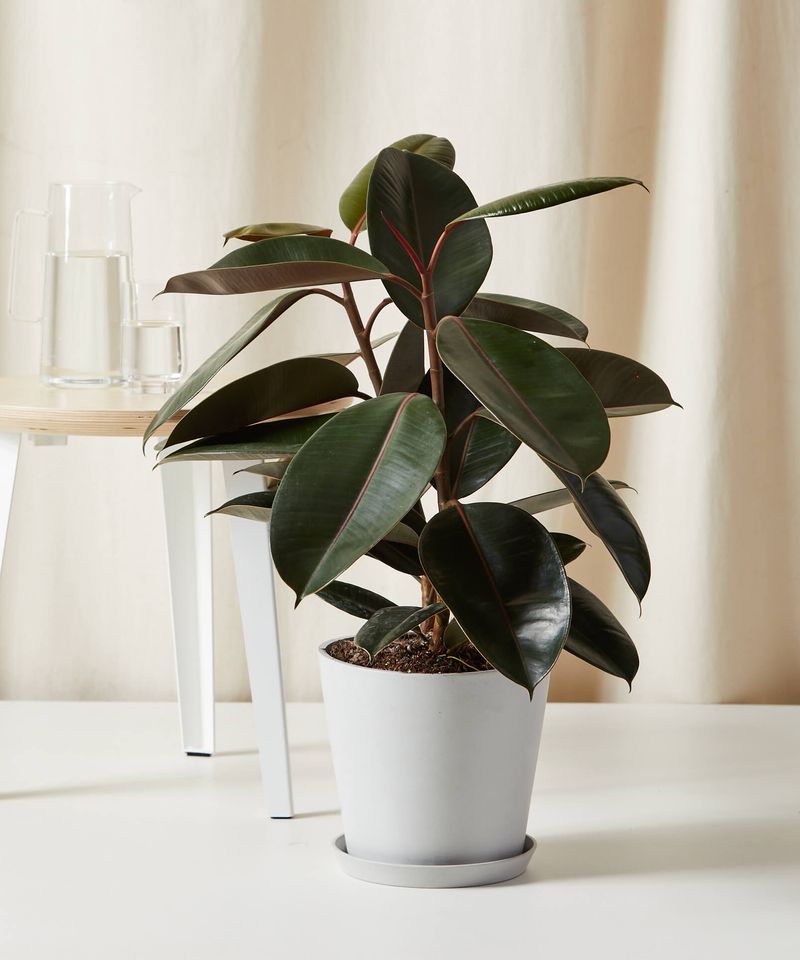
The Rubber Plant, with its striking foliage, is a bold choice for indoor decoration. It grows well with minimal light, requiring only occasional artificial illumination to thrive.
This plant’s large, glossy leaves add a dramatic flair to any room, creating an impressive visual statement.
Rubber Plant’s resilience and robust growth make it a popular choice for those looking to add a touch of greenery to their indoor environments without extensive care requirements.
25. Monstera (Monstera deliciosa)
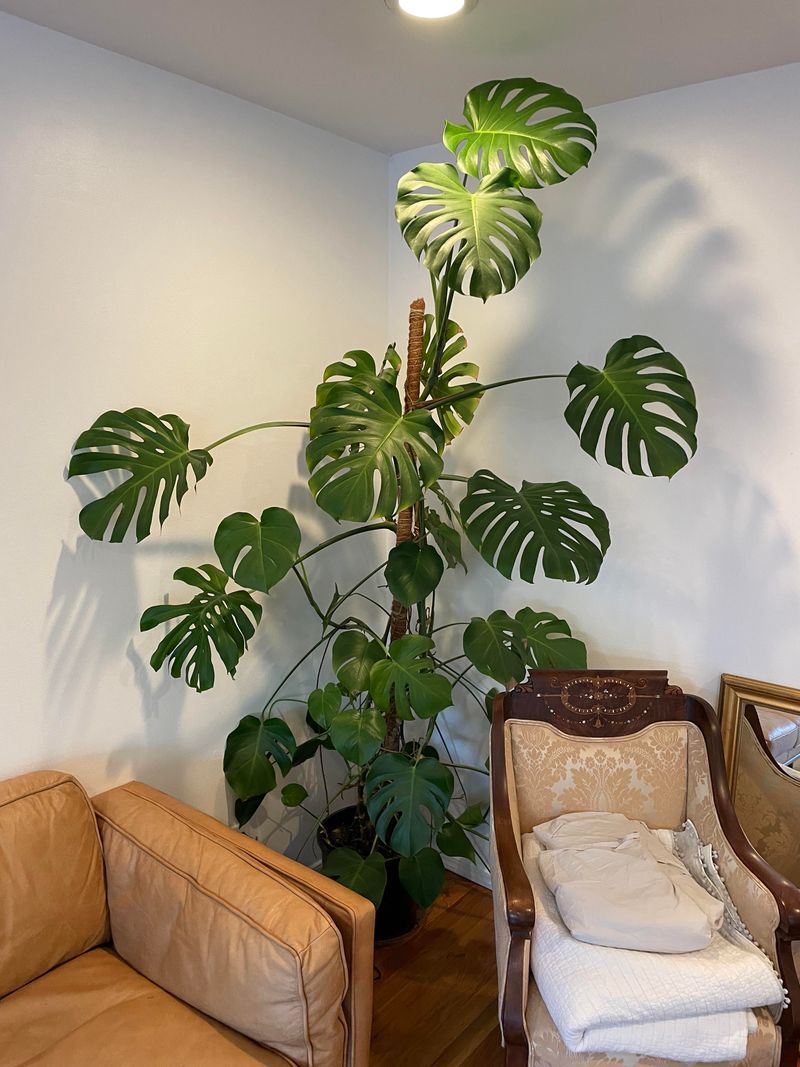
Monstera, known for its distinctive split leaves, is a tropical plant that adapts well to indoor life. Although it prefers some LED light supplementation, it can manage in low light.
Its large, fenestrated foliage adds a lush, exotic touch to any space, evoking a sense of adventure.
For those who appreciate bold, statement plants, Monstera offers both aesthetic appeal and adaptability, enhancing indoor gardens with its vibrant presence and unique charm.