 Complete Gardening
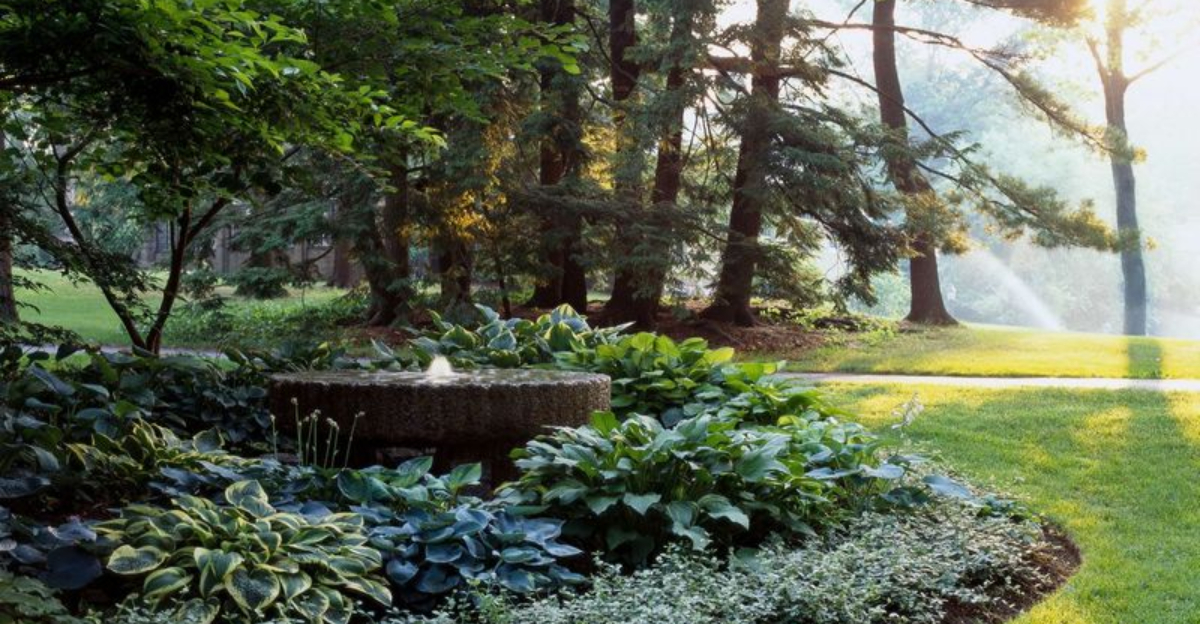
Explore the captivating world of shade-loving plants that flourish without direct sunlight. These botanical wonders bring life to the dimmest corners of your garden or home, proving that even in shadows, nature’s beauty can thrive. Whether you’re looking to enhance your landscape or add greenery indoors, these 25 plants offer a diverse array of colors, textures, and forms that brighten any space. From vibrant foliage to delicate blooms, these plants adapt effortlessly to low-light environments, making them ideal for anyone seeking to cultivate a lush, verdant oasis without the need for sun-soaked spots.
1. Hosta
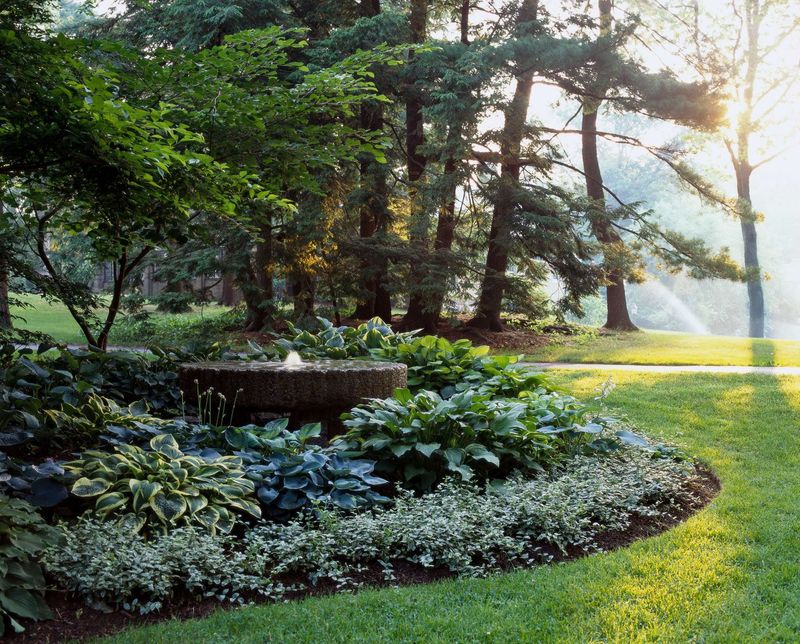
Hostas, often dubbed the monarchs of the shade, boast luxuriant foliage that adorns gardens with elegance. Their broad, heart-shaped leaves, available in various shades of green, blue, and even gold, provide a lush backdrop in low-light areas.
These plants thrive in shady spots, forming dense, attractive clumps. Hostas are also known for their resilience and adaptability, making them a favorite among gardeners. Their charming blossoms, though not the main attraction, add a splash of color in summer.
Hostas symbolize friendship and devotion in the language of flowers, enhancing their appeal in any garden setting.
2. Ferns
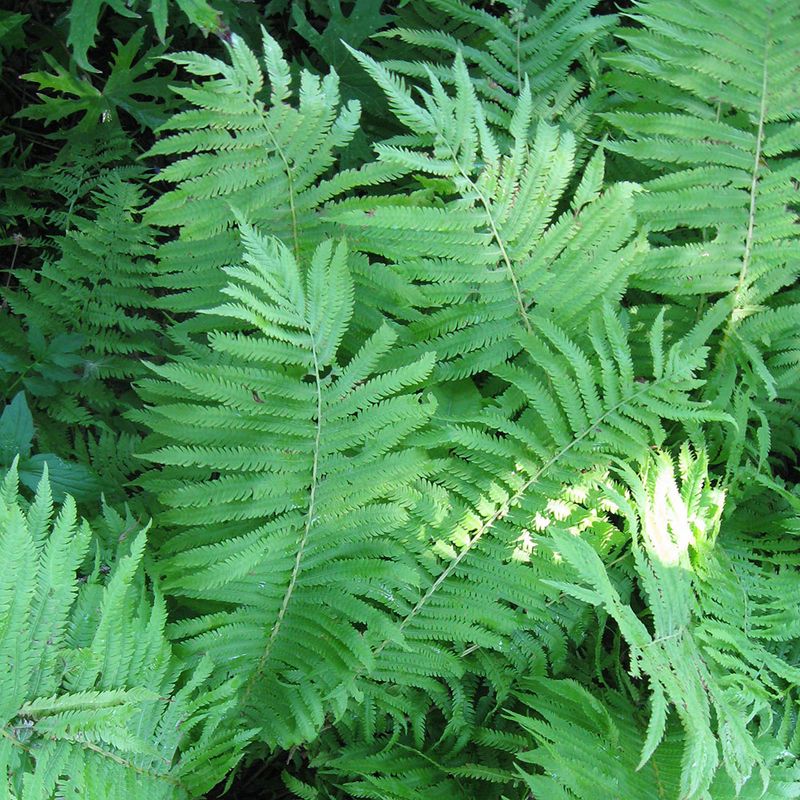
Ferns, with their intricate fronds and delicate appearance, often evoke images of ancient forests. These plants, ranging from dainty maidenhair ferns to robust Boston ferns, thrive in low-light conditions.
Their ability to adapt to shaded environments makes them ideal for indoor and outdoor spaces. Ferns add a touch of the wild, creating a serene woodland atmosphere. With a history dating back over 300 million years, they are truly living fossils.
Aside from their beauty, ferns play a crucial ecological role, providing habitat and food for various wildlife species.
3. Heuchera
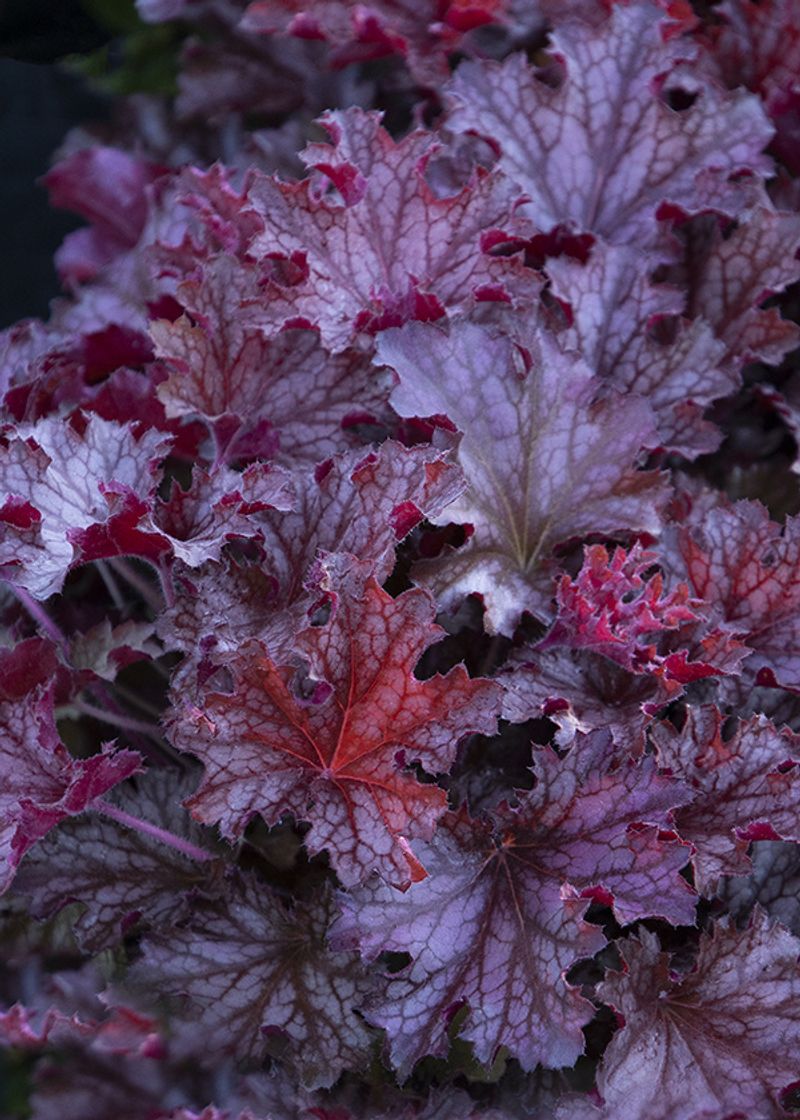
Heuchera, commonly known as coral bells, are renowned for their vivid foliage, which adds a splash of color to shaded gardens. Their ruffled leaves come in an array of striking hues, from deep burgundy to bright lime green.
These perennial plants are not only visually appealing but also hardy and adaptable. Heuchera thrives in shaded areas, adding texture and interest to garden borders and containers.
In addition to their foliage, they produce delicate flower spikes that attract hummingbirds and pollinators, enhancing the biodiversity of your garden.
4. Astilbe
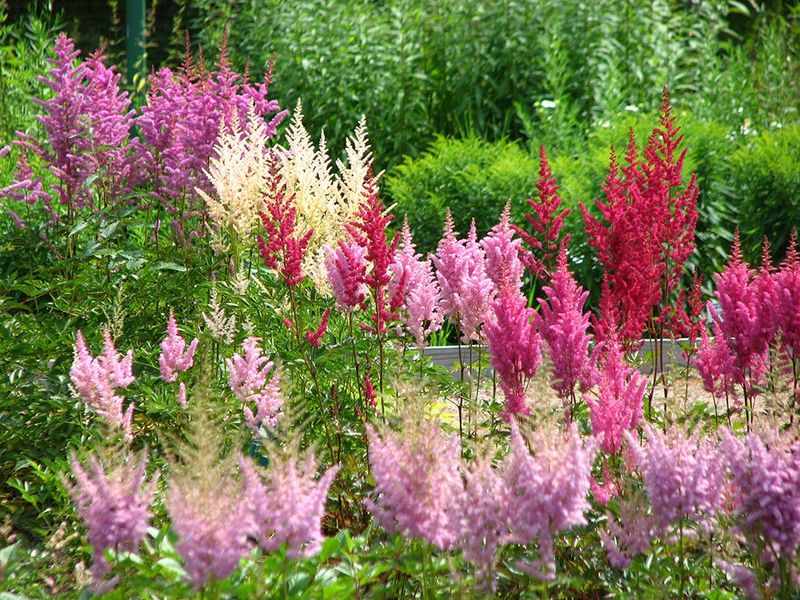
Astilbe plants are celebrated for their feathery, plume-like flowers that rise above lush, fern-like foliage. Their blooms, available in shades of pink, white, and red, create an ethereal display in shaded garden areas.
These perennials are perfect for adding vertical interest and a touch of romance to landscapes. Astilbe thrives in moist, shaded spots, making them ideal companions for ferns and hostas.
Beyond their beauty, they require minimal maintenance, making them a favorite among gardeners seeking elegance without effort. Their blooms attract butterflies, adding liveliness to any garden.
5. Liriope
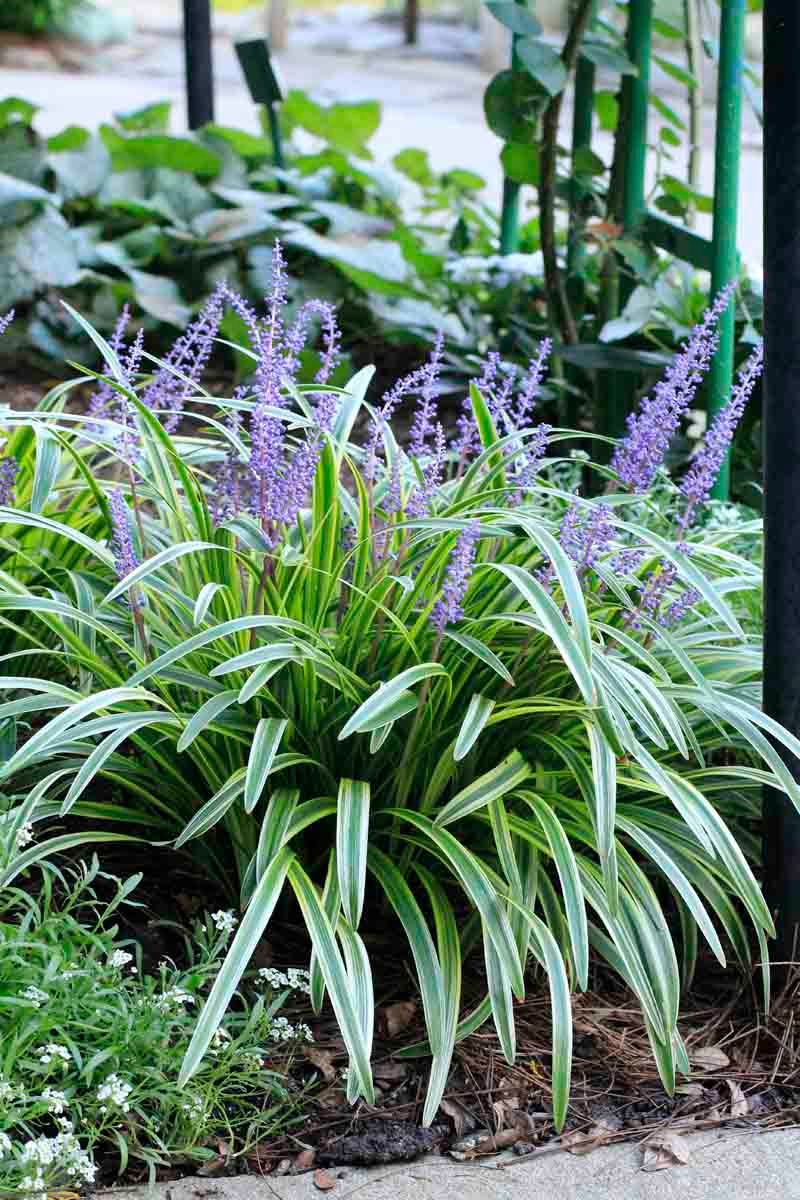
Liriope, often referred to as lilyturf, adds a graceful touch to shaded landscapes with its grass-like foliage and delicate flower spikes. Its leaves, resembling ornamental grass, create a calming, flowing effect.
This versatile plant thrives in shaded areas, providing year-round interest with its evergreen nature. In late summer, Liriope produces spikes of purple or white flowers, adding a pop of color.
Liriope is not only visually appealing but also low-maintenance and drought-tolerant once established, making it an excellent choice for busy gardeners seeking beauty with minimal effort.
6. Bleeding Heart
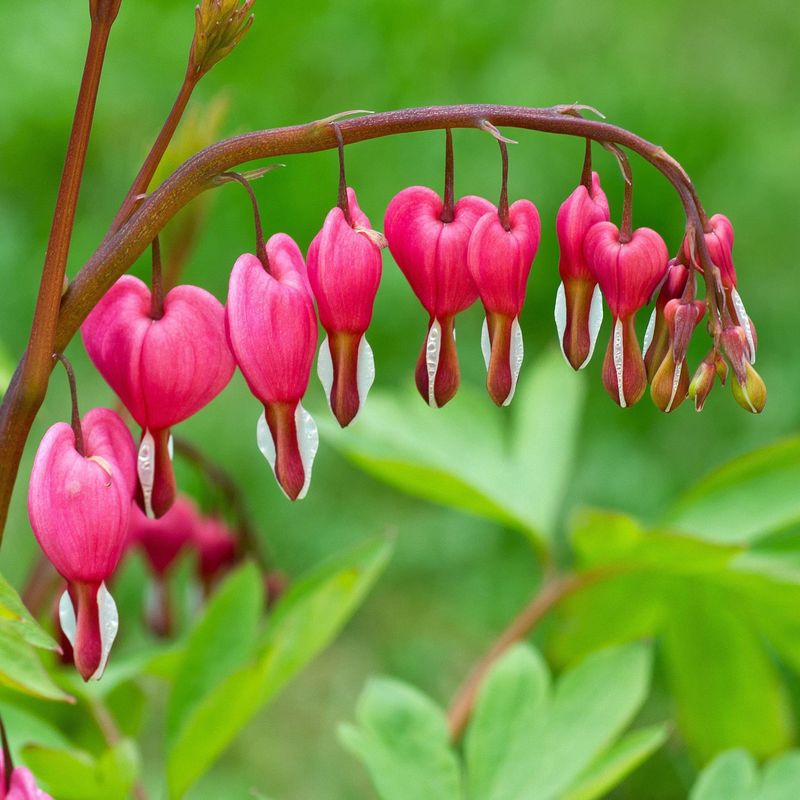
Bleeding Heart plants captivate with their unique, heart-shaped flowers that dangle gracefully from arching stems. These charming pink and white blossoms create a romantic atmosphere in shaded woodland gardens.
Their delicate appearance belies a resilient nature, making them a beloved choice for gardeners seeking charm in low-light areas. Bleeding Hearts thrive in cool, moist, shaded environments, offering elegance and grace.
Beyond their beauty, these plants have a rich history in folklore, often symbolizing love and compassion, enhancing their allure in any garden setting.
7. Tiarella
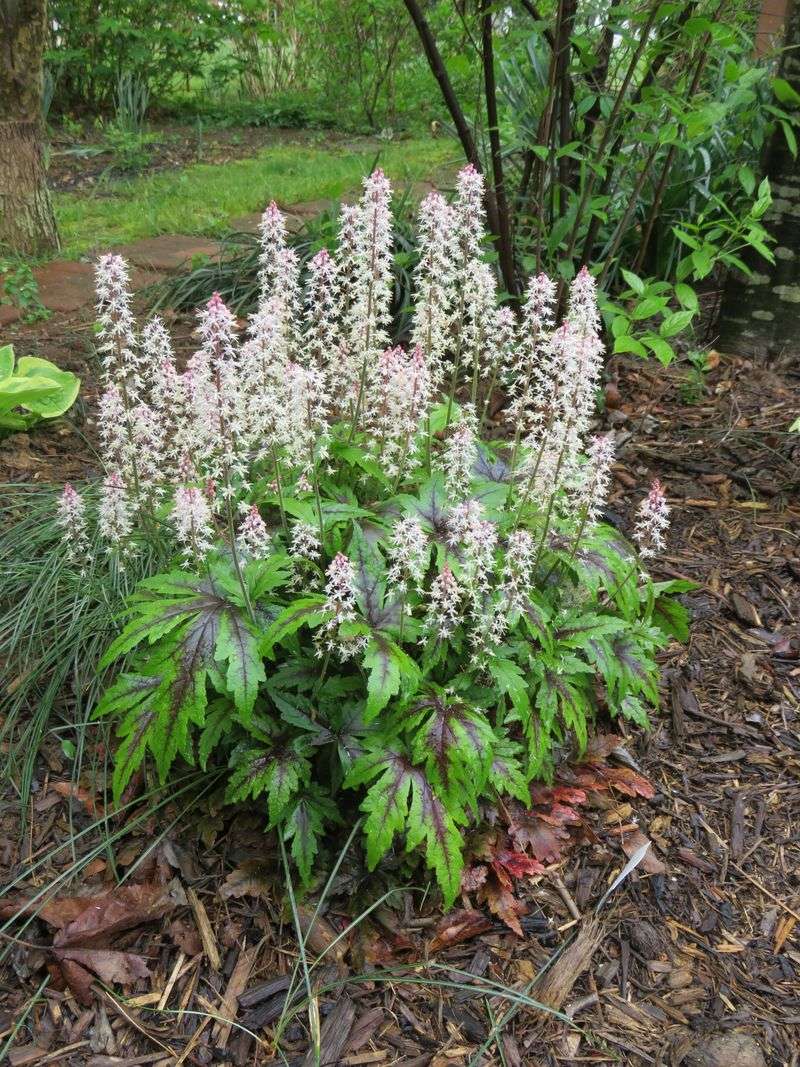
Tiarella, or foamflower, enchants with its intricate, lobed leaves and delicate flower spikes. These plants, resembling a woodland tapestry, bring an enchanting quality to shaded gardens.
Their white or pink flower spikes rise gracefully above the foliage, adding a touch of ethereal beauty. Tiarella thrives in moist, shaded areas, often forming dense, attractive ground covers.
In addition to their visual appeal, these plants attract pollinators, contributing to a vibrant garden ecosystem. Tiarella’s ease of care and adaptability make them a gardener’s delight in shaded landscapes.
8. Japanese Forest Grass
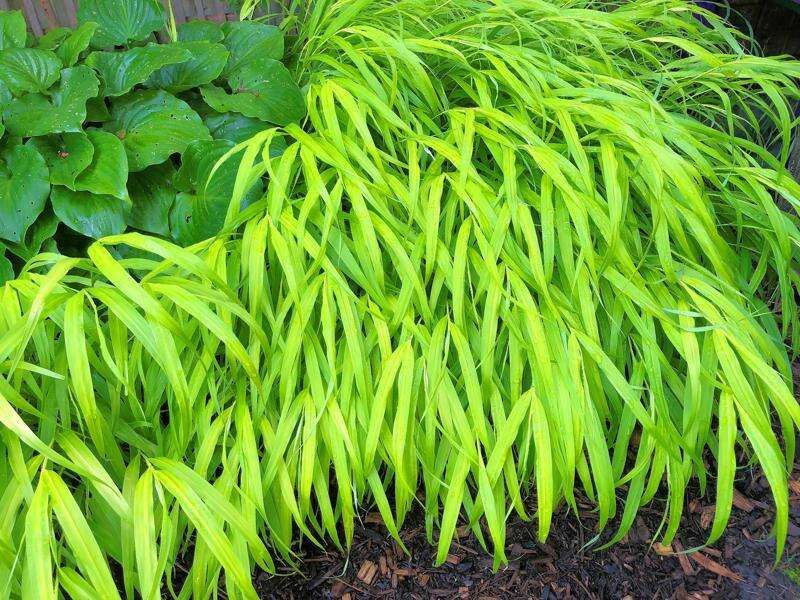
Japanese Forest Grass, also known as Hakonechloa, is a visual masterpiece with its cascading, golden-green blades. This grass-like plant brings a touch of the exotic to shaded gardens.
Its graceful, arching form creates a sense of movement, enhancing the tranquility of any setting. Japanese Forest Grass thrives in moist, shaded areas, adding texture and elegance to landscapes.
Beyond its beauty, this plant is easy to maintain, requiring minimal effort to flourish. Its unique appearance and adaptability make it a standout choice for gardeners seeking a touch of oriental charm.
9. Brunnera
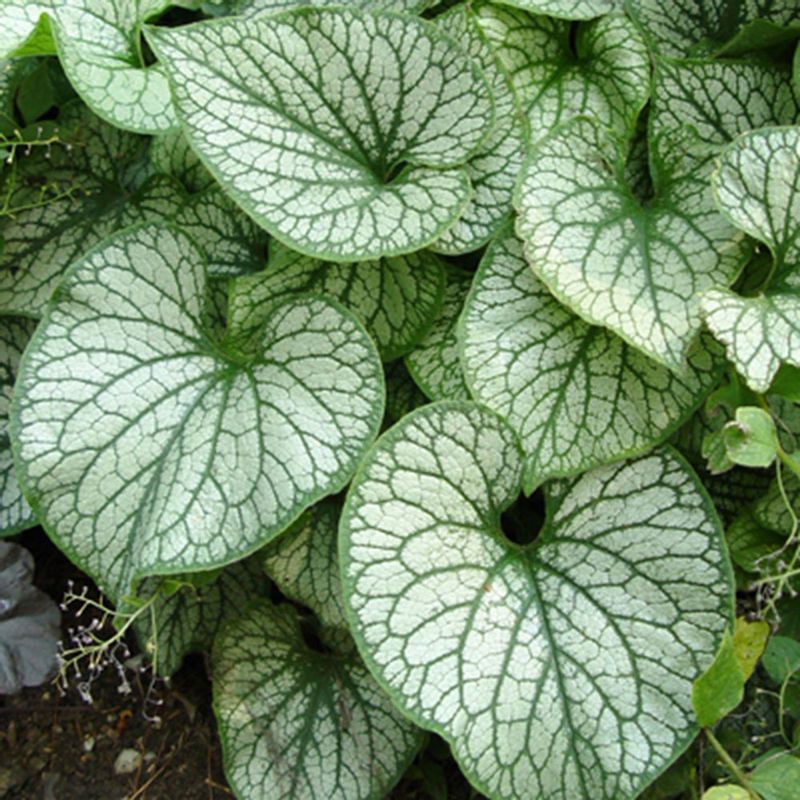
Brunnera, often likened to a shade-loving forget-me-not, mesmerizes with its heart-shaped, silver-patterned leaves and clusters of tiny blue flowers. This perennial brings a touch of whimsy to shaded woodland gardens.
The striking foliage serves as a focal point, adding a silvery glow to dimly lit areas. Brunnera thrives in cool, moist, shaded environments, making it a versatile addition to any garden.
Beyond its aesthetic appeal, Brunnera is known for its resilience and minimal care requirements, making it a favorite among gardeners who appreciate beauty with ease.
10. Pulmonaria
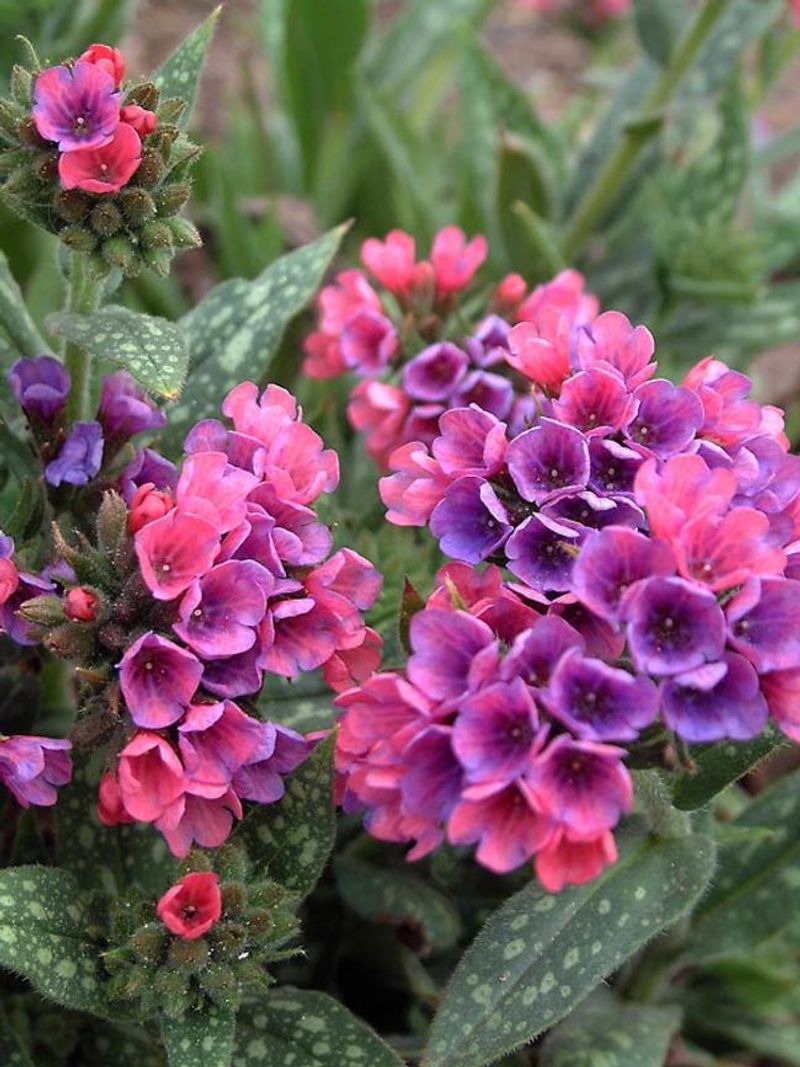
Pulmonaria, affectionately known as lungwort, delights with its spotted, silver-green leaves and clusters of vibrant pink and blue flowers. This plant adds a burst of color to shaded garden areas.
Its unique foliage creates visual interest, while the changing flower colors provide dynamic beauty. Pulmonaria thrives in moist, shaded environments, often forming attractive ground covers.
In addition to its charm, Pulmonaria is valued for its historical medicinal uses, believed to support respiratory health. This blend of beauty and folklore makes it a cherished choice for gardeners.
11. Epimedium
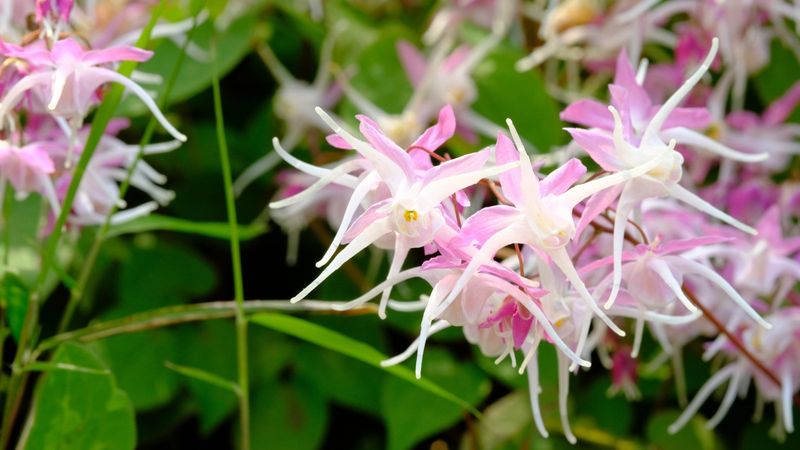
Epimedium, also known as barrenwort, enchants with its heart-shaped leaves and delicate, star-like flowers. These plants, often likened to fairy wings, bring a whimsical quality to shaded woodland settings.
Their dainty blooms, available in shades of yellow, pink, and white, add a touch of magic to any garden. Epimedium is highly adaptable, thriving in dry, shaded areas where few other plants succeed.
Beyond their beauty, these plants are known for their resilience and ability to suppress weeds, making them a valuable addition to low-maintenance gardens.
12. Lungwort
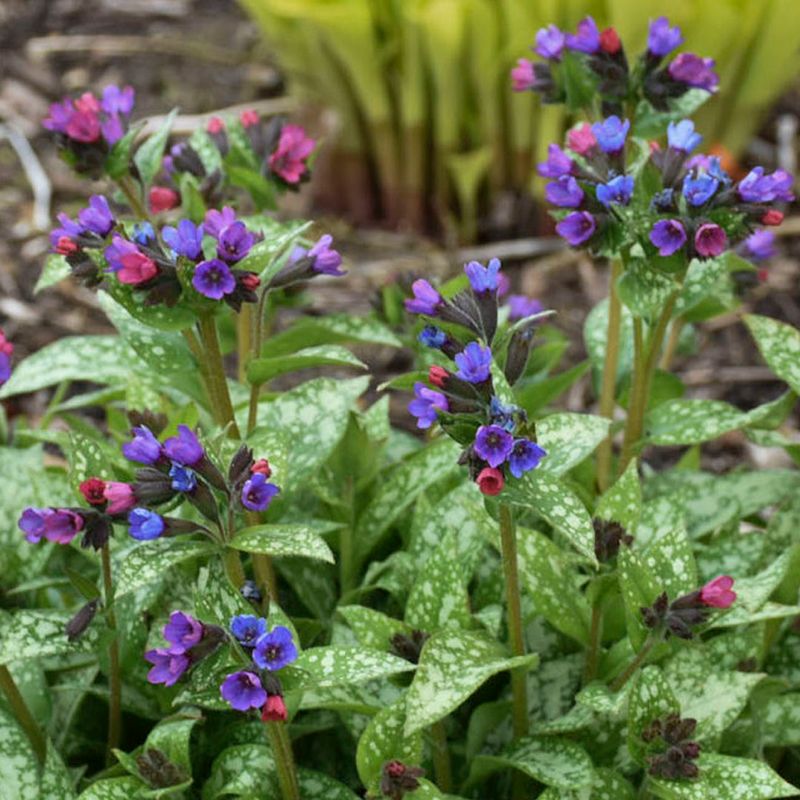
Lungwort, or Pulmonaria, is a captivating plant known for its speckled leaves and charming clusters of flowers. Its pink and blue blooms create a delightful contrast in shaded garden environments.
This plant thrives in cool, moist areas, adding a splash of color and texture. Lungwort is not only visually appealing but also attracts beneficial pollinators, enhancing garden biodiversity.
Historically, Lungwort was used in herbal medicine, believed to aid respiratory issues. Its blend of beauty and lore makes it a unique addition to any shade-loving plant collection.
13. Solomon’s Seal
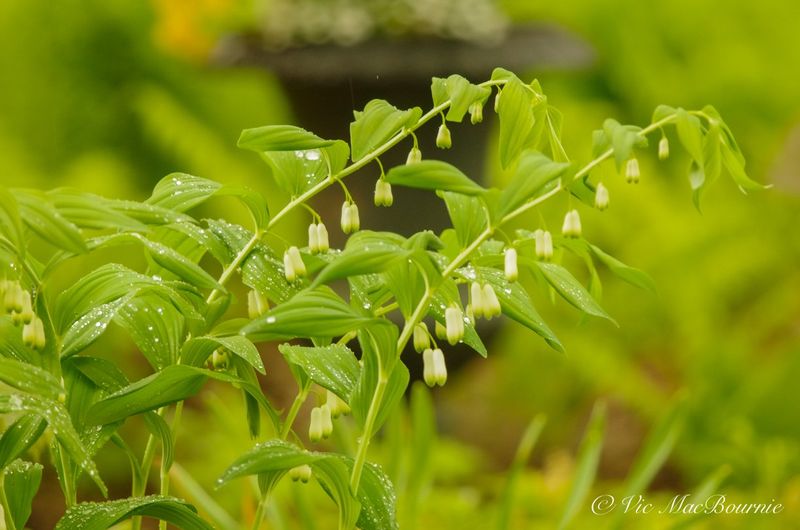
Solomon’s Seal captivates with its arching stems and dangling white, bell-shaped flowers. This elegant plant graces shaded woodland gardens with its graceful presence.
Thriving in cool, moist environments, Solomon’s Seal adds vertical interest and subtle charm to any landscape. Its foliage, which turns golden in autumn, provides seasonal beauty.
Beyond its aesthetics, this plant has a rich history in traditional medicine, believed to have healing properties. Its combination of elegance and folklore makes it a timeless choice for shade gardens.
14. Foamflower
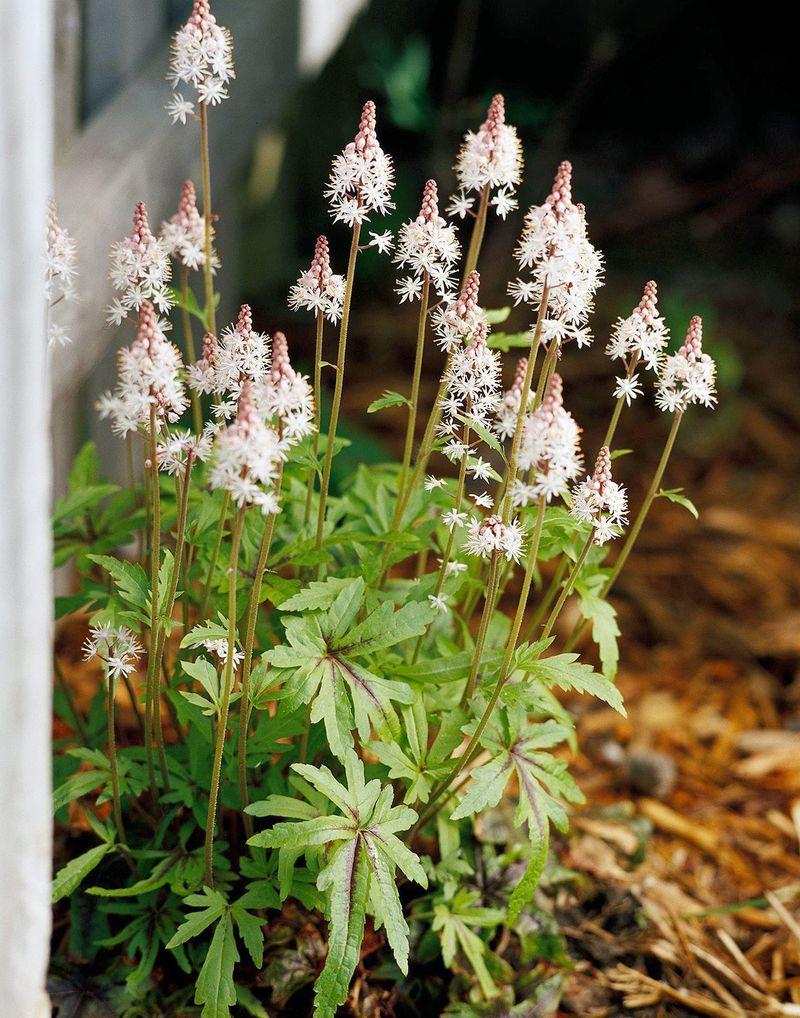
Foamflower, or Tiarella, enchants with its delicate, foam-like blooms that rise above intricately lobed leaves. This plant creates an ethereal atmosphere in shaded garden corners.
Its white or pink flowers add a touch of lightness, while the foliage provides year-round interest. Foamflower thrives in moist, shaded areas, often forming beautiful ground covers.
Aside from its beauty, Foamflower attracts pollinators and contributes to a healthy garden ecosystem. Its simplicity and grace make it a treasured addition to any shade garden.
15. Ajuga
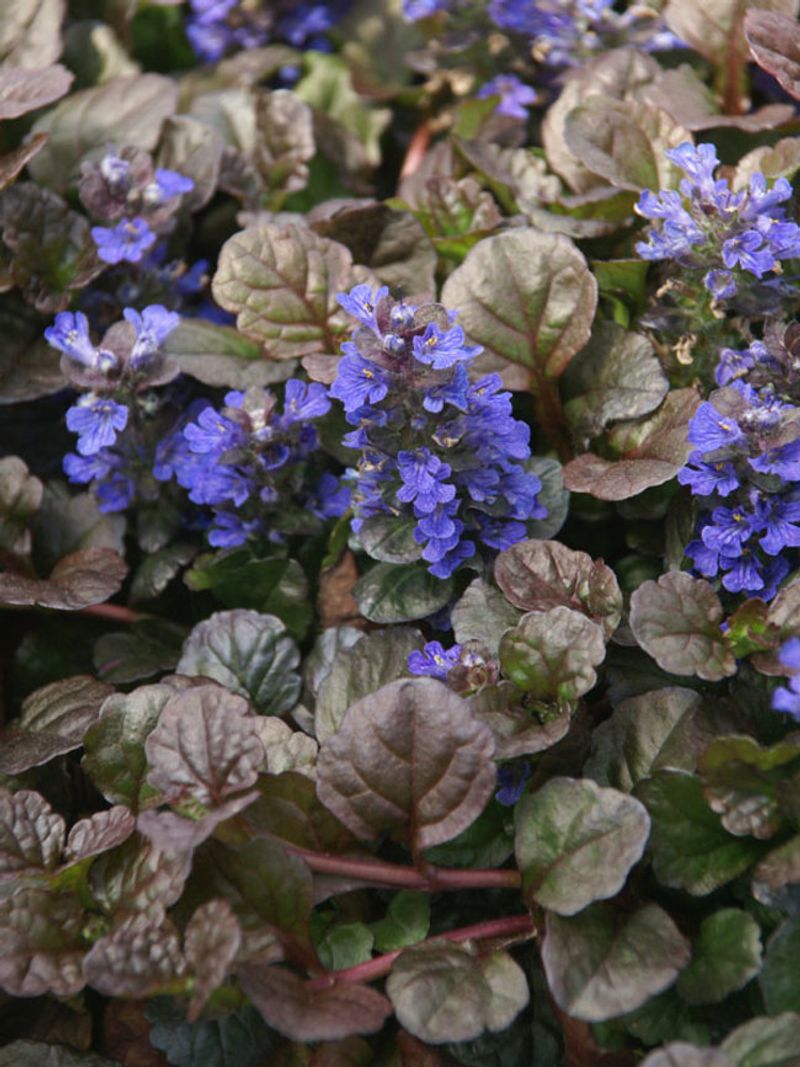
Ajuga, often known as bugleweed, dazzles with its vibrant blue flower spikes that contrast beautifully with glossy green leaves. This plant adds a pop of color to shaded garden patches.
Thriving in low-light environments, Ajuga quickly forms dense mats, making it an excellent ground cover. Its resilience and adaptability have earned it a place in many gardens.
Beyond its striking appearance, Ajuga attracts pollinators, supporting biodiversity. Its combination of beauty and utility makes Ajuga a favorite among gardeners seeking both charm and function.
16. Hellebore
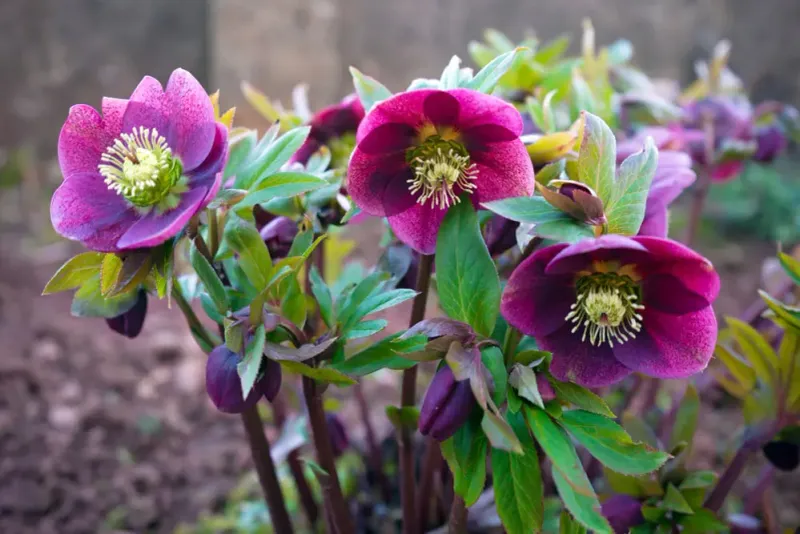
Hellebores, often called the Christmas or Lenten rose, enchant with their large, nodding flowers that brave winter’s chill. These blooms, in shades of pink, white, and even deep burgundy, create a stunning display in shaded gardens.
Hellebores thrive in cool, moist environments, offering a burst of color when few other plants bloom. Their evergreen foliage adds year-round interest, making them a cherished addition to any garden.
Beyond their beauty, Hellebores have a rich history in folklore, often symbolizing rebirth and resilience, enhancing their allure during the cold months.
17. Deadnettle
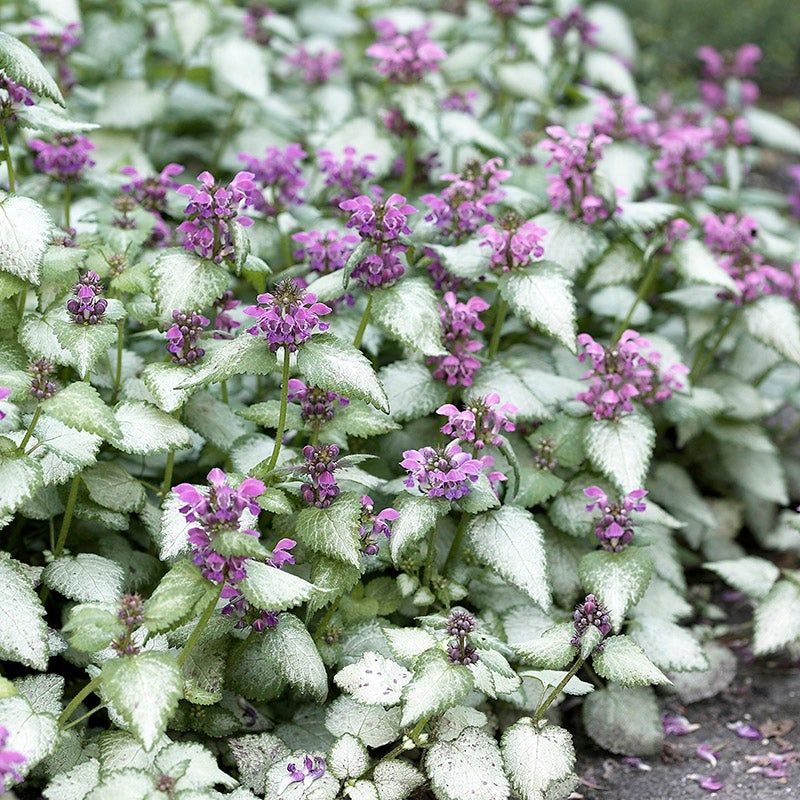
Deadnettle, known for its silvery leaves and clusters of purple flowers, brings vibrant color to shaded woodland areas. This plant, often used as ground cover, adds texture and lightness to gardens.
Thriving in low-light conditions, Deadnettle forms dense mats, suppressing weeds and requiring minimal maintenance. Its resilience and visual appeal make it a popular choice for gardeners.
Beyond its beauty, Deadnettle attracts pollinators and supports garden health, contributing to a vibrant ecosystem. Its combination of charm and practicality makes it a valuable addition to shaded gardens.
18. Trillium
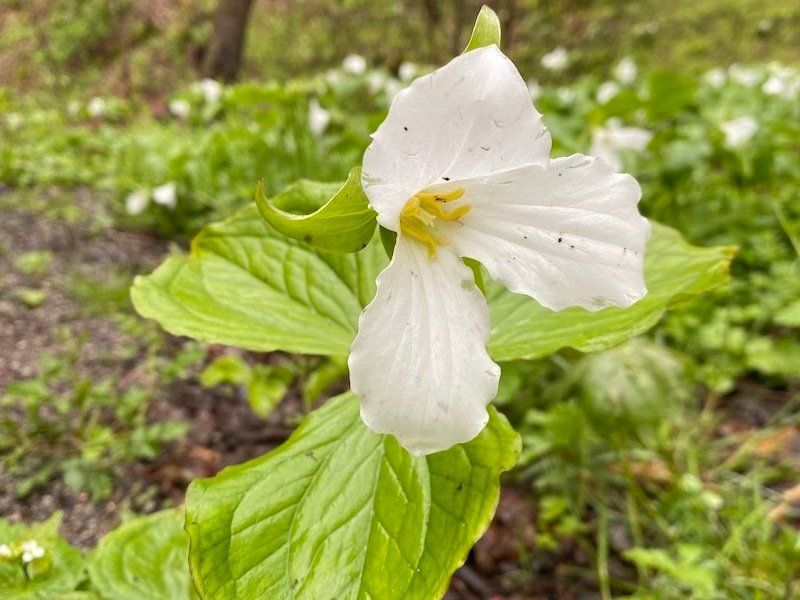
Trilliums, with their distinctive three-petaled flowers, bring elegance to shaded woodland gardens. These blooms, often white, pink, or purple, add a touch of grace to natural settings.
Trilliums thrive in cool, moist environments, their broad green leaves creating a lush backdrop. Their unique appearance and delicate beauty make them a favorite among wildflower enthusiasts.
Beyond their visual charm, Trilliums have a fascinating history in folklore and tradition, often symbolizing purity and beauty. Their presence enhances the natural allure of any garden.
19. Snowdrop Anemone
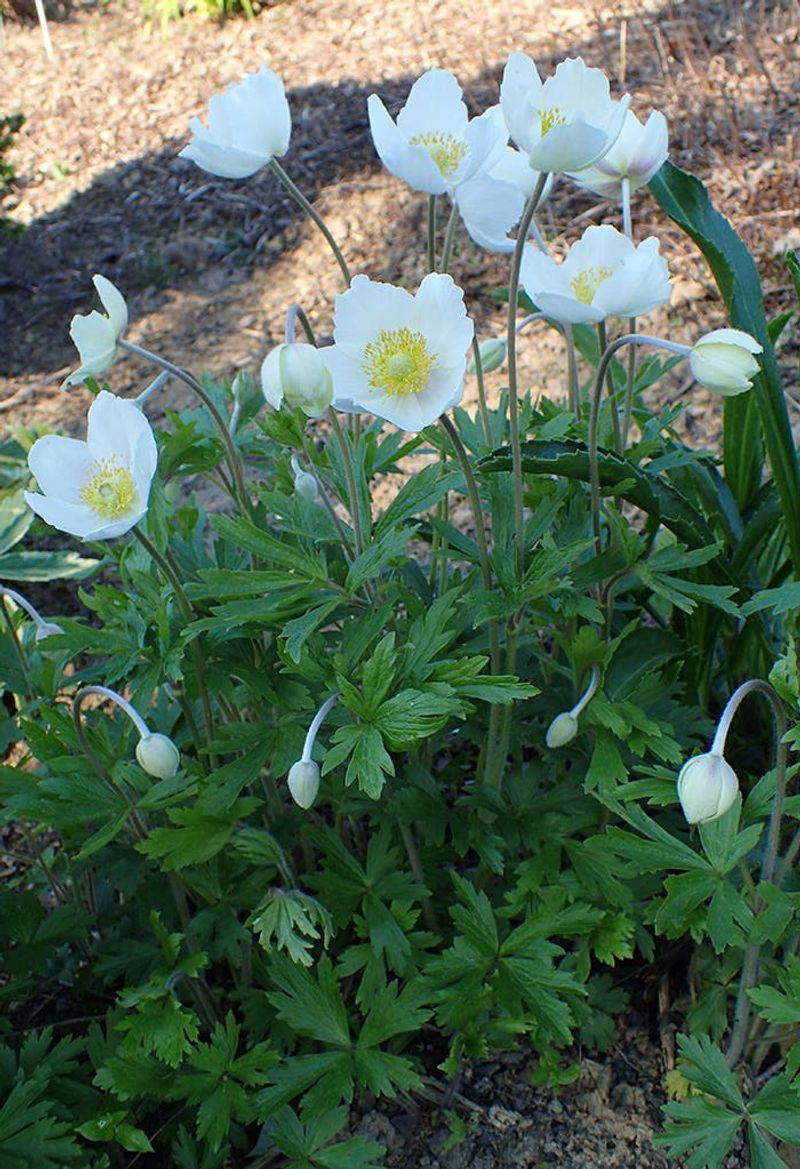
Snowdrop Anemones enchant with their delicate, white, cup-shaped flowers that bloom in early spring. These blooms, set against feathery green foliage, bring a touch of freshness to shaded garden areas.
Thriving in cool, moist environments, Snowdrop Anemones are perfect for adding early-season interest. Their flowers sway gently in the breeze, creating a serene atmosphere.
Beyond their beauty, these plants are easy to care for and attract pollinators, contributing to a healthy garden ecosystem. Their charming presence adds grace and elegance to any landscape.
20. Lily of the Valley
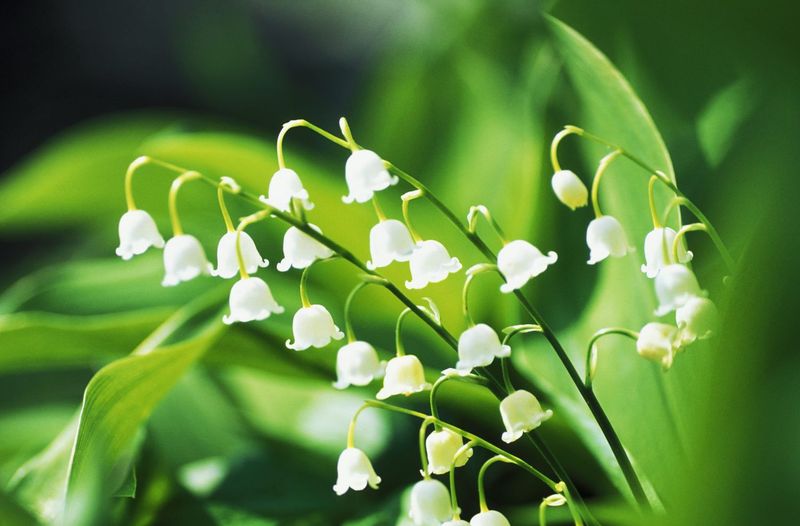
Lily of the Valley, with its tiny, white, bell-shaped flowers, exudes a sweet fragrance that perfumes shaded garden beds. These blossoms, coupled with broad green leaves, create a delicate, enchanting display.
Thriving in cool, moist environments, Lily of the Valley is often used as ground cover, adding charm and fragrance to gardens. Its timeless beauty and ease of care make it a gardener’s favorite.
Beyond its aesthetics, Lily of the Valley is steeped in folklore, often symbolizing purity and renewal, enhancing its allure in any landscape.
21. Spiderwort
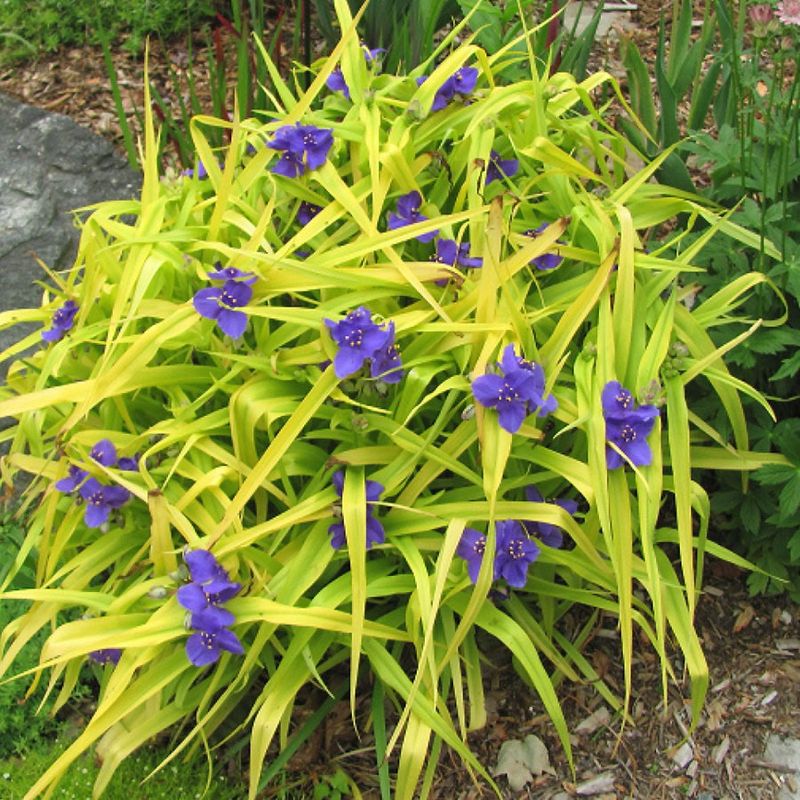
Spiderwort captivates with its vibrant purple, three-petaled flowers that contrast beautifully with grass-like foliage. This plant adds a bold splash of color to shaded garden spots.
Thriving in low-light conditions, Spiderwort is known for its hardiness and ability to adapt. Its blooms, which open in the morning and close by afternoon, provide dynamic beauty.
Beyond its visual appeal, Spiderwort attracts pollinators and supports garden health. Its combination of resilience and charm makes it a standout choice for gardeners seeking vibrant beauty.
22. Bugleweed
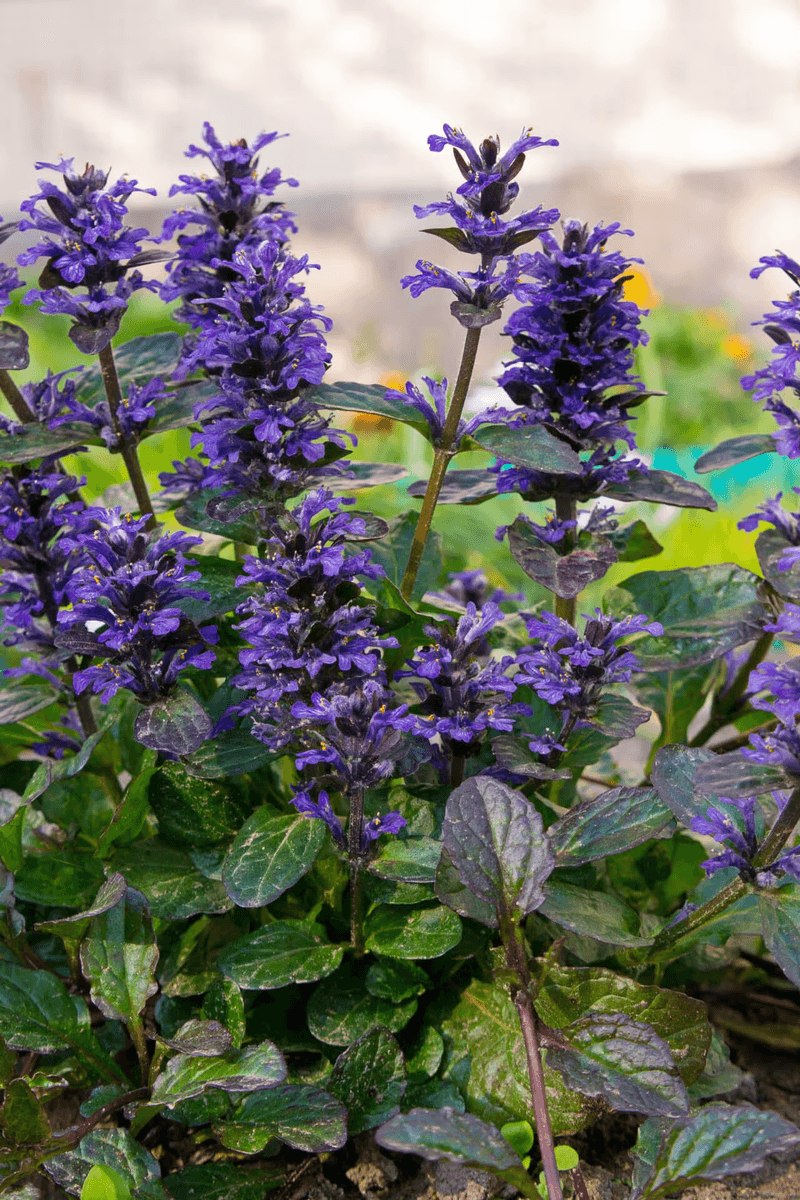
Bugleweed, with its dense, purple flower spikes, brings vibrant color to shaded garden areas. This plant, also known as Ajuga, forms lush, glossy green mats, adding texture and interest.
Thriving in low-light environments, Bugleweed is valued for its resilience and ability to suppress weeds. Its striking appearance and easy care make it a favorite among gardeners.
Beyond its beauty, Bugleweed attracts pollinators and enhances garden biodiversity. Its combination of practicality and visual appeal makes it a versatile addition to any shade garden.
23. Caladium
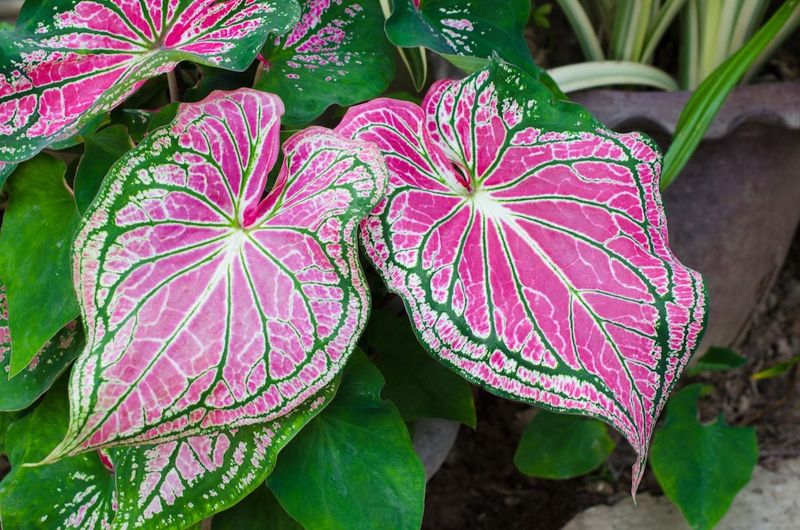
Caladiums, with their heart-shaped leaves, paint a masterpiece in any shaded garden. Their foliage exhibits a stunning mix of pink, white, and green, creating a tapestry of colors. These plants are not only beautiful but resilient, thriving in low-light areas.
Known for their vibrant colors, Caladiums become the highlight of shaded spaces. Whether planted in pots or garden beds, they offer a splash of brightness without needing direct sunlight.
Fun fact: Native to South America, these plants were once used by indigenous people as ornamental beauties, celebrating the diverse tapestry of nature.
24. Bergenia
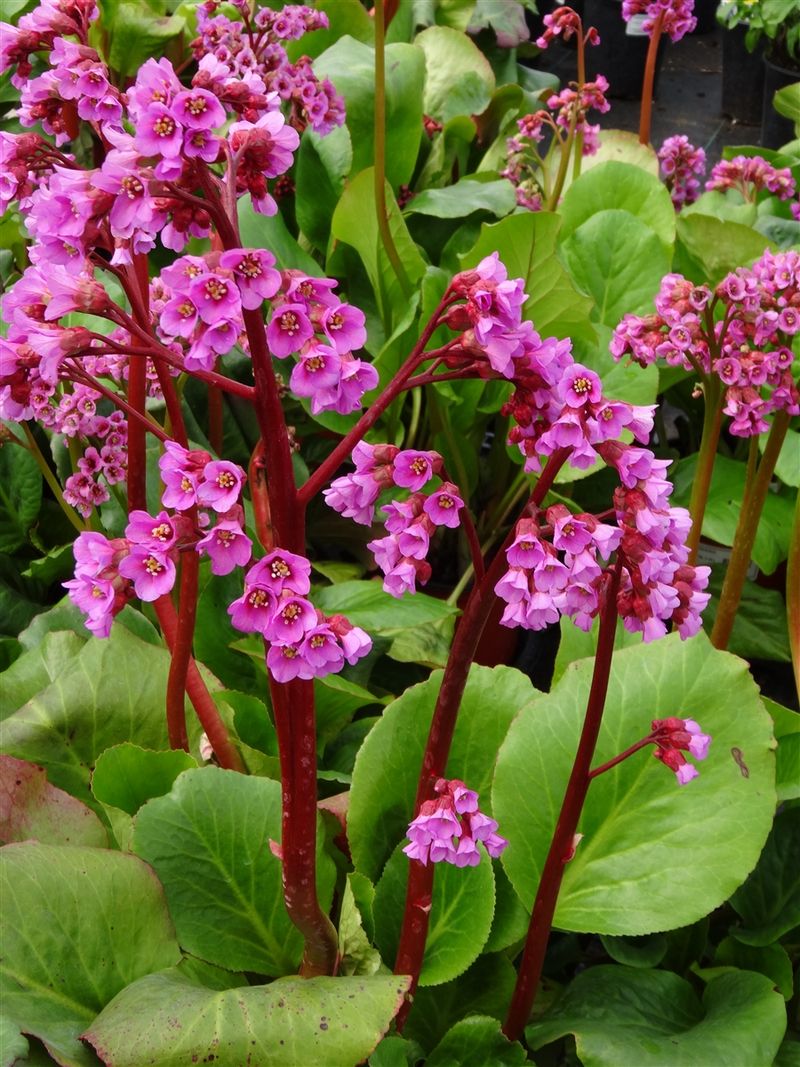
Bergenia, often called “Pig Squeak,” due to the sound its leaves make, is a versatile shade lover. Its bold, leathery leaves provide structure, while its springtime flowers add a pop of color.
This plant thrives in shaded areas, unfazed by lack of sunlight. Its resilience makes it a favorite among gardeners seeking low-maintenance options.
Did you know? Bergenia’s roots have been used traditionally in herbal medicine for their anti-inflammatory properties. This quirky plant marries aesthetic appeal with historical significance, making it a worthy addition to any shade garden.