 Complete Gardening
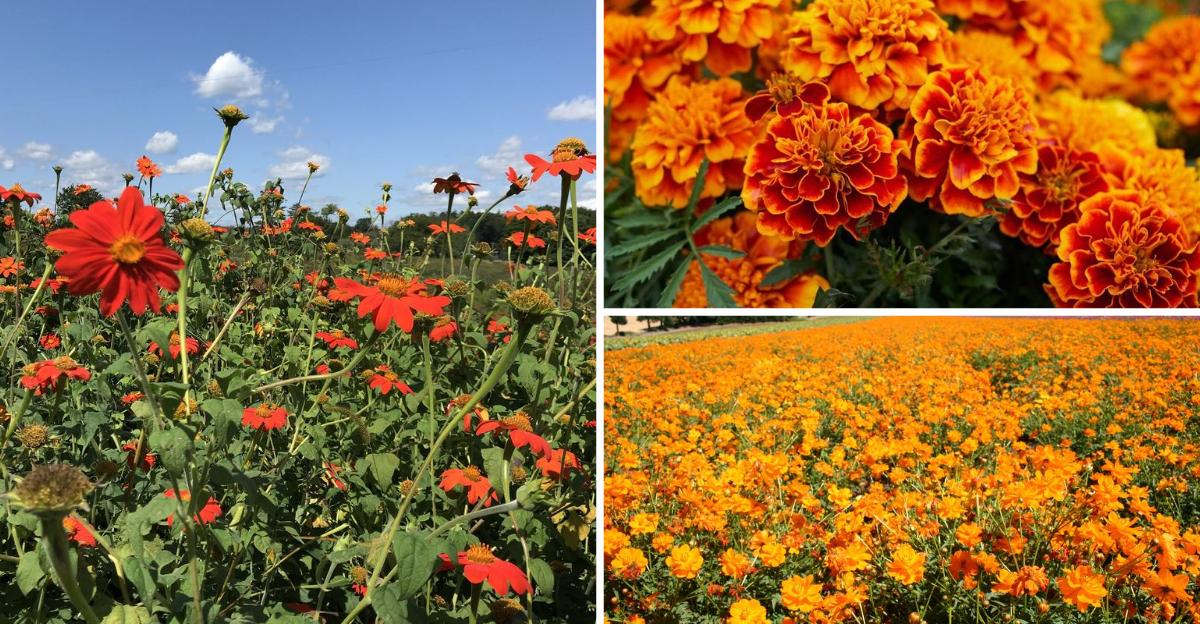
Orange flowers bring a vibrant and cheerful energy to any garden, captivating observers with their fiery hues. This collection of 25 stunning orange blooms will transform your outdoor space into a spectacle of color and charm. Each flower boasts unique characteristics, making them perfect for various garden styles and preferences. Whether you’re aiming for a tropical oasis or a classic cottage garden, these orange blossoms offer an enticing allure that’s hard to resist. Dive into this world of vivid blooms and discover the diversity and beauty these flowers bring to your garden landscape.
1. Orange Tulip
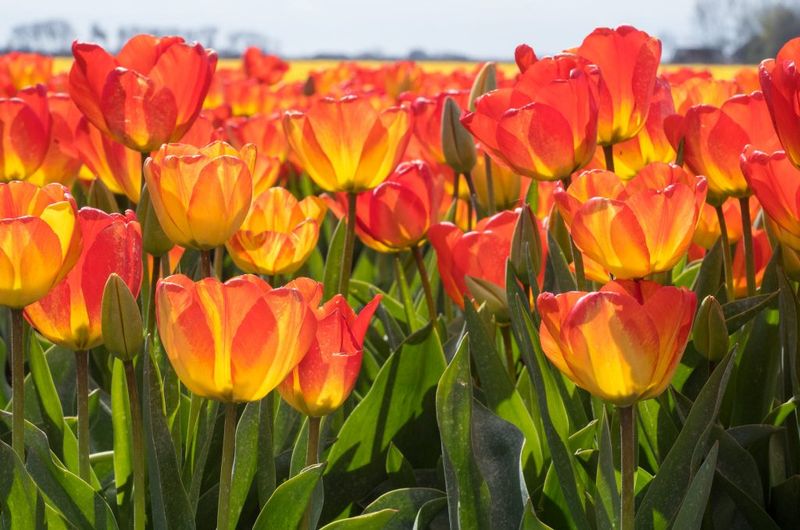
With its striking color and elegant shape, the orange tulip stands as a symbol of passion and energy. These blooms are perfect for adding a pop of color to spring gardens. Their smooth petals and bold hue captivate onlookers, making them a favorite among gardeners. Ideal for borders and arrangements, orange tulips thrive in well-drained soil. Plant these bulbs in the fall for a stunning spring display.
Did you know? Tulips were once more valuable than gold in the 17th century, a period known as ‘Tulip Mania.’
2. Mexican Sunflower
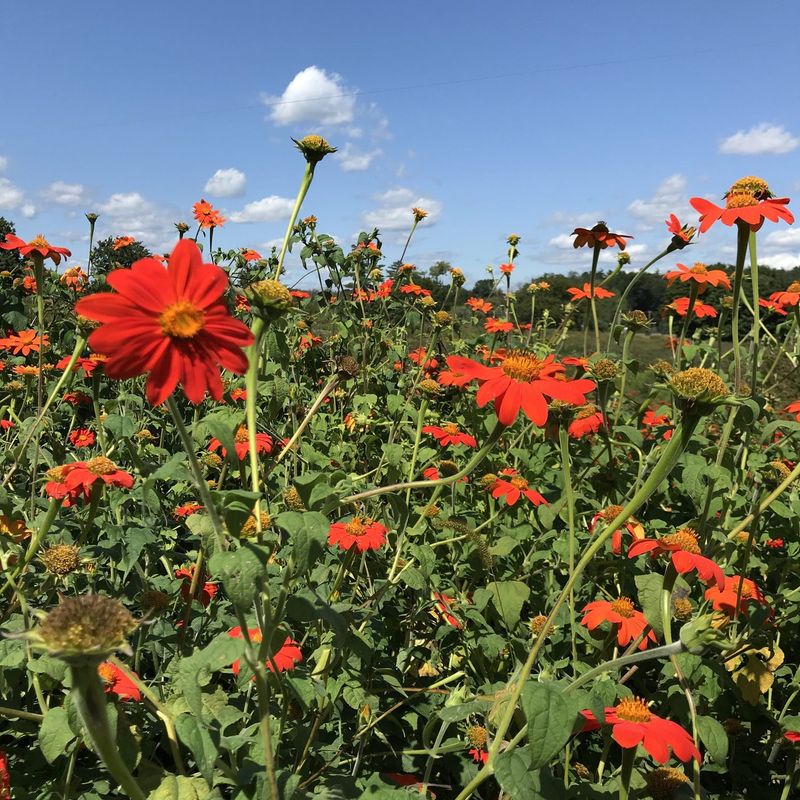
Mexican sunflowers shine like the sun in mid-summer gardens. Their brilliant orange petals are a magnet for butterflies, adding life and movement to any landscape. These flowers can grow impressively tall, creating a striking visual when planted in clusters. Perfect for creating a tropical feel, they prefer sunny spots and well-drained soil.
A fun fact: Despite their name, Mexican sunflowers are native to Central America. They are easy to care for, making them a wonderful choice for novice gardeners.
3. Orange Marigold
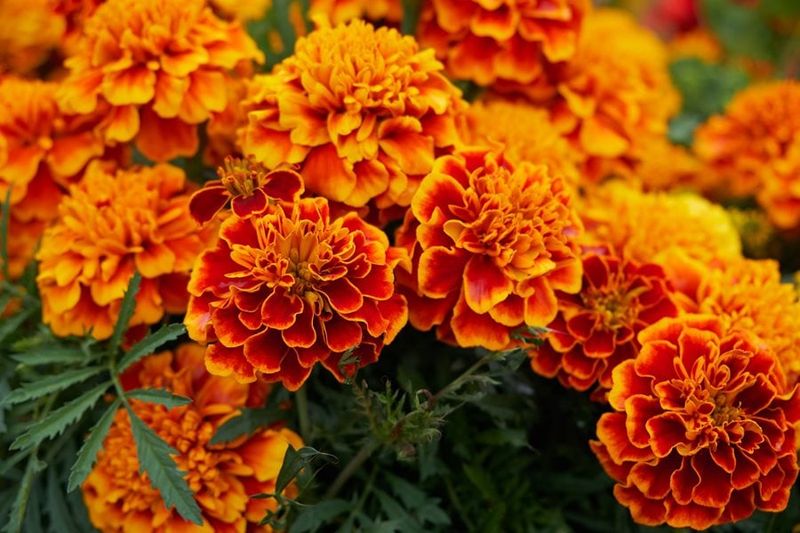
Orange marigolds are a classic choice for gardeners seeking both beauty and functionality. Known for deterring pests, these flowers combine brilliant color with practical benefits. Their sturdy blooms persist through the growing season, brightening up gardens with their cheerful presence.
Marigolds are also culturally significant in many traditions, symbolizing passion and creativity. They thrive in sunny locations and well-drained soil, making them easy to grow and maintain.
Fun tidbit: Marigolds are often used in celebrations like Dia de los Muertos in Mexico.
4. Orange Asiatic Lily
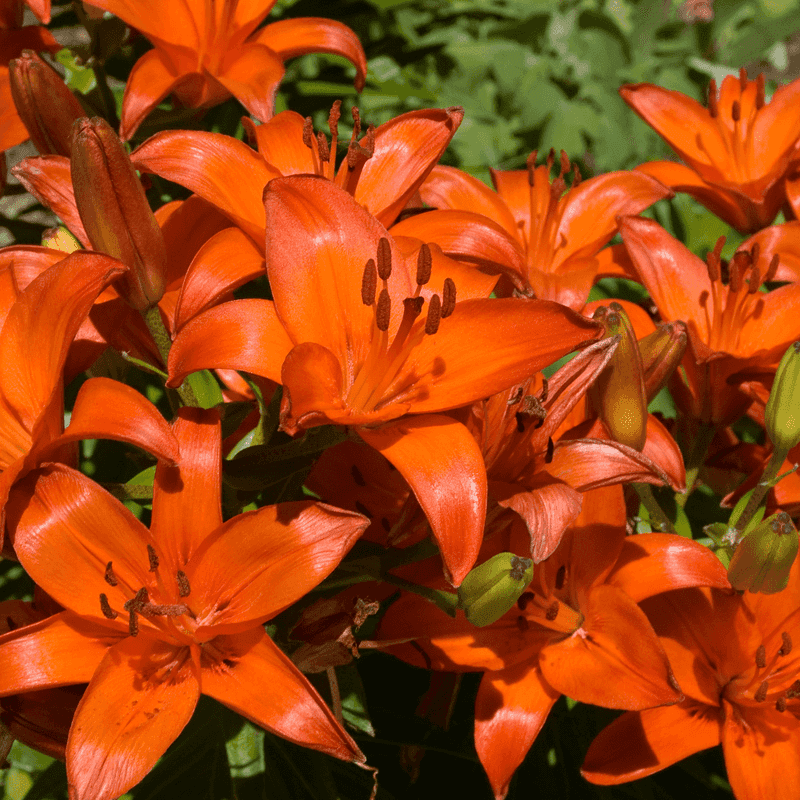
Asiatic lilies bring a touch of exotic flair to gardens with their vivid orange blooms. These flowers are known for their sturdy stems and long-lasting nature. They thrive in full sunlight and can add height and elegance to any garden bed. Asiatic lilies are ideal for cut flower arrangements, offering a striking centerpiece.
They bloom in early summer, making them a great transition flower between spring and summer blooms. These hardy plants are a gardener’s delight, offering color and resilience.
5. Orange Zinnia
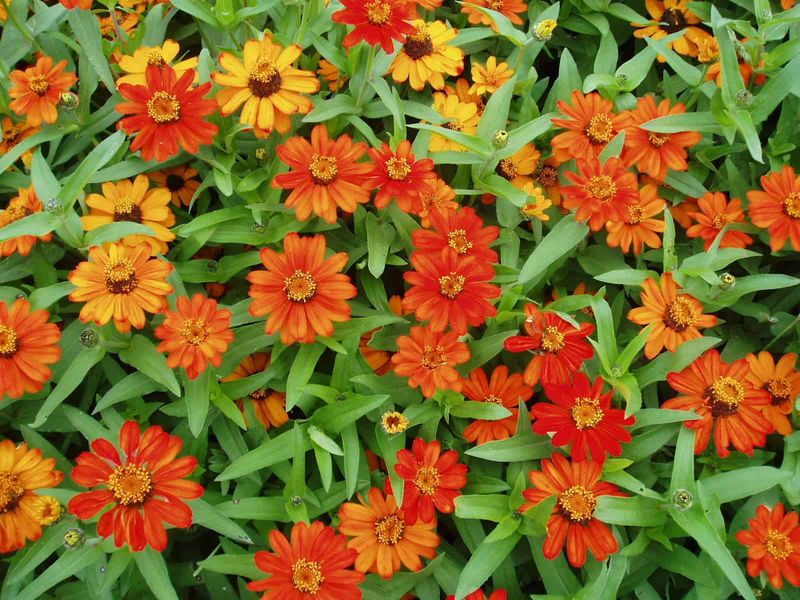
Zinnias are a gardener’s favorite, thanks to their bright colors and hardy nature. Orange zinnias, in particular, bring a lively splash of color that can brighten any garden space. These flowers attract pollinators, making them beneficial for the overall ecosystem of your garden.
Zinnias thrive in full sun and can tolerate a variety of soil conditions. They are perfect for borders and cutting gardens, providing a continual show of color throughout the summer months.
Quick tip: Deadhead zinnias to encourage further blooming.
6. Orange Cosmos
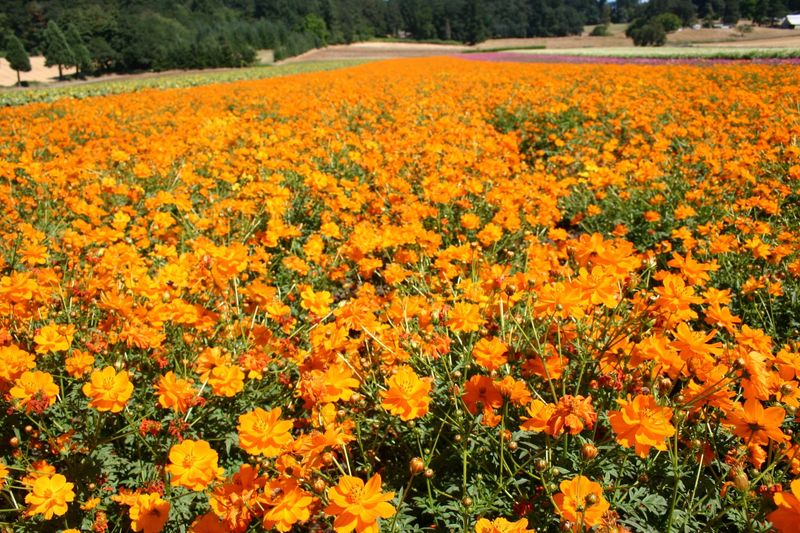
Orange cosmos are a delightful addition to any garden, known for their airy and delicate blooms. These flowers create a sea of orange that dances in the breeze, offering a whimsical aesthetic. Cosmos are low-maintenance and can grow in poor soil conditions, making them versatile garden choices.
Their bloom period extends from summer to fall, ensuring a long-lasting color display. Cosmos are perfect for informal garden settings or wildflower meadows.
Did you know? Cosmos are native to Mexico and are often associated with harmony and peace.
7. Orange Dahlia
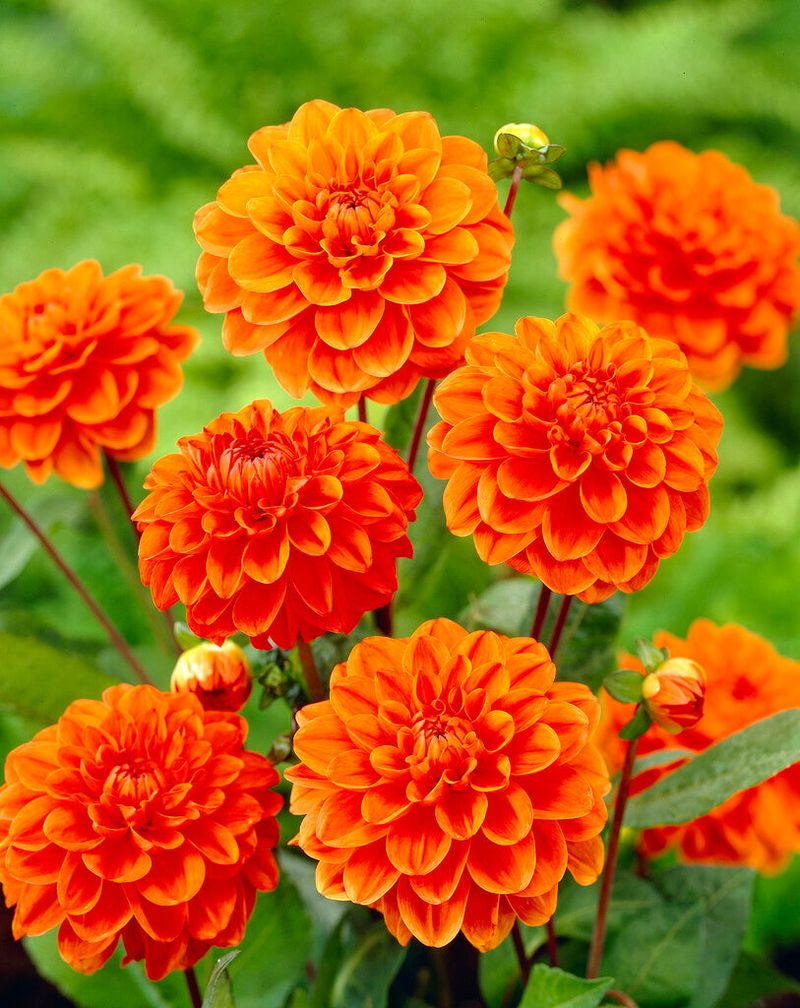
Orange dahlias are showstoppers with their intricate petal patterns and vivid color. These flowers are perfect for adding drama and texture to gardens. Dahlias bloom from mid-summer to fall, providing a prolonged period of color. They are ideal for both garden beds and container gardening.
With their striking appearance, dahlias are often used in floral arrangements. They require rich, well-drained soil and regular watering.
Interesting fact: Dahlias are the national flower of Mexico, symbolizing elegance and dignity.
8. Orange Poppy
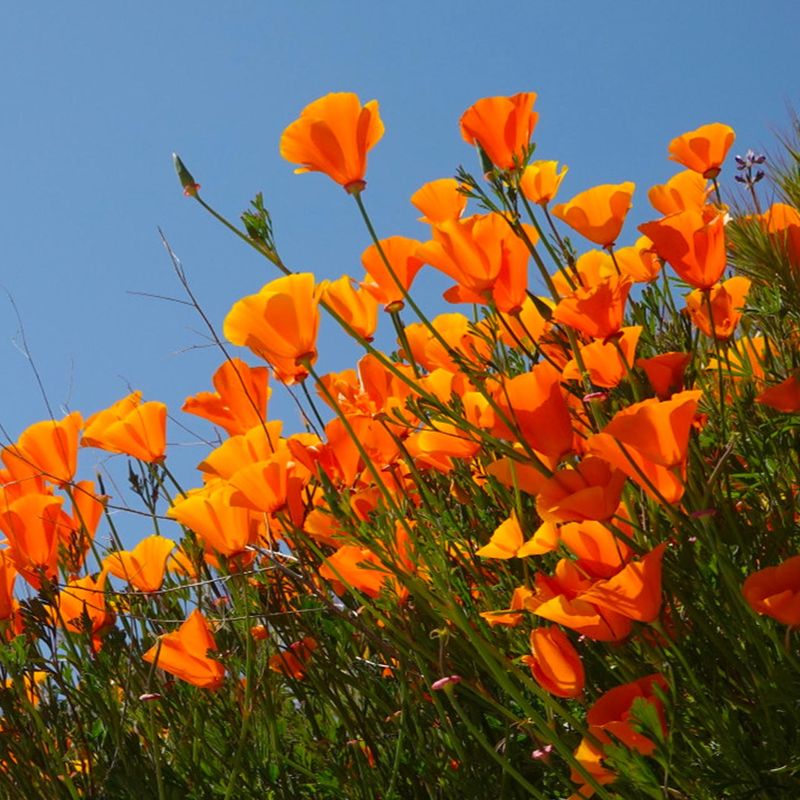
The vibrant orange poppy is a stunning icon in gardens, recognized for its delicate petals and bold color. These flowers are often associated with remembrance and can bring a poignant beauty to landscapes. Poppies thrive in sunny areas with well-drained soil, offering a burst of color in late spring.
They are perfect for wildflower gardens and naturalistic landscapes. Once established, poppies require minimal care, making them a favorite among low-maintenance gardeners.
Fun fact: The poppy is a symbol of peace in many cultures.
9. Orange Gerbera Daisy
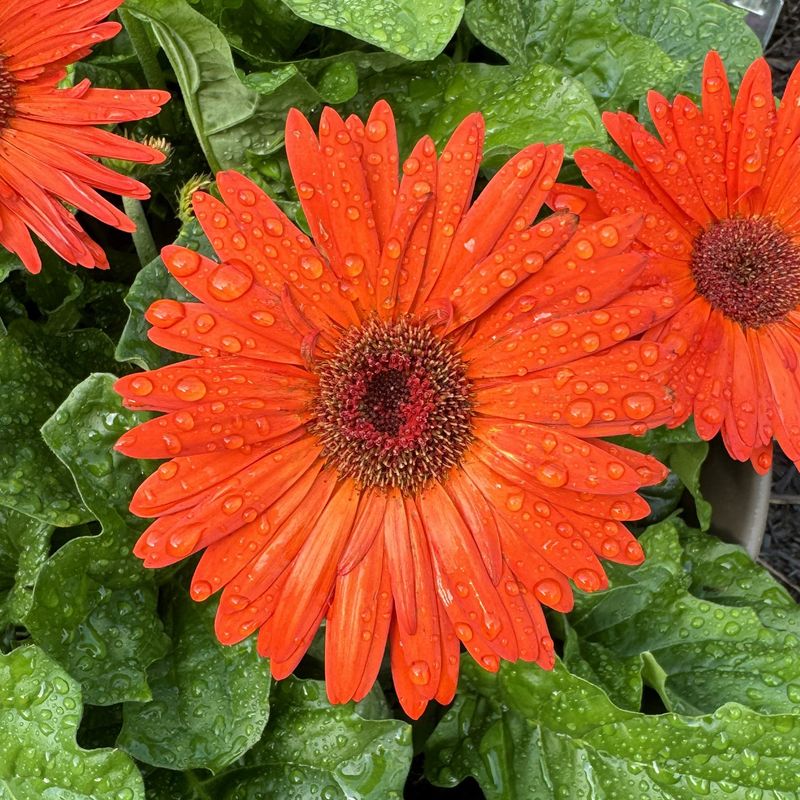
Gerbera daisies are known for their stunningly large, colorful blooms. The orange variety adds a cheerful and bright touch to any setting. These flowers are ideal for bouquets and garden displays, offering a pop of color that lasts. Gerberas thrive best in sunny locations with well-drained, fertile soil.
They are versatile, making a statement in both garden beds and containers. Regular deadheading will prolong their blooming period.
Did you know? Gerbera daisies are named after Traugott Gerber, a German botanist.
10. African Daisy
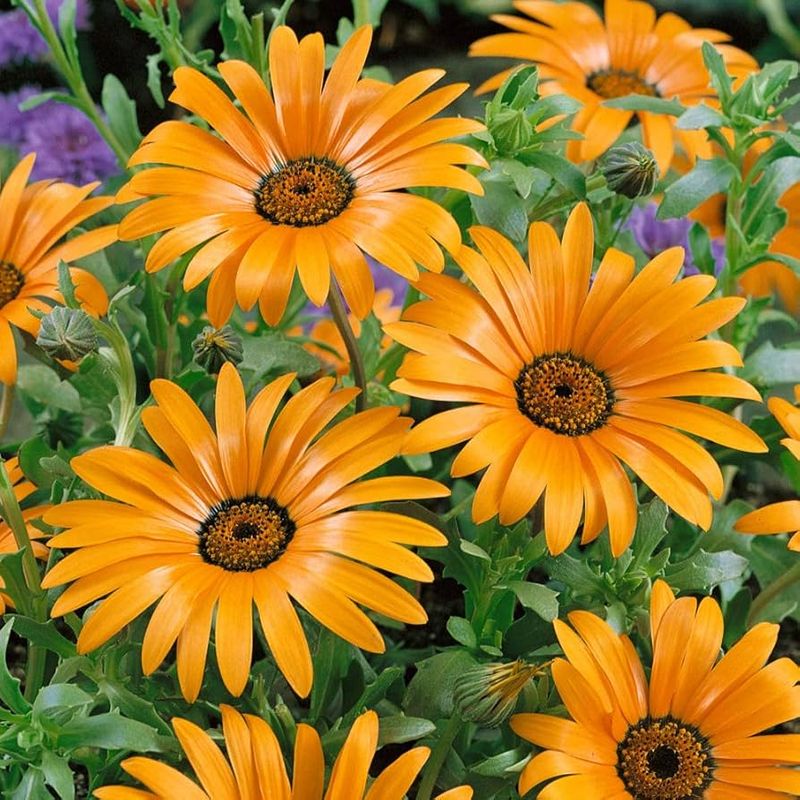
African daisies bring a vibrant splash of color to gardens with their bold, daisy-like blooms. These orange beauties are perfect for sunny garden spots, thriving in well-drained soil. African daisies are drought-tolerant, making them ideal for warmer climates and dry gardens.
Their long bloom period from spring to fall ensures a continual show of color. These flowers add an exotic touch to garden plantings, complementing other perennials beautifully.
Intriguing fact: African daisies close their petals at night and open them again in the morning.
11. Orange Ranunculus
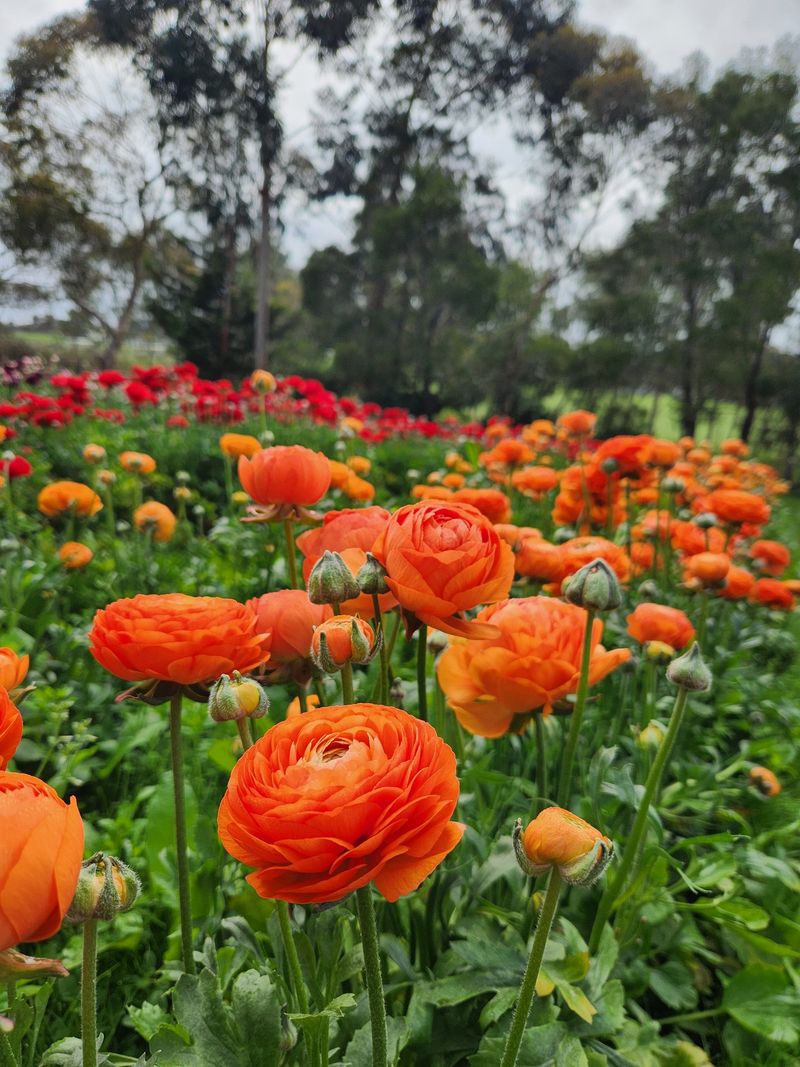
Ranunculus blooms are renowned for their delicate, rose-like appearance and rich colors. The orange variety adds warmth and vibrancy to floral arrangements and garden beds alike. These flowers prefer cool growing conditions and well-drained soil.
Ranunculus are excellent for cutting gardens, providing beautiful blooms from late winter into spring. Their intricate layers of petals create a lush, full appearance that is highly sought after.
Fun tidbit: Ranunculus is derived from the Latin word for “little frog,” referencing their preference for wet habitats.
12. Orange Calibrachoa
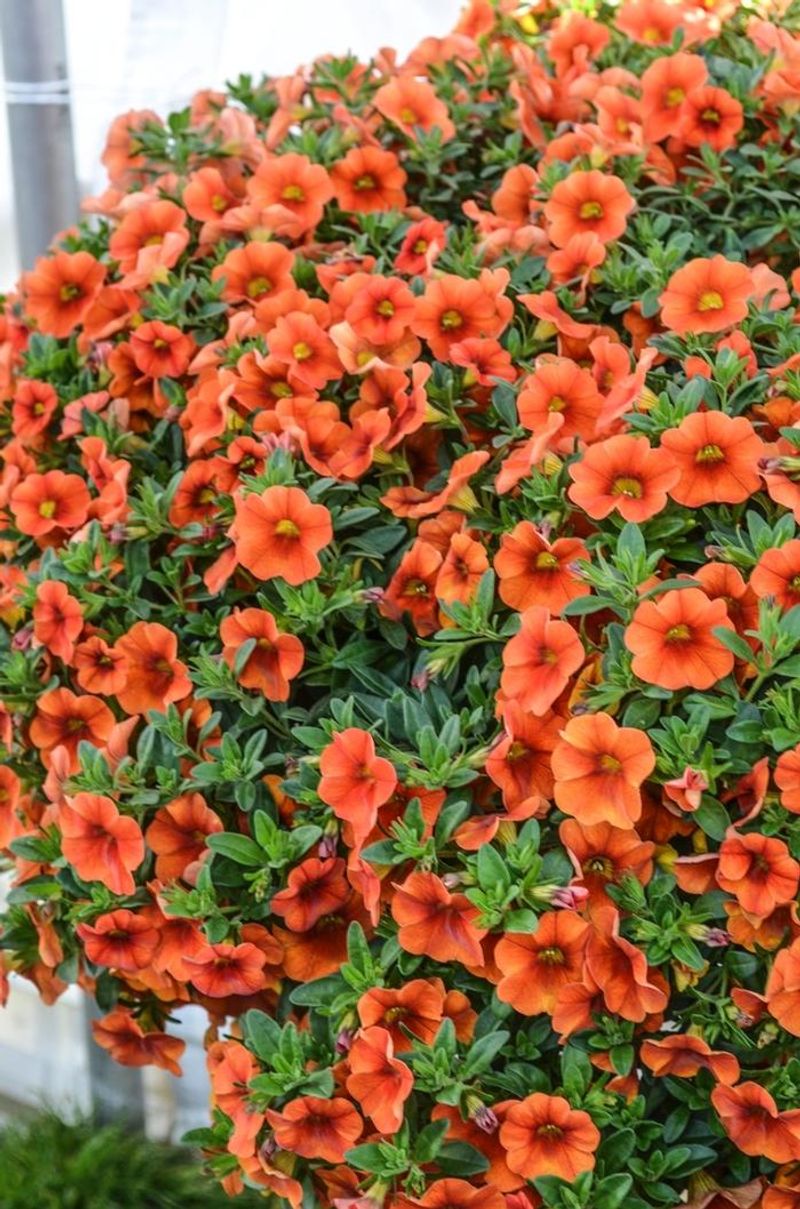
Calibrachoa, often referred to as “Million Bells,” produces a profusion of small, vibrant blooms. The orange variety can brighten up any garden or patio space with its cheerful hue. These flowers are perfect for hanging baskets and containers, where their trailing habit can be showcased.
Calibrachoa thrives in full sun and well-drained soil, requiring regular watering to maintain their health. They bloom continuously from spring through fall, providing a long-lasting splash of color.
Did you know? Calibrachoa is closely related to petunias.
13. Orange Canna Lily
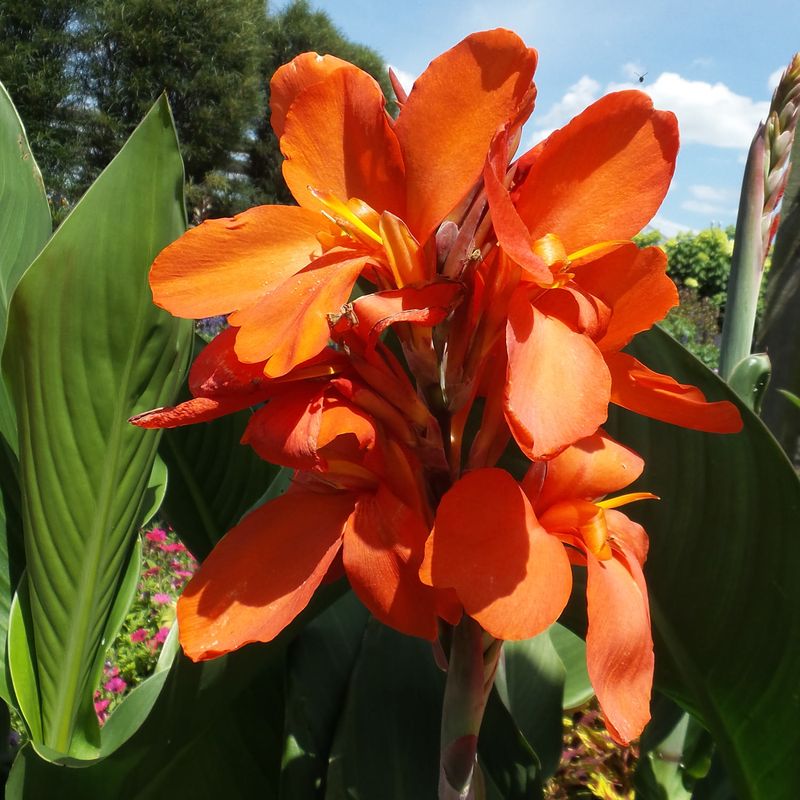
Canna lilies are a show-stopping choice for gardens, with their tall, vibrant blooms and lush foliage. The orange variety adds a tropical flair, making them perfect for poolside plantings or bold garden statements. Cannas thrive in sunny, warm environments with well-drained soil, blooming from midsummer to the first frost.
These flowers can grow quite tall, providing architectural interest in garden designs. Canna lilies are also versatile, suitable for both garden beds and large containers.
Fun fact: Cannas were once used as arrowroot, a source of edible starch.
14. Orange Butterfly Weed
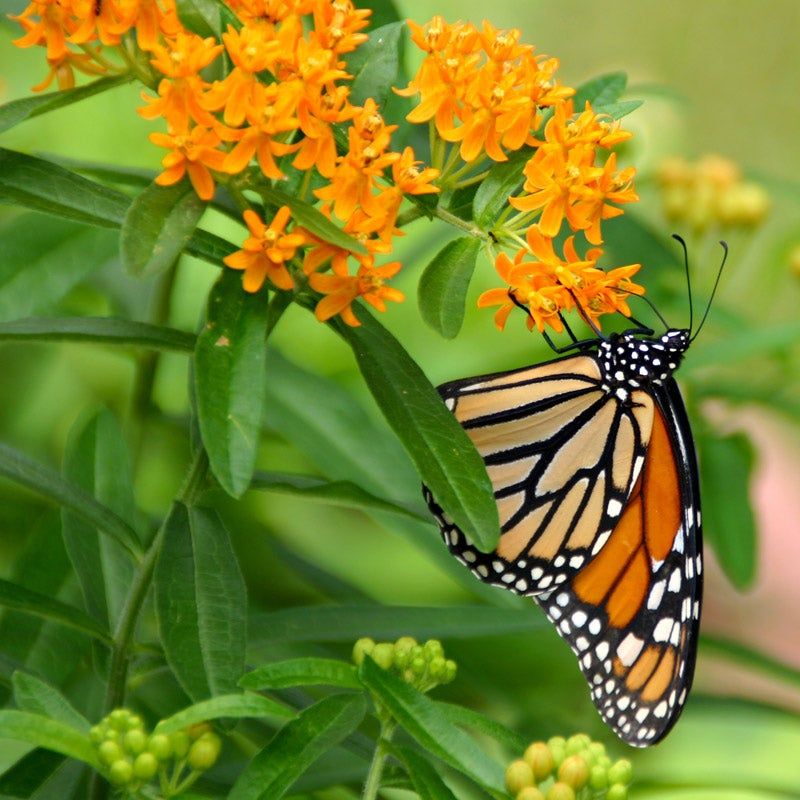
Butterfly weed, as its name suggests, is a magnet for butterflies, offering vibrant orange blooms that attract pollinators. These hardy plants are native to North America and thrive in sunny, well-drained locations. Their long-lasting flowers bloom from late spring to summer, providing an important nectar source for butterflies.
Butterfly weed is also drought-tolerant, making it a great choice for sustainable gardening. Its bright color and ecological benefits make it a favorite for naturalistic and wildlife gardens.
Did you know? Butterfly weed is a member of the milkweed family.
15. Orange Gazania
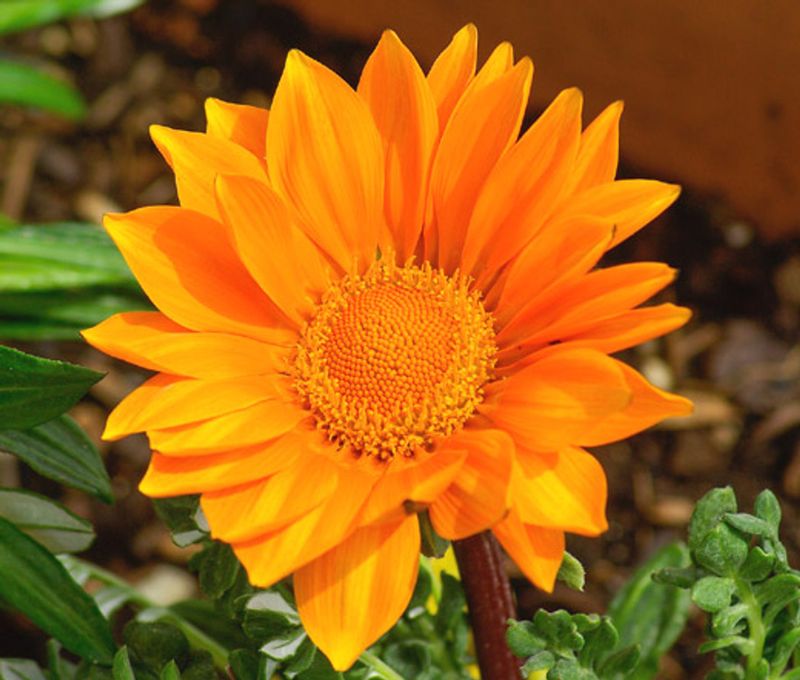
Gazania flowers are known for their sun-loving nature and bold, daisy-like blooms. The orange variety offers a dazzling display that can brighten any landscape. Gazanias thrive in sunny, well-drained locations and are often used in rock gardens or as ground cover.
These drought-tolerant plants are perfect for areas with dry, sandy soil. Their blooms open in the sunlight and close during cloudy weather or at night.
Fun fact: Gazanias are native to South Africa, and their name honors Theodorus Gaza, a Greek scholar.
16. Orange Tithonia
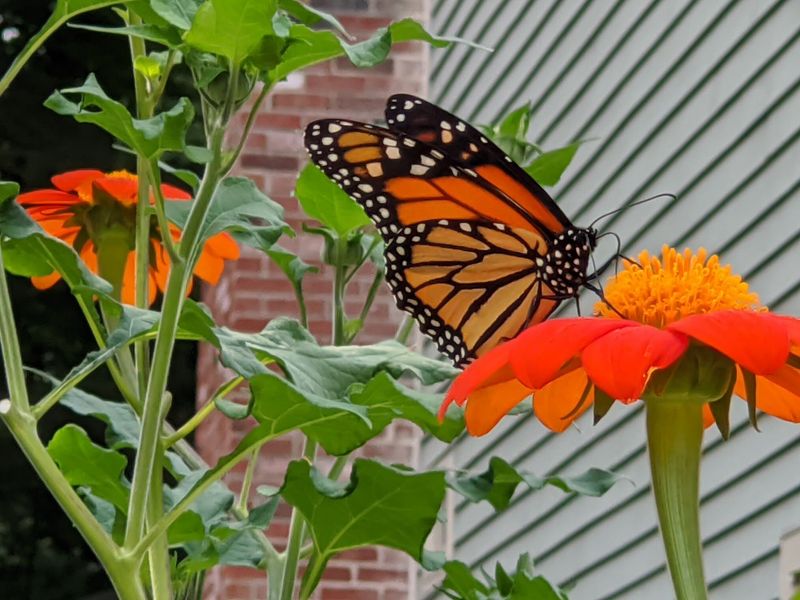
Tithonia, commonly known as Mexican sunflower, offers brilliant orange blooms that light up gardens with their fiery color. These flowers are a favorite among bees and butterflies, adding movement and life to landscapes. Tithonia prefers full sun and well-drained soil, making it ideal for sunny borders and informal plantings.
Their tall stature and prolific blooming habit create a striking effect in garden beds. These plants are heat-tolerant and thrive in warm climates.
Did you know? Tithonia was named after the Greek god, Tithonus.
17. Orange Nasturtium
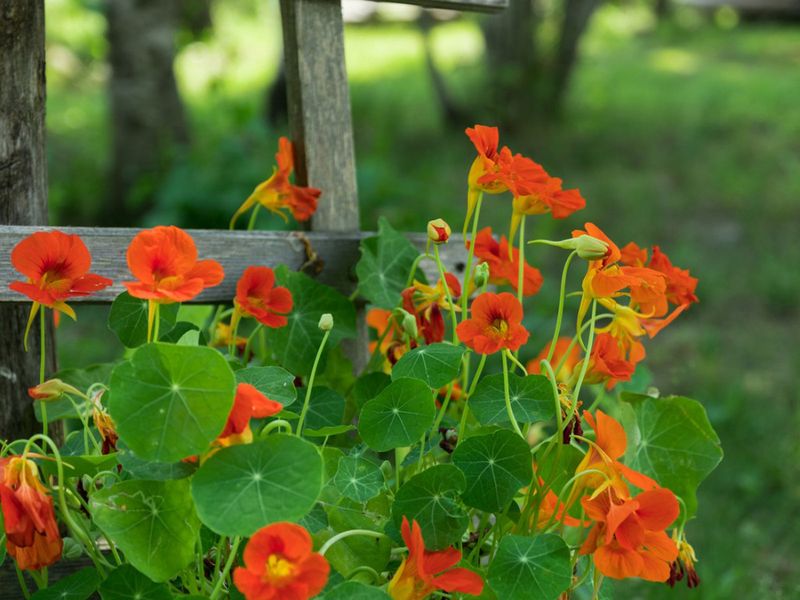
Nasturtiums are beloved for their vibrant blooms and edible leaves, making them a delightful addition to any garden. The orange variety offers a cheerful splash of color that’s both beautiful and functional. Nasturtiums thrive in poor, well-drained soil and full sun, often used in companion planting to deter pests.
Their trailing habit makes them suitable for hanging baskets or climbing trellises. Besides their visual appeal, nasturtiums add a peppery flavor to salads.
Fun fact: The name ‘nasturtium’ comes from the Latin word for ‘nose-twister.’
18. Orange Snapdragon
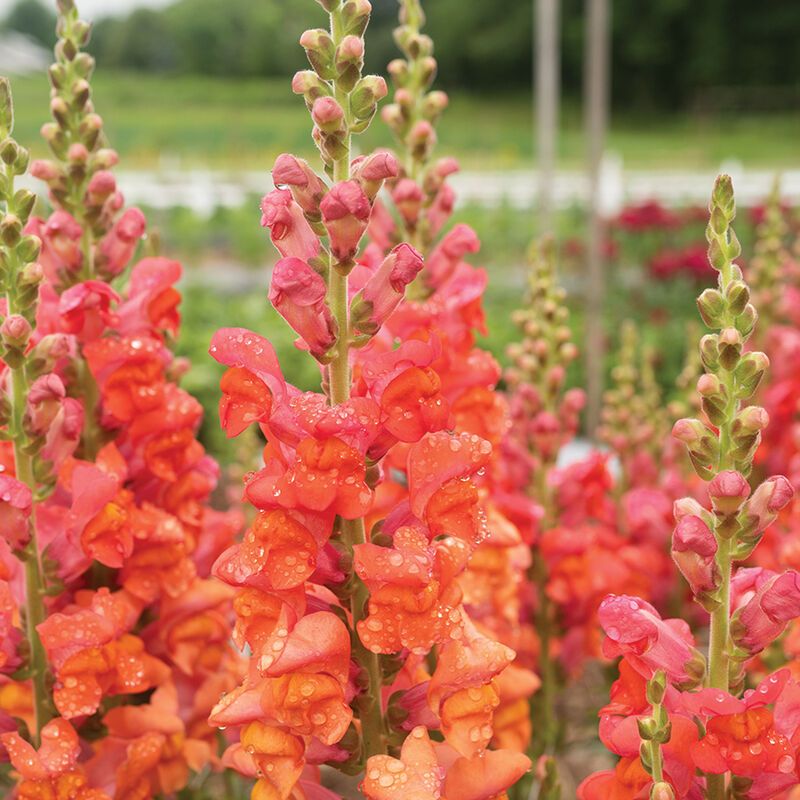
Snapdragons add whimsical charm to flower beds with their unique blooms and bright colors. The orange variety brings warmth and vibrancy, perfect for creating eye-catching displays. Snapdragons thrive in cool, sunny environments and well-drained soil. They are a versatile choice for borders, cutting gardens, and containers.
Their flowers bloom from spring to fall, providing a long-lasting color display. Regular deadheading will encourage more blooms.
Did you know? The name ‘snapdragon’ comes from the flower’s resemblance to a dragon’s face when squeezed.
19. Orange Blanket Flower
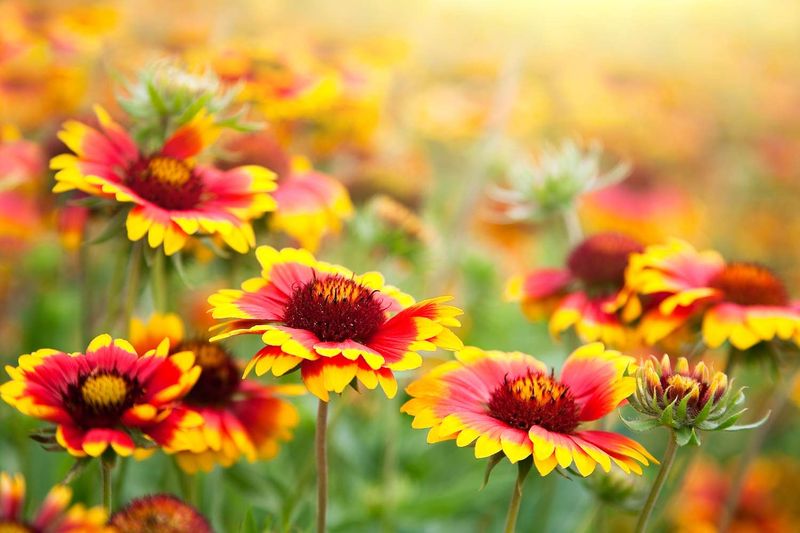
Blanket flowers, or Gaillardia, are known for their brilliant colors and daisy-like blooms. The orange variety creates a warm and inviting presence in gardens, thriving in sunny spots with well-drained soil. These flowers are drought-tolerant and perfect for wildflower meadows or naturalistic gardens.
Blanket flowers bloom from early summer to fall, offering a continuous show of color. They are attractive to pollinators, enhancing the ecological health of garden spaces.
Intriguing tidbit: Gaillardia is named after an 18th-century French magistrate, Gaillard de Charentonneau.
20. Orange Bird of Paradise
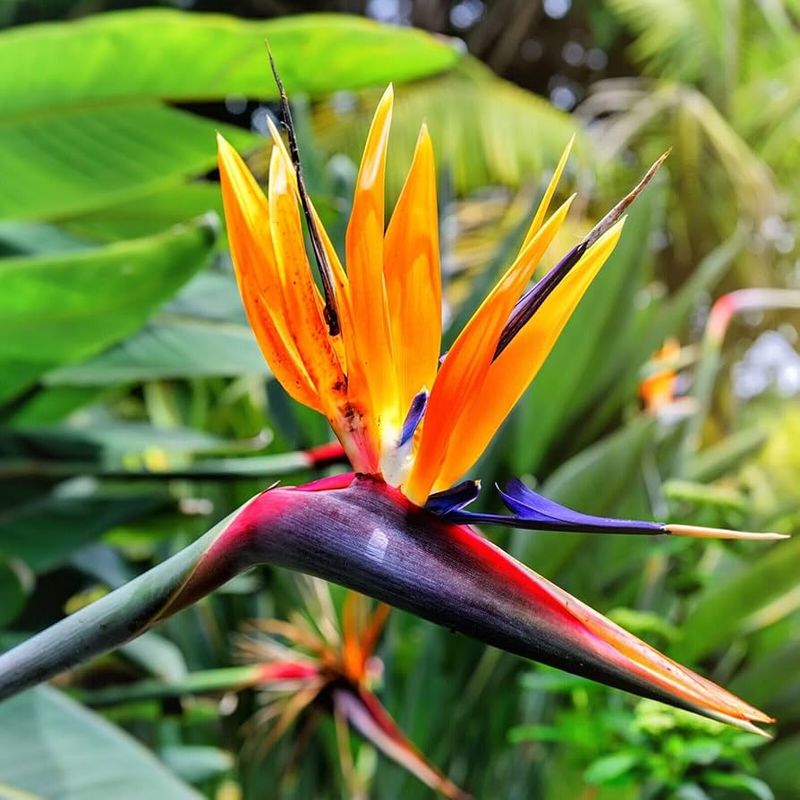
Bird of Paradise flowers are tropical icons, known for their striking, bird-like blooms. The orange variety adds a touch of exotic elegance to gardens and landscapes. These flowers thrive in warm, sunny environments with well-drained soil. Ideal for tropical and subtropical gardens, they create a bold focal point.
Bird of Paradise blooms are long-lasting, making them excellent for cut flower arrangements. Their unique appearance adds architectural interest to garden designs.
Did you know? The Bird of Paradise is named for its resemblance to a bird in flight.
21. Orange Coneflower
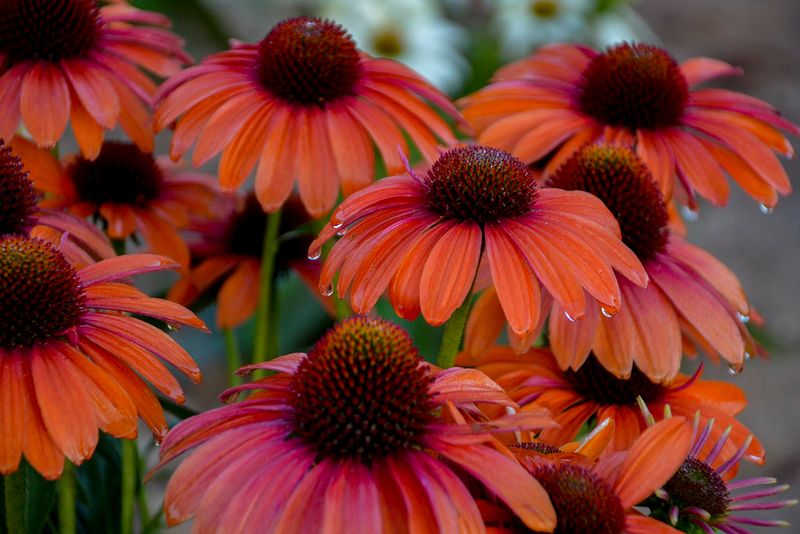
Coneflowers are a staple in many gardens, known for their hardy nature and cheerful blooms. The orange variety offers a fresh twist on this classic flower, bringing vibrant color to garden beds. Coneflowers thrive in full sun and well-drained soil, making them easy to grow and maintain.
They are perfect for borders and wildlife gardens, attracting butterflies and bees. Coneflowers bloom from mid-summer to fall, providing a long-lasting display of color.
Fun fact: Coneflowers are often used in herbal remedies for immune support.
22. Orange Daylily
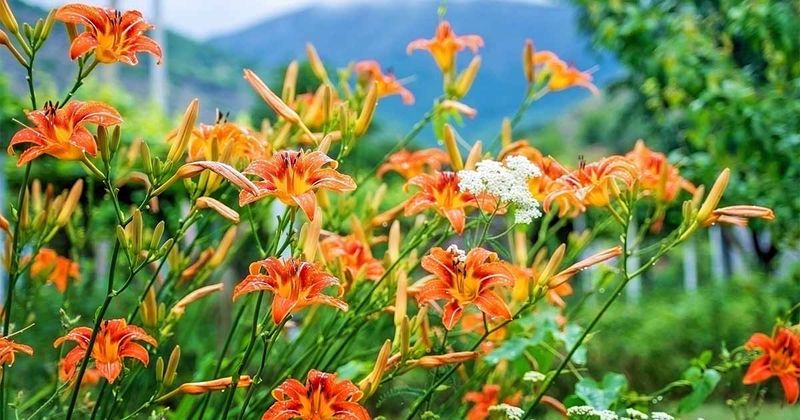
Daylilies are perennial favorites, cherished for their resilient nature and vibrant blooms. The orange variety adds a warm glow to gardens, blooming from early summer to fall. Daylilies thrive in sunny spots with well-drained soil, making them easy to care for and versatile.
They are perfect for borders, mass plantings, or as stand-alone specimens. Daylilies are also drought-tolerant, making them suitable for low-maintenance landscapes.
Did you know? Each daylily flower lasts for just one day, but the plant produces many buds to extend blooming.
23. Orange Helenium
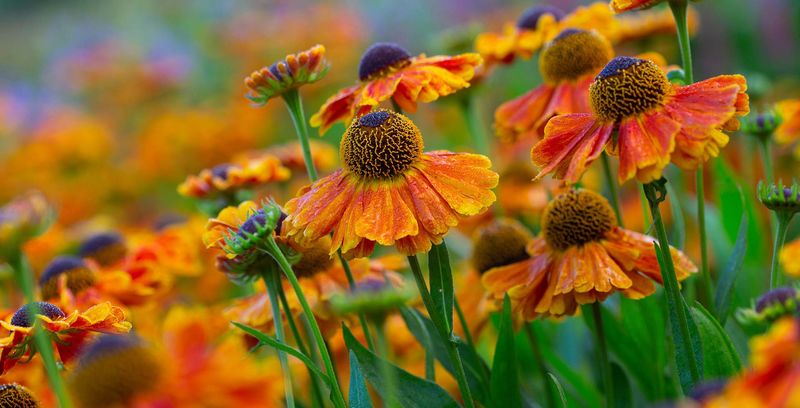
Helenium flowers, also known as sneezeweed, are prized for their bright, daisy-like blooms. The orange variety offers a fiery display that enlivens garden borders and meadows. Helenium thrives in full sun and moist, well-drained soil, blooming from mid-summer to fall.
These flowers are ideal for adding height and color to garden designs, attracting pollinators with their vibrant hues. Helenium is perfect for naturalistic and prairie-style gardens.
Fun fact: The name ‘Helenium’ is derived from Helen of Troy, as legend has it these flowers sprung from her tears.
24. Orange Crocosmia
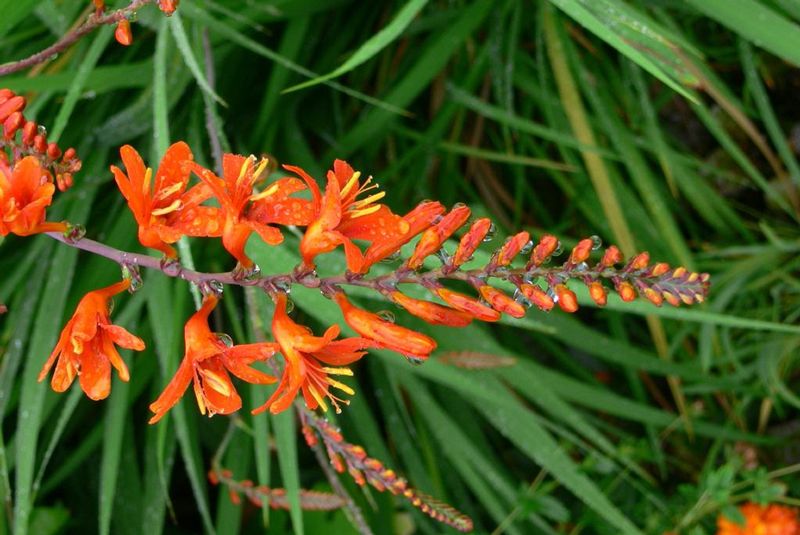
Crocosmia flowers are known for their striking, sword-like leaves and vibrant blooms. The orange variety creates a bold statement in garden beds, thriving in sunny locations with well-drained soil. Crocosmia blooms in mid to late summer, adding color and texture to garden plantings.
These flowers are perfect for borders, cutting gardens, and containers, offering a tropical flair. Crocosmia is also deer-resistant, making it a practical choice for wildlife gardens.
Did you know? Crocosmia is sometimes called ‘falling stars’ due to its arching flower spikes.
25. Orange Alstroemeria
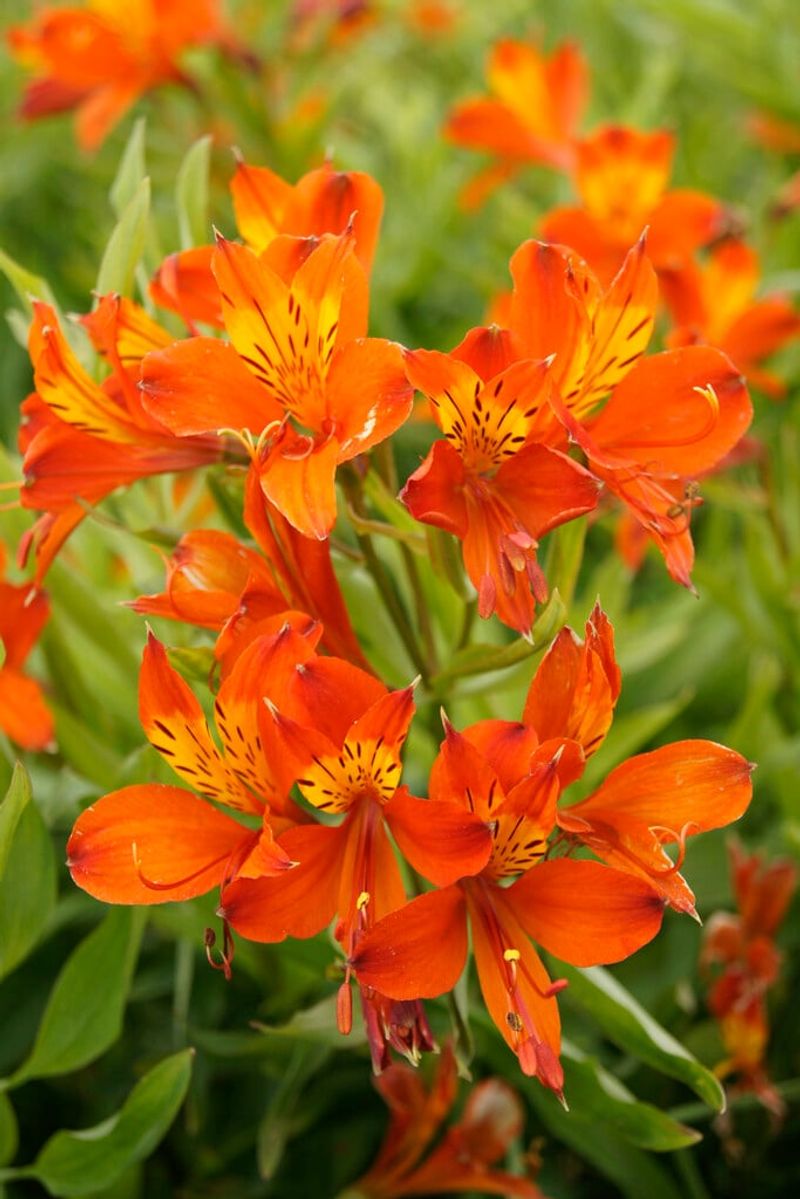
The enchanting Orange Alstroemeria, often called the Peruvian Lily, adds a splash of sunshine to any garden. Its trumpet-shaped flowers bloom in clusters, offering a vivid display of color amidst lush green foliage. Imagine strolling through your garden with these bright beauties swaying gently in the breeze.
Orange Alstroemeria thrives in well-drained soil and enjoys partial sun, making it a versatile addition to various garden settings. Its striking appearance is matched by its resilience, surviving in different climates.
Did you know? Alstroemeria symbolizes friendship and devotion, making it a thoughtful gift for garden enthusiasts.