 Complete Gardening
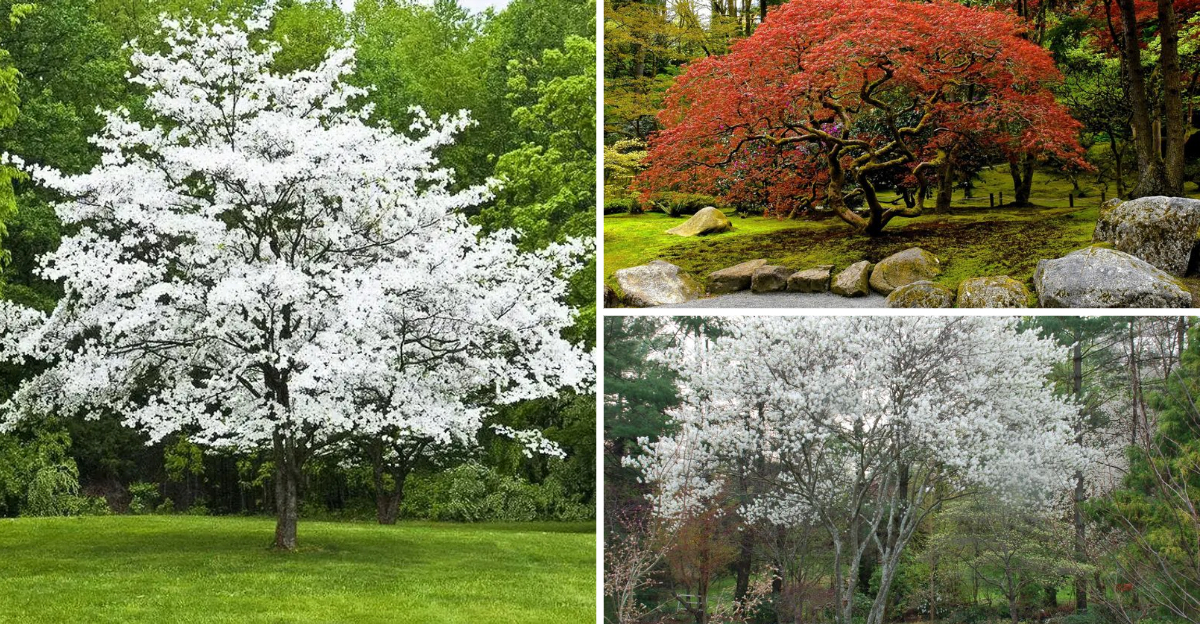
Discover the perfect small trees to add beauty to your landscape without the worry of damaging your home or driveway. These trees are not only visually appealing but also practical for urban and suburban settings.
1. Japanese Maple
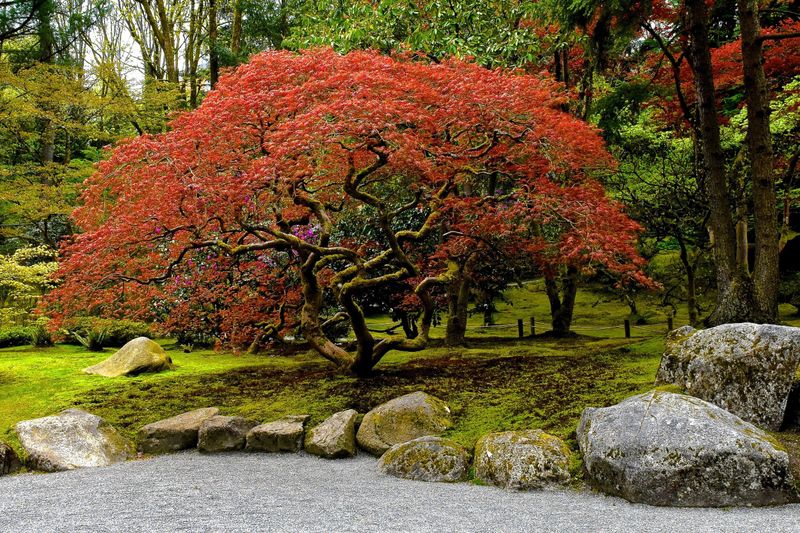
With its vibrant red leaves, the Japanese Maple brings a slice of autumn’s glory to your garden year-round. This elegant tree, often seen in tranquil Japanese gardens, thrives in partial shade and adds a touch of the exotic to any landscape.
Its slow growth and modest height make it an ideal companion for urban homes, fitting snugly into smaller yards without the worry of root interference. A true showstopper, it’s the perfect choice for those who appreciate subtle beauty.
Did you know? In Japan, the changing colors of the Japanese Maple are celebrated as a symbol of the changing seasons.
2. Redbud
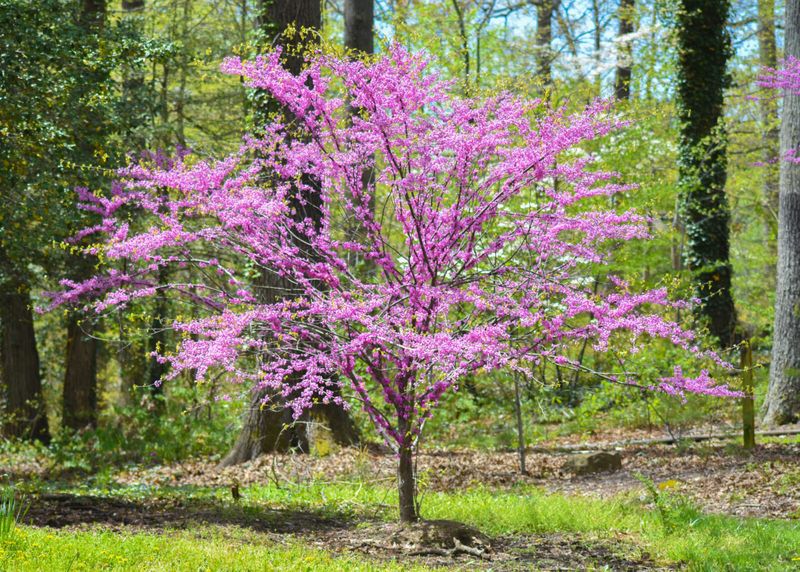
The Redbud tree, often a harbinger of spring, stands adorned with a profusion of pink blossoms. Its heart-shaped leaves and vibrant flowers make it a charming addition to any landscape.
Its compact size and shallow root system make it a favorite among homeowners seeking beauty without the hassle of invasive roots. Redbuds are low-maintenance and thrive in a variety of soil types, perfect for both novice and seasoned gardeners.
Fun fact: The Redbud is sometimes called the “Judas Tree,” a name steeped in biblical legend.
3. Dogwood
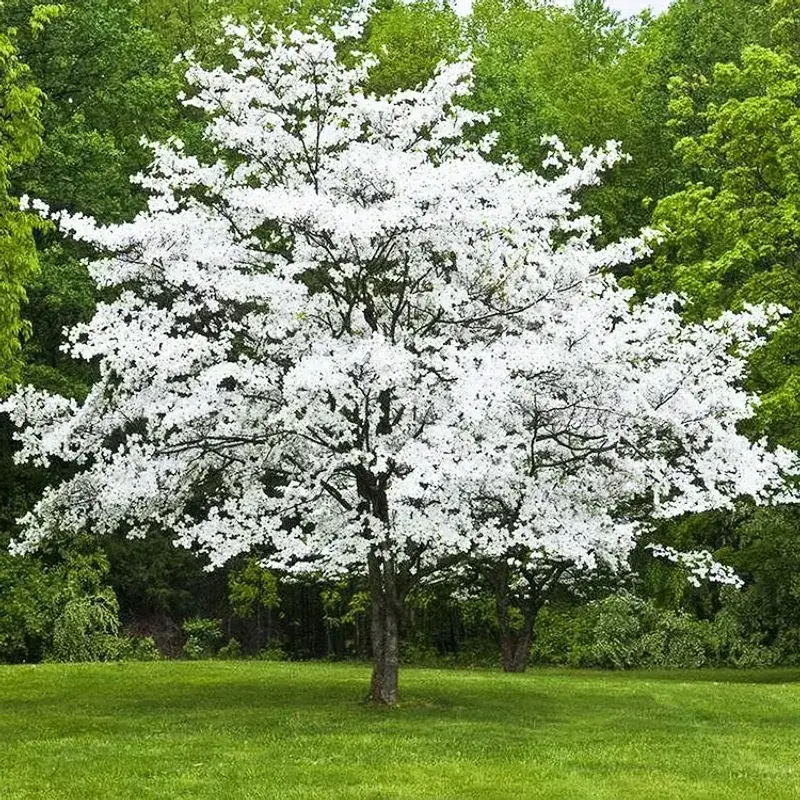
Known for its iconic white blossoms, the Dogwood tree is a staple in many American gardens. Its striking flowers are complemented by lush green leaves, creating a picturesque scene.
Dogwoods are celebrated not only for their beauty but also for their adaptability to various climates. They offer seasonal interest, with colorful fall foliage and berries that attract wildlife.
Did you know? Native Americans used Dogwood bark for medicinal purposes, showcasing its historical significance.
4. Amelanchier
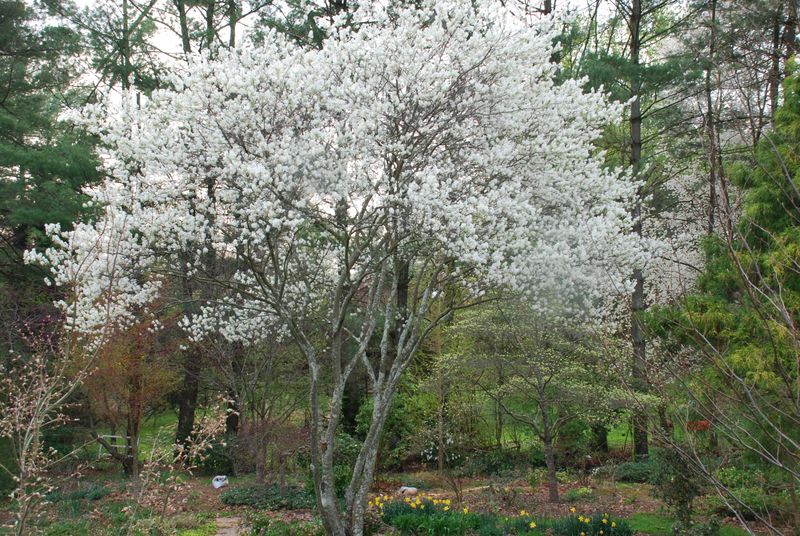
Often called the Serviceberry, the Amelanchier is a tree that offers multi-season interest. In spring, it bursts into life with a cloud of white blossoms, signaling the end of winter.
Its small stature makes it a perfect fit for residential landscapes, providing beauty without overpowering the space. As autumn approaches, its leaves turn a brilliant shade of orange, adding to the seasonal charm.
Fun fact: Amelanchier berries are edible and have been used in jams and pies for centuries.
5. Crabapple
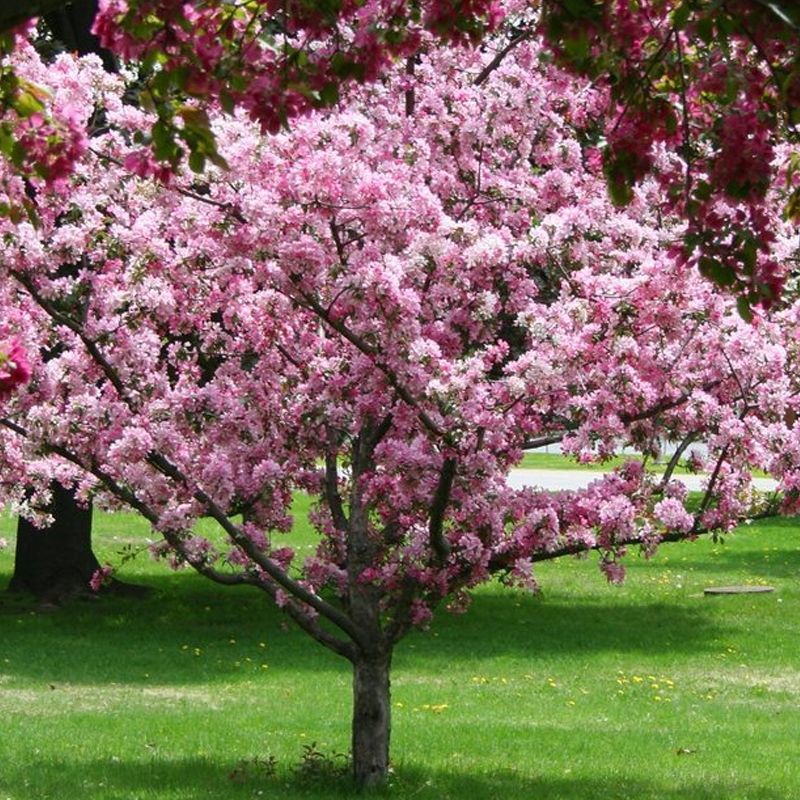
The Crabapple tree, with its profusion of pink blossoms and decorative fruit, is a delightful addition to any garden. Its vibrant display in spring draws in pollinators, ensuring a lively garden atmosphere.
Despite its beauty, the Crabapple remains compact, making it suitable for small spaces. Its hardy nature allows it to thrive in various conditions, appealing to gardeners of all skill levels.
Did you know? Crabapple fruits are often used to make jellies, adding a culinary twist to its aesthetic appeal.
6. Magnolia
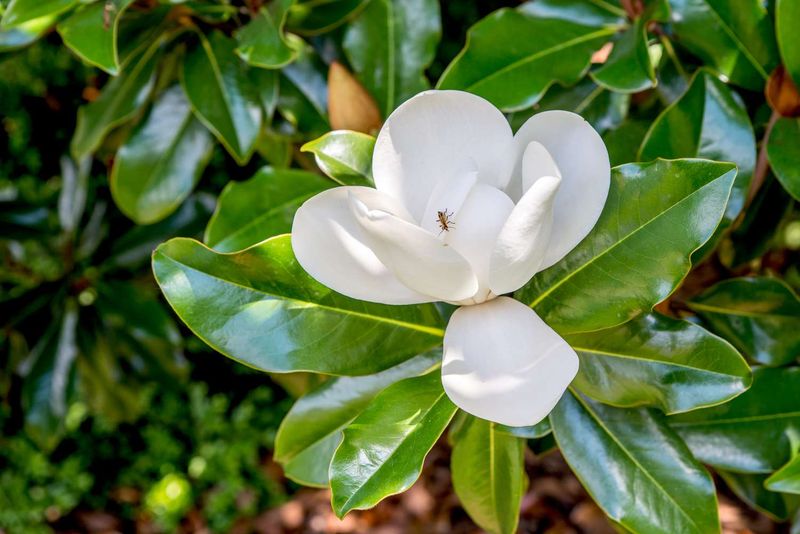
Magnolia trees, with their grand blossoms, are a symbol of elegance and grace. Their creamy white flowers contrast beautifully with dark green leaves, making them an eye-catching choice for any landscape.
Compact and manageable, the Magnolia fits well into smaller yards, providing beauty without causing damage to nearby structures. Its fragrant blooms are an added bonus, bringing a pleasant aroma to your garden.
Did you know? Magnolias are ancient trees, with fossils dating back over 20 million years.
7. Hawthorn
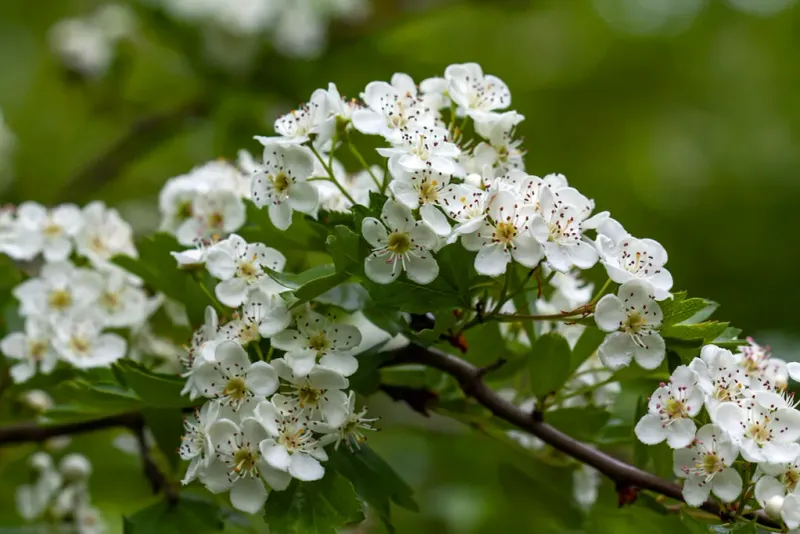
The Hawthorn tree, known for its white blossoms and vibrant red berries, offers a rustic charm to any landscape. Its dense foliage and thorny branches provide a natural habitat for birds.
This small tree is perfect for smaller spaces, as its roots are non-invasive. Its hardiness and adaptability to various climates make it a reliable choice for gardeners.
Fun fact: In folklore, the Hawthorn is associated with protection and was often planted near homes to ward off evil spirits.
8. Dwarf Alberta Spruce
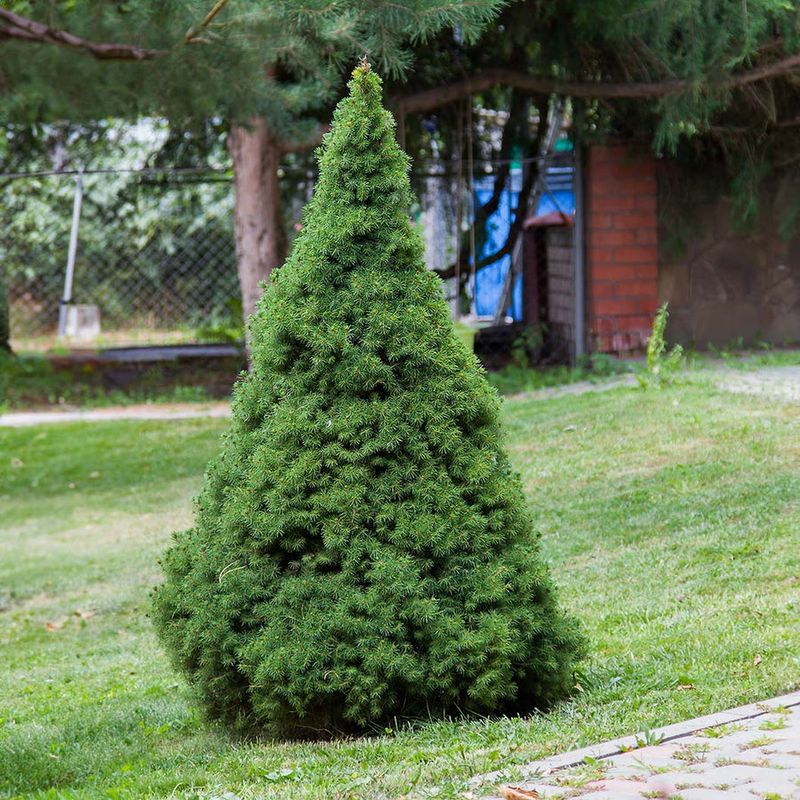
For those seeking evergreen beauty, the Dwarf Alberta Spruce is a top choice. Its compact size and conical shape make it a perfect fit for small gardens or as a decorative accent near entryways.
Its slow growth and dense foliage require minimal maintenance, making it an ideal choice for busy homeowners. This spruce thrives in colder climates, adding greenery even in the bleakest winters.
Did you know? The Dwarf Alberta Spruce is often used as a miniature Christmas tree, bringing festive cheer during the holiday season.
9. Kousa Dogwood
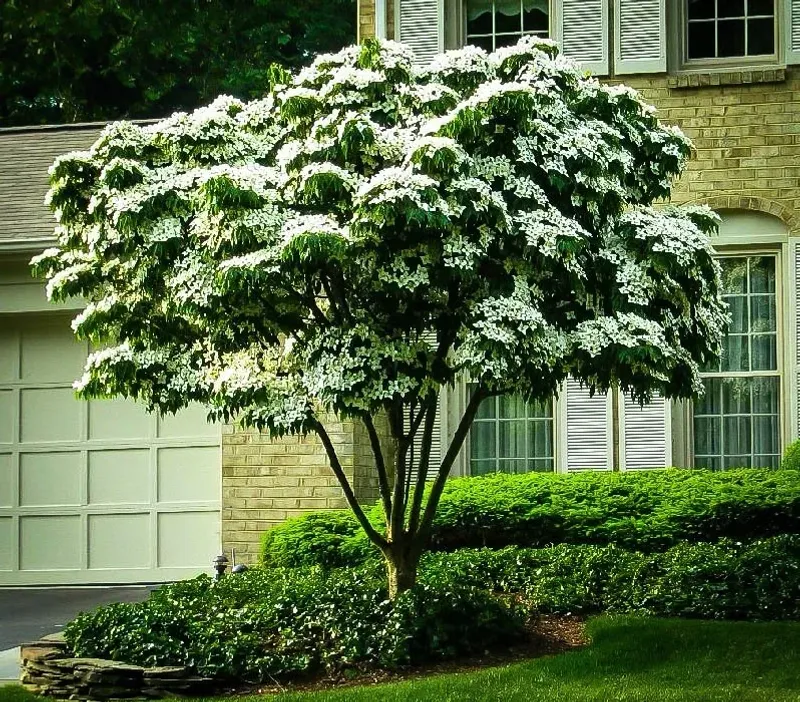
The Kousa Dogwood, with its layered white blossoms and red autumn berries, adds visual interest throughout the year. Its unique horizontal branching pattern creates an architectural element in gardens.
This tree is perfect for small spaces, as it remains compact and does not have invasive roots. Its resilience to common pests and diseases makes it a popular choice for urban settings.
Did you know? The Kousa Dogwood is native to Japan and Korea, where it is often celebrated for its ornamental beauty.
10. Crape Myrtle
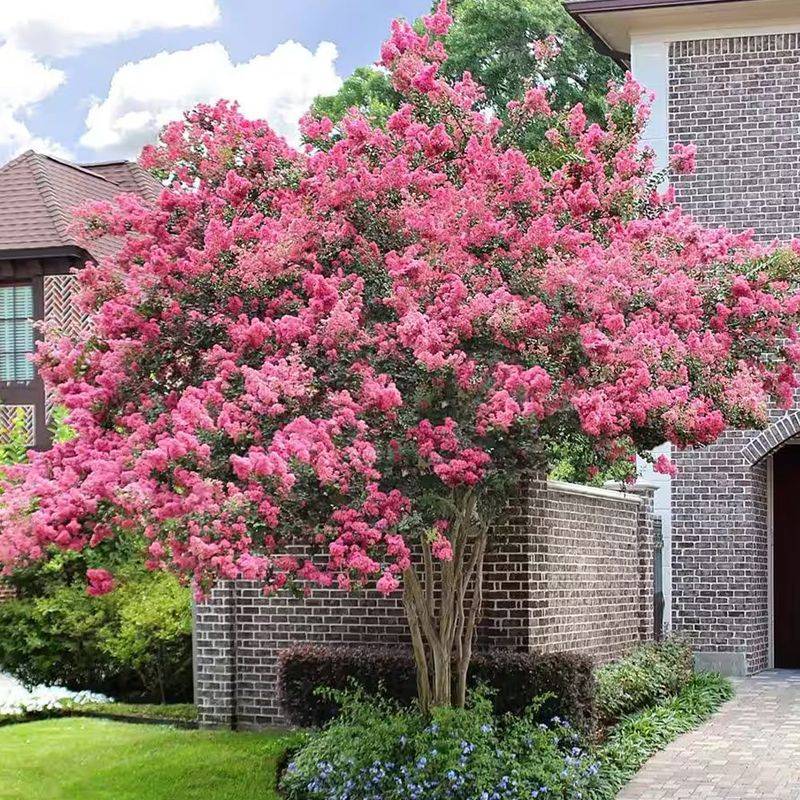
Crape Myrtle trees are known for their vibrant summer blooms that range from pink to red to white. Their peeling bark and colorful flowers make them a standout feature in any garden.
With a variety of sizes, the Crape Myrtle can be tailored to fit any landscape, from small gardens to expansive yards. Its drought tolerance adds to its appeal in warmer climates.
Fun fact: The Crape Myrtle is often called the “Lilac of the South” due to its popularity in Southern gardens.
11. Lilac
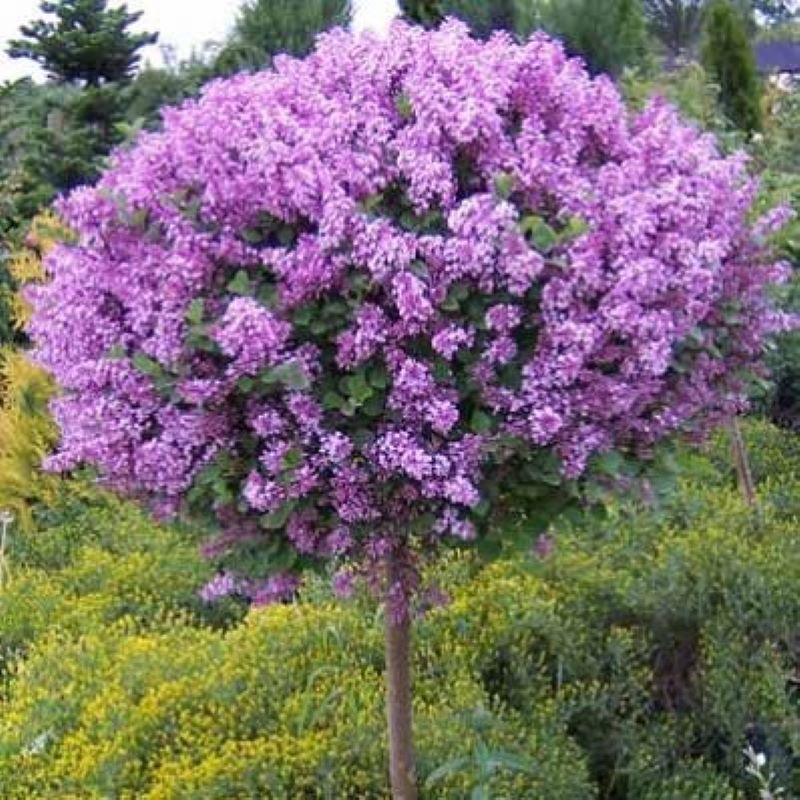
Lilac trees, famous for their fragrant purple blooms, bring a touch of nostalgia to any garden. Their intoxicating scent and dense clusters of flowers make them a beloved choice for flower enthusiasts.
Though smaller in stature, Lilacs offer a big impact with their vibrant colors and sweet aroma. They’re perfect for planting near windows or patios where their scent can be enjoyed.
Did you know? The Lilac is a symbol of first love, making it a romantic addition to any landscape.
12. Sargent Cherry
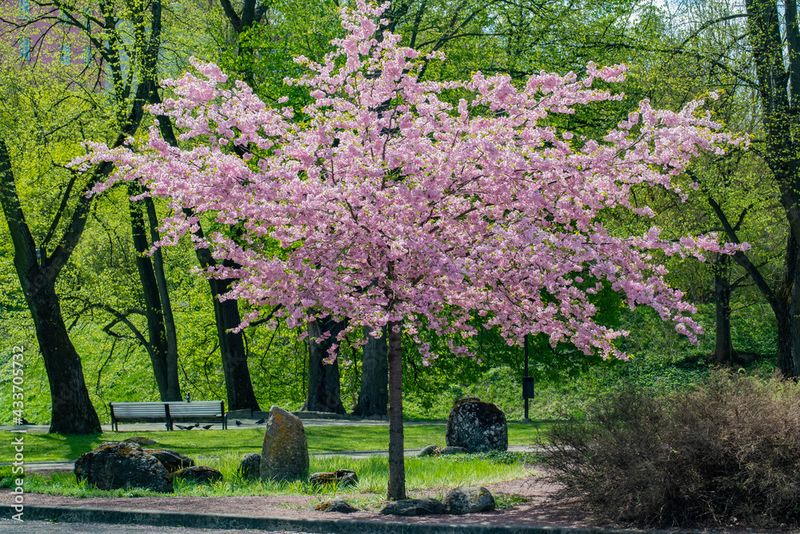
The Sargent Cherry, with its delicate pink blossoms, offers a taste of springtime magic. This tree is a favorite in Japanese gardens, known for its graceful form and elegant beauty.
Its non-aggressive roots make it suitable for planting near structures or along driveways, providing beauty without the risk of damage. Its foliage turns a stunning shade of red in the fall, adding to its seasonal appeal.
Fun fact: The Sargent Cherry is named after Charles Sprague Sargent, a noted American botanist.
13. Japanese Snowbell
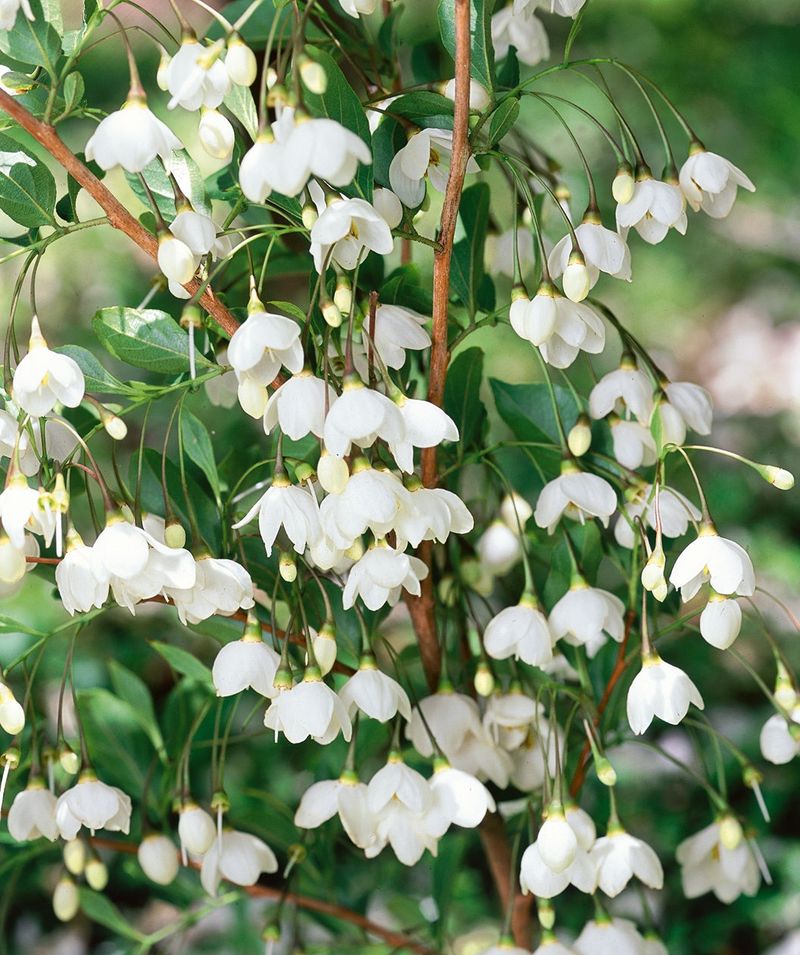
The Japanese Snowbell, with its delicate white bell-shaped flowers, adds a touch of elegance to any garden. Its cascading blooms and graceful form create a sense of tranquility.
This tree’s compact size and non-invasive roots make it an ideal choice for small gardens or as an accent in larger landscapes. Its flowers produce a subtle fragrance, enhancing its appeal.
Did you know? The Japanese Snowbell is often used in bonsai, showcasing its adaptability and beauty in miniature form.
14. Chaste Tree
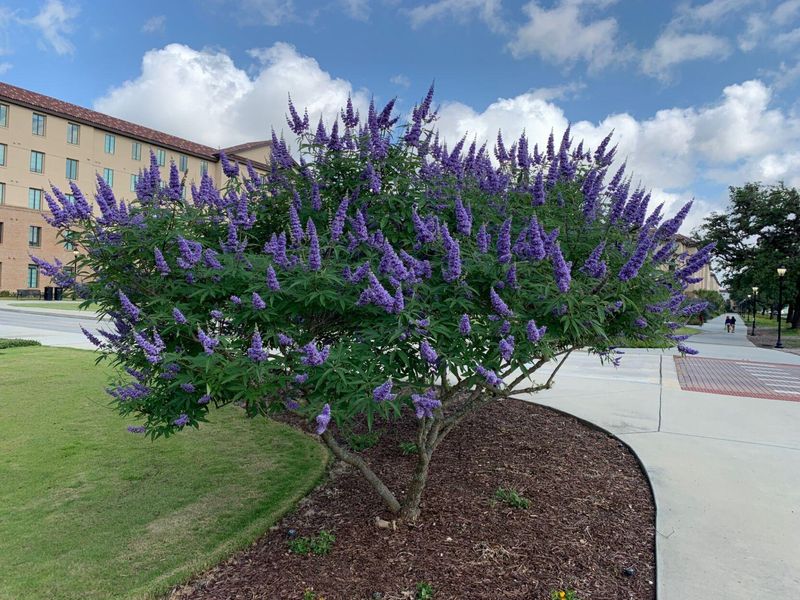
The Chaste Tree, known for its spikes of lavender blooms, is a magnet for pollinators. Its unique foliage and fragrant flowers make it a distinctive choice for gardeners seeking something different.
Compact and manageable, this tree is perfect for small spaces, adding a splash of color without overwhelming the area. Its drought resistance makes it suitable for warmer climates.
Fun fact: The Chaste Tree was historically used for medicinal purposes and is associated with ancient herbal traditions.
15. Paperbark Maple
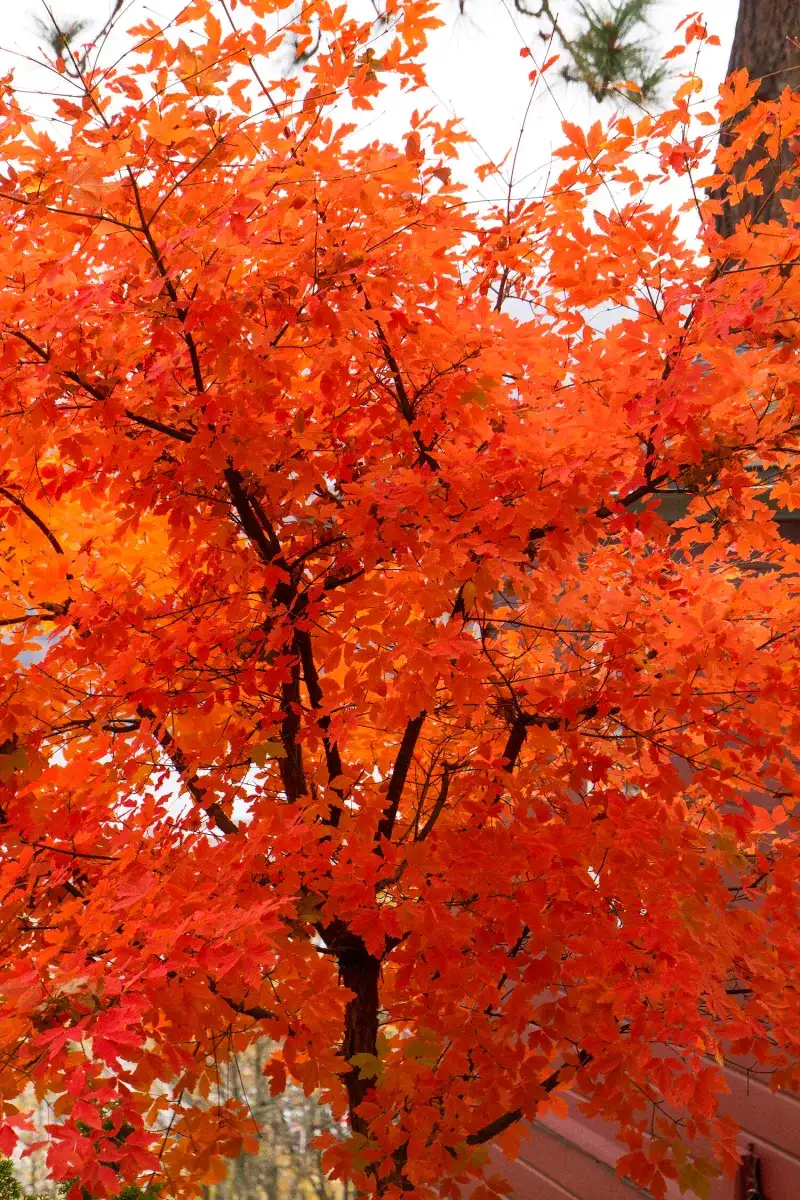
The Paperbark Maple is renowned for its peeling coppery bark, which adds a unique texture to gardens. Its fiery red autumn leaves make it a standout choice for seasonal interest.
This tree’s manageable size and non-invasive roots make it suitable for small yards or as a specimen tree. Its tolerance to different soil types adds to its versatility.
Did you know? The Paperbark Maple is native to China and was introduced to Western gardens in the early 20th century.
16. Serviceberry
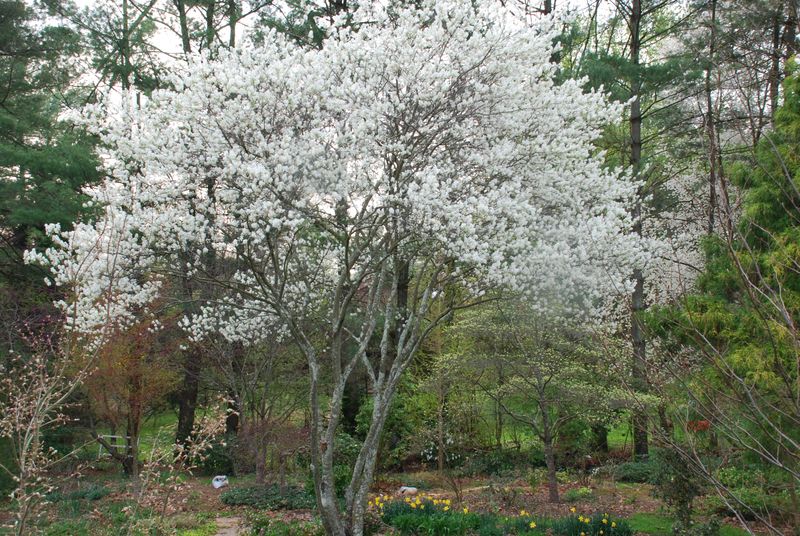
Serviceberry trees, with their profusion of white blossoms, are a herald of spring. Their graceful form and multi-season interest make them a favorite among gardeners.
Compact and versatile, the Serviceberry fits well into urban settings, providing beauty without the risk of root damage. Its berries attract birds, adding life to your garden.
Fun fact: The Serviceberry was named because it bloomed when roads were passable for preachers to conduct services in remote areas.
17. Eastern Red Cedar
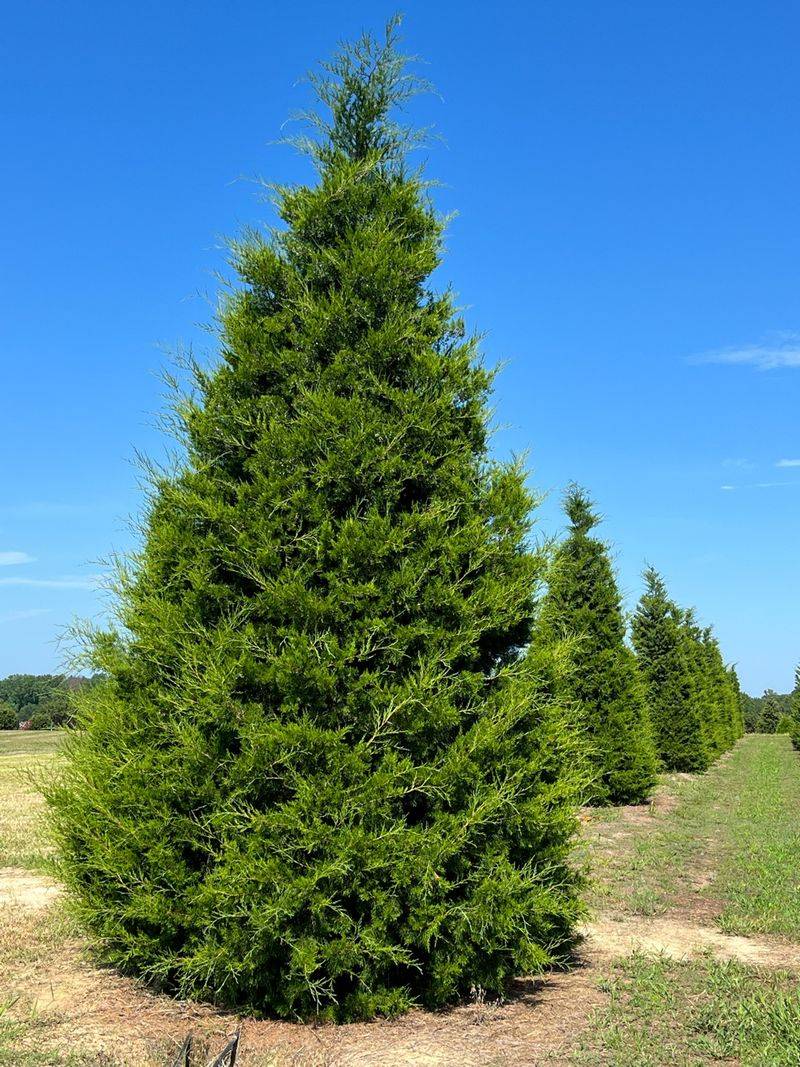
The Eastern Red Cedar, with its rich green foliage, is a staple in many landscapes. Its conical shape and hardy nature make it a reliable choice for creating privacy screens or windbreaks.
Though larger than some, its roots are non-invasive, making it suitable for planting near structures. Its foliage provides year-round color and interest, even in the harshest winters.
Did you know? The wood of the Eastern Red Cedar is often used to make cedar chests, prized for their aromatic quality.
18. Holm Oak
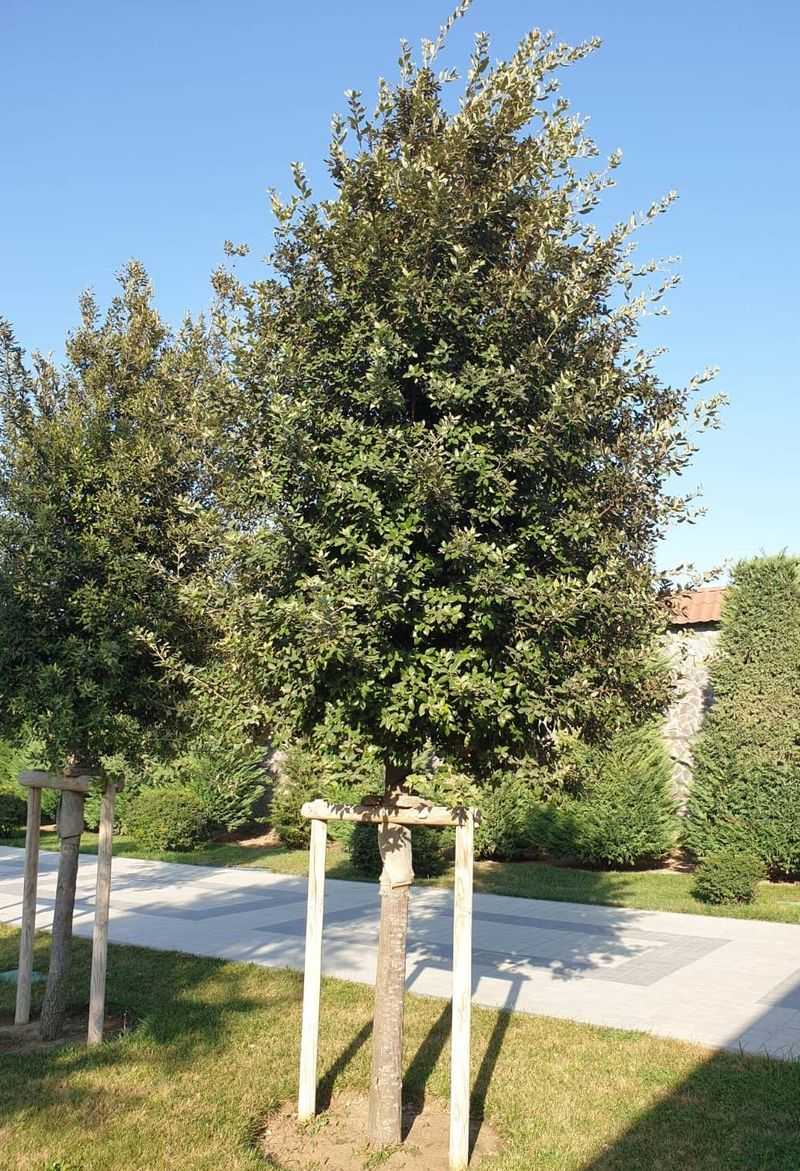
The Holm Oak, also known as the Holly Oak, boasts dense, leathery leaves that provide year-round greenery. Its resilience and adaptability make it a valued choice for coastal and urban environments.
This tree’s roots are non-invasive, making it safe for planting near driveways or patios. Its ability to withstand drought conditions adds to its appeal for gardeners in arid regions.
Fun fact: The Holm Oak is native to the Mediterranean and has been used for centuries in traditional landscaping.
19. Japanese Zelkova
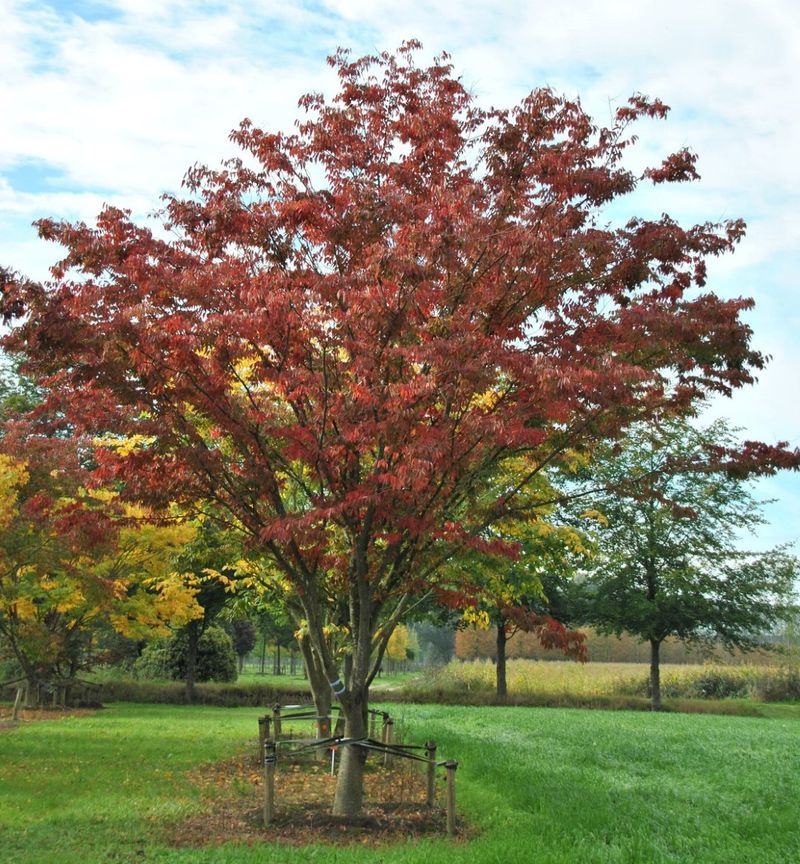
The Japanese Zelkova is known for its attractive vase shape and vibrant autumn colors. Its tall, arching branches create a canopy of shade, making it a popular choice for urban landscapes.
Despite its size, the Zelkova’s roots are deep and non-invasive, ensuring it won’t disrupt structures. Its resilience to pests and diseases makes it a reliable option for city environments.
Did you know? The Japanese Zelkova is often used as a substitute for the American Elm due to its similar appearance and greater resistance to Dutch elm disease.
20. Weeping Cherry
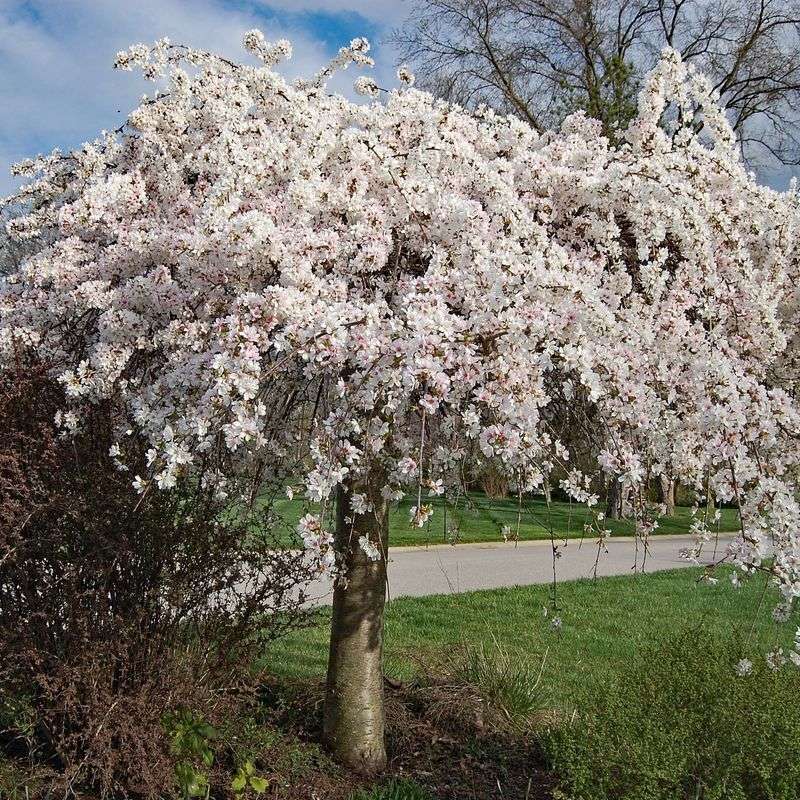
The Weeping Cherry, with its cascading pink blossoms, is a sight to behold in spring. Its elegant form and delicate flowers make it a focal point in any garden.
This tree’s compact size and graceful branches are perfect for smaller spaces, providing beauty without crowding the landscape. Its ornamental appeal is matched by its non-invasive root system.
Fun fact: Weeping Cherries are often planted in memorial gardens, symbolizing the beauty and transience of life.
21. Pee Gee Hydrangea
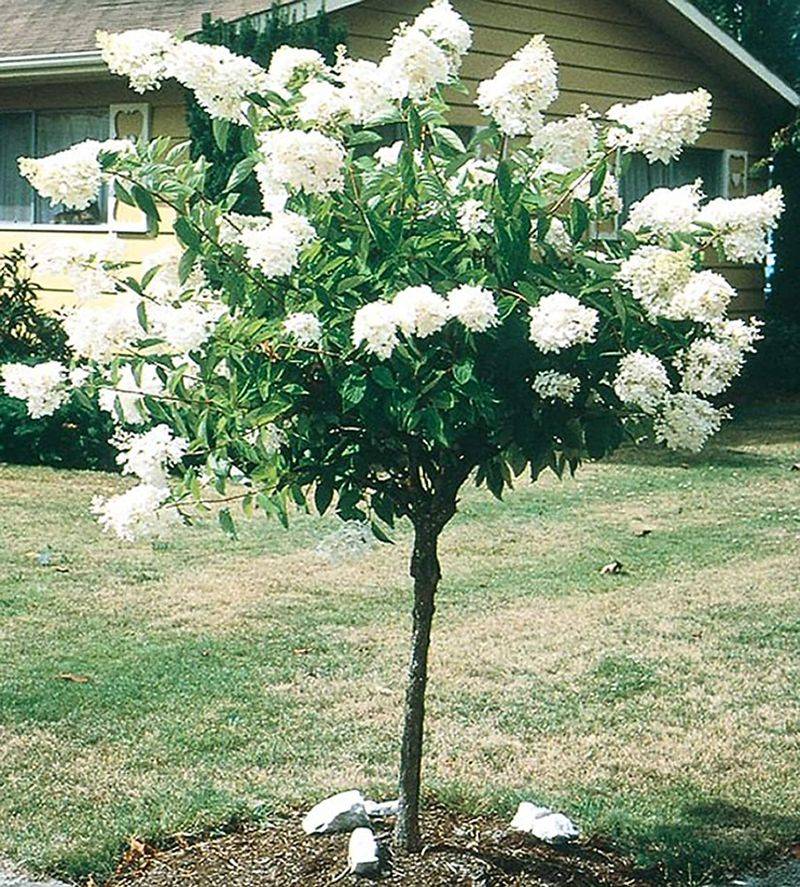
The Pee Gee Hydrangea, with its lush white blooms, transforms any garden into a floral paradise. Its large flower heads and upright form make it a stunning addition to landscapes.
Though often pruned into a tree form, its manageable size and non-invasive roots make it a flexible choice for various garden styles. Its blooms can be dried for indoor arrangements, extending their beauty beyond the garden.
Did you know? The Pee Gee Hydrangea is a cultivar of the Panicle Hydrangea, known for its cone-shaped flowers.
22. Citrus Tree
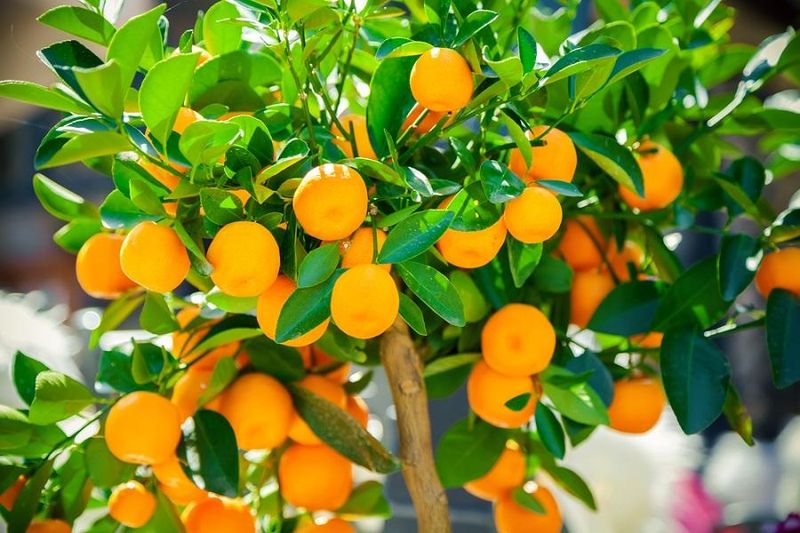
Citrus trees, whether orange, lemon, or lime, offer both aesthetic and culinary delights. Their glossy leaves and fragrant blossoms create an inviting garden atmosphere.
Ideal for container growing, Citrus trees remain small yet productive, bringing a taste of the Mediterranean to your patio or balcony. Their fruit is not only delicious but also adds a pop of color.
Did you know? Citrus trees were first cultivated in Southeast Asia and have been prized for their fruit for thousands of years.
23. Fringe Tree
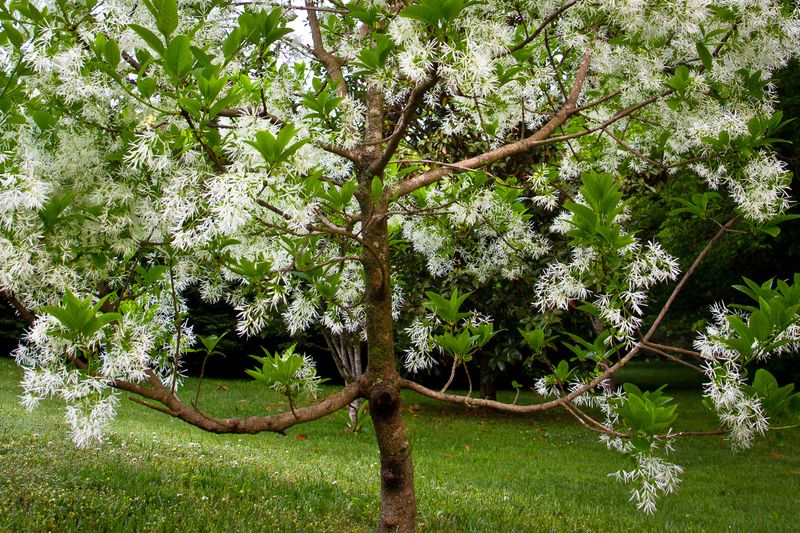
The Fringe Tree, with its delicate white fringe-like flowers, adds a whimsical touch to any landscape. Its airy blossoms and subtle fragrance make it a unique choice for gardeners seeking something different.
This small tree thrives in partial shade and its non-invasive roots make it a safe option for planting near homes. Its attractive bark and fall foliage provide year-round interest.
Fun fact: The Fringe Tree is native to North America and is often called “Old Man’s Beard” due to its fluffy flowers.
24. Mimosa Tree
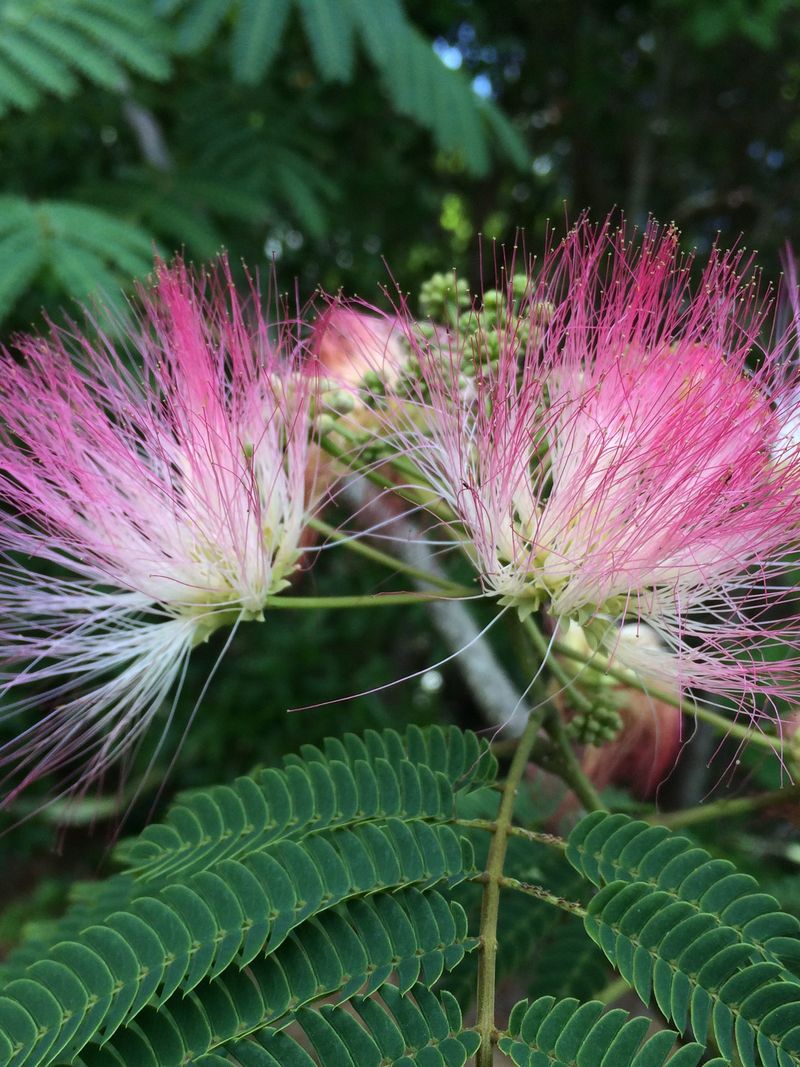
The Mimosa tree, known for its pink fluffy blooms, brings an exotic feel to gardens. Its fern-like leaves and delicate flowers are a magnet for butterflies and hummingbirds.
Despite its tropical appearance, the Mimosa remains small, making it suitable for urban environments. Its fast growth and easy maintenance appeal to those seeking quick garden transformations.
Did you know? The Mimosa is sometimes called the “Silk Tree,” referencing its soft and silky flowers.
25. Dwarf Japanese Black Pine
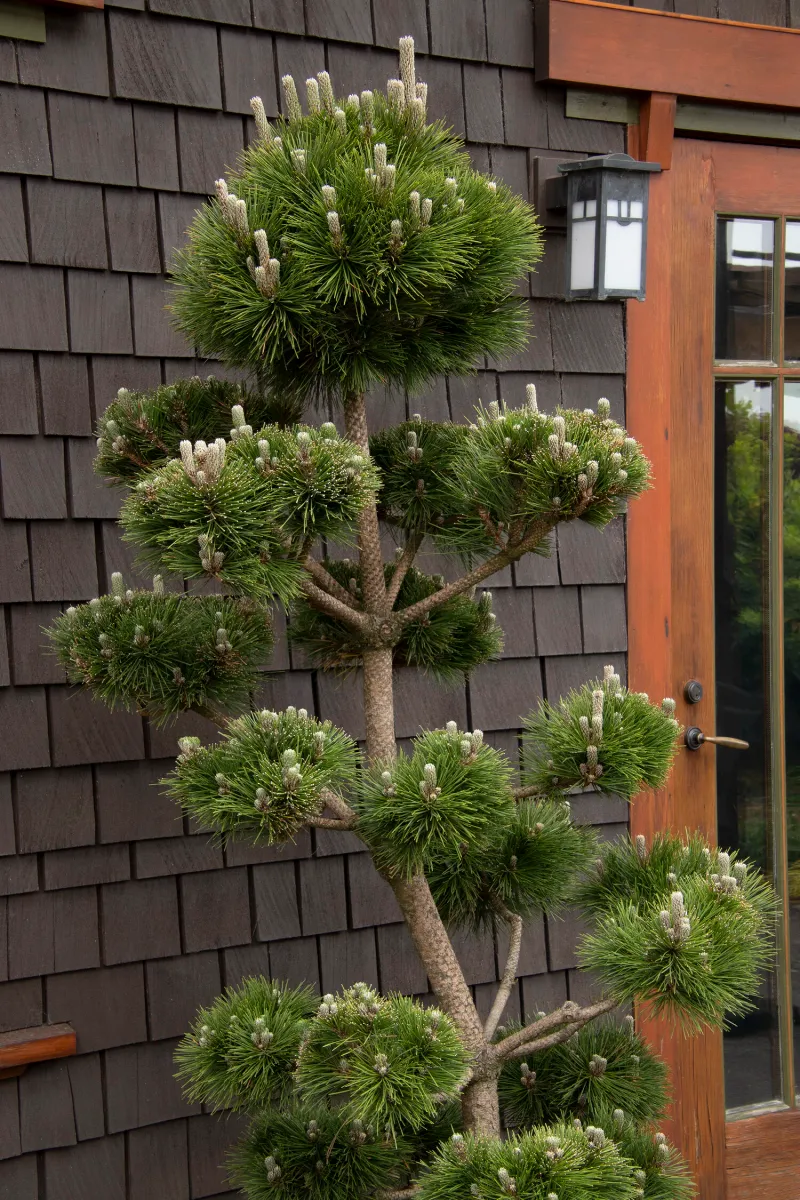
Imagine a tree that embodies the essence of serenity and elegance. The Dwarf Japanese Black Pine offers just that with its sculptural trunk and lush, dark green needles. Known for its unique ability to thrive in confined spaces, this tree brings a touch of the exotic to your garden.
Its slow growth rate ensures it remains compact, making it ideal for small gardens and urban landscapes. The tree’s intricate form adds an interesting focal point, drawing the eye and sparking conversation.
Fun fact: This species can live for over a century, becoming a treasured heirloom in your garden.