 Complete Gardening
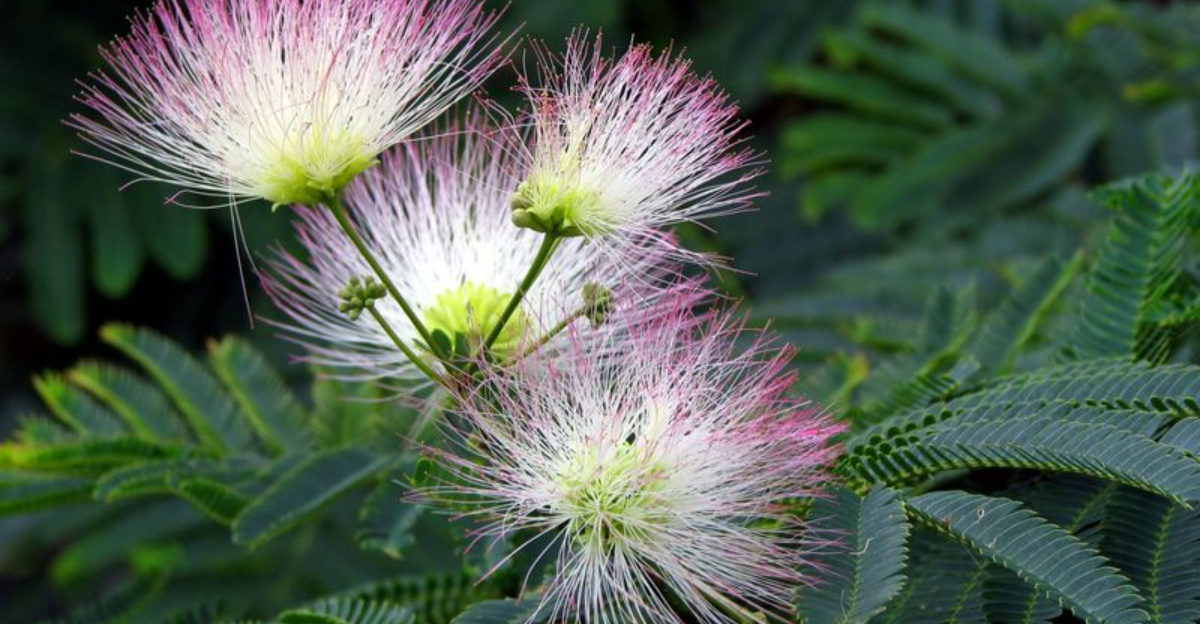
In your quest for a perfect garden, beware of certain shrubs that, while tempting, can overrun your landscape and disrupt local ecosystems. These 25 spreading shrubs may appear attractive but their aggressive nature can lead to unintended consequences. This guide will help you identify each problematic species and suggest a more environmentally-friendly alternative.
1. Japanese Barberry (Berberis thunbergii)
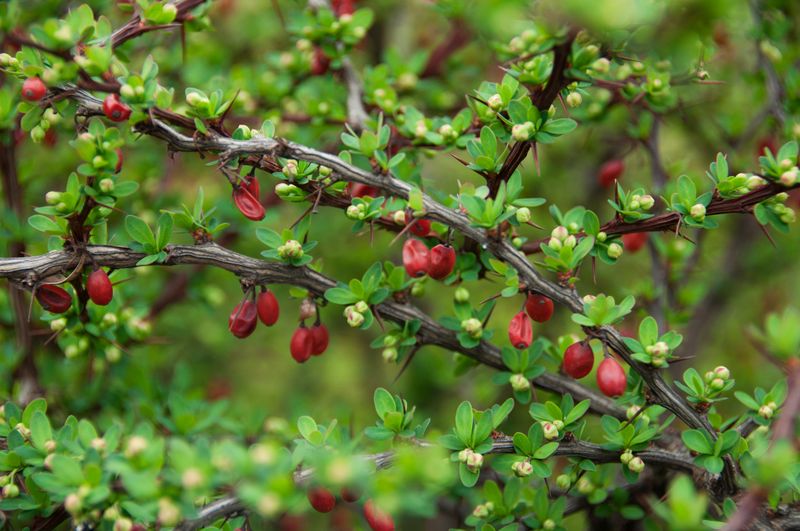
Japanese Barberry is a thorny shrub often admired for its vibrant foliage and berries. However, its beauty masks a darker nature. This invasive species spreads rapidly through seeds and root systems, creating dense thickets that crowd out native plants and provide a haven for ticks. Switching to Winterberry offers similar visual appeal without the ecological downside. Winterberry is native, providing food for birds while maintaining a balanced ecosystem. In gardens, opting for Winterberry instead of Barberry can foster biodiversity and reduce the risk of tick-borne diseases.
2. Burning Bush (Euonymus alatus)
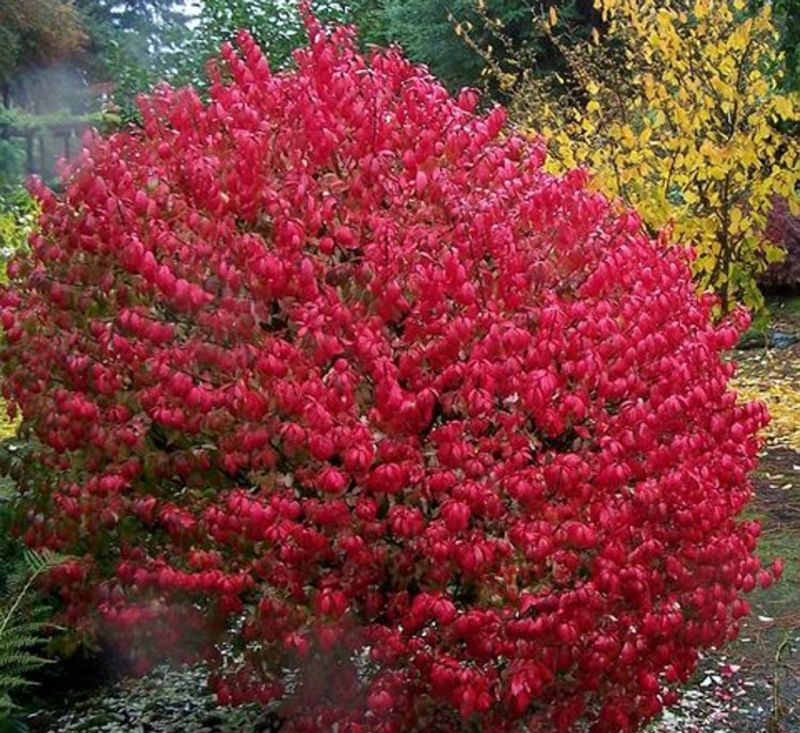
Popular for its fiery autumn color, the Burning Bush is a common sight in home landscapes. Despite its aesthetic appeal, it easily escapes cultivation, aggressively spreading into nearby fields and forests. This shrub outcompetes native plant species, disrupting local ecosystems. Virginia Sweetspire offers a stunning alternative, with its own vibrant fall display. Native to the eastern United States, Virginia Sweetspire supports local wildlife and maintains ecological balance, making it a superior choice for environmentally conscious gardeners.
3. Privet (Ligustrum spp.)
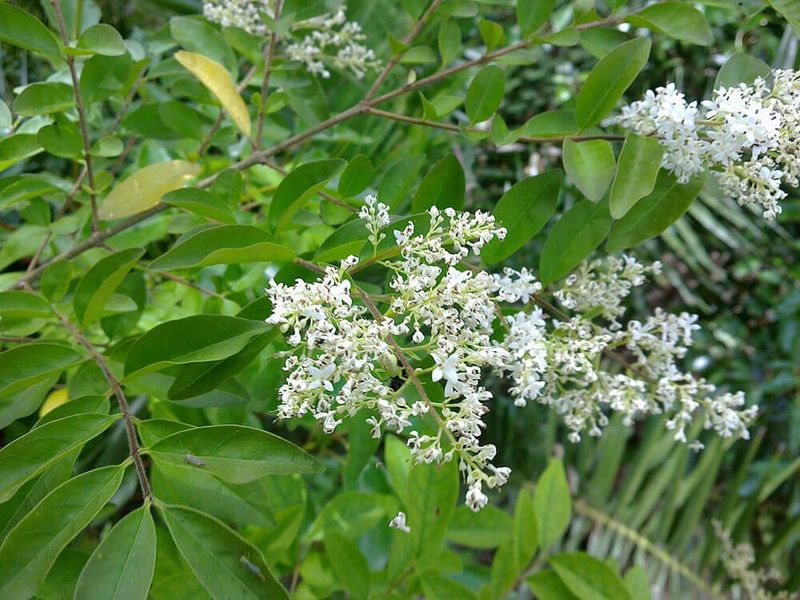
Privet hedges are often chosen for their dense foliage and fast growth. Unfortunately, these same traits allow Privet to form dense thickets that displace native flora. Its berries are mildly toxic, posing a risk to wildlife. A better choice for hedging is Inkberry Holly, an evergreen that provides a safe habitat for pollinators. Inkberry Holly maintains a neat appearance without the aggressive spread, supporting local ecosystems rather than undermining them.
4. Butterfly Bush (Buddleja davidii)
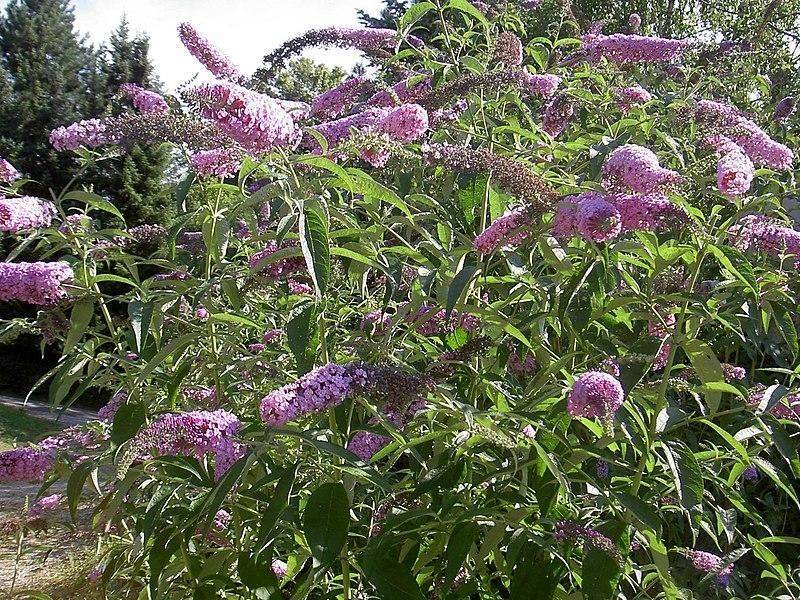
The Butterfly Bush is beloved for its ability to attract butterflies, yet it can be deceptively harmful. Spreading aggressively, it often invades natural areas, outcompeting native plants vital for local wildlife. Consider planting Buttonbush instead, which also supports butterflies and other pollinators. Buttonbush thrives in moist environments and adds ecological value to your garden without the risk of invasion, making it a more sustainable choice.
5. Russian Olive (Elaeagnus angustifolia)
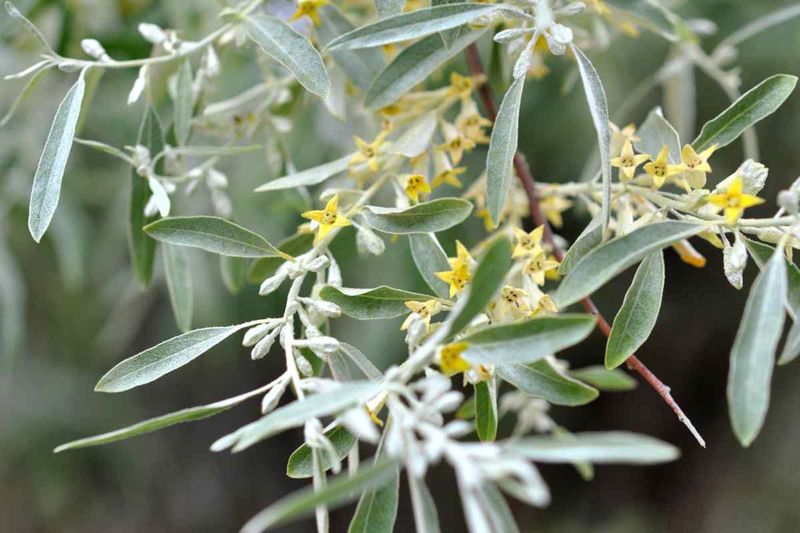
With its silvery leaves and fragrant flowers, Russian Olive may seem like an ideal ornamental plant. However, it is notorious for disrupting soil chemistry and displacing native species. Its rapid growth and spread make it a challenging invader. Opting for Silverberry, a native nitrogen-fixer, can provide similar aesthetics without the ecological harm. Silverberry supports soil health and local flora, contributing positively to your garden’s biodiversity.
6. Multiflora Rose (Rosa multiflora)
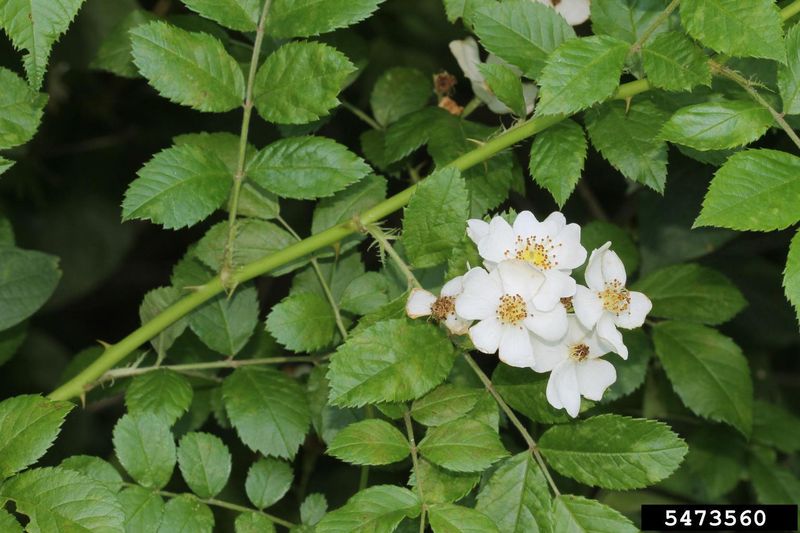
Multiflora Rose, with its fragrant blooms, can quickly become a gardener’s nightmare. Its ability to form dense, thorny thickets makes it invasive, often spread by birds. To avoid this, consider the Climbing Prairie Rose, a well-behaved native alternative. It offers all the beauty of Multiflora without the aggressive spread, providing habitat for wildlife and maintaining ecological harmony.
7. Autumn Olive (Elaeagnus umbellata)
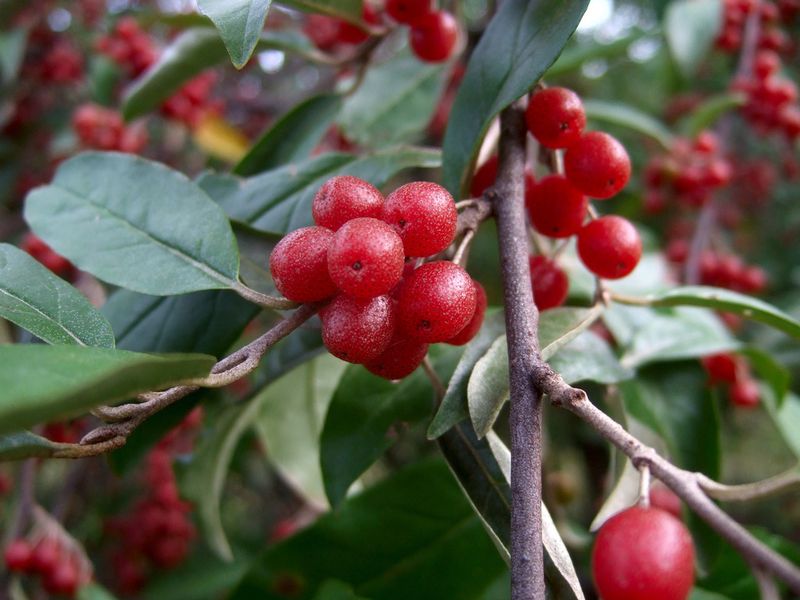
Despite its small, fragrant flowers and edible berries, Autumn Olive is a problematic invader. It spreads swiftly, choking out native plants and altering soil composition. Switch to Serviceberry for a more eco-friendly option. Serviceberry is not only native but also offers edible berries, enhancing both the garden’s biodiversity and the gardener’s pantry.
8. Japanese Honeysuckle (Lonicera japonica)
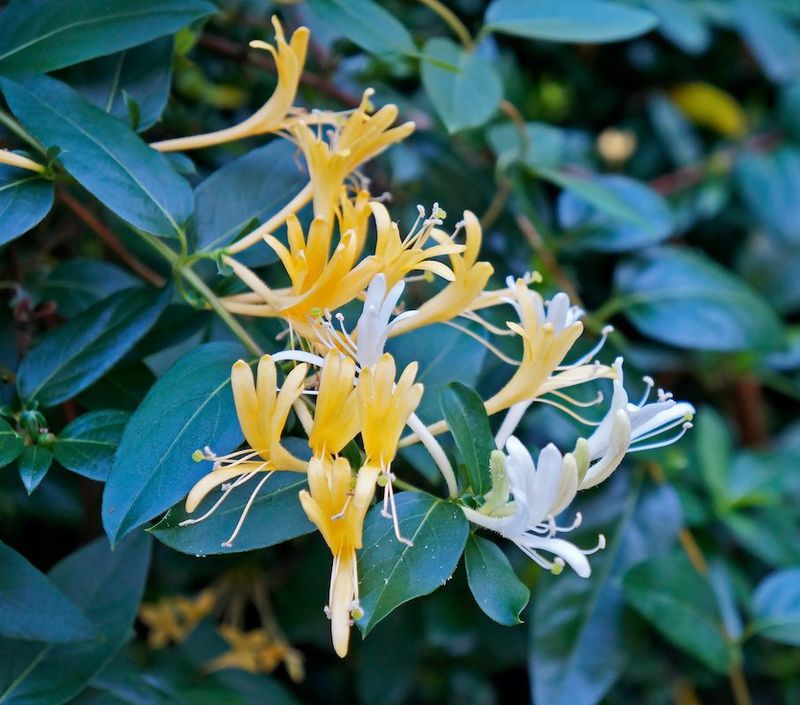
Though its sweet fragrance is appealing, Japanese Honeysuckle can wreak havoc in gardens and wild areas alike. Its rapid spread and ability to strangle trees make it a serious ecological threat. Instead, choose Coral Honeysuckle, a native variety that offers similar beauty without the invasive behavior. Coral Honeysuckle supports native wildlife and adds vibrant color to your garden.
9. Nandina (Heavenly Bamboo – Nandina domestica)
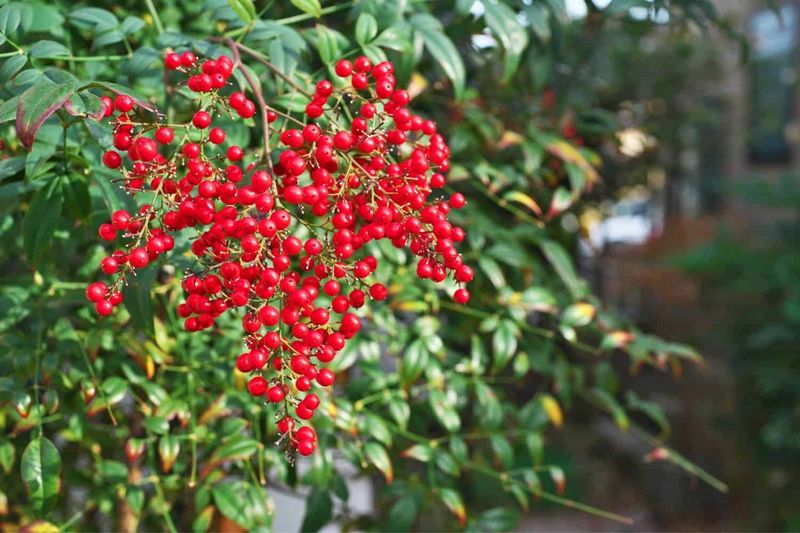
Nandina, with its delicate foliage and vibrant berries, may seem harmless. However, its seeds spread efficiently, and its berries are toxic to birds. Red Chokeberry offers a safer alternative, boasting beautiful foliage and non-toxic fruits. Native to North America, Red Chokeberry supports wildlife and keeps your garden both beautiful and ecologically sound.
10. English Ivy (Hedera helix)
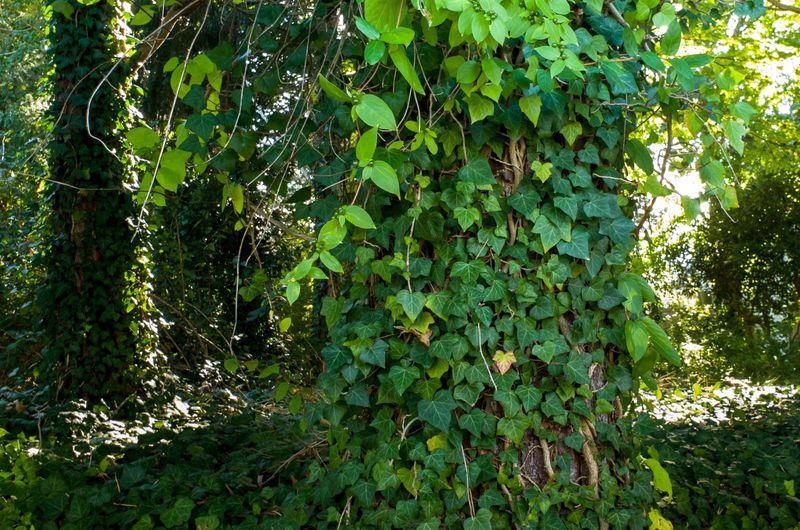
English Ivy is often planted for its lush, evergreen coverage. However, its tenacity can become its greatest flaw, as it climbs and smothers trees, leading to their decline. Virginia Creeper, a native alternative, provides similar coverage without the destructive impact. Its vibrant fall color adds seasonal interest while supporting local ecosystems.
11. Chinese Wisteria (Wisteria sinensis)
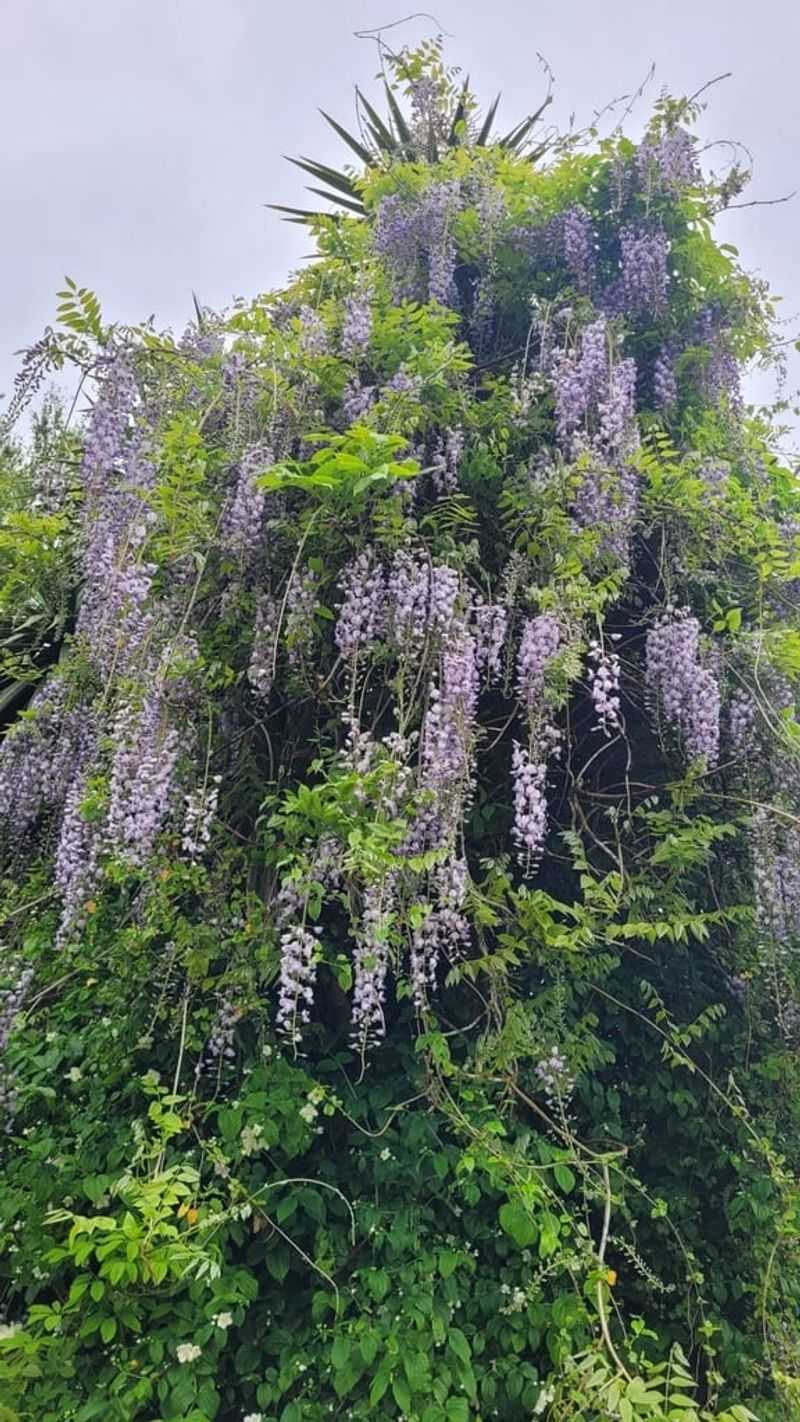
Chinese Wisteria is renowned for its stunning, cascading blooms, yet its aggressive growth can cause serious damage to structures. American Wisteria offers a tamer, native alternative that blooms just as beautifully without the invasive risk. This choice supports local wildlife and offers a more sustainable option for gardeners seeking ornamental vines.
12. Bradford Pear (Pyrus calleryana)
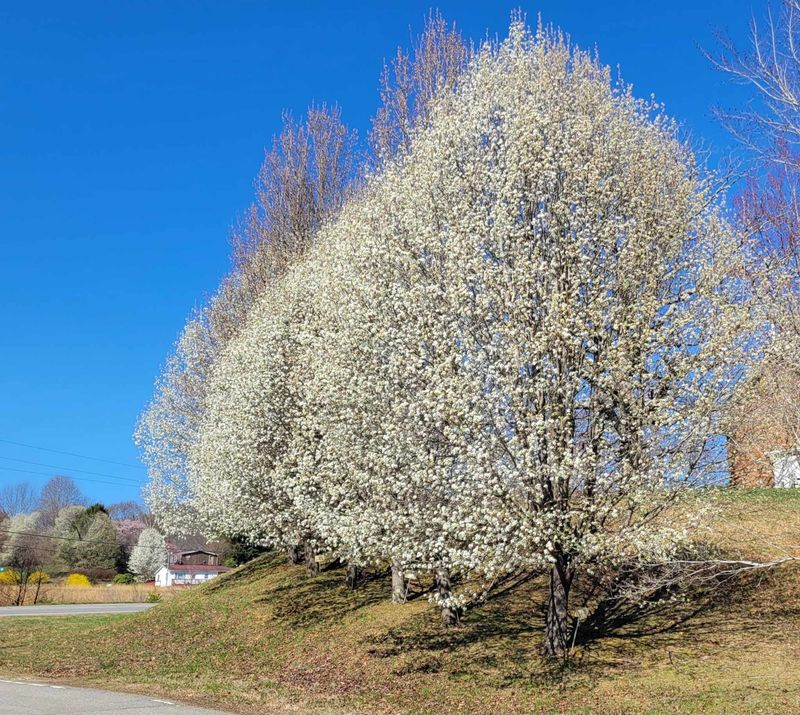
The Bradford Pear, with its symmetrical shape and white blossoms, is a common ornamental tree. Its weak wood, foul odor, and invasive nature, however, make it less desirable. Serviceberry is a sturdy, native alternative that provides similar aesthetic benefits while supporting wildlife and resisting storm damage.
13. Japanese Knotweed (Fallopia japonica)
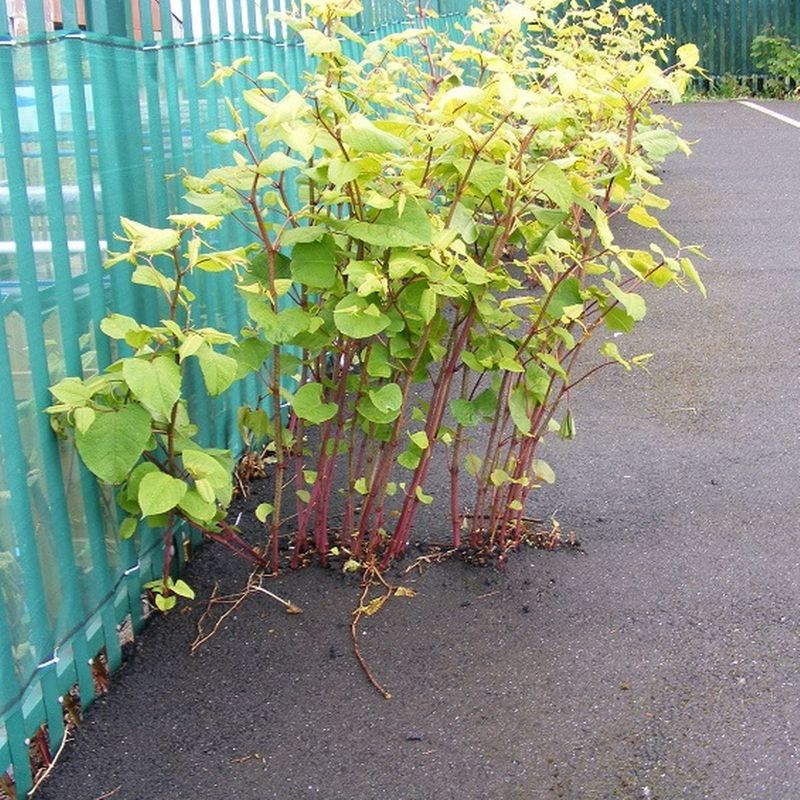
Japanese Knotweed is infamous for its ability to destroy building foundations and its near-impossibility to eradicate. This invasive plant spreads rapidly, overshadowing native vegetation. Red Osier Dogwood provides a native alternative, with striking red stems that add winter interest without the invasive nature of Knotweed.
14. Bamboo (Phyllostachys spp.)
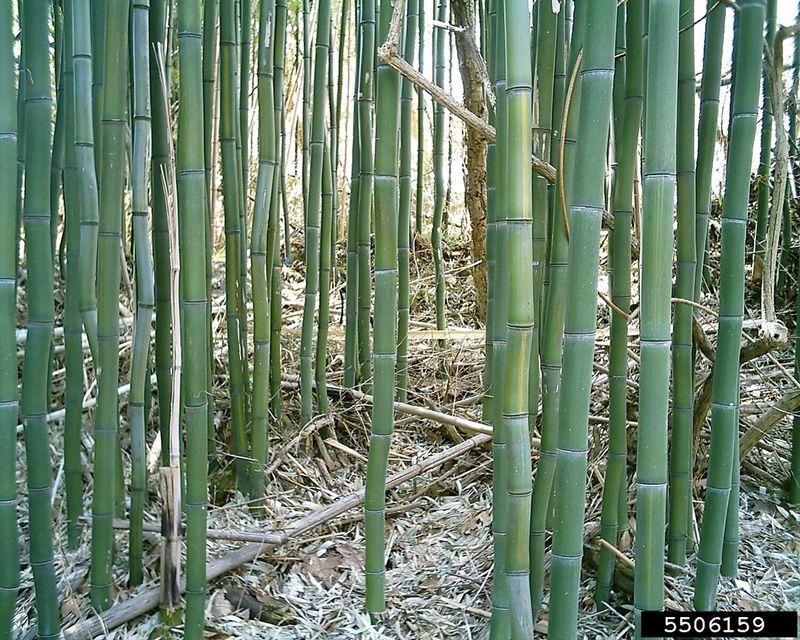
Bamboo is often chosen for its exotic appeal and rapid growth, but it can quickly spiral out of control, invading neighboring yards. Clumping Bamboo offers a more manageable alternative, as it grows in tighter clusters and doesn’t spread aggressively. This choice keeps your garden contained while still providing the sought-after aesthetic.
15. Norway Maple (Acer platanoides)
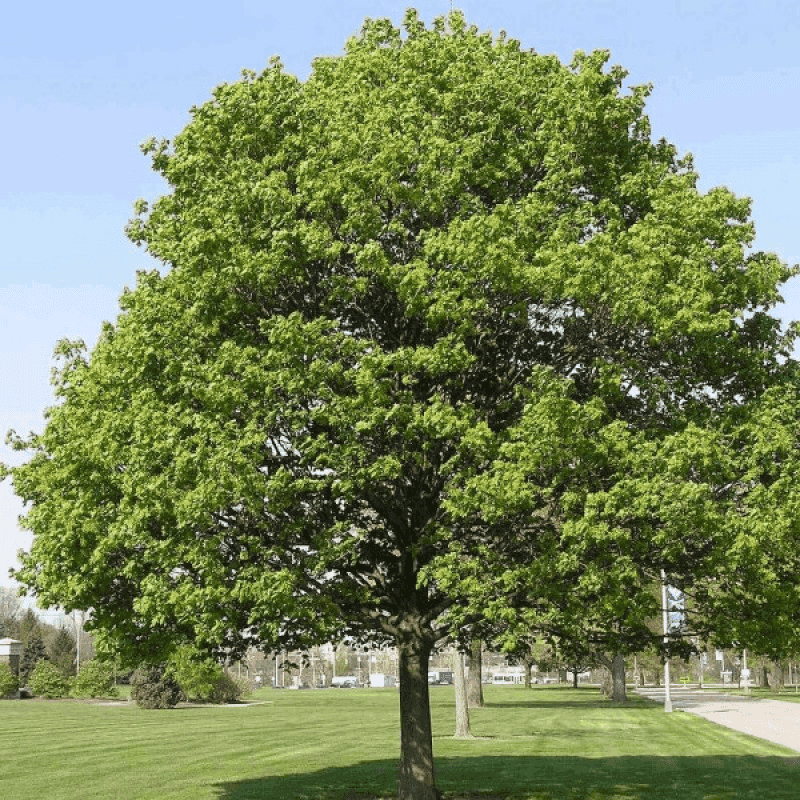
Norway Maple is often planted for its robust canopy and adaptability, but it casts deep shade that inhibits undergrowth, weakening local ecosystems. The Sugar Maple, a native tree, offers similar shade and beauty without displacing native species. Its autumn foliage provides breathtaking color, enhancing landscapes sustainably.
16. Tree of Heaven (Ailanthus altissima)
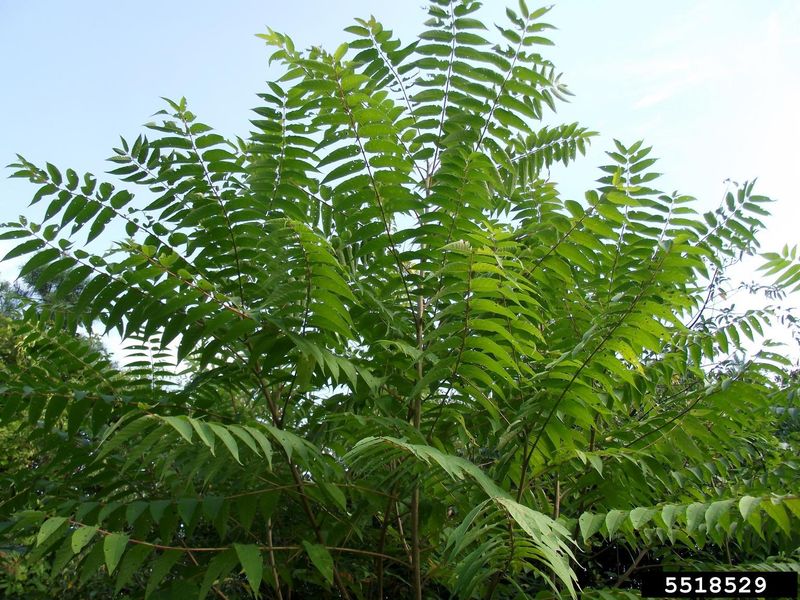
The Tree of Heaven, with its rapid growth and exotic appearance, might seem appealing, but its invasiveness and unpleasant odor make it undesirable. Staghorn Sumac provides a native alternative with striking foliage and more manageable growth. It supports wildlife and adds unique texture to urban and suburban gardens.
17. Scotch Broom (Cytisus scoparius)
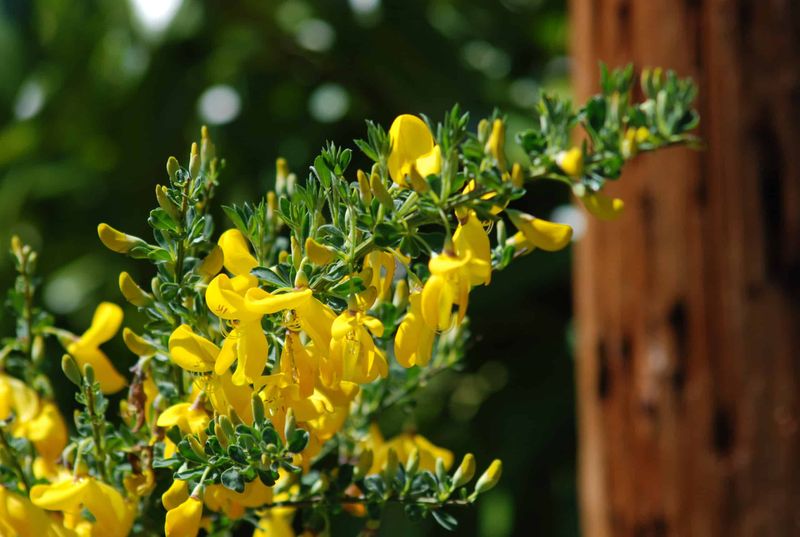
Scotch Broom, with its vibrant yellow flowers, is a fire hazard and spreads aggressively. Its invasiveness poses a serious threat to native ecosystems. New Jersey Tea is a native shrub offering similar visual appeal without the ecological risks. It supports pollinators and enriches garden diversity sustainably.
18. Porcelain Berry (Ampelopsis brevipedunculata)
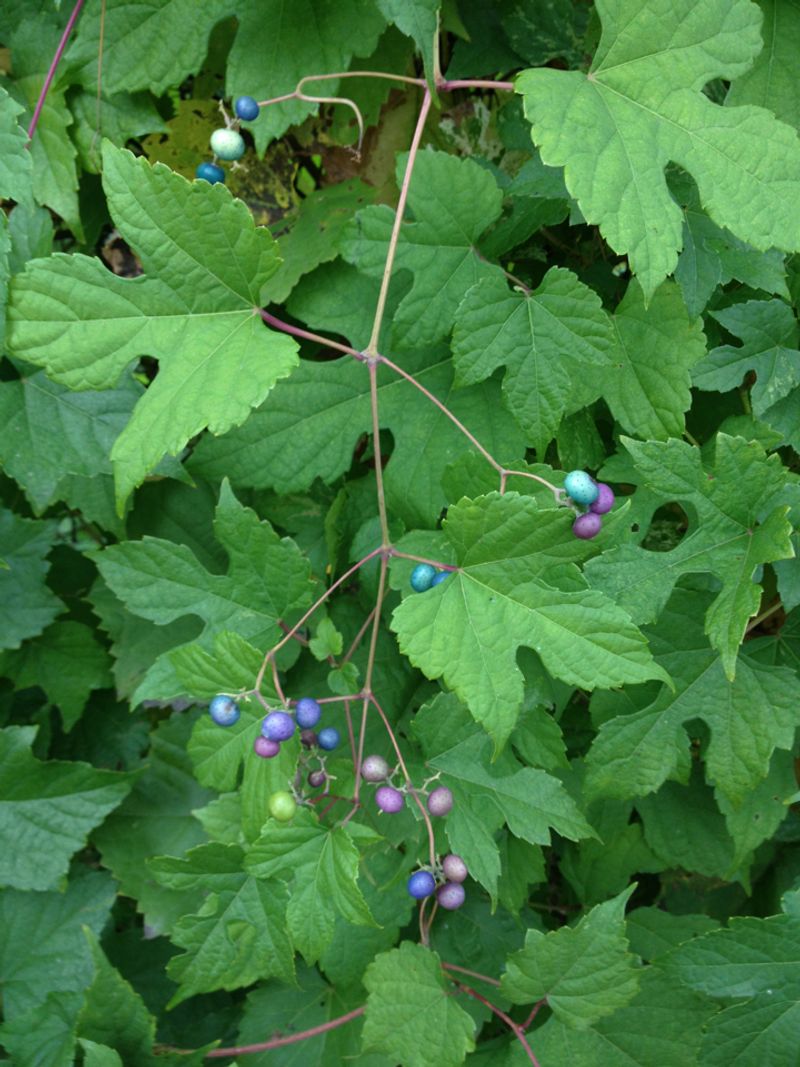
Porcelain Berry, with its colorful berries and vigorous growth, can quickly overtake gardens, smothering trees and shrubs. Passionflower provides a native alternative, offering beautiful blooms and edible fruits. This choice supports local wildlife and keeps your garden vibrant without the threat of invasive spread.
19. Mimosa (Albizia julibrissin)
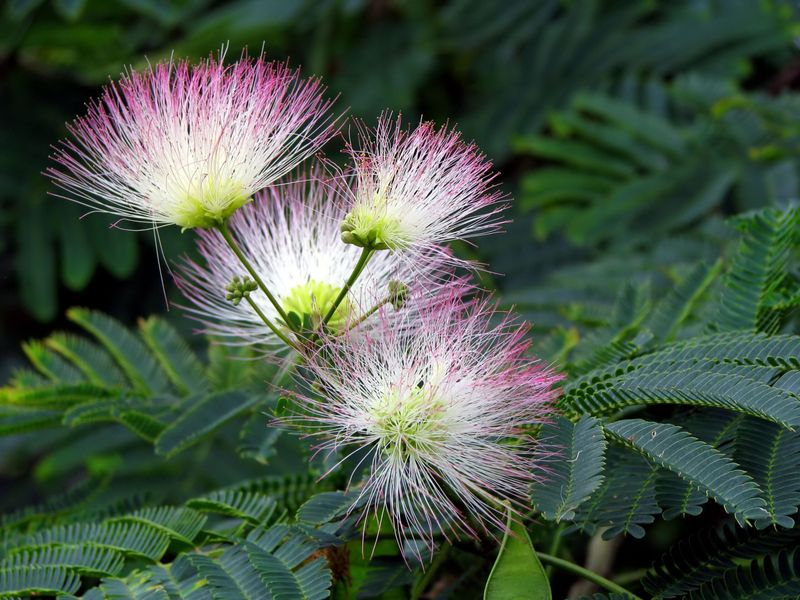
Despite its delicate, feathery blossoms, the Mimosa tree spreads invasively, with weak wood and prolific seed production. Redbud provides a hardy, native alternative, with stunning early spring blooms that enhance landscapes without the ecological risks posed by Mimosa.
20. Crown Vetch (Securigera varia)
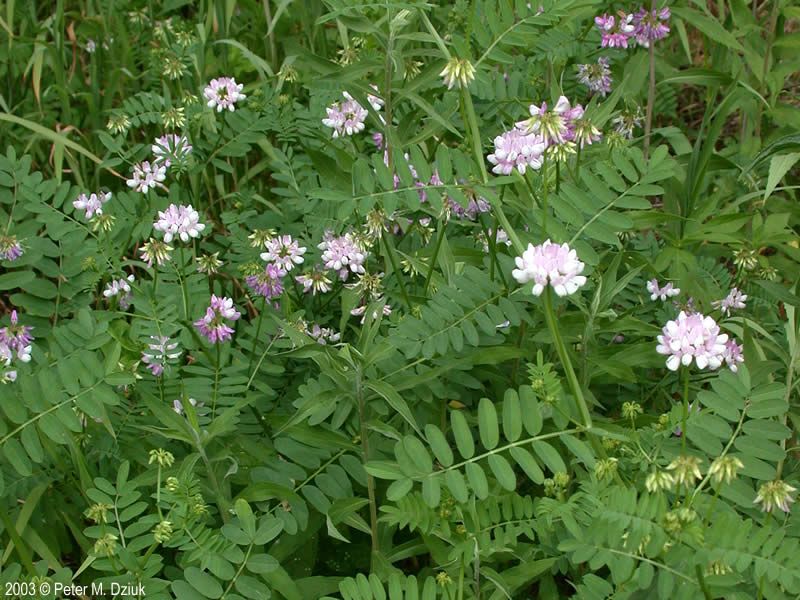
Crown Vetch is often used for erosion control but quickly forms dense mats that smother native species. Purple Prairie Clover offers a native alternative that supports pollinators and stabilizes soils without the aggressive spread. Its vibrant purple blooms add color and ecological value to any landscape.
21. Japanese Spirea (Spiraea japonica)
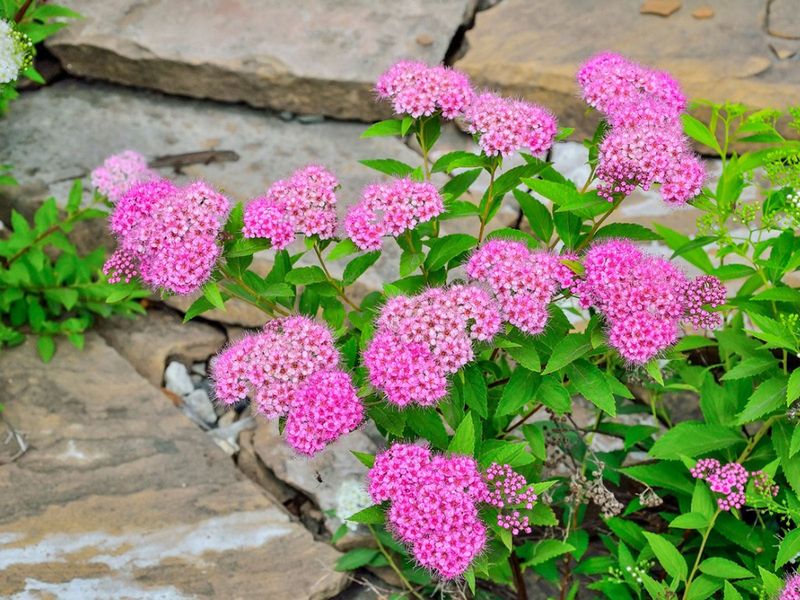
Japanese Spirea, with its showy pink flowers, is a favorite in gardens but spreads aggressively, crowding out native plants. Meadowsweet, a native alternative, offers similar blooms without the invasive tendencies. It supports local ecosystems, providing habitat and food for pollinators.
22. European Buckthorn (Rhamnus cathartica)
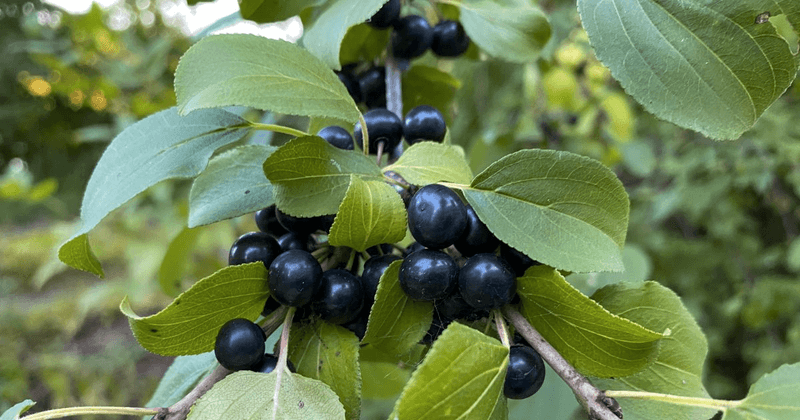
European Buckthorn is notorious for its dense growth and ability to alter soil composition, harming local wildlife. Elderberry provides a native alternative that supports bird populations and offers edible berries. Elderberry enriches gardens with its ecological benefits and seasonal interest, maintaining balance and beauty.
23. Vinca (Vinca minor/major)
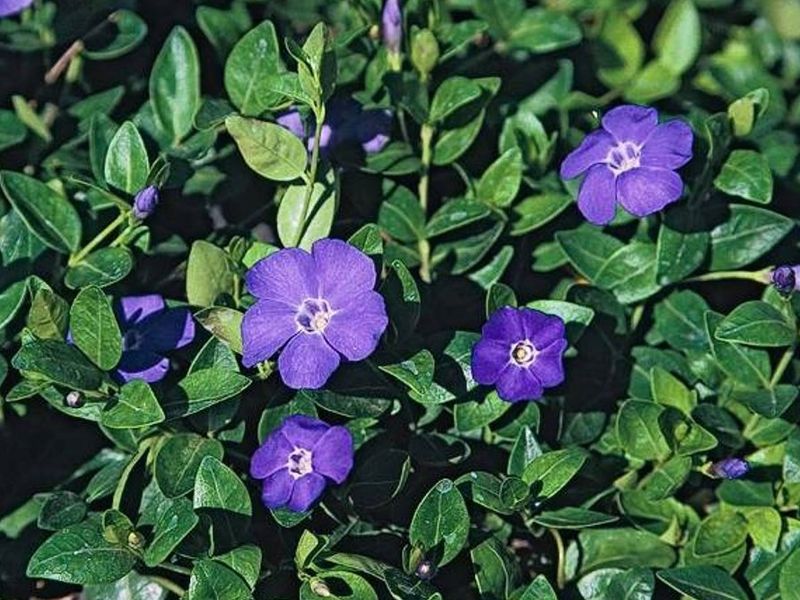
Vinca, often used as groundcover, forms dense mats that can suffocate native plants. Wild Ginger offers a native, non-invasive groundcover option that supports local ecosystems. Its heart-shaped leaves and subtle flowers add texture and interest to shaded garden areas.
24. Tansy (Tanacetum vulgare)
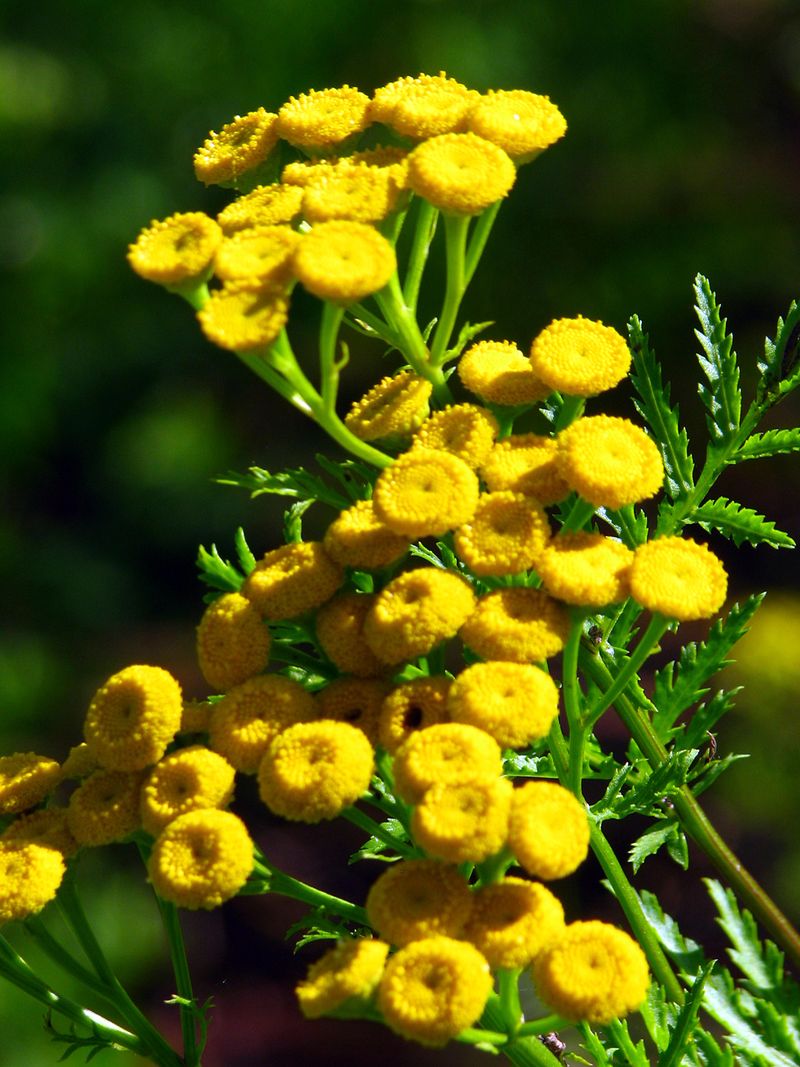
Tansy is admired for its bright yellow flowers but is toxic and spreads aggressively, often overwhelming native species. Goldenrod, a native alternative, supports pollinators and enhances biodiversity. Its vibrant blooms add color and ecological value to gardens without the risks associated with Tansy.
25. Chinese Tallow Tree (Triadica sebifera)
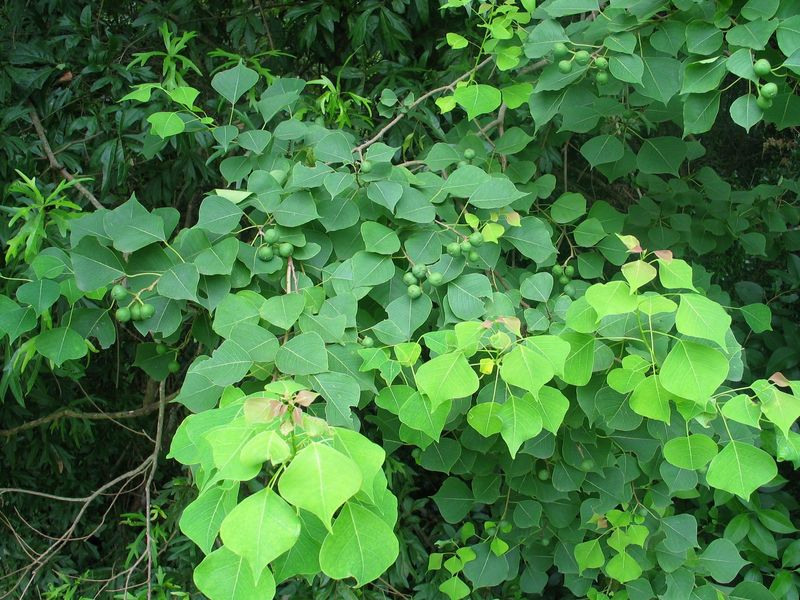
The Chinese Tallow Tree, with its eye-catching fall color, is invasive and crowds out native plants. Sweetgum offers a native alternative, with stunning fall foliage and a more manageable growth habit. This choice supports local wildlife and contributes positively to the landscape’s beauty and ecological health.