 Complete Gardening
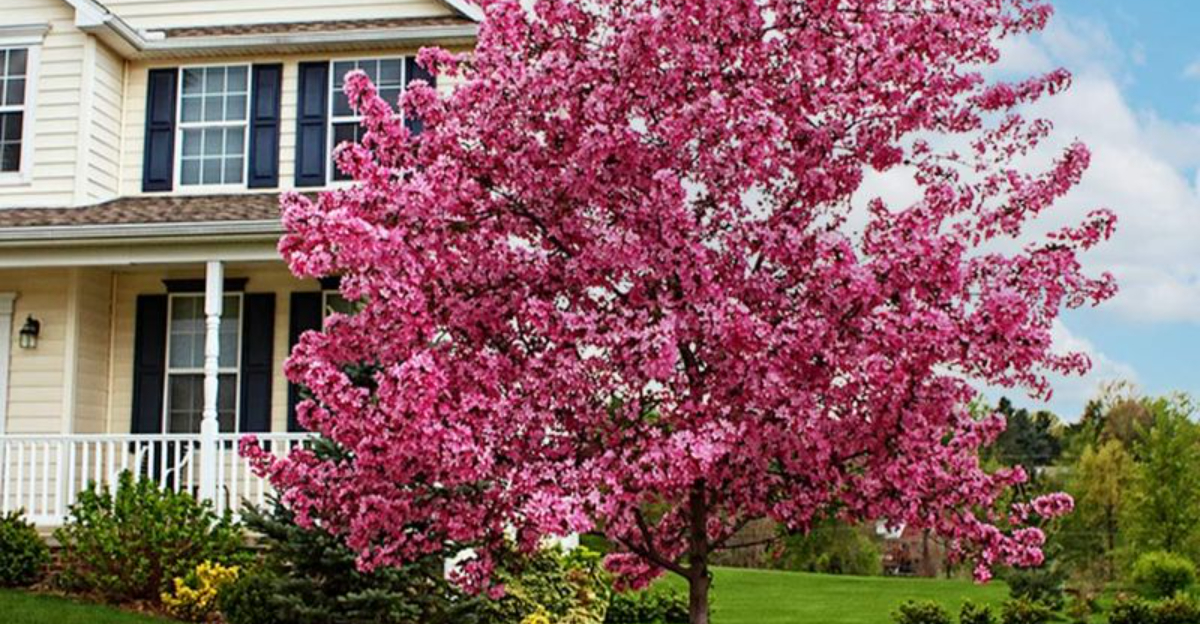
Choosing the right tree to plant near your home is crucial to avoid damage while enhancing your landscape. Here is a list of 25 trees that are safe options for planting close to your house, offering beauty and benefits without the worries of invasive roots.
1. Japanese Maple (Acer palmatum)
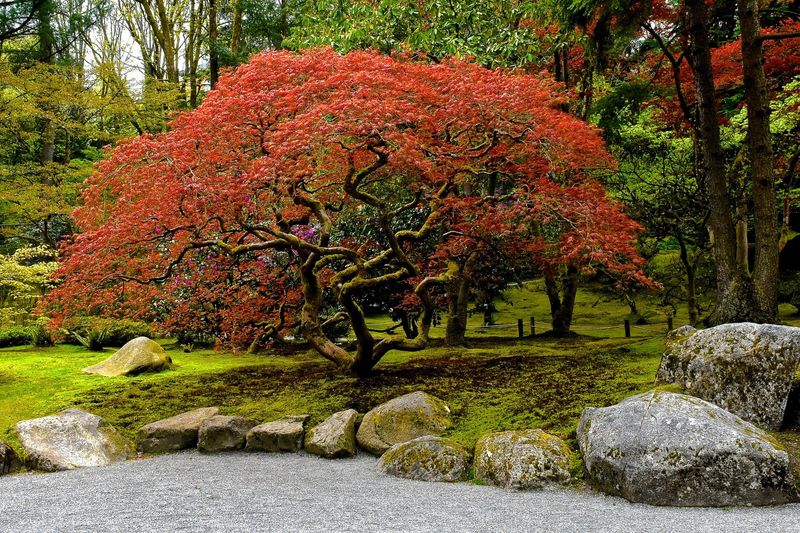
Elegance in compact form, the Japanese Maple is a gardener’s delight. Its slow growth and non-invasive roots make it ideal for small spaces. Beyond its beauty, this tree is known for its graceful structure and versatile size, fitting perfectly in urban gardens. Its tranquil presence is unmatched, providing a peaceful retreat right outside your window. A must-have for those who cherish beauty in moderation.
2. Dogwood (Cornus florida)
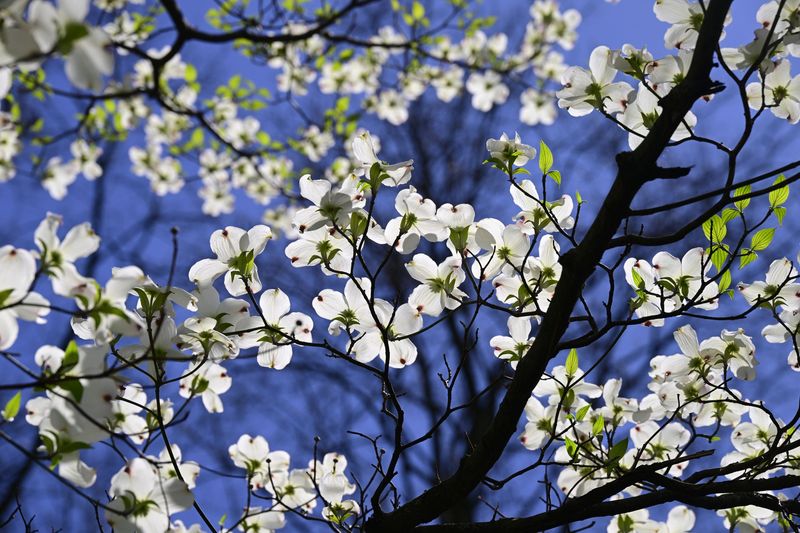
Springtime heralds the arrival of the Dogwood, a tree adorned with flowers like nature’s lace. Its shallow roots ensure harmony with nearby structures, while its moderate size suits both large and small yards. The Dogwood’s iconic blooms are a sign of renewal, offering a visual feast every year. Its vibrant foliage transitions from spring’s pastels to autumn’s rich hues, adding year-round interest. A beacon of beauty and resilience, the Dogwood is not just a tree but a testament to nature’s artistry.
3. Crape Myrtle (Lagerstroemia indica)
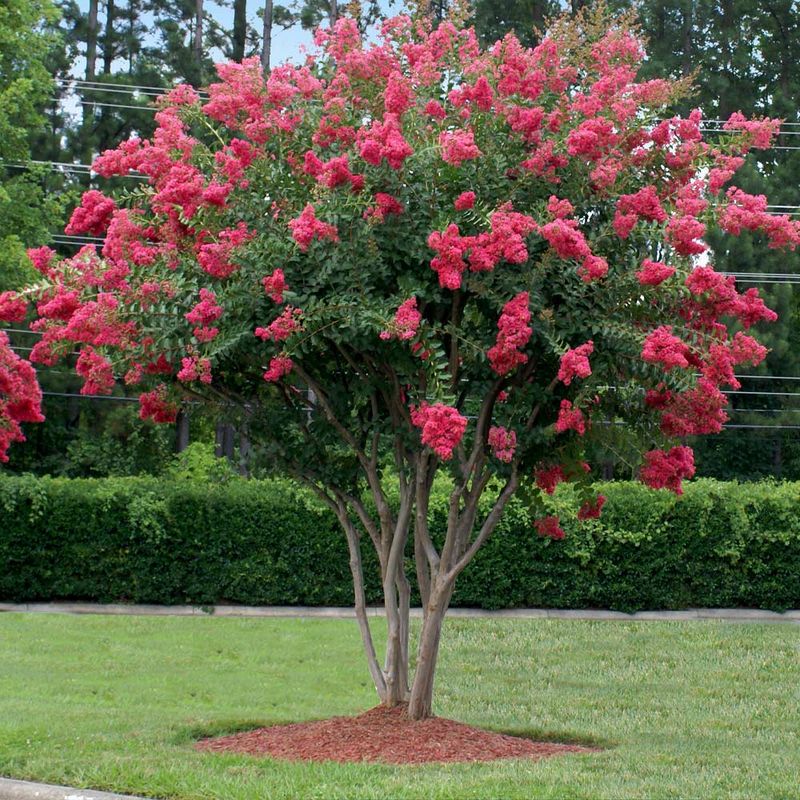
Crape Myrtles are synonymous with summer in the South, where their flamboyant blooms defy the heat. Known for drought resistance and adaptability, they thrive where others falter. With a spectrum of colors, from lavender to deep red, these trees paint the landscape with bold strokes. The Crape Myrtle’s peeling bark adds textural interest, a feature that captivates even in winter. Whether as a tall shrub or small tree, its presence is a vibrant celebration of nature, resilient yet decorative.
4. Eastern Redbud (Cercis canadensis)
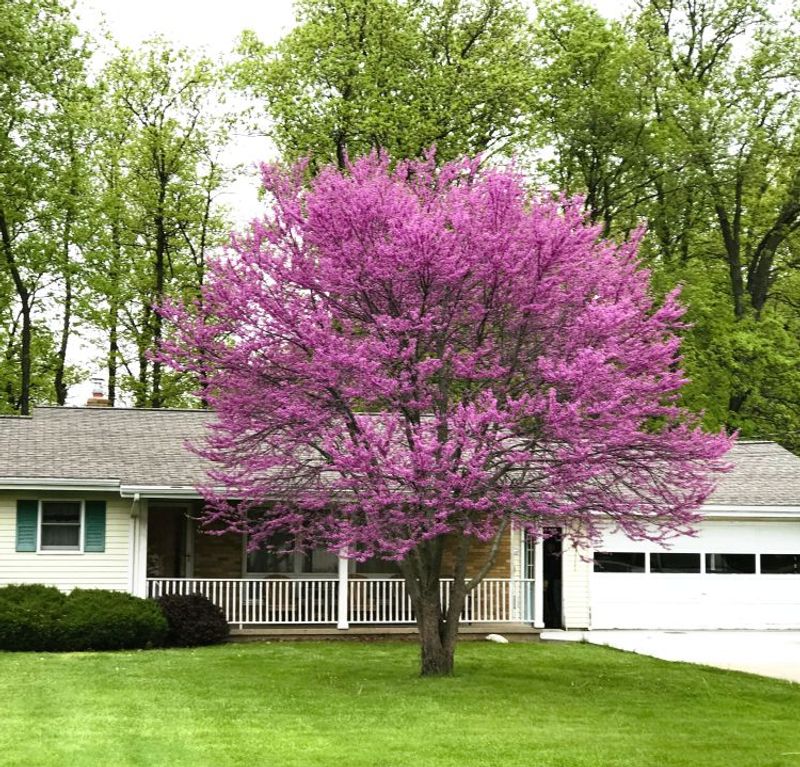
The Eastern Redbud’s delicate flowers emerge directly from its branches, creating a spectacle early in the season. Compact and charming, it fits neatly into various garden sizes. In summer, its heart-shaped leaves provide a lush green backdrop. This tree’s historical roots run deep, often linked to American landscapes and folklore, making it a symbol of new beginnings and enduring beauty.
5. Serviceberry (Amelanchier spp.)
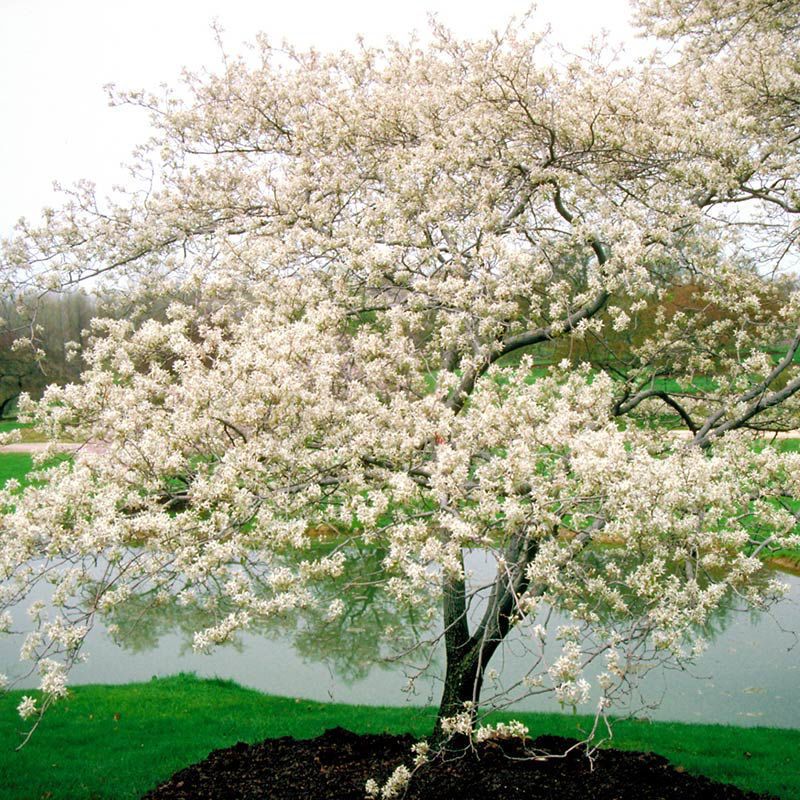
A tree for all seasons, the Serviceberry graces gardens with flowers, berries, and brilliant fall colors. Its white blooms are a springtime spectacle, followed by juicy berries that attract birds and delight humans alike. As autumn approaches, its foliage transforms into a fiery display, a final flourish before winter. This tree’s adaptability to various climates and soils makes it a gardener’s favorite. A harmonious addition to any landscape, it offers beauty and bounty year-round.
6. Hawthorn (Crataegus spp.)
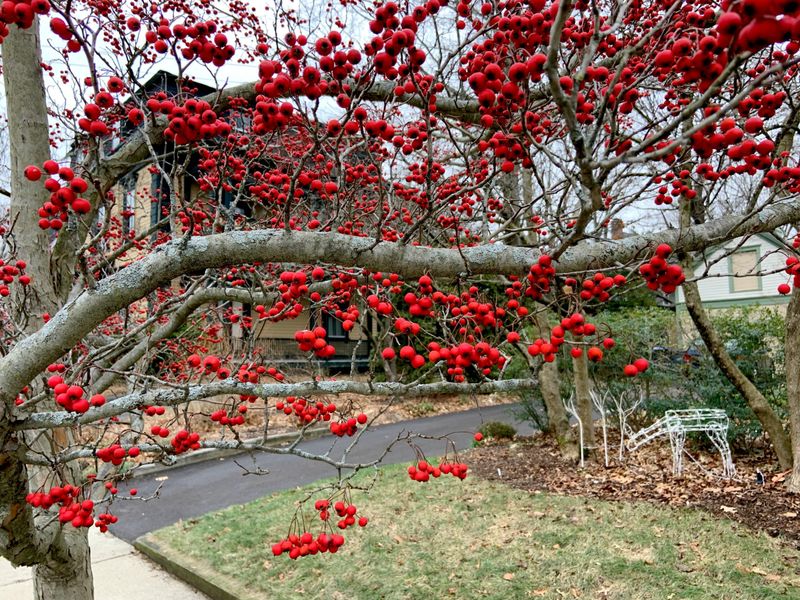
Guardians of the garden, Hawthorn trees are both beautiful and protective. Their thorny branches deter intruders, while their small stature and wildlife-friendly nature make them ideal for residential planting. Spring brings clusters of white or pink flowers, while fall showcases red berries, nourishing local fauna. Steeped in folklore, these trees have been symbols of protection and renewal across cultures. Their robust nature and ornamental charm create a living tapestry in any garden.
7. Crabapple (Malus spp.)
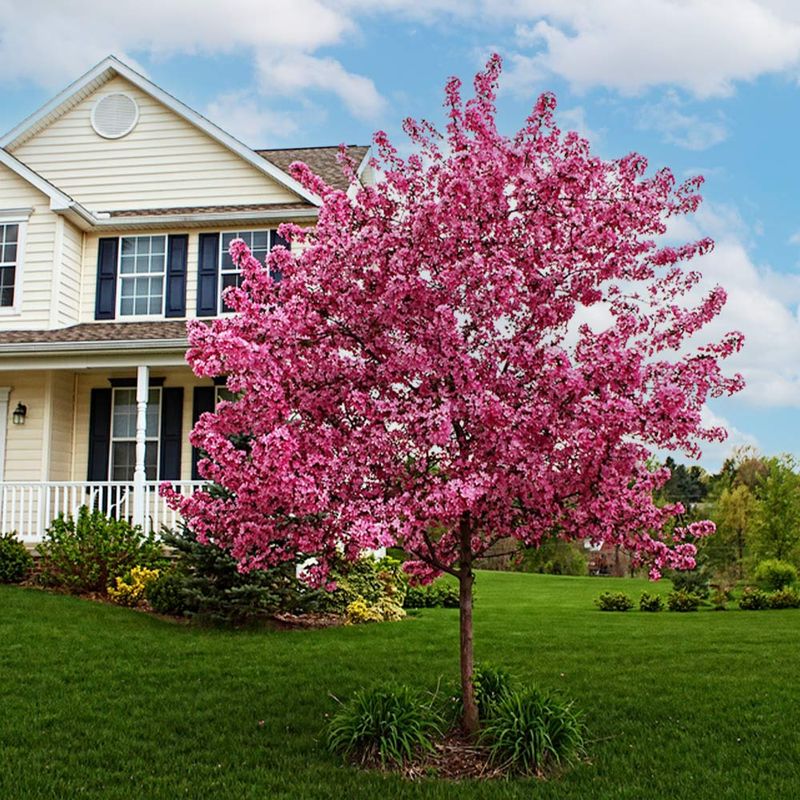
Crabapple trees are the artists of the garden, offering a palette of vibrant colors each season. In spring, they burst into a cascade of pink or white blossoms, a prelude to the tiny apples that follow. These fruits, while tart, are a favorite of birds and wildlife. Compact varieties make them perfect for confined spaces, their decorative nature enhancing any landscape. In fall, their foliage turns a brilliant gold or ruby, ensuring their place as a perennial favorite among gardeners.
8. Star Magnolia (Magnolia stellata)
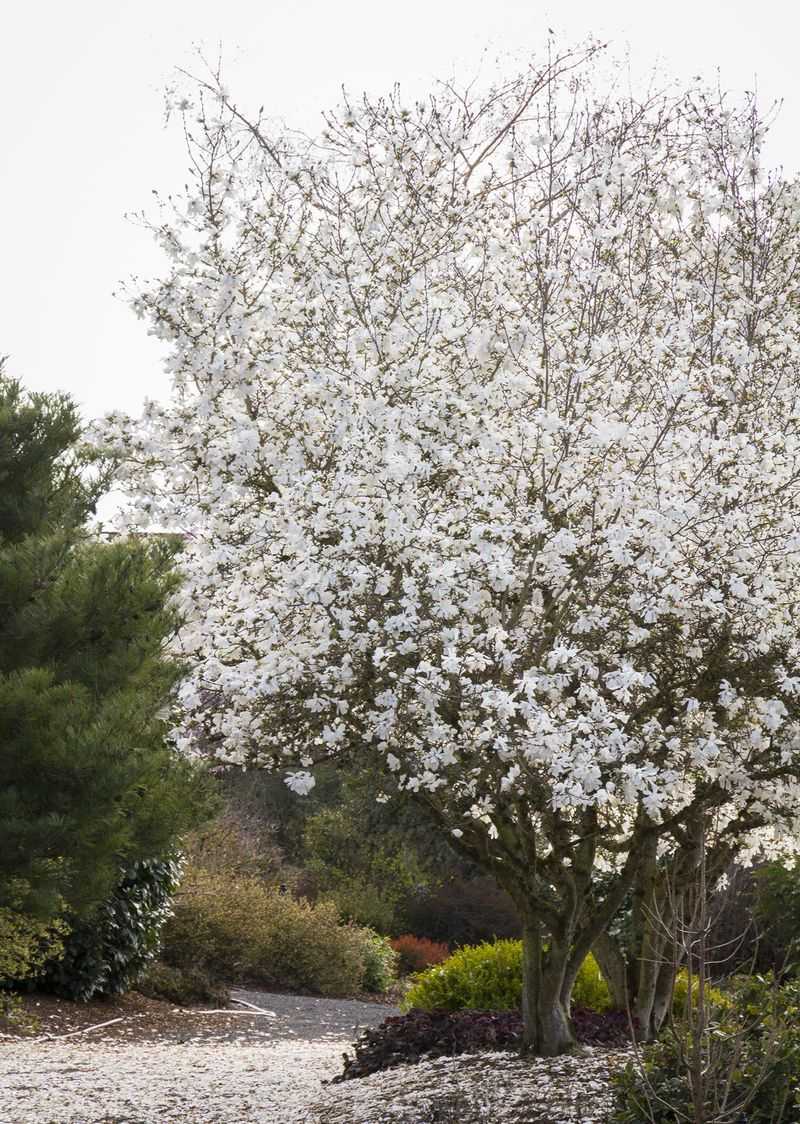
In early spring, the Star Magnolia unveils its fragrant white blossoms, a preview of the warmth to come. This slow-growing tree is an emblem of subtle beauty, its star-shaped flowers standing out against bare branches. Perfect for small yards, it offers a fragrant retreat, a moment of solitude amidst the bustle of life. With each breeze, its petals dance like stars on earth. The Star Magnolia’s elegance is matched only by its resilience, a tree that thrives in calm and chaos alike.
9. Witch Hazel (Hamamelis virginiana)
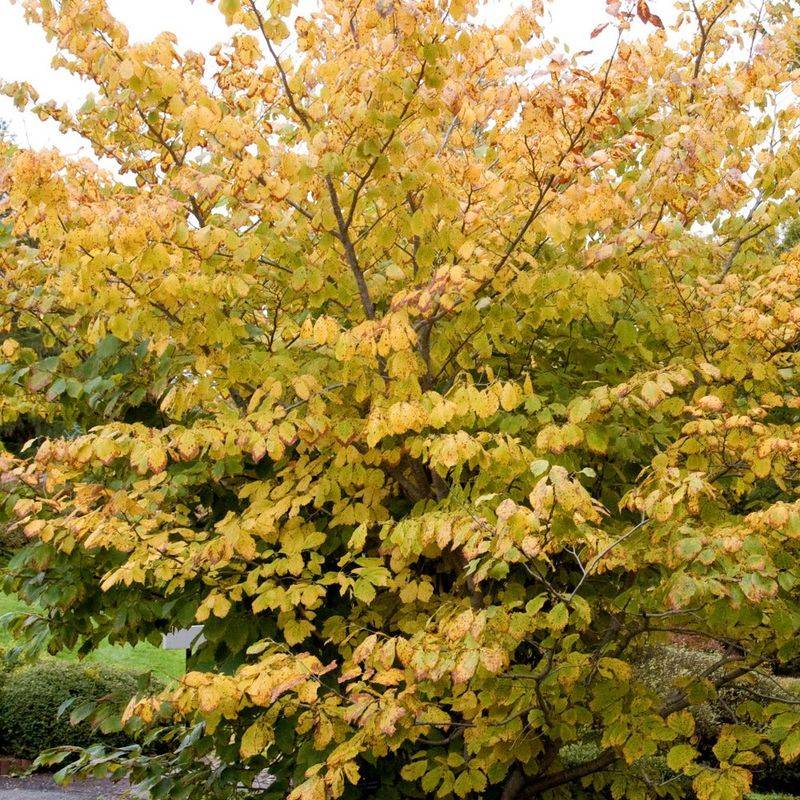
The Witch Hazel defies the seasons, flaunting its yellow blossoms in the chill of fall and winter. Its distinctive flowers bring warmth to the cold months, a splash of color when most trees are bare. Aside from its ornamental appeal, it’s known for its medicinal uses, a natural remedy with historical roots. Compact and non-invasive, it integrates seamlessly into residential landscapes. A wonder of the woody world, Witch Hazel is unique both in appearance and utility, a testament to nature’s ingenuity.
10. Paperbark Maple (Acer griseum)
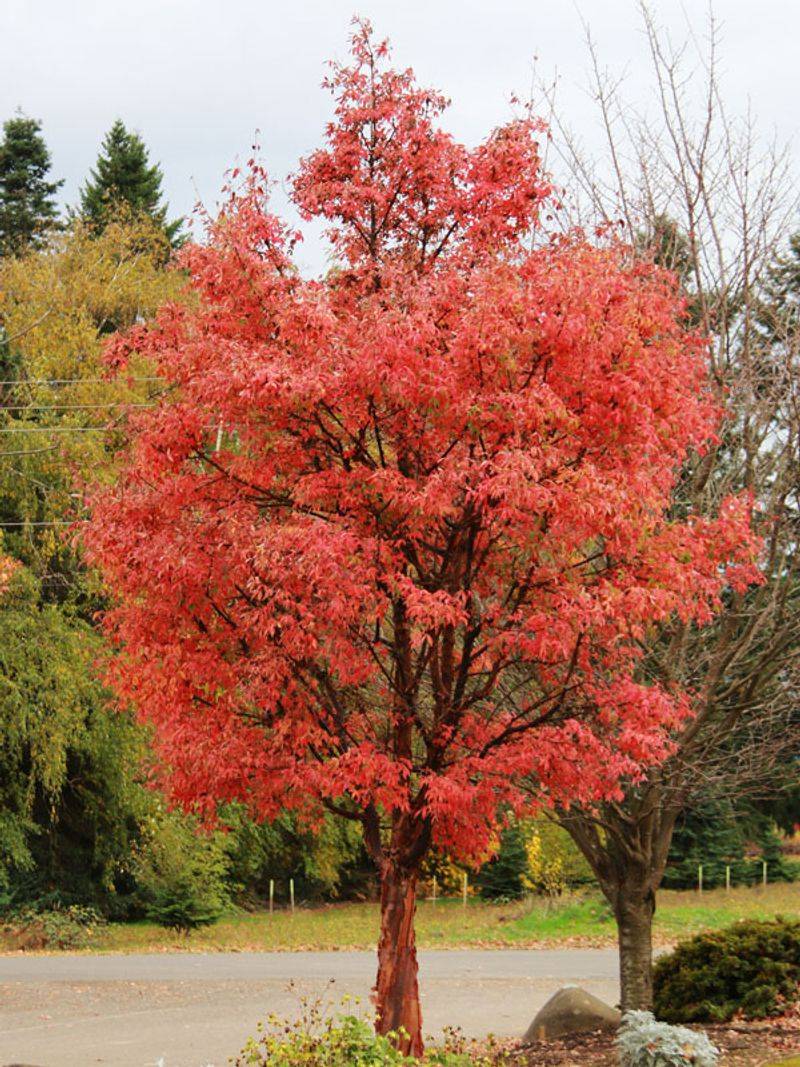
The Paperbark Maple is a feast for the senses, renowned for its peeling, cinnamon-colored bark. This tree offers visual intrigue year-round, with its bark providing texture and color in every season. In fall, its leaves turn shades of red and orange, a fiery display that complements its unique bark. Compact in form, it’s perfect for smaller spaces, where its ornamental qualities can shine. The Paperbark Maple’s charm lies not just in its beauty but in the tactile experience it offers, a tree that invites touch and admiration.
11. American Hornbeam (Carpinus caroliniana)
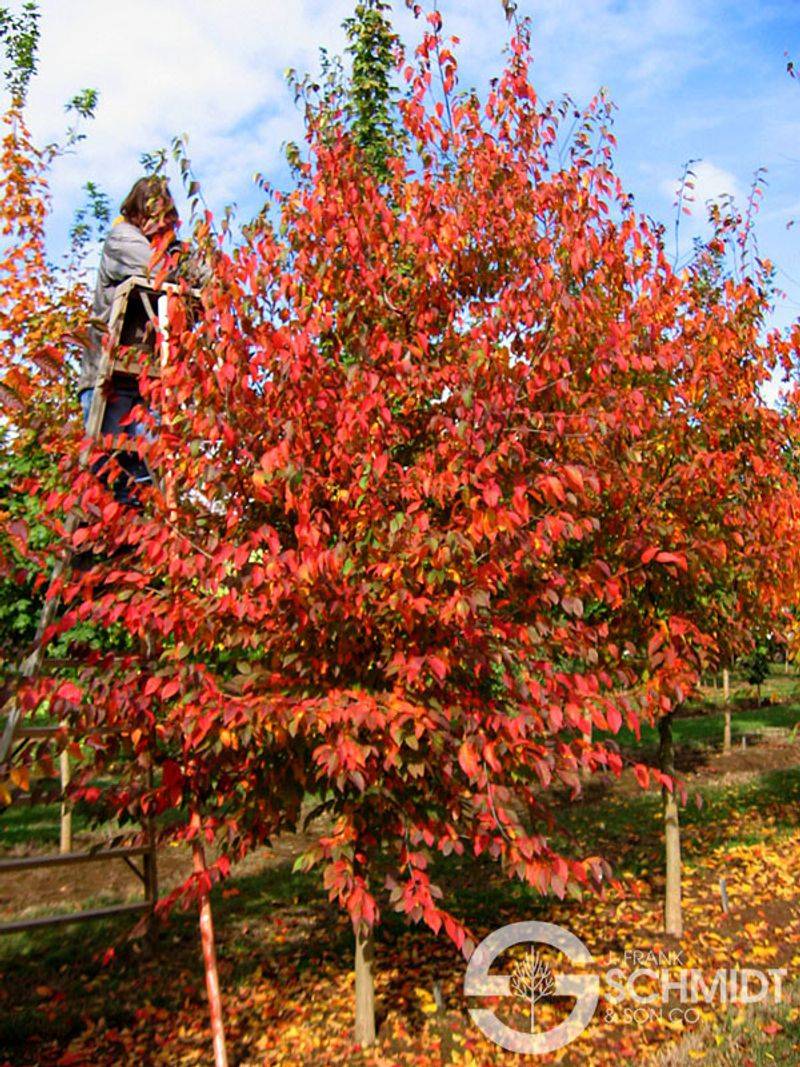
The American Hornbeam stands as a testament to strength and grace. Often found in the understory of forests, it thrives in shade, making it an ideal choice for garden corners. Its smooth grey bark and fine-textured leaves grant it an understated elegance. In autumn, its foliage transforms into a kaleidoscope of yellows and oranges, adding a splash of warmth to the cool days. Known for its toughness, this tree is a silent sentinel, a steady presence that enhances any landscape with its quiet dignity.
12. Kousa Dogwood (Cornus kousa)
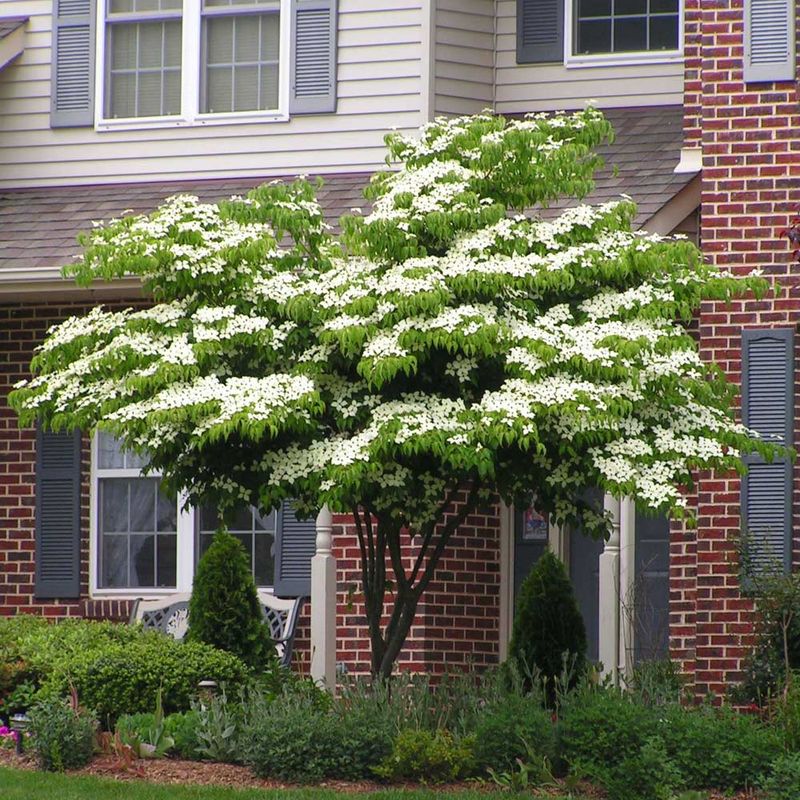
The Kousa Dogwood is a tree that tells a story with every season. Its spring blooms, resembling stars, are a celestial display against its dark green foliage. As summer progresses, it offers edible fruit that is both a treat for wildlife and curious gardeners. Come fall, its leaves turn a deep red, a final act of beauty before winter’s rest. Resistant to many common diseases, the Kousa Dogwood is a robust addition to any garden, weaving a tapestry of color and life through the year.
13. Fringe Tree (Chionanthus virginicus)
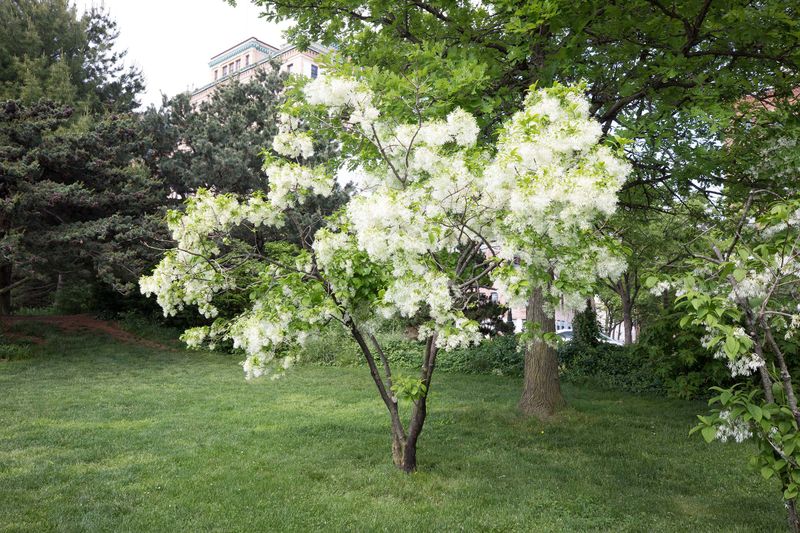
The Fringe Tree, with its ethereal white flowers, appears like a dream woven into the landscape. Its delicate blooms, resembling lace, hang gracefully from its branches, offering a fragrant delight. Adaptable and hardy, it thrives in various conditions, making it a versatile choice for gardeners. In fall, its foliage turns a gentle yellow, adding a touch of sunshine to the garden. A tree that captivates with its charm and resilience, the Fringe Tree is a living poem, whispered gently by the wind.
14. Golden Chain Tree (Laburnum spp.)
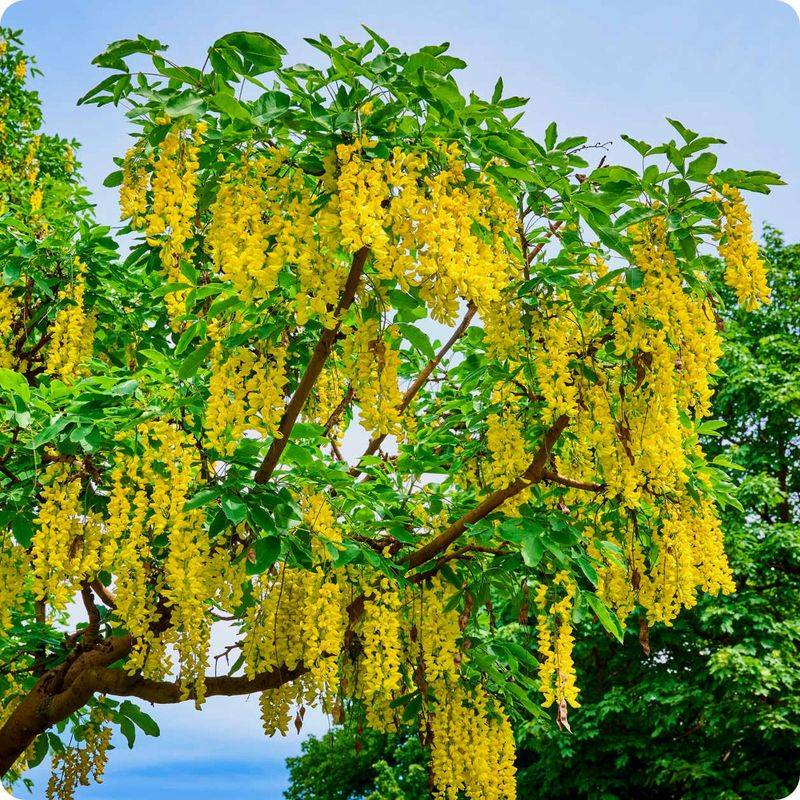
The Golden Chain Tree is a spectacle of sunshine, its cascading yellow flowers like liquid gold in the garden. These long racemes create a stunning display in late spring, drawing admiration from all who pass by. This small tree is perfect for adding a splash of color to compact spaces, its beauty matched by its elegance. Beyond its ornamental appeal, it symbolizes prosperity in various cultures. The Golden Chain Tree is a graceful addition, offering a touch of brilliance to any landscape.
15. Smoke Tree (Cotinus coggygria)
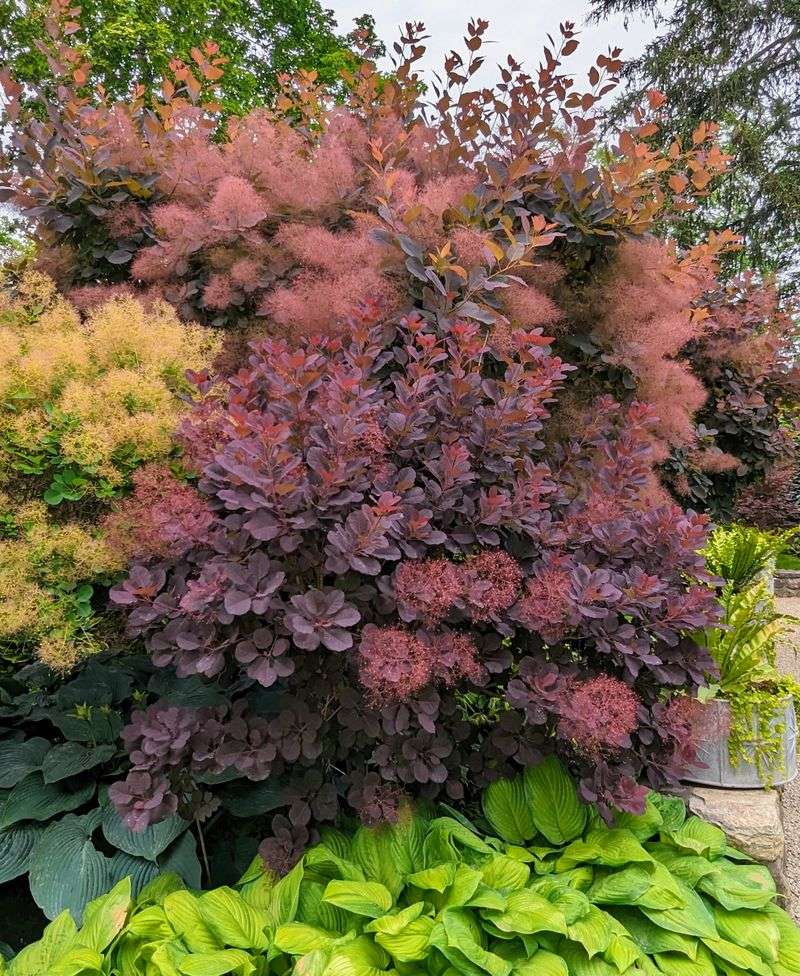
The Smoke Tree is nature’s pyrotechnic, its fluffy purple blooms resembling puffs of smoke suspended in the air. This drought-tolerant tree adds unique texture and color to gardens, thriving where others might struggle. Its striking foliage shifts from green to purple, a dynamic display that captivates throughout the seasons. The Smoke Tree’s whimsical appearance belies its robustness, a hardy choice for those seeking both style and substance. A tree that intrigues and delights, offering a touch of magic to your garden.
16. Dwarf Alberta Spruce (Picea glauca ‘Conica’)

The Dwarf Alberta Spruce is a model of perfection, its conical shape a natural marvel. This compact evergreen is the epitome of low-maintenance elegance, fitting seamlessly into a variety of landscape designs. Its dense, green needles create a lush, year-round presence, offering a touch of the wilderness to urban settings. Despite its small stature, it stands as a pillar of strength and beauty, a testament to nature’s artistry in miniature. Ideal for those who appreciate timeless elegance.
17. Olive Tree (Olea europaea, dwarf varieties)
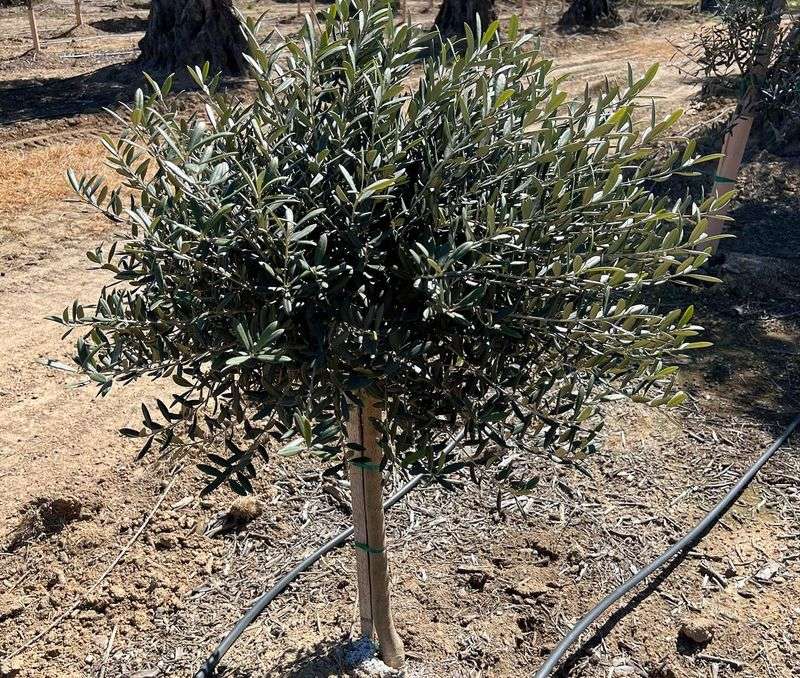
The Olive Tree, with its silvery leaves and ancient allure, brings a piece of the Mediterranean to your garden. Dwarf varieties offer the same beauty without the size, making them perfect for smaller spaces. Renowned for their drought resistance, they thrive in sun-drenched areas, their twisted trunks a testament to resilience. Beyond its aesthetic appeal, the Olive Tree is a symbol of peace and prosperity. Its presence in your garden connects you to a rich history of cultivation and culinary delight.
18. Cherry Laurel (Prunus laurocerasus)
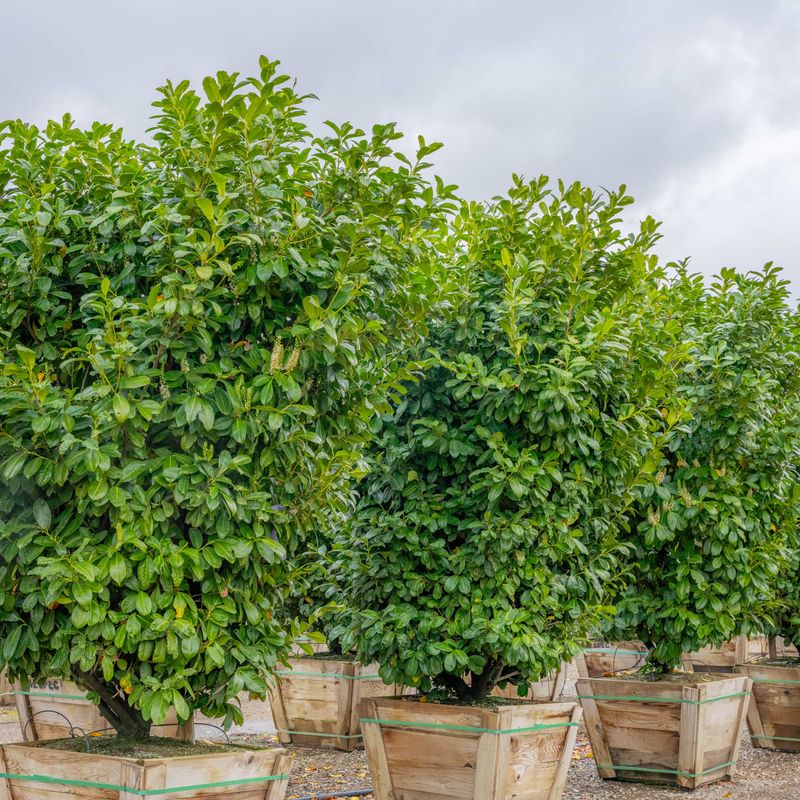
Cherry Laurel is a guardian of privacy, its dense evergreen foliage forming a living wall. Its glossy leaves reflect sunlight, adding a vibrant sheen to gardens. In spring, it produces clusters of fragrant white flowers, followed by small, dark berries. This versatile shrub adapts to various conditions, thriving in both sun and shade. As a hedge or standalone specimen, Cherry Laurel provides a lush, green backdrop year-round. A staple in landscape design, it offers both beauty and functionality.
19. Japanese Snowbell (Styrax japonicus)
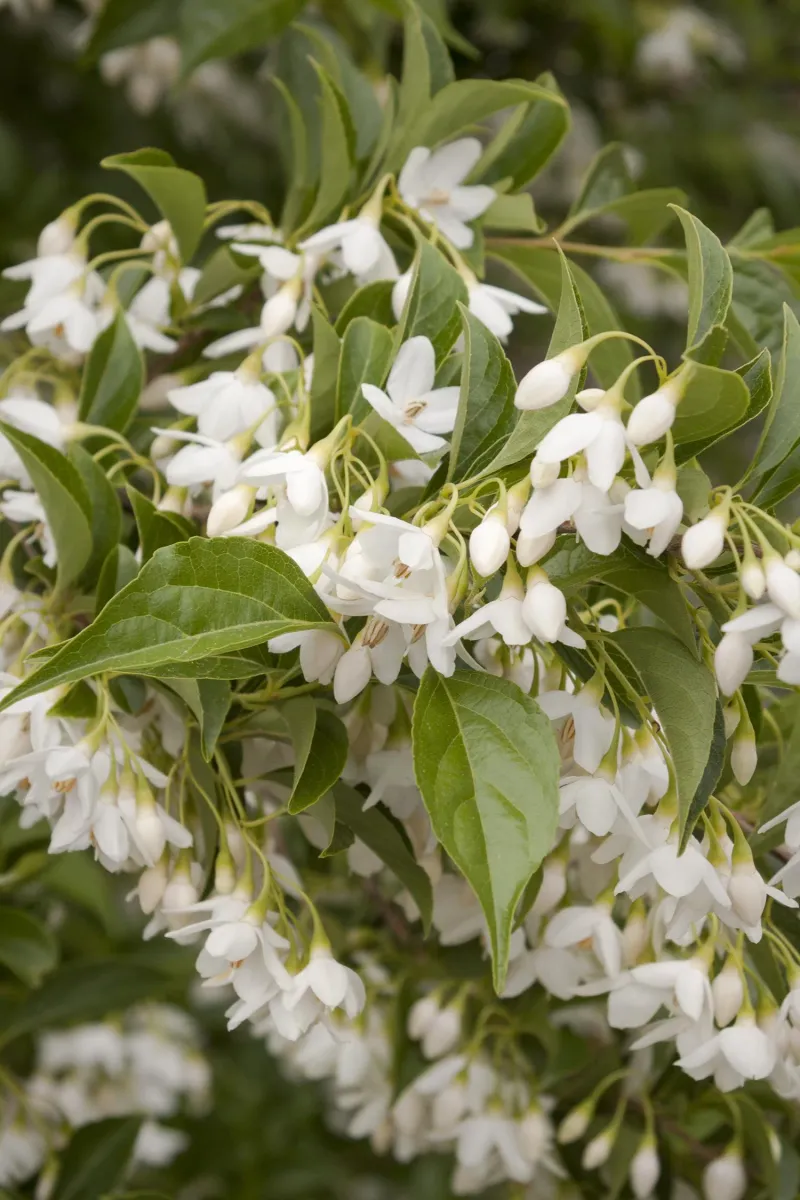
The Japanese Snowbell is a tree of grace and charm, its bell-shaped flowers a melodious addition to any garden. In late spring, these delicate blooms dangle like ornaments, their subtle fragrance a delight to the senses. Perfect for small gardens, it offers a touch of elegance and tranquility. Its layered branches and lush foliage create a soft, cascading effect, a gentle whisper of beauty and peace. The Japanese Snowbell is an exquisite choice for those who appreciate understated elegance.
20. Chaste Tree (Vitex agnus-castus)
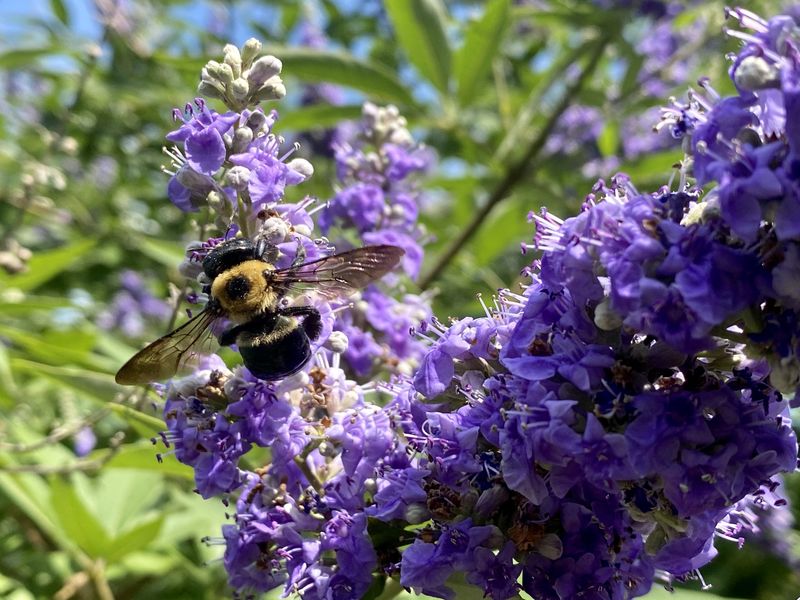
The Chaste Tree, with its aromatic leaves and lavender blooms, is a sensory delight. Flourishing in sunny conditions, it displays vibrant spikes of color, attracting pollinators far and wide. Its historical use in herbal remedies adds a layer of intrigue to its horticultural appeal. This drought-tolerant tree is well-suited for those seeking a resilient yet decorative addition to their garden. The Chaste Tree stands as a reminder of nature’s ability to heal and beautify simultaneously.
21. Saucer Magnolia (Magnolia × soulangeana)
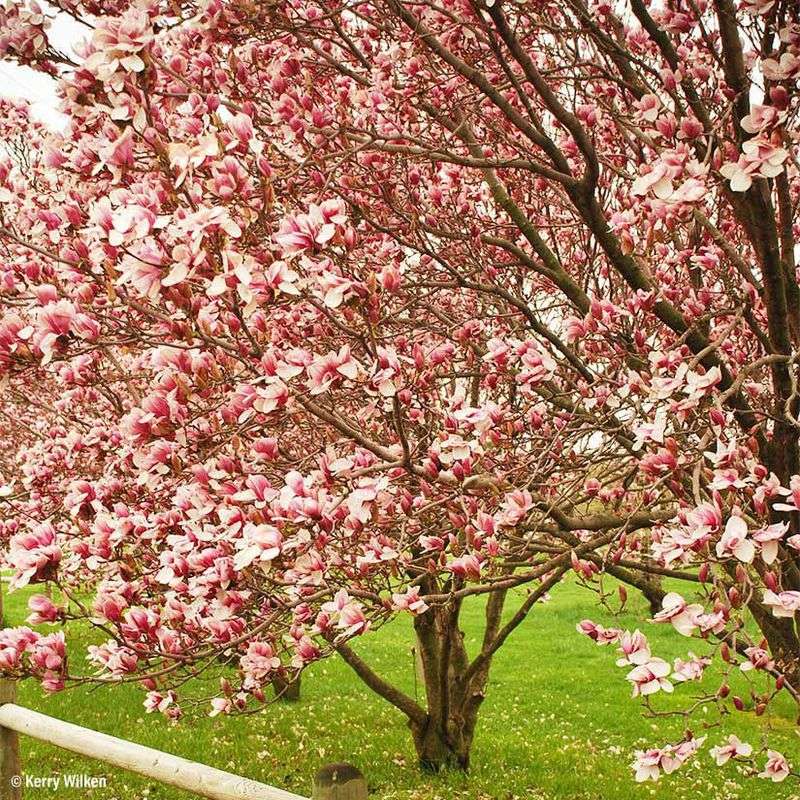
The Saucer Magnolia is a springtime showstopper, its large, tulip-shaped blooms a sight to behold. These flowers, in shades of pink and white, herald the season with a burst of color and fragrance. This moderate-sized tree is perfect for gardens that crave elegance without overwhelming space. Its blooms are followed by glossy green leaves that create a lush canopy. The Saucer Magnolia’s beauty is fleeting yet unforgettable, a true harbinger of spring’s fleeting glory.
22. Sweetbay Magnolia (Magnolia virginiana)
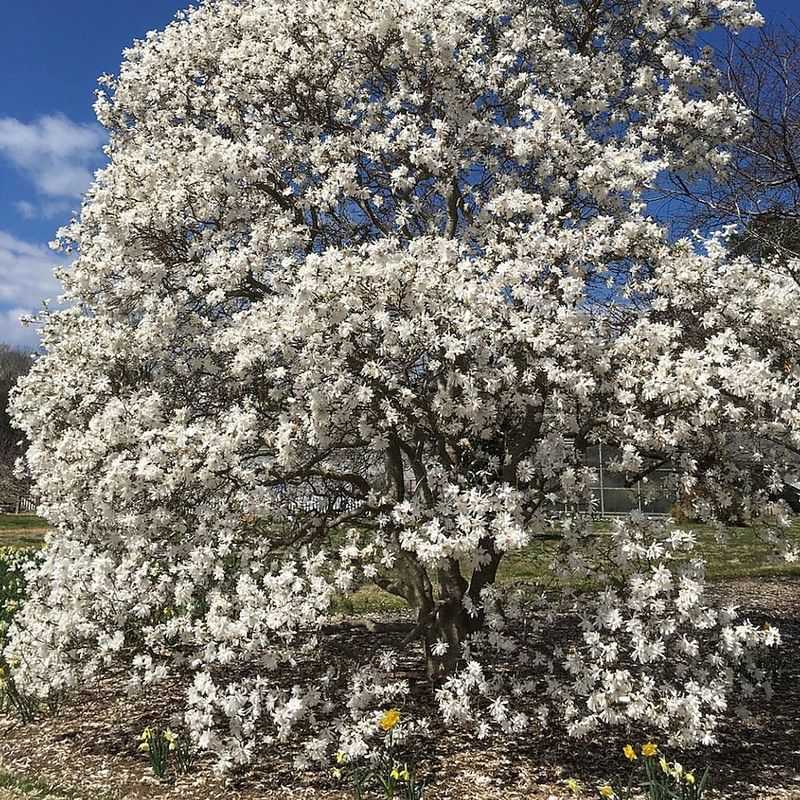
The Sweetbay Magnolia offers a touch of the exotic with its creamy white, lemon-scented flowers. Blooming from late spring to summer, it’s a fragrant oasis in any setting. This semi-evergreen tree thrives in moist, acidic soils, often found near water features. Its glossy leaves and elegant form make it a favorite for creating serene landscapes. Beyond its beauty, the Sweetbay Magnolia is a symbol of resilience and adaptability, thriving in conditions where few others can.
23. Red Buckeye (Aesculus pavia)
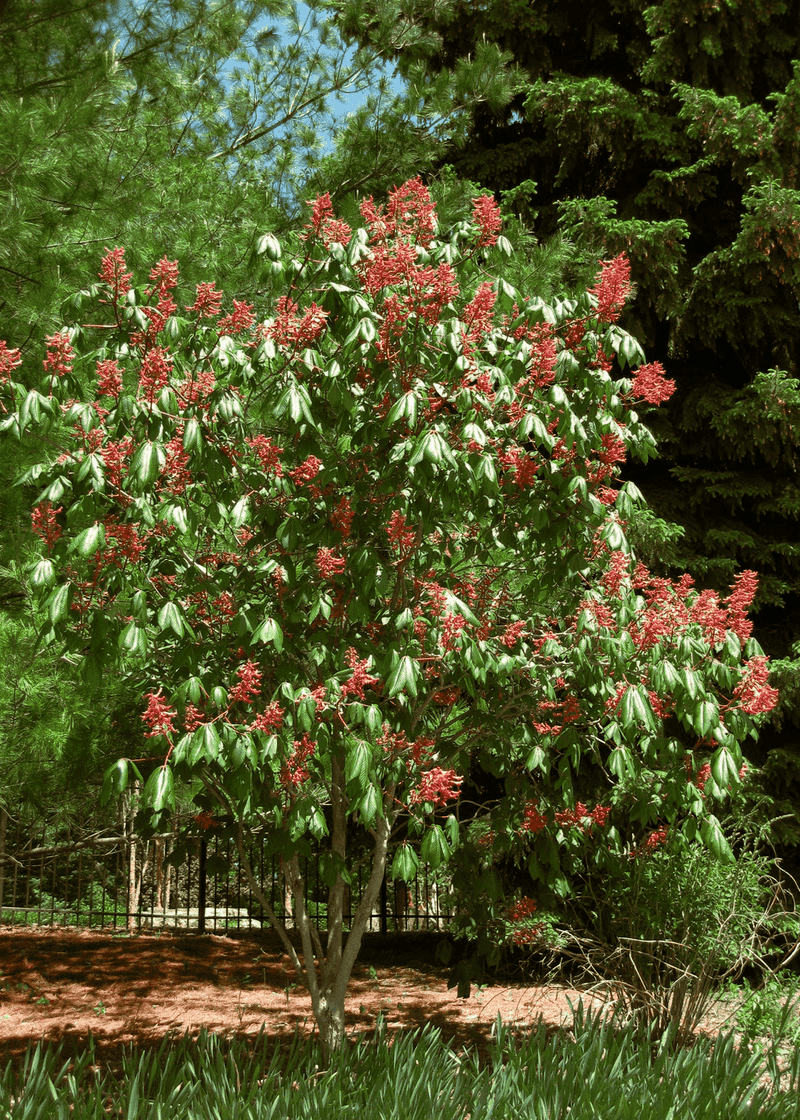
The Red Buckeye is a vibrant harbinger of spring, its scarlet blooms a beacon to hummingbirds and pollinators. This compact tree fits well in small gardens, offering a burst of color and life. Its lush foliage provides a cool, green retreat in summer, while its flowers offer a sweet nectar feast. Known for its adaptability, it thrives in both sun and shade. The Red Buckeye is more than a tree; it’s a lively addition that brings the beauty of the forest to your backyard.
24. Persian Ironwood (Parrotia persica)
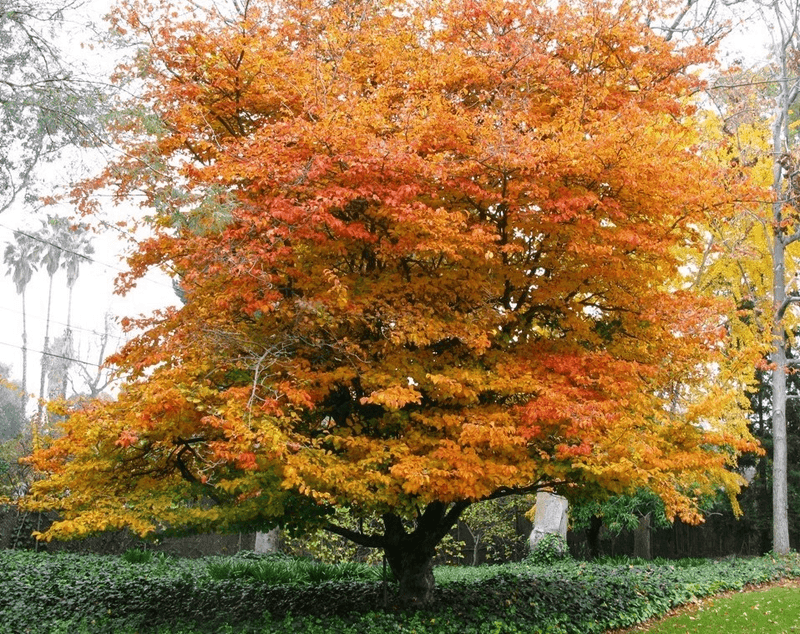
The Persian Ironwood is a tree of many talents, known for its striking bark and vibrant fall colors. Its foliage turns from green to a tapestry of reds, oranges, and yellows, a stunning autumnal display. Even in winter, its bark, with its mottled patterns, provides visual interest. This robust tree is adaptable to a variety of conditions, making it a versatile choice for urban and rural gardens alike. The Persian Ironwood stands as a testament to nature’s resilience and beauty, a living work of art.
25. American Holly (Ilex opaca)
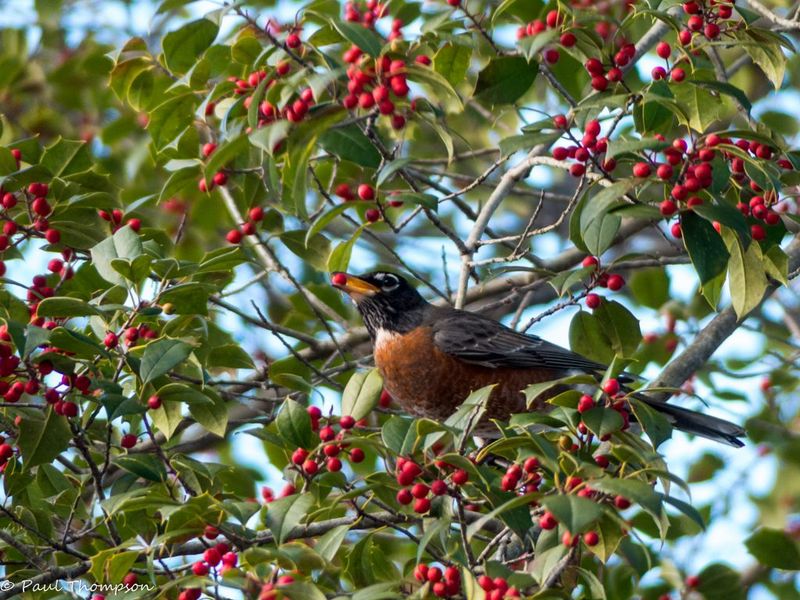
American Holly is the quintessential winter wonder, its glossy leaves and bright red berries a festive sight in cold months. This evergreen tree provides year-round privacy and shelter for wildlife. Its spiky leaves deter unwanted visitors, while its berries offer sustenance to birds. Ideal for hedges or standalone specimens, it adapts to a variety of conditions, thriving in both sun and shade. The American Holly is more than just decoration; it’s a symbol of durability and natural beauty.