 Complete Gardening
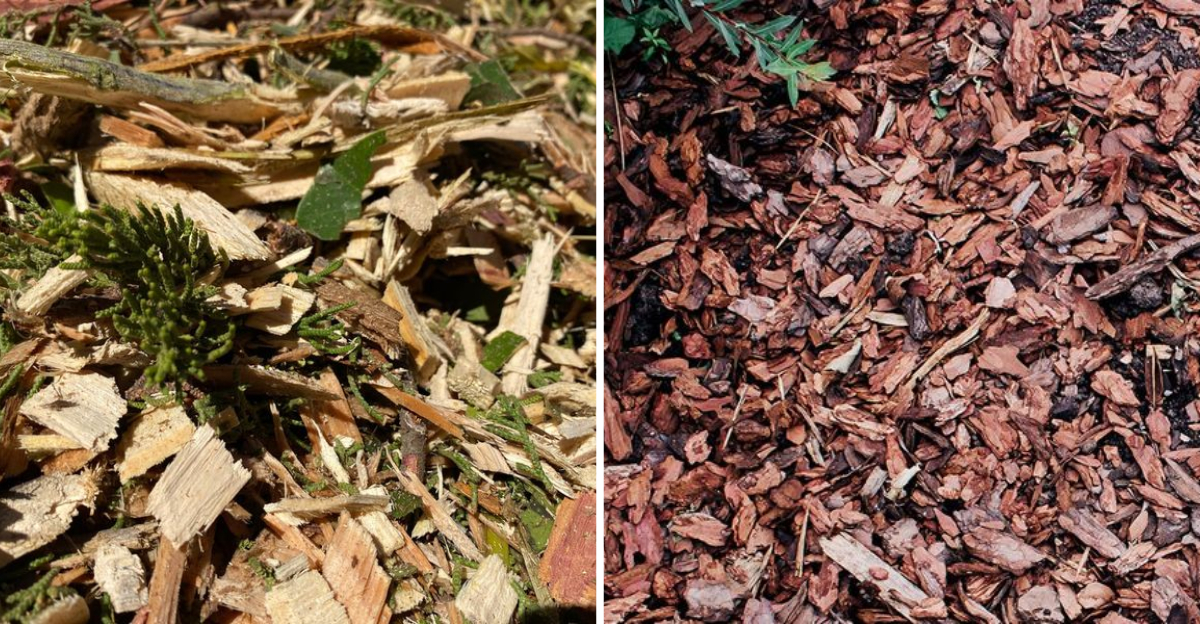
Mulching is a crucial gardening practice that helps retain moisture, suppress weeds, and improve soil quality. However, when done incorrectly, it can do more harm than good to your plants. This post outlines 26 common mulching mistakes that you should avoid to ensure your garden thrives.
1. Over-Mulching
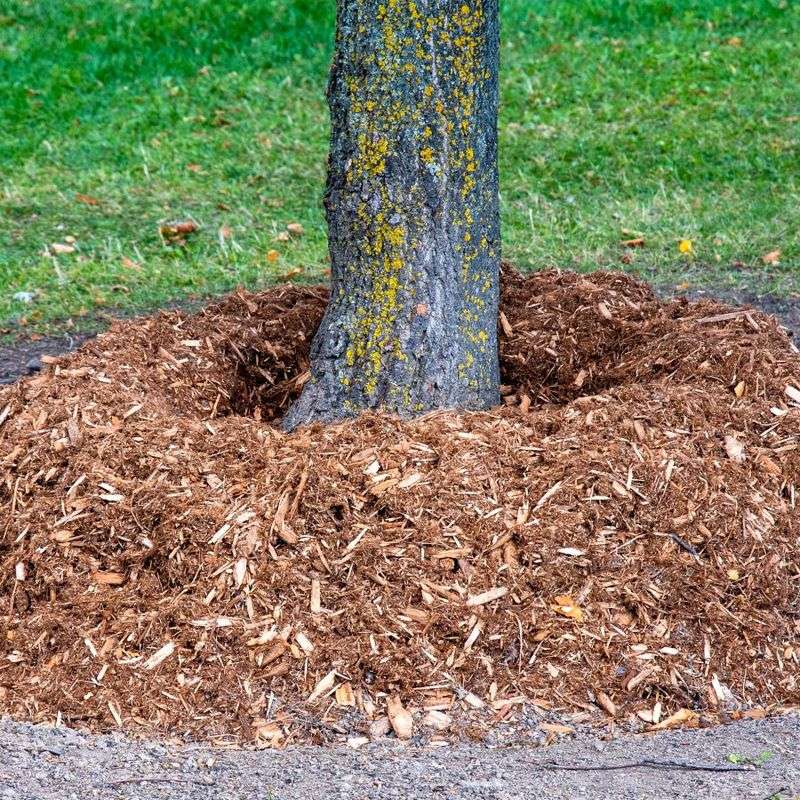
Ever heard of “volcano mulching”? This excessive mulching technique can suffocate plant stems. Piling mulch too high around plants, especially trees, restricts oxygen flow and retains too much moisture. This leads to root rot and invites pests. Imagine your plants gasping for air beneath a mountain of mulch. Instead of fostering growth, you’re promoting decay. Keep mulch layers no thicker than 2-3 inches to allow proper air circulation. Proper application not only protects but also nurtures your garden. Keep an eye out for these mulch mountains in your garden!
2. Using Uncomposted Wood Chips
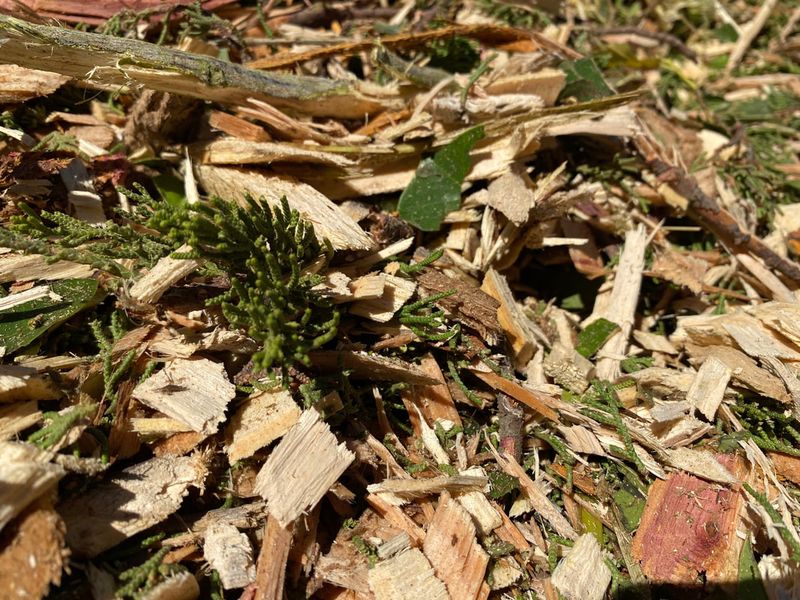
Fresh wood chips may look appealing, but they can be a silent killer for your plants. When applied directly, uncomposted wood chips leach nitrogen from the soil as they decompose. This nutrient is vital for plant growth. Without it, your garden can become anemic, lacking the lush vibrancy you expect. Consider composting wood chips first to ensure they enrich rather than deplete soil nutrients. Remember, a garden is a symbiotic environment. Treat your soil with respect, and it will reward you with thriving plants.
3. Ignoring Soil Condition
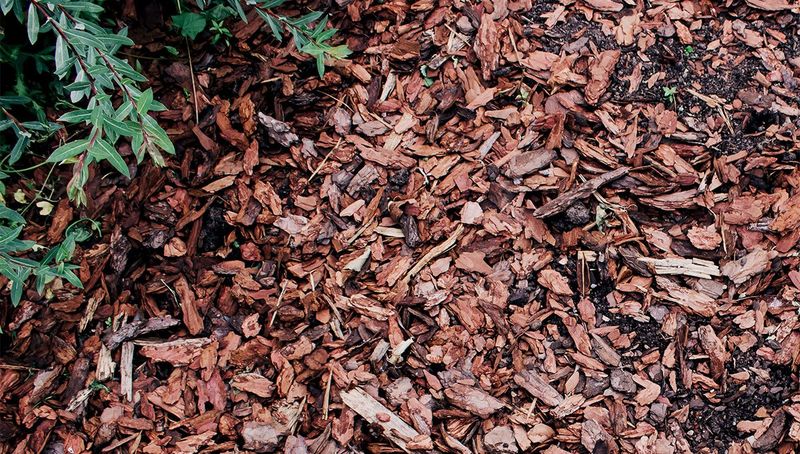
Before you grab that bag of mulch, have you considered your soil’s needs? Ignoring soil condition is a common misstep. Not all soils are created equal, and applying mulch without understanding its impact can cause more harm than good. Different soils require specific mulching approaches for optimal results. Test your soil’s pH and nutrient levels to tailor your mulch application. Doing so ensures that your garden gets the customized care it needs, fostering a thriving ecosystem where plants can flourish.
4. Skipping Mulch Renewal
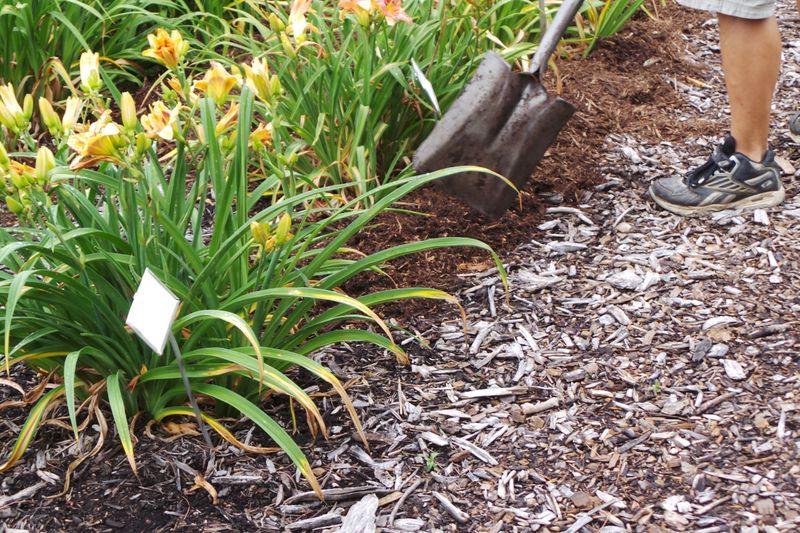
With mulch, out of sight often means out of mind. Many gardeners forget that mulch doesn’t last forever. Over time, it decomposes, losing its protective qualities. Skipping mulch renewal can leave your plants vulnerable to weeds and moisture loss. Renewing mulch annually replenishes its benefits, maintaining soil health and appearance. Like a fresh coat of paint, a new layer of mulch revitalizes your garden’s aesthetic and functionality. So, remember to renew; your plants will thank you for it.
5. Using Plastic Mulch Incorrectly
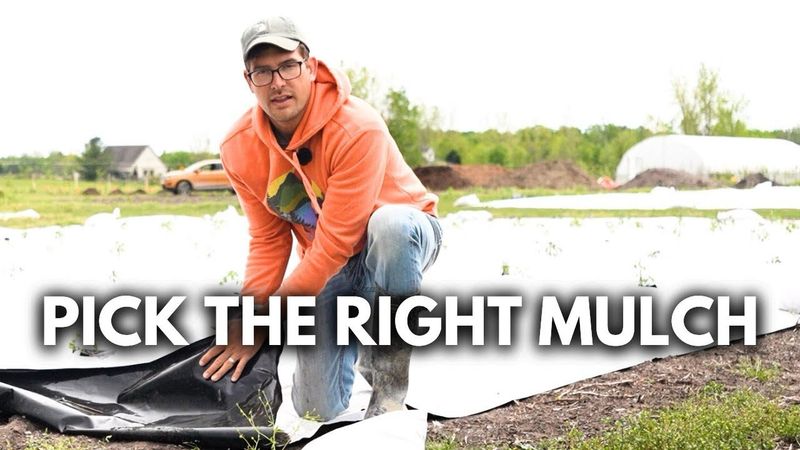
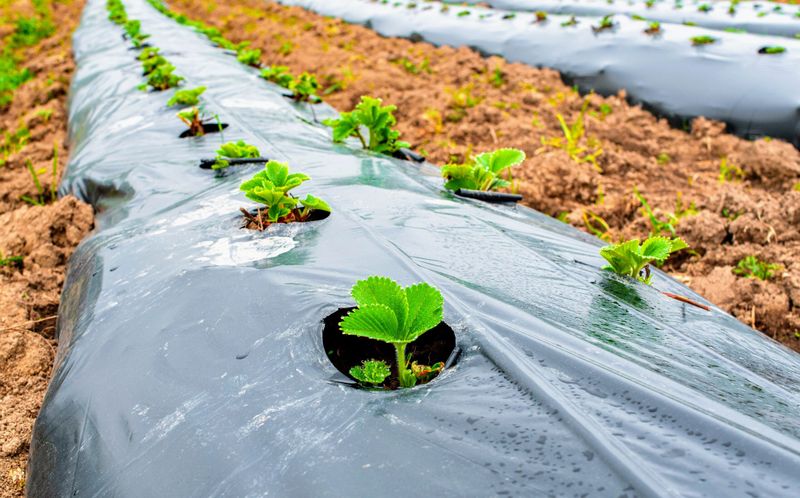
Plastic mulch can be a useful tool when used correctly, but misuse can lead to disaster. Cutting corners by applying it without proper anchoring allows it to shift, potentially smothering plants. Moreover, using plastic mulch on waterlogged soil can trap moisture, leading to root rot. Always ensure proper installation, and consider the specific needs of your plants and soil. Plastic mulch should enhance growth, not hinder it. Thoughtful application will maximize benefits and minimize risks, keeping your garden healthy and productive.
6. Incorrect Mulch Thickness
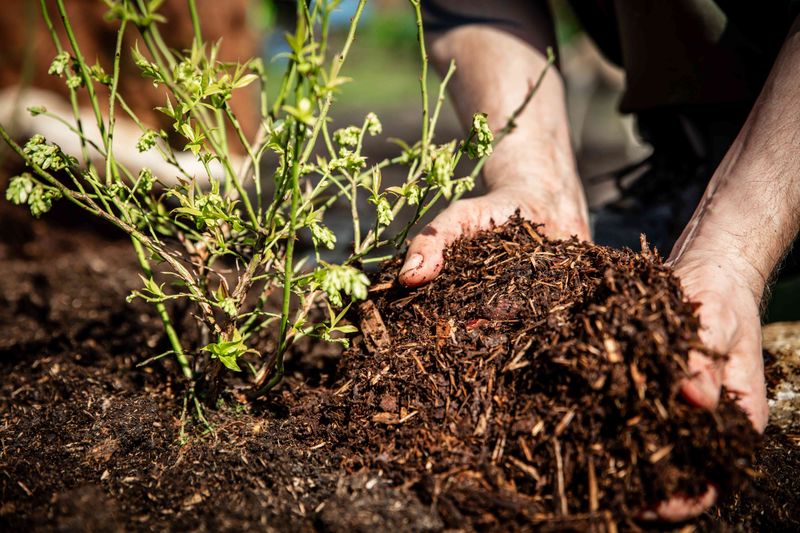
The thickness of your mulch layer is more crucial than you might think. Too thin, and weeds thrive; too thick, and your plants might suffocate. Achieving the perfect balance is essential. A layer of 2-4 inches is typically ideal, providing enough coverage to suppress weeds while allowing air and moisture to reach plant roots. Regularly assess your mulch’s depth and adjust as needed. Proper thickness not only protects but also promotes healthy plant growth, making your garden a flourishing oasis.
7. Neglecting Mulch Topping
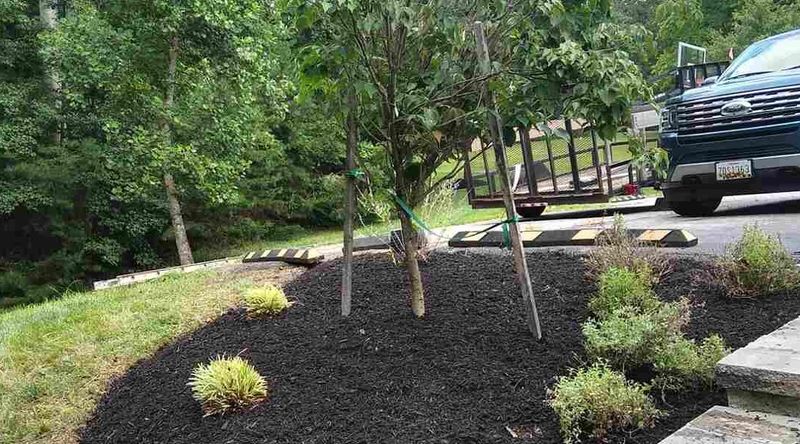
Mulch isn’t a set-it-and-forget-it solution. Over time, it compacts and breaks down. Neglecting to top up your mulch can expose plants to harsh weather and weeds. Regular topping keeps your garden thriving, maintaining the mulch’s protective barrier. By maintaining even coverage, you’ll ensure your plants stay healthy and vibrant throughout the growing season. Remember, a well-tended garden is a happy garden, and regular mulch maintenance is key to its success.
8. Using Colored Mulch
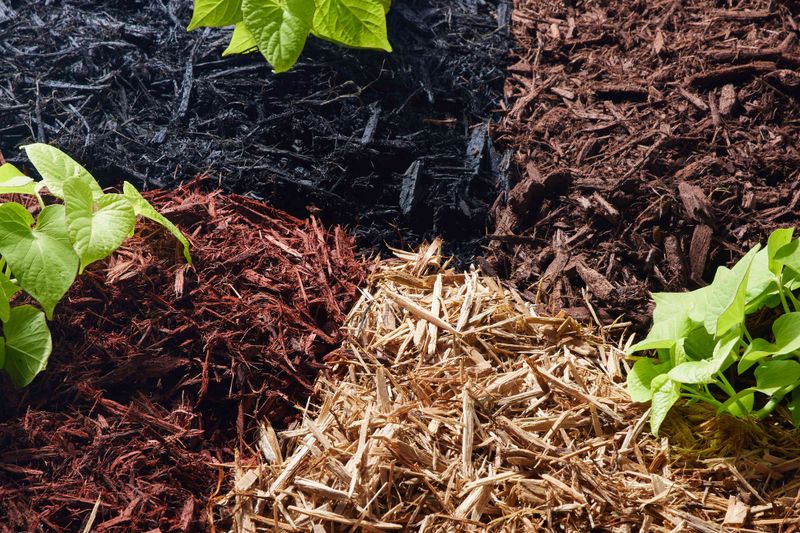
Colored mulch might add aesthetic appeal, but it often comes with hidden risks. Many colored mulches are dyed with chemicals that can leach into the soil, affecting plant health. While tempting to use for its vibrant appearance, consider the potential impact on your garden’s ecosystem. Opting for natural, untreated mulch can preserve soil integrity and promote a healthier environment for your plants. Your garden’s natural beauty will shine through with safer alternatives, free from unwanted chemical interference.
9. Overlooking Invasive Species
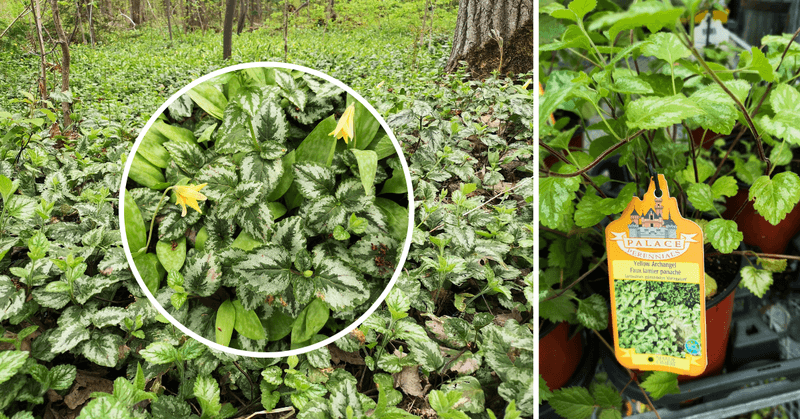
Invasive species can hitch a ride in mulch, turning your garden into their new home. Overlooking this potential threat allows these unwelcome guests to spread, competing with your plants for resources. When purchasing mulch, ensure it is free from invasive species and sourced carefully. Regularly inspect your garden for any signs of invasive plants taking root. Vigilance is vital to maintaining a harmonious and healthy garden environment, free from unwanted intruders.
10. Applying Mulch in Wet Conditions
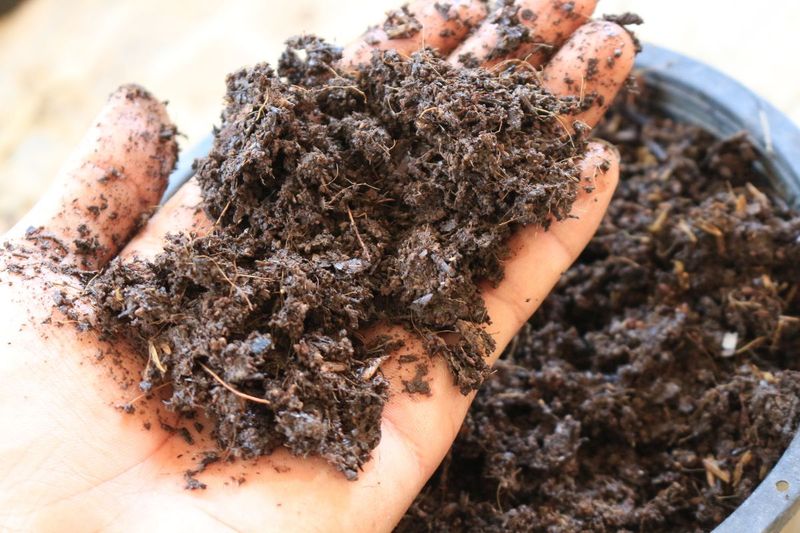
Applying mulch in wet conditions can trap moisture in the soil, leading to waterlogging and root rot. Your garden needs to breathe, and soggy mulch blocks essential air circulation. Wait for drier conditions to mulch, ensuring optimal soil health. Proper timing prevents moisture-related issues and promotes a thriving garden. Remember, patience is key; a well-timed mulch application can make all the difference in achieving healthy, robust plants.
11. Ignoring Mulch Type Compatibility
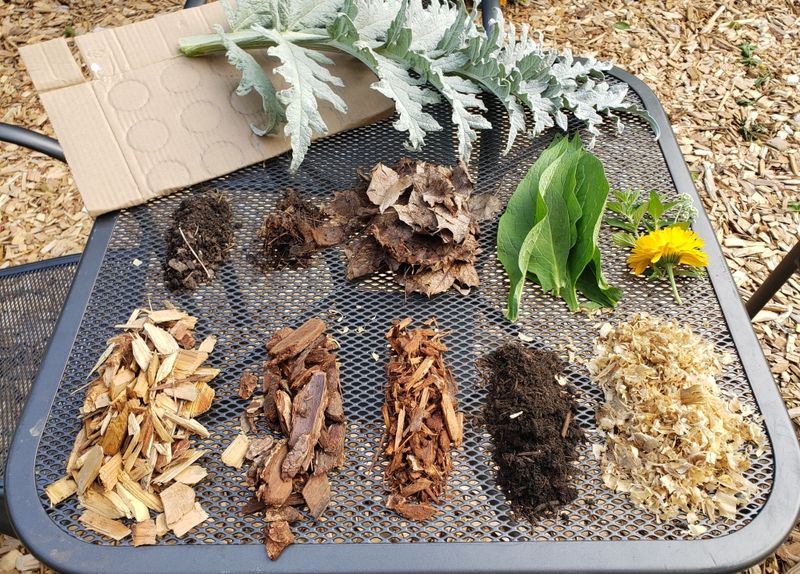
Not all mulch is created equal, and its compatibility with your plants matters. Different plants thrive under specific mulch types, and ignoring this can hinder growth. For instance, acidic mulch benefits blueberries but may harm other plants. Research the optimal mulch type for your garden’s inhabitants to enhance their growth. A thoughtful approach to mulch selection ensures your plants receive the specific care they need, resulting in a lush and vibrant garden.
12. Leaving Mulch Too Close to Stem
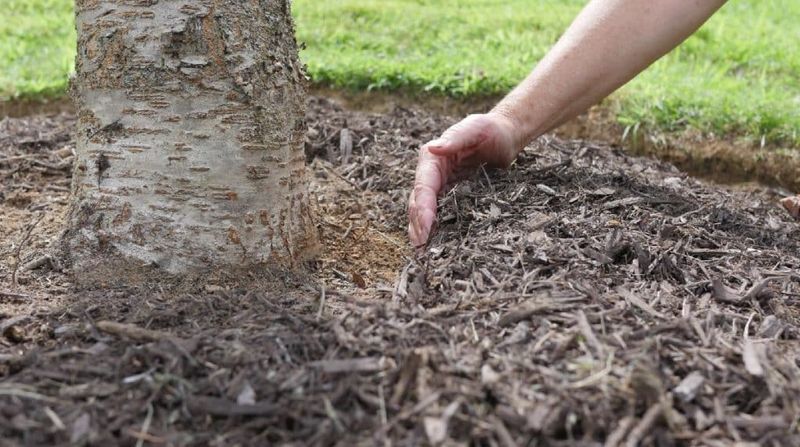
Leaving mulch too close to plant stems can create a host of problems. This mistake promotes moisture retention against the stem, leading to rot and inviting pests. Always leave a gap between mulch and the base of your plants. This allows for proper airflow and prevents moisture buildup. Proper spacing ensures that your plants remain healthy and reduces the risk of disease and pest infestation. A little space goes a long way in maintaining a thriving garden.
13. Using Mulch as an Antidote for Poor Soil
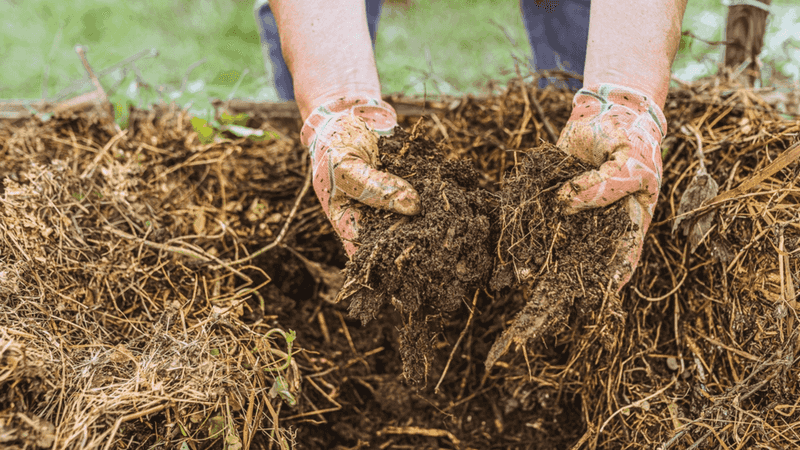
Mulch is not a miracle cure for poor soil. While it offers numerous benefits, relying solely on mulch to solve soil issues is misguided. Address soil deficiencies first by enriching it with compost and nutrients. Mulch can then enhance and protect, not compensate for poor conditions. Recognize the importance of a solid foundation for plant health. Combine soil improvement with mulching for optimal results. Your garden will flourish when the groundwork is laid correctly.
14. Applying Mulch Too Late
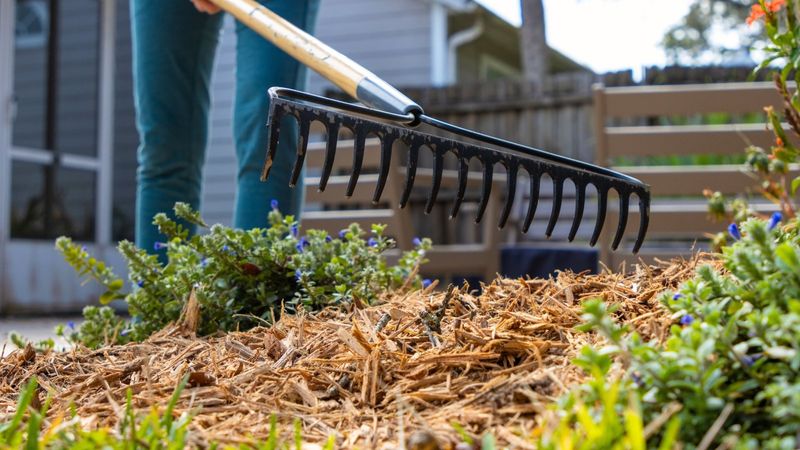
Timing is everything in gardening, and mulch application is no exception. Applying mulch too late can miss out on essential benefits like moisture retention and weed suppression. Ideally, apply mulch in early spring to prepare your garden for the growing season. This proactive approach ensures your plants receive maximum protection and support throughout the year. Don’t wait until it’s too late; early mulching sets the stage for a successful gardening experience.
15. Using Contaminated Mulch
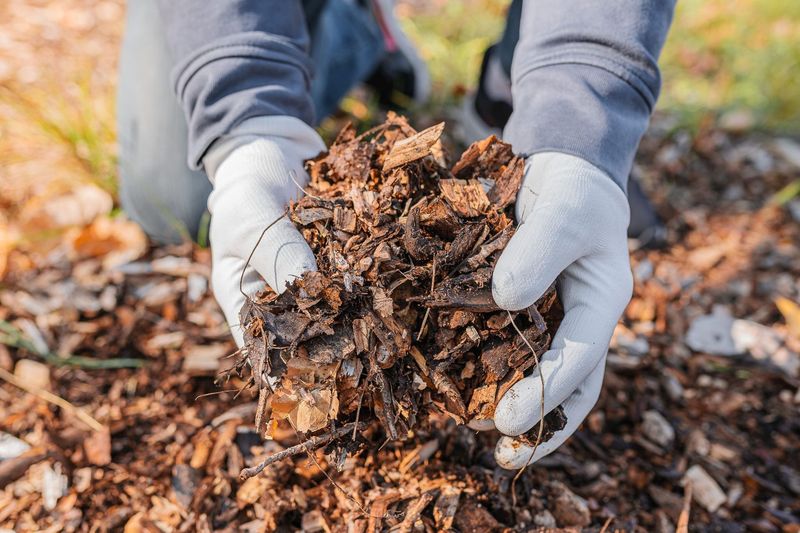
Contaminated mulch can introduce weeds, diseases, and unwanted materials into your garden. Always source mulch from reputable suppliers to ensure it is clean and free from harmful elements. Inspect mulch for any visible contaminants before applying. A careful selection process protects your plants from potential threats, maintaining a healthy and thriving garden environment. Clean mulch is the first line of defense against garden invaders and diseases.
16. Overlooking Weather Conditions
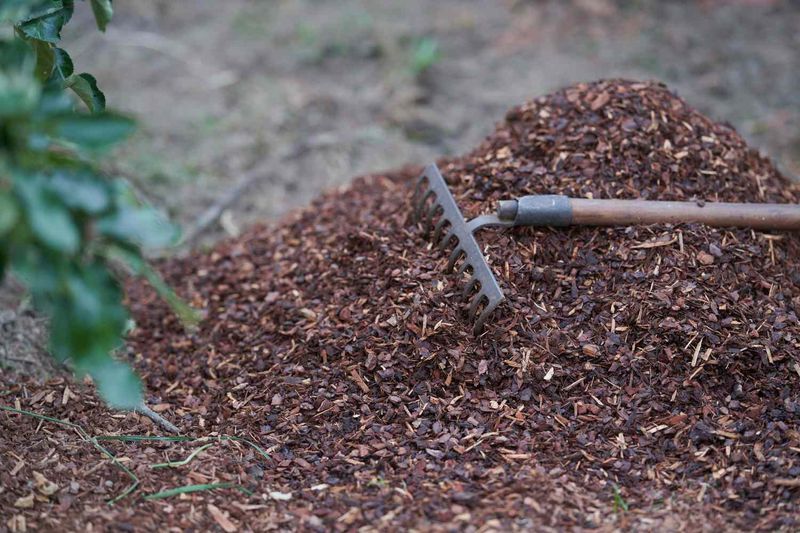
Weather conditions can significantly affect mulch performance, yet many gardeners overlook this factor. Extreme weather, like heavy rain or intense heat, can compromise mulch’s protective qualities. Adjust your mulching strategy according to weather forecasts, ensuring it remains effective in shielding plants. This proactive approach helps maintain your garden’s health and resilience, even in challenging conditions. Weather-aware mulching contributes to a robust and flourishing garden.
17. Using Pine Straw on Acid-Sensitive Plants
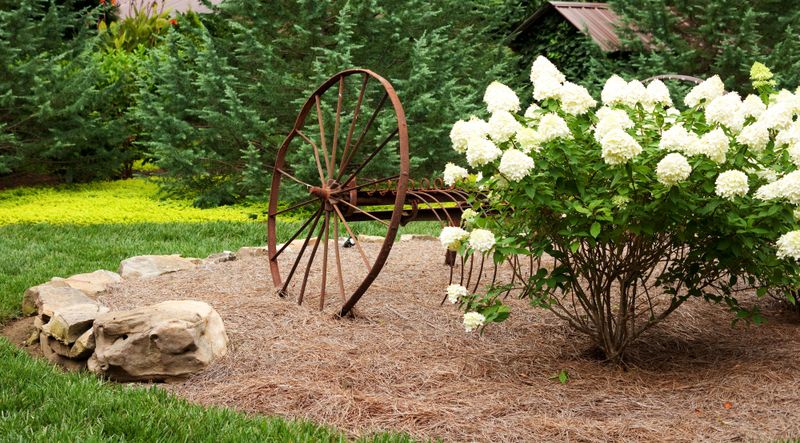
Pine straw is a popular mulch choice, but it can be detrimental to acid-sensitive plants. Its acidic nature can alter soil pH, affecting plant health. Before applying pine straw, consider your garden’s specific needs. Opt for neutral mulch alternatives if your plants are sensitive to acidity. Thoughtful mulch selection ensures your garden’s inhabitants receive the care they need, promoting a harmonious and thriving environment.
18. Using Mulch with High Carbon Content
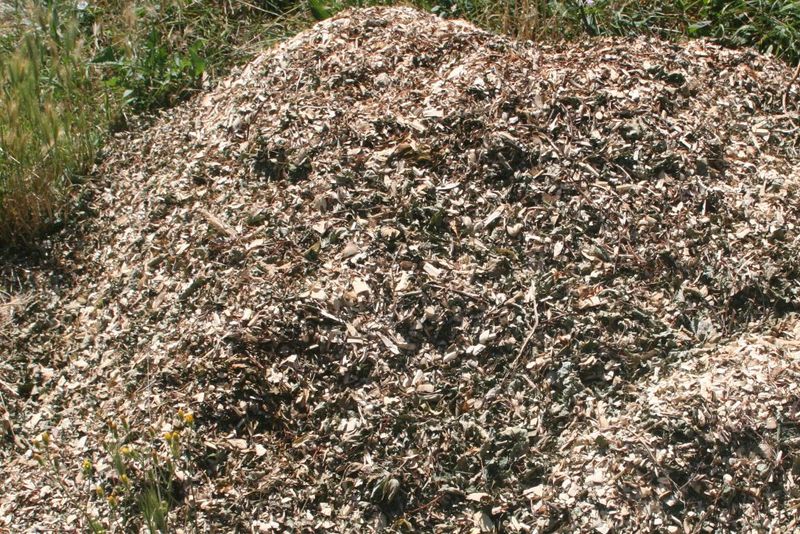
Mulch high in carbon content, like sawdust, can lead to nitrogen deficiency in plants. As it decomposes, it draws nitrogen from the soil, depriving plants of this essential nutrient. Be mindful of mulch composition and balance it with nitrogen-rich amendments. This approach ensures your garden remains nourished and vibrant. A little attention to detail goes a long way in fostering a thriving and healthy garden environment.
19. Applying Mulch Without Weeding First
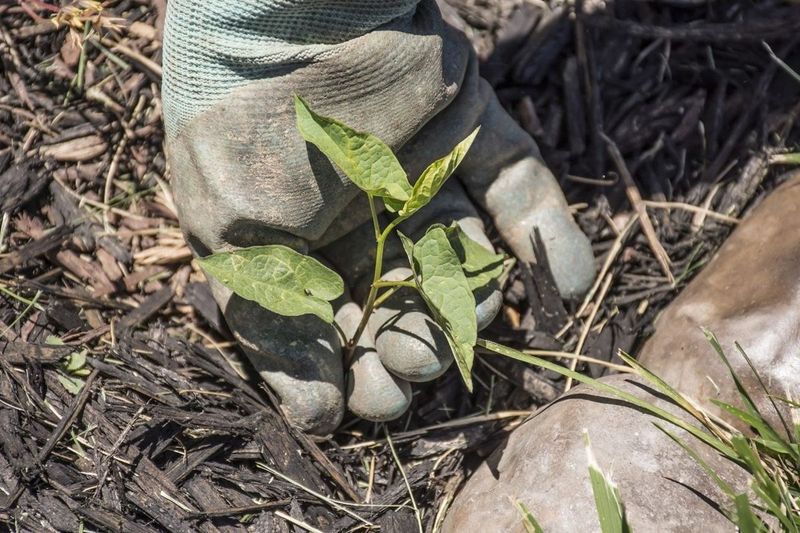
Applying mulch over existing weeds is a recipe for disaster. Mulch won’t suffocate established weeds, allowing them to spread and compete with your plants. Always weed your garden thoroughly before applying mulch. This preventative step ensures mulch can suppress new weed growth effectively. A weed-free start sets the stage for a healthy and flourishing garden, free from unwanted competition.
20. Using Non-Biodegradable Mulch
Non-biodegradable mulch, like rubber, may seem convenient but poses long-term environmental risks. It doesn’t break down, potentially harming soil health and wildlife. Consider biodegradable alternatives like bark or straw to enrich and protect your garden sustainably. Thoughtful mulch selection ensures your gardening practices align with environmental stewardship, promoting a healthy and vibrant garden ecosystem.
21. Ignoring Plant-Specific Mulch Needs
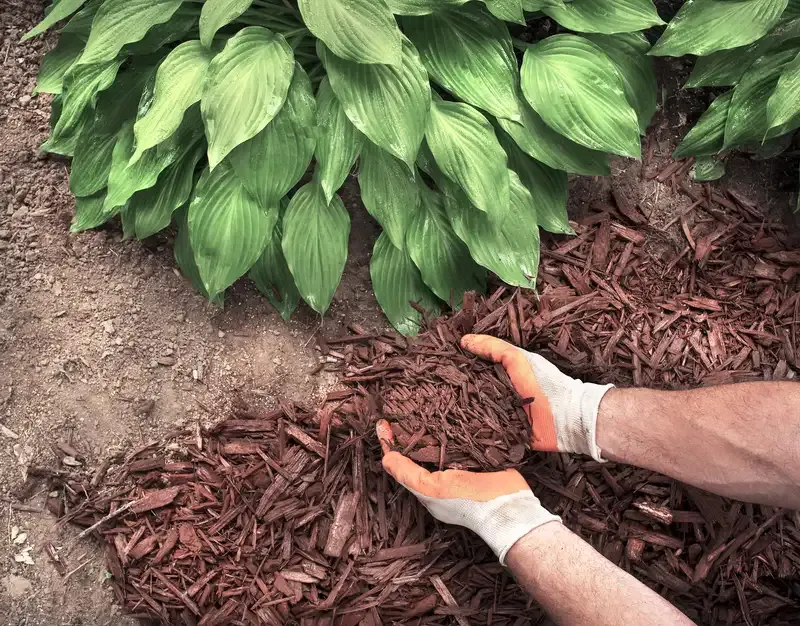
Different plants have unique mulching requirements, and overlooking these can hinder growth. Tailor your mulch approach to suit individual plant needs, ensuring optimal health and vitality. For instance, succulents require minimal mulch, while perennials may benefit from more coverage. Understanding plant-specific needs fosters a thriving garden environment where each plant receives the personalized care it deserves.
22. Using Mulch as a Pest Barrier Without Backup
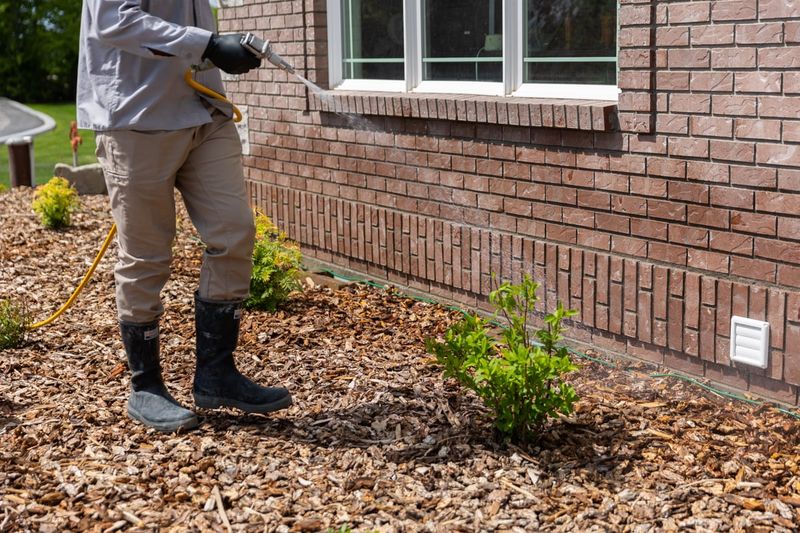
While mulch can deter some pests, it’s not a standalone solution. Relying solely on mulch for pest control can leave your plants vulnerable. Combine mulch with other pest management strategies for comprehensive protection. This multi-layered approach ensures your garden remains safe and thriving, free from pest-related threats. Thoughtful pest management contributes to a robust and flourishing garden environment.
23. Applying Too Much Mulch at Once
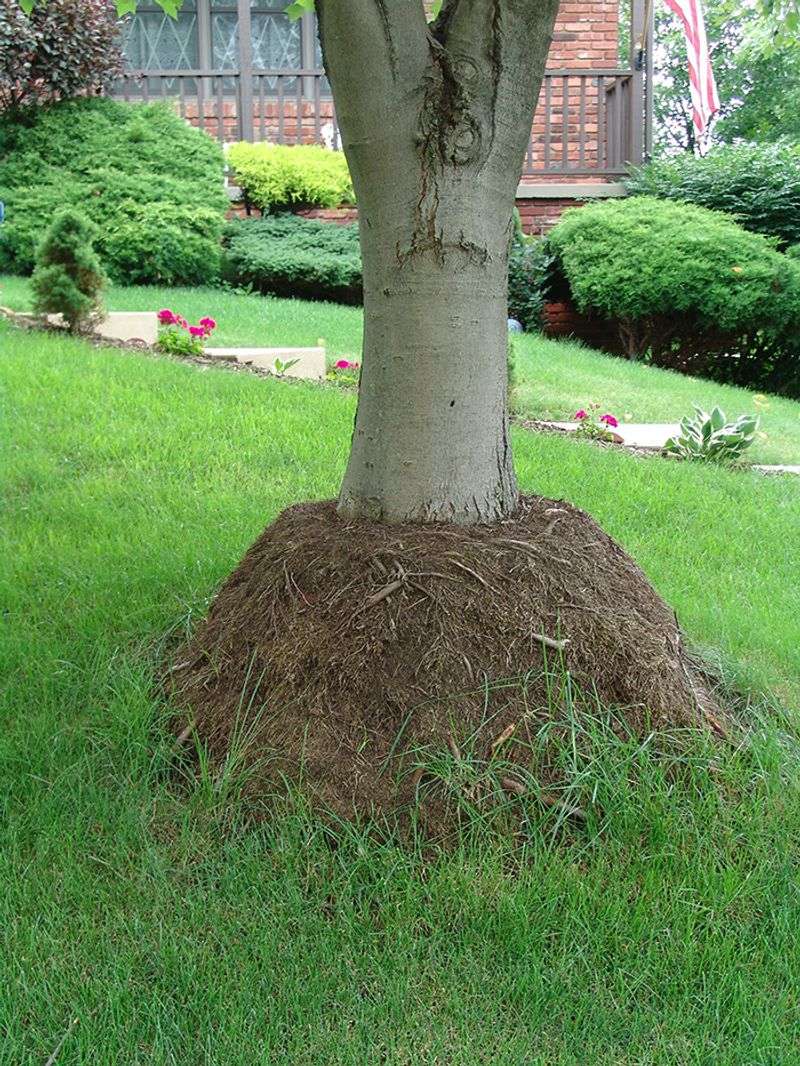
Applying too much mulch at once can suffocate plants and prevent essential nutrient absorption. Gradual application allows plants to adjust and ensures even coverage. Aim for a balanced approach, applying mulch in stages rather than overwhelming your garden. This consideration protects plant health and promotes a thriving garden environment, free from suffocation risks.
24. Ignoring Seasonal Mulch Adjustments
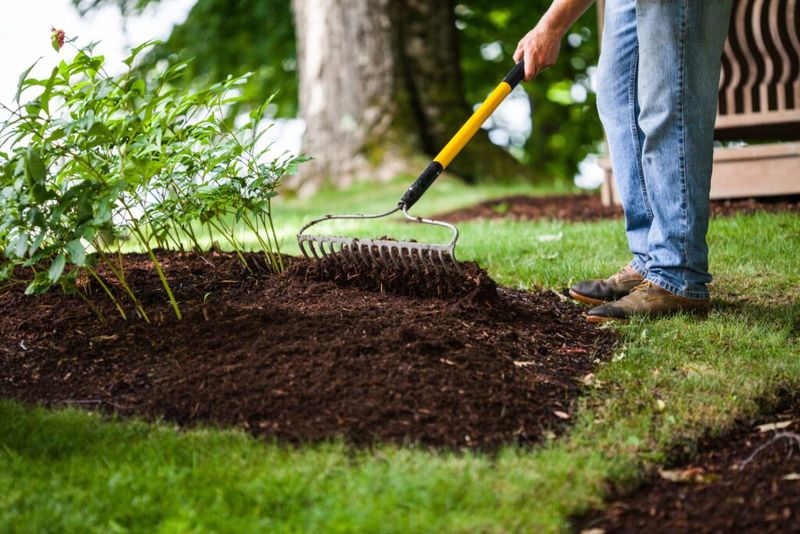
Seasonal changes require mulch adjustments to maintain efficacy. Ignoring this can compromise mulch protective qualities. In spring, thicker mulch helps retain moisture; in fall, thinner layers prepare for winter conditions. Tailor your mulch strategy to seasonal needs, ensuring your garden receives optimal protection year-round. Seasonal awareness contributes to a resilient and flourishing garden, able to withstand changing conditions.
25. Using Mulch Without Considering Plant Age
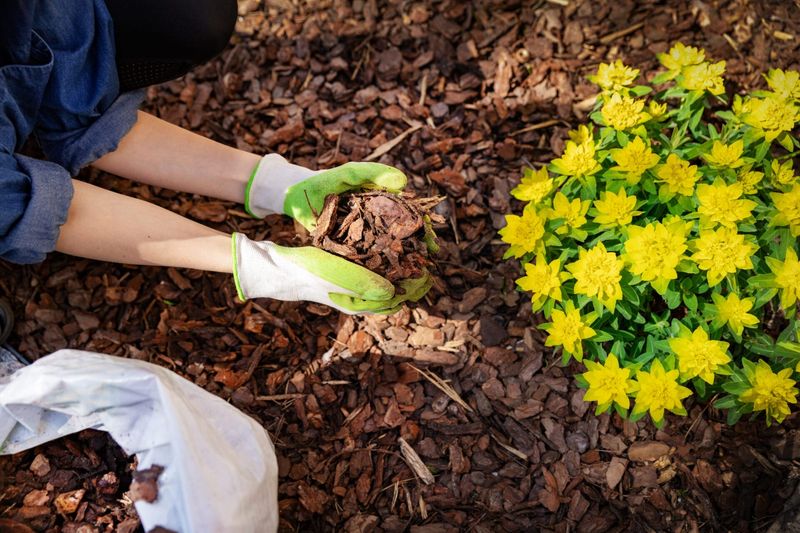
Plant age matters when applying mulch. Young seedlings require minimal mulch to avoid suffocation, while mature plants benefit from thicker coverage. Tailoring your mulch approach to plant age ensures each receives the specific care it needs. This thoughtful consideration promotes a thriving garden environment where both young and mature plants can flourish.
26. Applying Mulch to Diseased Plants
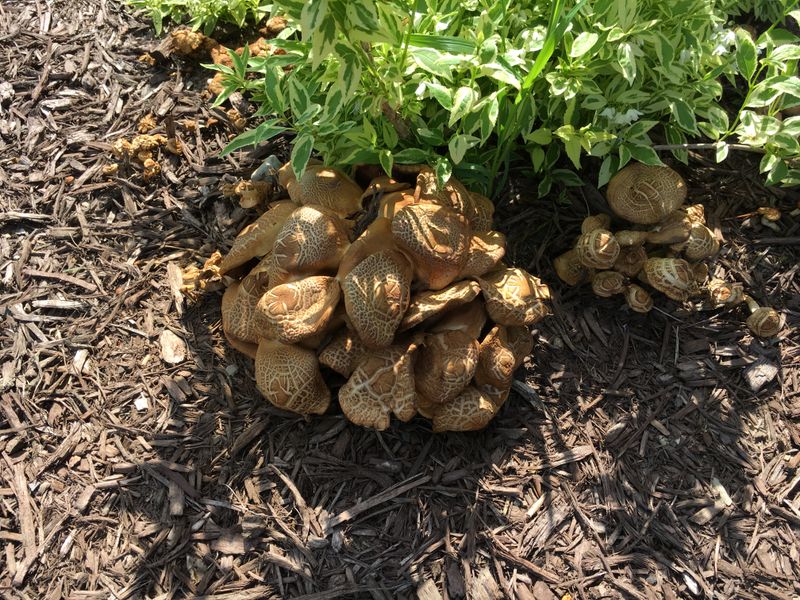
Applying mulch to diseased plants can exacerbate the problem. Mulch retains moisture and can spread disease throughout the garden. Address plant health issues before mulching, ensuring a clean and healthy environment. This proactive approach protects your garden from disease spread and promotes a robust and thriving ecosystem. Addressing issues early fosters a resilient garden capable of withstanding challenges.