 Complete Gardening
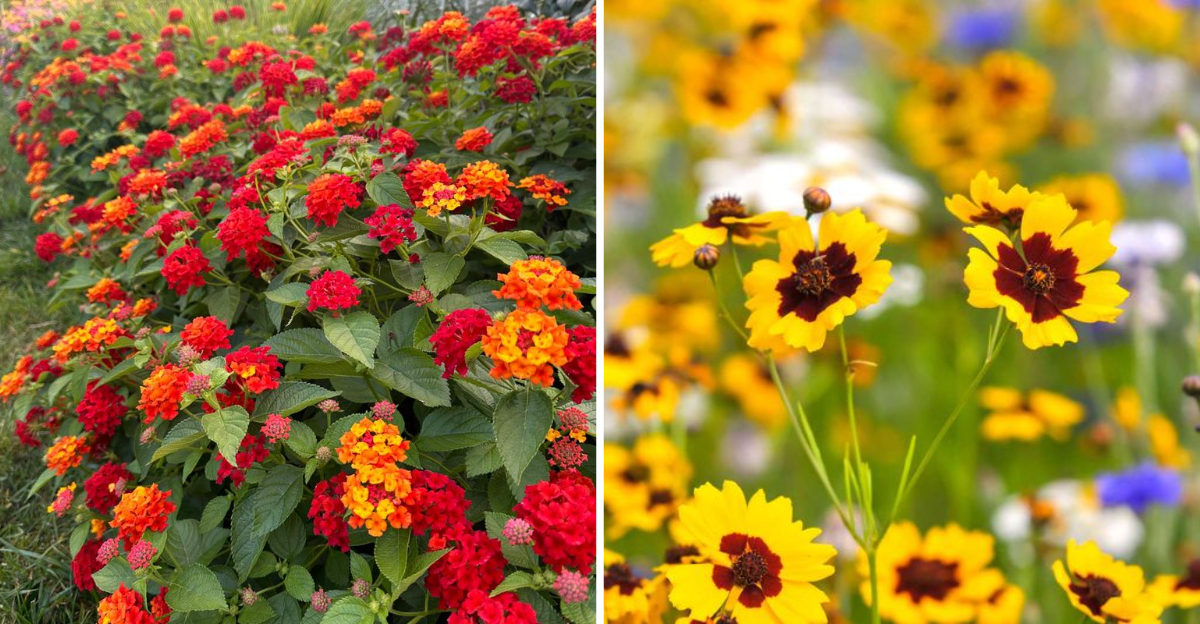
Summer can be harsh on gardens, but with the right selection of heat-resistant plants, your garden can thrive even in the hottest months. Here, we’ll explore 29 specially chosen plants that not only withstand high temperatures but also bring vibrant life and color to your outdoor space. These plants are perfect for anyone looking to maintain a lush garden without the constant worry of wilting or drying out. Dive into our selection and find the perfect additions to keep your garden green and flourishing all summer long.
1. Lantana
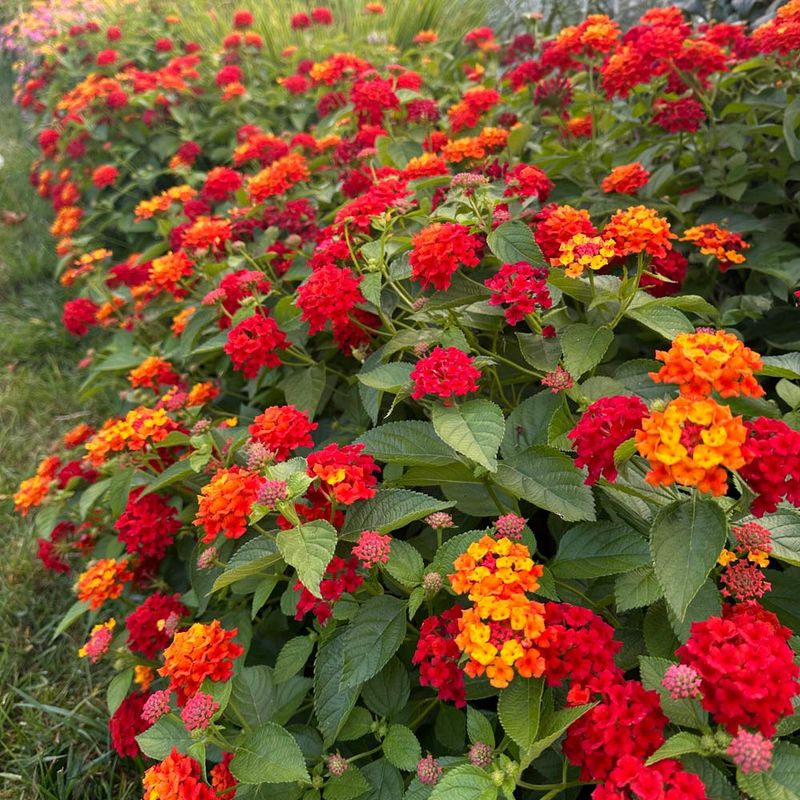
Lantana is a resilient plant known for its colorful blooms. These flowers, appearing in clusters of red, orange, and yellow, add a burst of vibrancy to any garden. Lantana is particularly cherished for its ability to thrive in hot, sunny conditions, making it an ideal choice for summer gardens.
This plant’s low maintenance nature is a bonus for gardeners seeking beauty without the hassle. Lantana’s appeal extends to pollinators like butterflies, which are drawn to its nectar-rich blossoms.
A fascinating fact: in some cultures, lantana is used in traditional medicine to treat various ailments.
2. Sedum
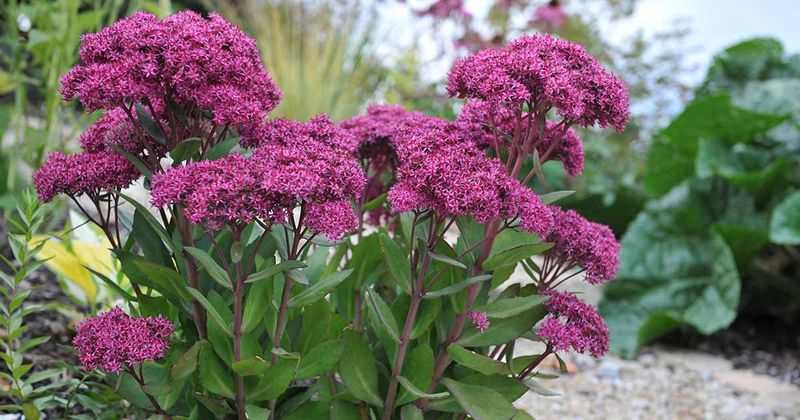
Sedum, with its fleshy leaves and star-shaped flowers, is a garden favorite. This succulent plant is perfect for hot climates, as it stores water in its leaves, allowing it to endure dry spells.
Sedum’s ability to spread quickly makes it ideal for ground cover, adding texture and interest to garden beds. Its blooms, often yellow or pink, attract bees and other pollinators, enhancing the garden’s ecosystem.
Historically, sedum has been used in folk medicine, believed to have healing properties. Its resilience and beauty make it a must-have for any summer garden.
3. Lavender
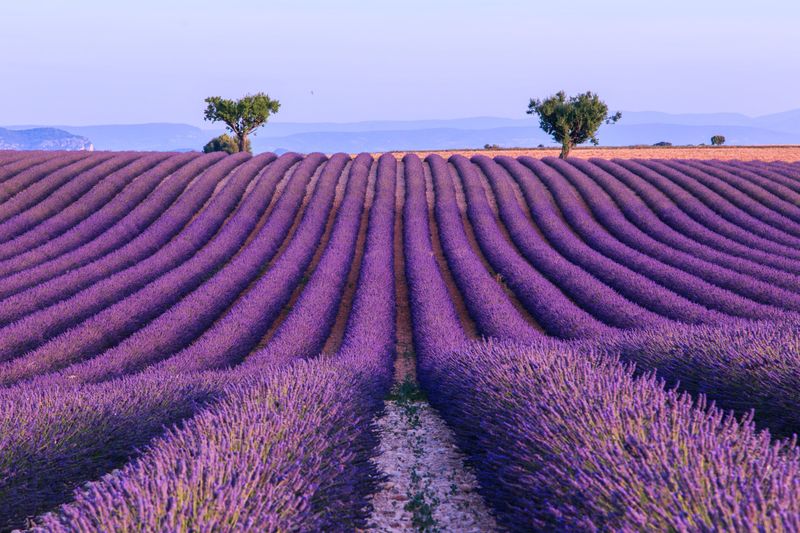
Lavender is cherished for its fragrant purple flowers and soothing aroma. Known for thriving in hot, dry conditions, it’s a staple in Mediterranean-style gardens.
This versatile plant is not only beautiful but also useful. Lavender is often harvested for its oil, used in aromatherapy and skincare products. Its calming scent is known to reduce stress and promote relaxation.
Aside from its practical uses, lavender’s presence in a garden attracts bees and butterflies, making it both a functional and aesthetic choice for summer landscaping.
4. Rosemary
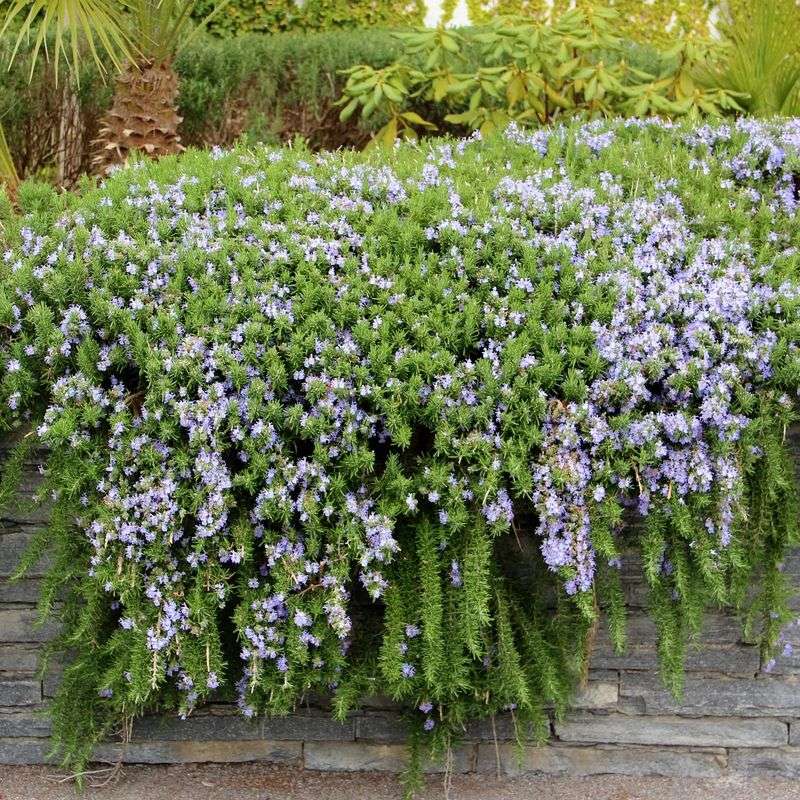
Rosemary, a fragrant herb with needle-like leaves, is more than just a culinary staple. Its resilience to heat and drought makes it perfect for summer gardens.
The plant’s aromatic foliage adds a delightful scent to outdoor spaces, while its small blue flowers attract pollinators. Rosemary can be pruned into different shapes, contributing to garden aesthetics.
Beyond its gardening appeal, rosemary has historical significance. Romans revered it for its symbolic meanings of remembrance and loyalty, and it’s still used today in cooking and herbal remedies.
5. Cactus
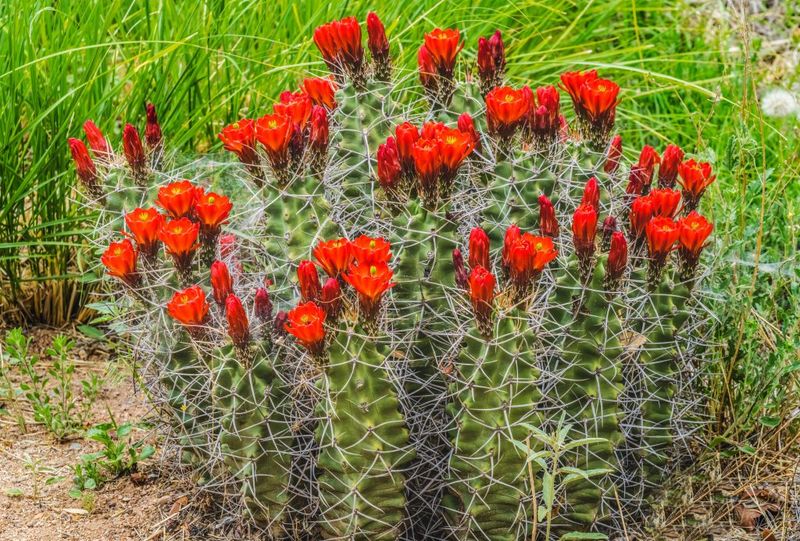
Cactus plants are synonymous with resilience. Adapted to survive extreme heat and drought, they are perfect for summer gardens. Their unique shapes and textures add architectural interest to any landscape.
Cacti are low-maintenance and require little water, making them ideal for busy gardeners. Their flowers, though rare, are stunning and attract pollinators like hummingbirds.
Fun fact: the saguaro cactus, a symbol of the American Southwest, can live for over 150 years! These fascinating plants bring a touch of the desert to your garden, combining beauty with practicality.
6. Agave
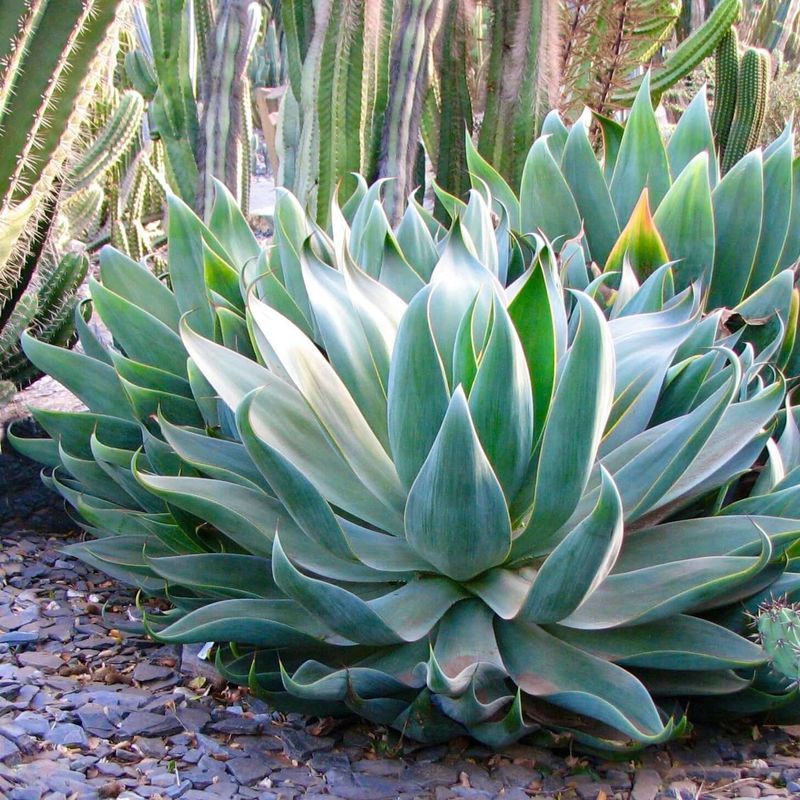
Agave plants are striking with their rosettes of spiky leaves. Known for their drought tolerance, they thrive in hot climates, making them ideal for summer gardens.
These plants require little maintenance and are excellent for xeriscaping. Agave’s bold appearance adds dramatic flair to gardens, often serving as a focal point.
Did you know? Agave is the source of tequila, a popular spirit. Beyond their ornamental use, these plants have a rich cultural and economic history, making them as interesting as they are beautiful.
7. Bougainvillea
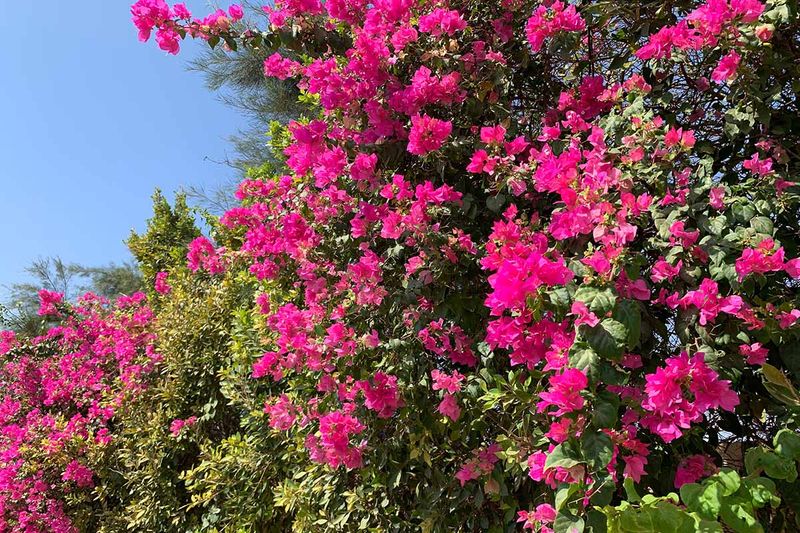
Bougainvillea is renowned for its vibrant, paper-like flowers that cascade down trellises and walls. This plant thrives in hot, sunny conditions, providing a splash of color to summer gardens.
Its climbing nature makes bougainvillea perfect for covering fences or creating stunning floral displays. Despite its delicate appearance, it’s surprisingly hardy and drought-resistant.
In addition to its beauty, bougainvillea has a cultural significance in many tropical regions, often symbolizing welcome and hospitality. Its ability to withstand heat while adding vivid color makes it a garden favorite.
8. Yucca
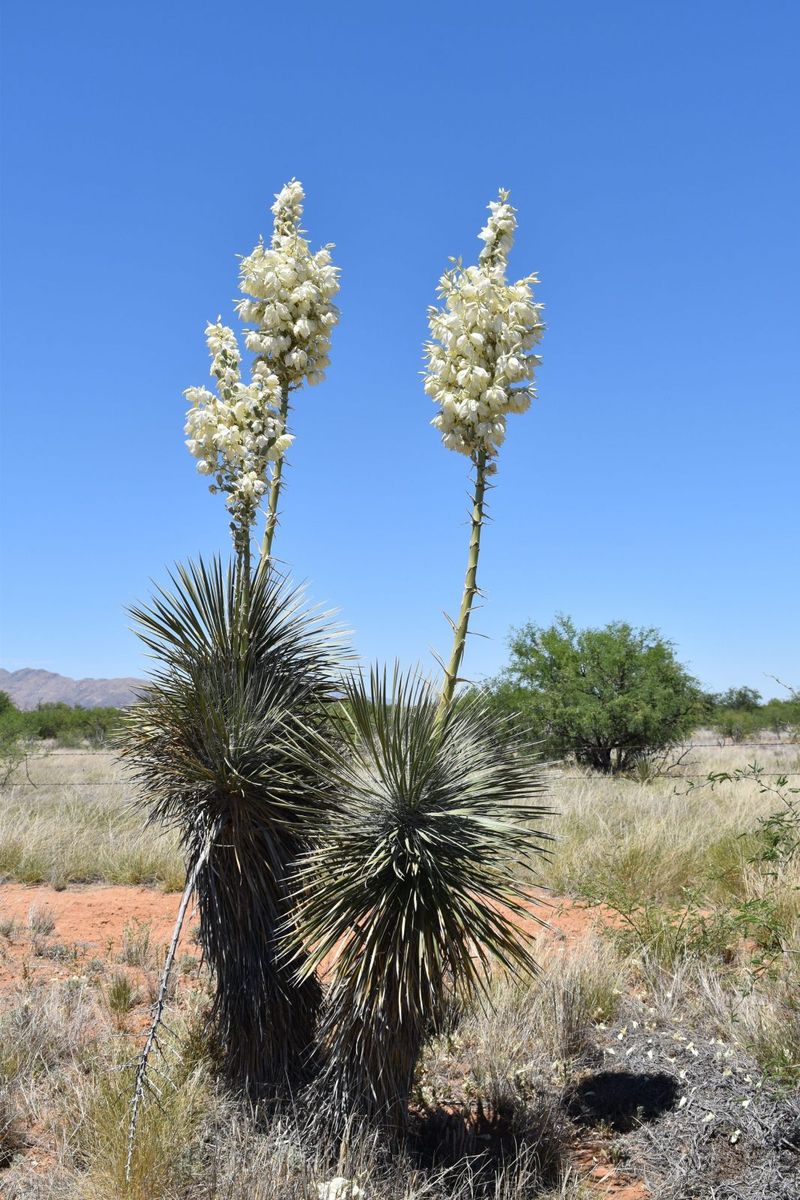
Yucca plants are known for their dramatic appearance. With sword-like leaves and tall flower spikes, they add architectural interest to gardens.
Perfect for hot, dry climates, yuccas are low-maintenance and drought-tolerant. Their creamy white flowers bloom in summer, attracting pollinators and adding a touch of elegance.
Yucca’s hardy nature and distinctive look make it a popular choice for xeriscaping. Historically, Native American tribes used yucca for practical purposes, including making soap and rope. Its versatility and beauty continue to captivate gardeners today.
9. Zinnia
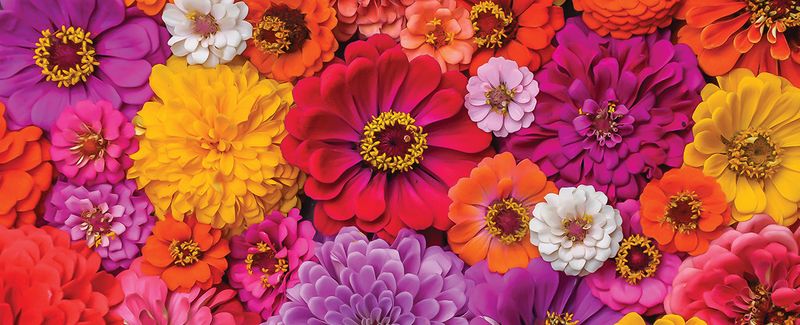
Zinnias are beloved for their bright, cheerful blooms. These annual flowers come in a variety of colors, making them a versatile choice for any garden.
Zinnias are heat-tolerant and thrive in full sun, producing continuous blooms throughout the summer. They’re also easy to grow from seed, making them accessible to gardeners of all levels.
Beyond their beauty, zinnias attract butterflies and other beneficial insects, enhancing the garden’s ecological balance. Their vibrant presence ensures your garden remains lively and colorful even during the hottest months.
10. Portulaca
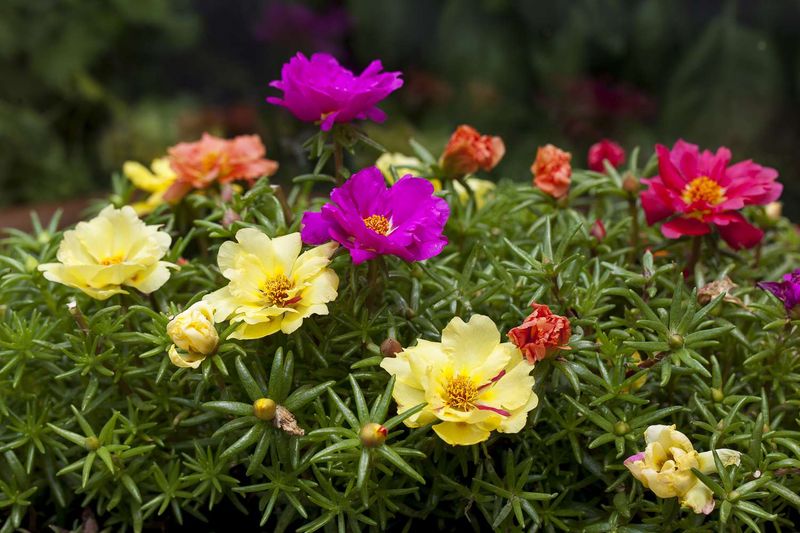
Portulaca, also known as moss rose, is a delightful plant with succulent-like leaves and colorful blooms. This heat-loving plant is perfect for sun-drenched gardens, as it thrives in hot, dry conditions.
Its low-growing nature makes portulaca ideal for ground cover or hanging baskets, adding a splash of color to any setting. The flowers open during the day, closing at night, providing dynamic visual interest.
Fun fact: portulaca is edible and can be used in salads, offering a slightly tangy flavor. Its dual role as an ornamental and edible plant adds to its appeal.
11. Oleander
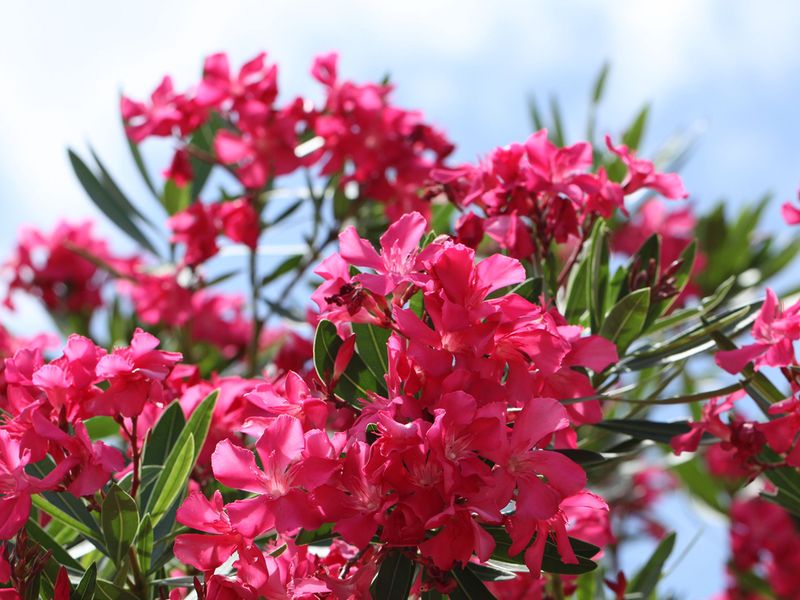
Oleander is a robust shrub known for its lush foliage and prolific blooms. Its fragrant flowers range from pink to white, adding a touch of elegance to any garden.
This plant thrives in hot, sunny environments, making it ideal for summer gardens. Its evergreen leaves provide year-round interest, even when not in bloom.
Caution: while oleander is beautiful, it is also toxic if ingested. Historically, it has been used in literature and art for its symbolic meanings of caution and danger. Its beauty and resilience make it a captivating garden addition.
12. Gazania
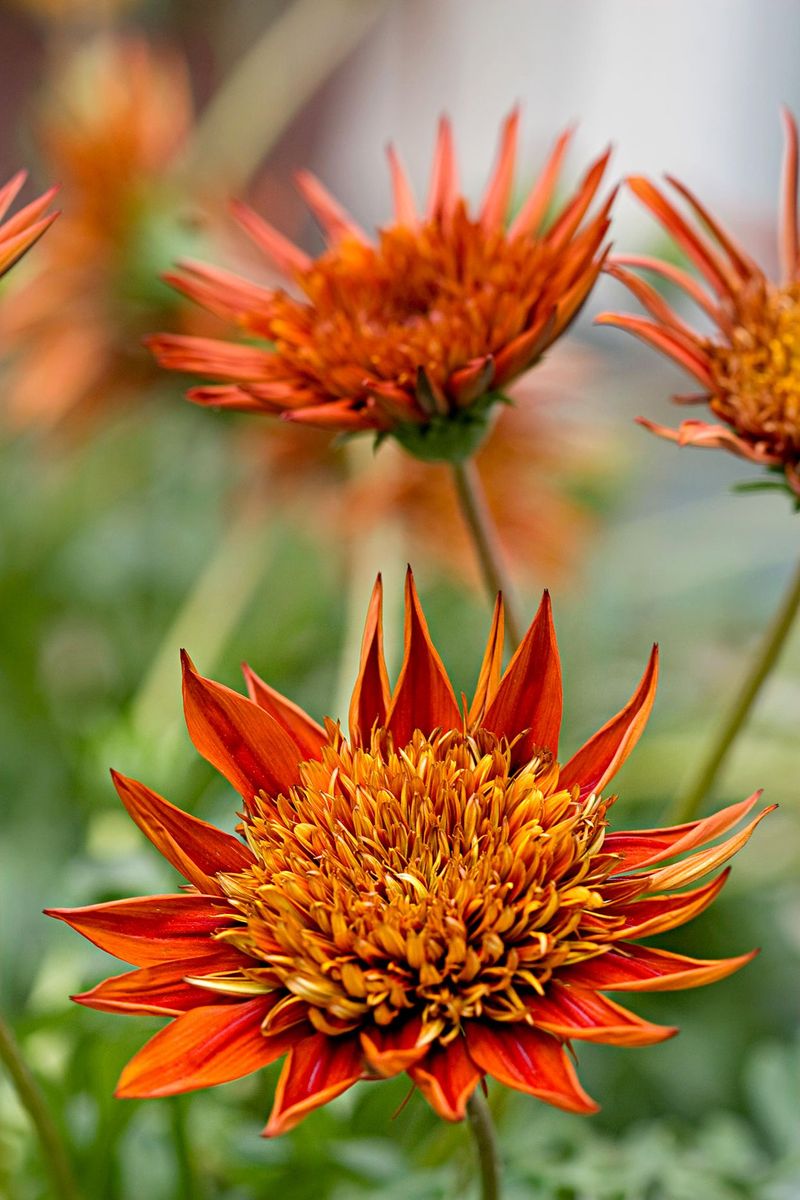
Gazania, often referred to as the treasure flower, is a vibrant addition to any garden. Its daisy-like blooms come in a range of striking colors, including orange, red, and yellow.
These flowers are heat-tolerant and thrive in full sun, making them perfect for summer gardens. Gazania’s blooms open during the day and close at night, providing dynamic visual interest.
In addition to their beauty, gazanias are low-maintenance and drought-resistant, requiring minimal water once established. Their cheerful presence ensures your garden remains lively and colorful all summer long.
13. Russian Sage
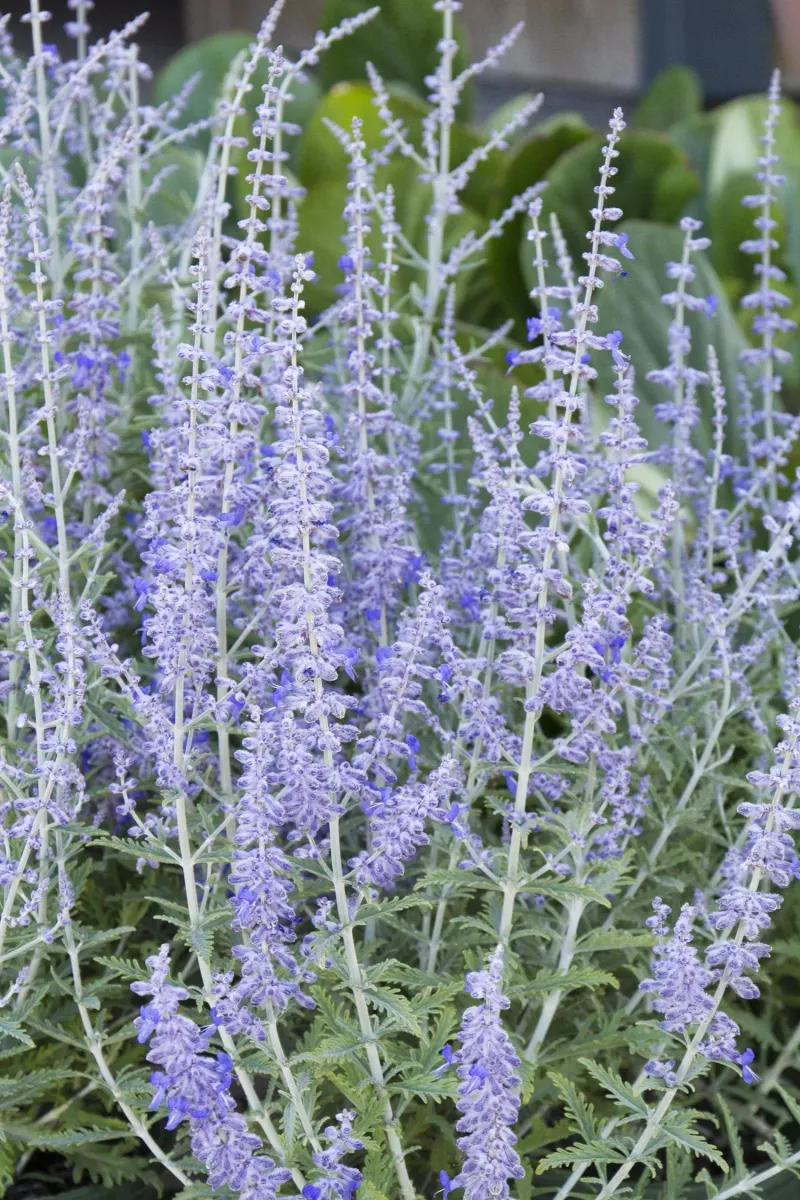
Russian sage is admired for its silvery foliage and delicate lavender flowers. This perennial plant thrives in hot, dry conditions, making it a staple in drought-tolerant gardens.
Its tall, airy spikes add texture and movement to garden borders, contrasting beautifully with other plants. Russian sage is also deer-resistant and attracts pollinators like bees and butterflies.
Beyond its ornamental value, Russian sage has been used in traditional medicine for its purported health benefits. Its resilience and beauty make it a favorite for gardeners seeking low-maintenance yet impactful plants.
14. Catmint
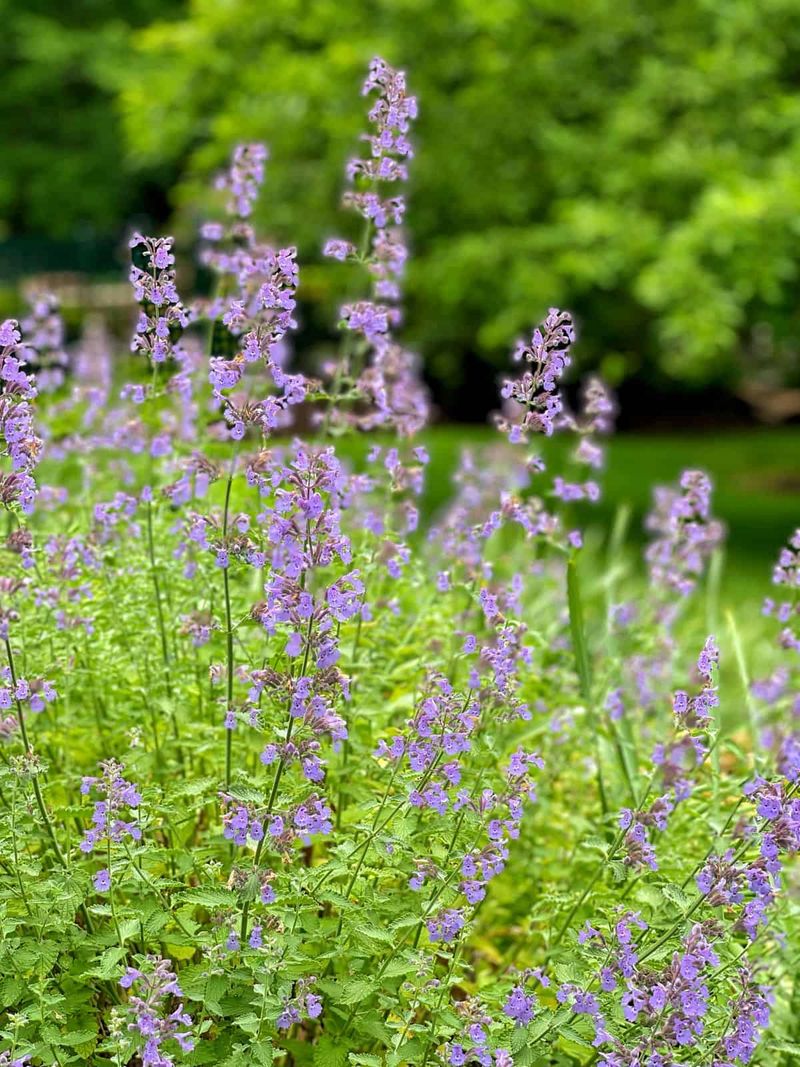
Catmint is a favorite for its aromatic leaves and lavender-blue flowers. This hardy perennial is perfect for hot, sunny gardens, thriving even in poor soil conditions.
Its sprawling nature makes catmint ideal for borders and edges, adding a soft, flowing look to garden designs. The flowers attract bees and butterflies, enhancing the garden’s ecosystem.
A fun fact: catmint is closely related to catnip, which is known for its effect on cats. While catmint is less potent, it still draws feline attention, adding an element of whimsy to your garden.
15. Verbena
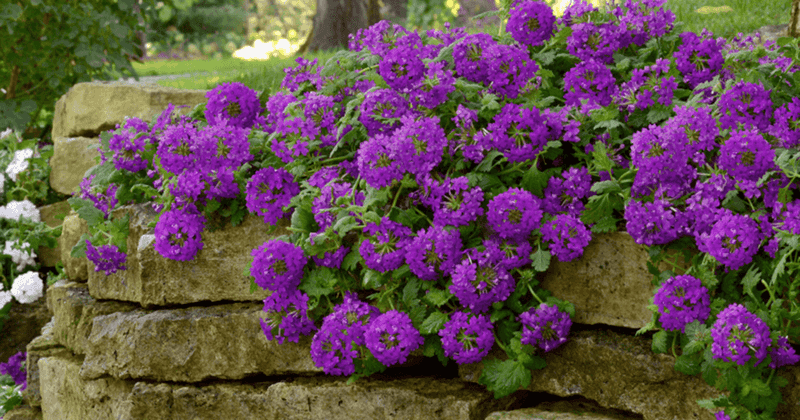
Verbena is celebrated for its clusters of small, vibrant flowers. These blooms, ranging in color from purple to pink, create a carpet of color in sunny gardens.
This heat-tolerant plant thrives in full sun and requires minimal water once established. Verbena’s long blooming season ensures continuous color throughout the summer months.
In addition to its visual appeal, verbena attracts butterflies and other pollinators, supporting local ecosystems. Its low-maintenance nature and vibrant presence make it a popular choice for gardeners looking to add lasting beauty to their landscapes.
16. Echinacea
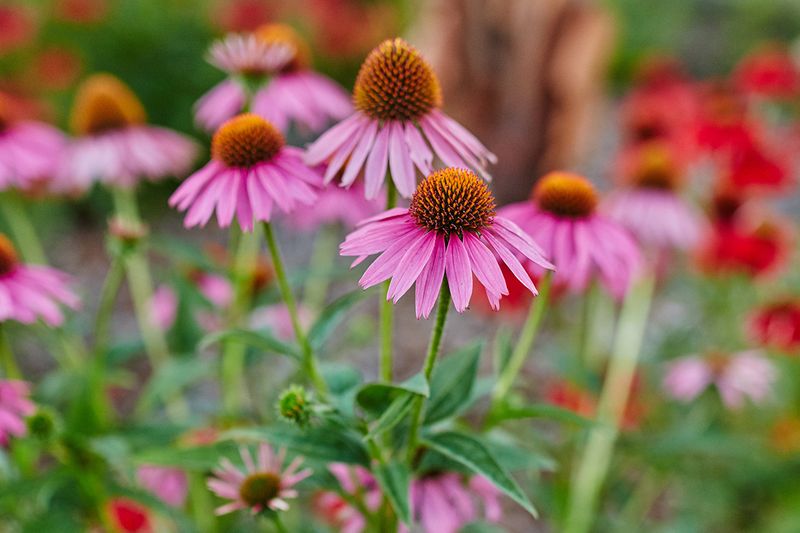
Echinacea, also known as coneflower, is beloved for its striking blooms and medicinal properties. Its pink-purple flowers with prominent centers add a bold statement to gardens.
This hardy perennial thrives in hot, dry conditions, making it perfect for summer landscapes. Echinacea is also known for attracting pollinators like bees and butterflies, enhancing the garden’s biodiversity.
Historically, echinacea has been used in herbal medicine to boost the immune system. Its combination of beauty and utility makes it a valuable addition to any garden, providing visual interest and health benefits.
17. Yarrow
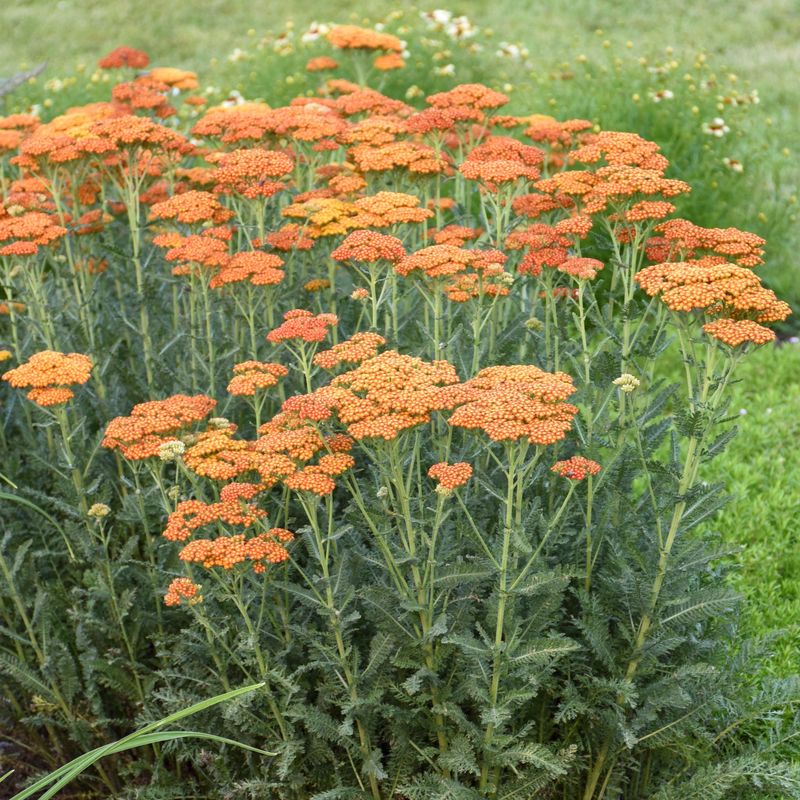
Yarrow is a versatile plant known for its feathery leaves and clusters of flat-topped flowers. It thrives in hot, dry conditions, making it a staple in drought-tolerant gardens.
The flowers, often yellow or white, attract beneficial insects like bees and ladybugs, supporting garden health. Yarrow’s hardy nature makes it perfect for naturalizing or filling in gaps in flower beds.
Aside from its ornamental use, yarrow has a long history in herbal medicine, traditionally used to stop bleeding and aid in healing. Its resilience and ecological benefits make it a garden favorite.
18. Cosmos
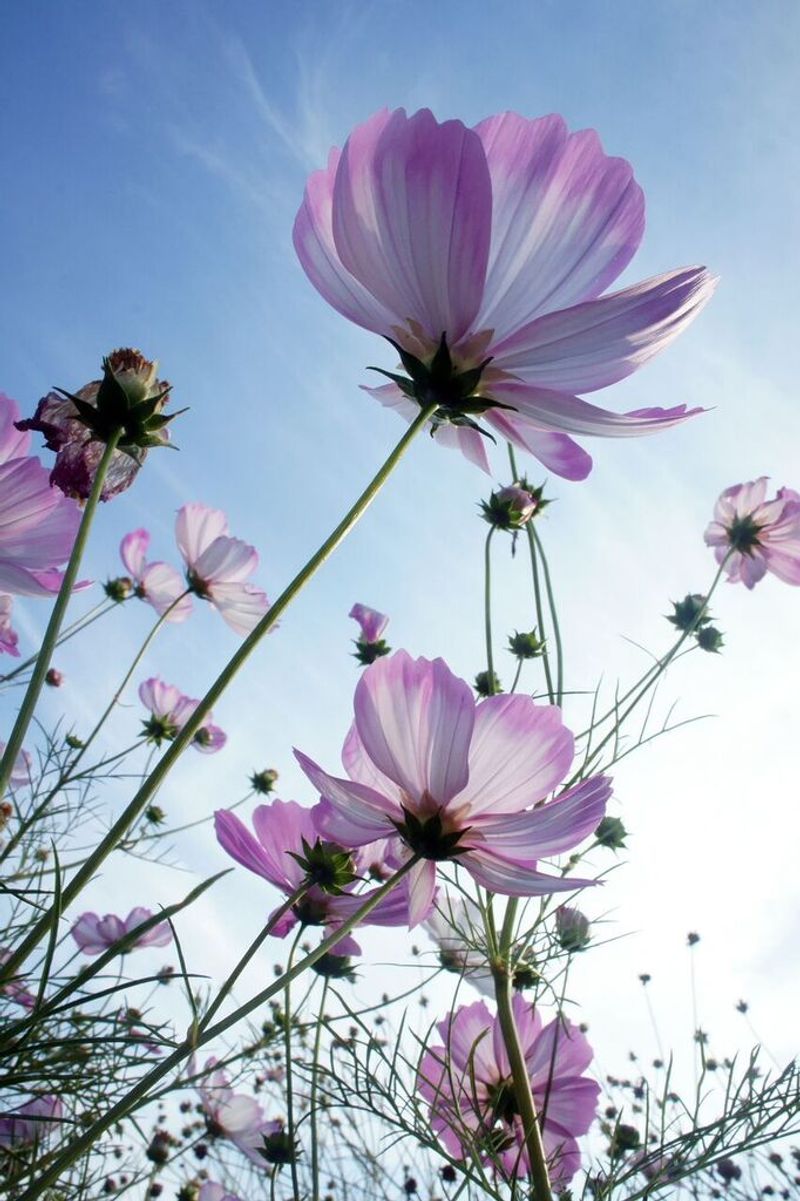
Cosmos flowers are a popular choice for their delicate, airy blooms. These annuals come in a range of soft colors, including pink, white, and purple, adding a touch of grace to gardens.
Cosmos thrive in full sun and are exceptionally heat-tolerant, making them ideal for summer displays. They’re easy to grow from seed, making them accessible to gardeners of all levels.
Fun fact: cosmos are often associated with space and harmony, reflecting their balanced, symmetrical flowers. Their whimsical appearance and ease of care make them a beloved choice for adding charm to gardens.
19. Black-eyed Susan
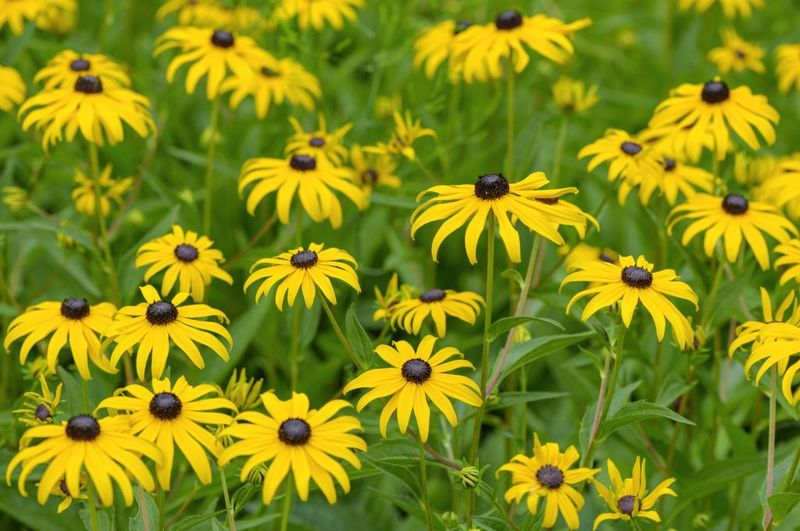
Black-eyed Susans are a garden classic, known for their bright yellow petals and dark centers. These cheerful flowers add a splash of sunshine to any landscape.
They’re heat-tolerant and thrive in full sun, making them perfect for summer gardens. Black-eyed Susans are also resistant to pests and diseases, making them a low-maintenance choice for busy gardeners.
In addition to their beauty, these flowers attract pollinators like bees and butterflies, enhancing garden biodiversity. Their vibrant presence and hardiness make them a staple in many gardens across the country.
20. Coreopsis
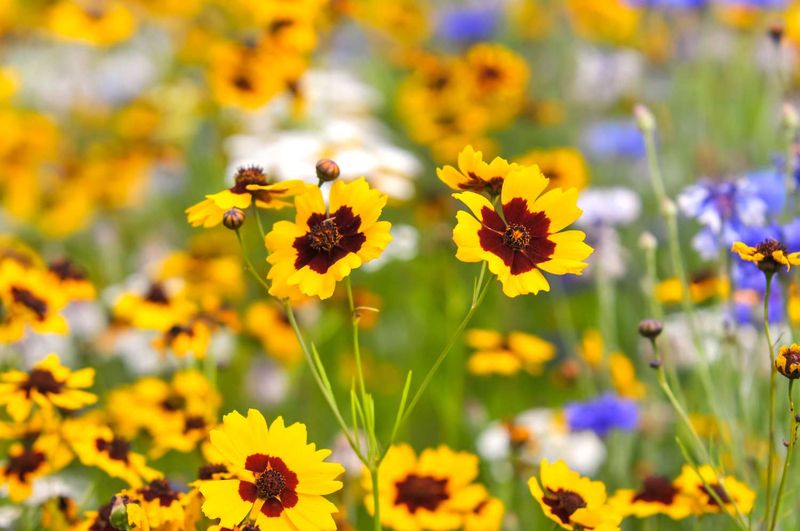
Coreopsis, also known as tickseed, is celebrated for its cheerful yellow blooms. These flowers are perfect for adding a pop of color to sunny gardens.
Coreopsis is heat-tolerant and thrives in well-drained soil, requiring minimal maintenance once established. Its long blooming season ensures continuous color throughout the summer months.
Apart from their ornamental value, coreopsis flowers attract bees and butterflies, supporting local ecosystems. Their bright, sunny appearance and resilience make them a popular choice for gardeners looking to add lasting beauty to their landscapes.
21. Gaillardia
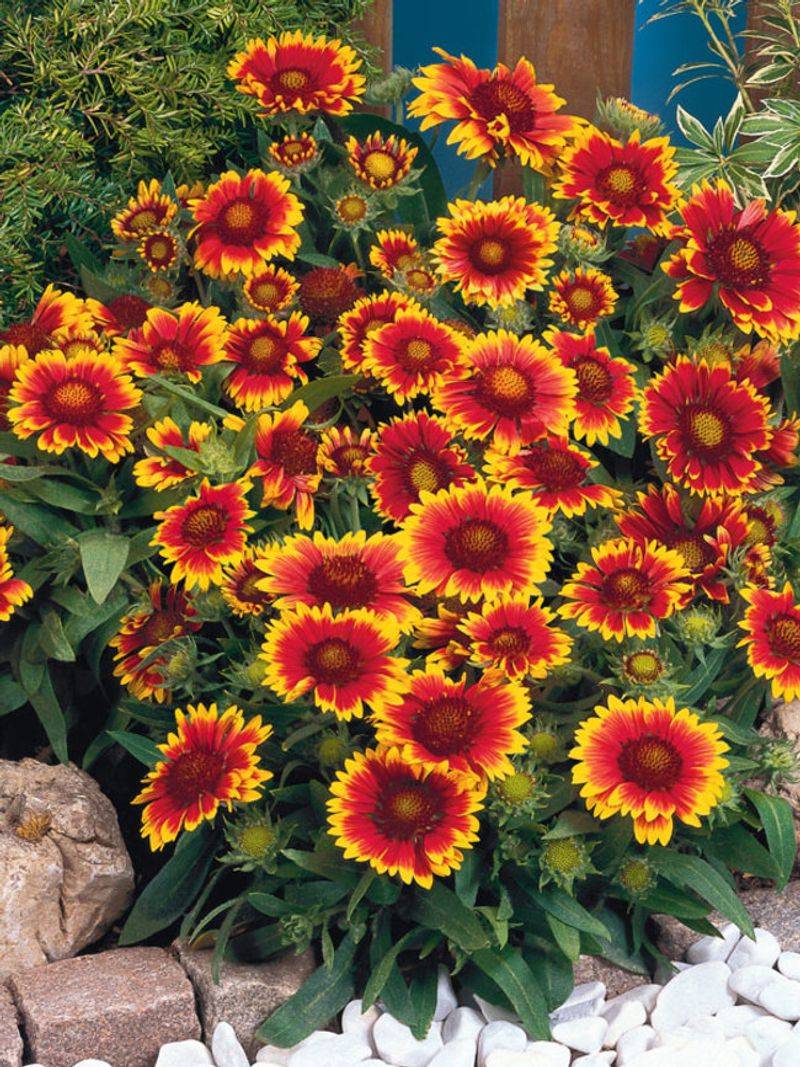
Gaillardia, often called blanket flower, is known for its vibrant red and yellow blooms. These cheerful flowers thrive in hot, sunny conditions, making them perfect for summer gardens.
Their long blooming season and drought tolerance make gaillardia a low-maintenance choice for adding color to landscapes. They’re also deer-resistant, ensuring their beauty remains untouched.
Beyond their visual appeal, gaillardias attract pollinators like bees and butterflies, enhancing garden biodiversity. Their bright, bold presence and hardiness make them a favorite among gardeners seeking reliable summer blooms.
22. Daylily
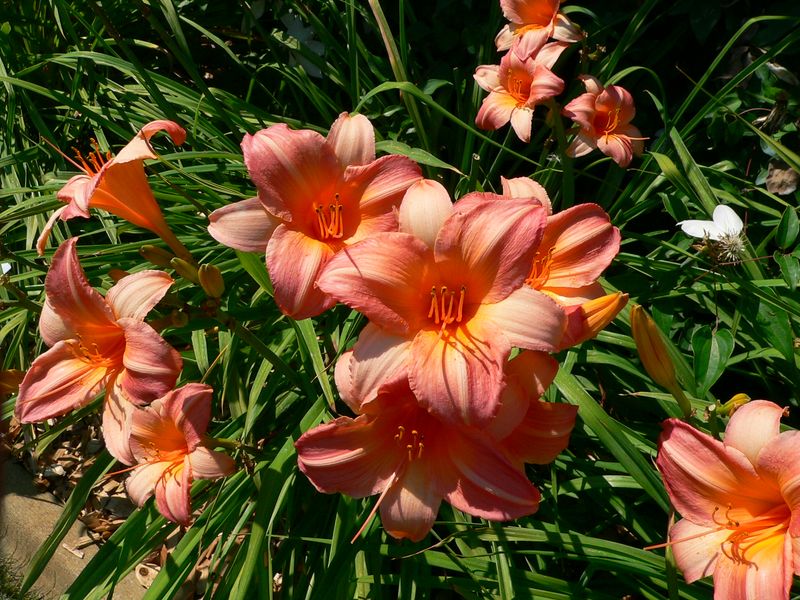
Daylilies are renowned for their trumpet-shaped blooms and vibrant colors. These perennials are a staple in many gardens, known for their ability to withstand heat and drought.
Each flower lasts only a day, but the plant produces blooms continuously, ensuring a constant display of color throughout the summer. Daylilies are also resistant to pests and diseases, making them low-maintenance.
In addition to their beauty, daylilies are edible and can be used in salads or as a garnish. Their combination of beauty, resilience, and utility makes them a valuable addition to any summer garden.
23. Salvia
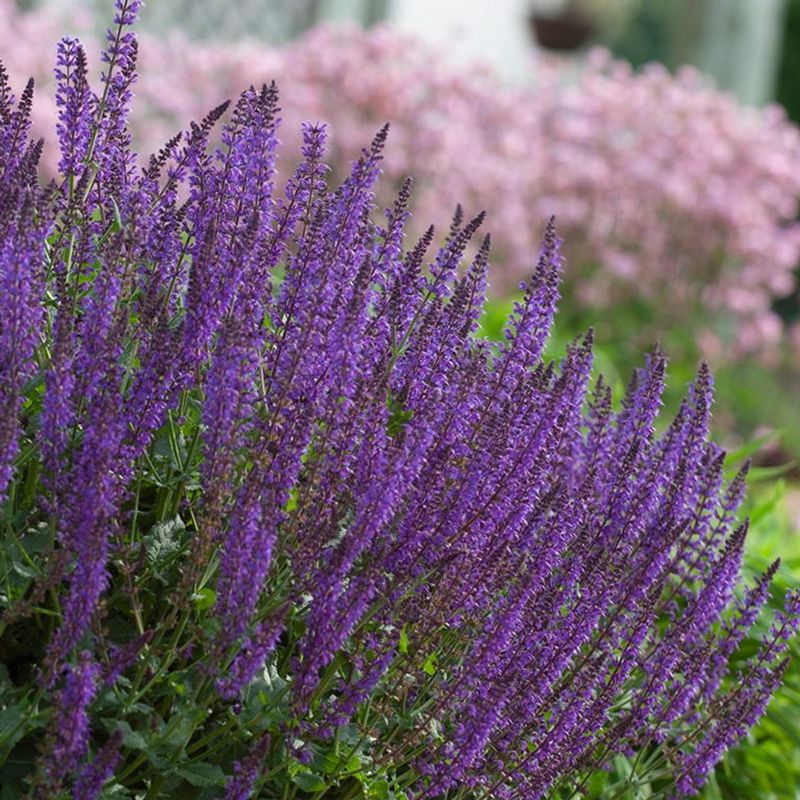
Salvia is celebrated for its tall spikes of vibrant flowers. These perennials thrive in hot, sunny conditions, adding color and structure to summer gardens.
Salvia is drought-tolerant and requires minimal maintenance once established. Its blooms, ranging in color from blue to red, attract pollinators like bees and hummingbirds.
Beyond their ornamental value, salvias are used in traditional medicine for various ailments. Their resilience, beauty, and ability to support wildlife make them a popular choice for gardeners seeking impactful, low-maintenance plants.
24. Hibiscus
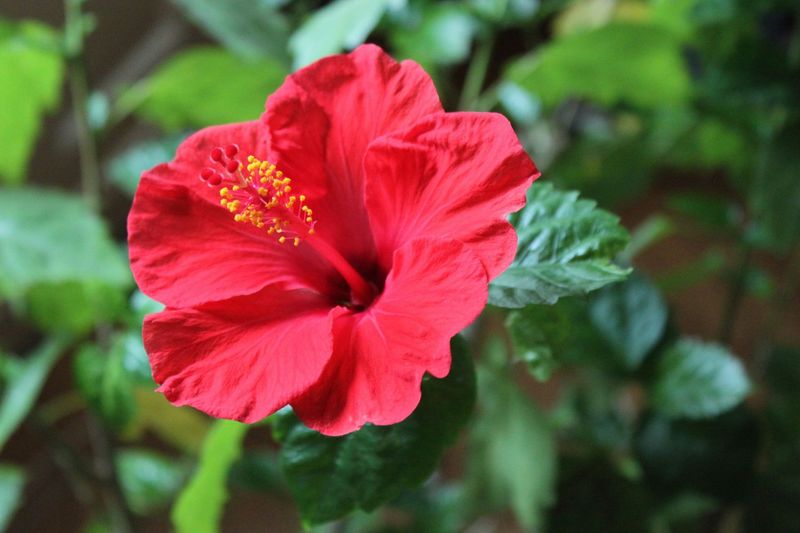
Hibiscus plants are cherished for their large, tropical blooms. These flowers come in a range of vibrant colors, adding an exotic touch to any garden.
Hibiscus thrives in warm, sunny climates, making it perfect for coastal and southern gardens. Its striking flowers attract pollinators like hummingbirds, enhancing garden biodiversity.
Culturally, hibiscus flowers are often used in teas and traditional medicines, valued for their health benefits. Their combination of beauty and utility makes them a captivating addition to any garden looking to add a tropical flair.
25. Marigold
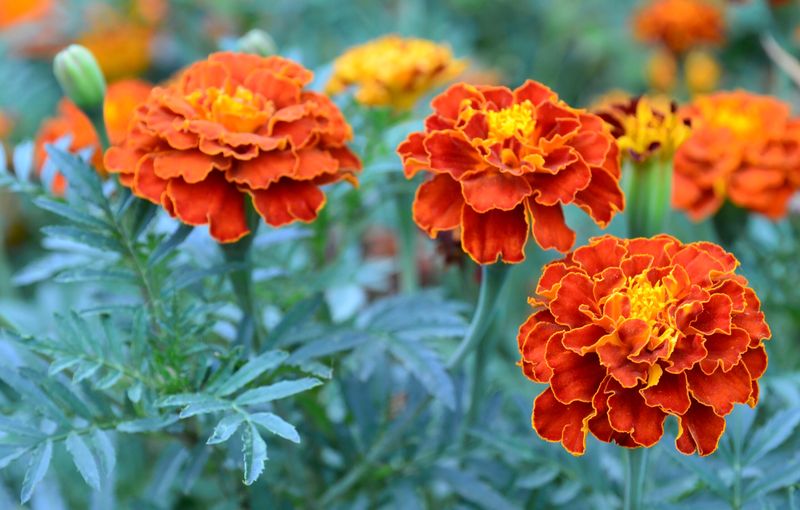
Marigolds are beloved for their bright, sunny blooms. These annuals are a staple in summer gardens, known for their ability to thrive in hot, dry conditions.
Their vibrant flowers not only add color but also repel pests, making them a valuable companion plant for vegetables. Marigolds’ long blooming season ensures continuous color throughout the summer months.
Beyond their ornamental value, marigolds have cultural significance in many regions, often used in festivals and traditional ceremonies. Their resilience and cheerful presence make them a favorite for gardeners looking to add beauty and practicality to their landscapes.
26. Plumbago
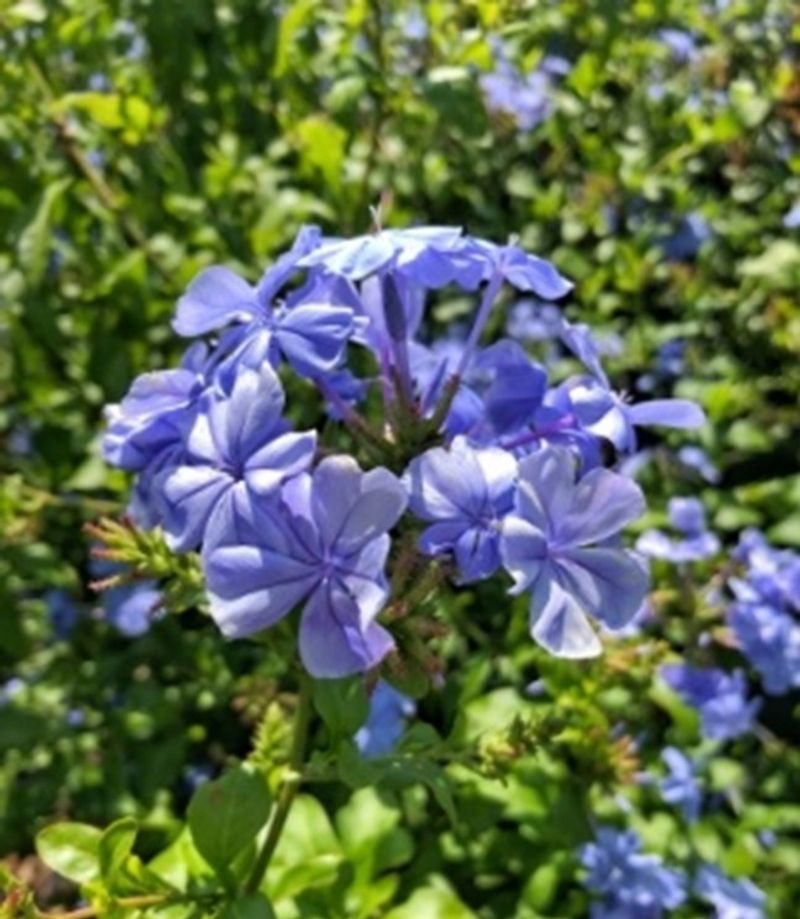
Plumbago is cherished for its clusters of delicate blue flowers. This shrub thrives in hot, sunny climates, making it perfect for summer gardens.
Plumbago’s sprawling nature makes it ideal for covering walls or creating lush garden borders. Its flowers attract butterflies, supporting garden ecosystems.
Fun fact: in some cultures, plumbago is believed to have mystical properties and is used in traditional remedies. Its combination of beauty and resilience makes it a captivating choice for gardeners looking to add a touch of blue to their landscapes.
27. Geranium
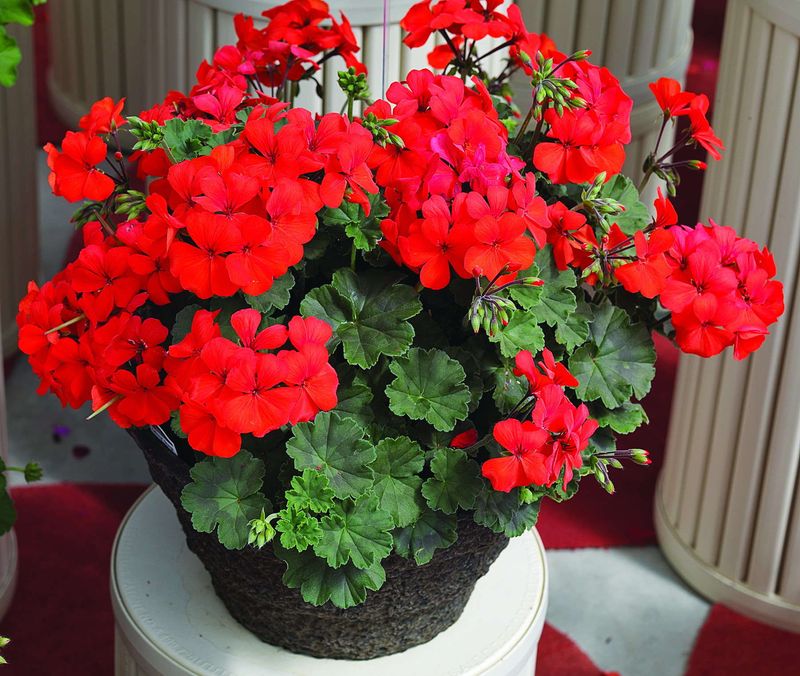
Geraniums are a popular choice for their vibrant blooms and easy care. These perennials thrive in hot, sunny conditions, making them a favorite for summer gardens.
Their flowers, ranging in color from red to pink to white, add a burst of color to any landscape. Geraniums are also known for their pest-repellent properties, helping to protect surrounding plants.
In addition to their beauty, geraniums have been used in traditional medicine for their anti-inflammatory properties. Their resilience and cheerful presence make them a versatile choice for gardeners looking to add lasting beauty to their landscapes.
28. Canna Lily
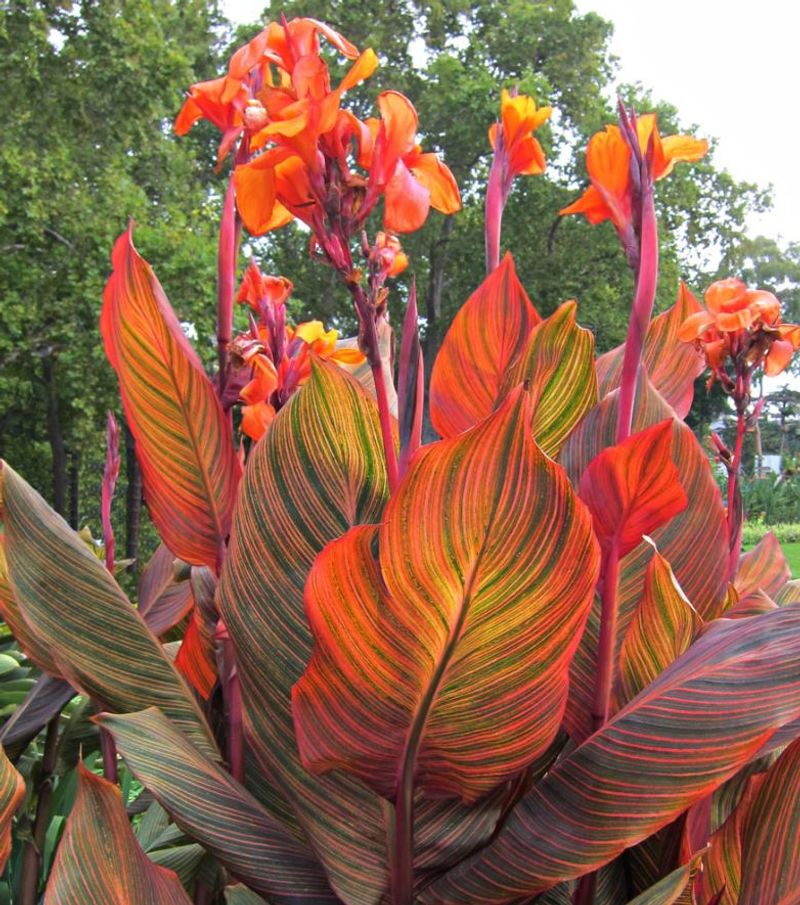
Canna lilies are known for their bold, tropical appearance. These perennials thrive in hot, humid conditions, making them perfect for adding a touch of the tropics to summer gardens.
With their large, colorful blooms and lush foliage, canna lilies create a striking visual impact. They’re also known for attracting pollinators like hummingbirds and butterflies.
In addition to their ornamental value, canna lilies have been used in traditional medicine and cooking. Their combination of beauty and utility makes them a captivating choice for gardeners looking to add exotic flair to their landscapes.
29. Euphorbia Tirucalli (Pencil Cactus)
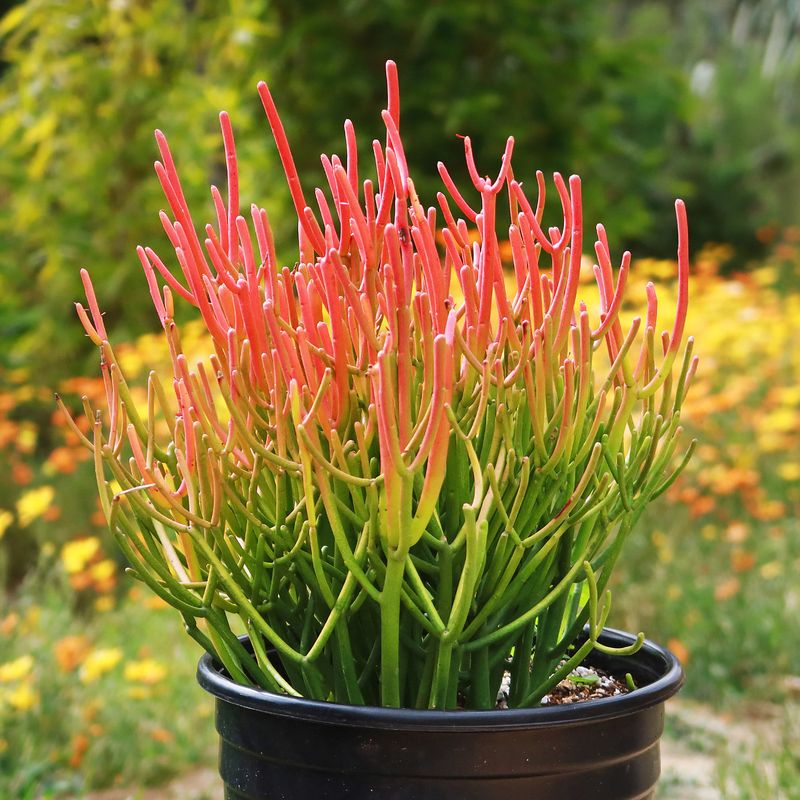
Ever wondered what plant can thrive in deserts yet beautify your garden? Euphorbia Tirucalli, known as the Pencil Cactus, is an intriguing choice. With its unique, slender stems resembling pencils, this succulent tree can reach towering heights. Its captivating form and minimal water needs make it a summer favorite. Plant it in well-draining soil and place it under full sun for optimal growth. Be cautious, as its milky sap can irritate skin. Fun fact: In regions with scarce water, the Pencil Cactus is a vital resource. Its resilience adds a modern touch to any garden setting.