 Complete Gardening
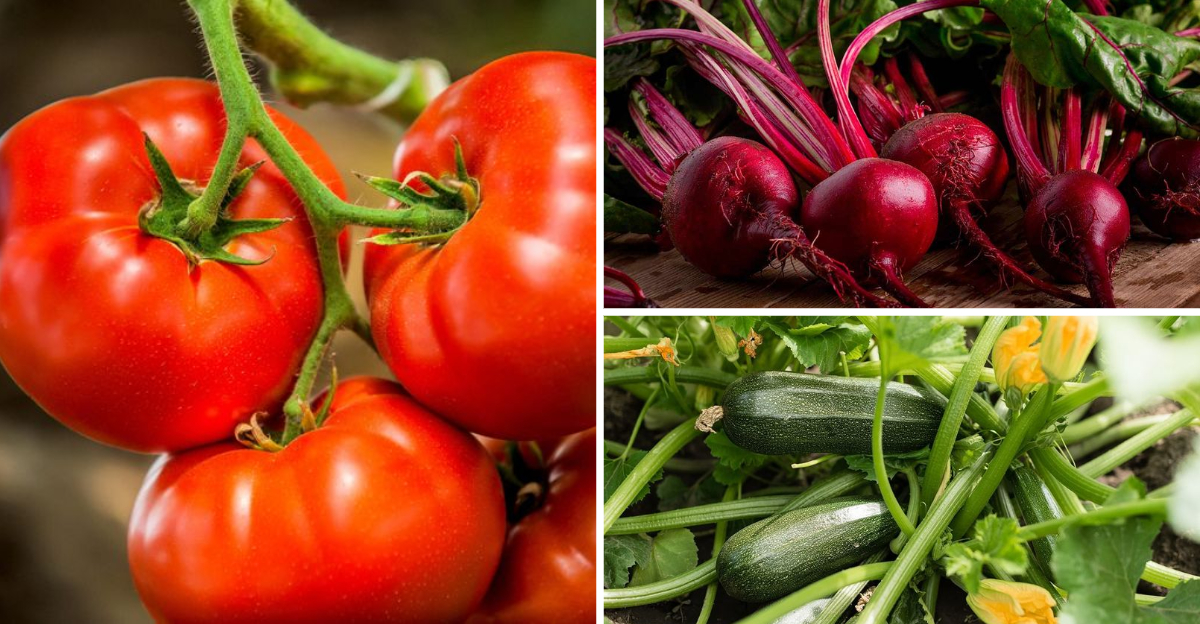
Growing your own vegetables is a rewarding and healthy endeavor, especially when the vegetables you grow are packed with nutritional benefits. This guide explores 30 vegetables that are often considered “average,” yet they hide superfood qualities that can boost your diet and wellbeing. From enhancing your immune system to providing essential vitamins and minerals, these vegetables are easy to grow in your garden and offer extraordinary health benefits.
1. Kale
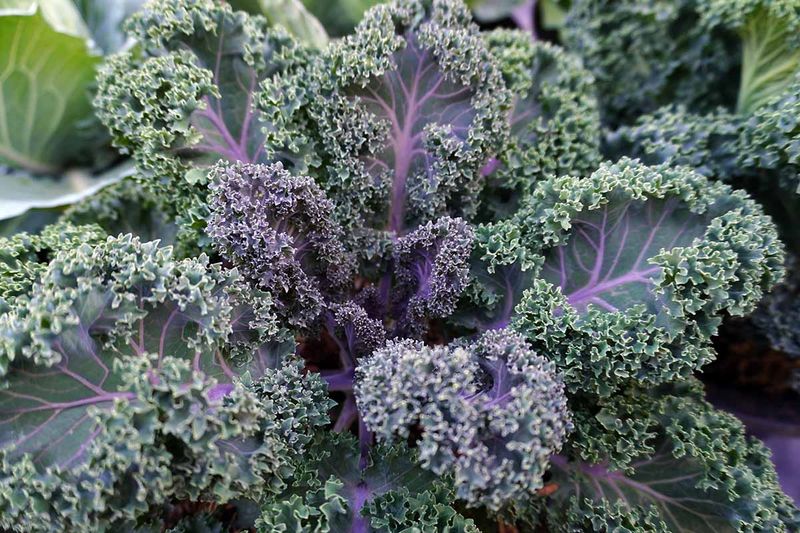
Kale is a powerhouse of nutrition, often celebrated for its impressive health benefits. Rich in vitamins A, C, and K, this leafy green supports immune function and bone health. Its deep green leaves can add a burst of color and nutrition to any dish.
Intriguingly, kale contains compounds that may help lower cholesterol and reduce the risk of heart disease. Whether steamed, sautéed, or added to smoothies, kale is versatile and easy to grow.
Fun fact: Kale was a staple in the diets of ancient Greeks and Romans, who prized it for its hardy nature and nutritional value.
2. Spinach
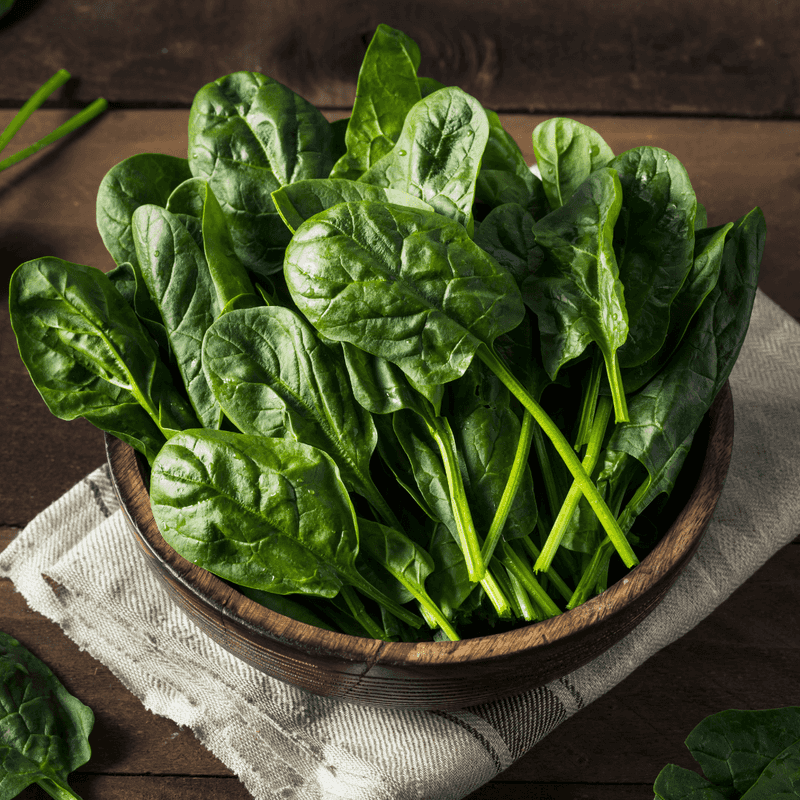
Spinach, often associated with strength thanks to Popeye, is rich in iron, calcium, vitamins, and antioxidants. These nutrients contribute to eye health and reduce oxidative stress, giving you a boost of vitality.
Spinach can be grown in small spaces and harvested multiple times in a season. Its tender leaves are ideal for salads, soups, and omelets, offering a mild flavor that appeals to many.
Did you know? Spinach originated in ancient Persia and was brought to Europe in the 12th century, quickly becoming a favorite among royalty for its delicate taste.
3. Carrots
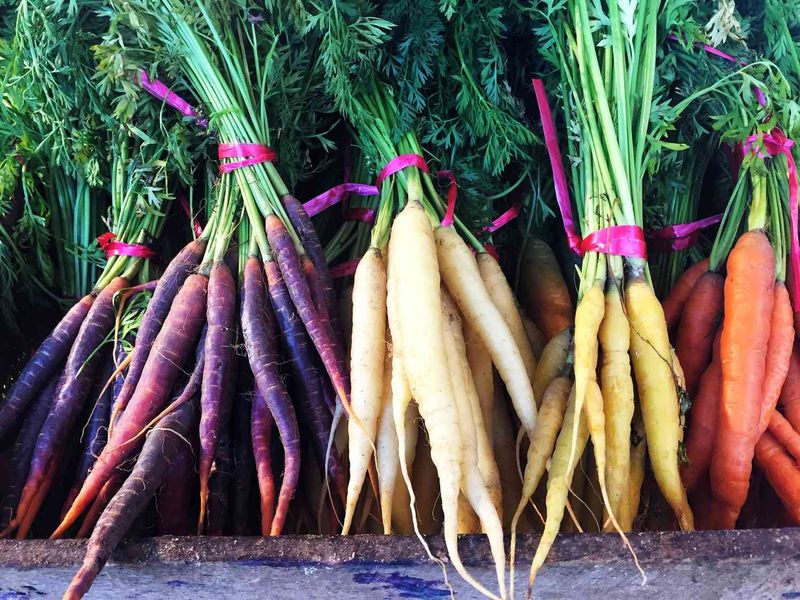
Carrots aren’t just for rabbits; they’re an excellent source of beta-carotene, which the body converts into vitamin A. This essential nutrient supports vision, skin health, and immune function.
These bright orange roots are easy to cultivate and can thrive in various soils. Carrots’ sweet, crunchy texture makes them perfect for snacking, roasting, or adding to stews.
Curiously, carrots were originally purple and yellow. The familiar orange variety was developed in the Netherlands as a tribute to the House of Orange, adding a patriotic twist to their history.
4. Beets
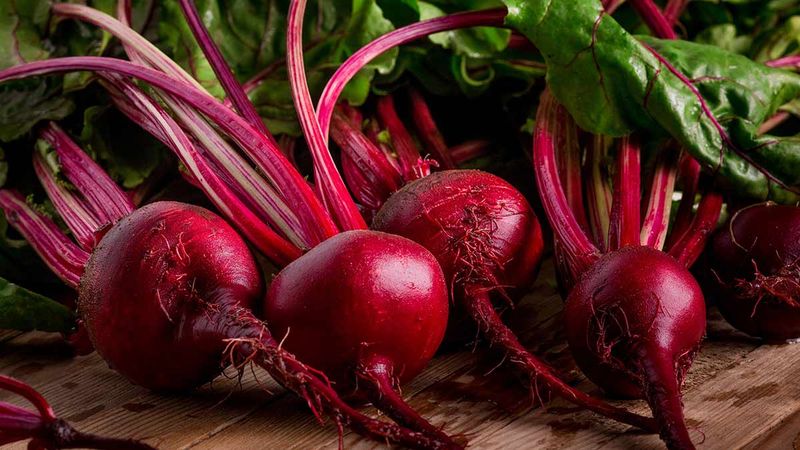
Beets are a vibrant vegetable known for their rich color and earthy flavor. They’re packed with nitrates, which can improve blood flow and lower blood pressure. This root vegetable is also high in folate, essential for DNA synthesis and repair.
Growing beets is straightforward, and both the root and greens are edible, offering versatility in culinary uses. From salads to juices, beets provide a nutritional boost with every bite.
Fun fact: In ancient Rome, beetroot was used as an aphrodisiac, highlighting its long-standing reputation for health and vitality.
5. Tomatoes
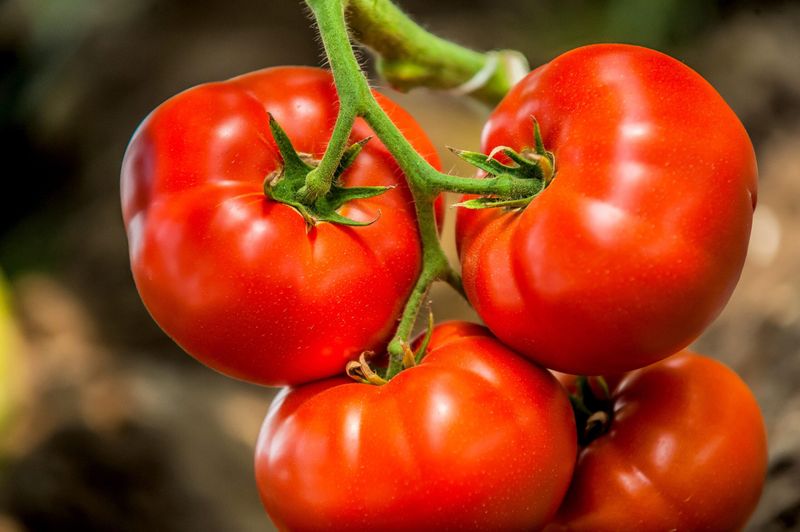
Tomatoes are a staple in many cuisines, beloved for their juicy texture and tangy flavor. They’re rich in lycopene, a powerful antioxidant linked to reduced risk of heart disease and cancer.
Easily grown in pots or gardens, tomatoes come in various shapes and sizes, from cherry to heirloom. They enhance sauces, salads, and sandwiches with their vibrant taste.
Did you know? Tomatoes were once thought to be poisonous in Europe, earning the nickname “love apples” for their alluring appearance. Today, they’re celebrated for their health benefits and culinary versatility.
6. Zucchini
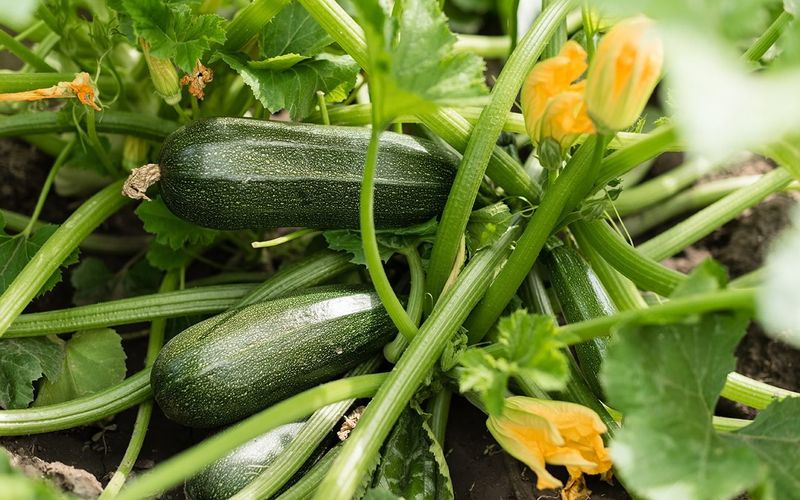
Zucchini is a summer squash known for its mild flavor and high water content. It’s an excellent source of vitamin C and manganese, supporting immune and bone health.
Zucchini plants are prolific producers, making them a favorite for home gardens. The flesh is tender, perfect for grilling, baking, and even spiralizing into noodles.
Interestingly, zucchini originated in the Americas but was developed into the variety we know today in Italy. Its adaptability and nutritional profile make it a versatile addition to any diet.
7. Broccoli
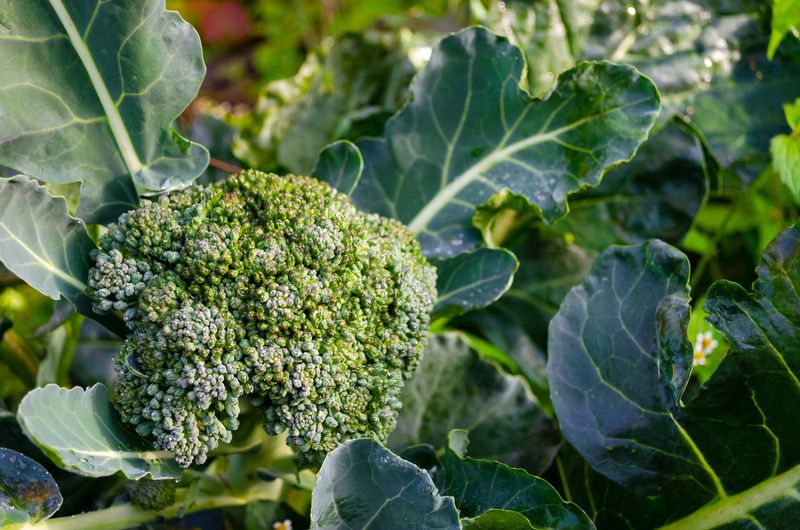
Broccoli is revered for its rich supply of vitamins K and C, as well as fiber. These nutrients support bone health, digestion, and immune function.
Growing broccoli requires cooler temperatures, making it an ideal fall crop. Its dense florets can be steamed, roasted, or added to stir-fries for a nutritious boost.
Did you know? Broccoli’s name comes from the Italian word “broccolo,” meaning “flowering crest of a cabbage,” reflecting its close relationship to its cruciferous cousins.
8. Cauliflower
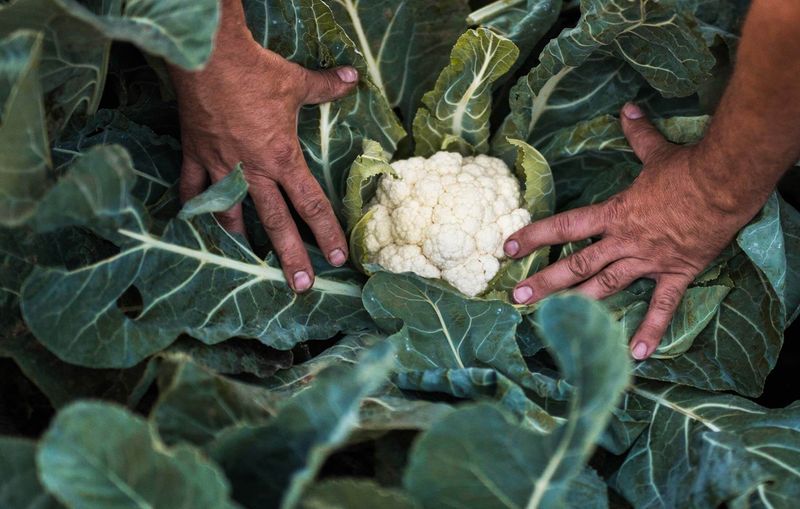
Cauliflower’s versatility and mild flavor make it a favorite among vegetables. It’s rich in vitamin C and contains compounds that may protect against cancer.
This cruciferous vegetable can be roasted, mashed, or used as a low-carb alternative to rice and pizza crust. Its creamy texture suits a variety of dishes.
Interestingly, cauliflower comes in several colors, including purple and orange, each with unique phytonutrients. Its adaptability in the kitchen is matched by its ease of growth, making it a garden staple.
9. Brussels Sprouts
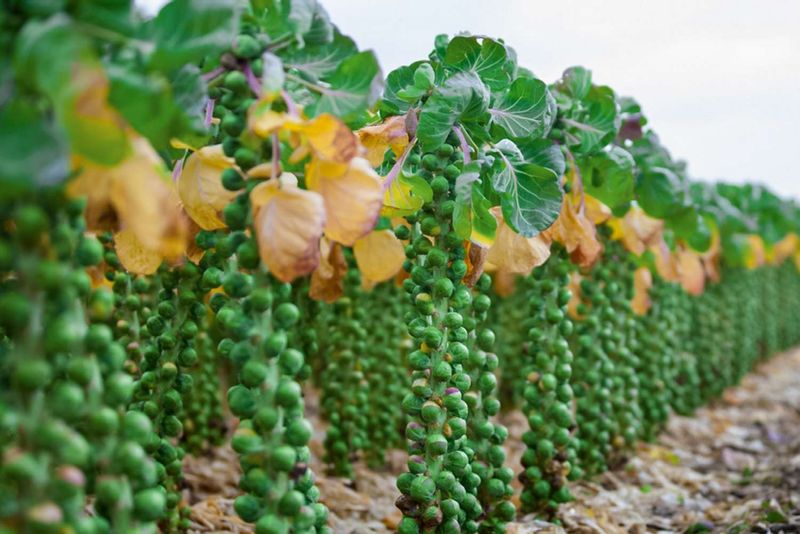
Brussels sprouts are small but mighty, offering a robust nutritional profile with vitamins K and C, as well as fiber. These nutrients help support bone health, digestion, and reduce inflammation.
Grown on tall stalks, Brussels sprouts thrive in cool climates and can be harvested in late fall. Their slightly bitter taste becomes sweet and nutty when roasted.
Did you know? Brussels sprouts were cultivated in Belgium as early as the 13th century, lending them their name and a long-standing culinary heritage in European cuisine.
10. Sweet Potatoes
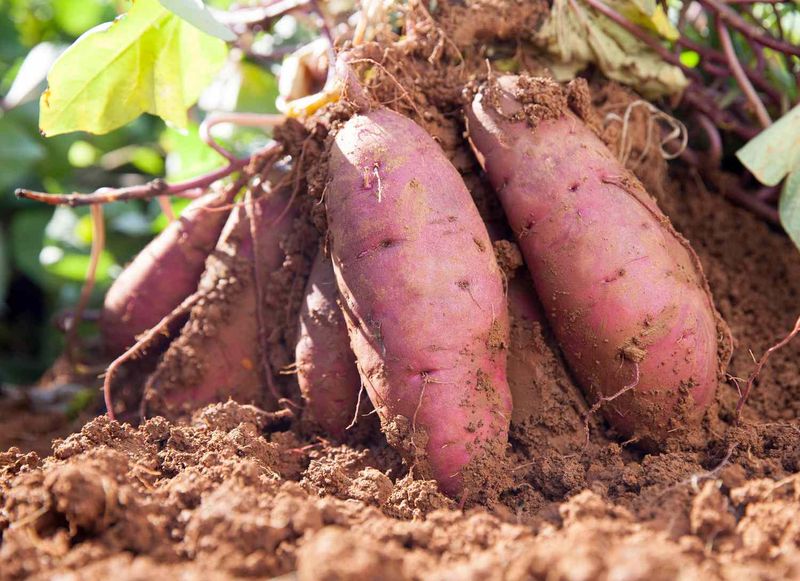
Sweet potatoes are celebrated for their sweet flavor and vibrant orange flesh. They’re rich in beta-carotene, vitamin C, and fiber, promoting eye health and digestion.
These tubers are easy to grow, especially in warm climates, and can be enjoyed baked, mashed, or in soups and stews. Their natural sweetness complements both savory and sweet dishes.
Fun fact: Sweet potatoes are often confused with yams, but they’re botanically distinct, with sweet potatoes being native to Central and South America.
11. Bell Peppers
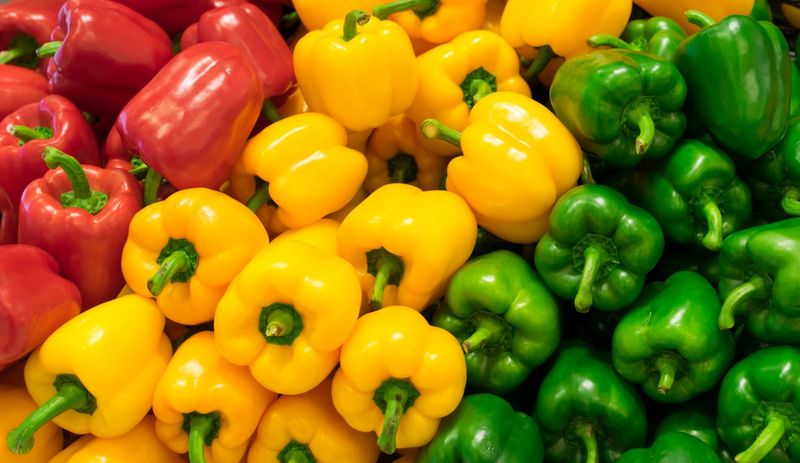
Bell peppers are vibrant and versatile, offering a crisp texture and sweet flavor. They’re loaded with vitamin C, boosting immune health and skin vitality.
These peppers are easy to grow in various climates, with colors ranging from green to red, yellow, and orange as they ripen. Bell peppers add color and nutrition to salads, stir-fries, and as stuffed delights.
Did you know? Red bell peppers have more vitamin C than an orange, making them a surprisingly potent source of this essential nutrient.
12. Eggplant
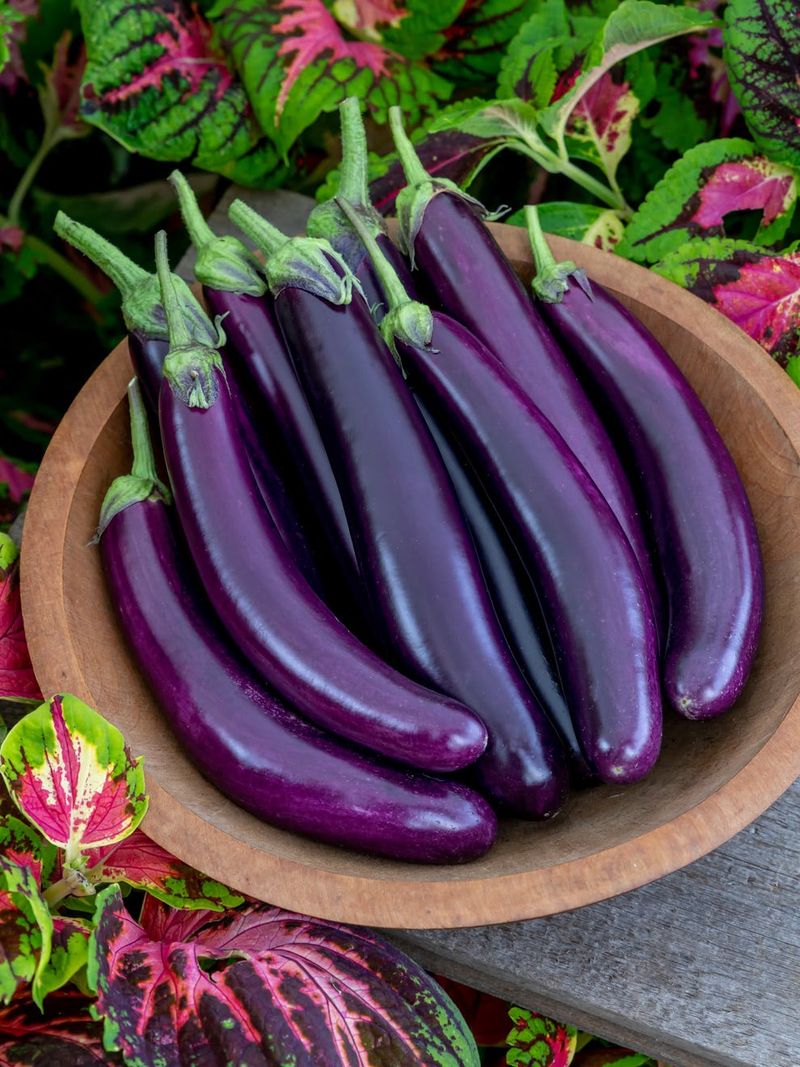
Eggplant is a unique vegetable known for its deep purple hue and spongy texture. It’s a good source of fiber, vitamins, and antioxidants that support heart health.
This nightshade thrives in warm climates, producing glossy fruits ideal for grilling, baking, or adding to stews and curries. Eggplant’s mild flavor absorbs seasonings well, enhancing any dish.
Interestingly, eggplant has been cultivated in Asia for thousands of years and was once used ornamentally in Europe before becoming a culinary staple.
13. Radishes
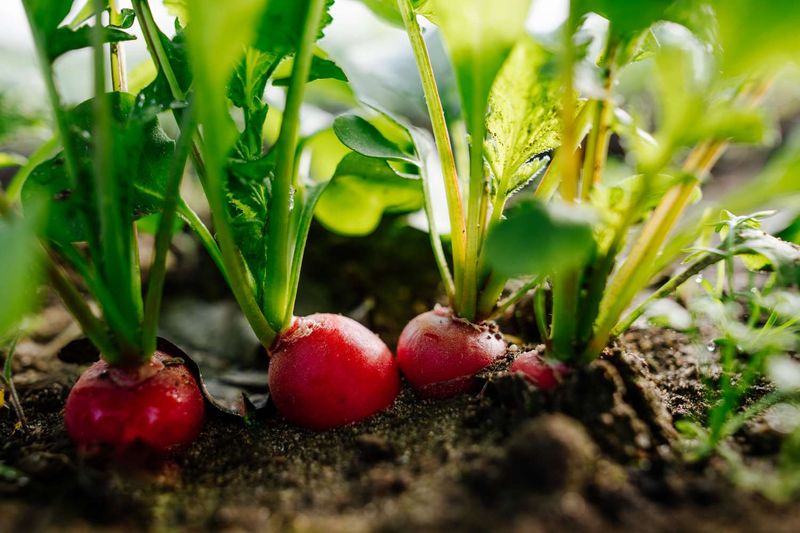
Radishes are crisp, peppery, and often add a zesty kick to salads. They’re low in calories but high in vitamin C, potassium, and folate, supporting overall health and reducing blood pressure.
These root vegetables are quick to mature, making them perfect for succession planting. Their vibrant color and crunchy texture make them a delightful addition to dishes.
Fun fact: Radishes were one of the first crops to be domesticated in the New World, prized for their rapid growth and distinctive flavor.
14. Lettuce
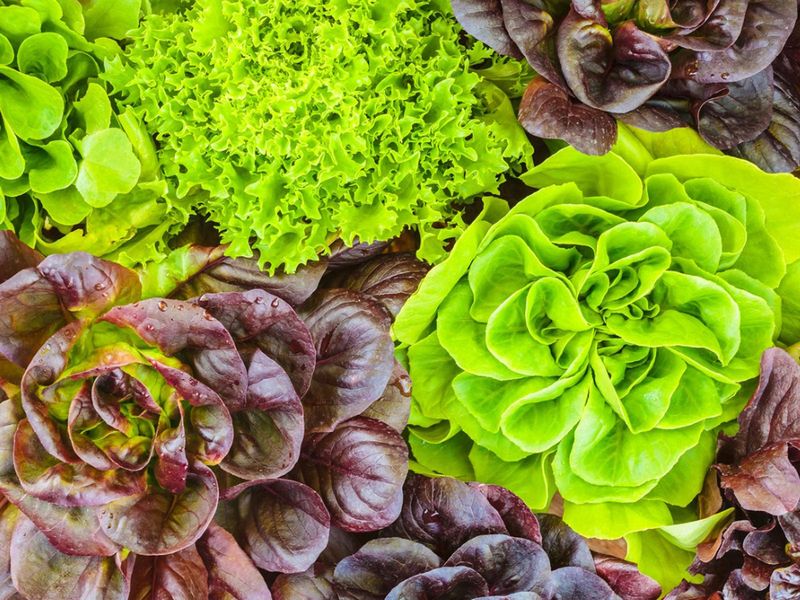
Lettuce is a staple in salads, known for its refreshing crunch and subtle flavor. Despite being low in calories, it provides a range of nutrients, including vitamin K and folate, promoting bone health and cell function.
Easy to grow in most climates, lettuce varieties range from crisp romaine to tender butterhead, offering diversity in texture and taste.
Did you know? Ancient Egyptians believed lettuce was sacred, using it in rituals and as a symbol of fertility, which underscores its long-standing cultural significance.
15. Cabbage
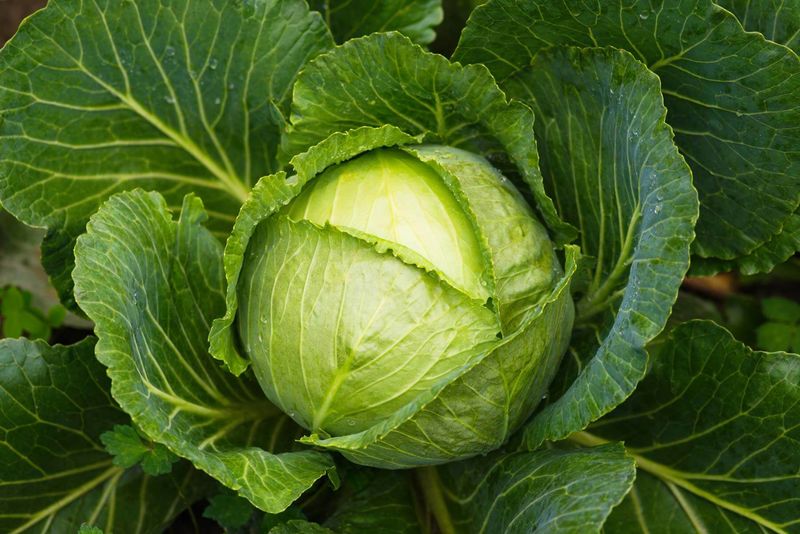
Cabbage is a leafy vegetable prized for its crunchy texture and health benefits. Rich in vitamins C and K, it’s known to aid digestion and support immune health.
Cabbage thrives in cool climates and can be harvested in multiple varieties, from green to red and savoy. Its versatility makes it suitable for slaws, soups, and fermentation into sauerkraut.
Interestingly, cabbage has been cultivated for over 4,000 years and was a staple in ancient Greek and Roman diets, valued for its medicinal properties.
16. Chard
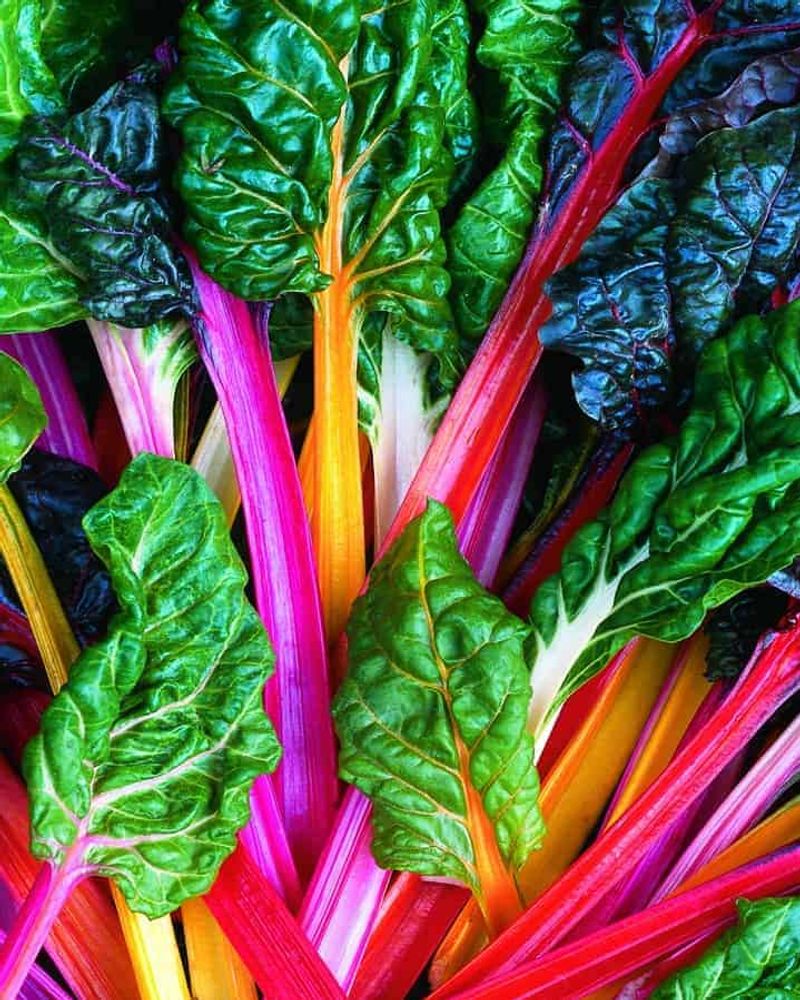
Chard, with its colorful stems and broad leaves, is both beautiful and nutritious. It’s rich in vitamins A, K, and C, supporting vision, bone health, and immunity.
This leafy green is easy to grow and can be harvested multiple times, making it a sustainable choice for home gardens. Its earthy taste complements sautés, soups, and salads.
Fun fact: Chard’s striking colors come from phytonutrients that offer additional health benefits, making it as visually appealing as it is nourishing.
17. Asparagus
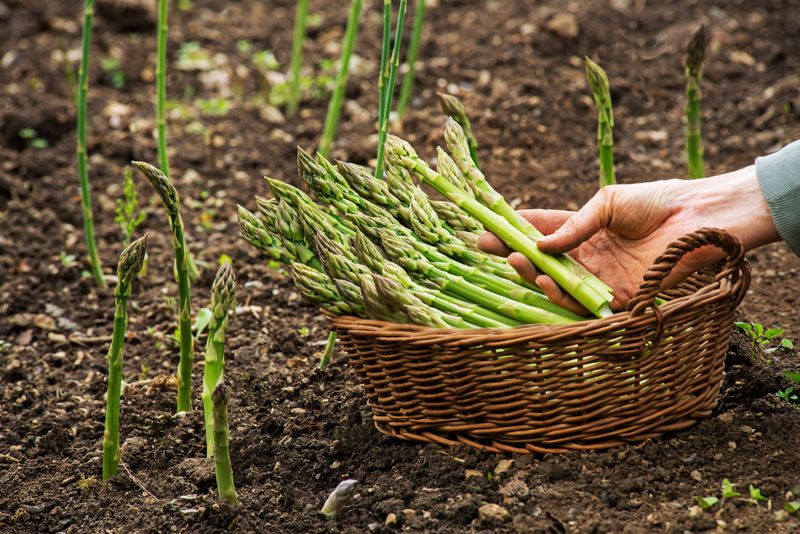
Asparagus is a perennial favorite, known for its tender spears and unique flavor. It’s high in fiber, folate, and vitamins A, C, and K, supporting digestive health and reducing inflammation.
Although it requires patience to cultivate, once established, asparagus can yield harvests for years. Its delicate taste shines when simply roasted or steamed.
Did you know? Asparagus was considered a delicacy in ancient Rome, with emperors setting up special fleets to transport it across the empire.
18. Celery
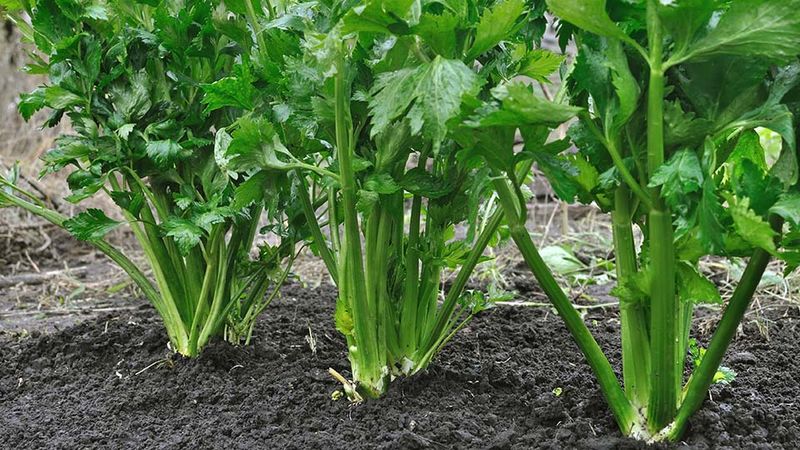
Celery, with its crisp texture and distinct flavor, is often used as a low-calorie snack. It’s rich in vitamin K, potassium, and antioxidants that support heart health and reduce inflammation.
This versatile vegetable can be grown in gardens or containers, thriving in moist soil. Celery stalks add a refreshing crunch to salads, soups, and stews.
Curiously, celery was prized in ancient Greece as a symbol of victory, often woven into crowns for athletic champions at the Nemean Games.
19. Onions
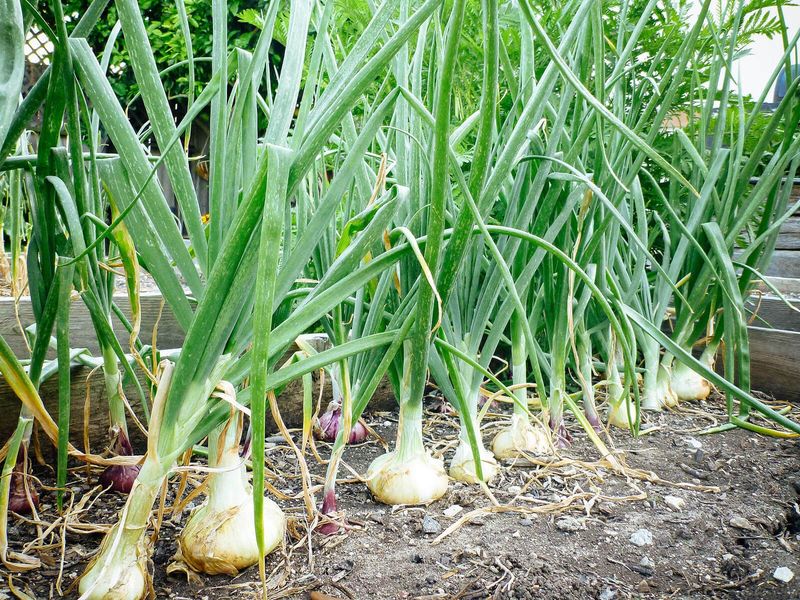
Onions are a culinary staple, known for their pungent aroma and flavor-enhancing qualities. They’re rich in antioxidants and sulfur compounds, promoting heart health and boosting immunity.
Easy to grow, onions can be harvested at different stages for either green or bulb onions. Their versatility makes them a base for countless dishes, from soups to sautés.
Did you know? Onions have been cultivated for over 5,000 years, loved for their ability to add depth and flavor to foods across cultures and cuisines.
20. Garlic
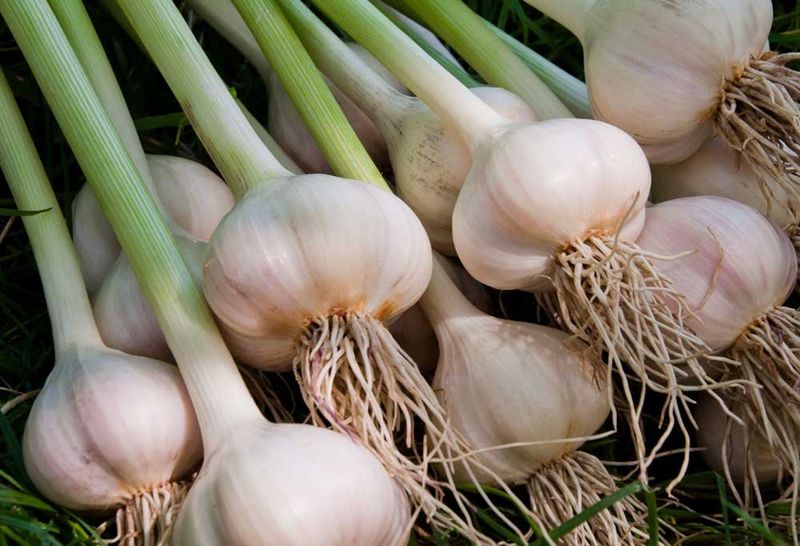
Garlic is famed for its potent flavor and health benefits, packed with allicin, a compound with antibacterial and antiviral properties. It’s also a good source of vitamins B6 and C, supporting immune function.
Growing garlic is simple, requiring little space and yielding a rewarding harvest. Its cloves add depth to dishes, from pastas to roasts.
Fun fact: Ancient Egyptians revered garlic, often placing it in the tombs of Pharaohs as a testament to its valued status in both food and medicine.
21. Leeks
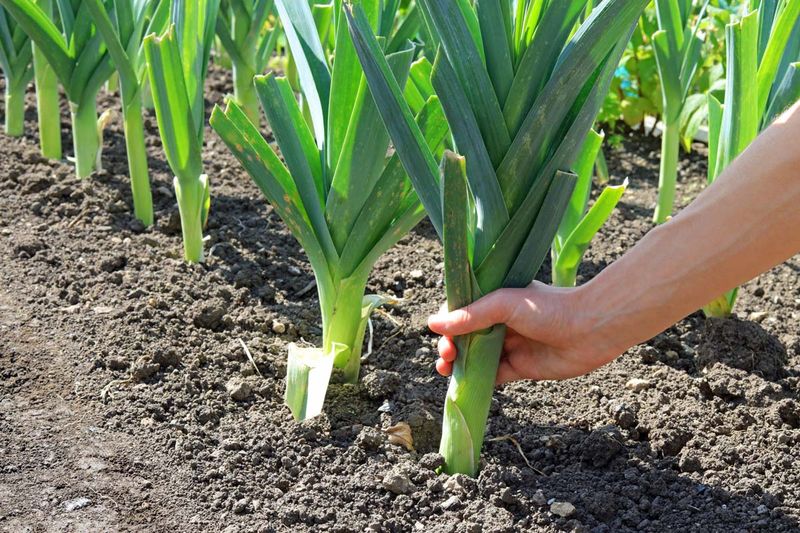
Leeks are prized for their mild onion-like flavor and nutritional benefits. They’re rich in vitamins A and K, supporting vision and bone health, and contain prebiotics that aid digestion.
These hardy vegetables thrive in cool climates and can be harvested over a long period. Their subtle flavor enhances soups, stews, and casseroles.
Did you know? Leeks are a national emblem of Wales, worn on St. David’s Day in remembrance of the country’s patron saint, highlighting their cultural significance.
22. Peas
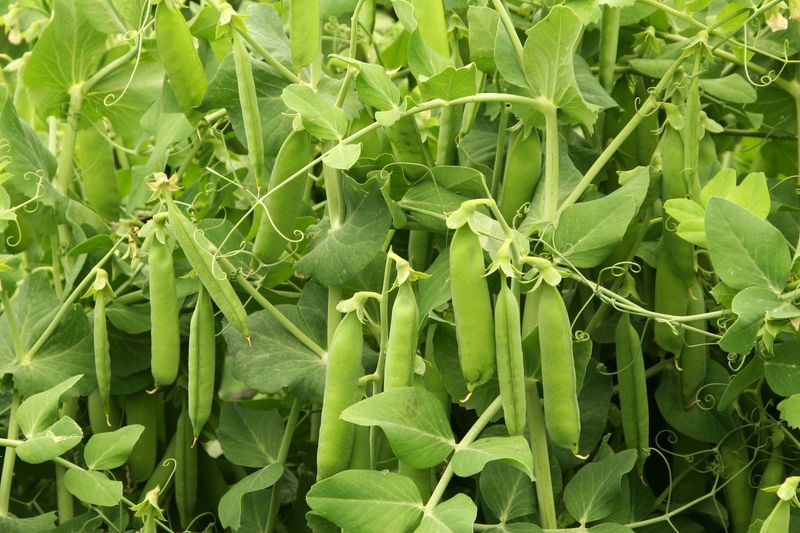
Peas are sweet, tender, and packed with protein, fiber, and vitamins A, C, and K. These nutrients support muscle growth, eye health, and bone density.
Growing peas is rewarding, as they climb vigorously and produce plenty of pods. Peas can be eaten fresh from the pod or added to dishes for a burst of sweetness.
Fun fact: Peas were one of the first crops to be cultivated by humans, with evidence of their domestication dating back thousands of years in the Middle East.
23. Cucumbers

Cucumbers are refreshing and hydrating, with a high water content that aids in digestion and keeps skin healthy. They’re also a good source of vitamin K and potassium, supporting bone and heart health.
Easy to grow, cucumbers thrive on trellises and can be harvested throughout the summer. Their crisp texture and mild flavor are perfect for salads and pickling.
Did you know? Cucumbers have been cultivated since ancient times, with records of their cultivation appearing in the writings of the Roman emperor Tiberius.
24. Parsnips
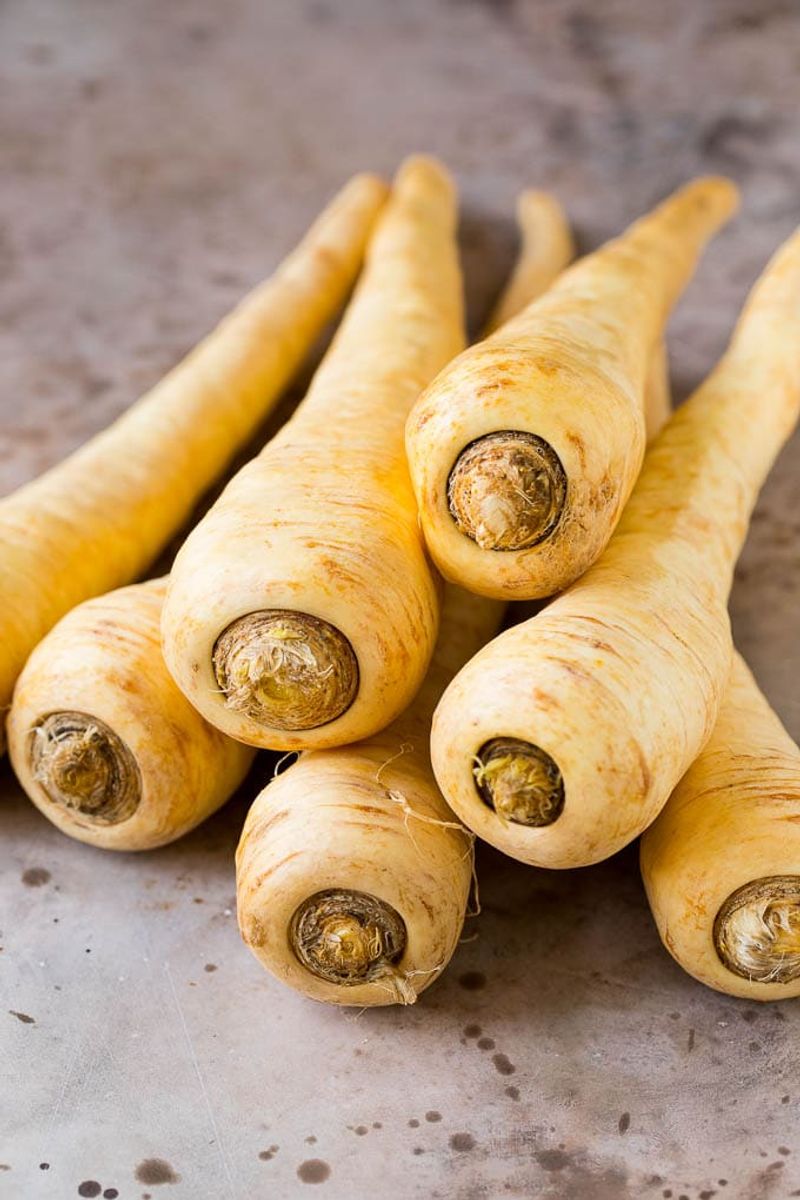
Parsnips, with their sweet and nutty flavor, are often overlooked but offer substantial nutritional benefits. Rich in fiber, vitamin C, and folate, they support digestive health and immune function.
These root vegetables are best grown in cool climates and develop their sweetness after frost exposure. Roasted or pureed, parsnips add a delightful depth to meals.
Interestingly, parsnips were more popular than potatoes in Europe before the introduction of the latter, showcasing their historical culinary significance.
25. Pumpkins
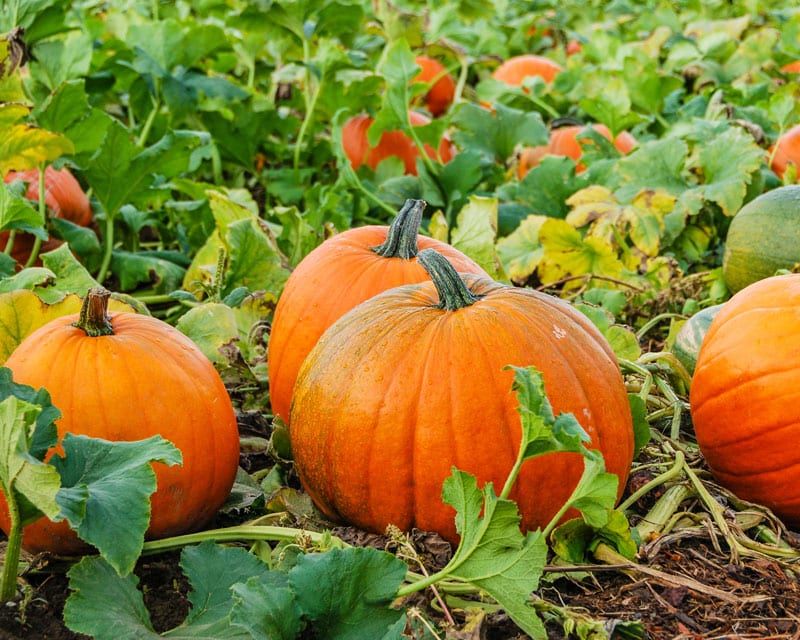
Pumpkins are synonymous with fall, offering a rich source of beta-carotene, fiber, and potassium. These nutrients support eye health and blood pressure regulation.
Growing pumpkins requires space and patience, but the rewards are plentiful. Their flesh is perfect for soups, pies, and even roasted as a savory side.
Did you know? Pumpkins are native to North America and were a crucial part of the Native American diet, celebrated for their versatility and storage longevity.
26. Turnips
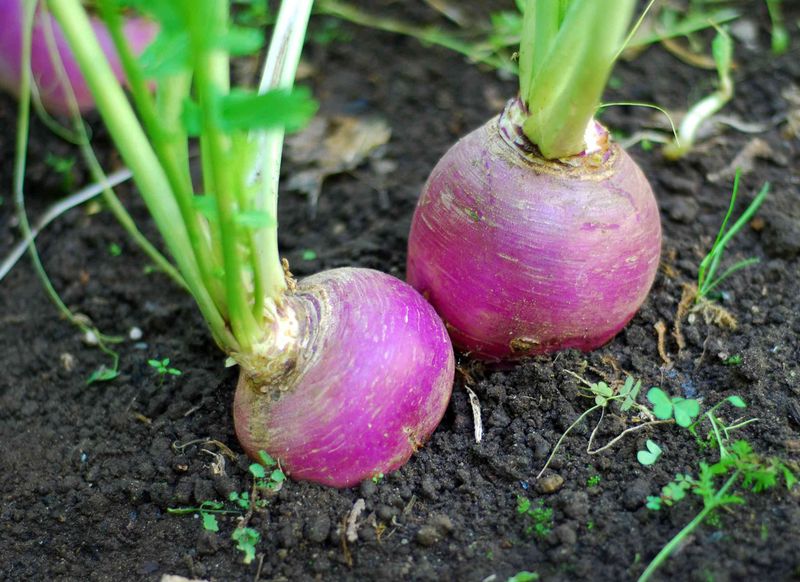
Turnips are versatile root vegetables, offering a peppery flavor and high nutritional value. They’re rich in vitamin C, fiber, and potassium, supporting immune health and digestion.
Easy to cultivate, turnips grow quickly and can be harvested at various stages for both roots and greens. Their unique flavor adds interest to stews, mashes, and salads.
Fun fact: Turnips were once carved into lanterns before pumpkins became the Halloween standard, highlighting their cultural role in folklore and tradition.
27. Rutabagas
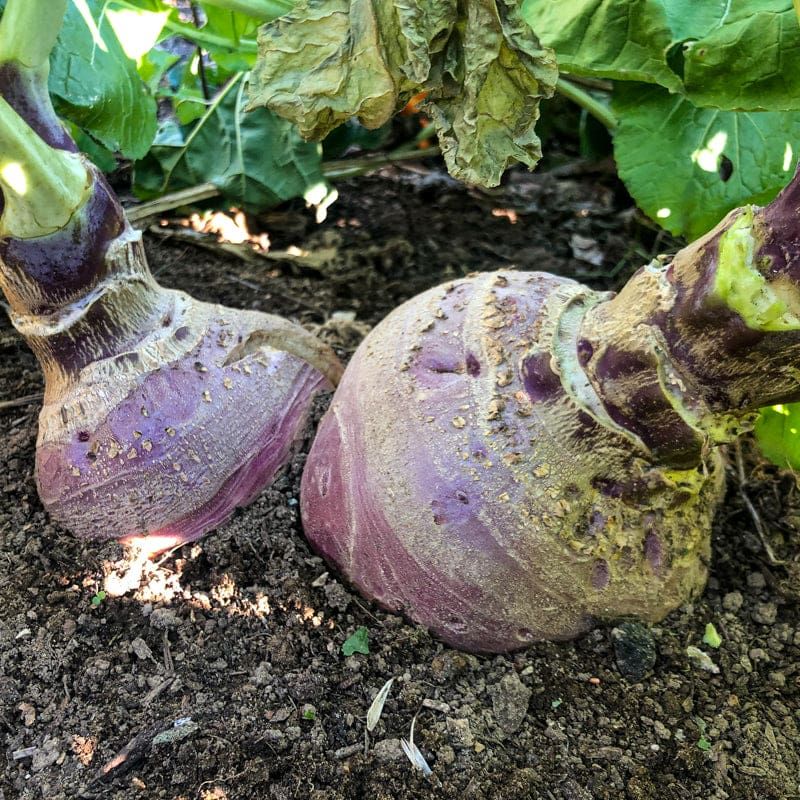
Rutabagas, often confused with turnips, are a root vegetable with a sweet and earthy flavor. They’re packed with vitamin C and fiber, boosting immune function and aiding digestion.
These hardy plants thrive in cool climates and can be stored for long periods, making them a staple winter vegetable. Rutabagas add a unique taste to mashes and stews.
Did you know? Rutabagas originated as a cross between cabbage and turnips in the 17th century, combining the best traits of both plants.
28. Kohlrabi
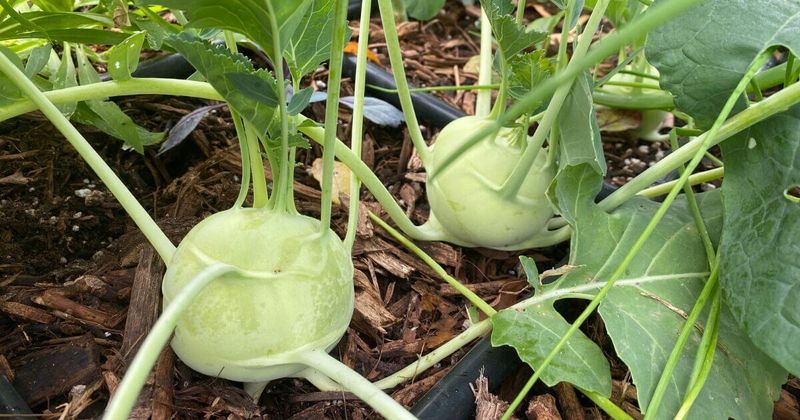
Kohlrabi might look strange, but its crunchy texture and mild, sweet flavor make it a culinary delight. Known for its bulbous stem, this vegetable is rich in vitamin C and fiber, promoting a healthy immune system.
Its leaves are also edible and nutritious, offering a peppery taste similar to kale. Easy to grow, kohlrabi thrives in cool weather, making it an excellent choice for fall gardens.
Did you know? Kohlrabi’s name comes from the German words for cabbage (kohl) and turnip (rabi), hinting at its unique taste profile.
29. Jerusalem Artichoke
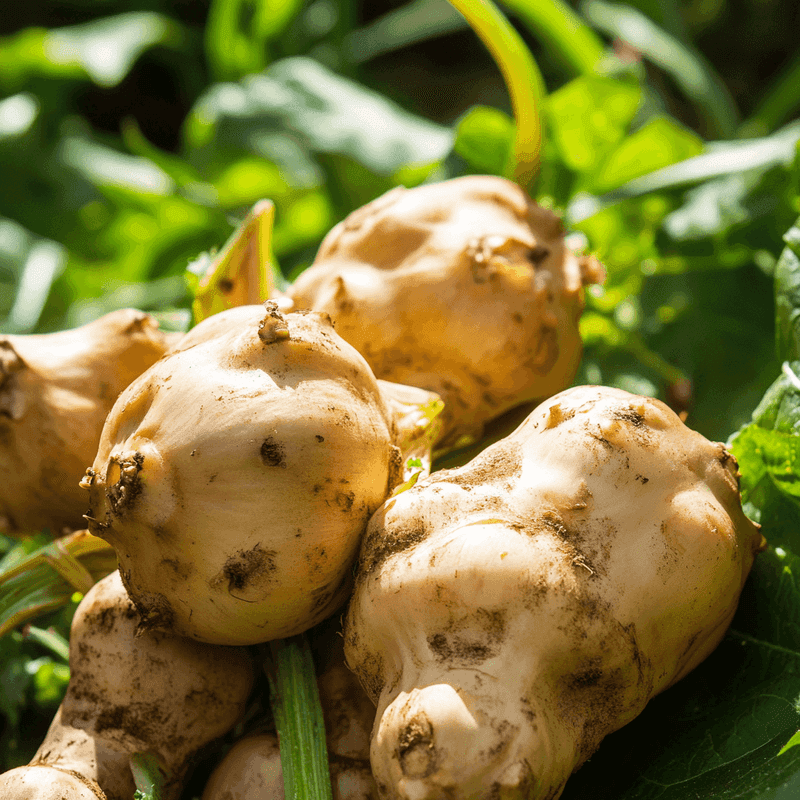
Jerusalem artichokes, also known as sunchokes, offer a nutty flavor and are a fantastic source of inulin, a type of fiber beneficial for gut health. These tubers are not only tasty but also help maintain healthy blood sugar levels.
Growing them is straightforward; just provide plenty of sunshine and well-drained soil. The plant is also known for its beautiful sunflower-like blooms, adding a decorative touch to gardens.
Despite their name, Jerusalem artichokes have no relation to Jerusalem—they are native to North America and were a staple for Native Americans.
30. Amaranth Greens
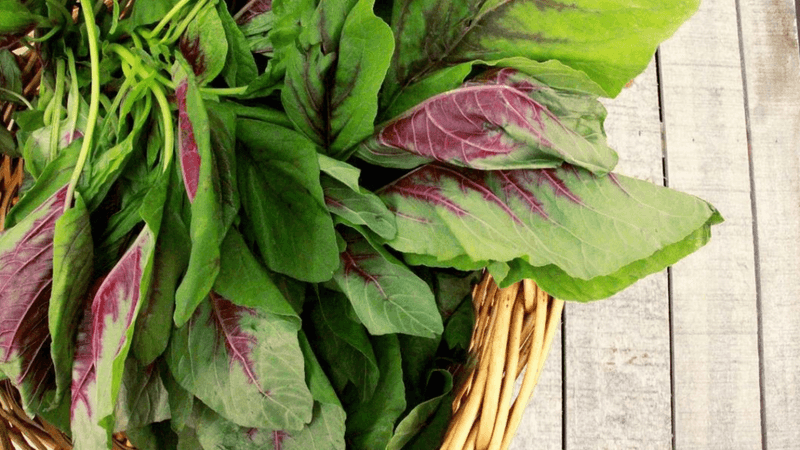
Amaranth greens are vibrant and versatile, celebrated for their stunning red and green leaves. This plant is a powerhouse of nutrients, boasting high levels of protein, vitamins A and C, and essential minerals.
Often cooked like spinach, amaranth leaves add a unique flavor to dishes. They’re easy to cultivate, requiring minimal care and thriving in warm climates.
A fun fact: Amaranth was a staple food of the Aztecs, revered for its nutritional value and even used in ceremonial rituals, proving its historical significance.