 Complete Gardening
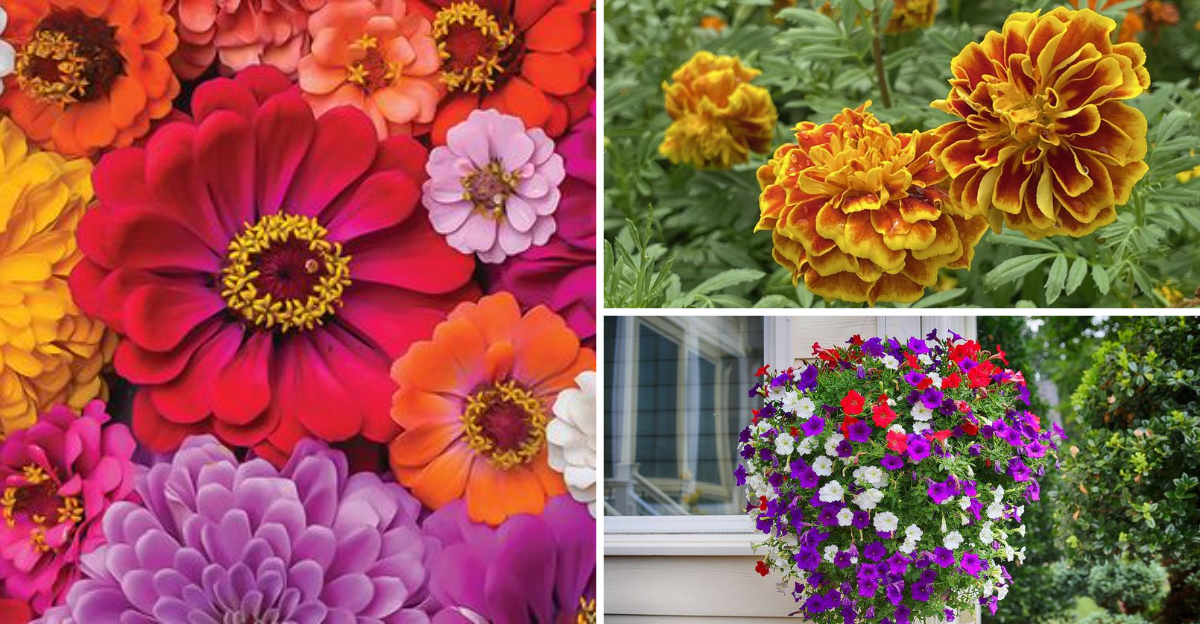
Embrace the vibrant colors of summer with flowers that not only bloom all season long but also require minimal care. Whether you have a sprawling garden or a cozy balcony, these flowers are perfect for bringing a burst of color and life without the fuss. Discover a diverse range of blooms that thrive in various conditions and add aesthetic appeal to any outdoor space. From classic favorites to unique varieties, these plants offer beauty, resilience, and ease, making them ideal companions for summer enjoyment.
1. Zinnia
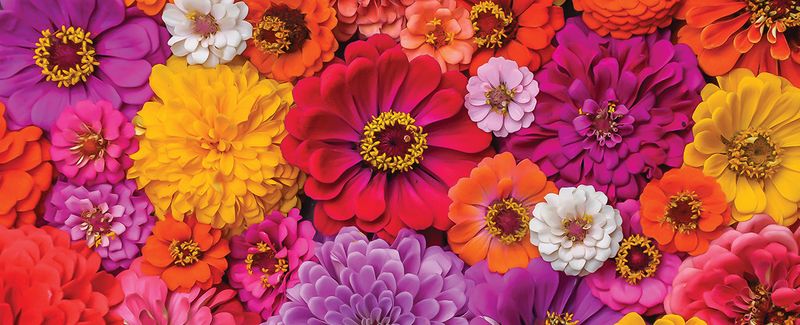
Zinnias are the quintessential summer flower, bursting with cheerful colors and a sunny disposition. Their vibrant petals come in every shade imaginable, from fiery reds to sunny yellows. Zinnias thrive in heat and are drought-tolerant once established, making them a gardener’s delight. Their sturdy stems stand up to wind and rain, ensuring that their bright faces remain unblemished throughout the summer months. Perfect for cutting, they add a splash of color indoors as well. Did you know zinnias symbolize lasting friendship? These easy-going blooms bring joy and companionship to any garden.
2. Marigold
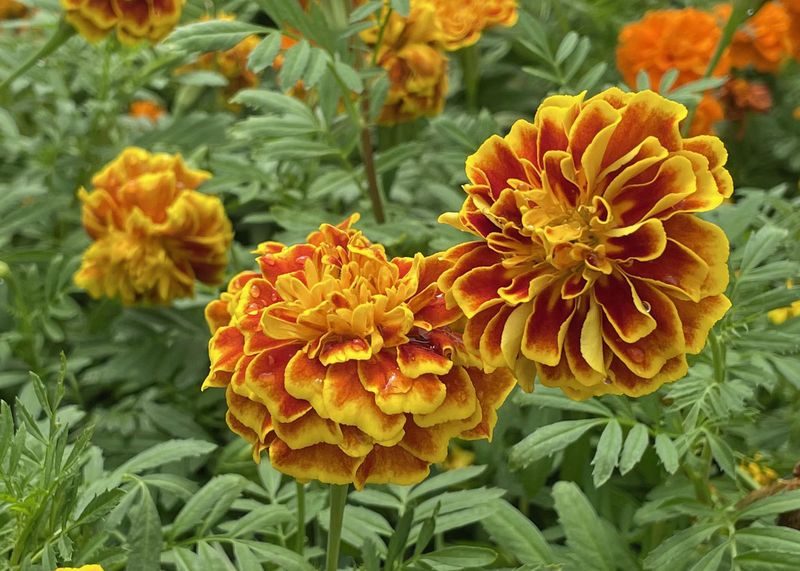
Marigolds radiate warmth and optimism, embodying the essence of summer in every petal. Known for their fiery hues of orange and yellow, marigolds are not just visually stunning; they are also renowned for their pest-repelling properties. Their natural resilience means they require little care beyond regular watering. Blooming consistently from late spring to early autumn, marigolds thrive in sunny spots. As a fun fact, these flowers were revered in ancient cultures for their beauty and supposed magical properties.
3. Petunia
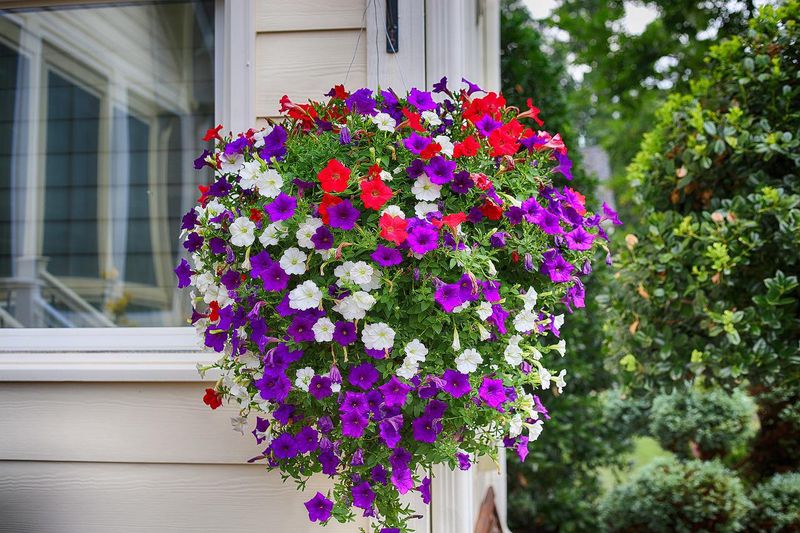
Petunias, with their ruffled petals and cascading habit, are a favorite for hanging baskets and containers. Available in a vast array of colors and patterns, they offer endless possibilities for garden design. Petunias are easy to care for and thrive in sunny locations, blooming profusely all summer long. Their sweet fragrance adds an extra layer of appeal, making them a popular choice for patios and balconies. Interestingly, petunias are often used in research on plant genetics due to their wide variety of forms and colors.
4. Geranium
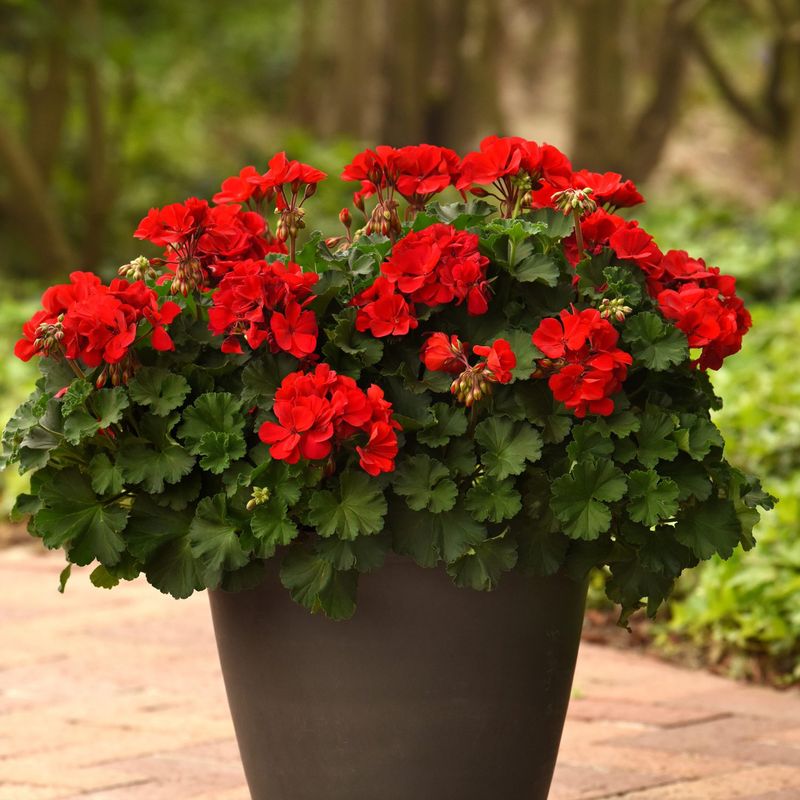
Geraniums are beloved for their vibrant blooms and aromatic leaves, bringing a touch of elegance to any garden setting. These hardy flowers are perfect for garden beds and containers alike. With a range of colors from soft pinks to deep reds, geraniums offer versatility and charm. They thrive in sunny spots and are drought-tolerant once established. Their long blooming season means they’ll grace your garden with color from spring through fall. Did you know that geranium oil is used in aromatherapy for its calming effects?
5. Lavender
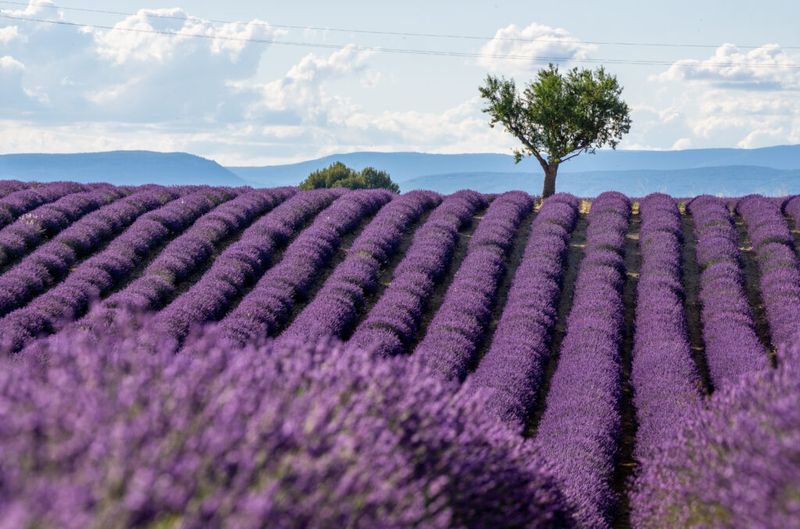
Lavender is synonymous with relaxation and beauty, offering aromatic blooms that soothe the senses. These purple spikes are perfect for both ornamental and practical uses, attracting pollinators like bees and butterflies. Lavender thrives in well-drained soil and full sun, making it a low-maintenance option for summer gardens. Besides its visual appeal, lavender is celebrated for its essential oils, used in everything from perfumes to culinary dishes. Historically, lavender was used by Romans for bathing and scenting the air.
6. Daylily
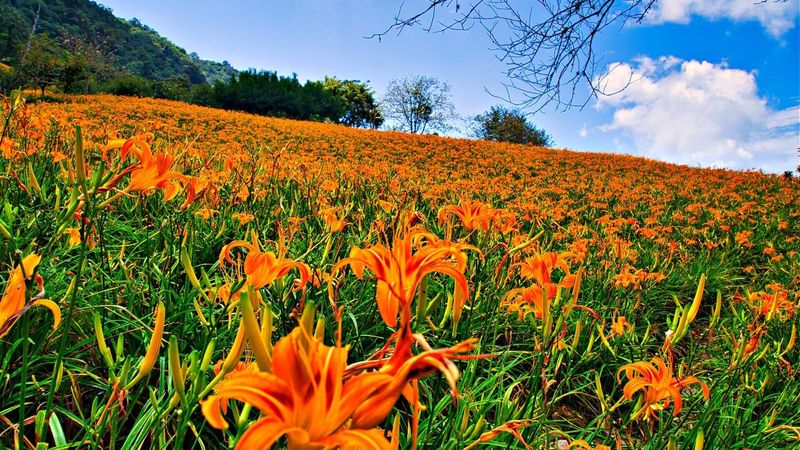
Daylilies are a gardener’s dream with their stunning, trumpet-shaped flowers that bloom anew each day. These hardy plants come in a plethora of colors, with each bloom lasting just a day but new flowers continuously emerging. Daylilies are easy to grow and adaptable to a variety of soil conditions. Their ability to withstand heat and drought makes them ideal for summer gardens. Interestingly, in some cultures, daylilies are edible and used in culinary dishes. Their ephemeral beauty adds intrigue and charm to any landscape.
7. Coneflower
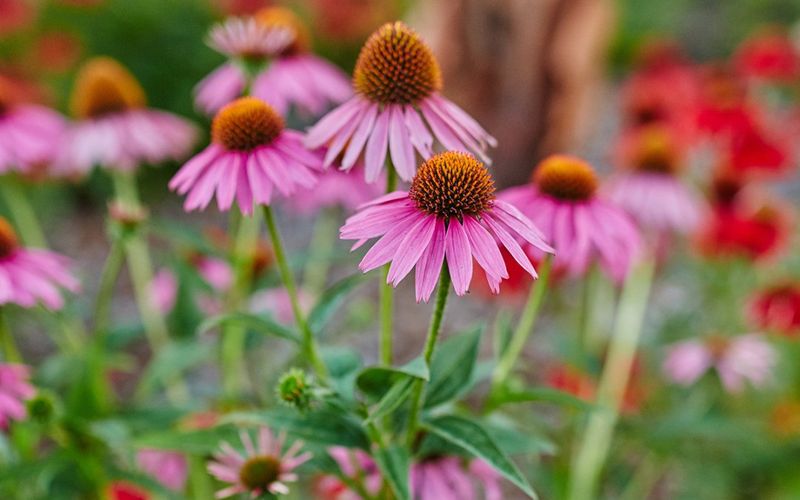
Coneflowers, with their bold and distinctive appearance, are a staple in summer gardens. These hardy perennials are known for their daisy-like petals and prominent cone-shaped centers. Echinacea, as they are scientifically known, attract butterflies and bees, adding life to any garden. Coneflowers are drought-tolerant and thrive in sunny, well-drained areas. Their long-lasting blooms and easy care make them a favorite among gardeners. A fun fact: coneflowers have been used in traditional medicine for their immune-boosting properties.
8. Salvia
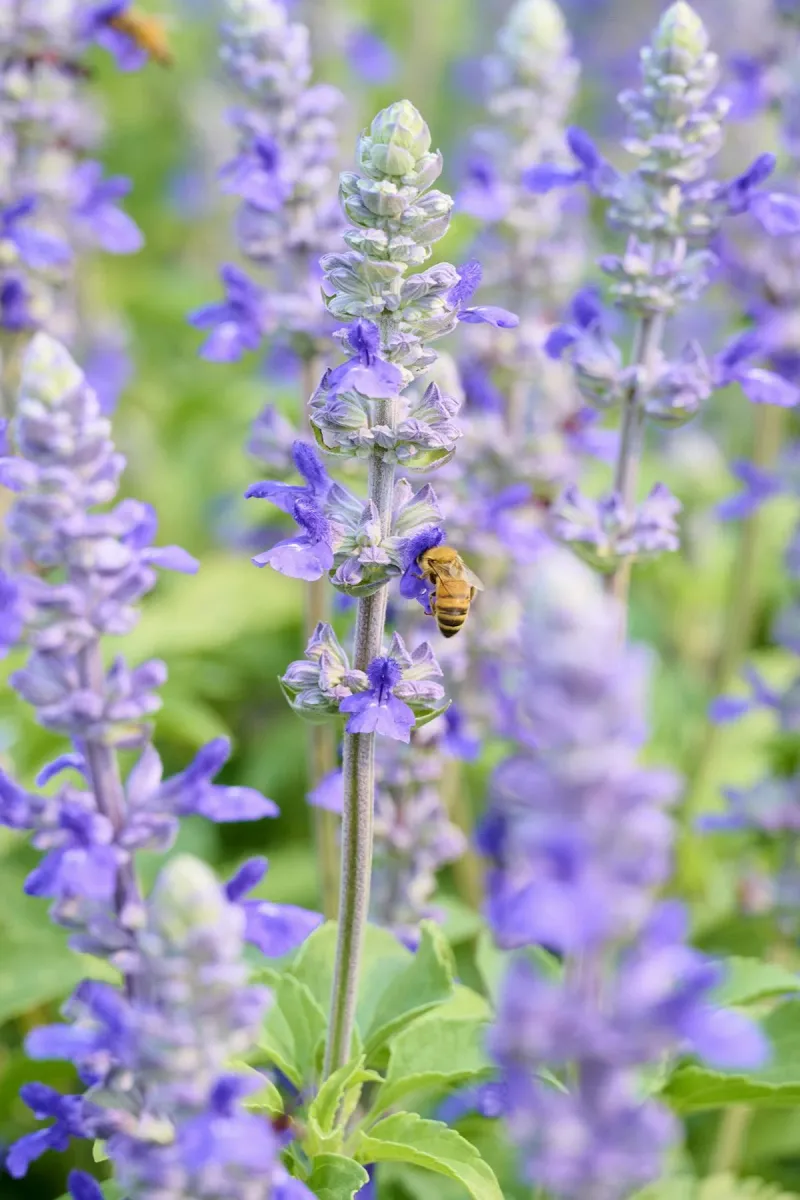
Salvia, with its striking spikes of blue, purple, or red, adds vertical interest and vibrant color to summer gardens. These hardy perennials are favorites among pollinators, drawing bees and hummingbirds with their nectar-rich blooms. Salvia is easy to grow, preferring sunny spots and well-drained soil. Its drought tolerance and long blooming period make it a reliable choice for gardeners seeking low-maintenance beauty. In folklore, salvia was believed to impart wisdom and protection. Its aromatic leaves add another layer of sensory delight to gardens.
9. Portulaca
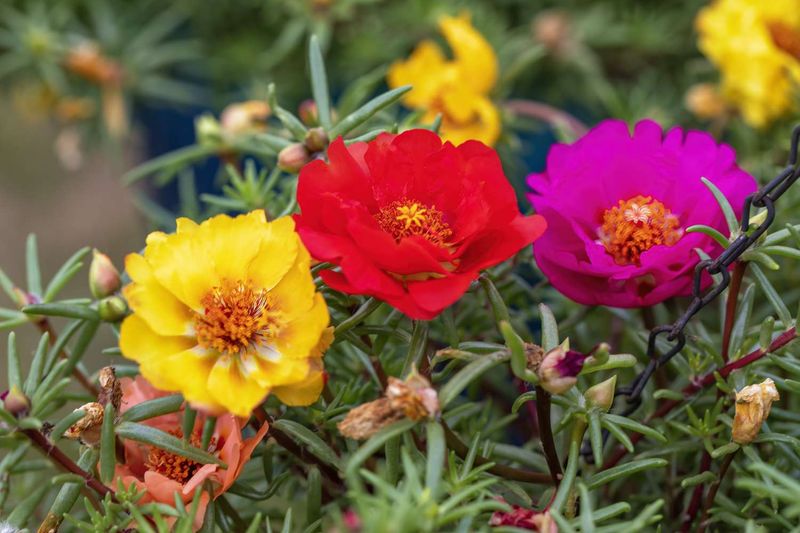
Portulaca, also known as moss rose, is a sun-loving ground cover that thrives in hot, dry conditions. Its vibrant blooms resemble miniature roses and come in a variety of colors, from pinks to oranges. Portulaca requires minimal care and is perfect for rock gardens and containers. Its succulent-like leaves store moisture, making it highly drought-tolerant. Portulaca’s cheerful blooms open in the morning sun and close by afternoon, adding a dynamic element to gardens. It’s an excellent choice for areas with poor soil where other plants struggle.
10. Lantana
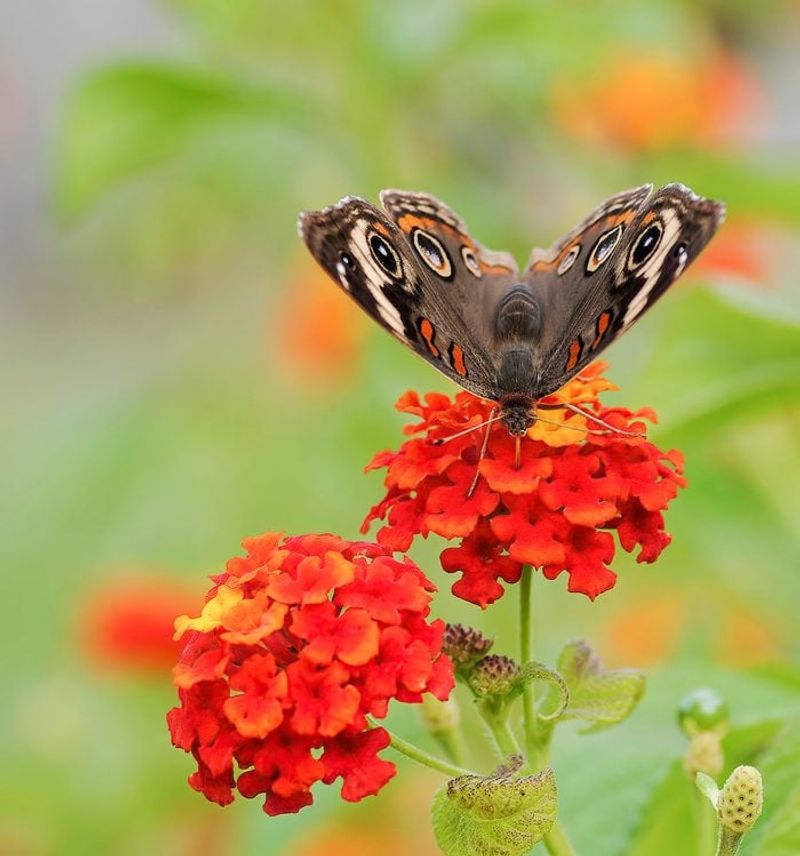
Lantana is a vibrant and resilient choice for summer gardens, known for its clusters of small, colorful flowers that attract butterflies and hummingbirds. Its blooms often feature multiple colors within the same cluster, creating a kaleidoscope effect. Lantana is drought-tolerant and thrives in full sun, making it perfect for hot, dry climates. Its robust nature requires minimal care, and it can be pruned to maintain shape and encourage new blooms. Historically, lantana has been used in traditional medicine for its anti-inflammatory properties.
11. Begonia
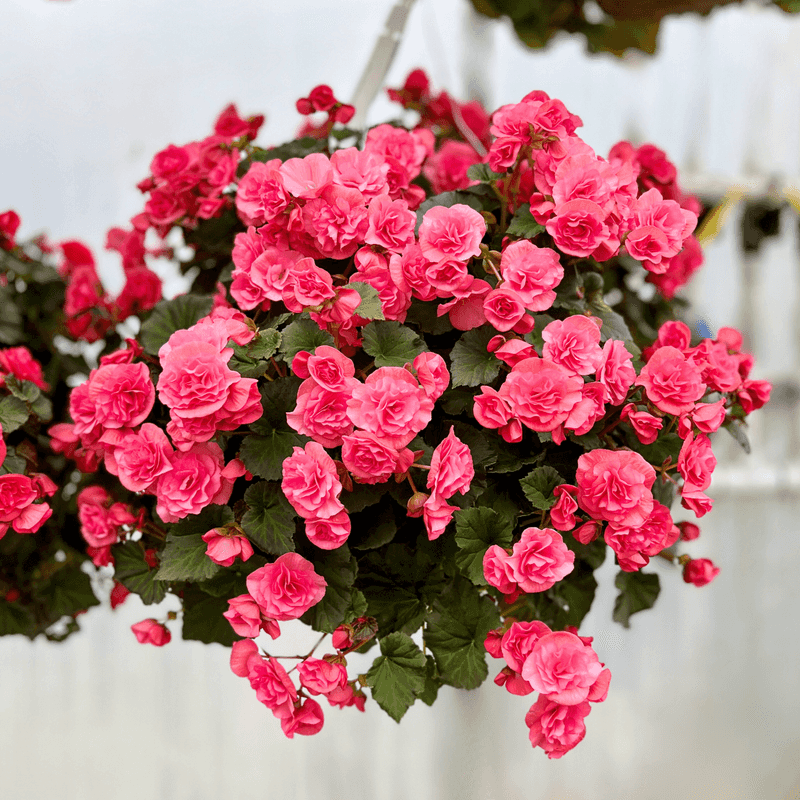
Begonias, with their lush blooms and striking foliage, are versatile additions to any garden. These tropical beauties thrive in shady spots, offering vibrant flowers even where sunlight is limited. Begonias come in a range of colors, from vivid reds to soft pinks, and their continuous blooms brighten any space. Their waxy leaves add texture and interest, making them suitable for both borders and containers. Fun fact: begonias are part of the Begoniaceae family, which includes over 1,800 species worldwide. Their easy care and adaptability make them a favorite.
12. Cosmos
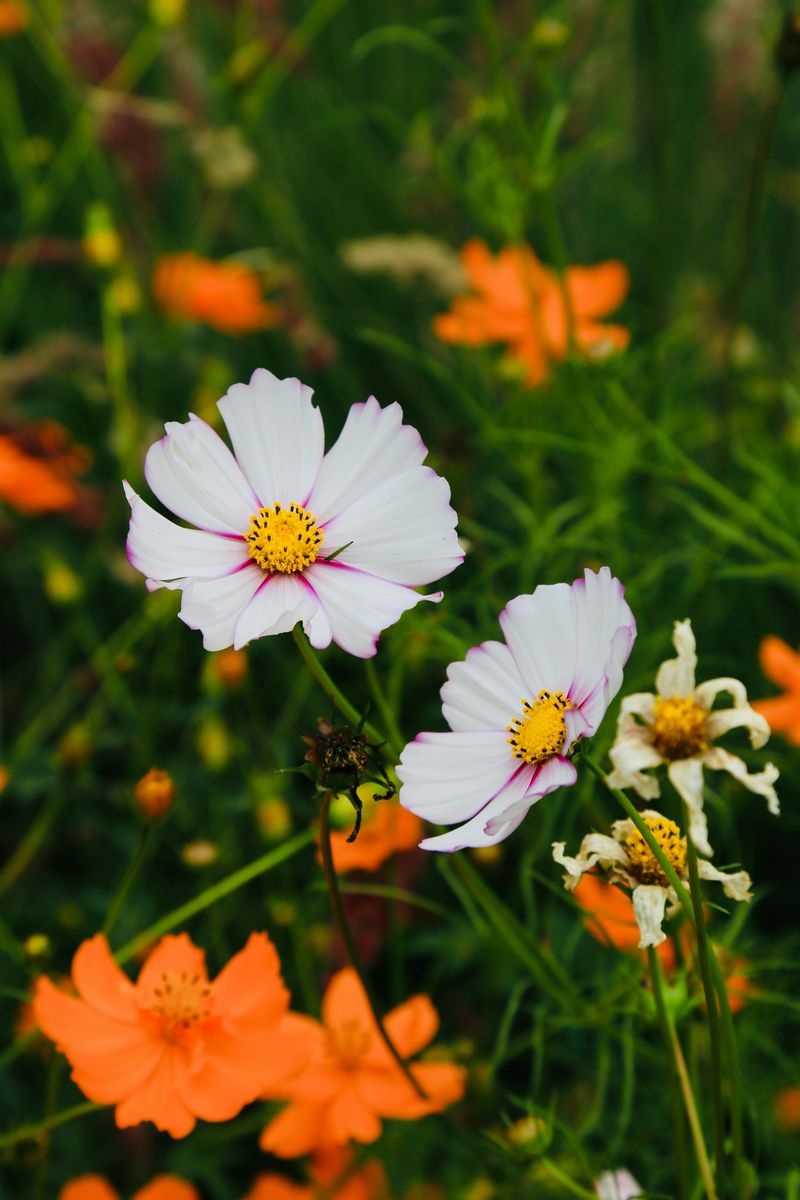
Cosmos flowers, with their delicate, daisy-like appearance and feathery foliage, bring an airy elegance to gardens. These tall flowers are available in shades of pink, white, and orange, creating a harmonious blend of colors. Cosmos are heat-tolerant and thrive in poor soil, making them ideal for low-maintenance gardening. Their long stems make them perfect for cut flower arrangements. Interestingly, cosmos are native to Mexico and were cultivated by Spanish priests in mission gardens. Their name, derived from the Greek word for harmony, reflects their balanced beauty.
13. Black-eyed Susan
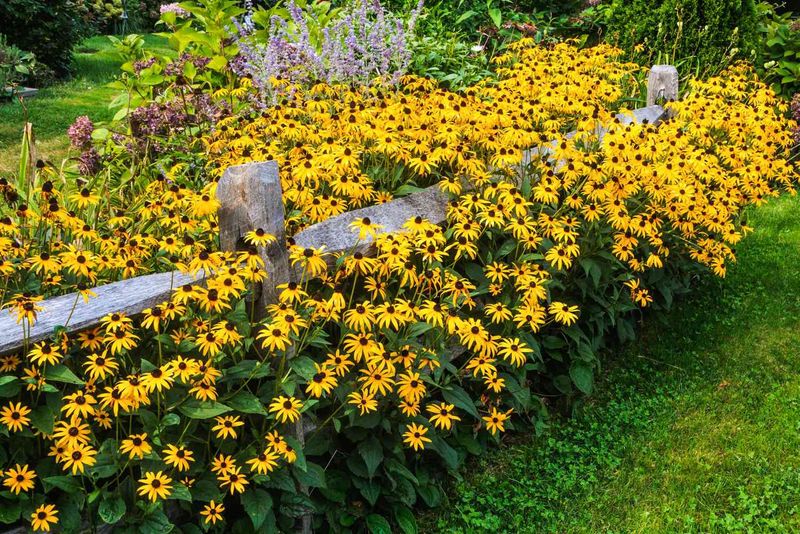
Black-eyed Susans are the quintessential wildflower, with bright yellow petals and dark brown centers that create a striking contrast. These hardy perennials thrive in sunny conditions and are known for their long blooming period. Black-eyed Susans attract bees and butterflies, adding life to any landscape. They are drought-tolerant and require minimal care, making them a favorite in both naturalized areas and formal gardens. Did you know? Black-eyed Susans are the state flower of Maryland and symbolize justice and motivation.
14. Impatiens
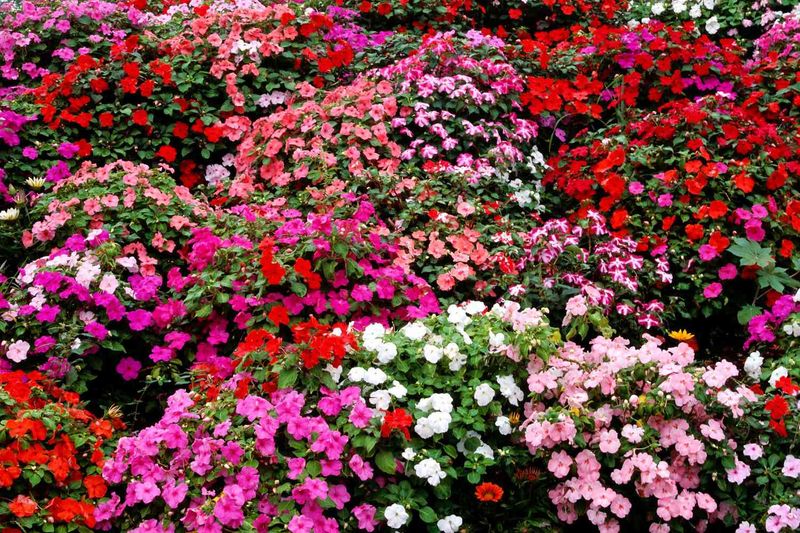
Impatiens are the go-to choice for adding color to shady spots in the garden. Their cheerful blooms come in a wide range of hues, from vibrant pinks to soft whites. These shade-loving annuals are perfect for borders, containers, and hanging baskets. Impatiens are known for their continuous blooms and compact growth habit, requiring regular watering to maintain their lush appearance. A fun fact: the name ‘impatiens’ is derived from the plant’s seed pods, which burst open when ripe, scattering seeds with impatience.
15. Gaillardia
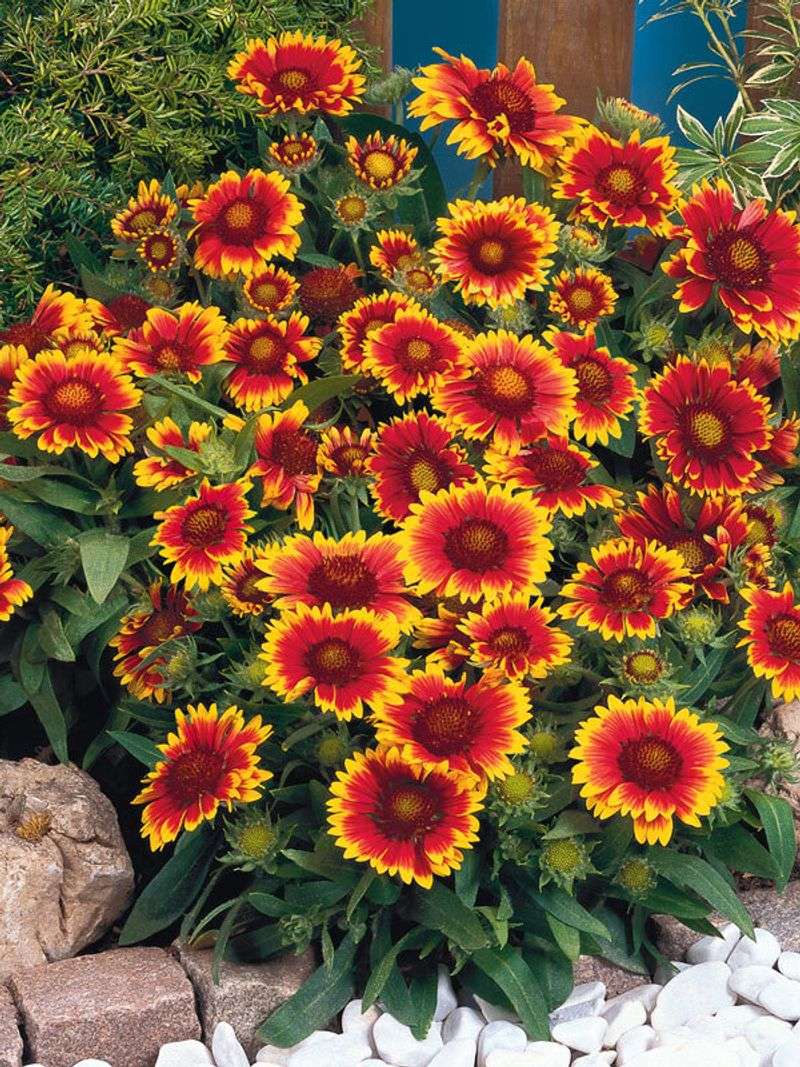
Gaillardia, commonly known as blanket flower, dazzles with its fiery red and yellow blooms resembling a blazing sunburst. These hardy perennials bring warmth and vibrancy to summer gardens. Gaillardia thrives in full sun and well-drained soil, requiring minimal care. Their long flowering season ensures continuous color, attracting butterflies and bees. Gaillardia is drought-tolerant once established, making it an excellent choice for low-maintenance landscapes. Did you know these flowers are named after an 18th-century French magistrate who was a patron of botany?
16. Nasturtium
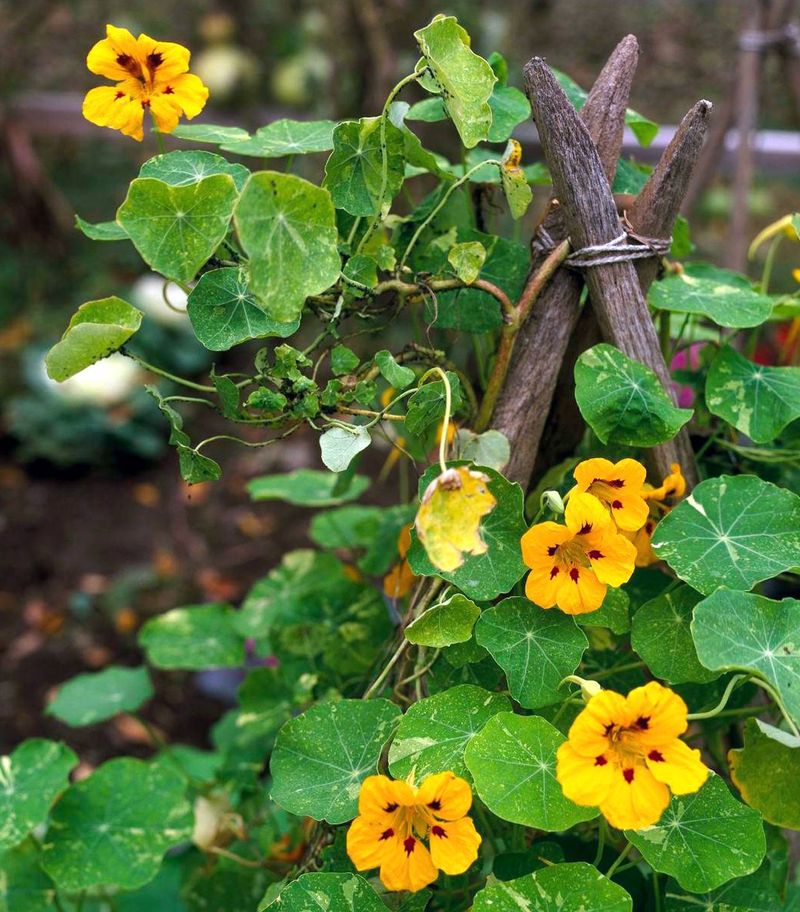
Nasturtiums are a delightful addition to any garden, known for their bright, peppery-tasting flowers and round leaves. These climbing or trailing plants are perfect for trellises and hanging baskets. Nasturtiums thrive in poor soil and require little care, making them ideal for beginner gardeners. Their edible flowers add a pop of color and spice to salads. Interestingly, nasturtiums were used during the Victorian era as a symbol of patriotism. Their vibrant blooms and ease of care make them a popular choice for summer gardens.
17. Coreopsis
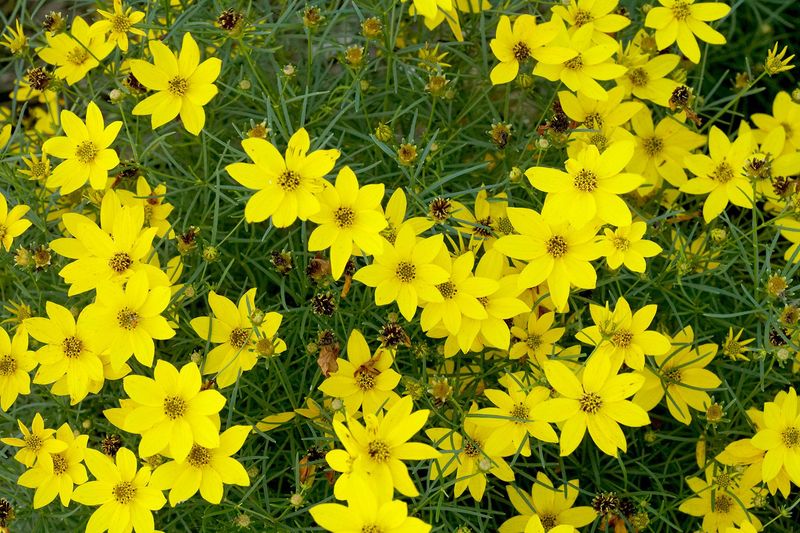
Coreopsis, or tickseed, is a dependable and cheerful addition to any summer garden with its bright yellow blooms. These hardy perennials are easy to grow, requiring minimal attention, and thrive in sunny locations. Coreopsis attracts butterflies and bees, adding movement and life to your garden space. Their long blooming season means you’ll enjoy their sunny disposition from early summer to fall. A fun fact: coreopsis is the state wildflower of Florida, symbolizing love and cheerfulness. Their vibrant color and carefree nature make coreopsis a garden favorite.
18. Verbena
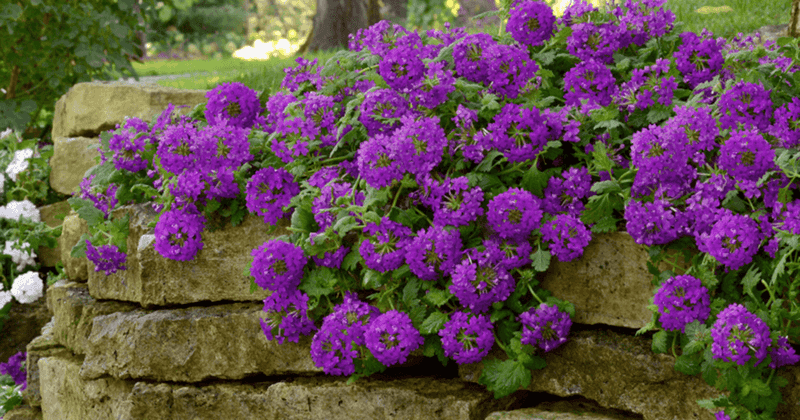
Verbenas are a versatile and colorful choice for gardens, offering clusters of blooms in shades ranging from pink to purple. These heat-tolerant plants thrive in sunny spots, providing continuous color throughout the summer. Verbenas are perfect for borders, containers, and hanging baskets. Their low-growing habit makes them ideal for ground cover, and they attract butterflies and hummingbirds with their nectar-rich flowers. Interestingly, verbena has been used in traditional medicine and folklore for its supposed healing properties.
19. Calibrachoa
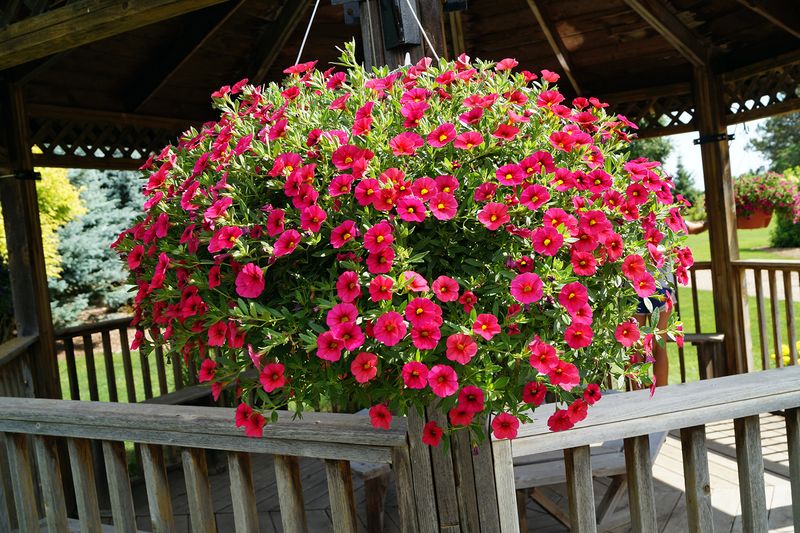
Calibrachoa, often called million bells, is a popular choice for hanging baskets and containers due to its trailing habit and abundance of small, petunia-like flowers. These cheerful blooms come in a wide array of colors, including vibrant purples, pinks, and yellows. Calibrachoa thrives in full sun and well-drained soil, offering continuous blooms with minimal care. Their cascading nature adds a dynamic element to any garden display. A fun fact: calibrachoa is named after Antonio de la Cal y Bracho, a 19th-century Mexican botanist.
20. Sweet Alyssum
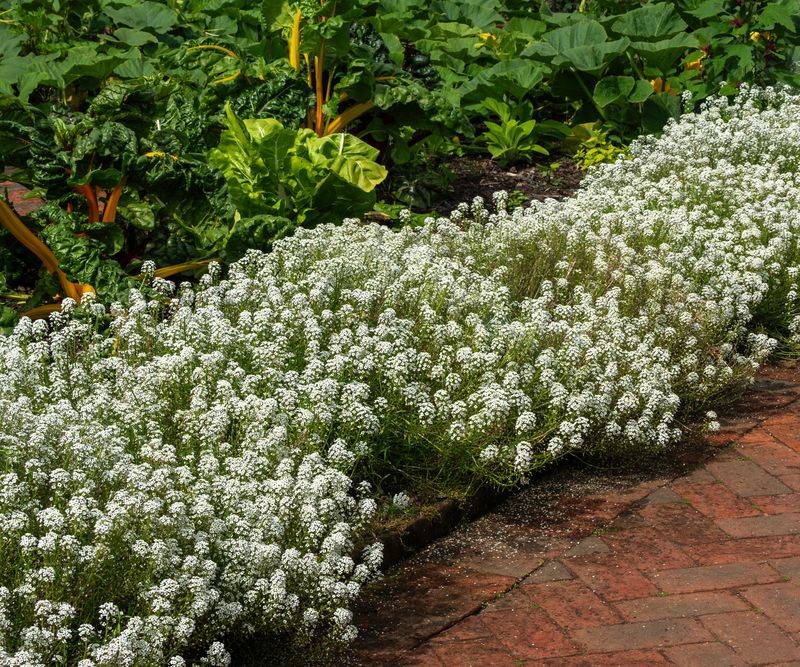
Sweet alyssum is a charming and fragrant addition to any garden, known for its delicate clusters of white or purple flowers. These low-growing plants are ideal for borders, rock gardens, and containers. Sweet alyssum thrives in full sun to partial shade and is easy to grow, requiring minimal maintenance. Its honey-like fragrance attracts pollinators, adding an extra dimension to your garden. Interestingly, sweet alyssum is often used in companion planting to deter pests. Its delicate beauty and delightful scent make it a favorite among gardeners.
21. Snapdragon
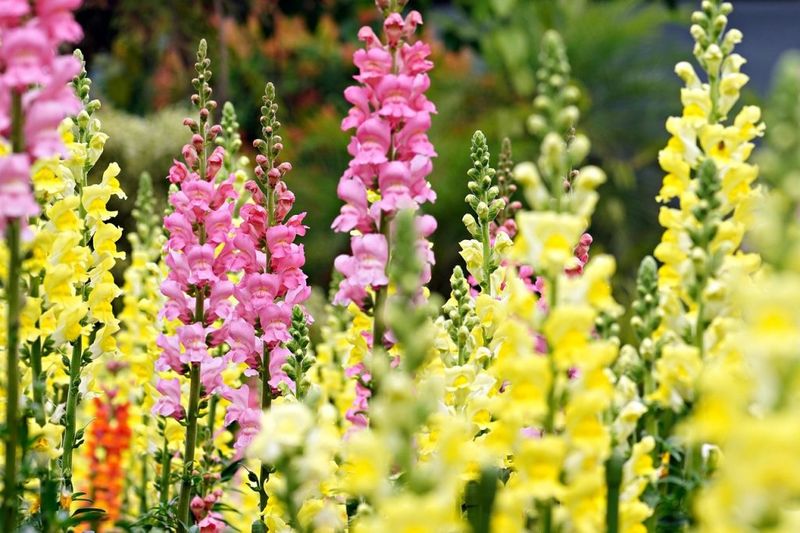
Snapdragons are a beloved garden classic, known for their tall spikes of colorful blooms and playful nature. These charming flowers come in a variety of hues, from soft pastels to bold reds and yellows. Snapdragons thrive in full sun and well-drained soil, providing visual interest from spring through fall. Their unique, dragon-shaped flowers delight children and adults alike. Did you know snapdragons were once believed to possess mystical powers to ward off evil? Their upright growth and vibrant colors make them a striking addition to any garden.
22. Cleome
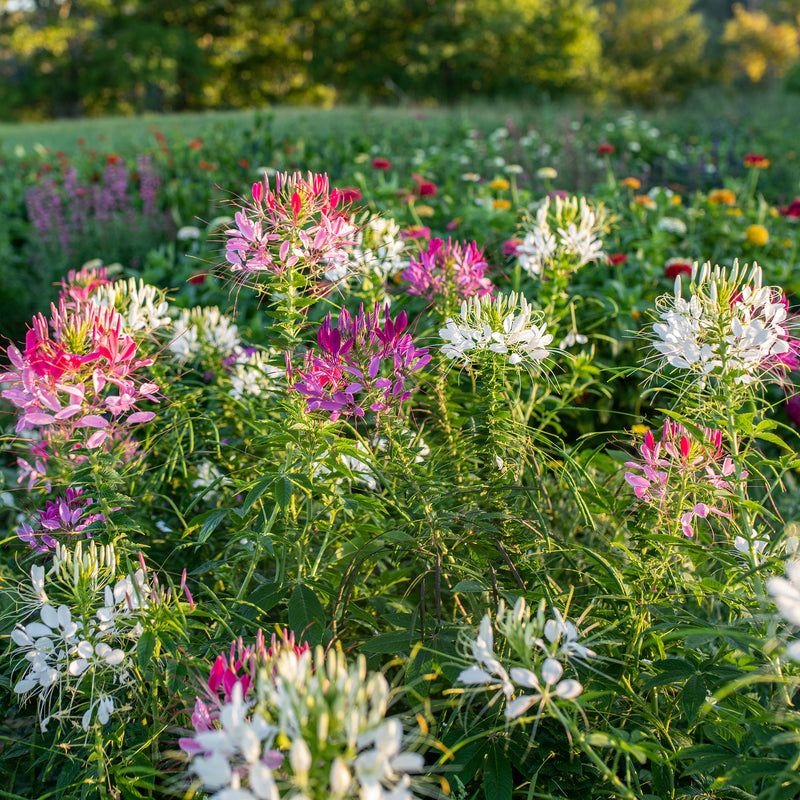
Cleome, also known as spider flower, is a dramatic addition to summer gardens with its towering height and spider-like blooms. These striking flowers come in shades of pink, white, and purple. Cleome is an excellent choice for adding vertical interest and thrives in sunny, well-drained locations. Its unique appearance and long blooming season make it a standout feature in any landscape. A fun fact: cleome plants release a musky fragrance that intensifies at night, attracting nocturnal pollinators. Their whimsical blooms add personality and flair.
23. Tithonia
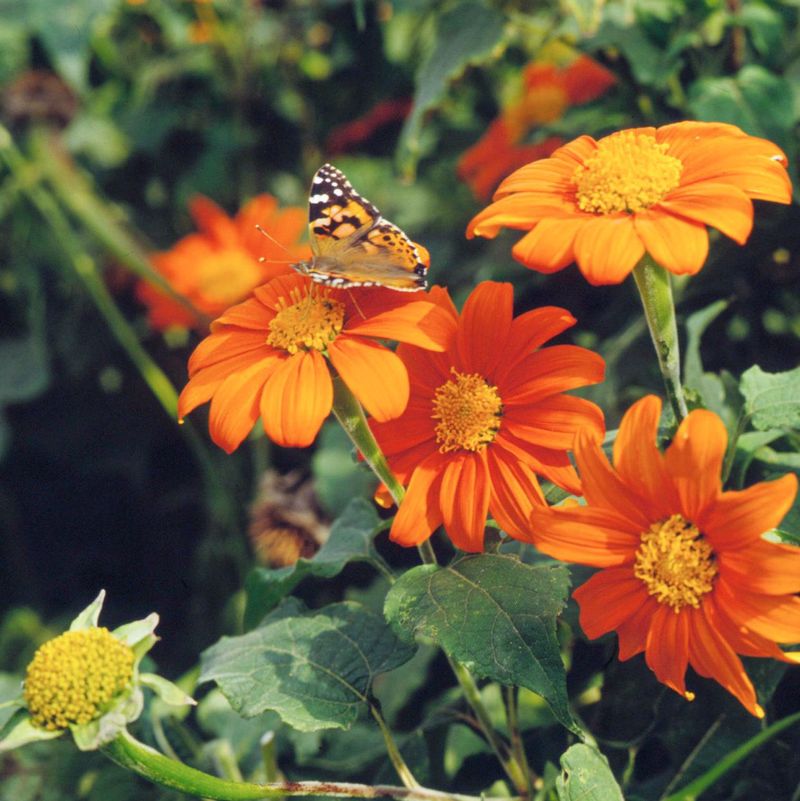
Tithonia, commonly known as Mexican sunflower, is a vibrant and bold choice for summer gardens. These tall plants produce large, orange flowers that attract butterflies and bees. Tithonia thrives in full sun and well-drained soil, offering a spectacular display with minimal care. Their towering presence adds dramatic height to garden beds and borders. Interestingly, tithonia is native to Mexico and Central America, where it is often used to attract pollinators. Its fiery blooms bring warmth and energy to any garden setting.
24. Rudbeckia
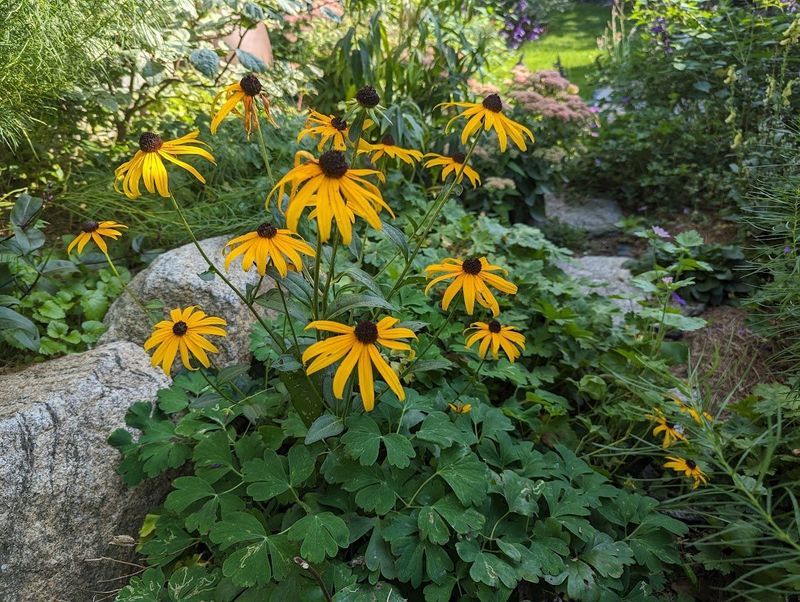
Rudbeckia, often called black-eyed Susan, is a staple in summer gardens with its bright yellow blooms and dark central cones. These hardy perennials are easy to grow and thrive in full sun, providing long-lasting color from mid-summer to fall. Rudbeckia attracts pollinators, enhancing the biodiversity of your garden. Their resilience and cheerful appearance make them a favorite among gardeners. Did you know rudbeckia is named after Olaus Rudbeck, a 17th-century Swedish botanist? Its sunny flowers bring a touch of the wild to any landscape.
25. Scaevola
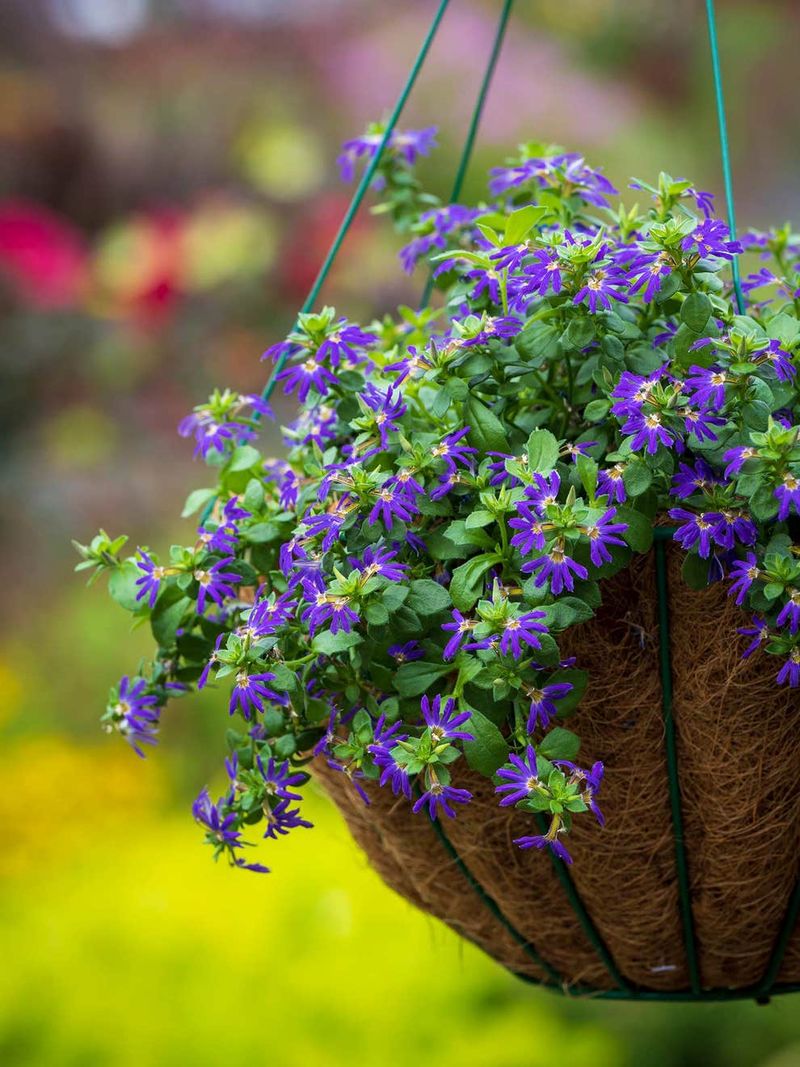
Scaevola, commonly known as fan flower, is a low-maintenance choice for hanging baskets and containers, offering abundant fan-shaped, purple-blue blooms. These trailing plants thrive in full sun and well-drained soil, providing continuous color throughout the summer. Scaevola is drought-tolerant and requires minimal care, making it a reliable option for busy gardeners. A fun fact: scaevola’s unique flower shape inspired its name, derived from the Latin word for ‘left-handed.’ Its cascading nature and vibrant blooms add charm to any garden display.
26. Torenia
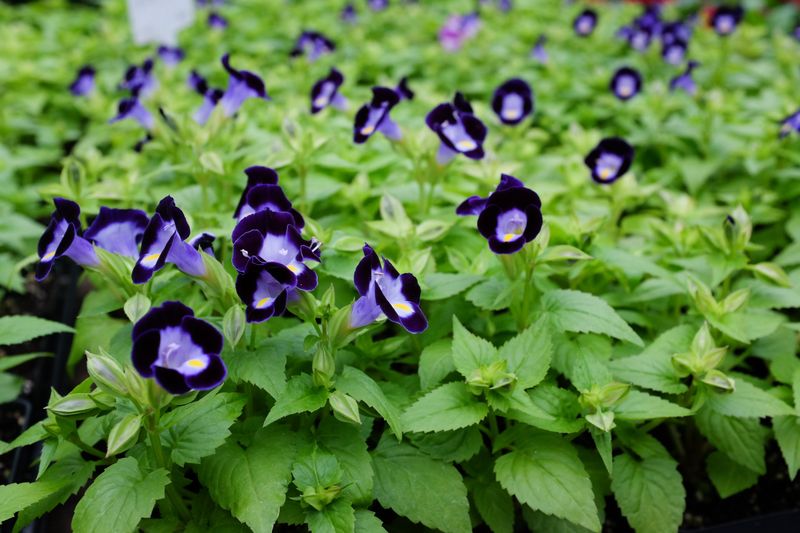
Torenia, also known as wishbone flower, is a charming choice for shady gardens with its blue, trumpet-shaped blossoms and lush green foliage. These cheerful flowers thrive in partial shade and well-drained soil, offering color from spring to fall. Torenia is perfect for borders, containers, and hanging baskets. Its unique flower shape and vibrant colors add a playful touch to any garden. Interestingly, torenia is named after Swedish botanist Olaf Toren. Their delightful blooms and easy care make torenia a popular choice for gardeners.
27. Phlox
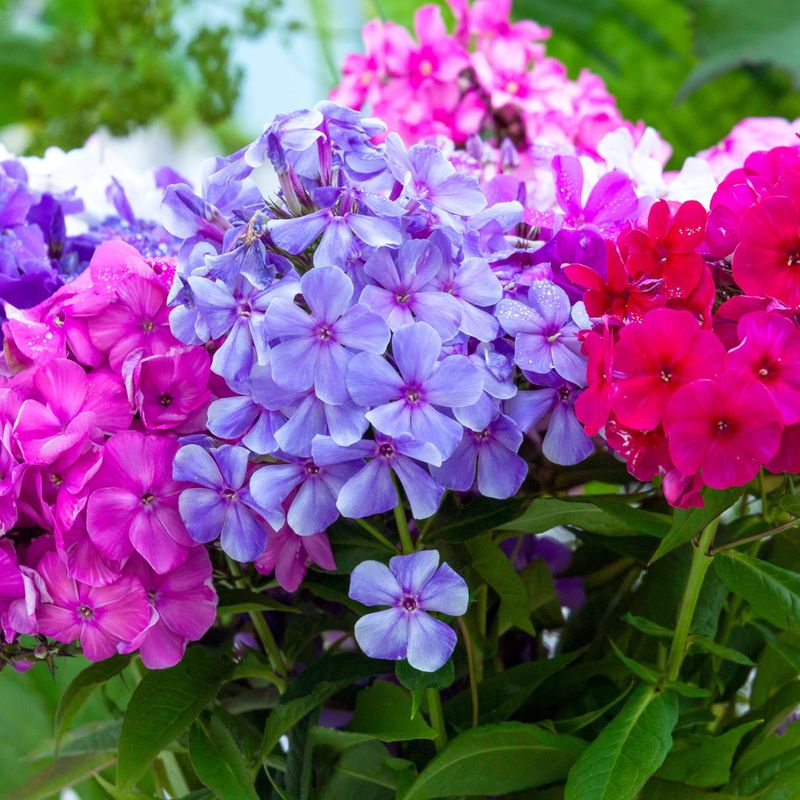
Phlox is a versatile and fragrant choice for summer gardens, known for its clusters of colorful blooms in shades of pink, purple, and white. These hardy perennials thrive in sunny locations and well-drained soil, providing continuous color throughout the season. Phlox attracts butterflies and hummingbirds, adding vitality to your garden space. Its sweet fragrance and long blooming period make it a favorite among gardeners. Did you know phlox is derived from the Greek word for flame, reflecting its vibrant colors and fiery appearance?
28. Hibiscus
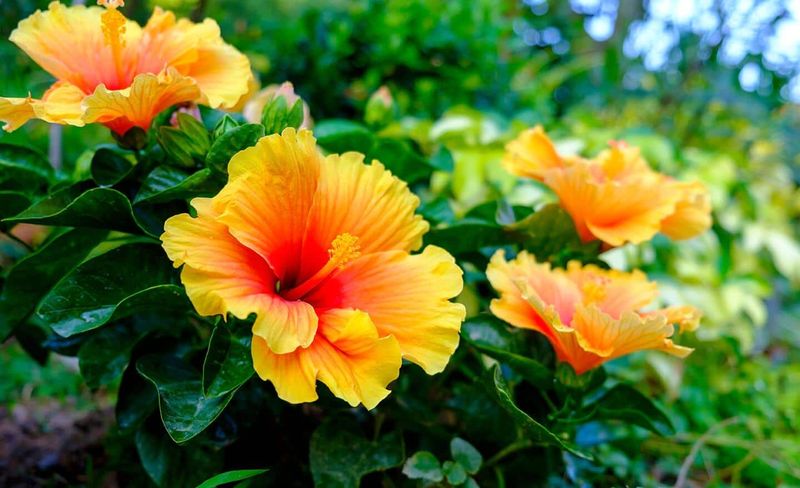
Hibiscus is a tropical delight, known for its large, exotic blooms and lush foliage. These striking flowers come in a range of vibrant colors, from fiery reds to sunny yellows. Hibiscus thrives in warm climates and sunny locations, providing continuous blooms with minimal care. Its large petals and prominent stamens create a dramatic effect, making hibiscus a standout feature in any garden. Interestingly, hibiscus is often used in herbal teas and has cultural significance in many tropical regions. Its flamboyant appearance adds a touch of the tropics.
29. Angelonia
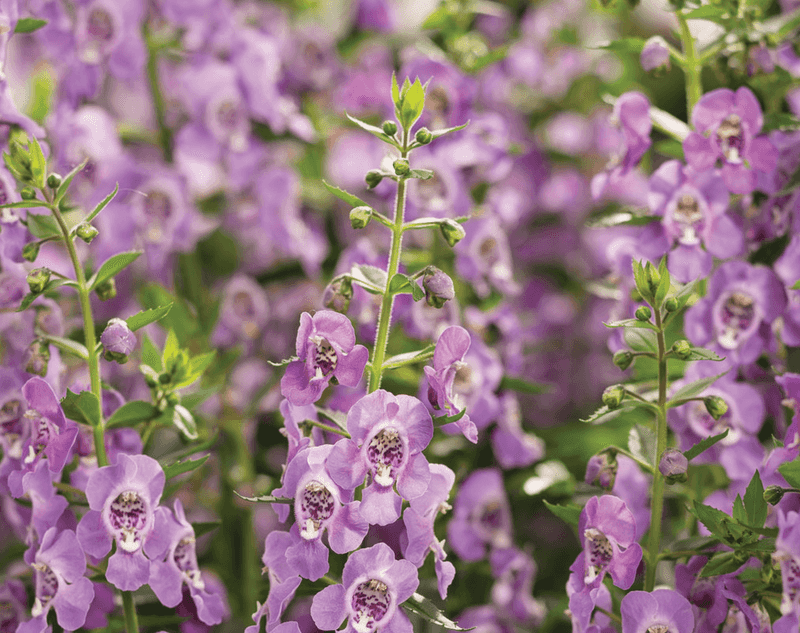
Angelonia, often called the ‘summer snapdragon,’ thrives with minimal care. Its resilient nature makes it perfect for hot climates. These flowers maintain their elegance throughout the season.
Blooms come in shades of purple, pink, and white, attracting bees and butterflies. This plant continues to impress as temperatures rise without demanding constant attention.
A fun fact: Angelonia is native to Mexico and the West Indies. Its adaptability to different environments makes it a gardener’s delight, flourishing in both containers and garden beds alike. Truly, a summer garden staple!
30. Globe Amaranth
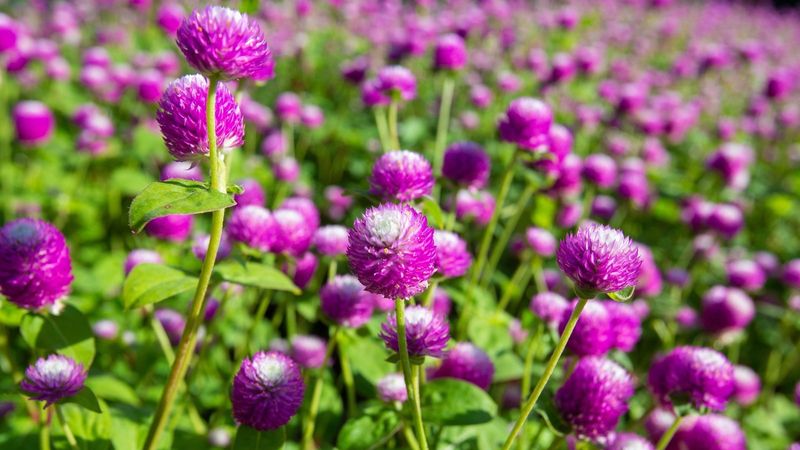
Globe Amaranth is celebrated for its vibrant, clover-like flowers that bloom tirelessly through summer. Its playful, rounded shape adds a whimsical touch to any garden.
The blooms stand out with colors like magenta, pink, and white. Not only a visual delight, but they also make excellent dried flowers, retaining color long after picking.
Did you know? The Globe Amaranth is often associated with immortality due to its long-lasting flowers. Easy to grow and drought-tolerant, it suits both novice and seasoned gardeners seeking carefree beauty.