 Complete Gardening
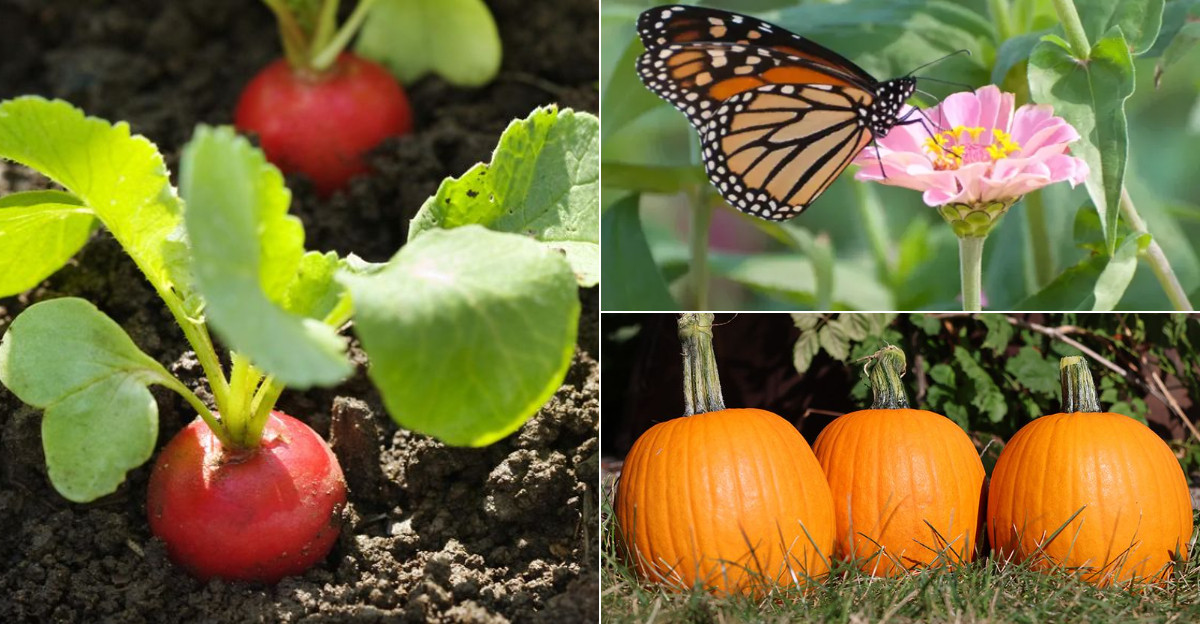
Explore the vibrant world of gardening with 30 last-chance plants you can still start in June. From quick-growing vegetables to summer-loving flowers, these selections ensure a bountiful harvest and a colorful garden. Whether you’re working with a sprawling yard or a compact balcony, there’s a plant here to suit your space and climate. Let’s dive into what you can still plant in June before the opportunity slips away.
1. Bush Beans (Harvest in 50-60 days) – Perfect for succession planting.
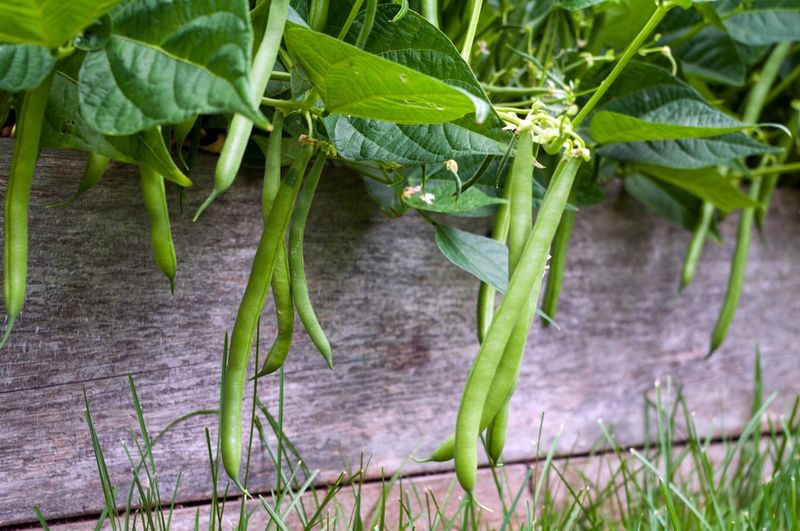
In the world of succession planting, bush beans hold a crown with their rapid growth and reliable yield. These versatile vegetables, maturing in 50-60 days, can fill any gap in your garden. Known for their ability to improve soil nitrogen levels, they pair well with many other plants. Did you know? Plant them next to corn or cucumbers for a mutually beneficial relationship. Bush beans are an easy introduction to gardening for beginners. Their short stature means they can thrive even in smaller spaces. A rewarding choice for any gardener looking to maximize their harvest.
2. Zucchini & Summer Squash (45-55 days) – Prolific producers in heat.
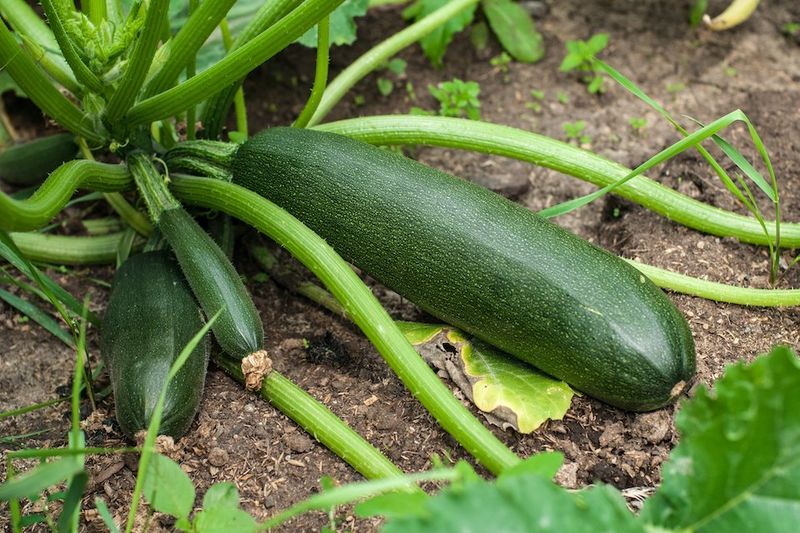
Zucchini and summer squash are the epitomes of abundance. These plants thrive in the summer sun, producing prolifically in just 45-55 days. Their large leaves not only shade out weeds but also conserve soil moisture. Have limited space? No problem—these squash varieties can be trained to grow vertically. Fun fact: the blossoms are edible and often used in gourmet dishes. Zucchini’s adaptability makes it a staple in many gardens. From garden to table, these squash provide flavor and nutrition, making them a gardener’s favorite.
3. Cucumbers (50-70 days) – Choose bush varieties for small spaces.
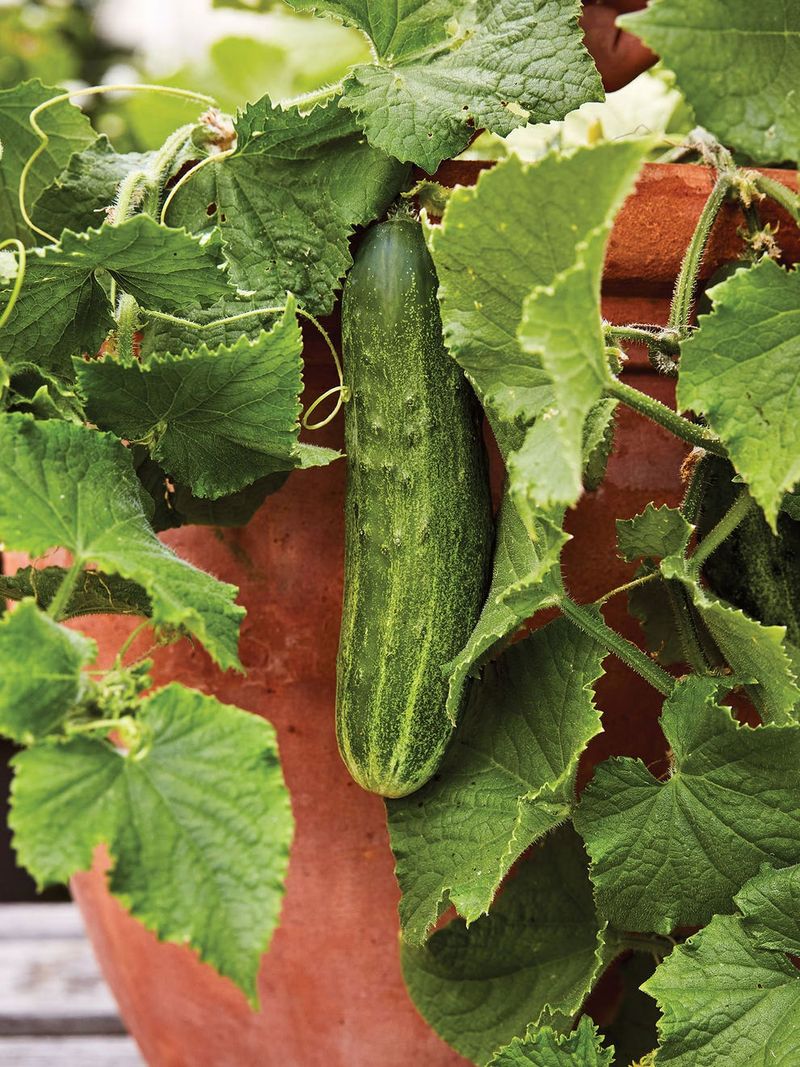
Ever tried a cucumber straight from the vine? The crispness is unparalleled. In 50-70 days, bush varieties of cucumbers are perfect for smaller gardens or container planting. They offer the same refreshing taste as their vining cousins but take up less space. Ideal for pickling or fresh salads, cucumbers are a summertime staple. Did you know that cucumbers are 95% water? They’re a hydrating snack on hot days. Their rapid growth and ease of care make them perfect for beginner gardeners looking to make a splash.
4. Radishes (20-30 days) – The fastest crop you can grow!
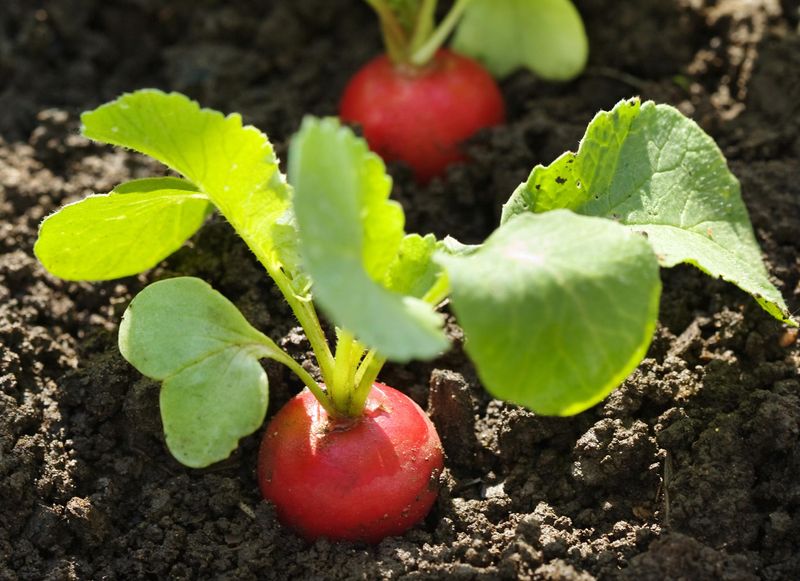
Looking for instant gratification in the garden? Radishes are your answer. Maturing in just 20-30 days, they are the fastest-growing crop, ideal for impatient gardeners. These spicy little roots add a punch to any dish. Try different varieties for a spectrum of colors and flavors. Radishes can be grown in almost any soil, making them incredibly versatile. Did you know? They can be interplanted with slower-growing vegetables, maximizing your garden’s productivity. A small space powerhouse, radishes bring flavor and efficiency to the garden.
5. Lettuce (Heat-Tolerant Varieties) – Try ‘Buttercrunch’ or ‘Romaine’.
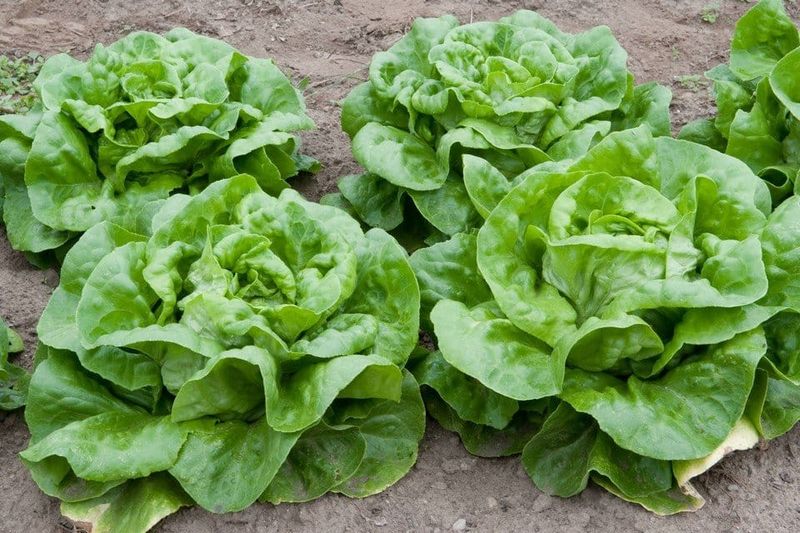
Don’t let summer heat stop your salad dreams. Heat-tolerant lettuce varieties like ‘Buttercrunch’ or ‘Romaine’ thrive even as temperatures rise. These types are perfect for June planting, offering fresh greens throughout the season. Their resistance to bolting means a longer harvest window. Pro tip: consider planting them in the shade of taller plants to extend their life even further. Lettuce is a staple in any garden, providing versatility and nutrition. Whether in a salad or a sandwich, these greens are a gardener’s delight.
6. Spinach (New Zealand Spinach) – Handles summer heat better than regular spinach.
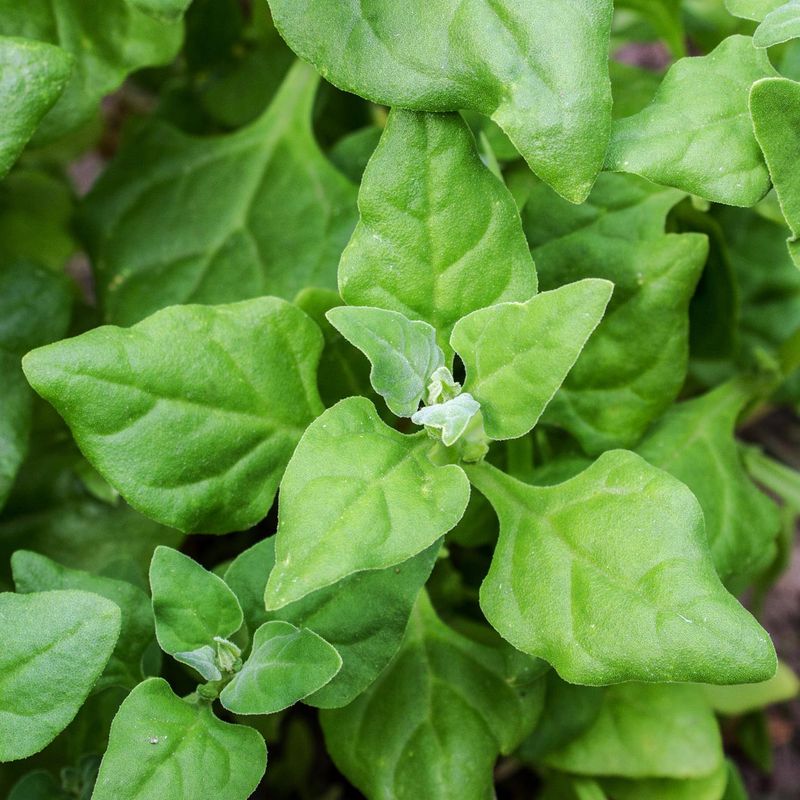
New Zealand spinach is a summer hero, flourishing where traditional spinach wilts. Unlike its classic counterpart, this variety thrives in heat, offering a continuous supply of greens. It’s perfect for salads, sautés, and smoothies, providing a mild, succulent flavor. Did you know? It’s not a true spinach but shares a similar taste and nutritional profile. This plant is a vigorous grower, filling garden gaps easily. Resistant to pests and diseases, New Zealand spinach is a reliable choice for gardeners looking to beat the summer heat.
7. Kale (Baby leaves in 30 days) – Great for salads and smoothies.
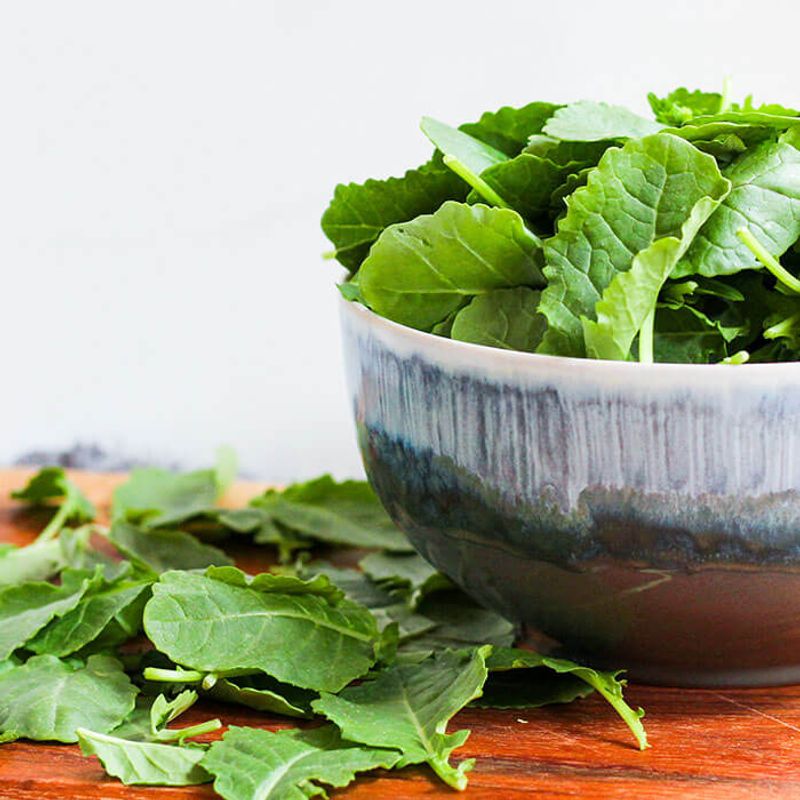
Kale, with its nutrient-dense leaves, is a favorite for health enthusiasts. Baby kale leaves are ready in just 30 days, perfect for salads and smoothies. Rich in vitamins and minerals, kale is a powerhouse plant. Its tender leaves offer a mild, slightly sweet flavor. Planting kale in June ensures a quick harvest and a continuous supply. Did you know? Kale has been cultivated for over 2,000 years, originating in the eastern Mediterranean. This ancient green continues to be a modern favorite, offering both health and taste.
8. Swiss Chard (30-40 days for baby leaves) – Colorful and heat-resistant.
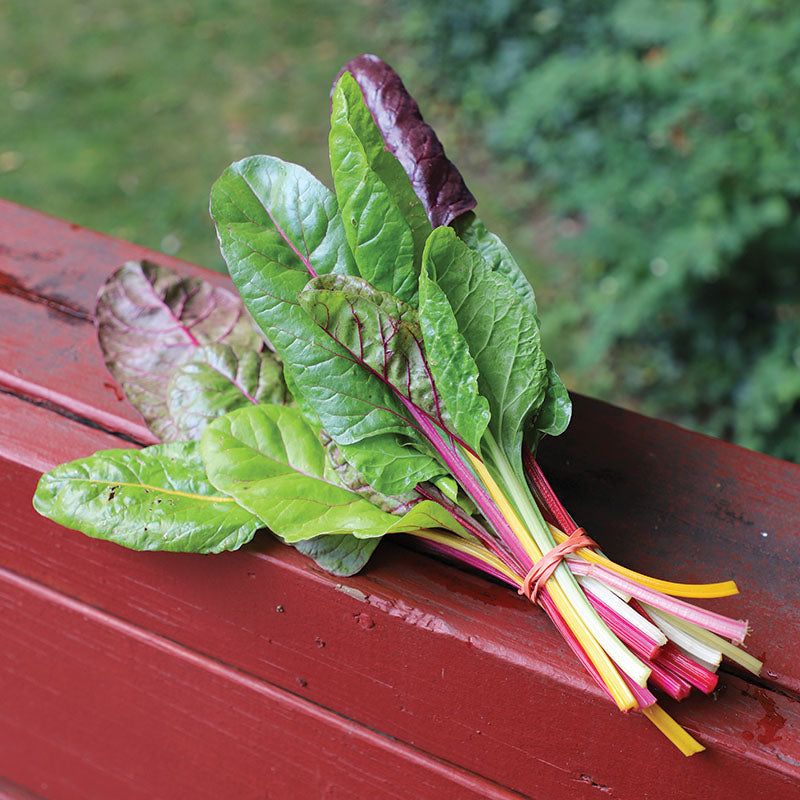
Swiss chard is a visual and nutritional delight. Known for its colorful stems and lush leaves, it thrives even in the heat of summer. Baby leaves are ready in 30-40 days, adding both flavor and color to dishes. This hardy plant is a cousin to beets and spinach, offering a similar taste profile. Did you know? Swiss chard is particularly high in vitamins A, C, and K, making it a healthful addition to any meal. Its resilience and vibrant appearance make it a staple in any summer garden.
9. Green Onions (Scallions) (30-40 days) – Regrow from kitchen scraps!
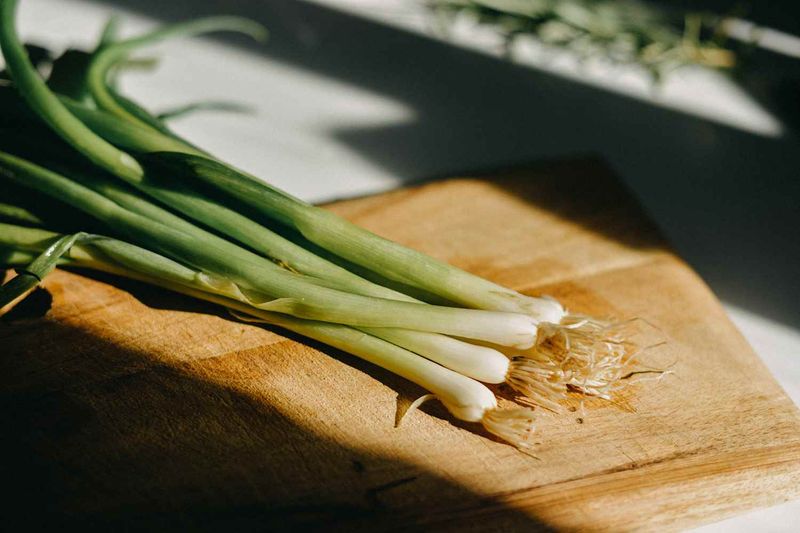
Green onions, or scallions, are a versatile addition to any garden. Ready to harvest in 30-40 days, they’re perfect for those seeking quick results. Known for their mild flavor, they’re used in a variety of dishes. A fun fact: you can regrow them from kitchen scraps, making them an economical choice. These onions thrive in small spaces, even in containers. Their easy care and rapid growth make them a favorite for novice and experienced gardeners alike. Add a touch of green and flavor to your meals with these garden gems.
10. Basil (30-60 days) – Thrives in hot weather; perfect for pesto.
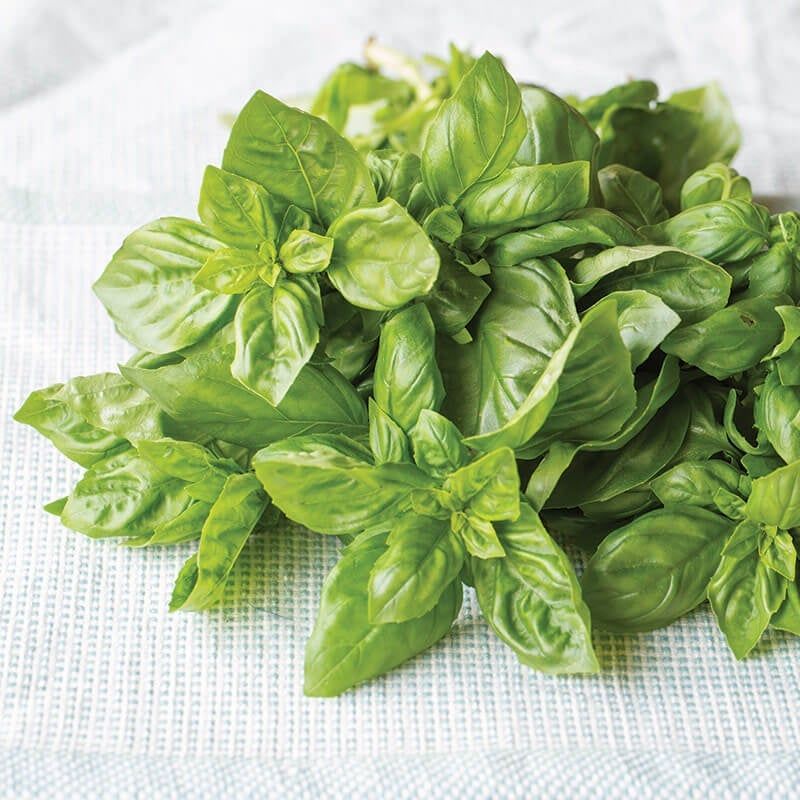
Basil is synonymous with summer cuisine, thriving in hot weather and offering aromatic leaves perfect for pesto and more. Maturing in 30-60 days, basil is a staple in herb gardens. Its fragrant leaves elevate any dish, from Italian to Thai. Did you know? Basil is believed to have originated in India over 5,000 years ago. Its historic roots and culinary versatility make it a treasured plant. Basil’s lush growth and unmistakable scent make it a joy to harvest and use. Perfect for windowsill gardens or larger plots.
11. Cilantro (Slow-Bolt Varieties) – Try ‘Calypso’ for summer harvests.
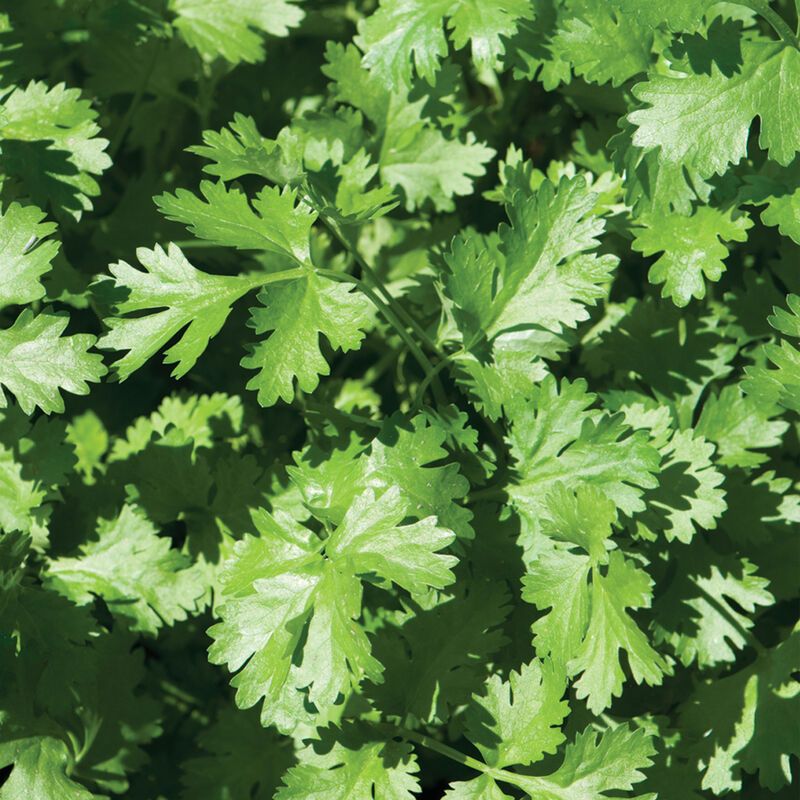
For cilantro fans, summer doesn’t mean the end of fresh herbs. Slow-bolt varieties like ‘Calypso’ are ideal for warm weather, resisting premature flowering. Cilantro’s distinct flavor enhances many dishes, from salsa to curries. These varieties ensure a long-lasting harvest. Did you know? Cilantro and coriander come from the same plant, with different parts offering unique flavors. Planting cilantro in June ensures fresh herbs throughout the summer. Its aromatic leaves are a culinary staple, making it a must-have in any herb garden.
12. Dill (40-50 days) – Great for pickling and pollinators.
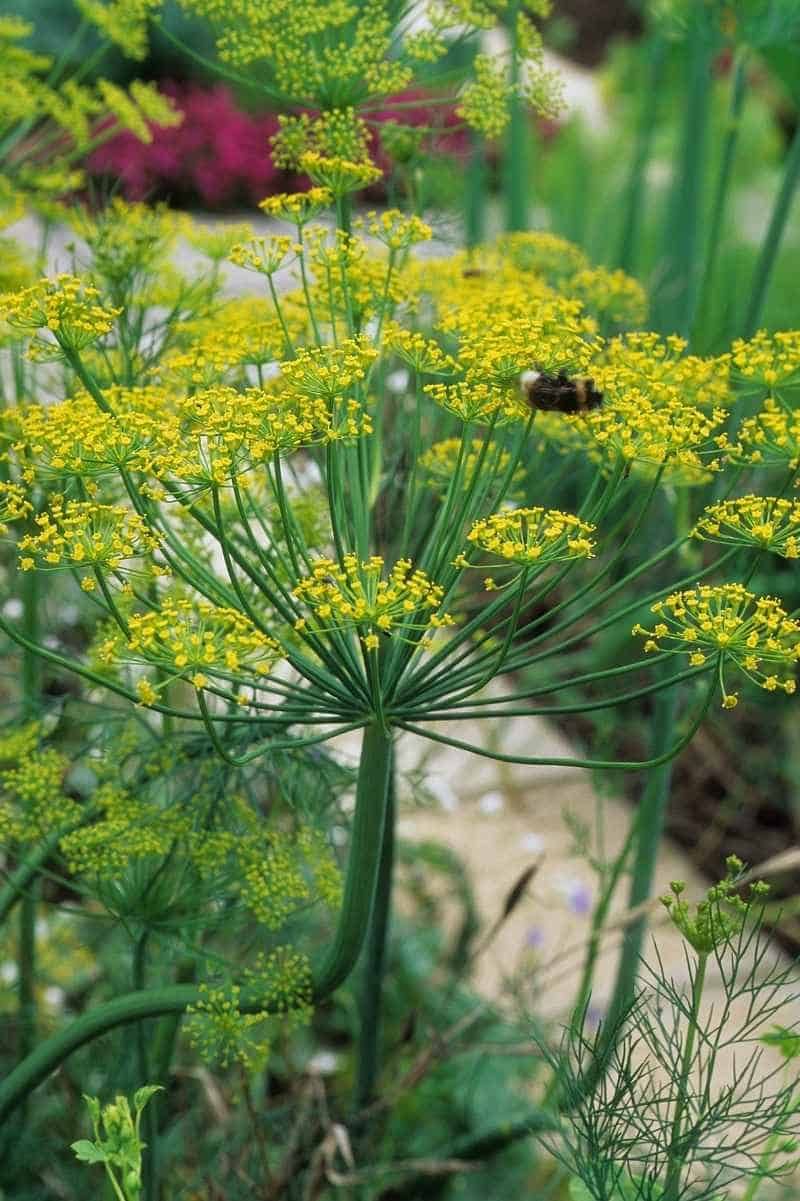
Dill is a gardener’s ally, attracting pollinators with its feathery leaves and yellow flowers. Ready in 40-50 days, it’s perfect for pickling or seasoning dishes. Did you know? Dill has been used since ancient Egypt for both culinary and medicinal purposes. Its aromatic flavor complements a variety of foods, from fish to vegetables. Planting dill in June ensures a steady supply for summer recipes. Its ability to attract beneficial insects makes it a valuable addition to any garden, promoting healthy ecosystems.
13. Arugula (30 days) – Peppery and fast-growing.
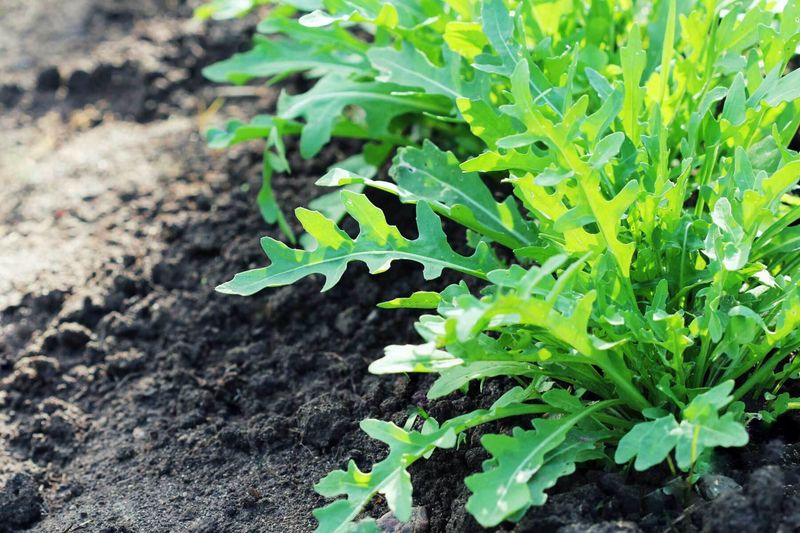
Arugula is the garden’s spicy secret, offering peppery leaves ready in just 30 days. This fast-growing green adds a bold flavor to salads and sandwiches. Known for its distinctive taste, arugula is a favorite among chefs and home cooks alike. Did you know? Arugula has been cultivated since Roman times, appreciated for its robust flavor and nutritional benefits. Its quick growth and ease of care make it an excellent choice for new and seasoned gardeners. Transform your summer salads with the unique taste of arugula.
14. Marigolds – Deter pests and bloom until frost.
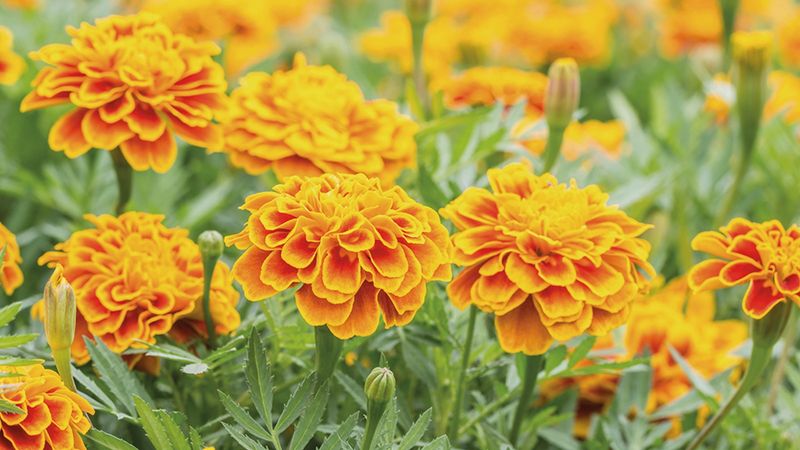
Marigolds are nature’s pest deterrent, blooming brightly from summer until frost. Their vibrant flowers add color and charm to any garden, while their scent keeps unwanted bugs at bay. Did you know? Marigolds have been used in companion planting for centuries, protecting crops from pests naturally. These resilient flowers thrive in various conditions, from garden beds to containers. Their long-lasting blooms and natural pest-repelling properties make them a gardener’s ally. Enhance your garden’s beauty and health with the cheerful presence of marigolds.
15. Zinnias – Fast-growing, drought-tolerant, and great for pollinators.
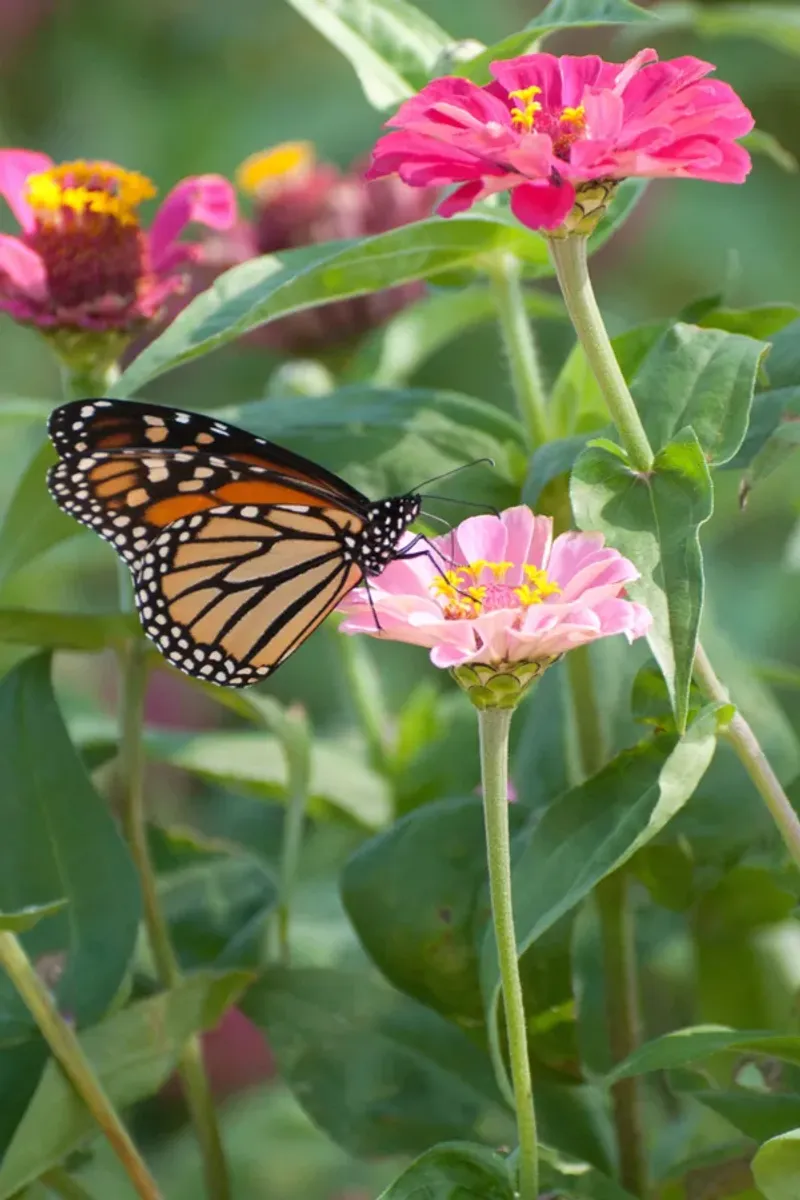
Zinnias are summer’s splash of color, offering fast-growing flowers that delight both gardeners and pollinators. Known for their drought tolerance, they provide vibrant blooms even in dry conditions. Their striking colors make them a favorite for cutting gardens. Did you know? Zinnias are native to Mexico and have been cultivated for centuries for their beauty and resilience. They attract butterflies and bees, enhancing your garden’s ecosystem. A must-have for anyone looking to add a burst of color and life to their outdoor space.
16. Sunflowers (Dwarf Varieties) – Some mature in just 60 days!
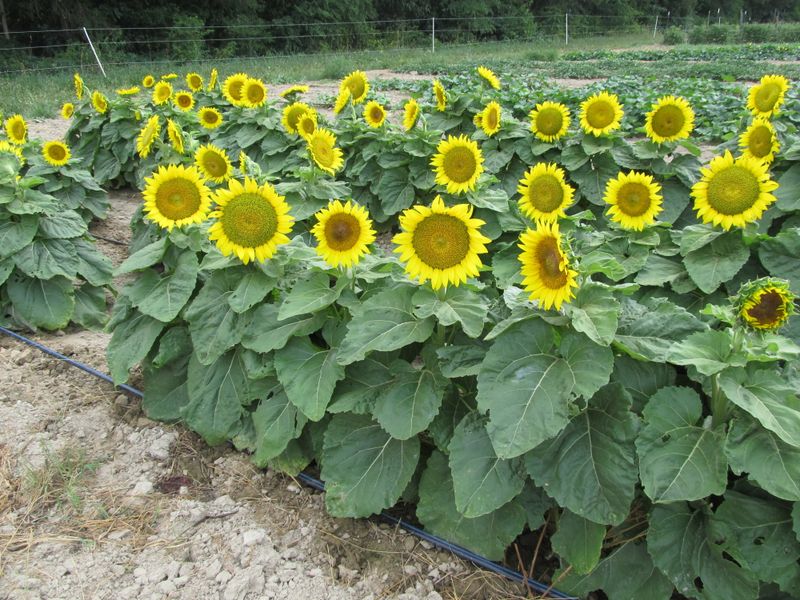
Dwarf sunflowers bring sunshine to any garden, maturing in as little as 60 days. These compact varieties are perfect for small spaces, offering the same cheerful blooms as their taller counterparts. Known for their ability to follow the sun, these flowers brighten even the dullest corners. Fun fact: Sunflowers are heliotropic, meaning they turn to face the sun throughout the day. Their quick growth and vibrant appearance make them a favorite among gardeners. Bring a touch of sunshine to your yard with these delightful blooms.
17. Cosmos – Self-seeding and low-maintenance.
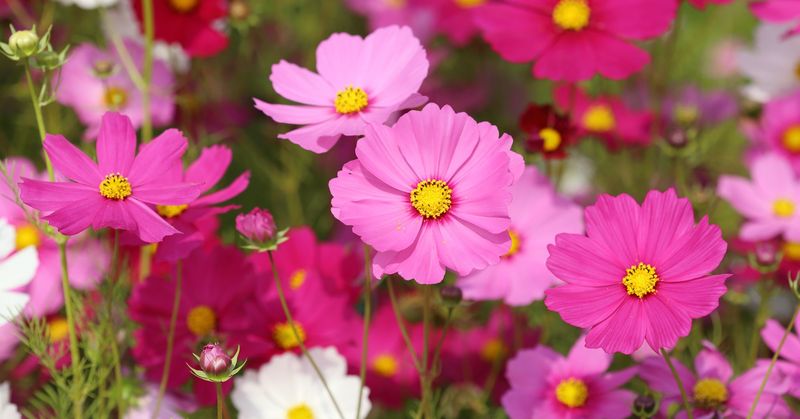
Cosmos are the easygoing stars of the garden world. These self-seeding flowers bloom with minimal effort, showcasing delicate petals in shades of pink, white, and purple. Perfect for filling gaps in the garden, they attract pollinators and require little care. Did you know? Cosmos originated in Mexico and are often associated with the cosmos due to their star-like appearance. Their ability to reseed means they return year after year. Ideal for gardeners seeking low-maintenance beauty, cosmos are a perennial favorite.
18. Nasturtiums – Edible, pest-repellent, and grow in poor soil.
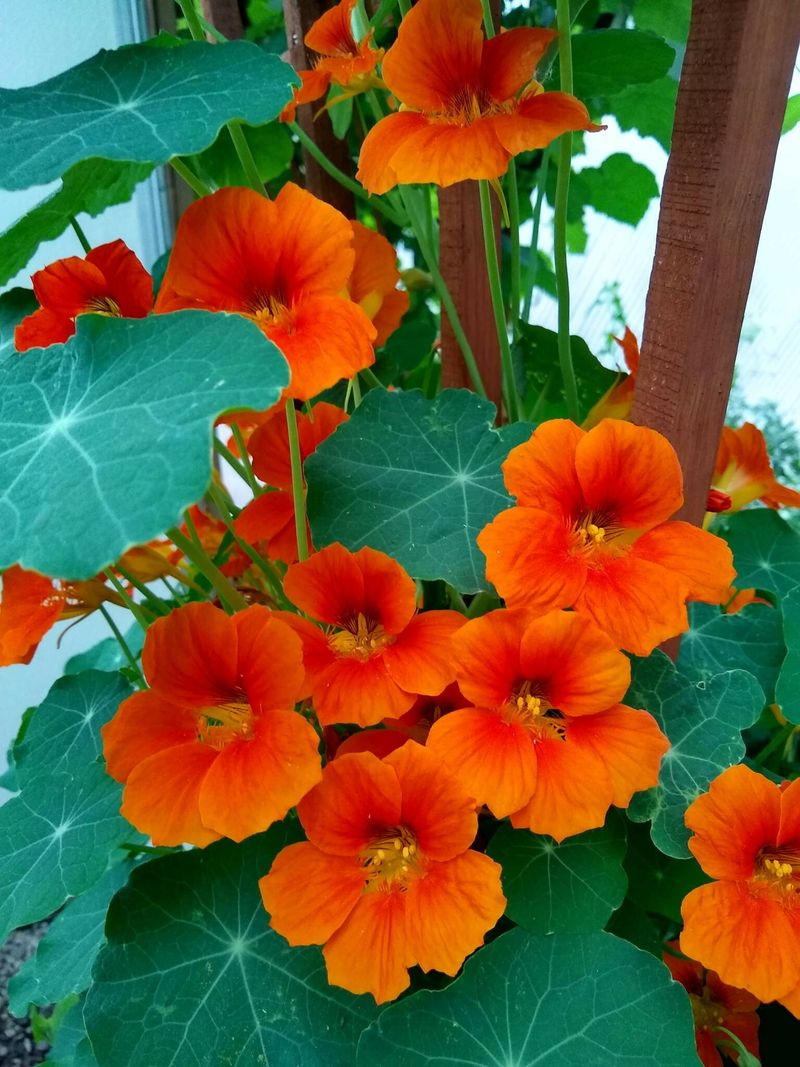
Nasturtiums are a gardener’s multitasker, offering edible flowers and leaves while deterring pests. Thriving in poor soil, they require minimal care. Their peppery taste adds a unique twist to salads and garnishes. Fun fact: Nasturtiums were popular in Victorian gardens for both their beauty and utility. Their vibrant colors and pest-repelling properties make them a valuable garden addition. Ideal for those seeking edible landscaping and natural pest control, nasturtiums bring both beauty and function to any outdoor space.
19. Morning Glories – Quick-growing vines for trellises.
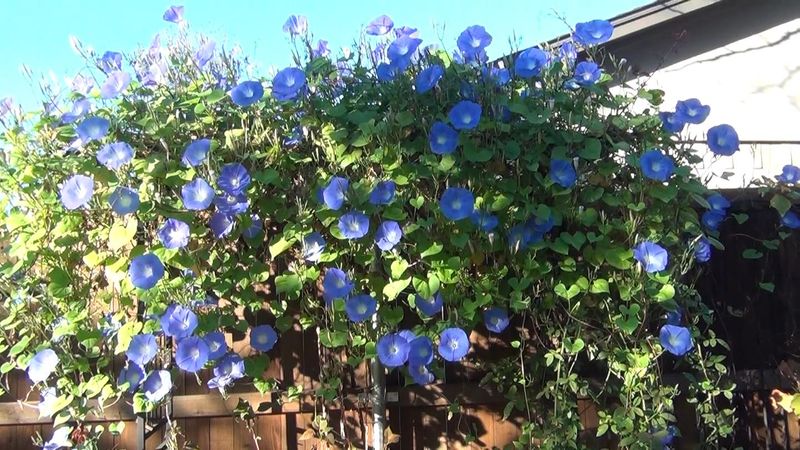
Morning glories are the vine to watch, growing quickly and offering stunning blooms in shades of blue and purple. Ideal for trellises, these vines add vertical interest to any garden. Known for blooming in the morning, they add daily charm. Did you know? Morning glories have been used in traditional medicine for their various health benefits. Their rapid growth makes them perfect for covering unsightly fences and structures. Enhance your garden’s visual appeal with the enchanting presence of morning glories.
20. Portulaca (Moss Rose) – Thrives in scorching sun and dry soil.
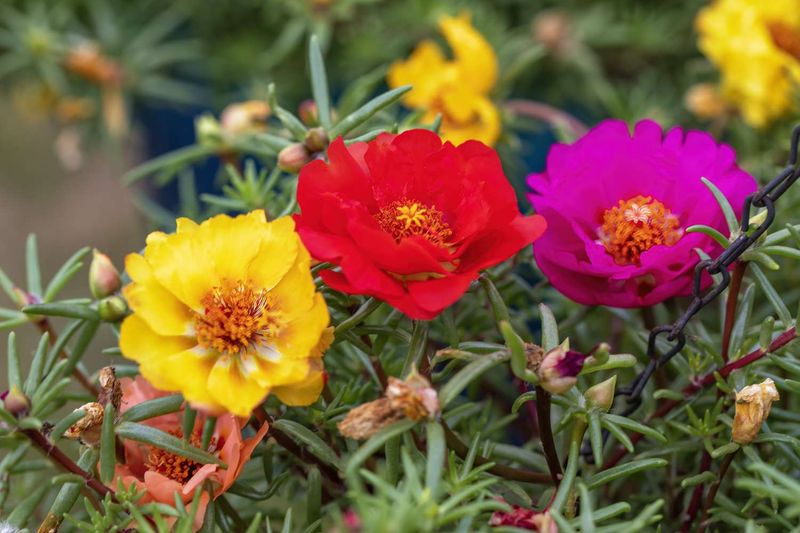
Portulaca, or moss rose, is the desert flower of the garden. Thriving in scorching sun and dry soil, it offers vibrant blooms in a spectrum of colors. Known for its resilience, portulaca requires minimal watering. Did you know? These flowers close at night and reopen with the morning sun, adding a dynamic element to any garden. Their ability to flourish in tough conditions makes them a favorite for those seeking low-maintenance beauty. Illuminate your garden with the hardy and colorful blooms of portulaca.
21. Okra (50-65 days) – Loves extreme heat.
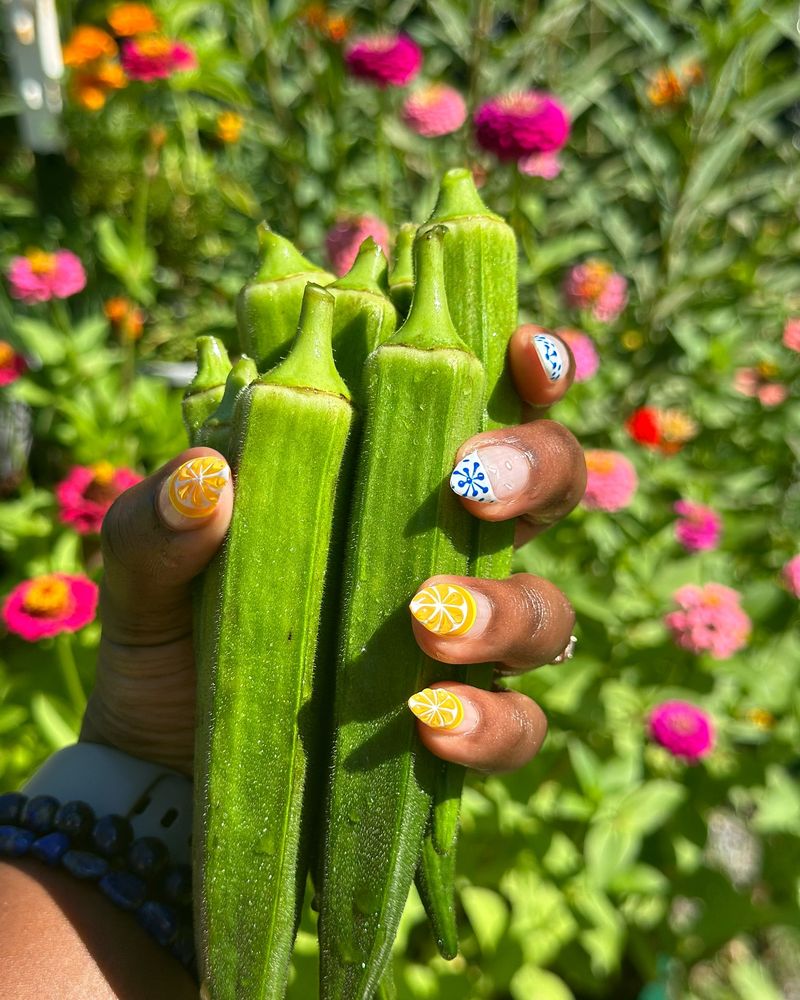
Okra is the heat-loving star of the vegetable garden. Thriving in extreme temperatures, it produces distinctive pods ready to harvest in 50-65 days. Known for its use in Southern cuisine, okra is both tasty and nutritious. Did you know? Okra is a member of the mallow family, related to hibiscus and cotton. Its unique texture and flavor make it a staple in gumbo and stews. For those gardening in hot climates, okra offers a reliable and rewarding harvest, turning up the heat on summer cooking.
22. Sweet Corn (60-90 days) – Plant a fast-maturing variety.
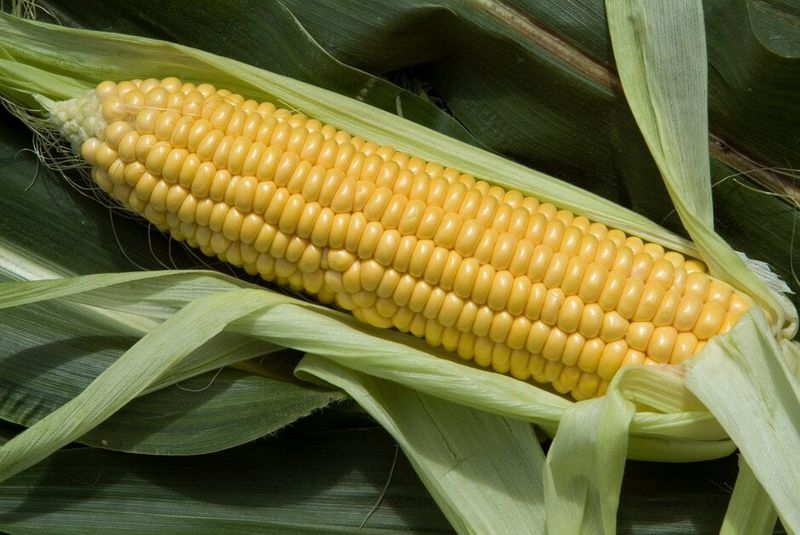
Sweet corn is the taste of summer, offering a sweet and juicy treat fresh from the garden. Planting fast-maturing varieties ensures a successful harvest in 60-90 days. Known for its versatility, corn can be grilled, boiled, or eaten raw. Did you know? Corn was first domesticated in Mexico over 9,000 years ago and has since become a staple crop worldwide. Its tall stalks and golden kernels are synonymous with sunny days and backyard barbecues. Add a touch of tradition to your garden with sweet corn.
23. Pumpkins (Small Varieties) – Try ‘Sugar Pie’ (85-100 days).
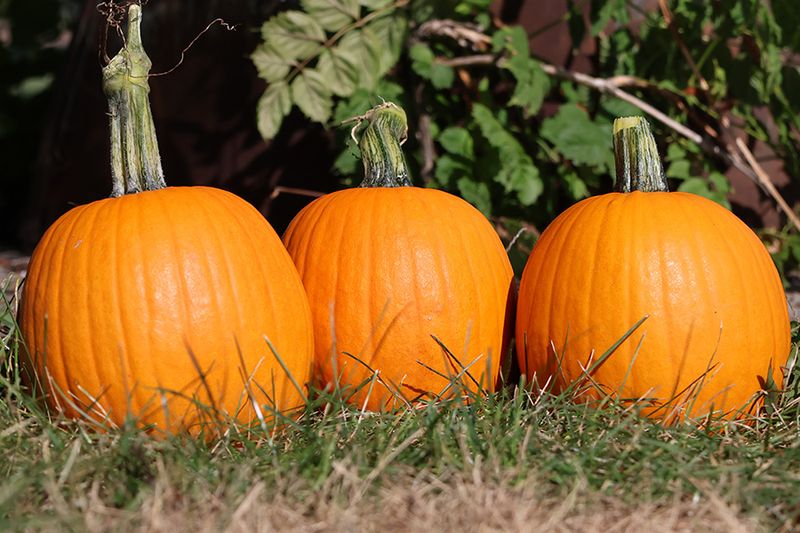
Small pumpkins, like the ‘Sugar Pie’ variety, are the sweet choice for summer planting. Maturing in 85-100 days, these pumpkins are perfect for pies and decorations. Known for their smooth texture and sweet flavor, they’re a favorite for baking. Did you know? Pumpkins are native to North America and were a staple in Native American diets. Their rich history and culinary versatility make them a treasured garden addition. Planting pumpkins in June ensures a festive harvest, ready for autumn celebrations.
24. Eggplant (60-80 days) – Choose compact varieties if short on space.
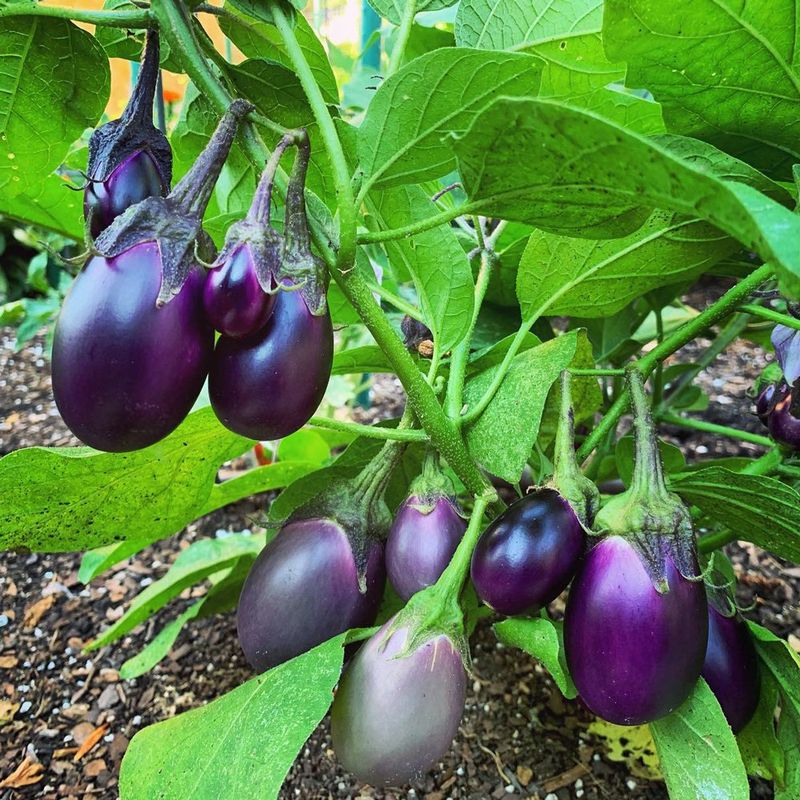
Eggplants bring a touch of the exotic to the garden, with glossy purple fruits ready in 60-80 days. Compact varieties are perfect for small spaces, offering the same rich flavor as larger types. Known for their versatility, eggplants are used in cuisines worldwide. Did you know? Eggplants are botanically classified as berries. Their unique taste and texture make them a favorite in dishes like ratatouille and moussaka. For urban gardeners, eggplants offer a productive and space-efficient way to enjoy fresh produce.
25. Peppers (Fast-Maturing Types) – Look for ‘Early Jalapeño’ or ‘Banana Pepper’.
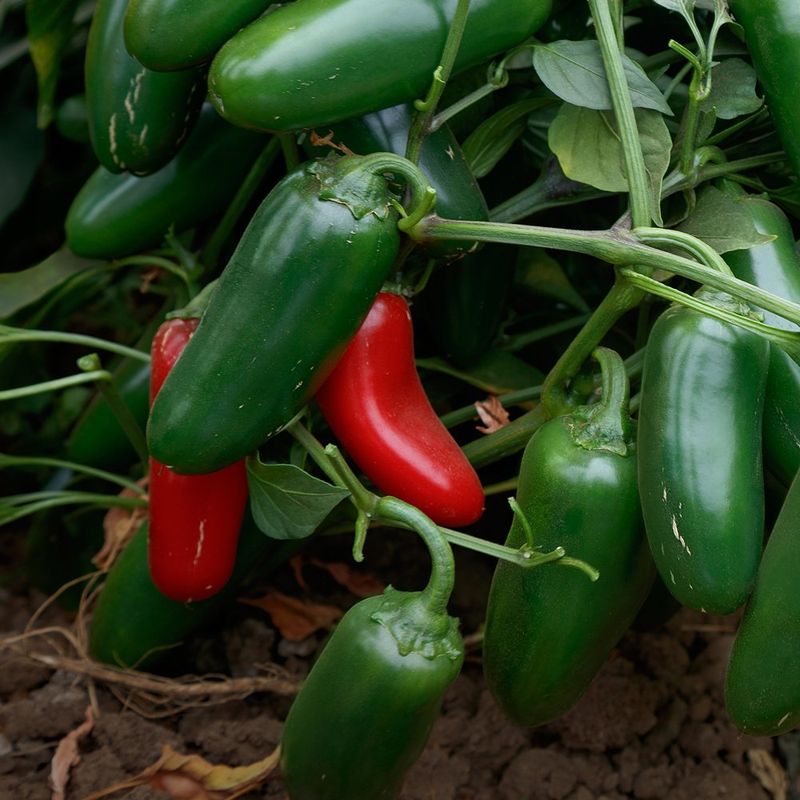
Peppers add spice and color to any garden. Fast-maturing varieties like ‘Early Jalapeño’ or ‘Banana Pepper’ produce vibrant fruits in record time. Known for their flavor and heat, peppers are a culinary staple. Did you know? Capsaicin, the compound that gives peppers their heat, can boost metabolism. These plants thrive in sunny spots, offering a continuous supply of peppers for salsas and more. Perfect for container gardens or larger plots, fast-maturing peppers bring a burst of flavor and color to your summer dishes.
26. Beets (50-60 days) – Both roots and greens are edible.
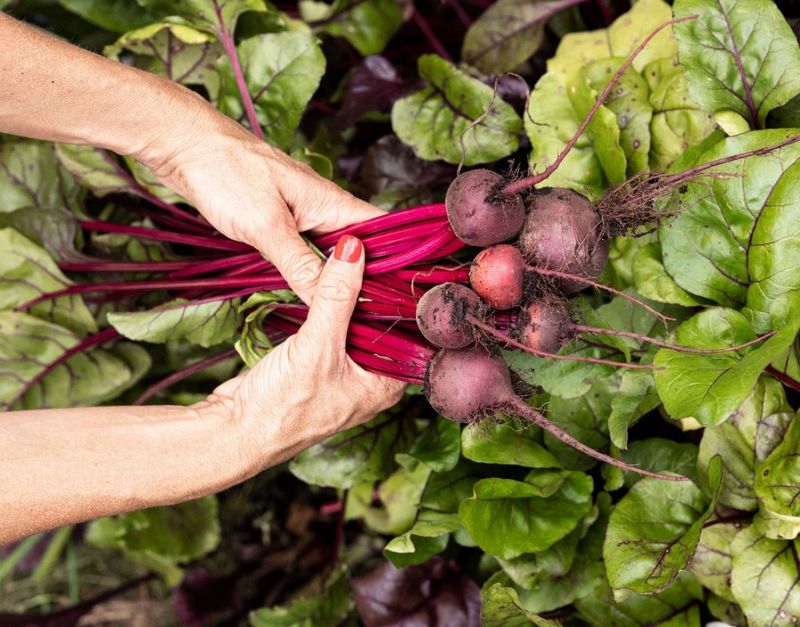
Beets are the dual-purpose champions of the garden, offering both edible roots and nutritious greens. Maturing in 50-60 days, they’re a quick and rewarding crop. Known for their earthy flavor, beets are packed with vitamins and minerals. Did you know? Beets were used for medicinal purposes in ancient Rome, valued for their health benefits. Whether roasted, pickled, or raw, beets add color and flavor to any meal. Their quick growth and dual harvest make them a valuable addition to any garden plan.
27. Carrots (Short Varieties) – ‘Paris Market’ or ‘Little Finger’ mature quickly.
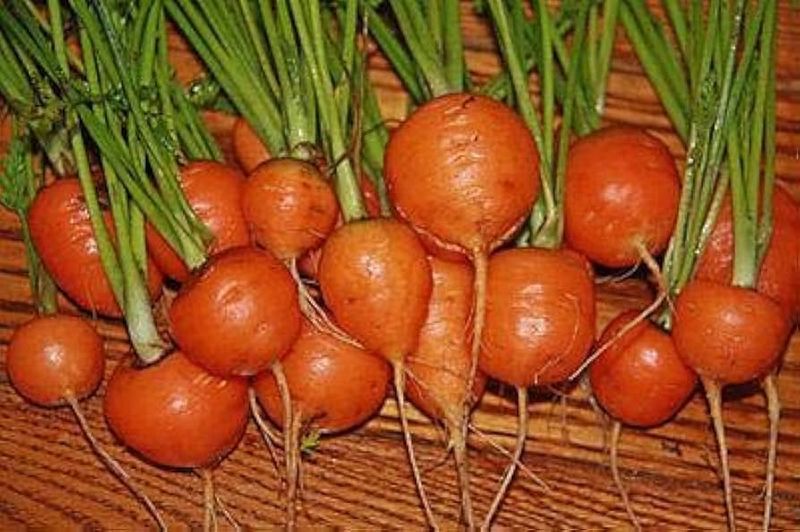
Short carrots, such as ‘Paris Market’ or ‘Little Finger,’ pack a punch in small spaces. These varieties mature quickly, offering sweet and crunchy roots. Known for their versatility, carrots are a staple in many cuisines. Fun fact: Carrots were originally purple or white before orange varieties were developed. These compact carrots are ideal for containers or small plots, ensuring a quick and tasty harvest. Perfect for snacking or cooking, they’re a must-have for any garden seeking efficiency and flavor.
28. Turnips (40-60 days) – Harvest greens early, roots later.
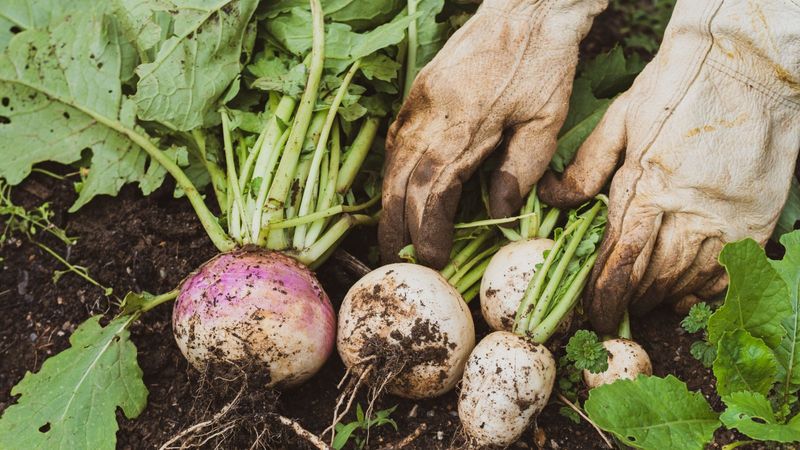
Turnips are the overachievers of the garden, offering both greens and roots in one plant. Ready in 40-60 days, they provide a continuous harvest. Turnip greens are rich in vitamins, perfect for salads or sautés. Did you know? Turnips were a staple before potatoes became popular in Europe. Their mild flavor and versatility make them a favorite for gardeners. Whether you’re harvesting greens early or waiting for the roots to mature, turnips offer both nutrition and taste, enriching your garden and meals.
29. Brussels Sprouts (Start now for a fall harvest)
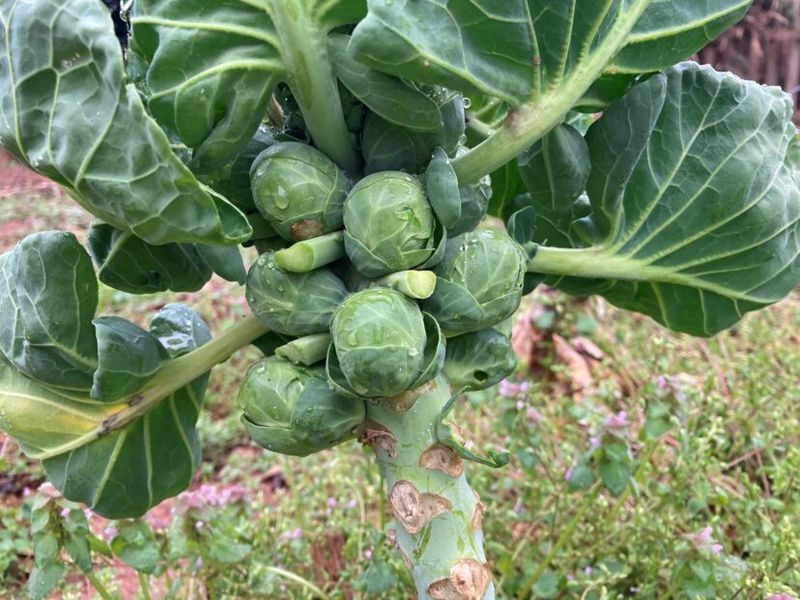
Brussels sprouts are the patient gardener’s reward, needing a long growing season to develop their signature mini-cabbage heads. Starting them in June ensures a bountiful fall harvest. Known for their rich flavor when roasted, they’re a winter staple. Did you know? Brussels sprouts were named after Brussels, Belgium, where they have been popular since the 16th century. Their slow growth is offset by their delicious yield, making them a worthy addition to any garden. With care, they promise a nutritious and tasty autumn feast.
30. Broccoli (Fast-Growing Hybrids) – Some mature in 50-60 days.
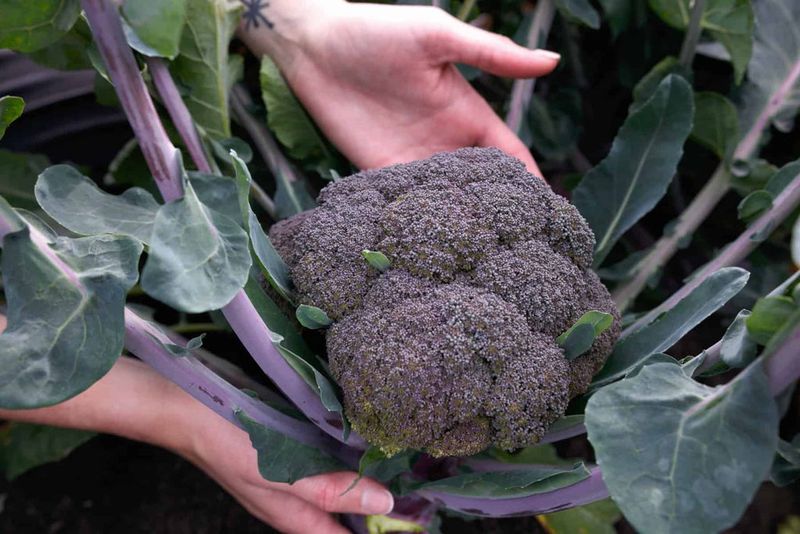
Fast-growing broccoli hybrids are the quick-turn heroes of the garden, with some varieties maturing in just 50-60 days. Ideal for summer planting, they offer a fresh supply of nutritious heads before autumn. Known for their health benefits, broccoli is a staple in many diets. Did you know? Broccoli is a member of the cabbage family and was first cultivated in Italy. Its rapid growth and versatility make it a great choice for gardeners looking to optimize space and nutrition. Enjoy a quick harvest with these robust plants.