 Complete Gardening
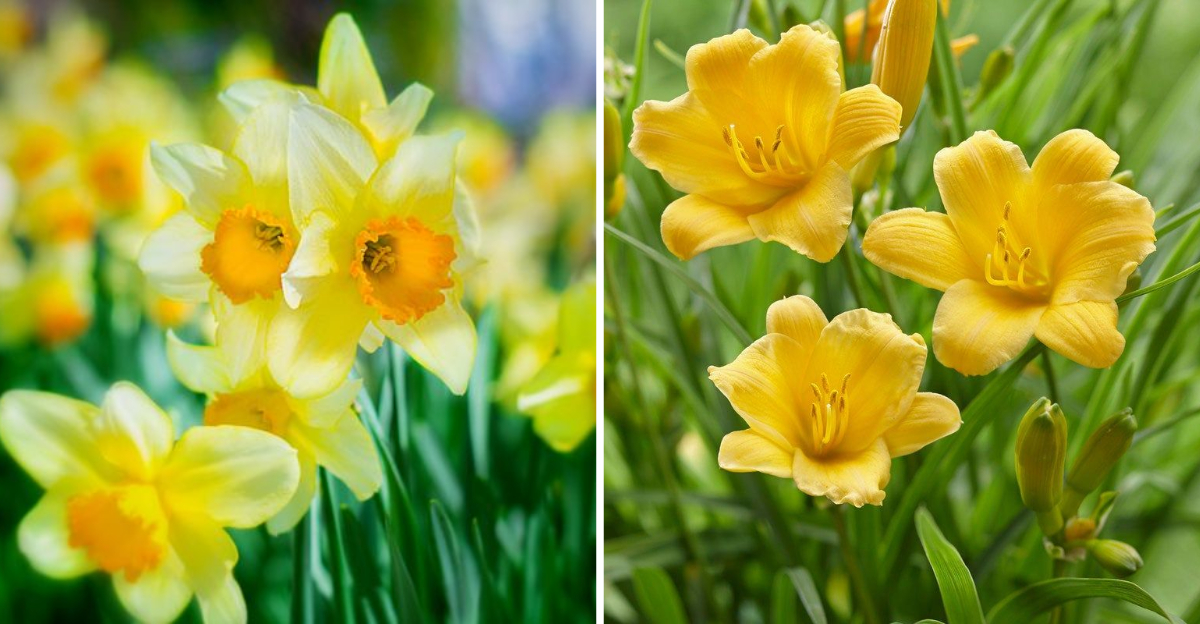
Imagine a garden that never loses its sunny charm. Yellow perennials are your go-to solution for a vibrant, everlasting garden. These bright beauties promise not only to survive but thrive in your garden, providing year-round cheer. From subtle shades to brilliant bursts of yellow, these plants ensure that your garden will always shine with warmth and vitality.
1. Coreopsis
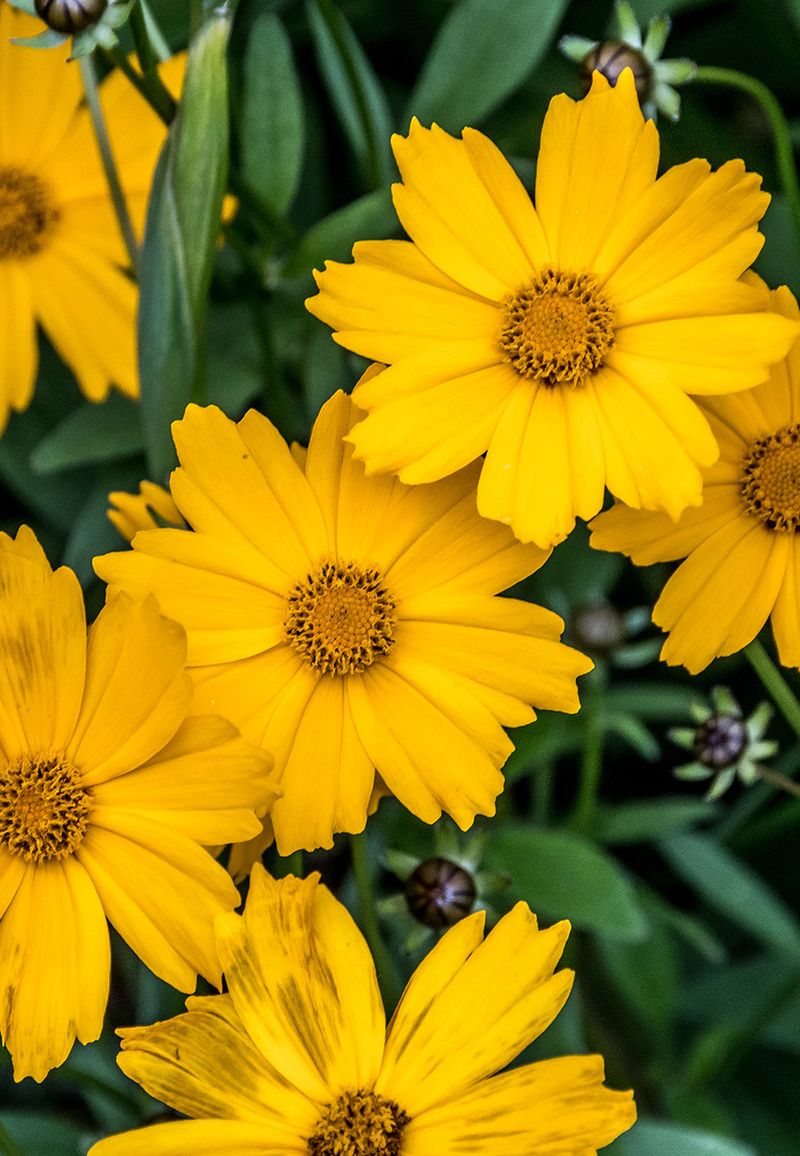
Coreopsis, known for its vibrant yellow blooms, brings sheer joy to any garden. Its bright petals look like little suns scattered across green foliage. What’s more, Coreopsis is incredibly low-maintenance, making it a favorite among busy gardeners.
This resilient plant thrives in various conditions, from full sun to partial shade, and can withstand dry spells. This makes it a reliable, long-lasting companion for your garden.
Did you know? Coreopsis is also the state wildflower of Florida, symbolizing cheerfulness and love. Search for “Coreopsis”
2. Black-eyed Susan
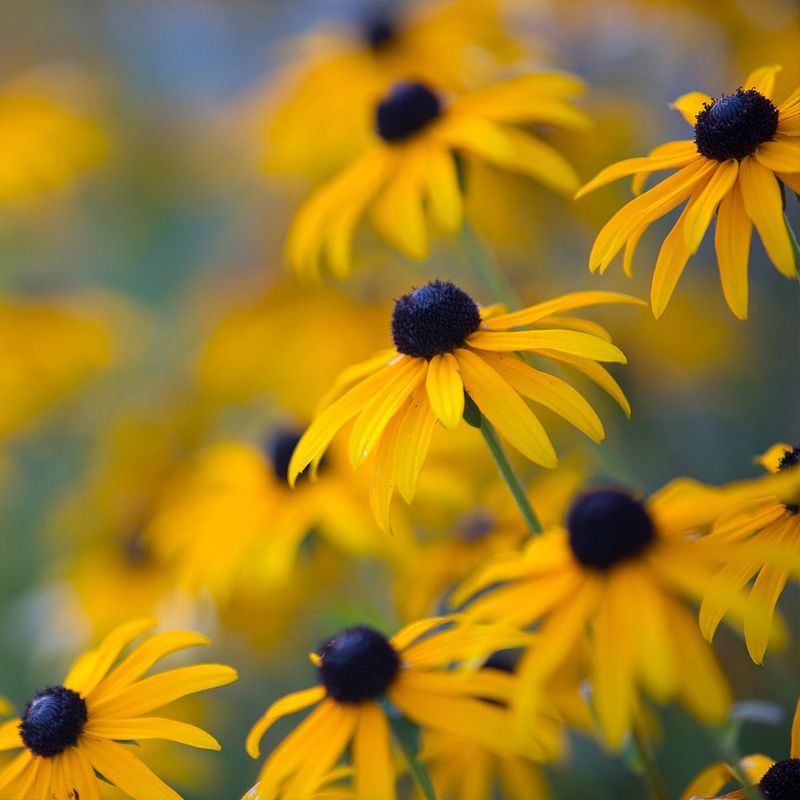
Black-eyed Susans are the quintessential yellow perennials. Their signature dark centers and radiant yellow petals make them instantly recognizable. These flowers are like little rays of sunshine that brighten any landscape.
They’re not just pretty faces; Black-eyed Susans are tough and thrive in various climates. They are drought-resistant and can handle poor soil conditions.
A fun fact: these flowers attract butterflies, adding even more life to your garden. Their charm and resilience make them a garden staple. Search for “Black-eyed Susan flower”
3. Daylily
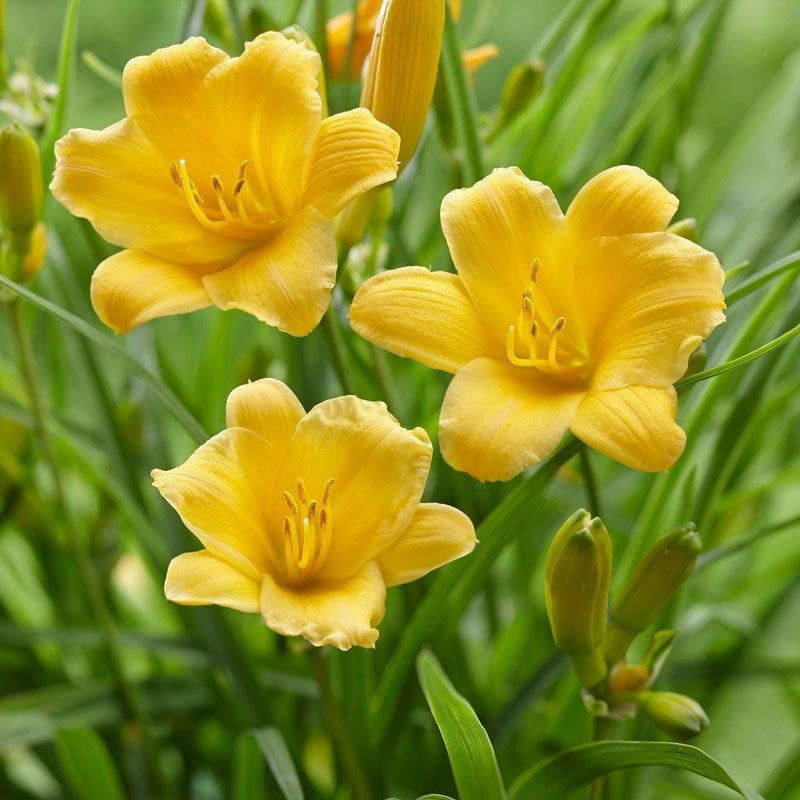
Daylilies are true garden chameleons. Available in an array of colors, yellow daylilies bring a special warmth to garden spaces. Their trumpet-shaped flowers open during the day and close at night, offering a daily spectacle.
These perennials are hardy and adapt well to different environments, ensuring they return year after year. Not only are they beautiful, but they are also easy to care for, requiring minimal attention.
Here’s a fun tidbit: the name “daylily” comes from the Greek “hemera” meaning day, and “leiron” meaning lily. Search for “Daylily yellow flower”
4. Yarrow
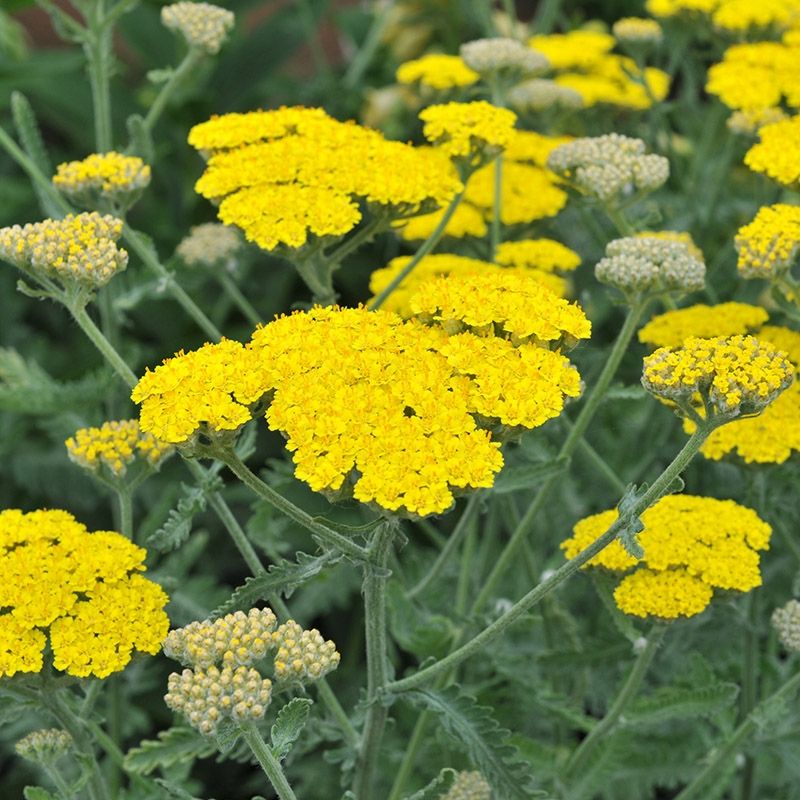
Yarrow stands out with its flat clusters of sunshine-yellow flowers. This perennial is not only attractive but also incredibly useful. Historically, yarrow has been used for medicinal purposes, making it a plant of both beauty and utility.
Yarrow attracts beneficial insects like ladybugs, which help control garden pests. It’s easy to grow and thrives in poor soil.
A historical note: Yarrow was traditionally used by warriors to treat wounds, earning it the name “soldier’s woundwort.” Its multifaceted appeal makes it a garden favorite. Search for “Yarrow yellow perennial”
5. Daffodil
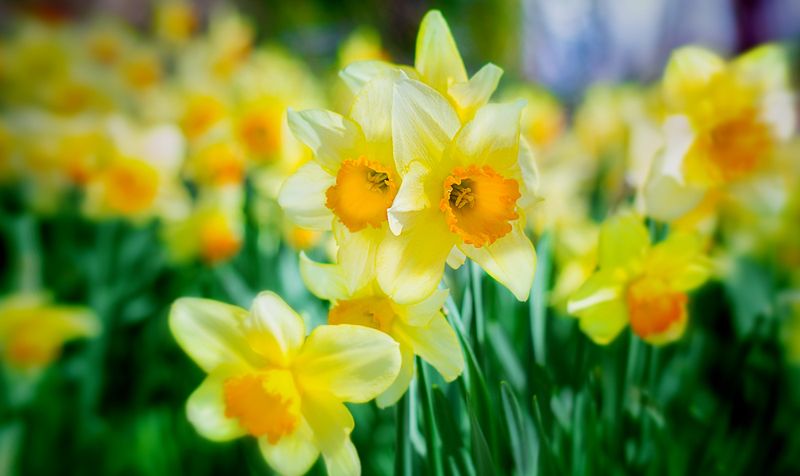
Daffodils are the heralds of spring. With their sunny yellow petals and trumpet-shaped blooms, they bring joy at winter’s end. These cheerful flowers are a symbol of rebirth and new beginnings.
Daffodils are easy to grow, requiring minimal care, and they naturalize well, meaning they spread and come back year after year.
Did you know? In some cultures, daffodils are believed to bring good fortune. Their unmistakable blooms make them a beloved addition to any garden. Search for “Daffodil spring flower”
6. Goldenrod
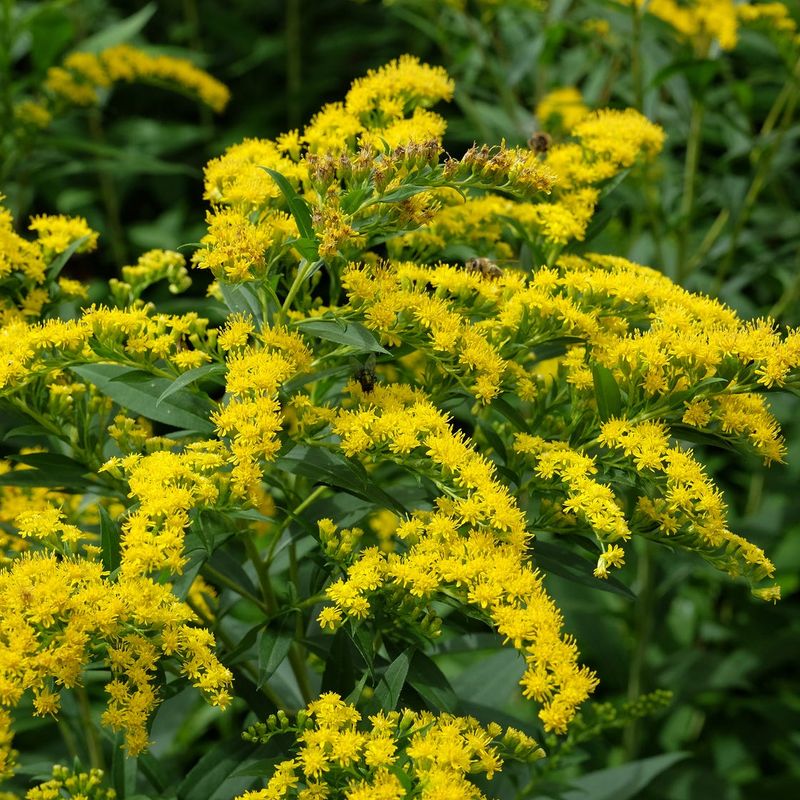
Goldenrod adds a touch of wild beauty to gardens. Known for its tall spikes and clusters of small yellow flowers, it creates a stunning visual. Contrary to popular belief, goldenrod isn’t responsible for hay fever; it’s a victim of misidentification.
This perennial prefers sunny locations and well-drained soil. It’s a magnet for pollinators, attracting bees and butterflies.
Fun fact: goldenrod was used by Native Americans for medicinal purposes. Its vibrant presence and historical significance make it a captivating garden choice. Search for “Goldenrod yellow perennial”
7. Evening Primrose
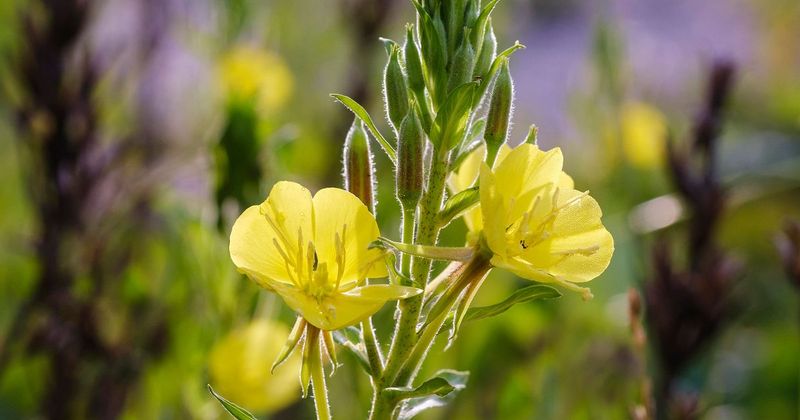
Evening Primrose is a night-time spectacle in the garden. Its yellow blooms open at dusk, releasing a subtle fragrance. This perennial is perfect for those who enjoy evening garden strolls.
It’s not only beautiful but also beneficial. The plant’s oil is rich in gamma-linolenic acid, known for promoting skin health. Evening Primrose thrives in full sun and well-drained soil.
An interesting fact: it was used by Native Americans as food and medicine. The dual purpose of beauty and utility makes it a valuable garden addition. Search for “Evening Primrose flower”
8. Forsythia
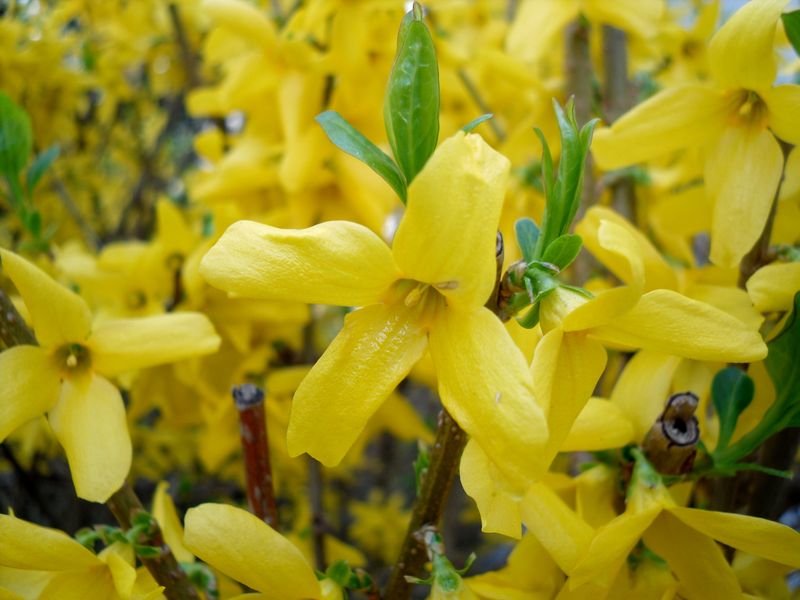
Forsythia is a harbinger of spring, its bright yellow blooms covering bare branches before leaves appear. This burst of color is a welcome sight after a long winter.
Forsythia is vigorous, growing quickly and easily, making it ideal for hedges or borders. It prefers full sun but can tolerate partial shade.
Did you know? In Korea, forsythia is one of the “Four Gracious Plants” symbolizing endurance and hope. Its early bloom and cultural significance add to its garden charm. Search for “Forsythia yellow blooms”
9. Stella de Oro
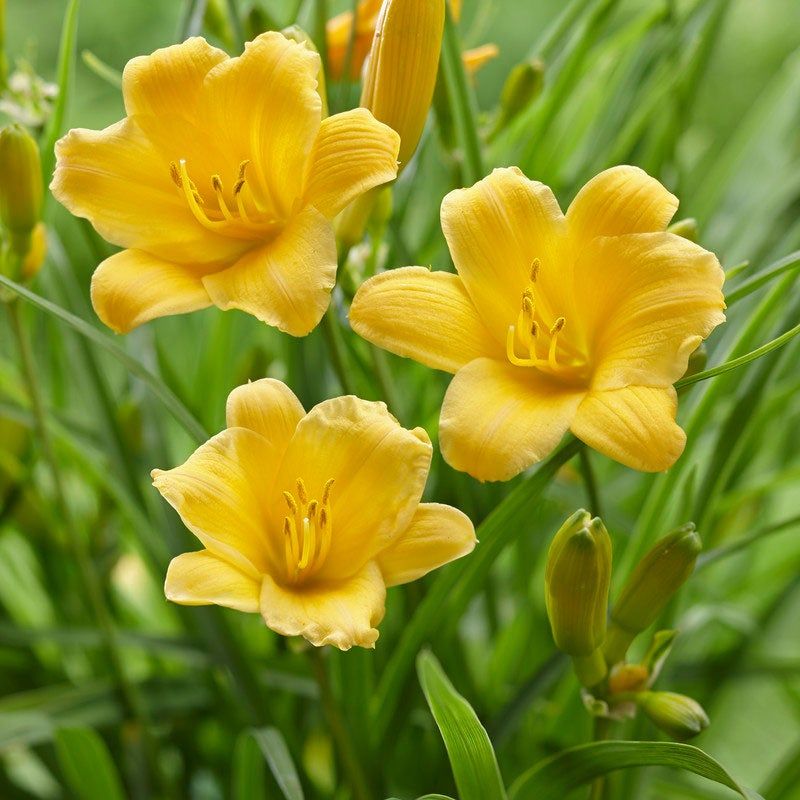
Stella de Oro daylilies are garden stars. Their golden-yellow blooms shine brightly and are known for their repeat blooming, offering extended beauty throughout the growing season.
These daylilies are compact and hardy, making them suitable for small gardens or containers. They thrive in full sun and adapt well to various soil conditions.
Fun fact: “Stella de Oro” means “star of gold” in Italian, a fitting name for such a dazzling flower. Its compact size and repeat blooming make it a delightful garden addition. Search for “Stella de Oro daylily”
10. Tickseed
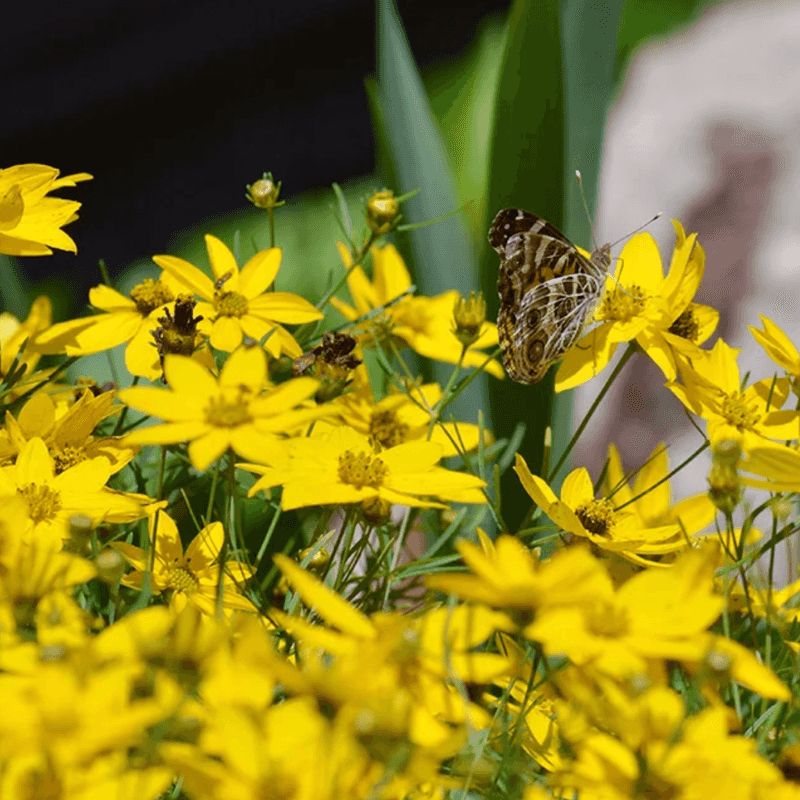
Tickseed, or Coreopsis, is a garden favorite for its cheerful yellow blooms. These flowers are like little bursts of sunshine, adding brightness to any space.
Tickseed is low-maintenance and drought-tolerant, making it perfect for busy gardeners. It thrives in full sun and well-drained soil.
A quirky tidbit: the name “tickseed” comes from the seed’s resemblance to ticks. Despite the odd name, its sunny disposition wins over gardeners. Its ease of care and vibrant color make it a must-have. Search for “Tickseed yellow perennial”
11. Lantana
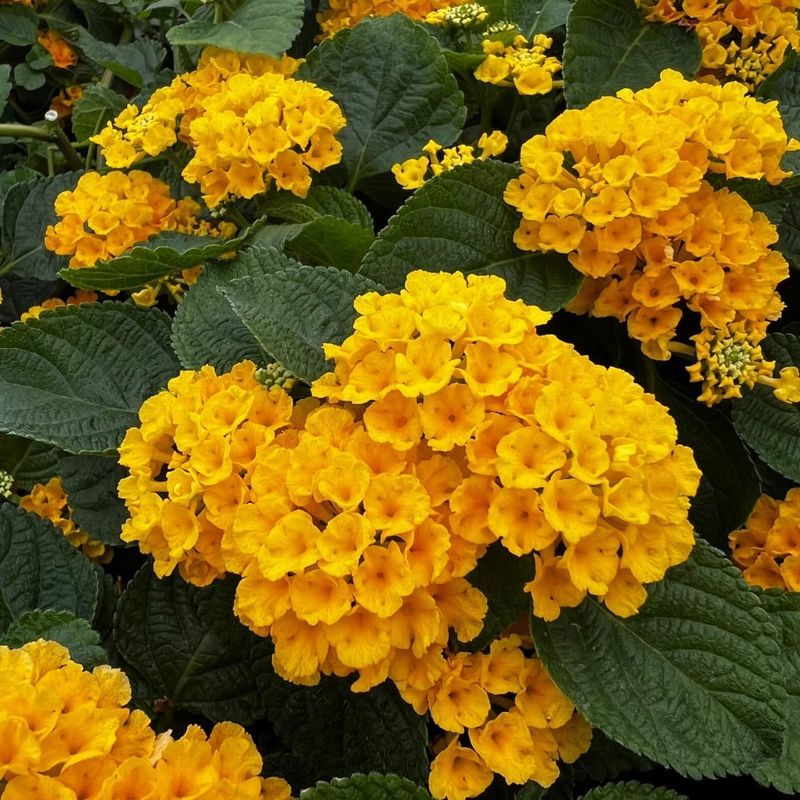
Lantana is a tropical treasure. Its vibrant yellow flowers cluster together, creating a stunning visual display. Lantana is beloved for its continuous bloom, providing color all season long.
This perennial thrives in hot, sunny climates and is drought-resistant, making it ideal for tropical or arid gardens.
A fascinating fact: lantana flowers change color as they age, adding an extra layer of interest to your garden. Its exotic appearance and hardy nature make it a captivating choice. Search for “Lantana yellow flower”
12. Marigold
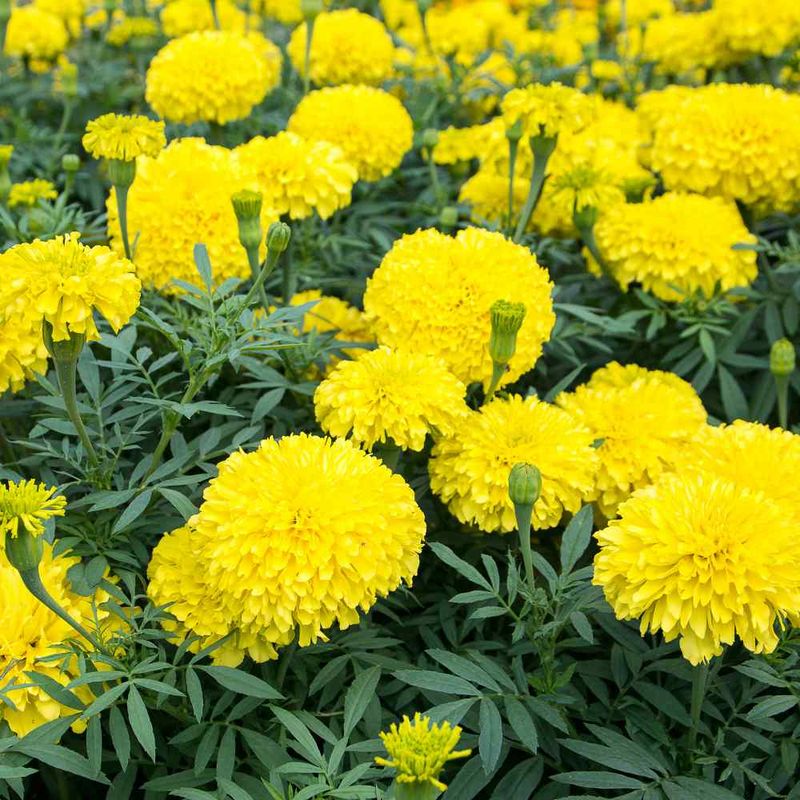
Marigolds are a gardener’s delight with their rich hues and easy-care nature. These cheerful flowers range from deep orange to sunny yellow, adding warmth to any garden.
Marigolds are not only beautiful but also beneficial, known for deterring pests like nematodes. They thrive in full sun and are drought-tolerant.
Here’s a whimsical fact: marigolds are often used in Day of the Dead celebrations in Mexico, symbolizing the sun and life. Their vibrant blooms and practical uses make them a favorite. Search for “Marigold yellow perennial”
13. Rudbeckia
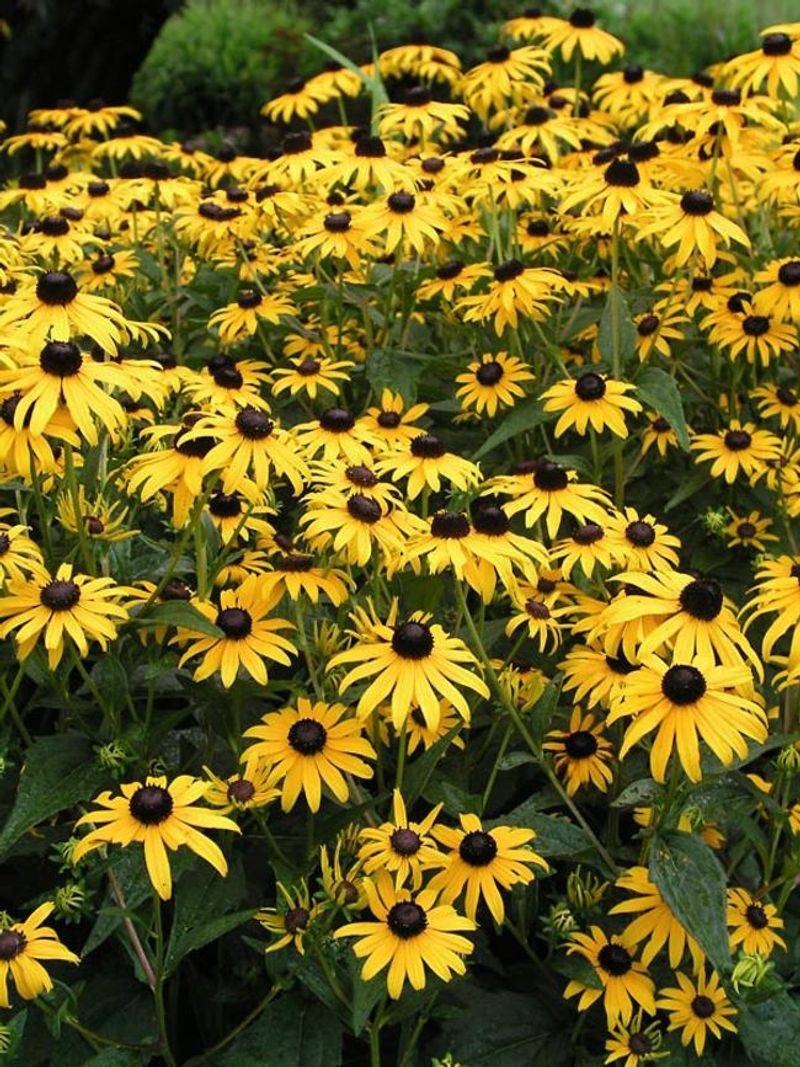
Rudbeckia, often confused with Black-eyed Susans, boasts similar sunny yellow flowers with dark centers. This perennial is beloved for its resilience and ability to attract pollinators.
Rudbeckia thrives in well-drained soil and full sun, making it a reliable choice for perennial borders. Its bold color and sturdy nature ensure it stands out in any garden.
Did you know? Rudbeckia is named after Olaus Rudbeck, a Swedish botanist. Its easy care and striking appearance make it a garden staple. Search for “Rudbeckia yellow flower”
14. Gloriosa Daisy
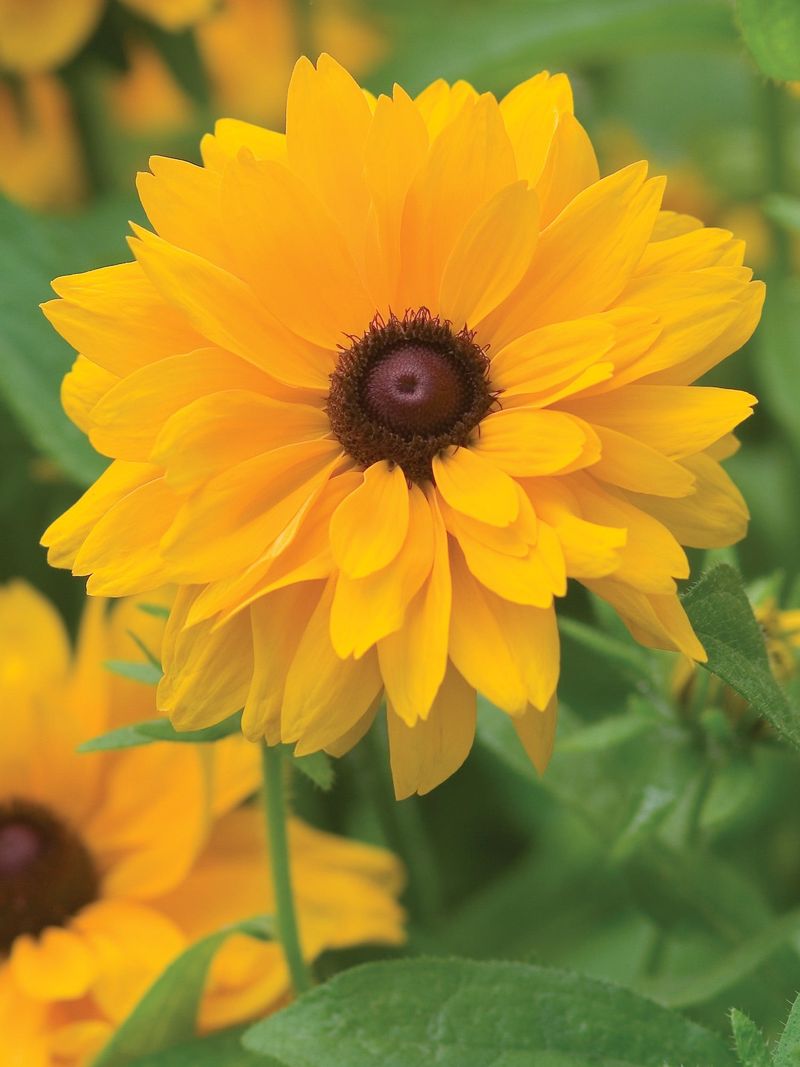
Gloriosa Daisy is a showstopper with its large, daisy-like blooms. These flowers feature a striking combination of yellow petals and dark centers, creating a bold contrast.
This perennial is easy to grow, thriving in full sun and well-drained soil. It’s a pollinator magnet, attracting bees and butterflies to your garden.
Fun fact: Gloriosa Daisies are often used in wildflower mixes due to their robust nature. Their striking appearance and ease of care make them a must-have. Search for “Gloriosa Daisy flower”
15. Sunflower
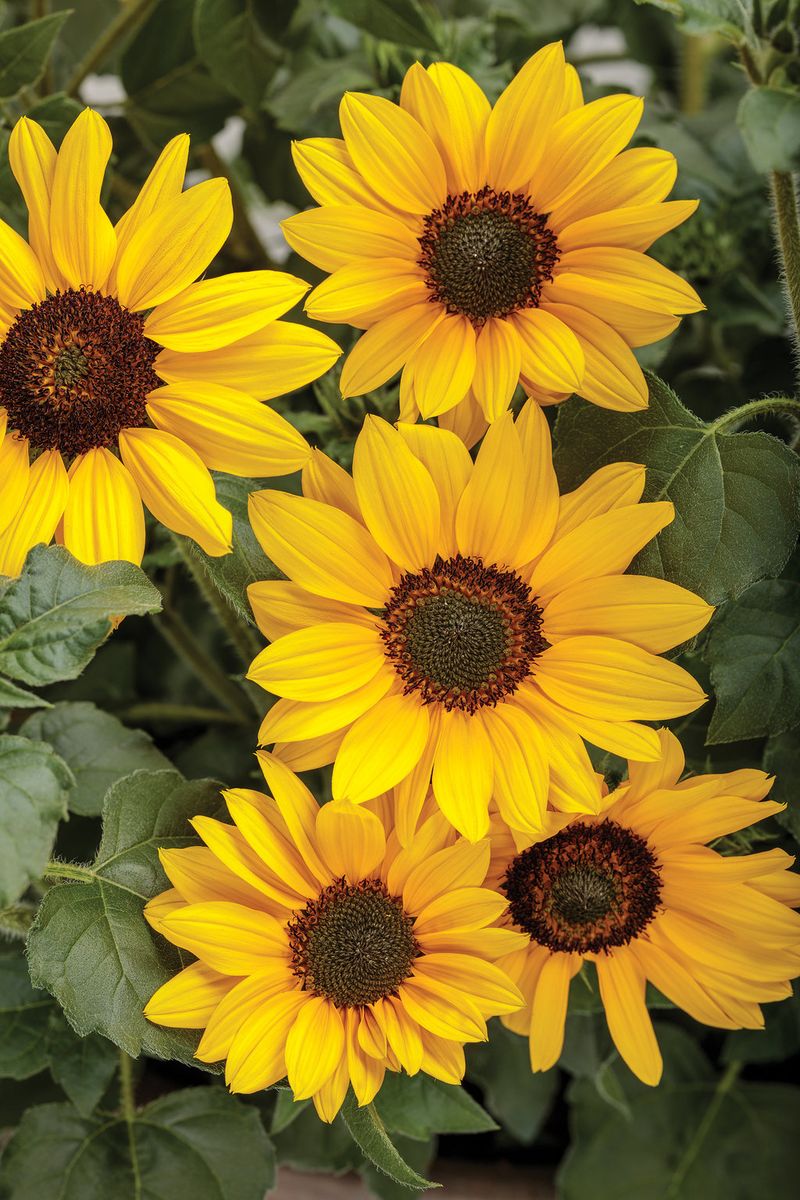
Sunflowers are iconic, known for their towering height and large, vibrant yellow blooms. These flowers follow the sun, a phenomenon known as heliotropism.
Sunflowers are not only beautiful but also practical, providing seeds that are a favorite of birds and humans alike. They thrive in full sun and well-drained soil.
Did you know? Sunflowers are native to North America and were cultivated by Native Americans for food and oil. Their towering presence and versatility make them a garden favorite. Search for “Sunflower yellow blooms”
16. Yellow Coneflower
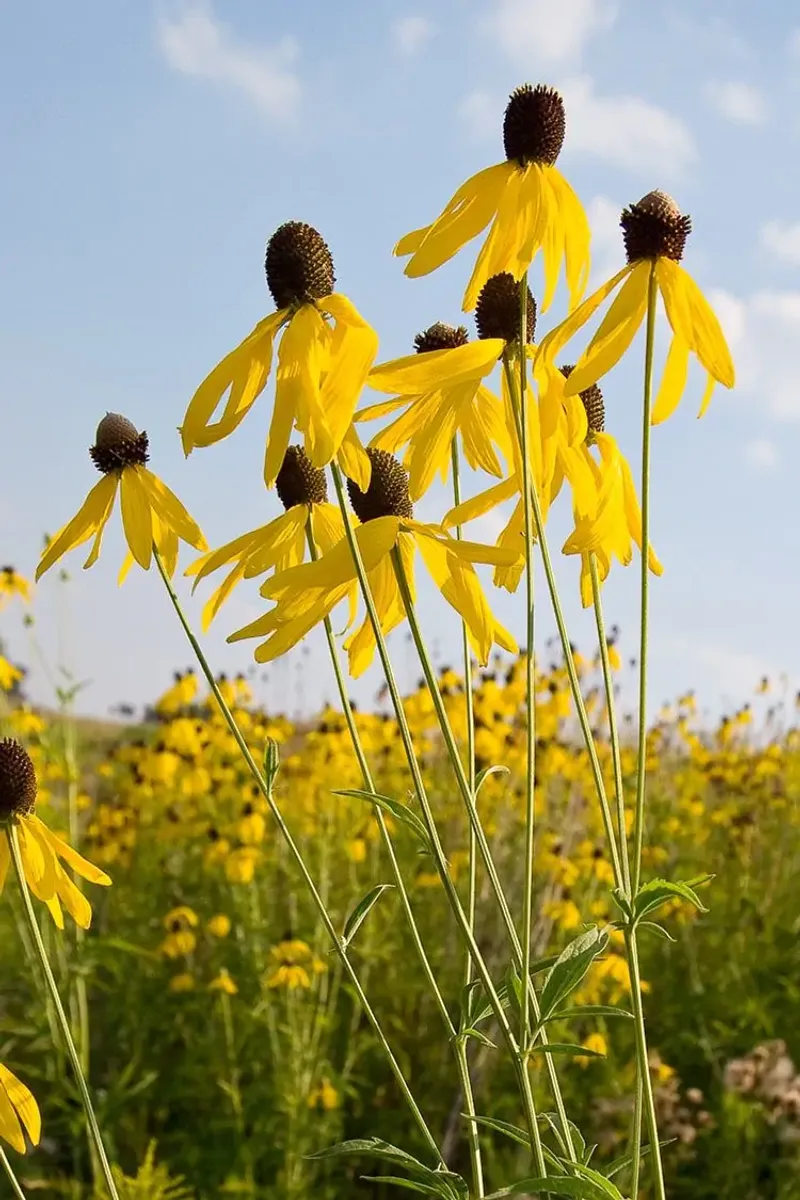
Yellow Coneflower, or Echinacea paradoxa, is a unique twist on the classic coneflower. Its drooping yellow petals and prominent brown cone make it a standout.
This perennial thrives in full sun and well-drained soil, attracting pollinators like bees and butterflies. It’s a resilient plant that returns year after year with minimal care.
A quirky fact: while most Echinacea species are purple, Echinacea paradoxa is the only one with yellow blooms. Its distinctive color and form add intrigue to any garden. Search for “Yellow Coneflower Echinacea”
17. Creeping Jenny
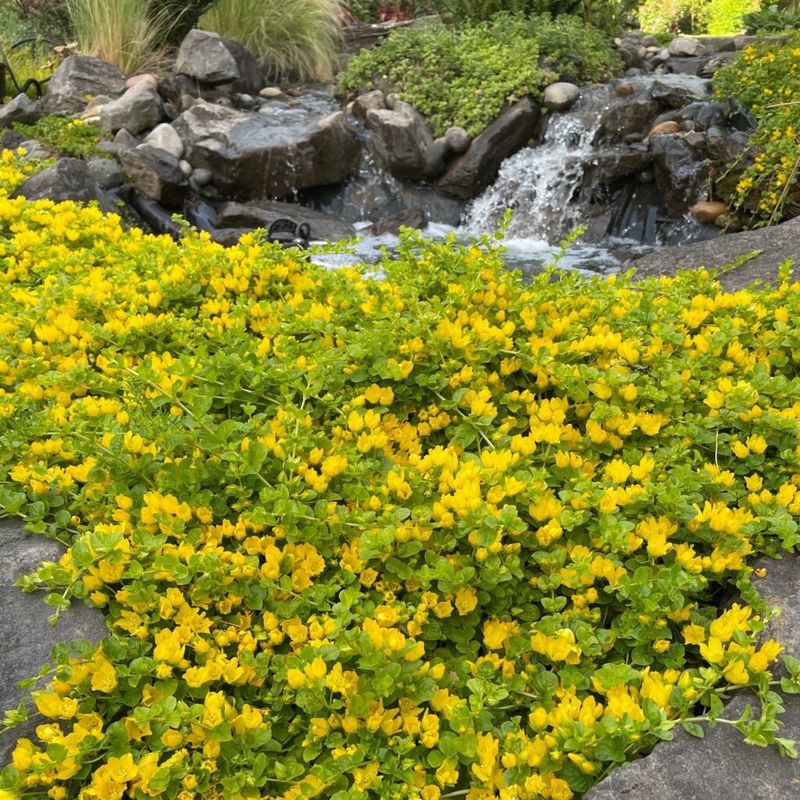
Creeping Jenny is a versatile perennial known for its trailing habit and vibrant yellow flowers. It’s a popular choice for ground cover, creating a lush, carpet-like effect.
This plant thrives in moist, well-drained soil and can tolerate full sun to partial shade. It’s an excellent choice for cascading over walls or filling in garden nooks.
An interesting detail: Creeping Jenny is also known as “moneywort” due to its coin-shaped leaves. Its adaptability and charming appearance make it a garden favorite. Search for “Creeping Jenny yellow flowers”
18. Yellow Loosestrife
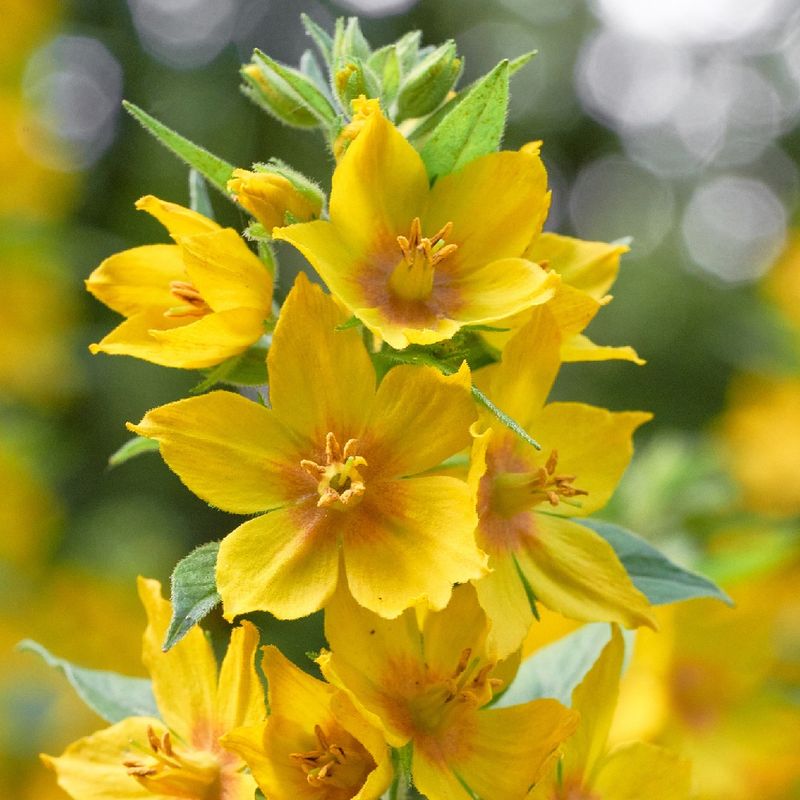
Yellow Loosestrife is a garden favorite for its tall spikes of sunny yellow flowers. This perennial creates a striking vertical accent in garden beds.
It thrives in full sun to partial shade and prefers moist, well-drained soil. Yellow Loosestrife is easy to grow and spreads quickly, filling in spaces with its bright blooms.
Fun fact: despite its name, Yellow Loosestrife is not related to the invasive Purple Loosestrife. Its vibrant spikes and easy care make it a welcome addition. Search for “Yellow Loosestrife flower”
19. Canna Lily
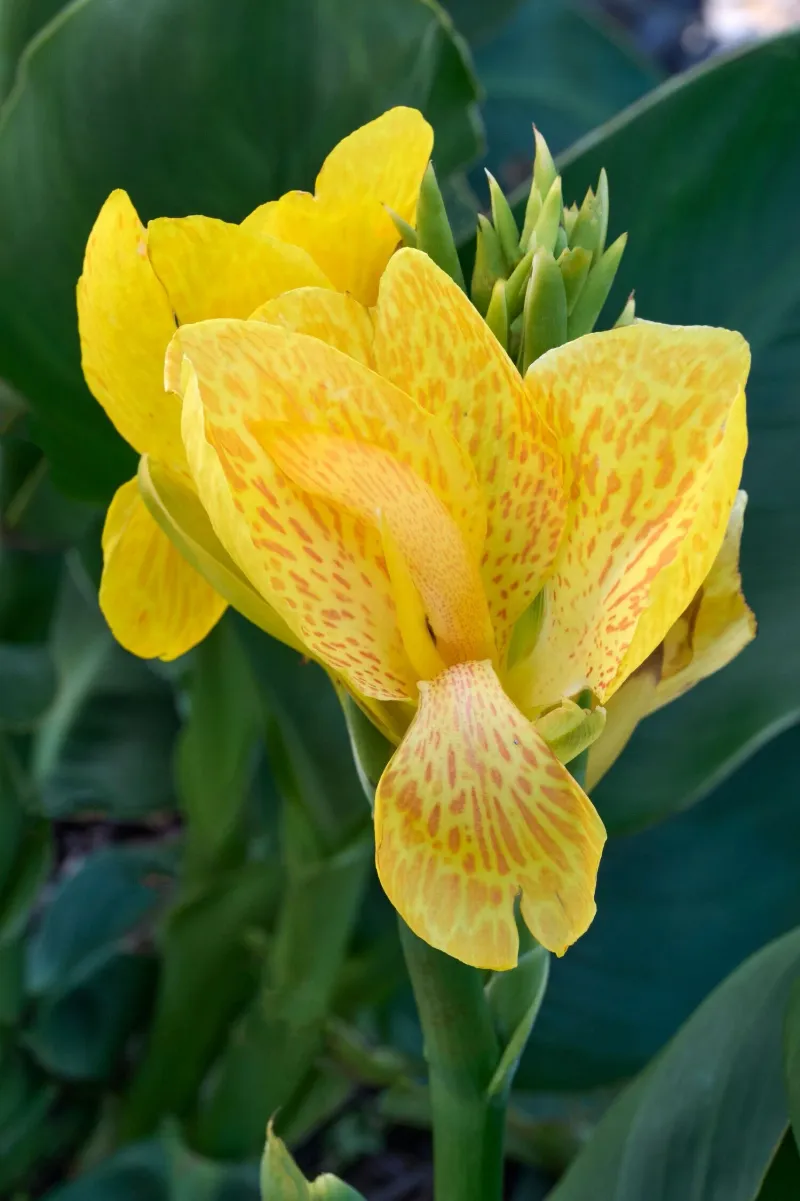
Canna Lilies bring a tropical flair to gardens with their bold yellow blooms and lush green foliage. These perennials are known for their exotic appearance and robust nature.
Cannas prefer full sun and moist, well-drained soil, and they can be grown in containers or directly in garden beds. Their striking presence makes them a focal point.
Did you know? Canna Lilies are native to Central and South America and have been cultivated for centuries. Their vibrant color and dramatic form make them captivating. Search for “Canna Lily yellow blooms”
20. Primrose
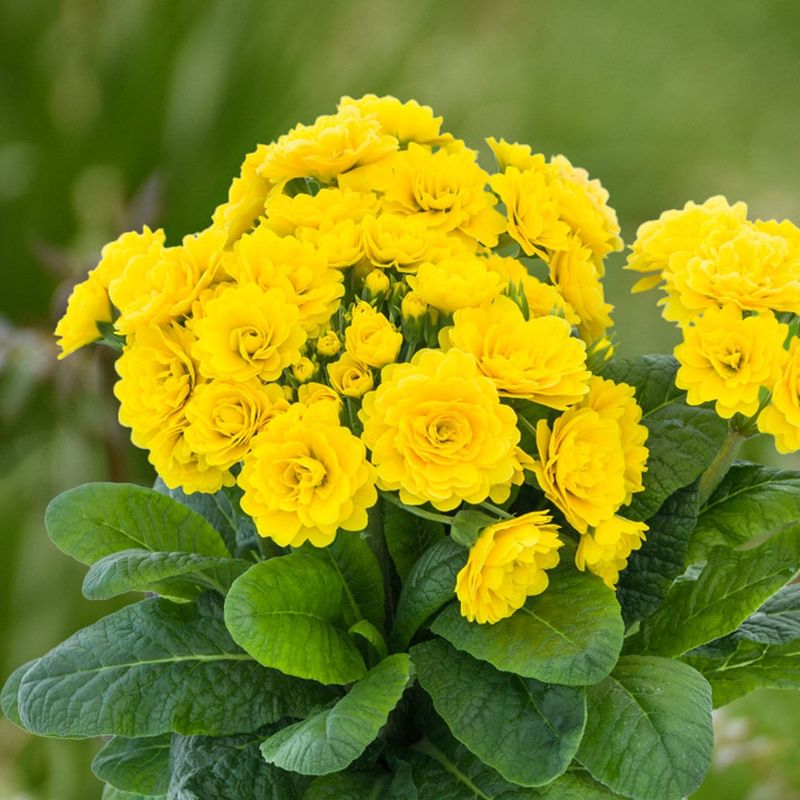
Primroses are among the first to bloom in spring, offering a gentle welcome to the new season. Their soft yellow petals and delicate form add charm to any garden.
These perennials thrive in partial shade and moist, well-drained soil. They’re perfect for woodland gardens or shaded borders.
An interesting tidbit: the name “primrose” comes from the Latin “prima rosa,” meaning “first rose,” highlighting its early bloom. Its delicate beauty and early arrival make it a garden treasure. Search for “Primrose yellow flower”
21. Snapdragon
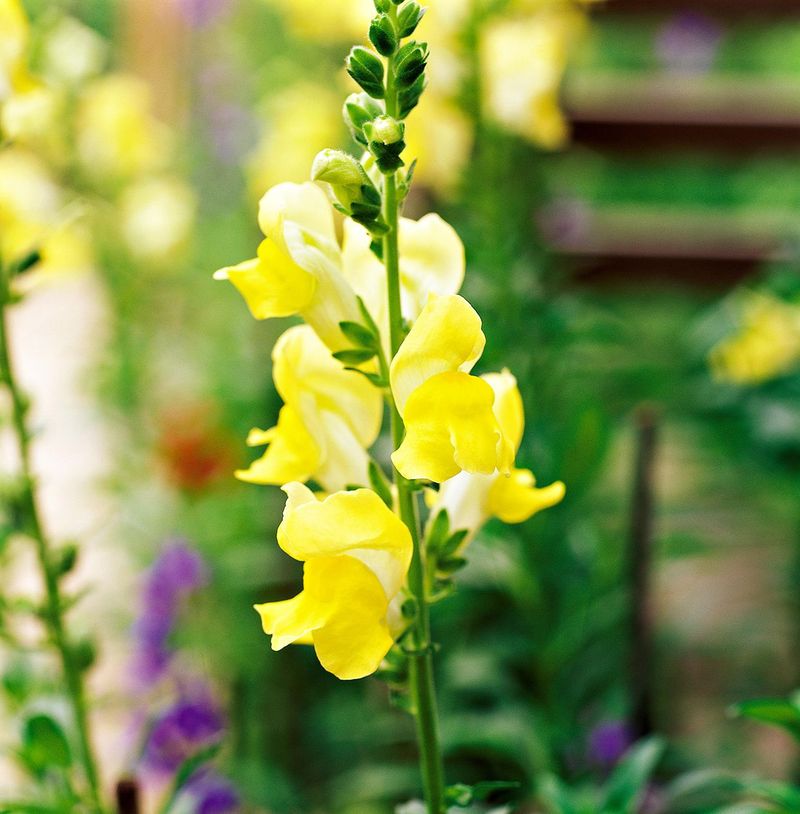
Snapdragons are garden classics with their tall spikes and unique, dragon-like blooms. Yellow snapdragons bring a cheerful touch to garden beds and borders.
These perennials thrive in full sun and well-drained soil, and they’re known for their ability to attract pollinators.
A fun fact: snapdragons get their name from the bloom’s resemblance to a dragon’s mouth that “snaps” open and shut when pinched. Their playful form and vivid color make them a favorite. Search for “Snapdragon yellow flowers”
22. Golden Marguerite
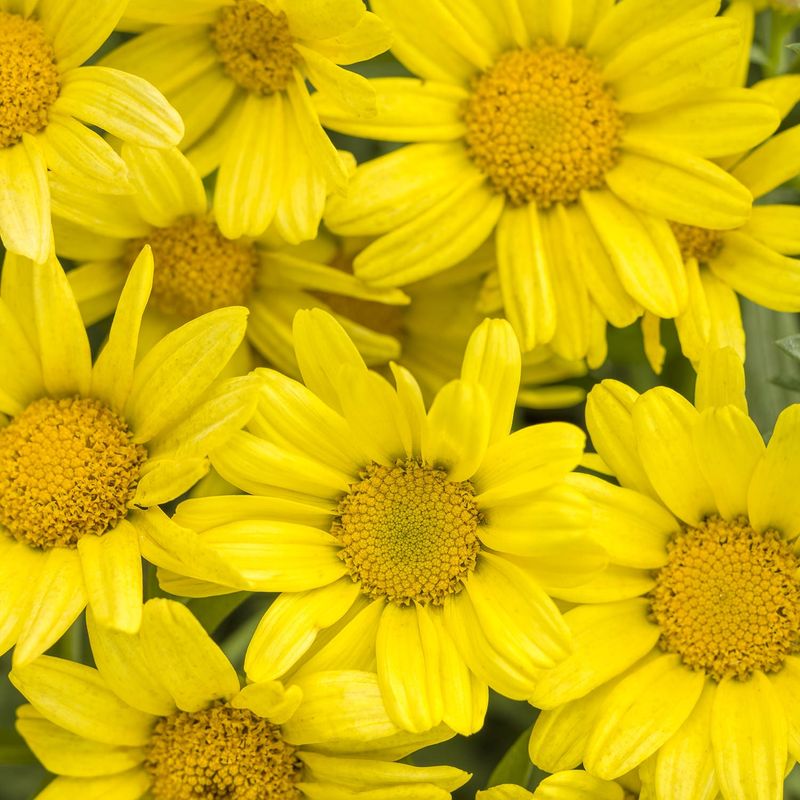
Golden Marguerite, or Anthemis tinctoria, is a delightful addition to gardens with its daisy-like yellow blooms. This perennial is known for its long blooming season, providing continuous color.
It thrives in full sun and well-drained soil, and it’s particularly drought-tolerant. Golden Marguerite is a great choice for low-maintenance gardens.
Did you know? Its flowers were historically used to produce yellow dye. Its sunny disposition and easy care make it a popular choice. Search for “Golden Marguerite flower”
23. Yellow Alyssum
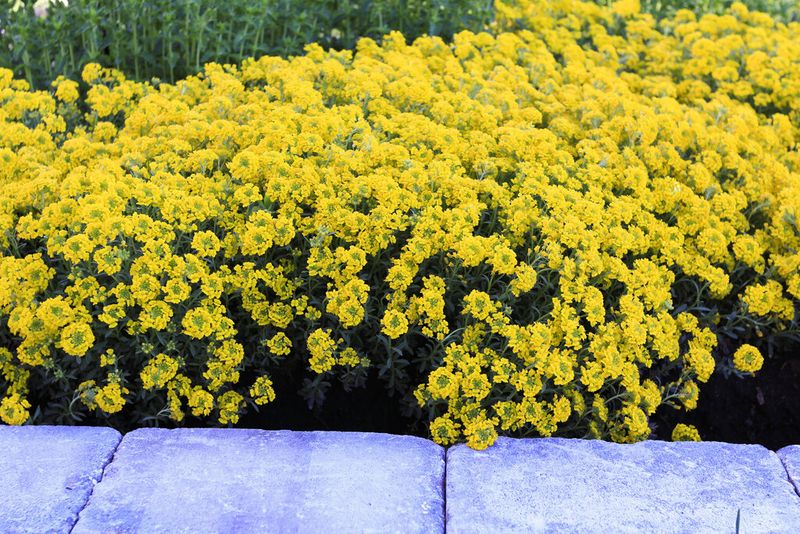
Yellow Alyssum is a charming ground cover with clusters of tiny yellow flowers. It’s perfect for rock gardens or edging paths with its cascading habit.
This perennial thrives in full sun and well-drained soil, and it’s particularly heat-tolerant. Its vibrant blooms provide a cheerful touch to garden designs.
A quirky fact: Alyssum is derived from the Greek “a” meaning without and “lyssa” meaning rage, as it was thought to cure madness. Its beauty and historical lore make it intriguing. Search for “Yellow Alyssum flower”
24. Jerusalem Artichoke
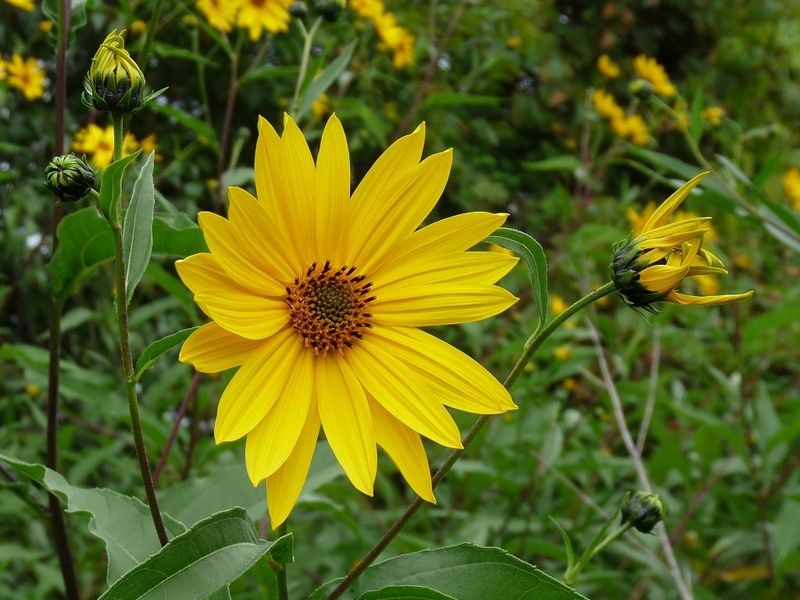
Jerusalem Artichokes, or sunchokes, are unique perennials with tall stalks and sunflower-like yellow blooms. They’re not just ornamental; their edible tubers are a culinary delight.
These plants thrive in full sun and well-drained soil, making them a dual-purpose garden addition.
Did you know? Despite their name, they’re neither from Jerusalem nor artichokes. Native to North America, they were cultivated by Native Americans. Their dual benefits and striking blooms make them fascinating. Search for “Jerusalem Artichoke flower”
25. Yellow Archangel
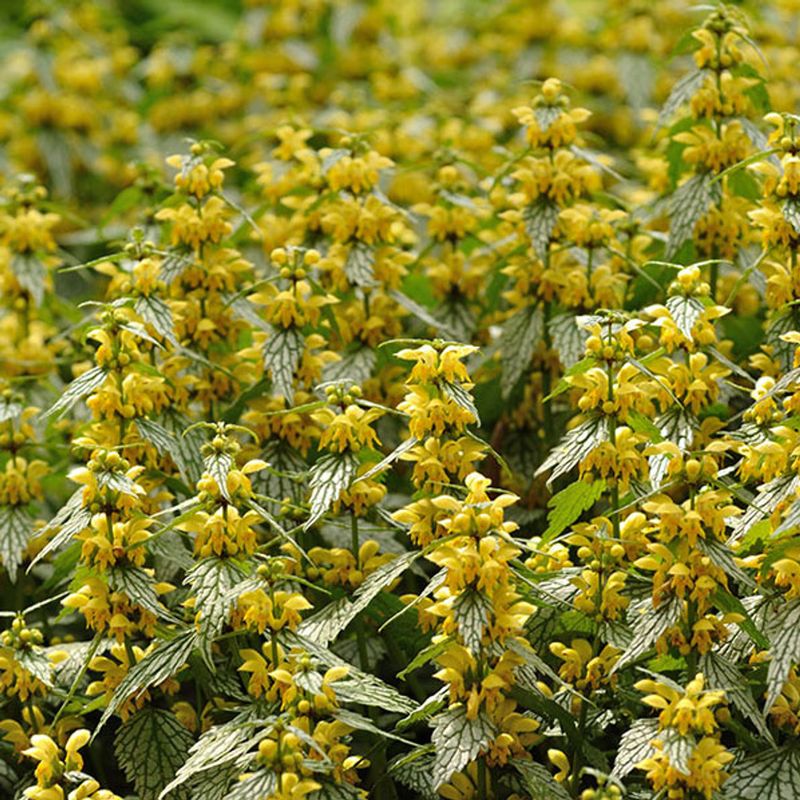
Yellow Archangel is a versatile ground cover known for its charming yellow blooms and variegated leaves. It’s ideal for shady spots, adding brightness where other plants struggle.
This perennial thrives in moist, well-drained soil and can quickly fill in garden gaps.
An interesting tidbit: Yellow Archangel was historically used for its supposed ability to ward off evil spirits. Its adaptability and folklore make it an enchanting choice. Search for “Yellow Archangel perennial”
26. Zinnia
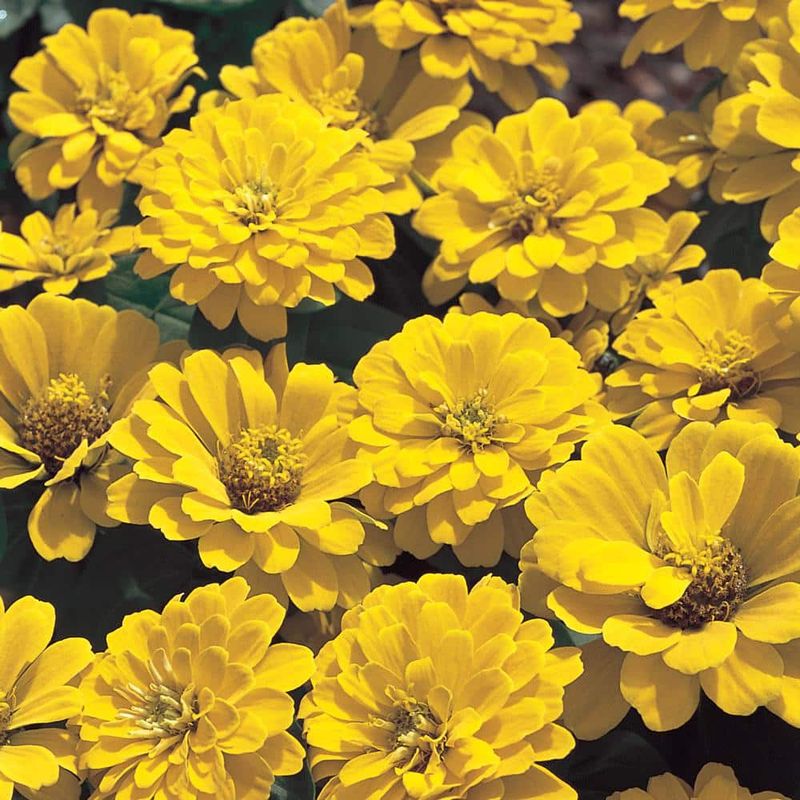
Zinnias are beloved for their bold colors and long-lasting blooms. Yellow zinnias add sunshine to any garden, with their cheerful, daisy-like flowers.
These perennials thrive in full sun and well-drained soil, attracting pollinators such as butterflies. They’re easy to grow and provide a constant show of color.
Fun fact: zinnias are named after Johann Zinn, a German botanist. Their vibrant presence and simple care make them a gardener’s favorite. Search for “Zinnia yellow flower”
27. Evening Lychnis
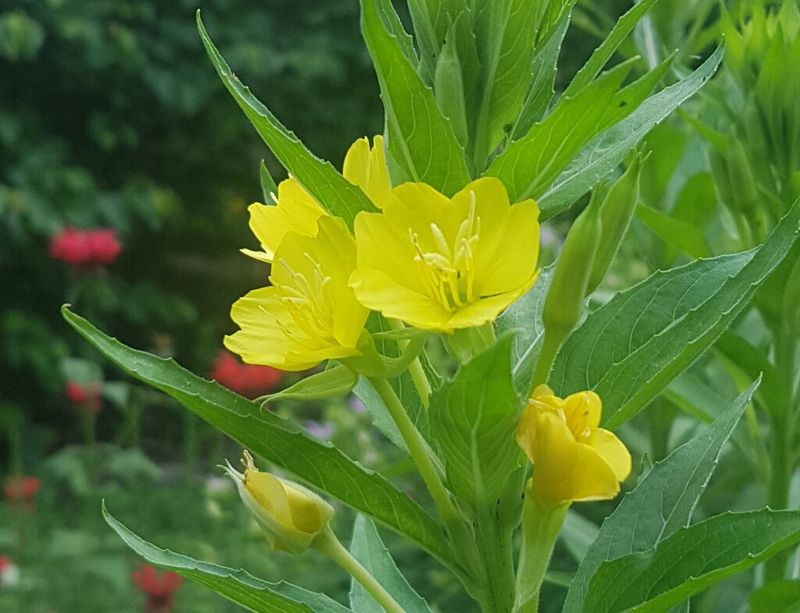
Evening Lychnis is a delightful perennial with soft yellow blooms that open in the late afternoon. Its flowers emit a gentle glow, adding enchantment to evening gardens.
This plant thrives in full sun and well-drained soil, requiring minimal maintenance. It’s an excellent choice for attracting nocturnal pollinators.
A curious detail: Evening Lychnis is often associated with the moon due to its evening blooms. Its subtle charm and night-time appeal make it a garden gem. Search for “Evening Lychnis flower”
28. Yellow Crocus
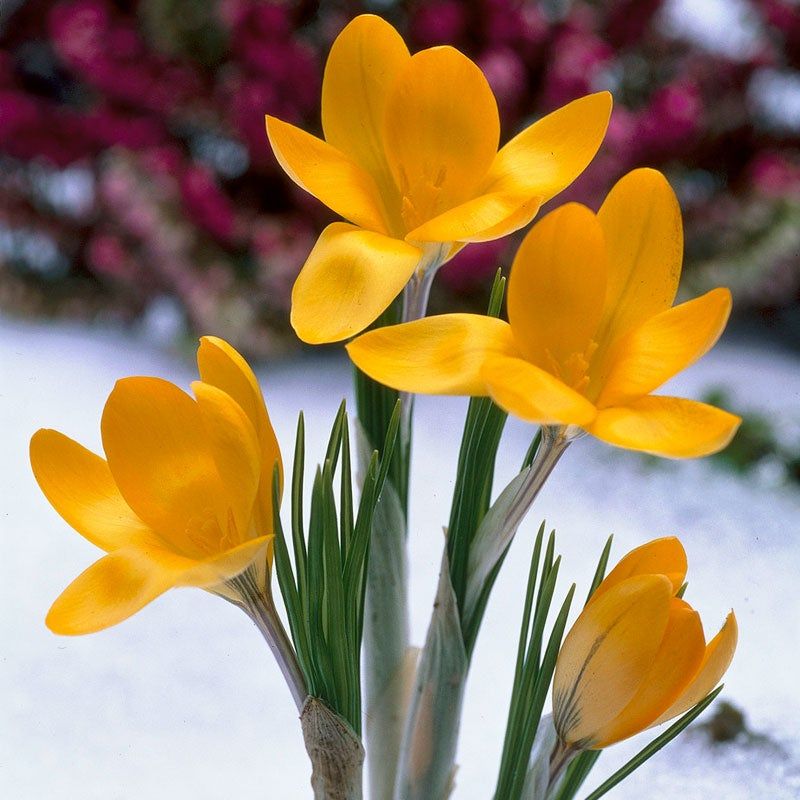
Yellow Crocuses are among the first to welcome spring, their bright yellow blooms peeking through the snow. These perennials symbolize new beginnings and hope.
Crocuses thrive in full sun and well-drained soil, naturalizing well and spreading over time. They’re perfect for borders or rock gardens.
Did you know? Crocuses have been cultivated since ancient times for their vibrant color. Their early bloom and historical significance make them a cherished addition. Search for “Yellow Crocus flower”
29. Buttercup
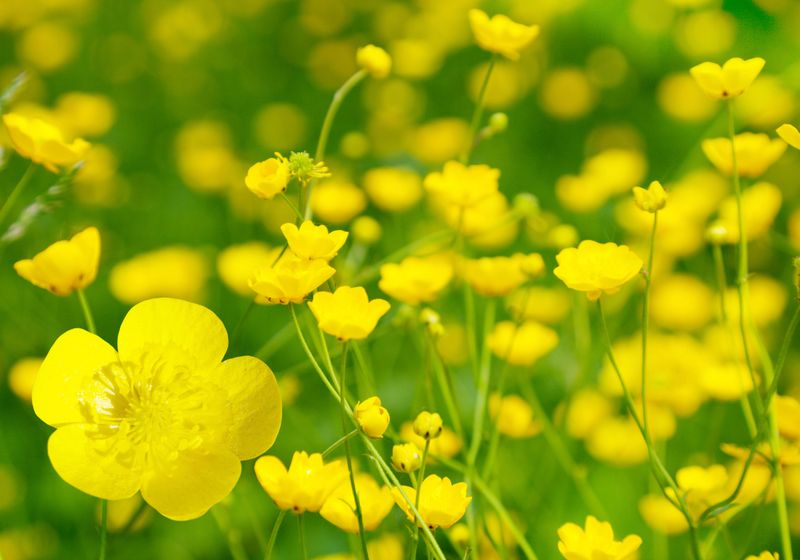
Buttercups are synonymous with childhood memories of holding flowers under chins to see the yellow reflection. These perennials boast shiny yellow petals that brighten up meadows and gardens alike.
Buttercups thrive in moist, well-drained soil and can tolerate various light conditions, from full sun to partial shade.
A fun tidbit: the buttercup’s yellow glow is due to layers of air beneath the petals, which reflect light. Their nostalgic charm and bright blooms make them delightful. Search for “Buttercup yellow flower”
30. Yellow Baptisia
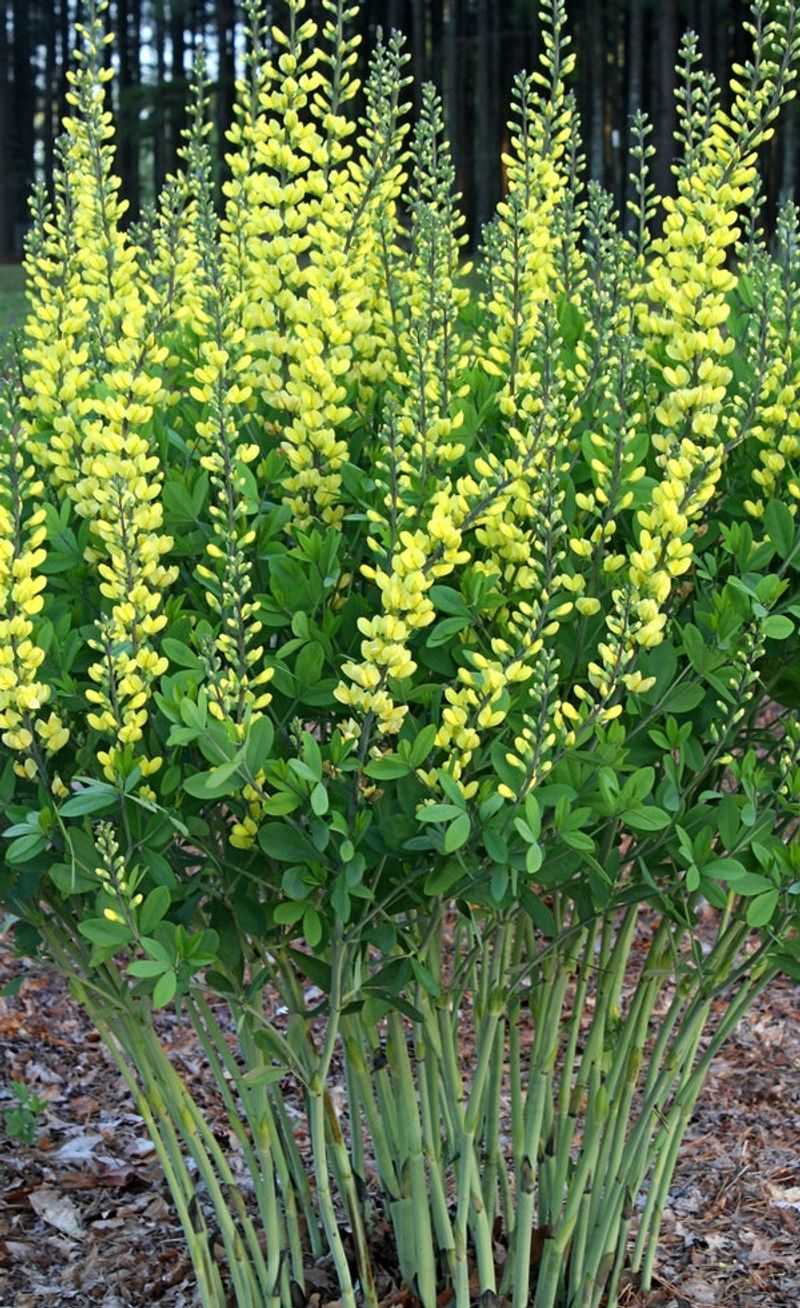
Yellow Baptisia stands out with its striking pea-like flowers. These blooms form dense clusters, creating a mesmerizing golden carpet. Native to North America, this perennial thrives in sunny locations, requiring little care once established. Its foliage remains attractive all season, adding structure to garden landscapes.
Resistant to pests and diseases, Yellow Baptisia is a reliable performer in various soil types. Its deep roots contribute to drought tolerance, ensuring longevity in gardens.
A favorite among pollinators, it supports local ecosystems, making it both beautiful and ecologically beneficial for any garden.
31. Moonshine Achillea
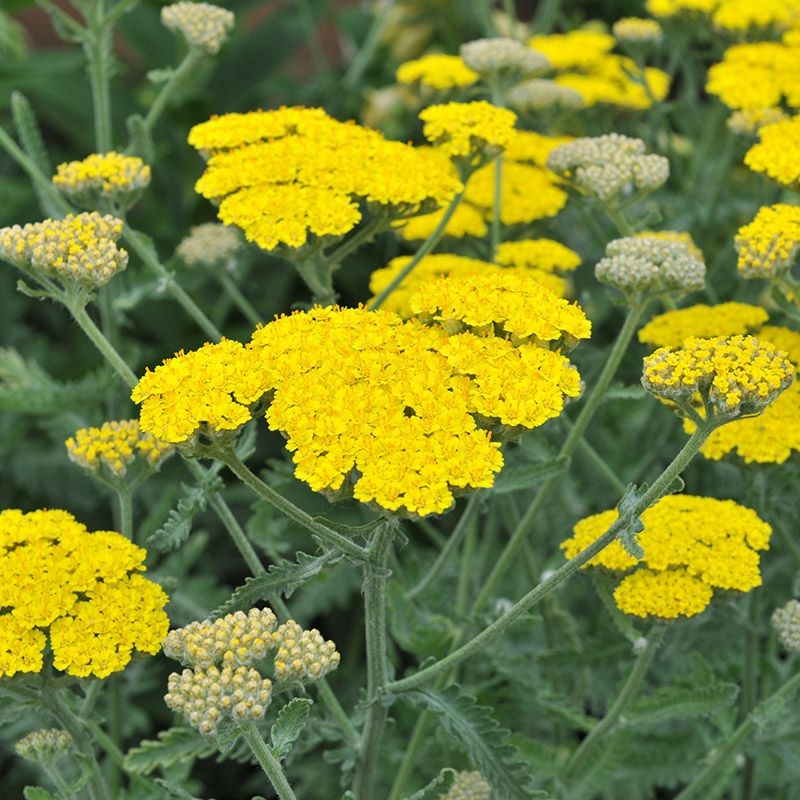
Moonshine Achillea greets the eye with bright yellow blooms that shimmer under sunlight. Its fern-like foliage complements these flowers, creating a balanced visual. Known for its long blooming season, this perennial provides color throughout summer.
Easily adaptable, it thrives in well-drained soils and sunny spots, requiring minimal water. Its resilience makes it perfect for low-maintenance gardens.
Moonshine Achillea attracts butterflies, promoting biodiversity. Its historical use in traditional medicine adds an intriguing layer to its appeal, blending beauty with a touch of historical significance.