 Complete Gardening
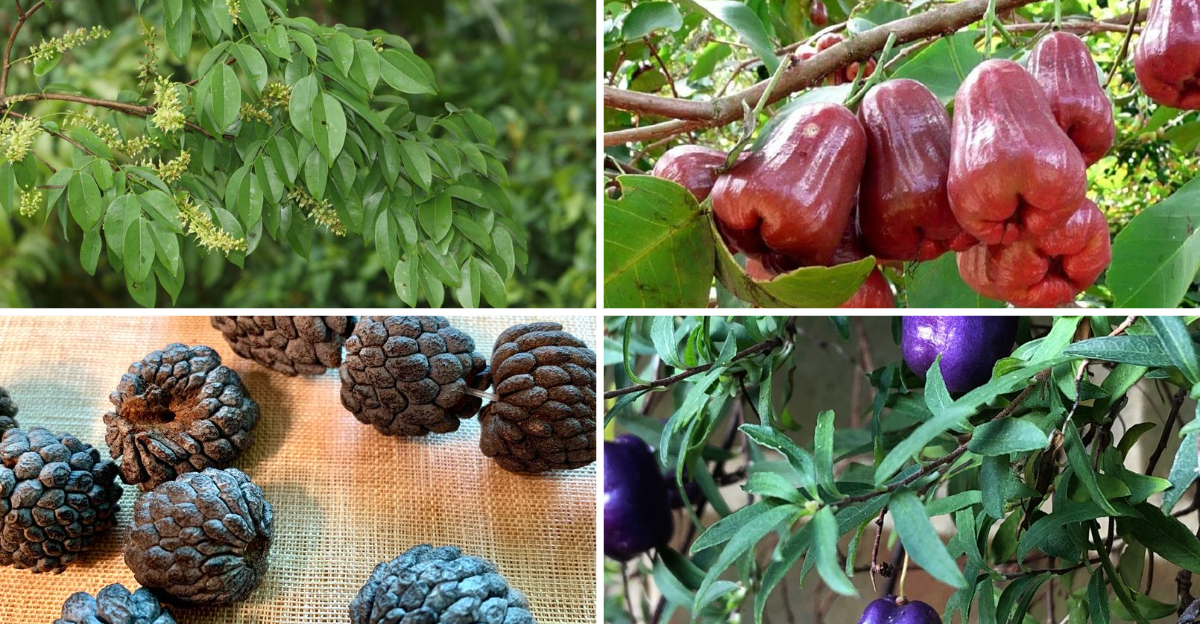
Our planet’s history is dotted with the loss of numerous fruit species that were once integral to ecosystems and human culture. These fruits, now only mentioned in historical texts and legends, represent a lost chapter of biodiversity and human heritage. Through this article, we explore 32 varieties of fruits that have vanished, taking with them unique flavors, cultural significance, and ecological roles.
Silphium Fruit

Silphium, a plant whose fruit was highly prized in ancient Rome and Greece, has an enigmatic history. It was so valuable that it was even depicted on coins. The plant, likely resembling a giant fennel, was said to have medicinal properties and was used as a seasoning. Its extinction is attributed to over-harvesting and inability to cultivate it properly. The loss of Silphium represents a significant cultural and gastronomic gap in history, leaving us to wonder about its true taste and potential benefits.
Bali Tiger Apple
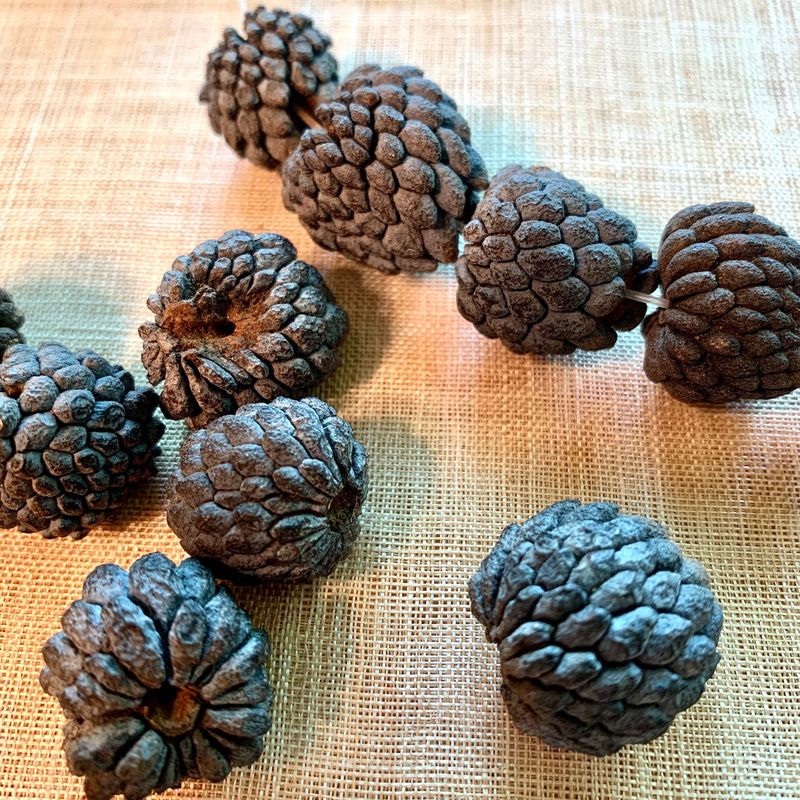
The Bali Tiger Apple, once found in the dense rainforests of Bali, was not an apple at all. Its unique name came from its tiger-like stripes and apple-like size. This fruit was a beloved treat for tribes in the region, offering a sweet and tangy flavor. However, deforestation and habitat loss led to its extinction. Today, the Bali Tiger Apple is remembered as a symbol of the rich biodiversity that once thrived in Bali’s lush landscapes.
St. Helena Olive
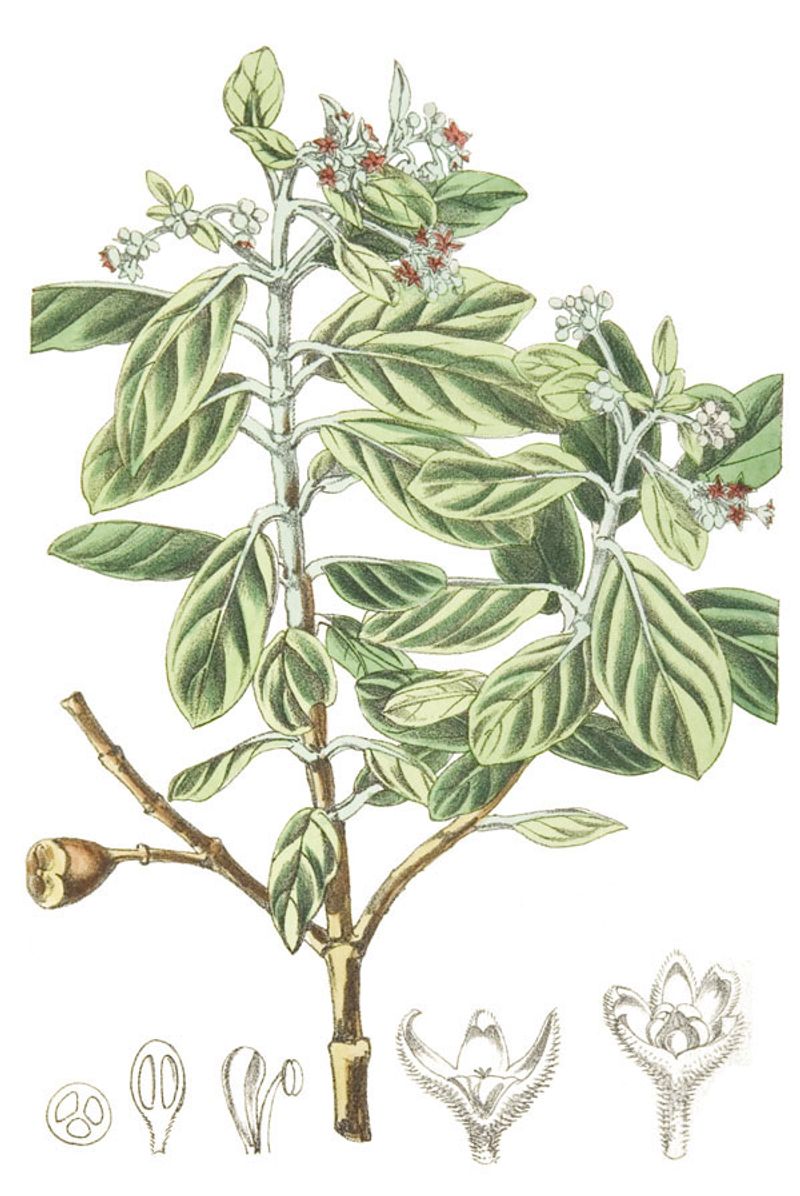
The St. Helena Olive, native to the remote island of St. Helena, was a small tree bearing fruits that were not true olives. The plant went extinct due to habitat destruction and failure to cultivate it in any significant numbers. Botanists mourn its loss, as it represented a unique genetic lineage distinct from other olive species. The extinction of the St. Helena Olive highlights the fragility of island ecosystems and the irreversible loss of distinct plant species.
Mauritius Dodo Nut

Accompanying the infamous dodo, the Mauritius Dodo Nut was a large seed integral to the island’s ecosystem. It depended on the dodo for seed dispersal, and when the bird went extinct, the nut couldn’t germinate effectively. The nut and the bird’s intertwined fate serve as a poignant reminder of the delicate balance within ecosystems. The loss of the Mauritius Dodo Nut underscores the importance of understanding and preserving ecological relationships to prevent further extinctions.
Madagascar Saffron Plum
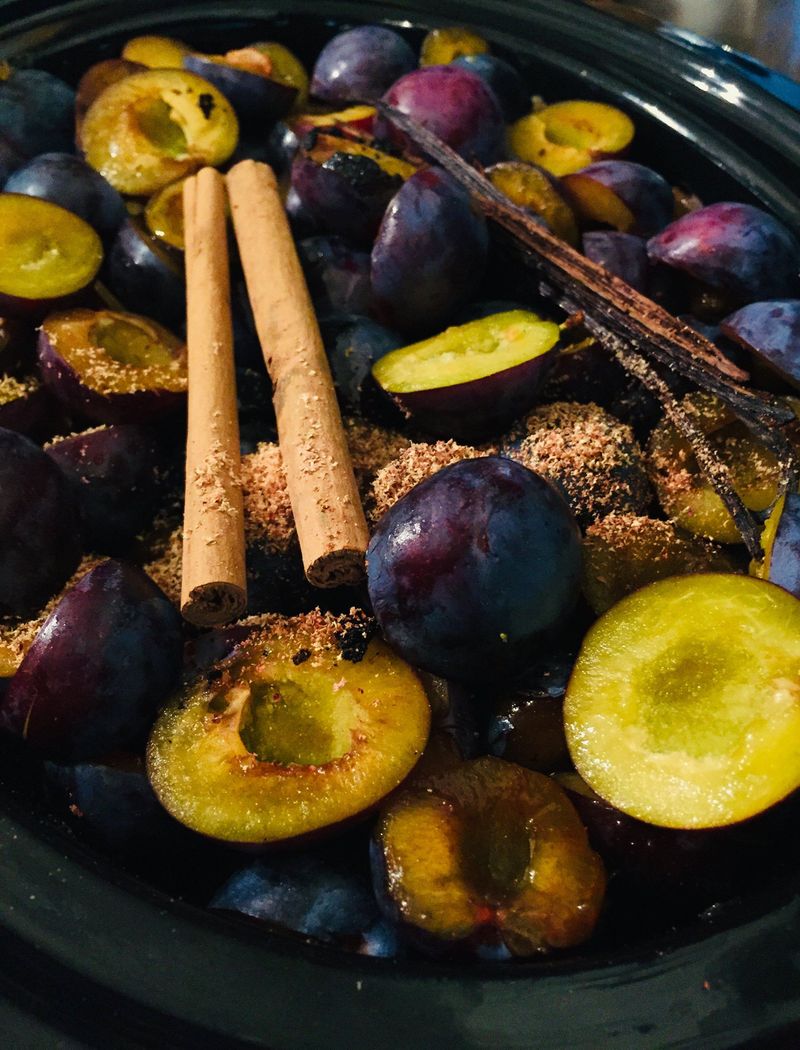
The Madagascar Saffron Plum, once abundant in Madagascar, was known for its vibrant golden color and sweet aroma. This fruit was a staple in local diets, used in both culinary and medicinal contexts. Unfortunately, over-harvesting and land conversion led to its disappearance. The extinction of the Madagascar Saffron Plum is a loss not only of a food source but also of cultural practices surrounding its use. It serves as a cautionary tale of unsustainable practices leading to biodiversity loss.
Labrador Duckberry

The Labrador Duckberry, named after the now-extinct Labrador Duck, was found in North American wetlands. This small berry, reminiscent of a blueberry, was an important food source for migratory birds. Its decline mirrored that of its avian namesake, as habitat destruction reduced both the duck’s and the berry’s populations. This extinction event is a testament to the interconnectedness of species and the cascading effects that result when one is lost.
Ceylon Kaha
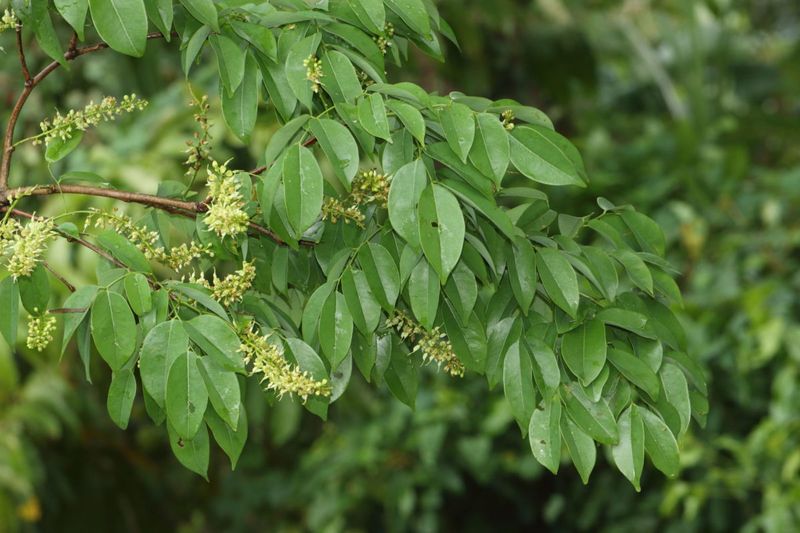
Ceylon Kaha was a fruit native to the spice-rich forests of Ceylon, now Sri Lanka. Known for its distinct flavor that blended sweetness and spice, it was a favorite among locals. Habitat destruction due to the expansion of cinnamon plantation led to its extinction. The Ceylon Kaha’s demise is a reminder of the delicate balance between cultural practices and environmental conservation, emphasizing the need to protect native species amidst agricultural development.
Tasmanian Blueberry
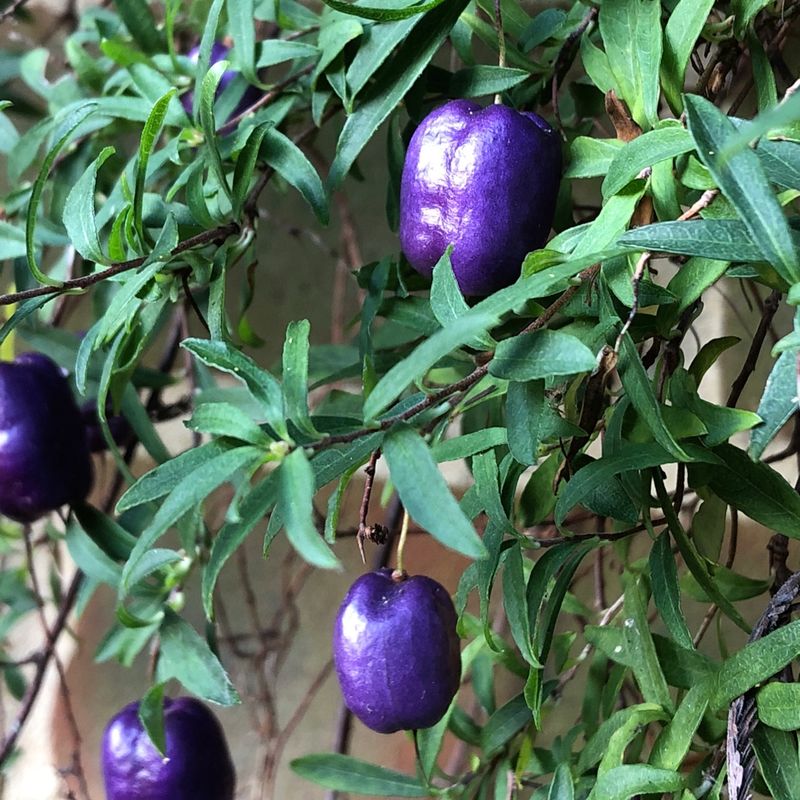
The Tasmanian Blueberry, native to Tasmania’s wild landscapes, was cherished for its deep blue hue and intense flavor. It played a crucial role in local ecosystems as a food source for birds and small mammals. The extinction of this fruit, driven by habitat disruption and invasive species, has left a noticeable gap in the food chain. The loss of the Tasmanian Blueberry illustrates the fragile nature of island biodiversity and the importance of preserving native habitats.
Java Apple
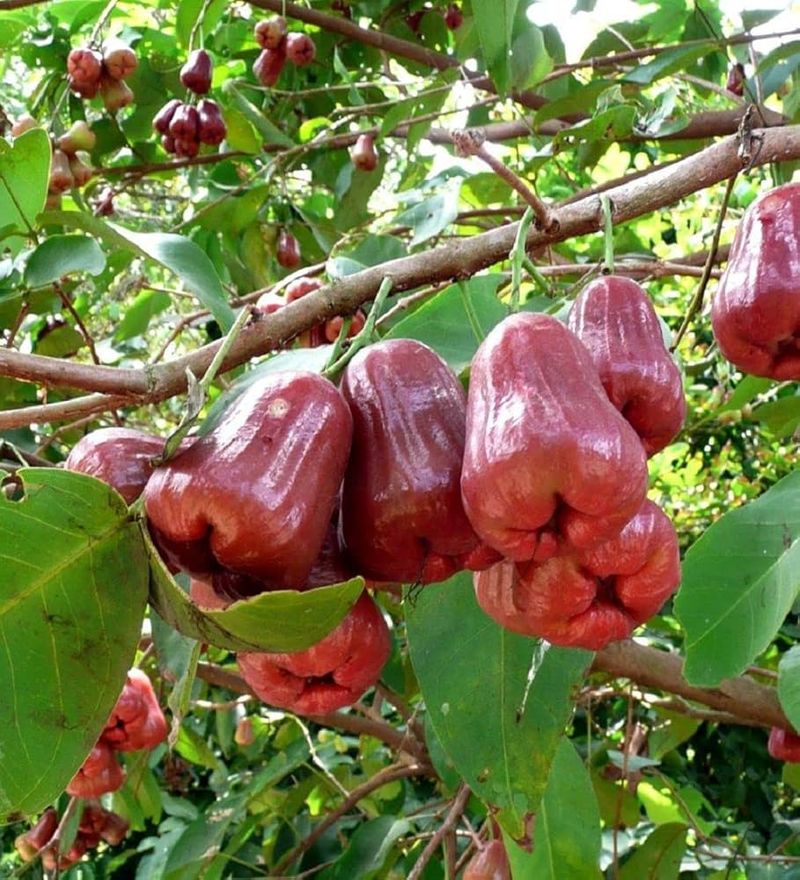
Java Apple, not an apple but a tropical fruit from Java, was celebrated for its crisp texture and refreshing taste. The fruit was a staple in local diets and held cultural significance in Javanese traditions. However, deforestation and agricultural expansion led to its extinction. The Java Apple’s disappearance represents a loss of culinary diversity and cultural heritage. It serves as a cautionary example of the consequences of unsustainable agricultural practices on biodiversity.
Canary Islands Date
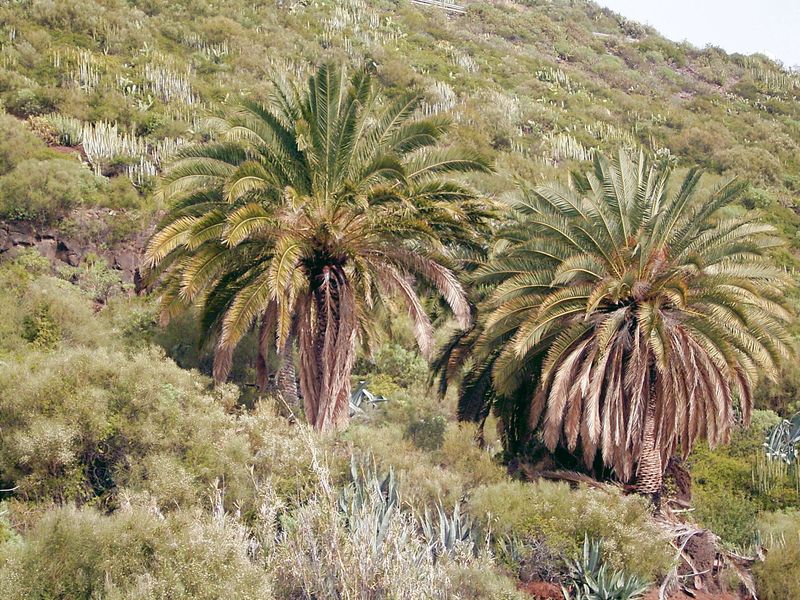
Native to the Canary Islands, the Canary Islands Date palm produced dates that were a vital food source for early inhabitants. The palm trees were also culturally significant, used in various traditional crafts and construction. However, the introduction of non-native species and changing land use patterns led to their decline. The extinction of the Canary Islands Date palm highlights the impact of human activity on remote ecosystems and the cultural losses that follow.
Cuban Mangosteen
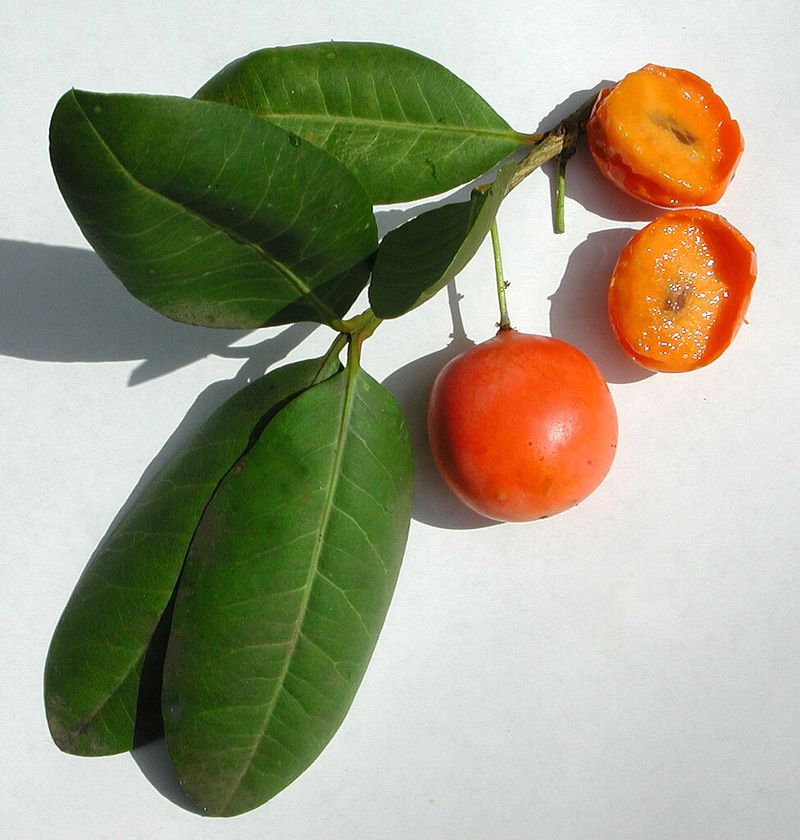
Once a vibrant part of Cuba’s ecosystems, the Cuban Mangosteen was known for its luscious purple hue. A staple in tropical gardens, it provided a sweet-tangy bite that was incredibly refreshing. Its flavor profile was so unique that it became a treasured fruit among locals.
Cuban Mangosteen trees were robust, but as urbanization increased, their natural habitat diminished. Despite efforts to save these trees, they eventually vanished.
The loss of this fruit is a reminder of how modern development can erase nature’s treasures. Its absence is felt deeply in Cuban culinary tradition.
Tasmanian Quince
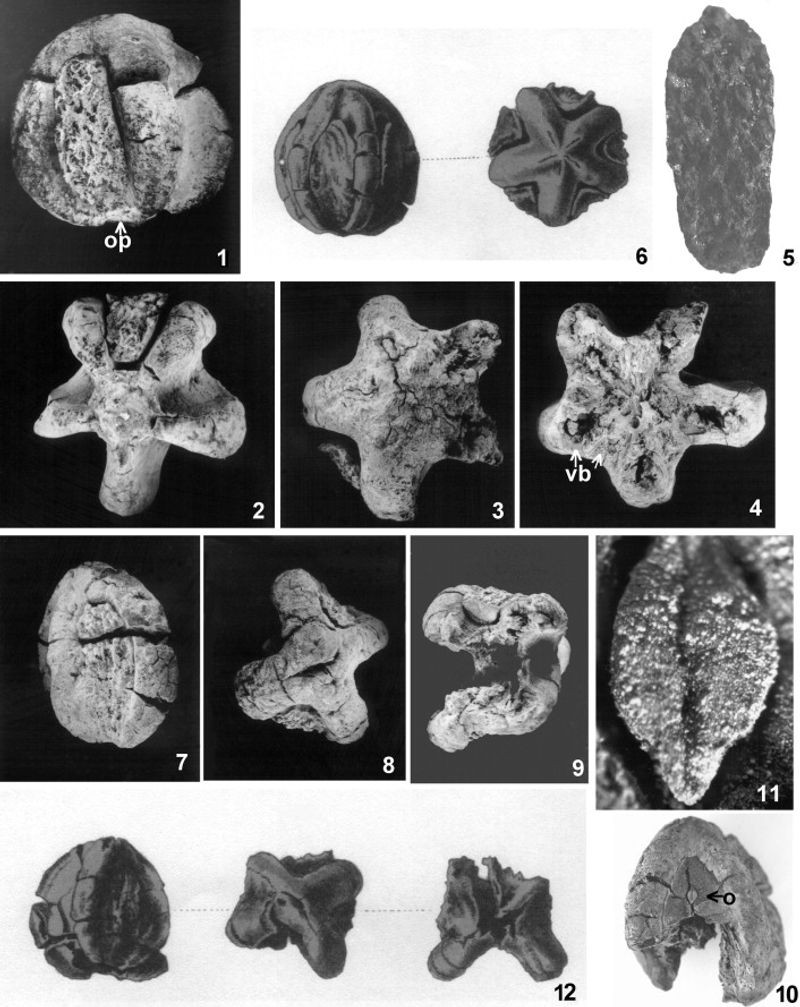
Tasmanian Quince was a golden gem in the orchards of Tasmania. Known for their aromatic quality, these quinces were a delight during harvest season. They were often transformed into fragrant jams and jellies that filled homes with warmth and sweetness.
Unfortunately, they fell prey to changing climatic conditions and agricultural practices. As newer, faster-growing varieties took over, the Tasmanian Quince faded into obscurity.
This fruit’s extinction signifies the loss of a culinary legacy once cherished by many Tasmanian generations, a true testament to the fleeting nature of heritage crops.
Siberian Berry
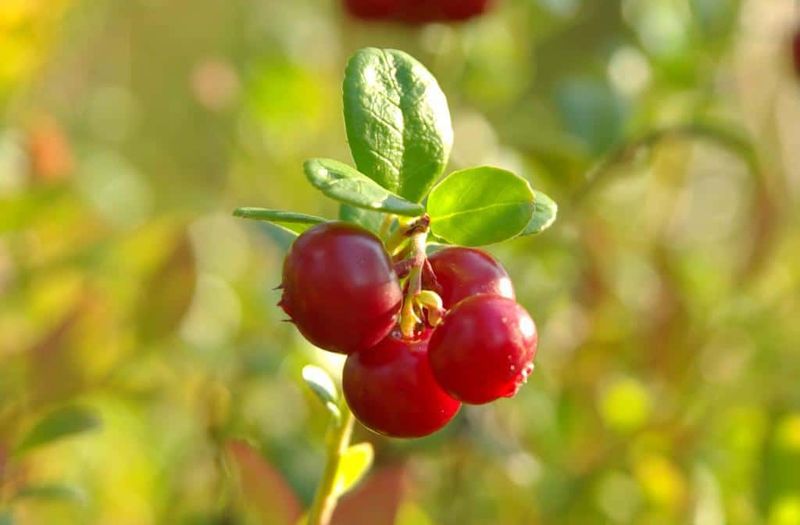
In the cold expanses of Siberia, a small berry once brought warmth to many. The Siberian Berry, with its bright red hue, was a staple in traditional dishes and folk medicine. Its tartness paired well with the sweetness of honey, creating a balanced flavor loved by locals.
Though resilient, these berries could not withstand modern agricultural practices that disrupted their natural habitat. Deforestation and industrialization led to their decline.
The Siberian Berry’s disappearance highlights the impact of human expansion on wild fruit species. Its loss is mourned by those who recall its vivid taste.
Hawaiian Sunrise Papaya
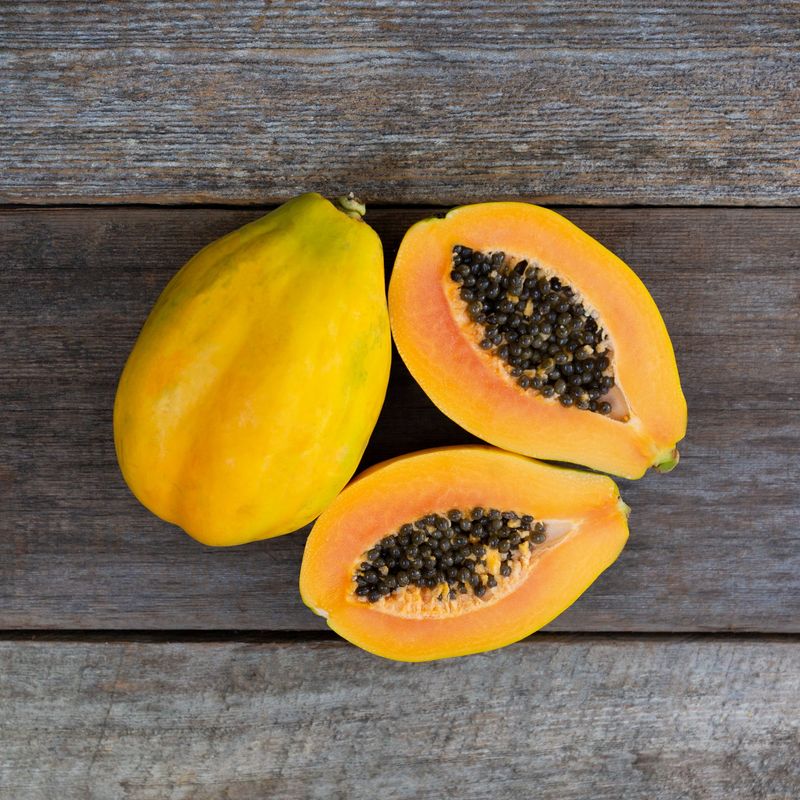
The Hawaiian Sunrise Papaya was a tropical delight known for its rich, creamy texture. Its sunrise-like color made it a visually stunning addition to any setting. This papaya variety was a breakfast favorite, often served with a squeeze of lime.
Sadly, it was susceptible to pests and diseases, which led to its eventual extinction. Efforts to cultivate resistant varieties overshadowed this beloved fruit.
Its extinction underscores the importance of biodiversity in agriculture. The vibrant Hawaiian Sunrise Papaya is missed for its unique flavor and aesthetic appeal.
Andean Gold Berry
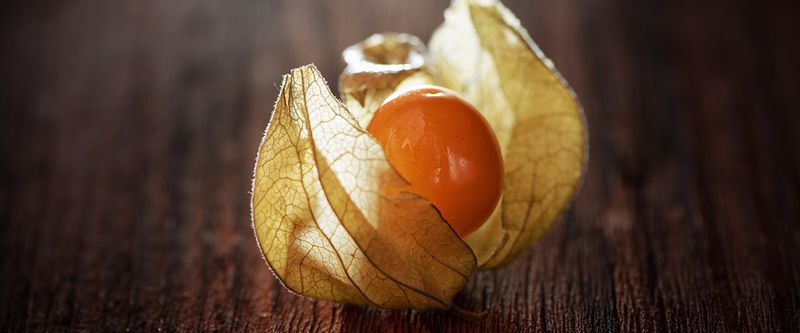
From the Andean highlands came the Andean Gold Berry, a fruit cherished for its vibrant hue and sweet taste. This golden fruit was an essential part of the indigenous diet and cultural rituals.
However, as agricultural practices shifted towards more profitable crops, the Gold Berry was neglected and eventually vanished. Its cultivation required specific conditions that modern farming methods could not provide.
The extinction of the Andean Gold Berry is a loss to cultural heritage and biodiversity. Its golden glow now exists only in the memories of those who once cherished it.
Californian Azure Plum
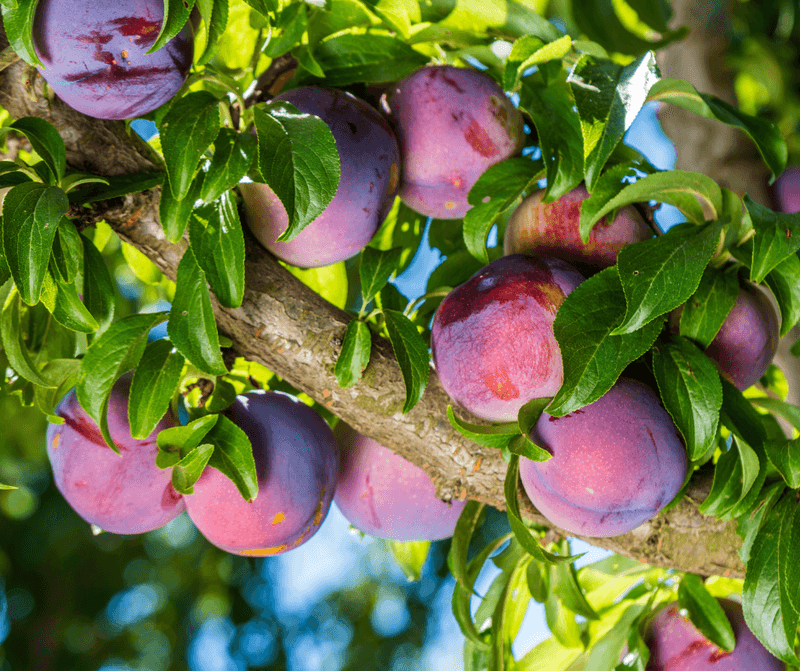
Californian Azure Plum was a rare variety admired for its striking blue color and succulent taste. Its azure hue made it a sought-after fruit in local markets. This plum was often used in desserts and preserves, enhancing dishes with its unique flavor.
Over time, urban development and the introduction of foreign plum varieties led to its decline. It was unable to compete with larger, commercial varieties more favored by consumers.
The loss of the Californian Azure Plum is a reminder of how commercial preferences can overshadow unique, local varieties. Its azure beauty remains unmatched.
Japanese Snow Apple
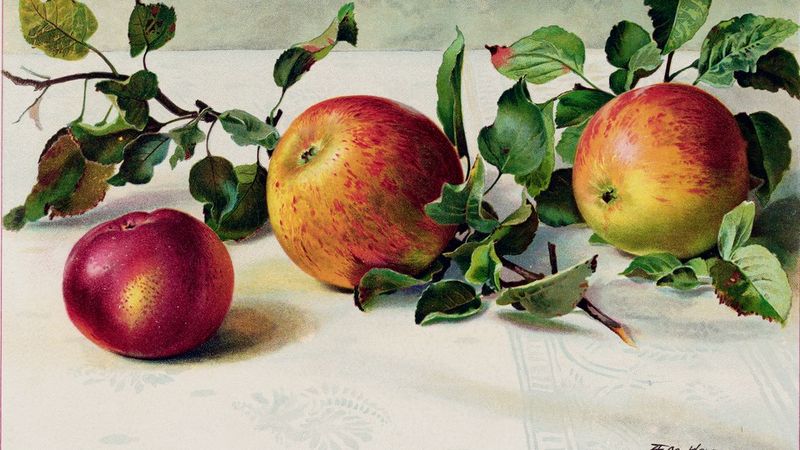
In the snowy regions of Japan, the Japanese Snow Apple once thrived. Known for its pristine white skin and crisp texture, it was a winter favorite. Its sweet, slightly tart flavor made it perfect for both fresh consumption and baking.
Climate change and agricultural shifts led to its decline as farmers opted for hardier apples. The Snow Apple couldn’t compete with these new varieties and disappeared.
This extinction symbolizes the ongoing battle between tradition and modernization in agriculture. The Japanese Snow Apple is fondly remembered for its wintery charm and taste.
Mediterranean Star Grape
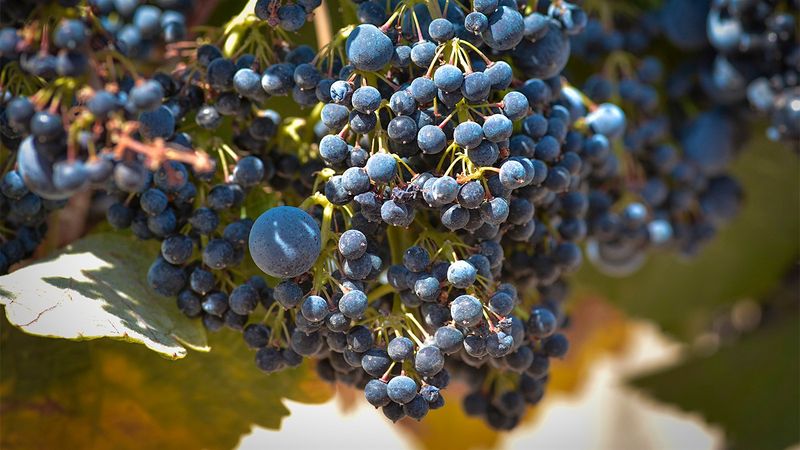
Mediterranean Star Grape was a celestial wonder in the world of viticulture. This grape variety was famed for its star-shaped clusters and rich, complex flavor, making it ideal for wine production.
However, disease and changing climate conditions made it difficult to cultivate. As demand for more robust varieties increased, the Star Grape was gradually phased out.
Its extinction represents a loss in the diversity of grape cultivation and wine making. The Mediterranean Star Grape’s unique properties are celebrated by those who experienced its cosmic allure.
Caribbean Sunset Mango
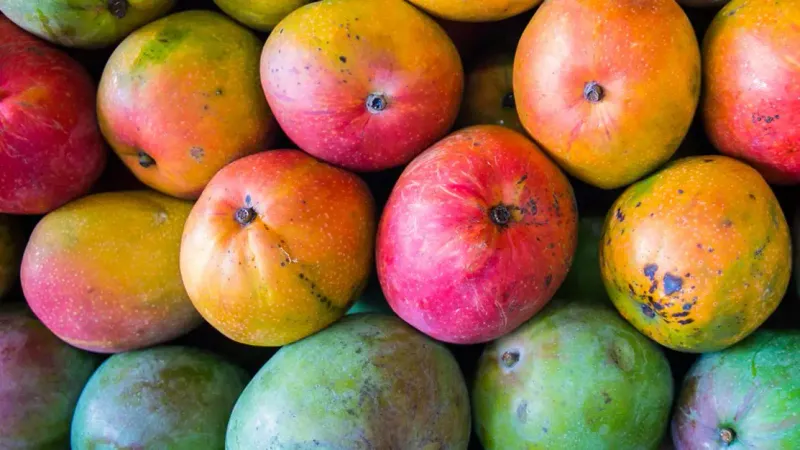
The Caribbean Sunset Mango was as picturesque as its name suggests. Its radiant orange and red hues mirrored a tropical sunset, while its flavor was a sweet, juicy delight cherished by locals and visitors alike.
Despite its popularity, disease and deforestation led to its decline. Efforts to preserve it were unsuccessful as newer mango varieties took precedence.
The loss of the Caribbean Sunset Mango serves as a poignant reminder of the fragility of our natural world. Its vibrant colors and flavors live on only in stories shared by those who savored it.
Atlantic Blueberry Fig
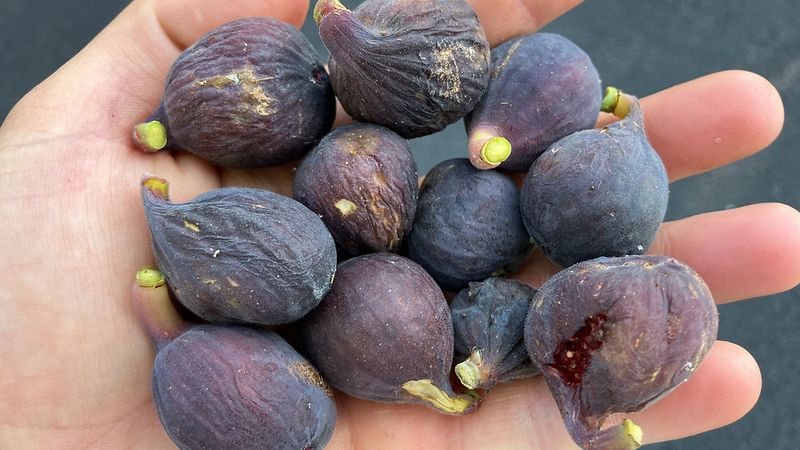
The Atlantic Blueberry Fig was an enchanting fruit known for its stunning blue-purple hue and rich, sweet flavor. It thrived along the Atlantic coast, where its unique color mesmerized fruit lovers.
However, habitat destruction and climate change contributed to its extinction. As areas were developed for urban use, the fig’s natural habitat diminished.
The disappearance of the Atlantic Blueberry Fig underscores the environmental impact of human activity. Its distinctive appearance and taste are now cherished in the memories of coastal communities that once enjoyed its bounty.
Himalayan Crystal Pear
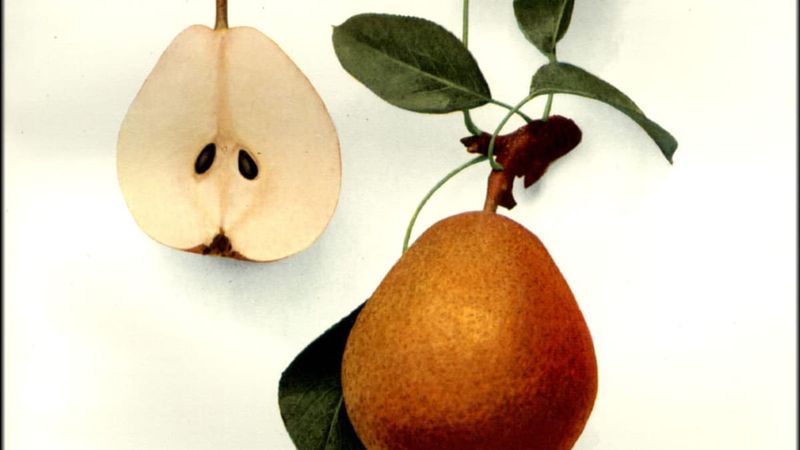
The Himalayan Crystal Pear, with its translucent skin, was a rare treasure in the mountain orchards. Its crisp texture and refreshing taste made it a popular choice for fresh eating and local dishes.
Sadly, it succumbed to climate changes and agricultural pressures. As farmers shifted to more profitable crops, the Crystal Pear was forgotten.
This fruit’s extinction highlights the delicate balance between tradition and innovation in agriculture. The Himalayan Crystal Pear is remembered for its ethereal beauty and refreshing taste, a loss felt deeply by those who knew it.
Amazonian Emerald Lime
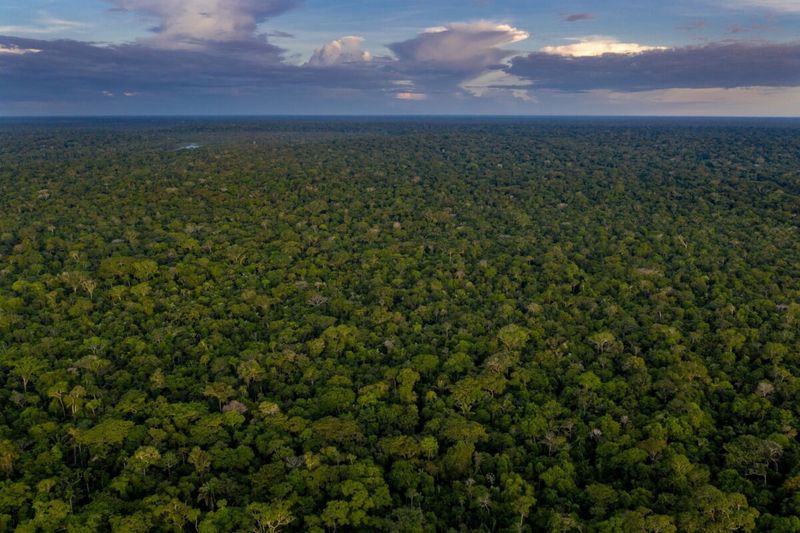
Deep in the Amazon, the Amazonian Emerald Lime was a hidden jewel. Its intense green hue and tart flavor were unmatched, making it a favorite in both culinary and medicinal uses.
Deforestation and habitat loss led to its extinction. As the jungle was cleared for more development, the delicate balance required for its growth was destroyed.
The extinction of the Amazonian Emerald Lime serves as a cautionary tale of environmental neglect. Its vibrant zing and potential remain a wistful memory for those who once relied on its unique properties.
Scandinavian Amber Cherry
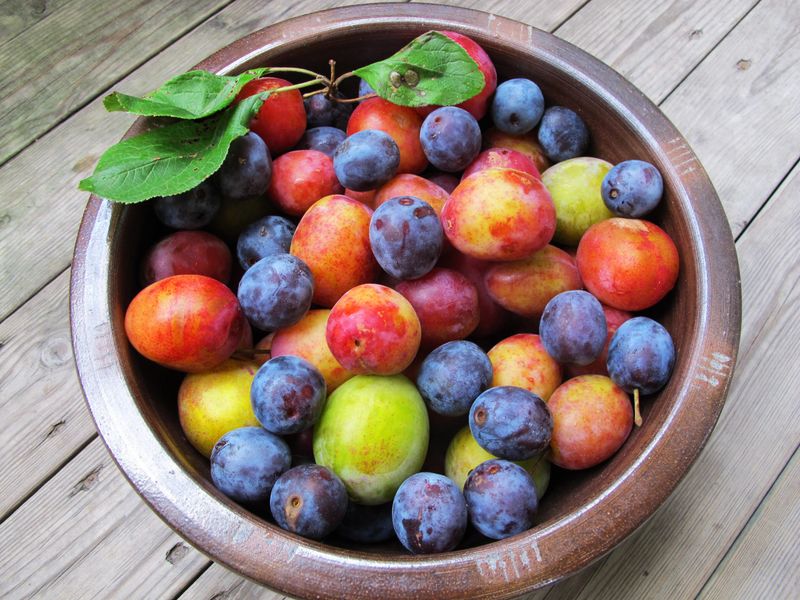
The Scandinavian Amber Cherry, with its warm, amber hue, was a beloved fruit in northern Europe. Its sweet taste and soft texture were savored by many, often featured in traditional desserts.
Unfortunately, these cherries could not withstand the shifting climate and agricultural trends. Newer cherry varieties displaced the Amber Cherry, leading to its extinction.
Its disappearance highlights the vulnerability of less commercial fruit varieties. The Scandinavian Amber Cherry’s warm glow and honeyed flavor are fondly missed by those who partook in its seasonal bounty.
Australian Ruby Nectarine
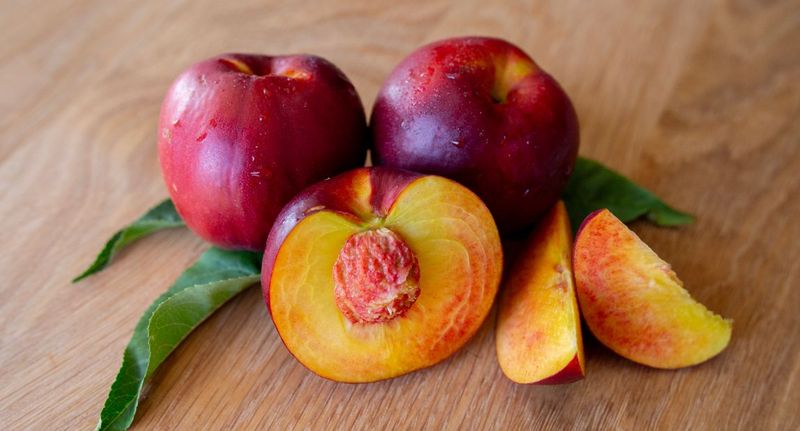
The Australian Ruby Nectarine was a jewel of the outback. Its deep red skin and juicy flesh made it a refreshing treat in the hot climate. This nectarine was favored for its sweet, tangy profile.
Sadly, it fell victim to changing climate conditions and competition from more resilient varieties. The Ruby Nectarine could not sustain itself against these odds.
The loss of this fruit represents a gap in Australian agricultural heritage. The Australian Ruby Nectarine is remembered for its vivid coloration and delectable taste, a bygone treasure of the southern hemisphere.
Alpine Starfruit
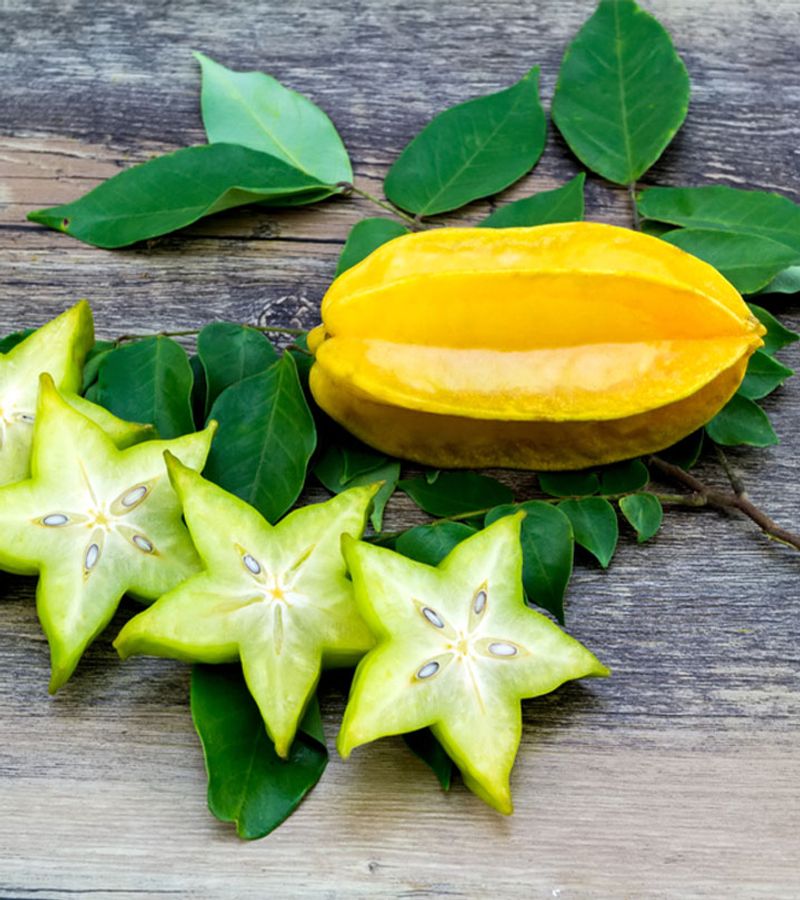
The Alpine Starfruit was a celestial delight known for its star-shaped beauty and crisp texture. It thrived in the high mountain climates where its unique shape was a visual marvel.
However, it was vulnerable to environmental changes and agricultural shifts, leading to its decline. As farmers moved to more profitable ventures, the Starfruit faded from existence.
The extinction of the Alpine Starfruit is a testament to the delicate harmony needed for specialized crops to thrive. Its star-like charm and refreshing taste remain cherished by those who remember it fondly.
Burmese Jade Melon
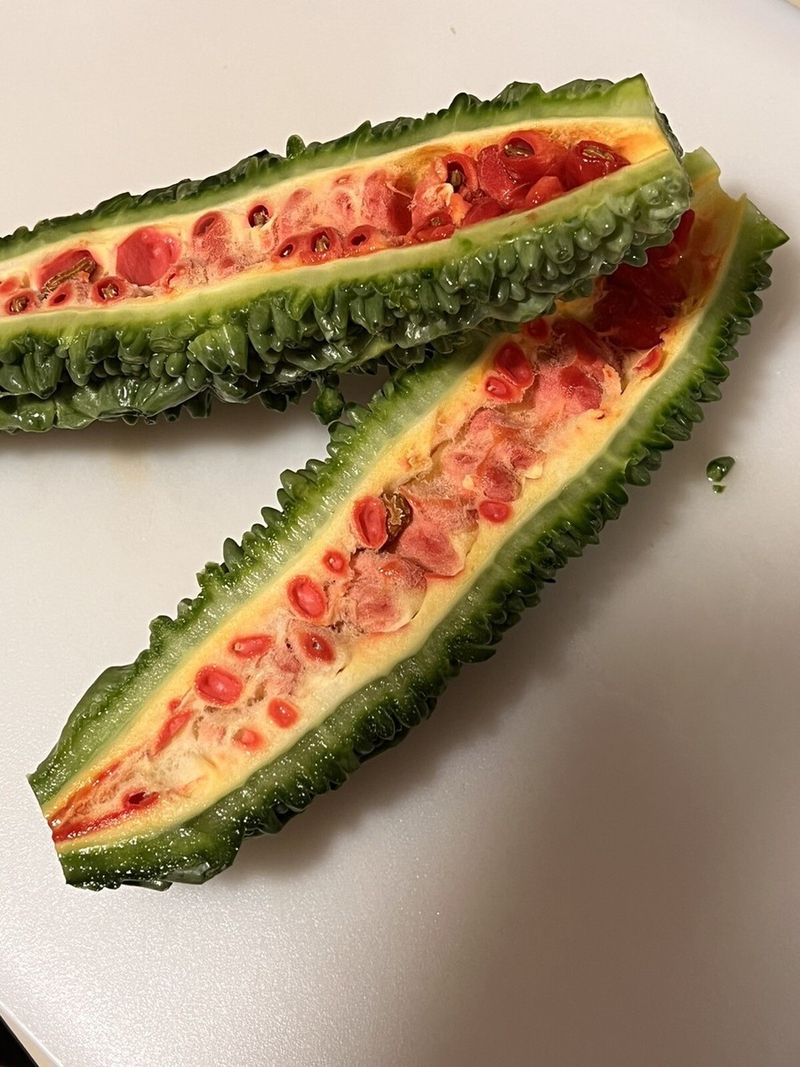
With a color as rare as its name, the Burmese Jade Melon was a sight to behold. Its unique green hue and sweet, refreshing flavor made it a summertime favorite in Burma.
Modern agricultural practices and habitat loss led to its extinction. As demand shifted, the Jade Melon was replaced by more commercial varieties.
The disappearance of this fruit marks a loss of botanical diversity and cultural heritage. The Burmese Jade Melon is fondly remembered for its beauty and refreshing sweetness, a rare gem now lost to time.
Icelandic Frost Apple
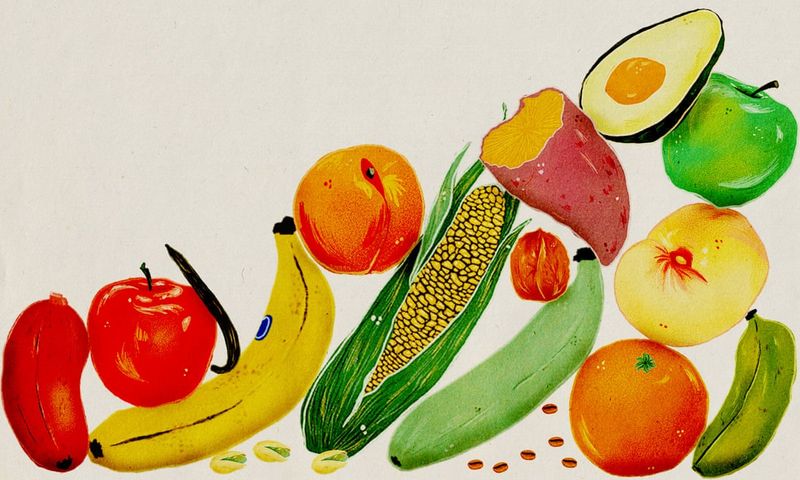
The Icelandic Frost Apple was a resilient fruit that thrived in the harsh climates of Iceland. Its icy blue skin and crisp, juicy flesh provided a refreshing contrast to the cold environment.
Climate changes and a shift to imported apple varieties led to its decline. Local cultivation practices could not sustain the Frost Apple.
The extinction of the Icelandic Frost Apple symbolizes the impact of global trade on local agriculture. Its unique appearance and refreshing crunch are now stories passed down through generations.
Persian Silk Fig
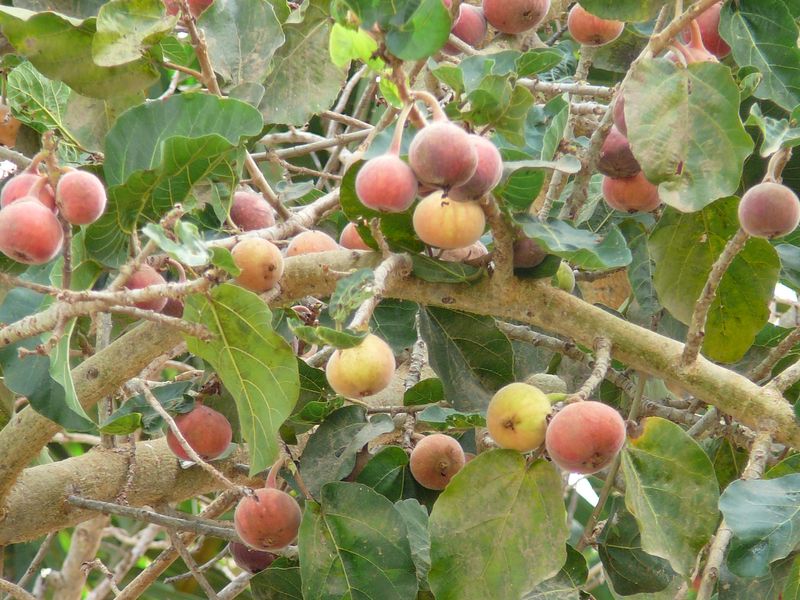
The Persian Silk Fig was a luxurious fruit known for its smooth, silky texture and sweet taste. It thrived in the warm Persian gardens, where it was a beloved delicacy.
As modern horticultural practices evolved, this fig could not compete with newer, more robust varieties and eventually disappeared.
Its extinction represents a loss in the diversity of traditional Persian agriculture. The Persian Silk Fig is remembered for its unique texture and sweetness, a symbol of the rich cultural heritage of the region.
Arctic Crystal Berry
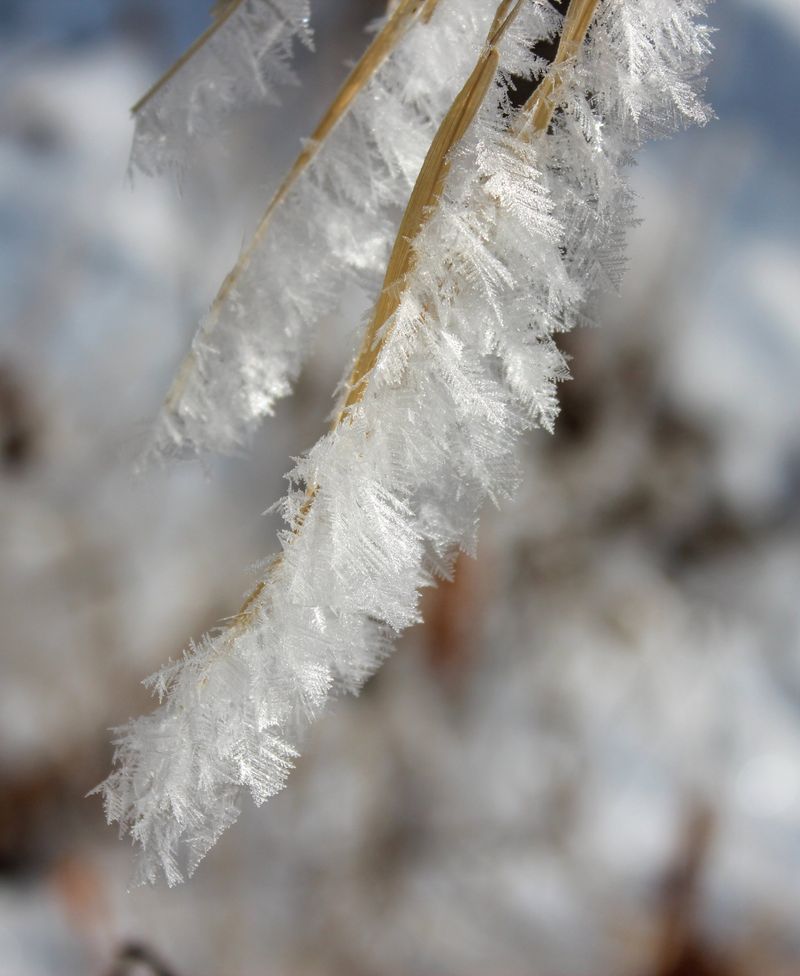
In the cold reaches of the Arctic, the Arctic Crystal Berry was a rare, translucent delight. Its crisp texture and mild sweetness were cherished by the indigenous communities.
However, climate change and habitat disruption led to its extinction. As the tundra environment altered, the berry could not adapt.
The Arctic Crystal Berry’s disappearance highlights the vulnerability of specialized ecosystems. Its loss is mourned by those who relied on its unique properties and the subtle joy it brought to the Arctic landscape.
Galapagos Sun Plum
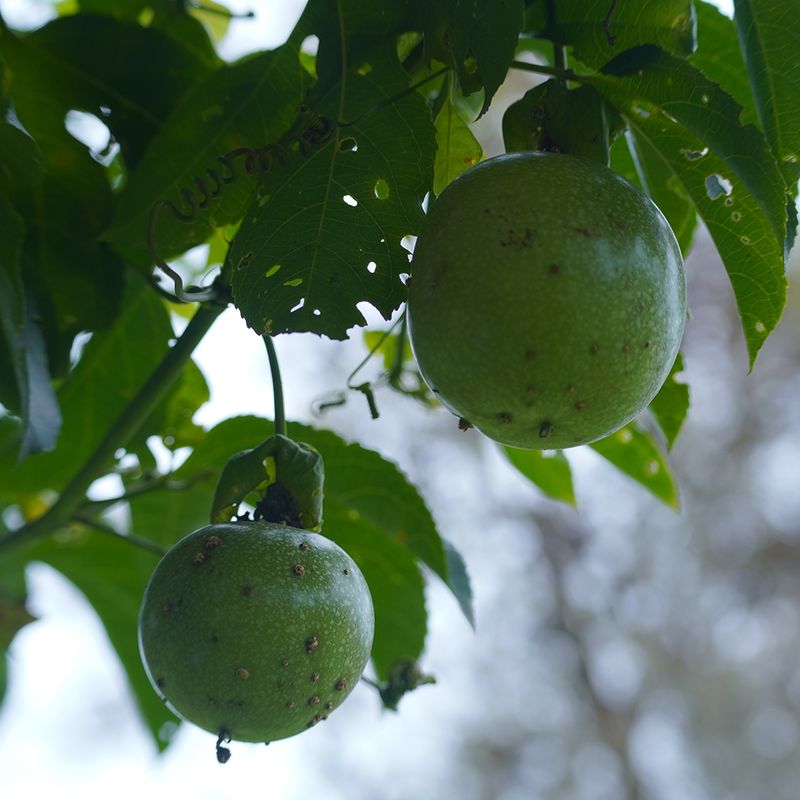
The Galapagos Sun Plum was a vivid fruit known for its sun-kissed hue and delightful taste. Thriving in the unique ecosystems of the Galapagos, it was an integral part of the local biodiversity.
With the introduction of invasive species and environmental changes, the Sun Plum faced extinction. Efforts to preserve it were not enough.
The loss of the Galapagos Sun Plum symbolizes the fragility of island ecosystems. Its vibrant color and taste are now memories cherished by those who once enjoyed its bounty.
Patagonian Midnight Berry
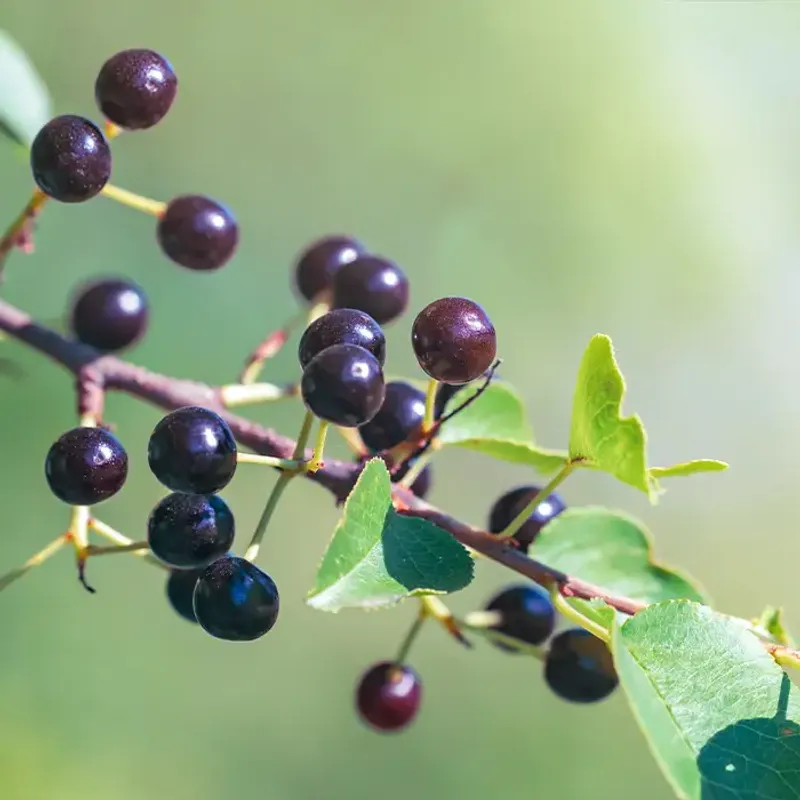
The Patagonian Midnight Berry was a dark, alluring fruit that captivated those who encountered it. Its deep, rich flavor made it a popular choice for jams and desserts.
Unfortunately, climate change and habitat loss led to its decline. As traditional practices waned, the Midnight Berry vanished.
The extinction of this berry signifies a loss of cultural and ecological richness in Patagonia. Its dark allure and unique taste are fondly remembered by the communities who once relished its seasonal presence.