 Complete Gardening
Growing corn successfully involves careful planning and consideration of neighboring plants. Certain vegetables can negatively impact corn by competing for nutrients, light, or attracting harmful pests and diseases. To maximize your corn harvest, it’s crucial to avoid planting these specific vegetables nearby.
1. Tomatoes
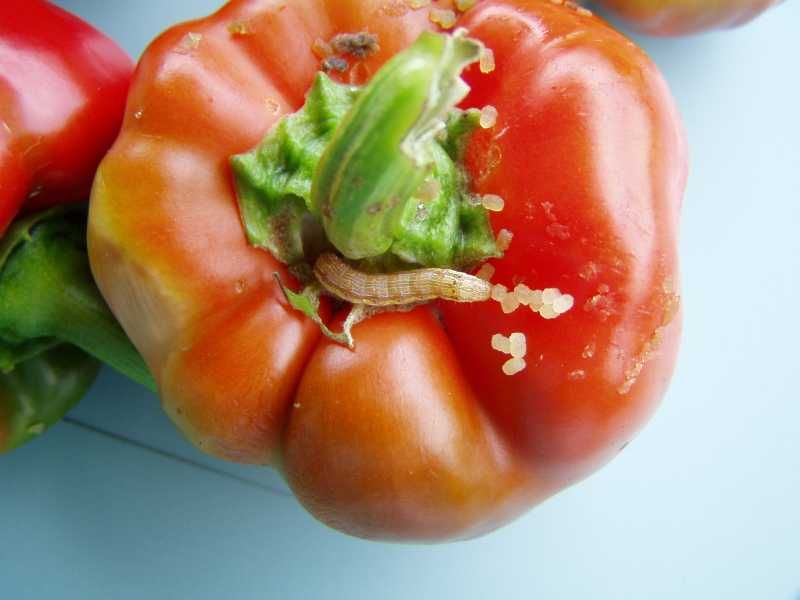
Tomatoes, while popular in gardens, can spell trouble for corn. These juicy fruits are known to attract corn earworms, which can devastate corn crops. Additionally, tomatoes and corn both reach for the sun, creating a competition for valuable sunlight. The overlapping foliage can lead to stunted growth in corn plants. Sharing the same nutrient-rich soil, tomatoes can deplete the resources that corn requires to thrive. Their presence can inadvertently lead to a battle for both nutrients and space, causing a decline in corn yield.
2. Potatoes

Potatoes are notorious for drawing pests and diseases that also plague corn. Colorado potato beetles, for example, find both potato and corn appealing, leading to a shared infestation problem. The similar nutrient requirements mean that potatoes compete fiercely with corn, leaving the soil depleted. Furthermore, their underground growth can disrupt the root systems of nearby corn plants. Planting potatoes near corn can inadvertently invite a host of shared challenges, ultimately creating a hostile environment for both crops and reducing harvest success.
3. Peppers
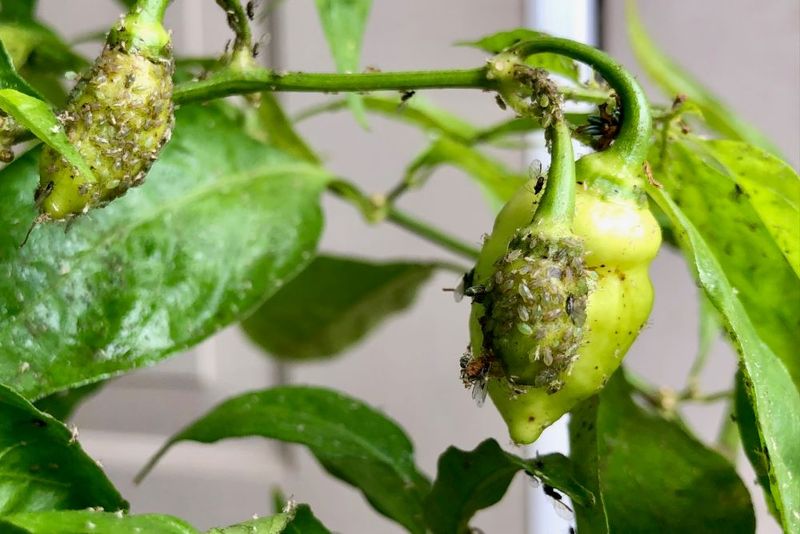
Peppers, with their vibrant colors, can unfortunately attract aphids. These pests are not picky, often migrating to nearby corn plants, leaving a trail of damage. The close proximity of peppers can exacerbate this issue, as aphids easily spread. Additionally, peppers and corn vie for similar soil nutrients, leading to competition. Their shared need for sunlight can further stress corn plants. While peppers are a garden favorite, their presence near corn can invite unnecessary challenges, making it wise to plant them elsewhere.
4. Eggplants

Eggplants are a magnet for flea beetles, tiny pests that also target corn foliage. Their small size belies their ability to inflict significant damage, as they chew through leaves, hampering photosynthesis. Eggplants and corn also compete for soil nutrients, which can lead to a nutrient deficit for both plants. Moreover, the foliage of eggplants can overshadow young corn plants, depriving them of sunlight. The combination of pest attraction and resource competition makes eggplants unsuitable companions for corn.
5. Cucumbers

Cucumbers, with their sprawling vines, can choke out young corn plants. Their vines extend rapidly, stealing light and space crucial for corn’s growth. This aggressive spread can overshadow and stifle corn seedlings, preventing them from reaching their full potential. Additionally, cucumbers and corn draw from the same nutrient pool, leading to fierce competition. The combination of physical space encroachment and nutrient rivalry makes cucumbers a poor choice to plant near corn, as they can severely impact corn’s development.
6. Zucchini
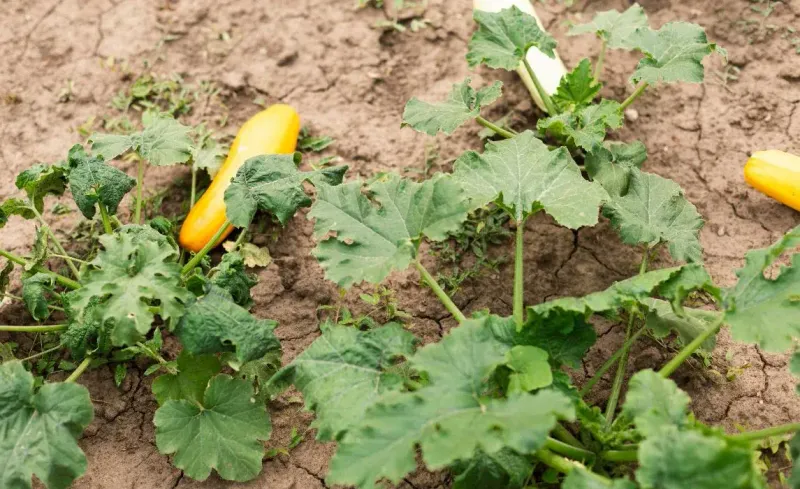
Zucchini, with its expansive leaves, casts shadows over corn stalks, hindering photosynthesis. This overshadowing can stunt the growth of corn, as sunlight is a vital component for their development. The large zucchini leaves compete for both light and soil nutrients, creating a challenging growing environment for corn. Meanwhile, zucchini plants demand substantial soil resources, further depleting what’s available for corn. This combination of shade and resource competition makes zucchini a challenging neighbor for corn, impacting overall crop vitality.
7. Squash
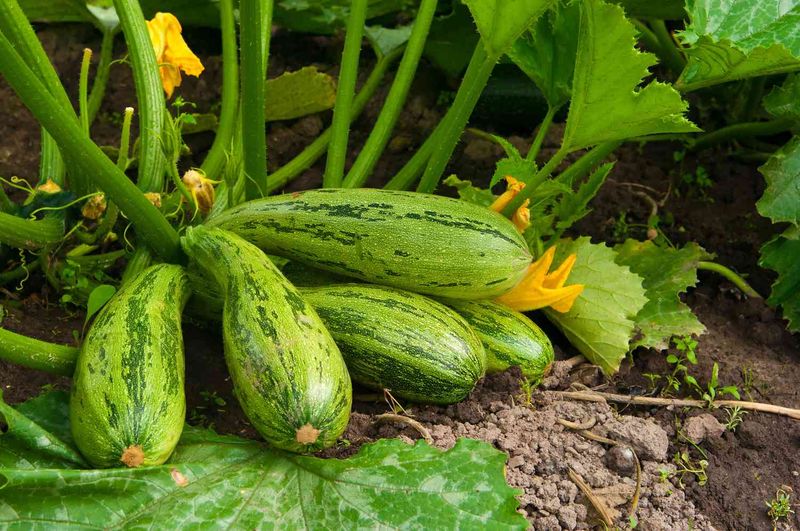
Squash plants, with their broad foliage, create a canopy that competes aggressively with corn for sunlight and soil nutrients. These plants spread wide, casting significant shade over corn plants beneath. This shading effect can lead to reduced photosynthesis in corn, stunting their growth. Additionally, squash and corn share similar nutrient needs, leading to competition for soil resources. The overlapping demands for light and nutrients make squash a challenging companion for corn, potentially hindering a successful corn harvest.
8. Melons
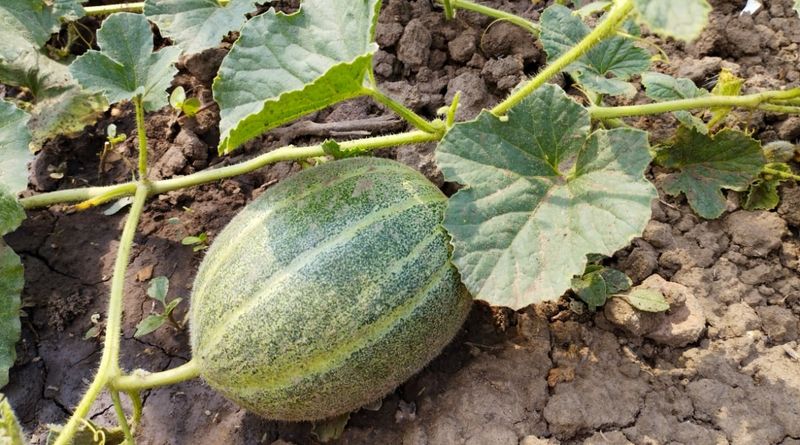
Melons, known for their sweet, juicy fruits, require ample space and resources. Their sprawling habit often encroaches upon corn’s territory, vying for moisture, sunlight, and room to grow. This competition can lead to stunted growth in corn, as melons can overshadow and outcompete them. The aggressive spread of melon vines can limit the resources available to corn, impacting their overall health and yield. Planting melons near corn can create a challenging environment, making it unwise to pair them together in the garden.
9. Pumpkins
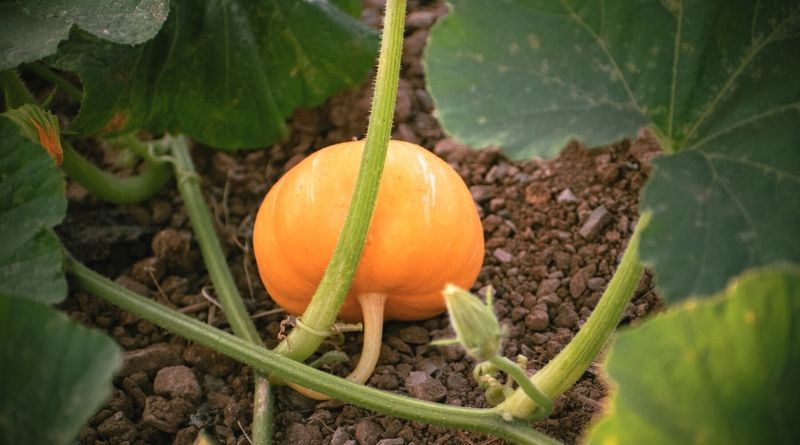
Pumpkins, with their robust vines, are known to encroach on neighboring plants, including corn. The extensive growth of pumpkin vines can lead to a turf war for essential resources like sunlight and soil nutrients. This encroachment can overshadow corn, reducing their access to sunlight needed for photosynthesis. Furthermore, pumpkins can outcompete corn for water and nutrients, leading to a decline in corn’s health. The aggressive nature of pumpkin plants makes them incompatible with corn, as they can severely impact corn’s development and yield.
10. Cabbage

Cabbage, a heavy feeder, draws in pests such as cabbage loopers, which can also harm corn. These pests are notorious for their ability to defoliate plants rapidly. Cabbages demand significant amounts of nitrogen, potentially robbing corn of this essential nutrient. The combination of pest attraction and nutrient competition makes cabbages a challenging companion for corn. Planting them together can lead to a struggle for resources, ultimately impacting the health and yield of corn. The presence of cabbage can inadvertently create an inhospitable environment for corn.
11. Cauliflower
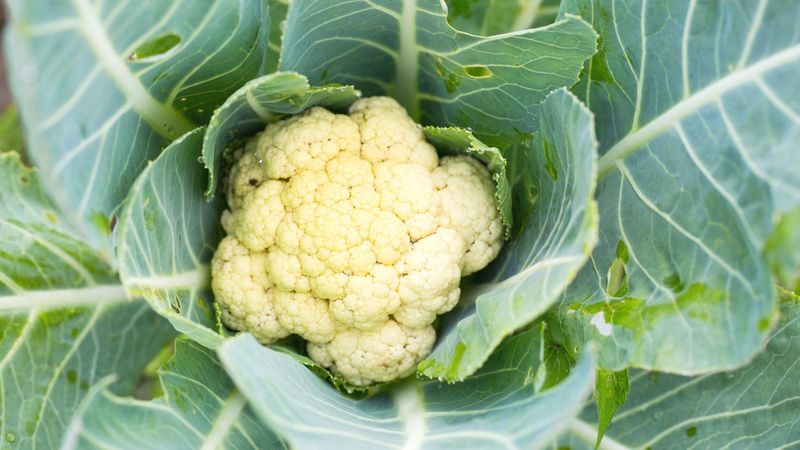
Cauliflower, though a delicious vegetable, draws many of the same pests as corn, leading to shared infestations. These pests can rapidly spread from one plant to another, causing significant damage. Additionally, cauliflower and corn compete for critical soil nutrients, creating a challenging environment for growth. Their similar needs can lead to a nutrient deficit for both plants. The overlapping demands and shared pest issues make cauliflower a less-than-ideal neighbor for corn, impacting the overall vitality and yield of both crops.
12. Broccoli
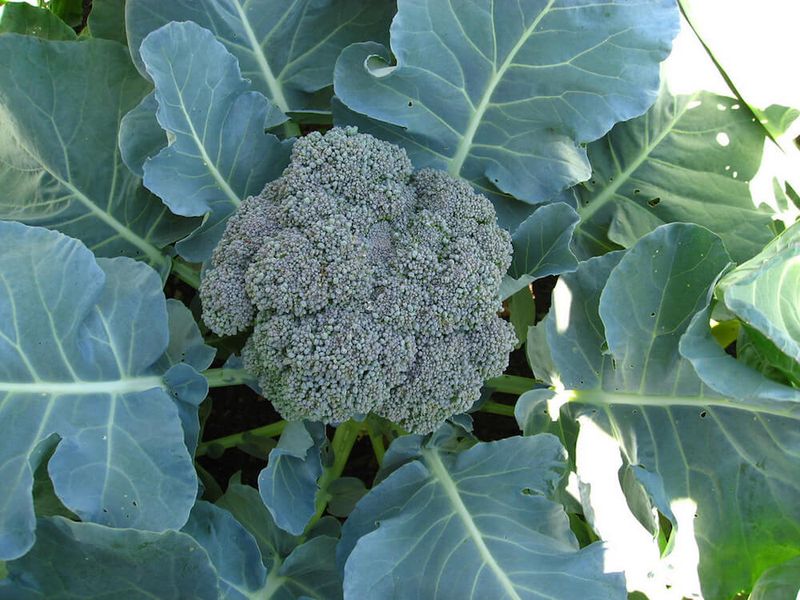
Broccoli, a favorite in many gardens, attracts cabbage worms, which can also affect corn plants. These pests can cause significant damage by feeding on leaves and stems. Additionally, broccoli’s growth can suffer under the shading effect of taller corn plants. The competition for sunlight and soil nutrients can further stress both plants. This overlapping demand for resources and shared pest attraction makes broccoli a challenging companion for corn, as it can impede their growth and reduce overall yield.
13. Kale
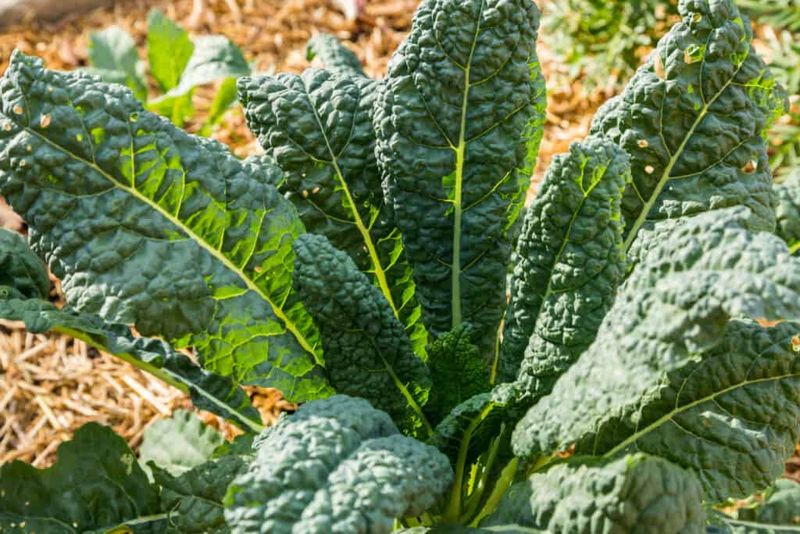
Kale, with its nutrient-rich leaves, demands full sun and robust nutrients, both of which corn can usurp. This competition for sunlight can lead to stunted growth in kale, as the towering corn plants overshadow them. Additionally, both kale and corn require significant soil resources, leading to a battle for nutrients. This overlapping demand can create a challenging growing environment for both plants. The combination of competition for sunlight and soil nutrients makes kale a less-than-ideal partner for corn in the garden.
14. Radishes
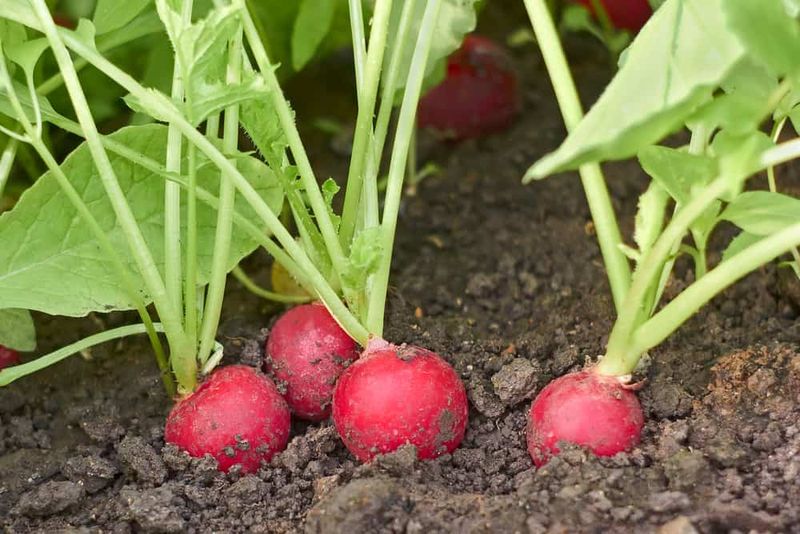
Radishes, while often considered quick-growing companions, can harbor root maggots. These pests are known to later attack corn seedlings, leading to damaged roots and stunted growth. The presence of radishes near corn can inadvertently invite these pests, creating a challenging environment for young corn plants. Additionally, both radishes and corn compete for similar soil nutrients, leading to a potential nutrient deficit. The combination of pest attraction and nutrient competition makes radishes a poor choice to plant near corn.
15. Turnips
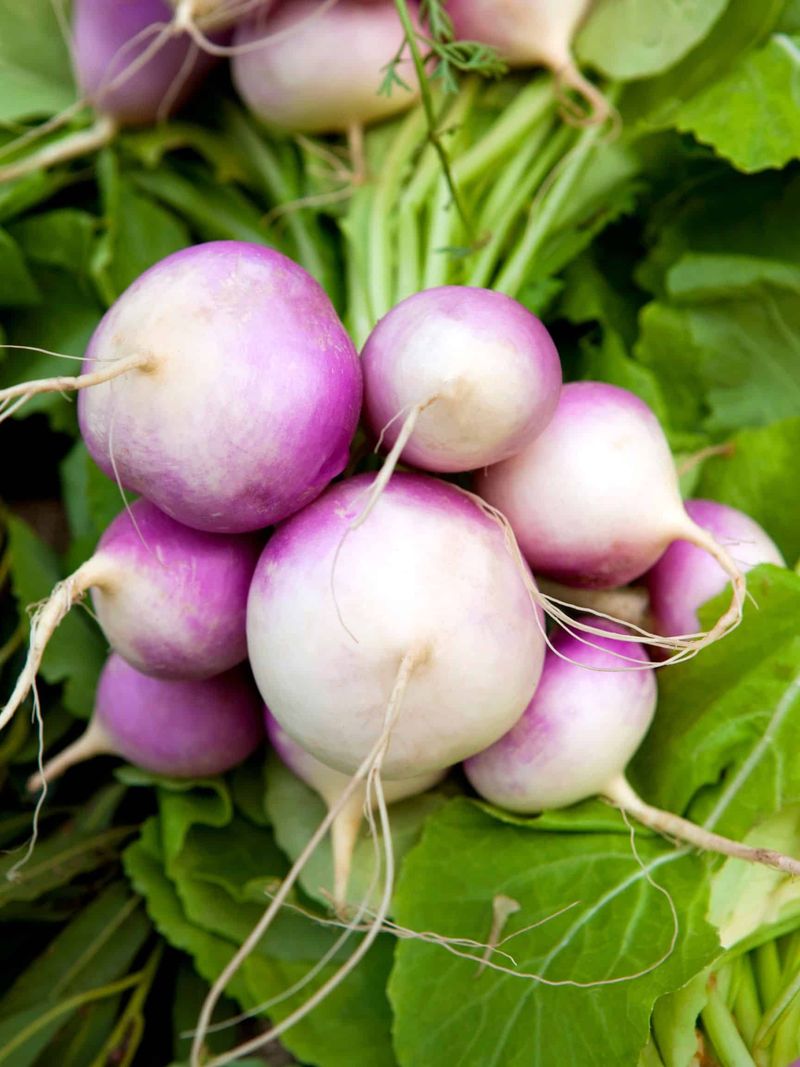
Turnips, with their robust growth, can invite root pests that also damage corn’s root system. These pests can cause significant harm, leading to reduced growth and vitality in corn plants. The presence of turnips can exacerbate these pest issues, as they provide a favorable environment for their proliferation. Additionally, turnips and corn compete for similar soil nutrients, creating a challenging growing environment. The overlapping demands and shared pest attraction make turnips a less-than-ideal companion for corn, impacting their overall health and yield.
16. Carrots
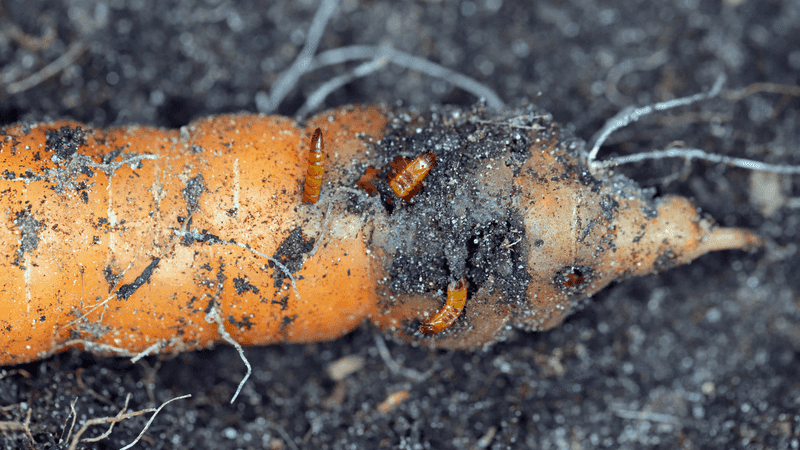
Carrots, known for their sweet roots, can attract carrot flies, pests that may migrate to corn roots. These pests can cause significant damage to corn’s root system, impacting their overall growth and yield. The presence of carrots near corn can inadvertently lead to a shared pest problem, creating challenges for both plants. Additionally, carrots and corn compete for similar soil nutrients, leading to a nutrient deficit for both. The combination of pest attraction and nutrient competition makes carrots a poor choice to plant near corn.
17. Beets

Beets, with their vibrant roots, can draw leafhoppers and weevils that feed on corn stalks. These pests can cause significant damage, impacting the health and vitality of corn plants. The presence of beets near corn can inadvertently invite these pests, creating a challenging environment. Additionally, both beets and corn compete for similar soil nutrients, leading to a potential nutrient deficit. The overlapping demands and shared pest attraction make beets a less-than-ideal companion for corn, impacting their overall health and yield.
18. Onions

Onions, with their bulbous roots, compete fiercely with corn for soil nutrients. The aggressive growth of onion roots can deplete the surrounding soil, leaving corn with limited resources. This competition can lead to stunted growth in corn plants, as they struggle to access essential nutrients. Additionally, onions and corn both require significant sunlight, creating a potential shading issue. The overlapping demands for soil nutrients and sunlight make onions a challenging companion for corn, impacting their overall growth and yield.
19. Garlic

Garlic, a heavy feeder, draws from the same nutrient pool as corn, creating competition. The aromatic roots of garlic are known for their nutrient demands, potentially leaving corn with limited resources. This competition can lead to stunted growth in corn, as they struggle to access essential nutrients. Additionally, garlic and corn compete for similar sunlight requirements, creating a potential shading issue. The overlapping demands for soil nutrients and sunlight make garlic a challenging companion for corn, impacting their overall growth and yield.
20. Leeks
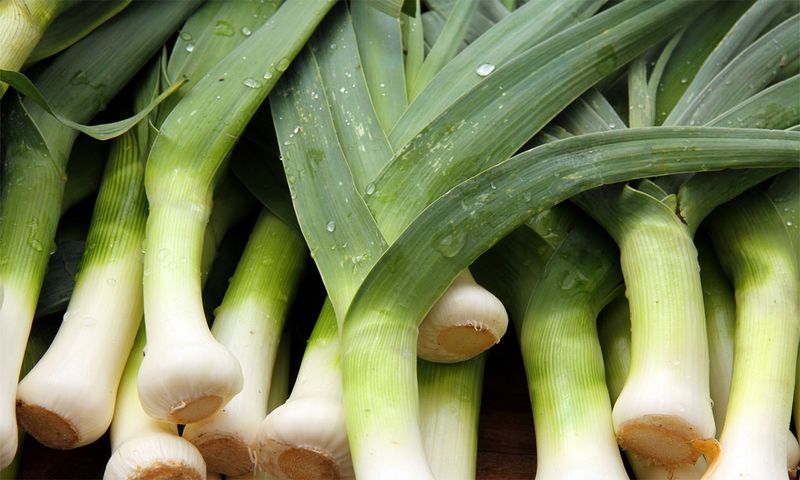
Leeks, like other alliums, vie aggressively for nitrogen and moisture, resources that are crucial for corn’s growth. This competition can lead to a nutrient deficit for both plants, impacting their overall health and yield. The presence of leeks near corn can exacerbate these resource challenges, as both plants require significant amounts of water and nutrients. Additionally, leeks and corn can create a shading issue, as they compete for sunlight. The overlapping demands for resources make leeks a less-than-ideal companion for corn in the garden.
21. Chives
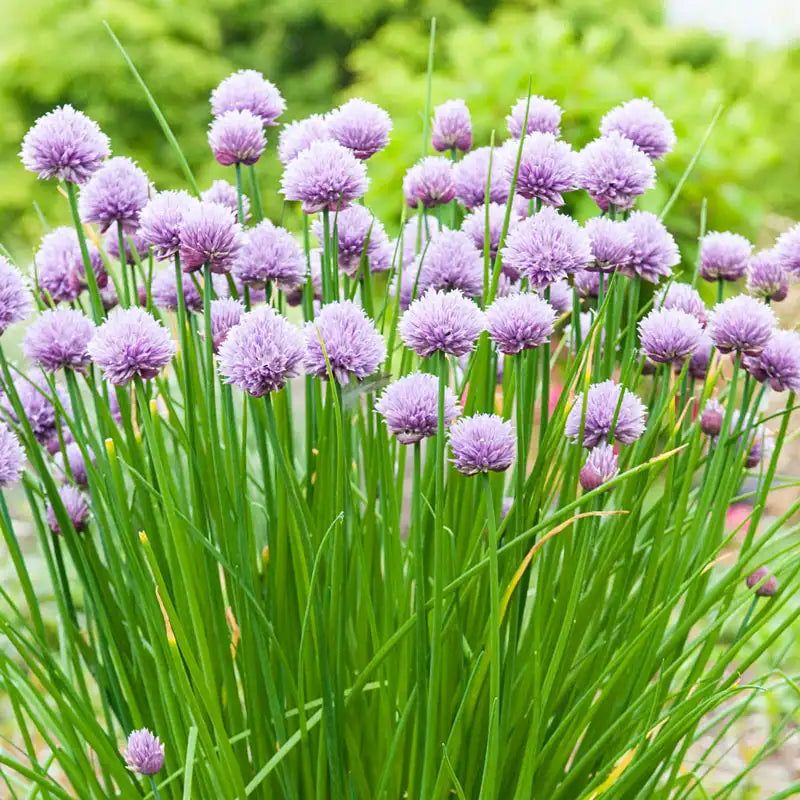
Chives, despite their shallow root system, compete with corn for the topsoil nutrient layer. This competition can lead to a nutrient deficit for both plants, impacting their overall health and yield. The presence of chives near corn can exacerbate these resource challenges, as both plants require significant amounts of water and nutrients. Additionally, chives and corn can create a shading issue, as they compete for sunlight. The overlapping demands for resources make chives a less-than-ideal companion for corn in the garden.
22. Parsley

Parsley, with its fragrant leaves, can sap soil moisture and nutrients needed by adjacent corn. This competition can lead to a nutrient deficit for both plants, impacting their overall health and yield. The presence of parsley near corn can exacerbate these resource challenges, as both plants require significant amounts of water and nutrients. Additionally, parsley and corn can create a shading issue, as they compete for sunlight. The overlapping demands for resources make parsley a less-than-ideal companion for corn in the garden.
23. Spinach

Spinach, with its lush leaves, can cast shadows over corn seedlings, hindering their access to sunlight. This shading can lead to stunted growth in corn, as sunlight is crucial for photosynthesis. Additionally, spinach and corn compete for similar soil nutrients, creating a challenging growing environment. The overlapping demands for resources and potential shading make spinach a less-than-ideal companion for corn. The presence of spinach near corn can impact the overall health and yield of corn, creating a challenging environment for their growth.
24. Celery
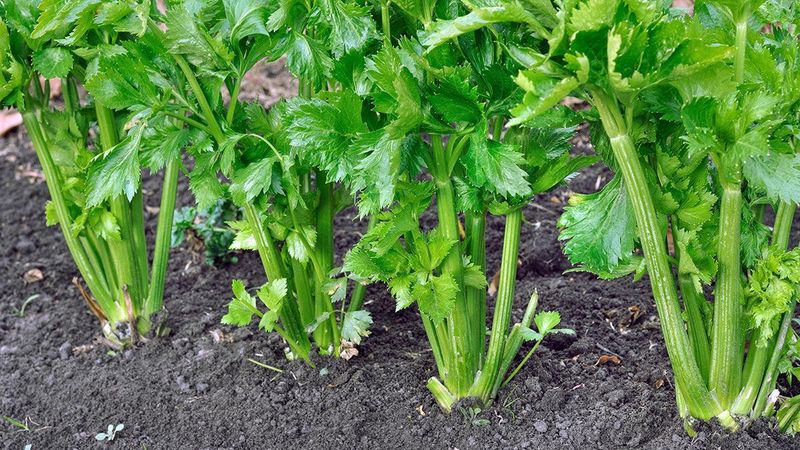
Celery, with its dense growth, can block light from reaching corn plants, impacting their ability to photosynthesize. This shading can lead to stunted growth in corn, as sunlight is crucial for their development. Additionally, celery and corn compete for similar soil nutrients, creating a challenging environment. The overlapping demands for resources and shading issues make celery a less-than-ideal companion for corn. The presence of celery near corn can impact the overall health and yield of corn, creating a challenging environment for their growth.
25. Lettuce
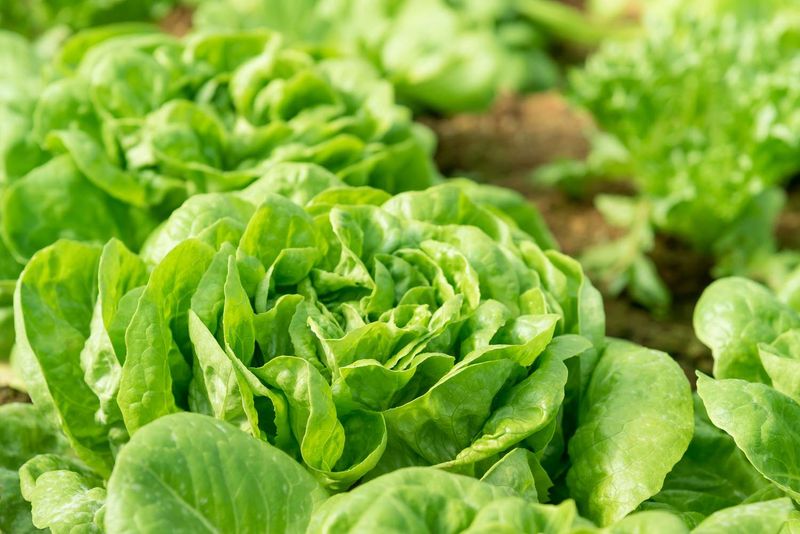
Lettuce, with its broad leaves, can hinder sunlight from reaching corn, impacting their ability to photosynthesize. This shading can lead to stunted growth in corn, as sunlight is crucial for their development. Additionally, lettuce and corn compete for similar soil nutrients, creating a challenging environment. The overlapping demands for resources and shading issues make lettuce a less-than-ideal companion for corn. The presence of lettuce near corn can impact the overall health and yield of corn, creating a challenging environment for their growth.
26. Arugula

Arugula, with its fast-growing foliage, competes for soil nutrients, potentially stunting nearby corn. This competition can lead to a nutrient deficit for both plants, impacting their overall health and yield. The presence of arugula near corn can exacerbate these resource challenges, as both plants require significant amounts of water and nutrients. Additionally, arugula and corn can create a shading issue, as they compete for sunlight. The overlapping demands for resources make arugula a less-than-ideal companion for corn in the garden.
27. Swiss Chard
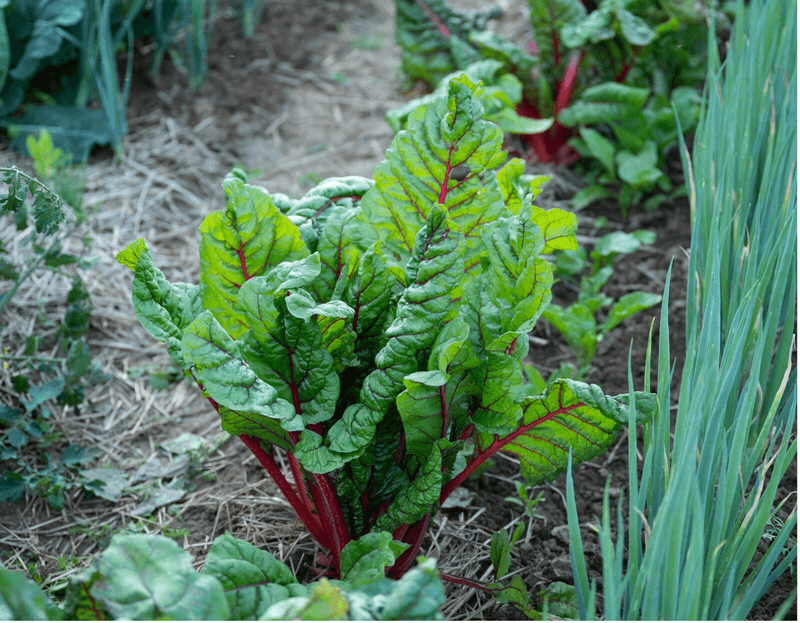
Swiss Chard, with its large, colorful leaves, can overshadow young corn plants, impacting their access to sunlight. This shading can lead to stunted growth in corn, as sunlight is crucial for their development. Additionally, Swiss Chard and corn compete for similar soil nutrients, creating a challenging environment. The overlapping demands for resources and shading issues make Swiss Chard a less-than-ideal companion for corn. The presence of Swiss Chard near corn can impact the overall health and yield of corn, creating a challenging environment for their growth.
28. Bok Choy
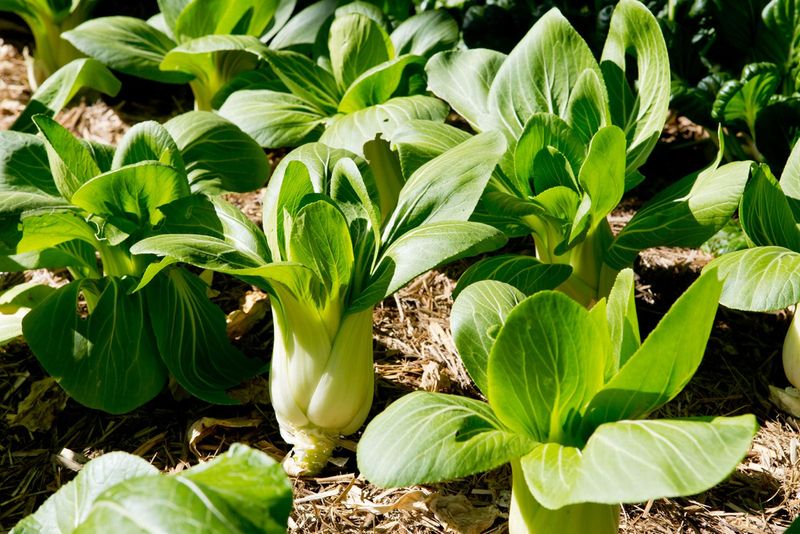
Bok Choy, with its rapid growth, draws on the same soil nutrients corn requires, creating competition. This competition can lead to a nutrient deficit for both plants, impacting their overall health and yield. The presence of Bok Choy near corn can exacerbate these resource challenges, as both plants require significant amounts of water and nutrients. Additionally, Bok Choy and corn can create a shading issue, as they compete for sunlight. The overlapping demands for resources make Bok Choy a less-than-ideal companion for corn in the garden.
29. Fennel
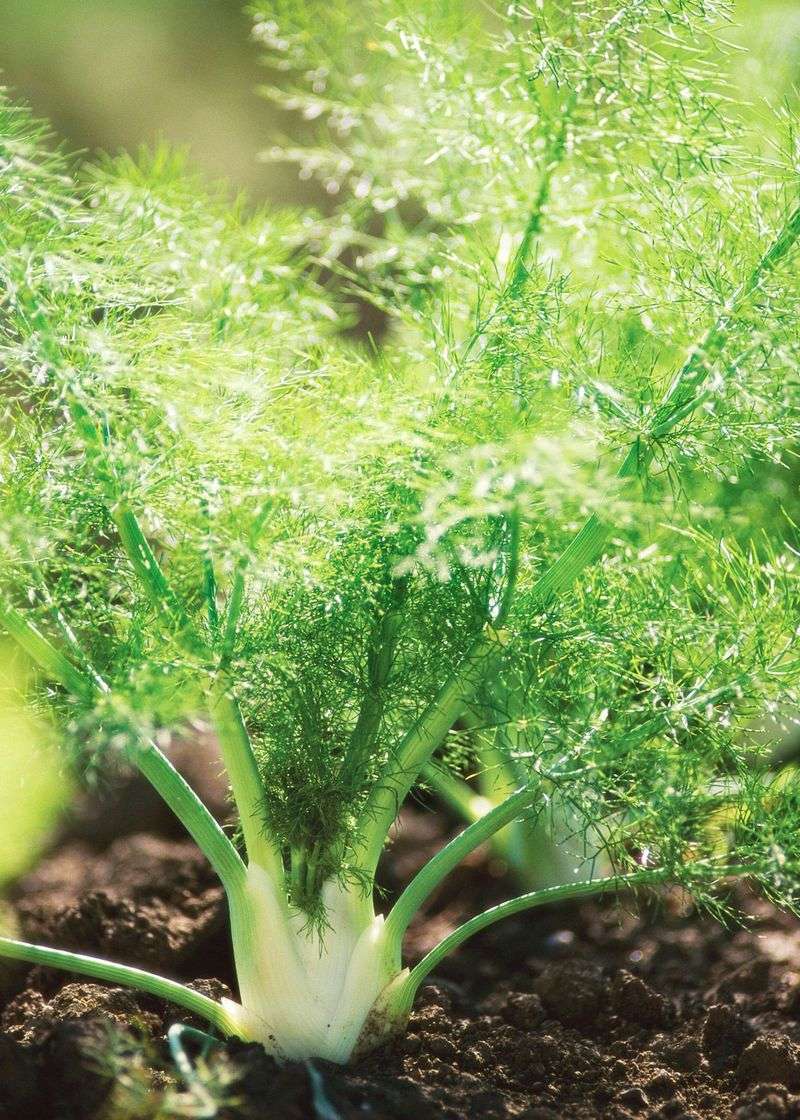
Fennel is known for releasing allelopathic compounds that can suppress the growth of nearby plants, including corn. These compounds can negatively impact corn’s development, leading to stunted growth and reduced yield. The presence of fennel near corn can create a challenging environment, as these compounds can inhibit the vital processes corn needs to thrive. Additionally, fennel and corn compete for similar soil nutrients, further exacerbating resource challenges. The combination of allelopathic effects and competition makes fennel a poor choice to plant near corn.
30. Cilantro
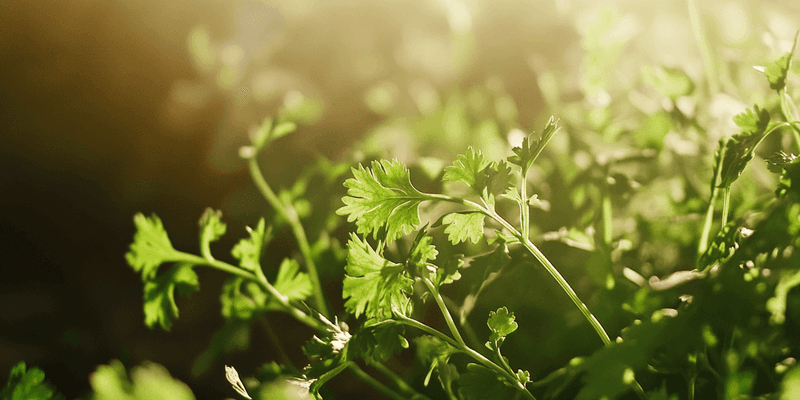
Cilantro, with its aromatic leaves, can attract aphids and other pests that quickly spread to corn. These pests can cause significant damage, impacting the health and yield of corn plants. The presence of cilantro near corn can exacerbate these pest issues, as they provide a favorable environment for their proliferation. Additionally, cilantro and corn compete for similar soil nutrients, creating a challenging environment. The overlapping demands and shared pest attraction make cilantro a less-than-ideal companion for corn, impacting their overall health and yield.
31. Asparagus
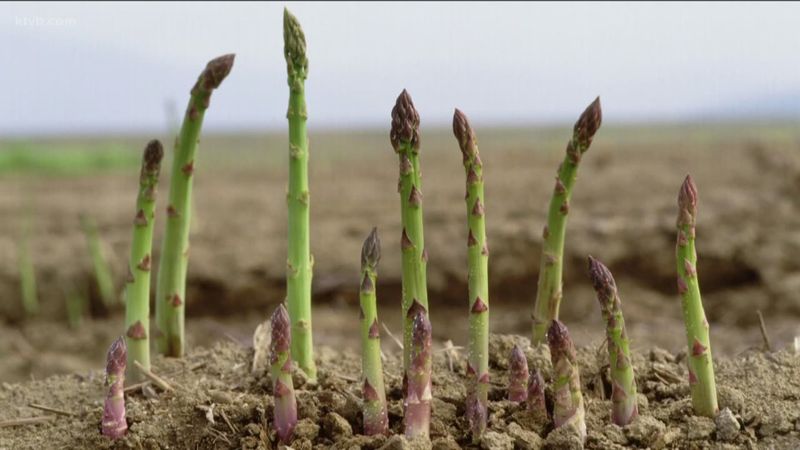
Asparagus, with its deep roots, competes with corn for moisture and nutrients underground. This competition can lead to a resource deficit for both plants, impacting their overall health and yield. The presence of asparagus near corn can exacerbate these resource challenges, as both plants require significant amounts of water and nutrients. Additionally, asparagus and corn can create a shading issue, as they compete for sunlight. The overlapping demands for resources make asparagus a less-than-ideal companion for corn in the garden.
32. Rhubarb
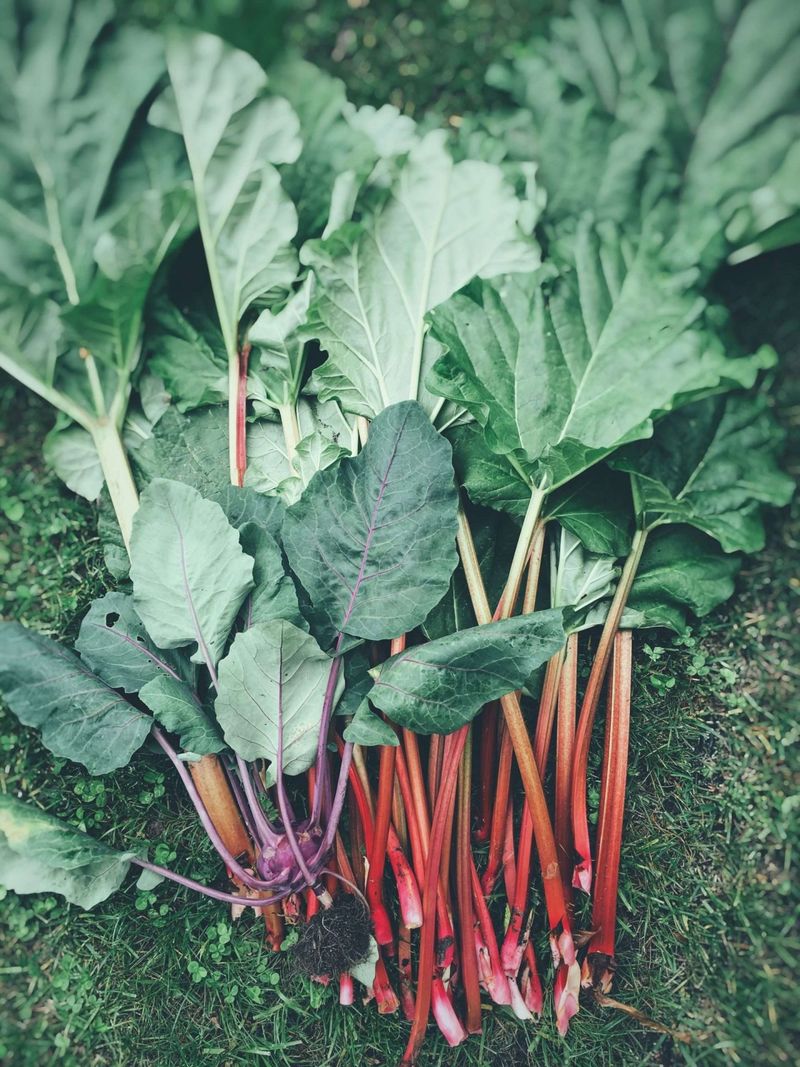
Rhubarb is known for releasing soil compounds that may inhibit corn development. These compounds can negatively impact corn’s growth, leading to stunted development and reduced yield. The presence of rhubarb near corn can create a challenging environment, as these compounds can inhibit the vital processes corn needs to thrive. Additionally, rhubarb and corn compete for similar soil nutrients, further exacerbating resource challenges. The combination of soil compounds and competition makes rhubarb a poor choice to plant near corn.
33. Okra

Okra, with its tall, leafy stalks, can cast significant shade over corn seedlings, impacting their access to sunlight. This shading can lead to stunted growth in corn, as sunlight is crucial for their development. Additionally, okra and corn share aphid pests, which can rapidly spread between the plants, causing damage. The overlapping demands for sunlight and shared pest issues make okra a challenging companion for corn. The presence of okra near corn can impact the overall health and yield of corn, creating a challenging environment for their growth.
34. Basil

Basil, with its shallow, nutrient-hungry roots, can starve corn for water and minerals. This competition can lead to a nutrient deficit for both plants, impacting their overall health and yield. The presence of basil near corn can exacerbate these resource challenges, as both plants require significant amounts of water and nutrients. Additionally, basil and corn can create a shading issue, as they compete for sunlight. The overlapping demands for resources make basil a less-than-ideal companion for corn in the garden.
35. Soybeans
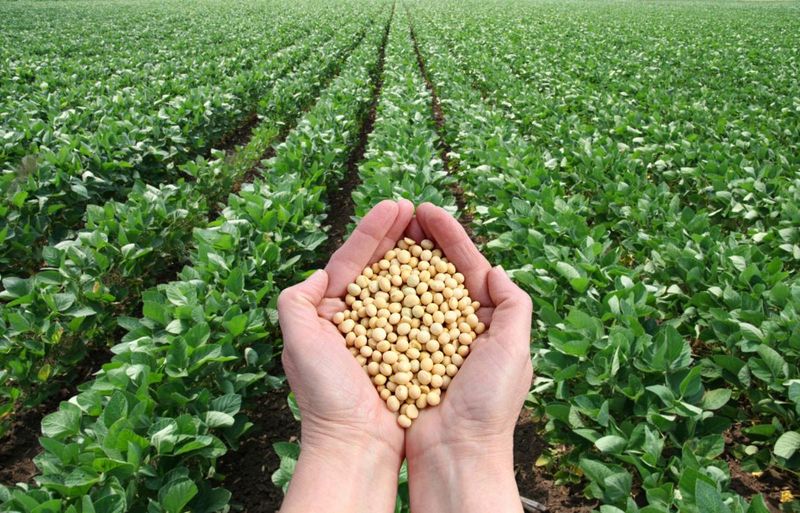
Soybeans, while beneficial in crop rotation, can host corn rootworms, increasing the risk of devastating infestations in corn. These pests are known for their ability to damage corn’s root system, leading to stunted growth and reduced yield. The presence of soybeans near corn can exacerbate these pest issues, creating a challenging environment. Additionally, soybeans and corn compete for similar soil nutrients, further complicating resource availability. The combination of shared pests and competition makes soybeans a poor choice to plant near corn.