 Complete Gardening
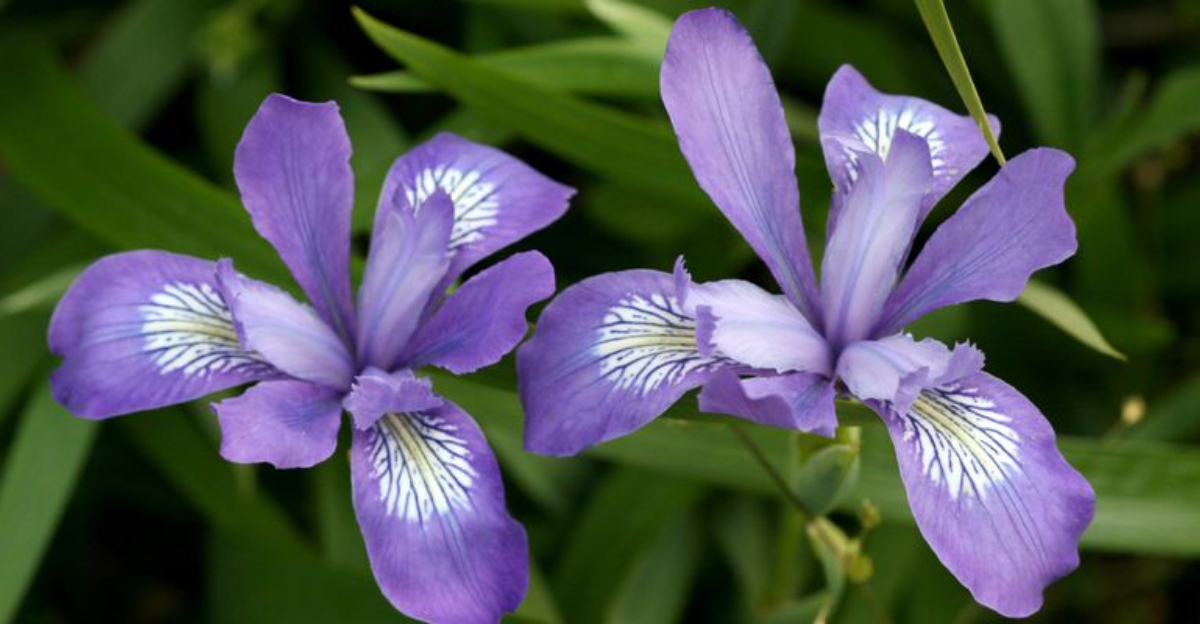
In every corner of the United States, diverse climates create unique settings for perennial plants to thrive. Whether you’re in the arid deserts of the southwest or the lush forests of the northeast, there’s a perennial perfect for your garden.
This guide explores 35 top-rated perennials, each with unique characteristics and aesthetic appeal, ensuring your garden blooms year-round.
From the striking colors of the California Poppy to the delicate blooms of the Virginia Bluebells, these plants promise beauty and resilience.
1. Penstemon (Beardtongue)
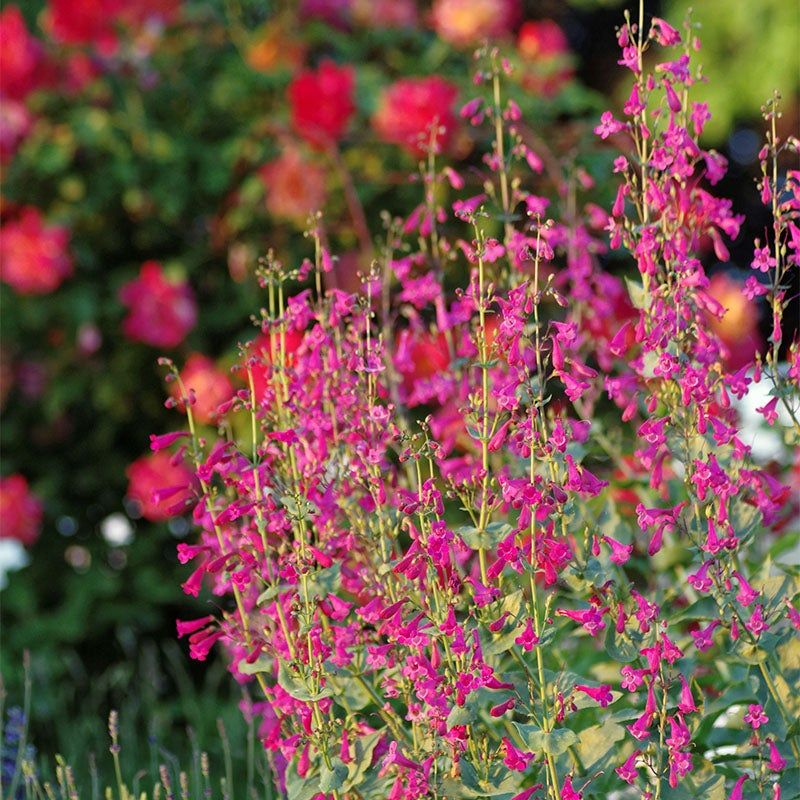
With tubular blooms that catch the eye, Penstemon flowers offer a vibrant display of reds and purples. Their trumpet-like shape attracts hummingbirds, adding life and movement to gardens. These hardy perennials are well-suited for dry, rocky soils and require minimal maintenance.
The name ‘Beardtongue’ originates from their fuzzy stamens, reminiscent of a beard. They flourish in full sun, making them a favorite in xeriscaping designs.
Their resilience and beauty make them a gardener’s delight.
2. Rocky Mountain Columbine (Aquilegia caerulea)
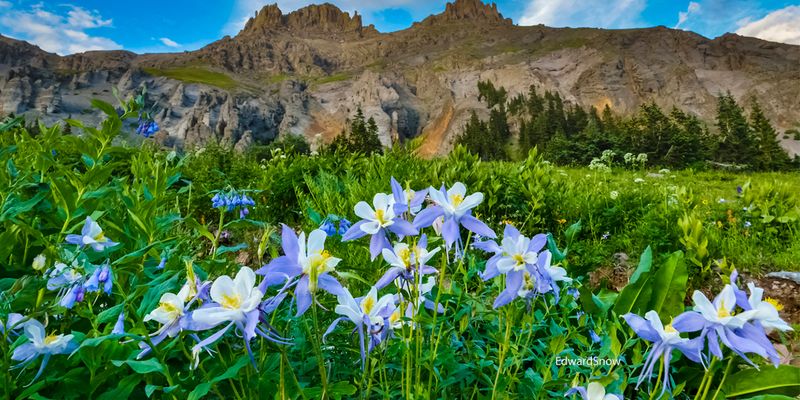
The Rocky Mountain Columbine stands as a symbol of Colorado’s natural beauty. With its delicate blue and white petals, it captures the essence of alpine meadows. This lovely perennial thrives in well-drained, moist soils, enduring the variable mountain climates.
Its spurred blossoms are a sight to behold, attracting bees and butterflies alike.
A fun fact: It’s Colorado’s state flower, representing peace and resilience. Plant it to bring a touch of the Rockies to your garden.
3. Blanket Flower (Gaillardia aristata)
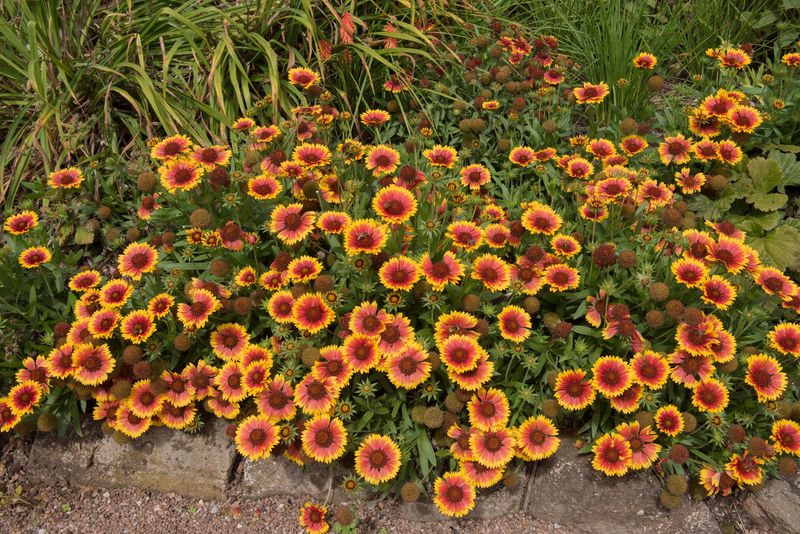
Radiating warmth with its fiery red and yellow hues, the Blanket Flower is a true gem. This perennial’s daisy-like appearance brings a sunny disposition to any garden. Highly drought-resistant, it thrives in poor, sandy soils, making it perfect for low-maintenance landscapes.
Its name stems from its resemblance to colorful Native American blankets.
A favorite among pollinators, it invites bees and butterflies, ensuring a lively garden atmosphere throughout the growing season.
4. Blue Flax (Linum lewisii)
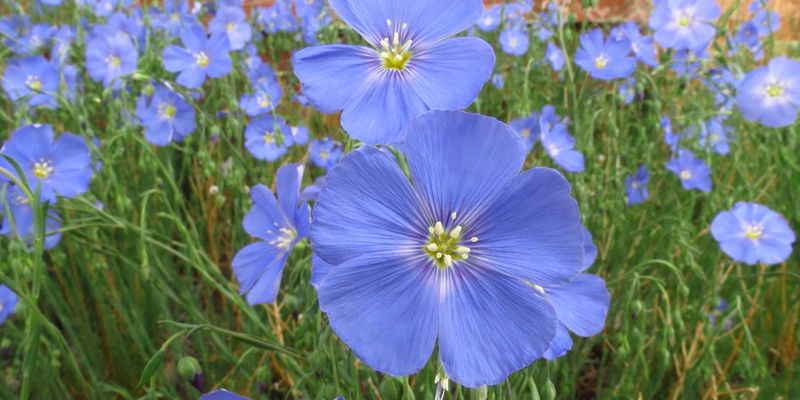
Blue Flax offers a serene beauty with its sky-blue petals and threadlike leaves. These delicate flowers open in the morning, closing by afternoon, in a gentle daily cycle. Native to prairies and mountains, they prefer full sun and well-drained soil.
Their graceful movement in the breeze brings an ethereal quality to gardens.
With minimal care requirements, they are an excellent choice for wildflower gardens and naturalistic plantings, adding a touch of elegance.
5. Prairie Coneflower (Ratibida columnifera)
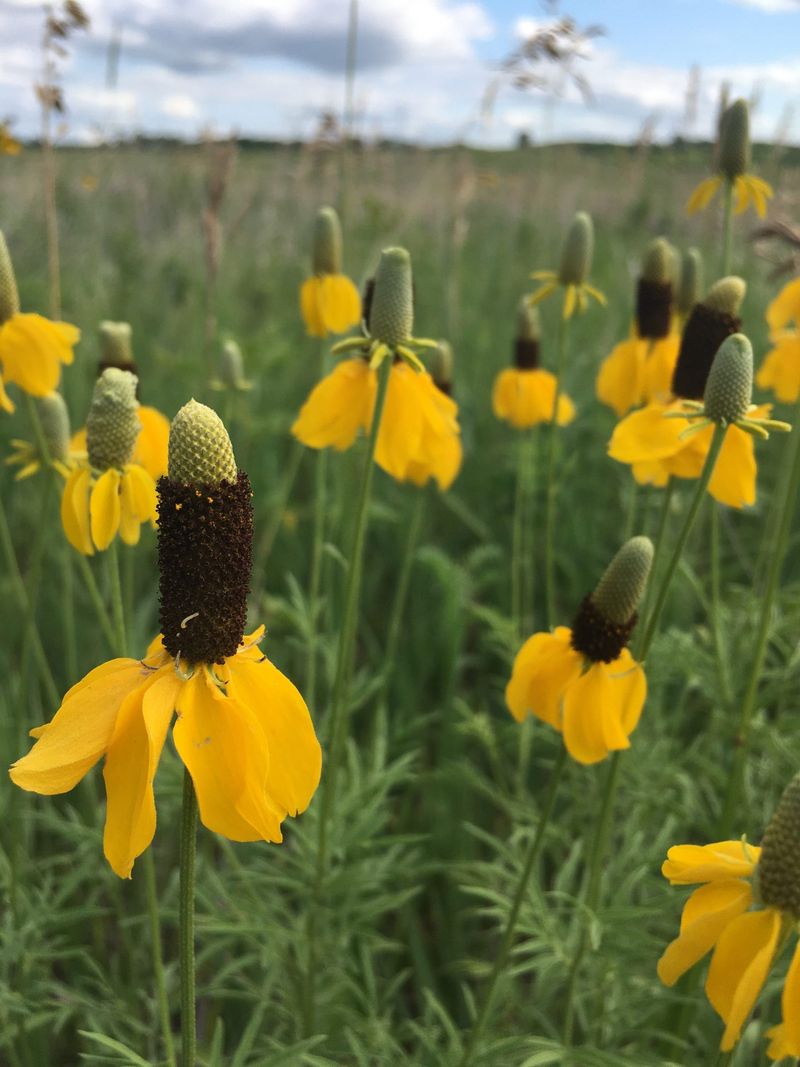
Standing tall with a prominent central cone, the Prairie Coneflower offers a striking silhouette. Its drooping yellow petals create a unique visual appeal, reminiscent of a sun hat. Found across the plains, this perennial thrives in dry, open areas.
Their deep roots make them drought-tolerant, ideal for xeriscaping.
The Prairie Coneflower attracts a variety of pollinators, enhancing biodiversity. Its robust nature and distinctive appearance make it a staple for prairie restoration projects.
6. Desert Marigold (Baileya multiradiata)
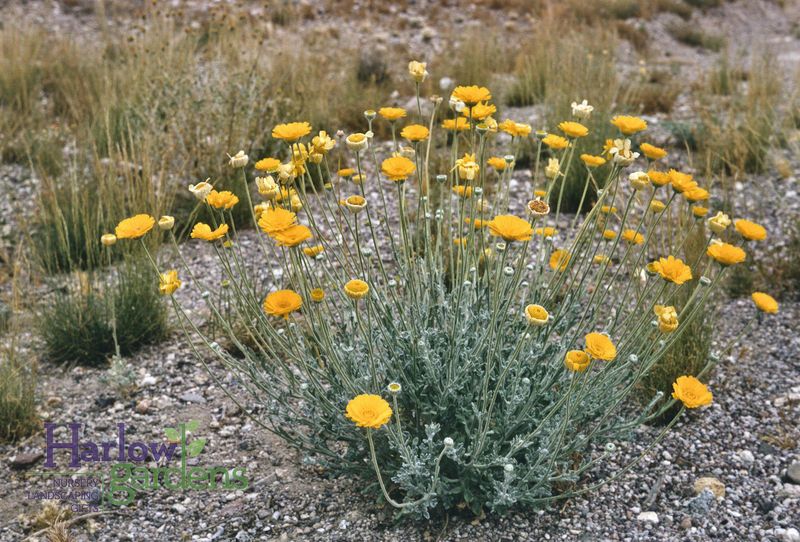
In the arid landscapes of the southwest, Desert Marigold shines with golden blooms. Its vibrant flowers capture the sun’s brilliance, thriving in sandy, rocky soils. This perennial’s silver-green foliage provides a striking contrast, enhancing its visual appeal.
Adapted to extreme conditions, it requires minimal water and care.
A beloved feature of desert gardens, the Desert Marigold’s cheerful presence is a symbol of resilience and beauty. Its blooms persist from spring through fall, offering continuous color.
7. Red Yucca (Hesperaloe parviflora)
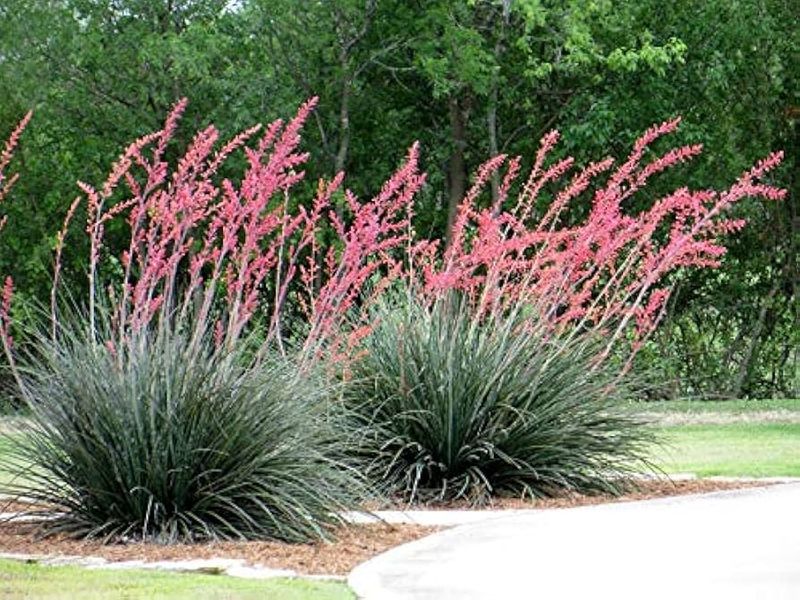
The Red Yucca emerges as a desert jewel with its tall spikes of coral-red flowers. This perennial is not a true yucca but shares its hardy characteristics, making it perfect for xeriscapes. Its evergreen foliage adds texture year-round.
In bloom, it draws hummingbirds, adding dynamic movement to the landscape.
Despite its tough exterior, it requires little care, thriving in poor, well-drained soils. The Red Yucca embodies the beauty and tenacity of the desert.
8. Autumn Sage (Salvia greggii)
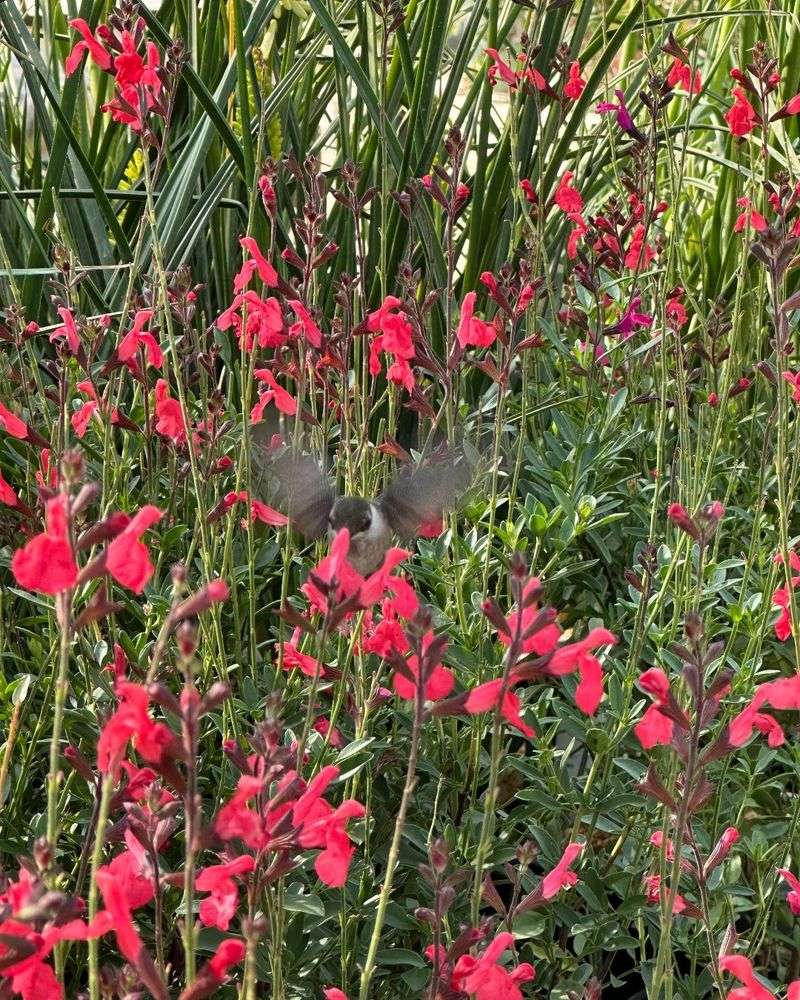
With its bright, tubular blooms, Autumn Sage brings a splash of color to gardens. This perennial is a favorite among hummingbirds and butterflies, creating a lively atmosphere. Its aromatic foliage adds another sensory dimension, releasing a pleasant scent.
Thriving in dry, well-drained soils, Autumn Sage is ideal for xeriscaping.
Its extended blooming season, from spring to fall, ensures continuous beauty. The plant’s resilience and vibrant allure make it a garden staple.
9. Mexican Hat (Ratibida columnifera)
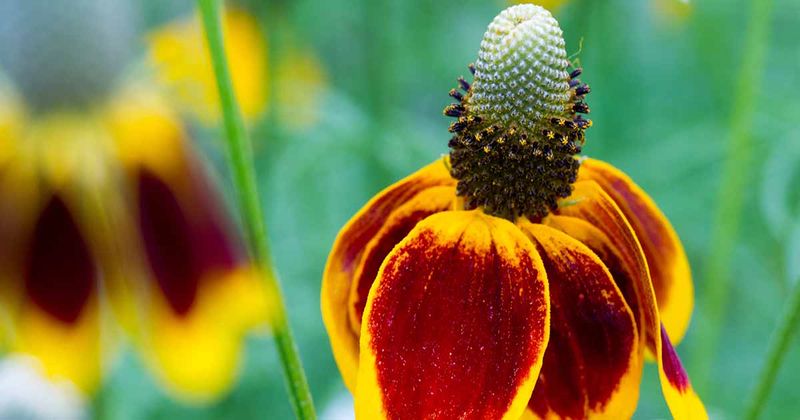
Named for its distinct sombrero-shaped flowers, the Mexican Hat is both quirky and charming. Its brown cone and drooping yellow or red petals create a whimsical appearance in gardens. This perennial thrives in full sun and well-drained soils.
A member of the prairie ecosystem, it’s drought-tolerant and easy to grow.
Attractive to pollinators, it also plays a role in supporting local wildlife. The Mexican Hat’s unique shape and hardy nature make it a garden favorite.
10. Chocolate Flower (Berlandiera lyrata)
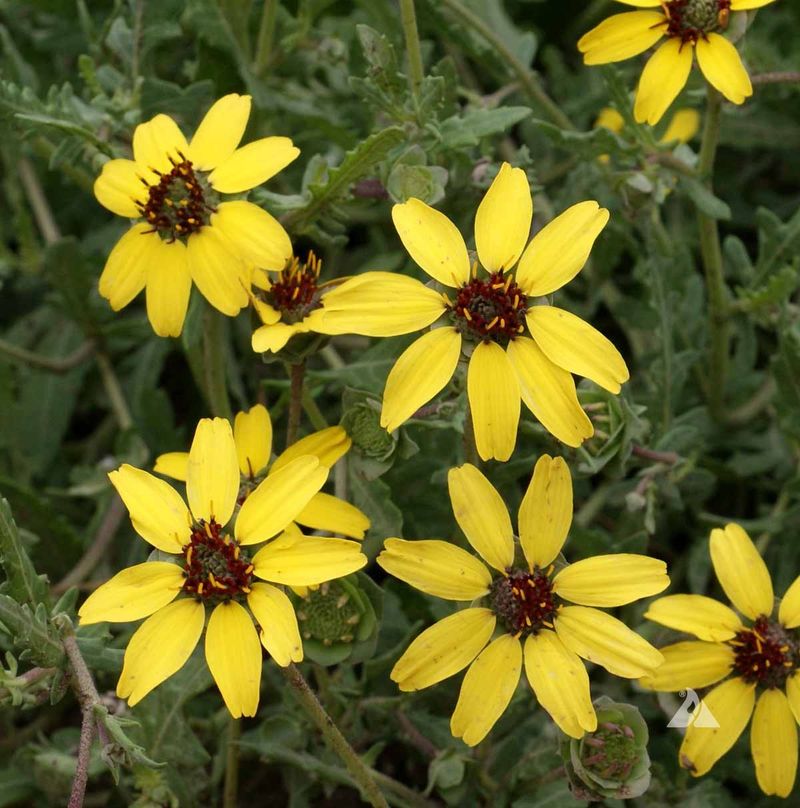
Imagine waking up to the scent of chocolate wafting through your garden. The Chocolate Flower offers this delightful aroma, making mornings special. Its yellow, daisy-like blooms close by midday, adding intrigue to its beauty.
This perennial thrives in sunny, well-drained locations, requiring little water.
Native to rocky soils, it’s a resilient addition to xeriscapes. Its unique fragrance and cheerful blooms make the Chocolate Flower a sensory delight, captivating gardeners and pollinators alike.
11. Coral Bells (Heuchera americana)
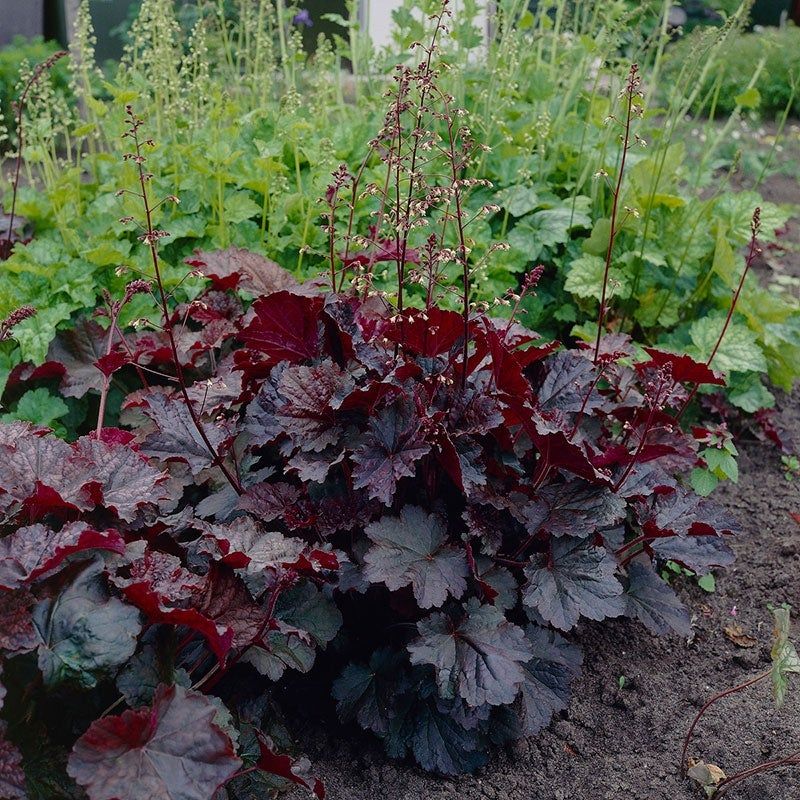
Coral Bells enchant with their intricate foliage and delicate flowers. These perennials are renowned for their colorful leaves, which range from deep purples to vibrant greens. Ideal for shaded areas, they bring vibrancy to darker corners of gardens.
Their tiny, bell-shaped flowers rise on slender stalks, adding elegance.
While they prefer moist, well-drained soil, Coral Bells are versatile and low-maintenance. Their lush foliage and delicate blooms make them a popular choice for border plantings.
12. Black-Eyed Susan (Rudbeckia hirta)
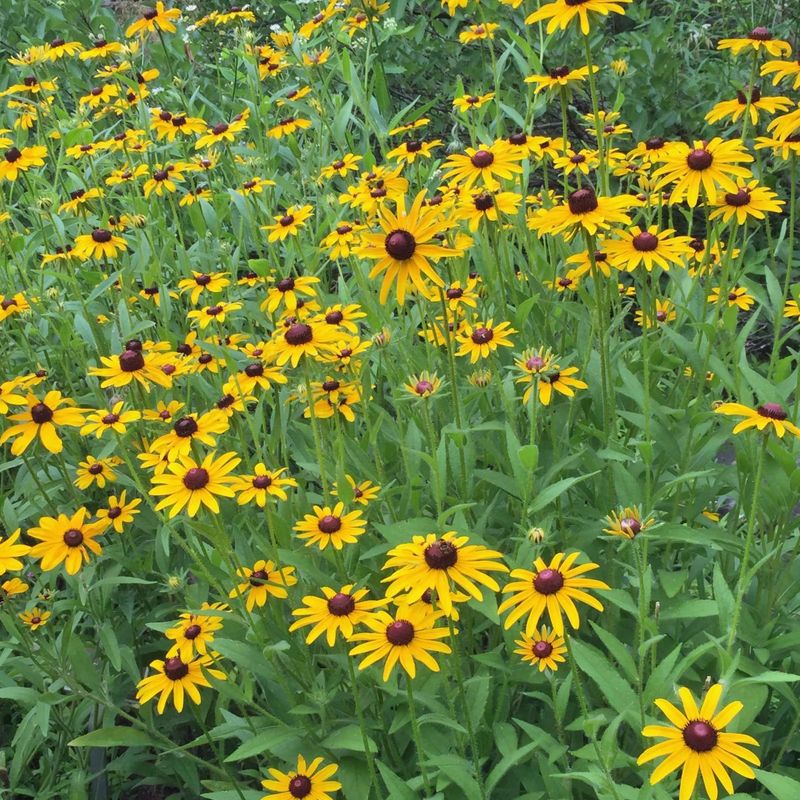
With sunny yellow petals and dark centers, Black-Eyed Susan is a cheerful garden staple. These perennials thrive in a range of soils, from well-drained loams to poorer, rocky grounds. Their daisy-like flowers add warmth and color to summer landscapes.
Black-Eyed Susan attracts pollinators, supporting ecological diversity.
Easy to grow, they are perfect for garden borders or wildflower meadows. Their long-lasting blooms and resilience make them a favorite for gardeners seeking low-maintenance beauty.
13. Eastern Columbine (Aquilegia canadensis)
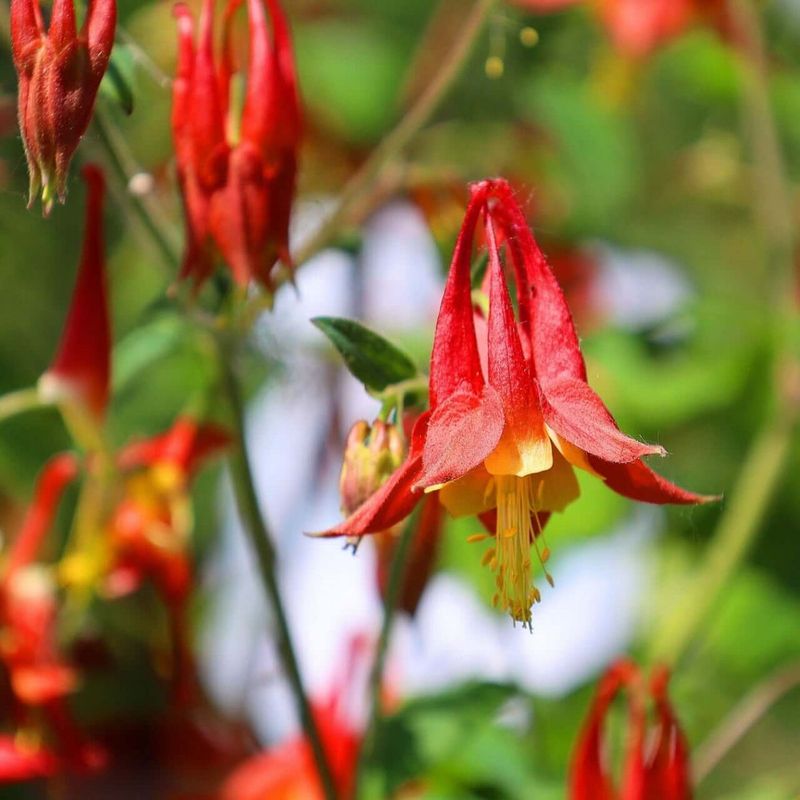
Eastern Columbine captivates with its red and yellow blooms, reminiscent of delicate lanterns. This woodland perennial thrives in dappled shade, bringing color to forested gardens. Its unique, spurred flowers attract hummingbirds and butterflies.
A native to eastern North America, it prefers moist, well-drained soil.
With a touch of whimsy and elegance, Eastern Columbine adds a sense of magic to any garden. Its blend of beauty and adaptability ensures its place in horticultural hearts.
14. Stokes’ Aster (Stokesia laevis)
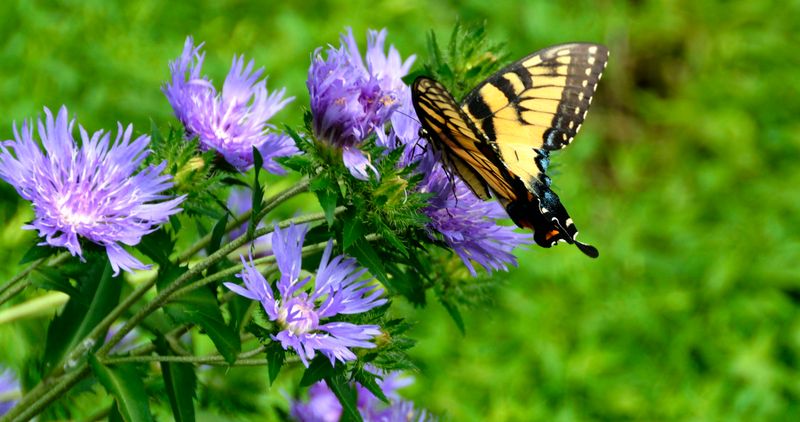
Stokes’ Aster dazzles with its lavender-blue flowers, offering a pop of color. These perennials thrive in well-drained, sunny locations, showcasing their blooms from summer into early fall. Known for their durability, they withstand heat and humidity.
Their large, feathery flowers attract butterflies, enhancing garden life.
Stokes’ Aster is a low-maintenance choice for borders and containers. Its vivid beauty and resilience make it a reliable addition to any garden setting.
15. Southern Blue Flag Iris (Iris virginica)
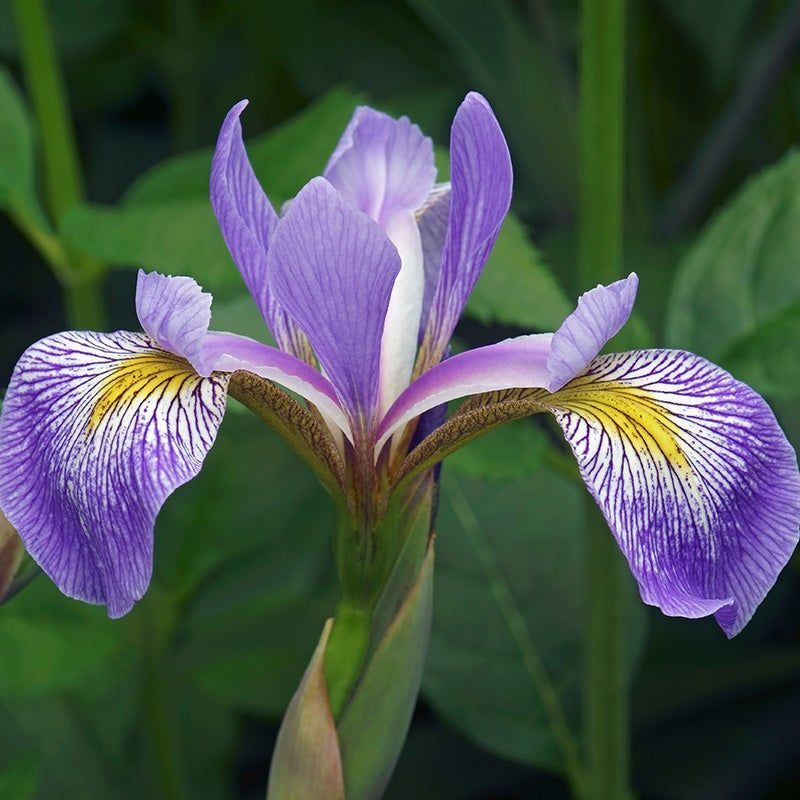
Graceful and striking, the Southern Blue Flag Iris thrives in wetland conditions. Its elegant purple blooms with intricate patterns captivate any onlooker. This perennial prefers full sun to partial shade, adding beauty to water gardens and pond edges.
Its sword-like foliage provides structure and texture year-round.
Native to the southeastern U.S., it attracts beneficial insects and wildlife. The Southern Blue Flag Iris embodies natural elegance, bringing a touch of refinement to aquatic landscapes.
16. Lupine (Lupinus perennis)
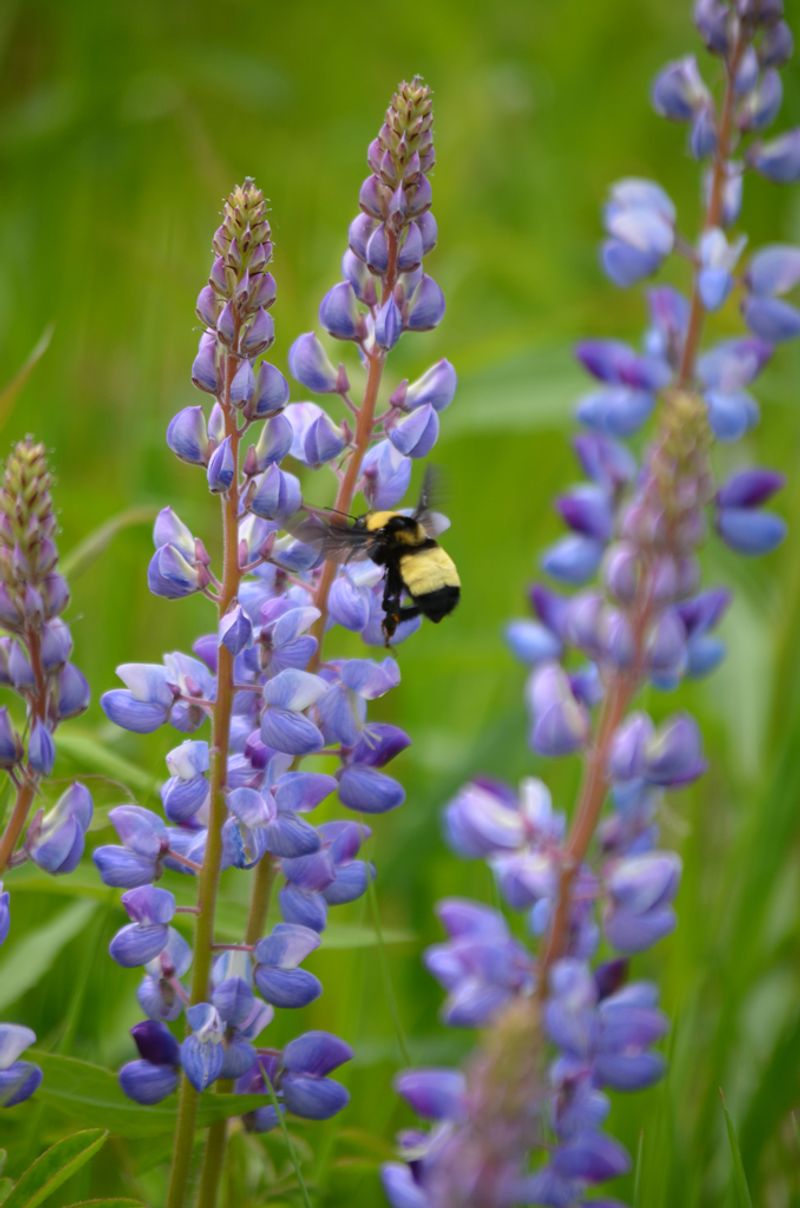
Lupine stands tall with its spires of blue and purple flowers, adding vertical interest to gardens. These perennials thrive in sunny, well-drained locations, often seen in meadows and prairies. Their pea-like flowers attract bees and butterflies.
Lupine’s deep roots help fix nitrogen, improving soil quality.
These plants are not only beautiful but ecologically beneficial, supporting pollinators and enriching the earth. Their striking appearance and environmental value make them a gardener’s ally.
17. Virginia Bluebells (Mertensia virginica)
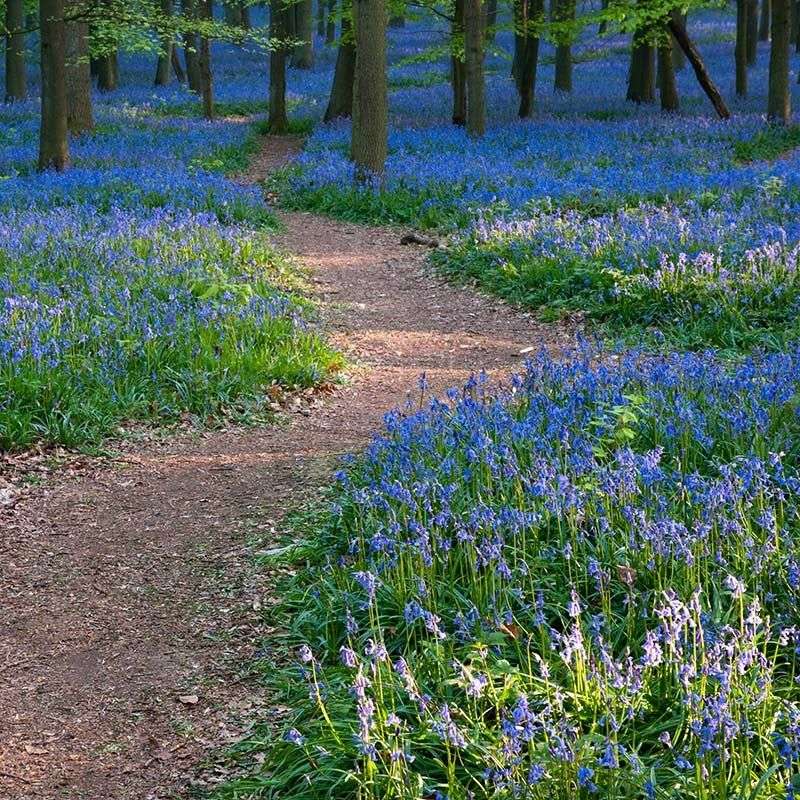
In the spring, Virginia Bluebells burst into bloom, creating a carpet of blue in woodland gardens. Their bell-shaped flowers dangle from arching stems, adding a graceful touch. These perennials thrive in moist, shaded areas, bringing life to forest floors.
Their early blooms provide nectar for emerging pollinators.
With a nod to their native habitat, Virginia Bluebells are perfect for naturalized plantings. Their ephemeral beauty and ecological role make them a springtime treasure.
18. Foamflower (Tiarella cordifolia)
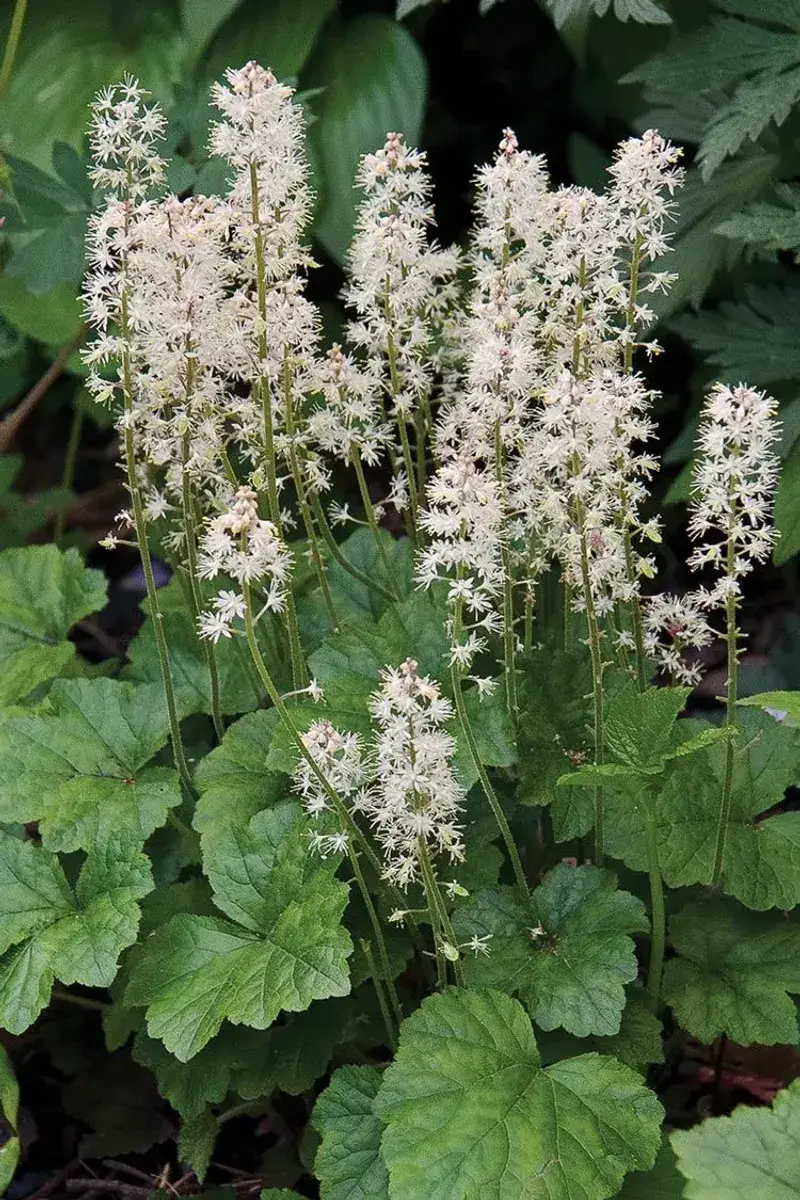
Foamflower enchants with its airy spikes of white flowers and heart-shaped leaves. This woodland perennial prefers shaded, moist areas, creating a lush groundcover. Its blooms rise in delicate profusion, resembling a foamy cascade.
A favorite under trees, it adds texture and light to darker spaces.
Foamflower’s ease of care and charming appearance make it ideal for naturalized gardens and shaded borders. Its visual appeal and adaptability ensure a place in any garden.
19. New England Aster (Symphyotrichum novae-angliae)
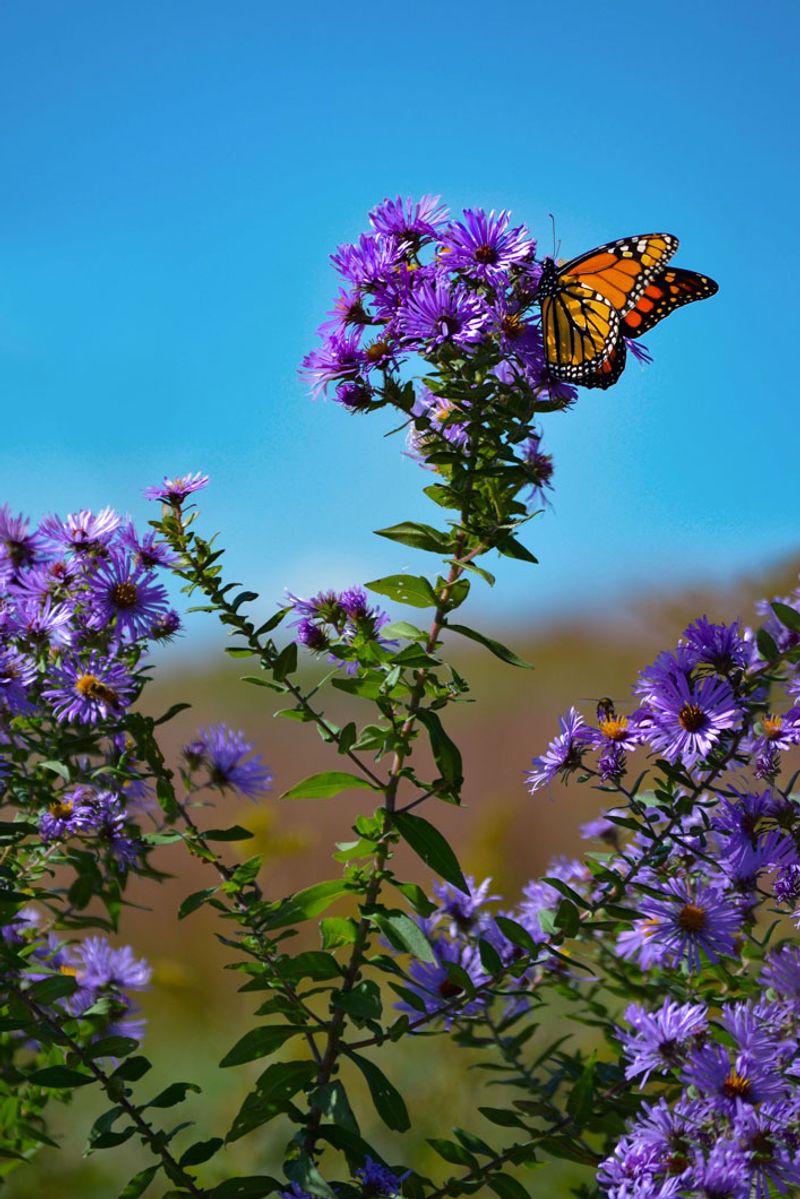
New England Aster adds a burst of autumn color with its vibrant purple flowers. These perennials thrive in full sun, preferring moist, well-drained soils. Their late-season blooms provide vital nectar for monarch butterflies during migration.
Reaching heights of up to six feet, they create a striking presence.
Their bushy growth habit makes them suitable for borders and naturalized areas. New England Aster’s combination of ecological value and dramatic beauty endears it to gardeners and wildlife alike.
20. Creeping Phlox (Phlox subulata)
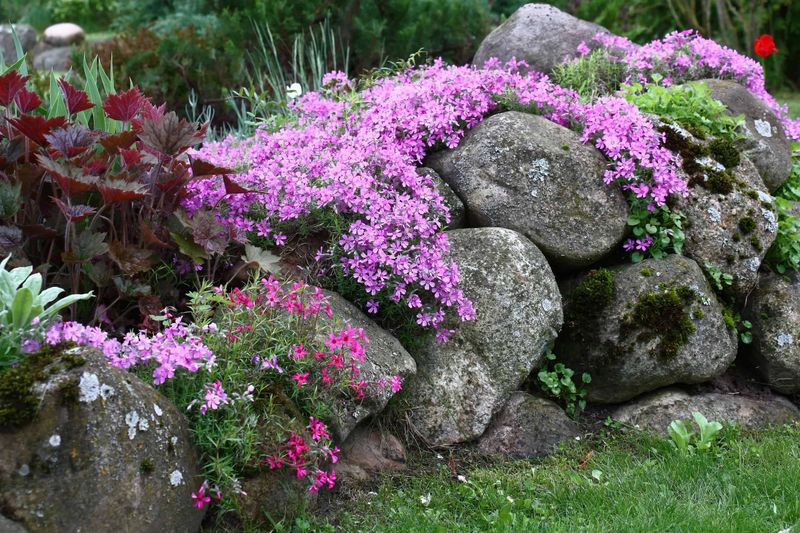
Creeping Phlox transforms landscapes with its vibrant carpet of blooms. This ground-covering perennial comes in shades of pink, purple, and white, thriving in sunny, well-drained areas. Its dense mat of flowers cascades over rocks and slopes.
In spring, it bursts into color, attracting pollinators.
Easy to grow and maintain, Creeping Phlox is perfect for rock gardens and borders. Its vibrant display and versatility make it a favorite for adding color and texture to gardens.
21. Purple Coneflower (Echinacea purpurea)
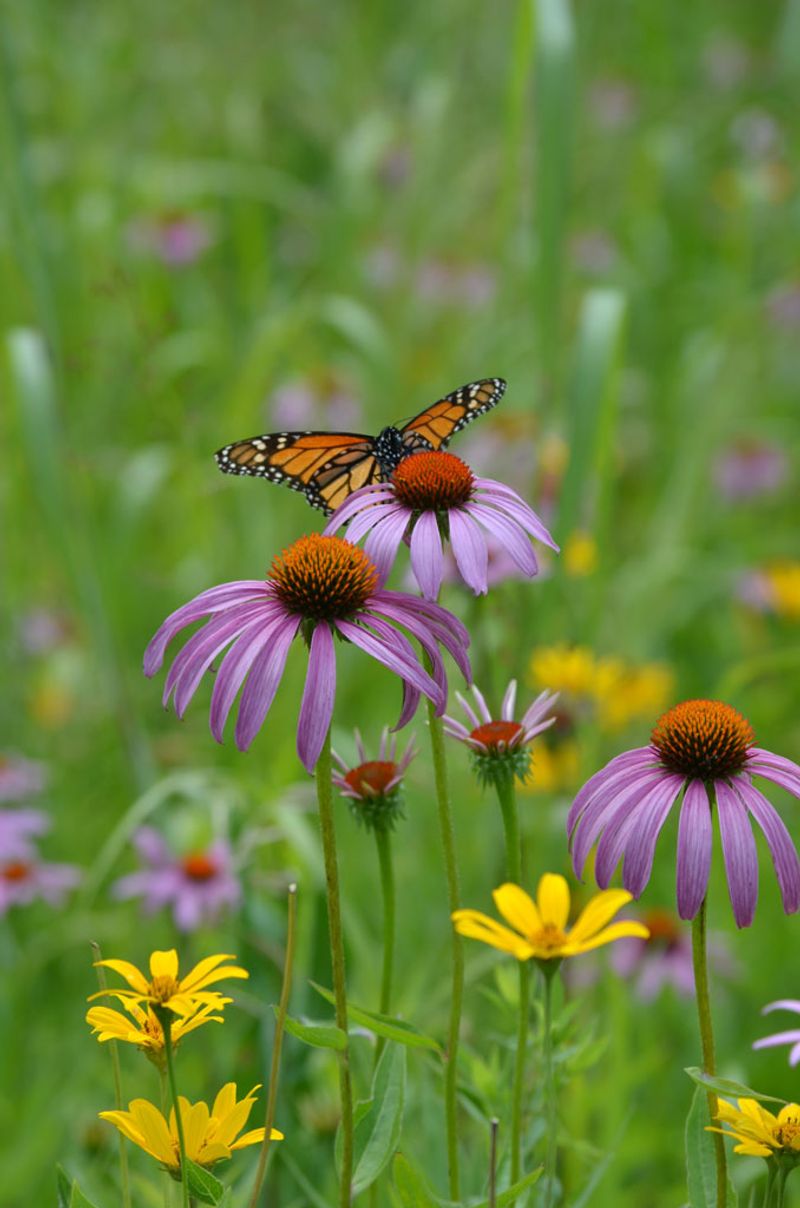
Purple Coneflower stands as a garden classic with its tall, sturdy stems and pinkish-purple blooms. This perennial thrives in sunny locations, tolerating a range of soil types. Its daisy-like flowers attract butterflies and birds, enhancing garden vitality.
A medicinal herb, it also offers health benefits.
Purple Coneflower’s combination of beauty and utility makes it a versatile addition to flower beds and meadows. Its resilience and charm ensure it remains a perennial favorite.
22. Wild Bergamot (Monarda fistulosa)
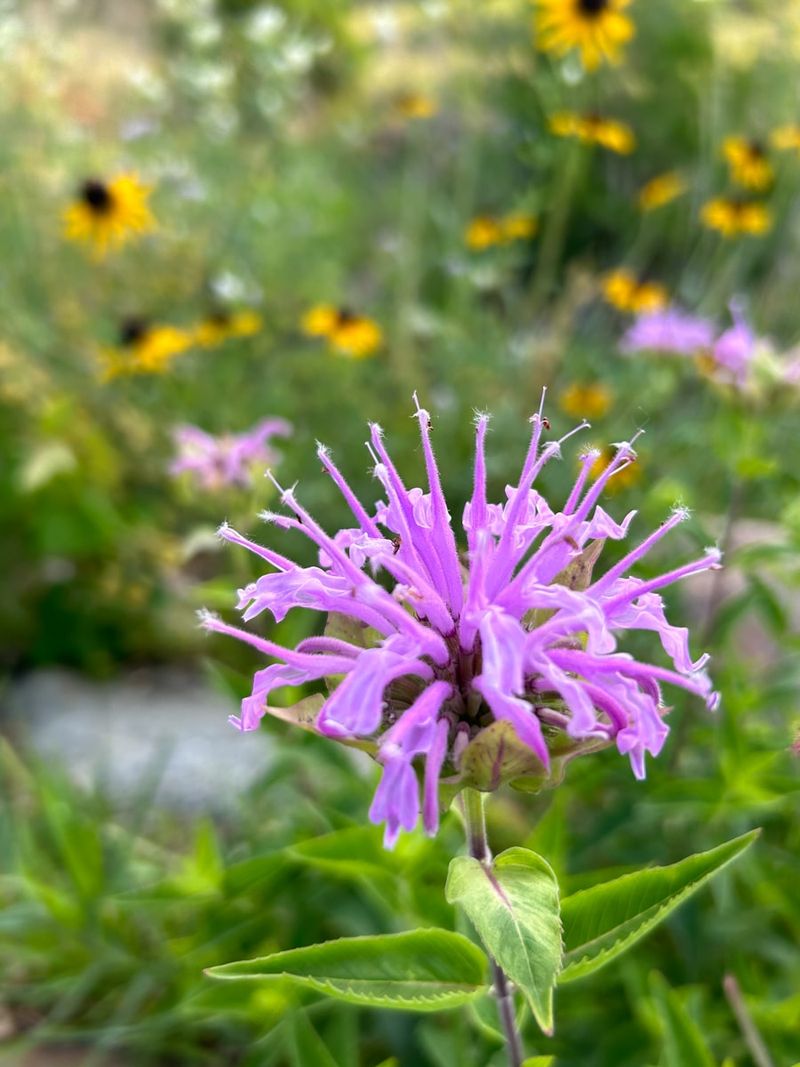
Wild Bergamot, also known as Bee Balm, enchants with its clusters of pale lavender flowers. This perennial thrives in prairies and open woodlands, preferring sunny, well-drained locations. Its aromatic leaves release a spicy fragrance, adding sensory appeal.
Attracting bees, butterflies, and hummingbirds, it supports biodiversity.
Wild Bergamot’s blend of beauty and fragrance makes it a delightful addition to gardens. Its historical use as a tea by Native Americans adds cultural depth.
23. Prairie Dropseed (Sporobolus heterolepis)
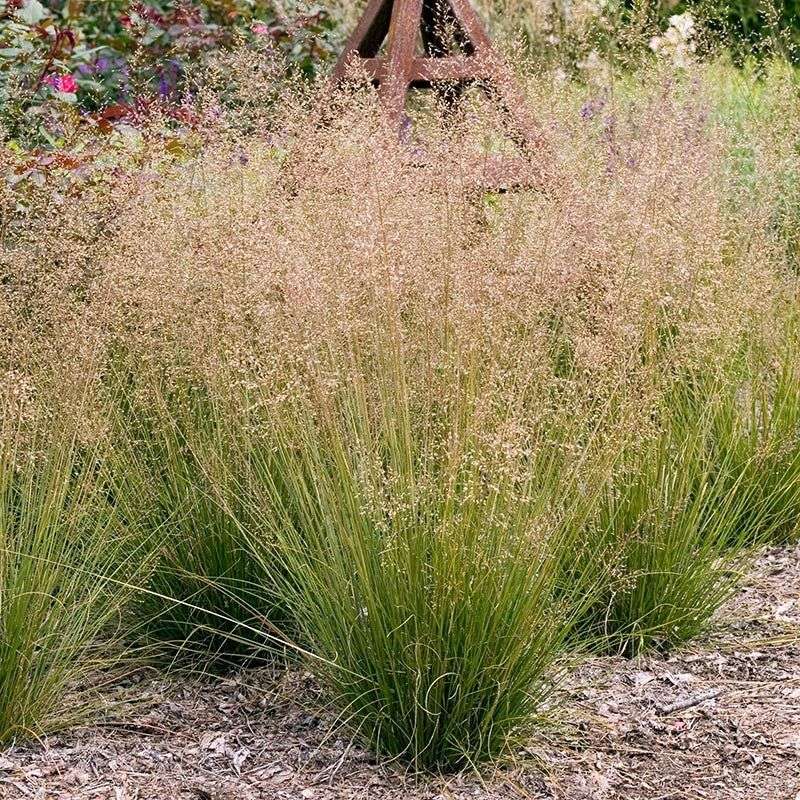
Prairie Dropseed offers elegance with its fine-textured foliage and airy seed heads. This ornamental grass thrives in sunny, well-drained soils, becoming a focal point in meadows and landscapes. Its graceful growth habit adds movement to gardens.
In late summer, it releases a subtle, popcorn-like fragrance.
Prairie Dropseed’s adaptability and aesthetic appeal make it a popular choice for borders and mass plantings. Its combination of beauty and hardiness ensures it remains a garden favorite.
24. Butterfly Milkweed (Asclepias tuberosa)
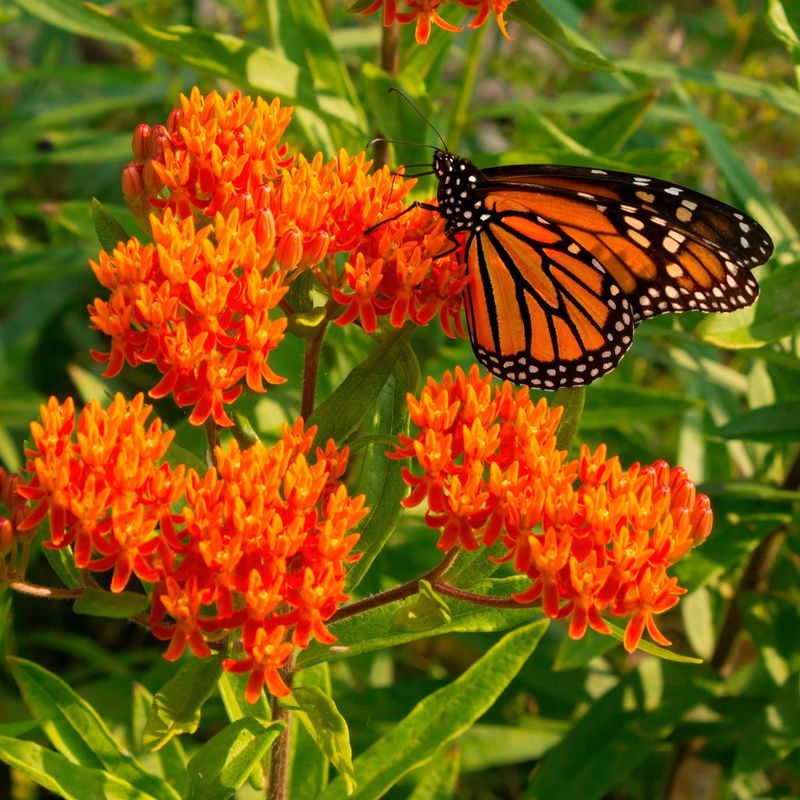
Butterfly Milkweed captivates with its vibrant orange flowers and ecological importance. This perennial thrives in sunny meadows, playing a vital role in supporting monarch butterflies. Its blooms attract a variety of pollinators, adding life to gardens.
Drought-tolerant and easy to grow, it prefers well-drained soils.
As a host plant for monarch larvae, it supports conservation efforts. Butterfly Milkweed’s striking appearance and ecological contribution make it a must-have for pollinator gardens.
25. Ohio Spiderwort (Tradescantia ohiensis)
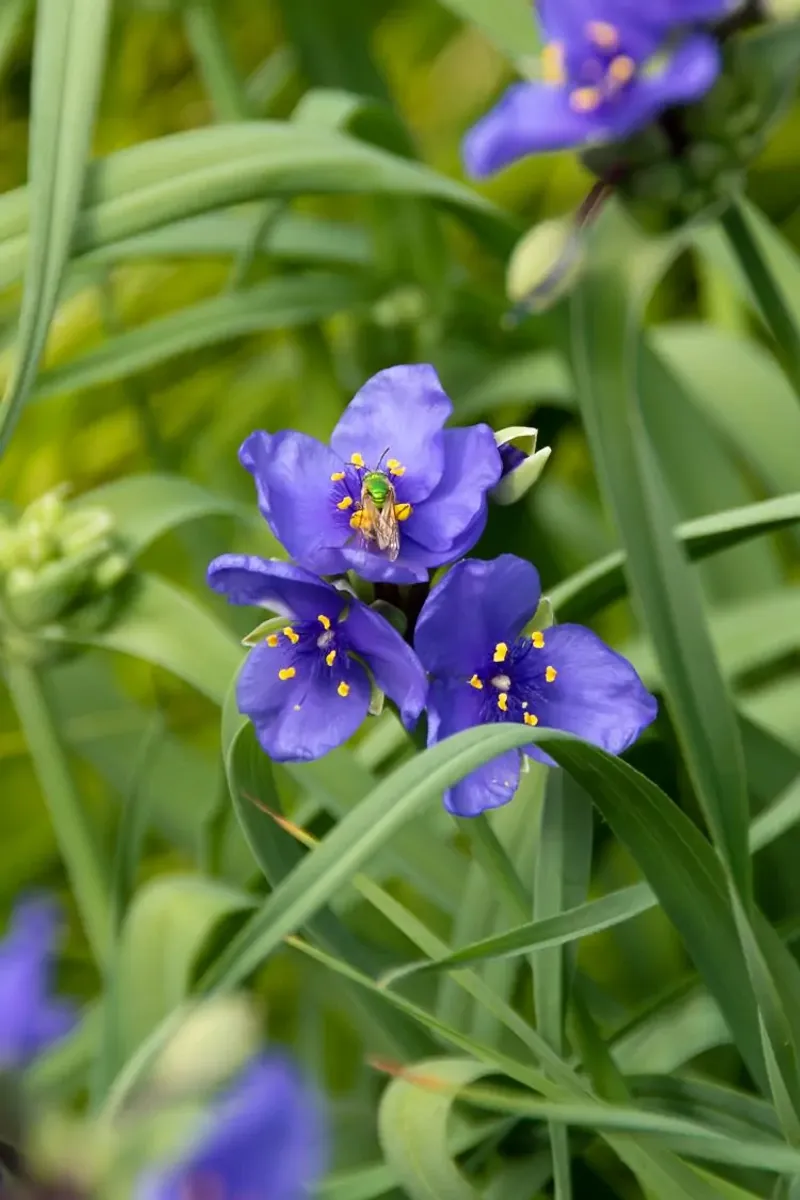
Ohio Spiderwort offers intrigue with its clusters of blue, three-petaled flowers. These perennials open in the morning, closing by afternoon, adding a dynamic element to gardens. Thriving in sunny to partially shaded areas, they prefer moist, well-drained soils.
Their grass-like foliage adds texture, complementing various garden styles.
Ohio Spiderwort’s adaptability and unique bloom cycle make it a fascinating choice for gardeners seeking diversity. Its presence guarantees daily floral transformations.
26. Sword Fern (Polystichum munitum)
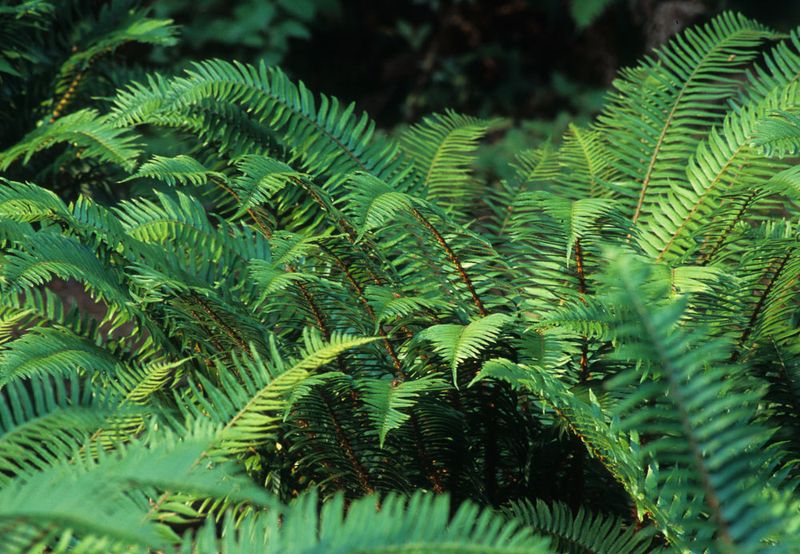
Sword Fern adds a touch of the Pacific Northwest with its lush, green fronds. This evergreen perennial thrives in shaded, moist environments, bringing texture and depth to gardens. Its arching fronds create an elegant, woodland aesthetic.
Resilient and low-maintenance, it is perfect for shaded borders and forest gardens.
Sword Fern’s ability to thrive in challenging conditions makes it a reliable choice for gardeners. Its timeless beauty and versatility ensure its place in diverse landscapes.
27. Pacific Bleeding Heart (Dicentra formosa)
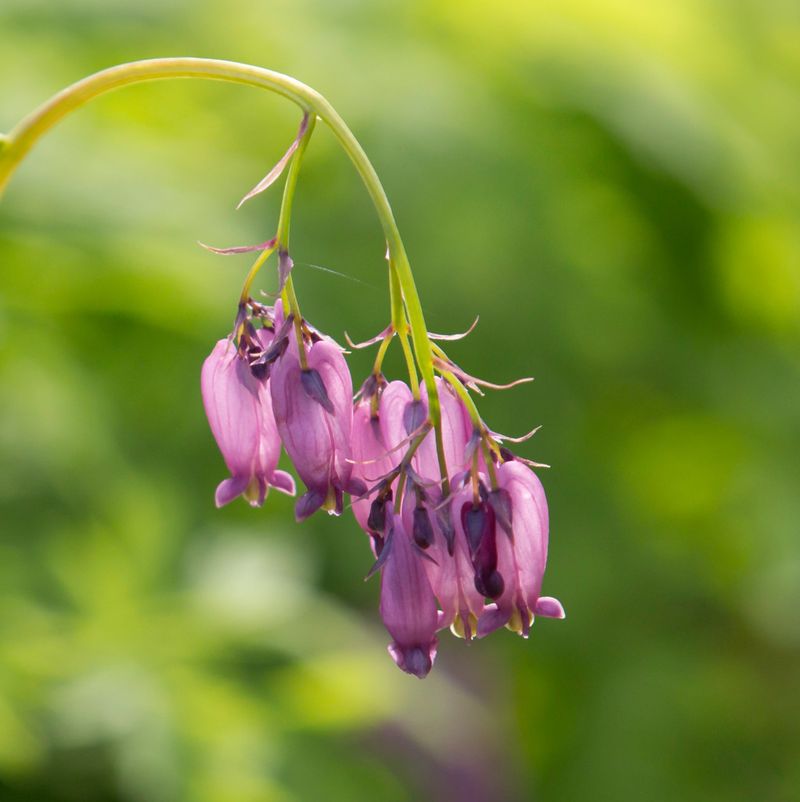
The Pacific Bleeding Heart enchants with its delicate, heart-shaped pink flowers. This perennial thrives in the cool, moist conditions of forest gardens, adding a romantic touch. Its fern-like foliage complements the blooms, creating a lush tapestry.
Ideal for shady areas, it prefers well-drained, humus-rich soils.
Pacific Bleeding Heart’s charm lies in its graceful appearance and adaptability. Its enduring beauty and ease of care make it a woodland favorite, enhancing garden serenity.
28. Goatsbeard (Aruncus dioicus)
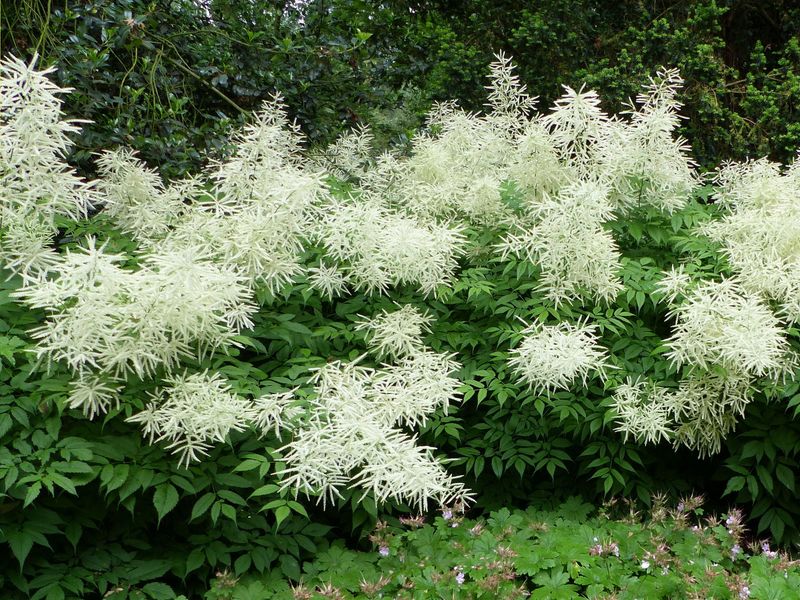
Goatsbeard captivates with its feathery white plumes, resembling a grand fireworks display. This perennial thrives in shaded, moist environments, bringing a touch of elegance to gardens. Its tall, stately presence makes it an ideal backdrop for other plants.
A member of the rose family, it prefers rich, well-drained soil.
Goatsbeard’s graceful form and robust nature ensure its popularity among gardeners seeking sophistication. Its captivating plumes add a sense of drama to any landscape.
29. Western Columbine (Aquilegia formosa)
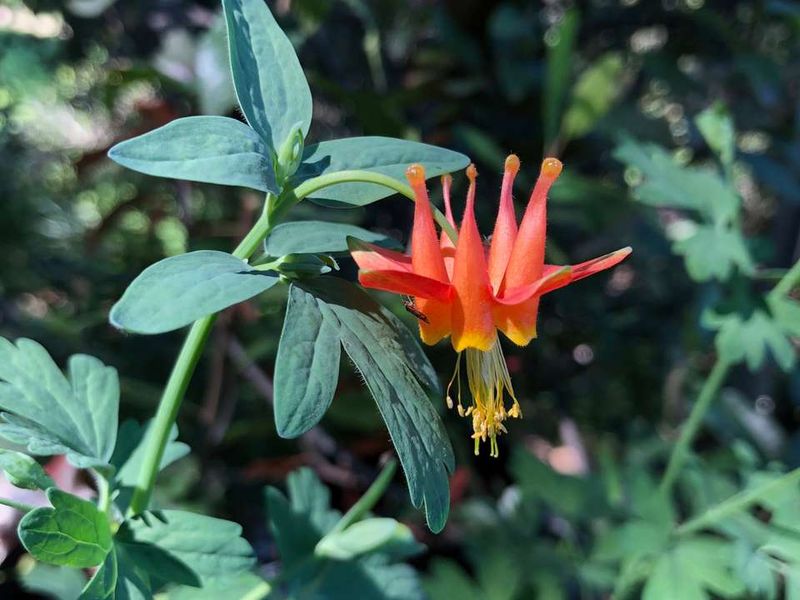
Western Columbine delights with its vibrant red and yellow blooms, gracing mountain meadows with color. This perennial thrives in shaded to partially sunny locations, adding vibrancy to gardens.
Its spurred flowers attract hummingbirds, enhancing garden life.
A symbol of the western landscape, it prefers well-drained soils. Western Columbine’s vibrant presence and wildlife appeal make it a cherished addition to naturalistic plantings.
30. Siberian Iris (Iris sibirica)
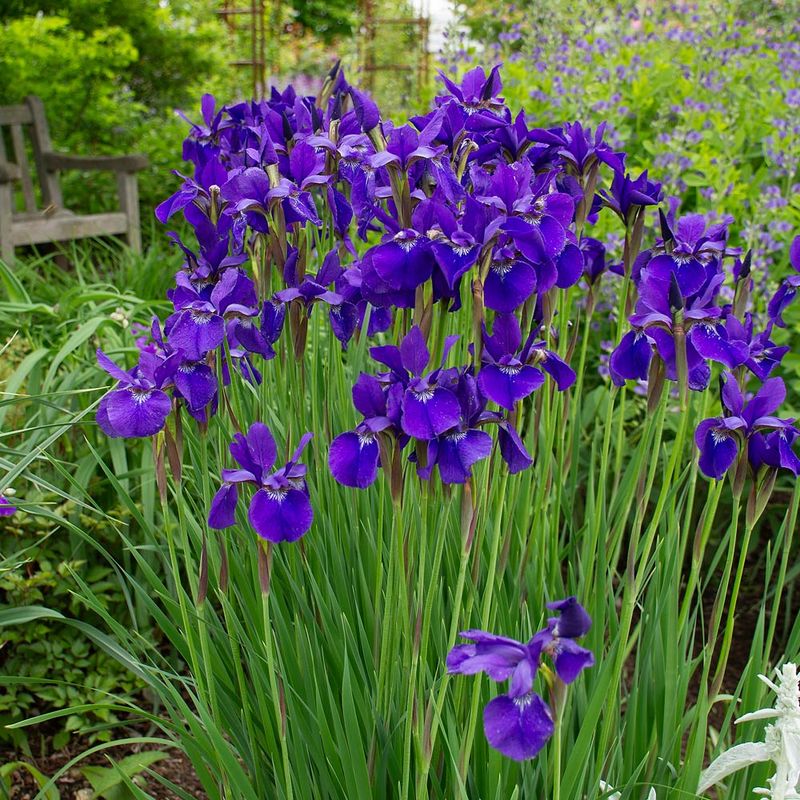
Siberian Iris captivates with its elegant blue-purple flowers, adding sophistication to gardens. This perennial thrives in sunny to partially shaded areas, preferring moist, well-drained soils.
Its slender, arching foliage provides year-round interest.
Siberian Iris’s adaptability and striking blooms make it a favorite for borders and water features. Its combination of beauty and resilience ensures it remains a garden classic, enhancing any landscape with its presence.
31. California Poppy (Eschscholzia californica)
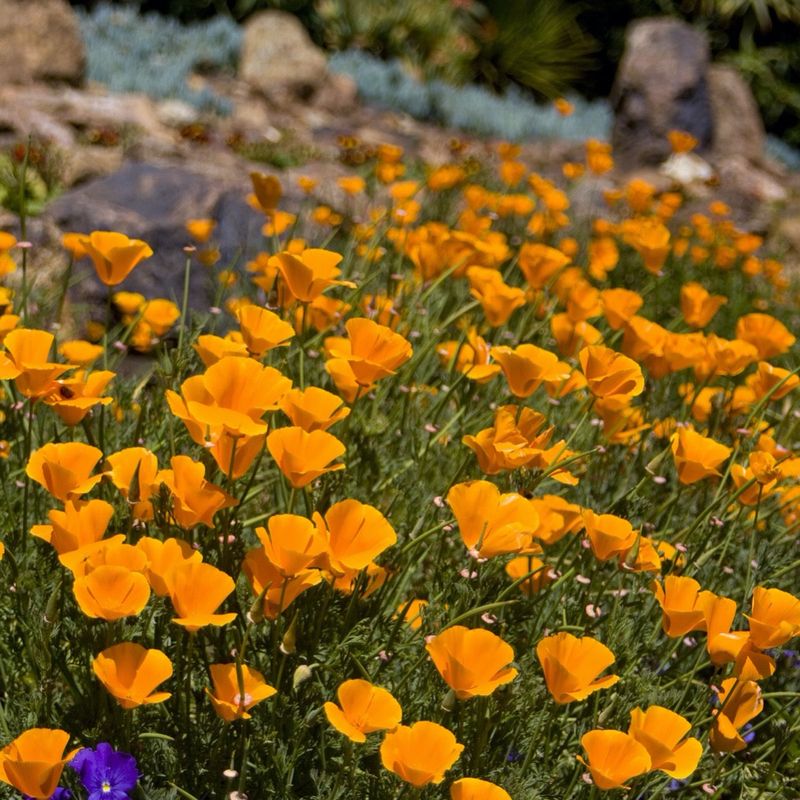
California Poppy radiates warmth with its bright orange blooms, embodying the essence of the west coast. This state flower of California thrives in sunny, well-drained areas, adding a splash of color to meadows and gardens.
Its delicate petals close at night, opening again with the morning sun.
California Poppy’s vibrant display and easy care make it perfect for wildflower gardens. Its cheerful nature and cultural significance ensure it remains a beloved symbol of California’s natural beauty.
32. Matilija Poppy (Romneya coulteri)
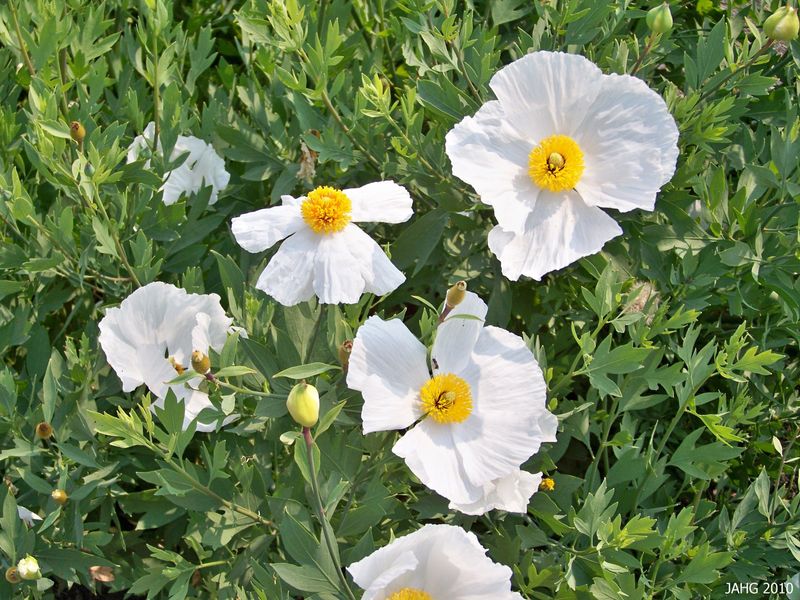
Matilija Poppy dazzles with its enormous, fried-egg-like blooms, drawing the eye with their stunning size. This perennial thrives in sunny, dry conditions, adding a touch of drama to gardens.
Its grey-green foliage complements the pristine white flowers.
Known as the tree poppy, it prefers well-drained soils and minimal water. Matilija Poppy’s striking appearance and resilience make it a standout choice for drought-tolerant landscapes, offering both beauty and boldness.
33. Monkey Flower (Mimulus aurantiacus)
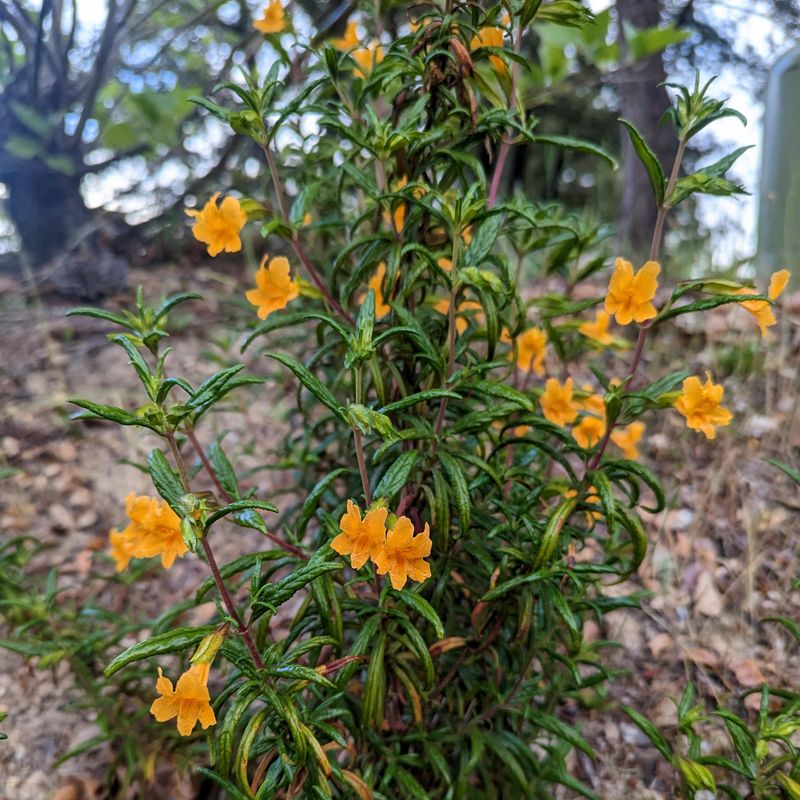
Monkey Flower charms with its whimsical, tubular blooms, often in shades of orange and red. This perennial thrives in sunny, rocky environments, adding a playful touch to gardens.
Its name derives from the flower’s resemblance to a monkey’s face.
With minimal water needs, Monkey Flower is ideal for dry landscapes. Its unique shape and vibrant colors make it a delightful addition to gardens seeking intrigue and character.
34. Sticky Monkeyflower (Diplacus aurantiacus)
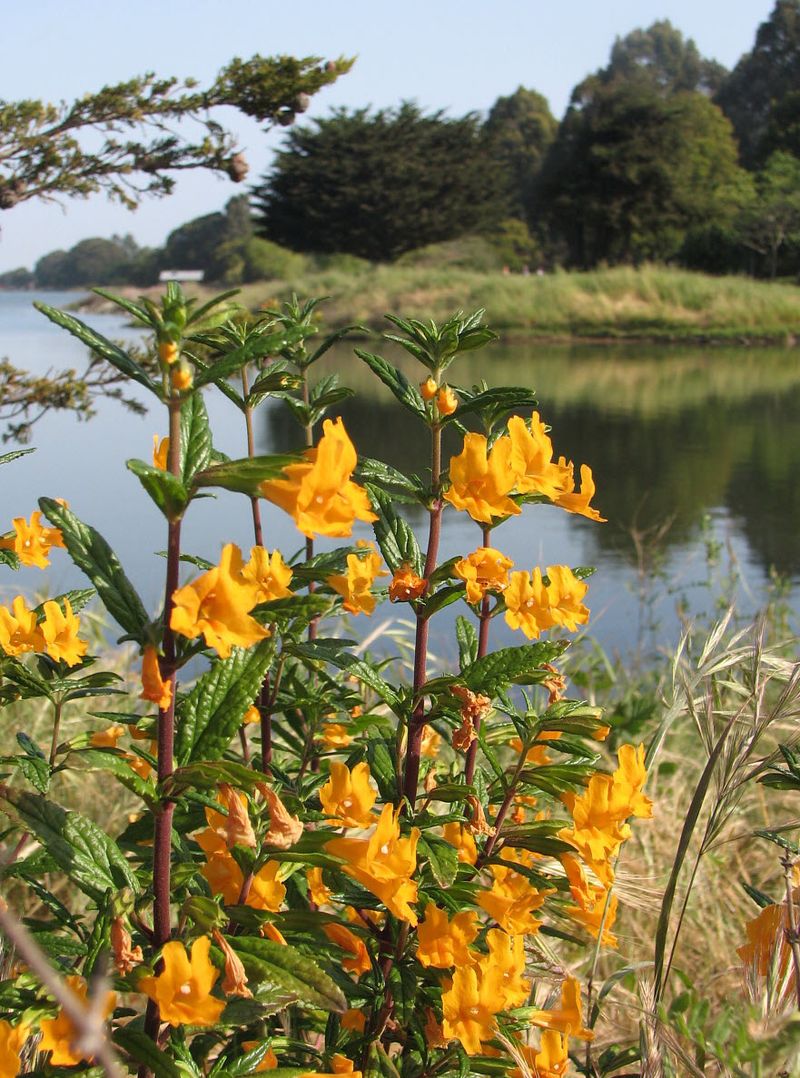
Sticky Monkeyflower captivates with its vivid yellow-orange blooms, illuminating warm-climate gardens. This perennial thrives in well-drained, sunny areas, adding brightness to Mediterranean-style landscapes.
Its sticky leaves trap insects, adding a touch of curiosity.
Adapted to dry conditions, Sticky Monkeyflower is perfect for xeriscaping. Its bold colors and unique characteristics make it a fascinating choice for gardeners seeking both beauty and ecological intrigue.
35. Douglas Iris (Iris douglasiana)
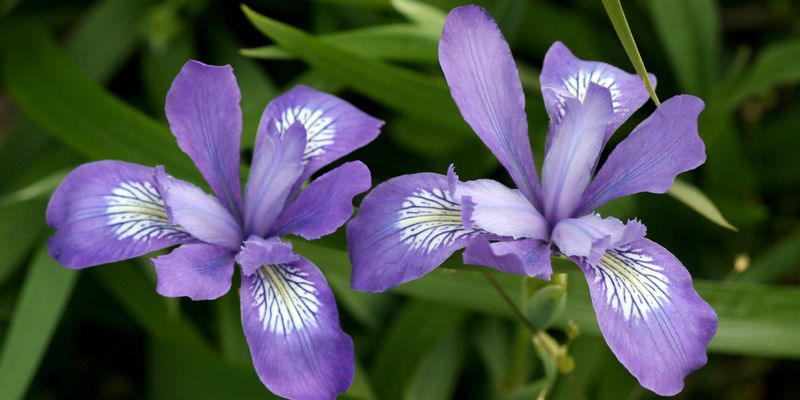
Douglas Iris graces coastal gardens with its elegant purple and blue blooms. This perennial thrives in moist, well-drained soils, preferring the mild climates of coastal regions.
Its sword-like leaves add structure and interest year-round.
Douglas Iris’s striking flowers and adaptability make it a treasured choice for seaside gardens. Its natural elegance and resilience ensure it remains a beloved part of the coastal landscape, enhancing gardens with its beauty.