 Complete Gardening
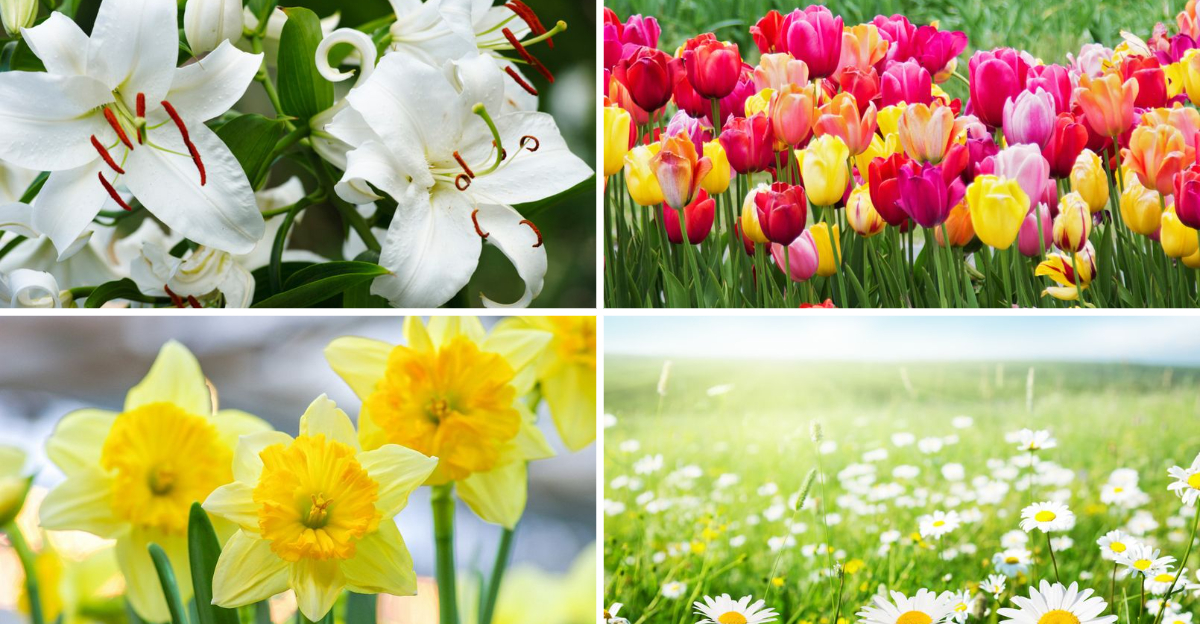
Flowers have been used throughout history to convey emotions, messages, and meanings. Each bloom carries its own symbolism, often varying across cultures and traditions. This guide explores the unique meanings behind 38 different flowers, offering insight into the rich tapestry of emotions and stories they represent.
1. Rose
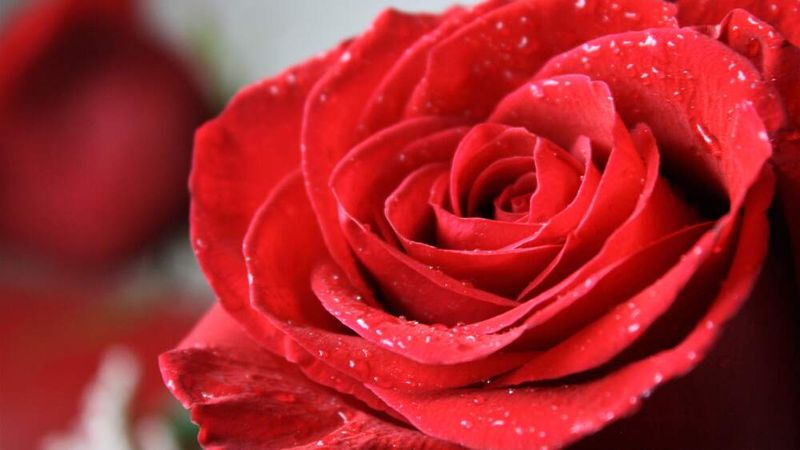
Roses are synonymous with love and romance. Their rich red petals have long conveyed deep affection and passion. In addition to their romantic allure, roses also symbolize admiration and gratitude. Across cultures, roses are gifted to express emotions ranging from friendship to mourning. The variety of colors can alter their meaning, with white roses often representing purity and innocence, while yellow roses are symbols of friendship and joy. Historically, roses have been used in literature and art as symbols of beauty and love, making them timeless messengers of the heart.
2. Lily
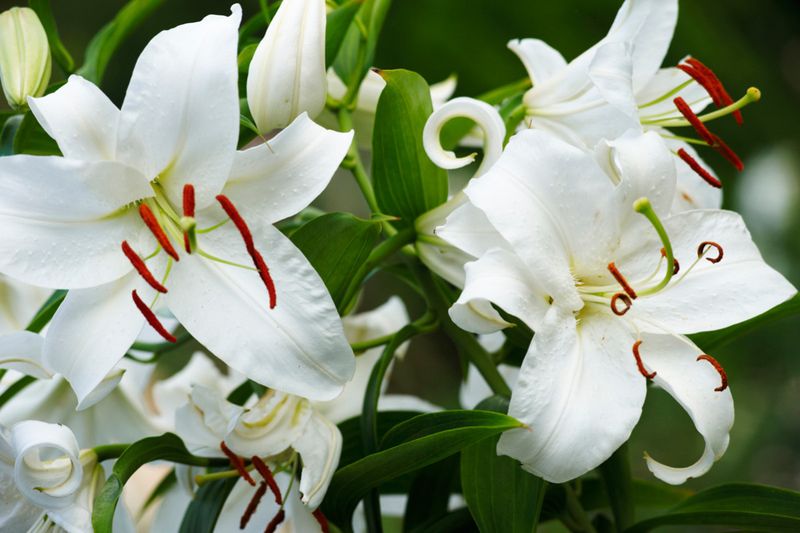
With their elegant and pristine appearance, lilies are often associated with purity and rebirth. These flowers are frequently found at weddings and funerals, symbolizing new beginnings and the cycle of life. Lilies come in various colors, each with its unique symbolism. White lilies, for instance, are linked to virtue and innocence, while orange lilies can represent passion and confidence. In mythology, lilies are connected to the goddess Hera, believed to have sprouted from her milk, adding a divine significance to their symbolism.
3. Tulip
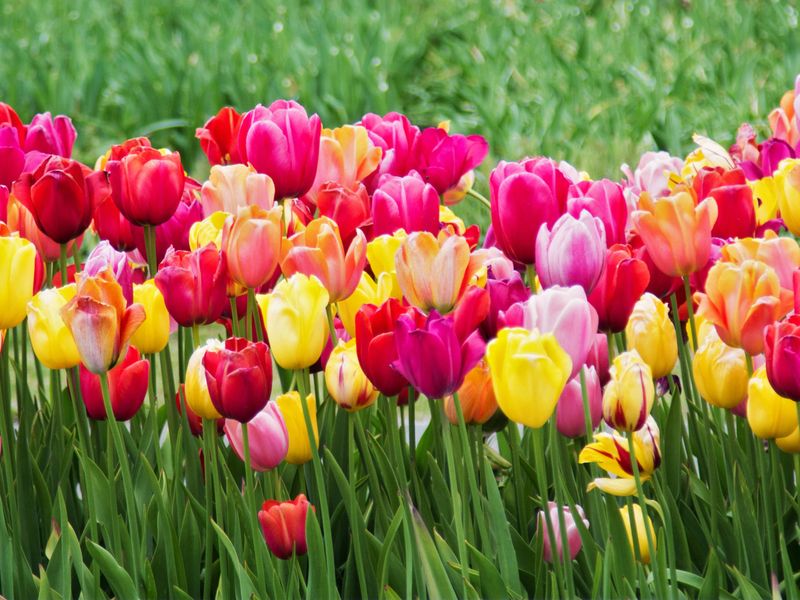
Tulips are celebrated for their simple yet captivating beauty. They symbolize love, admiration, and perfect harmony. Originally from Central Asia, these flowers have a rich history in Turkish and Persian culture. Tulips come in various colors, each conveying a different sentiment. Red tulips express deep love, while yellow ones are symbols of cheerful thoughts and sunshine. Purple tulips denote royalty and elegance, adding a regal touch to any garden. The tulip’s timeless appeal lies in its ability to convey heartfelt emotions with grace and charm.
4. Sunflower
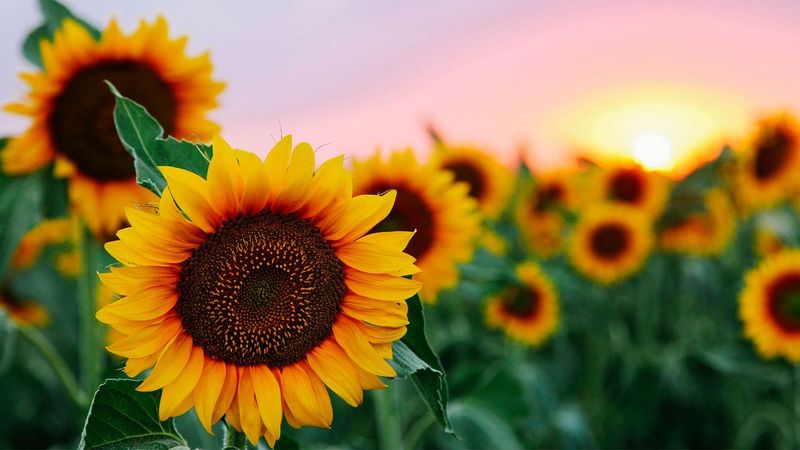
Sunflowers are synonymous with warmth and positivity, their bright yellow petals resembling the sun itself. These flowers symbolize adoration and loyalty, often given to express unwavering affection. Historically, sunflowers have been associated with the sun god in various cultures, reflecting their status as a symbol of worship.
Beyond their sunny disposition, sunflowers also represent longevity, as they turn to follow the sun throughout the day. This unique trait makes them a favorite among gardeners and flower enthusiasts alike.
A symbol of happiness, sunflowers are ideal gifts for cheering someone up or celebrating a joyful occasion.
5. Daisy
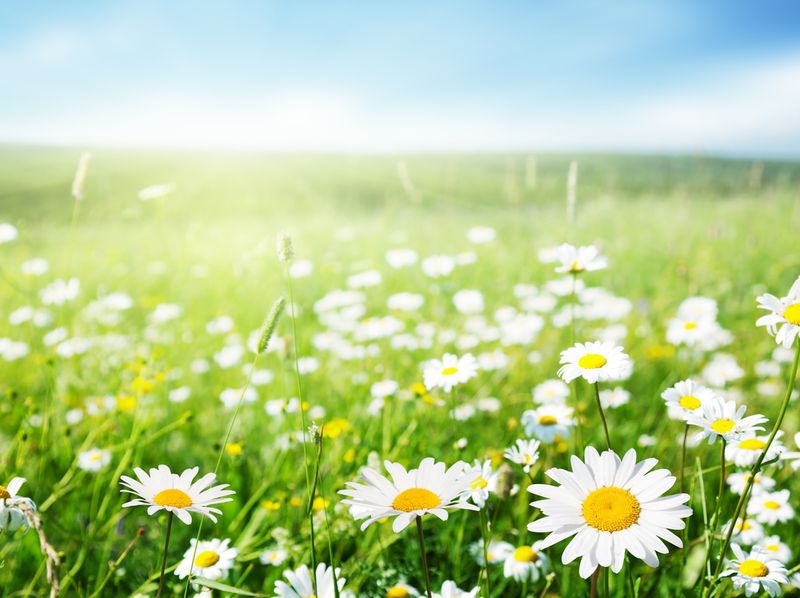
Daisies are emblematic of purity and innocence, often associated with fresh beginnings and new adventures. The simplicity and beauty of their white petals make them a popular choice for weddings and baby showers, symbolizing purity and love.
In Norse mythology, daisies were sacred to the goddess Freya, representing beauty and femininity. This historical connection adds depth to their symbolism, making them a perfect gesture for expressing admiration.
Their cheerful appearance and gentle nature make daisies a delightful addition to any floral arrangement, bringing a touch of joy and freshness to the surroundings.
6. Orchid
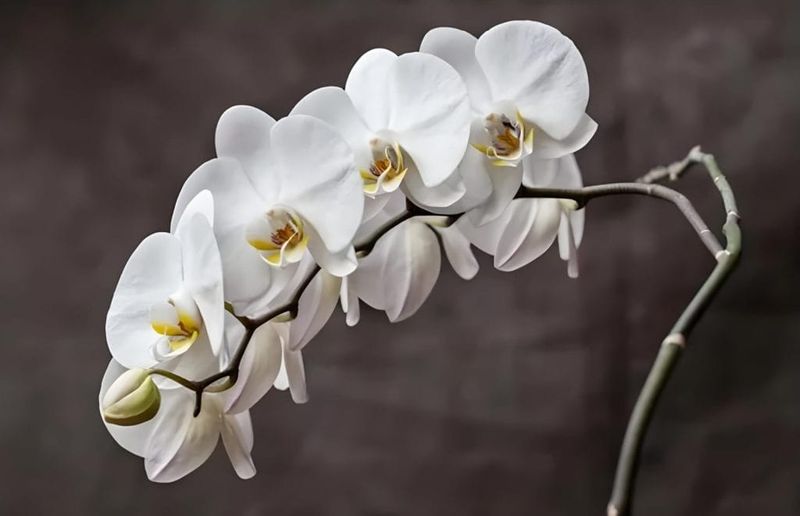
Orchids embody luxury and beauty, often seen as a symbol of exoticism and refinement. Their intricate blooms captivate with their delicate appearance, making them a popular choice for special occasions.
The ancient Greeks believed orchids were connected to virility and strength, attributing their unique structure to male potency. This association has carried through the ages, adding a layer of mystery and allure.
Whether given as a gift or used in decor, orchids elevate the ambiance with their sophisticated charm, symbolizing love, beauty, and strength in equal measure.
7. Daffodil
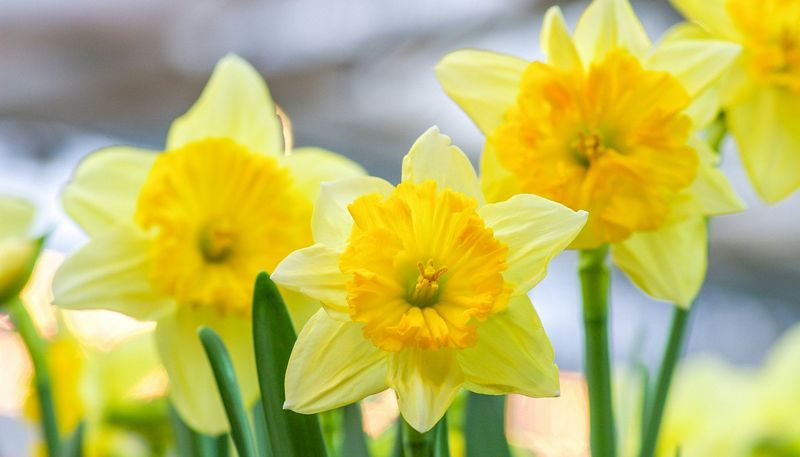
Daffodils herald the arrival of spring, their bright yellow blooms symbolizing renewal and new beginnings. As one of the first flowers to emerge after winter, they offer hope and encouragement for the warmer days ahead.
In Victorian times, daffodils were given to convey chivalry and respect. Their elegant shape and vibrant color make them a timeless choice for expressing admiration and gratitude.
Offering a daffodil bouquet is a meaningful gesture, representing optimism and the promise of new opportunities. They brighten any space with their sunny presence, bringing a smile to all who see them.
8. Amaryllis
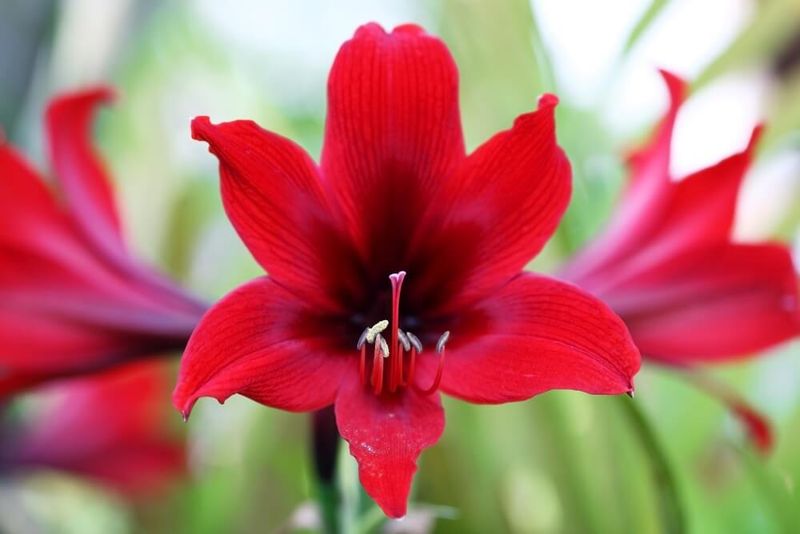
Amaryllis stands tall and proud, much like the confidence it symbolizes. Often associated with strength and determination, this flower is a beacon of resilience. Its large, striking blooms are a testament to its bold nature.
In the Victorian language of flowers, presenting an amaryllis conveyed admiration for the recipient’s beauty and poise. It’s a favorite during the winter holidays, adding warmth and color to festive decor.
Fun fact: The name ‘Amaryllis’ comes from the Greek word ‘amarysso,’ meaning ‘to sparkle,’ a fitting name for such a radiant plant.
9. Anemone
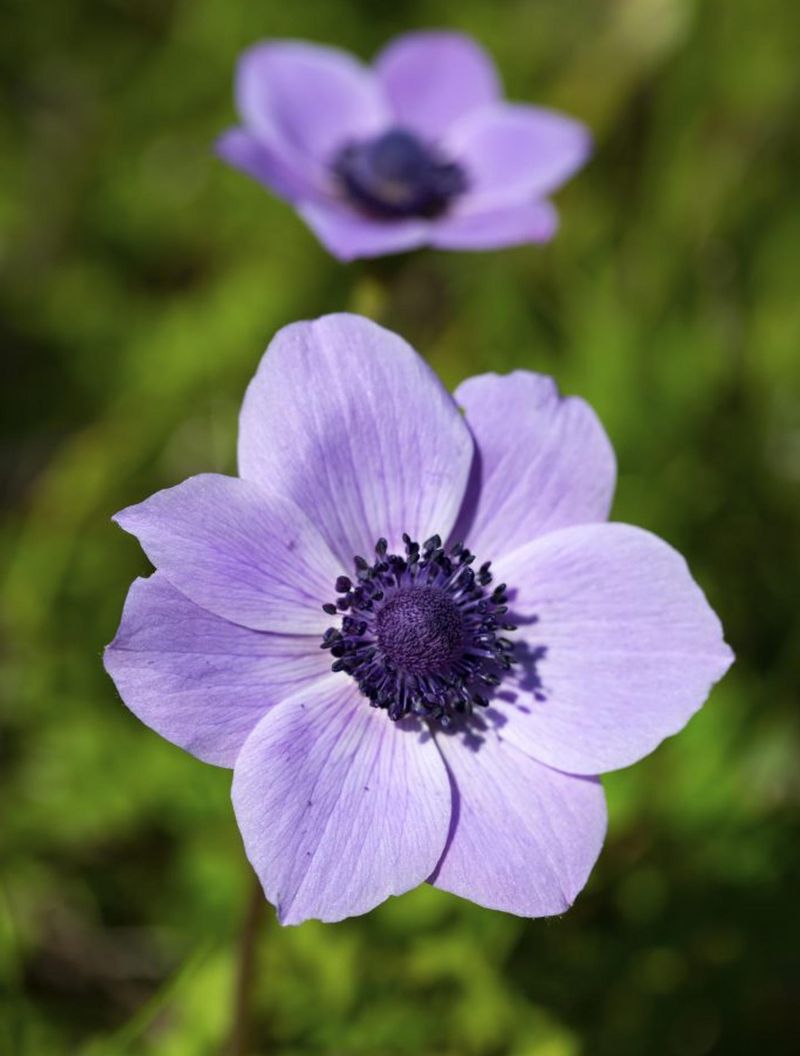
Anemones, with their delicate petals, are often linked to the concept of anticipation. These flowers blend elegance with a touch of mystery, captivating anyone who gazes upon them.
In Greek mythology, anemones sprang from the tears of Aphrodite, imbuing them with love and longing. Their arrival in spring heralds new beginnings, making them symbols of hope and rejuvenation.
Despite their fragile appearance, anemones are hardy and resilient, thriving in various climates. Their beauty lies in their simplicity, a reminder that sometimes less is more.
10. Aster
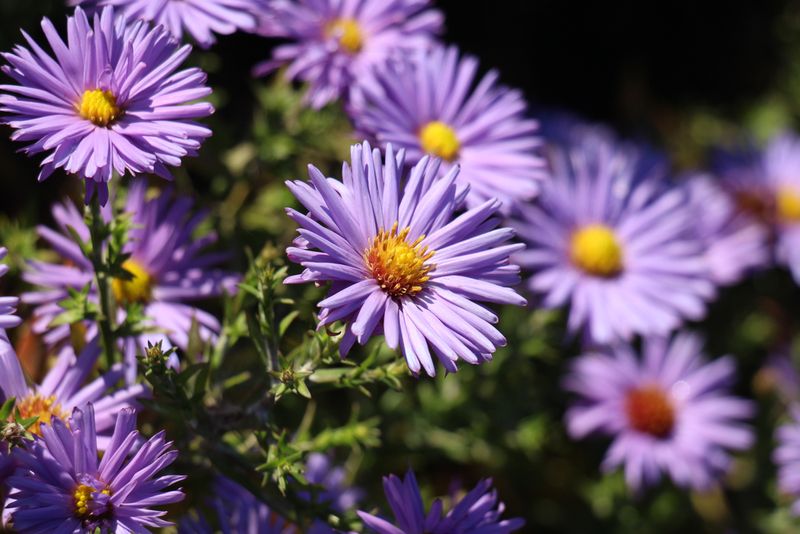
Asters are known for their star-like appearance, which is fitting given their name’s Greek origin meaning ‘star.’ These flowers symbolize patience and elegance, often gifted to express delicate affection.
Throughout history, asters have been associated with wisdom and valor. In ancient times, they adorned the altars of the gods as offerings.
Today, asters are a popular choice for gardens, adding a touch of timeless beauty to any landscape. Their rich hues and enduring blooms make them a beloved symbol of love and refinement.
11. Begonia
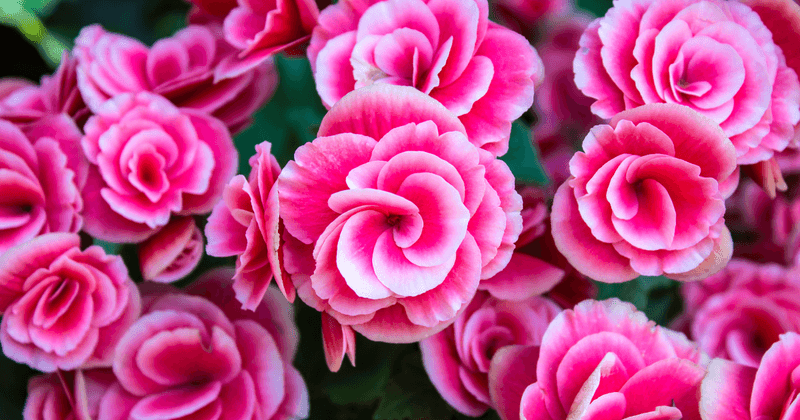
Begonias are often associated with caution, a reminder to tread carefully in matters of the heart. Despite their seemingly timid symbolism, these flowers are anything but shy in appearance.
With vibrant colors and lush foliage, begonias make a bold statement in any setting. They are a favorite for both gardens and indoor decor, appreciated for their versatility and resilience.
Interestingly, begonias have been used in various cultures as symbols of gratitude, making them a thoughtful gift to express appreciation and admiration.
12. Camellia
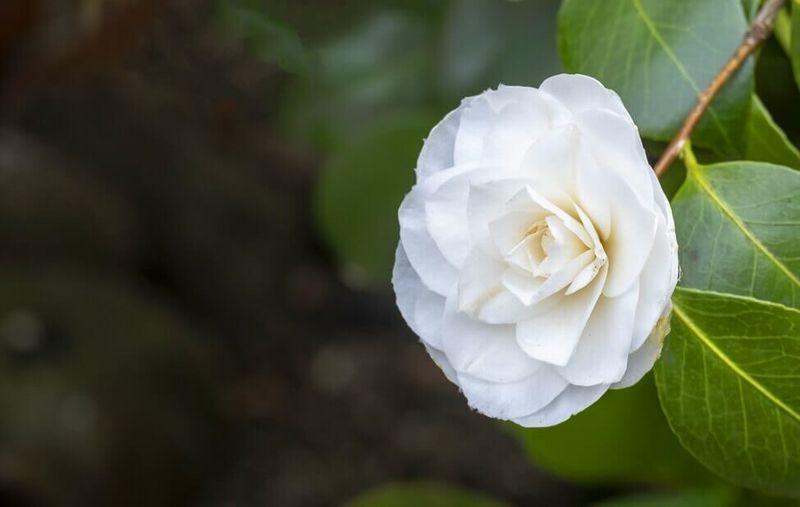
Camellias have long been associated with devotion and admiration. With their pristine blooms and symmetrical petals, they embody the elegance and grace of a timeless romance.
Originating from East Asia, camellias hold a special place in Japanese culture, symbolizing the spirit of humility. These flowers come in a range of colors, each with its own unique meaning.
White camellias, in particular, convey purity and innocence. They are often used in wedding bouquets, adding a touch of classic beauty to ceremonies.
13. Chrysanthemum
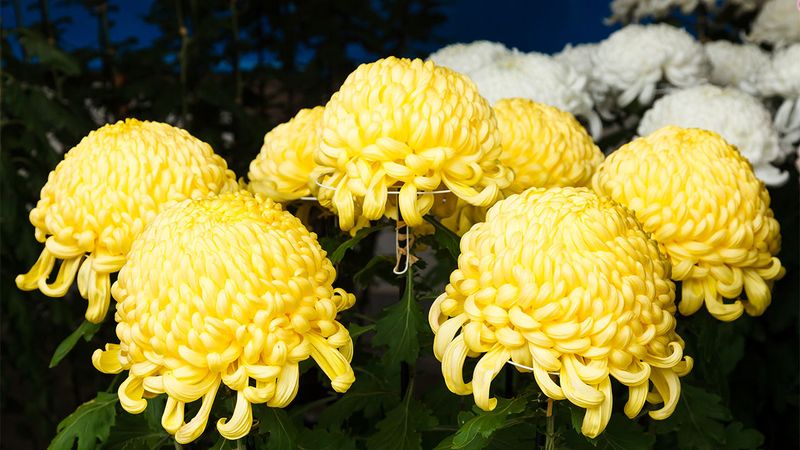
Chrysanthemums, with their diverse colors and forms, are symbols of optimism and joy. Known as ‘mums’ in many cultures, these flowers hold various meanings across the globe.
In Japan, they are considered the flower of the emperor, representing longevity and rejuvenation. Their bright hues make them a popular choice for autumn decorations.
Chrysanthemums also play a significant role in Dia de los Muertos celebrations, where they honor the spirits of the departed. Their rich history and vibrant appearance make them timeless symbols of life’s cycles.
14. Crocus
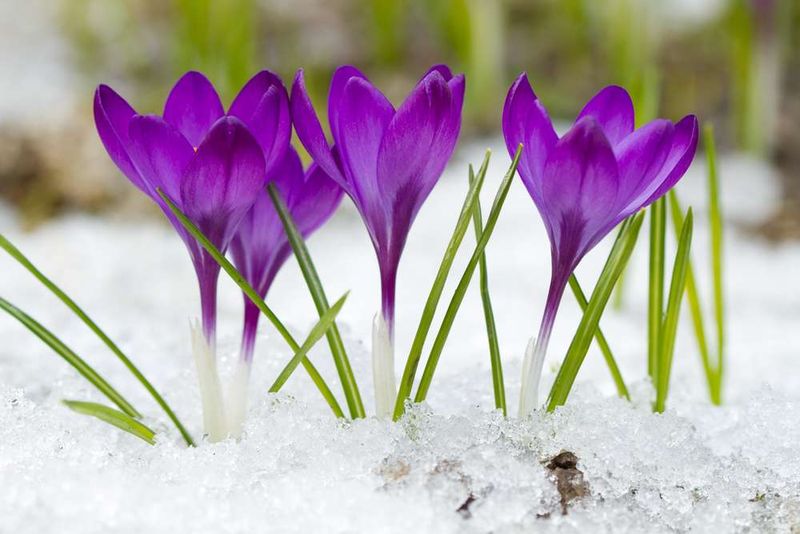
Crocuses are heralds of spring, often breaking through the snow to announce the changing seasons. These flowers symbolize cheerfulness and youthful glee, bringing a sense of renewal and possibility.
In ancient times, crocuses were associated with the Greek god Hermes, symbolizing protection and guidance. Their vibrant colors range from purple to yellow, each shade carrying its own significance.
Crocuses are celebrated for their hardiness, thriving in cold climates and adding a burst of color to early spring gardens.
15. Dahlia
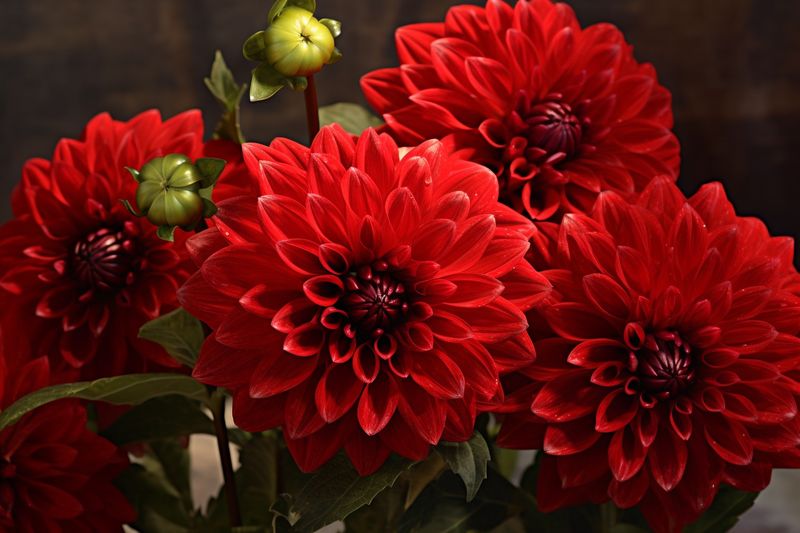
Dahlias are known for their striking beauty and intricate petal arrangements, symbolizing inner strength and creativity. These flowers have a rich history, originating from Central America and cherished by the Aztecs.
Dahlias come in a variety of colors, each with a unique meaning. Red dahlias, for example, convey power and dignity. Their complex forms and vibrant hues make them popular in floral arrangements.
Beyond their beauty, dahlias are celebrated for their resilience, thriving in diverse environments and symbolizing the ability to rise above challenges.
16. Forget-Me-Not
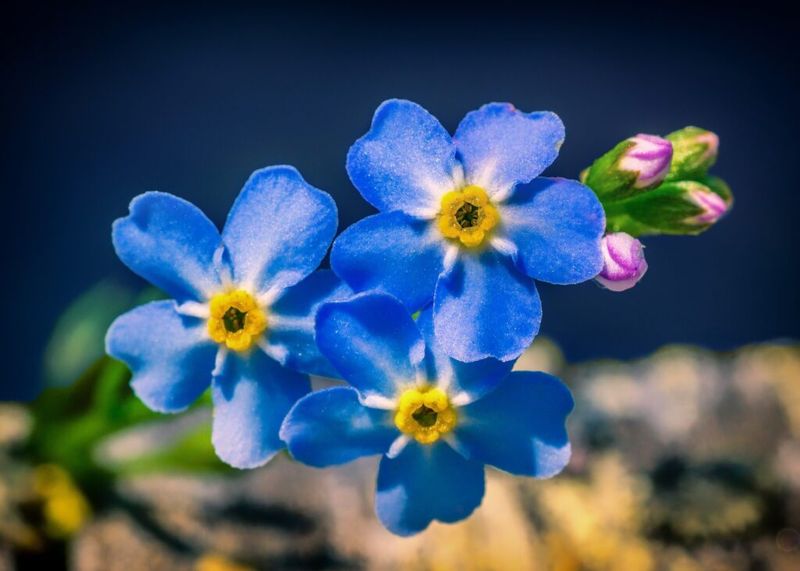
Forget-me-nots are small in stature but immense in sentiment, symbolizing true love and remembrance. These delicate flowers have a rich history, often linked to enduring connections and cherished memories.
According to legend, a knight picked these flowers for his lady but fell into a river. As he was swept away, he called out, “Forget me not,” giving the bloom its name.
Their vibrant blue petals make them a favorite in gardens, where they add a touch of nostalgia and whimsy to any setting.
17. Freesia
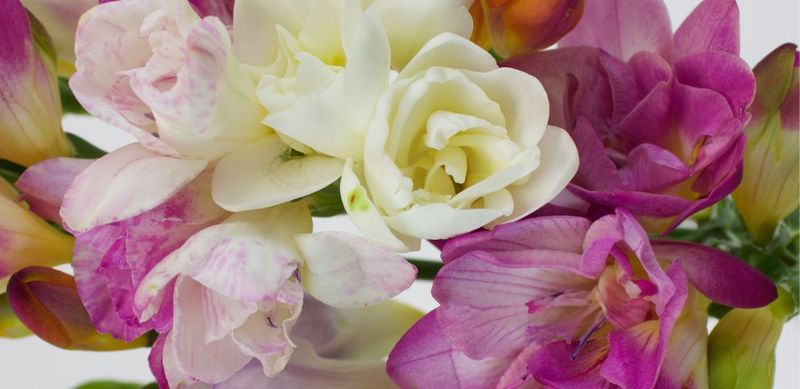
Freesias are celebrated for their captivating fragrance and vibrant colors, symbolizing innocence and friendship. These flowers are a popular choice for bouquets, adding a touch of elegance to any arrangement.
Originating from South Africa, freesias have become a global favorite, appreciated for their long-lasting blooms. Their sweet scent is often used in perfumes and aromatherapy.
Freesias are also associated with trust and thoughtfulness, making them a meaningful gift for friends and loved ones.
18. Gardenia
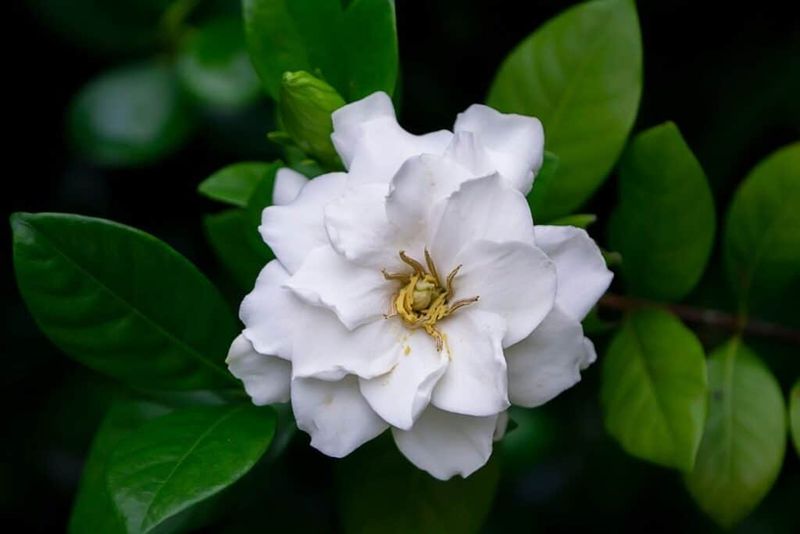
Gardenias are symbols of purity and sweetness, often used to convey deep emotions of love and respect. With their creamy white petals and intoxicating fragrance, they captivate the senses.
Native to tropical regions, gardenias are cherished for their beauty and elegance. They are a popular choice for weddings, where they add a touch of sophistication to floral arrangements.
Gardenias also symbolize secret love, making them a romantic gesture for expressing hidden affections.
19. Geranium
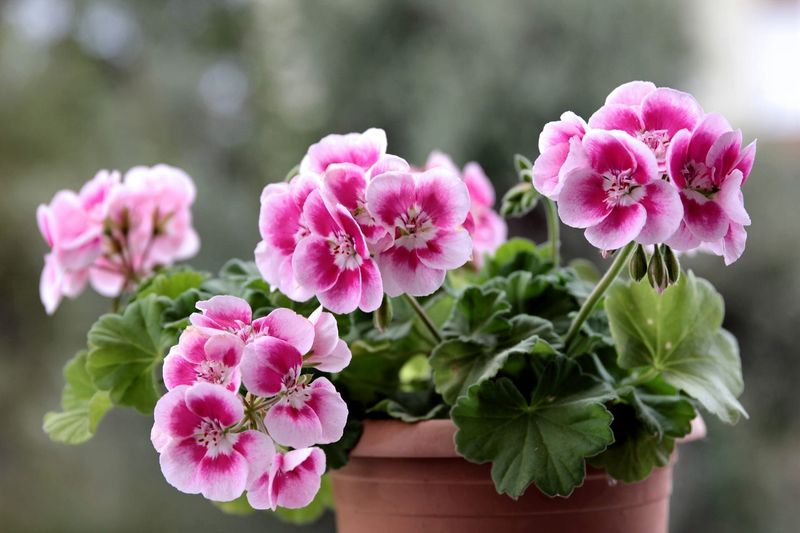
Geraniums are known for their diverse colors and cheerful appearance, symbolizing friendship and good health. These versatile flowers are a staple in gardens and balconies, adding a vibrant splash of color.
Historically, geraniums have been used for their medicinal properties, believed to have soothing effects. Their resilience and adaptability make them popular among garden enthusiasts.
Geraniums are also associated with positive emotions, often gifted to convey well wishes and heartfelt sentiments.
20. Gladiolus
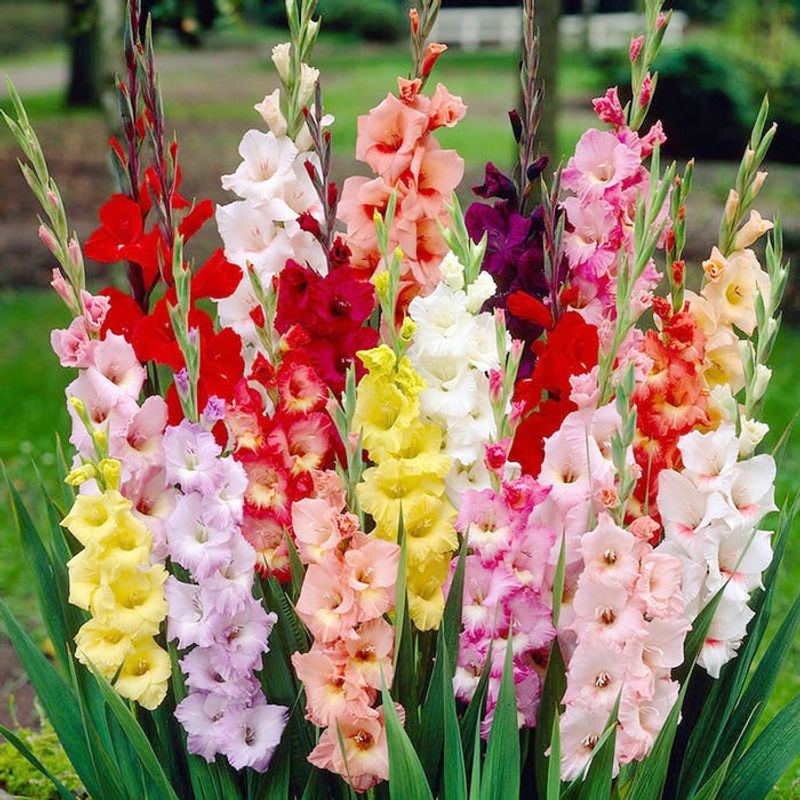
Gladiolus flowers are symbols of strength and moral integrity, known for their tall, striking spikes. These blooms, often referred to as ‘sword lilies,’ are a testament to their name’s Latin origin, ‘gladius,’ meaning sword.
With vibrant colors ranging from soft pastels to bold reds, gladiolus add drama and elegance to any floral display. They are often used in arrangements to celebrate achievements and victories.
Their unique shape and diverse palette make gladiolus a favorite among florists and garden enthusiasts alike.
21. Heliconia
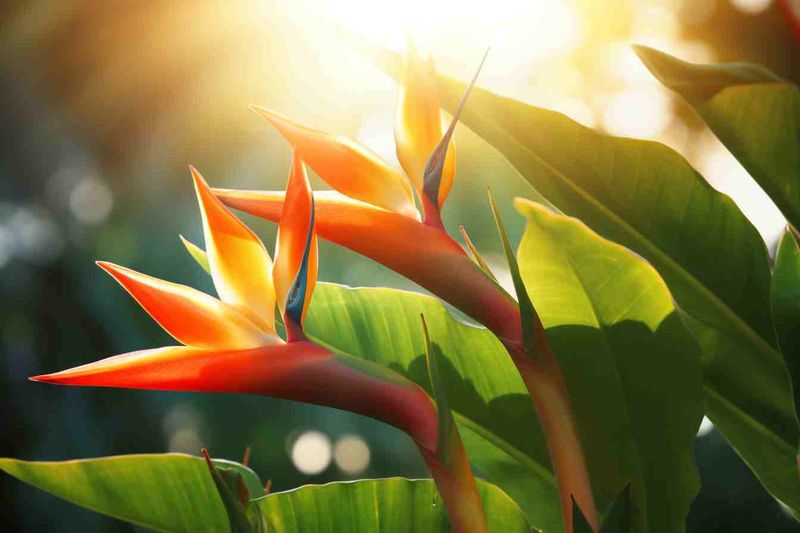
Heliconias are exotic and vibrant, symbolizing youth and pride. These tropical flowers are known for their striking appearance, with bold colors and unique shapes that captivate the eye.
Often found in tropical gardens, heliconias are a testament to nature’s ingenuity. Their bright hues attract pollinators, playing a vital role in their ecosystems.
Heliconias are also known as ‘lobster claws’ due to their distinctive shape, adding a playful touch to floral arrangements and garden landscapes.
22. Hibiscus
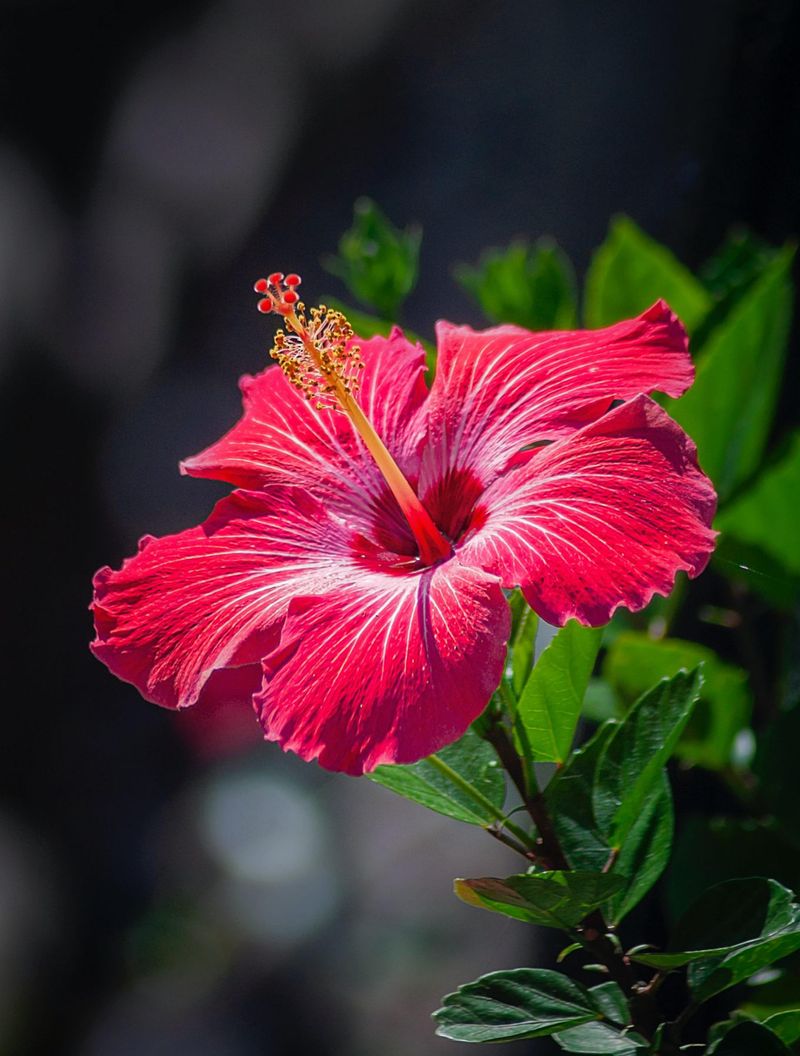
Hibiscus flowers are symbols of beauty and femininity, known for their large, colorful blooms. These tropical flowers are often associated with the fleeting nature of grace and charm.
In many cultures, hibiscus represents hospitality and welcoming, making them popular in gardens and as gifts. They are also used in herbal teas, prized for their refreshing flavor and health benefits.
Hibiscus flowers thrive in sunny climates, bringing a touch of the tropics to any setting.
23. Hyacinth
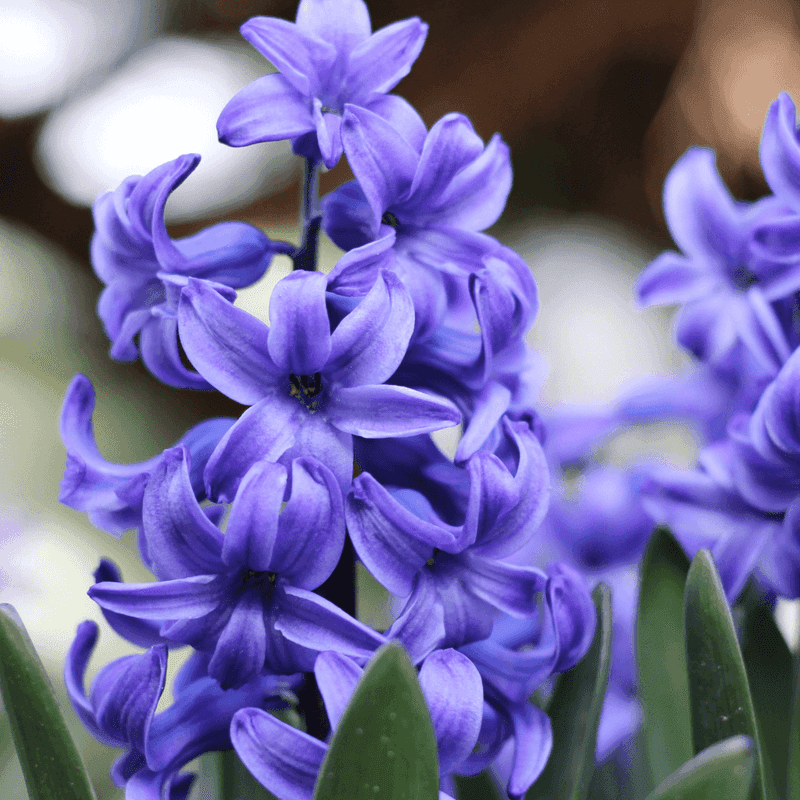
Hyacinths are fragrant blooms that symbolize playfulness and joy, often associated with rebirth and new beginnings. Their captivating scent and vibrant colors make them a favorite in spring gardens.
According to Greek mythology, hyacinths sprang from the blood of a young prince named Hyacinthus, giving them a touch of melancholy beauty.
Despite their tragic origin, hyacinths are cherished for their uplifting presence, offering a sense of hope and renewal with each bloom.
24. Iris
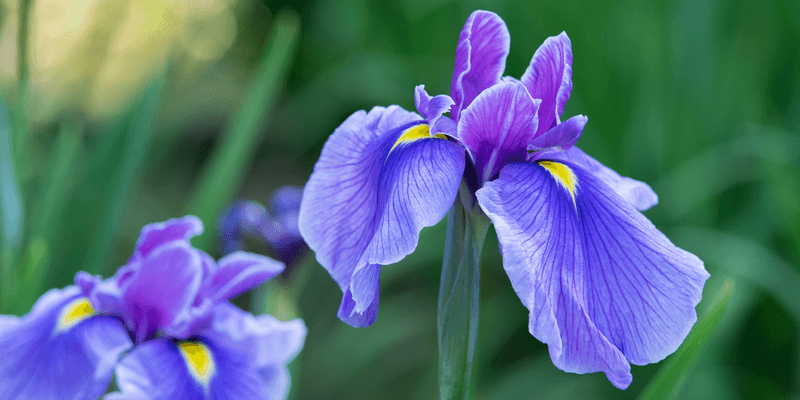
Irises are symbols of wisdom and valor, known for their regal appearance and vibrant hues. These flowers have a rich history, often associated with royalty and the divine.
In Greek mythology, the goddess Iris was a messenger of the gods, linking the heavens and earth. Her namesake flower carries the same sense of connection and guidance.
Irises are celebrated for their intricate petal structures and diverse colors, making them a striking addition to any bouquet or garden.
25. Jasmine
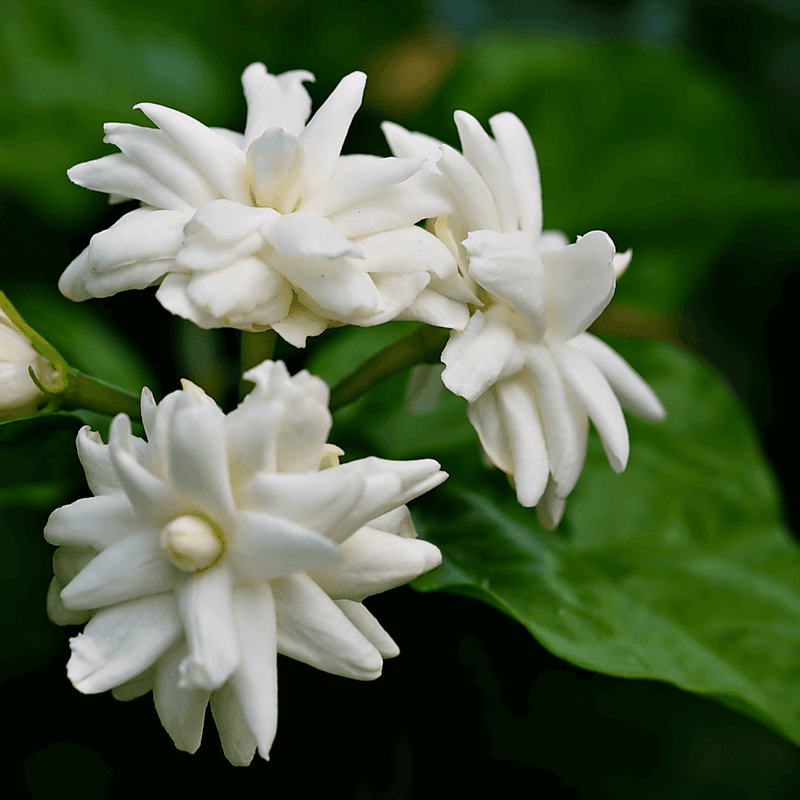
Jasmine flowers are symbols of love and beauty, cherished for their sweet fragrance and delicate petals. These blooms are often associated with romance and sensuality, making them popular in perfumes and teas.
In many cultures, jasmine is considered a symbol of purity and grace, often used in ceremonies and celebrations. Their intoxicating scent lingers in the air, creating an atmosphere of tranquility and allure.
Jasmine’s timeless elegance and enchanting aroma make it a favorite among gardeners and florists alike.
26. Lavender
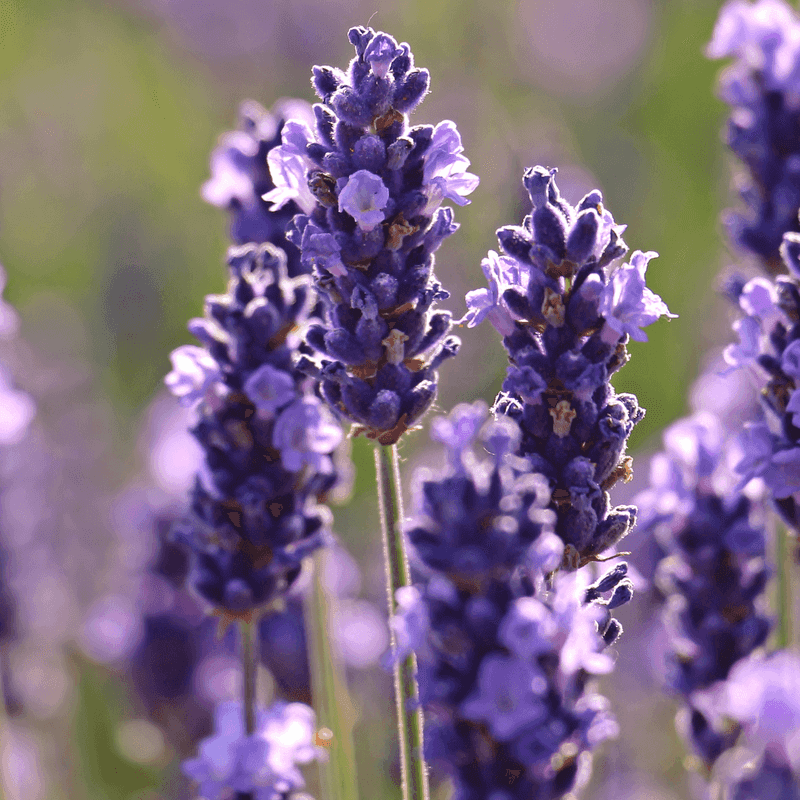
Lavender is known for its calming scent and soothing properties, symbolizing peace and tranquility. These flowers are cherished for their delicate beauty and versatility.
Often used in aromatherapy and herbal remedies, lavender is a staple in gardens and homes, where it offers a sense of relaxation and well-being.
Beyond its calming effects, lavender is a symbol of devotion and purity, making it a thoughtful gift for loved ones.
27. Magnolia
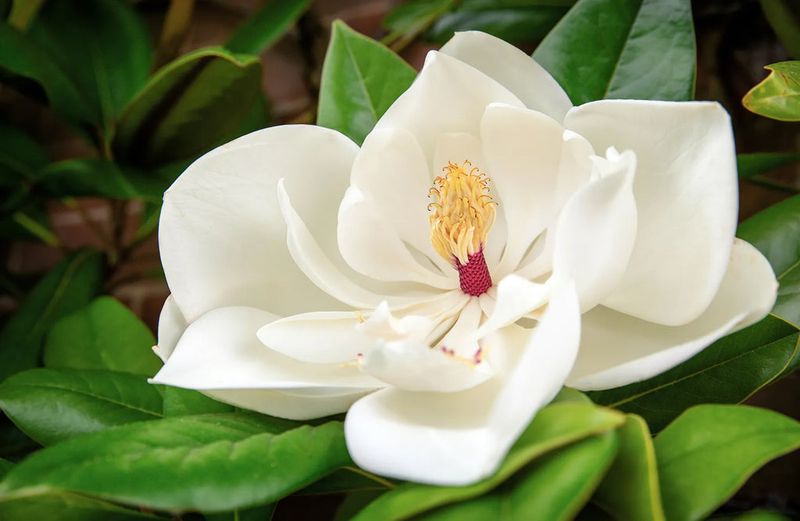
Magnolia flowers are symbols of dignity and nobility, known for their large, fragrant blooms. These elegant flowers have a rich history, often associated with the beauty of the South.
In ancient China, magnolias were considered emblems of womanly beauty and gentleness. Their timeless elegance and robust form make them a favorite among florists and garden enthusiasts.
Magnolias thrive in warm climates, where their stunning blooms add a touch of majesty to any landscape.
28. Marigold
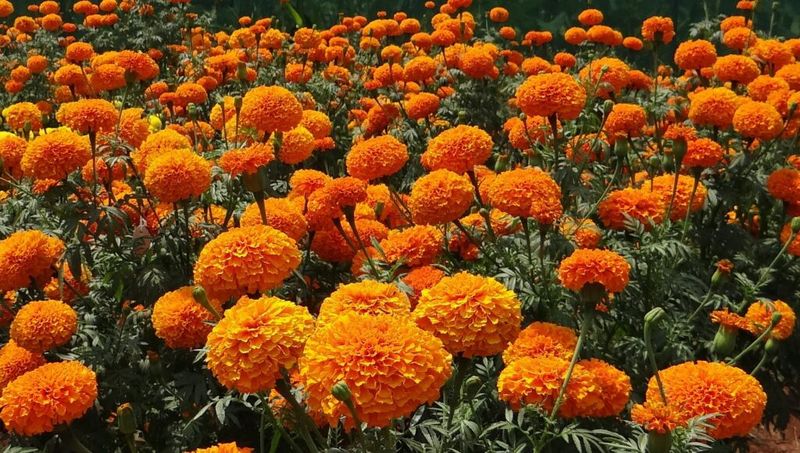
Marigolds are vibrant symbols of creativity and passion, known for their bold colors and robust blooms. These flowers are often associated with the sun, radiating warmth and positivity.
In many cultures, marigolds are used in celebrations and rituals, symbolizing the cycle of life and renewal. Their vibrant hues make them popular in gardens, where they add a splash of color and vitality.
Beyond their beauty, marigolds are also valued for their medicinal properties, often used in herbal remedies.
29. Morning Glory
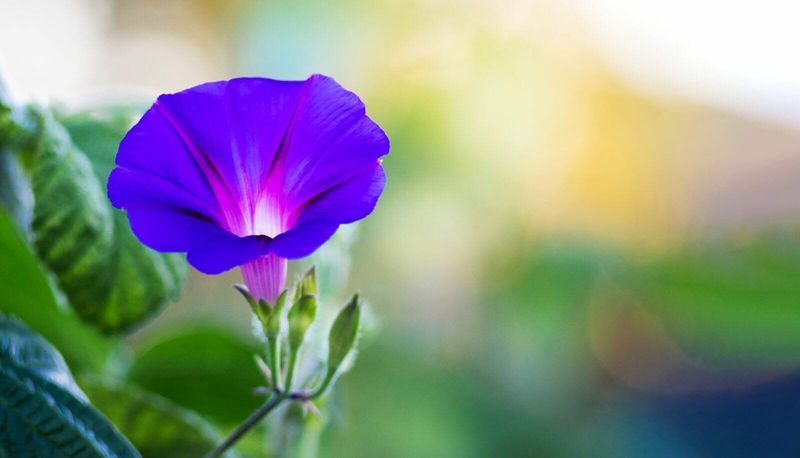
Morning glories are symbols of affection and unrequited love, known for their delicate blooms that open with the sunrise. These flowers are cherished for their fleeting beauty and vibrant colors.
In Victorian times, morning glories were often used to convey messages of love and longing. Their twining vines and cascading flowers create a sense of movement and grace.
Morning glories are a popular choice for trellises and fences, where they add a touch of whimsy and romance.
30. Peony
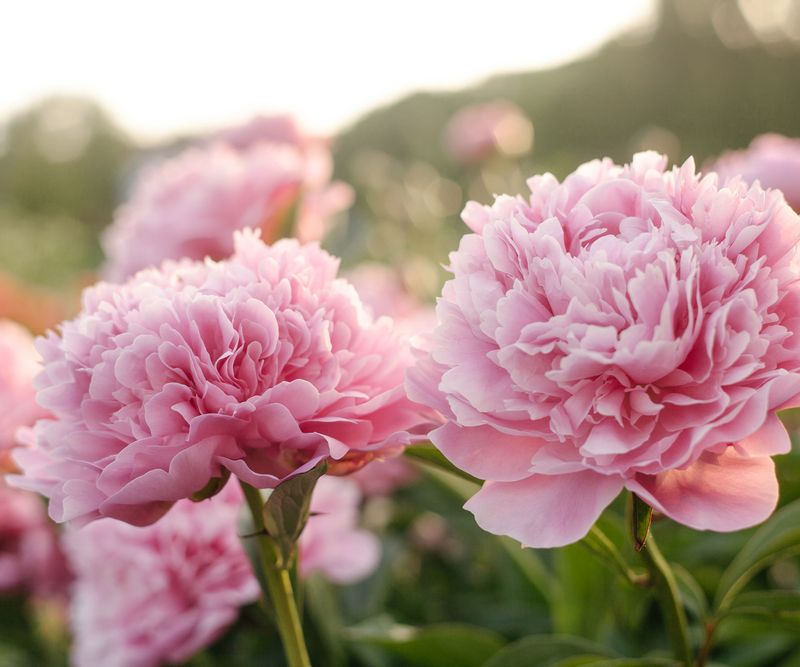
Peonies are symbols of prosperity and romance, known for their lush, full blooms and intoxicating fragrance. These flowers have a long history of being associated with wealth and honor.
In China, peonies are considered the ‘king of flowers,’ often used in art and literature to symbolize nobility and grace. Their vibrant colors and layered petals make them a favorite in bridal bouquets.
Peonies thrive in temperate climates, where they add elegance and beauty to gardens.
31. Poppy
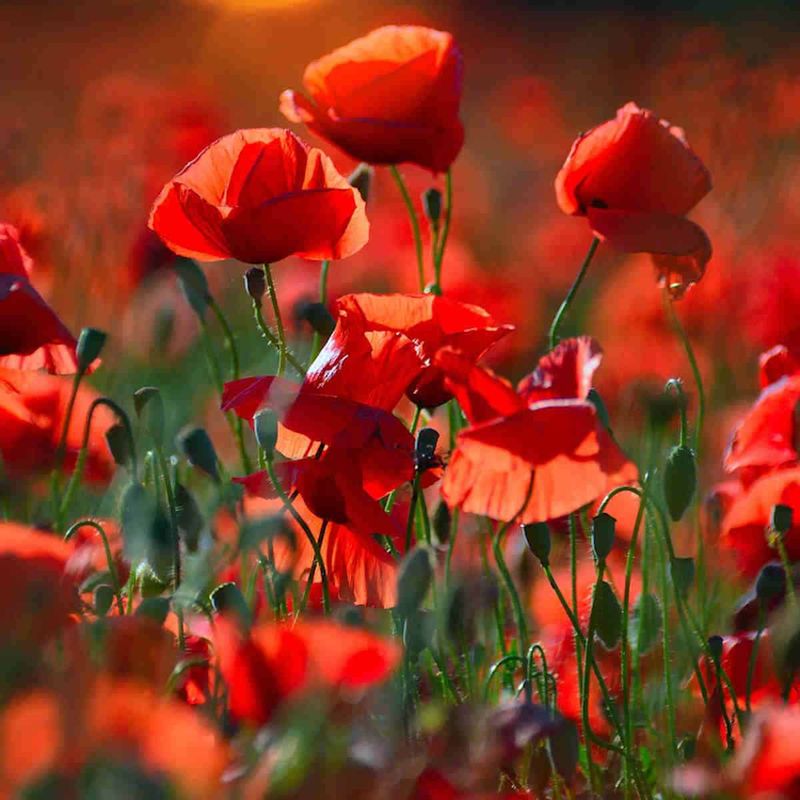
Poppies are symbols of remembrance and consolation, often associated with dreams and imagination. These flowers capture the essence of fleeting beauty and transience.
In many cultures, poppies are used to honor fallen soldiers, symbolizing the resilience of the human spirit. Their bright red blooms stand out in fields, creating a stunning visual spectacle.
Beyond their symbolism, poppies are also valued for their medicinal properties, often used in calming remedies.
32. Snapdragon
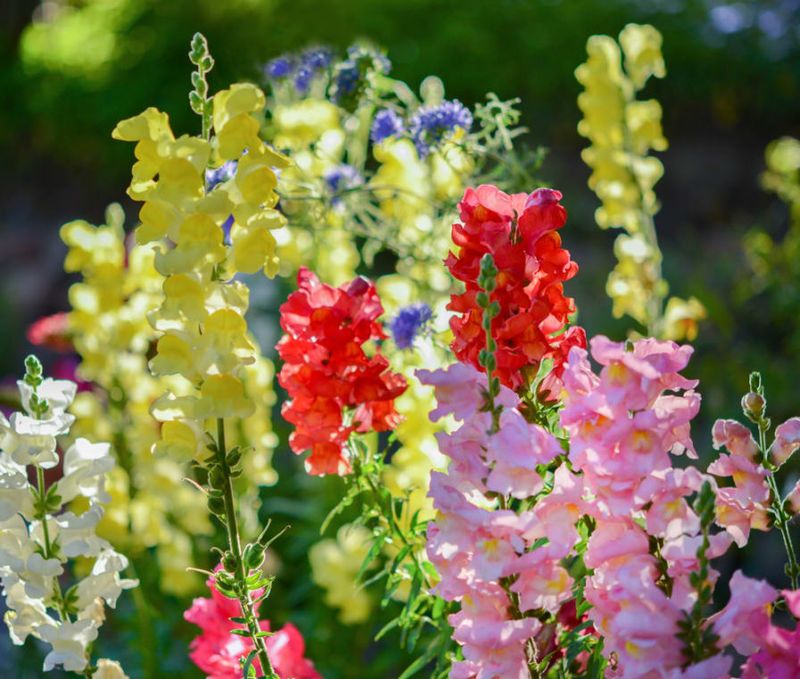
Snapdragons are symbols of grace and strength, known for their unique, dragon-like blooms. These flowers add a touch of whimsy and charm to gardens, captivating both young and old.
In the language of flowers, snapdragons represent deception and graciousness, a duality that intrigues and delights. Their vibrant colors and playful shapes make them a popular choice for flower arrangements.
Snapdragons thrive in a variety of climates, offering a burst of color and life to any setting.
33. Sweet Pea
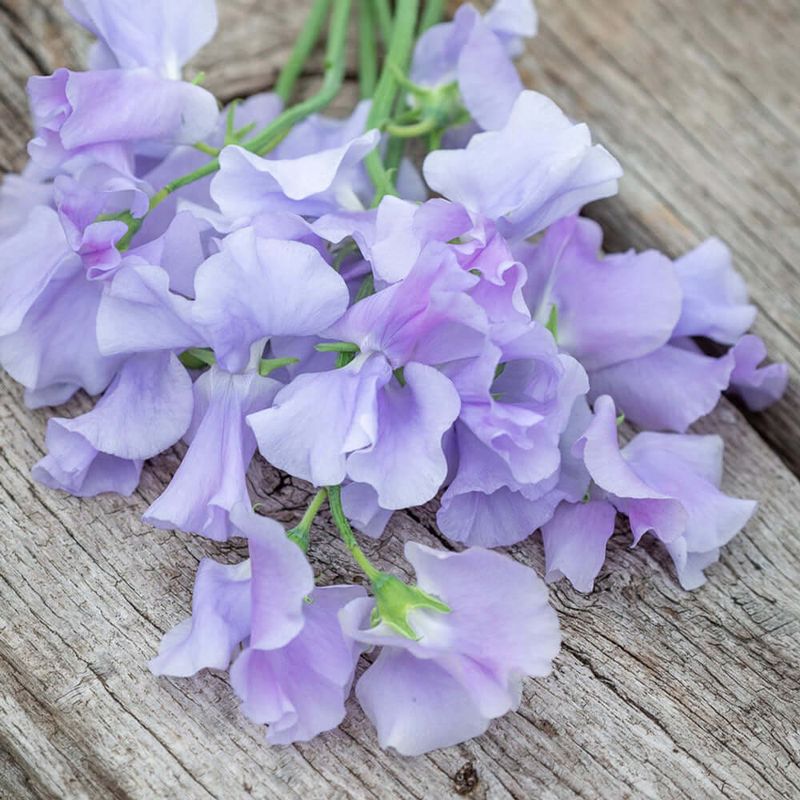
Sweet peas are symbols of blissful pleasure and appreciation, known for their delicate beauty and sweet fragrance. These flowers are a favorite for bouquets, adding a touch of romance and elegance.
Originating from the Mediterranean, sweet peas have been cherished for centuries, often used in perfumes and cosmetics. Their pastel hues and gentle scent make them a popular choice for weddings and celebrations.
Sweet peas are also associated with the idea of departure and goodbyes, adding a touch of bittersweet sentiment to their beauty.
34. Violet
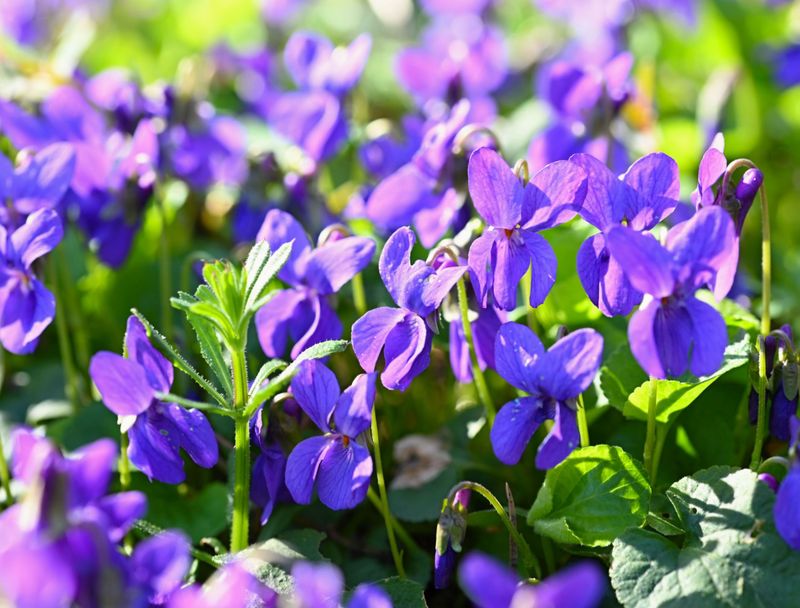
Violets are symbols of modesty and humility, known for their small, yet charming blooms. These flowers hold a special place in the hearts of many, often associated with nostalgia and sentimentality.
In ancient Greece, violets were used in love potions, believed to have mystical properties that could ignite passion. Their delicate beauty and sweet scent make them a favorite for gardens and floral arrangements.
Violets thrive in shaded areas, adding a touch of color and grace to any setting.
35. Zinnia
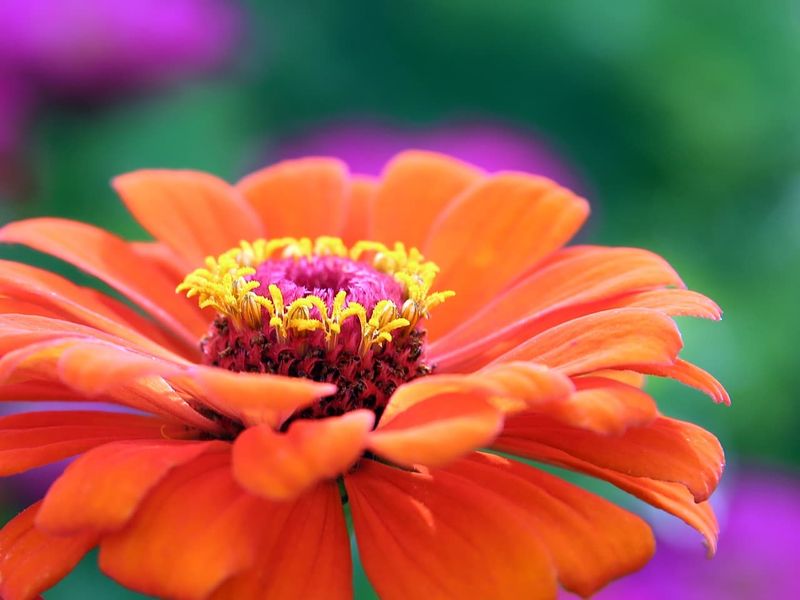
Zinnias are symbols of lasting affection and friendship, known for their vibrant colors and hardy nature. These flowers bring a touch of cheer and positivity to any garden.
Originating from Mexico, zinnias have been cherished for their ability to thrive in harsh conditions. Their diverse colors and shapes make them a favorite among gardeners and florists.
Zinnias are often used to convey sentiments of enduring love and loyalty, making them a thoughtful gift for loved ones.
36. Bluebell
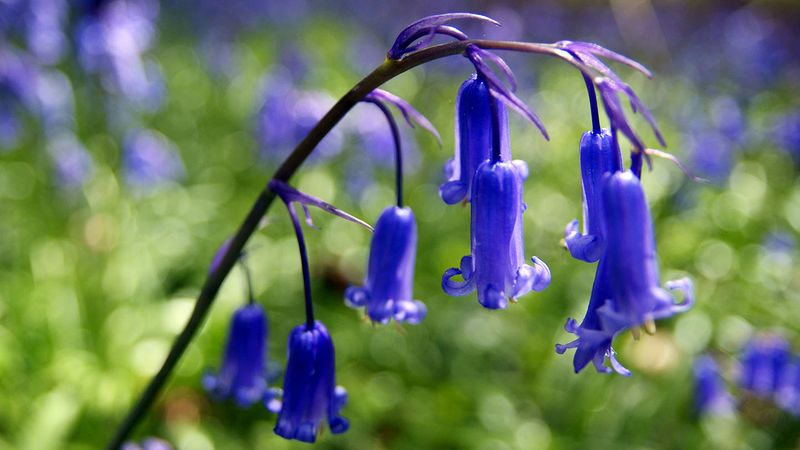
Legend whispers that the Bluebell, with its bell-shaped flowers, can summon fairies if rung. These charming blossoms symbolize humility and gratitude.
Their gentle nodding heads are a tribute to the beauty of simplicity. Found carpeting woodlands, they evoke a sense of quiet reverence, as if bowing to the earth.
In the language of flowers, gifting a Bluebell can express a heartfelt ‘Thank you.’ Historically, they were seen as a symbol of constancy, never wavering in their devotion, much like the steadfast bonds of friendship.