 Complete Gardening

Looking to cultivate a lush green lawn in record time? Whether you’re a seasoned gardener or a first-time lawn owner, growing grass seed quickly can transform your yard into a beautiful oasis. With the right techniques and a bit of dedication, you’ll be enjoying a healthy and vibrant lawn before you know it. Here are 36 expert tips to help you achieve the lawn of your dreams.
1. Test Your Soil First

Understanding your soil’s composition is the first step to successful grass growth. Testing the soil pH and nutrient levels can help you determine what amendments are necessary. This ensures your grass seeds have the ideal environment to thrive. Without this knowledge, you might unknowingly create a hostile environment for your seeds. Begin by using a soil testing kit available at most garden centers. After gathering your results, you can make informed decisions about fertilizer and soil treatments. Investing this time initially can save you a lot of future headaches and set the stage for a vibrant lawn.
2. Choose the Right Grass Seed
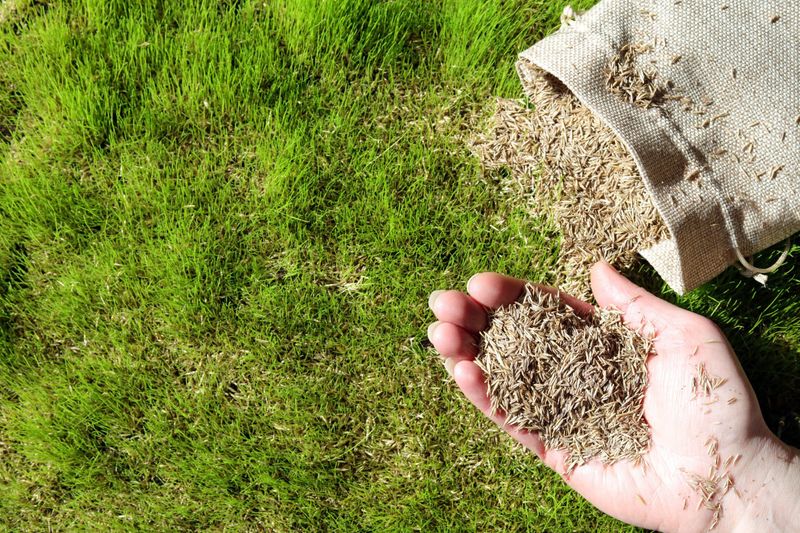
Not all grass seeds are created equal. Selecting the right type of grass seed for your climate and soil conditions can significantly impact the growth speed and health of your lawn. For instance, cool-season grasses like Kentucky bluegrass thrive in northern climates, while warm-season grasses like Bermuda are ideal for southern areas. Consider your local climate and the amount of sunlight your lawn receives daily. Research the options and choose a seed variety that aligns with your lawn’s conditions. This thoughtful selection will pave the way for a lush and resilient lawn.
3. Prepare the Soil Properly

Proper soil preparation is crucial for rapid grass growth. This process involves removing debris, breaking up compacted soil, and adding organic matter like compost. By enhancing the soil structure, you create a welcoming environment for seeds to germinate. Use a tiller or a garden fork to aerate and loosen the soil. Incorporate organic materials to improve drainage and nutrient availability. Taking the time to prepare the soil thoroughly sets the foundation for your grass seeds to sprout quickly and establish strong roots, leading to a healthy and lush lawn.
4. Use a Starter Fertilizer
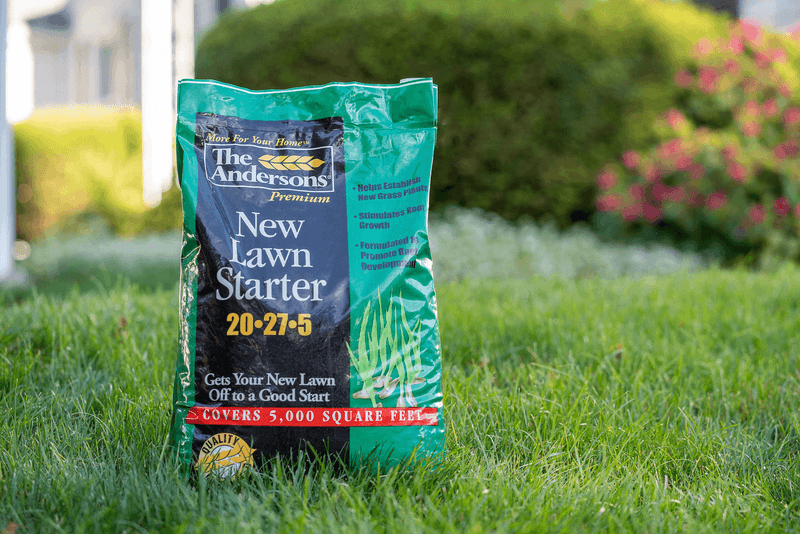
Starter fertilizers are specially formulated to give grass seeds the nutrients they need to germinate quickly. Applying a starter fertilizer at the time of seeding provides essential nutrients like phosphorus, which supports root development. Spread the fertilizer evenly across the prepared soil before sowing the seeds. Be sure to follow the instructions on the fertilizer bag for the best results. This step can significantly enhance seed germination and ensure your lawn grows healthy and strong. A well-fertilized start sets the stage for a verdant carpet of grass.
5. Sow Seeds Evenly
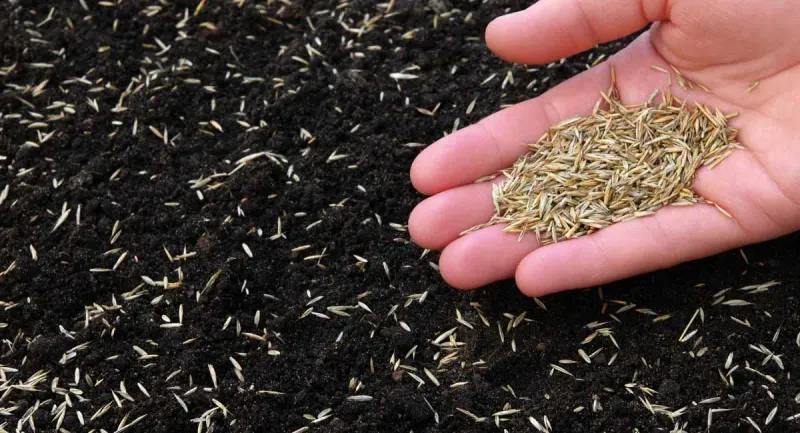
Even distribution of grass seeds is key to avoiding patchy growth. Using a broadcast spreader can help you achieve a uniform layer of seeds across the lawn. Begin by setting the spreader to the correct setting, as recommended on the seed packaging. Walk steadily across the lawn, overlapping slightly to ensure even coverage. This method reduces the risk of overcrowded or sparse areas, allowing each seed ample space to grow. A well-sown lawn not only looks more aesthetically pleasing but also establishes a healthier root system, leading to robust grass growth.
6. Water Thoroughly After Seeding
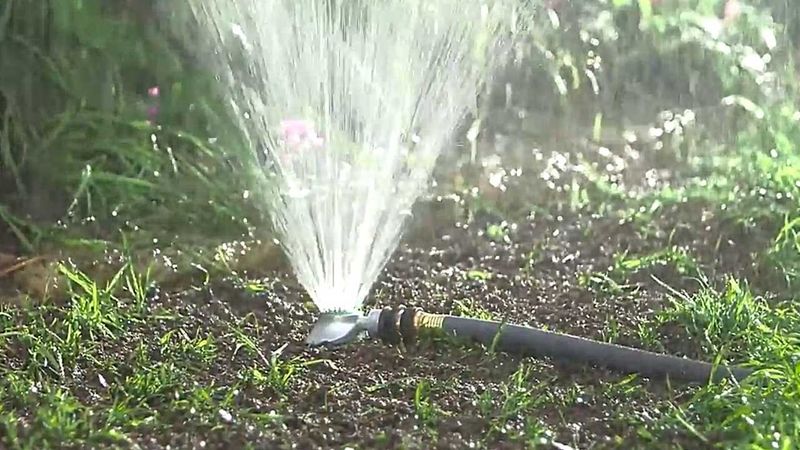
Watering is vital to the germination process, and it’s important to get it right. After sowing the seeds, water the area thoroughly but gently to avoid washing the seeds away. The soil should remain consistently moist but not waterlogged. Consider using a sprinkler system to provide a gentle and even distribution of water. Water the lawn once or twice a day, depending on the weather and soil type. Consistent moisture encourages swift germination and helps young grass seedlings establish strong roots. Proper watering practices can make all the difference in your lawn’s success.
7. Protect Seeds from Birds
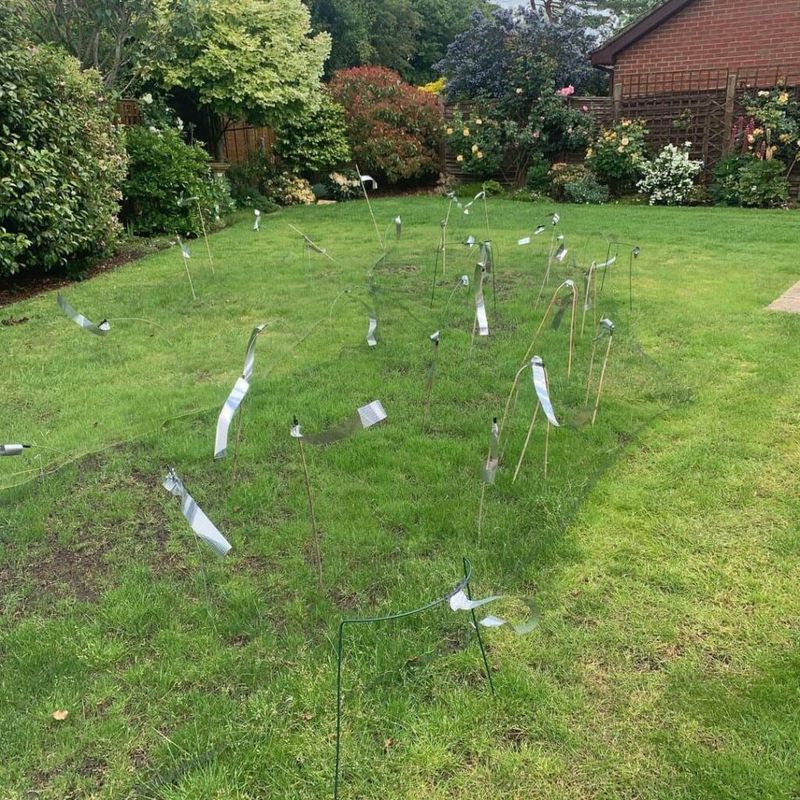
Birds can become an unexpected obstacle when sowing grass seeds. They often see your freshly seeded lawn as a buffet. To protect your investment, consider installing bird netting over the seedbed. Alternatively, you can use straw or mulch to cover the seeds lightly. This not only deters birds but also helps retain moisture in the soil. Make sure the covering is thin enough to let sunlight through. Keeping birds away ensures that more seeds germinate and reduces the need for reseeding, allowing your lawn to fill in quickly and evenly.
8. Mulch to Retain Moisture
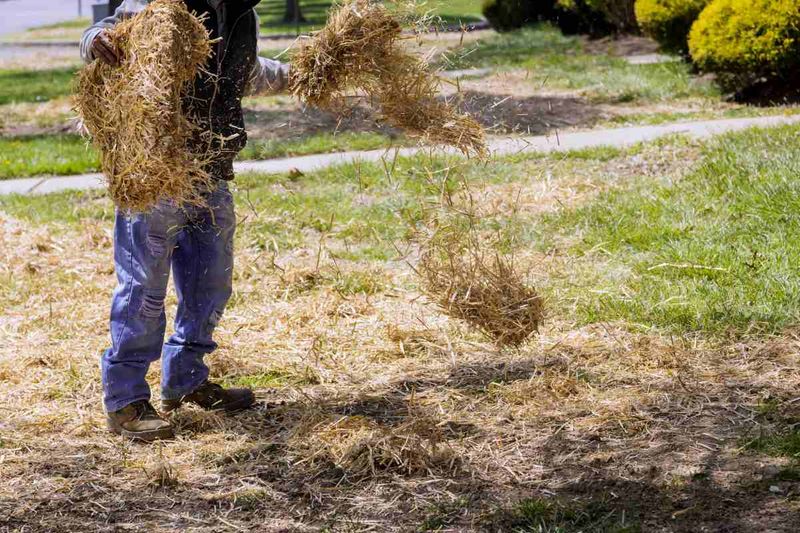
Applying a layer of mulch over your grass seed can significantly enhance the germination process. Mulch helps to retain soil moisture and maintain a stable temperature, both critical factors for seed sprouting. Organic mulches like straw or lightweight compost are excellent choices. Spread a thin, even layer over the newly seeded area, ensuring some sunlight can penetrate. This protective cover not only conserves moisture but also minimizes erosion and seed displacement from wind and rain. A properly mulched lawn fosters quicker and more uniform grass growth.
9. Avoid Heavy Foot Traffic

Once your grass seeds are sown, keeping foot traffic to a minimum is essential. Walking on the seeded area can compact the soil and disrupt the delicate germination process. Consider putting up temporary signs or barriers to remind family and visitors to avoid the area. Restricting access allows the seeds to germinate without interference, leading to a more uniform and healthy lawn. Once the grass has grown enough to withstand activity, you can start enjoying your lush lawn. Proper care during this critical phase ensures robust grass development.
10. Monitor Weather Conditions
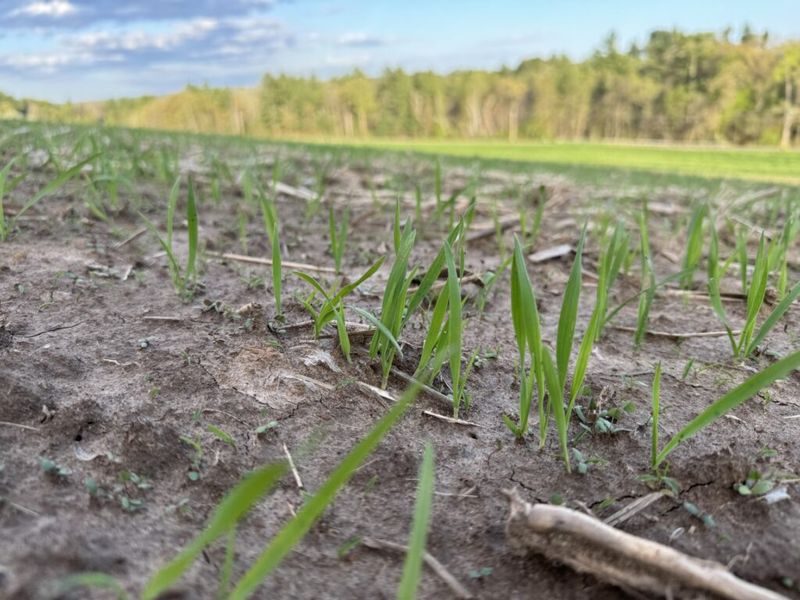
Keeping an eye on the weather can aid in achieving optimal grass growth. Weather conditions like temperature, rainfall, and humidity influence seed germination. Too much rain can wash away seeds, while dry conditions may hinder germination. Monitor the forecast using a weather app to make informed watering and care decisions. Adjust your watering schedule accordingly and protect the seeds from heavy rain with mulch or tarps. Being proactive about weather conditions ensures that your grass seeds have the best possible environment to flourish, leading to a resilient and lush lawn.
11. Aerate the Soil
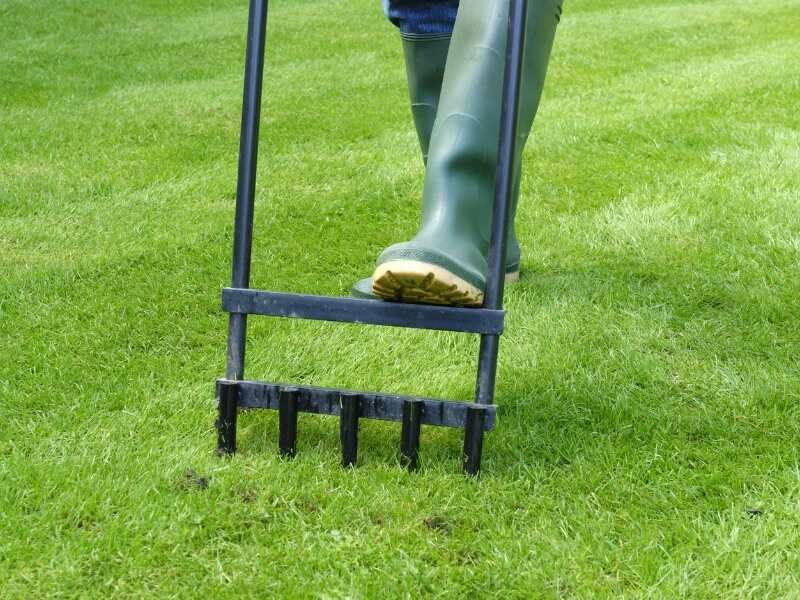
Aerating the soil gives grass roots the chance to breathe and absorb essential nutrients more efficiently. Use an aeration tool or machine to create small holes in the lawn. This process alleviates soil compaction, allowing water, air, and nutrients to penetrate deeply.
Healthy soil is key for robust grass growth, and even lawns with dense grass benefit from occasional aeration. For best results, aerate during the growing season when the grass is actively developing. By doing so, you’ll create an environment where roots can expand and strengthen, leading to a lush, vibrant lawn.
12. Overseed Regularly
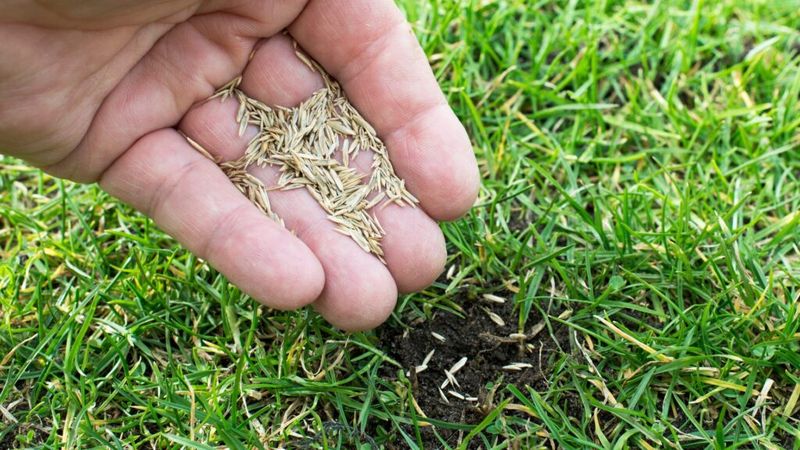
Overseeding involves spreading grass seed over your existing lawn to promote thicker growth. It’s particularly useful for lawns showing signs of thinning or wear. By introducing new seeds, you increase the diversity of grass types, which can lead to better resilience against diseases and pests.
Typically, the best time to overseed is during early fall or spring when conditions are optimal for seed germination. This practice breathes new life into tired lawns, ensuring continual growth and vitality. Keep your lawn growing strong with regular overseeding practices.
13. Adjust Mower Height

Mowing may seem simple, but the height at which you cut your grass can impact its health. Setting your mower blades too low can stress the grass, making it vulnerable to diseases and pests. Conversely, cutting too high might make your lawn look unkempt.
The ideal mowing height varies by grass type, but a general rule is to keep it about two to three inches. This height helps grass blades retain moisture and shade the soil, reducing evaporation. Regularly sharpening your mower blades also ensures clean cuts, promoting healthy regrowth.
14. Maintain Sharp Mower Blades

Sharp mower blades are essential for cleanly cutting grass, which helps reduce stress on grass plants. Dull blades tear the grass, leading to ragged edges that can turn brown and become susceptible to disease.
To keep your lawn looking its best, sharpen your mower blades at least once per season. A sharp blade not only ensures a neater cut but also contributes to healthier grass by minimizing damage. Investing time in this small maintenance task yields long-term rewards for your lawn’s health and appearance.
15. Apply Organic Fertilizers

Using organic fertilizers is an eco-friendly approach that supports lawn health by enriching the soil with natural nutrients. These fertilizers break down slowly, providing a steady supply of nutrients that promote sustained grass growth.
Organic options, such as compost or manure, improve soil texture and encourage beneficial microbial activity. They also reduce the risk of chemical runoff, making them safer for pets and children. By opting for organic fertilizers, you’re contributing to a healthier environment while nurturing your lawn.
16. Implement a Watering Schedule

Establishing a consistent watering schedule is crucial for grass seed germination and development. Watering deeply but infrequently encourages deep root growth, making grass more drought-resistant.
The ideal time to water is early morning or late evening when evaporation rates are lower. Aim for about one inch of water per week, including rainfall. By following a regular watering routine, your lawn will develop a robust root system, leading to a healthier and more resilient lawn.
17. Incorporate Lawn Edging

Lawn edging creates a clean, defined border, enhancing the aesthetic appeal of your lawn. It prevents grass from encroaching into garden beds, reducing maintenance efforts. Various materials like plastic, metal, or stone can be used, each offering different visual effects.
Beyond aesthetics, edging helps contain mulch and soil, reducing erosion. By investing in quality edging, you not only beautify your lawn but also simplify its upkeep. Consider the style and function that best fits your landscape to achieve an organized and polished look.
18. Practice Grass Clippings Recycling

Grass clippings, often considered waste, can be a boon to your lawn when recycled. Leaving clippings after mowing returns valuable nutrients and moisture back to the soil. This practice reduces the need for additional fertilizers and helps maintain soil health.
Ensure clippings are small enough to decompose quickly and don’t smother the grass. The result is a naturally fertilized lawn that’s healthier and thicker over time. Embrace grass clipping recycling as a sustainable lawn care practice.
19. Use Preventative Pest Control

Preventative pest control minimizes the impact of lawn-damaging insects before they become a problem. By using eco-friendly methods, such as introducing beneficial insects or applying natural repellents, you create a balanced ecosystem.
Regularly inspect your lawn for signs of pests and take action early to prevent infestations. Healthy, well-maintained grass is less prone to pest issues. By staying vigilant and adopting preventative measures, you safeguard your lawn’s vitality and aesthetics.
20. Adapt to Seasonal Changes

Adapting to seasonal changes ensures your lawn receives the care it needs throughout the year. Each season presents unique challenges and opportunities, from spring fertilization to winter preparation.
Understanding these seasonal shifts helps you plan effective maintenance strategies. For example, aerate during the growing season, and avoid mowing when grass is dormant. By staying in tune with nature’s cycles, you foster a lawn that thrives all year long.
21. Encourage Microbial Activity
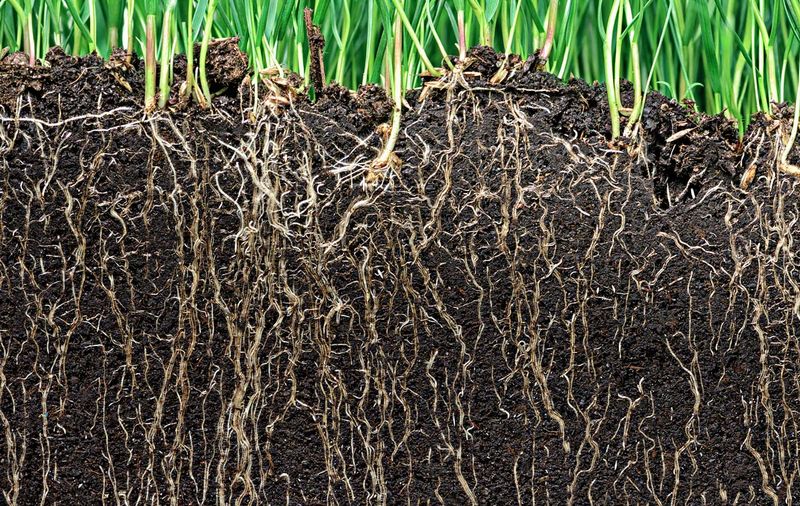
Soil microbes play a crucial role in breaking down organic matter, releasing nutrients for grass absorption. Encouraging microbial activity involves adding organic matter, like compost, and minimizing chemical use that can harm beneficial organisms.
Healthy microbial populations improve soil structure, enhance nutrient cycling, and support plant health. By fostering a bustling microbial community, you create a dynamic environment in which grass can thrive.
22. Apply Topdressing
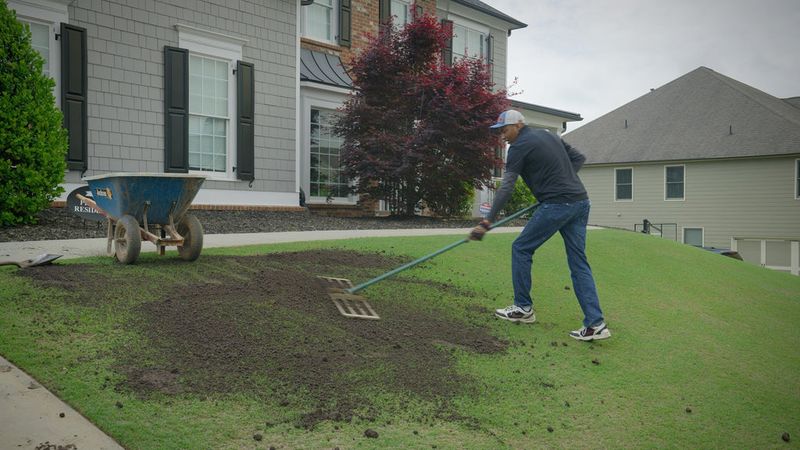
Topdressing involves adding a thin layer of soil or compost over your lawn to improve soil quality and level the surface. This practice supports grass growth by enriching the soil with nutrients and enhancing drainage.
Apply topdressing during active growth periods for the best results. The added organic matter promotes soil aeration and microbial activity, contributing to a healthier lawn. Regular topdressing can transform a tired lawn into a flourishing green space.
23. Support Biodiversity

Supporting biodiversity within your lawn encourages a balanced ecosystem where grass can thrive. Introduce a mix of grass species and add flowering plants to attract beneficial insects.
Biodiversity enhances resilience against pests and diseases, and creates a visually pleasing landscape. By fostering a diverse array of plants, you contribute to a healthier and more sustainable environment. Embrace biodiversity as a cornerstone of a thriving lawn.
24. Avoid Chemical Overuse

Over-reliance on chemical fertilizers and pesticides can harm your lawn’s health and the environment. Use these products sparingly, opting for natural alternatives whenever possible.
Excessive chemical use can lead to nutrient imbalances and damage beneficial soil organisms. By reducing chemical dependency, you promote a healthy lawn ecosystem, minimizing environmental impact. Your lawn will thank you for the gentle care and consideration.
25. Implement a Lawn Maintenance Routine
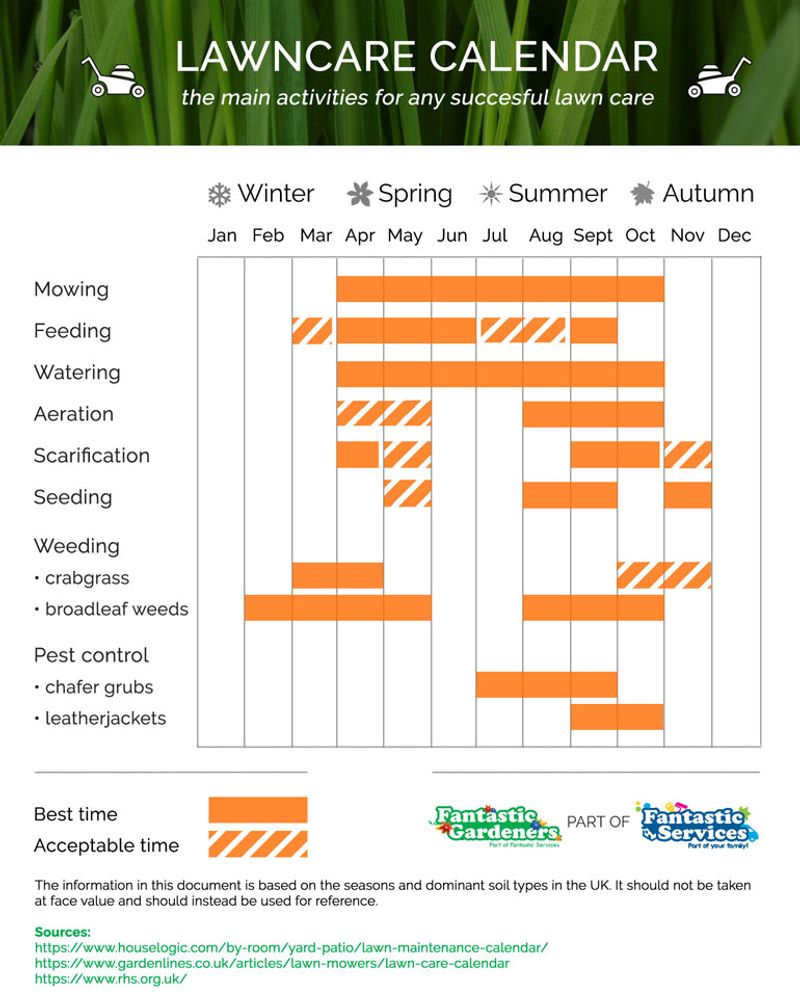
A structured lawn maintenance routine ensures consistent care, resulting in a healthy and attractive lawn. Plan tasks like mowing, watering, fertilizing, and aerating on a regular schedule.
Sticking to a routine helps you identify potential issues early and adapt to seasonal changes. By committing to regular maintenance, you protect your lawn’s health and longevity. A well-maintained lawn not only looks good but also feels great underfoot.
26. Test Drainage Efficiency

Proper drainage is crucial for preventing waterlogging, which can suffocate grass roots. Test your lawn’s drainage by observing water absorption rates after watering or rain.
If water pools or drains slowly, consider aeration or adding organic matter to improve soil structure. Efficient drainage supports healthy root development, leading to a more robust lawn. Regular checks help maintain optimal soil conditions for your grass.
27. Foster Lawn Aerobic Activity
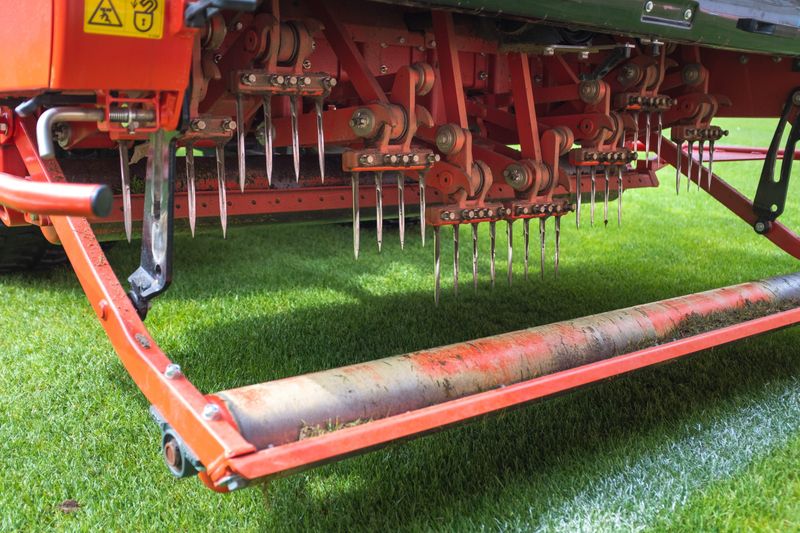
Encourage lawn aerobic activity by aerating and ensuring proper sunlight exposure. Aerobic conditions promote healthy microbial activity essential for nutrient cycling and soil health.
Maximize sunlight access by trimming overhanging branches and maintaining an open lawn space. These steps create an environment where grass can grow vigorously and resist diseases. Prioritizing aerobic conditions fosters a lawn that thrives naturally.
28. Integrate Native Grass Species
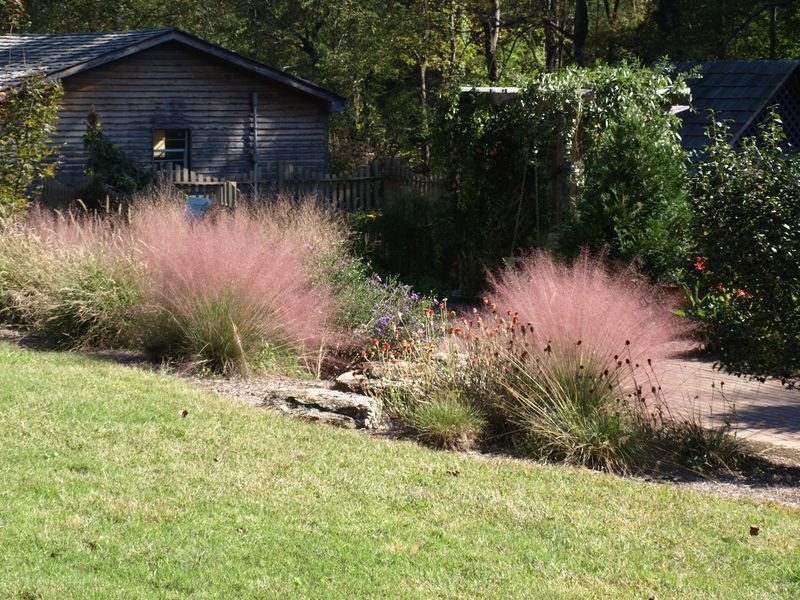
Integrating native grass species into your lawn design enhances resilience and reduces maintenance needs. Native grasses are well-adapted to local climates, thriving with minimal intervention.
These grasses require less water and are more resistant to regional pests and diseases. By choosing native species, you promote a sustainable and environmentally friendly lawn. A native grass lawn also supports local biodiversity.
29. Optimize Sunlight Exposure

Ensuring your lawn receives adequate sunlight is essential for robust grass growth. Identify shaded areas and explore options to increase sunlight, such as trimming trees or rearranging landscape elements.
Sunlight is a primary energy source for photosynthesis, driving grass development. By optimizing exposure, you enable your lawn to reach its full potential. Regularly assess and adjust to maintain the balance between sun and shade.
30. Integrate Drought-Resistant Varieties
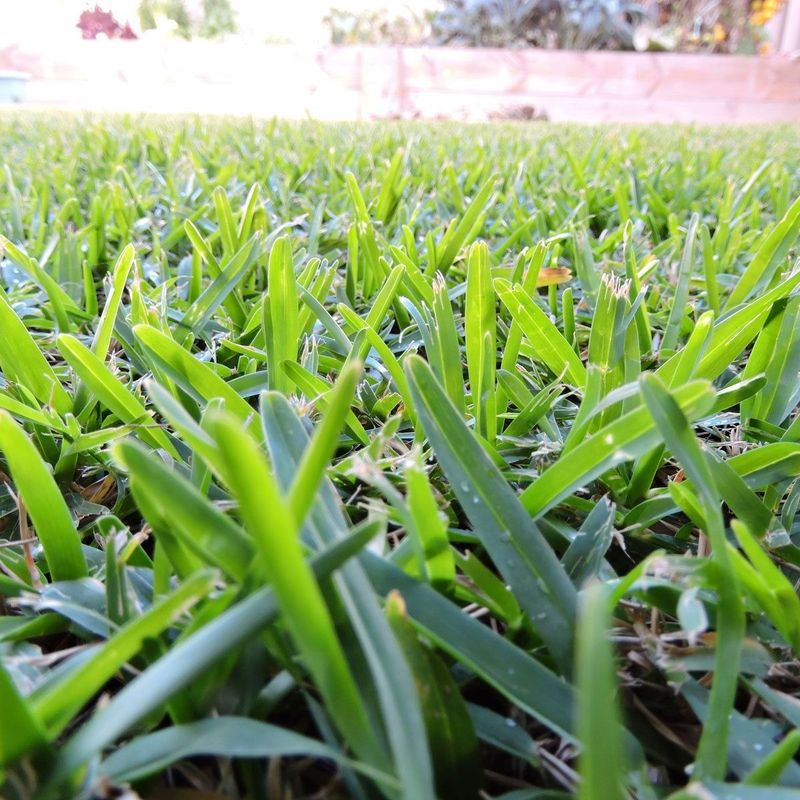
Drought-resistant grass varieties thrive in challenging conditions, making them a wise choice for sustainable lawn care. These grasses reduce water consumption and maintain green color during dry spells.
Consider integrating varieties like Bermuda or Buffalo grass, known for their resilience. By choosing drought-resistant grasses, you ensure a vibrant lawn that withstands environmental stressors. This sustainable approach saves water and reduces maintenance costs.
31. Enhance Soil Nutrient Profile

Enhancing your soil’s nutrient profile is vital for grass seed success. Conduct soil tests to identify deficiencies and address them with targeted amendments.
Add nutrients through compost, organic fertilizers, or mineral supplements, focusing on essential elements like nitrogen, phosphorus, and potassium. Balanced soil nutrition supports vigorous growth and disease resistance, laying the groundwork for a lush lawn.
32. Ensure Proper Soil pH Balance

Maintaining the right soil pH balance influences nutrient availability and grass health. Most grasses thrive in a pH range of 6.0 to 7.0.
Test your soil’s pH and adjust as needed using lime or sulfur to achieve optimal conditions. Proper pH levels ensure nutrients are accessible to the grass, supporting strong growth and resilience. Regular monitoring keeps your lawn’s soil in prime condition.
33. Incorporate Companion Planting

Companion planting integrates beneficial plants into your lawn for improved health and aesthetics. Plants like clover fix nitrogen, enriching the soil and supporting grass growth.
Companion plants attract pollinators and beneficial insects, enhancing biodiversity and resilience against pests. This harmonious integration leads to a balanced ecosystem, where grass and plants thrive together. Consider companion planting to boost your lawn’s vitality and beauty.
34. Apply Gypsum for Soil Health

Gypsum applications improve soil structure and health, particularly in clay-heavy soils. It helps break up compacted soil, enhancing drainage and root penetration.
Gypsum supplies calcium and sulfur, essential nutrients for grass. Regular application supports healthy turf development, especially in challenging soil conditions. By incorporating gypsum, you facilitate a nurturing environment for your lawn to flourish.
35. Create a Lawn Care Journal

Keeping a lawn care journal allows you to track progress and plan for future improvements. Documenting tasks, weather patterns, and growth observations helps refine your strategy.
By maintaining records, you can identify trends, anticipate challenges, and make informed decisions. A journal serves as a valuable resource for achieving a thriving lawn and adapting to changing conditions. Embrace this practice to elevate your lawn care routine.
36. Utilize Smart Sprinkler Systems

Imagine watering your lawn with the precision of a seasoned gardener. Smart sprinkler systems offer this capability, adjusting water distribution based on weather forecasts and soil moisture levels.
With these automated systems, you not only save water but also ensure your grass receives optimal hydration, promoting rapid and healthy growth.
Tailor the watering schedule to your lawn’s specific needs, and watch as your yard transforms into a vibrant carpet of green. Embracing this technology adds convenience and effectiveness to your lawn care routine, making it an indispensable tool for modern gardeners.