 Complete Gardening
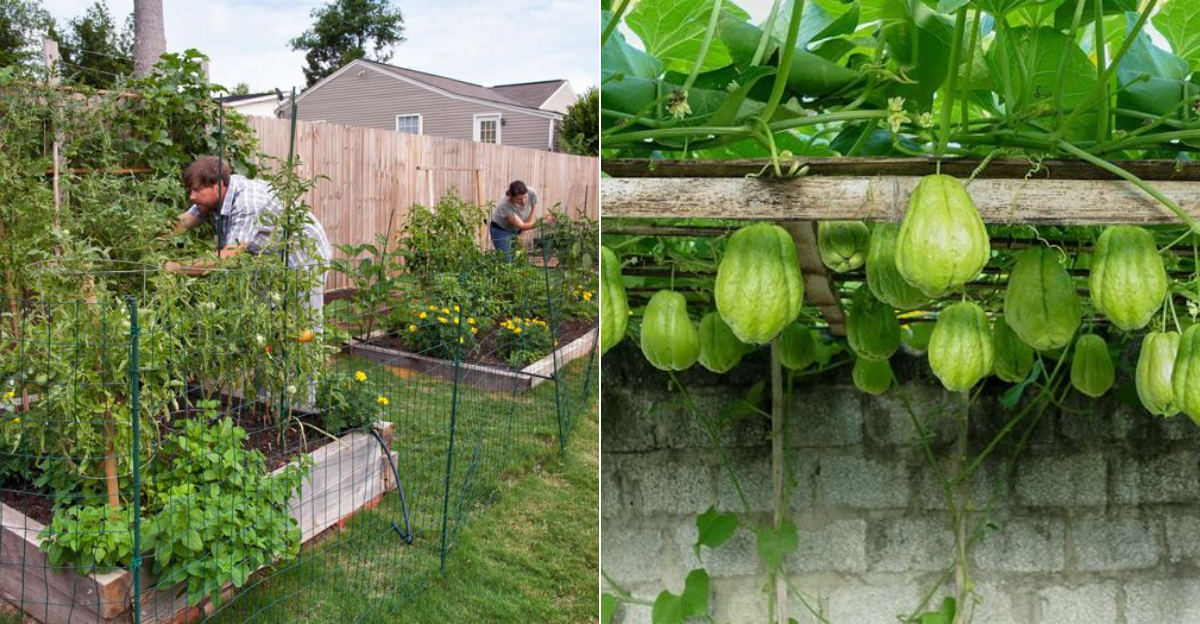
Vertical gardening offers a unique way to grow plants in a compact space, making it ideal for urban environments and small yards. However, it comes with its own set of challenges and opportunities. In this guide, we’ll explore five common mistakes gardeners make when setting up vertical gardens, and also reveal thirteen vegetables that thrive in vertical settings. By understanding these pitfalls and knowing which plants work best, you can create a flourishing vertical garden that maximizes space and productivity.
1. Choosing the Wrong Plants
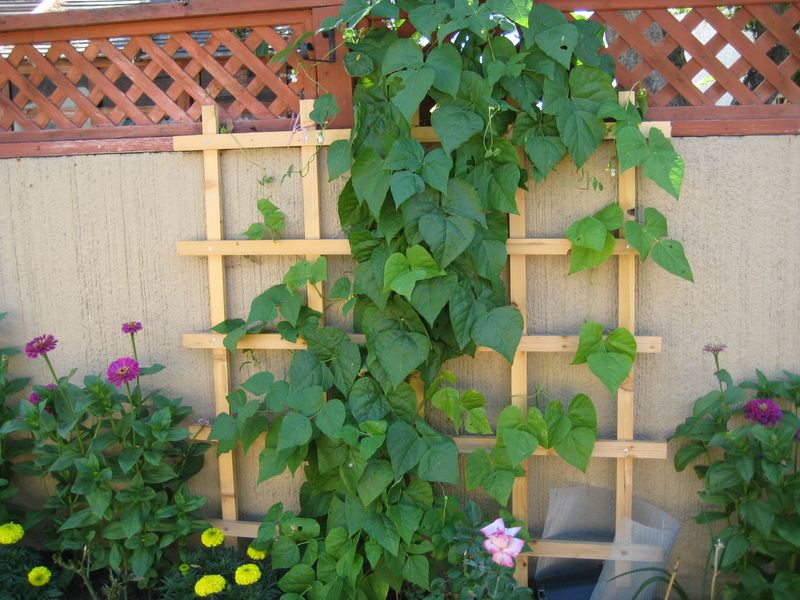
Selecting the right plants for your vertical garden is crucial. Not all vegetables are suited for vertical growth. Bulky plants like corn, zucchini, or large-rooted carrots require deep soil and ample space, which vertical gardens may not provide. Instead, opt for lightweight climbers that can thrive in confined spaces. Consider the size, weight, and root depth of each plant. Tailoring your plant choices ensures that you not only maximize your garden’s output but also maintain healthy growth conditions. Understanding these needs can prevent a disappointing gardening experience.
2. Poor Support Structures
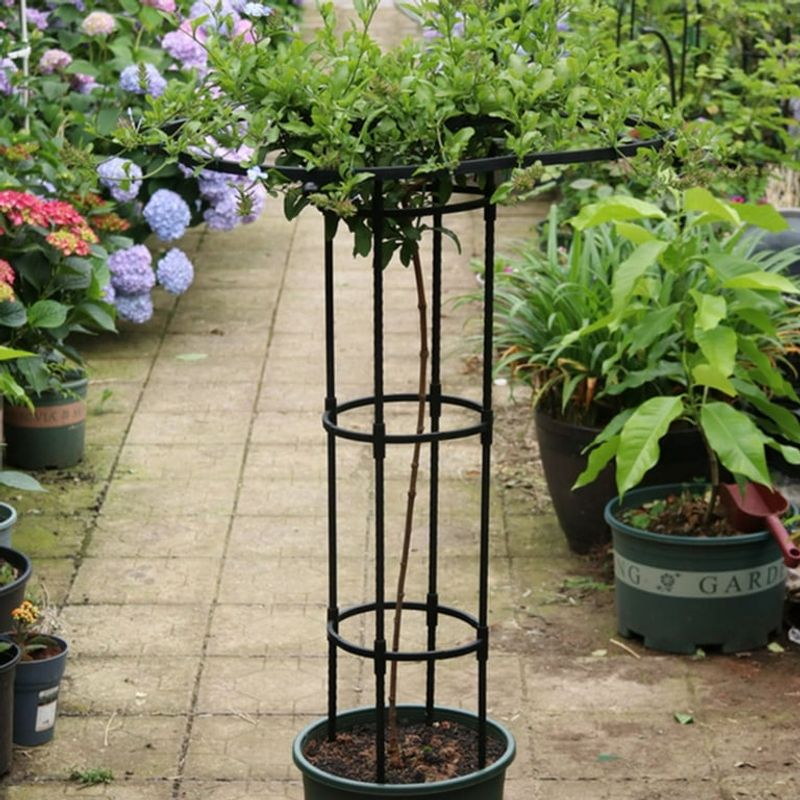
Support structures are the backbone of vertical gardening. Flimsy trellises may collapse under the weight of heavy growers like cucumbers. Using sturdy materials such as metal, cedar, or thick twine can provide the necessary support to keep plants upright and healthy. The strength of your support system directly impacts plant health and yield. Building a robust frame ensures that your vertical garden can withstand weather and the weight of mature plants. Investing in quality materials early on can save you from future headaches and plant damage.
3. Overcrowding Plants

Overcrowding is a common mistake in vertical gardens, where space is limited. Planting too many seedlings leads to competition for light, water, and nutrients. Each plant has specific spacing requirements, and neglecting these can stunt growth. By following spacing guides, you ensure each plant receives enough resources to thrive. Some vines may need as much as 12 inches apart to grow optimally. Careful planning of plant arrangements can lead to a more productive and healthier garden, while overcrowding can result in a tangled mess.
4. Ignoring Sun Exposure
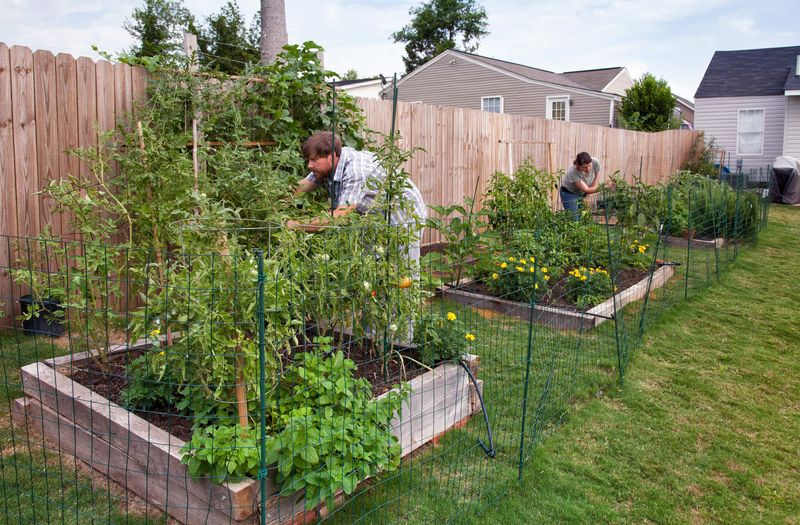
Sunlight is vital for most vegetables, yet it’s often overlooked in vertical gardening. Ideally, vertical gardens should be placed against south-facing walls to capture maximum sunlight. Shady spots can severely limit growth, leading to poor yields. Assessing your garden’s exposure to the sun helps select the right location, ensuring plants receive the necessary 6+ hours of sunlight daily. This consideration not only boosts growth but also enhances the flavor and quality of your produce. Proper sunlight positioning is a key to success.
5. Forgetting to Water Properly
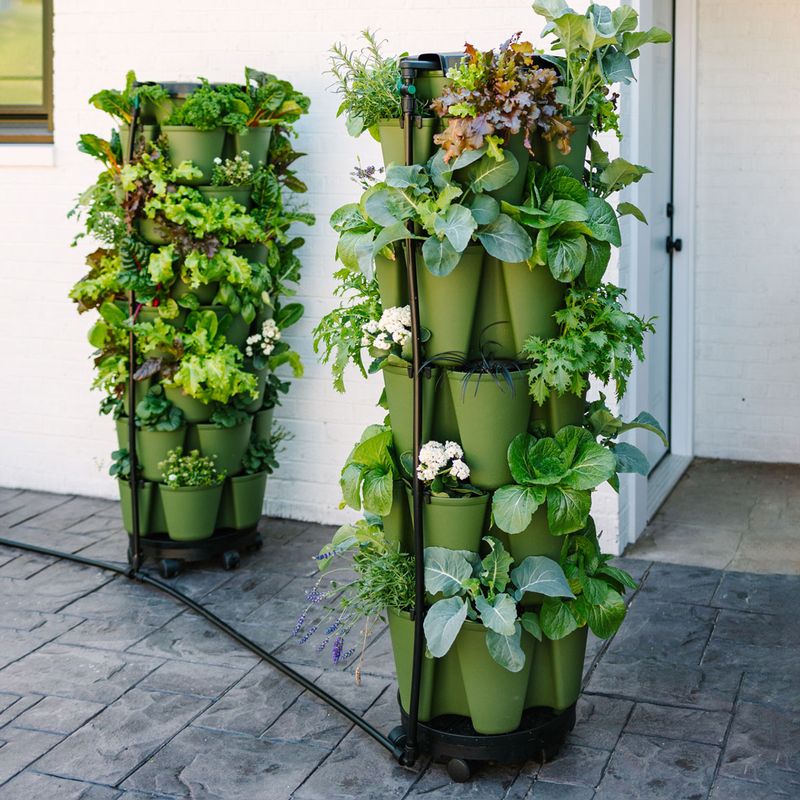
Watering is a critical aspect of vertical gardening, as these setups dry out faster than traditional gardens. Forgetting to water properly can lead to wilting and plant death. Implementing a drip irrigation system or using self-watering planters can help maintain consistent moisture levels. Regular monitoring of soil moisture ensures that plants receive adequate hydration. Understanding the specific watering needs of each plant type prevents common watering mishaps. A well-hydrated vertical garden is vibrant and productive, making water management a priority.
1. Pole Beans
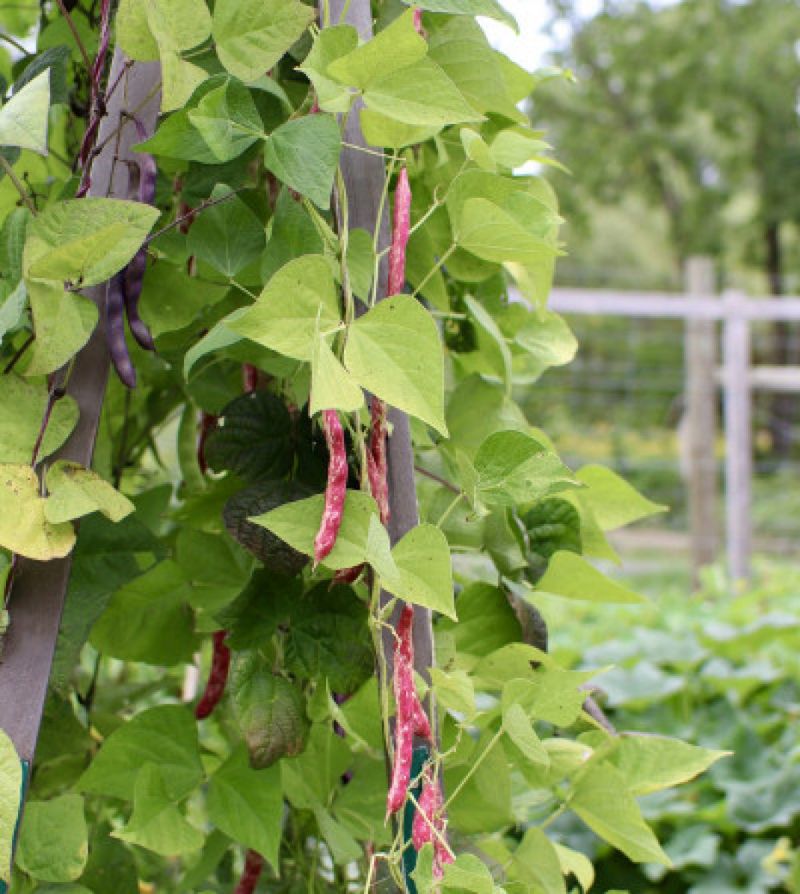
Pole beans are a stellar choice for vertical gardens. These fast-growing climbers yield abundantly and thrive when supported by trellises. Their ability to reach impressive heights makes them perfect for vertical spaces. Planting pole beans not only maximizes agricultural output but also adds a touch of greenery to urban environments. They’re easy to care for, requiring minimal maintenance once established. Their growth spurts lead to a vibrant, dynamic garden landscape. Choosing pole beans can transform your vertical garden into a productive and aesthetic space.
2. Peas (Snow, Snap, Shelling)
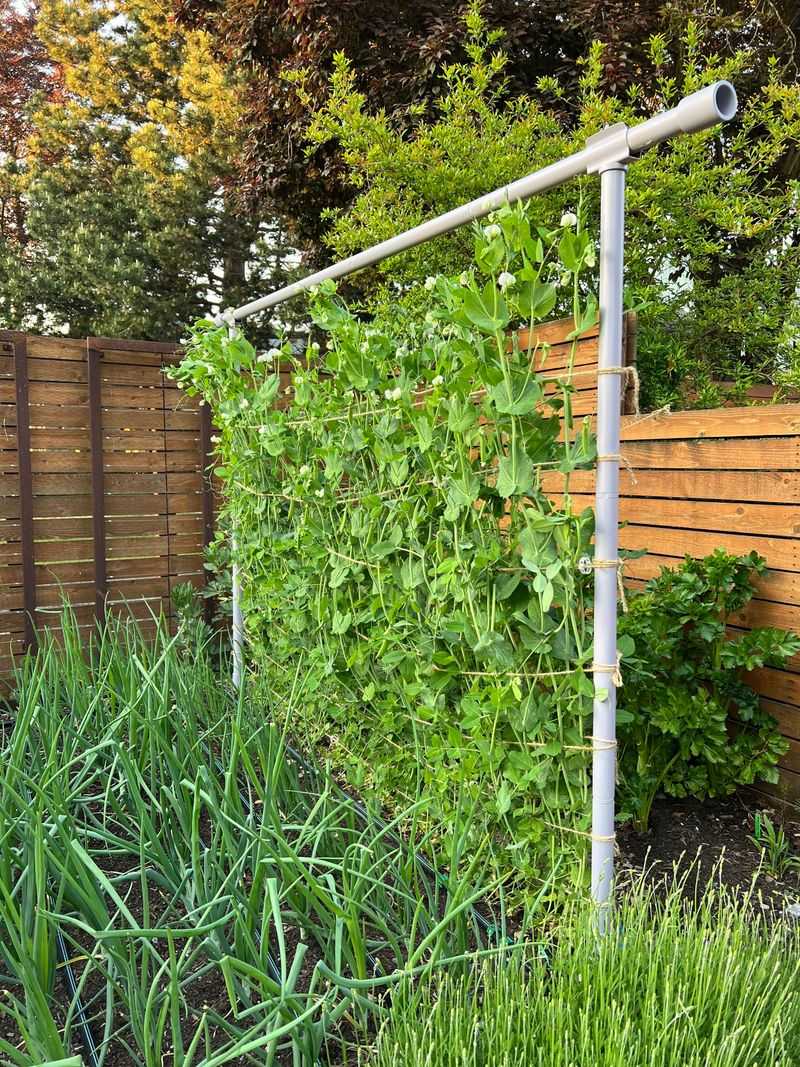
Peas, including snow, snap, and shelling varieties, are ideal for vertical gardens, especially in cooler seasons. These climbers have delicate tendrils that grasp onto supports, allowing them to grow upwards with ease. Peas require minimal space and adapt well to confined areas. Their fresh, tender pods offer both aesthetic appeal and functional use, providing a delicious addition to meals. By cultivating peas vertically, gardeners can enjoy a bountiful harvest without taking up much ground space, making them perfect for small gardens.
3. Cucumbers
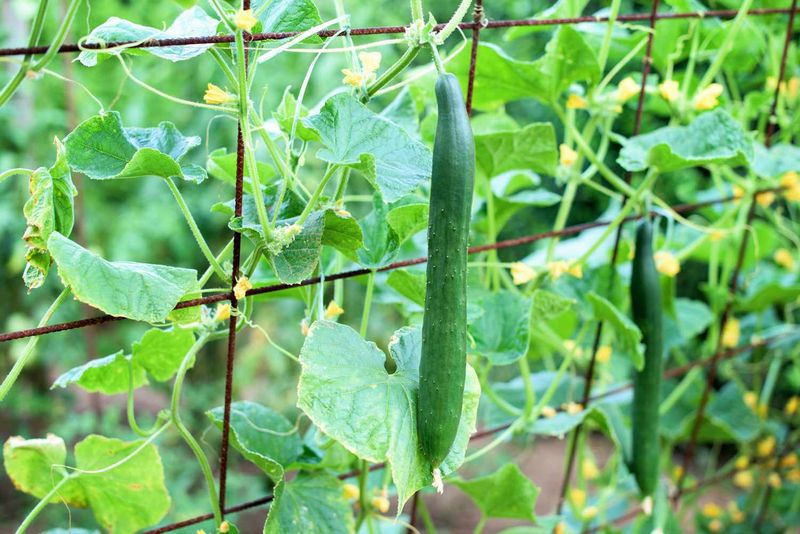
Cucumbers are well-suited for vertical gardening. Training them to grow upwards not only saves space but results in straighter, cleaner fruit. The elevation helps prevent pests and diseases that often affect ground-level crops. Cucumbers flourish in sunny spots, requiring ample light to produce their juicy, refreshing fruits. Their vertical growth ensures better air circulation, reducing the risk of mildew. Elevating cucumbers also makes harvesting easier, with fruit remaining accessible and visible. Choosing cucumbers for your vertical garden is both practical and rewarding.
4. Tomatoes (Indeterminate Varieties)
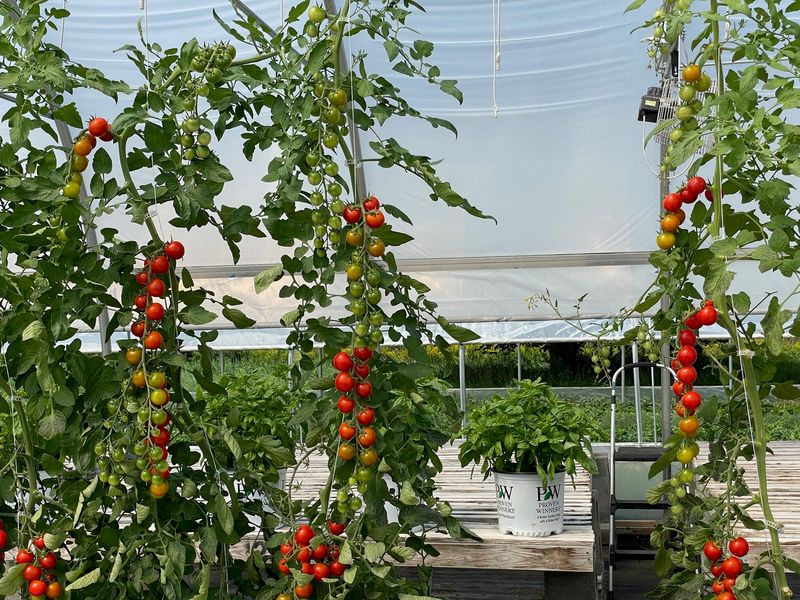
Indeterminate tomatoes, such as ‘Black Cherry’ and ‘Sungold,’ are exceptional for vertical gardens. These varieties grow over six feet tall, requiring sturdy support to thrive. Their upward growth habit maximizes space and ensures a continuous harvest throughout the season. Tomatoes need consistent sunlight and regular watering for optimal yield. Trellising keeps the plants off the ground, reducing rot and pest issues. Their vibrant colors and rich flavors make them a favorite among gardeners. Vertical gardening with tomatoes offers beauty and bounty.
5. Malabar Spinach
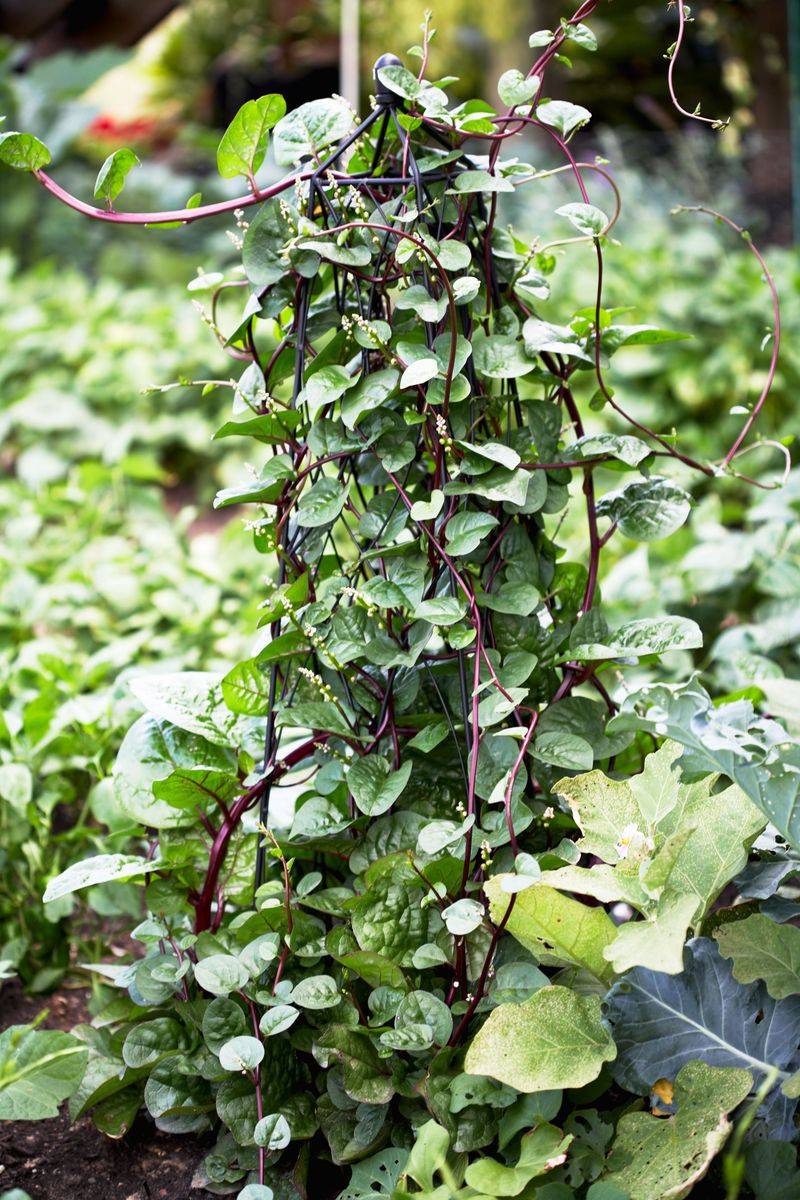
Malabar spinach is a heat-tolerant alternative to traditional spinach, making it ideal for vertical gardening. Its lush, thick vines offer both ornamental beauty and culinary versatility. This climbing vine thrives in warm climates, providing continuous leaves for harvest. Its unique texture and flavor add variety to salads and dishes. Malabar spinach requires vertical support to achieve its full potential, elevating your garden’s aesthetic while maximizing space. Its ability to endure high temperatures makes it a resilient choice for summer gardens.
6. Bitter Melon

Bitter melon is an exotic and vigorous climber, perfect for vertical gardens in warm climates. Its unique, bumpy fruit adds an interesting texture to the garden landscape. Known for its health benefits, bitter melon is a staple in many Asian cuisines. This plant thrives when provided with a sturdy support structure, ensuring healthy growth and abundant yields. Its climbing ability allows it to occupy minimal ground space while reaching significant heights. The intriguing appearance and nutritious value of bitter melon make it a distinctive choice for gardeners.
7. Loofah (Sponge Gourd)

Loofah, commonly known as sponge gourd, offers a unique addition to vertical gardens. Edible when young, it transforms into a fibrous sponge when mature. This dual-purpose plant requires ample sunlight and strong support to thrive. Its climbing nature makes it ideal for vertical spaces, providing shade and structure with its expansive leaves. As loofahs grow, they develop into fascinating shapes, adding intrigue to garden aesthetics. The plant’s versatility, from culinary uses to natural sponges, makes loofah a remarkable choice for creative gardeners.
8. Chayote Squash
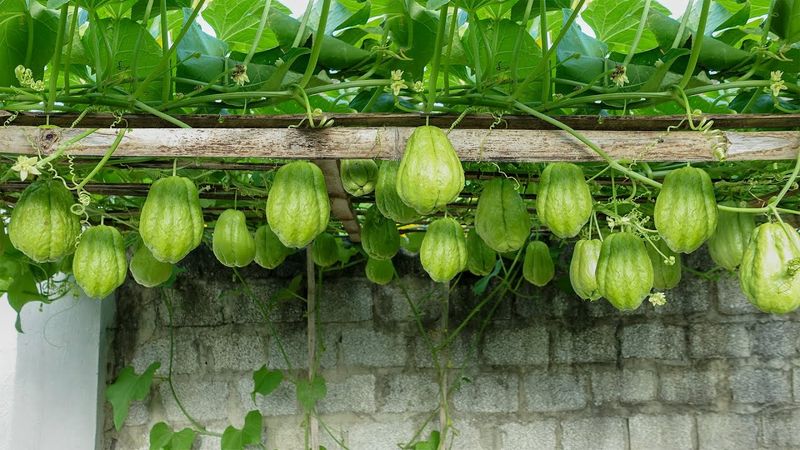
Chayote squash is a powerhouse in vertical gardening. Just one plant can cover a 10-foot trellis, making it perfect for maximizing space. Its fast-growing vines produce abundant fruits, providing a continuous harvest. Chayote squash prefers sunny locations and consistent watering to thrive. This versatile vegetable is used in various culinary dishes, from salads to stews. The plant’s ability to rapidly cover vertical structures makes it a popular choice for creating natural green walls. Chayote is both productive and visually appealing in any garden space.
9. Scarlet Runner Beans
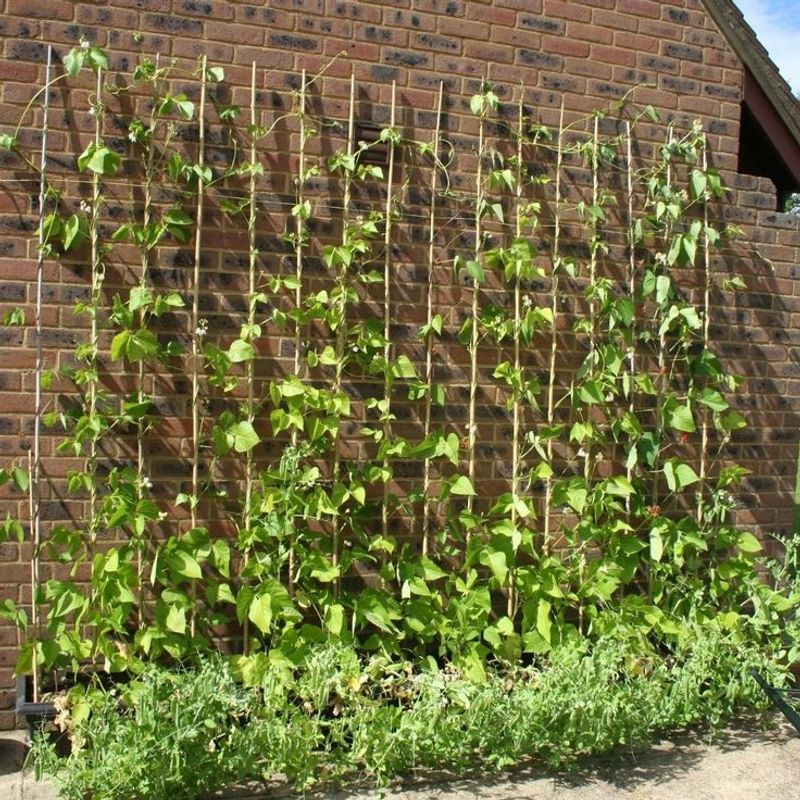
Scarlet runner beans are a captivating addition to vertical gardens, offering both beauty and bounty. Their bright red flowers attract pollinators, adding vitality to any garden. These vigorous climbers thrive with support, producing edible beans that are both nutritious and tasty. The dual purpose of providing ornamental flowers and edible pods makes them a unique and practical choice. Scarlet runner beans require regular watering and a sunny location to flourish. Their striking appearance and productivity make them a favorite among gardeners seeking a multi-functional plant.
10. Mini Pumpkins

Mini pumpkins, such as ‘Baby Boo’ and ‘Hooligan,’ are perfect for vertical gardens. These charming varieties grow well on trellises and arches, adding a whimsical touch to garden spaces. Their small size makes them ideal for limited areas while still offering a festive harvest. Mini pumpkins require sturdy support and plenty of sunlight to thrive. They bring seasonal flair with their vibrant colors and unique shapes. Perfect for autumn-themed gardens, mini pumpkins provide both decorative appeal and culinary possibilities, making them a delightful addition to any garden.
11. Nasturtiums
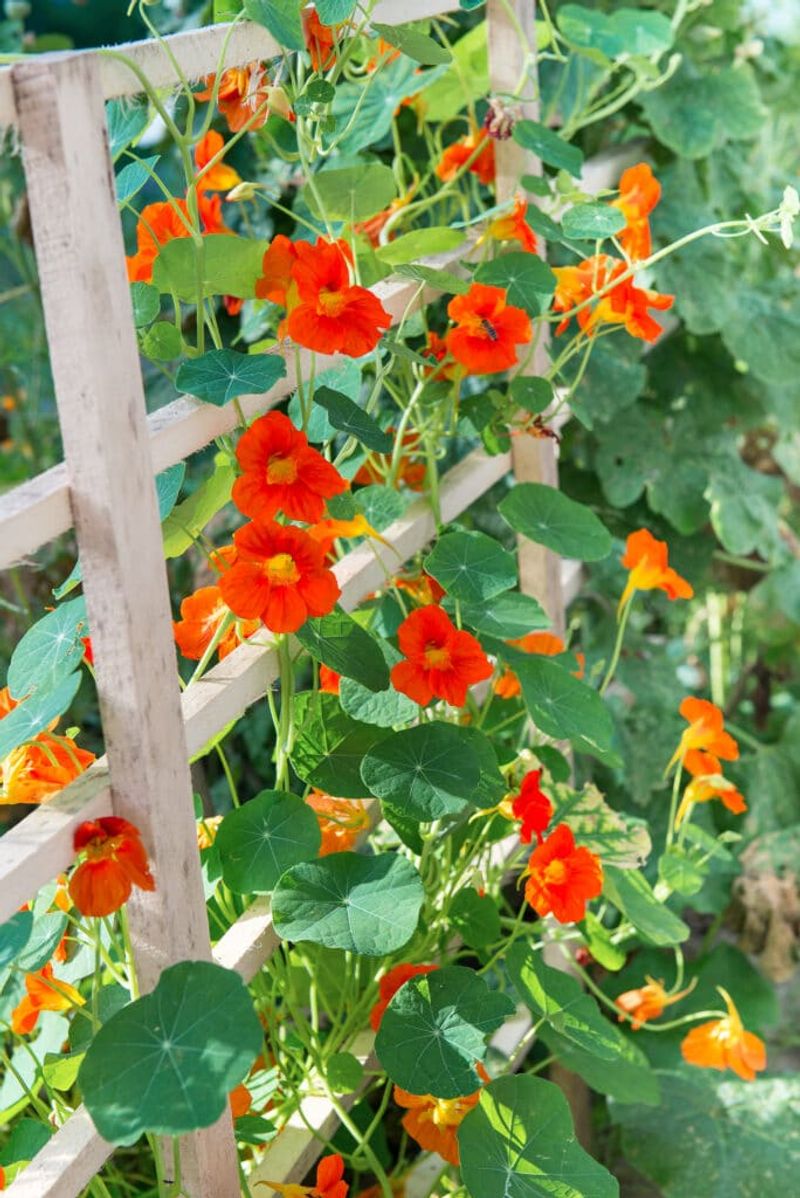
Nasturtiums are a fantastic choice for vertical gardens, offering a burst of color and multiple benefits. Their vibrant flowers and lush leaves are not only visually appealing but also edible, adding a peppery flavor to dishes. Nasturtiums are known for their pest-deterring properties, making them a functional companion plant. They require minimal care and thrive in sunny spots with well-drained soil. Their climbing ability allows them to adorn trellises and structures beautifully. Nasturtiums add both aesthetic value and practical benefits, making them a popular choice for gardeners.
12. Armenian Cucumbers
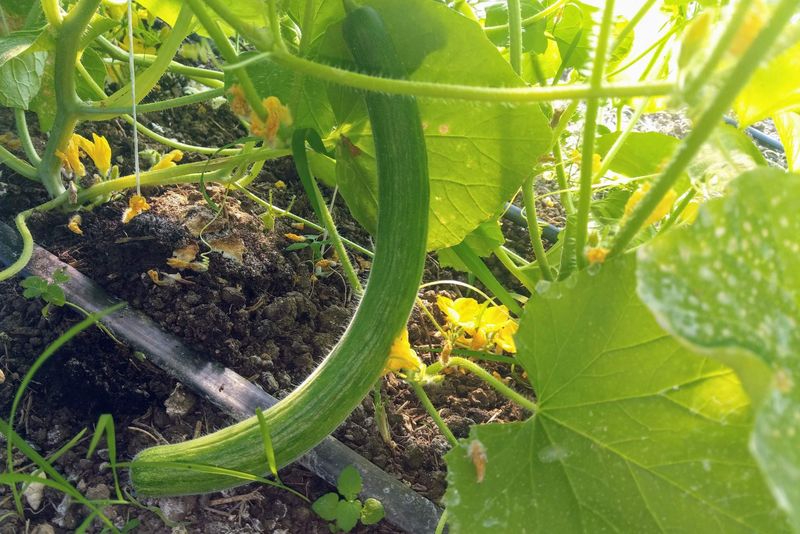
Armenian cucumbers are prolific climbers, perfect for vertical gardens. These mild, burpless cucumbers grow long and slender, making them ideal for trellis cultivation. Their vertical growth allows for better air circulation and easier harvesting. Armenian cucumbers thrive in sunny locations and require consistent watering to produce flavorful fruits. Their unique appearance adds interest to garden aesthetics, while their crisp texture enhances salads and dishes. Choosing Armenian cucumbers for your vertical space ensures a bountiful harvest and a visually appealing garden landscape.
13. Passionfruit
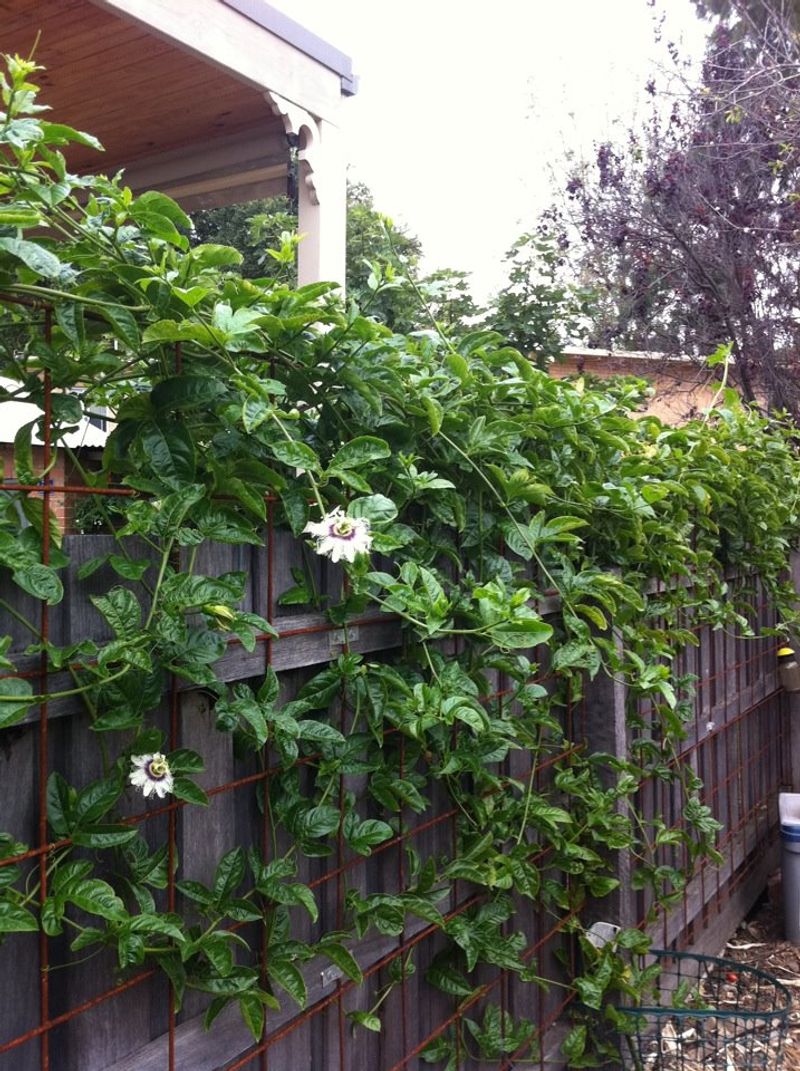
Passionfruit is a vibrant addition to any vertical garden, especially in warm climates. This fruit-bearing vine offers both ornamental beauty and delicious harvests. Passionfruit requires sturdy support to accommodate its vigorous growth. Its lush foliage provides shade and privacy, making it ideal for urban gardens. The exotic fruits are rich in flavor and perfect for tropical recipes. Passionfruit vines need plenty of sunlight and regular watering to thrive. Their ability to transform vertical spaces into lush, productive areas makes them a favorite among gardeners seeking exotic flair.