 Complete Gardening
Cut flowers are a staple in the floral industry, providing beauty and elegance to various settings, from weddings to simple home decor. However, not all cut flowers are created equal when it comes to profitability and ease of care. Some may be more trouble than they are worth, while others can be lucrative additions to your floral business. This blog post explores five cut flowers that might not justify the effort and ten that could significantly boost your income. Discover which blooms are worth your cultivation and sales efforts in the dynamic world of floristry.
1. Peony
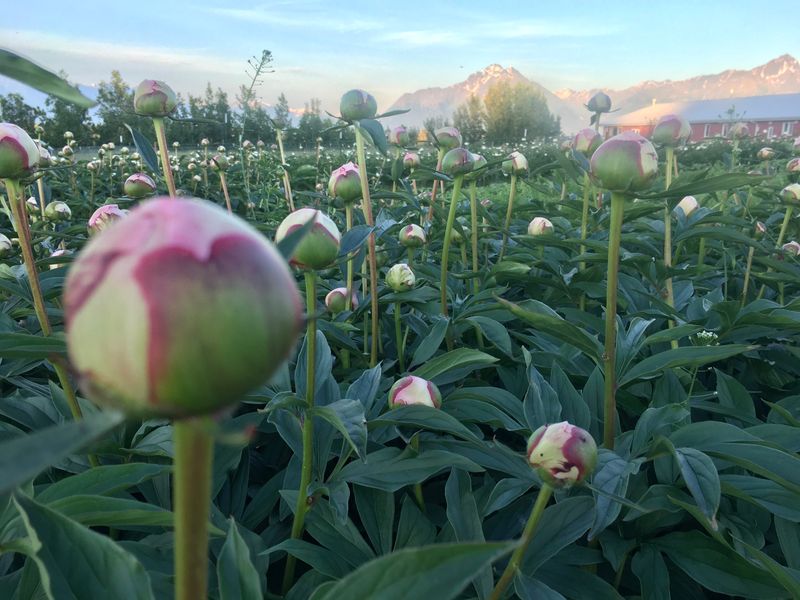
Despite its undeniable beauty, the peony is a finicky flower that demands patience. It takes years to establish peony plants to the point of yielding significant blooms. The short blooming season only adds to the challenge.
Moreover, peonies are sensitive to temperature fluctuations and require specific soil conditions. This makes them a risky investment for growers looking for a reliable cut flower.
Their care requirements and slow growth can be a drain on resources, making them a less viable option for florists aiming for a quick return.
2. Hydrangea
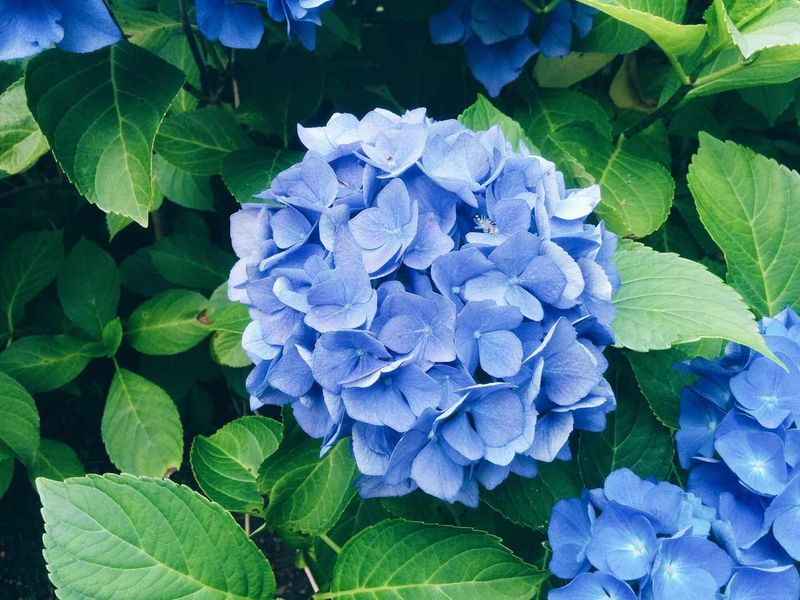
Hydrangeas, while striking, are known for their water dependency. They require constant hydration, which can be a logistical nightmare for florists. Once cut, they are prone to wilting quickly if not immediately placed in water.
Their sensitivity to water availability can turn them into a high-maintenance option, making them impractical for certain events.
Florists often find themselves juggling their hydration needs, which can detract from efficiency. This extra care requirement makes hydrangeas a time-consuming choice in the cut flower industry.
3. Gardenia
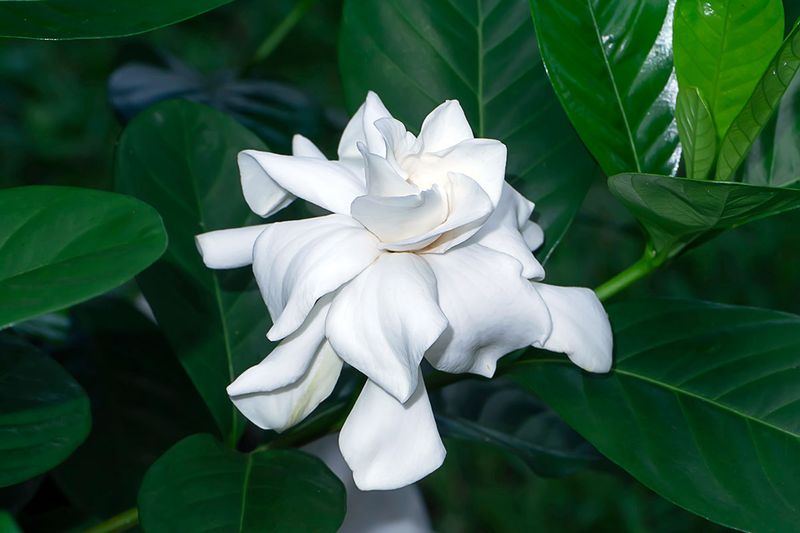
The gardenia is renowned for its intoxicating fragrance but is equally notorious for its care demands. Its delicate petals bruise easily, requiring careful handling. Gardenias are also susceptible to pests and disease.
Their high maintenance needs can outweigh their benefits in a commercial floral setting. Additionally, their short vase life means they need to be used promptly, adding pressure to florists.
These challenges can make gardenias more of a liability than an asset, often resulting in more time spent on care than on selling.
4. Freesia
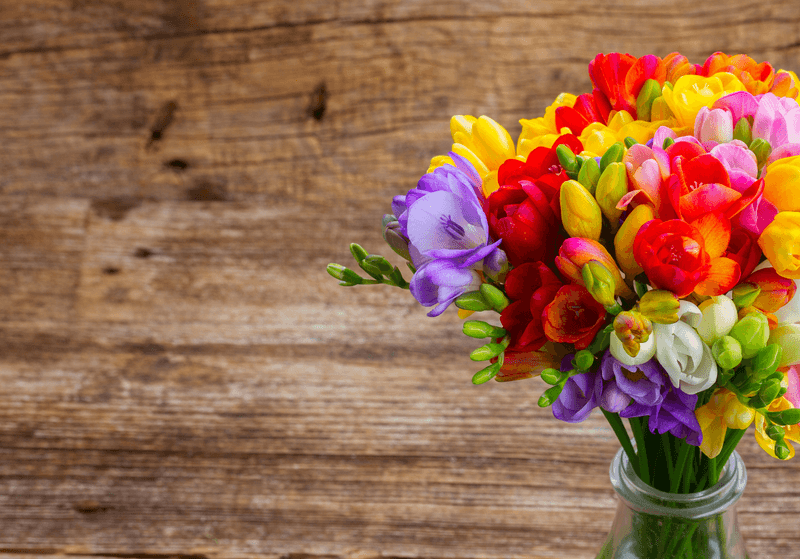
Freesias are beloved for their sweet scent and range of colors, but their fragility can be a hindrance. Their stems are prone to bending, which makes arranging them challenging.
The flowers are sensitive to ethylene gas, leading to premature wilting if not handled properly.
While their visual and olfactory appeal is undeniable, the care freesia requires can be exhausting. This fragility often results in higher costs and lower returns, making them a questionable choice for those prioritizing durability and profit.
5. Anemone
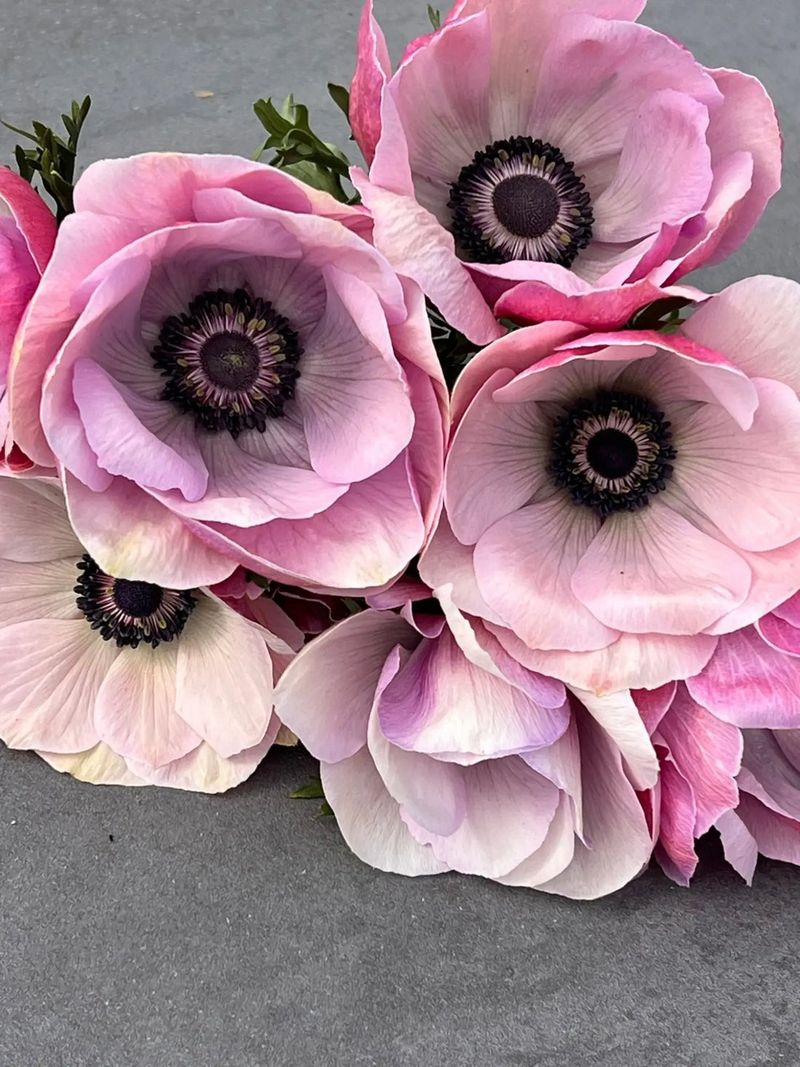
Anemones are striking with their bold colors and contrasting centers, yet they pose several challenges. Their stems are easily damaged, requiring gentle handling.
They also have a relatively short vase life, necessitating quick sales and usage. Additionally, they are sensitive to temperature changes, which can limit their usability.
Though visually appealing, the time and resources needed to maintain anemones often outweigh the potential benefits, turning them into a less favorable option for cash-strapped florists.
6. Roses
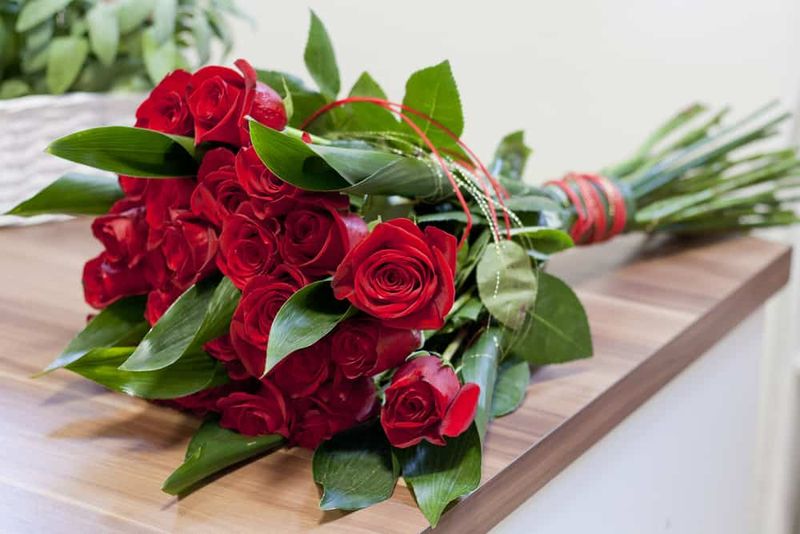
Roses are a classic in the floral world, known for their timeless beauty and versatility. Their strong stems and long vase life make them a reliable choice for florists.
Roses are in constant demand, especially for special occasions like weddings and anniversaries, ensuring a steady market.
Unlike some of the more fragile options, roses can withstand handling and transport with ease. This resilience, combined with their universal appeal, makes them a profitable cornerstone in any floral business.
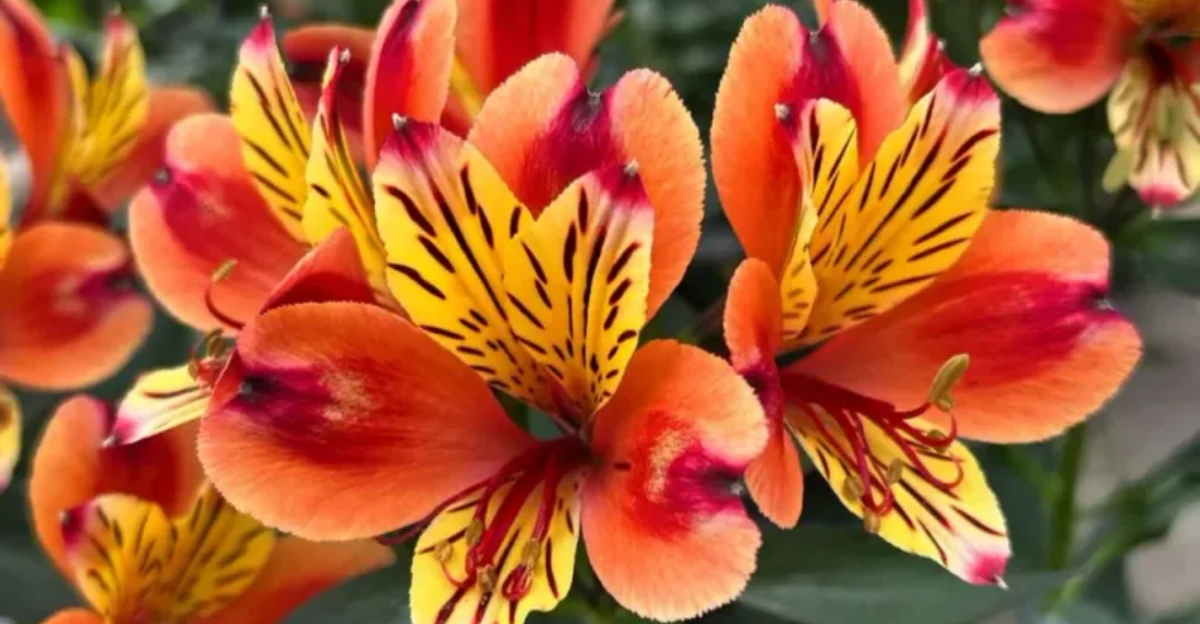
7. Alstroemeria
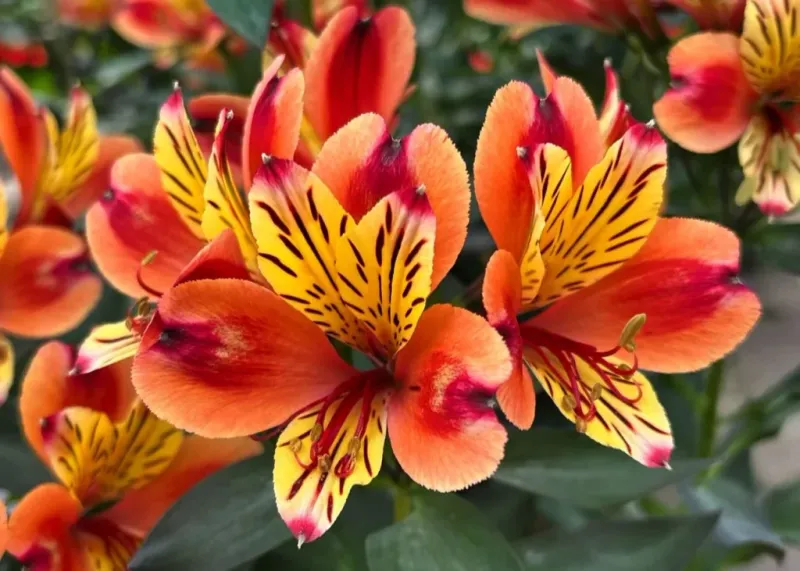
Alstroemerias, often dubbed the “Peruvian Lily,” are appreciated for their longevity and vibrant colors. They have a long vase life, reducing waste and ensuring customer satisfaction.
Their robust nature makes them easy to handle, which is a boon for florists aiming for efficiency. They thrive in various conditions, translating to lower care costs.
Their popularity in bouquets and arrangements guarantees a steady demand, helping to sustain revenue for floral businesses.
8. Sunflowers
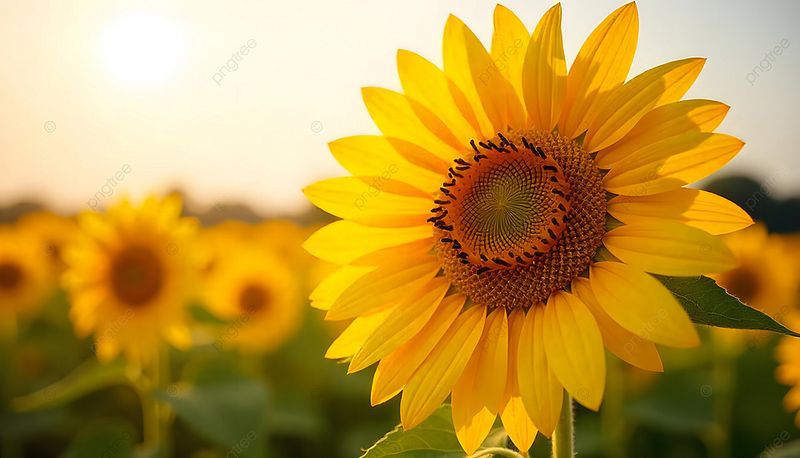
Sunflowers stand tall in the floral industry, offering both beauty and profitability. Their long stems and vibrant blooms capture attention easily.
With a long vase life and ability to thrive in various environments, they are a low-maintenance, high-reward option. Sunflowers are highly sought after for their cheerful appearance and versatility in arrangements.
This combination of attributes ensures their position as a staple in profitable floral lineups, making them a favorite for florists seeking reliability.
9. Carnations
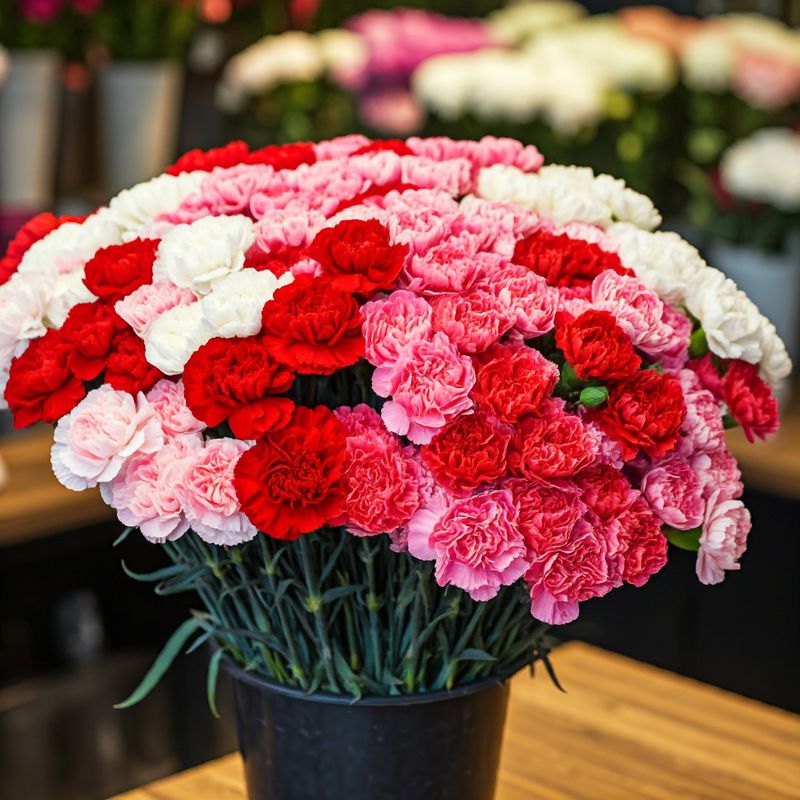
Carnations are a florist’s dream due to their resilience and variety of colors. Their ruffled petals add texture to arrangements, making them a versatile choice.
They boast a long vase life, which minimizes waste and maximizes profit. Carnations are affordable to produce and purchase, making them a popular choice for cost-conscious consumers.
Their versatility and longevity make carnations a go-to option for diverse floral settings, ensuring steady sales and a reliable income stream.
10. Gerbera Daisies
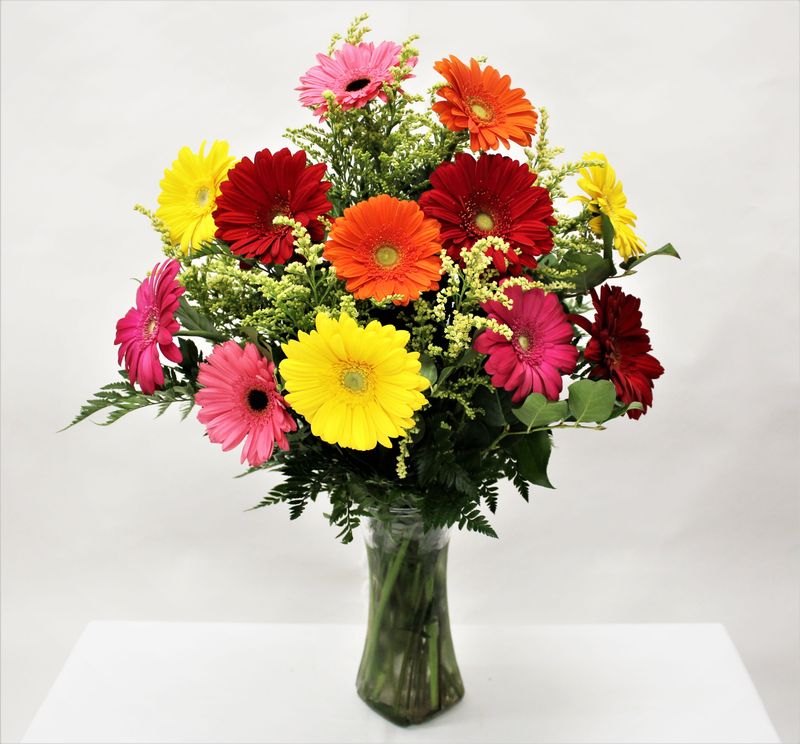
Gerbera daisies are vibrant and cheerful, ideal for adding a pop of color to any arrangement. Their sturdy stems and long-lasting blooms offer great value.
These flowers are easy to grow and care for, requiring minimal resources. Their popularity in both casual and formal settings ensures consistent demand.
With their combination of beauty, durability, and ease of care, gerbera daisies are a profitable addition to any florist’s inventory, promising a good return on investment.
11. Lilies
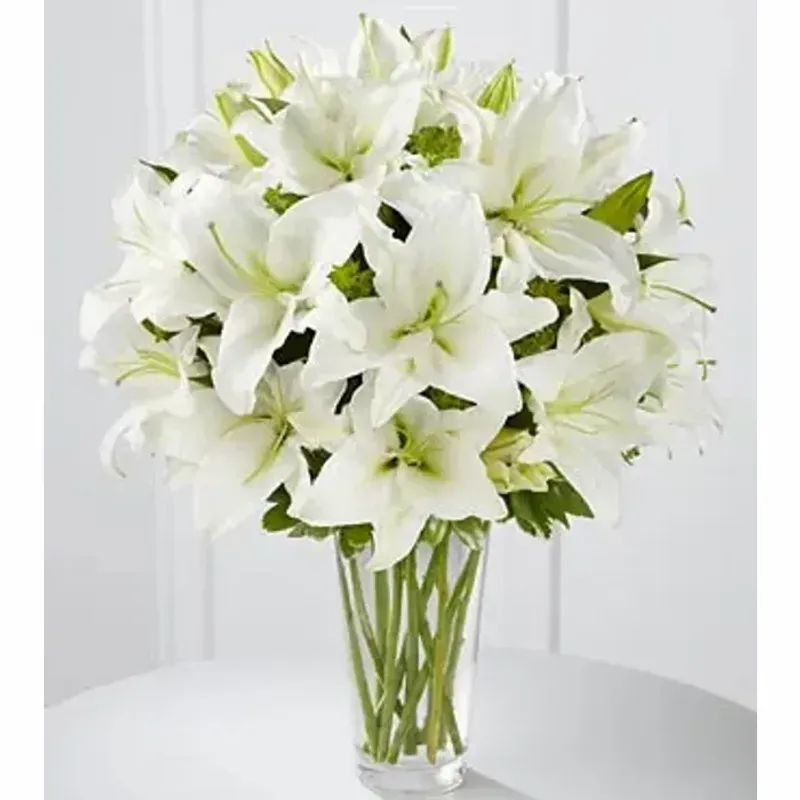
Lilies are celebrated for their elegance and fragrant blooms, which add sophistication to arrangements. They are versatile and can be used in various floral designs.
Their strong stems and long vase life make them a practical choice for florists seeking durable options. With their wide range of colors and forms, lilies cater to diverse customer preferences.
The combination of beauty and practicality makes lilies a lucrative choice for those in the cut flower business.
12. Chrysanthemums
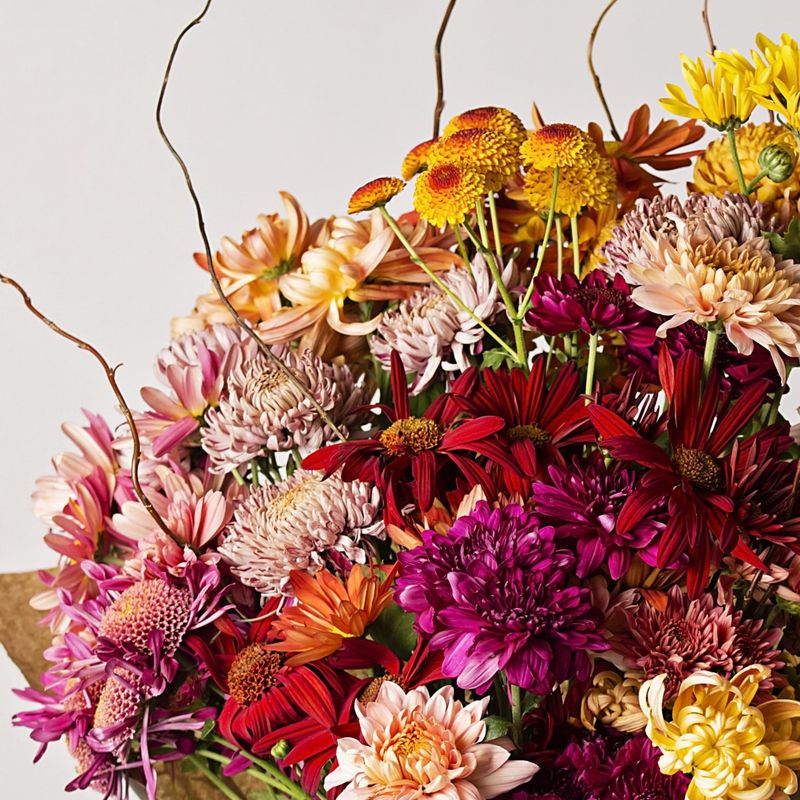
Chrysanthemums, often known as mums, are admired for their fullness and diversity. They come in numerous shapes and colors, allowing for creativity in arrangements.
Their robust nature ensures a long shelf life, reducing waste and increasing profitability. Chrysanthemums are celebrated globally, especially during autumn festivals, which boosts their demand.
Their adaptability and appeal make them a valuable asset in the cut flower industry, ensuring consistent sales and customer satisfaction.
13. Snapdragons
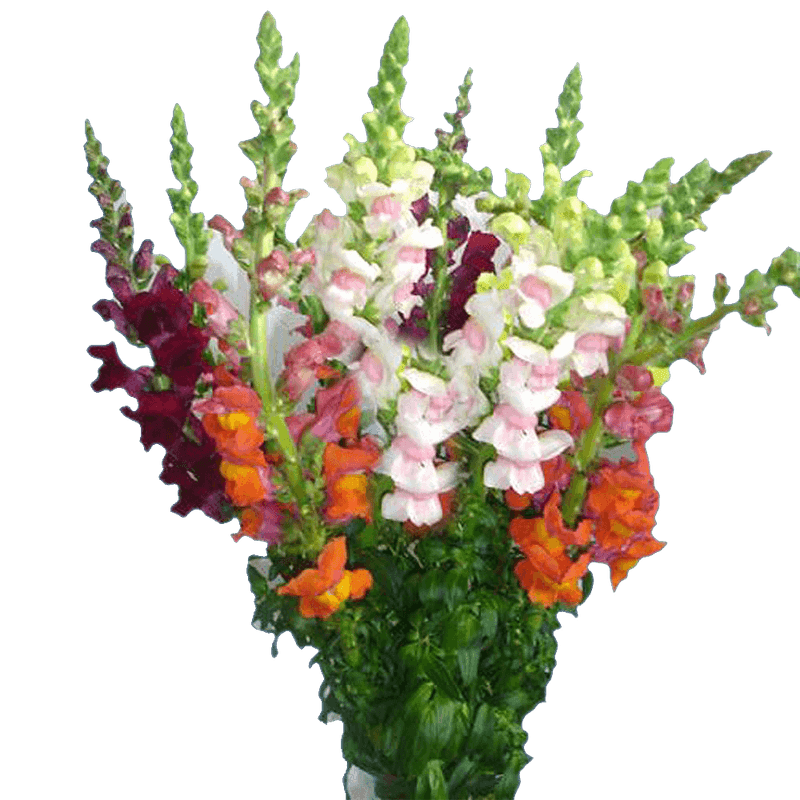
Snapdragons bring a unique vertical element to floral designs with their tall, spiky blooms. Their vibrant colors and distinctive shape make them a favorite for creative arrangements.
They are relatively easy to grow and maintain, providing a reliable source of blooms. Their long vase life ensures they remain fresh for extended periods.
Snapdragons’ combination of beauty, ease of care, and versatility makes them a profitable choice for florists looking to diversify their offerings.
14. Gladiolus
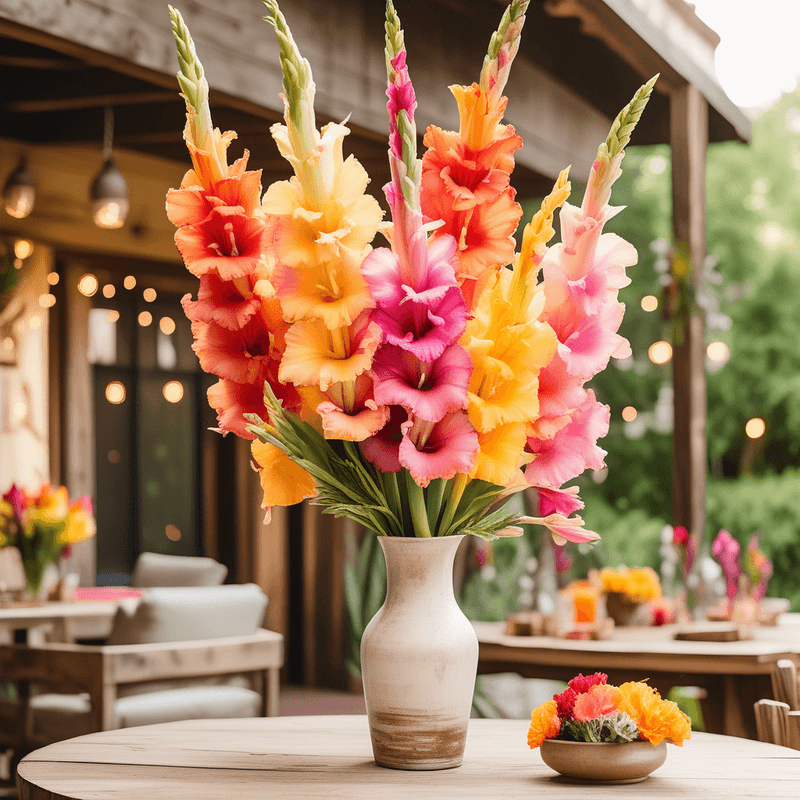
Gladiolus are known for their tall, striking spikes of flowers that add drama to any arrangement. They are easy to grow and offer a wide range of colors.
With a long vase life, gladiolus minimize waste and maximize satisfaction. Their dramatic appearance makes them a popular choice for events ranging from weddings to funerals.
For florists, gladiolus provide a reliable and profitable option that caters to a variety of customer needs.
15. Dahlias
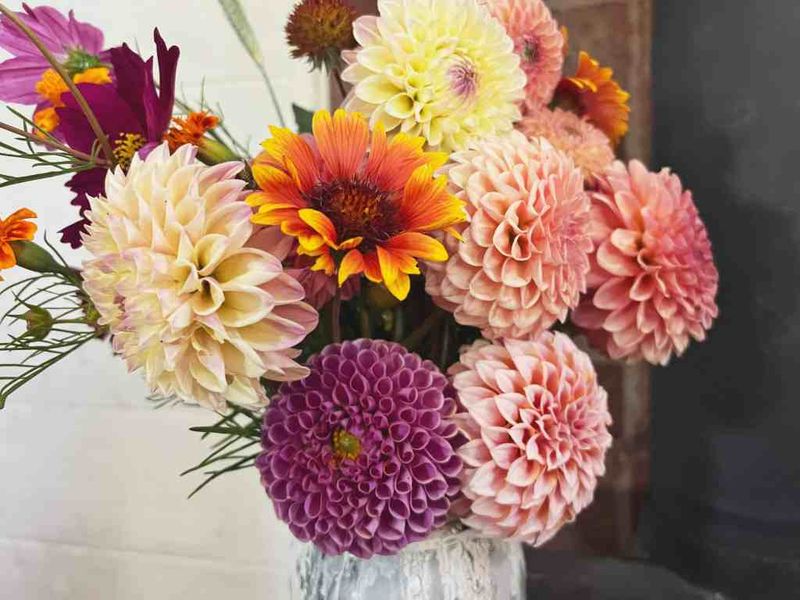
Dahlias captivate with their intricate petal arrangements and vibrant hues. They are highly valued for their aesthetic appeal in floral designs.
Their robust stems and long vase life make them a practical choice for florists, ensuring longevity and minimal waste. Dahlias’ popularity in weddings and special events drives demand throughout the growing season.
The combination of beauty, durability, and market demand makes dahlias a profitable staple in the floral industry.