 Complete Gardening
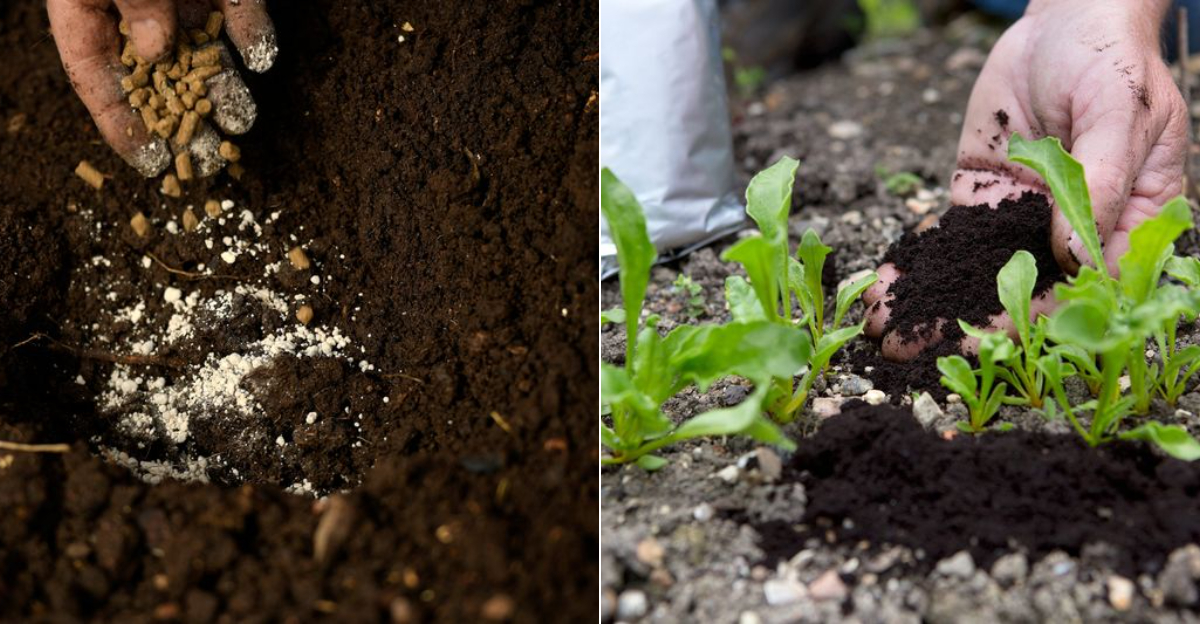
Explore the impact of fertilizers and kitchen scraps on soil health. Discover which commercial fertilizers may harm and which kitchen scraps can rejuvenate your soil naturally.
1. Synthetic Nitrogen Fertilizers (Ammonium Nitrate, Urea)
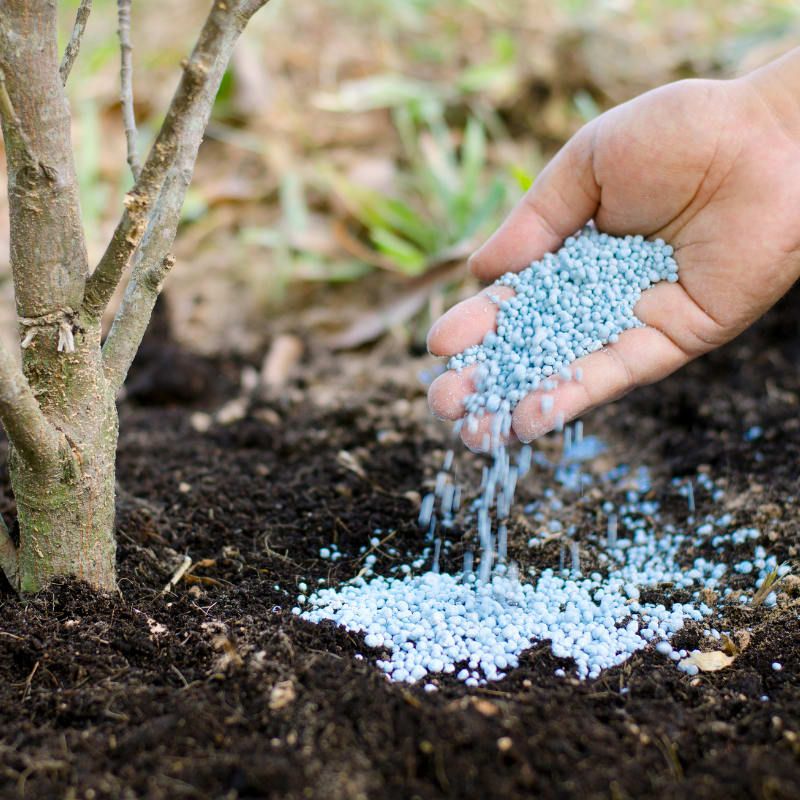
Consider the hidden cost of synthetic nitrogen fertilizers. While promising rapid growth, these fertilizers lead to salt buildup, compromising the delicate balance of soil microbes. This imbalance can cause plants to lose their natural resilience, making them reliant on continued chemical support. Furthermore, excess nitrogen doesn’t stay put. It leaches away, polluting waterways and contributing to harmful algal blooms. Think twice before choosing convenience over sustainability. A dependency forms, one that plants struggle to break free from, altering their natural growth cycle and environment.
2. Phosphorus-Heavy Fertilizers (Superphosphate)
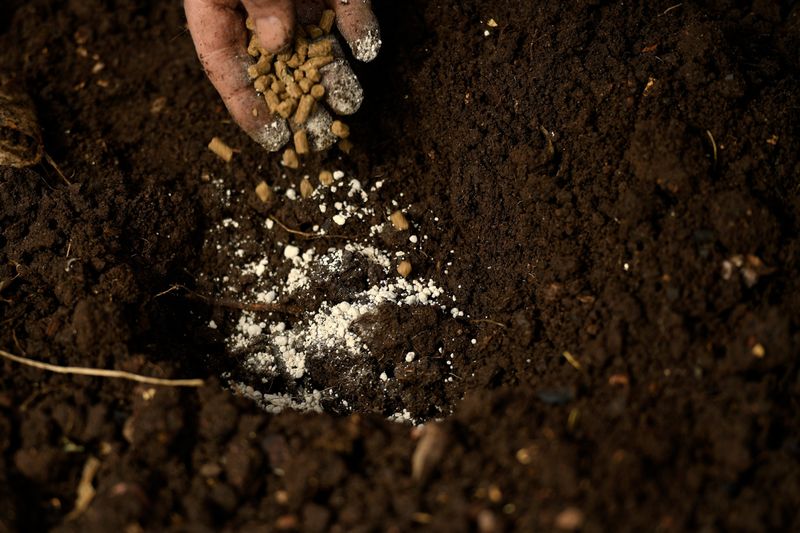
Phosphorus-heavy fertilizers may seem like a boon for plant growth, but they bring hidden consequences. These fertilizers often bind tightly with soil components, rendering essential nutrients inaccessible to plants. Over time, this leads to nutrient lock-up, thwarting growth rather than aiding it. Moreover, when rain washes these fertilizers away, they contribute to algal blooms in nearby water bodies, disturbing aquatic ecosystems. The supposed benefits mask a cycle of depletion and pollution, detracting from long-term soil health and environmental balance.
3. Potassium Chloride (Muriate of Potash)
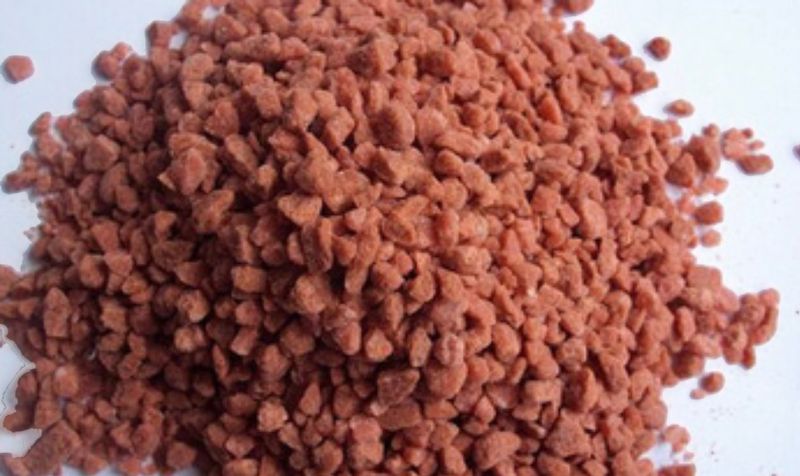
Potassium chloride fertilizers promise lush foliage but often at a hidden cost. Their high chloride content proves detrimental to vital soil bacteria and fungi. This disruption at the microbial level weakens the intricate web of life that supports robust plant growth. Moreover, an excess of potassium chloride can scorch plant roots, leading to visible stress and damage. The short-term visual appeal belies a longer-term problem, where the very foundation of soil vitality is eroded. Consider alternatives that nourish without compromise.
4. Weed & Feed Products (Herbicide-Fertilizer Mixes)
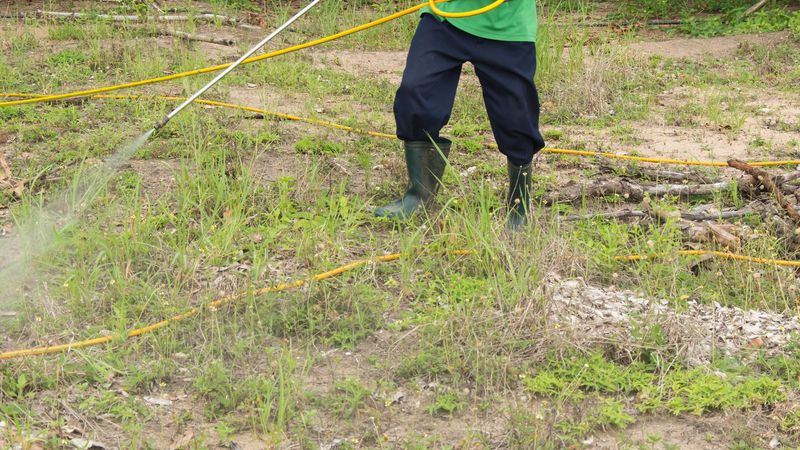
Weed and feed products often promise the best of both worlds, but their dual action can harm more than help. While targeting weeds, these mixes accidentally eliminate beneficial soil organisms crucial for maintaining a healthy soil food web. This disruption can weaken plants, making them more susceptible to diseases. Furthermore, the collateral damage to the soil ecosystem creates a void that opportunistic pests and weeds quickly exploit, undermining the garden’s natural balance. It’s a cycle of dependency and disruption, rarely delivering on its promises.
5. Fresh Manure (Uncomposted Cow, Horse, or Chicken Manure)
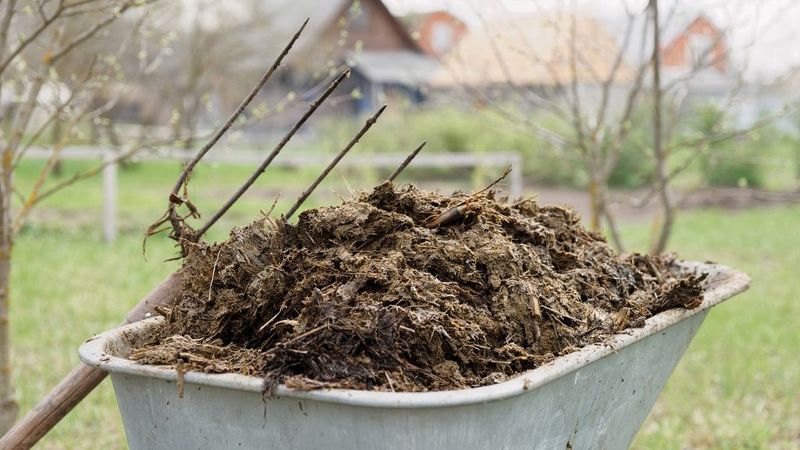
Fresh manure may sound like an organic boon, but unprocessed, it can be detrimental. High in ammonia, it risks burning plants, especially young or delicate varieties. Additionally, fresh manure may harbor harmful pathogens, posing a risk to plant health and human safety if not properly aged. This potential for damage outweighs its nutrient benefits unless carefully managed. The earthy appeal of manure belies the complexity and care required to safely harness its potential without harming the garden ecosystem.
1. Banana Peels (Potassium Boost)
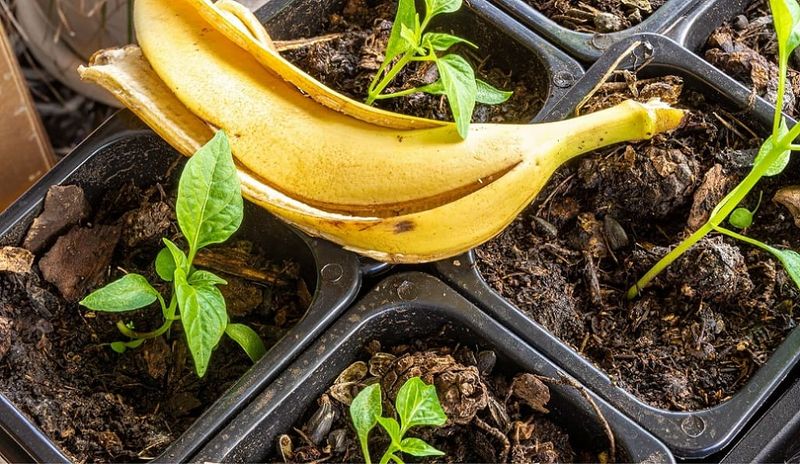
Rich in potassium, calcium, and magnesium, banana peels offer a natural boost for your garden. Chopping and burying these peels near plants or adding them to compost enriches the soil, promoting robust growth without chemical additives. Their slow decomposition releases nutrients gradually, supporting long-term soil fertility. Beyond their nutrient content, banana peels also improve soil texture and moisture retention, creating an ideal environment for plant roots. This simple kitchen scrap transforms waste into wellness, nurturing the garden naturally.
2. Eggshells (Calcium Source)
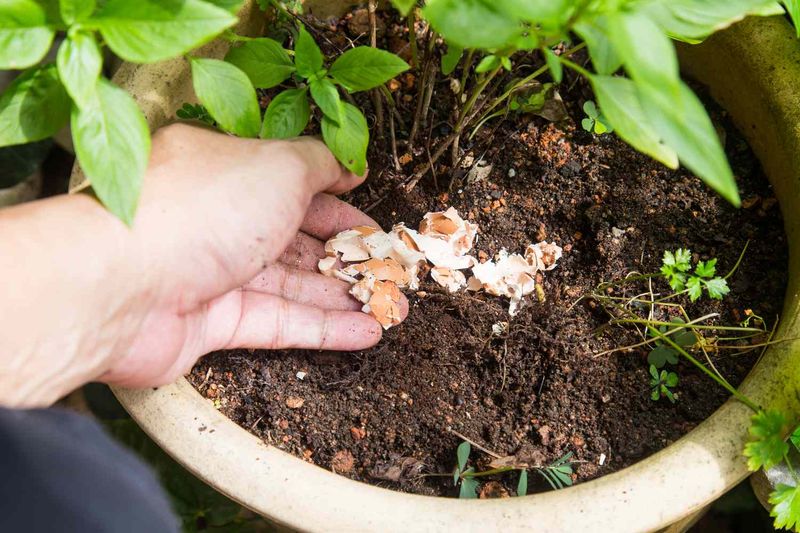
Eggshells are more than breakfast leftovers. As a rich calcium source, they prevent blossom end rot in tomatoes and peppers, ensuring healthy fruit development. Crushing and sprinkling eggshells into the soil offers a natural defense against slugs, adding a crunchy barrier that deters these garden pests. Over time, eggshells improve soil aeration and structure, supporting root health and vitality. This dual action of protection and nourishment makes eggshells a versatile ally in organic gardening, turning waste into a resource.
3. Coffee Grounds (Nitrogen & Acidifier)
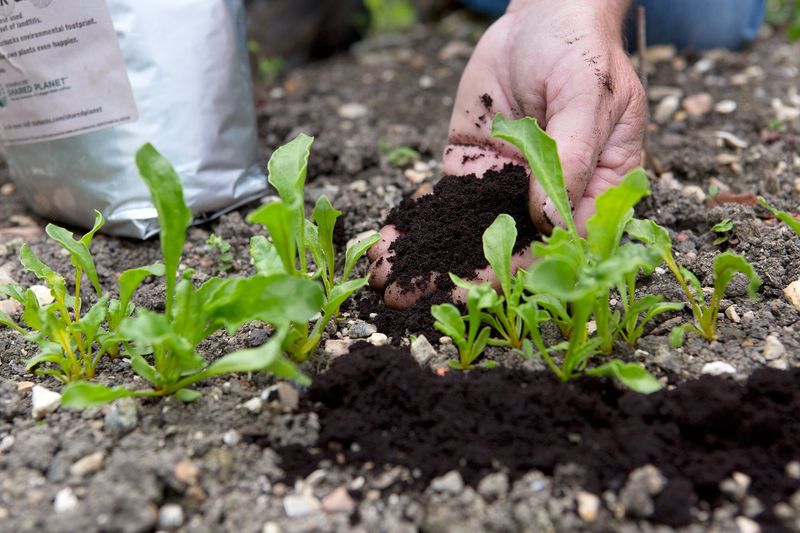
Coffee grounds are a garden’s best-kept secret, particularly for acid-loving plants like blueberries and azaleas. Rich in nitrogen, they enhance soil texture and fertility when added to compost or directly to the garden bed. Their slightly acidic nature balances alkaline soils, creating a tailored environment for specialized plants. Coffee grounds also attract earthworms, which aerate and enrich the soil further. This humble kitchen waste proves a powerhouse for plant health, reinventing your garden with each scoop.
4. Vegetable Scraps (Compost Gold)
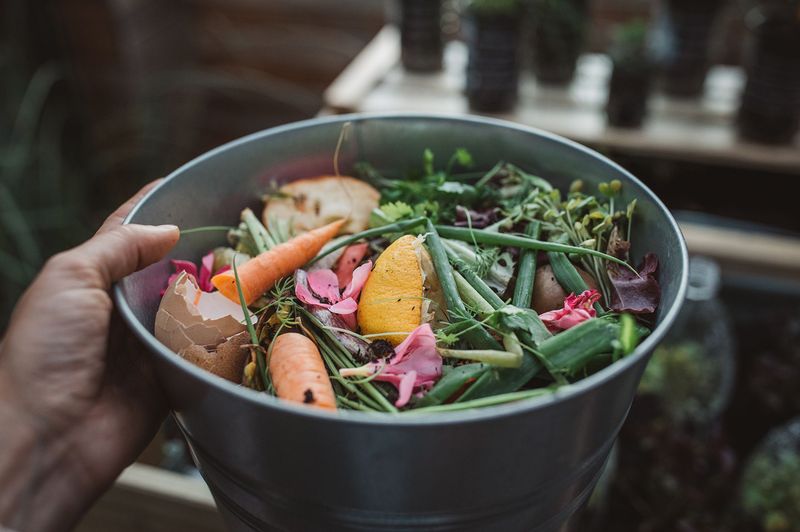
Vegetable scraps, often discarded, hold great potential as compost gold. When composted, they enrich the soil with essential nutrients and organic matter, fostering a thriving garden ecosystem. This process reduces kitchen waste while enhancing soil structure and fertility. Be mindful to exclude meat and dairy, which attract pests. Instead, focus on peels, cores, and leafy greens, transforming them into a rich compost that sustains plant growth naturally. It’s a sustainable cycle, turning waste reduction into garden rejuvenation.
5. Used Tea Leaves (Mild Fertilizer)
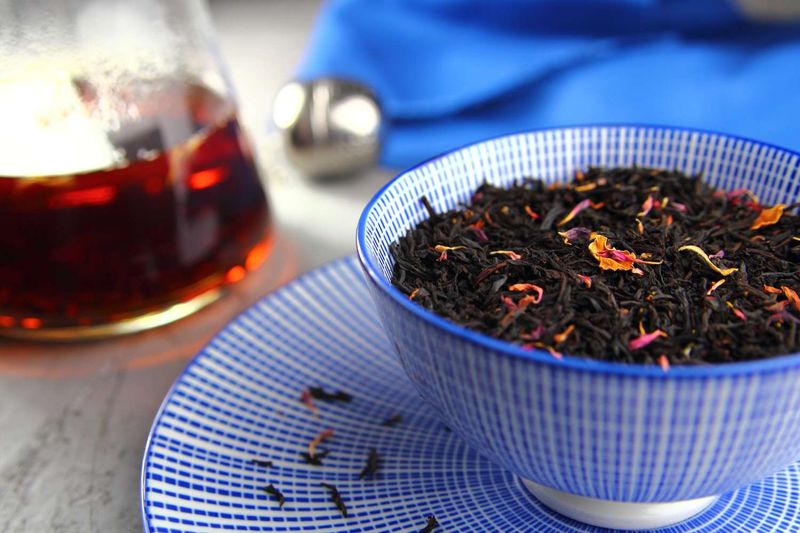
Used tea leaves, with their tannins and nitrogen, act as a gentle fertilizer for your garden. Sprinkling them around plants or adding them to compost provides a mild boost to soil health. Their nutrient-rich composition supports plant vitality, promoting lush growth and resilience against pests. Tea leaves’ natural properties also improve soil texture and drainage, creating an optimal environment for plant roots. This simple practice turns an everyday habit into a green gardening technique, making your garden both beautiful and sustainable.