 Complete Gardening
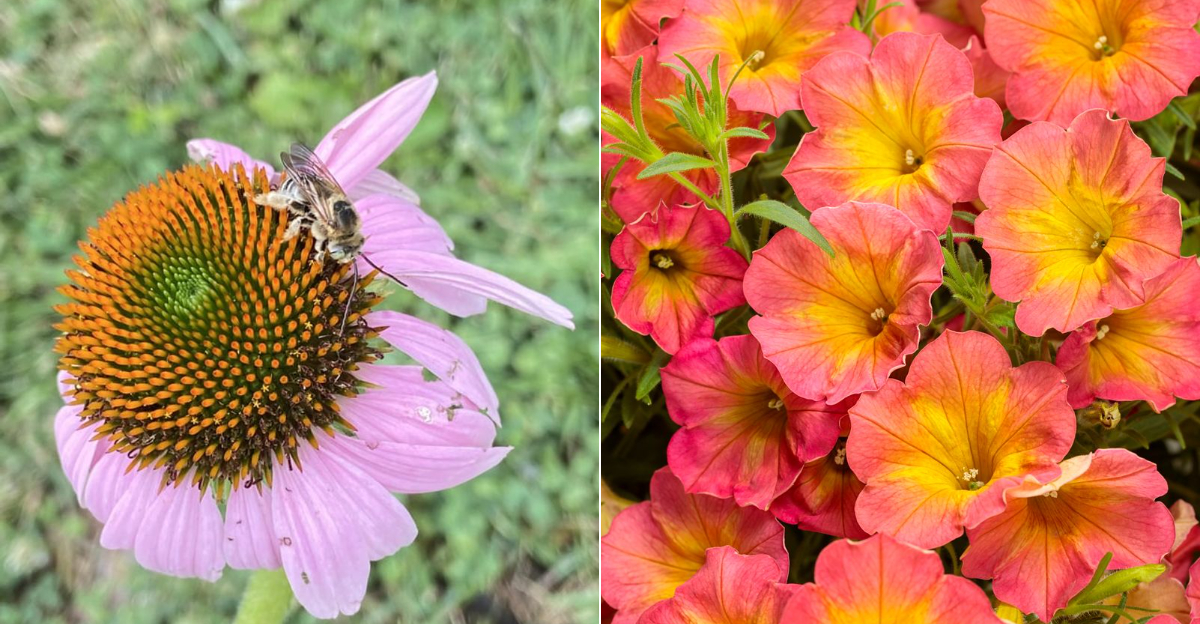
Discover the fascinating world of bee-flower interactions with a science-backed guide. Learn which blooms attract bees and which they avoid, aiding your garden planning for a bee-friendly habitat. From lavender to begonias, understand the traits that make flowers appealing or unappealing to these essential pollinators.
1. Lavender
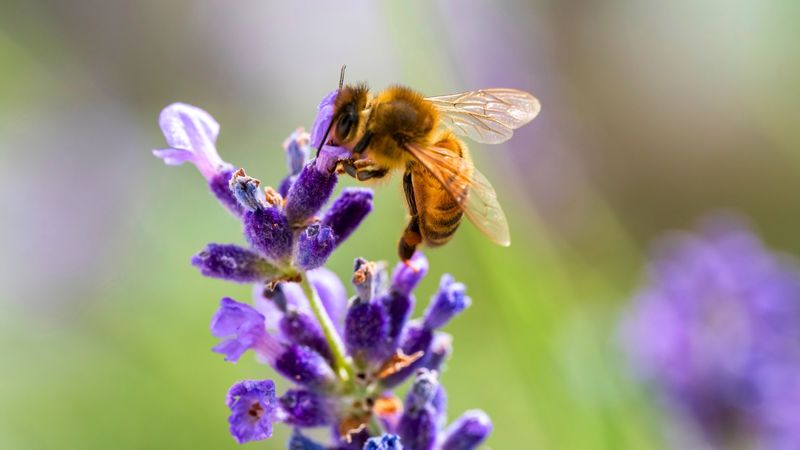
Lavender captivates bees with its rich, fragrant aroma and blooms brimming with nectar. The tubular flowers, easy for bees to access, provide a banquet of nourishment. A drought-resistant powerhouse, lavender not only attracts pollinators but also deters pesky insects from your garden.
This perennial favorite not only supports your local ecosystem but also offers a sensory delight with its calming fragrance.
Try planting lavender in rows or clusters to create a mesmerizing visual and sensory experience.
2. Sunflowers (Single-Petal Varieties)
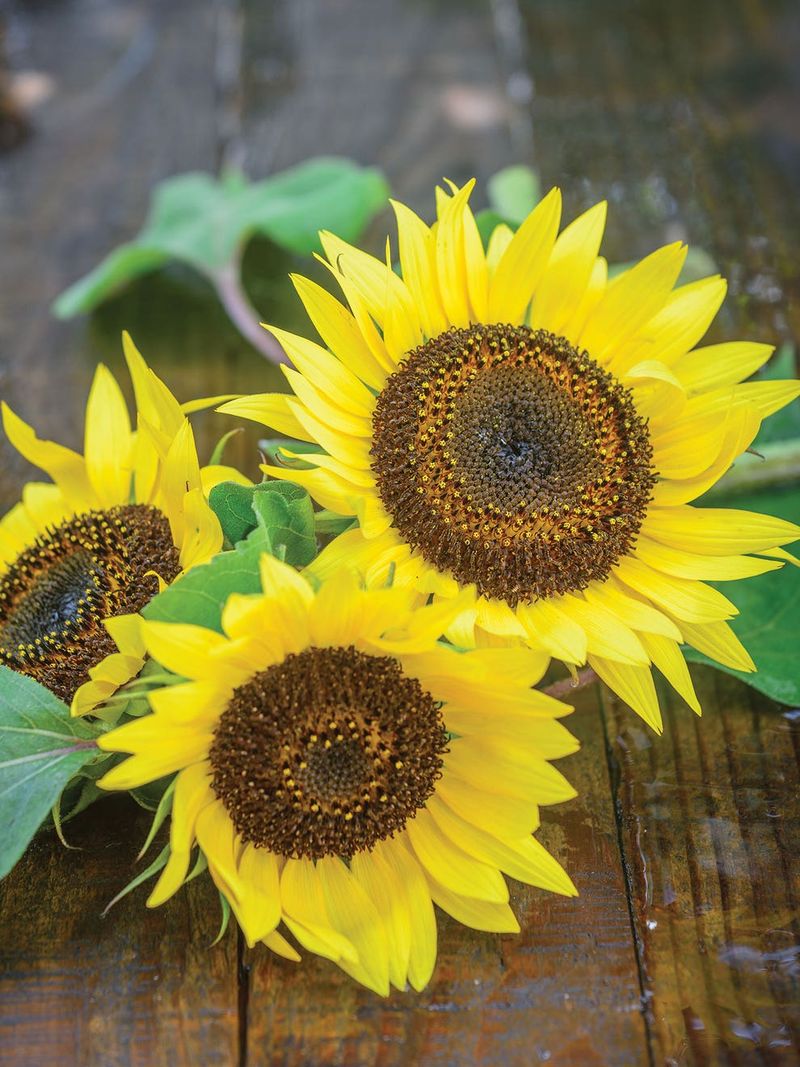
Standing tall and proud, single-petal sunflowers are a beacon for bees. Their open centers provide easy access to the rich pollen within, making them irresistible to these winged guests.
Unlike their double-petal counterparts, these sunflowers ensure bees have unhindered access to their bounty.
Sunflowers not only add height and beauty to your garden but also become a bustling hub of activity, bustling with the gentle hum of bees collecting their golden treasures.
3. Borage (Starflower)
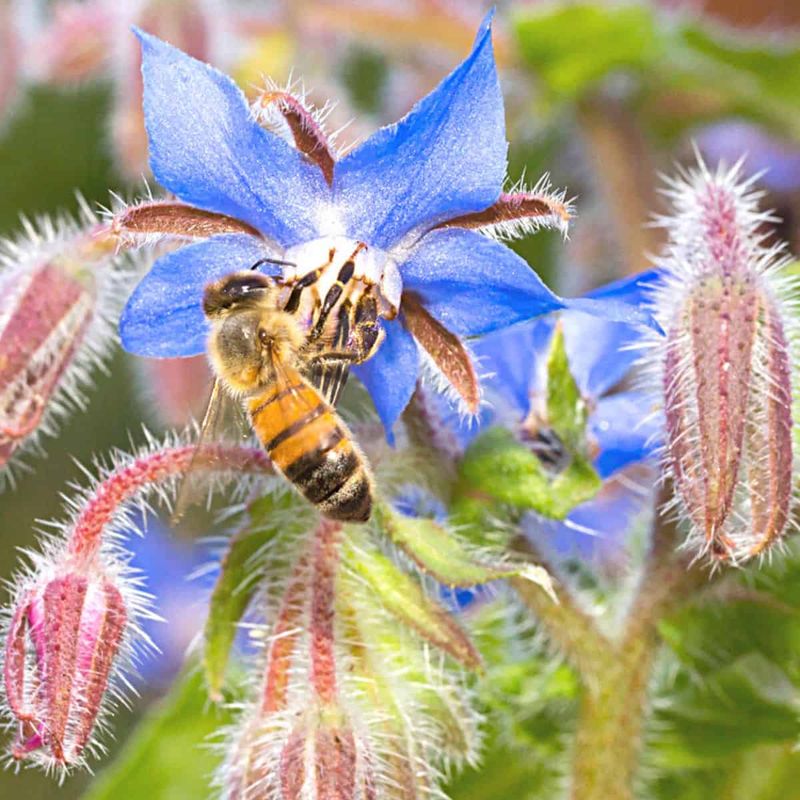
Borage, the starflower, is a nectar factory that never closes shop. Even under scorching sun, it produces a steady flow of nectar, ensuring bees frequent this floral haven.
With its sky-blue, star-shaped blooms, borage becomes a dynamic focal point in any garden.
Besides its bee-attracting prowess, borage is also edible and adds a cucumber-like flavor to salads, making it a versatile addition to your home garden.
4. Coneflower (Echinacea)
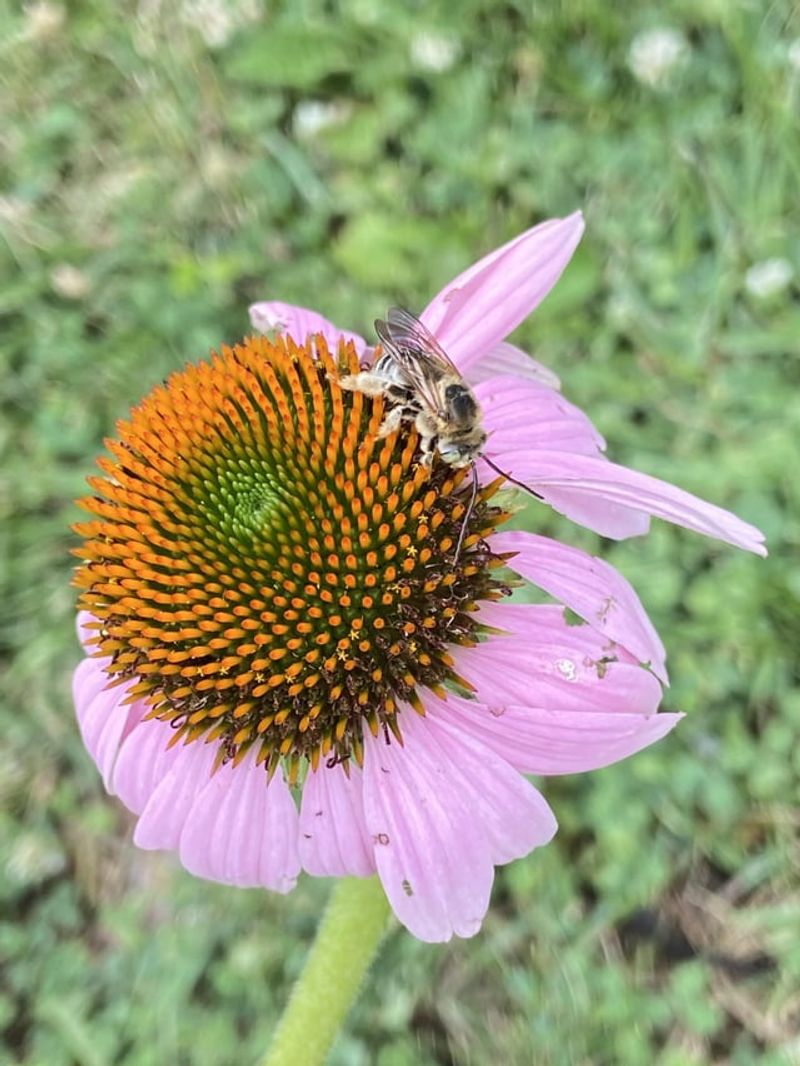
In the world of bees, purple coneflowers are a reliable source of sustenance. Their long-lasting blooms offer weeks of nectar, ensuring bees return time and again.
These hardy perennials thrive in various conditions, providing vibrant pops of color in the garden while supporting pollinator health.
Coneflowers not only boost the visual appeal of your garden but also play a crucial role in maintaining your local bee population. Their resilience and beauty make them a top choice.
5. Bee Balm (Monarda)
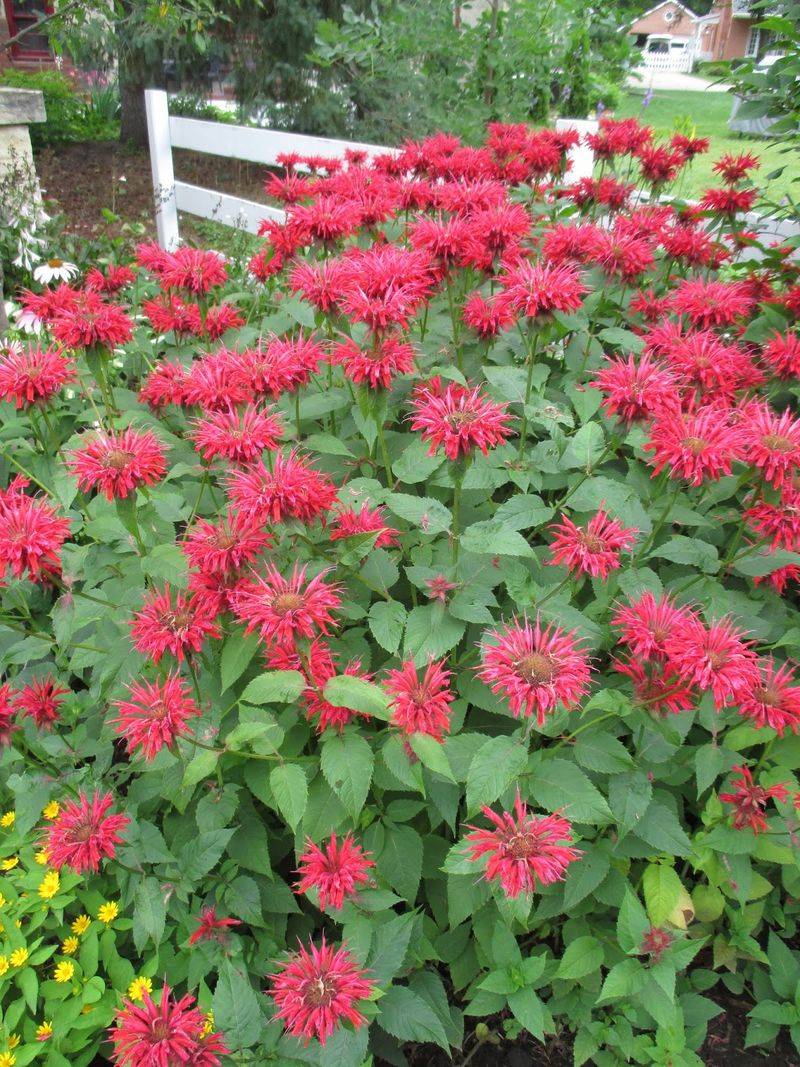
Named with bees in mind, bee balm’s tubular flowers are perfectly designed to accommodate the tongues of these busy pollinators. With a medley of colors—reds, pinks, and purples—bee balm adds a splash of vibrancy to any garden setting.
This plant is a magnet for an array of pollinators, ensuring a buzzing hive of activity.
Beyond aesthetic appeal, bee balm is also known for its fragrant leaves, which can be used in teas, further enriching its garden value.
6. Double-Petal Roses
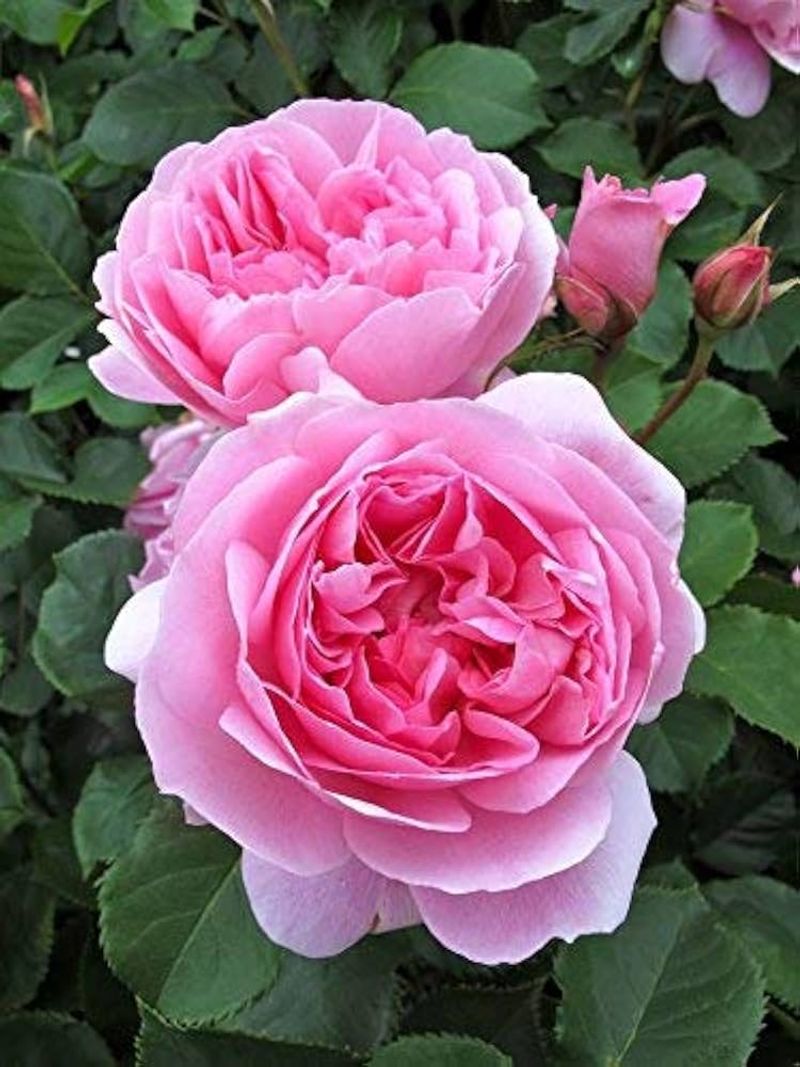
Double-petal roses, with their dense, layered blooms, pose a challenge for bees seeking nourishment. The abundance of petals often conceals the nectar and pollen bees need, making them less attractive to these important pollinators.
For a bee-friendly rose garden, consider planting single-petal or wild roses, which offer a more welcoming environment. This simple switch can transform your garden into a lively haven for bees.
7. Modern Hybrid Marigolds
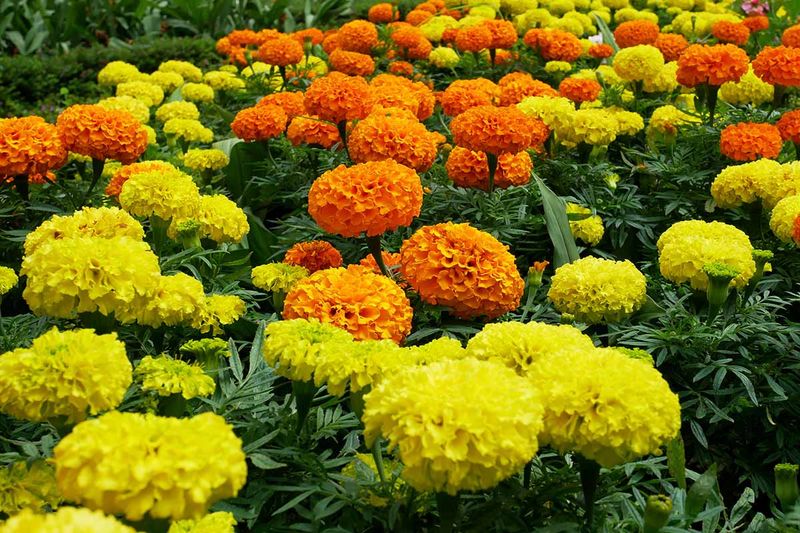
Modern hybrid marigolds, often bred for their aesthetic appeal, fall short in providing the nectar bees crave. These vibrant blooms are typically sterile, offering little incentive for bees to visit.
It’s a vibrant display with a hidden drawback—bees simply aren’t interested.
Opt for heirloom marigolds instead, which retain their nectar and support local pollinator populations, bringing that essential buzz back to your garden.
8. Petunias
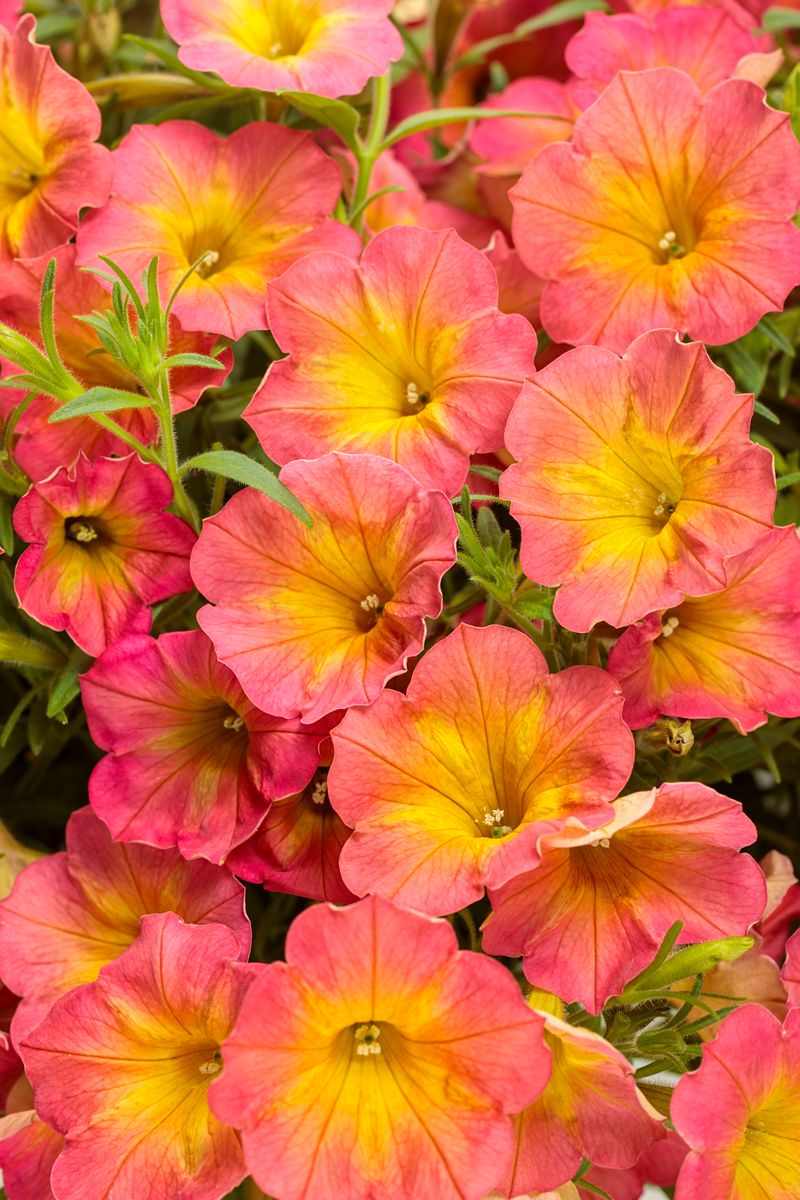
Petunias, while visually appealing, often lack the nectar to attract bees. Many hybrid varieties are virtually nectar-free, leaving bees to look elsewhere for sustenance.
The absence of buzzing is notable, a silent testament to their nectar deficiency.
For those seeking buzzworthy blooms, consider planting older, fragrant varieties where available, or explore alternative flowers that offer the necessary nourishment for your local bee community.
9. Impatiens (Busy Lizzies)
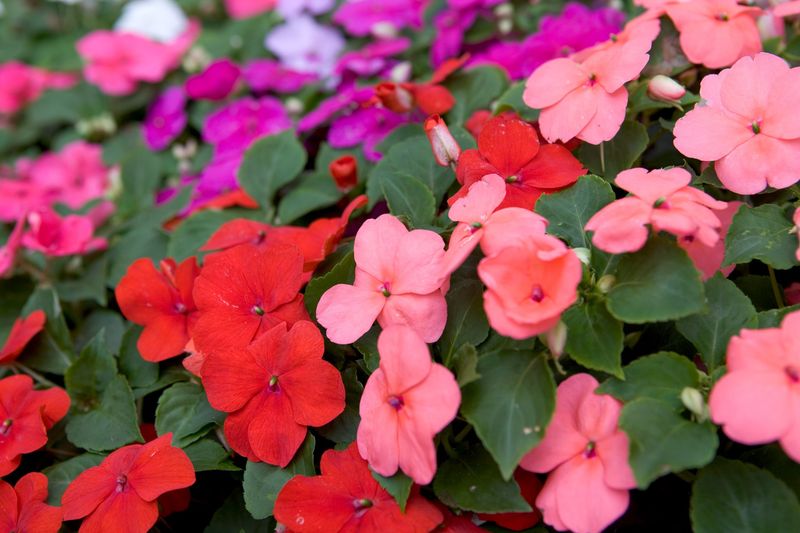
Impatiens, known for their bright, eye-catching colors, often leave bees unimpressed due to their lack of nectar. Despite their visual allure, bees tend to fly right by in search of richer sources of food.
Impatiens may capture human attention, but fail to meet the needs of these essential pollinators.
To transform your garden into a bee-friendly zone, consider planting fuchsias, which offer both visual appeal and nourishment for bees and other pollinators.
10. Begonias (Most Types)
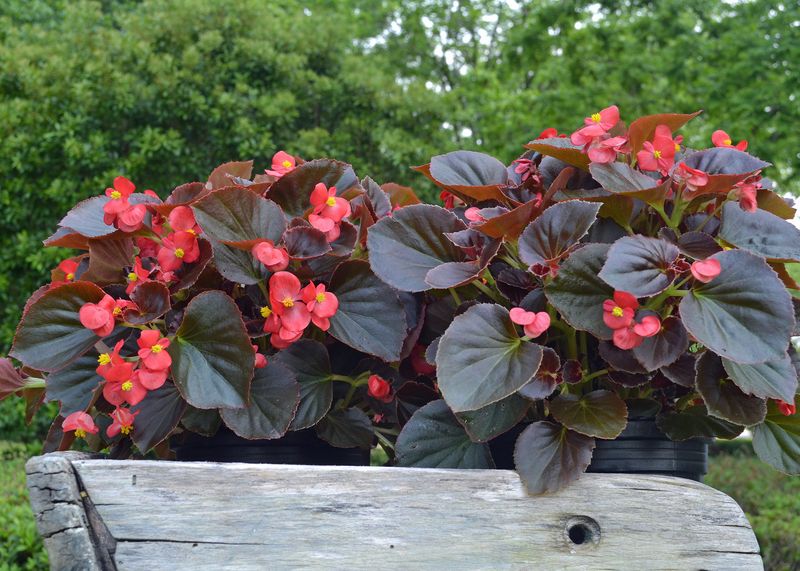
Many types of begonias, though stunning, are not favored by bees due to their pollen-free nature. These flowers, often bred for display, miss the mark when it comes to supporting bee populations.
It’s a serene setting, but one that lacks the dynamism of a pollinator-friendly space.
For a garden that welcomes pollinators, consider replacing begonias with salvia or agastache, both of which provide the sustenance bees seek.