 Complete Gardening
The world of fruit cultivation offers a fascinating diversity, with some fruits demanding a gardener’s patience while others reward with a swift harvest. This blog post explores the captivating contrasts between fruits that take years to bear and those that generously fruit within the first year. Whether you’re a gardening novice or an experienced horticulturist, understanding the growing timelines of these fruits can enrich your gardening journey and offer a deeper appreciation of nature’s timelines. Discover which fruits require patience and which ones offer nearly instant gratification.
1. Avocado (3-15 years)
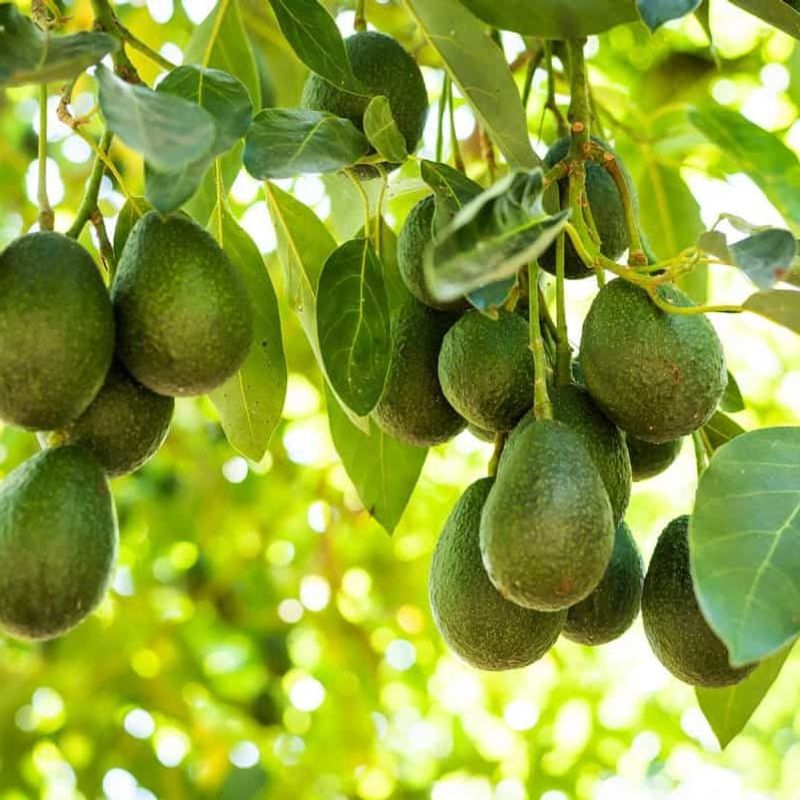
Avocados are beloved for their creamy texture and rich flavor, but patience is key when cultivating them. Most avocado varieties take between 5 to 13 years to bear fruit from seed, although grafted trees may begin producing in 3 to 4 years.
The story of the Hass avocado, the most popular variety, adds intrigue. Discovered as a random seedling in California in 1926, Hass avocados now account for 95% of the state’s production.
Cultivating avocados is a long-term commitment, providing delicious rewards for those willing to wait.
2. Mango (5-8 years)
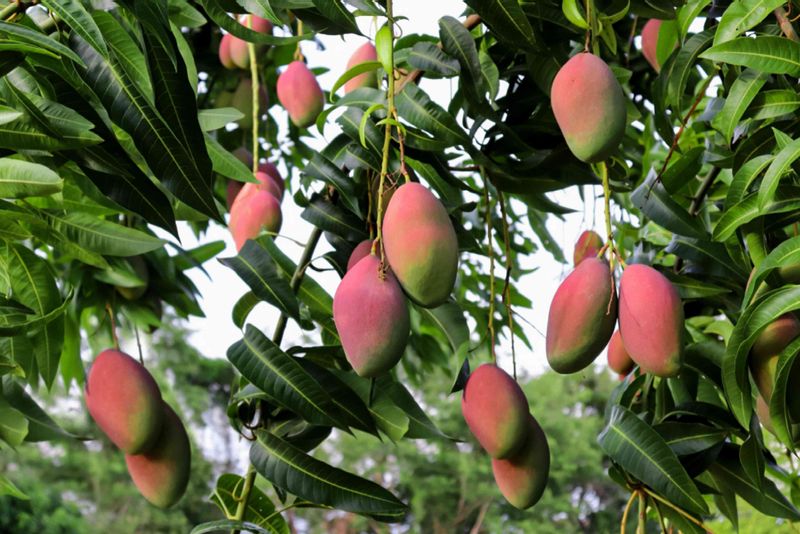
Mangoes are synonymous with tropical sweetness, but growing them from seed requires patience—expect a wait of more than six years. Grafted mango trees can produce fruit in 3 to 5 years, offering a quicker route to tasting home-grown delight.
In India, some ancient mango trees have been alive for over 300 years and continue to bear fruit, testament to their longevity and resilience.
These trees are not just fruit bearers but also hold cultural significance, making them cherished across generations.
3. Pawpaw (5-8 years)
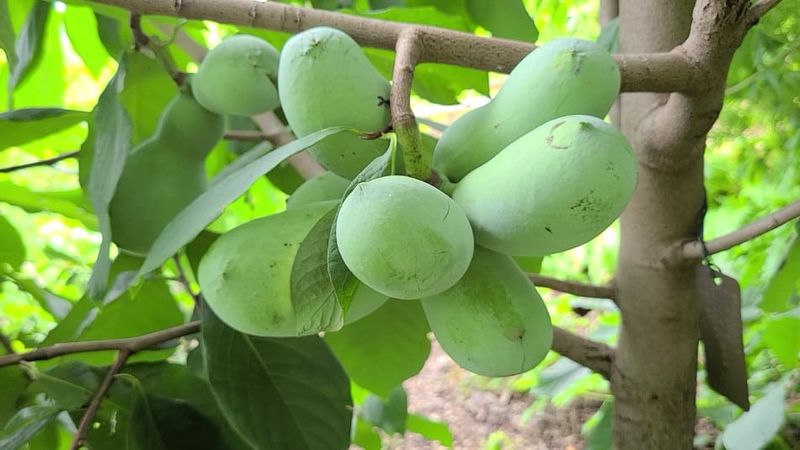
The pawpaw tree offers a taste reminiscent of banana-mango custard, enticing those curious enough to cultivate it. However, this North American native requires patience, taking over five years to fruit from seed.
Cross-pollination is essential for pawpaws, so planting at least two trees is necessary to enjoy this unique treat.
Their unusual flavor and rarity make pawpaws a gem for adventurous gardeners, adding a touch of mystery to home orchards.
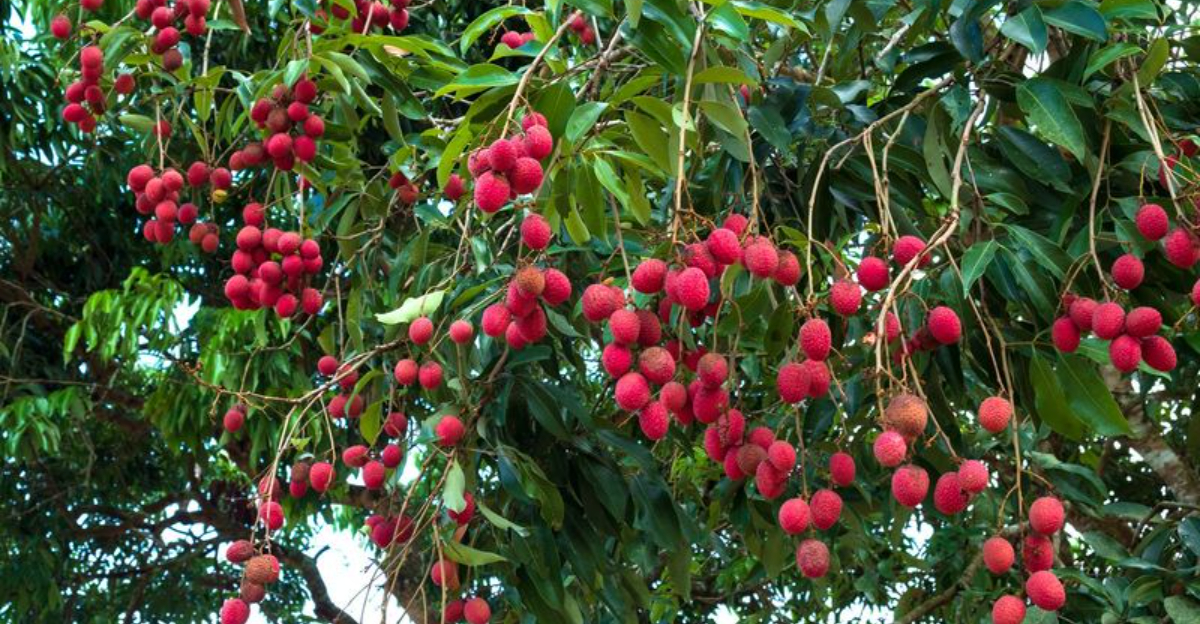
4. Lychee (3-10 years)
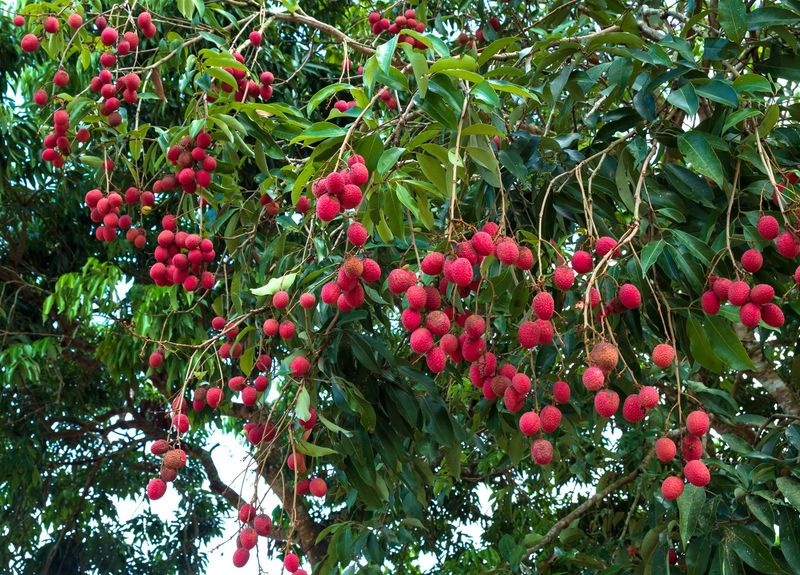
Lychee trees are a symbol of luxury and history, having been cultivated in China for over 2,000 years. When grown from seed, they can take up to a decade to bear fruit, though grafted trees may yield in just 3 to 5 years.
Their delicate, aromatic flavor makes the wait worthwhile, and their illustrious past adds a touch of imperial elegance to their cultivation.
For those who value both flavor and history, lychee trees offer a unique addition to the garden.
5. Persimmon (3-7 years)
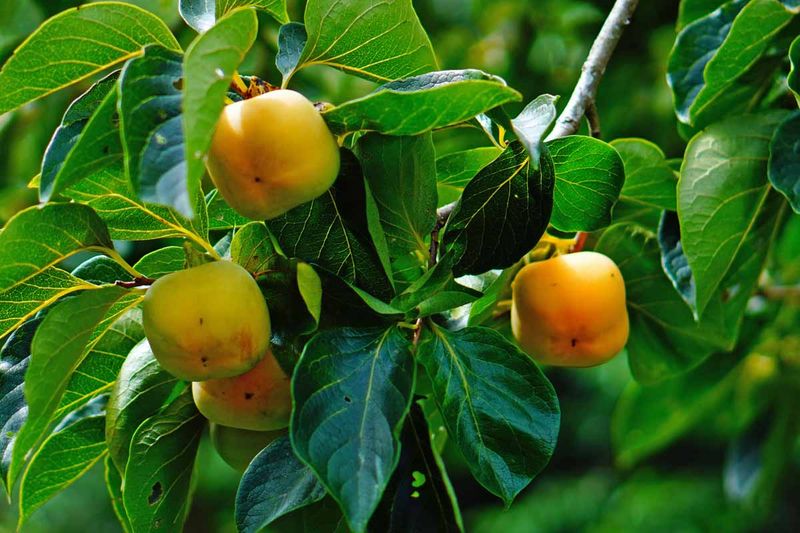
Persimmons intrigue with their vibrant color and unique taste, but patience is essential, especially with American varieties that can take up to 7 years to fruit. Asian persimmon trees, particularly grafted ones, might reward growers sooner, in just 3 to 4 years.
Known for their astringency when unripe, persimmons are best enjoyed fully ripe.
These trees are a testament to the rewarding nature of patience in gardening, turning autumn landscapes into a rich tapestry of color.
1. Strawberries (Same Year!)
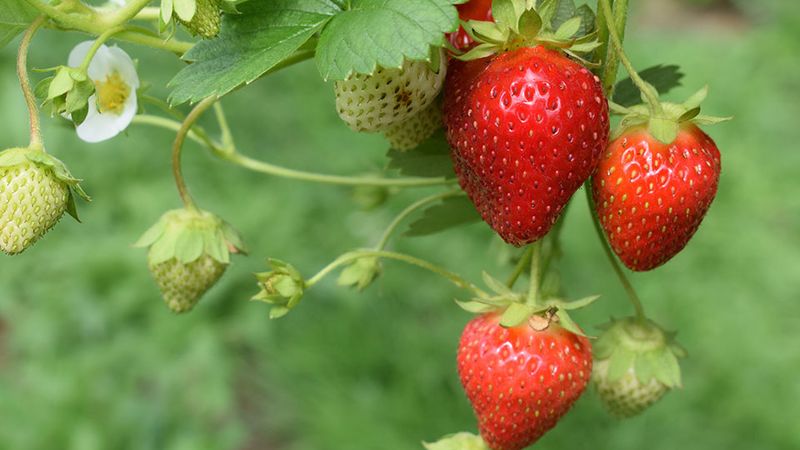
Strawberries are the epitome of instant gardening gratification. Plant them in spring, and you’ll be rewarded with juicy, sweet berries in as little as 60 to 90 days.
June-bearing varieties produce one abundant crop, while everbearing types keep gardeners delighted throughout the season.
Their quick fruiting and vibrant taste make strawberries a favorite for both novice and experienced gardeners, turning gardens into delightful patches of red jewels.
2. Figs (Same Year or Next Year)
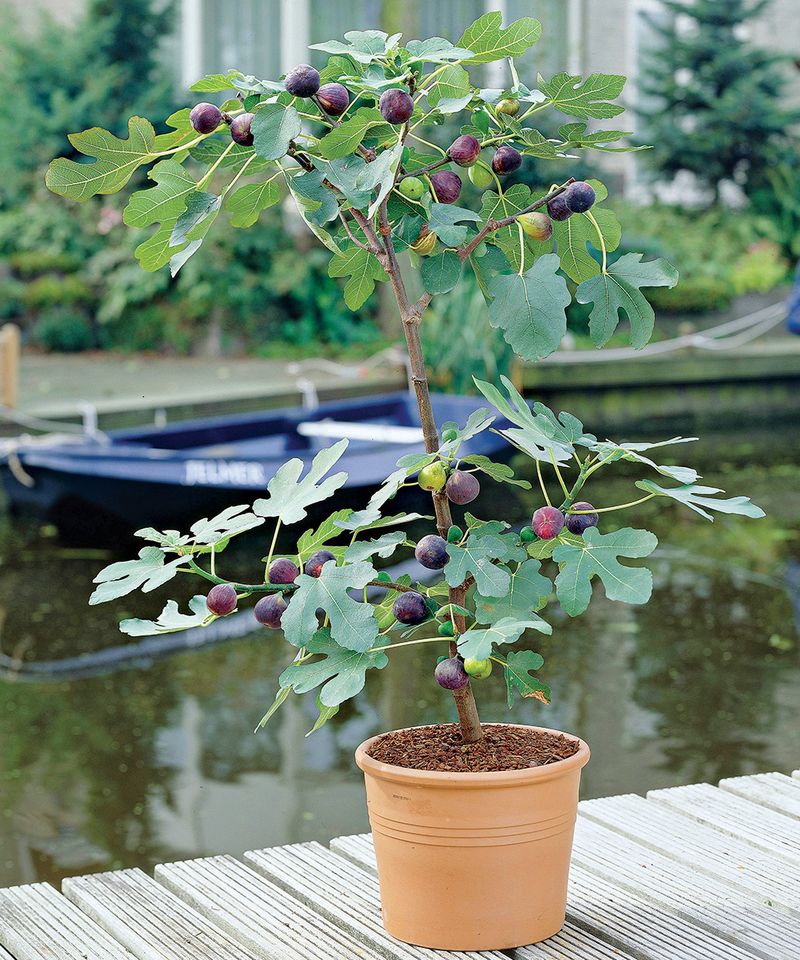
Figs are a gardener’s delight, offering a quick and luscious yield, often within the first year, especially in warm climates.
These trees thrive in pots, making them adaptable to various environments, though they detest frost.
Their versatile nature and rich, sweet fruits provide a Mediterranean flair to any garden, inviting both sun and taste into the home landscape.
3. Raspberries (Next Year at Latest)
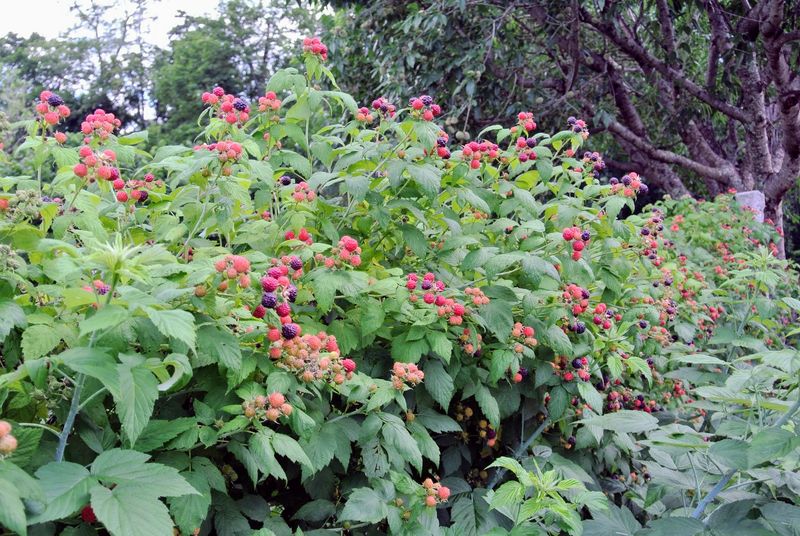
Raspberries quickly become a garden staple, with summer-bearing canes fruiting in their second year and everbearing varieties often producing in the same fall they are planted.
These bramble fruits are not only delicious but also add a touch of rustic charm to gardens.
Their ability to produce a quick harvest makes them ideal for those eager to enjoy garden-to-table treats in no time.
4. Dwarf Citrus (Lemons/Limes – 1-2 Years)
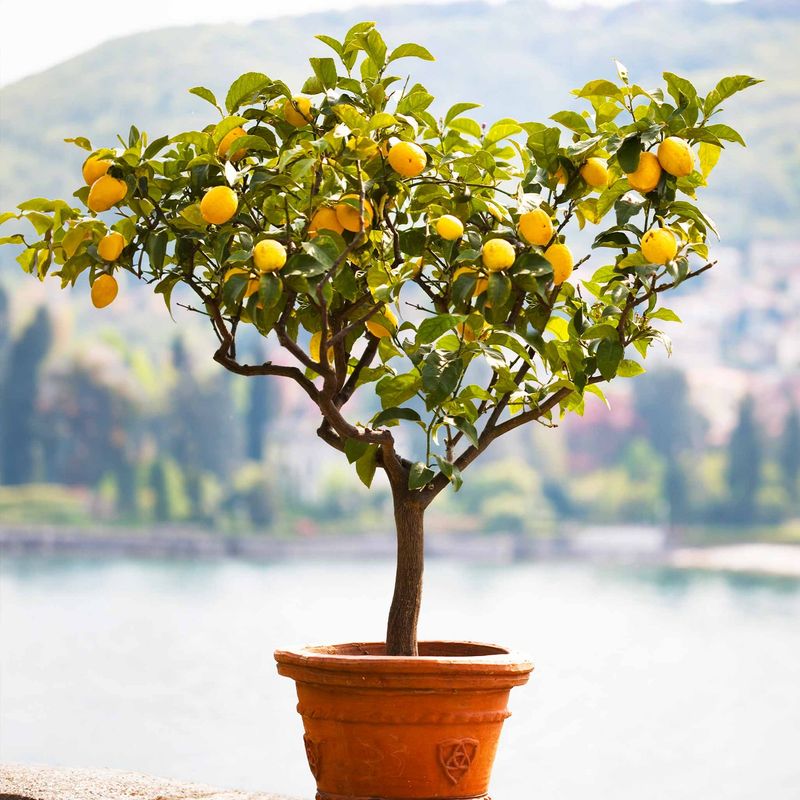
Dwarf citrus trees, like the Meyer lemon, offer the promise of home-grown citrus delights in as little as one year if purchased mature and grafted.
However, these trees are sensitive to frost, necessitating indoor care during colder months.
Their capability to brighten both indoor and outdoor spaces with vibrant fruits makes them a cherished addition to any garden or home.
5. Ground Cherries (Same Year!)
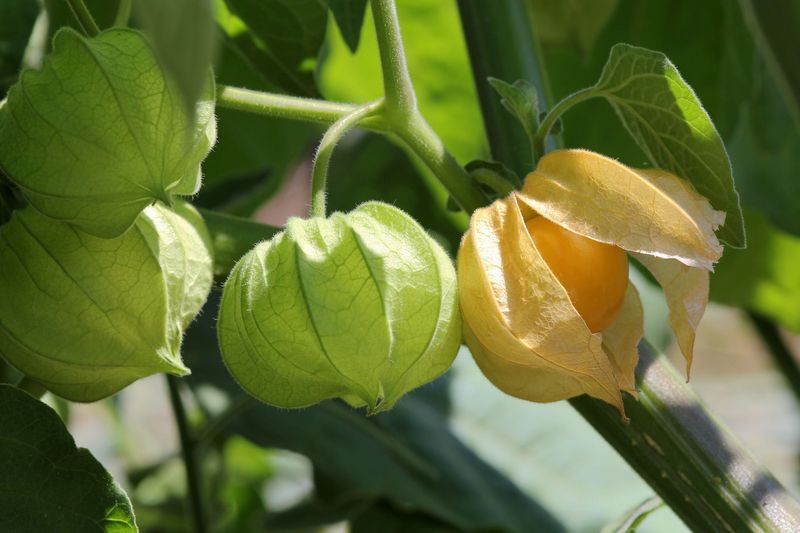
Ground cherries, with their unique tropical flavor, are a delightful addition to gardens, producing fruits just 60 to 70 days from planting.
These plants self-seed, offering the pleasant surprise of volunteer plants in subsequent years.
Their understated beauty and ease of growth make ground cherries a whimsical choice for gardeners seeking something both tasty and unusual.