 Complete Gardening
In the realm of living decor, green walls have become an emblem of modern design. Yet, not all trends are worth following. While some innovations promise lush vertical gardens, they often lead to maintenance nightmares. On the flip side, certain tried-and-true living features continue to thrive, offering both beauty and practicality. This article explores five green wall trends to avoid, contrasted with nine living features that flourish. Whether you’re an enthusiast or a novice, understanding these nuances can save time, effort, and resources. Read on to discover what to skip and what to embrace in vertical gardening.
1. Overly Complex Irrigation Systems
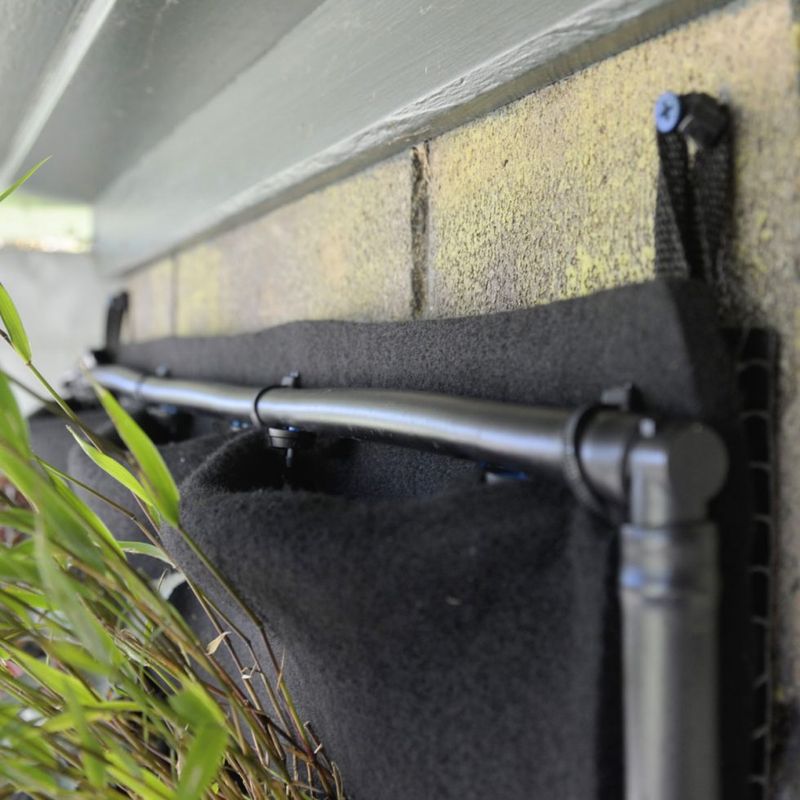
The allure of automated irrigation systems can be tempting, promising hands-free plant care. However, these intricate setups often backfire. Tiny tubes can easily clog, leaving plants parched or overwatered. Maintenance becomes a constant chore, detracting from the supposed convenience. Instead, simplicity proves effective. Drip irrigation or self-watering panels offer reliable hydration without the hassle. These systems are less prone to failure, ensuring your green wall stays lush. Opting for straightforward solutions not only saves time but also promotes healthier plant growth. Remember, sometimes less is more when it comes to watering solutions.
2. High-Maintenance Tropical Plants
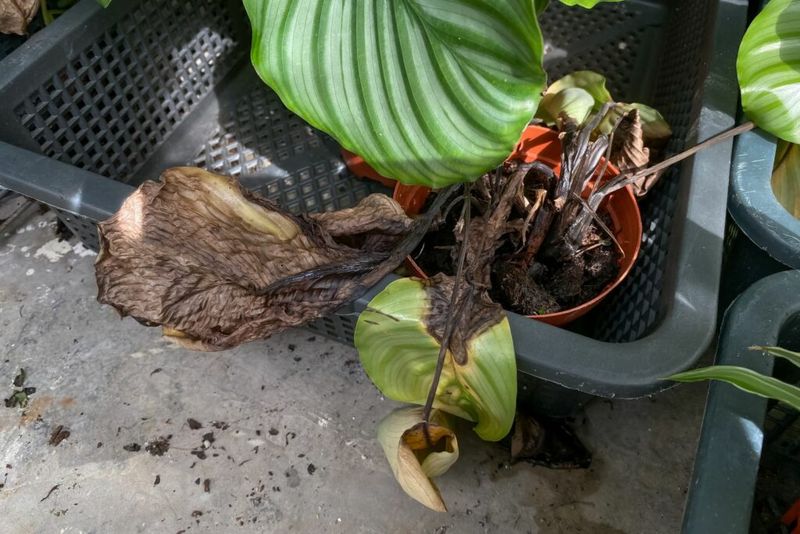
High-maintenance tropical plants like calatheas and ferns can transform a space into a lush paradise. Yet, these beauties require consistent humidity, often unattainable in typical homes. When conditions falter, leaves quickly crisp and brown. Opt for hardy species like sedums or pothos instead; they’re built to withstand less-than-ideal conditions. These drought-tolerant options maintain their appeal without the constant worry. Transitioning to resilient plants can liberate your time and enhance your room’s aesthetic. Embrace species that thrive on neglect and still shine, creating a low-stress, vibrant green wall.
3. Full-Sun Vertical Gardens in Hot Climates
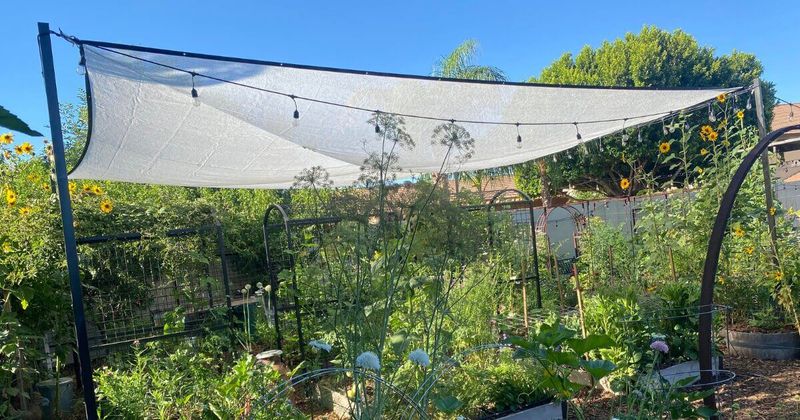
South-facing walls bask in sunlight, ideal for sun-loving plants. However, in hot climates, this exposure can lead to scorched, crispy leaves. Constant watering becomes necessary, turning gardening into a burdensome task. Instead, seek shade-loving varieties or install an overhang for protection. This adjustment helps maintain plant health and reduces maintenance demands. By considering your garden’s orientation and climate, you can create a sustainable and flourishing vertical garden. Balancing light and shade is key to nurturing a thriving green wall, even in challenging conditions.
4. Cheap Modular Panels with Poor Drainage
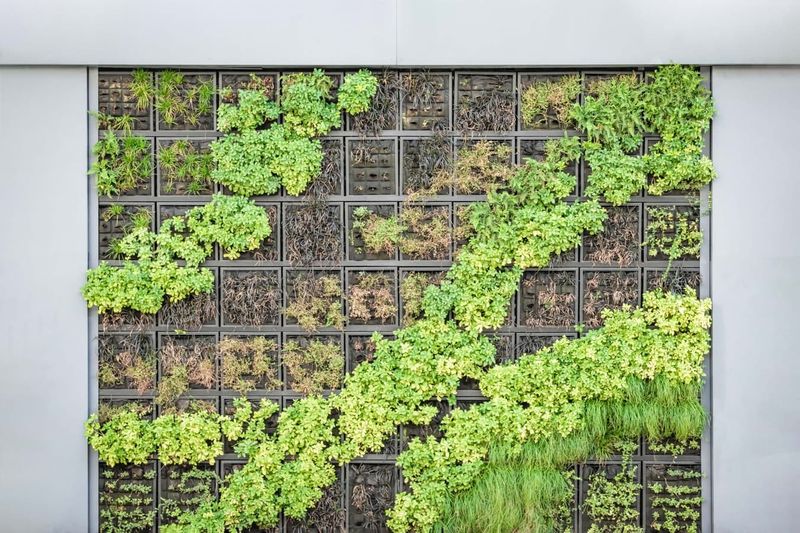
Budget-friendly modular panels often come with hidden costs in the form of poor drainage. Waterlogged roots lead to mold and plant death, undermining the garden’s vitality. Instead, invest in breathable, well-draining systems like felt pockets or metal grids. These materials facilitate healthy root growth and prevent rot. While initially more expensive, quality panels offer long-term savings by reducing plant replacement and maintenance. Prioritizing proper drainage ensures your green wall remains a stunning and healthy feature. Don’t let budget constraints compromise your garden’s health and aesthetics.
5. “Instant Green” Artificial Walls
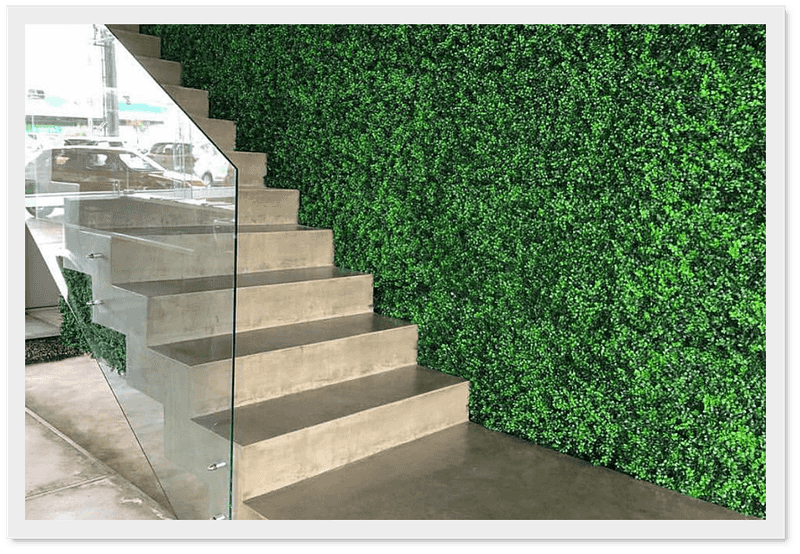
Artificial green walls offer immediate visual appeal but often fall short of expectations. Dust accumulation and fading in sunlight quickly diminish their charm. These walls defeat the living wall’s purpose by lacking the benefits of real plants, such as air purification. Instead, opt for low-light tolerant live plants that provide lasting vibrance and environmental benefits. Real greenery enhances indoor spaces while contributing to a healthier atmosphere. Investing in live plants transforms a space, offering beauty and functionality. Choose authenticity over imitation for a truly enriching green wall experience.
1. Air Plant (Tillandsia) Walls
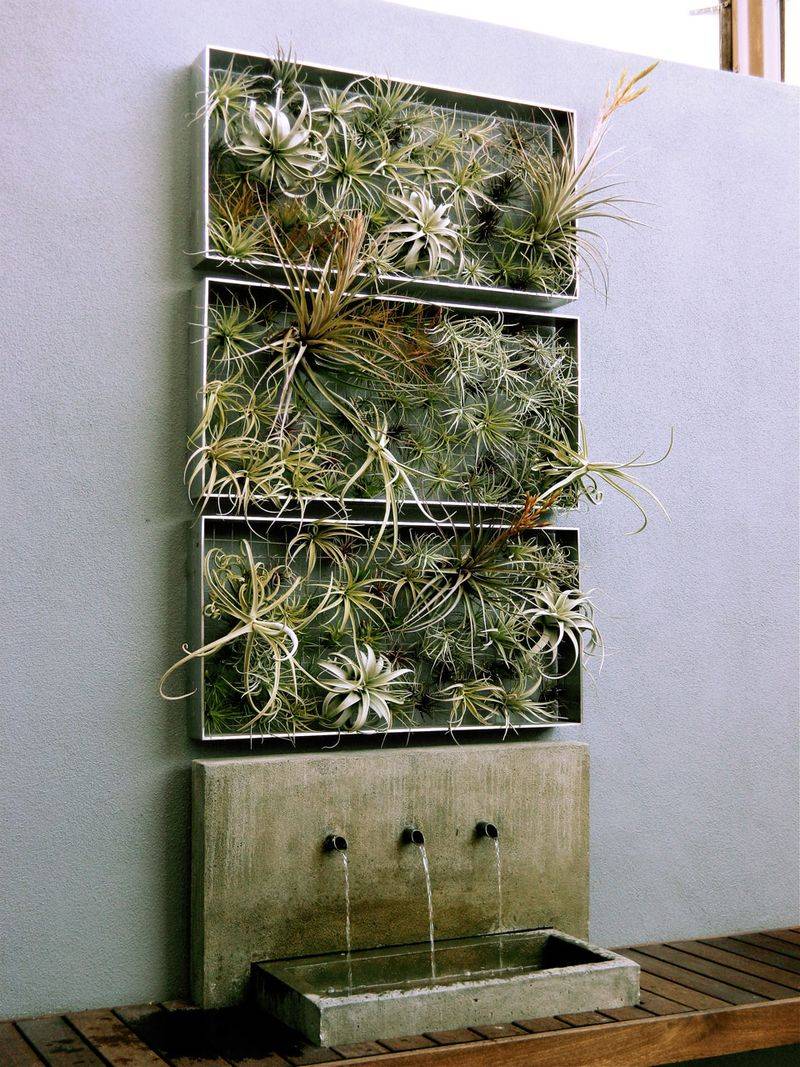
Air plants, or tillandsias, are unique in their ability to thrive without soil. This feature makes them ideal for creating striking indoor walls. Simply mist them regularly, and these plants will flourish, adding a touch of nature to any space. Their low maintenance needs make them perfect for busy lifestyles. Displaying them creatively can transform your home into a verdant sanctuary. Whether hung individually or clustered artistically, air plants offer endless design possibilities. Embrace their natural beauty and flexibility, and enjoy a living wall that is both stylish and effortless.
2. Herb & Edible Greens Walls
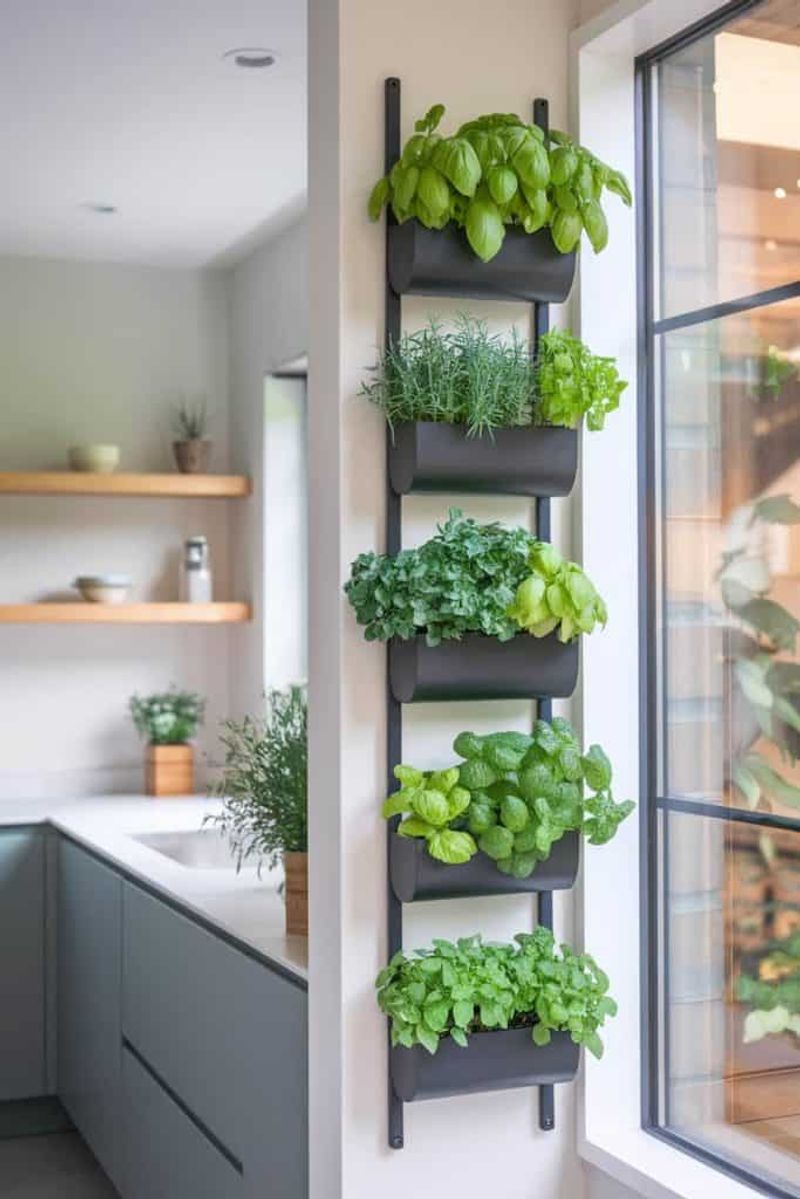
Herb and edible green walls are a delightful addition to any kitchen. Growing basil, mint, or lettuce vertically offers practicality and fragrance. These walls provide fresh ingredients right at your fingertips, enhancing culinary experiences. They require moderate care, thriving with adequate sunlight and regular watering. The aroma of fresh herbs invigorates the senses, making cooking more enjoyable. Beyond functionality, these living walls serve as beautiful, natural decor. They embody sustainability, encouraging homegrown produce. Creating a kitchen garden wall combines aesthetics with practicality, enriching your home life.
3. Succulent & Sedum Mats
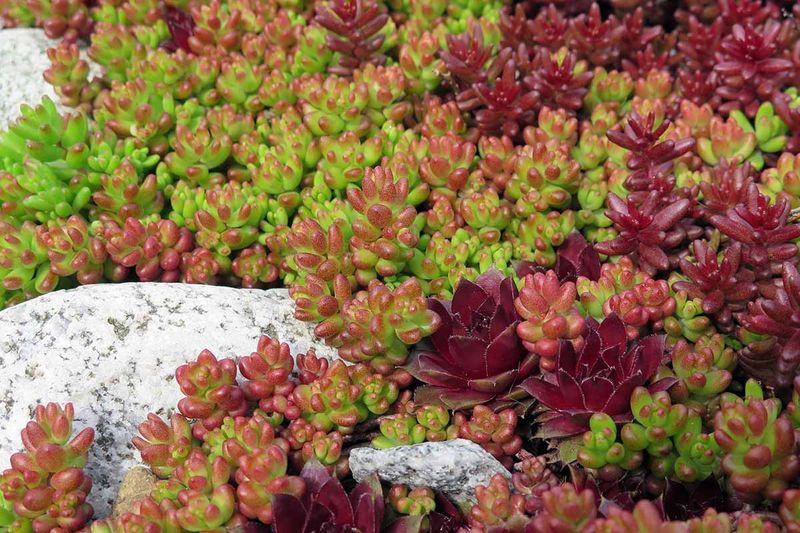
Succulents and sedums are champions of resilience, thriving where other plants falter. Their drought-proof nature makes them ideal for vertical gardens, requiring minimal care. These mats bring a tapestry of colors and textures to any outdoor space. In urban environments, they offer a patch of nature amid concrete, softening harsh lines with organic beauty. Their ability to store water means they endure neglect, perfect for busy city dwellers. Succulent mats transform walls into living art, providing a stunning visual feast. Celebrate their endurance and aesthetic charm in your garden.
4. Moss Walls (Preserved or Live)
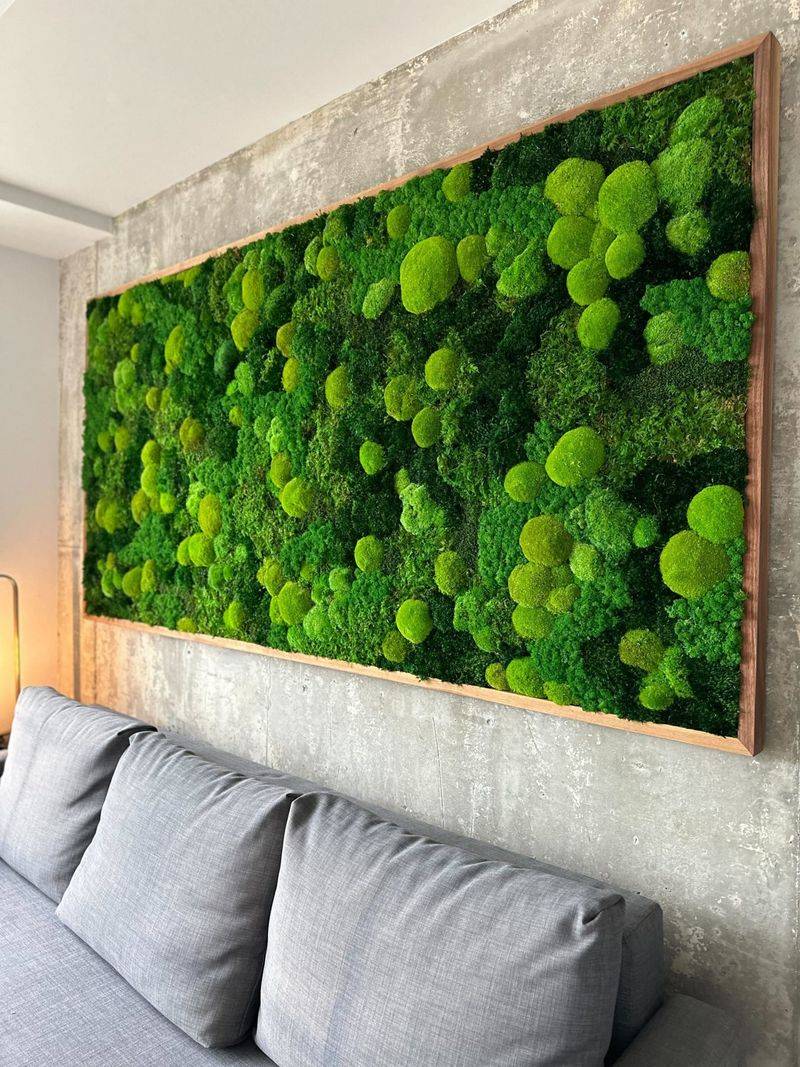
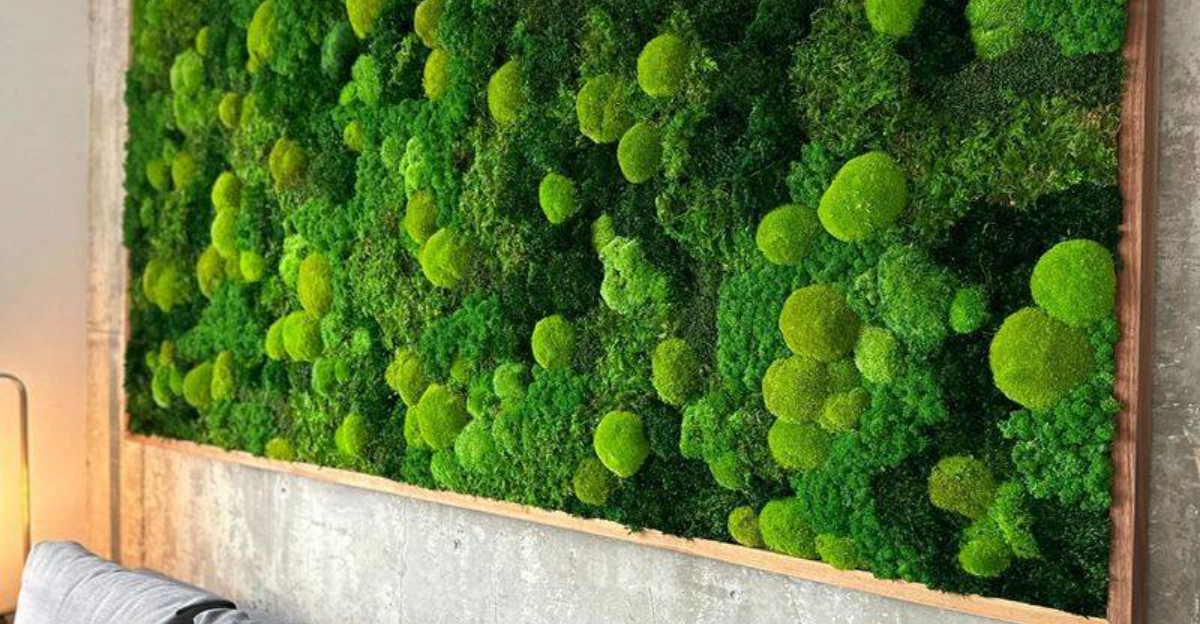
Moss walls bring tranquility and elegance to interiors. Preserved moss requires no maintenance, offering perpetual greenery without effort. Live moss, meanwhile, thrives in shaded, damp conditions, perfect for creating a serene environment. These walls act as natural sound dampeners, enhancing peace in bustling areas. Whether in offices or homes, moss walls blend aesthetics with function. Their calming presence provides a respite from daily stress, inviting mindfulness and relaxation. Incorporating moss into your space infuses nature’s tranquility, transforming walls into lush, living artworks.
5. Climbing Vines on Trellises
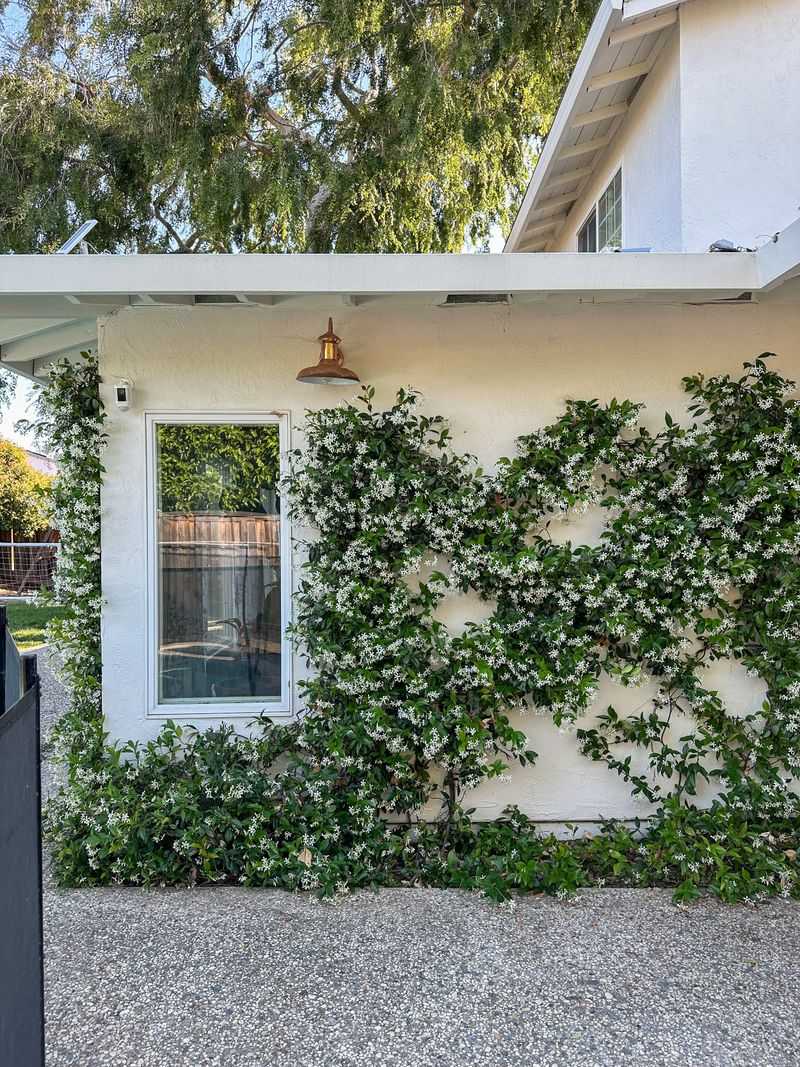
Climbing vines like jasmine and ivy bring timeless charm to vertical spaces. These plants grow naturally, needing minimal artificial support. Trellises guide their ascent, creating lush, green curtains that offer shade and privacy. In gardens, they add vertical interest, drawing eyes upward. Their fragrant blooms and dense foliage enhance sensory experiences, enriching outdoor environments. Vines symbolize growth and resilience, thriving with basic care. They adapt to various settings, from urban balconies to country gardens. Enjoy their natural elegance and let them weave nature into your outdoor spaces.
6. Shade-Loving Fern Panels
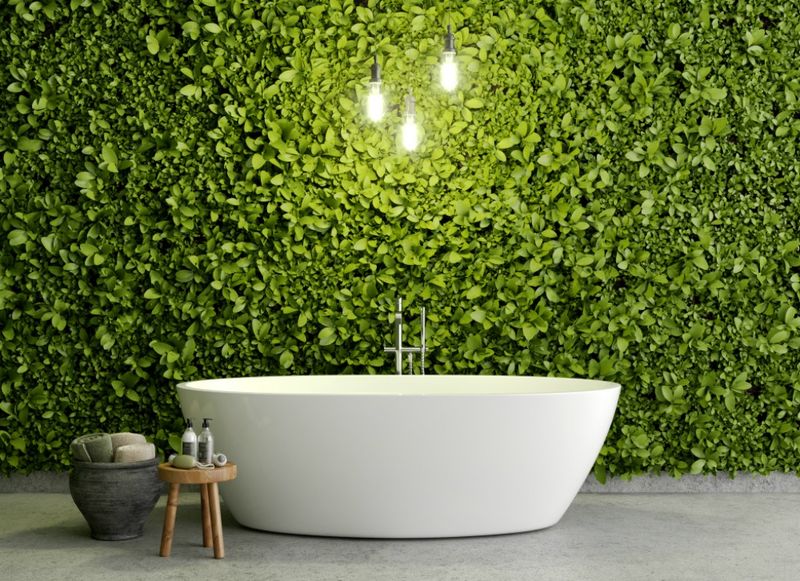
Ferns thrive in shady, humid conditions, making them perfect for bathrooms or north-facing walls. Their lush, feathery fronds create a soothing, spa-like atmosphere. These panels require consistent moisture, thriving with regular misting or a humid environment. They offer a refreshing aesthetic, bringing an exotic touch to interiors. Ideal for spaces with limited sunlight, fern panels transform walls into verdant retreats. Their elegance and simplicity make them a timeless choice for indoor greenery. Celebrate the beauty of shade-loving ferns and enrich your living spaces with their natural allure.
7. Modular Felt Pocket Systems
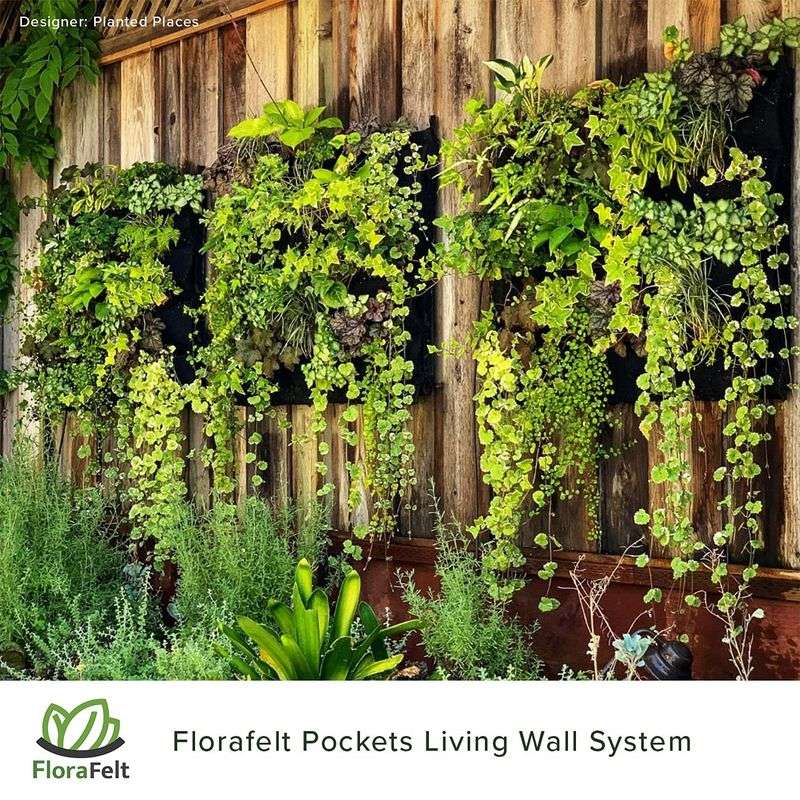
Modular felt pocket systems offer a versatile solution for vertical gardens. Lightweight and providing excellent drainage, these pockets accommodate a wide range of plants. Their design allows for easy replanting and rearrangement, adapting to evolving tastes and needs. Ideal for both beginners and seasoned gardeners, these systems foster creativity and experimentation. In office settings, they introduce greenery without occupying floor space, enhancing air quality and employee well-being. The simplicity and adaptability of felt pockets make them a practical choice for dynamic living walls. Explore the endless possibilities they provide.
8. Recycled Pallet Planters
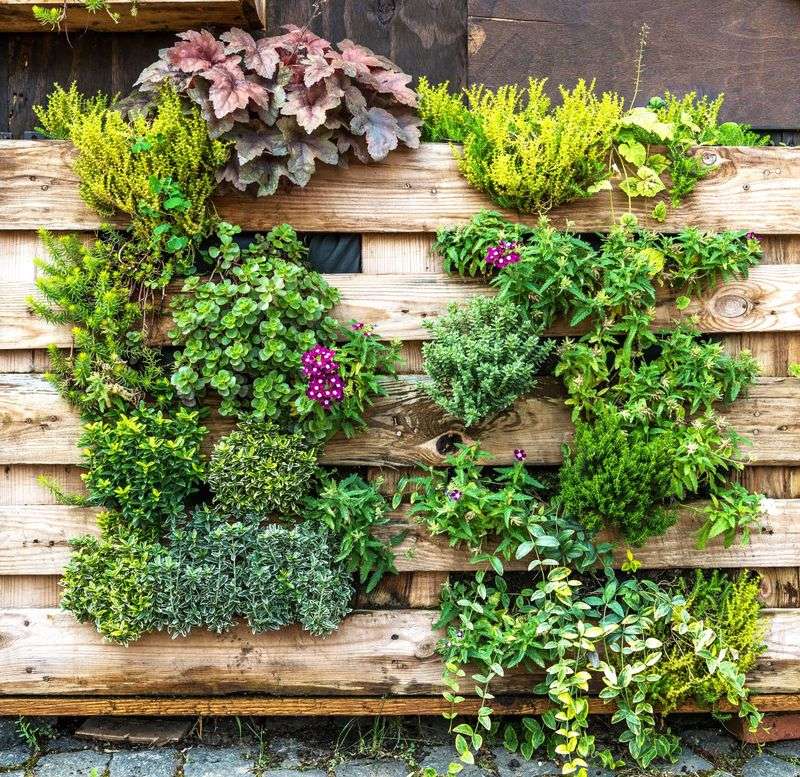
Recycled pallet planters marry sustainability with creativity. These upcycled structures offer a budget-friendly way to cultivate vertical gardens. Customizable to fit any space, they reflect a commitment to eco-friendly practices. Pallet planters support a variety of plants, from herbs to flowers, making them versatile for diverse gardening projects. Their rustic appeal adds charm to urban gardens, bringing a touch of nature’s repurposed beauty to city life. Embrace the ingenuity of recycled materials, transforming ordinary pallets into thriving green walls. This approach combines environmental consciousness with gardening enthusiasm.
9. Hydroponic Living Walls
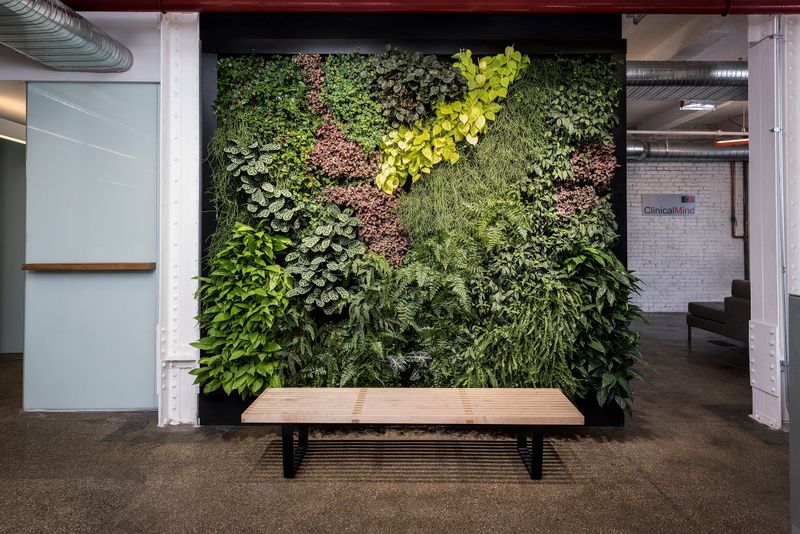
Hydroponic living walls represent the future of urban gardening. These systems promote faster plant growth by delivering nutrients directly to roots without soil. Ideal for small urban spaces, they offer a clean, efficient way to cultivate plants vertically. Their design minimizes mess, making them suitable for indoor and outdoor use. Hydroponic walls support a wide range of plants, from leafy greens to decorative flowers. They embody innovation, combining technology with nature. In cities, where space is precious, these walls maximize greenery, transforming urban landscapes into verdant havens of life and sustainability.