 Complete Gardening
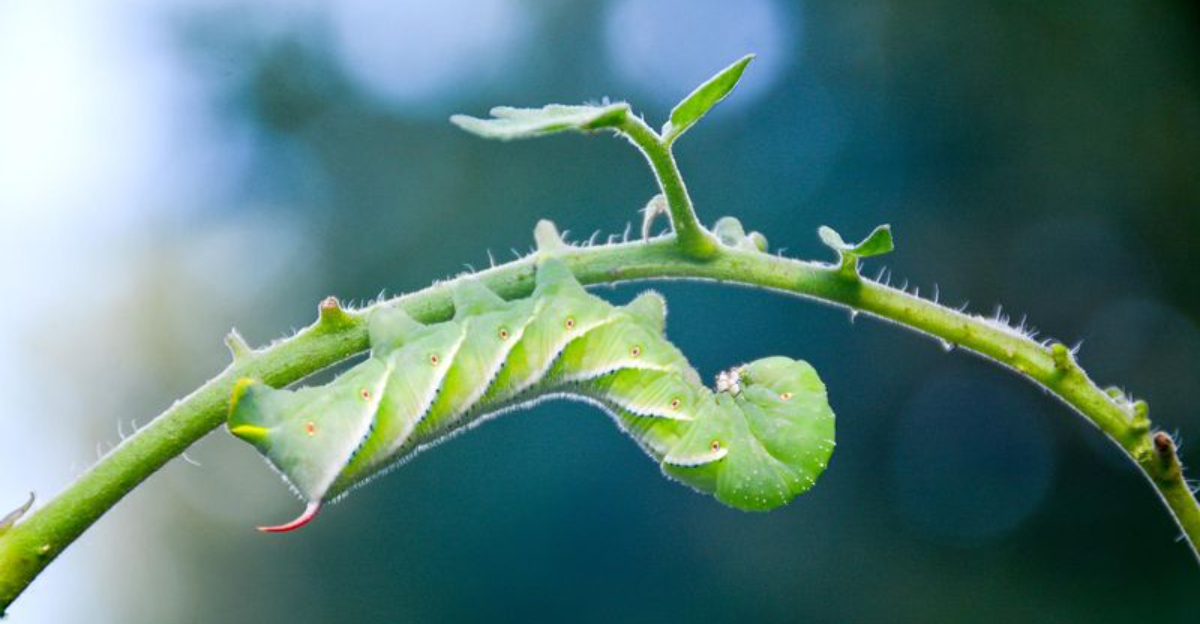
Hornworms can destroy an entire tomato crop in just a few days if left unchecked. These sneaky green caterpillars blend perfectly with tomato plants, making them hard to spot until serious damage occurs.
Many gardeners make common mistakes that actually help hornworms thrive and multiply. Learning to identify these errors and apply proven solutions can save your tomato harvest and keep your plants healthy all season long.
1. Ignoring Early Signs of Damage
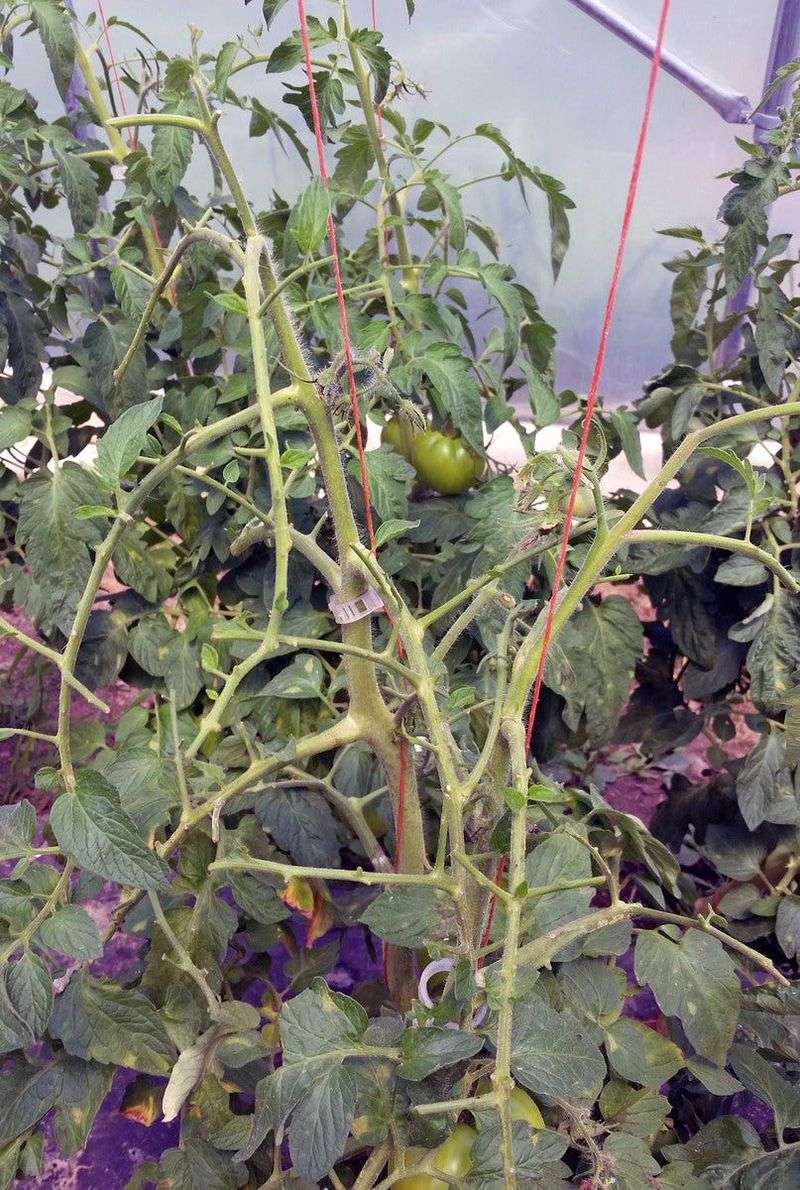
Missing the first clues of hornworm activity can spell disaster for your tomato plants. Dark green droppings scattered around the base of plants often appear before you notice leaf damage.
Stripped stems and missing leaves signal that hornworms have already established themselves in your garden. Small holes in green tomatoes indicate these pests are expanding their diet beyond foliage.
Early detection saves entire plants from destruction. Regular scouting helps you catch infestations when they’re still manageable and treatment options remain most effective.
2. Not Inspecting Plants Daily
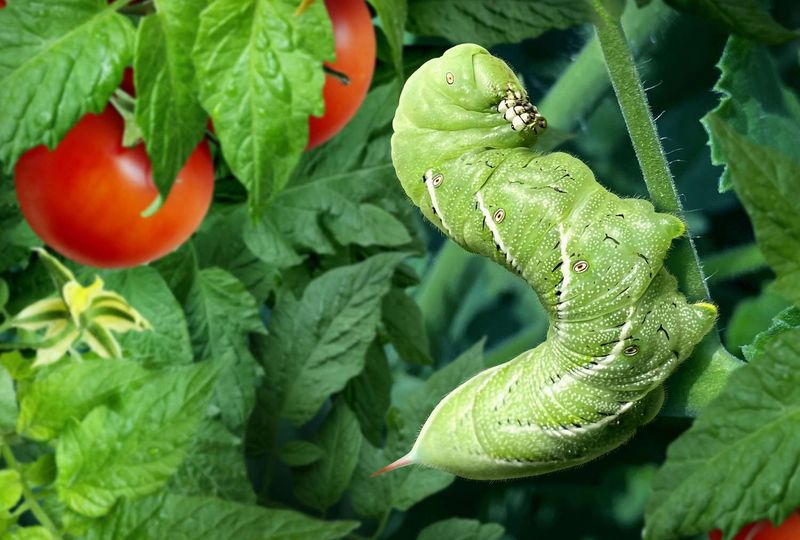
Skipping daily garden checks gives hornworms free reign to multiply and feast. These voracious caterpillars can consume entire branches overnight when populations grow unchecked.
A single hornworm can strip multiple tomato plants within a week of reaching full size. Female moths lay dozens of eggs, creating exponential population growth without intervention.
Daily inspections take only minutes but prevent catastrophic crop loss. Walking through your garden each morning or evening helps you spot problems before they become overwhelming disasters.
3. Skipping Nighttime or UV Inspections
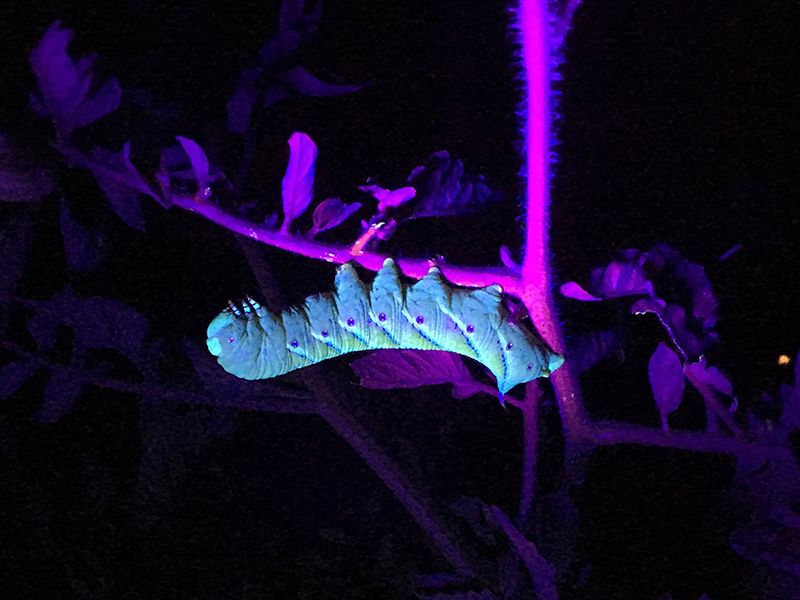
Hornworms become most active after sunset, making daytime searches less effective. Their green coloration provides perfect camouflage against tomato foliage in natural light.
UV blacklights reveal hornworms instantly as they glow bright green under ultraviolet radiation. This fluorescent property makes nighttime detection incredibly efficient and thorough.
Evening inspections catch hornworms during peak feeding times when they’re most visible and vulnerable. Combining UV light with darkness eliminates their primary defense mechanism of blending into plant material.
4. Relying Only on Chemical Pesticides
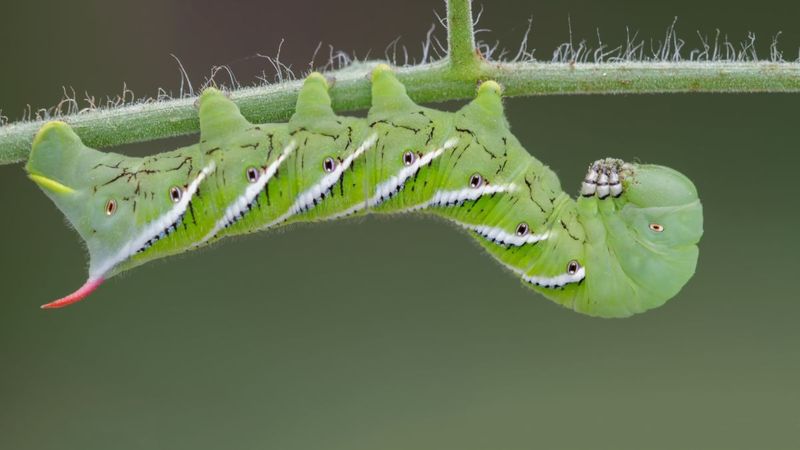
Chemical sprays often fail against hornworms because their thick skin resists many common insecticides. Broad-spectrum pesticides also kill beneficial insects that naturally control hornworm populations.
Repeated chemical applications can create resistant hornworm populations while destroying garden ecosystem balance. Predatory wasps, spiders, and birds provide ongoing natural pest control when chemicals don’t eliminate them.
Integrated pest management combines multiple strategies for better long-term results. Biological controls work alongside targeted treatments to create sustainable hornworm management without environmental damage.
5. Neglecting Garden Cleanliness and Crop Rotation

Hornworm pupae overwinter in garden soil, emerging as adult moths the following spring. Leaving infected plant debris creates perfect breeding grounds for next season’s infestations.
Growing tomatoes in the same location year after year concentrates hornworm populations in specific areas. Crop rotation disrupts their life cycle and forces them to search for suitable host plants elsewhere.
Clean gardens eliminate hiding spots and reduce pest pressure significantly. Proper sanitation and rotation create hostile environments that discourage hornworm establishment and reproduction.
1. Check for Hornworms at Dawn or Dusk
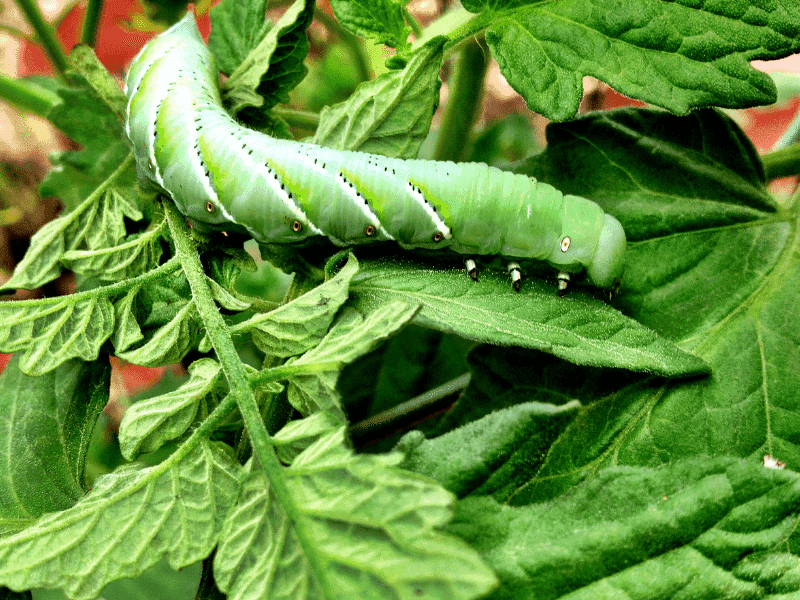
Hornworms feed most actively during cooler parts of the day when they’re less likely to overheat. Dawn and dusk provide optimal conditions for both feeding and detection.
Morning dew often reveals fresh damage and feeding tracks that weren’t visible the previous evening. Hornworms position themselves prominently on plants during these feeding periods.
Cooler temperatures make hornworms sluggish and easier to spot among the foliage. Their movement patterns during these times help gardeners locate even well-camouflaged individuals quickly and efficiently.
2. Use a UV Blacklight to Spot Them at Night
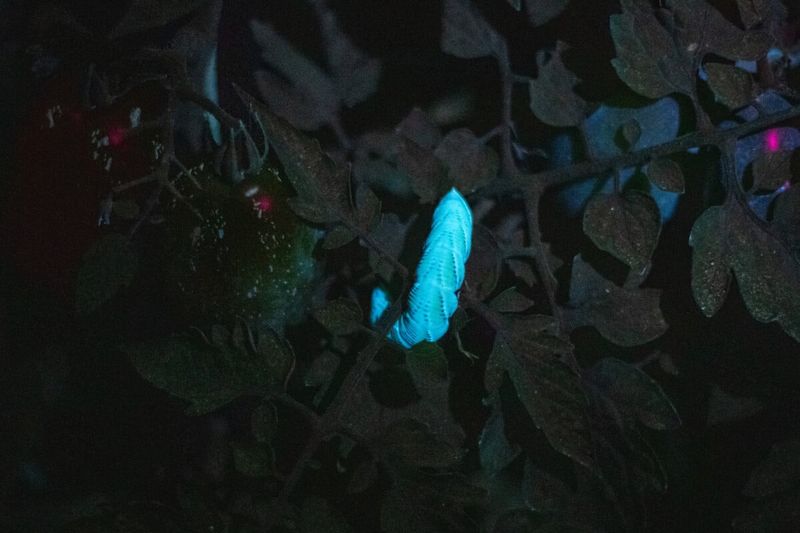
Hornworms contain proteins that fluoresce under ultraviolet light, making them glow bright green in darkness. This natural phenomenon provides foolproof detection that eliminates guesswork.
Battery-powered UV flashlights cost less than twenty dollars and revolutionize hornworm hunting. The glowing effect works on all hornworm species regardless of size or age.
Nighttime UV searches find hornworms that remain invisible during daylight hours. This technique achieves nearly 100% detection rates and allows for complete population removal from affected plants.
3. Handpick and Drop into Soapy Water
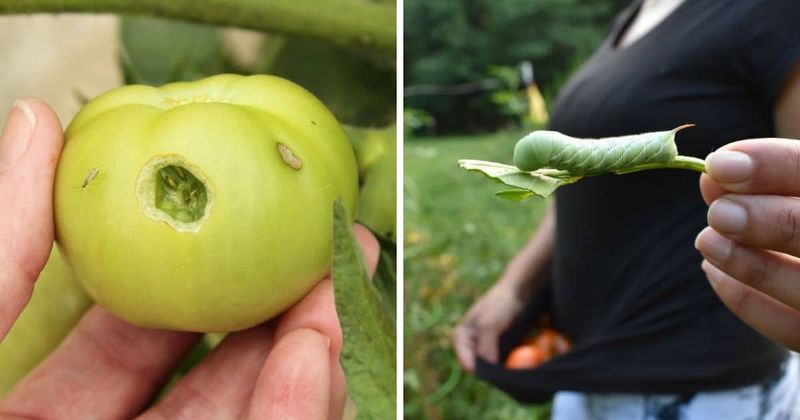
Physical removal provides immediate results without chemicals or environmental concerns. Hornworms cannot survive in soapy water and die quickly after submersion.
Wearing gloves makes handling easier, though hornworms cannot bite or sting humans. Their intimidating appearance belies their complete harmlessness to gardeners.
Soapy water containers positioned throughout the garden speed up collection during inspection rounds. This method achieves 100% kill rates while keeping beneficial insects completely safe from harm.
4. Introduce Parasitic Wasps
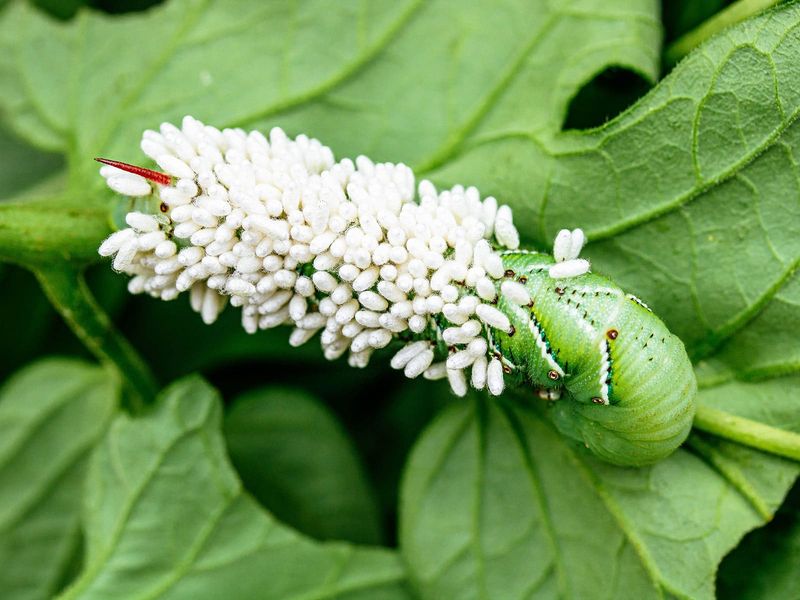
Braconid wasps lay eggs inside hornworms, creating natural biological control that continues working season after season. These tiny beneficial insects specifically target hornworm species.
Parasitized hornworms develop white cocoons on their backs and stop feeding immediately. The emerging wasps seek out new hornworms to parasitize, creating ongoing protection.
Purchasing parasitic wasps from garden suppliers establishes permanent populations that require no maintenance. These natural enemies provide sustainable hornworm control without any negative environmental impact.
5. Spray with Bacillus thuringiensis (Bt)
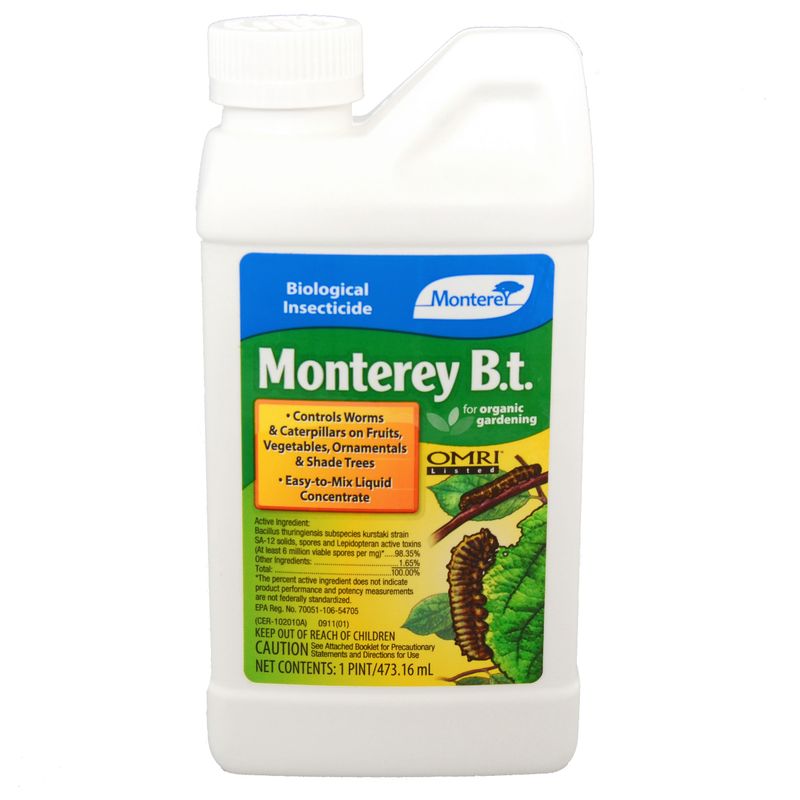
Bt bacteria specifically target caterpillars while remaining completely safe for humans, pets, and beneficial insects. This organic pesticide works by disrupting hornworm digestive systems.
Treated hornworms stop feeding within hours and die within days of consuming Bt-treated foliage. Regular applications maintain protection throughout the growing season.
Bt breaks down quickly in sunlight, requiring reapplication after rain or irrigation. This natural approach provides effective control while maintaining garden ecosystem balance and safety.
6. Invite Birds by Adding Feeders or Birdbaths
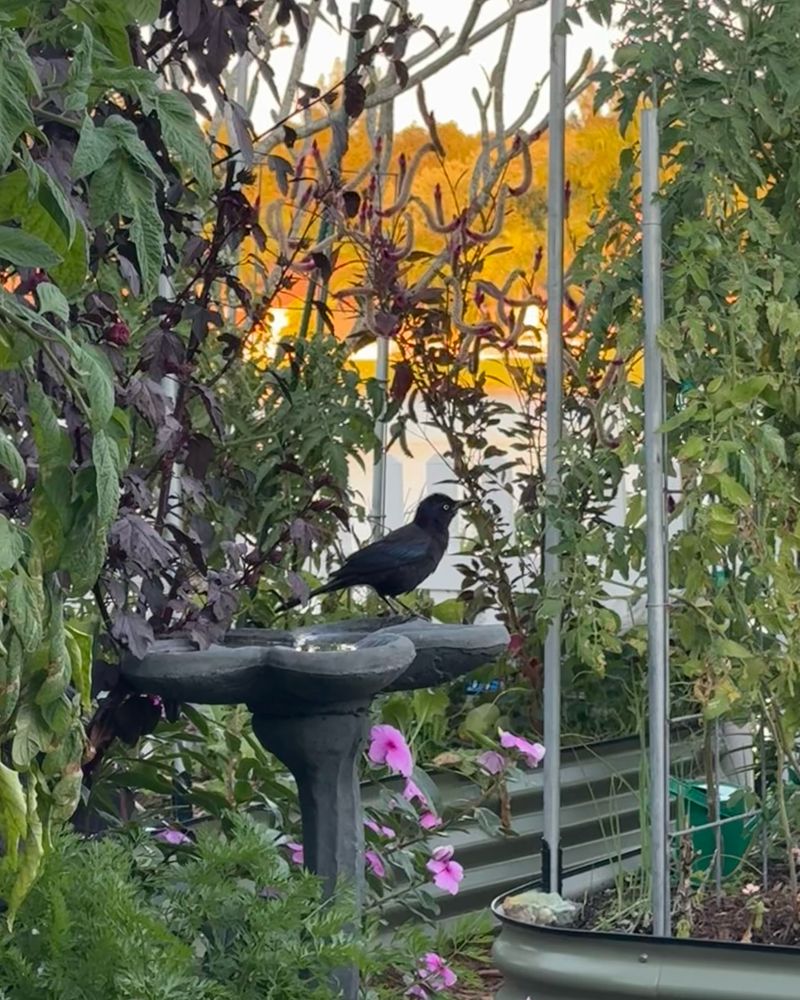
Many bird species consider hornworms delicious protein sources and actively hunt them in gardens. Chickadees, nuthatches, and wrens excel at finding hidden caterpillars.
Bird feeders and water sources attract these natural predators and encourage them to establish territories near your tomatoes. Well-fed birds still hunt insects to feed their growing chicks.
Creating bird-friendly environments provides ongoing pest control that works automatically. Established bird populations patrol gardens continuously, catching hornworm problems before they become serious infestations.
7. Encourage Beneficial Insects like Ladybugs

Ladybugs and other predatory insects consume hornworm eggs before they hatch into destructive caterpillars. Ground beetles hunt hornworm pupae in garden soil.
Diverse plantings with flowers attract and support beneficial insect populations throughout the growing season. Avoiding broad-spectrum pesticides protects these natural allies.
Purchasing beneficial insects from garden suppliers quickly establishes predator populations in new gardens. These helpers work continuously to prevent hornworm infestations from developing into serious problems.
8. Keep the Garden Weed-Free and Mulched
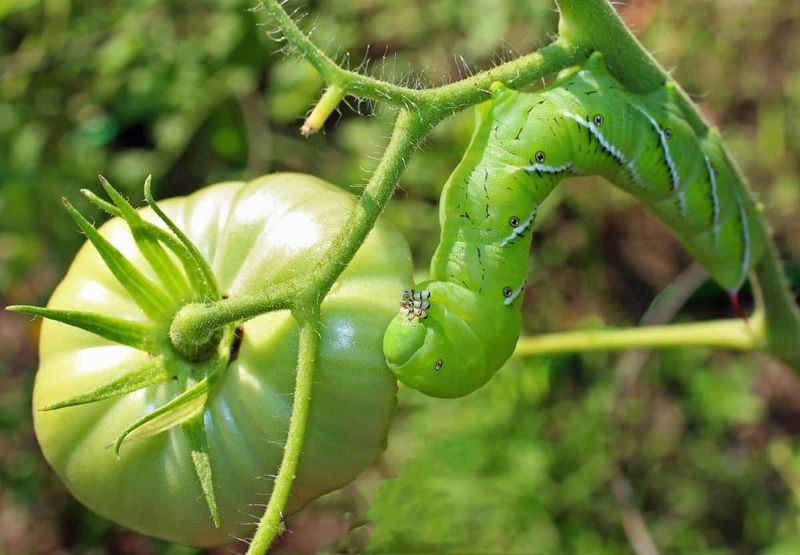
Weeds provide hiding spots for adult hornworm moths and alternative host plants for developing caterpillars. Clean gardens eliminate these refuges and breeding opportunities.
Mulch suppresses weeds while creating barriers that ground-dwelling predators use for hunting hornworm pupae. Organic mulches also support beneficial soil organisms.
Regular weeding and mulch maintenance create hostile environments for hornworm development. These cultural practices reduce pest pressure while improving overall garden health and productivity.
9. Rotate Crops Each Season
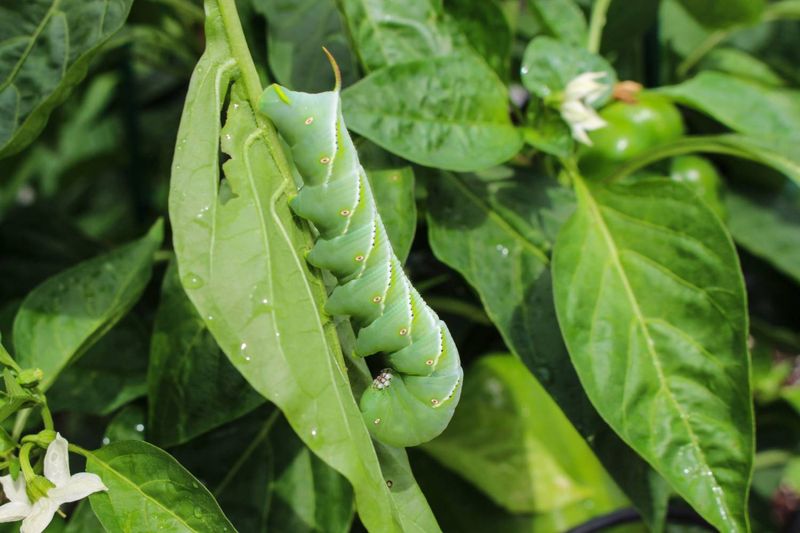
Hornworm pupae remain in soil where tomatoes grew the previous year, emerging as moths seeking host plants. Moving tomatoes to new locations disrupts this cycle.
Three-year rotation cycles prevent hornworm populations from building up in specific garden areas. Alternating with non-host crops starves emerging moths of suitable egg-laying sites.
Systematic crop rotation improves soil health while reducing pest pressure from multiple species. This fundamental practice forms the backbone of sustainable garden management and long-term productivity.
10. Use Trap Crops (like Tobacco or Datura)
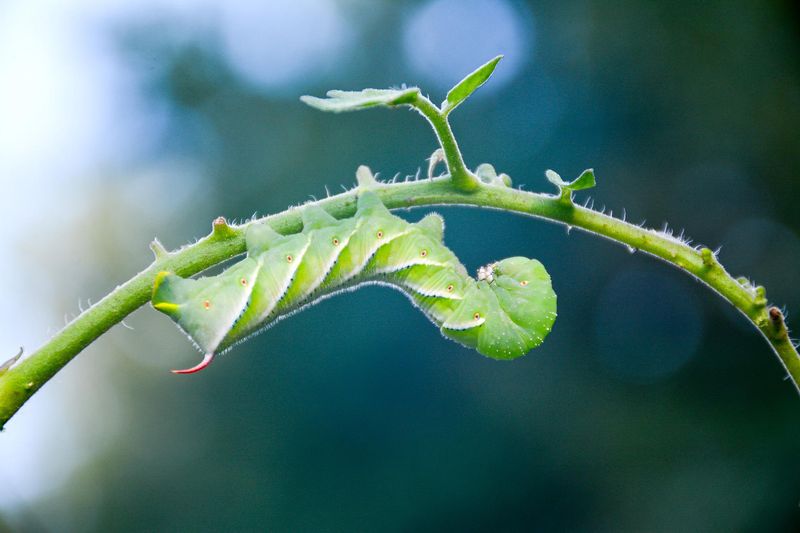
Hornworm moths prefer certain plants over tomatoes for egg-laying when given choices. Tobacco and datura plants act as magnets that concentrate hornworm populations.
Strategically placed trap crops draw hornworms away from valuable tomato plants to expendable decoy plants. Regular monitoring and removal from trap crops prevents population growth.
Trap cropping requires careful management to prevent becoming breeding grounds for larger infestations. When properly maintained, these sacrificial plants provide effective protection for main crops.
11. Inspect Undersides of Leaves and Stems Closely
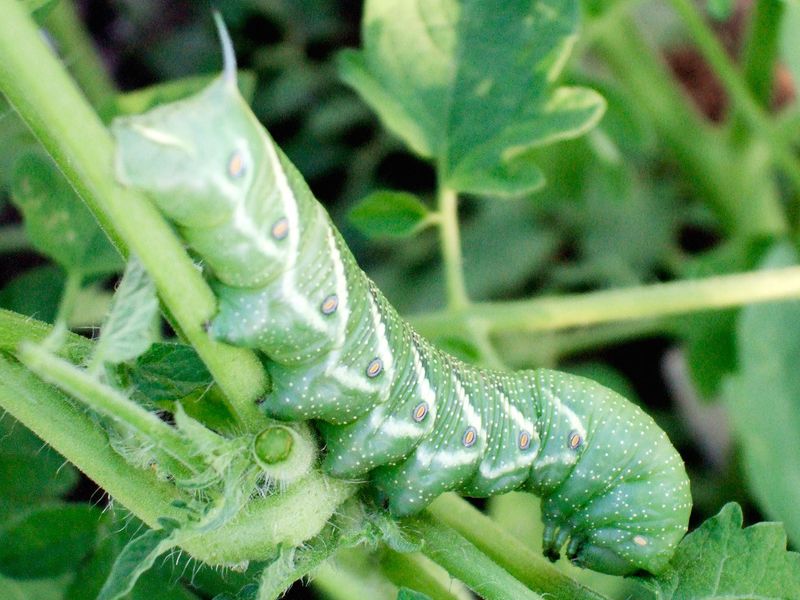
Hornworms often hide on leaf undersides and along stems where their green coloration provides perfect camouflage. Casual inspections miss these hidden locations.
Systematically checking every plant surface reveals hornworms that escape detection during quick garden walks. Small hornworms especially favor these protected feeding sites.
Thorough inspections require lifting branches and examining all plant surfaces carefully. This methodical approach catches infestations early when individual hornworms are easier to remove and populations remain manageable.