 Complete Gardening
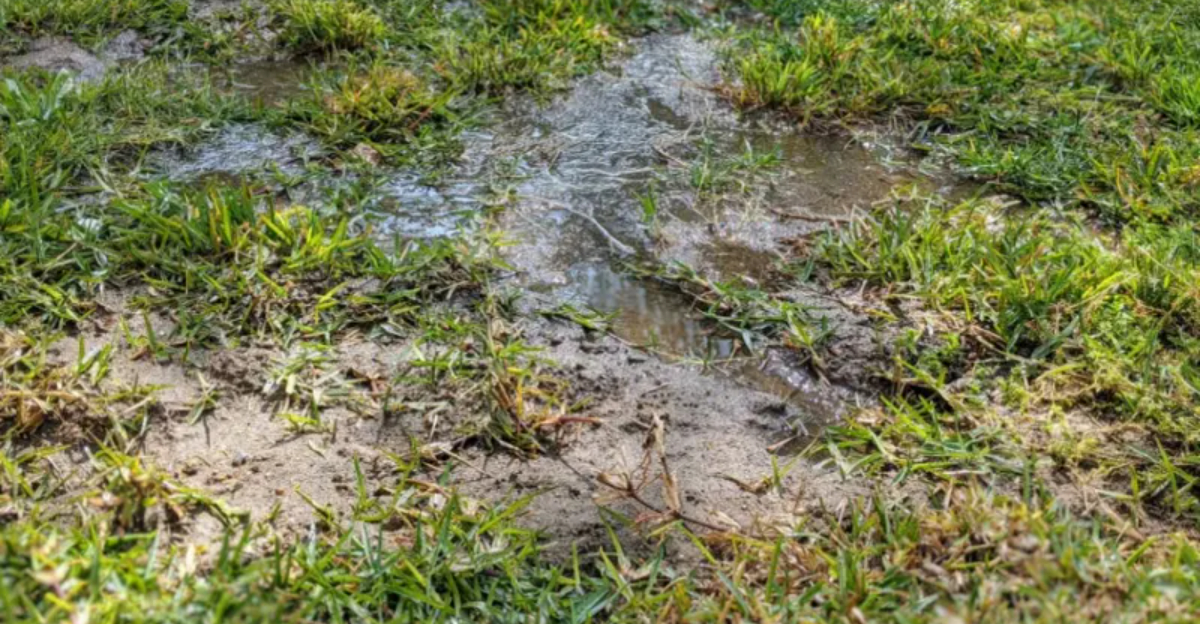
Taking care of your lawn after a rainstorm can be tricky. Many well-intentioned actions can actually harm your grass rather than help it. In this blog post, we will explore five common mistakes people make after rain and suggest three smart alternatives to ensure your lawn stays lush and green. Avoid these pitfalls and make the most of your post-rain lawn care routine!
1. Mowing Wet Grass
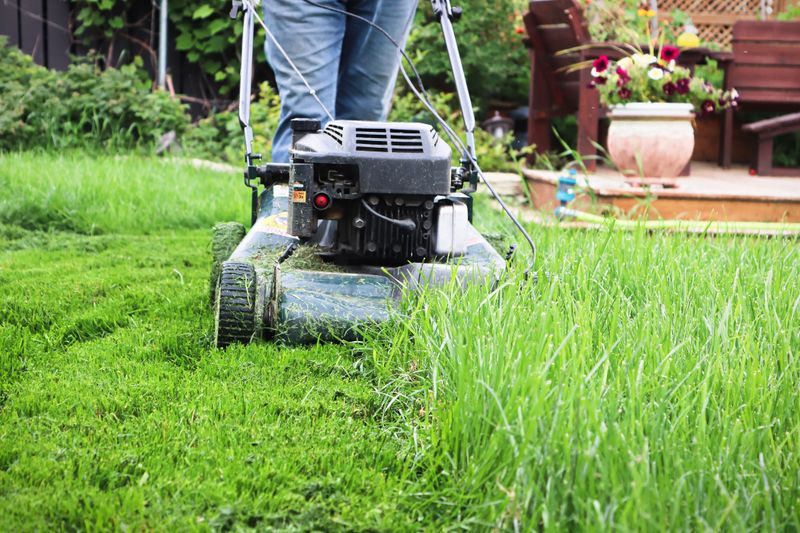
Cutting wet grass is like trying to slice through a sponge. The blades of grass tend to bend instead of being cut cleanly, resulting in an uneven trim. This can lead to clumps of grass piling up, which may smother and damage your lawn. Additionally, mowing wet grass can spread lawn diseases as the moisture facilitates the growth of harmful fungi.
Moreover, operating a mower on a wet surface can be hazardous. The slippery surface increases the risk of accidents. It’s best to wait until the grass is dry to ensure a clean, even cut and a safe experience.
2. Walking on Saturated Soil
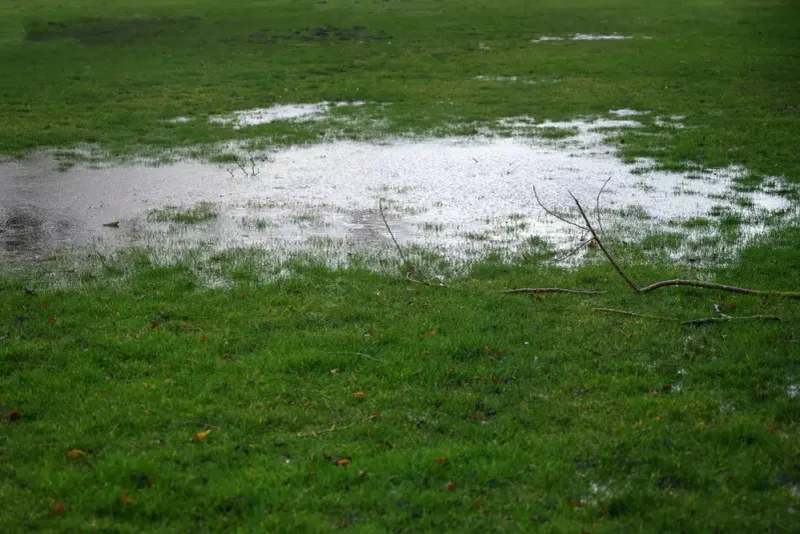
Walking on soaked soil is like pressing down on a sponge—it pushes out the air pockets that roots need to breathe. This compaction stunts the grass’s growth by limiting root expansion and nutrient uptake. The more you trample on wet grass, the harder it becomes for the lawn to recover and flourish.
Not only does this lead to unsightly footprints and potential bald spots, but it can also cause water pooling and poor drainage. To keep your lawn healthy, minimize foot traffic until the ground dries, allowing the grass and soil to bounce back.
3. Fertilizing Right Away
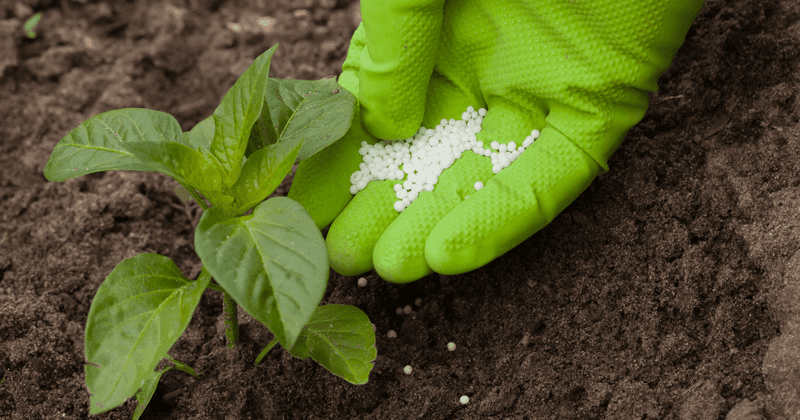
Fertilizing immediately after rain is like trying to paint on a wet canvas—it just doesn’t stick. The excess water dilutes and washes away the nutrients before they can be absorbed by the roots, leading to wasted product and expense. This runoff can also contribute to pollution in nearby waterways, harming local ecosystems.
To optimize fertilization, wait for the soil to dry before applying nutrients. This ensures the fertilizer remains where it’s needed, promoting a lush, vibrant lawn without negative environmental impact.
4. Raking or Dethatching Immediately
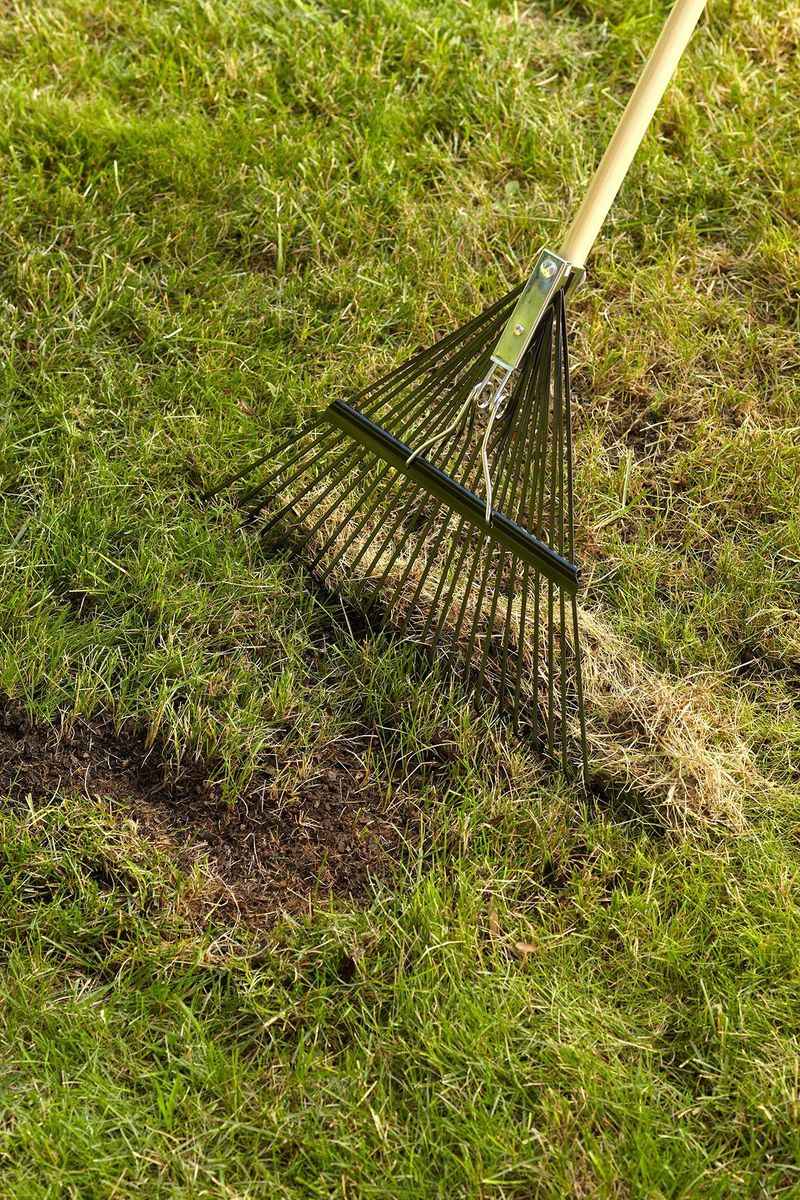
Raking a wet lawn can be harder than it looks. The tines of the rake can easily tear through soft, soaked turf, causing more damage than good. Instead of removing debris, you might end up uprooting healthy grass and creating patchy areas.
Furthermore, dethatching requires precision and a gentle touch. Wet conditions can exaggerate the process, tearing up more than just the dead thatch. For a healthier lawn, wait until the ground is firm and dry to safely remove thatch and debris.
5. Using Heavy Equipment
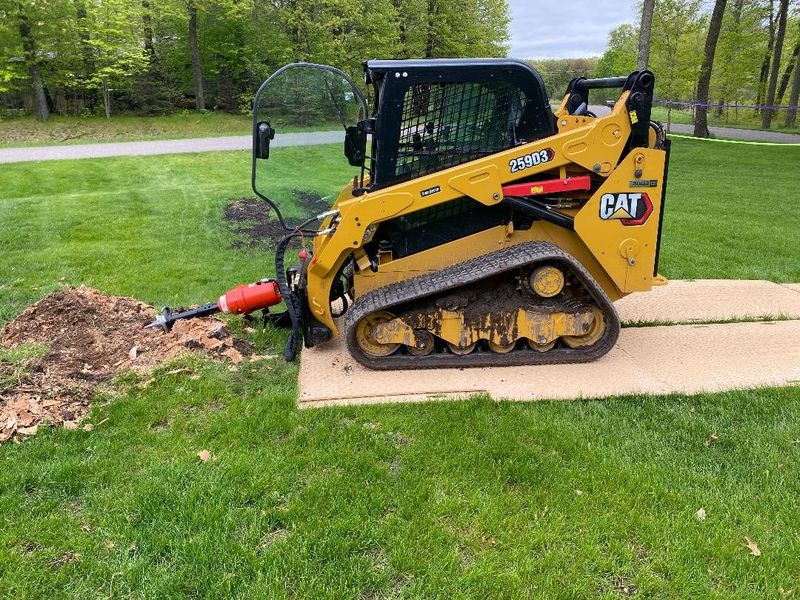
Utilizing heavy machinery on a wet lawn is like driving on quicksand. The soil’s softness makes it easy to leave deep ruts and damage the delicate root systems of your grass. This not only affects the lawn’s appearance but also its ability to absorb nutrients and water.
If the ground is mushy, it’s best to delay using heavy equipment until it can support the weight. This patience will pay off, preserving the lawn’s health and appearance.
1. Inspect for Drainage Issues
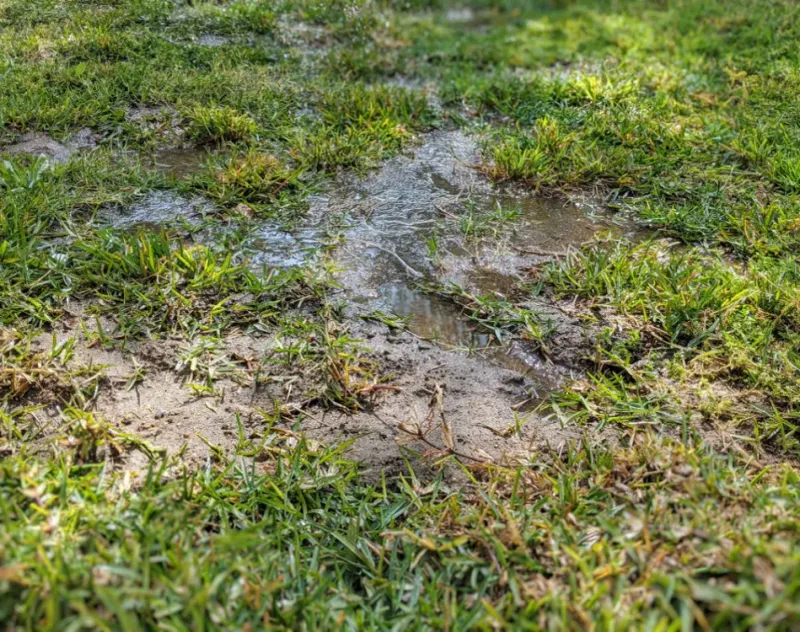
After a rainfall, observe your lawn as if it were a canvas revealing its secrets. Spotting areas where water pools can indicate poor drainage, a common issue that can lead to root rot and unhealthy grass.
By identifying these spots, you can address underlying problems such as compacted soil or improper grading. Solutions like adding soil amendments or installing drainage systems can improve water flow, preventing future issues. Regular inspection and maintenance can transform a soggy lawn into a thriving green space.
2. Pull Weeds While Soil Is Soft
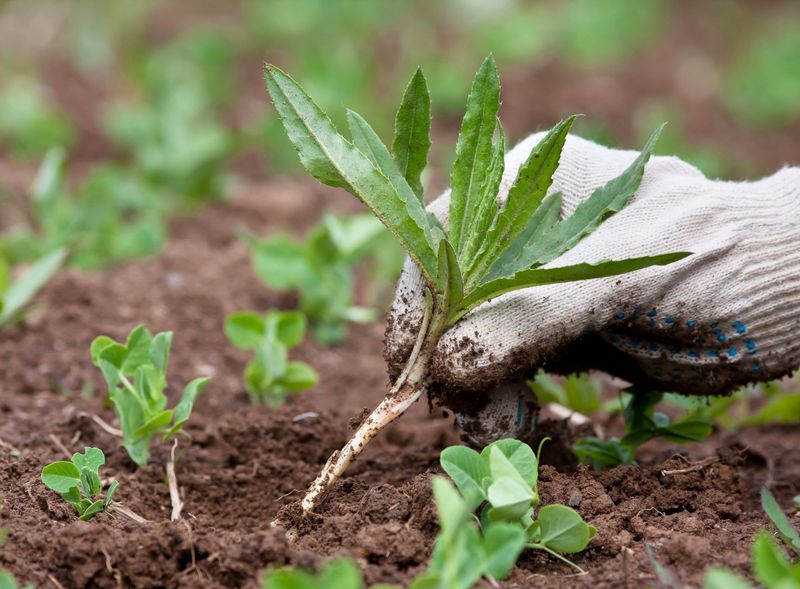
Wet soil is a gardener’s ally when it comes to weed control. The moisture makes the soil softer, allowing you to pull weeds out more easily, roots and all. This ensures they don’t grow back, reducing competition for nutrients and water with your precious grass.
Taking advantage of this window can lead to a healthier lawn, as fewer weeds mean more resources for your grass. It’s a simple, eco-friendly strategy to maintain the vibrancy of your lawn without the need for chemical herbicides.
3. Sharpen Your Mower Blades
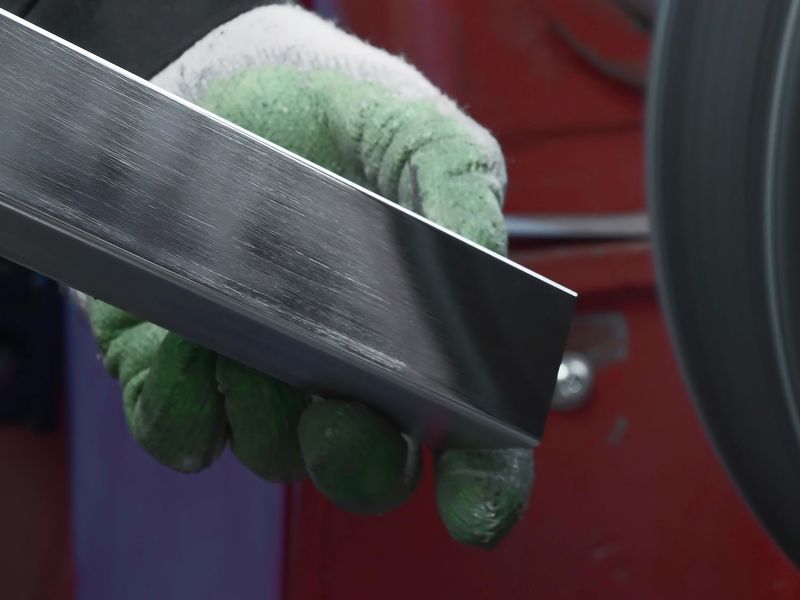
While waiting for your lawn to dry, turn your attention to your tools. A sharp mower blade is vital for a clean cut, reducing the risk of shredding grass blades, which can make your lawn susceptible to disease.
Regular maintenance of your mower ensures it operates efficiently, slicing through grass effortlessly. This preparation sets the stage for a healthier, more resilient lawn, ready to thrive after each trim. By caring for your equipment, you’re setting yourself up for lawn care success.