 Complete Gardening
Gardening enthusiasts often find themselves drawn to popular yet expensive plants, thinking they might be the best choice for their gardens. However, many of these plants are overpriced and don’t perform as well as expected. In contrast, there are several wild plants that are not only affordable but also thrive in various conditions, making them a better option for garden enthusiasts. This article explores five garden plants to avoid due to their cost and overrated appeal and introduces eleven wild plants that are cost-effective and resilient.
1. Orchid
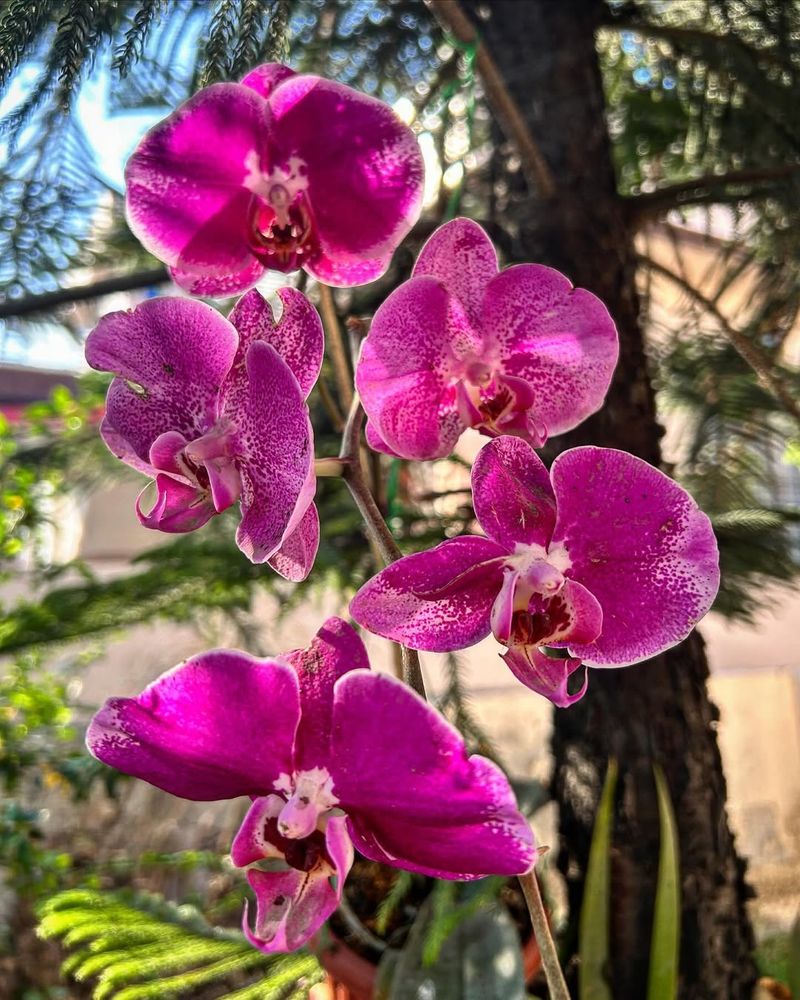
Orchids, though undeniably beautiful, can be unjustifiably pricey. Many gardeners buy them expecting an easy bloom, but they often require precise conditions to thrive. The appeal lies in their exotic look, yet, they can be finicky. Not only do they demand a specific humidity level, but their light needs can also be quite strict.
Those who love a challenge might enjoy caring for orchids, but they might find their wallets lighter without much to show for it. For most, the complexity outweighs the reward, making them a less favorable option.
2. Japanese Maple
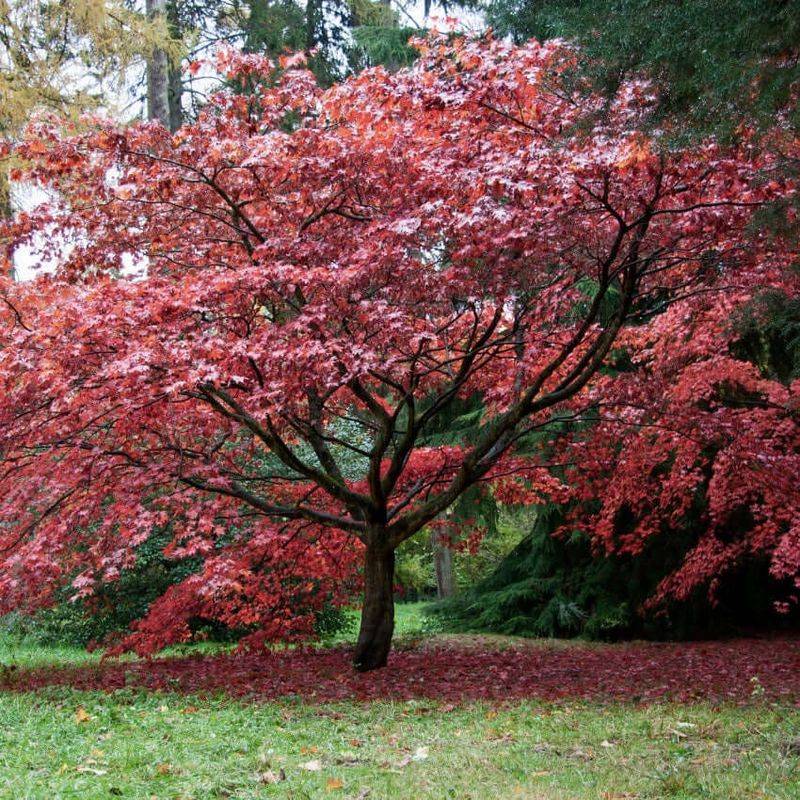
The allure of the Japanese Maple is undeniable, with its delicate leaves and striking colors. Yet, its price can be a deterrent. Many find themselves drawn to its elegance, only to discover the tree’s sensitivity to environmental changes.
These trees can be a challenge in the wrong climate, and their growth can be slow. For those unwilling to wait, the investment can feel wasted. While they offer aesthetic appeal, the cost and care demands make them a less practical choice for the average gardener.
3. Bonsai Tree
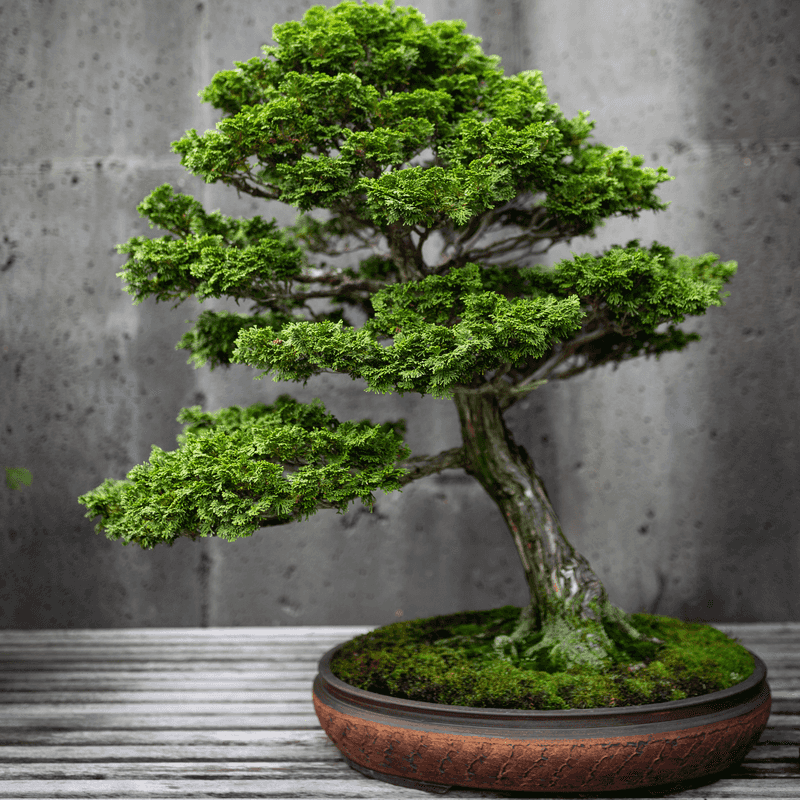
Bonsai trees, with their miniature appeal, are often seen as a testament to patience and skill. However, they come with a hefty price tag. While their beauty lies in their small stature, maintaining this art form requires time and expertise.
Many purchase these trees with visions of serene landscapes, only to discover the intricate pruning and care needed. The cost isn’t just in the purchase but in the maintenance it demands. This makes bonsai trees a luxurious yet demanding addition to any garden space.
4. Hydrangea
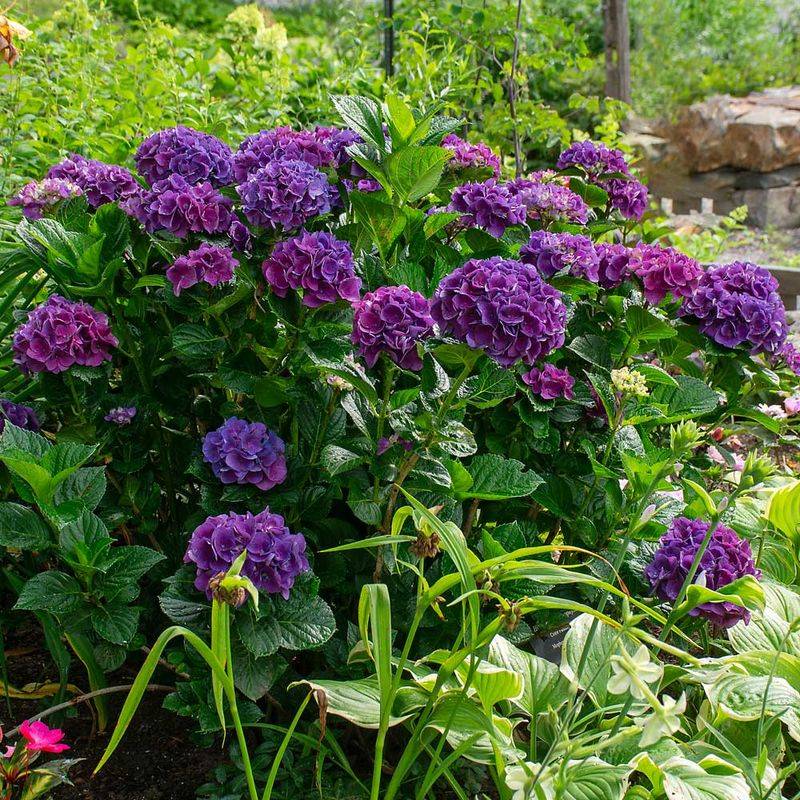
Hydrangeas captivate with their large, colorful blooms, making them a garden favorite. Yet, their price can be misleading, as they often require specific soil conditions to achieve the desired flower color.
Many gardeners invest in these plants, hoping for vibrant hues, only to find their soil doesn’t cooperate. The need for constant monitoring of pH levels can become cumbersome. While they can transform a garden, their demands can make them a less appealing choice for those seeking low-maintenance beauty.
5. Tulip Bulbs
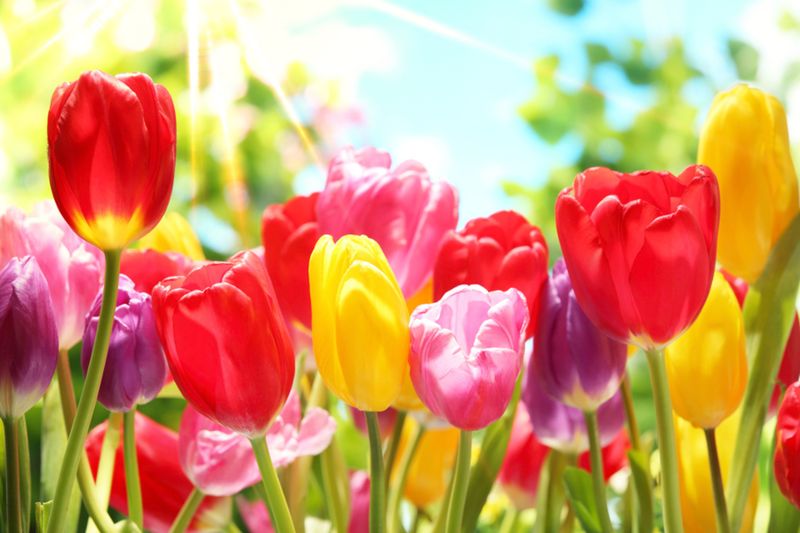
Tulips, with their bright and cheerful appearance, are a springtime favorite. However, their cost can be surprisingly high, especially when considering their short bloom period. Many invest in these bulbs, only to enjoy their beauty for a fleeting moment.
Additionally, tulips can be susceptible to pests and diseases, adding to their maintenance cost. While they offer a burst of color, their transient nature and associated expenses can deter gardeners looking for long-lasting impact.
1. Dandelion
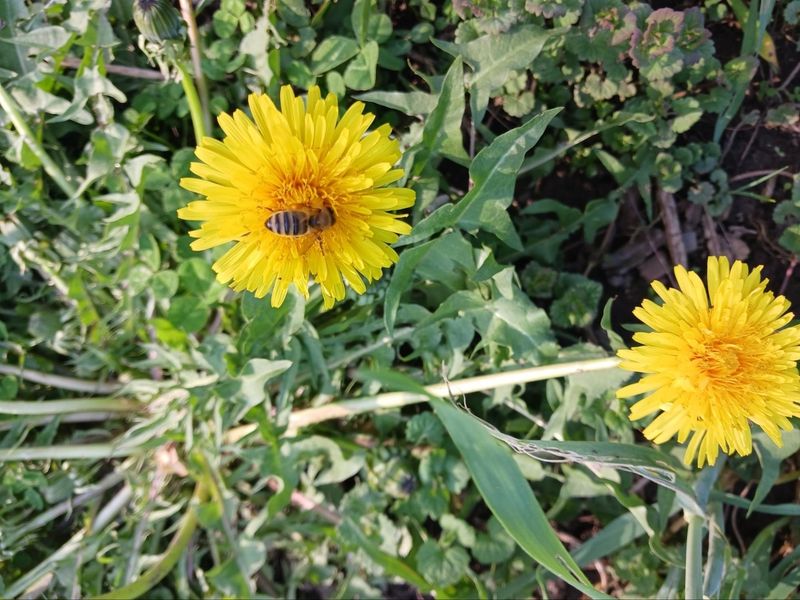
Dandelions, often dismissed as weeds, are resilient wonders. They thrive in various conditions and require no special care. Their bright yellow blooms add cheer to any garden, and their leaves offer a nutritious addition to salads.
Despite being overlooked, dandelions are both economical and versatile. They symbolize resilience and adaptability, making them a valuable garden addition. Their ability to grow almost anywhere, coupled with their low maintenance needs, makes them a practical choice for those seeking natural beauty.
2. Wild Violet
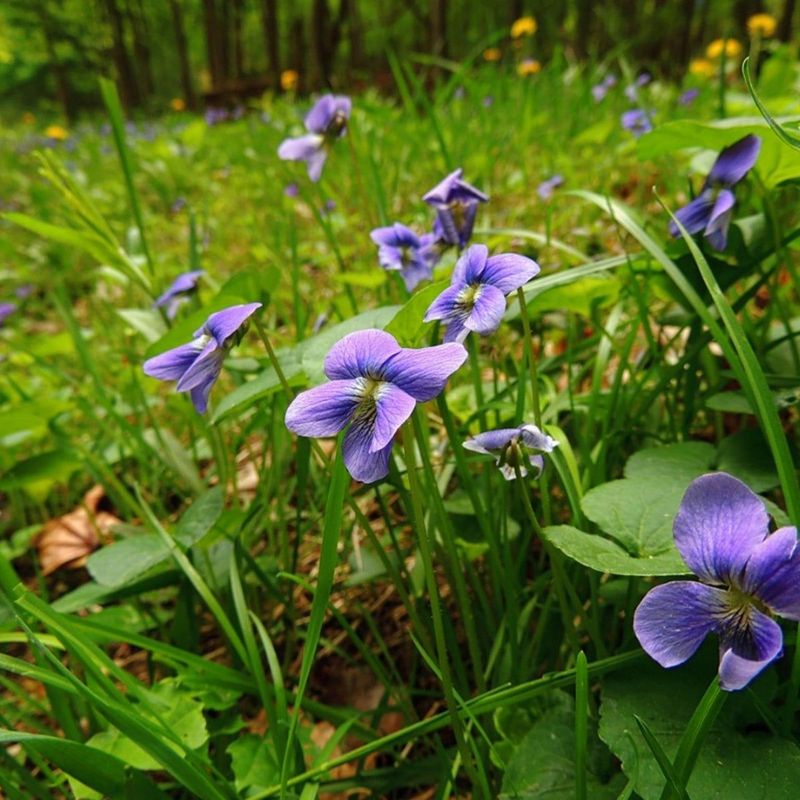
Wild violets offer a delicate charm, with their heart-shaped leaves and soft purple blooms. They effortlessly spread, filling garden gaps without fuss. Their low maintenance nature endears them to gardeners seeking beauty without effort.
These violets thrive in shaded areas, adding color where other plants might struggle. With their subtle fragrance and vibrant presence, wild violets provide a touch of wild elegance to any garden. Their adaptability and charm make them a delightful, cost-effective choice for naturalistic landscapes.
8. Clover
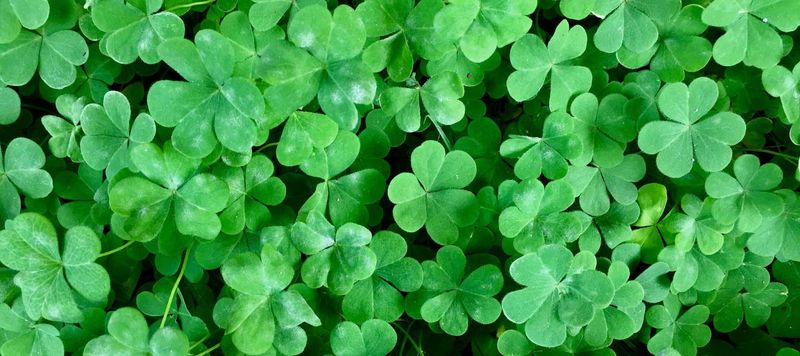
Clover, often seen as a mere lawn invader, holds surprising benefits. Its lush green spreads effortlessly, creating a soft, inviting carpet. Clover’s ability to fix nitrogen enhances soil health, reducing the need for chemical fertilizers.
Gardeners appreciate its low maintenance nature and ecological benefits. Its white blossoms attract beneficial insects, promoting garden biodiversity. Clover’s resilience and utility make it a worthy addition to sustainable gardens, proving that sometimes overlooked plants hold the greatest value.
3. Milkweed
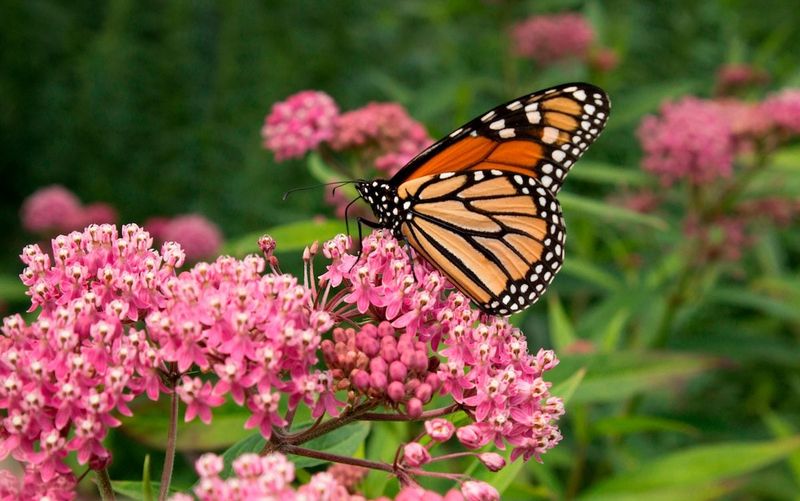
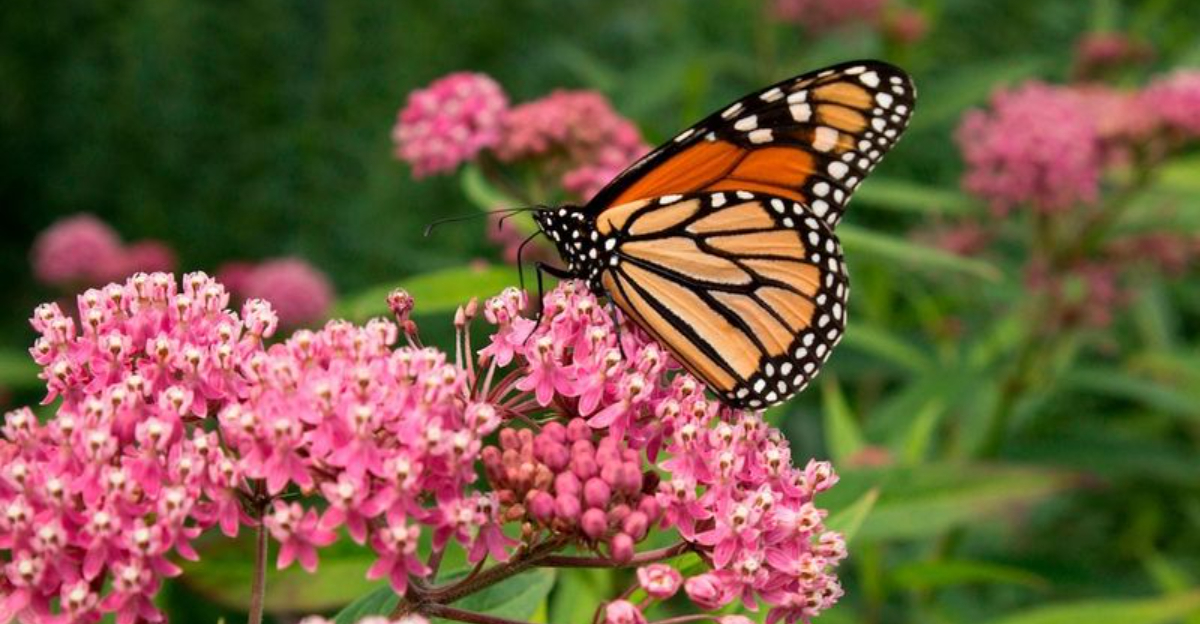
Milkweed, a vital source for monarch butterflies, stands as a symbol of ecological harmony. Its tall stalks support vibrant clusters of blooms, attracting pollinators with ease. Gardeners who plant milkweed contribute to wildlife conservation efforts.
Despite its wild nature, milkweed requires minimal care, and its presence ensures a thriving ecosystem. Its ability to grow in poor soil conditions makes it a garden hero. By choosing milkweed, gardeners welcome biodiversity and beauty, offering a lifeline to struggling butterfly populations.
4. Goldenrod
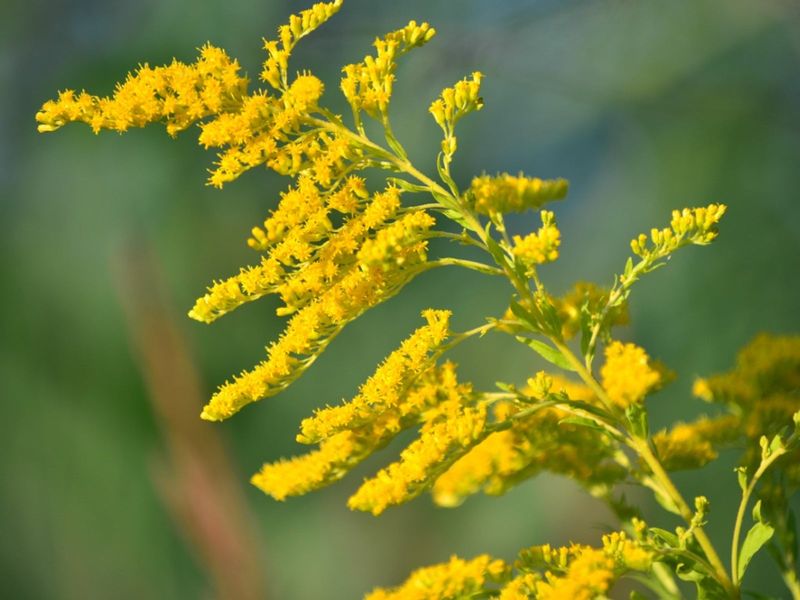
Goldenrod is often mistakenly blamed for allergies, yet it’s a vibrant beacon in late summer gardens. Its tall, bright spires support pollinators, offering both beauty and ecological value. Goldenrod’s resilience allows it to thrive in various conditions.
Gardeners appreciate its ability to fill spaces with golden hues when other plants wane. Its low maintenance and adaptability make it a practical choice for those seeking sustainable beauty. By embracing goldenrod, gardens transform into pollinator havens, rich with life and color.
5. Yarrow
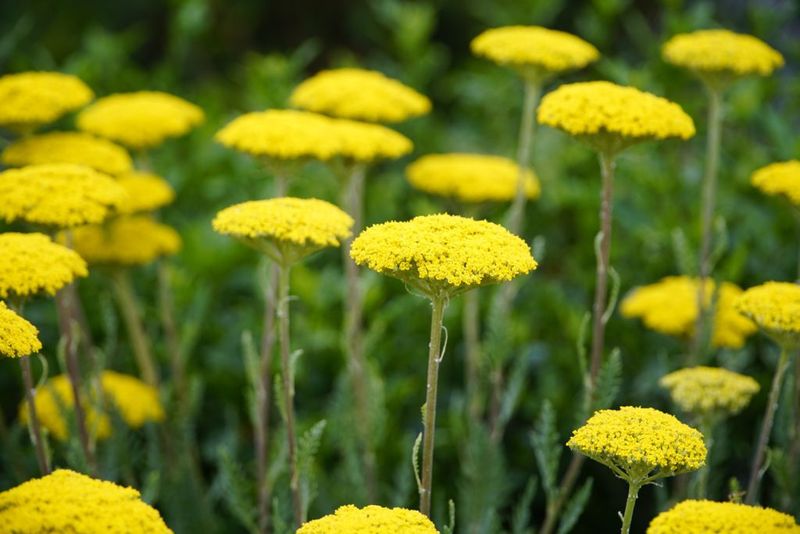
Yarrow, an ancient medicinal plant, offers more than just visual appeal. Its feathery foliage supports clusters of small, vibrant flowers, attracting beneficial insects. Yarrow thrives in poor soil, requiring minimal attention.
Its drought tolerance makes it ideal for water-wise gardens, and its presence enhances soil health. Gardeners who choose yarrow enjoy a touch of wild elegance, coupled with ecological benefits. This hardy plant not only beautifies but also supports sustainable gardening practices, making it a valued garden ally.
6. Echinacea
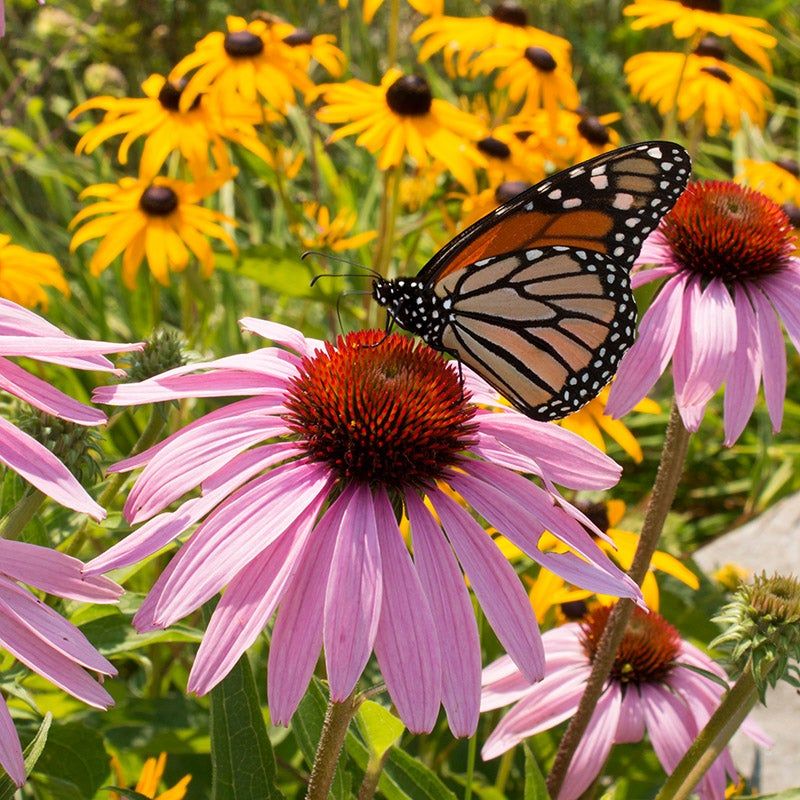
Echinacea, renowned for its medicinal properties, captivates with its cone-shaped blooms and vibrant colors. As a robust wildflower, it thrives with little care. Attracting bees and butterflies, echinacea supports pollinator health.
Gardeners delight in its long blooming period and resilience against pests. Echinacea’s dual role as a herbal remedy and garden beauty makes it a sought-after choice for those valuing health and aesthetics. Its presence in a garden signifies a commitment to ecological harmony and natural wellness.
7. Black-eyed Susan
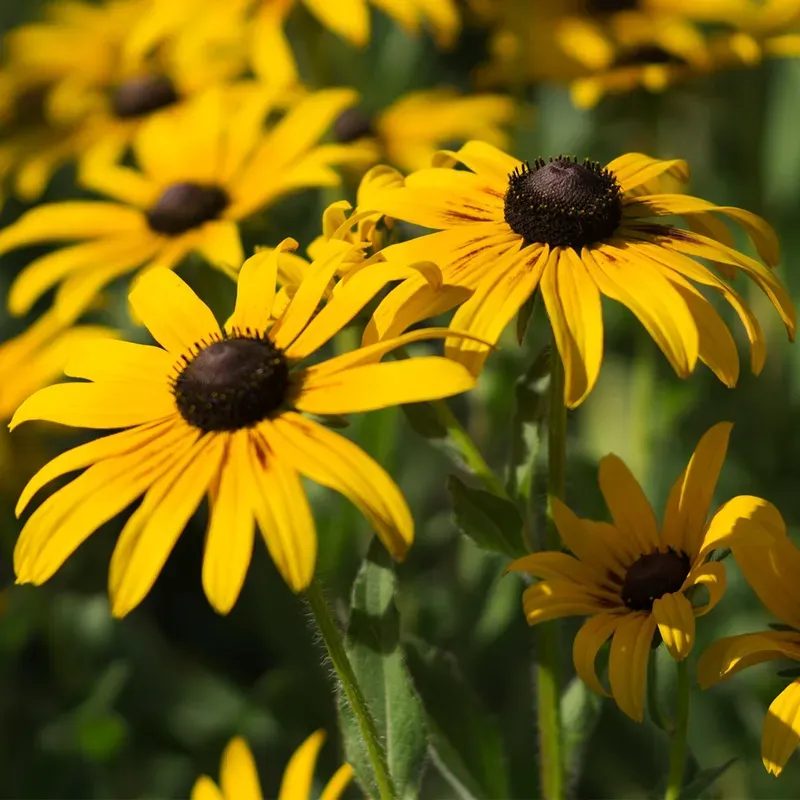
Black-eyed Susans bring warmth with their sunny petals and dark centers. These cheerful blooms beckon bees and butterflies, enhancing garden vitality. Thriving in poor soil, they require minimal care, offering lasting beauty.
Gardeners enjoy their long blooming season, which bridges the gap between summer and fall. Their ability to withstand drought makes them a reliable choice for sustainable landscapes. As a native wildflower, black-eyed Susans contribute to a garden’s ecological health, proving that practicality and beauty can coexist.
8. Lupine
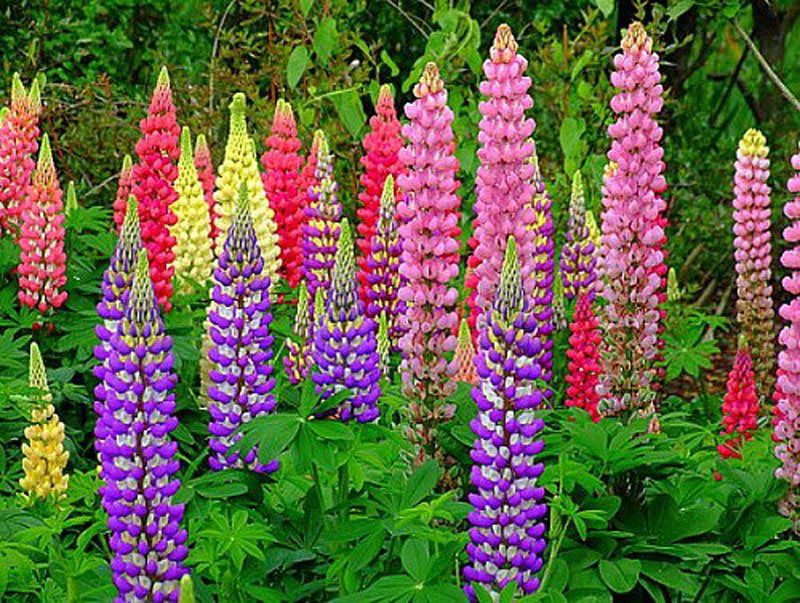
Lupines, with their striking spires and diverse colors, transform gardens into vibrant tapestries. These wildflowers thrive in various conditions, adding drama and texture. Their ability to fix nitrogen enriches soil, supporting other plants.
Gardeners prize lupines for their low maintenance and ecological contributions. Their blooms attract pollinators, weaving beauty into biodiversity. Lupines symbolize hope and renewal, making them a cherished addition to gardens seeking both elegance and environmental harmony.
9. Bee Balm
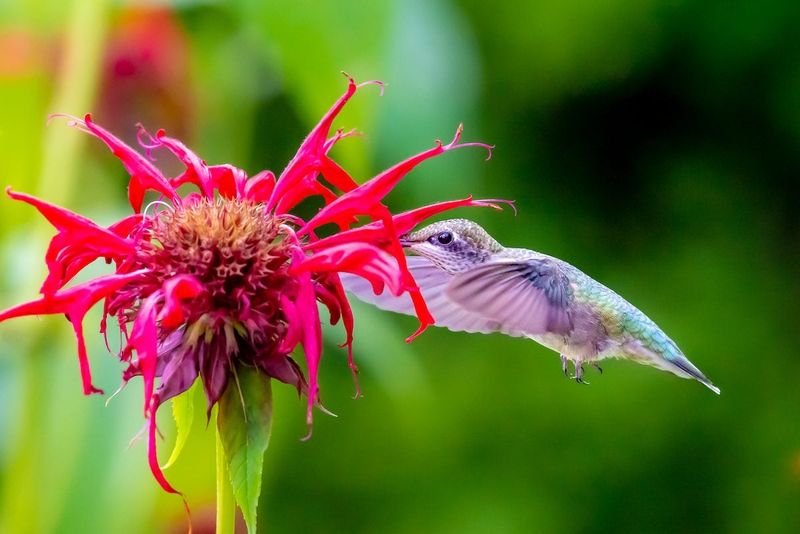
Bee balm, with its vibrant, tubular blooms, acts as a magnet for pollinators. These flowers inject energy and color into gardens, thriving with minimal intervention. As a native plant, bee balm supports local ecosystems, inviting bees and hummingbirds.
Gardeners value its medicinal uses and ability to deter pests naturally. Its bold hues and aromatic leaves ensure it stands out, both visually and functionally. Bee balm showcases the beauty of native flora, proving that ecological commitment can be both beneficial and beautiful.