 Complete Gardening
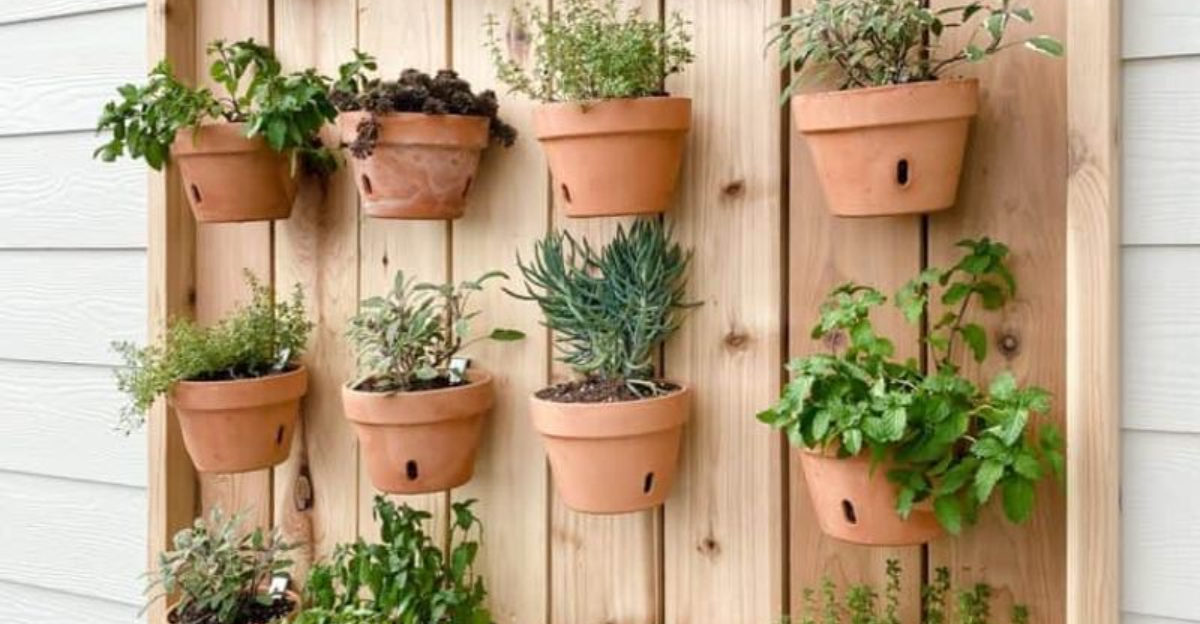
Growing herbs indoors requires both skill and awareness. While many embark on this green journey with enthusiasm, they often stumble upon common pitfalls. Understanding what to avoid and embracing clever hacks can transform your indoor herb garden into a thriving oasis. Whether you’re a seasoned gardener or a curious beginner, these insights will guide you to success.
1. Overwatering Dilemma
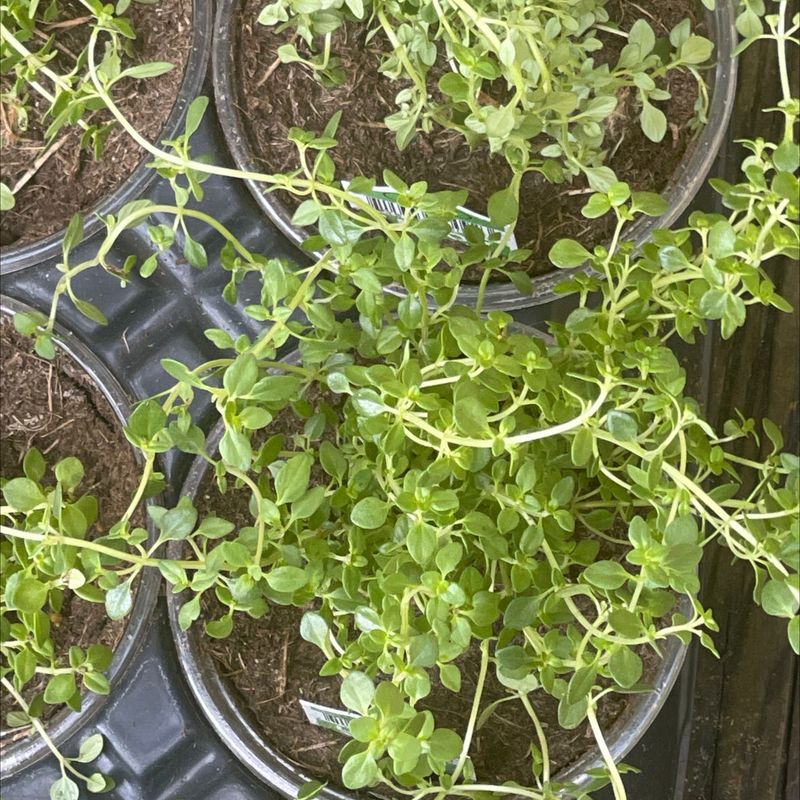
Water is vital, but too much can drown your plants. Surprisingly, overwatering is a common mistake among beginners. It leads to root rot, where roots become mushy and oxygen-starved.
Instead of a thriving herb garden, you end up with droopy foliage and yellowing leaves. To avoid this, always check the soil’s moisture before watering.
Remember, herbs like basil and thyme prefer moist but not soggy soil. Keep this balance, and your herbs will flourish. Did you know? Overwatered plants can exhibit similar symptoms to underwatered ones. That’s why checking soil moisture is crucial.
2. Ignoring the Sunlight Needs
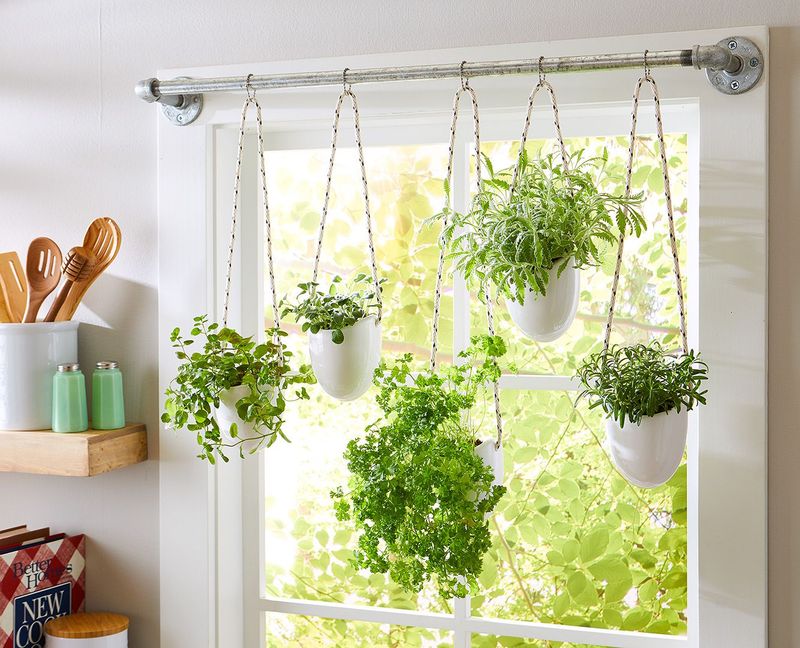
Herbs are sun-lovers, craving at least 6-8 hours of sunlight daily. Placing them in a dim corner may seem cozy, but it starves them of light.
Lack of sunlight results in leggy, weak plants, struggling to grow. To maximize growth, position your herbs on a sunny windowsill.
If natural light is limited, consider using grow lights. These specialized lights mimic sunlight, providing essential growth energy. Ever wondered why some herbs do better than others indoors? It’s often the lighting. A little attention here makes all the difference.
3. Wrong Pot Size
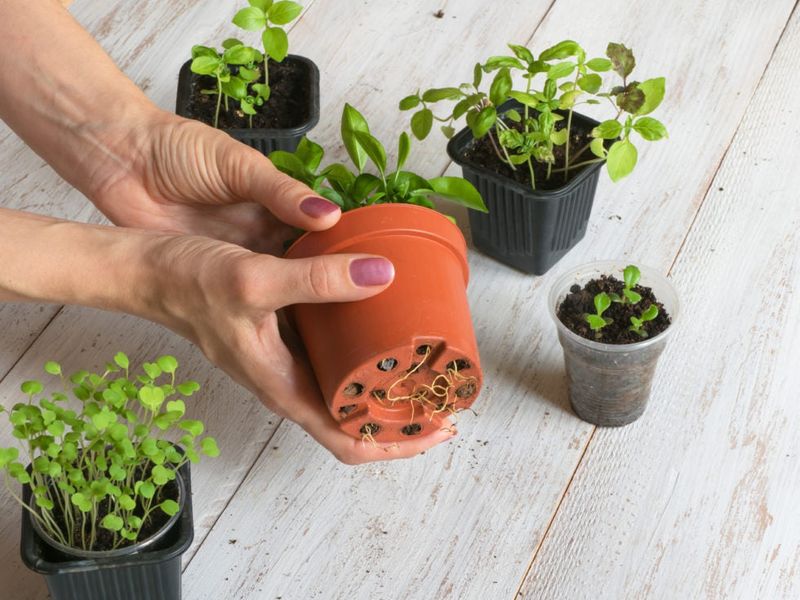
Choosing the wrong pot size can hinder your plant’s growth. A pot that’s too large leads to water retention, while a tiny pot restricts root expansion.
Both scenarios stress your plants. Selecting the right pot size ensures equilibrium in water and nutrient uptake. Consider your herb’s potential growth size when choosing pots.
Your plants will thrive in well-sized homes. Many gardeners overlook this simple step, leading to unexpected challenges. Remember, the container affects more than just aesthetics; it’s a key player in plant health.
4. Neglecting Drainage

Without proper drainage, water accumulates, suffocating roots. Many planters lack holes, trapping excess water inside.
This creates a hostile environment for your herbs, leading to root decay. Always ensure your pots have adequate drainage holes. If not, consider adding stones at the bottom to improve water flow.
A tiny change here can make a big impact. Did you know that drainage is often overlooked by novice gardeners? Ensuring good drainage is an easy fix for healthier plants.
5. Ignoring Plant Companionship
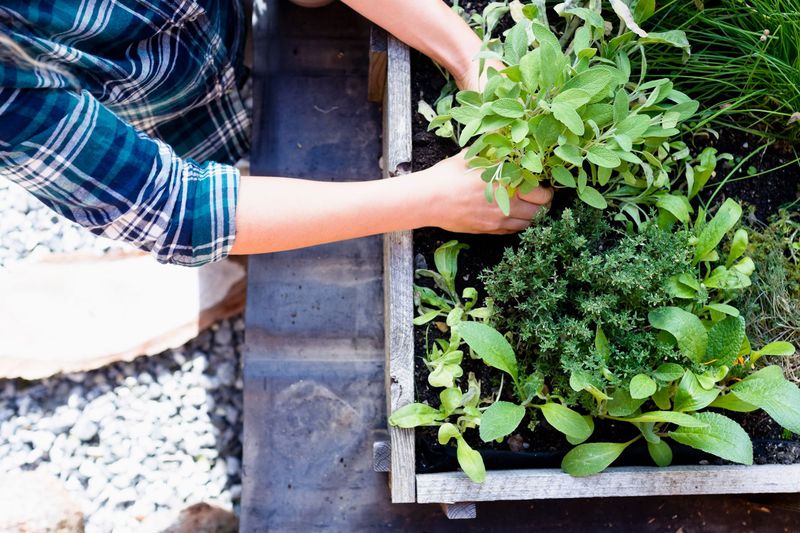
Herb companionship isn’t just for aesthetics; it’s vital for growth. Pairing incompatible herbs can lead to competition for resources.
For example, mint’s aggressive roots may suffocate delicate herbs. On the other hand, basil and tomatoes thrive together, enhancing each other’s flavors.
Understanding these relationships fosters a harmonious garden. Next time you plant, think of companionship. Did you know? Some herbs repel pests for their neighbors. Selecting the right companions can also reduce pest issues.
1. Using Grow Lights Effectively
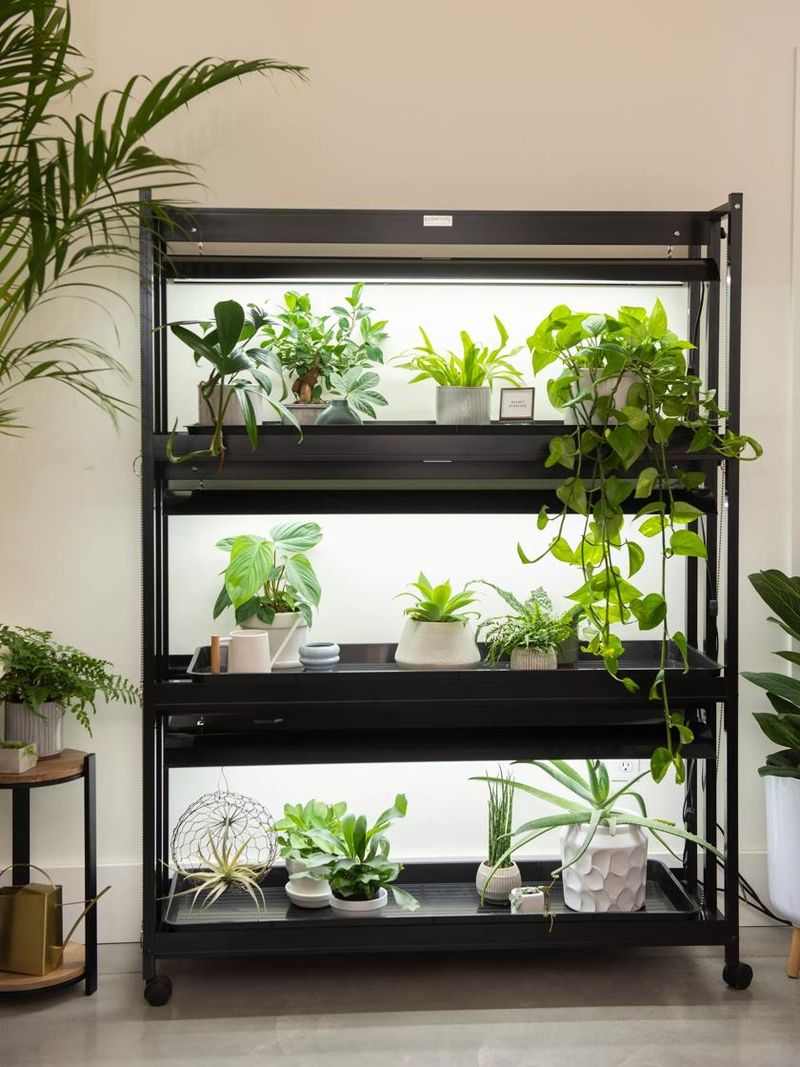
Grow lights are magical tools for indoor gardeners. They simulate sunlight, providing essential energy for plant growth.
Positioning them correctly ensures your herbs receive consistent light. Different herbs may require varied light intensities. Adjust accordingly for optimal growth.
Grow lights come in different types, like LED and fluorescent, each offering unique benefits. Did you know? Using timers with grow lights can mimic natural day-night cycles, promoting healthier plants. Embrace this technology to boost your indoor garden’s success.
2. Hydroponic Systems
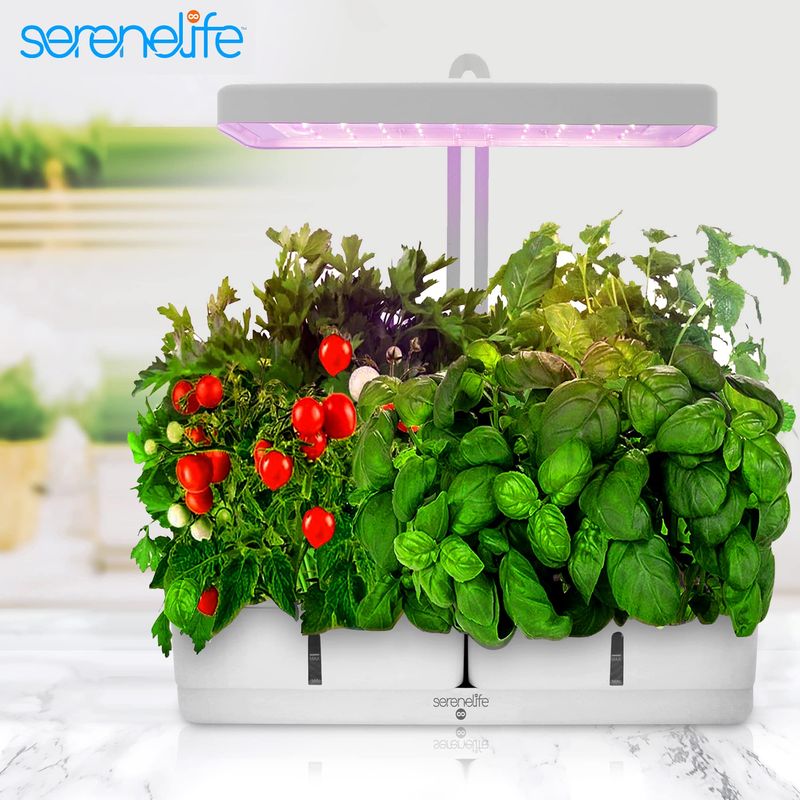
Hydroponics revolutionizes indoor herb gardening. By growing herbs without soil, it allows for efficient water and nutrient use.
Plants receive nutrients directly, leading to faster growth. It’s perfect for those limited by space or soil quality.
Although initial setup can be technical, the rewards are worth it. Did you know? Hydroponic systems can grow up to 30% faster than traditional methods. For those ready to experiment, this method offers a fulfilling gardening experience.
3. Incorporating Vertical Gardens
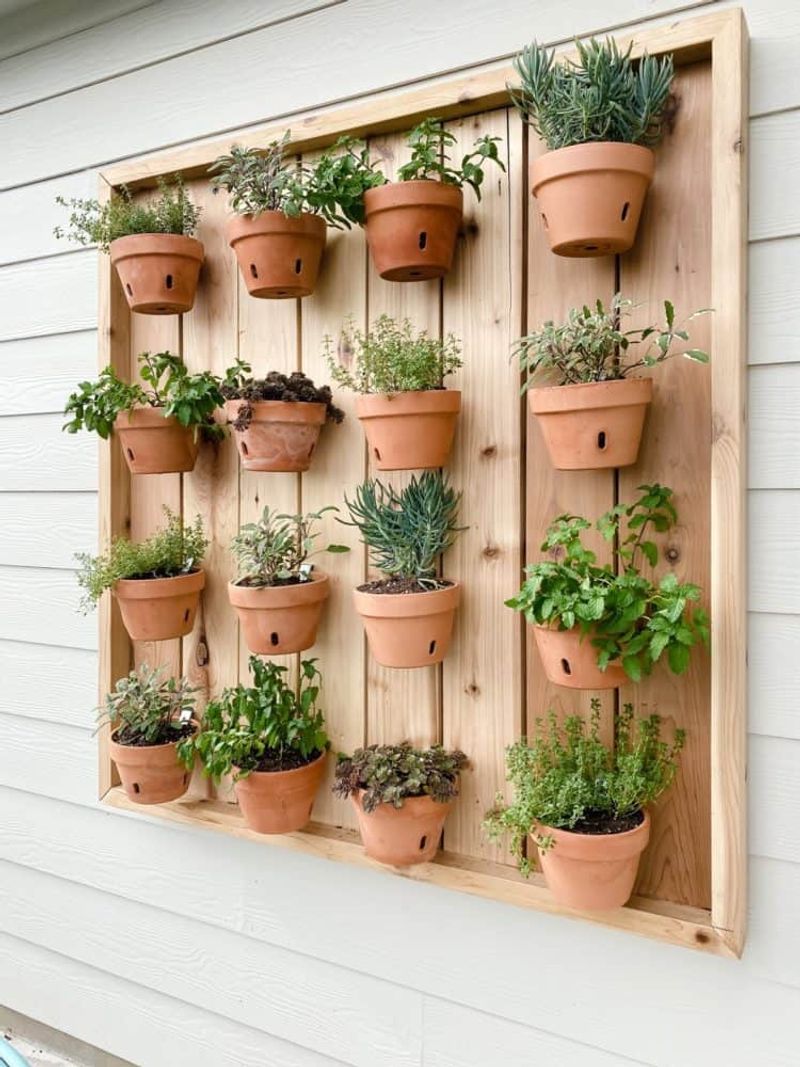
Vertical gardens transform limited spaces into lush green walls. Ideal for urban dwellers, they maximize growing area without sacrificing style.
Herbs like parsley and oregano flourish in vertical setups. Besides aesthetics, vertical gardens simplify plant care and harvesting.
Imagine reaching for fresh basil effortlessly from your kitchen wall. Did you know? Vertical gardening can improve air quality by increasing oxygen levels indoors. This innovative approach is both practical and beautiful.
4. Choosing the Right Soil Mix
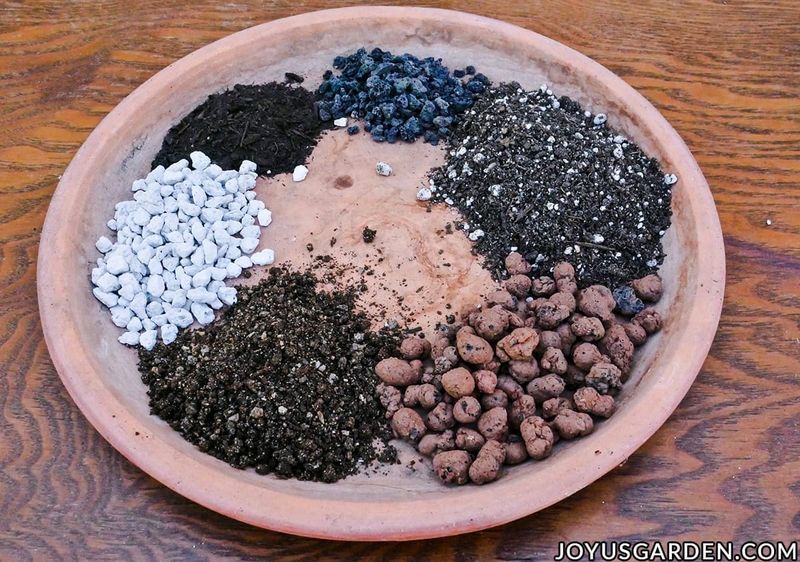
The foundation of a healthy herb garden starts with the right soil mix. A well-balanced mix ensures proper nutrient distribution and drainage.
Different herbs have varied soil preferences. For example, rosemary thrives in sandy soil, while chives prefer loam.
Understanding these needs tailors your garden to perfection. Did you know? Amending soil with organic matter enhances its quality, leading to vibrant growth. Investing in quality soil pays off with a flourishing indoor herb garden.
5. Consistent Pruning Practices
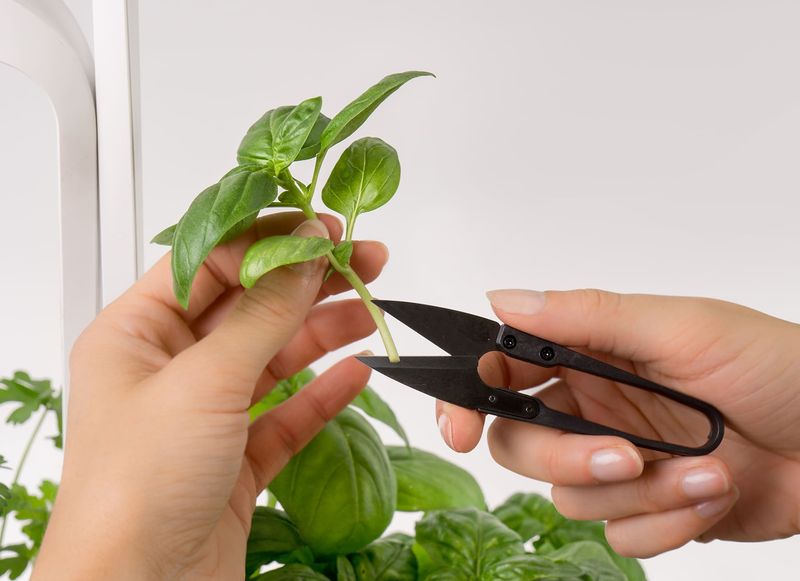
Pruning is a gardener’s secret to promoting bushy growth. Regular trimming encourages herbs to branch out, producing more leaves.
It also prevents legginess, keeping plants compact and tidy. You can even use the cuttings for cooking.
Pruning isn’t just maintenance; it’s a growth strategy. Did you know? Some herbs, like basil, benefit from pinching early to encourage robust growth. This simple practice keeps your garden lush and productive.
6. DIY Self-Watering Planters
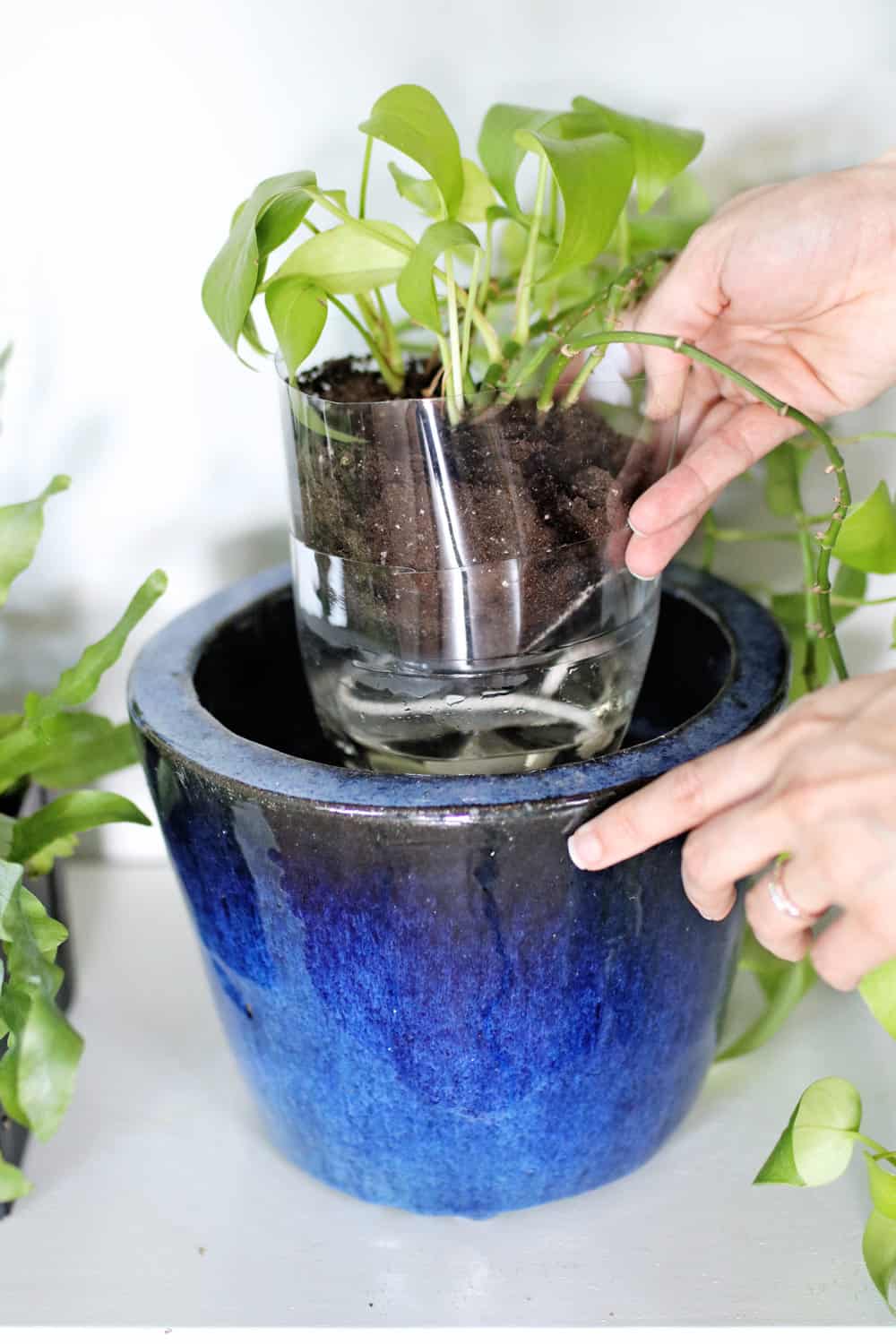
Self-watering planters simplify gardening for the busy enthusiast. They ensure consistent moisture levels, reducing worry about daily watering.
These planters are perfect for forgetful gardeners or frequent travelers. Creating one yourself can be a satisfying project.
Using common materials, you can design a system that suits your needs. Did you know? Self-watering planters can reduce water usage by up to 50%. This innovation saves time and resources for a thriving herb garden.
7. Balcony Herb Gardens
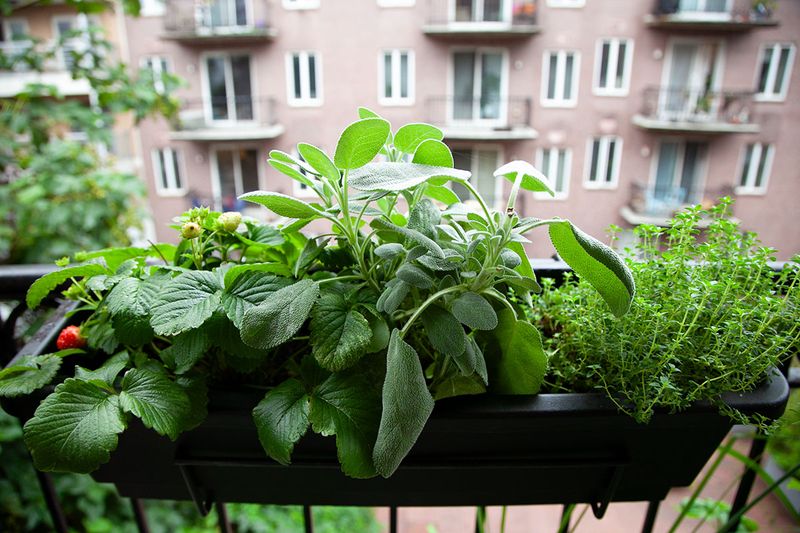
Balconies offer the perfect spot for an herb oasis. With proper planning, even a tiny balcony can accommodate a thriving garden.
Using vertical space and railing planters maximizes the area. Herbs like mint and chives adapt well to balcony conditions.
Imagine stepping outside to snip fresh cilantro for dinner. Did you know? Urban gardening on balconies can enhance biodiversity in cities. This green space enriches both your home and environment.
8. Natural Pest Control Methods
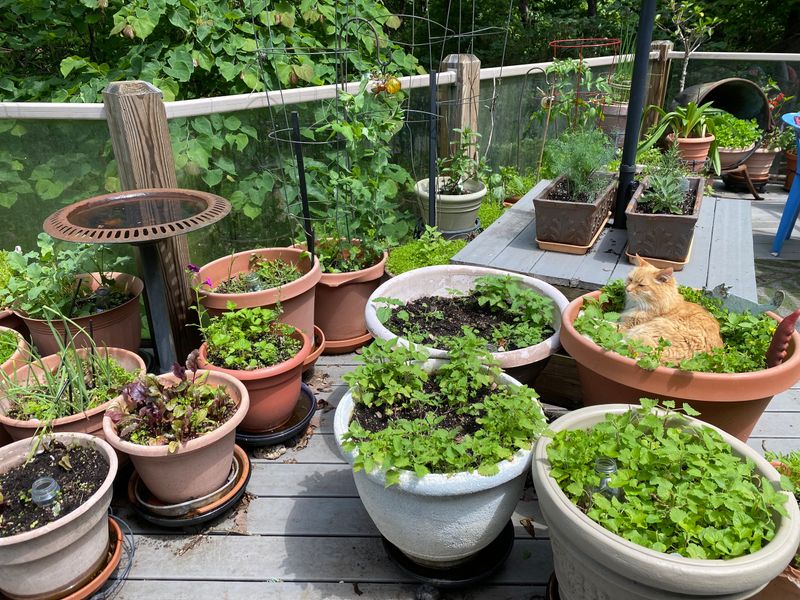
Pests can be a gardener’s nuisance, but natural remedies offer effective control. Ingredients like garlic, neem oil, and vinegar make excellent repellents.
They protect your herbs without harsh chemicals, keeping edibles safe. Companion planting also deters pests naturally.
Marigolds, for example, repel aphids and nematodes. Did you know? Integrated pest management can reduce pest damage by up to 80%. Embrace natural methods for a healthy, thriving garden.
9. Understanding Plant Needs
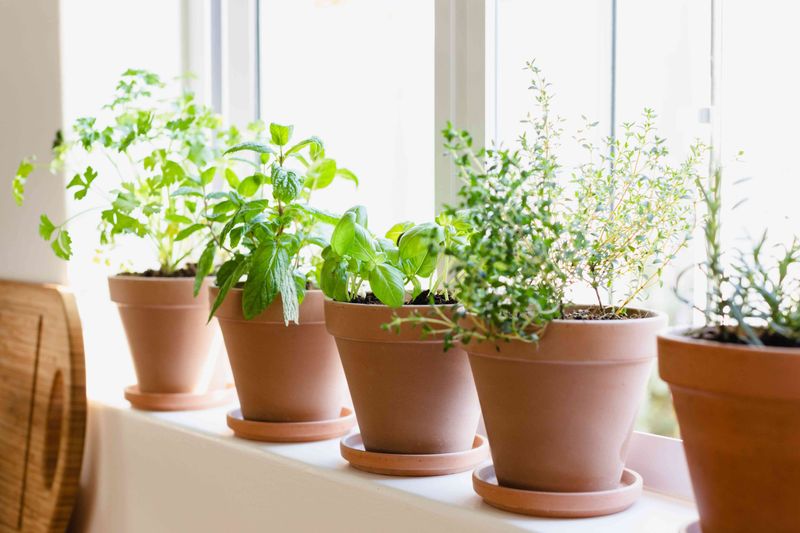
Each herb has unique needs, from sunlight to water and soil preferences. Understanding these requirements tailors your care routine for optimal growth.
Some, like lavender, love sunbaths, while mint prefers moisture. Tailoring your approach ensures each plant thrives in its environment.
Did you know? Observing your plants’ responses helps fine-tune their care. This mindful gardening approach fosters a thriving, personalized herb garden.
10. Culinary Herb Selection
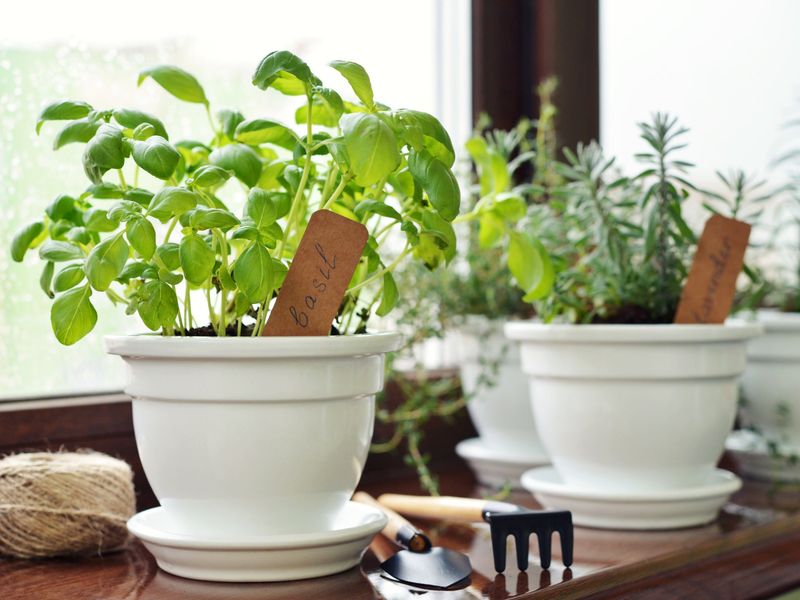
Selecting the right herbs enhances your culinary adventures. Consider your cooking preferences when choosing varieties.
Basil, rosemary, and thyme bring Mediterranean flavors, while cilantro and mint add freshness. Having a diverse range at home enriches meals with vibrant tastes.
Did you know? Growing your culinary herbs can save money and reduce grocery trips. This flavorful garden addition is both practical and delightful.
11. Herb Garden Aromatherapy
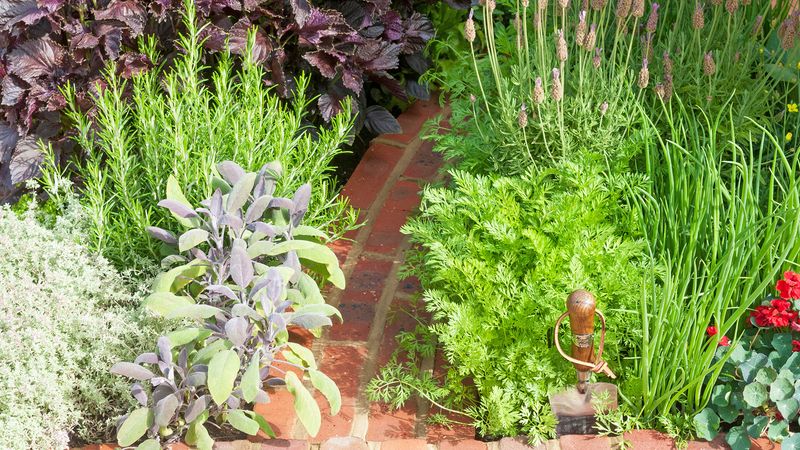
Herbs offer more than culinary delight; they transform spaces with soothing scents. Lavender and chamomile promote relaxation, while peppermint invigorates the senses.
Integrating aromatic herbs creates a calming oasis in your home. Imagine unwinding with fresh herbal aromas after a long day.
Did you know? Aromatic herbs also act as natural air fresheners. This sensory experience enhances both your mood and living space.
12. Involving the Family in Gardening
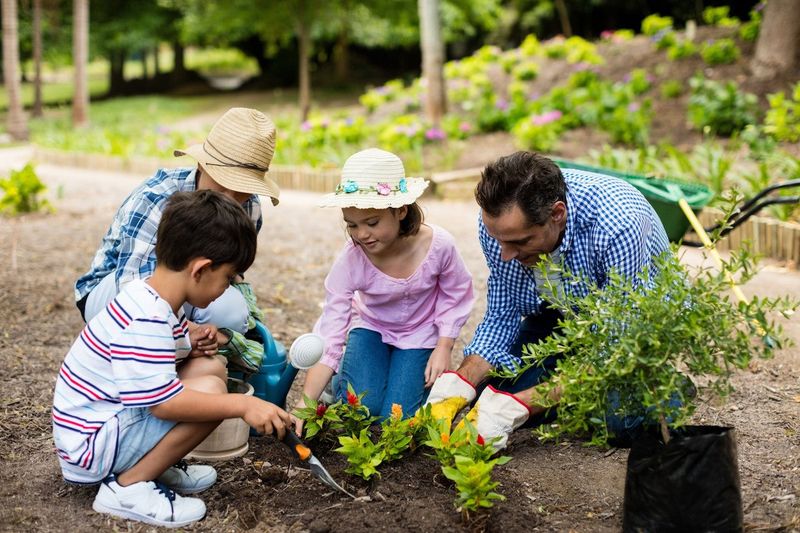
Gardening offers a wonderful opportunity to bond with family. Involving children in planting encourages responsibility and curiosity.
It’s an engaging way to teach them about nature, food sources, and self-sufficiency. Watching plants grow fosters a sense of accomplishment and joy.
Did you know? Family gardening activities can improve communication and teamwork. This shared hobby nurtures both plants and relationships.