 Complete Gardening
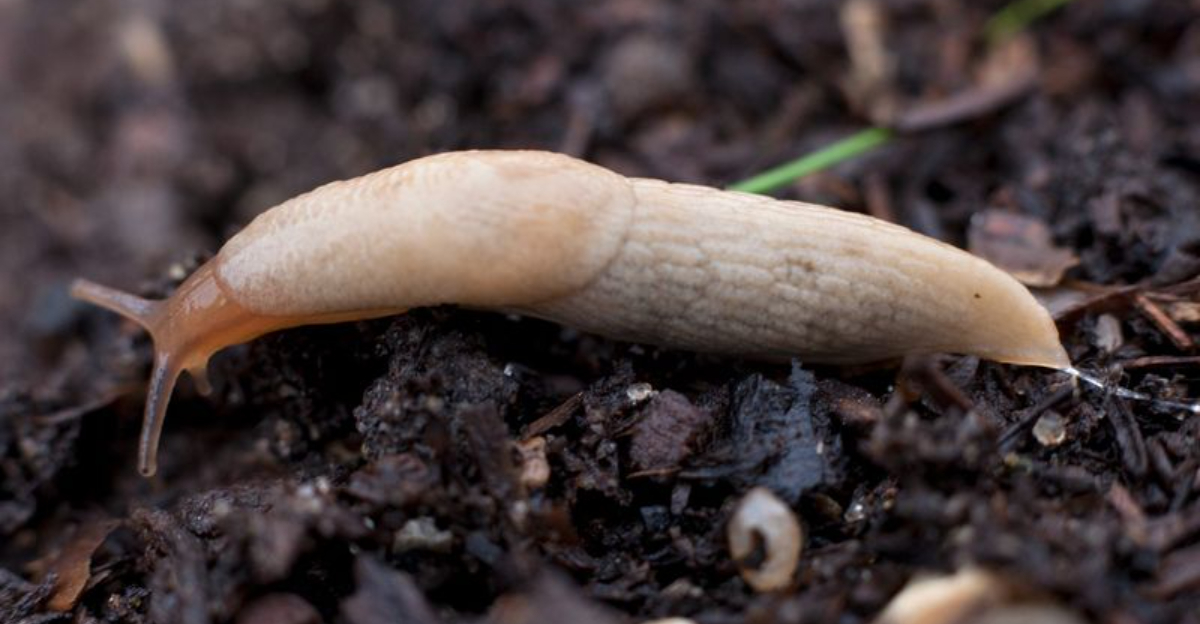
In the battle against slugs, not all methods are created equal. While some traditional techniques fail to deliver results, there are proven strategies that can effectively keep your garden slug-free.
Here’s a guide to help you discern between what to avoid and what to embrace in your slug control journey.
1. Beer Traps
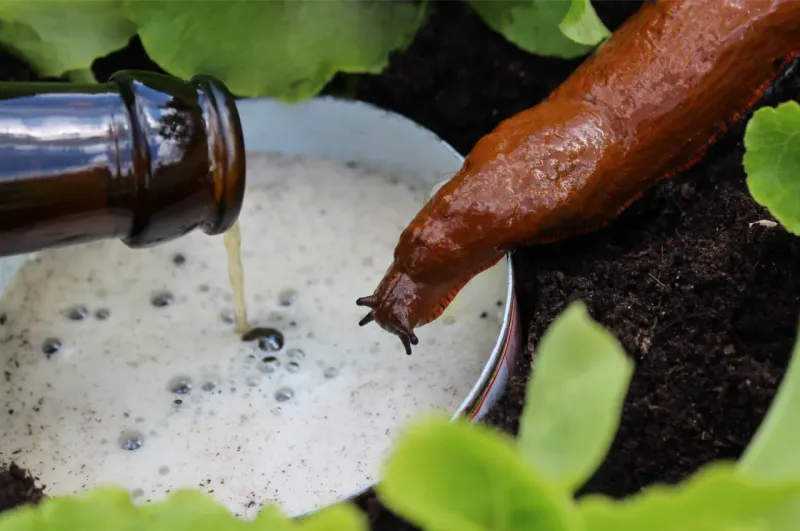
Beer traps are a commonly suggested method for slug control, but their effectiveness is questionable. While the idea of luring slugs into a pool of beer sounds efficient, it often attracts only a limited number of these pests. Instead of providing a comprehensive solution, beer traps can create a mess and attract other unwanted creatures. Gardeners often find that the traps need frequent cleaning and refilling, leading to more maintenance work than pest control. Therefore, relying solely on beer traps is not a wise choice for sustainable slug management.
2. Crushed Eggshells
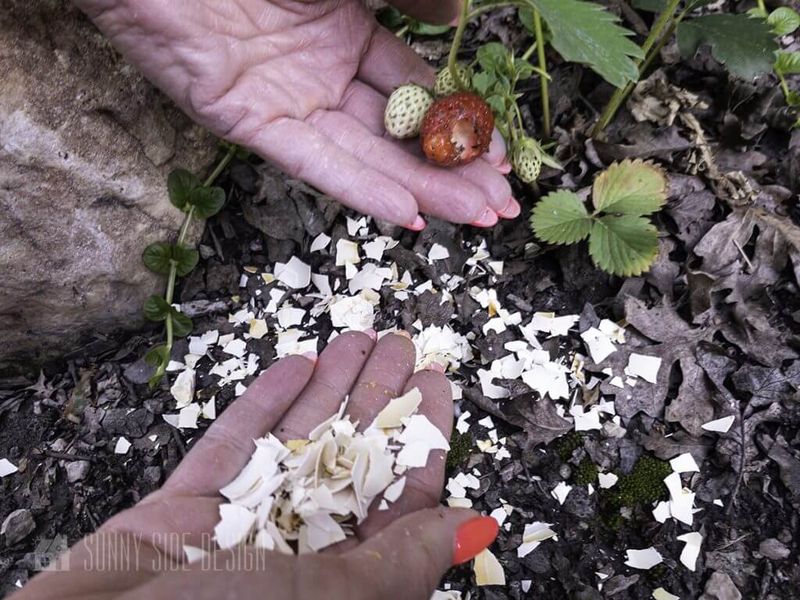
Crushed eggshells are often touted as a natural barrier against slugs, but this method is largely a myth. Though some believe the sharp edges deter slugs, these creatures are not particularly bothered by eggshells. In reality, the shells break down quickly, losing their effectiveness and adding little to no deterrent effect. Furthermore, relying on eggshells alone can leave garden plants vulnerable to slug damage. For those seeking genuine slug control, it’s best to explore alternative methods that offer more reliable protection.
3. Coffee Grounds
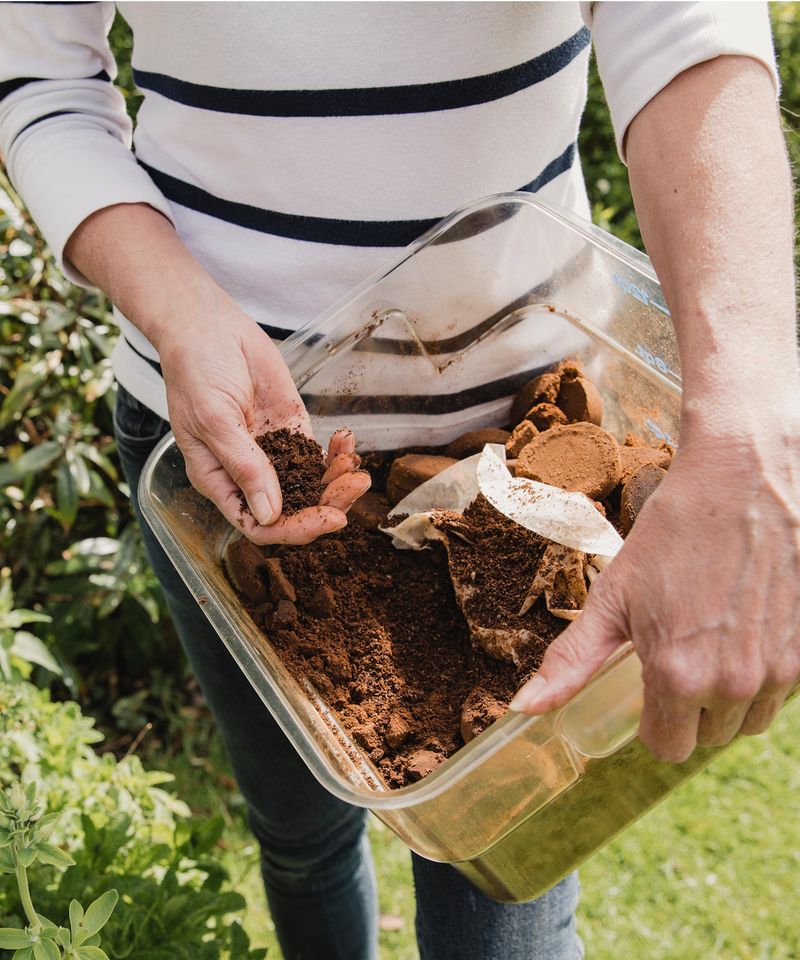
Coffee grounds are frequently recommended as a slug deterrent, based on the belief that caffeine is toxic to slugs. However, studies show that the concentration of caffeine needed to deter slugs is much higher than what used coffee grounds can provide. As a result, sprinkling coffee grounds around plants does little to keep slugs at bay. Instead, they can attract other pests and contribute to soil acidity, complicating garden maintenance. For effective slug control, look beyond coffee grounds and consider more robust solutions.
4. Copper Tape (in wet climates)
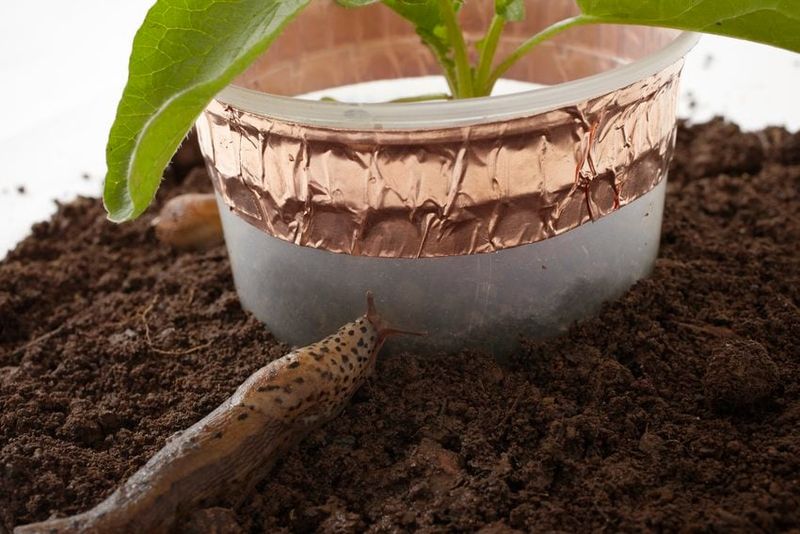
Copper tape is a popular slug deterrent, thanks to its supposed ability to repel these pests with a mild electric charge. However, in wet climates, copper tape’s effectiveness diminishes significantly. The moisture creates a bridge over the copper, allowing slugs to cross without discomfort. Rather than providing a robust barrier, copper tape can become more of an aesthetic addition than practical protection. Gardeners in humid areas should seek alternatives that maintain their effectiveness regardless of weather conditions.
5. Salt (harmful to soil and plants)
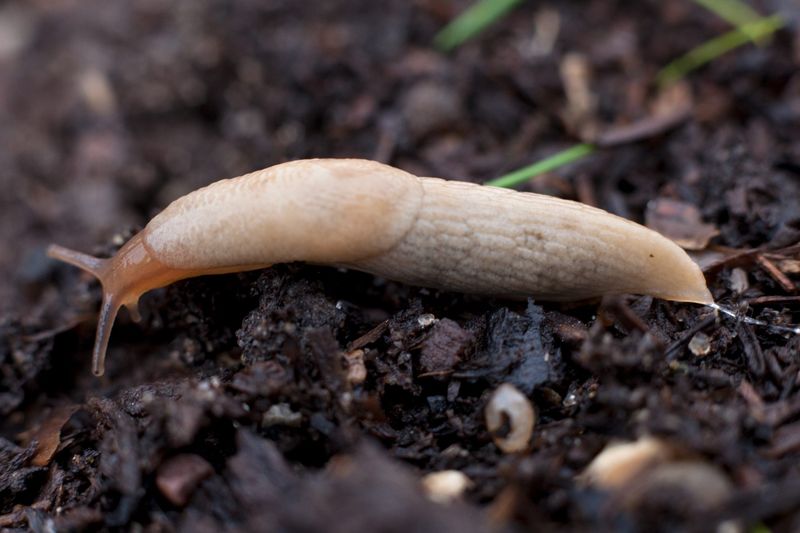
Salt is often seen as a quick fix for slug problems, but it poses significant risks to your garden. When applied directly to slugs, salt dehydrates them, but the collateral damage to soil health is substantial. Salt alters soil structure, affecting plant growth and leading to long-term environmental harm. Instead of resorting to salt, which can damage beneficial organisms and lead to barren soil, it’s important to consider more sustainable and less destructive slug control methods.
1. Handpicking at Night
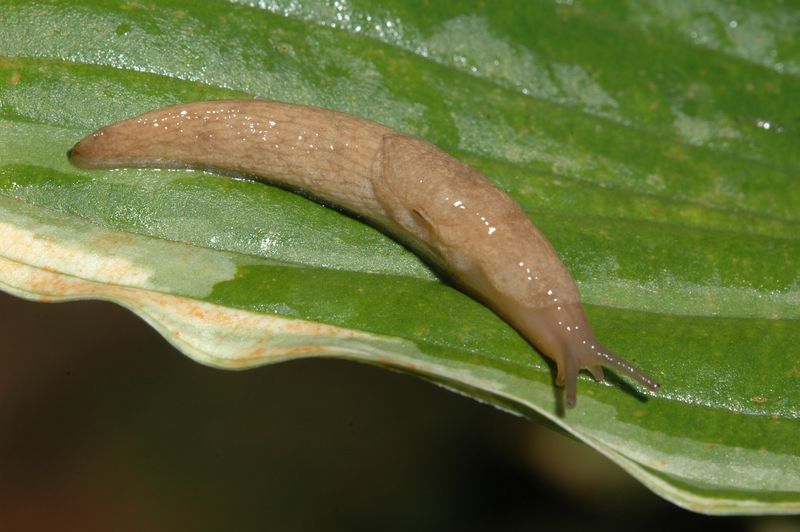
Handpicking slugs at night may sound tedious, but it’s a surprisingly effective method of control. Slugs are nocturnal, emerging in the cool evening to feast on plants. By arming yourself with a flashlight and gloves, you can dramatically reduce the slug population in your garden. While it requires dedication, this method is entirely chemical-free and environmentally friendly. Many gardeners find the process meditative and rewarding, as each nightly patrol translates into healthier, more vibrant plants.
2. Iron Phosphate Pellets
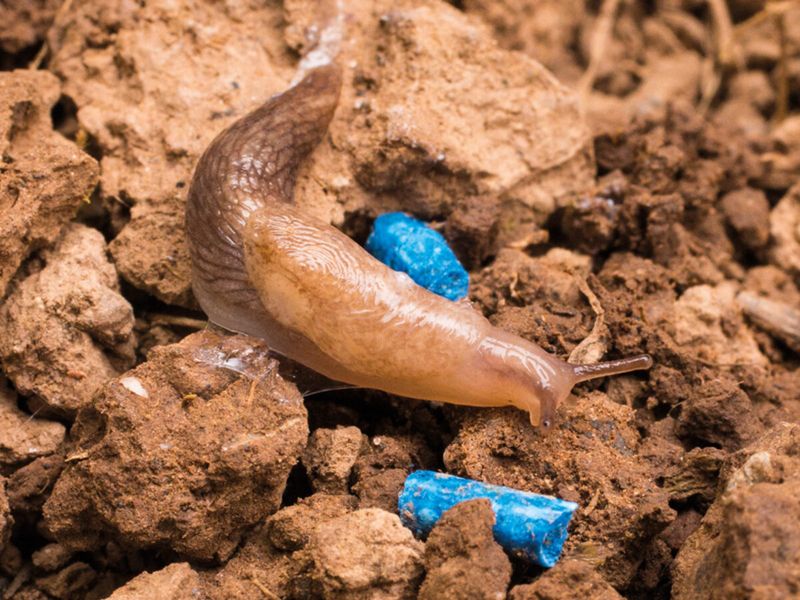
Iron phosphate pellets are a proven, effective solution for slug control. These pellets, when ingested by slugs, disrupt their feeding and lead to their eventual demise. Unlike chemical pesticides, iron phosphate is safe for pets, wildlife, and the environment. It’s a targeted approach that ensures your garden remains a slug-free zone without harming beneficial insects. For gardeners seeking a reliable, eco-friendly option, iron phosphate pellets are a top choice.
3. Diatomaceous Earth
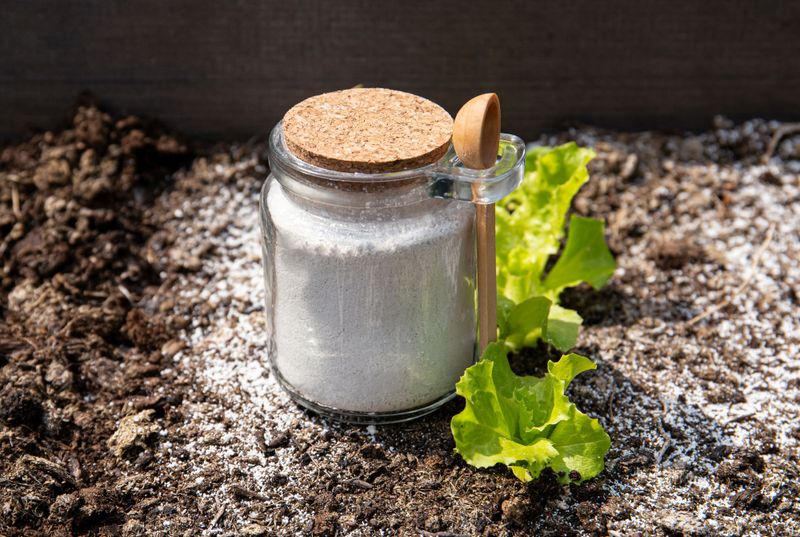
Diatomaceous earth is a natural, effective barrier against slugs and other crawling pests. Made from the fossilized remains of tiny aquatic organisms, this powder damages the soft bodies of slugs upon contact, causing them to dehydrate. It’s a non-toxic solution, making it safe for use around pets and children. By creating a physical barrier, diatomaceous earth prevents slugs from reaching vulnerable plants. Regular application, especially after rain, ensures ongoing protection for your garden.
4. Nematodes (Phasmarhabditis hermaphrodita)
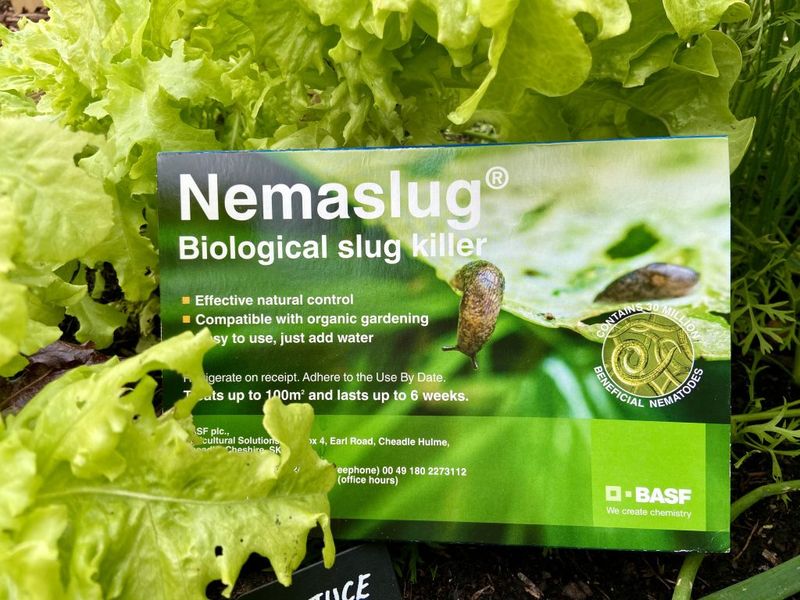
Nematodes, specifically Phasmarhabditis hermaphrodita, offer a biological solution to slug infestations. These microscopic worms infect and kill slugs from within, providing long-lasting control. Applied to moist soil, nematodes seek out slug larvae, reducing future generations. This method is highly specific, targeting only slugs and leaving beneficial insects unharmed. For organic gardeners, nematodes represent an innovative and environmentally friendly approach to slug management, offering peace of mind and healthier plants.
5. Slug-Resistant Plants
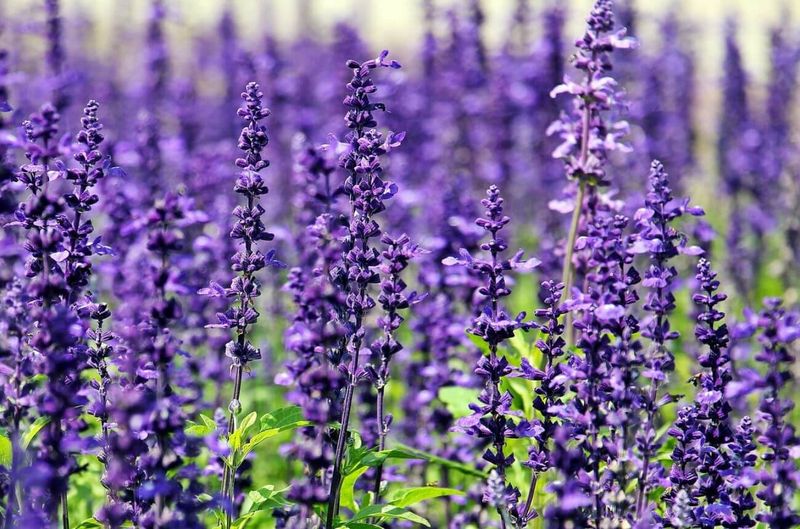
Planting slug-resistant varieties is a proactive way to reduce slug damage. Certain plants, such as ferns, geraniums, and foxgloves, naturally repel slugs due to their tough leaves or unappealing taste. Incorporating these plants into your garden design can create a natural defense system that minimizes slug presence. This method not only protects more vulnerable plants by association but also adds diverse and visually appealing foliage to your landscape. Embracing slug-resistant plants is a sustainable strategy that enhances both aesthetics and resilience.
6. Sharp Sand or Grit Barriers
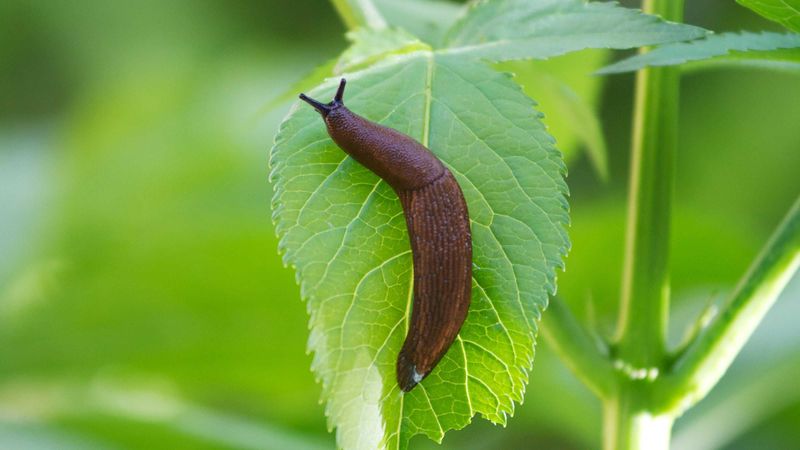
Using sharp sand or grit as a barrier is an effective, natural way to deter slugs. The coarse texture is uncomfortable for slugs to traverse, creating a physical boundary that protects plants. Unlike chemical solutions, sand and grit are safe for the environment and can be easily applied around plant bases. This method works well in combination with other strategies, enhancing your garden’s defense against persistent slug invasions. Regular replenishment ensures the barrier remains effective throughout the growing season.
7. Copper Mesh (well-grounded and dry)
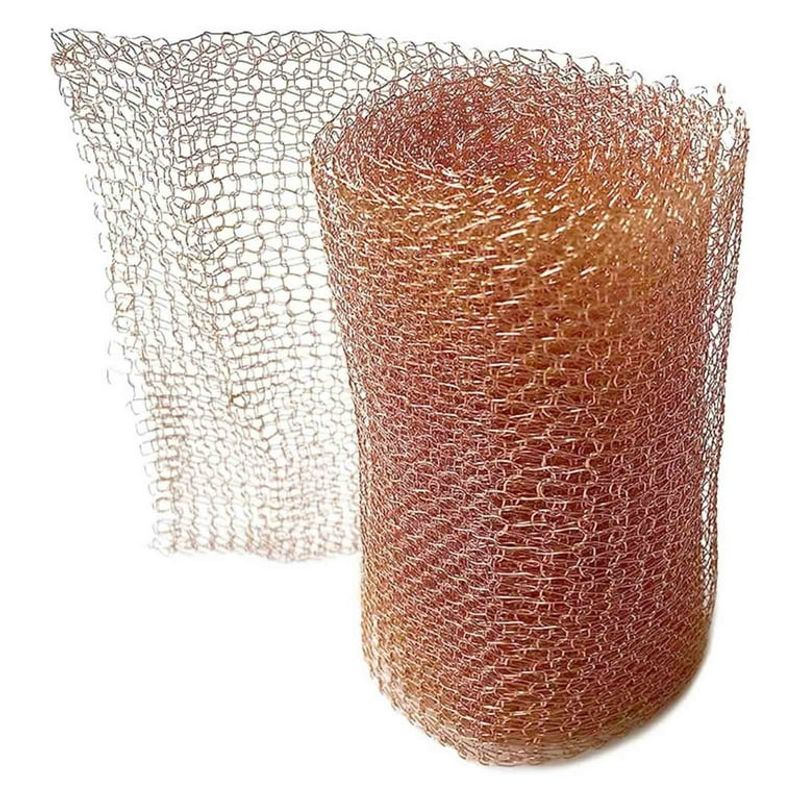
Copper mesh offers an effective barrier against slugs when used in the right conditions. Unlike copper tape, mesh can be installed below soil level, creating a grounded barrier that slugs find difficult to cross. It’s crucial to keep the mesh dry and well-anchored for maximum effectiveness. While this method requires initial effort in setup, it provides a lasting solution that integrates seamlessly into the garden environment. Copper mesh is an excellent option for those seeking to protect vulnerable plants from slug damage without relying on chemicals.
8. Raised Beds with Metal Edging
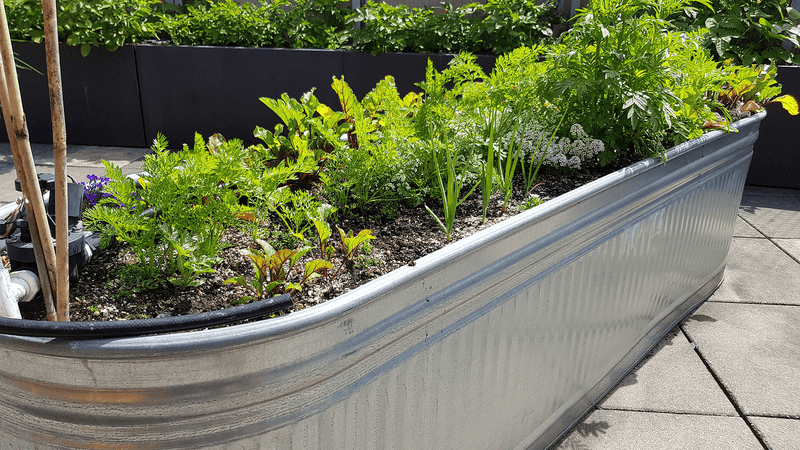
Raised beds with metal edging can be a formidable barrier against slugs. The elevation and smooth surface make it difficult for slugs to access plants. Metal deterrents at the edge add an extra layer of protection, preventing slugs from climbing into the bed. This method not only enhances garden aesthetics but also improves drainage and soil quality. Raised beds are ideal for gardeners looking to control slug populations while maximizing plant growth and yield.
9. Wildlife Encouragement (frogs, hedgehogs, birds)
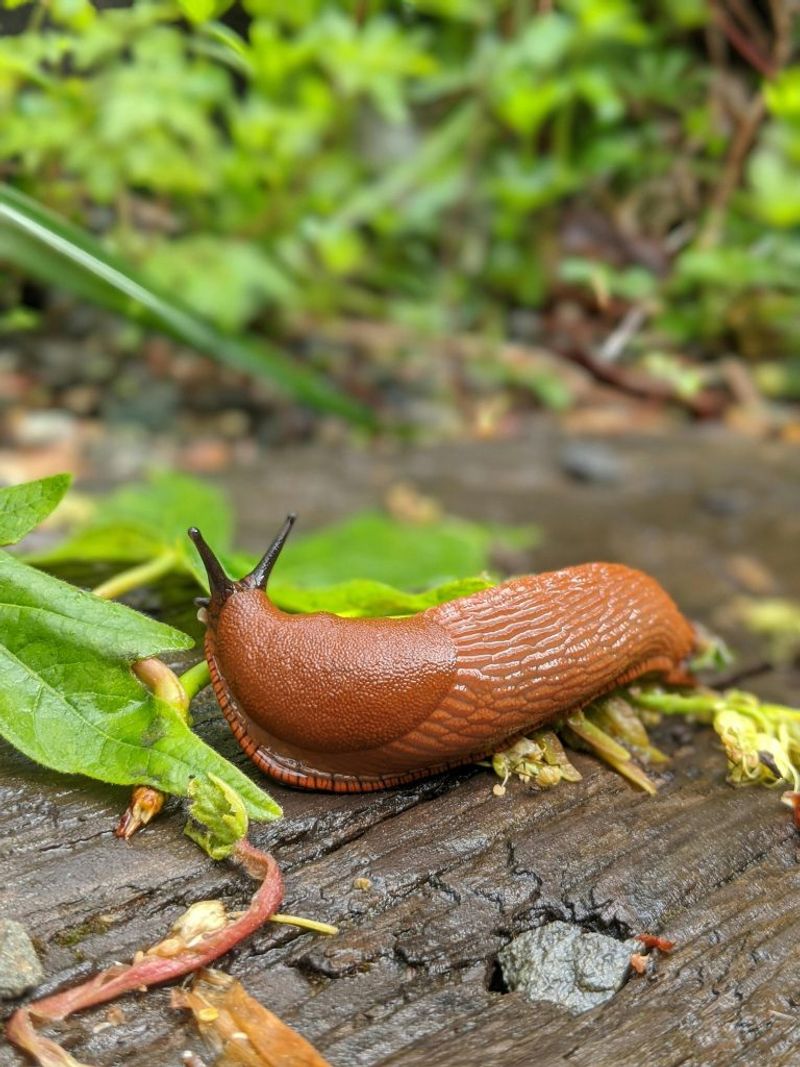
Encouraging wildlife such as frogs, hedgehogs, and birds is a natural way to control slugs. These creatures are natural predators of slugs, and creating a welcoming habitat can help balance the ecosystem. Providing water sources, shelter, and diverse plant life attracts these helpful animals. By fostering a biodiverse garden, you not only reduce slug numbers but also enhance the overall health of your garden. This harmonious approach requires patience but rewards gardeners with a vibrant, pest-resilient environment.
10. Neem Oil Spray
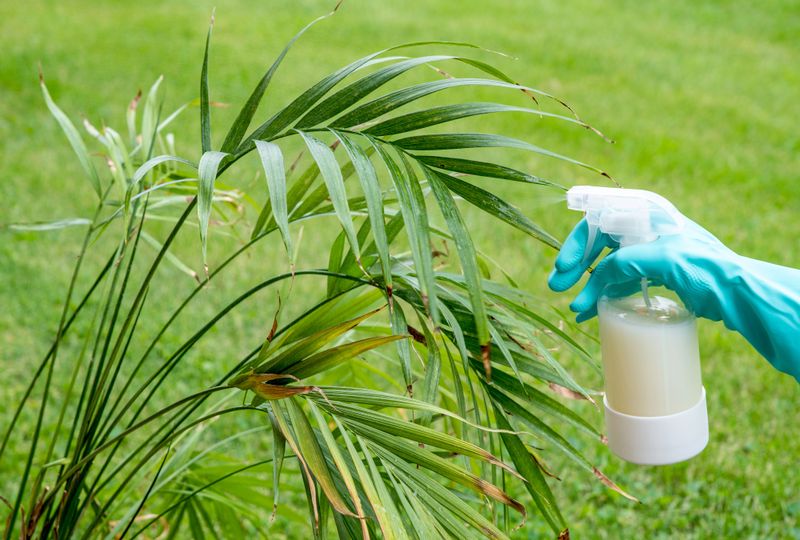
Neem oil spray is a versatile, organic solution for slug prevention. Extracted from the neem tree, this natural oil disrupts slug feeding and reproductive processes. Spraying neem oil on leaves and soil creates a protective layer that slugs avoid. It’s important to apply during cool, damp conditions when slugs are active. Regular application ensures ongoing protection, making neem oil a reliable choice for those seeking eco-friendly pest management. Its efficacy against a range of garden pests adds to its appeal.
11. Garlic Spray
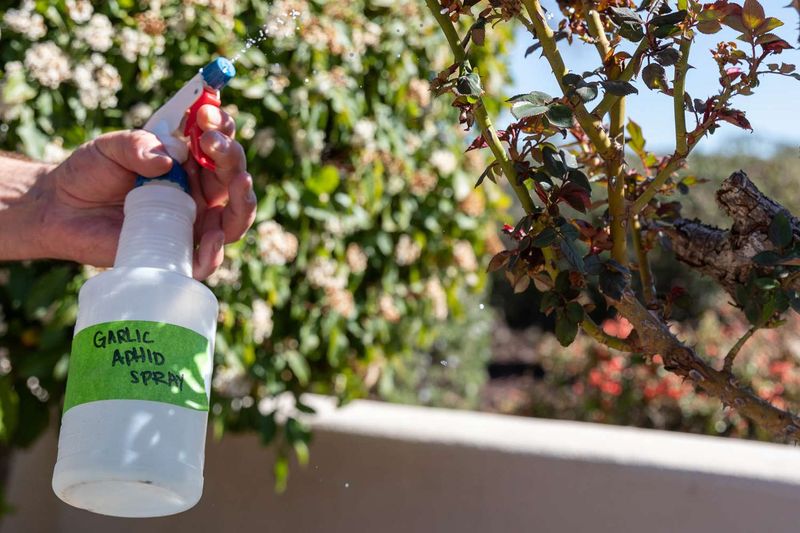
Garlic spray is a pungent, natural deterrent that slugs find unappealing. By blending garlic with water and a bit of soap, gardeners can create a homemade spray that disrupts slug activity. Applied to plant leaves and surrounding soil, this mixture deters slugs while also offering mild antibacterial benefits to plants. Reapplication is necessary, especially after rain, to maintain its potency. Garlic spray provides a budget-friendly, chemical-free option for those seeking to protect their garden from slug damage.
12. Traps with Grapefruit Halves
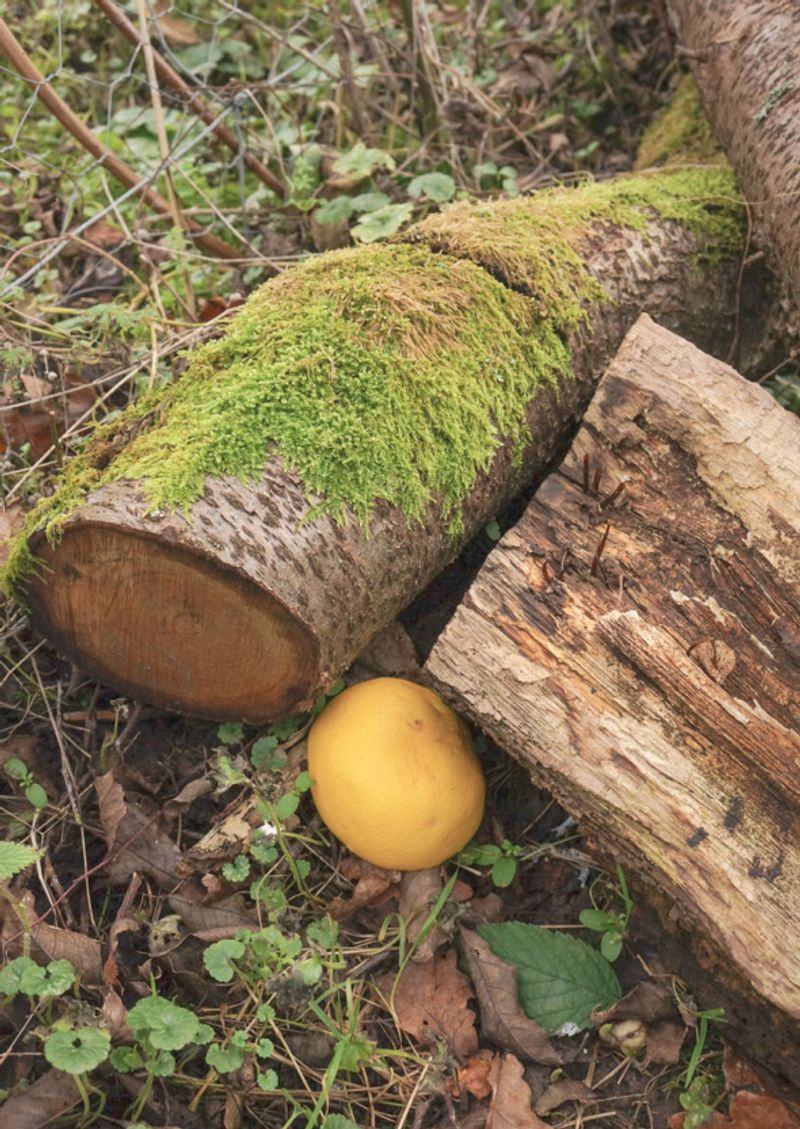
Grapefruit halves can be an effective trap for slugs, offering a sweet lure that attracts them away from plants. By placing these halves upside down in the garden, slugs congregate underneath, making it easy to collect and remove them. This method combines pest control with recycling, utilizing food waste in a productive manner. Though it requires regular checking and resetting, it’s a fun and non-toxic way to manage slug populations. For environmentally conscious gardeners, grapefruit traps offer an innovative solution.
13. Consistent Mulching with Pine Needles or Straw
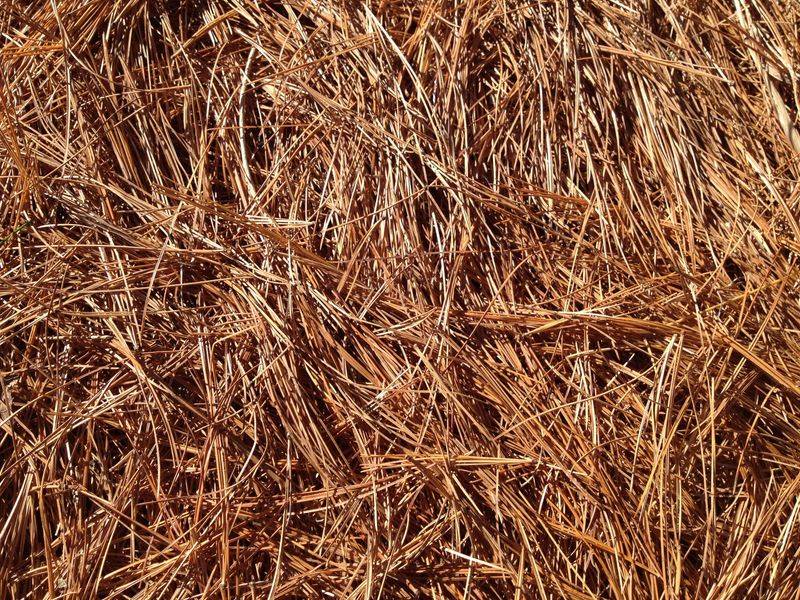
Consistent mulching with pine needles or straw provides a dual benefit: moisture retention and slug deterrence. The rough texture of these materials makes it difficult for slugs to navigate, reducing their presence. Additionally, mulching improves soil health and insulates roots, supporting plant growth. By maintaining a consistent layer, gardeners can enhance garden resilience against slugs and other pests. This natural method emphasizes sustainability and soil health, making it a preferred choice for eco-conscious individuals.