 Complete Gardening
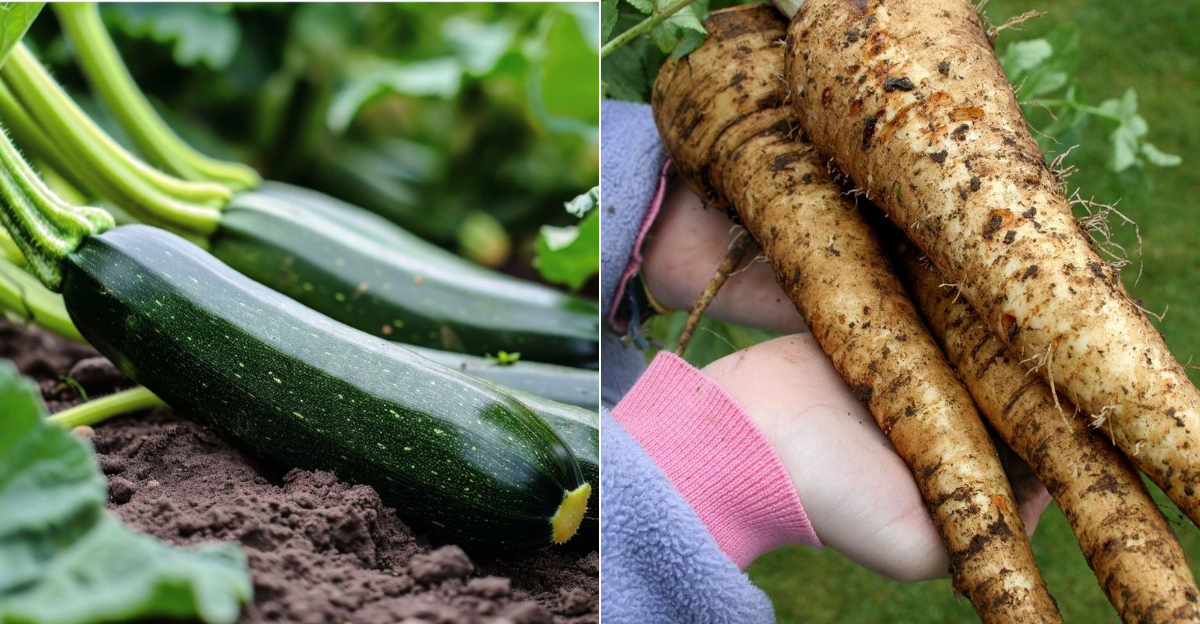
For those who can’t stand waiting, these fast-growing vegetables will provide a quick return on your gardening efforts. However, patience is a virtue when it comes to certain veggies that take their sweet time. Discover the perfect blend of fast and slow crops for your garden.
1. Radishes – The Speedy Sprinter (21-30 Days)
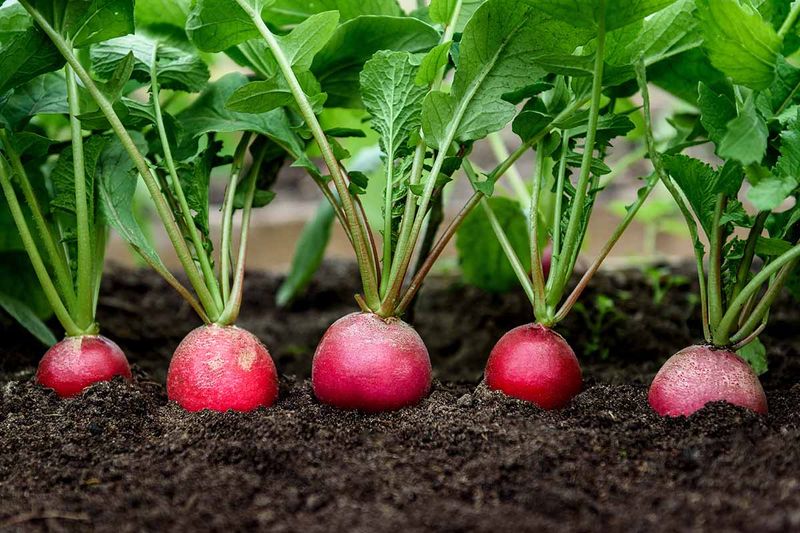
Radishes are the epitome of speedy growth in the vegetable world. In just three weeks, you can enjoy their peppery crunch in your meals. Perfect for novice gardeners and children, radishes are rewarding with minimal effort. They add a crisp, spicy bite to salads and tacos, making them an exciting addition to your dishes. Plant new seeds every 10 days for a continuous supply. This ensures you always have fresh radishes at hand to enjoy or share.
2. Baby Spinach – The Leafy Lightning (30-40 Days)
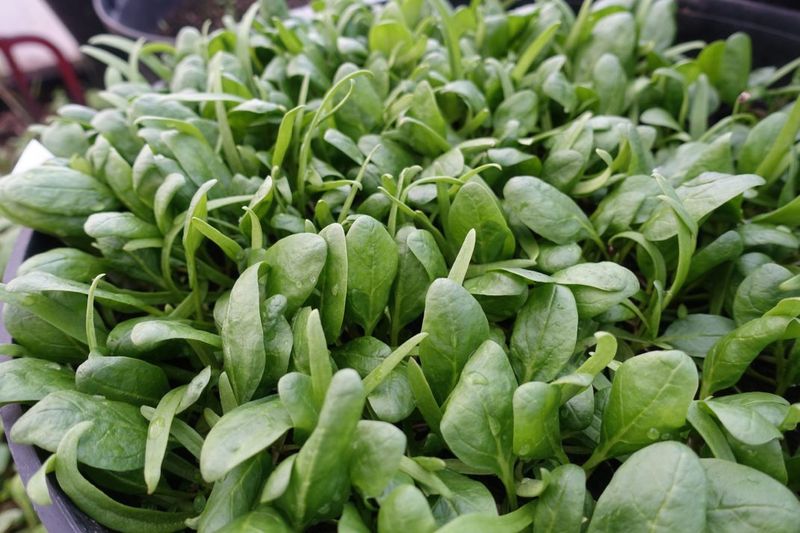
Baby spinach is a leafy green that delivers a rapid harvest, with young leaves ready in just a month. Ideal for containers or shady garden spots, it thrives with little sunlight. Rich in iron and vitamins, baby spinach boosts your diet with essential nutrients. Try the ‘Baby’s Leaf Hybrid’ for even faster growth and enjoy a fresh, healthy addition to your meals. Its quick maturation makes it perfect for those short on time but big on flavor.
3. Green Onions – The Cut-and-Come-Again Crop (30-60 Days)
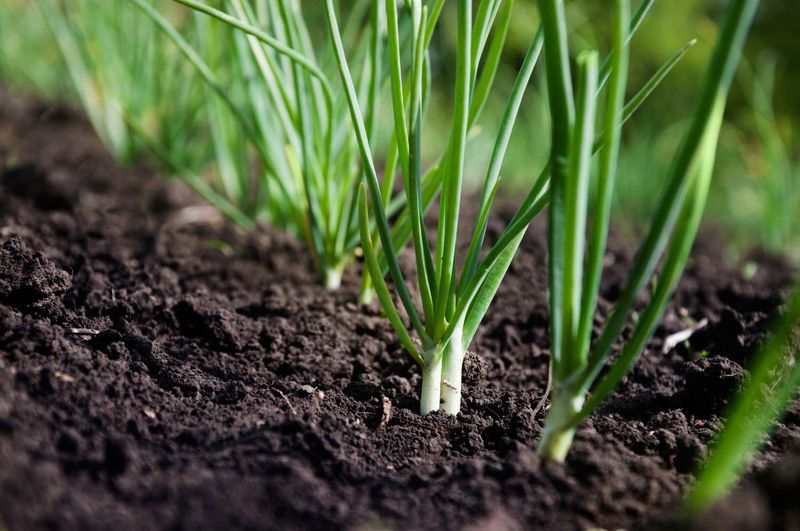
Green onions offer a delightful gardening experience with their regrowth capability. Simply snip the leaves as needed and watch them regrow, making them a sustainable kitchen staple. They flourish in gardens or simply in a glass of water on your windowsill. Adding a burst of flavor to dishes like stir-fries and eggs, they are versatile and easy to maintain. For an economical option, replant store-bought scallion roots and enjoy fresh onions at no extra cost.
4. Bush Beans – The No-Fuss Protein (50-60 Days)
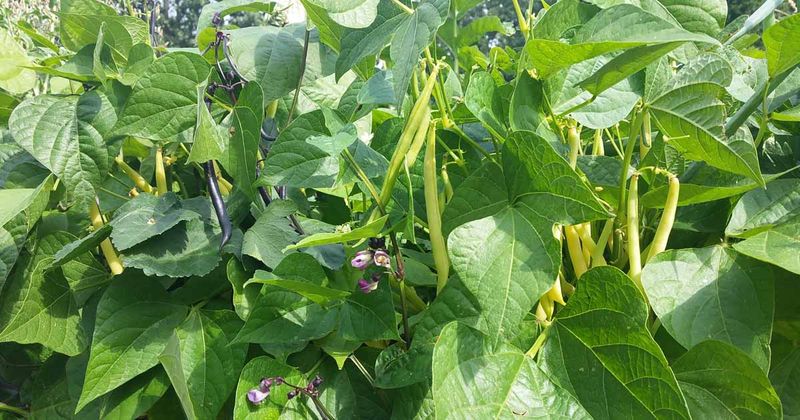
Bush beans are a gardener’s delight, offering a prolific harvest without the need for staking. These compact plants produce an abundance of pods quickly, providing a protein-rich addition to your meals. They also improve soil health by fixing nitrogen, benefiting other plants in your garden. Choose varieties like ‘Contender’ or ‘Blue Lake’ for best results. With bush beans, you enjoy a low-effort yet highly rewarding gardening experience, perfect for protein lovers.
5. Zucchini – The Overachiever (50-60 Days)
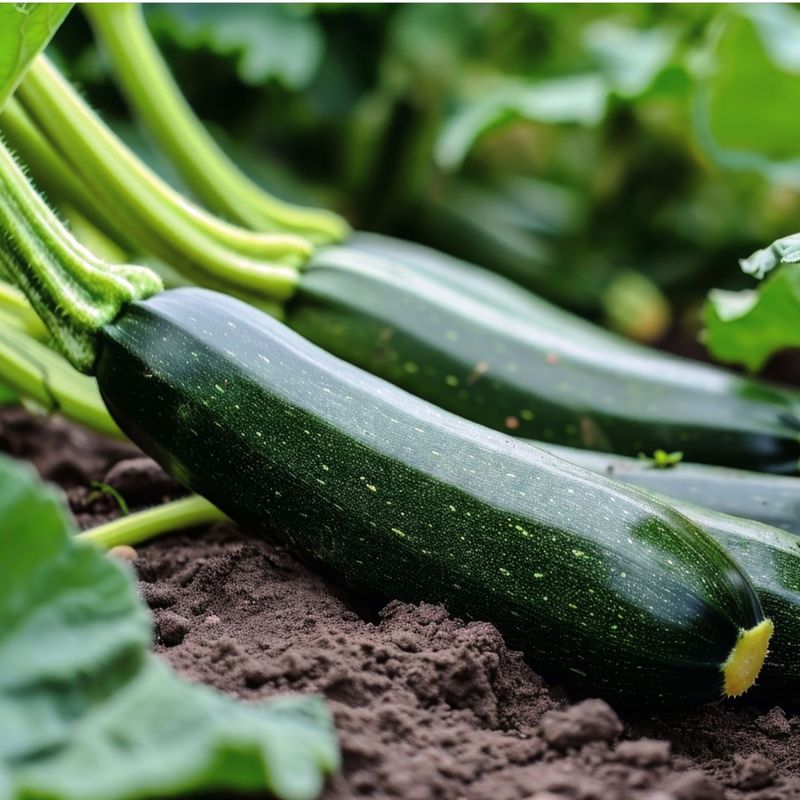
Zucchini is the garden’s overachiever, growing rapidly and often producing more than you expect. One plant can yield enough to feed a family, making it an efficient choice for gardeners. Its versatility in the kitchen—whether grilled, baked, or spiralized—adds to its appeal. Be cautious not to plant too many unless you’re prepared for a zucchini surplus. This fast grower is perfect for creative cooks and those with limited gardening space.
6. Baby Carrots – The Sweet Quick Fix (50-60 Days)
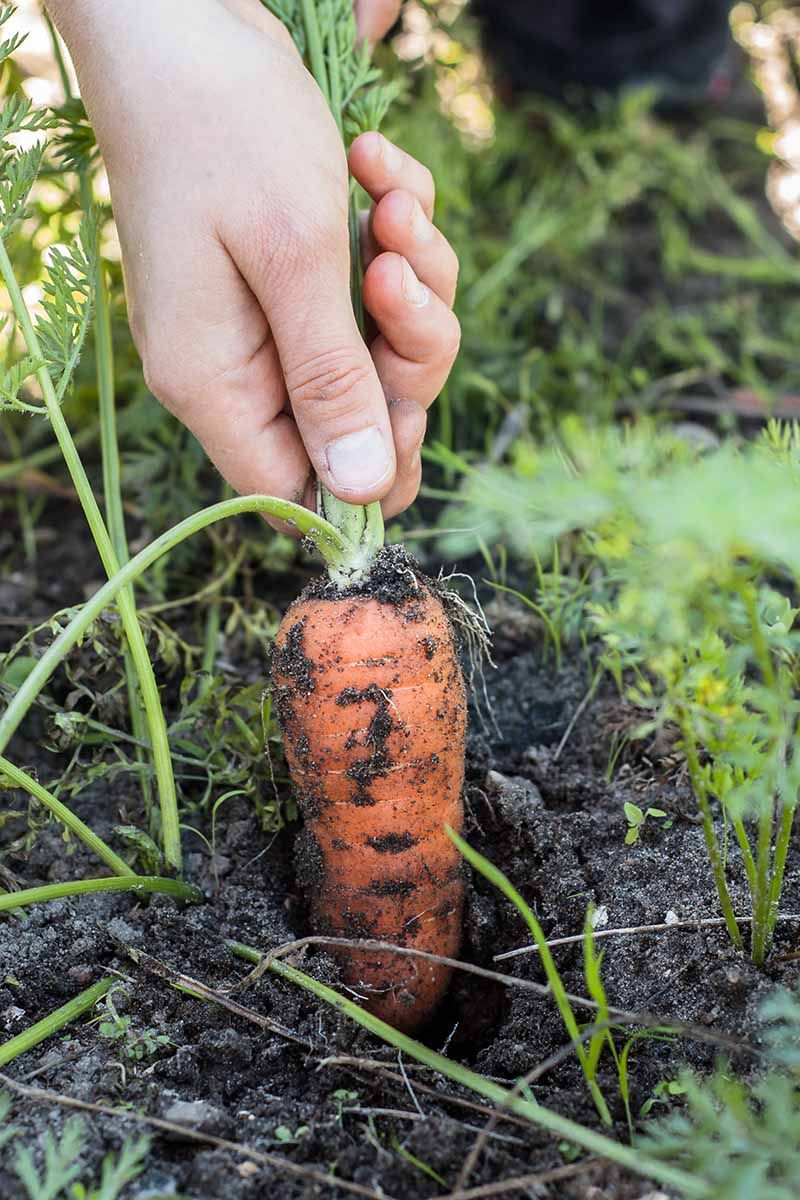
Baby carrots bring sweetness and delight to any garden, ready to harvest in just two months. Their small size makes them ideal for container gardening and suitable for children to grow and harvest. These tiny carrots pack a sweet flavor punch, perfect for snacking or adding to meals. Try varieties like ‘Paris Market’ or ‘Little Finger’ for optimal growth. A quick fix for those craving sweetness and fun in their gardening adventures.
1. Asparagus – The Long-Term Investment (2-3 Years)
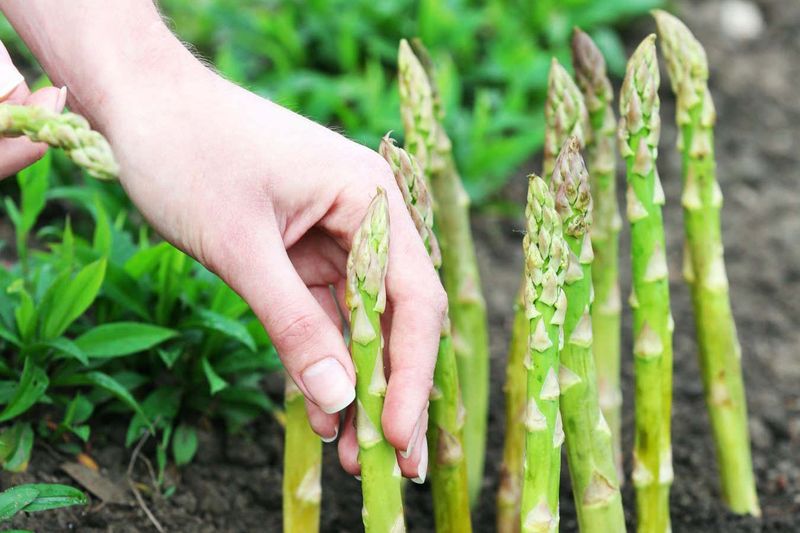
Growing asparagus tests your patience, requiring two to three years before full harvests. Once established, it rewards with over 20 years of production, making it a worthwhile investment. Plant crowns in a dedicated bed to ensure longevity and optimal growth. This perennial vegetable is perfect for gardeners willing to wait for a long-term yield, offering tender spears each spring for decades.
2. Brussels Sprouts – The Winter Marathon (90-110 Days)
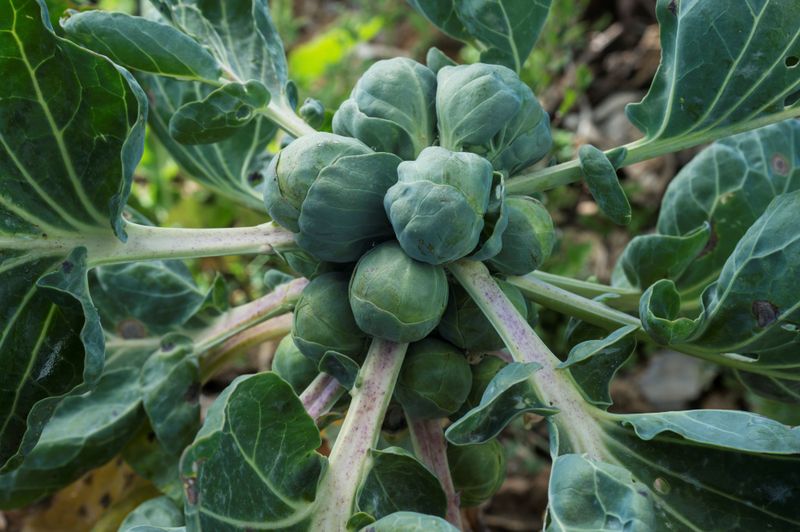
Brussels sprouts require a marathon of patience, thriving in cooler temperatures over several months. Their flavor improves after frost, offering a sweeter taste to your dishes. Starting seeds indoors can slightly reduce the growing time, but patience remains key. These nutrient-rich sprouts reward dedicated gardeners with a delicious winter harvest, perfect for roasting or steaming.
3. Parsnips – The Underground Sleeper (100-120 Days)
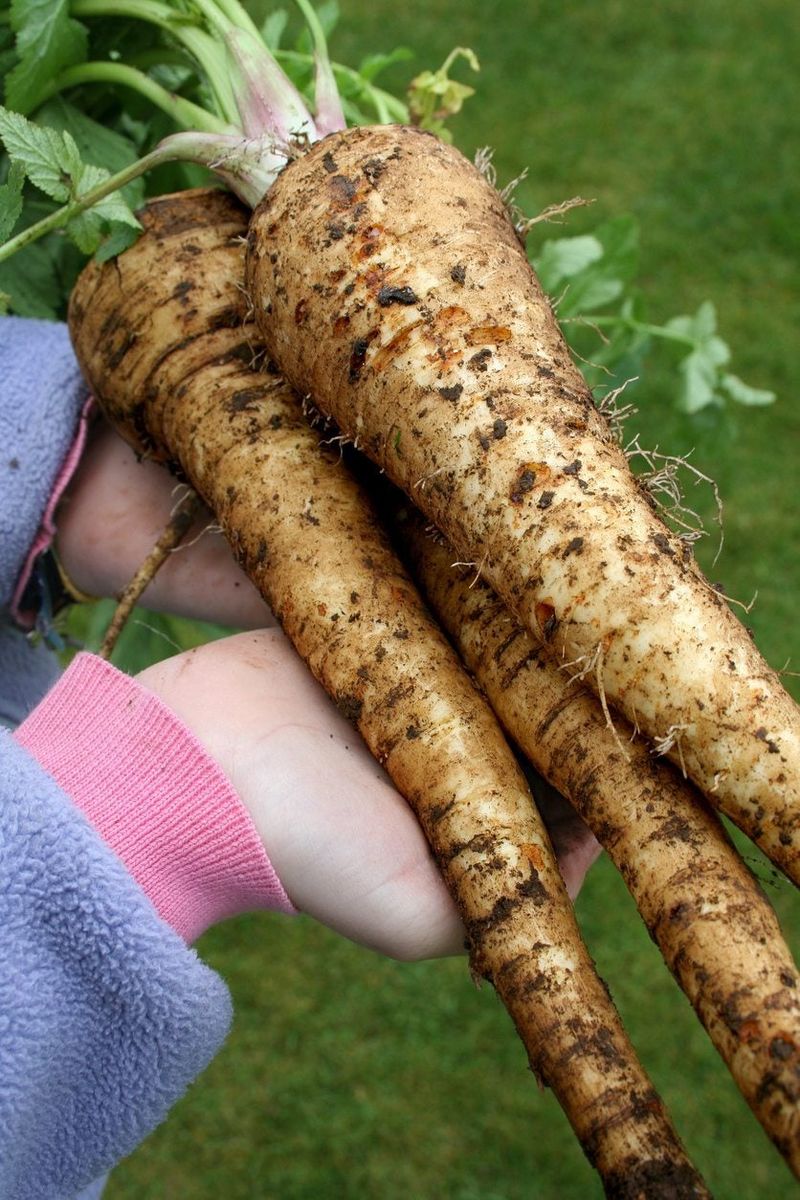
Parsnips need an extra dose of patience, taking longer to reach their full potential. Their flavor is best developed after a winter frost, transforming them into a sweet root vegetable. For optimal growth, consider sowing seeds in toilet paper tubes to minimize transplant shock. This method aids in preserving their delicate roots during growth. A classic garden staple, parsnips are worth the wait for their unique, sweet taste.
4. Artichokes – The Mediterranean Divas (150+ Days)
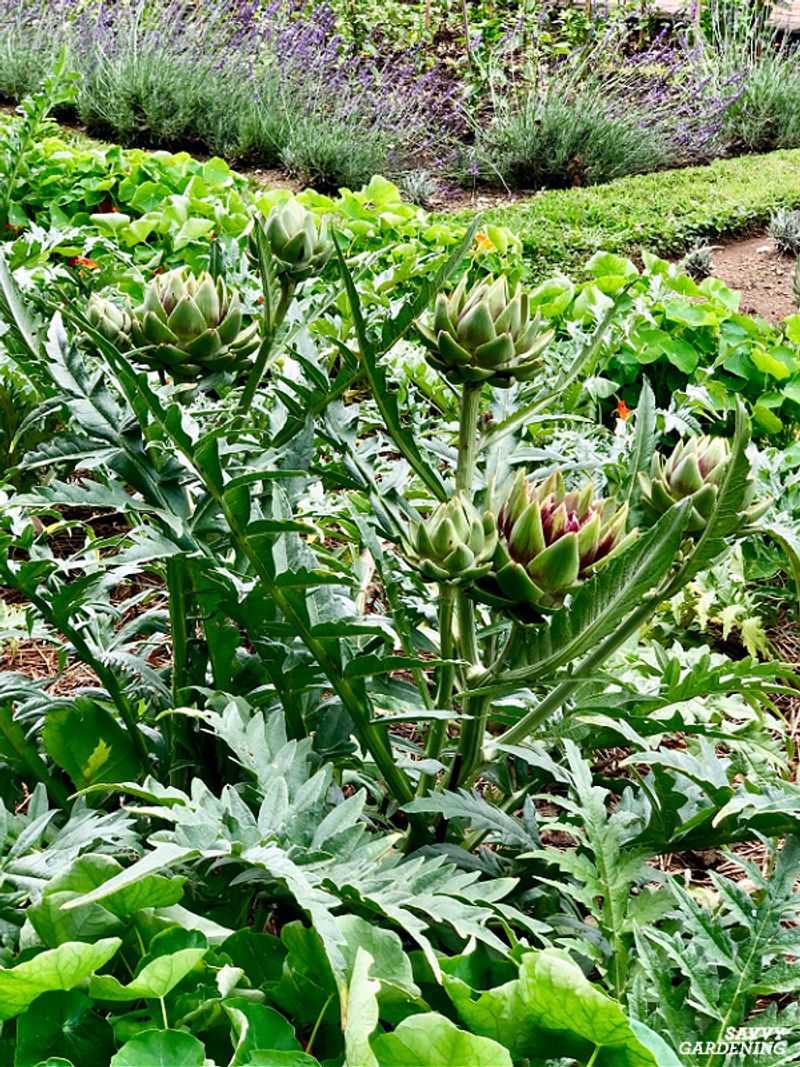
Artichokes require the perfect conditions to flourish, needing mild winters and cool summers. Their first harvest takes a full growing season, but dedicated gardeners find the wait worthwhile. Ideal for warm coastal climates, artichokes bring a touch of the Mediterranean to your garden. With their striking appearance and rich flavor, they reward the patient grower with a gourmet addition to your culinary repertoire.