 Complete Gardening
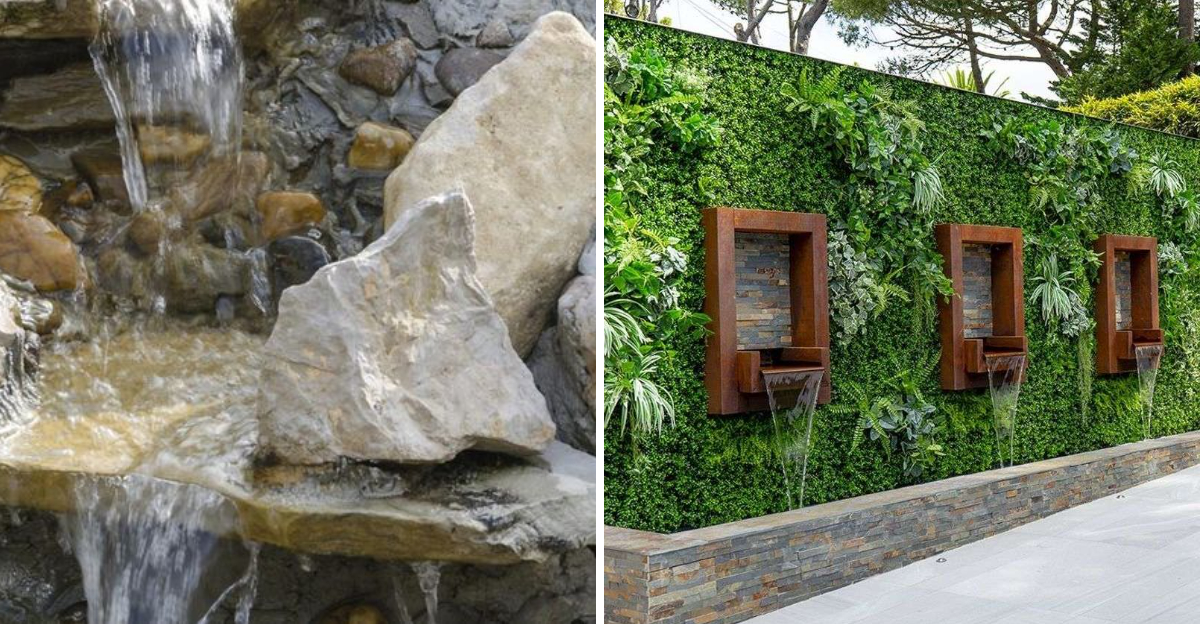
Creating a backyard oasis with water features can transform your outdoor space into a peaceful retreat. But not all water features are created equal when it comes to water conservation.
Some popular options might be secretly draining your water supply and increasing your utility bills.
Understanding which features waste water and which ones are actually efficient can help you make environmentally responsible choices while still enjoying the beauty of water in your landscape.
1. Wasteful: Oversized Swimming Pools
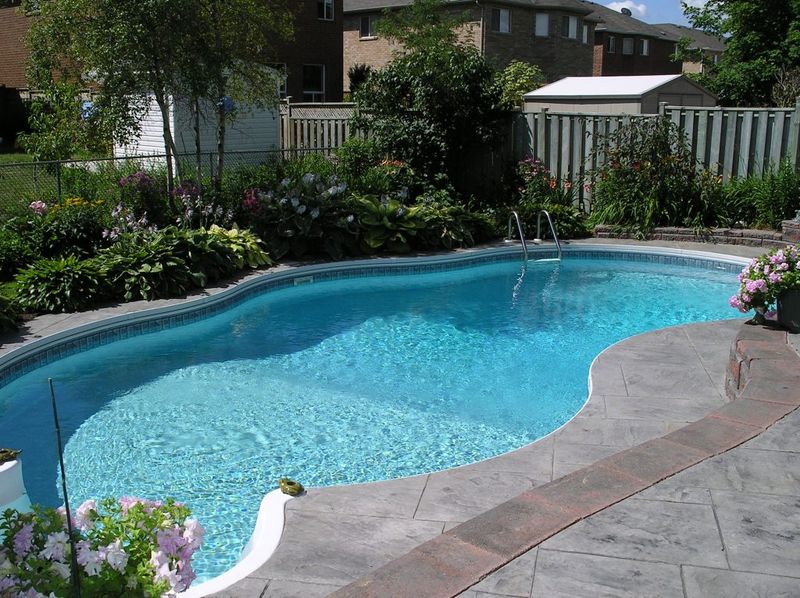
Large swimming pools require thousands of gallons of water initially and lose substantial amounts through evaporation. A typical backyard pool can lose 1-2 inches of water weekly in hot weather, requiring frequent refilling.
Maintenance adds to the water waste too. Backwashing pool filters can use 250-1,000 gallons of water each time. And those splashes from cannonballs and pool games? They add up to significant water loss over a season.
For families who rarely use their pools, this becomes an environmental burden without much benefit. Consider the true usage patterns before installing an oversized pool that will demand constant water replenishment.
2. Wasteful: Traditional Spray Fountains
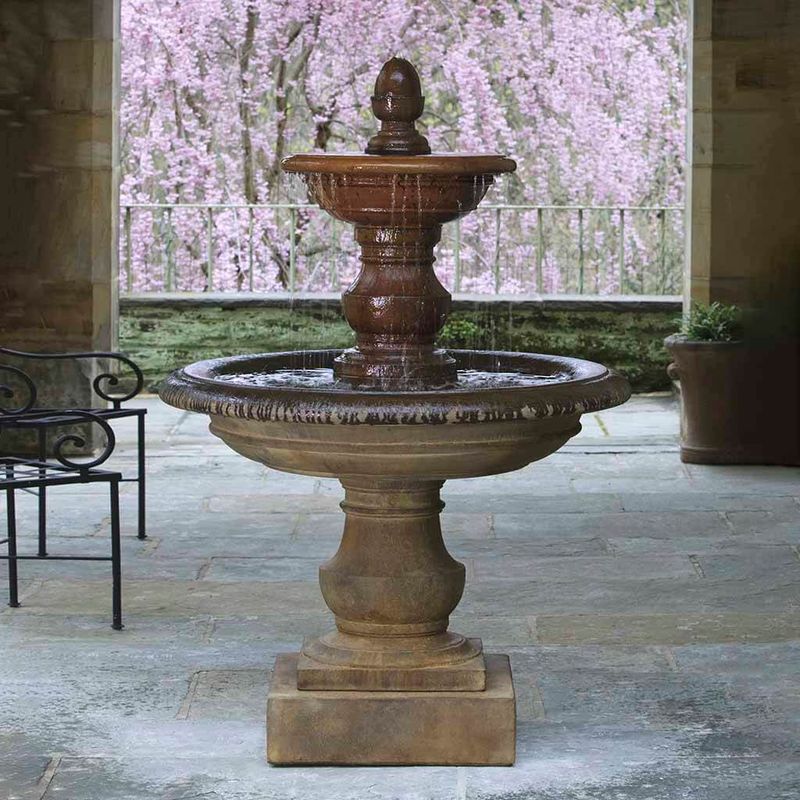
Spray fountains shoot water high into the air, creating a spectacular visual effect but losing significant amounts to wind drift and evaporation. The finer the spray, the greater the water loss – sometimes up to 30% of the water never returns to the basin.
Many homeowners don’t realize these fountains need frequent refilling. The constant exposure to air accelerates evaporation, especially on hot, windy days when water loss can double.
The pumps in these systems often lack efficiency controls, running at full power regardless of conditions. This combination of high evaporation and inefficient operation makes spray fountains particularly wasteful water features.
3. Wasteful: Leaky Waterfall Features
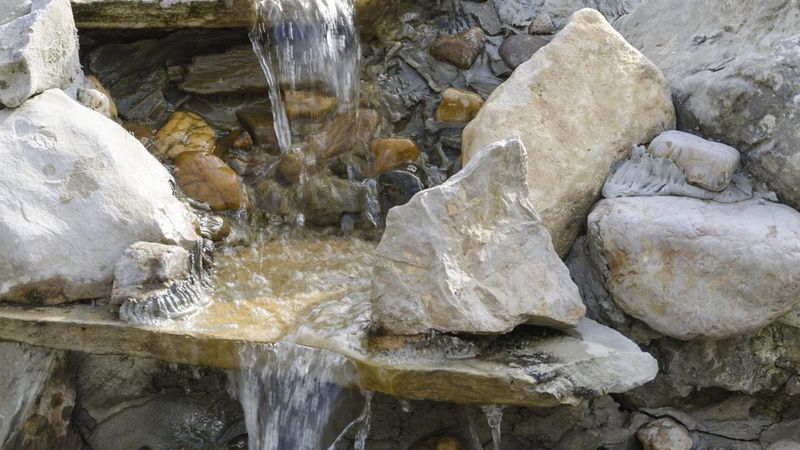
Poorly constructed waterfalls can leak hundreds of gallons daily without homeowners noticing. The constant flow of water over rocks creates numerous potential leak points where water seeps into the ground instead of recirculating.
Installation problems are the biggest culprit. When liner seams aren’t properly sealed or rocks puncture the waterproofing membrane, water escapes silently. The pump continues running, masking the problem by constantly adding new water.
Maintenance oversights worsen the situation. Leaves and debris can shift rocks and create new leak paths, while freezing temperatures can crack components. Without regular inspection, these beautiful features quietly waste enormous amounts of water.
4. Wasteful: Unlevel Water Gardens
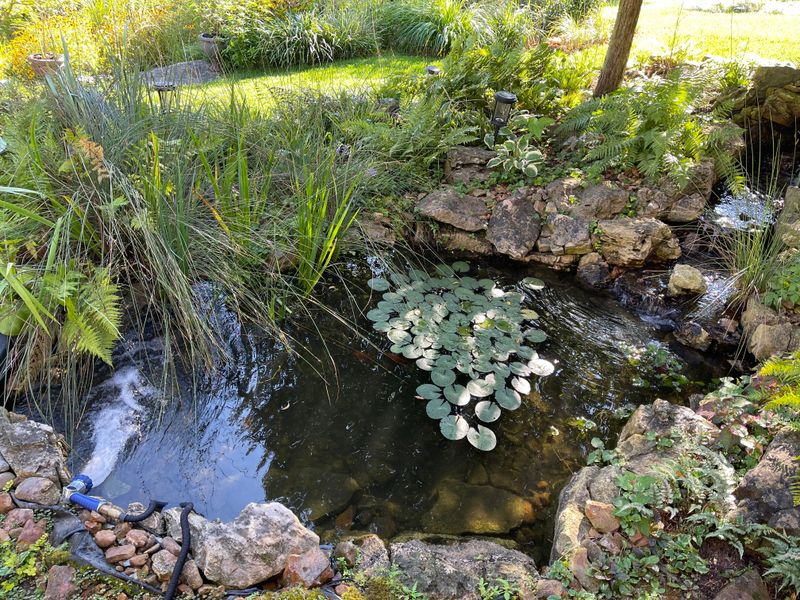
Water gardens with improper leveling create an invisible water waster in your landscape. When the edges aren’t perfectly level, water constantly spills over the lowest point, requiring frequent refilling that homeowners might attribute to normal evaporation.
The problem compounds with soil settlement over time. Even professionally installed water gardens can develop level issues as the ground beneath shifts, creating new low spots where water escapes.
Wind-driven waves in larger water gardens exacerbate the issue, pushing water over edges that might seem adequately leveled in still conditions. This persistent, often unnoticed water loss makes unlevel water gardens surprisingly wasteful despite their natural appearance.
5. Wasteful: Decorative Stream Beds Without Circulation
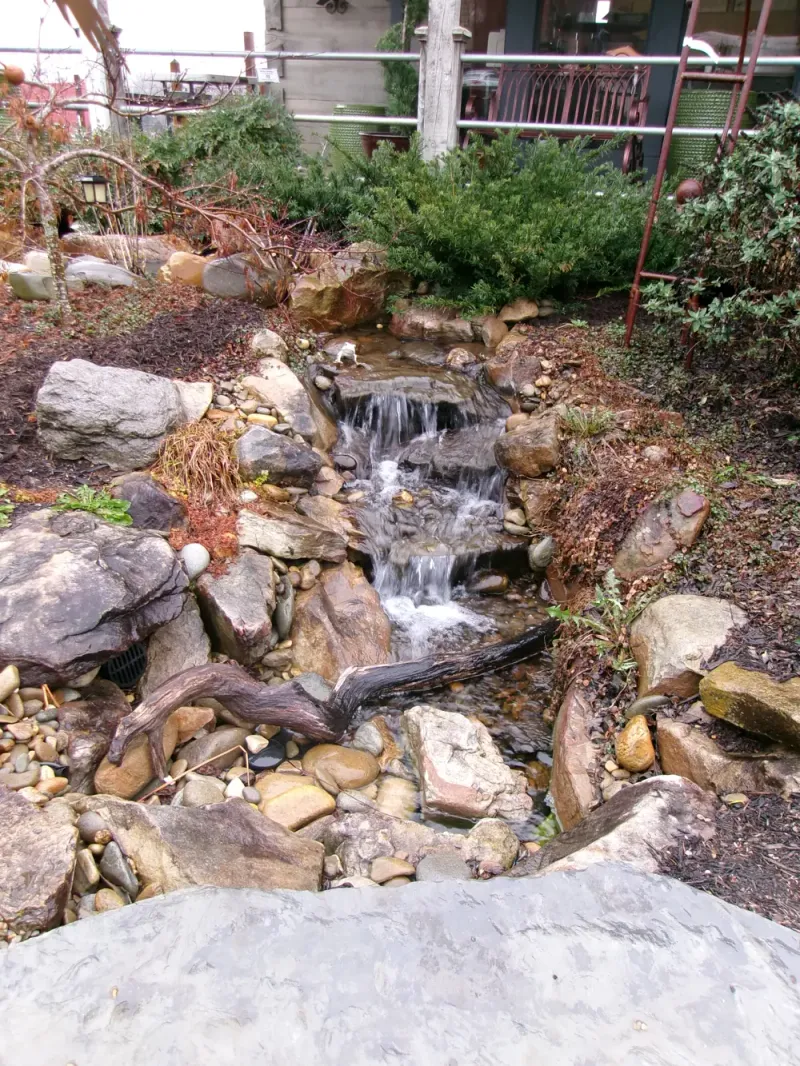
Decorative streams that use constantly flowing fresh water rather than recirculating systems are major water wasters. These features mimic natural streams but consume astonishing amounts of water – potentially thousands of gallons daily depending on their size and flow rate.
Some homeowners create these by diverting well water or municipal water through their landscape. The water flows once through the feature and then into a drainage system or the ground, never to be used again.
The environmental impact extends beyond water waste. These systems can create erosion problems, leach chemicals into groundwater, and significantly increase water bills. Despite their natural appearance, non-circulating stream beds represent outdated, unsustainable water use.
6. Wasteful: Open Water Troughs for Wildlife
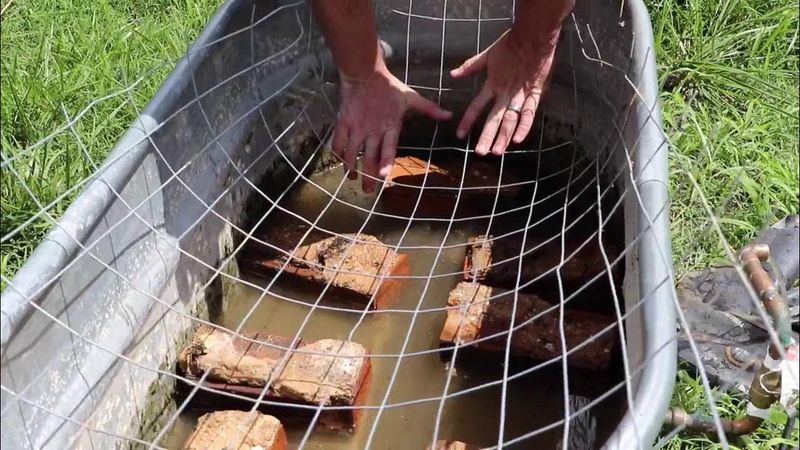
Open water troughs intended to attract wildlife lose substantial water to evaporation due to their large, unprotected surface area. In hot climates, these features can lose an inch or more of water daily, requiring frequent refilling.
Birds and animals further increase water loss by splashing and drinking. While this serves their needs, it dramatically increases the water consumption of these features compared to closed systems.
Many homeowners compound the problem by placing these troughs in full sun, accelerating evaporation. The combination of wildlife activity and exposure to elements makes these well-intentioned features surprisingly wasteful, despite their relatively small size and simple design.
7. Wasteful: Automatic Water Top-Up Systems
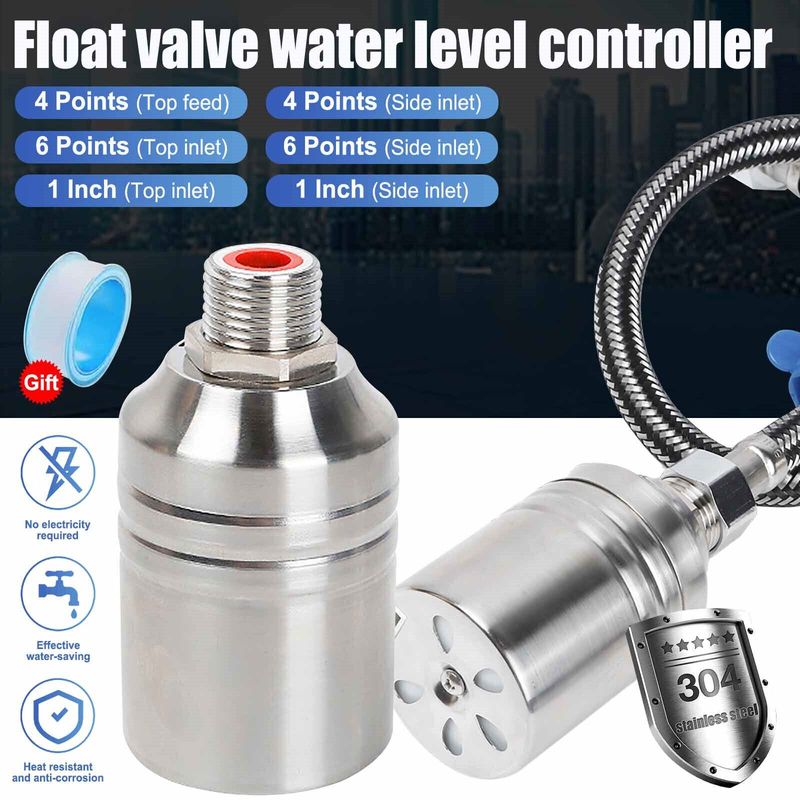
Automatic water top-up systems create a “set and forget” mentality that often leads to substantial waste. These devices connect water features to your home’s water supply, automatically refilling when levels drop below a certain point.
The convenience becomes problematic when leaks develop. Rather than alerting homeowners to issues, the system silently compensates by adding more water. Small leaks can go undetected for months or years, wasting thousands of gallons.
Float valves can also malfunction, causing continuous water flow. Without regular monitoring, these systems make it impossible to track water consumption patterns that might indicate problems. While convenient, automatic top-ups remove the awareness that helps identify wasteful water features.
8. Efficient: Pondless Waterfalls
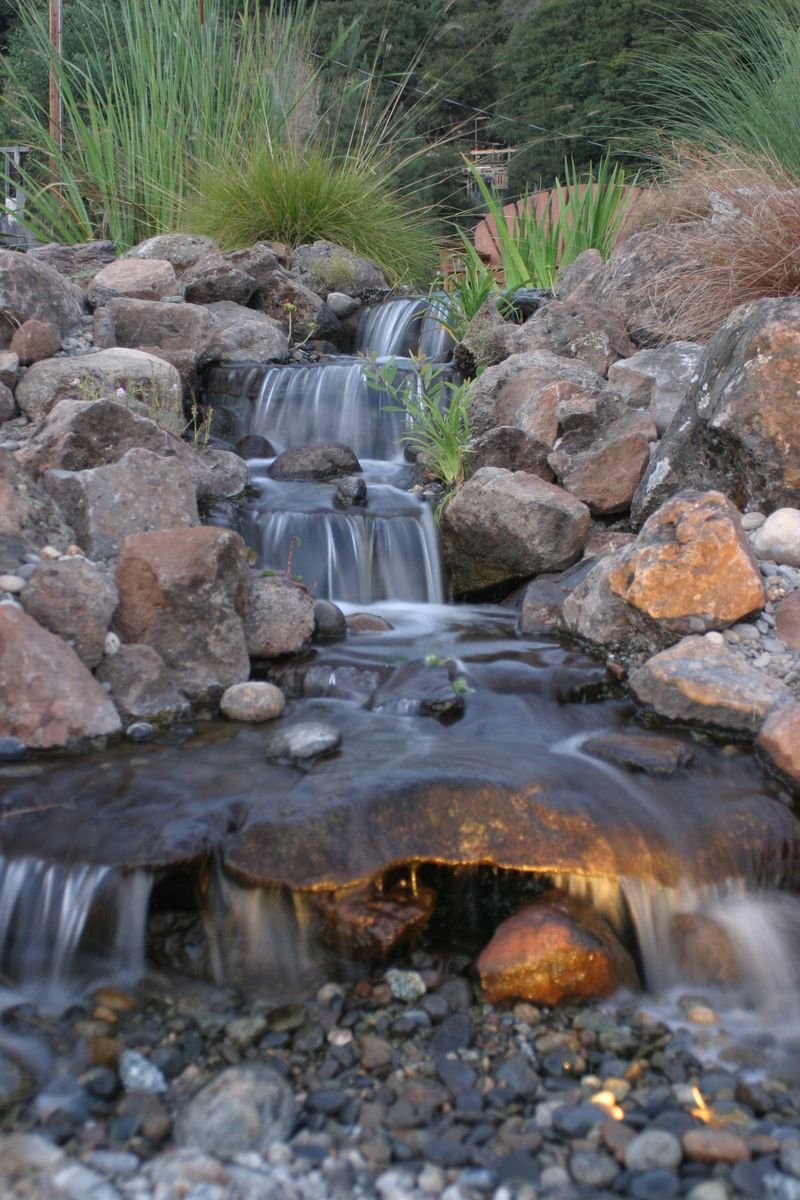
Pondless waterfalls offer the soothing sound and visual appeal of falling water without the evaporation issues of open ponds. Water cascades over rocks into a hidden reservoir filled with gravel, dramatically reducing the exposed surface area where evaporation occurs.
The underground chamber protects water from heat and wind, the two biggest evaporation culprits. This design typically uses 60-70% less water than traditional pond-based waterfalls of similar size.
Modern pondless systems include efficient variable-speed pumps that reduce electricity use while maintaining circulation. For homeowners wanting the ambiance of moving water without the maintenance or water waste of traditional features, pondless waterfalls represent an innovative, conservation-minded solution.
9. Efficient: Rain-Fed Water Features
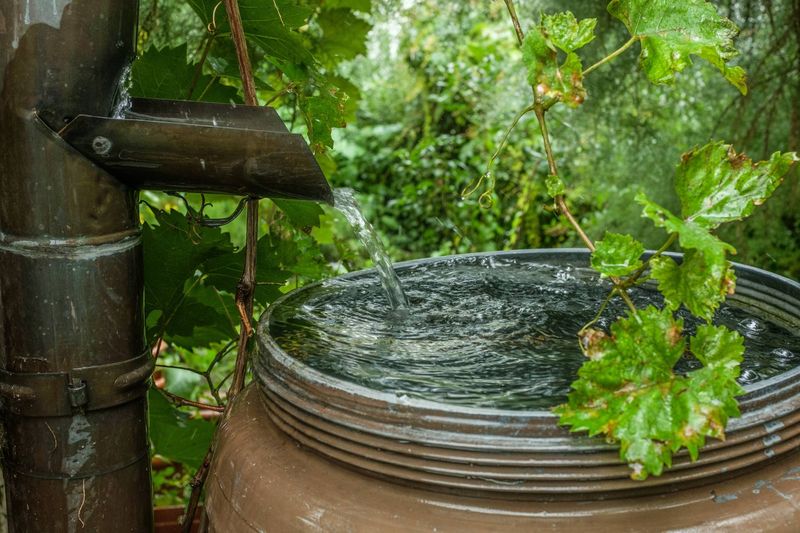
Rain-fed water features represent the pinnacle of water conservation by using what nature provides freely. These systems connect to rain barrels or cisterns that collect roof runoff, using stored rainwater to operate fountains, waterfalls, or small ponds.
Smart designs include overflow mechanisms that direct excess rainwater to garden beds. During dry periods, the features simply run less frequently or at reduced flow rates, adapting naturally to available water rather than consuming municipal supplies.
Beyond water savings, these systems reduce stormwater runoff that would otherwise contribute to flooding and erosion. Homeowners gain beautiful water features that operate in harmony with natural rainfall patterns, creating truly sustainable landscape elements that function as part of the local water cycle.
10. Efficient: Sealed Container Water Gardens
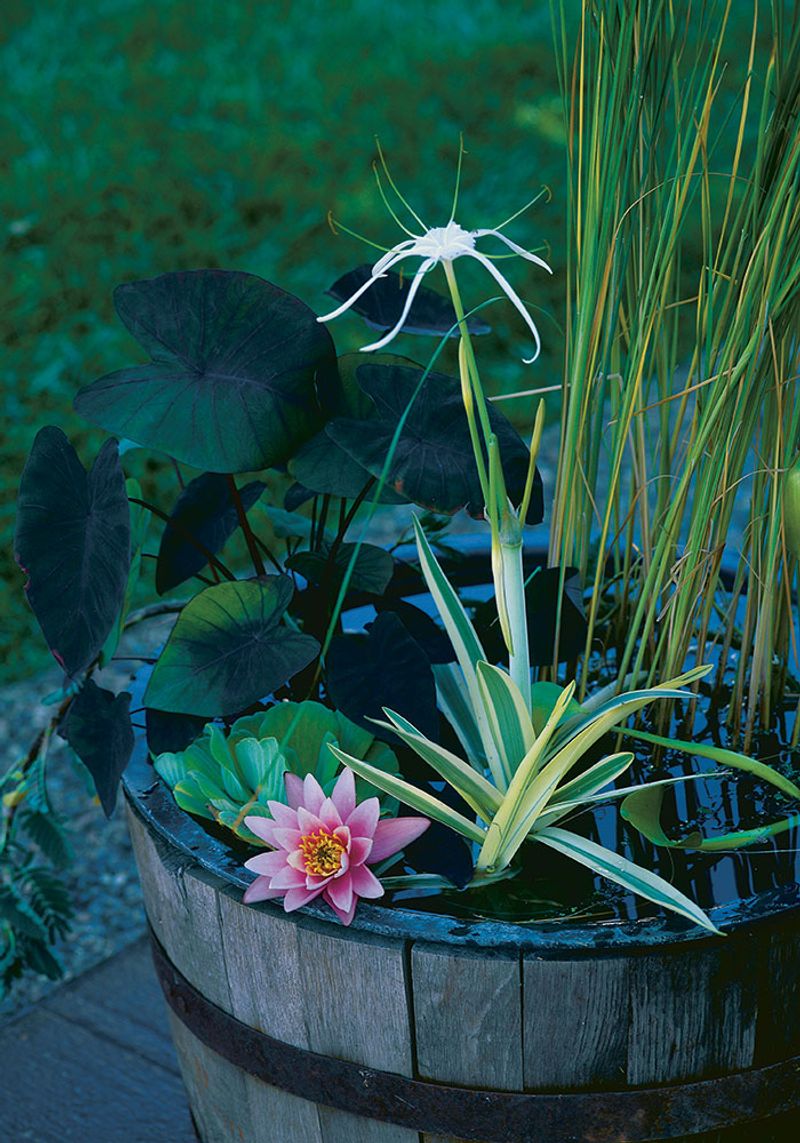
Sealed container water gardens use minimal water while providing the beauty of aquatic plants. These self-contained ecosystems can be created in anything from glazed pottery to repurposed bathtubs, with water loss limited to minor evaporation from the small exposed surface.
The enclosed design prevents leakage issues that plague in-ground features. Once filled, these gardens may need only occasional topping off during hot weather, using a fraction of the water required by traditional ponds.
Container gardens also allow precise control over water quality without chemicals. The limited volume makes it easy to maintain proper conditions for plants and even small fish. For apartments, small yards, or gardeners concerned about water conservation, these compact features deliver maximum enjoyment with minimal resource use.
11. Efficient: Solar-Powered Fountain Bubblers
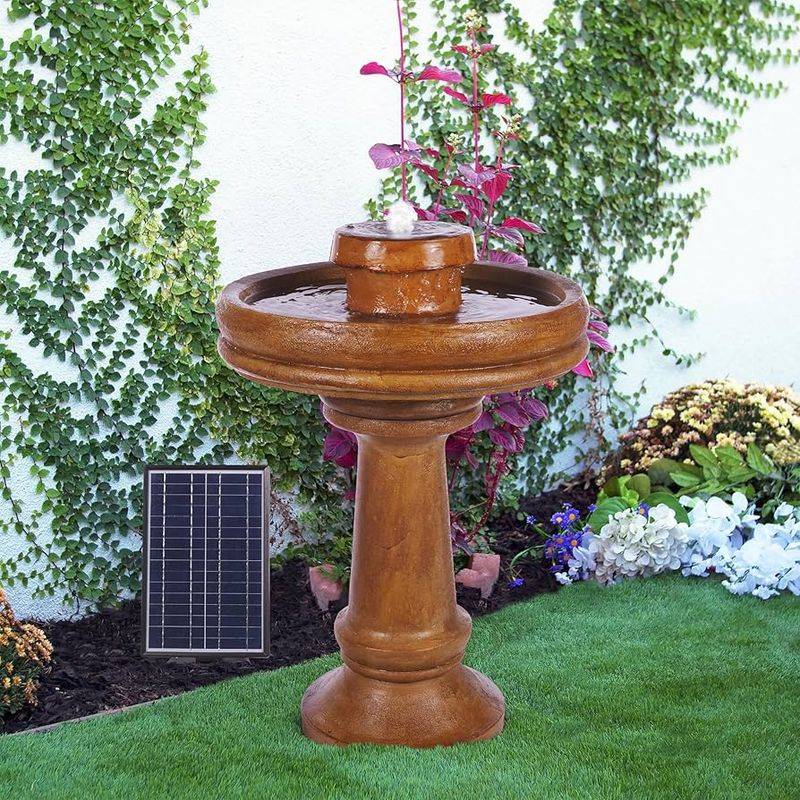
Solar-powered fountain bubblers create gentle water movement without the waste of spray fountains. These simple systems use the sun’s energy to power small pumps that create bubbling effects rather than high sprays, keeping water movement contained within the basin.
The reduced surface agitation minimizes evaporation while still providing enough movement to prevent mosquito breeding. Most models operate only when the sun shines, naturally reducing water loss during hot periods when evaporation would be highest.
Installation requires no electrical wiring, making these fountains perfect for remote garden locations. For environmentally conscious homeowners, these features offer a double benefit – conserving both water and energy while adding the pleasing sound and movement of water to the landscape.
12. Efficient: Properly Sealed Reflection Pools
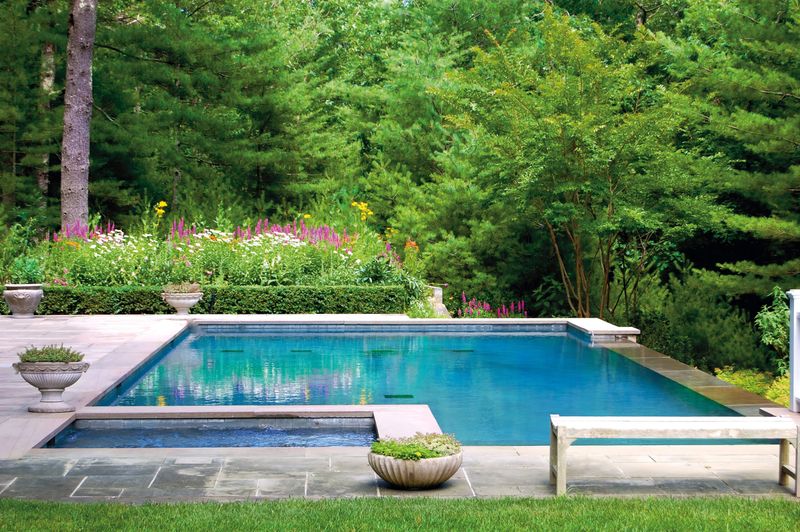
Reflection pools create stunning mirror effects while using surprisingly little water when properly designed. These shallow features rely on still water rather than movement, eliminating the evaporation caused by splashing or spraying in active fountains.
Modern construction techniques include multiple waterproofing layers and expansion joint treatments that prevent leaks. The best designs incorporate shade elements like pergolas or strategic tree placement that reduce direct sun exposure, further minimizing evaporation.
Maintenance requirements are minimal since these pools lack complex mechanical systems. With proper sealing and location planning, reflection pools can maintain their water levels for weeks with only minor topping off, making them among the most water-efficient ways to incorporate larger water surfaces into landscapes.
13. Efficient: Fog Misting Systems
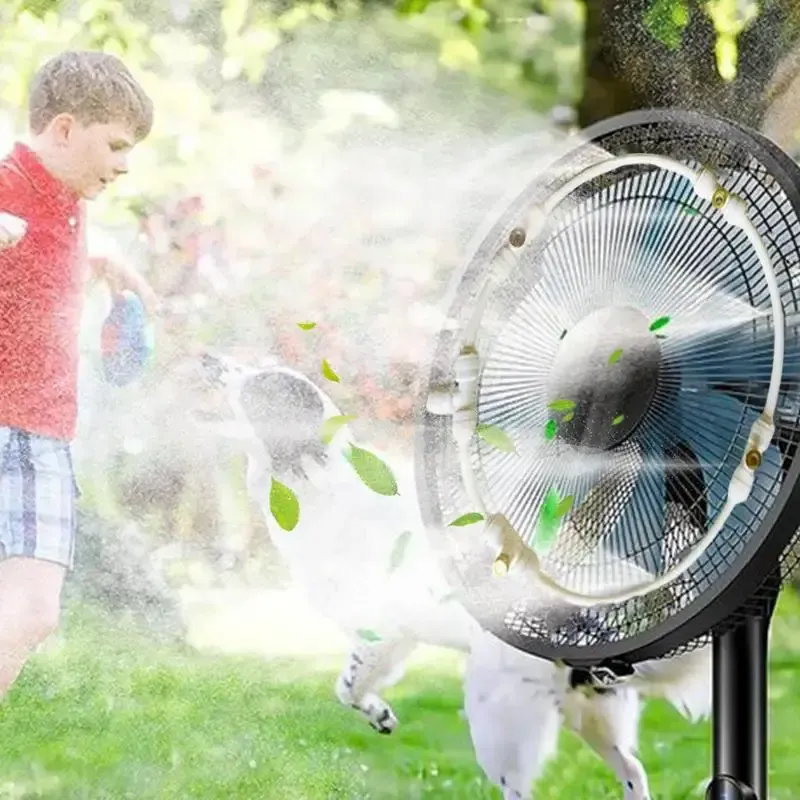
Fog misting systems create dramatic visual effects while using a fraction of the water of traditional fountains. These systems atomize water into ultra-fine droplets that hang in the air, creating ethereal fog effects that enhance garden ambiance, especially at dawn or dusk.
The technology is remarkably efficient. A typical misting system uses only 1-2 gallons per hour compared to hundreds of gallons for conventional fountains. The fine mist evaporates quickly, adding humidity to the immediate area rather than requiring water collection and recirculation.
Beyond water savings, these systems provide cooling benefits in hot climates. Modern versions include sensors that reduce operation during windy conditions when effectiveness would be diminished. For dramatic visual impact with minimal water use, fog systems represent innovative water conservation.
14. Efficient: Living Water Walls
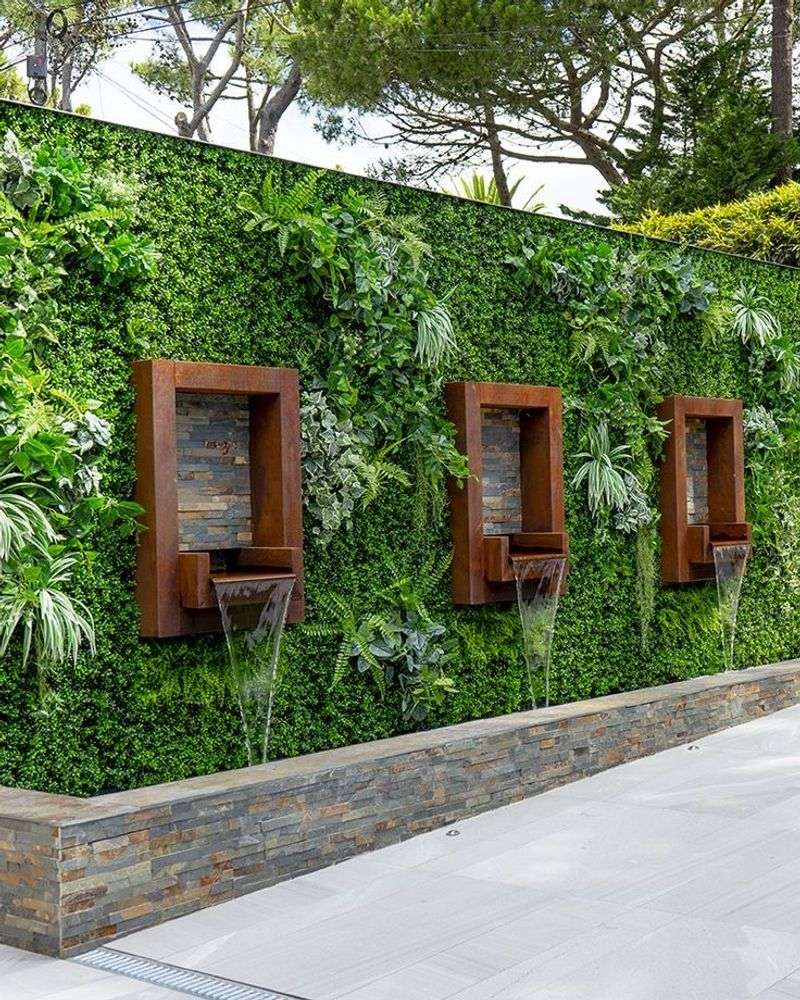
Living water walls combine vertical gardening with water conservation by recirculating moisture through plant material. These structures feature plants growing in pockets or panels with water trickling down to a collection basin, then pumped back to the top in a closed system.
The plant material absorbs much of the water that would otherwise evaporate. Moisture that does evaporate creates beneficial humidity around the feature rather than being lost. The vertical orientation maximizes visual impact while minimizing the footprint and water surface exposure.
These walls serve multiple functions – cooling adjacent spaces, improving air quality, and creating sound barriers. The combination of plants and moving water delivers both the tranquility of water features and the environmental benefits of greenery, all while using water with remarkable efficiency.