 Complete Gardening
Companion planting can be a gardener’s secret weapon, especially when it comes to growing cucumbers. However, not all plants are friendly neighbors. This guide explores seven common mistakes gardeners make when choosing companions for cucumbers, as well as 15 plants that actually enhance growth, flavor, and health of cucumbers. Whether you’re a seasoned gardener or a novice, understanding the dynamics of plant relationships can lead to a bountiful harvest.
1. Mistake 1: Overcrowding
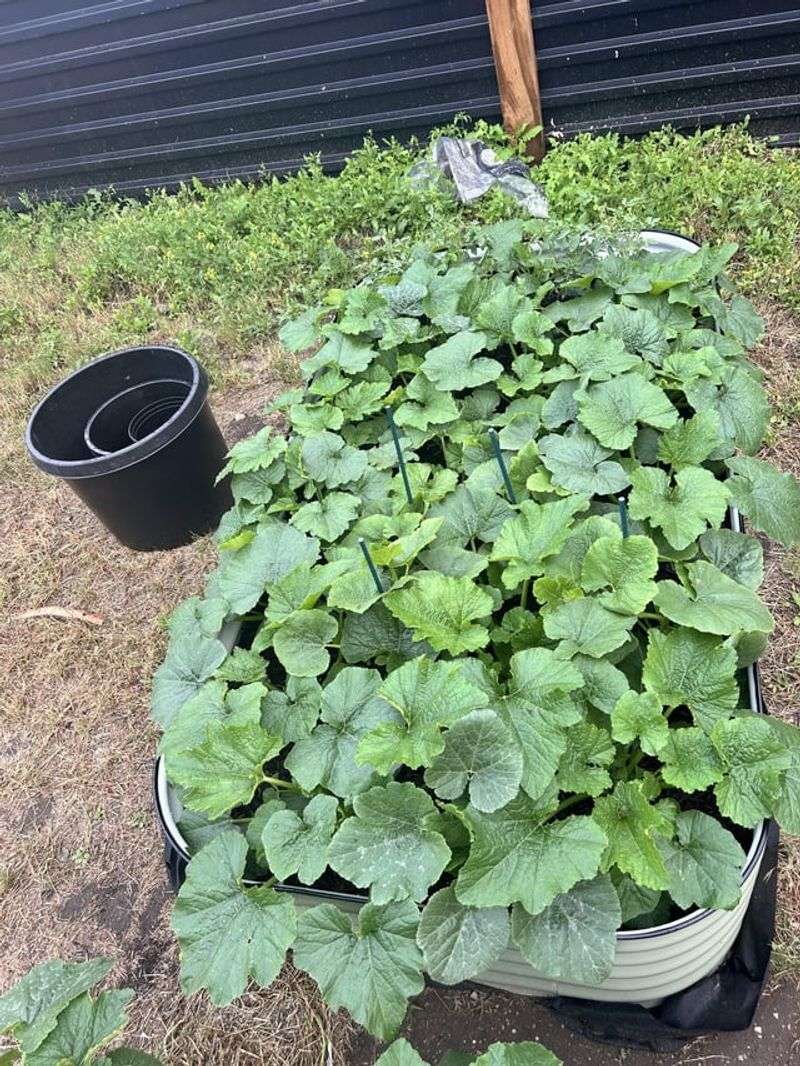
Overcrowding is a common mistake many gardeners make. When cucumbers are planted too close to companions, it can lead to competition for water, sunlight, and nutrients. Each plant needs space to thrive, and overcrowding can stifle growth and lead to weaker plants. Additionally, dense planting can create a humid environment, which increases the risk of fungal diseases. Remember to give each plant ample space to allow air circulation. Proper spacing not only promotes healthy growth but also makes harvesting easier and more efficient.
2. Mistake 2: Pairing with Incompatible Plants
Pairing cucumbers with incompatible plants is another frequent error. Some plants, such as potatoes and sage, inhibit cucumber growth. These plants can release chemicals or compete for vital nutrients, stunting the cucumber’s development. Incompatible companions can also attract pests that are harmful to cucumbers. It’s essential to research and understand which plants work harmoniously together. Proper companion selection not only boosts growth but also enhances flavor and pest resistance.
3. Mistake 3: Ignoring Pest Attraction
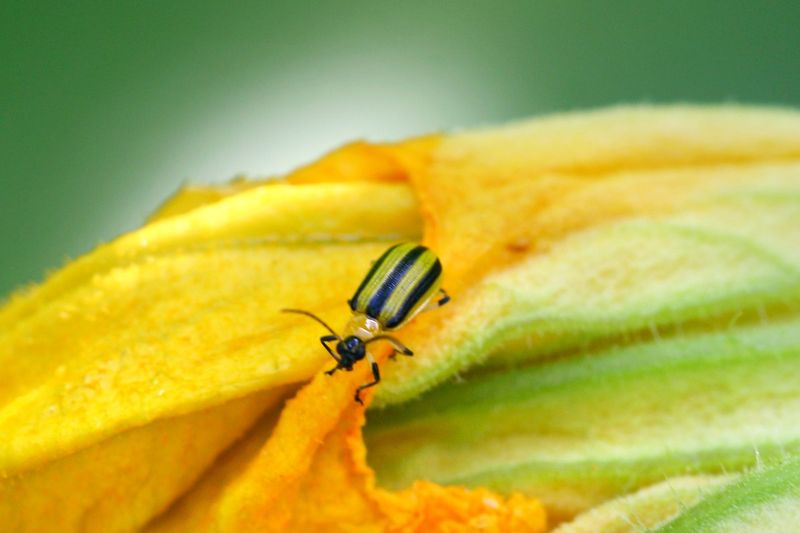
Ignoring pest attraction can lead to disastrous results in a cucumber patch. Certain plants, like sunflowers, attract pests that can damage cucumbers. These pests can include aphids and cucumber beetles, which wreak havoc on tender cucumber plants. To safeguard cucumbers, avoid planting pest-attracting companions nearby. Instead, opt for plants that repel or distract pests, creating a healthier growing environment for your cucumbers. Vigilance in pest management is key to a thriving garden.
4. Mistake 4: Neglecting Soil Health
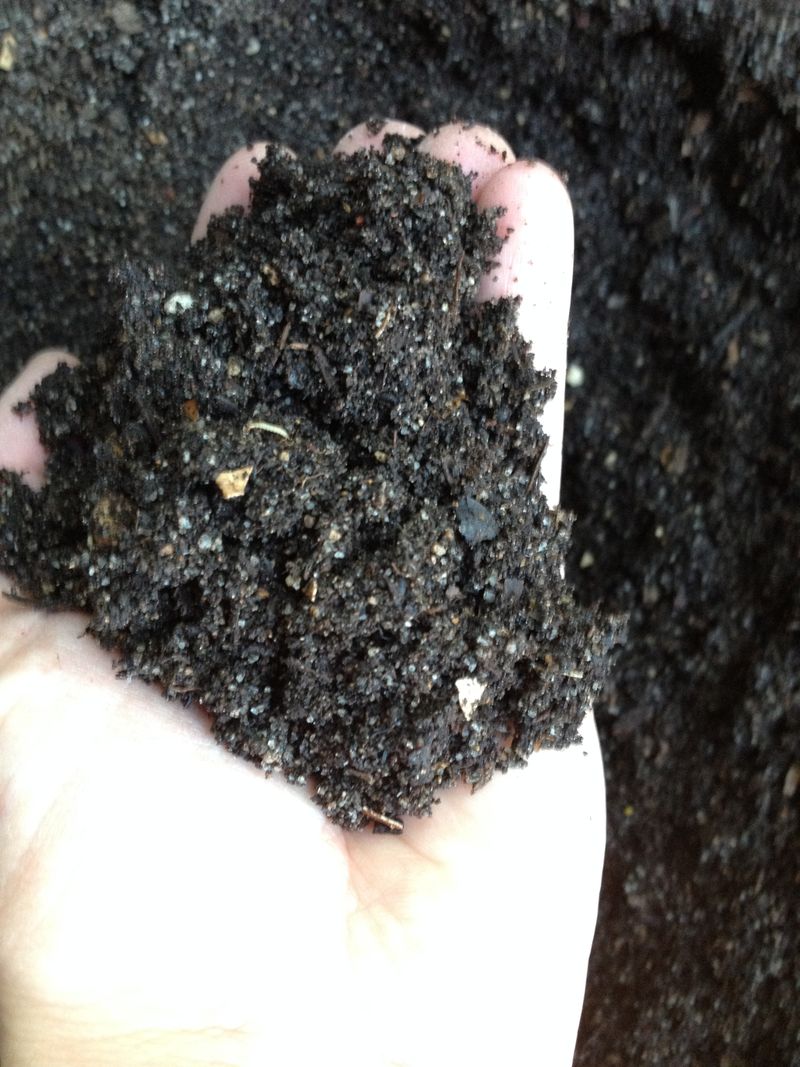
Neglecting soil health is a critical mistake. Cucumbers need nutrient-rich soil to flourish, and poor soil quality can severely affect growth. Companions such as legumes can improve soil fertility by fixing nitrogen, providing cucumbers with the nutrients they need. Regularly testing and amending the soil ensures optimal conditions for both cucumbers and their companions. Healthy soil fosters strong plants and abundant yields, making it a cornerstone of successful gardening.
5. Mistake 5: Planting Too Early or Late
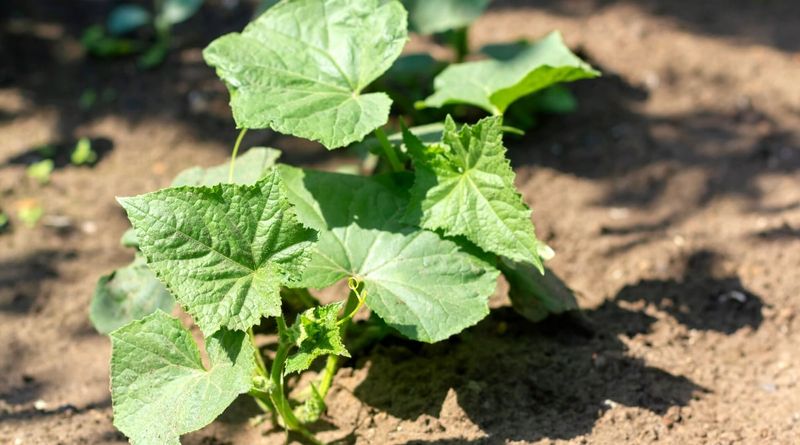
Timing is everything in gardening, and planting cucumbers too early or too late can spell trouble. Cucumbers are sensitive to temperature changes; planting them when it’s too cold can stunt growth, while excessive heat can cause wilting. It’s crucial to coordinate planting with suitable companions that share similar climate needs. This synchrony ensures all plants thrive together, avoiding stress caused by temperature extremes.
6. Mistake 6: Lack of Support Structures
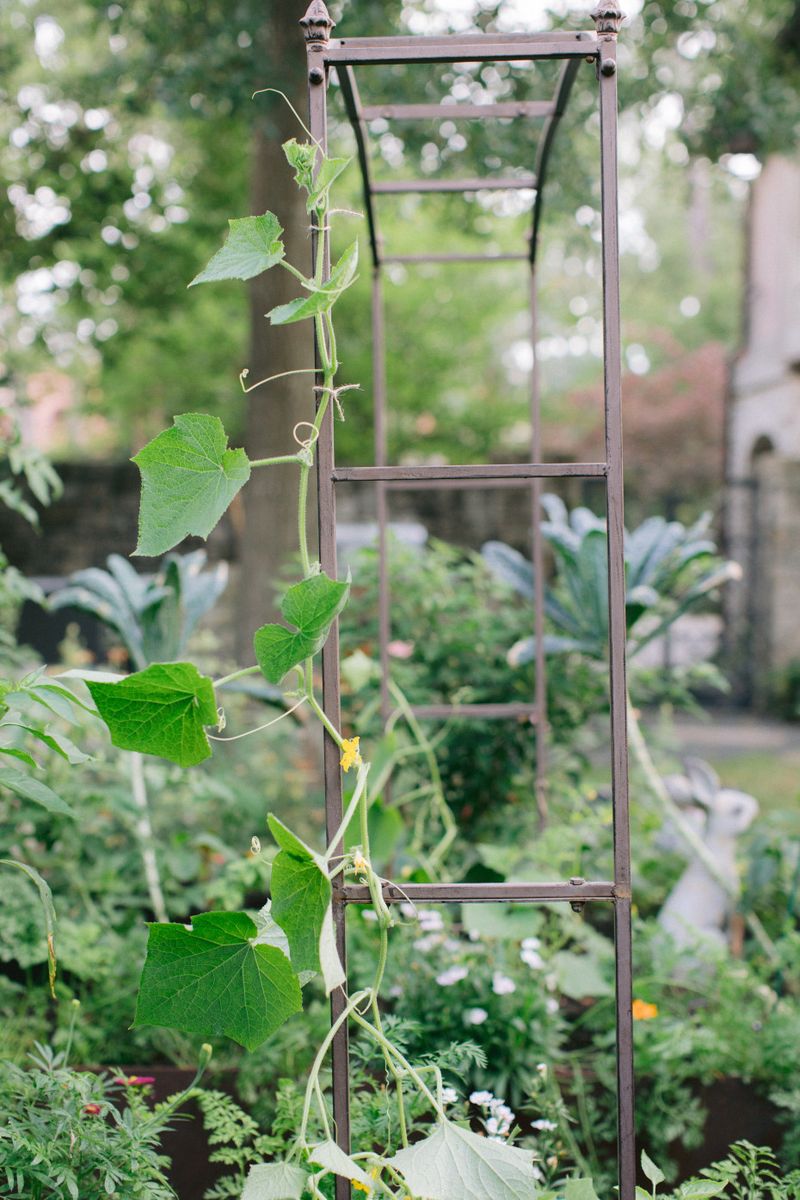
Cucumbers benefit greatly from climbing structures, and the lack of support can hinder their growth. Without trellises, cucumbers spread on the ground, making them more susceptible to pests and diseases. Companion plants like corn can act as natural supports, guiding cucumber vines upwards. This not only saves space but also improves air circulation, reducing disease risk. Implementing support structures ensures healthier plants and a more productive harvest.
7. Mistake 7: Ignoring Water Needs

Consistent watering is vital for cucumbers, and neglecting this can lead to wilting and poor yields. Cucumbers require a steady supply of moisture, but overwatering can be just as harmful. Companion plants that share similar watering needs, like lettuce and beans, help maintain a balanced environment. Monitoring watering habits and adjusting according to weather conditions ensures both cucumbers and their companions remain healthy and productive.
8. Companion 1: Marigolds
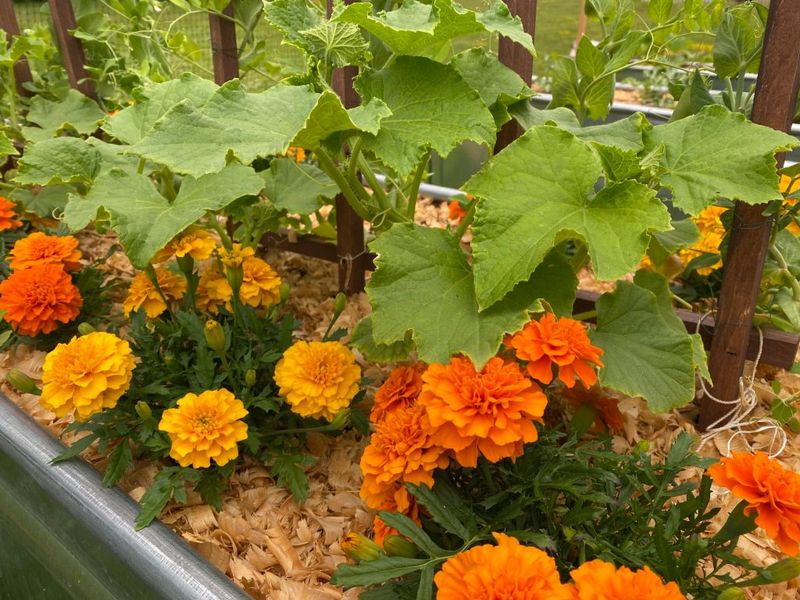
Marigolds are a gardener’s ally, known for their pest-repelling properties. These vibrant flowers deter nematodes and other harmful insects, creating a protective barrier around cucumber plants. Marigolds’ natural compounds keep pests at bay without the need for chemicals, promoting a healthier garden ecosystem. The bright blooms also attract beneficial insects like pollinators, enhancing the overall health and yield of cucumber plants. Adding marigolds to your garden can lead to a flourishing and vibrant cucumber patch.
9. Companion 2: Nasturtiums
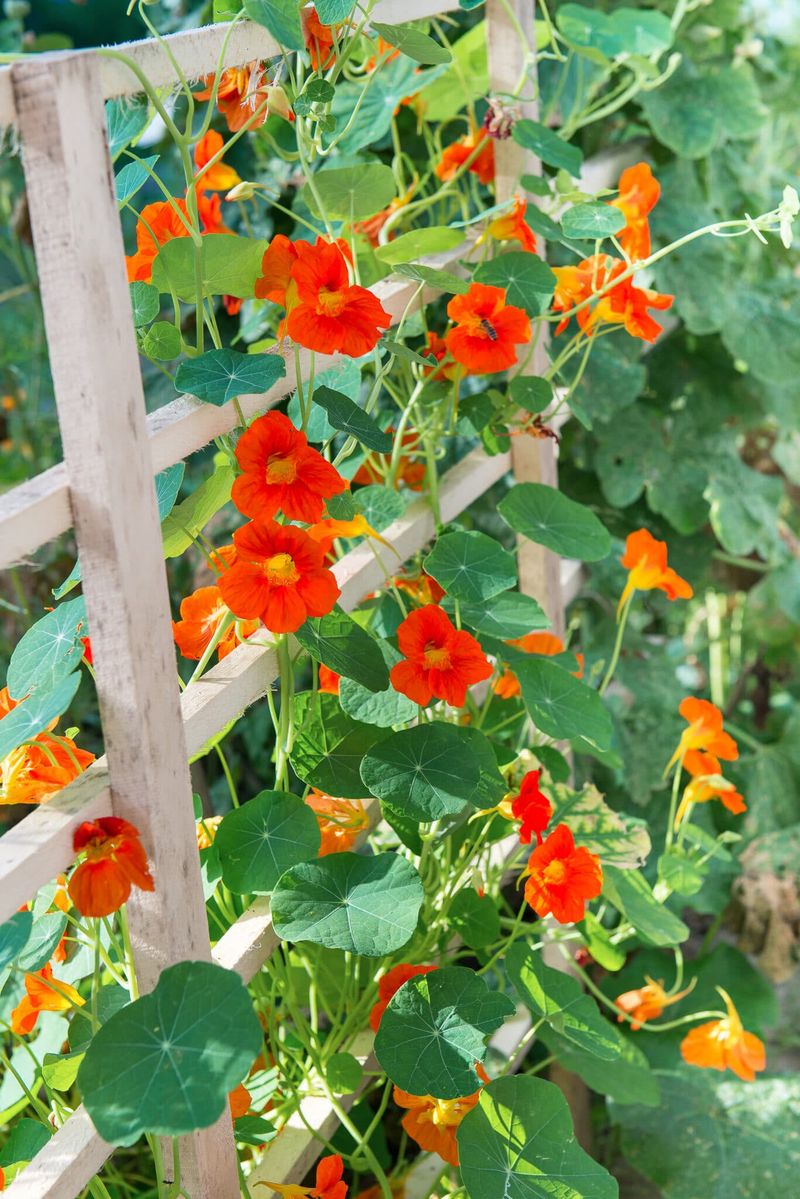
Nasturtiums are not only visually appealing but also serve as excellent companions for cucumbers. These flowers act as a trap crop, luring aphids and other pests away from your precious cucumbers. Nasturtiums’ peppery leaves and bright blooms add color and function to the garden. Additionally, they can be used in salads, providing a dual purpose of pest control and culinary delight. Planting nasturtiums alongside cucumbers enhances the garden’s aesthetics while protecting against harmful pests.
10. Companion 3: Dill
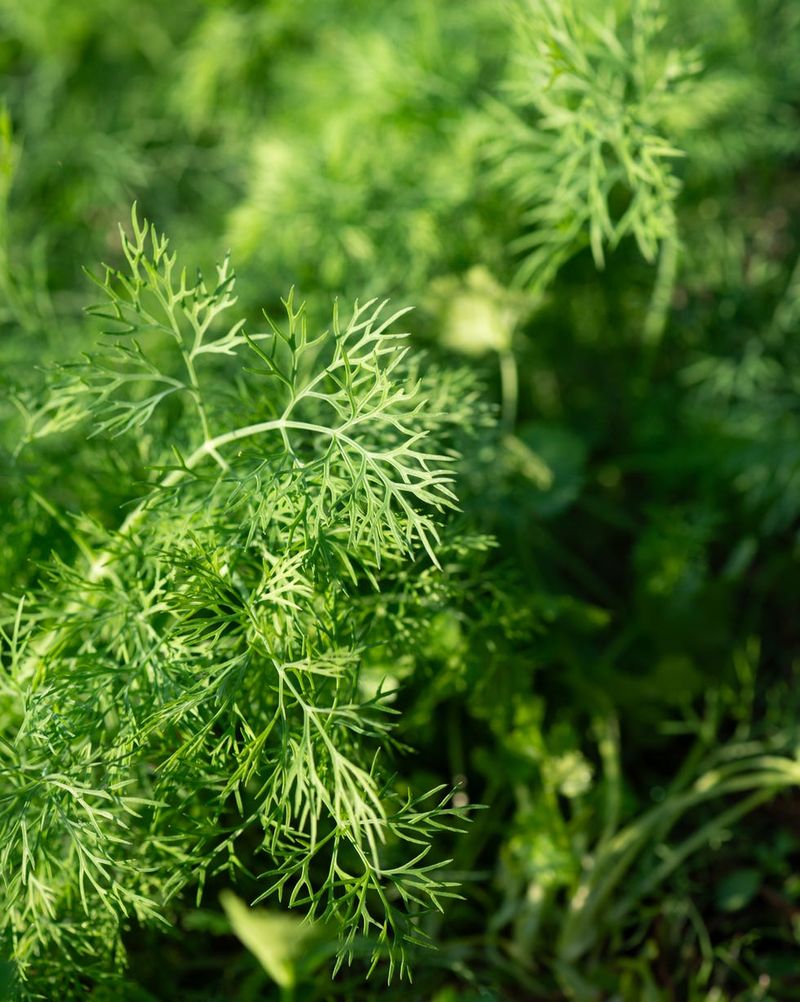
Dill is a fantastic companion plant for cucumbers, offering both pest control and flavor enhancement. The aromatic herb attracts beneficial insects such as ladybugs and parasitic wasps, which prey on pests that threaten cucumbers. Dill’s feathery foliage provides light shade, helping to regulate soil temperature and moisture levels. Moreover, its leaves can be harvested for culinary uses, adding a burst of flavor to dishes. Incorporating dill into your cucumber patch enriches both plant health and culinary variety.
11. Companion 4: Radishes
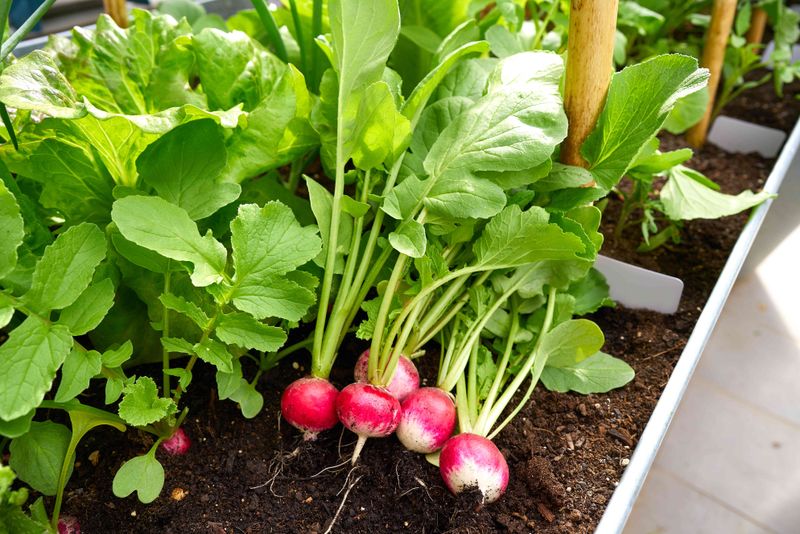
Radishes are quick-growing companions that benefit cucumbers by loosening the soil. As radishes grow, they break up compacted soil, allowing for better water and nutrient penetration. This soil aeration fosters deeper root growth for cucumbers, leading to more robust plants. Radishes also mature quickly, meaning they can be harvested early to make room for cucumber vines to spread. This symbiotic relationship optimizes space and soil health, making radishes a valuable companion in the garden.
12. Companion 5: Beans
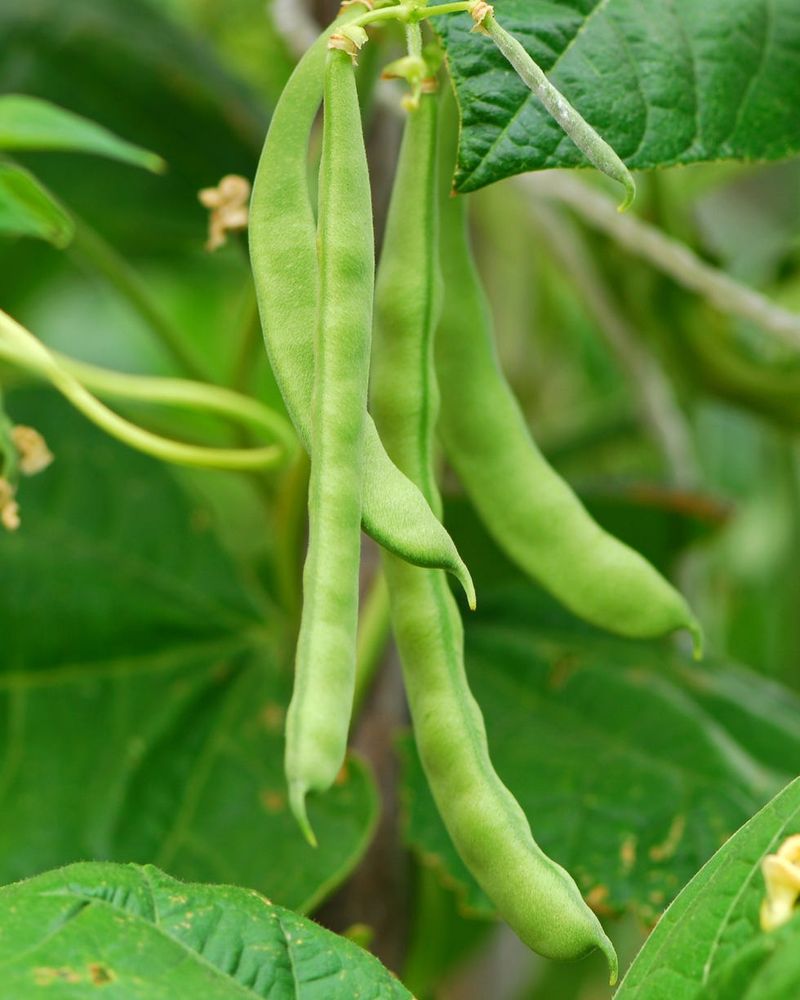
Beans are excellent companions for cucumbers due to their nitrogen-fixing abilities. These legumes enrich the soil by converting atmospheric nitrogen into a form plants can use, providing essential nutrients for cucumbers. Beans and cucumbers also share similar growing conditions, making them harmonious neighbors. Planting them together maximizes space and yields, as beans can climb the same supports as cucumbers. This partnership fosters a thriving garden environment, enhancing both plant health and productivity.
13. Companion 6: Lettuce
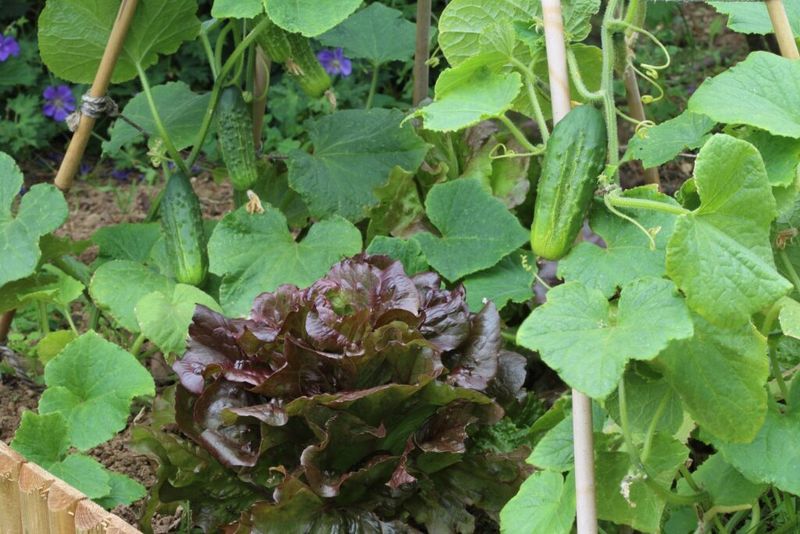
Lettuce is a versatile companion for cucumbers, offering mutual benefits. Its quick growth provides ground cover, suppressing weeds and maintaining soil moisture. Lettuce thrives in the shade of cucumber vines, especially in hot weather. This shading helps to keep temperatures cooler for both plants, reducing stress and supporting healthy growth. The combination of lettuce and cucumbers in a garden bed enhances the microclimate and improves overall plant health and yield.
14. Companion 7: Sunflowers

Sunflowers make striking companions for cucumbers, offering natural shade and support. These towering plants create a cooler microclimate, protecting cucumbers from intense sun. Sunflowers’ sturdy stems can also serve as trellises, supporting climbing cucumber vines. Additionally, sunflowers attract pollinators and beneficial insects, fostering a balanced garden ecosystem. Their vibrant presence not only adds beauty but also enhances the growth conditions for cucumbers, making them a valuable addition to any garden.
15. Companion 8: Carrots
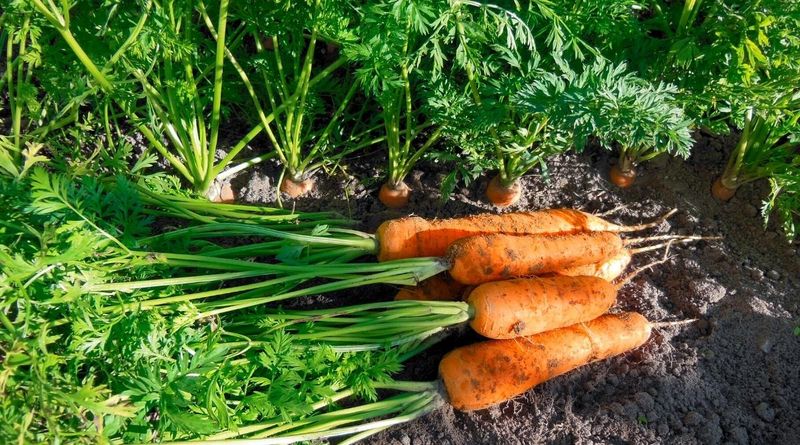
Carrots are ideal companions for cucumbers, offering a complementary growth pattern. As root vegetables, carrots do not compete for above-ground space, allowing cucumbers to spread freely. The deep-rooted nature of carrots helps aerate the soil, improving nutrient uptake for cucumbers. This symbiotic relationship optimizes soil health and space utilization, leading to thriving plants. Additionally, carrots’ presence can deter certain pests, further safeguarding your cucumber crop. Together, they create a productive and harmonious garden environment.
16. Companion 9: Corn
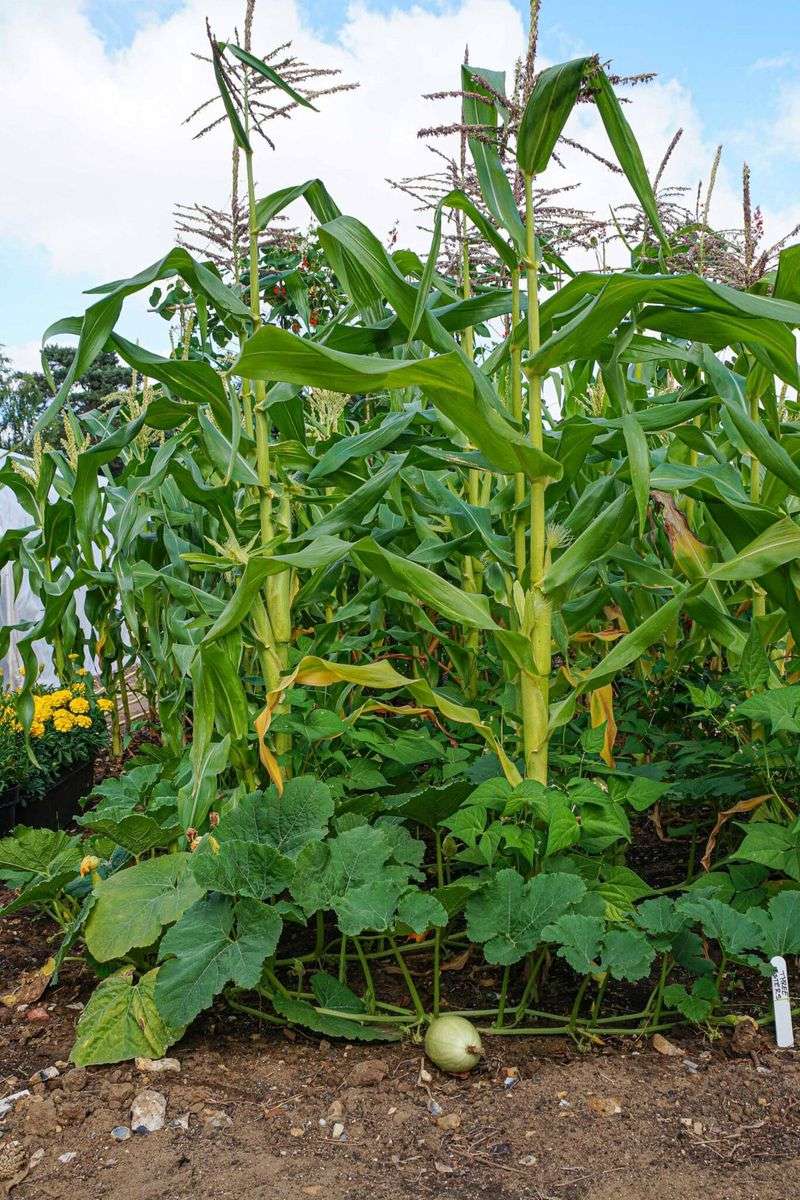
Corn and cucumbers are a classic gardening pair, offering mutual benefits. Corn provides sturdy natural trellises for cucumbers to climb, maximizing vertical space. This arrangement ensures cucumbers receive ample sunlight and air circulation. Additionally, corn’s wind-pollinated nature does not interfere with cucumber pollination, creating a harmonious growing environment. The combination of these two plants optimizes garden space and yields, making them ideal companions for a productive and efficient garden.
17. Companion 10: Borage
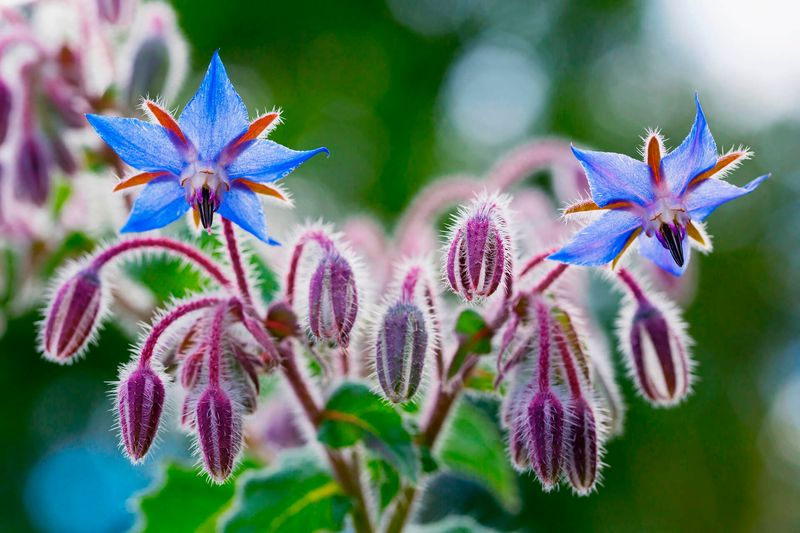
Borage is a beneficial companion for cucumbers, attracting pollinators and beneficial insects. Its star-shaped blue flowers draw bees, enhancing cucumber pollination and yield. Borage’s presence also deters harmful pests, creating a protective barrier around cucumber plants. Additionally, borage improves soil quality by adding trace minerals, promoting healthier growth for cucumbers. Its edible leaves and flowers offer culinary uses, adding a touch of flavor and beauty to dishes. Incorporating borage into your garden supports a thriving and diverse ecosystem.
18. Companion 11: Oregano
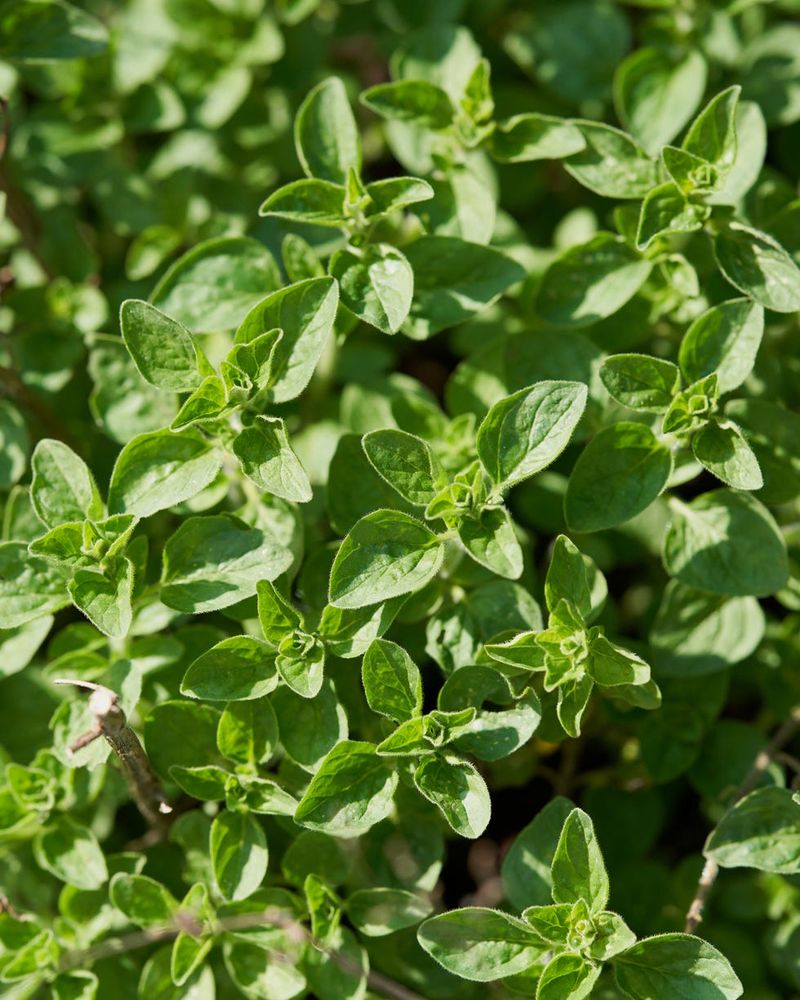
Oregano is more than just a culinary herb; it’s a valuable companion for cucumbers. Its aromatic oils deter pests, providing a natural defense against insects that can damage cucumber plants. Oregano’s low-growing habit offers ground cover, suppressing weeds and retaining soil moisture. This dual function helps maintain a healthy garden environment, promoting robust cucumber growth. Additionally, oregano’s flavorful leaves can be harvested for culinary creations, adding zest to your dishes while supporting your garden’s health.
19. Companion 12: Spinach
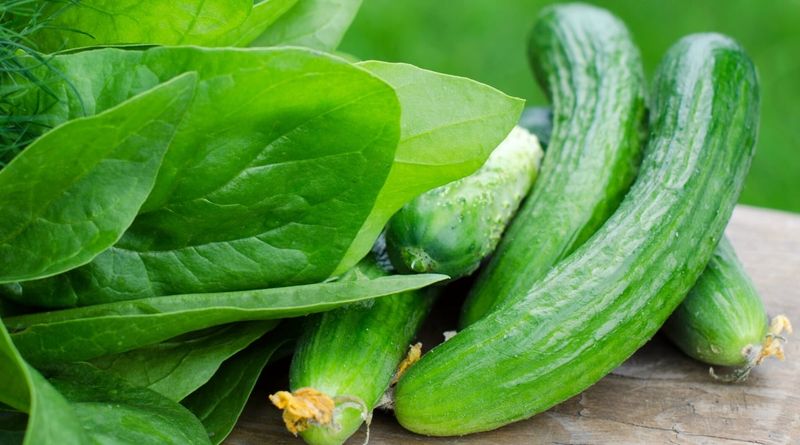
Spinach serves as a practical companion for cucumbers, offering mutual benefits. Its quick growth cycle allows it to be harvested early, making room for cucumber vines to spread. Spinach’s broad leaves provide ground cover, reducing weed growth and maintaining soil moisture. This partnership creates a favorable microclimate, enhancing the health and yield of both plants. Spinach’s nutrient-rich leaves also offer a culinary advantage, providing a fresh addition to salads and meals. Together, spinach and cucumbers create a vibrant and productive garden space.
20. Companion 13: Sage
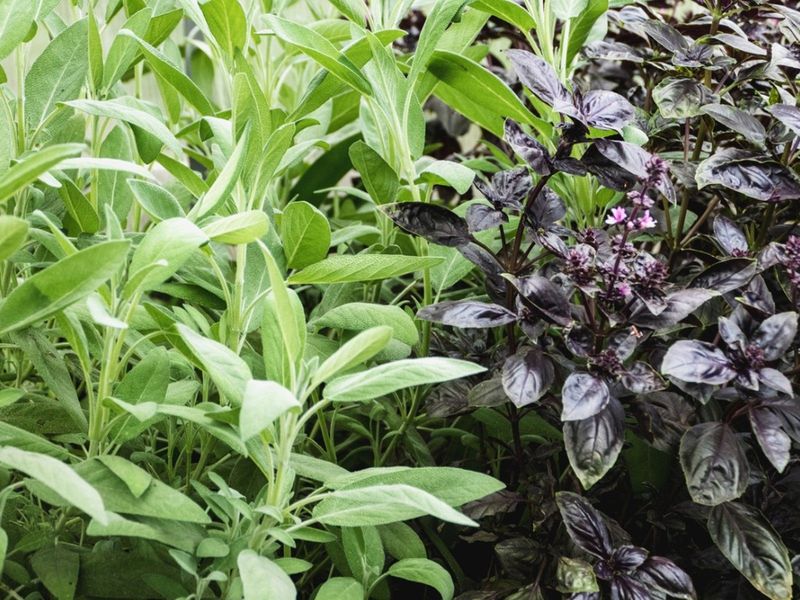
While often considered an incompatible companion, sage can offer benefits when used with caution. Its strong aroma deters certain pests, providing a level of protection for cucumbers. However, it’s essential to plant sage at a distance to avoid competition for nutrients. This careful arrangement allows gardeners to harness sage’s pest-repelling properties without hindering cucumber growth. Sage’s flavorful leaves can also be utilized in the kitchen, adding depth to dishes while supporting garden health.
21. Companion 14: Chives
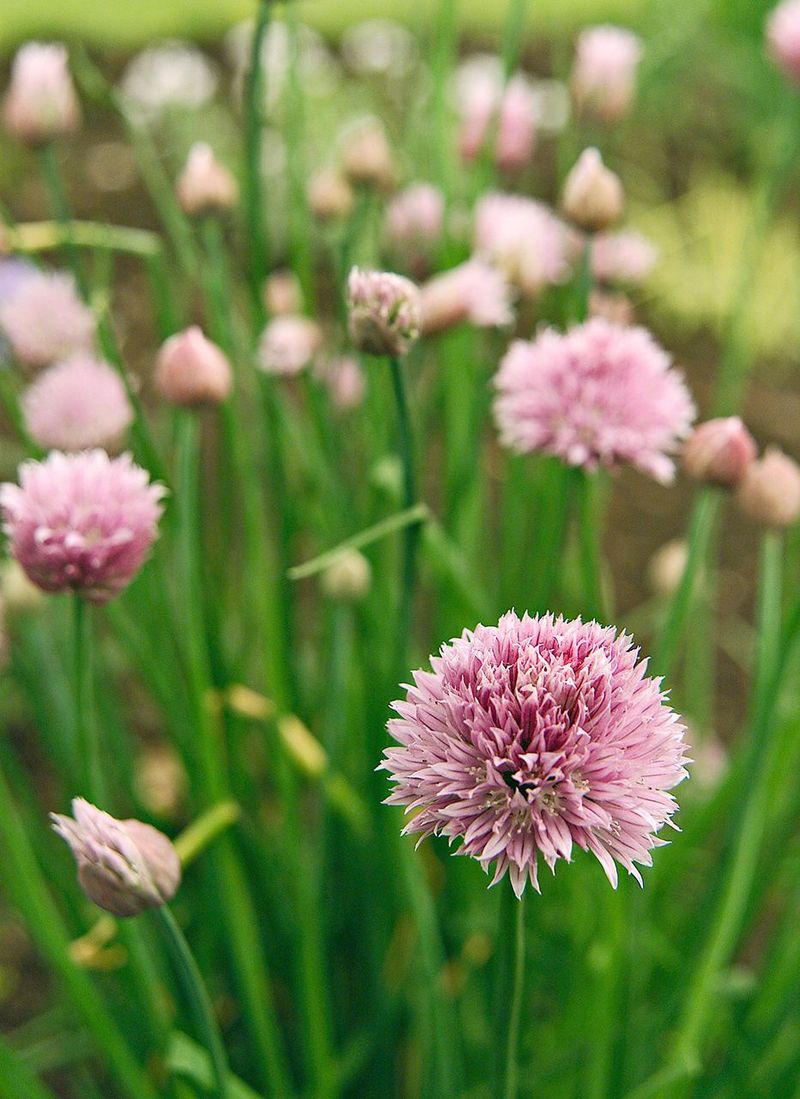
Chives are excellent companions for cucumbers, offering both pest control and aesthetic appeal. Their pungent aroma deters aphids and other harmful insects, safeguarding cucumber plants. Chives’ slender leaves provide minimal competition for space, allowing cucumbers to thrive. Additionally, their purple flowers attract pollinators, enhancing cucumber yield. Chives’ edible leaves and flowers add culinary versatility, enriching salads and dishes with their mild onion flavor. Incorporating chives into your garden supports both plant health and culinary variety.
22. Companion 15: Radicchio
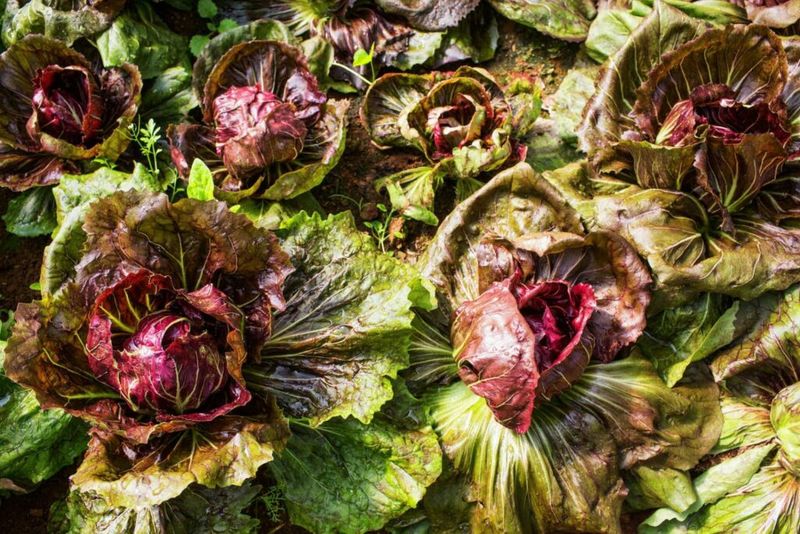
Radicchio offers a striking visual contrast in the garden and serves as a robust companion for cucumbers. Its bitter leaves deter pests, protecting cucumbers from harmful insects. Radicchio’s deep red leaves provide ground cover, suppressing weeds and retaining soil moisture. This dual function supports a healthy growing environment, enhancing cucumber growth and yield. Additionally, radicchio adds a bold flavor to salads and dishes, offering a culinary advantage. Together, radicchio and cucumbers create a vibrant and productive garden display.