 Complete Gardening
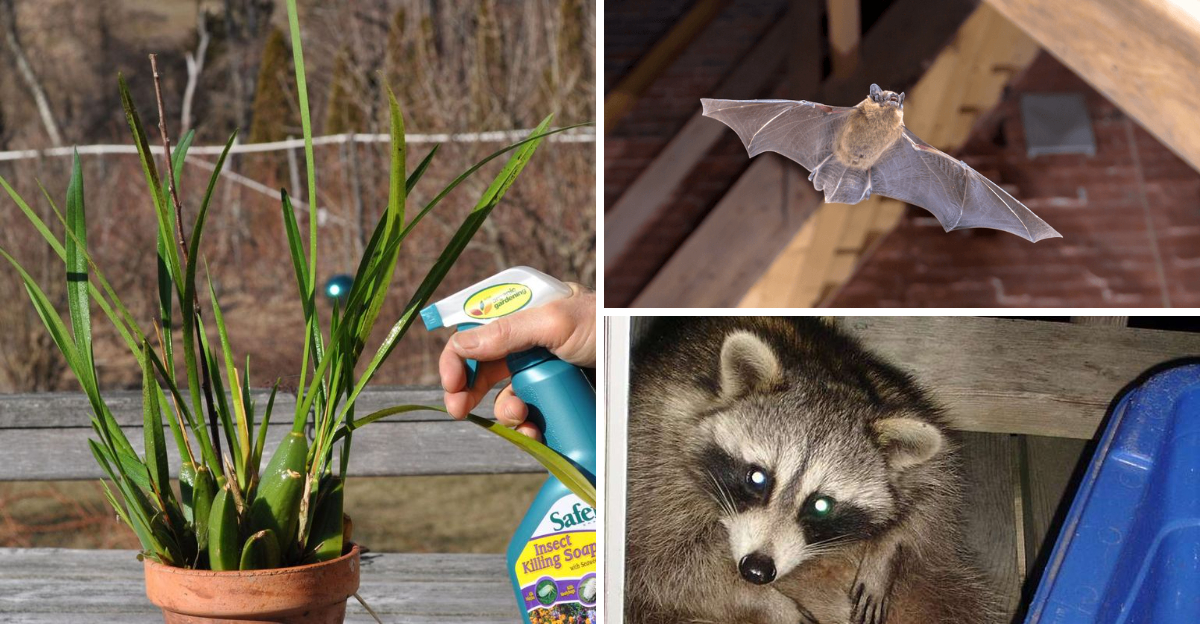
As summer approaches, many Ohio residents enjoy spending time in their backyards. However, interacting with local wildlife can lead to unexpected challenges and even legal issues. Here are seven common mistakes to avoid to keep both you and the wildlife safe.
1. Feeding Raccoons
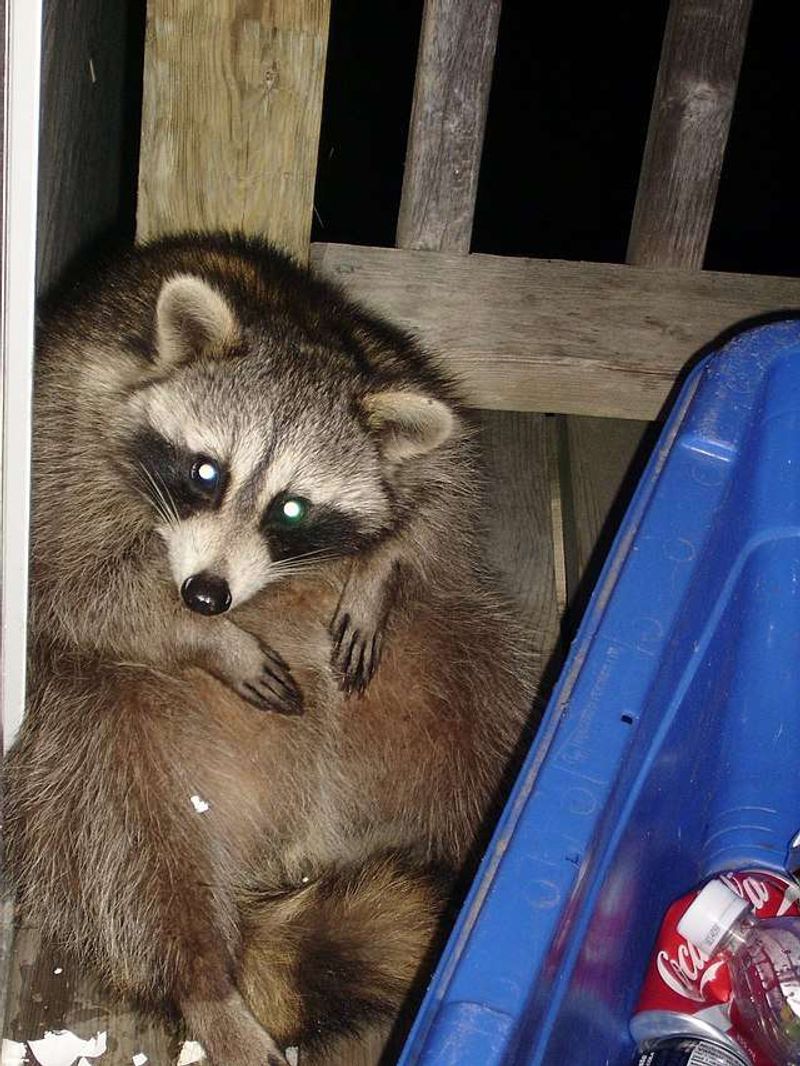
Feeding raccoons in your backyard may seem harmless at first. These nocturnal creatures, with their masked faces and nimble fingers, may even look charming. However, encouraging them to visit your yard can result in a host of problems.
Raccoons can quickly become dependent on human-provided food, leading to aggressive behavior when it’s not available. They may also become a nuisance by raiding garbage cans or bird feeders.
Did you know? Raccoons are known carriers of rabies and other diseases. It’s crucial to resist the urge to feed them to keep your family and pets safe.
2. Ignoring Bird Nesting Laws
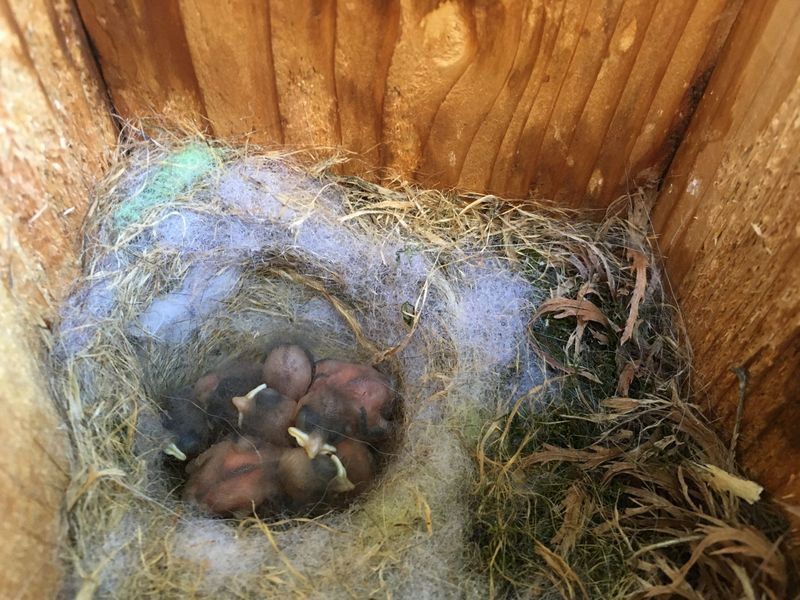
Birds nesting in your backyard can be a delightful sight. It’s important to remember, though, that many birds are protected by law. Disturbing nests, especially during breeding season, can lead to fines or legal action.
The Migratory Bird Treaty Act protects numerous bird species found in Ohio. Ignoring these laws can result in hefty penalties.
Curious fact: Some birds return to the same nesting site year after year. Providing a safe environment ensures they’ll continue to visit. Observe quietly from a distance to enjoy the natural beauty without causing harm.
3. Improper Garbage Disposal
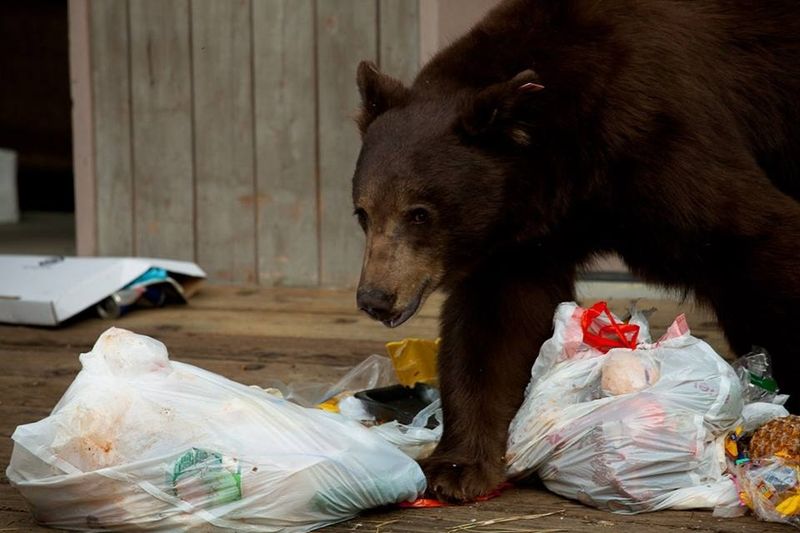
Improperly disposing of garbage in backyard areas can attract unwanted wildlife. This might include raccoons, skunks, and even bears, leading to unexpected encounters.
Overflowing trash cans or unsecured garbage bags are like invitations to these scavengers. Ensuring trash is securely stored can prevent these visits.
Did you know? Many wildlife species have an excellent sense of smell. Bears, for instance, can detect food scents from miles away. The importance of proper waste management can’t be overstated to keep wildlife at bay.
4. Planting Invasive Species
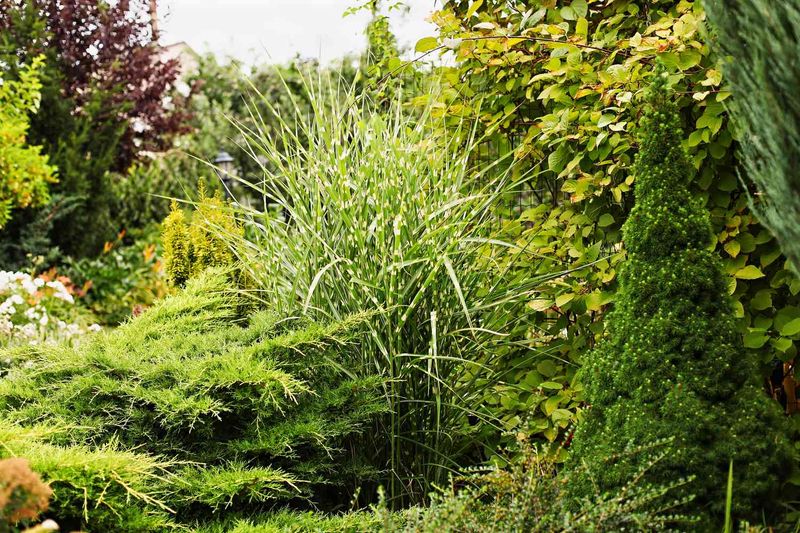
Planting non-native or invasive species in your garden can disrupt the local ecosystem. These plants often outcompete native flora, leading to a decline in biodiversity.
In Ohio, invasive species like the Japanese knotweed or purple loosestrife can spread rapidly, altering habitats. Opt for native plants to support local wildlife such as bees and butterflies.
Fun fact: Native plants are usually adapted to local conditions and require less maintenance. By choosing them, you promote a healthy, balanced environment and help preserve Ohio’s natural beauty.
5. Ignoring Bat Roosting Spots
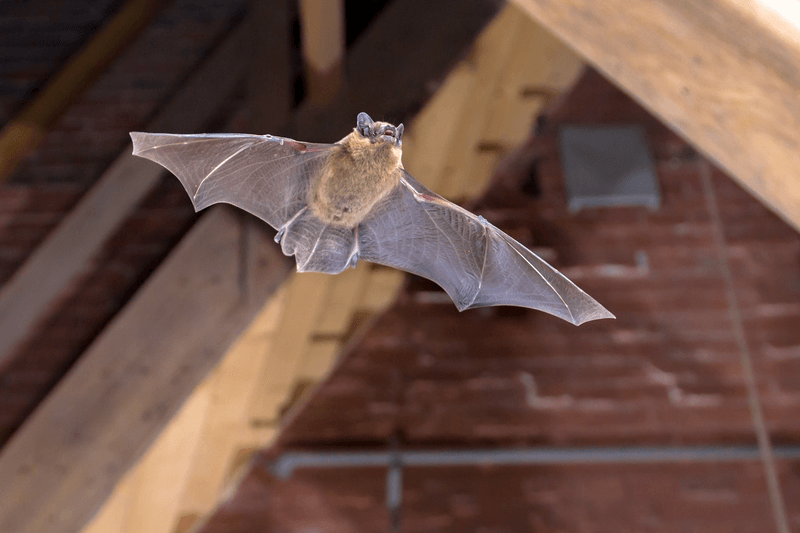
Bats play a crucial role in controlling insect populations. However, ignoring their roosting spots can lead to unintended consequences. Many bat species are protected, and disturbing their roosts can incur legal penalties.
Bats often seek out quiet, sheltered areas in backyards to roost. Respect these spaces to ensure they continue to thrive and help keep mosquito populations in check.
Did you know? Bats can eat thousands of insects in a single night. Encouraging their presence can naturally reduce pests without the use of chemicals.
6. Overusing Pesticides
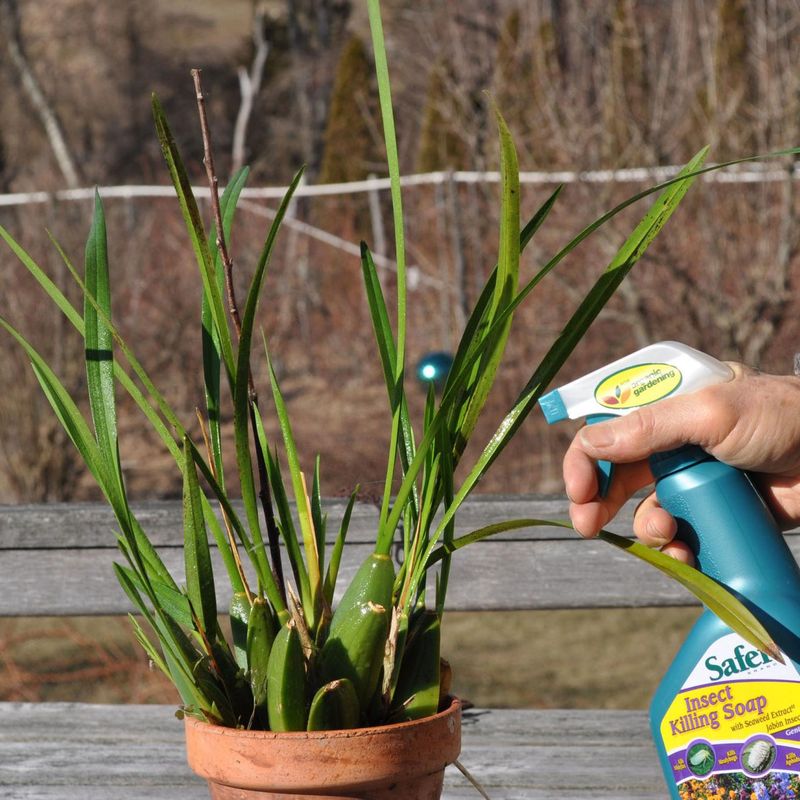
Overusing pesticides in your backyard can have devastating effects on local wildlife and the environment. Chemical runoff can pollute waterways, harming aquatic life and disrupting ecosystems.
Beneficial insects, such as pollinators and pest predators, are also affected. Reducing pesticide use and opting for organic alternatives can create a healthier environment.
Did you know? Many native Ohio plants have natural pest-deterring properties. Incorporating them into your garden can reduce the need for chemical interventions while supporting biodiversity.
7. Disrupting Water Sources
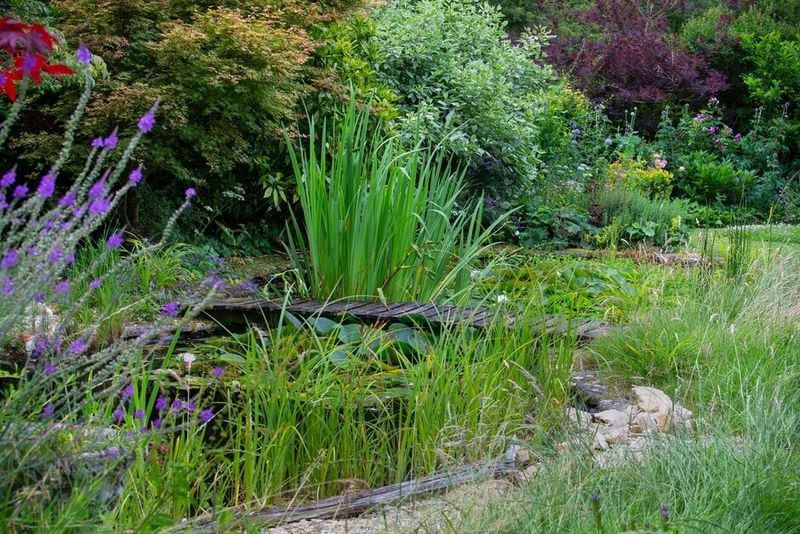
Natural water sources in your backyard are vital for local wildlife. Disrupting these habitats can have far-reaching impacts on the creatures that rely on them.
Frogs, insects, and birds all depend on clean, stable water sources. Altering these environments can lead to a decline in wildlife populations.
Interesting fact: Frogs are considered indicator species because their presence reflects the health of an ecosystem. Maintaining clean water sources in your backyard not only supports wildlife but also ensures a thriving, balanced habitat.