 Complete Gardening

Fall brings perfect planting weather for fruit trees in New Mexico. Cool temperatures and winter rains ahead give your new trees time to grow strong roots before facing summer heat. Growing your own apples, peaches, and plums means fresh fruit right from your backyard. Follow these smart tips to start your fruit tree garden this season.
1. Choose Climate-Smart Varieties
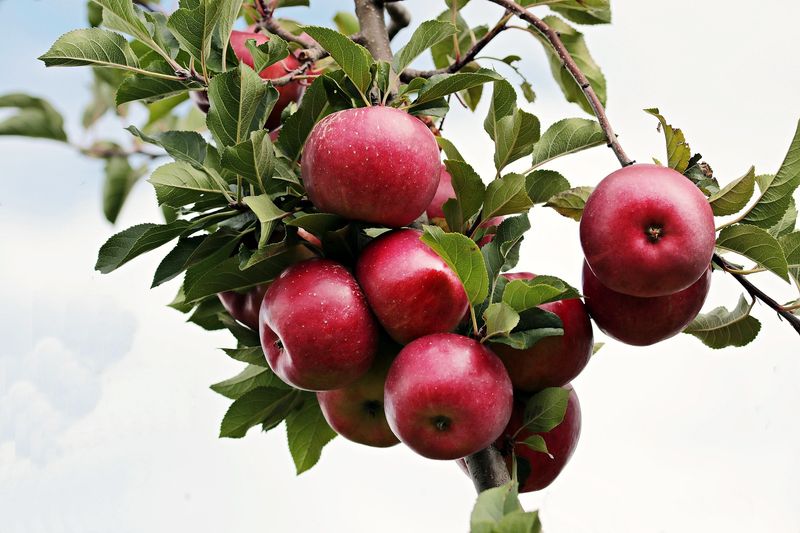
Not all fruit trees can handle New Mexico’s wild weather swings. Granny Smith and Fuji apples laugh at our cold winters and bounce back strong each spring.
Elberta peaches and Santa Rosa plums love our hot summers but stay tough through freezing nights. Tilton apricots practically made this desert climate their home.
Pick varieties that already know how to survive here, and you’ll save yourself years of frustration.
2. Time Your Planting Right

September through early October creates magic for new fruit trees in higher elevations. Cool air means less stress on roots, while warm soil still encourages growth.
Your trees get months to settle in before winter arrives. Think of it as giving them a head start on next year’s growing season.
Lower elevation gardeners should wait until early spring, but mountain folks have the perfect window right now for successful planting.
3. Prep Your Soil Like a Pro
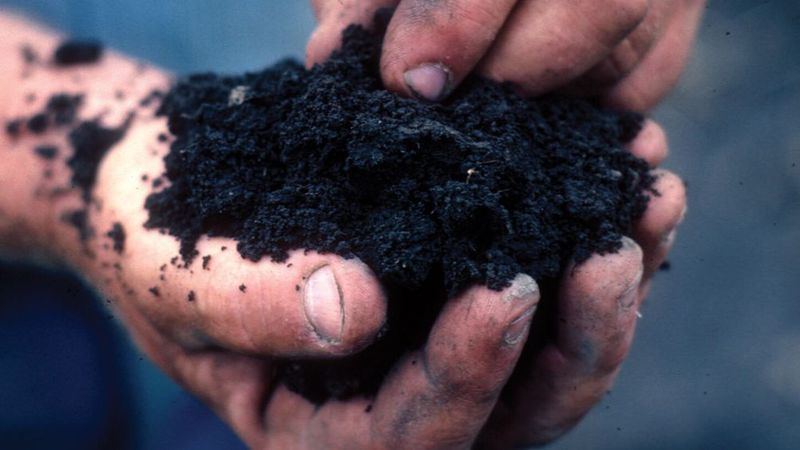
Rocky, hard-packed earth won’t grow much of anything worthwhile. Fruit trees crave soil that drains well but holds some moisture, with a pH between 6.0 and 7.0.
Mix generous amounts of compost into your planting area. This black gold improves drainage in clay soils and helps sandy soils hold water better.
Good soil preparation now prevents years of struggling trees and disappointing harvests later.
4. Water Deep, Not Often
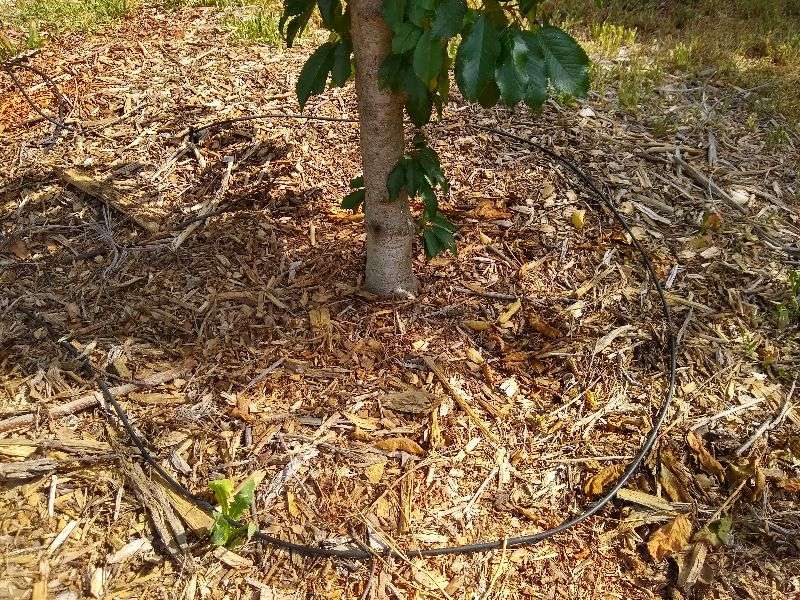
Baby fruit trees need deep drinks once weekly, especially during our notorious dry spells. Shallow, frequent watering creates weak root systems that can’t handle drought.
Soak the ground thoroughly until water penetrates 12-18 inches down. This encourages roots to grow deep and strong, reaching moisture even during tough times.
As trees mature, reduce watering frequency but keep it deep. Strong roots equal healthy, productive trees.
5. Prune for Success
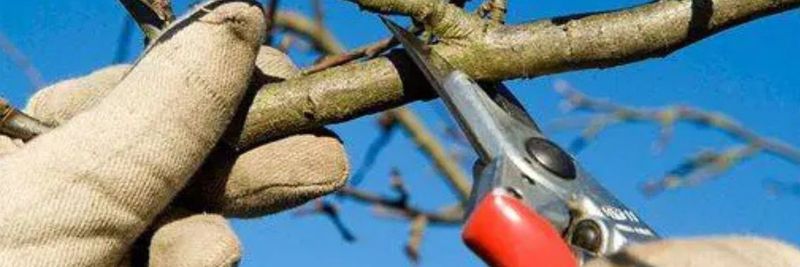
Annual pruning keeps your trees healthy and productive year after year. Remove dead, diseased, or crossing branches that block sunlight and air circulation.
Good airflow prevents fungal diseases that love our humid monsoon seasons. Sunlight reaching inner branches means better fruit quality throughout the entire tree.
Winter pruning works best when trees are dormant. Clean cuts heal faster and encourage strong spring growth patterns.
6. Fight Pests Naturally
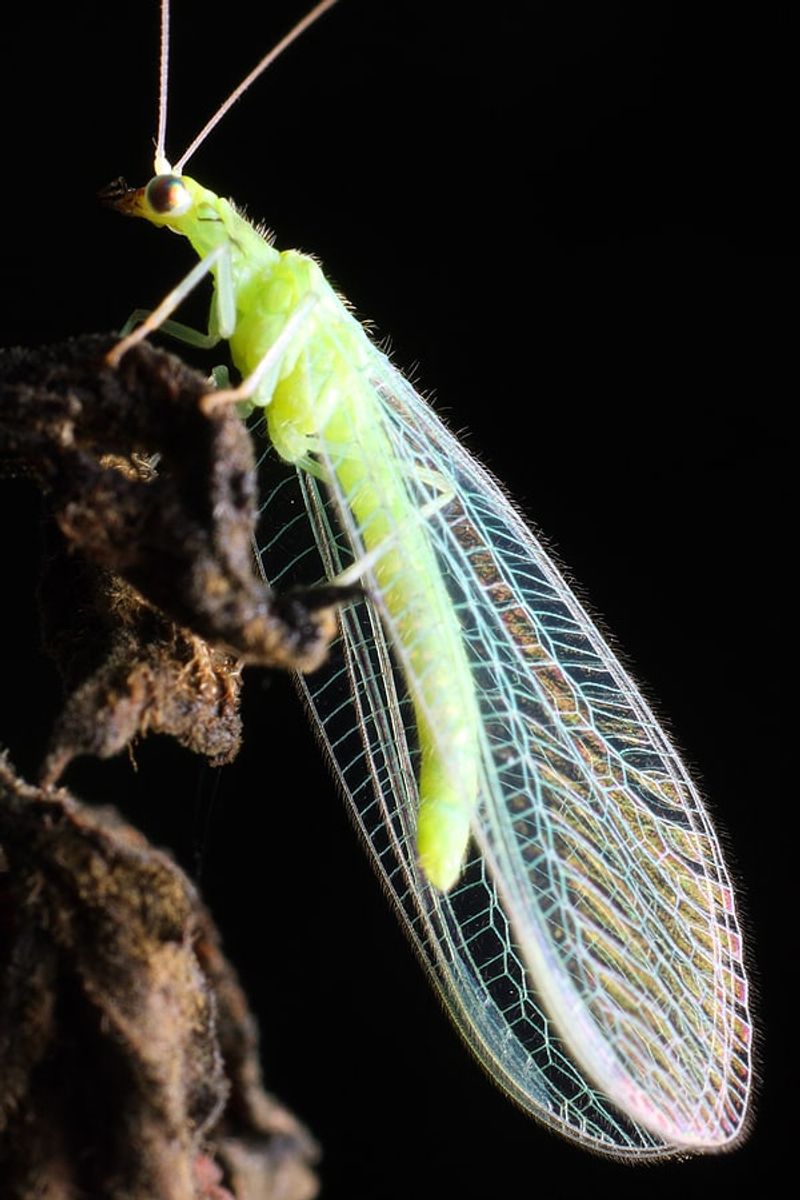
Aphids and spider mites love fruit trees almost as much as you do. Regular inspection catches problems before they explode into infestations.
Beneficial insects like ladybugs and lacewings provide natural pest control when you avoid harsh chemicals. Organic neem oil works wonders against common fruit tree pests.
Healthy trees resist pests better than stressed ones. Good watering, proper nutrition, and clean pruning create strong natural defenses.
7. Shield Against Frost Damage
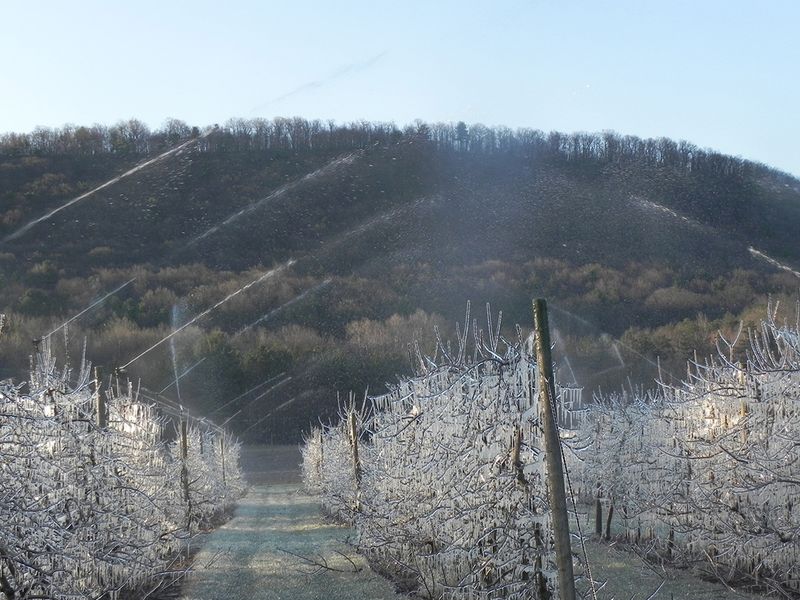
Late spring frosts can destroy an entire year’s fruit crop in one brutal night. New Mexico’s unpredictable weather makes frost protection absolutely critical for success.
Plant trees in sheltered spots near south-facing walls or use frost blankets during cold snaps. Even small microclimates make huge differences in survival rates.
Watch weather forecasts religiously during bloom time. A little preparation prevents heartbreaking losses when unexpected freezes strike.