 Complete Gardening
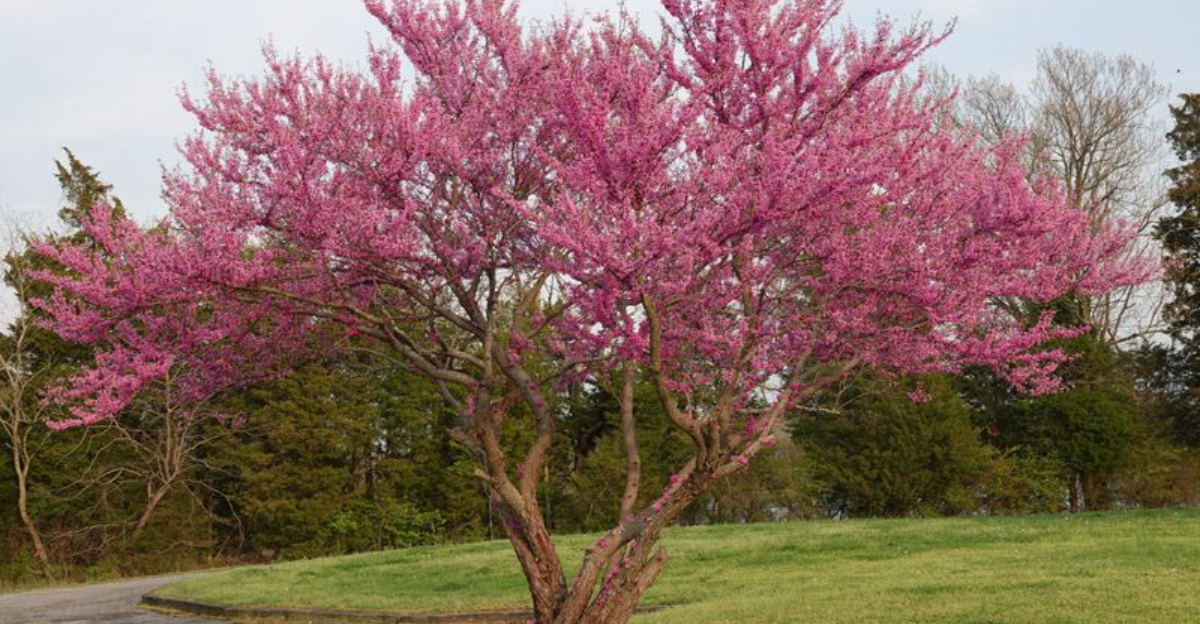
Creating a harmonious yard involves selecting the right trees that either enhance or disrupt your lawn’s beauty.
Some trees are notorious for wreaking havoc on lawns with their aggressive roots and heavy shading, while others coexist peacefully, providing shade and aesthetic value without damaging the grass beneath.
1. Silver Maple
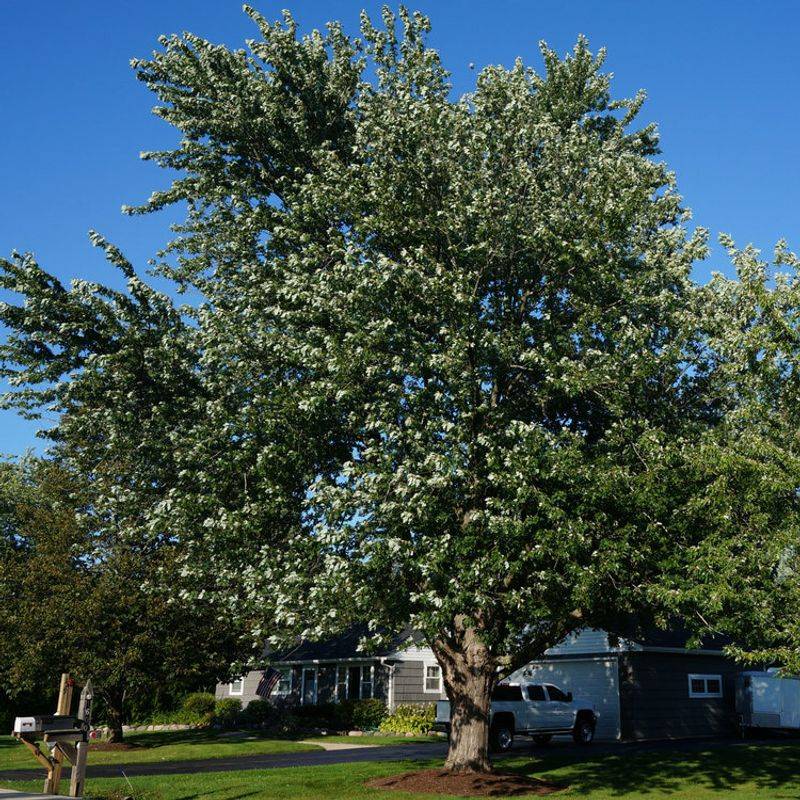
The Silver Maple, with its rapid growth and towering presence, might initially seem like the perfect choice for shade. However, beneath the surface lies an extensive root system that can wreak havoc on lawns.
These roots aggressively seek moisture, often breaking through the ground and disturbing the grass above. Over time, the once lush lawn becomes a patchy mess, struggling to compete with the tree’s demands.
While its silver-tinted leaves are a visual delight, the silver maple’s thirst for water and nutrients makes it a challenging companion for any lawn. Its roots, ever adventurous, lead to unsightly lawn upheavals.
2. Norway Spruce
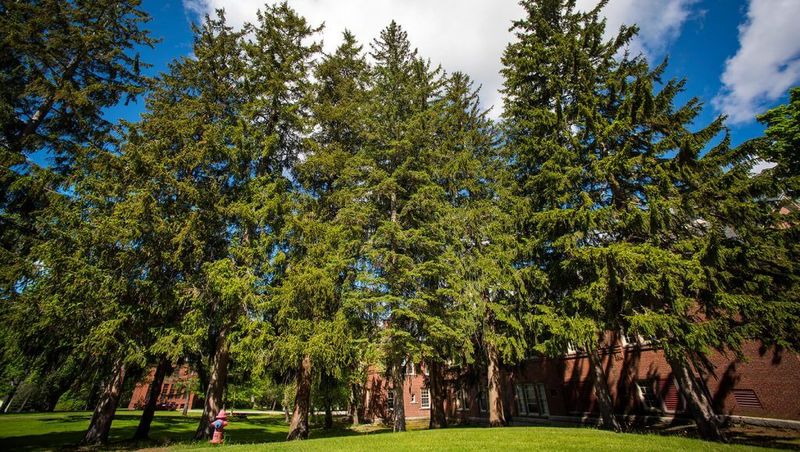
The Norway Spruce, with its majestic height and dense foliage, stands like a sentinel in many yards. However, its thick canopy casts a substantial shade, depriving the grass beneath of essential sunlight.
This lack of light results in thinning lawns, as the grass struggles to photosynthesize efficiently. Additionally, the needle drop from this evergreen can create an acidic environment, further hindering lawn growth.
While its conical shape and rich green hues are captivating, the Norway Spruce’s tendency to overshadow its surroundings can lead to a lackluster lawn appearance.
3. Weeping Willow
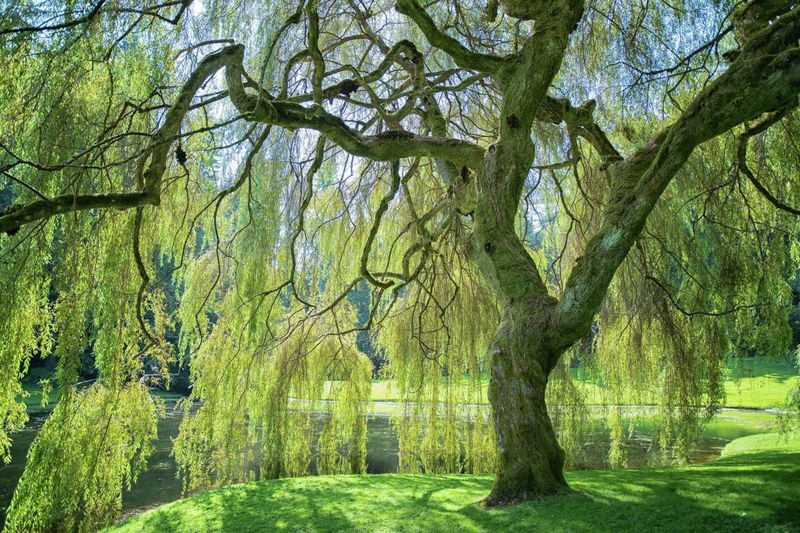
With its elegant, cascading branches, the Weeping Willow often evokes a sense of tranquility and beauty. Yet, its invasive root system tells a different story.
These roots aggressively explore the soil for water, often emerging above ground and competing fiercely with grass for moisture. This competition can leave lawns parched and struggling to survive.
Furthermore, the willow’s love for damp environments can lead to soggy patches, where grass fails to thrive. Despite its graceful appearance, the Weeping Willow’s relationship with lawns is fraught with challenges, making it a demanding neighbor.
4. Eucalyptus
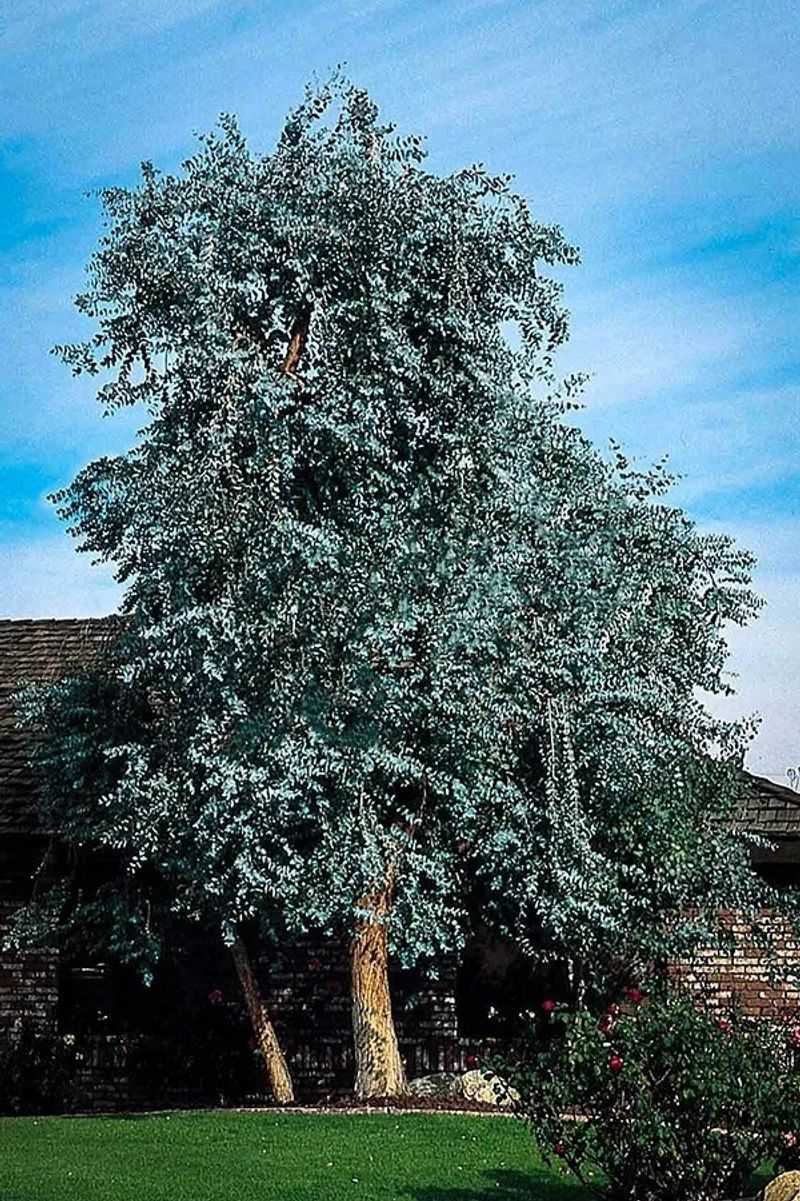
Known for its aromatic leaves and towering presence, the Eucalyptus tree adds a touch of the exotic to any landscape. Yet, its fast-growing nature and heavy leaf litter can pose significant challenges for lawns.
Eucalyptus leaves contain oils that can inhibit grass growth, creating bare patches beneath its canopy. Additionally, the tree’s water-hungry roots drain the soil, leaving grass thirsty and undernourished.
While the Eucalyptus offers an impressive silhouette, its impact on lawns can result in a less-than-ideal coexistence, making it a tree that requires careful consideration.
5. Black Walnut
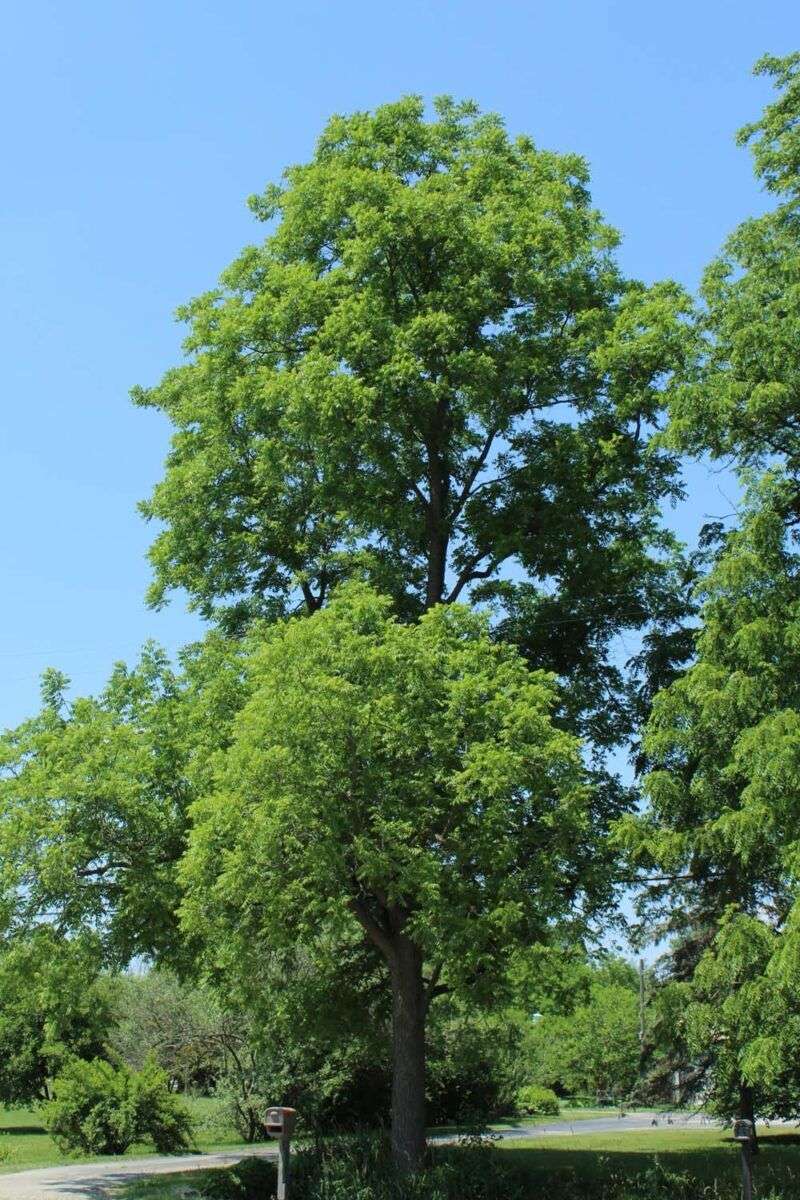
The Black Walnut is both a striking and controversial figure in the tree world. Its roots and leaves produce a chemical called juglone, which can be toxic to many plants, including grass.
This allelopathic effect results in stunted growth or even death in the lawn area beneath the tree. The falling leaves, rich with juglone, can further contribute to a hostile environment for grass.
While the Black Walnut’s sturdy trunk and canopy might offer allure, its biochemical arsenal makes it an adversary for lawns, requiring strategic planning to mitigate its effects.
6. American Sycamore

The American Sycamore, with its iconic mottled bark, is a sight to behold. However, its demanding nature can turn any lawn into a battlefield. The tree’s expansive roots compete fiercely for resources, often leading to dry, patchy grass.
Additionally, its large leaves, when shed, can blanket the lawn, obstructing sunlight and suppressing grass growth.
Despite its visual grandeur, the American Sycamore’s impact on lawns can be significant, requiring diligent maintenance to preserve both the tree’s and the lawn’s health.
7. Sweetgum
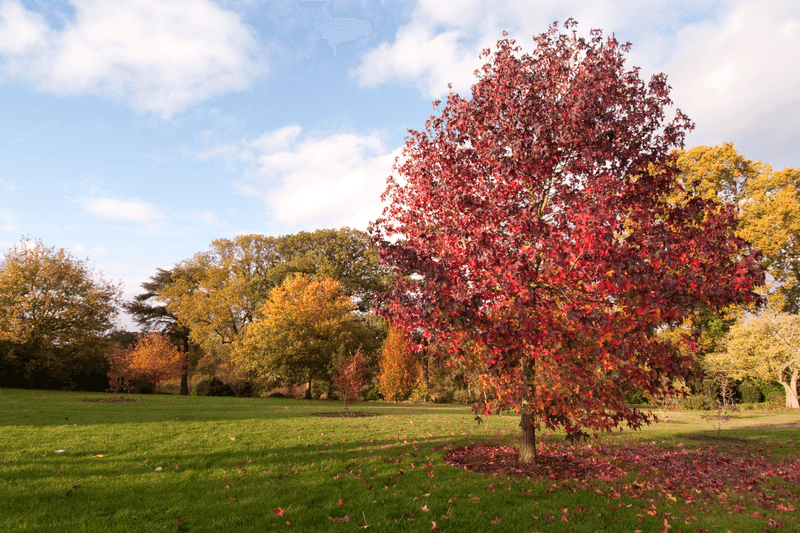
Sweetgum trees, with their star-shaped leaves and bright autumn colors, might seem like an ideal choice for adding vibrancy to a yard. However, their notorious seed pods, often referred to as “gum balls,” litter the ground, creating a headache for maintenance.
These spiky pods can make lawn mowing a troublesome task and may damage equipment. Furthermore, the Sweetgum’s root system competes with grass, leading to uneven growth.
While visually appealing, the challenges posed by the Sweetgum’s natural debris make it a contentious addition to any lawn-conscious landscape.
1. Red Maple

The Red Maple, known for its vibrant foliage, offers a striking presence without disrupting the peaceful coexistence of its surroundings. Unlike its silver counterpart, the Red Maple’s roots are far less invasive, allowing grass to flourish uninterrupted.
Its canopy provides moderate shade, creating an ideal environment for lawns that require some sun protection. The tree’s minimal leaf drop and non-toxic nature further ensure that the grass beneath remains healthy and vibrant.
As such, the Red Maple stands as a model of harmony, fostering a thriving lawn that complements its beauty.
2. Dogwood
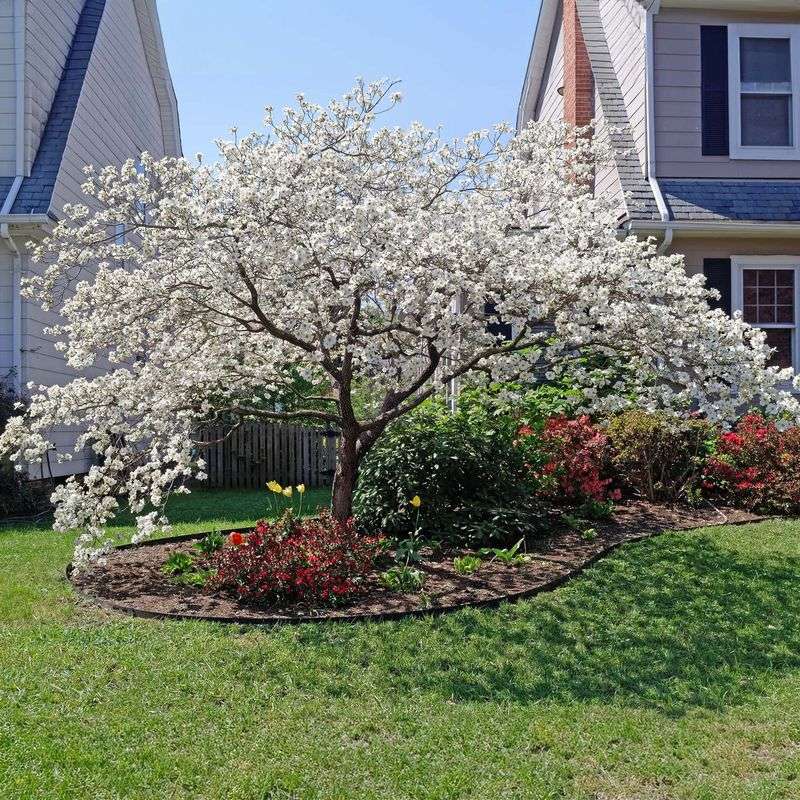
The Dogwood tree, with its delicate blooms and graceful stature, is a beloved addition to any garden. Its shallow root system plays nicely with grass, allowing for a lush and vibrant lawn.
Dogwood trees are admired for their seasonal transformation, showcasing stunning flowers in spring and vibrant foliage in autumn.
The tree’s modest size ensures it doesn’t overshadow the lawn, making it a perfect companion for those seeking both beauty and balance.
Its gentle nature and compatibility with grass make the Dogwood a cherished tree that enhances any landscape.
3. Japanese Maple

With its exquisite, finely cut leaves and compact size, the Japanese Maple is a treasure in any yard. This tree’s non-invasive roots allow grass to thrive, creating a picturesque setting.
The Japanese Maple’s stunning foliage transitions through an array of colors, from rich greens to fiery reds, captivating all who pass by. Its delicate structure casts a gentle shade, ideal for lawns that enjoy dappled sunlight.
As a symbol of grace and tranquility, the Japanese Maple enhances lawns without overpowering them, making it a delightful choice for garden enthusiasts.
4. Ginkgo Biloba
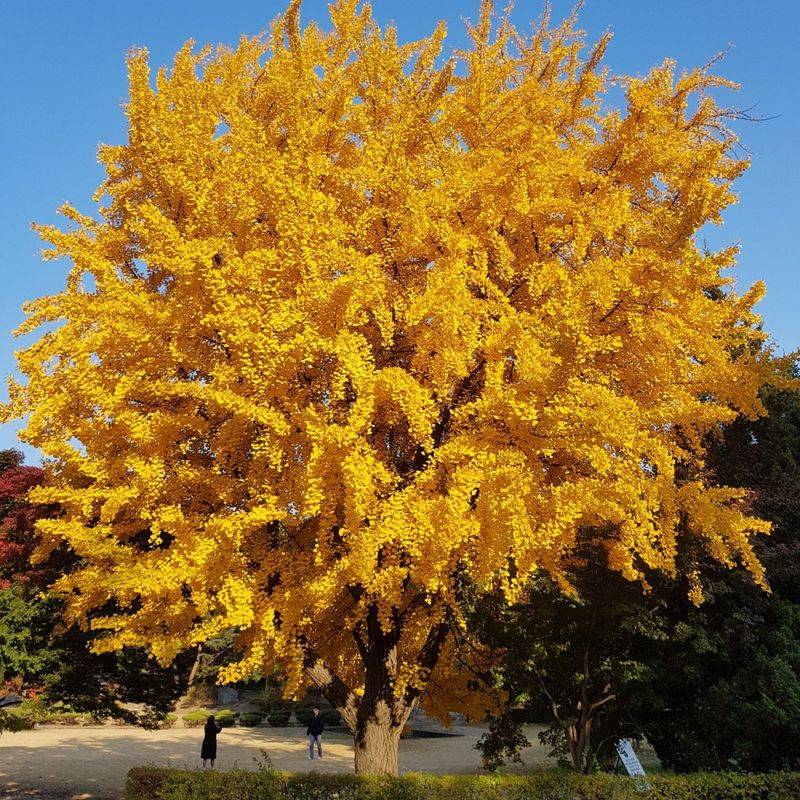
Ginkgo Biloba, often celebrated for its fan-shaped leaves and resilience, offers both beauty and practicality. This ancient tree species coexists peacefully with lawns, as its roots do not aggressively seek nutrients, allowing grass to thrive.
Ginkgo trees are relatively low-maintenance, shedding leaves in a manageable manner, which simplifies yard upkeep. Their unique foliage adds visual interest, while the tree’s upright growth habit ensures it doesn’t overshadow adjacent plantings.
With its combination of elegance and compatibility, Ginkgo Biloba stands as a testament to nature’s ability to harmonize within landscapes.
5. Crabapple

Crabapple trees, with their vibrant blossoms and compact size, are a gardener’s delight. These trees play well with lawns, as their roots are not overly competitive, and their canopy provides just the right amount of shade.
In spring, Crabapples burst into a riot of colors, decorating gardens with pink and white blooms. As the seasons change, they produce small fruits, attracting birds and adding life to the landscape.
Their minimal leaf drop ensures lawns remain clean and vibrant, making Crabapple trees an excellent choice for those seeking beauty without the hassle.
6. Serviceberry

The Serviceberry tree, with its elegant form and seasonal interest, is a gem for any garden. Its non-invasive roots allow grass to grow unhindered, creating a harmonious landscape.
In spring, Serviceberries grace yards with enchanting white blossoms, followed by edible berries that attract wildlife. The tree’s modest size ensures it complements, rather than competes with, the lawn.
As autumn arrives, its foliage transforms into a tapestry of reds and oranges, adding warmth to the garden. Serviceberry trees are synonymous with balance, offering beauty and utility without overshadowing their surroundings.
7. Redbud
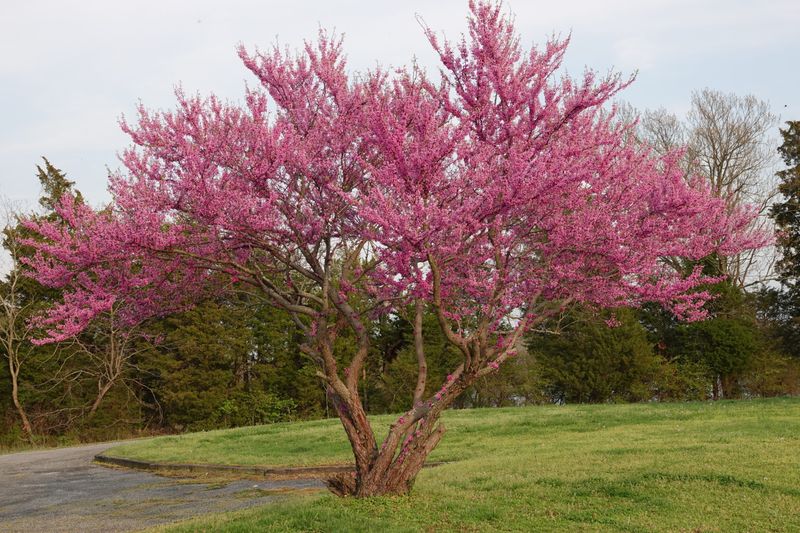
Redbud trees, famed for their striking pink blossoms, herald the arrival of spring with vibrant flair. Their compact size and shallow roots make them ideal companions for lawns, allowing grass to flourish without interruption.
The Redbud’s heart-shaped leaves provide gentle shade, creating dappled sunlight spots that are perfect for a well-maintained lawn. As autumn approaches, the tree’s foliage turns a brilliant yellow, adding seasonal interest.
Its manageable size and non-invasive nature make the Redbud a favorite among gardeners seeking harmony and visual delight in their outdoor spaces.