 Complete Gardening
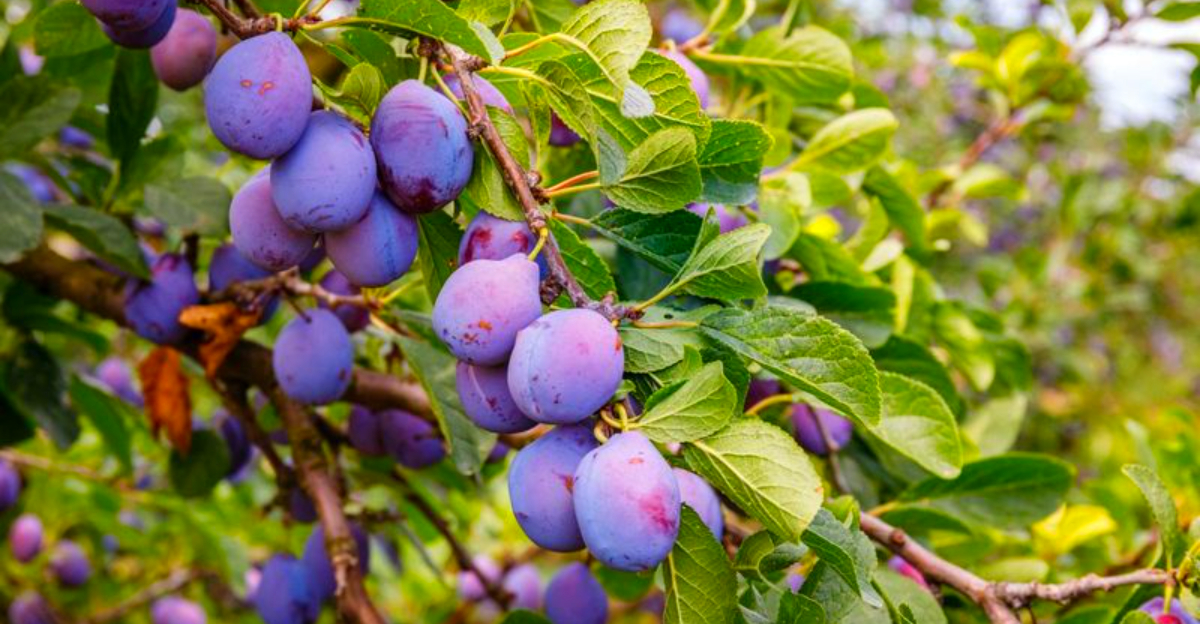
Growing fruit trees in Arizona might seem impossible with scorching summers and desert conditions. Many homeowners assume they need to give up dreams of fresh backyard fruit. However, several hardy varieties actually love the Arizona climate and produce amazing harvests. With the right choices, you can enjoy homegrown citrus, stone fruits, and exotic treats year-round.
1. Citrus Trees (Oranges, Lemons, Limes, Grapefruit)
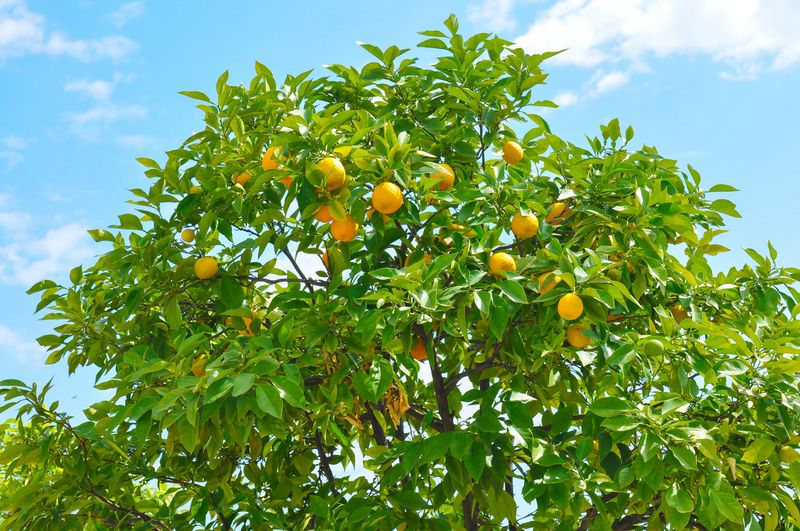
Arizona’s low desert climate creates perfect conditions for citrus production. The University of Arizona Cooperative Extension considers citrus among the most reliable fruit crops for Phoenix and Tucson areas.
Navel oranges, Valencia oranges, Lisbon lemons, Bearss limes, and Ruby Red grapefruit all flourish here. Winter protection helps young trees, but mature citrus handles most Arizona weather with ease.
Regular watering and proper fertilization keep trees productive for decades.
2. Fig Trees
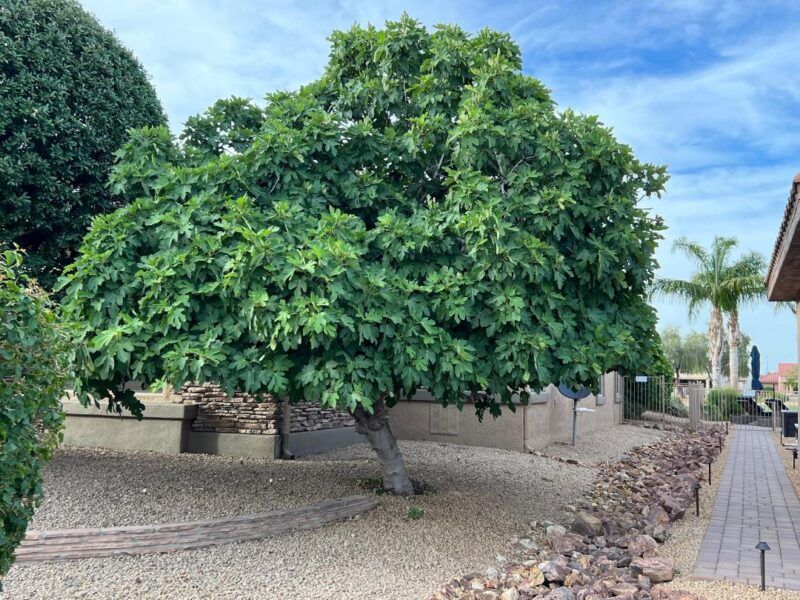
Black Mission, Kadota, and Brown Turkey figs absolutely thrive in Arizona’s intense heat. Local nurseries recommend figs for low-desert backyards because they’re self-fertile and incredibly heat-tolerant.
Once established, fig trees need minimal water while producing abundant sweet fruit. The natural sugars concentrate beautifully in Arizona’s dry climate.
Fresh figs ripen multiple times per season, giving you harvests from summer through fall.
3. Pomegranate Trees
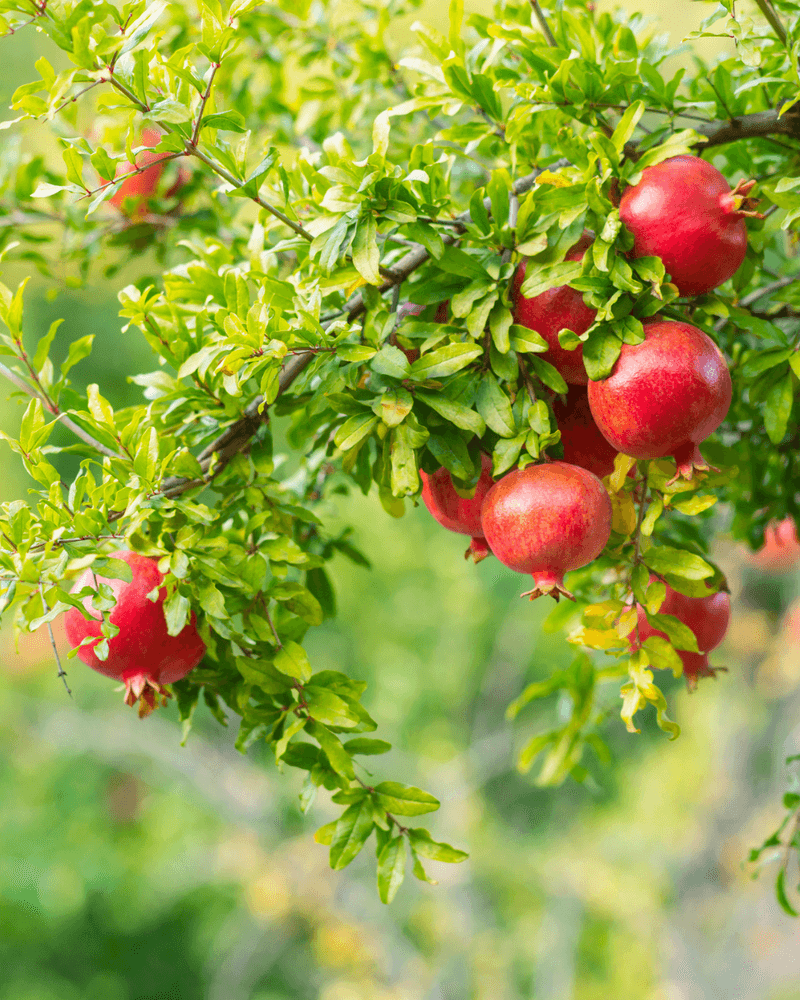
Hardy pomegranates laugh at drought conditions while producing stunning red flowers and antioxidant-rich fruit. The ‘Wonderful’ cultivar has become especially popular among Arizona gardeners for good reason.
Pomegranate trees handle extreme heat better than most fruit trees. They actually prefer Arizona’s dry climate to humid regions where fungal problems occur.
Harvest time brings jewel-like arils perfect for eating fresh or making juice.
4. Peach and Nectarine Trees (Low-Chill Varieties)
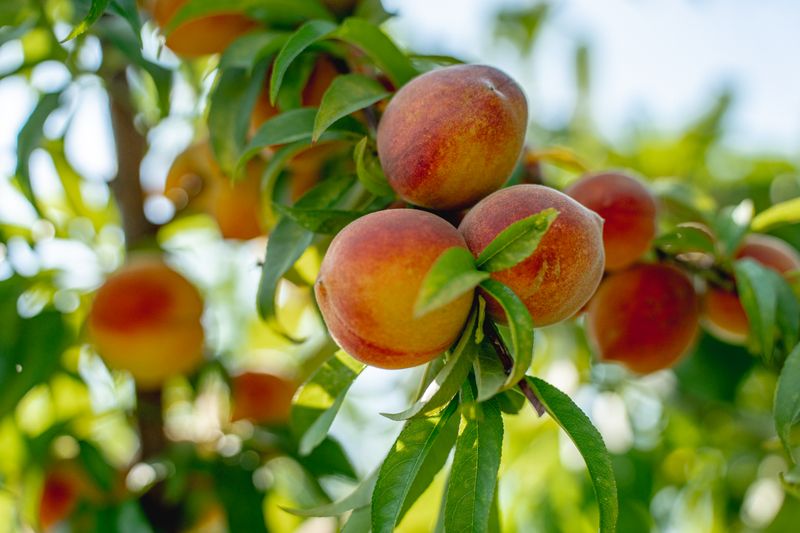
Desert Gold peach, Flordaprince peach, and Desert Delight nectarine represent specially developed low-chill varieties. Arizona Cooperative Extension specifically recommends these for backyard growers facing mild winters.
Traditional peach varieties need cold winter hours that Arizona simply doesn’t provide. Low-chill types bloom and fruit beautifully with minimal winter chilling.
Sweet, juicy stone fruits ripen in late spring when grocery store peaches still taste bland.
5. Plum Trees (Low-Chill Varieties)
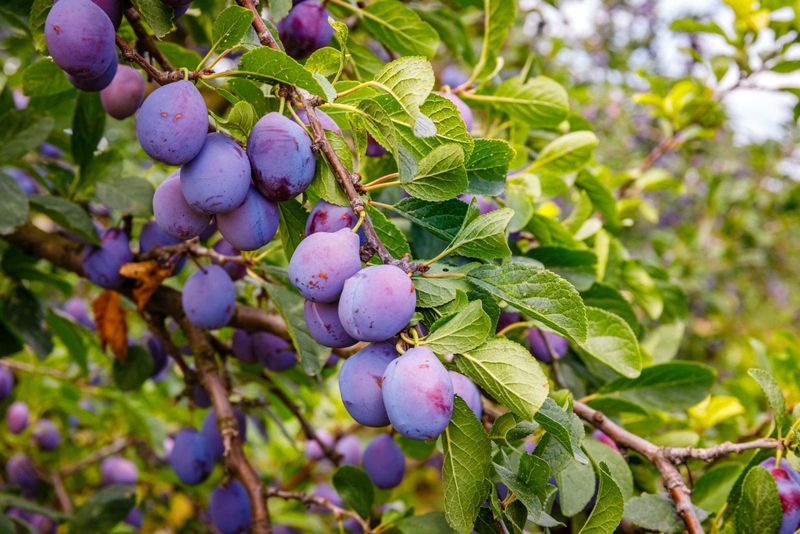
Santa Rosa and Gulf plum varieties outperform traditional northern plums in Arizona’s unique climate. They tolerate the desert’s mild winters much better when given consistent water.
Plum trees appreciate Arizona’s long growing season and intense sunlight. The dry climate helps prevent many fungal diseases that plague plums in humid regions.
Harvest brings sweet, juicy plums perfect for fresh eating or preserving into jams and jellies.
6. Mulberry Trees
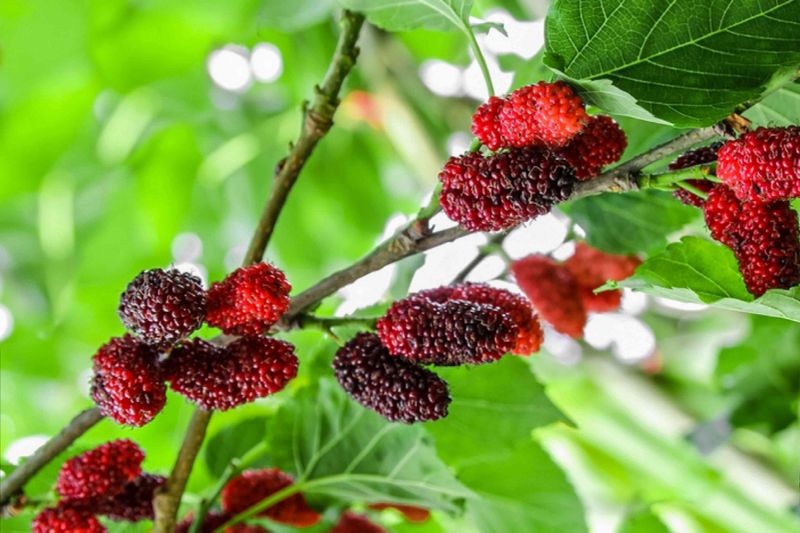
Black mulberries (Morus nigra) produce incredibly sweet fruit while handling Arizona’s punishing heat with remarkable ease. The berries taste like a cross between blackberries and grapes.
Check local ordinances first, as some Arizona cities restrict fruiting mulberries due to pollen concerns. Where allowed, they make excellent shade trees with edible bonuses.
Kids love picking mulberries directly from branches during the long harvest season from spring through summer.
7. Date Palms
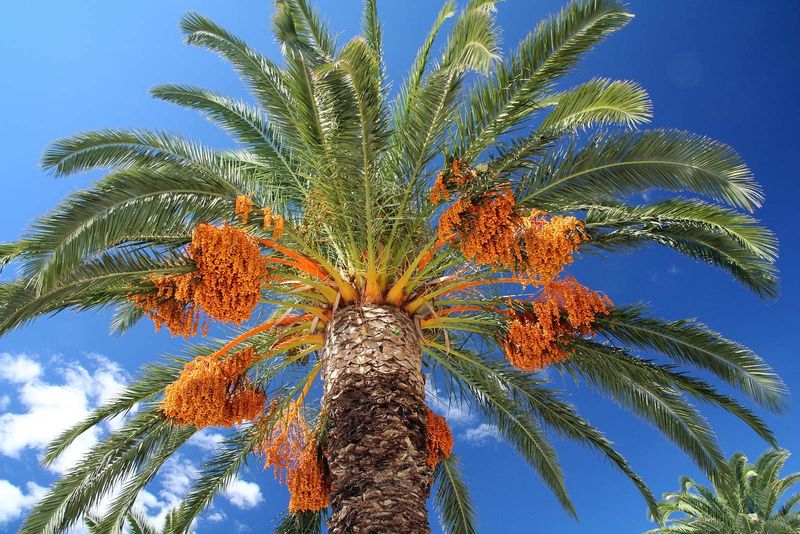
Medjool date palms grow commercially in Yuma County, proving their love for Arizona conditions. Smaller backyard plantings can also produce impressive fruit harvests.
Date palms need plenty of space but absolutely love Arizona’s heat and abundant sunshine. They’re virtually maintenance-free once established in the right location.
Fresh dates taste completely different from store-bought varieties, with complex flavors and perfect natural sweetness that develops under Arizona’s intense sun.
8. Apricot Trees (Low-Chill)
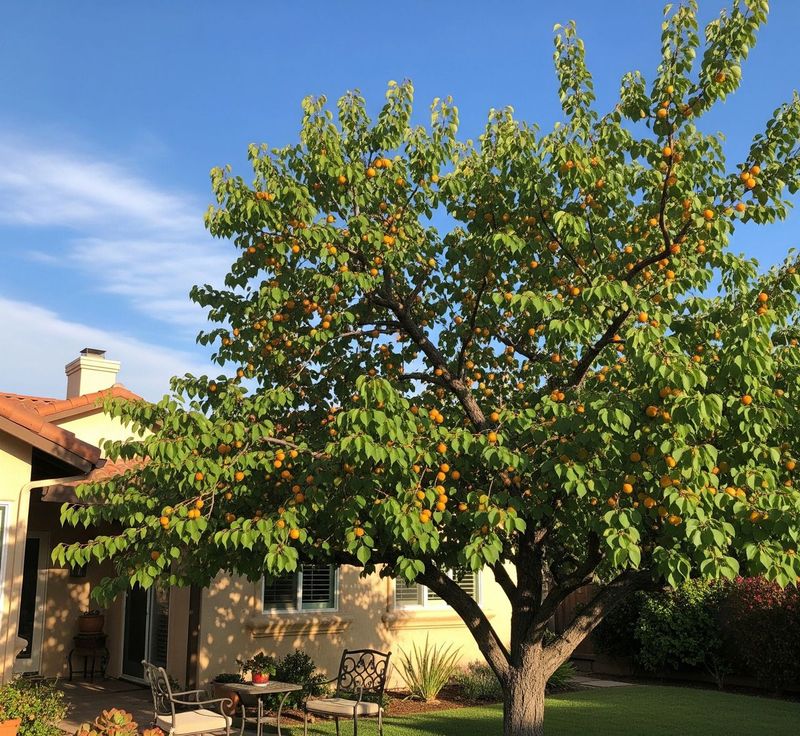
Katy and Gold Kist apricot varieties adapt beautifully to Arizona’s low desert conditions. They bloom early in spring, so plant them in your yard’s warmest microclimate.
Frost can still threaten early blooms, making location selection crucial for success. Protected spots near south-facing walls work perfectly.
Fresh Arizona apricots develop incredible sweetness and flavor intensity that puts grocery store versions to shame. The dry climate concentrates natural sugars beautifully.