 Complete Gardening
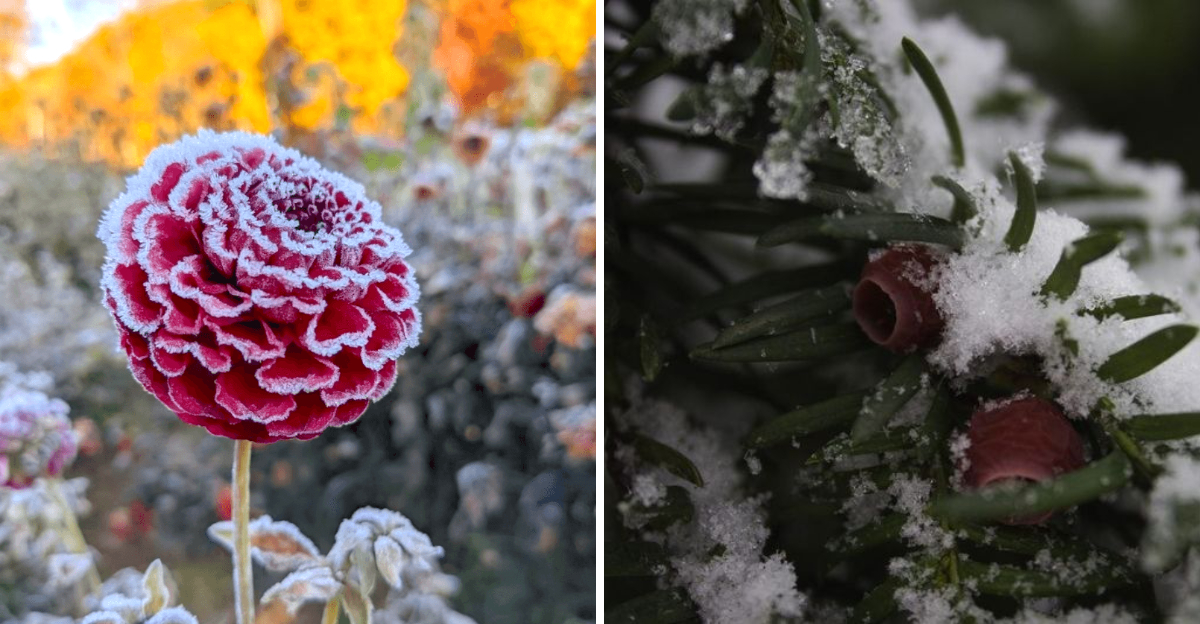
Gardening enthusiasts often face the challenge of frost, which can be both a gardener’s foe and an ally. This blog delves into the fascinating world of plants that succumb to the first frost and those that defy even the harshest Arctic winters.
Explore the resilience and vulnerability of these plants, understand their unique characteristics, and learn how to manage your garden through varying climatic conditions.
Discover which plants require extra care when the chill arrives and which ones triumphantly withstand the icy grip of winter.
1. Begonias
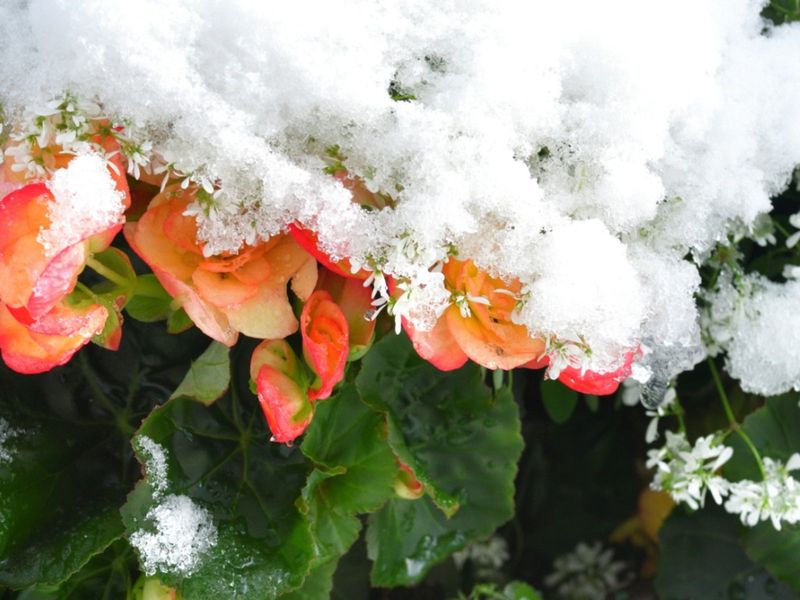
Begonias, with their captivating colors and lush foliage, are the charmers of the garden. However, when the first frost bites, these delicate beauties bow out quickly. Their leaves and flowers succumb to freezing temperatures as ice crystals form, damaging cell walls.
Begonias require warmer environments to thrive, making them unsuitable for colder climates without protection.
Gardeners who cherish these plants often bring them indoors or utilize frost cloths to preserve their beauty. Despite their vulnerability, begonias continue to be a favorite for their aesthetic appeal.
2. Marigolds
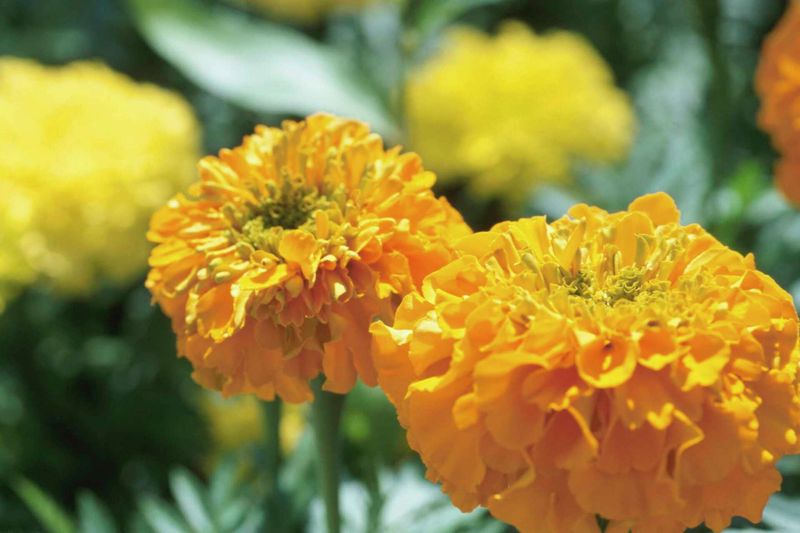
Marigolds shine brightly throughout the summer but falter as frost arrives. Known for their vibrant hues and pungent aroma, these flowers cannot withstand cold temperatures.
Frost causes their petals to wilt and leaves to blacken. Marigolds thrive in warmer conditions, contributing to their role as garden accents during sunny seasons.
To extend their presence, gardeners may plant them in pots and move them indoors when frost is forecasted. With a little care, marigolds can continue to brighten spaces, albeit temporarily, during colder months.
3. Impatiens
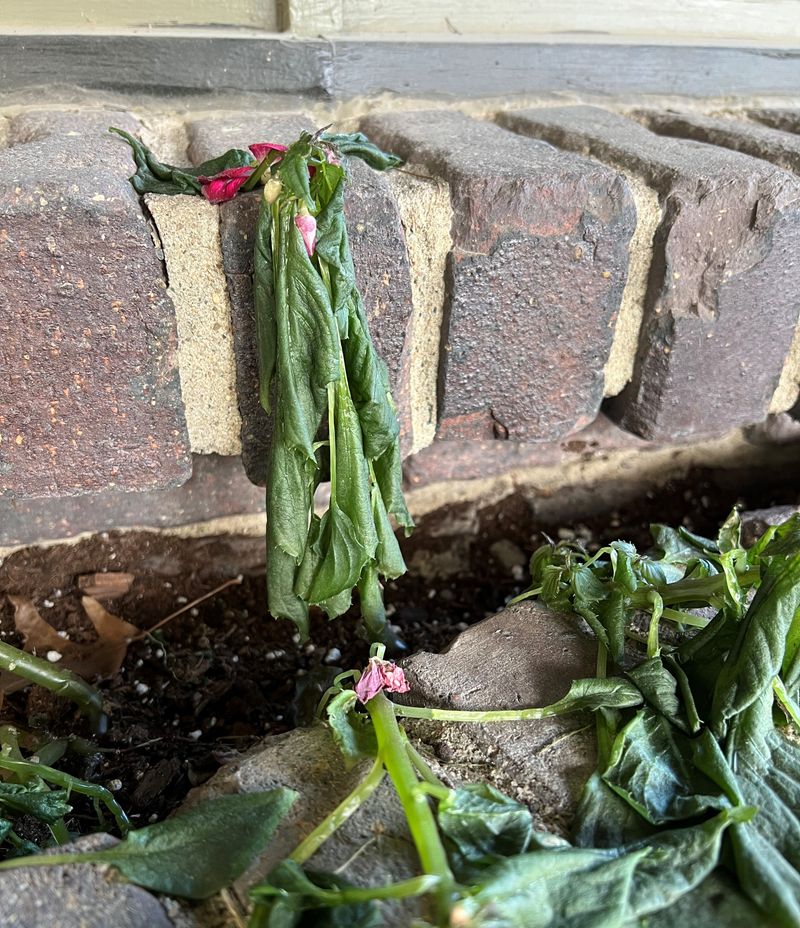
Impatiens offer a splash of color in shady spots but are notorious for freezing as frost sets in. These tender plants are sensitive to cold, with frost causing irreversible damage to their stems and leaves.
Gardeners often lament the loss of impatiens, as these plants add vibrancy to otherwise dull areas.
To protect them, some opt for greenhouse cultivation or seasonal covering. Despite their fragility, impatiens remain a beloved choice for gardeners seeking easy-to-grow, colorful foliage in warmer months.
4. Zinnias
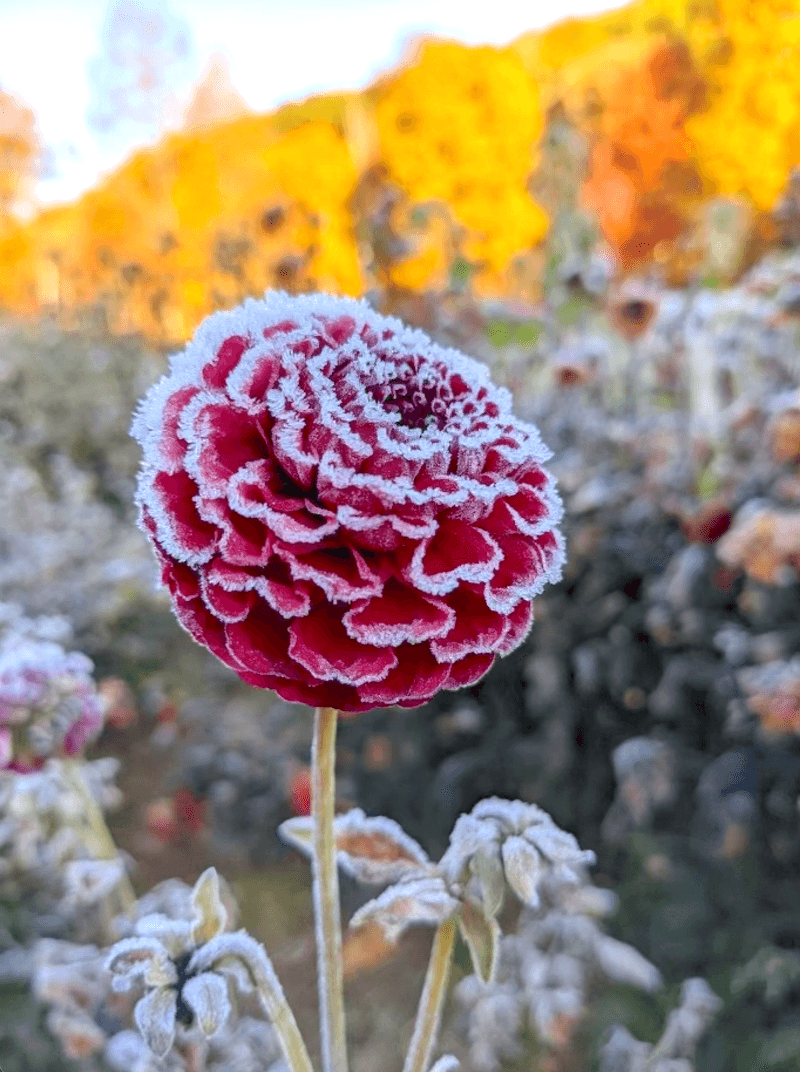
Zinnias, with their bold and cheerful blooms, attract both gardeners and pollinators. Unfortunately, they are not frost-hardy and succumb to cold snaps.
Frost causes their vibrant petals to collapse, losing their vivid charm.
To prolong their life, zinnias can be planted in sheltered areas or grown as annuals in regions where frost is minimal. Despite their susceptibility, zinnias continue to be a garden staple, celebrated for their striking appearance and ease of cultivation.
5. Squash
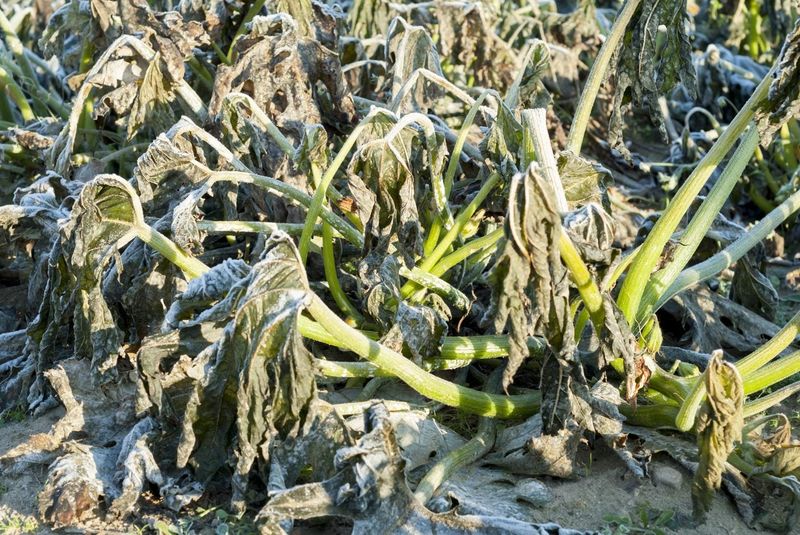
Squash plants, beloved for their edible bounty, are surprisingly vulnerable to frost. These warm-season crops cannot withstand freezing temperatures, which damage their vines and fruits.
Frost exposure can lead to poor harvests or plant death.
Gardeners often protect squash by using row covers or planting them in frost-free zones. While their tenderness poses challenges, squash remains a popular choice for its delicious produce, providing a rewarding gardening experience during warmer months.
6. Tomatoes
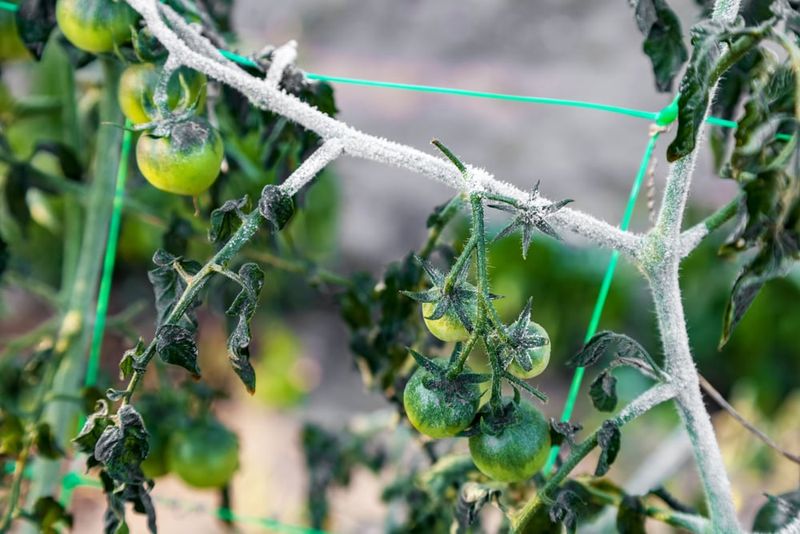
Tomatoes, a kitchen staple, are also victims of early frost. These sun-loving plants cannot tolerate cold, leading to blackened leaves and ruined fruit.
Gardeners often rush to harvest before frost hits or use protective measures like cloches.
Despite their vulnerability, tomatoes are widely cultivated for their flavorful fruits, rewarding diligent care with bountiful harvests. With proper planning, gardeners can enjoy tomatoes well into the autumn, savoring their rich taste even as temperatures drop.
7. Cucumbers
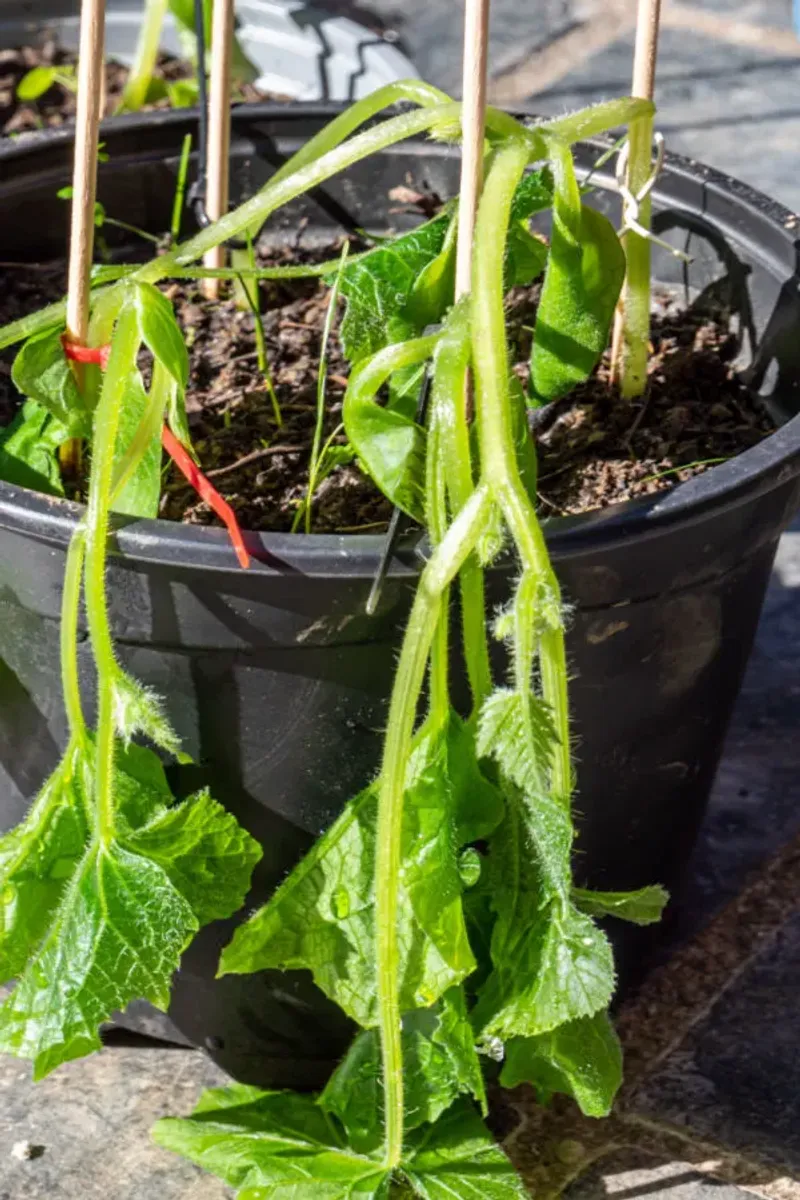
Cucumbers, refreshing and crisp, are another casualty of frost. These plants are sensitive to cold, with frost causing wilting and damage to their vines.
Gardeners keen on growing cucumbers must act swiftly to protect them from early frosts, often relying on row covers or greenhouses.
While frost poses a threat, cucumbers remain a staple in many gardens for their versatility and ease of growth during warmer months. Their crunchy texture and cool taste make them a summer favorite.
8. Basil
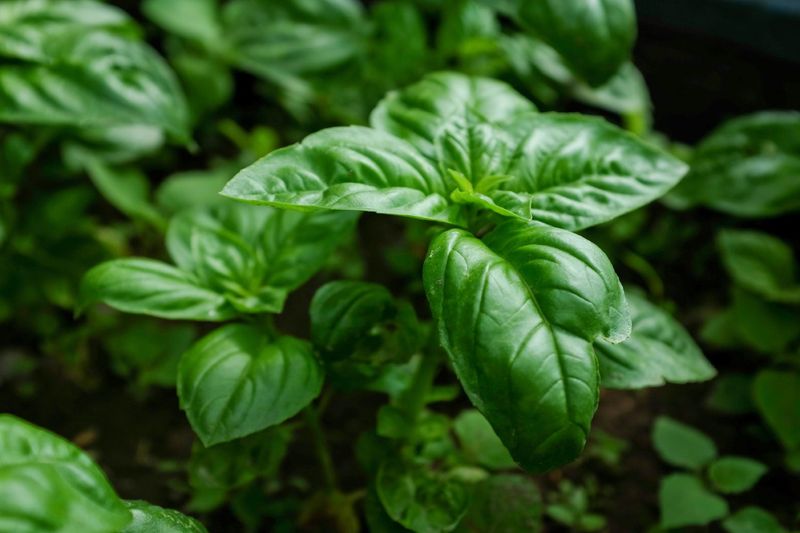
Basil, with its aromatic leaves, is cherished by culinary enthusiasts. However, it falls prey to frost with temperatures below freezing causing leaf browning and plant death.
Gardeners often bring basil indoors or use cloches to extend its growing season.
Despite its frost sensitivity, basil continues to be a herb garden favorite, celebrated for its distinct flavor and versatility in dishes. A symbol of summer, basil’s presence in the garden is both aromatic and visually pleasing, attracting gardeners and chefs alike.
1. Siberian Iris
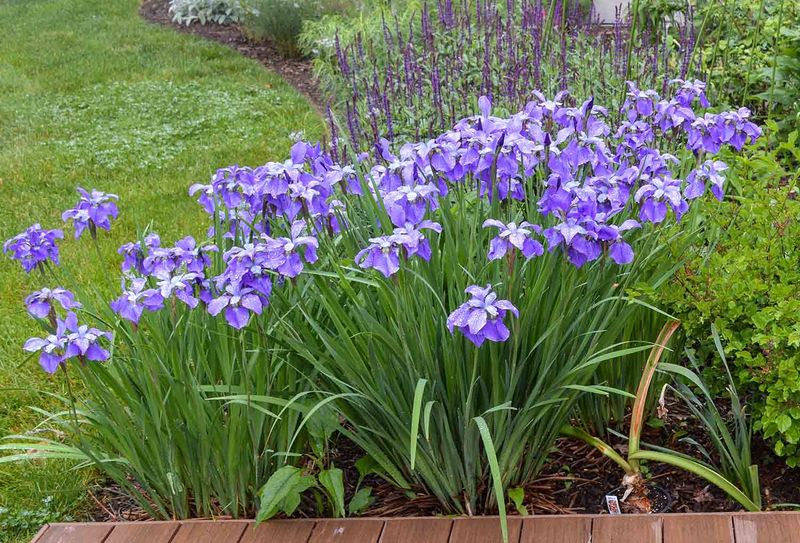
The Siberian Iris, with its delicate yet strong flowers, thrives in extreme conditions. Known for its stunning blue and purple blooms, this plant is remarkably resilient against frost.
Unlike its tender counterparts, the Siberian Iris can withstand sub-zero temperatures with grace.
A favorite among northern gardeners, it requires minimal protection, making it ideal for adding color to frost-prone landscapes. Its hardiness and beauty make the Siberian Iris a treasured addition to any garden, especially in colder climates.
2. Wintergreen
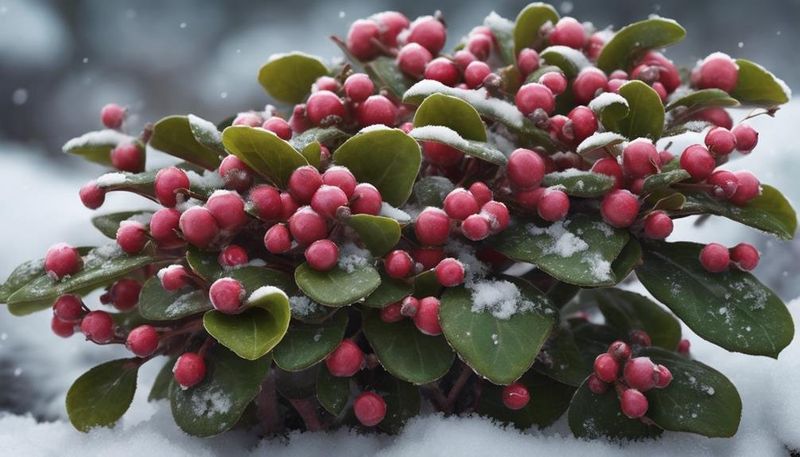
Wintergreen, with its glossy leaves and red berries, embodies resilience. This plant thrives in the freezing temperatures of Arctic winters, providing ground cover even when snow blankets the earth.
Its evergreen nature and ability to withstand harsh conditions make it a staple in cold-climate gardens.
Wintergreen is not only visually appealing but also offers aromatic qualities when leaves are crushed. A symbol of endurance, wintergreen’s vibrant presence brings life to winter landscapes, attracting both gardeners and wildlife alike.
3. Snowdrops
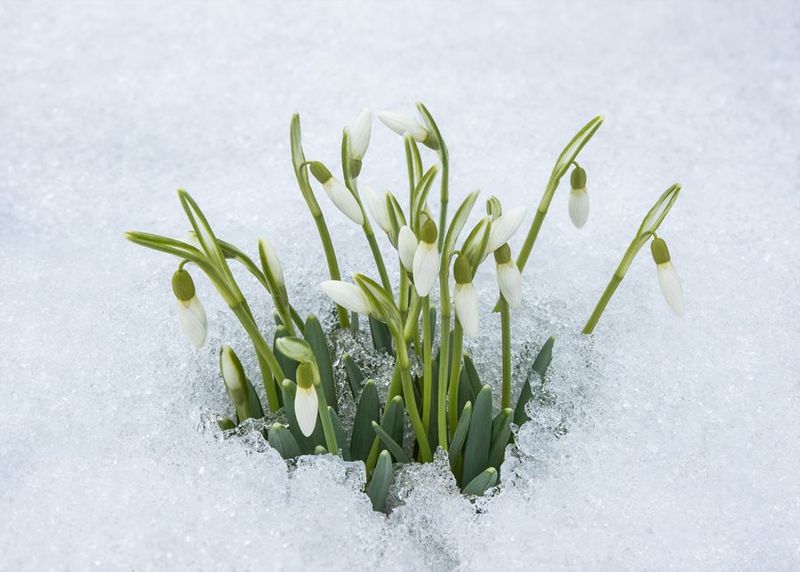
Snowdrops, the harbingers of spring, are often seen blooming amidst snow. These delicate flowers are surprisingly hardy, thriving in frigid conditions where other plants falter.
Their white blossoms emerge even as frost lingers, symbolizing hope and renewal.
Snowdrops are cherished for their ability to bloom when little else does, adding charm to winter gardens. Their tenacity and beauty make them a favorite among gardeners seeking resilience and elegance in cold climates, bridging the gap between winter and spring.
4. Hellebores
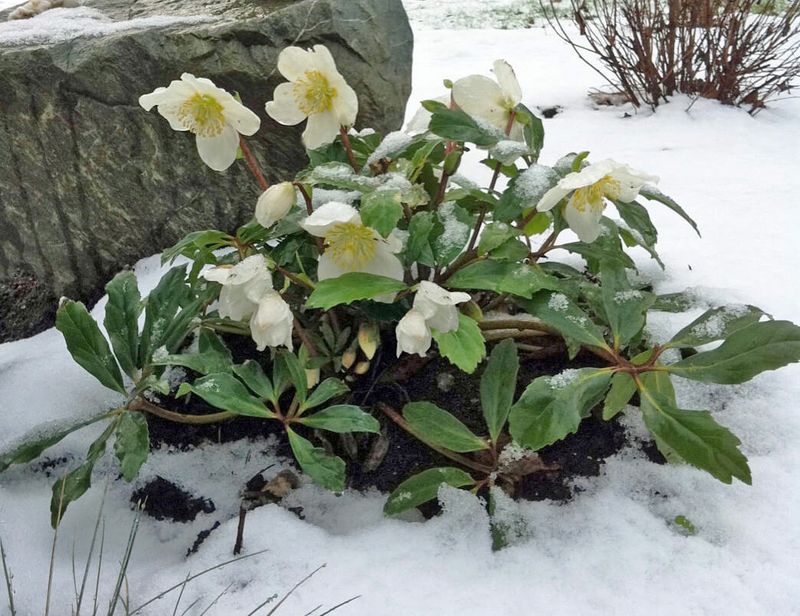
Hellebores, also known as Christmas Roses, defy winter’s chill with grace. These plants are celebrated for their ability to bloom during the coldest months, offering vibrant flowers amid a barren landscape.
Their resilience to frost and snow makes them a popular choice for winter gardens.
Hellebores’ unique beauty and hardy nature ensure they remain a gardener’s delight, providing color and life when most other plants lie dormant. Their presence in the garden is both uplifting and enchanting, heralding the promise of spring.
5. Norway Spruce
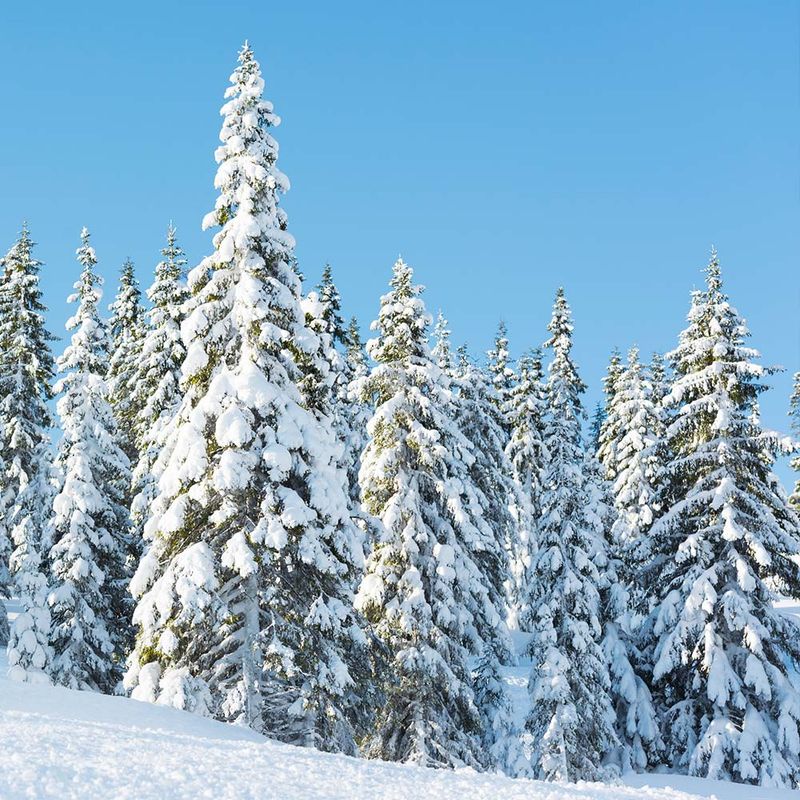
The Norway Spruce, a stately evergreen, is a symbol of endurance. This tree withstands Arctic winters with ease, its branches often draped in snow.
Its adaptability to cold climates and towering presence make it a favorite for providing shelter and windbreaks.
Gardeners and landscapers value the Norway Spruce for its robust growth and ability to enhance winter scenery. Its majestic form and resilience ensure it remains a staple in northern landscapes, offering both beauty and utility throughout the harshest seasons.
6. Arctic Willow
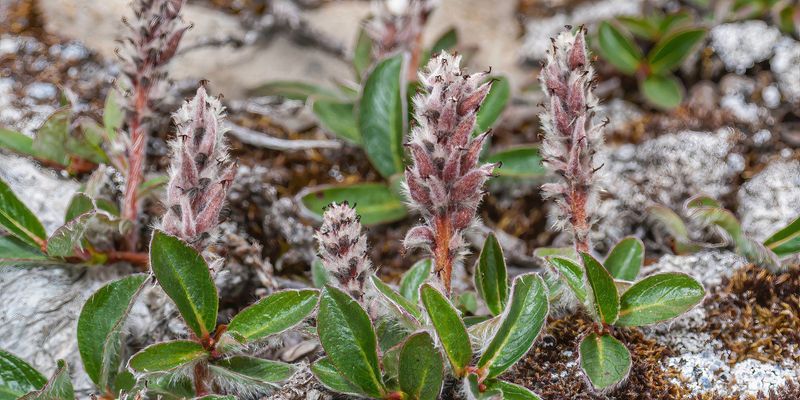
Arctic Willow, with its flexible branches and silvery leaves, is tailored for cold climates. This hardy shrub thrives in sub-zero temperatures, often found in tundra regions.
Its ability to survive in extreme conditions makes it a reliable choice for northern gardens.
The Arctic Willow’s resilience and adaptive nature allow it to flourish where others cannot, providing both aesthetic and ecological benefits. Its presence in the landscape is a testament to nature’s ingenuity, offering a touch of elegance amid harsh surroundings.
7. Yew
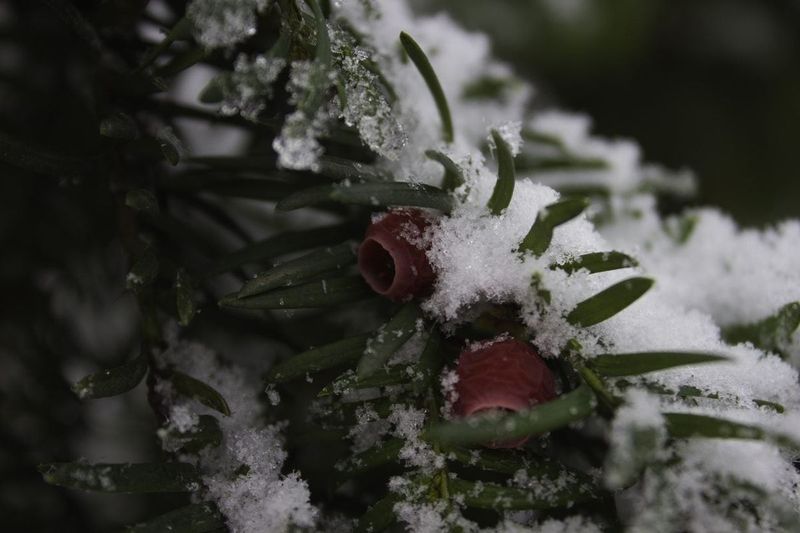
Yew trees, with their dense foliage and red berries, are synonymous with longevity. These evergreens endure cold winters, maintaining their greenery even under snow.
Yews are versatile, often used as hedges or standalone features in gardens.
Their ability to thrive in freezing temperatures makes them a valuable addition to winter landscapes. Yews are admired for their adaptability and timeless beauty, providing structure and interest throughout the year. Their presence in a garden signifies resilience and enduring charm, captivating gardeners season after season.
8. Scots Pine

The Scots Pine, with its rugged bark and sturdy branches, is a beacon of resilience. Thriving in cold climates, this tree stands tall against winter’s harshest conditions.
Its distinctive needles and ability to withstand snow loads make it ideal for northern landscapes.
Gardeners and nature lovers appreciate the Scots Pine for its robust nature and year-round interest. Its presence in gardens and wild spaces alike offers shelter and beauty, embodying the spirit of enduring strength and natural grace.