 Complete Gardening
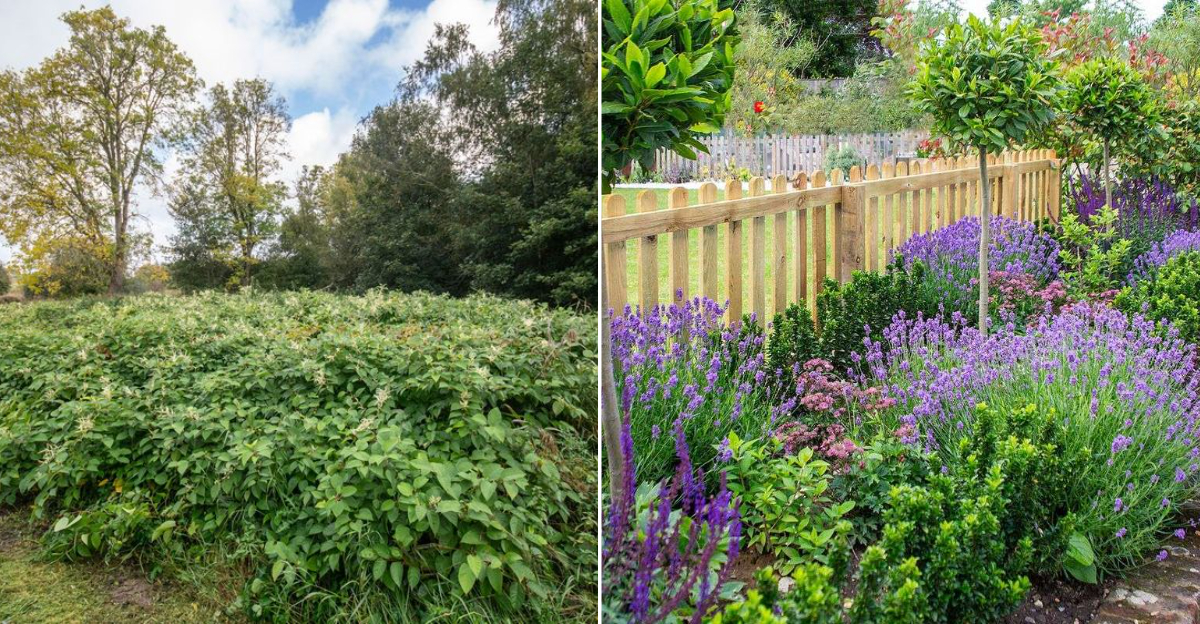
In the delightful world of gardening, choosing the right border plants can make a significant difference in maintaining a tidy garden. Some plants, although charming, tend to spread aggressively, requiring constant trimming. Conversely, others behave well, keeping their shape without much fuss.
This article explores nine plants that may take over your garden borders and nine that stay neat and tidy with minimal attention, offering you an engaging and insightful guide to choose the perfect plants for your garden’s needs.
1. Mint
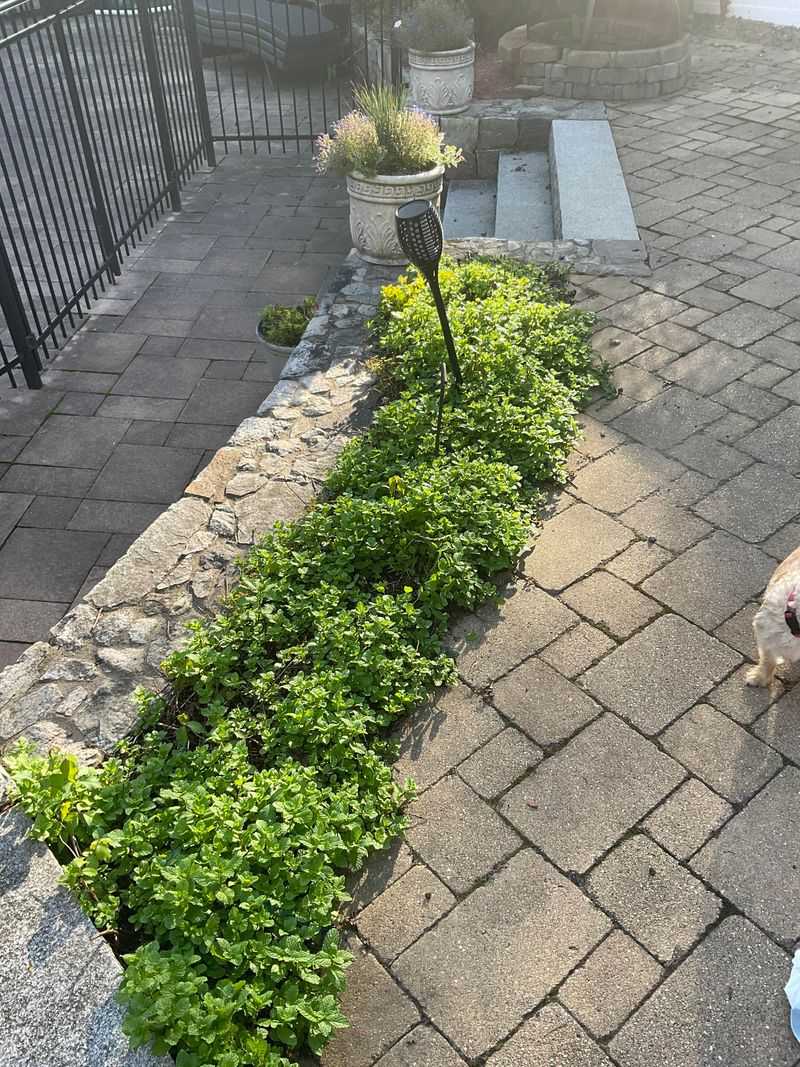
Mint, with its refreshing aroma, is a favorite in herb gardens. However, it can be quite the garden bully. Mint spreads through underground runners, quickly overtaking other plants if not contained. A simple solution? Grow it in pots or use barriers to keep it in check.
Its vigorous nature is matched by its resilience, thriving in various conditions. The reward? A garden filled with the invigorating scent of mint, perfect for teas or culinary delights. Just be prepared to manage its enthusiastic growth!
Mint’s history as a medicinal plant only adds to its appeal, but beware of its unyielding spread!
2. Lamb’s Ear
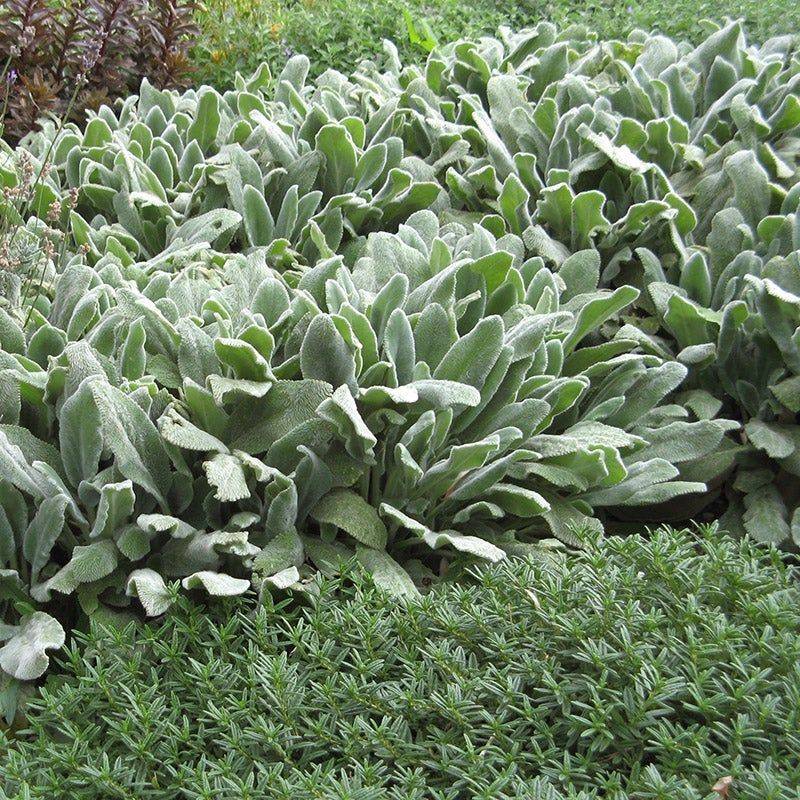
Lamb’s Ear, with its soft and silvery foliage, seems to invite touch. Yet, this charming plant can quickly form dense mats, overshadowing other garden companions. Its rapid spread is both a blessing and a curse, offering ground cover but demanding regular control.
In the right spot, Lamb’s Ear acts as a delightful accent, its velvety leaves catching morning dew. To keep it in line, occasional pruning is necessary. Its history as a medieval wound dressing plant adds an intriguing layer to its modern appeal.
With its captivating texture, it’s a plant that draws both admiration and caution.
3. English Ivy
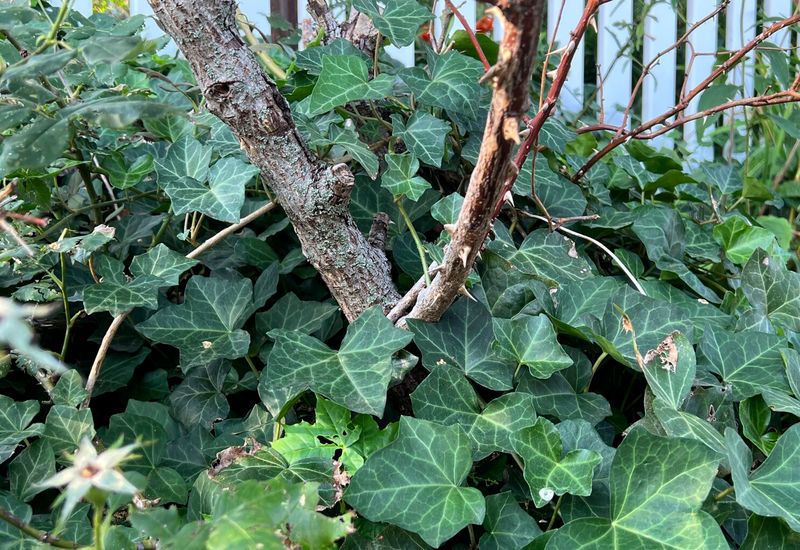
English Ivy is the classic ground cover beloved for its lush, evergreen foliage. However, it has a tendency to climb and spread rapidly, often becoming invasive if left unchecked. This plant can scale walls and trees with ease, adding charm but also potential chaos.
Regular trimming can keep its rampant growth in check, allowing it to remain a beautiful part of the landscape. A symbol of fidelity, English Ivy brings both history and allure to gardens.
Its ability to thrive in shady areas makes it versatile, but caution is key to prevent it from overrunning desired spaces.
4. Ajuga (Bugleweed)
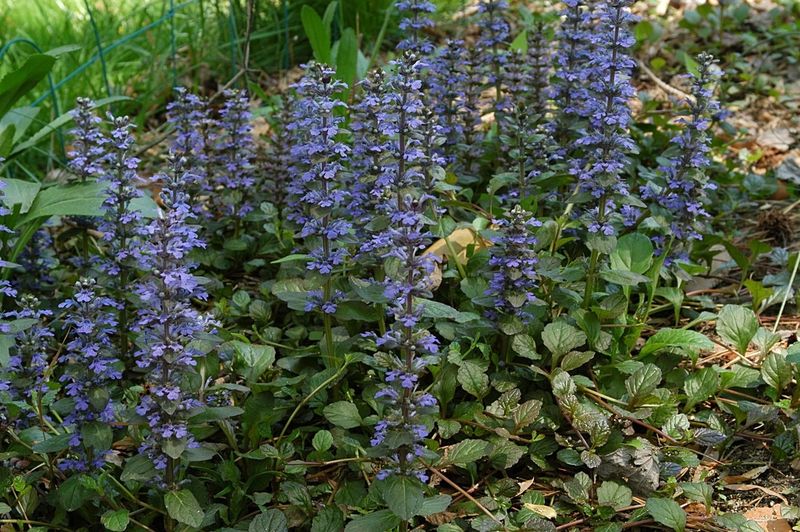
Ajuga, known as Bugleweed, showcases attractive blooms and rich foliage, making it a popular choice for ground cover. However, it can quickly overrun garden beds if not managed properly. Its ability to spread through underground runners requires careful placement and regular trimming.
Despite its invasive nature, Ajuga’s striking blue flowers create a captivating carpet in spring. It’s a plant that thrives in challenging soil, offering both beauty and tenacity.
Whether you love its robust nature or find it overwhelming, Ajuga’s resilience is undeniable, demanding both admiration and vigilant control.
5. Japanese Knotweed

Japanese Knotweed is often regarded as a gardener’s nightmare. With its bamboo-like stems and lush foliage, it can quickly dominate landscapes, becoming notoriously difficult to remove once established.
This invasive plant spreads through rhizomes and can damage foundations, demanding serious eradication efforts. Despite its aggressive nature, it holds a certain exotic appeal.
Managing Japanese Knotweed requires a planned strategy, often involving professional help. Its introduction as an ornamental plant belies its now infamous reputation as a garden invader, reminding us of the caution needed in plant selection.
6. Chameleon Plant (Houttuynia cordata)
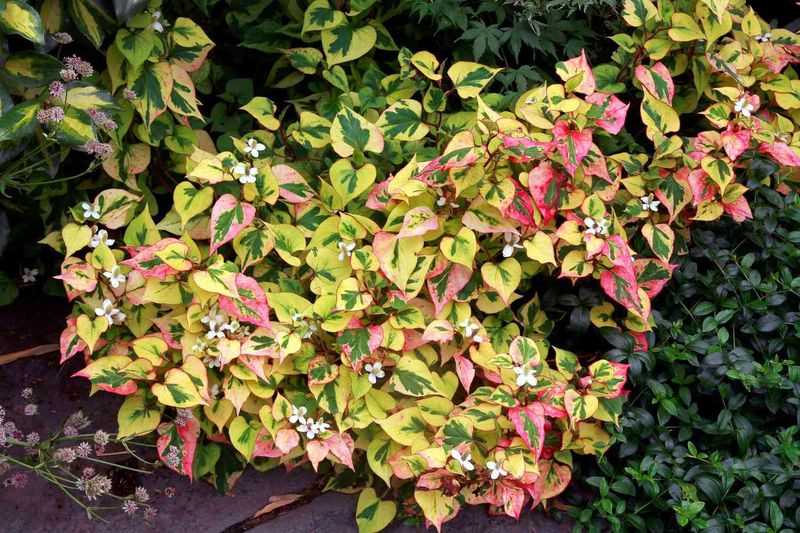
Chameleon Plant, or Houttuynia cordata, offers a colorful display with its red, green, and yellow foliage. Yet, it’s a garden maverick, known for its wildly invasive nature. This plant spreads aggressively, quickly filling any space it’s allowed to inhabit.
While its colorful leaves add visual interest, its spread demands constant vigilance. Planting in containers can prevent unwanted takeover, offering control while enjoying its vibrant hues.
The Chameleon Plant’s resilience and ability to thrive in wet soils make it both a garden delight and a challenge, requiring both appreciation and caution.
7. Gooseneck Loosestrife
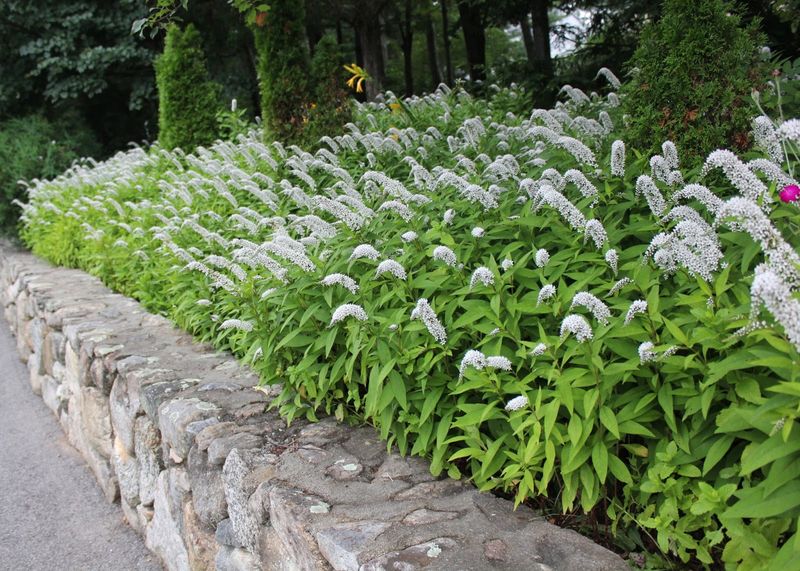
Gooseneck Loosestrife stands out with its striking white flowers that bend gracefully, reminiscent of a goose’s neck. However, this beauty can become a garden nuisance, especially in moist soils where it spreads aggressively.
While its flowers provide visual appeal, its tendency to take over demands careful location selection. Regular trimming can keep its growth checked, ensuring it remains a delightful garden feature.
Despite its aggressive habits, Gooseneck Loosestrife offers an elegant appearance, adding charm and a touch of whimsy to any landscape it graces.
8. Yarrow
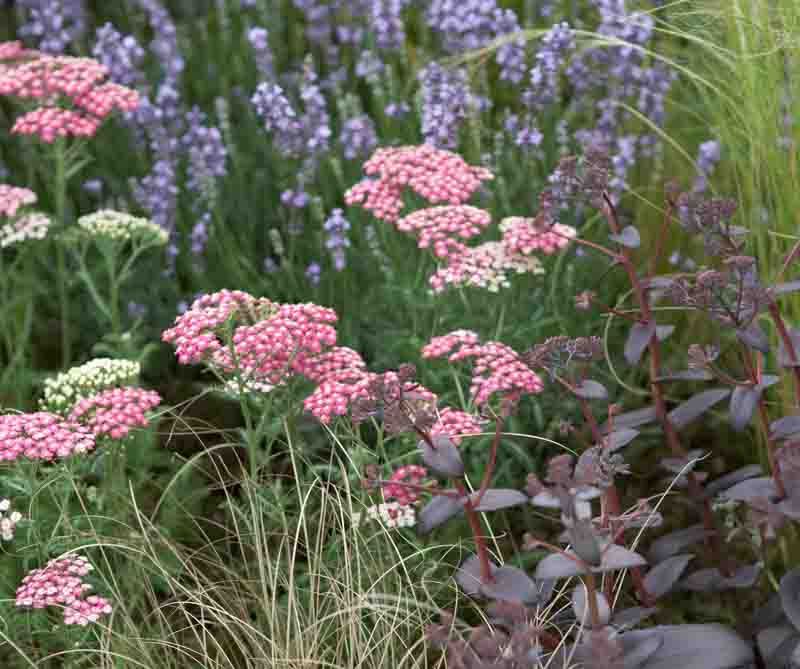
Yarrow, known for its clusters of small, colorful blooms and feathery foliage, is both a garden staple and a potential spreader. It thrives in rich soil, spreading quickly by rhizomes and creating a lush, flowering carpet.
This hardy plant is adored for its ability to attract pollinators, making it a favorite in wildlife gardens. However, controlling its spread requires regular trimming, ensuring it doesn’t outcompete more delicate plants.
Yarrow’s medicinal history adds intrigue, reminding us of its long-standing value in gardens, despite its sometimes overwhelming nature.
9. Obedient Plant (Physostegia virginiana)
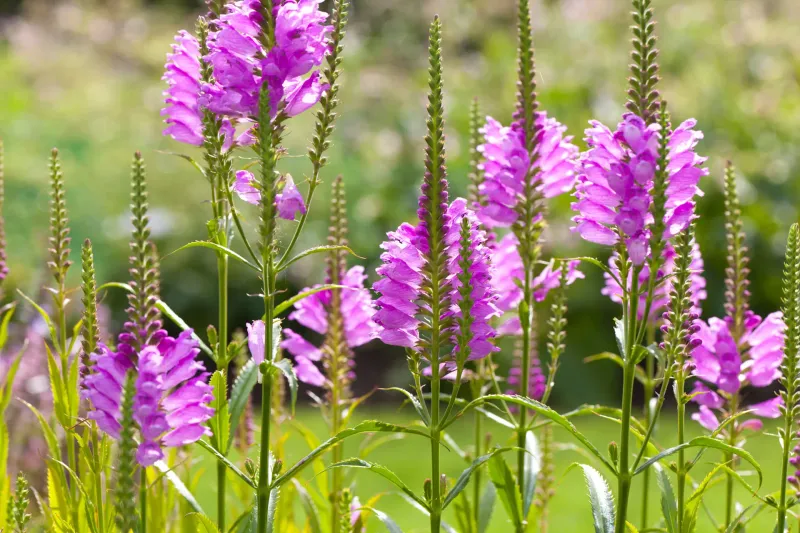
The Obedient Plant, ironically named, is anything but easy to control. With its pink, tubular flowers, it adds a whimsical touch to gardens but spreads aggressively if not regularly managed.
Its name comes from the flower’s ability to stay in place when moved, but the plant itself defies containment. Despite its vigorous growth, it brings a burst of color and joy to summer gardens.
Appreciating its beauty means accepting its unruly nature, requiring regular trimming to keep its exuberance in check. The Obedient Plant is a testament to the whimsical unpredictability of nature.
1. Heuchera (Coral Bells)
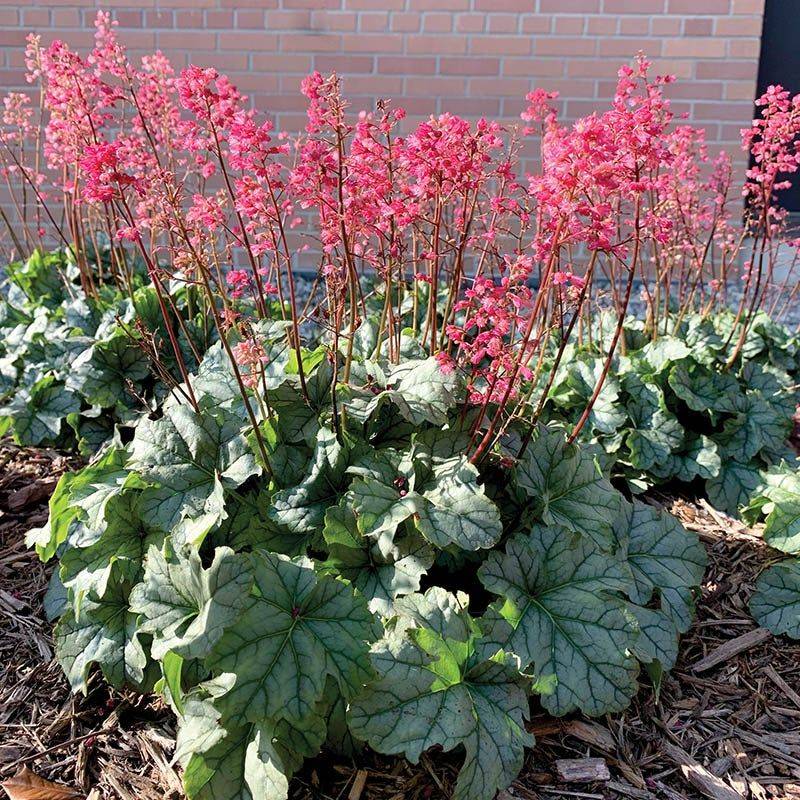
Heuchera, or Coral Bells, is a garden gem known for its vibrant foliage. This well-behaved clumper adds color and texture without demanding constant attention. Its leaves, in shades ranging from deep purple to lime green, create a stunning, low-maintenance display.
With minimal care, Heuchera retains its shape and stays where planted, making it an ideal choice for borders. Its dainty flowers attract pollinators, adding to its charm.
Whether used in mass plantings or as a solitary accent, Heuchera’s adaptability and neatness make it a gardener’s favorite, offering beauty with ease.
2. Boxwood
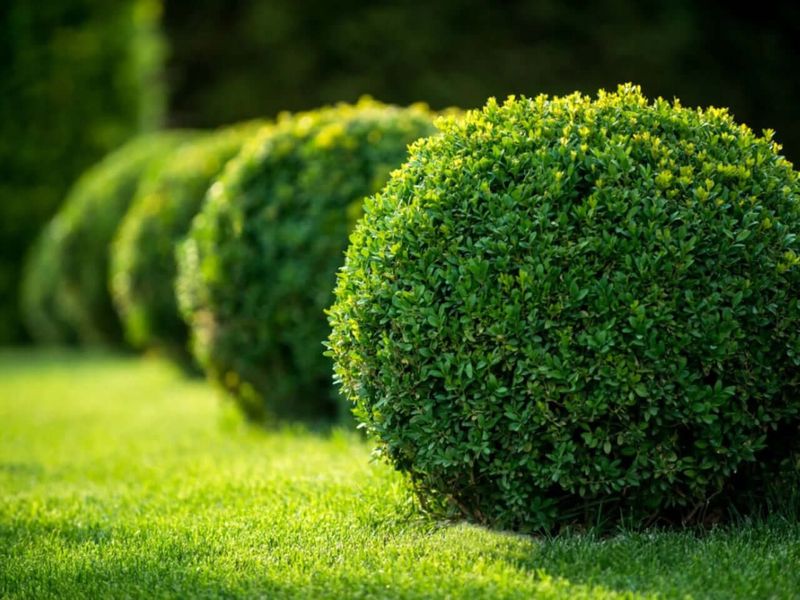
Boxwood, with its evergreen appeal, is synonymous with elegance and formality in gardens. This plant’s naturally tidy growth habit requires minimal shaping, making it a favorite for creating structured borders and hedges.
Its dense, small leaves provide year-round interest, standing up well to pruning when needed. Boxwood’s versatility allows it to fit into both traditional and contemporary landscapes.
As a symbol of constancy and strength, Boxwood remains a classic choice, offering beauty and structure without demanding constant attention. Its timeless appeal ensures it continues to be a beloved garden staple.
3. Lavender
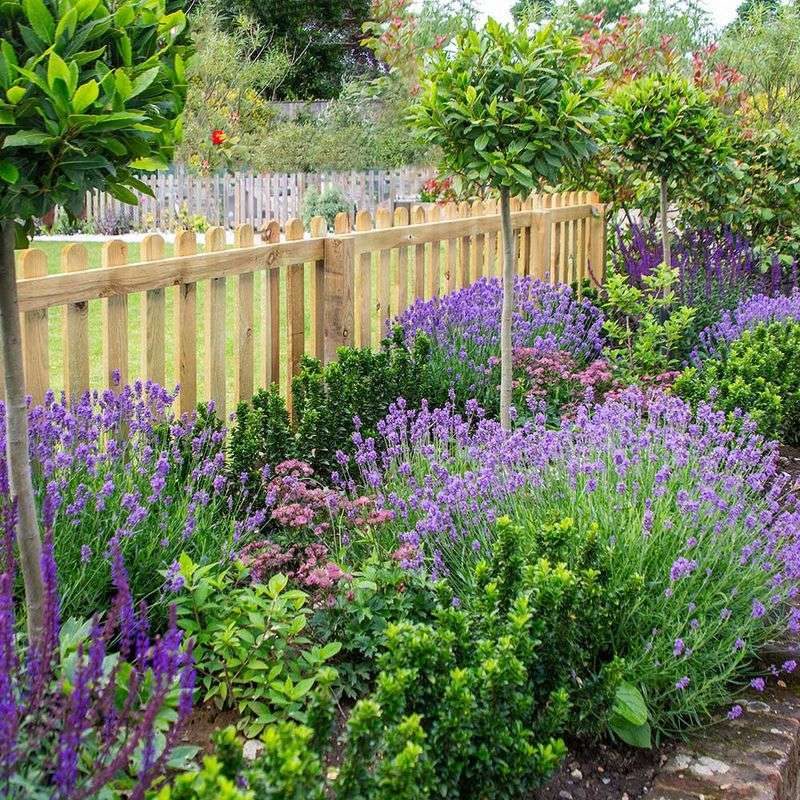
Lavender, with its soothing fragrance and lovely purple blooms, is a garden favorite. This compact plant stays neat with just an annual pruning, making it ideal for borders. Its silvery foliage adds visual interest, while its scent calms and delights.
Thriving in sunny, well-drained areas, Lavender’s low-maintenance nature is matched by its ability to attract bees and butterflies, enhancing the garden’s vitality.
Whether used in herbal remedies or simply enjoyed for its beauty, Lavender’s easygoing nature and aromatic presence make it a must-have for gardeners seeking tranquility and simplicity.
4. Sedum (Stonecrop)
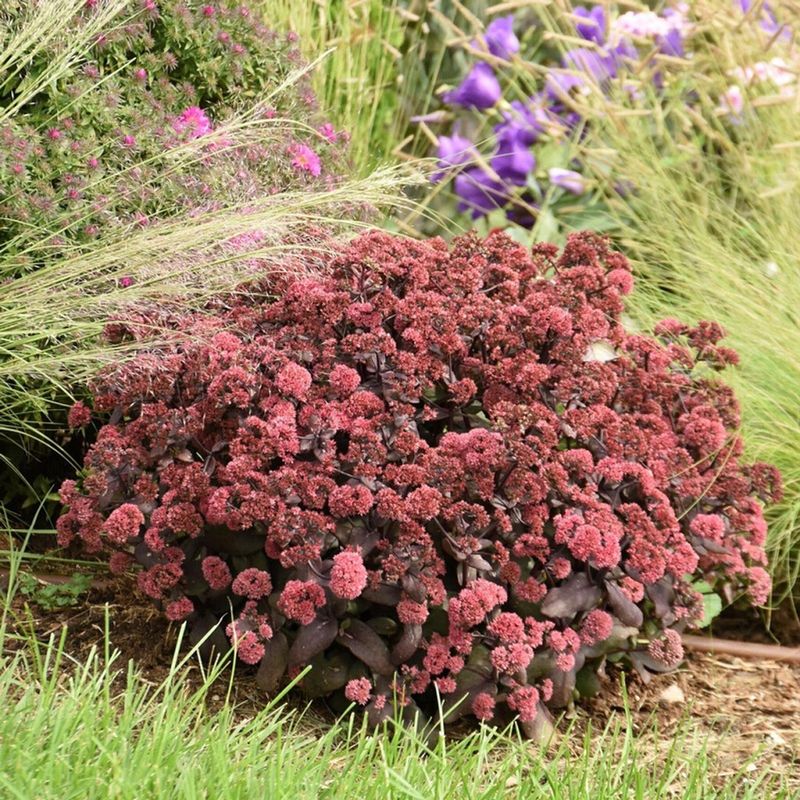
Sedum, also known as Stonecrop, offers succulent leaves and lovely blooms, making it a charming addition to rock gardens. Its slow-spreading nature doesn’t require constant trimming, allowing it to maintain its neat appearance.
With a preference for well-drained soil, Sedum thrives in sunny locations, its blooms attracting pollinators throughout the growing season.
This plant’s resilience and low-maintenance character make it ideal for those seeking beauty with minimal effort. Whether in a succulent collection or as a border accent, Sedum’s subtle charm and adaptability ensure it remains a garden favorite.
5. Hosta (smaller varieties)
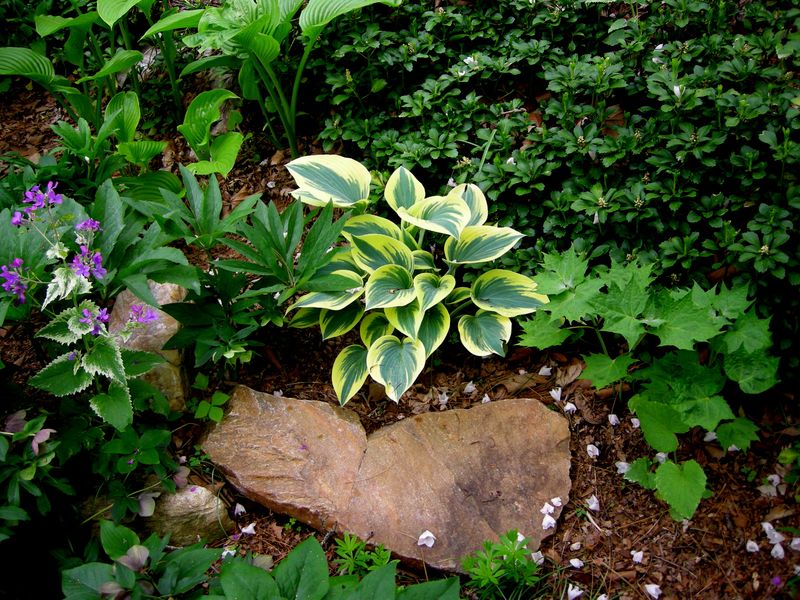
Smaller varieties of Hosta bring elegance and grace to shaded garden areas. Known for their lush, variegated foliage, they stay neatly in place, requiring little maintenance. These plants create a serene backdrop with their gentle hues.
While larger Hostas can spread, the smaller types remain compact, offering both beauty and order to garden borders. Their ability to thrive in shade makes them versatile additions.
With names like ‘Blue Mouse Ears,’ they capture the imagination and bring whimsy to gardens, proving that good things come in small, tidy packages.
6. Dianthus
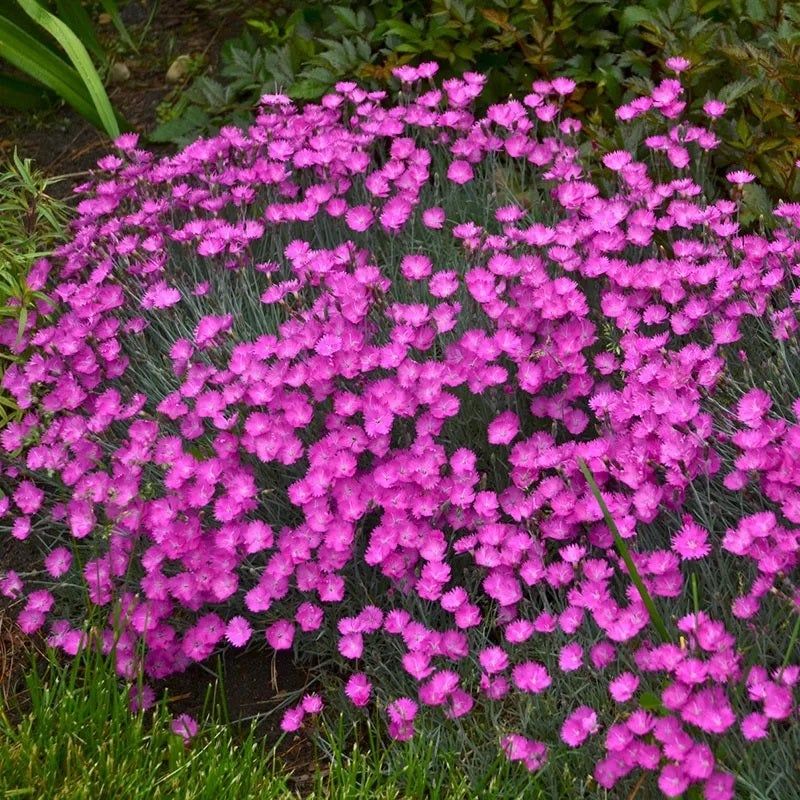
Dianthus, with its neat tufts of greenery and vibrant flowers, adds a splash of color to sunny borders. Known for its spicy fragrance, this plant maintains a tidy appearance with little care.
Its blooms, reminiscent of pinks, carnations, or sweet williams, offer a nostalgic touch, brightening gardens with their cheerful hues and delightful scent.
Ideal for edging or rock gardens, Dianthus thrives in well-drained soil, rewarding gardeners with its charming and enduring presence. Its easy maintenance and captivating looks make it a perennial favorite for adding flair without fuss.
7. Thrift (Armeria maritima)
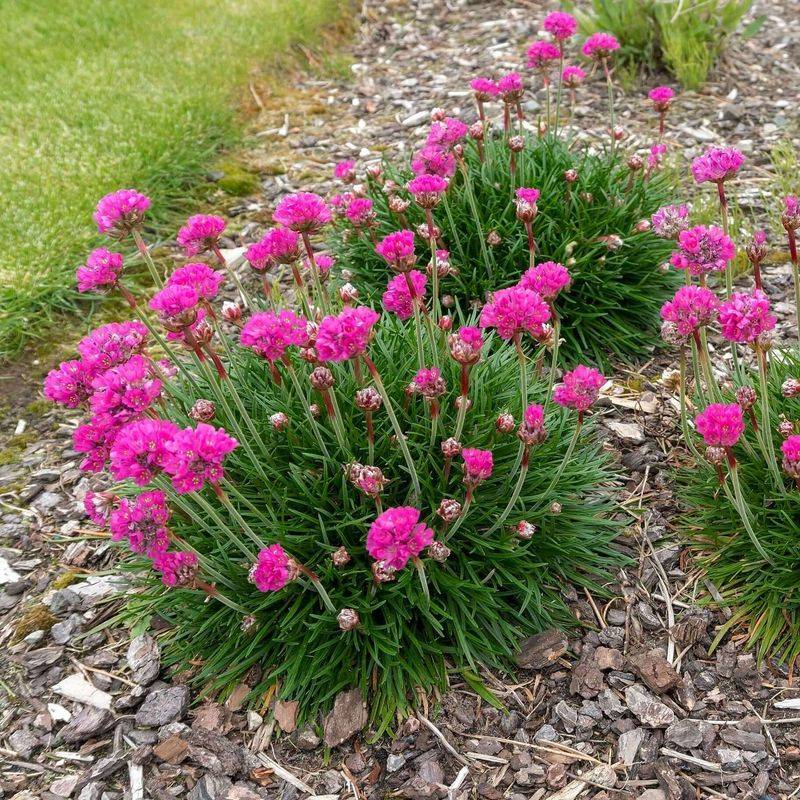
Thrift, or Armeria maritima, forms dense mounds of greenery topped with dainty pink blooms. This plant thrives in coastal or rocky gardens, offering both durability and charm.
Its compact form requires minimal maintenance, making it a practical choice for gardeners seeking low-effort beauty. Thrift’s resilience in harsh environments adds to its appeal.
Whether edging paths or adding color to challenging landscapes, Thrift’s neat appearance and delicate flowers ensure it stands out, offering a touch of whimsy and nostalgia to garden spaces.
8. Japanese Forest Grass (Hakonechloa)
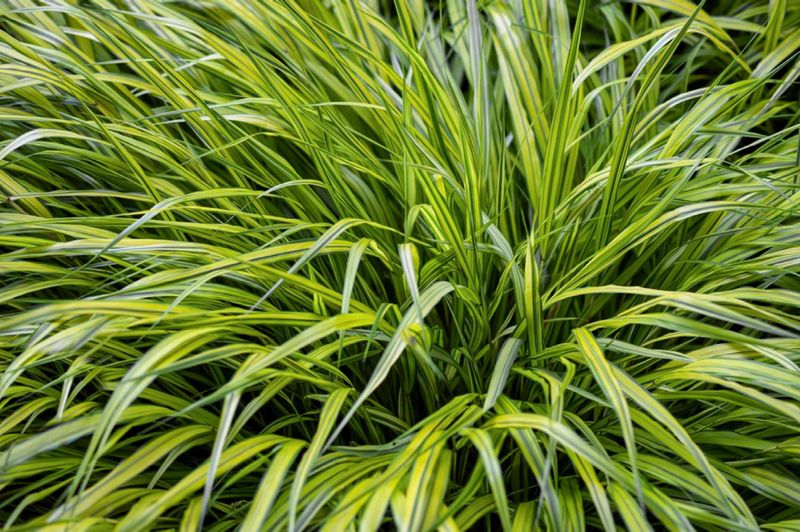
Japanese Forest Grass, or Hakonechloa, brings a soothing presence to shaded gardens with its gently mounding form. Its bright green foliage adds texture and elegance without overwhelming its surroundings.
This non-invasive plant maintains its shape, requiring little more than occasional trimming. Its graceful movement in the breeze adds a dynamic element to garden spaces.
As a symbol of tranquility and endurance, Japanese Forest Grass offers beauty with minimal care, making it a beloved choice for those seeking a harmonious and serene landscape.
9. Bergenia
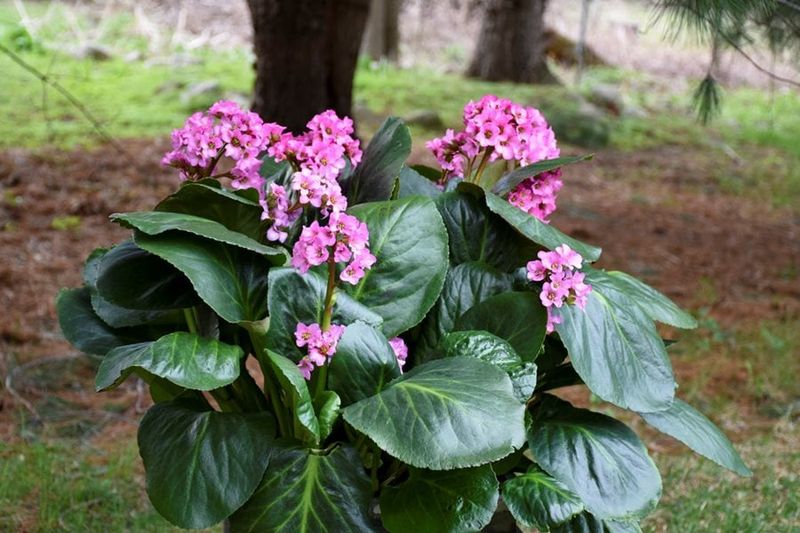
Bergenia, with its glossy leaves and pink blooms, offers a tidy growth habit that delights gardeners. This plant forms neat clumps, adding color and texture without demanding constant attention.
Ideal for shaded areas, Bergenia’s robust nature and ability to thrive in various conditions make it a versatile choice. Its blooms bring a touch of springtime cheer, attracting pollinators.
Known as ‘Elephant’s Ears’ due to its large leaves, Bergenia’s combination of beauty and functionality ensures it remains a beloved garden staple, offering ease and elegance.