 Complete Gardening
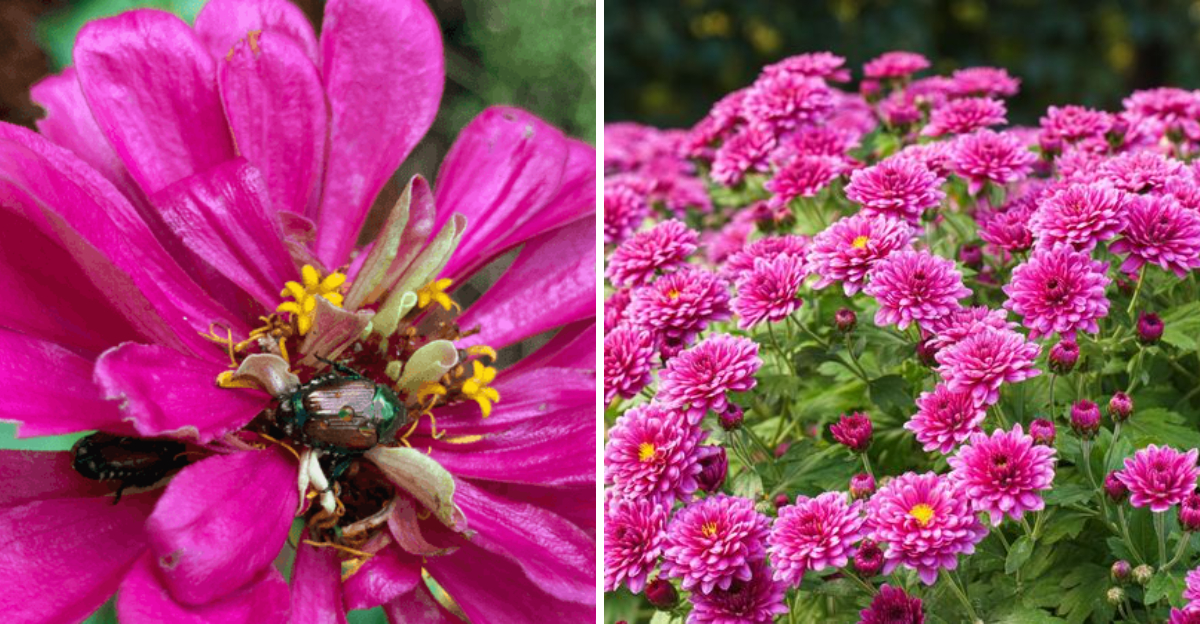
Explore the fascinating world of flowers, where beauty meets functionality. Some blooms serve as unwitting magnets for various garden pests, while others act as natural repellents, safeguarding your garden’s health.
This post delves into the characteristics of both types, shedding light on which flowers to plant for vibrant, pest-free gardens. Discover the hidden dynamics in the plant kingdom that dictate how insects interact with different floral species.
By understanding these interactions, gardeners can make informed decisions to cultivate thriving landscapes filled with color and life.
1. Marigold
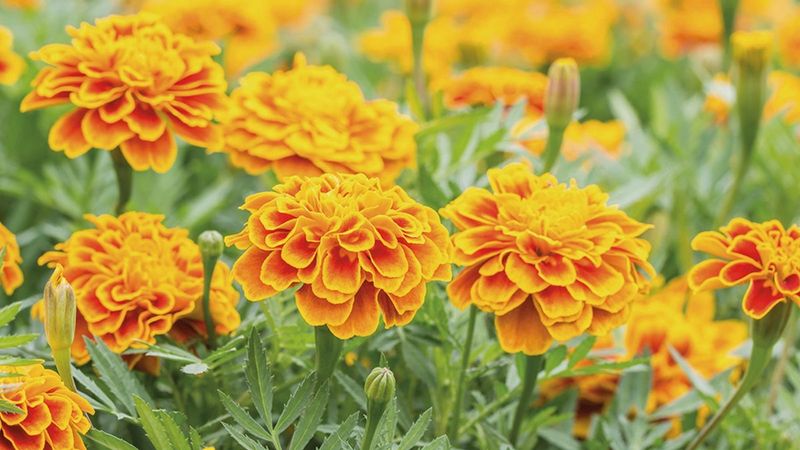
Marigolds, with their fiery colors, are a gardener’s staple. However, they lure in dreaded nematodes, small pests that can wreak havoc underground. Their bright, cheerful appearance hides a dark secret. Planting them without caution can lead to a nematode infestation.
Interestingly, while they attract some pests, they’re often used as companions to deter others. This dual nature makes them both a blessing and a curse in gardens. It’s crucial to plant them strategically. In the right context, they can serve as a sacrificial crop, protecting more vulnerable plants nearby.
2. Petunia
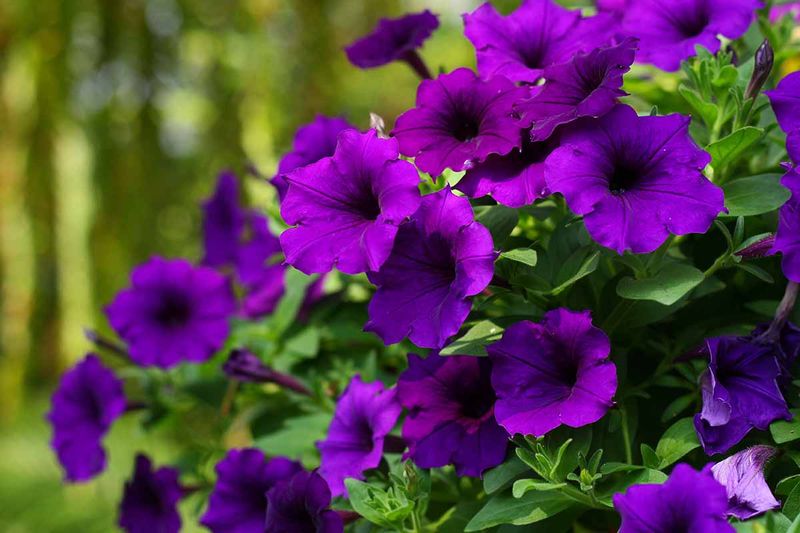
Petunias, with their cascading blooms, are a summer delight. Their vibrant colors and sweet scent, however, make them a target for caterpillars and slugs.
These nocturnal pests feast on the plant’s tender leaves, causing damage overnight. While petunias beautify any garden, they require vigilant pest management. Gardeners often find themselves battling these critters to maintain floral beauty. A balance of protection and admiration is necessary with petunias.
Despite their allure to pests, their popularity remains unshaken due to their breathtaking aesthetics.
3. Nasturtium
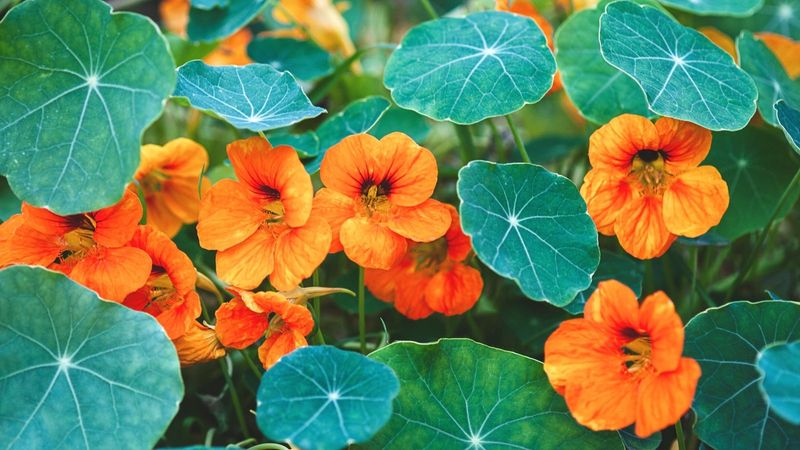
Nasturtiums are known for their peppery leaves and bright blooms, a favorite among gardeners. Yet, they are prone to aphid and whitefly infestations.
The plant’s lushness provides an ideal habitat for these pests, turning a vibrant display into a battleground. Despite their vulnerability, nasturtiums are often planted to attract pests away from other plants. This sacrificial strategy helps protect more delicate species nearby.
Gardeners must weigh the aesthetic appeal against the potential pest issues when choosing nasturtiums.
4. Sunflower
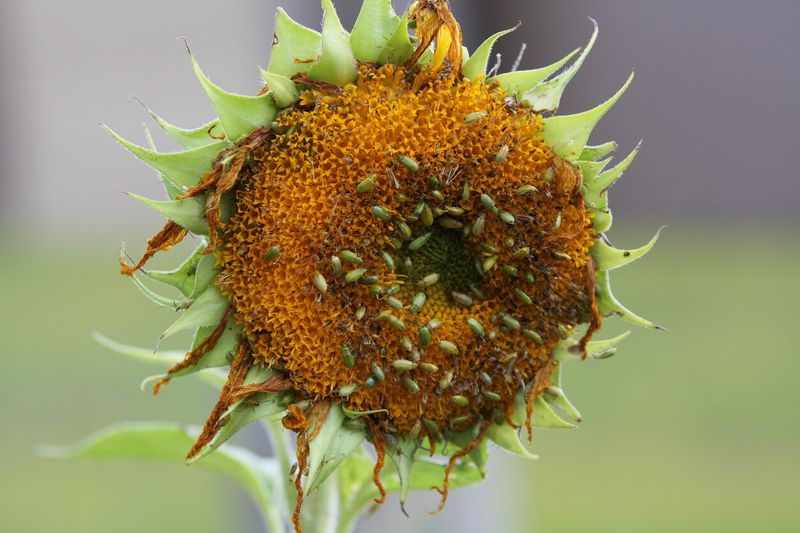
Sunflowers, symbols of summer, stand tall and proud, captivating with their sunny disposition. However, their large size and seeds attract beetles and aphids in droves.
These pests see sunflowers as a banquet, often causing significant damage. Despite this, the majestic sight of a sunflower field remains irresistible to gardeners. Planting them requires readiness for battle against these pests.
Their ability to draw in insects can be used strategically, sacrificing them to protect other crops, while still enjoying their beauty.
5. Zinnia
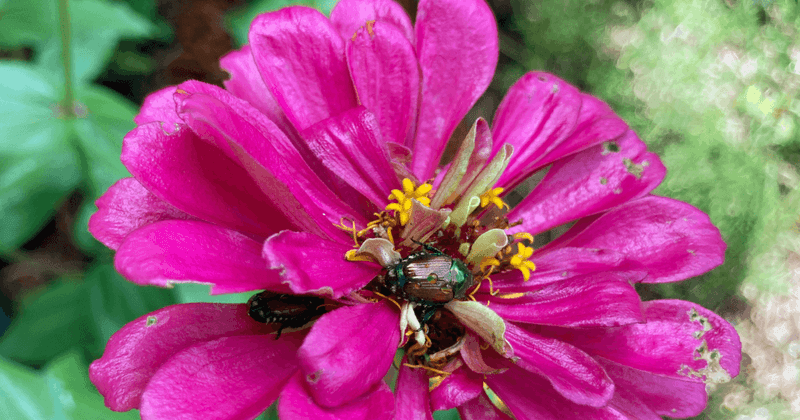
Zinnias, with their bold colors and sturdy stems, are summer garden favorites. Yet, they unwittingly attract Japanese beetles and grasshoppers.
These pests feast on zinnias, leaving behind tattered foliage. Despite this vulnerability, zinnias’ resilience and long flowering season make them a staple in many gardens. Their presence requires careful pest management to maintain their colorful display.
Gardeners plant them for their vibrant contribution, often overlooking the pest attraction due to their overall hardiness and beauty.
6. Geranium
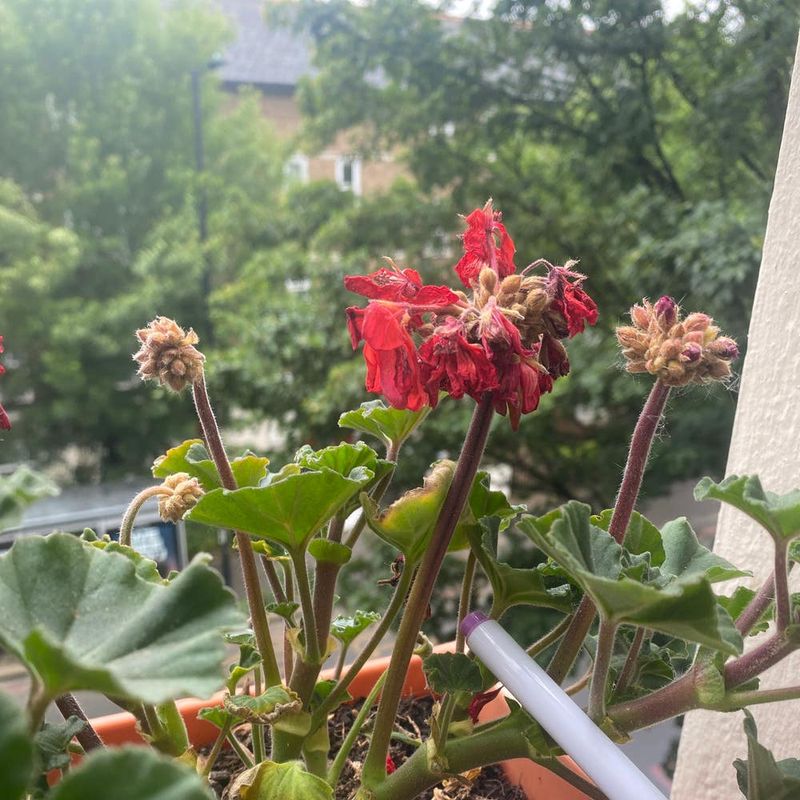
Geraniums, with their classic appeal and scented leaves, find a place in many gardens. Unfortunately, they also invite whiteflies and spider mites.
These pests find refuge in the plant’s dense foliage, often leading to infestations. Gardeners must be vigilant in their care to prevent damage. Despite pest challenges, geraniums’ beauty and fragrance continue to enchant.
Proper management can keep these issues at bay, allowing these lovely blooms to thrive and add charm to any garden setting.
7. Dahlia
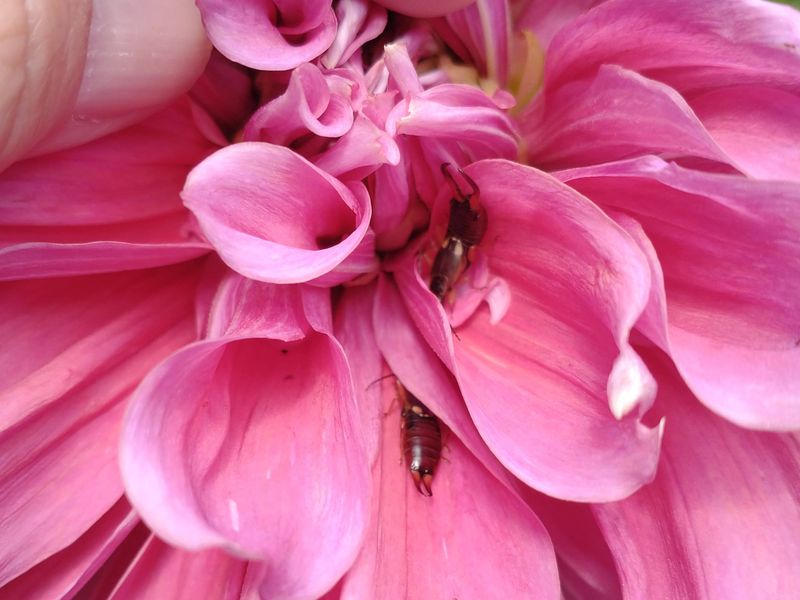
Dahlias, with their intricate blooms and vibrant colors, are a gardener’s delight. However, they attract slugs and earwigs, pests known for their nocturnal forays.
These creatures damage the plant, targeting leaves and petals. Despite this, dahlias’ captivating beauty ensures their place in gardens. Their care involves regular pest monitoring to preserve their stunning display.
The balance between beauty and pest control is delicate, but dahlias’ allure makes them worthy contenders in any floral arrangement.
8. Fuchsia
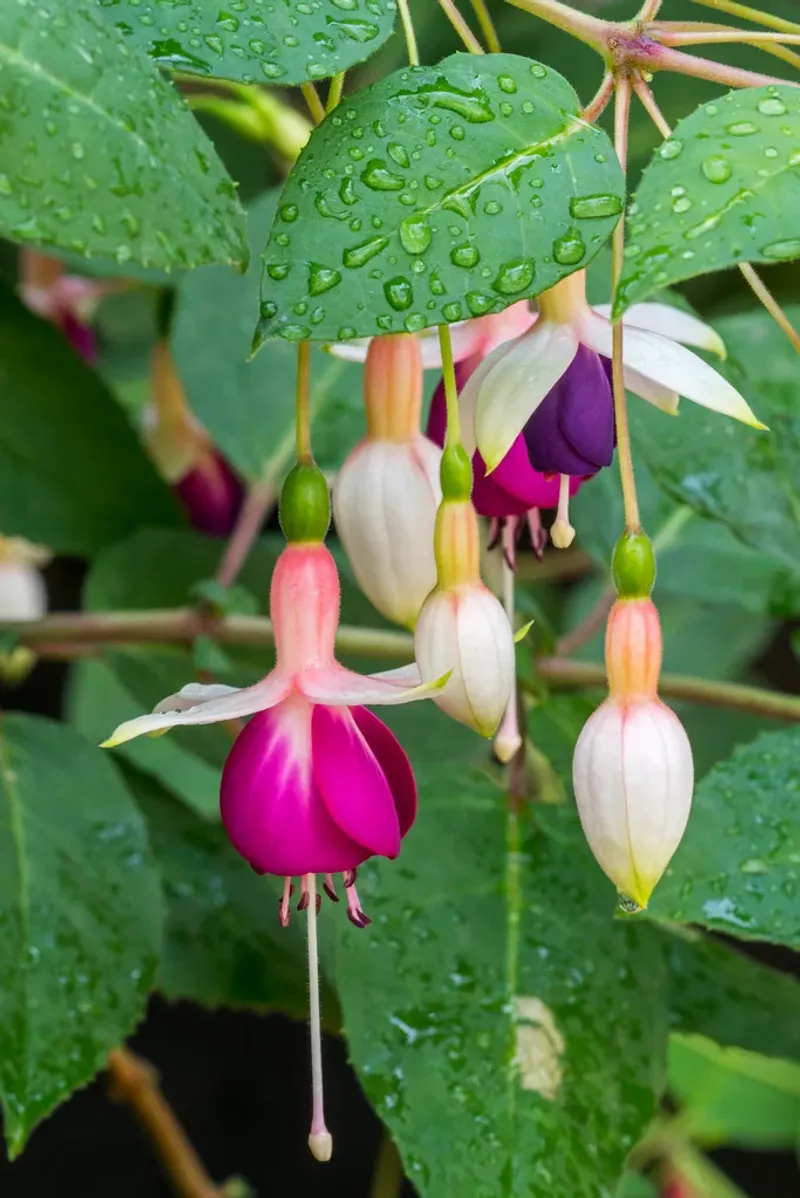
Fuchsias, with their delicate, drooping blooms, captivate with grace and elegance. Their beauty, however, attracts aphids and spider mites.
These pests feast on the plant’s sap, often leaving a trail of damage. Despite this, fuchsias’ enchanting appearance keeps them popular among gardeners. Pest management is key to maintaining their splendor.
With the right care, fuchsias stand out as striking additions to any garden, offering a visual feast while requiring protection from tiny invaders.
9. Rose
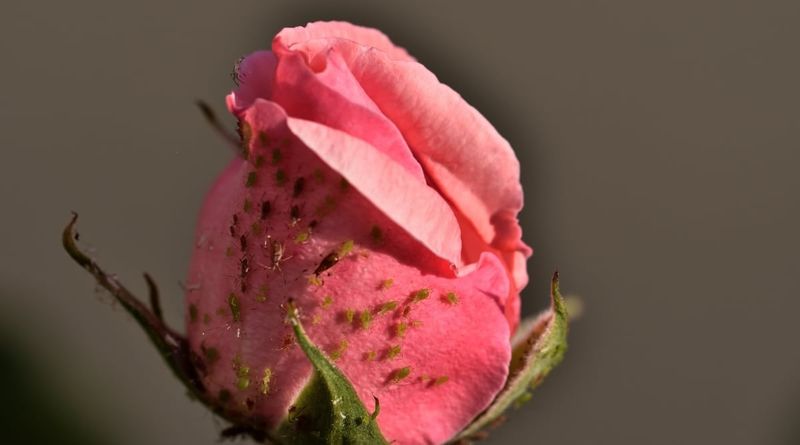
Roses, timeless symbols of beauty and love, often heralded as the queens of the garden. Their allure, however, attracts aphids and beetles.
These pests can quickly infest, causing significant damage. Despite this, roses’ captivating fragrance and diverse varieties make them a garden staple.
Proper care and vigilance in pest control are crucial to enjoying their full beauty. The challenge of maintaining roses is balanced by the reward of their stunning blooms, making them worth the effort.
1. Lavender
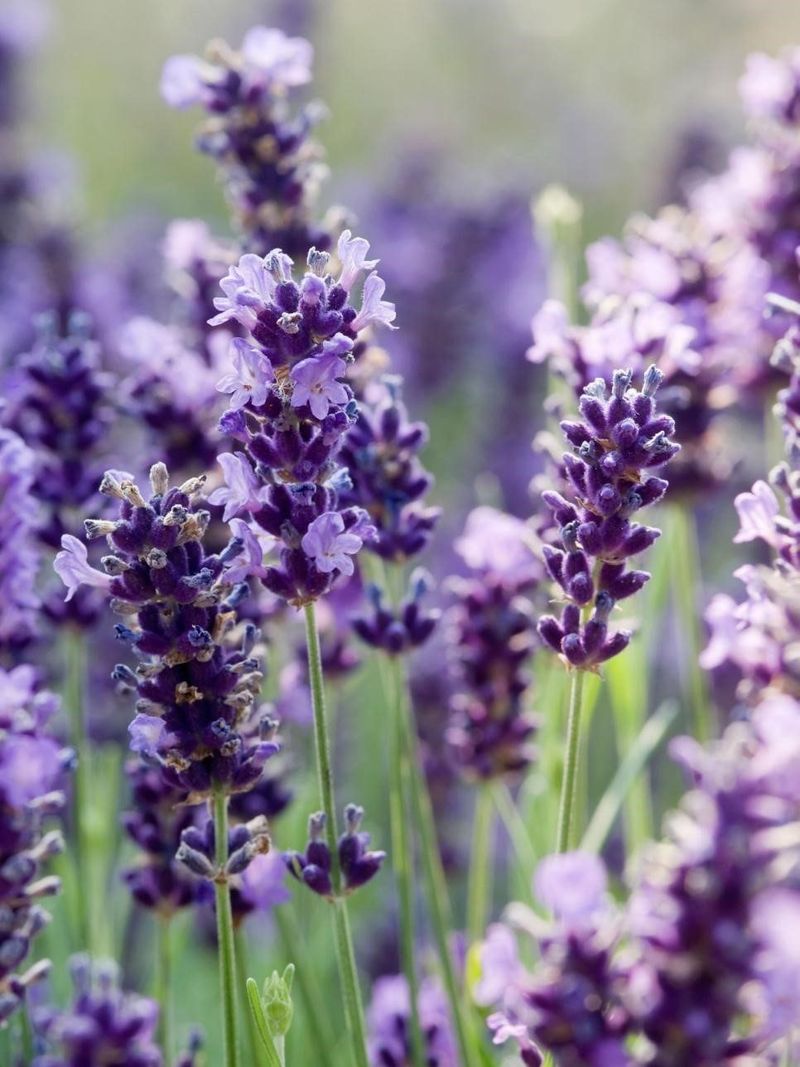
Lavender, with its calming scent and purple blooms, is more than a pretty face. It repels mosquitoes and moths, making it a gardener’s ally.
The plant’s aromatic oils act as a natural defense, ensuring a pest-free zone. This dual functionality of beauty and protection makes lavender a desirable addition to any garden.
Its soothing presence not only enhances garden aesthetics but also provides a tranquil atmosphere, free from nuisances. Lavender’s charm lies in its ability to offer both visual and environmental benefits.
2. Chrysanthemum
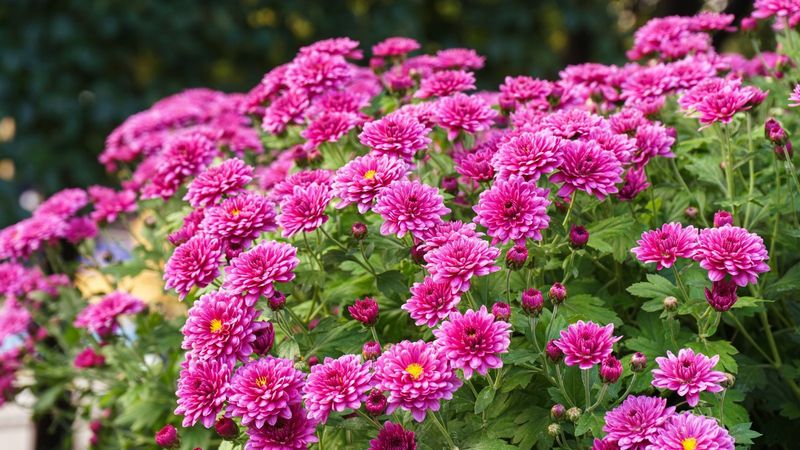
Chrysanthemums, with their diverse palette, are more than decorative. They repel roaches, ants, and ticks, thanks to their natural pyrethrum content.
This compound acts as an insect deterrent, keeping pests at bay. The dual role of chrysanthemums as beauty and protection makes them invaluable.
Their vibrant presence in gardens not only adds color but also safeguards against unwelcome insects. The floral display is enhanced by the peace of mind they provide, ensuring both aesthetic and functional benefits.
3. Basil
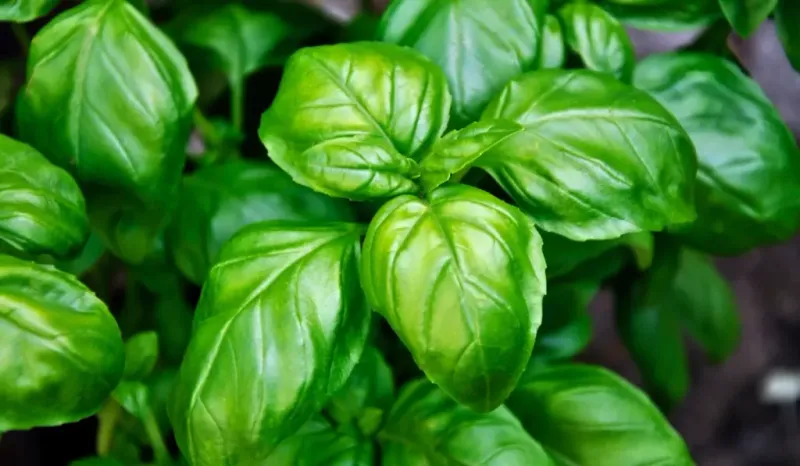
Basil, with its aromatic leaves, is a culinary and garden treasure. Beyond flavor, it repels flies and mosquitoes, making outdoor spaces pleasant.
Its scent acts as a natural defense, deterring pests effectively. This dual purpose adds value, blending culinary use with garden protection. Basil’s role extends beyond the kitchen, offering both taste and tranquility.
Gardens benefit from its presence, enjoying a pest-free environment. This herb’s versatility and effectiveness make it a beloved addition to any garden or home setting.
4. Mint
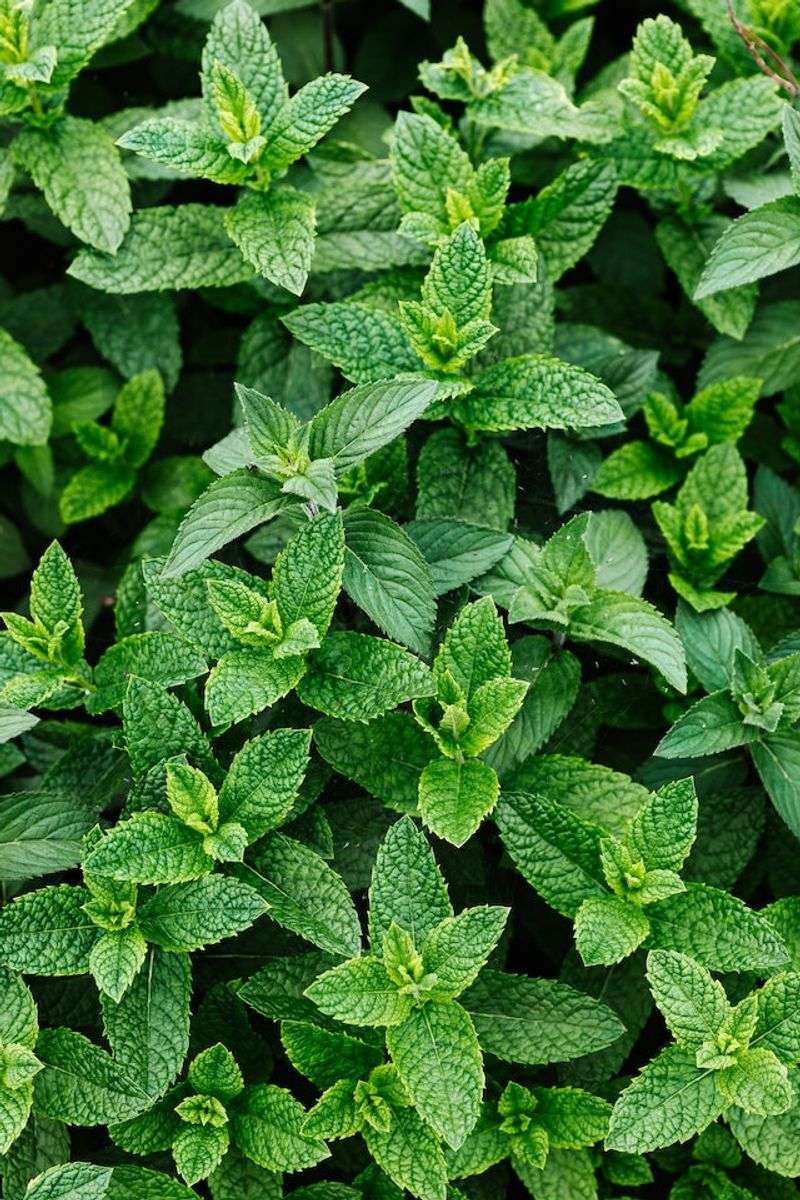
Mint, with its refreshing aroma, is a natural pest repellent. It wards off ants and spiders, creating a garden sanctuary.
The plant’s potent scent acts as a barrier, deterring unwanted insects. This property enhances its value, offering both aromatic and protective qualities.
Mint’s role in gardens extends beyond its fragrance, ensuring a peaceful environment. Its ability to keep pests at bay while adding a fresh scent makes it a favored choice for gardeners seeking both beauty and utility.
5. Rosemary
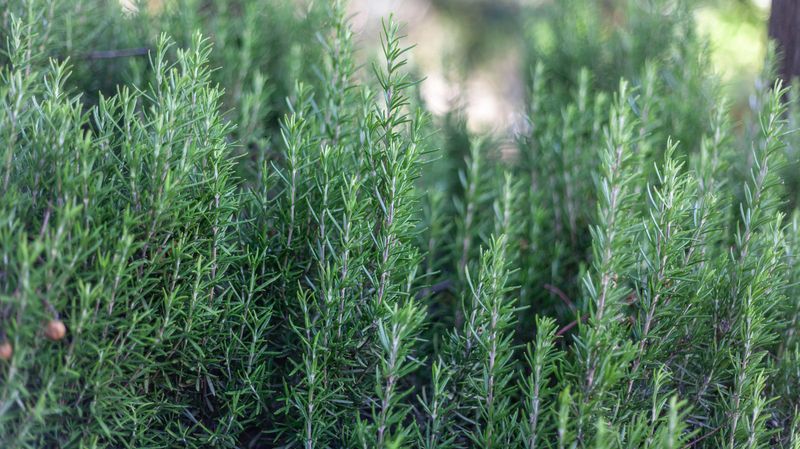
Rosemary, with its woody fragrance and needle-like leaves, offers more than culinary delight. It repels flies and mosquitoes, enhancing garden livability.
The herb’s aroma acts as a natural deterrent, providing peace in outdoor settings. Beyond its kitchen uses, rosemary adds an extra layer of protection.
Gardens benefit from its dual role, enjoying both flavor and a pest-free environment. This combination of uses ensures rosemary’s lasting appeal as a garden staple, marrying practicality with aromatic charm.
6. Marigold (Repellent)
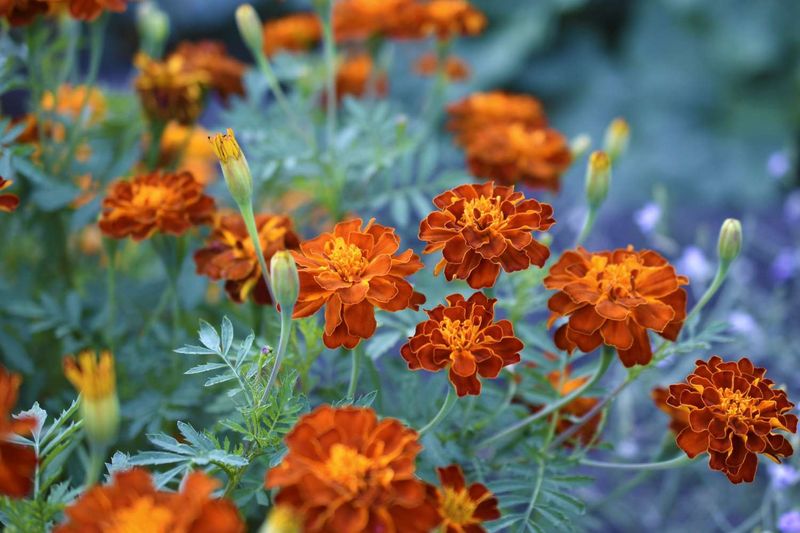
Marigolds, known for their vibrant hues, do more than beautify gardens. They repel mosquitoes and nematodes, making them dual-purpose flowers.
This natural defense stems from their scent, creating a protective barrier. Their ability to deter while adorning spaces enhances their value.
Marigolds’ role extends beyond aesthetics, offering peace from pests. Their presence in gardens ensures both visual appeal and protection, a combination that keeps them popular among gardeners seeking beauty and utility.
7. Catnip
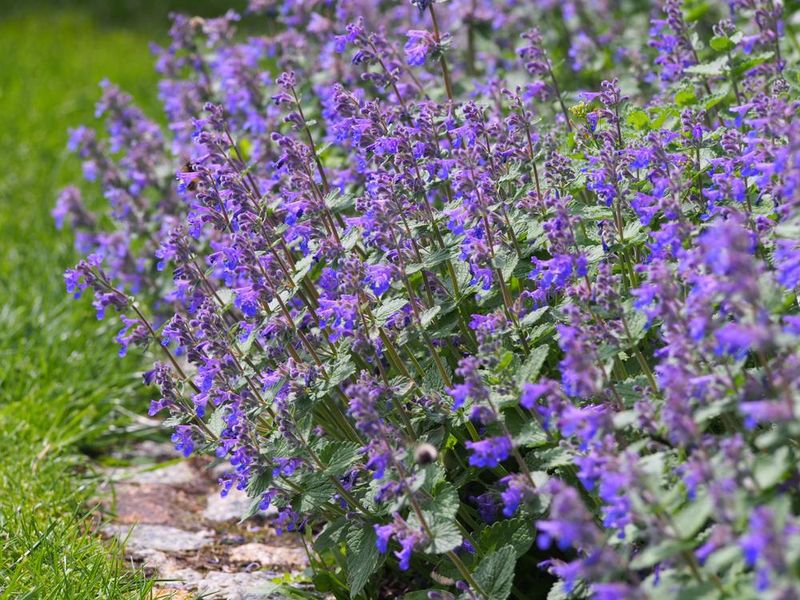
Catnip, famous for its feline allure, also repels mosquitoes and flies. This dual purpose makes it a garden asset.
The plant’s properties create a pest-free oasis, enhancing outdoor enjoyment. Beyond its attraction to cats, it offers protection, a surprising benefit.
Gardens with catnip enjoy both tranquility and feline delight. This herb’s ability to attract and repel simultaneously adds to its charm, ensuring its place in garden lore as more than just a cat’s favorite.
8. Lemongrass
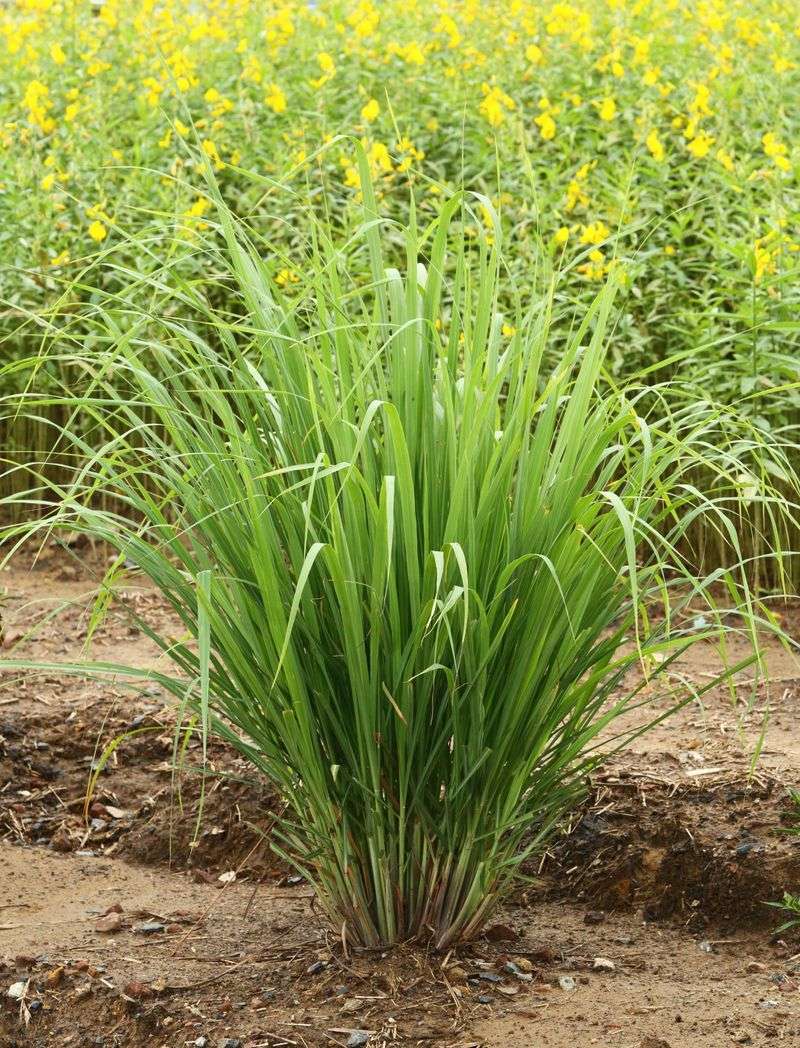
Lemongrass, with its citrus aroma, is more than a culinary favorite. It repels mosquitoes and ticks, enhancing garden safety.
The plant’s scent acts as a shield, providing a natural defense while adding visual appeal. Lemongrass offers peace and protection, a valuable garden ally.
Its presence ensures a pest-free environment, allowing for relaxation and enjoyment. This combination of beauty and utility makes lemongrass a prized addition to any outdoor space.
9. Thyme
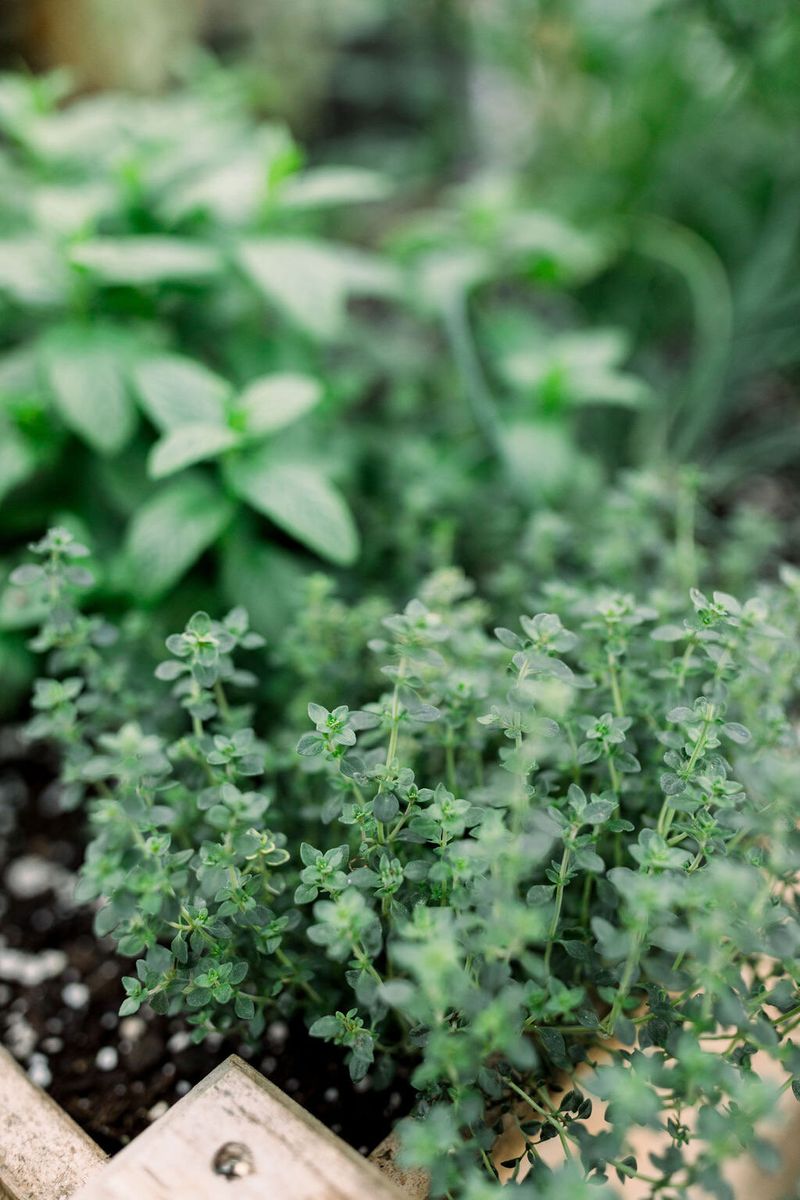
Thyme, with its fragrant leaves, serves as more than a culinary herb. It repels cabbage worms and whiteflies, making it a gardener’s friend.
The plant’s aroma deters pests, ensuring healthy gardens. This defensive trait adds to its charm, blending flavor with functionality.
Gardens benefit from thyme’s presence, enjoying both culinary delights and protection. Its dual role as a herb and deterrent makes thyme indispensable, offering both taste and tranquility in garden settings.