 Complete Gardening

Owning a home comes with the freedom to personalize your space, but certain yard additions require permits to ensure safety and compliance with local regulations. Navigating these rules can be complex, and what you don’t know can lead to fines or forced removals.
This guide explores 20 common yard items that often need a permit. From towering sheds to concealed outdoor showers, understanding these requirements can help you make informed and legal enhancements to your property without the unexpected headache of legal issues.
Explore these 20 yard items that may require permits.
1. Sheds Over a Certain Size
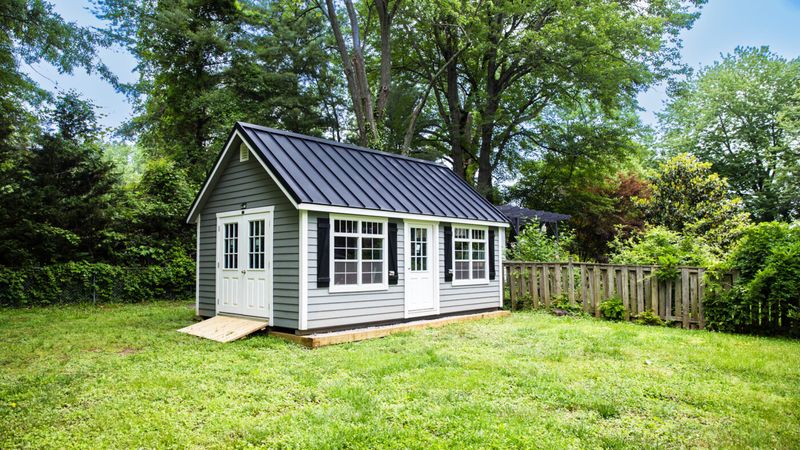
A shed can be an invaluable storage solution, but when its size surpasses 120 square feet, a permit is often required. This is primarily due to concerns over structural safety and neighborhood aesthetics. Homeowners may face fines or forced removal if they ignore these regulations. Opting for smaller, prefabricated units can circumvent this need while still providing ample storage. Such restrictions ensure that backyard structures don’t overshadow properties or pose risks during severe weather. Always check with local building codes before constructing or purchasing a larger shed.
2. Decks and Raised Platforms
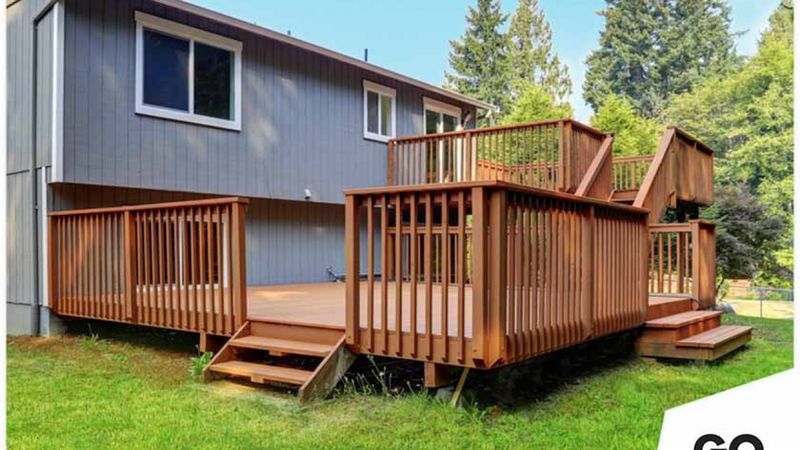
Decks offer a perfect space for outdoor gatherings, yet those exceeding a certain height or size often need permits. This requirement ensures stability and safety, protecting not only the homeowners but also their guests. The permit process can guide proper construction techniques, preventing potential hazards. For those not wishing to navigate permits, ground-level patios using pavers or gravel offer an excellent alternative. Such designs achieve a similar aesthetic appeal without the bureaucratic red tape, blending seamlessly into many landscaping styles while keeping within the law.
3. Retaining Walls

Retaining walls serve as a vital tool in controlling erosion and managing landscape elevation changes. When these structures exceed four feet in height, they typically require a permit. This regulation exists to ensure the wall’s structural integrity and the safety of anything built above or behind it. For those looking to avoid permits, terraced landscaping with natural slopes can be an attractive solution. This method utilizes smaller, interconnected walls or banks, creating an aesthetically pleasing and functional yard without breaching local regulations.
4. Swimming Pools (Above or In-Ground)
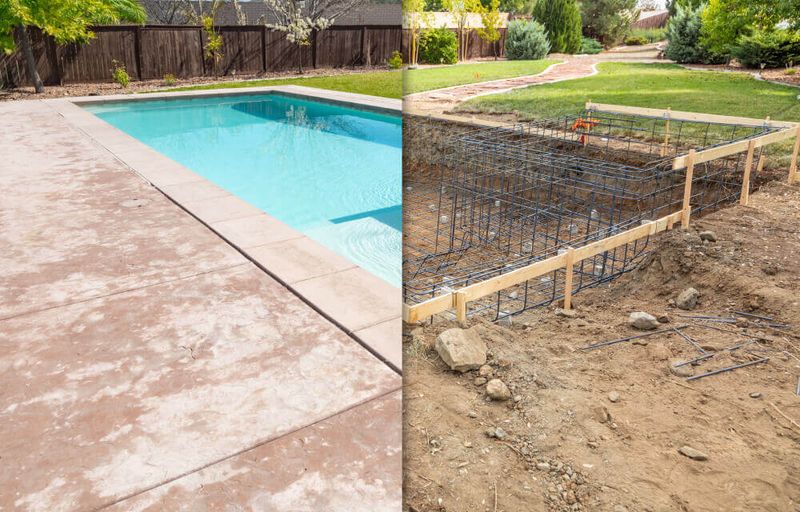
Swimming pools, whether above or in-ground, often require permits due to safety concerns and neighborhood standards. These permits help ensure proper fencing, pool depth, and filtration systems are in place, protecting community members, especially children. For those wishing to avoid complicated regulations, inflatable or temporary pools offer a delightful alternative. These options can be set up and dismantled with ease, providing seasonal enjoyment without the need for permits, while still adhering to basic safety standards.
5. Fire Pits and Outdoor Fireplaces
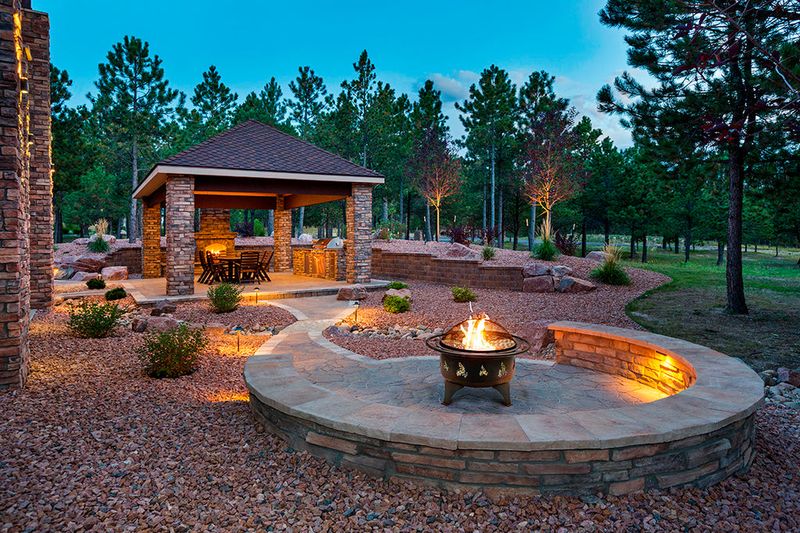
The allure of a crackling fire under the stars is undeniable, yet permanent fire installations often necessitate permits. This requirement ensures fire safety codes are met, reducing the risk of unintentional fires. Portable fire pits present a safer alternative, designed to comply with residential guidelines. These portable options can be moved as needed and often come equipped with safety features to prevent accidents. They offer the ambiance of an open flame without the complexities of building permits, perfect for impromptu gatherings.
6. Fences Over Height Limits
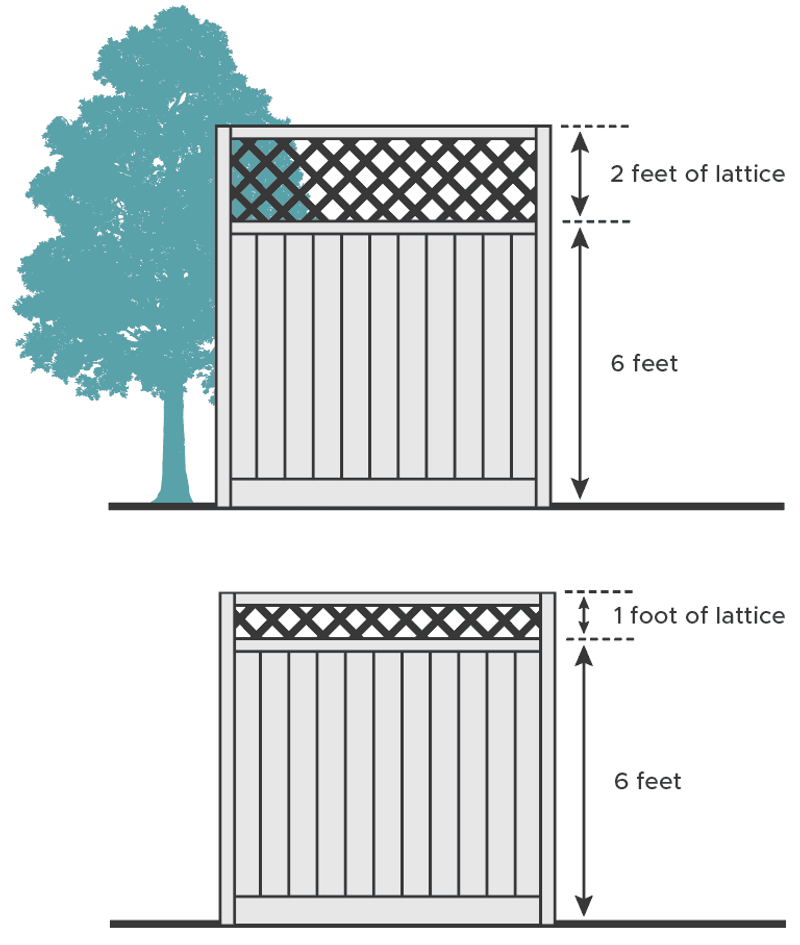
Fences serve as both decorative and functional elements of a yard, yet those exceeding local height limits, generally around six feet, require permits. This regulation ensures that fences don’t obstruct views or affect neighborhood aesthetics. Homeowners looking for privacy without permits can consider landscaping solutions, such as hedges or strategically placed trees. These natural alternatives provide both beauty and function, enhancing privacy while adhering to local rules. Always consult zoning laws before installing a tall fence to avoid potential pitfalls.
7. Tree Removal
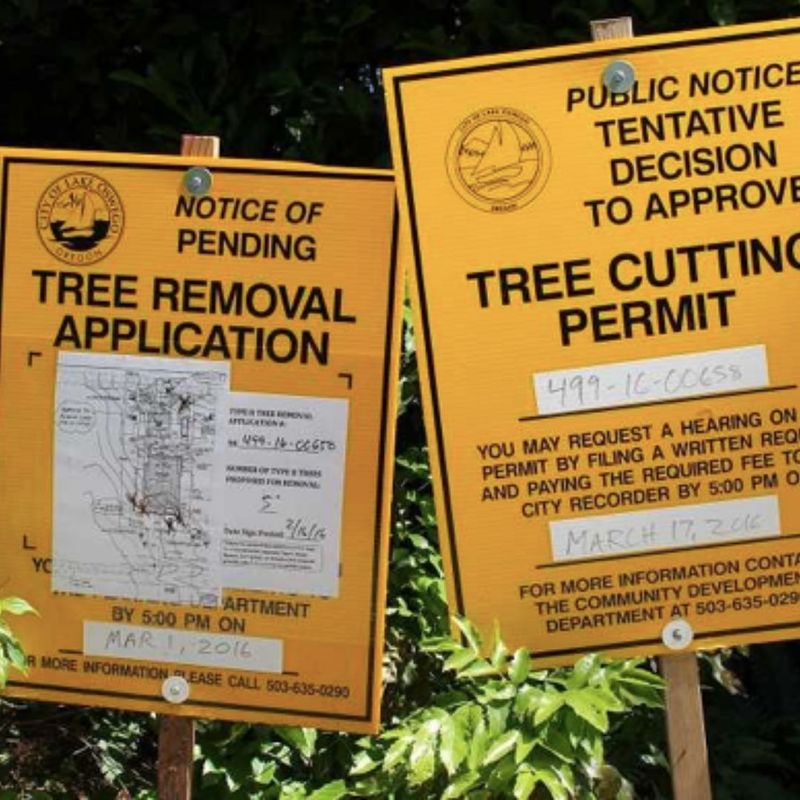
Trees add charm and shade to a property, but removing them, especially protected species, often requires a permit. This is to ensure that significant ecological impacts are considered and mitigated. Consulting with local authorities before removal is essential. Sometimes, pruning or treating the tree might be a viable alternative, preserving the landscape while addressing concerns. Protecting trees maintains biodiversity and aesthetic value in urban areas, reflecting a community’s commitment to environmental stewardship.
8. Gazebos and Pergolas
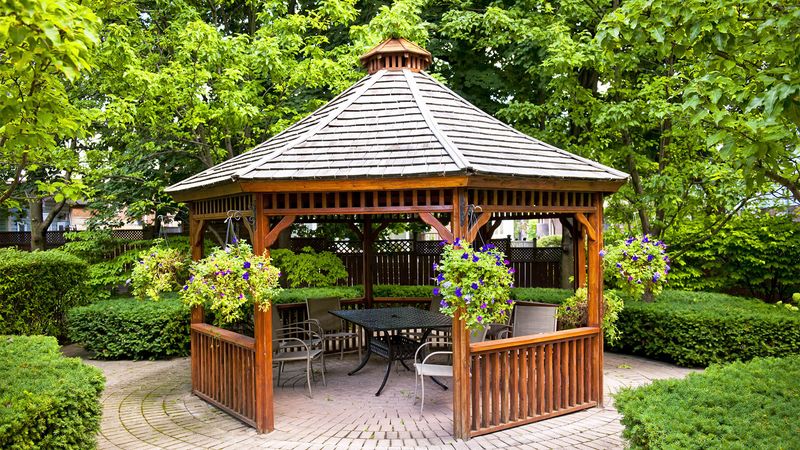
Gazebos and pergolas offer shade and elegance to outdoor spaces, yet their permanent nature often demands a permit. These structures may need to comply with zoning and safety regulations to ensure they don’t pose hazards or violate property lines. Opting for temporary or movable designs allows for flexibility and often sidesteps the need for permits. These can be just as aesthetically pleasing and functional without the bureaucratic burden, making them a popular choice for experimental garden designs.
9. Driveways and Paved Areas
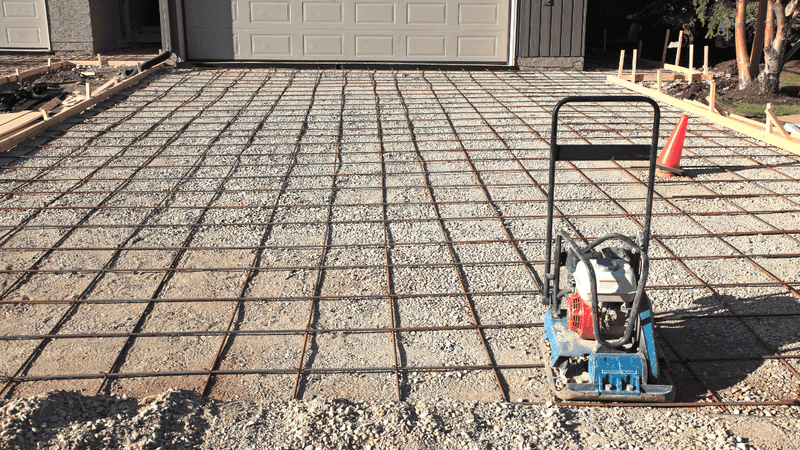
Creating or expanding driveways typically requires a permit, mainly to confirm proper drainage and environmental considerations. These regulations are in place to prevent water runoff from affecting neighboring properties. Homeowners can consider using permeable materials like gravel or pavers, which often don’t require permits. These options allow rainwater to filter through to the ground, reducing runoff and maintaining the natural water cycle. Such innovations reflect an environmentally conscious approach, blending functionality with sustainability.
10. Outdoor Kitchens
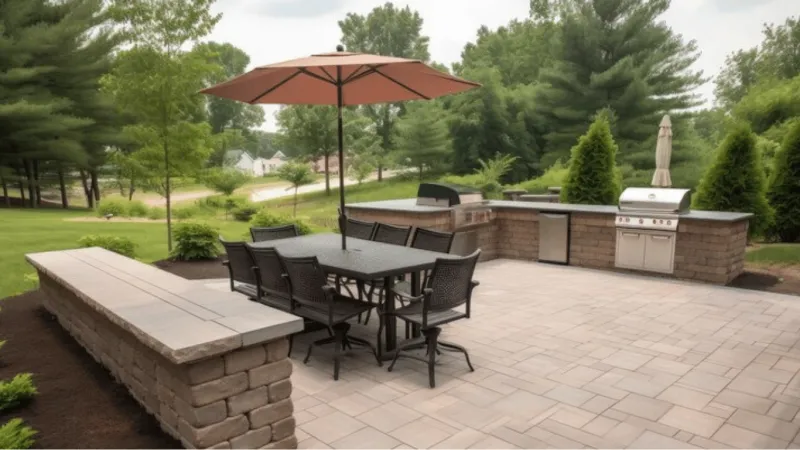
Outdoor kitchens transform backyard spaces into culinary havens, but permanent installations often need permits due to plumbing and electrical components. These permits ensure compliance with safety and health standards, preventing potential hazards. For a more straightforward option, portable cooking equipment offers flexibility without permanent connections. This alternative allows food enthusiasts to enjoy outdoor cooking with minimal hassle, adapting easily to changing needs or layouts. It’s a practical solution for those who value both convenience and compliance.
11. Keeping Livestock or Poultry

Raising poultry or livestock in residential areas can be a rewarding endeavor, yet it often requires permits due to zoning laws. These regulations ensure that animal welfare is maintained and that neighbors aren’t adversely affected by noise or odor. Some areas may allow a limited number of hens without permits, providing a sustainable way to enjoy fresh eggs. Checking local ordinances is crucial before starting a backyard farm, balancing personal interests with community standards.
12. Camping or Tiny Homes

Using a yard for permanent camping setups or tiny homes often clashes with zoning laws, making permits necessary. These laws are in place to maintain community structure and prevent overcrowding. Temporary tents for short-term use offer a legal alternative, providing outdoor enthusiasts with flexibility. This option allows for brief escapes into nature without legal complications, making it a popular choice for weekend adventurers seeking comfort in their own backyard.
13. Front Yard Vegetable Gardens
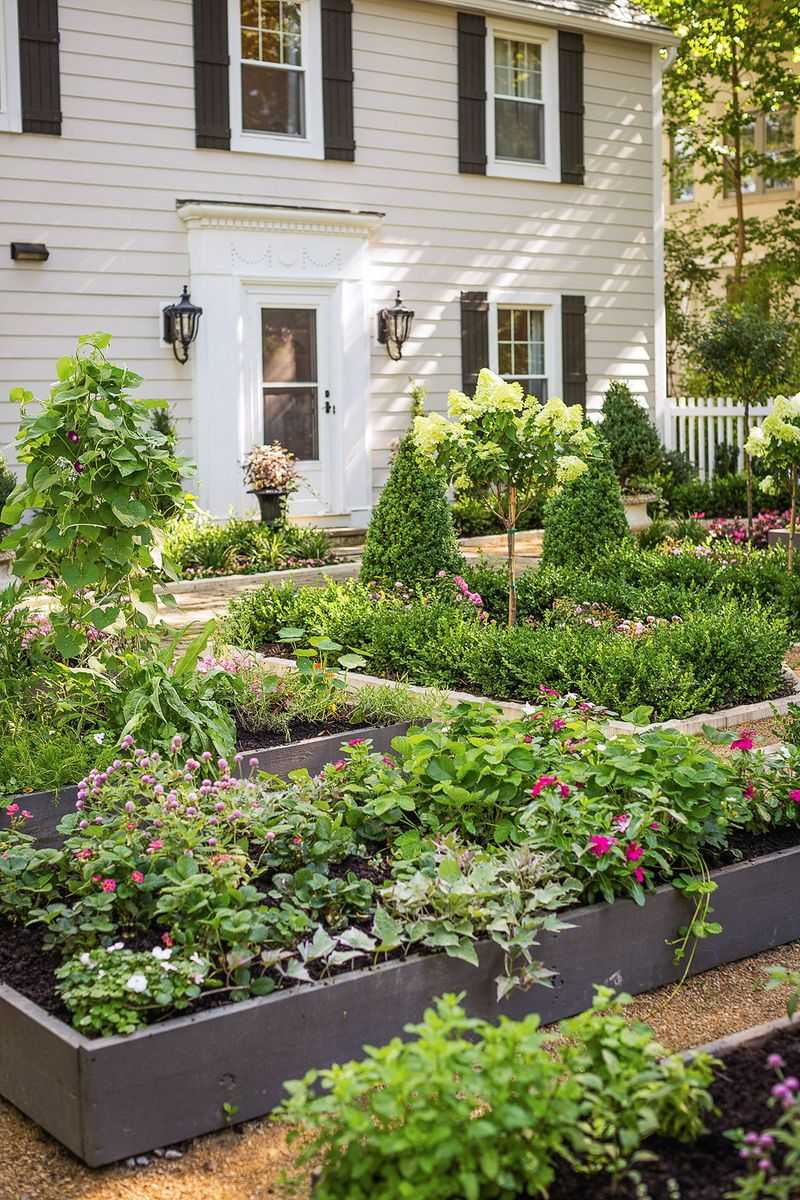
Front yard vegetable gardens can face restrictions due to aesthetic concerns in some municipalities. While the idea of growing produce close to home is appealing, regulations may require permits or impose design limitations. Moving the garden to the backyard or using decorative planters can satisfy both green thumbs and neighborhood guidelines. These alternatives maintain curb appeal while providing fresh, home-grown produce, creating a balance between personal preferences and community standards.
14. Major Landscaping Changes
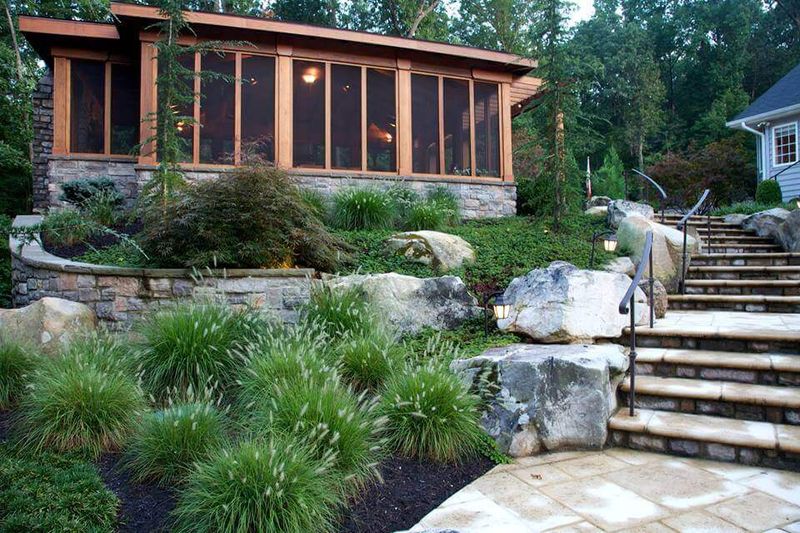
Significant landscaping alterations, such as grading or excavation, usually necessitate permits to ensure proper drainage and environmental impact controls. These regulations help maintain land stability and prevent unintended consequences for adjacent properties. Homeowners can opt for minor adjustments that don’t require permits, focusing on enhancements that preserve the natural land contours. Such projects can refresh a garden’s appearance without infringing on local laws, providing beauty and function harmoniously.
15. Outdoor Bathrooms or Showers
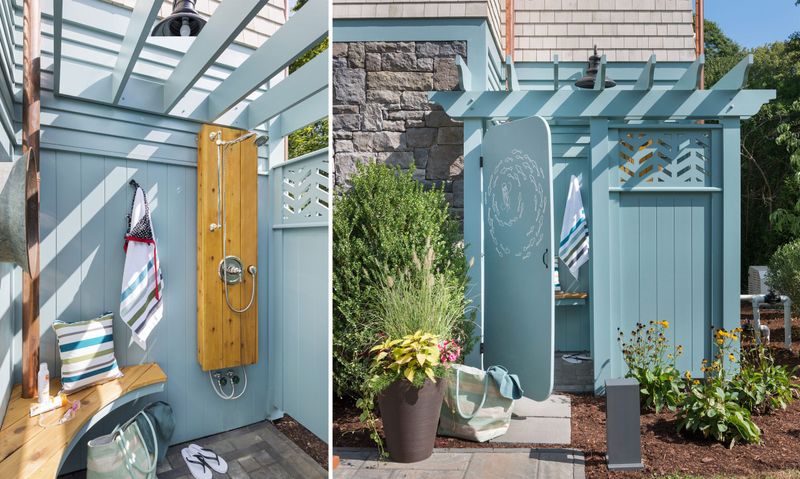
Adding plumbing fixtures outdoors, like bathrooms or showers, requires permits to meet health codes. These installations must comply with safety standards, ensuring that water management and sanitation are properly addressed. Portable camping showers provide a convenient, temporary alternative, easily moved and set up when needed. They offer the luxury of an outdoor rinse without the hassle of construction permits, perfect for spontaneous summer refreshment while adhering to regulations.
16. Concrete Patios
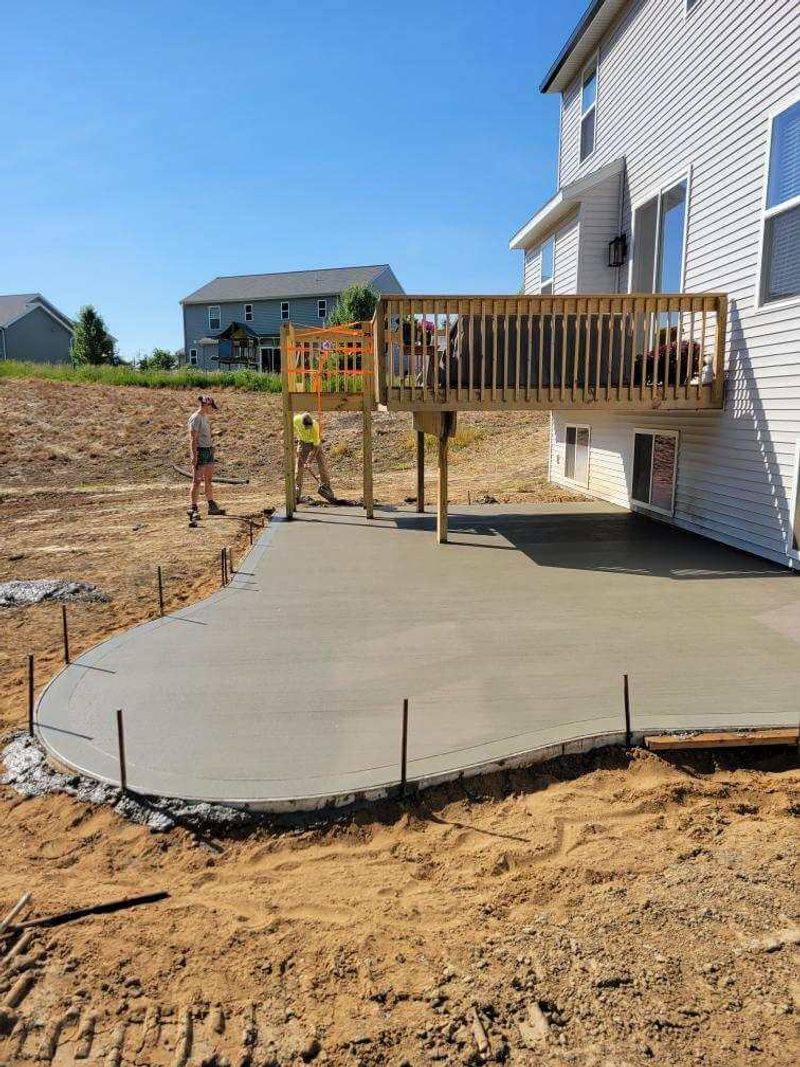
Concrete patios are a popular choice for creating durable outdoor living spaces, but pouring them often requires permits. This ensures proper drainage and environmental considerations are met. Using pavers or decking materials allows for a similar look without the need for permits, offering permeability that benefits the local ecosystem. Such solutions align with an eco-friendly approach, providing both aesthetic and practical benefits while keeping within legal boundaries, making them a smart choice for homeowners.
17. Permanent Tents or Yurts
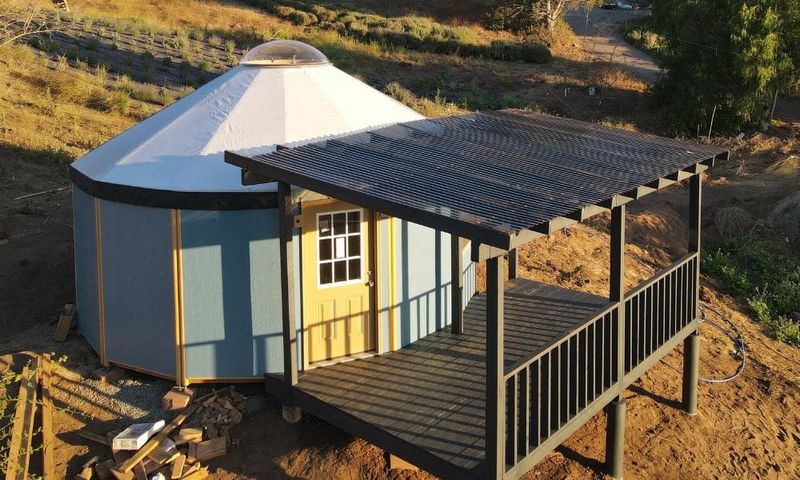
Setting up permanent tents or yurts can breach zoning laws, necessitating permits to maintain community standards. These regulations aim to prevent residential areas from becoming overcrowded or visually cluttered. Temporary structures for events offer an engaging alternative, providing space without long-term commitments. These options can be easily assembled and dismantled, offering flexibility for various occasions while respecting local codes, making them ideal for hosting gatherings.
18. Storing Unregistered Vehicles
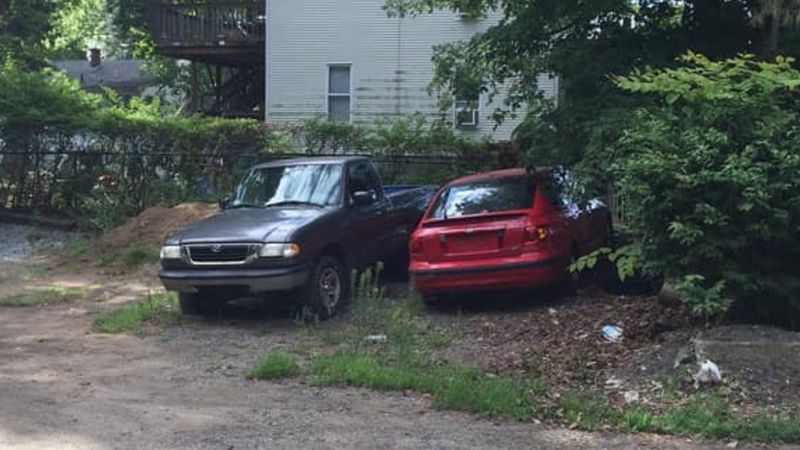
Keeping unregistered or inoperable vehicles visible in a yard may breach local ordinances, often requiring a permit. These rules are in place to maintain neighborhood aesthetics and prevent potential hazards. Storing vehicles in a garage or behind a privacy fence can avoid legal issues. Such solutions ensure compliance while keeping the yard tidy, reflecting a well-maintained property and respecting community guidelines, providing peace of mind for homeowners.
19. Shipping Containers

Using shipping containers as storage or structures often requires permits due to their size and impact on neighborhood appearance. These permits ensure safety standards are met and that the containers are used appropriately. Traditional storage sheds offer a compliant alternative, providing similar functionality without the need for complex approvals. They blend more naturally into residential areas, maintaining harmony with existing architecture while fulfilling storage needs effectively.
20. Outdoor Laundry Lines

Outdoor laundry lines may face restrictions from homeowners’ associations or municipalities, particularly if they are visible from the street. These rules reflect aesthetic preferences and community standards. Retractable lines or indoor drying racks offer practical alternatives, allowing for discreet drying that complies with regulations. These options provide an eco-friendly way to dry clothes, blending convenience with compliance, making them a favored choice among environmentally conscious homeowners.