 Complete Gardening
Zucchini, a popular garden vegetable, can sometimes frustrate gardeners by refusing to produce fruit. While the plant is generally easy to grow, certain mistakes can hinder its productivity. Understanding these mistakes can help you cultivate a bountiful zucchini harvest.
1. Improper Pollination
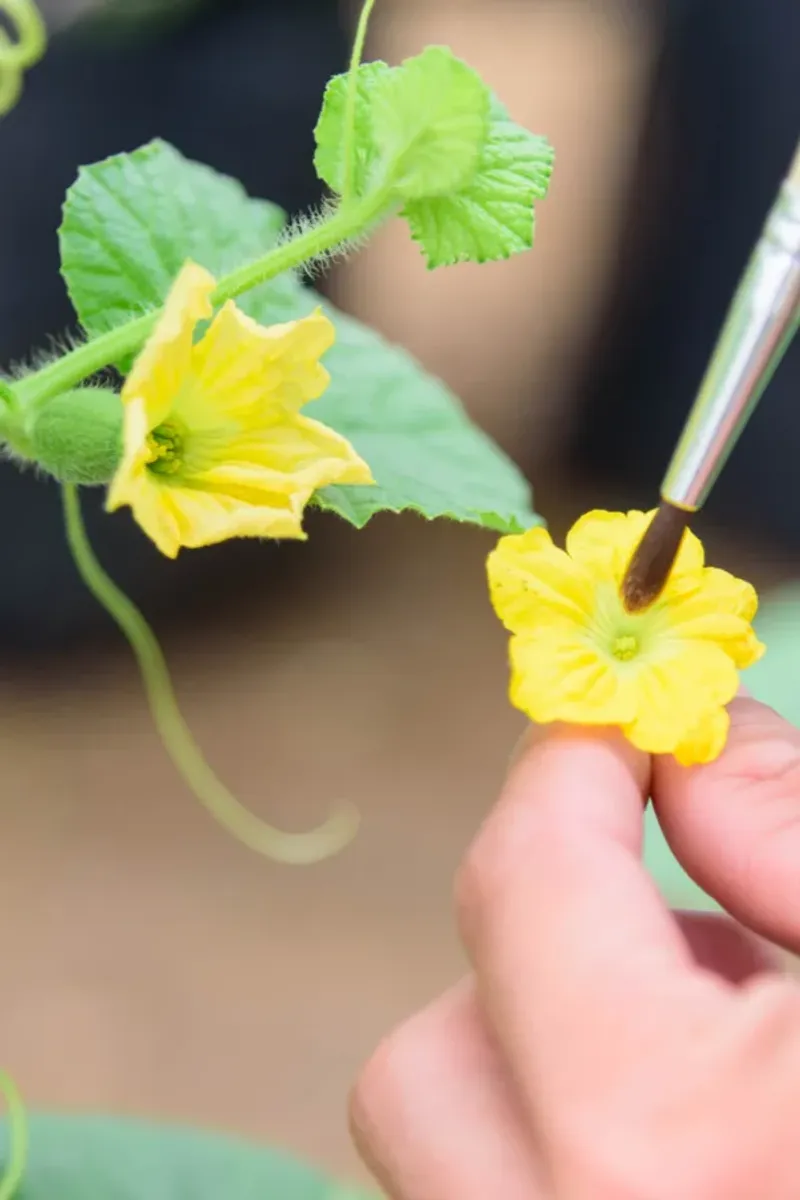
Without adequate pollination, zucchini plants might not produce any fruit. Pollinators such as bees play a crucial role in transferring pollen from male to female flowers. Without them, the flowers may wither and fall off, leading to an unproductive plant.
Gardeners can manually pollinate flowers using a small brush if natural pollinators are absent. Hand-pollination can mimic the work of bees and ensure fruit development.
Consider planting companion flowers to attract more pollinators. This simple change can dramatically increase zucchini production, ensuring a fruitful harvest.
2. Too Much Nitrogen
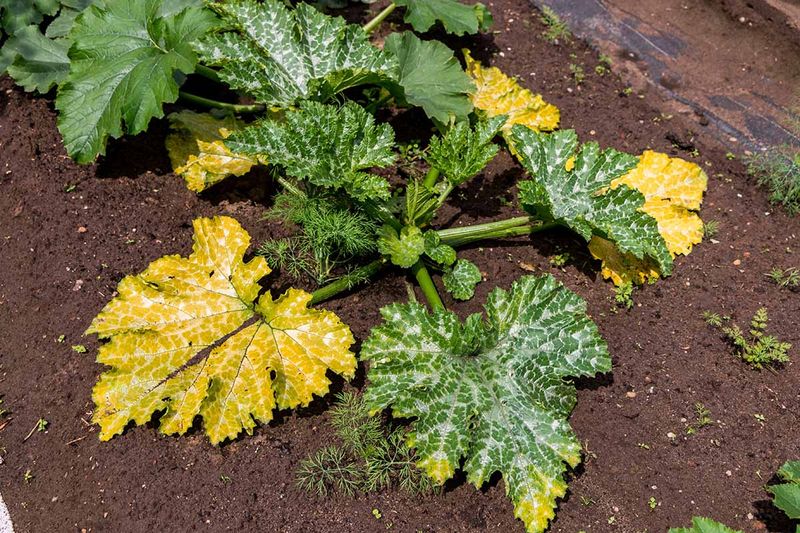
Excessive nitrogen can lead to lush foliage but little to no fruit. While nitrogen is essential for plant growth, too much can lead to an overabundance of leaves and stems.
This imbalance can prevent the plant from focusing energy on producing fruit. Balanced fertilization is key to a healthy zucchini crop, encouraging both vegetative growth and fruiting.
Test your soil regularly to ensure that nutrient levels are appropriate. Adjust fertilization practices to maintain balance and avoid excessive nitrogen application.
3. Poor Soil Quality
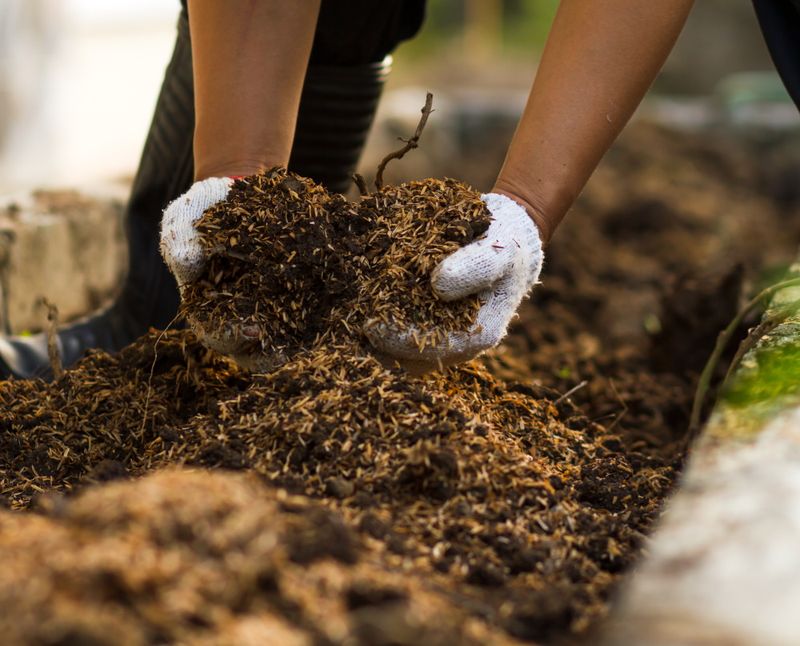
Healthy soil is the foundation of successful gardening. Poor soil quality can limit zucchini fruit production. Compacted or nutrient-deficient soil may restrict root growth, leading to stunted plants.
Amending soil with organic matter like compost improves its structure and fertility. This encourages robust growth and better fruiting. Regularly testing and amending the soil helps maintain an ideal growing environment.
Consider adding mulch to retain moisture and regulate soil temperature. Your zucchini plants will thrive in well-prepared soil, resulting in a bountiful harvest.
4. Lack of Sunlight
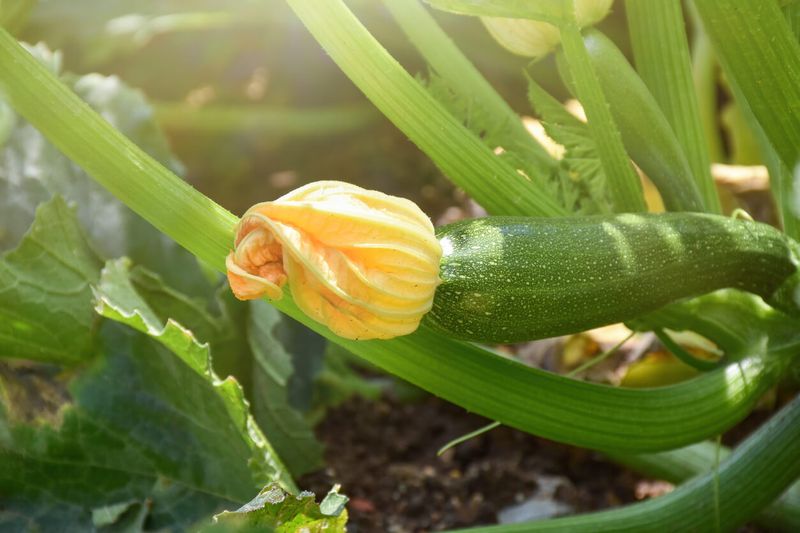
Sunlight is essential for zucchini growth, and insufficient light can severely affect fruit production. These plants require at least six to eight hours of direct sunlight daily to thrive.
A shaded garden can lead to weak plants that cannot produce fruit efficiently. Assess the garden’s layout to ensure adequate sun exposure.
Consider relocating zucchini plants to sunnier spots or trimming surrounding foliage to allow more light. Addressing sunlight issues can significantly boost fruit yield, turning a struggling plant into a prolific producer.
5. Watering Inconsistencies
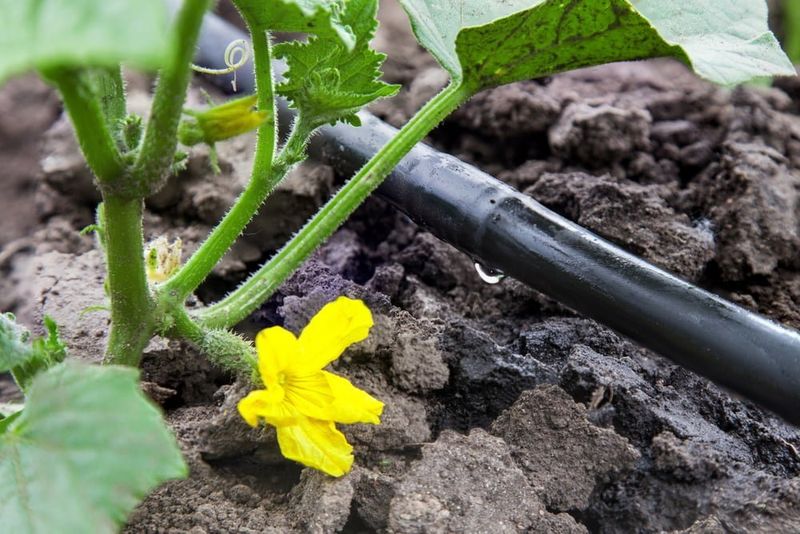
Inconsistent watering can lead to various problems that hinder zucchini fruit production. Both over-watering and under-watering can stress the plant, leading to poor fruiting.
A consistent watering schedule ensures that plants receive the right amount of moisture. Drip irrigation or soaker hoses can help maintain consistent soil moisture levels.
Mulching around the base of the plant also helps retain moisture. Proper watering practices can transform struggling zucchini plants into productive ones, resulting in a more satisfying harvest.
6. Incorrect Plant Spacing
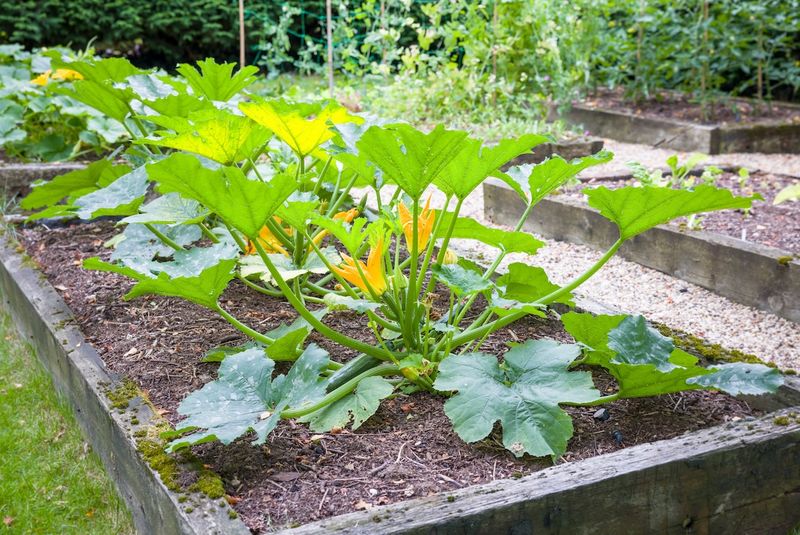
Crowding zucchini plants can lead to competition for resources and reduce fruit yield. Proper spacing allows each plant to receive adequate sunlight, air circulation, and nutrients.
Overcrowded conditions can result in fungal diseases and pest infestations. Space plants at least two to three feet apart to ensure healthy growth and abundant fruit.
Regularly thinning seedlings and managing plant layout in the garden can prevent these issues. Proper spacing encourages robust growth, leading to an improved zucchini harvest.
7. Pest Infestations
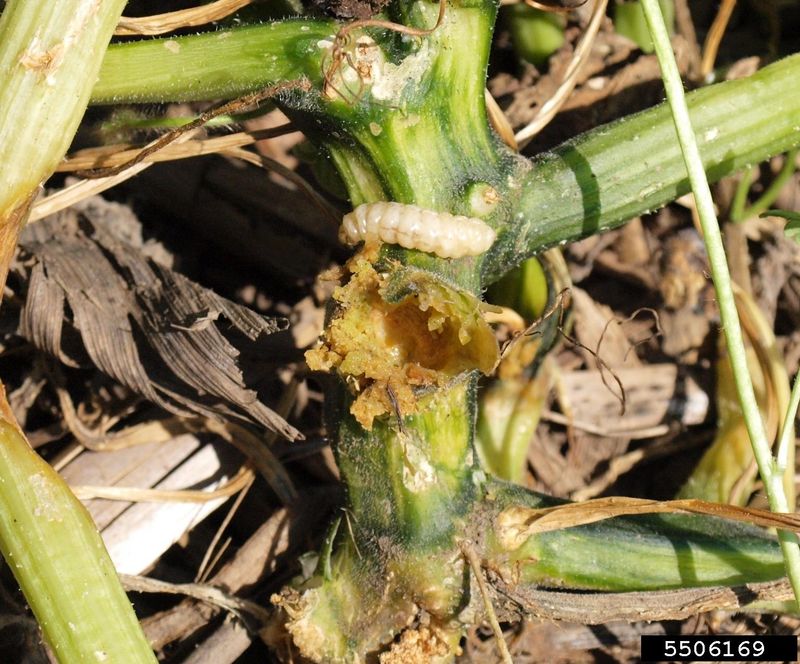
Pests like squash bugs and vine borers can wreak havoc on zucchini plants, reducing fruit production. These pests feed on plant sap, weaken the plant, and may kill it if left unchecked.
Implementing integrated pest management strategies can help control pest populations. Regularly inspect plants for signs of infestation and remove pests manually.
Consider using natural predators or organic insecticides to minimize damage. Keeping pests at bay allows zucchini plants to thrive and produce fruit effectively.
8. Disease Issues
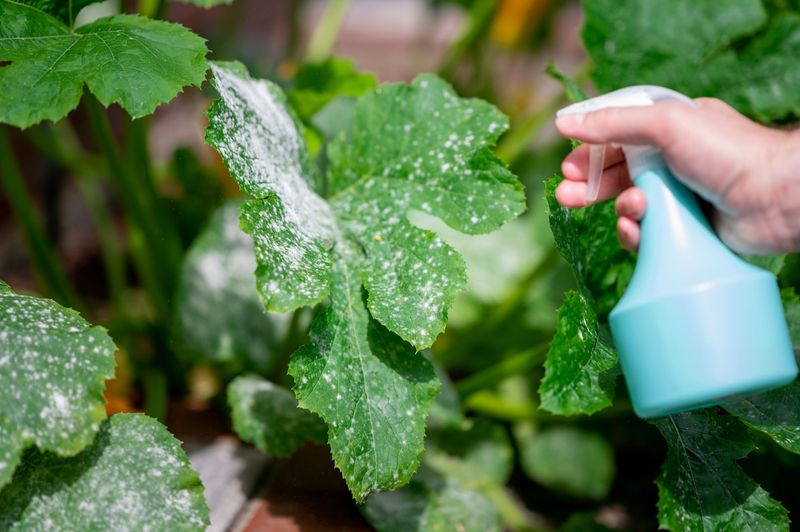
Diseases such as powdery mildew and blossom end rot can severely impact zucchini fruit production. Identifying and addressing these issues early is crucial for maintaining healthy plants.
Proper cultural practices, like crop rotation and sanitation, reduce disease incidence. Choose resistant varieties and ensure proper air circulation around plants.
Applying organic fungicides can also help control outbreaks. Healthy, disease-free plants are more likely to produce abundant fruit, ensuring a successful growing season.
9. Improper Temperature
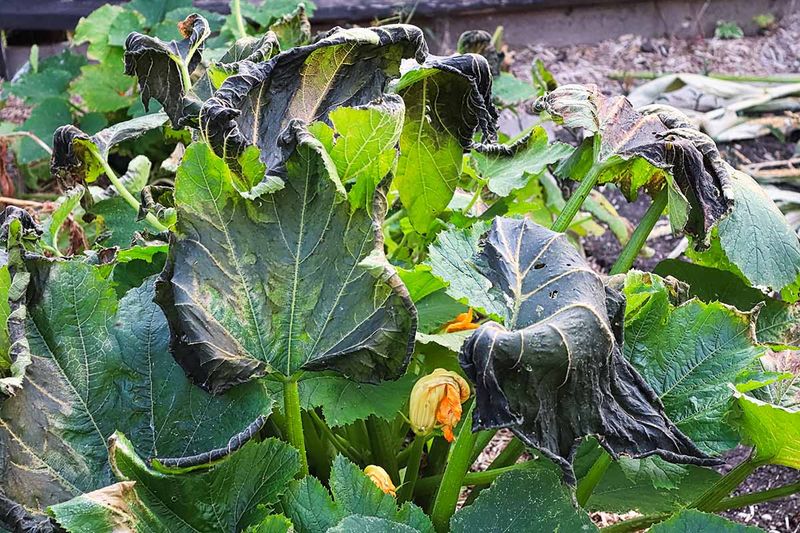
Zucchini plants are sensitive to temperature fluctuations, which can affect fruit production. Extreme heat or unexpected frosts can cause stress and reduce yields.
Monitor weather forecasts and protect plants with row covers during cold snaps. Mulch can help regulate soil temperature, providing a buffer against temperature changes.
Selecting the right planting time ensures that plants grow in optimal conditions. By managing temperature-related challenges, gardeners can encourage more productive zucchini plants.
10. Inadequate Fertilization
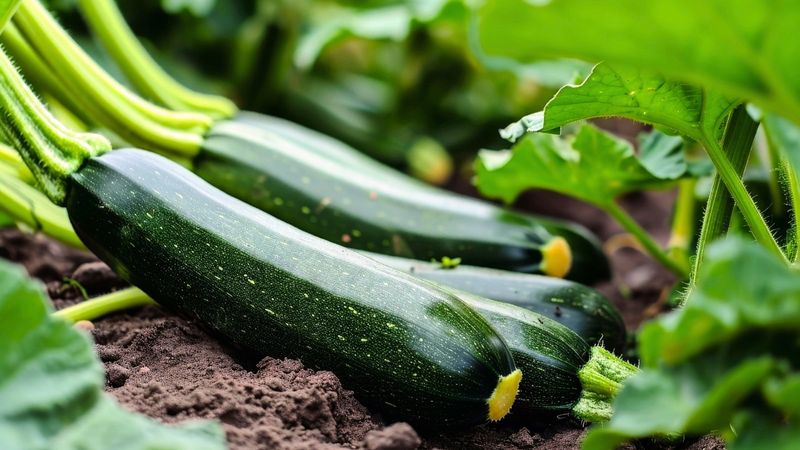
Fertilization plays a vital role in zucchini fruit production. Inadequate or improper fertilization can lead to nutrient deficiencies, resulting in poor growth and fruiting.
Regularly testing the soil helps determine the exact nutrient needs of the plants. A balanced fertilizer application encourages healthy growth and abundant fruiting.
Avoid over-fertilizing, as it can lead to excessive foliage growth at the expense of fruit. Proper fertilization ensures vigorous plants and a plentiful zucchini harvest.
11. Improper Pruning
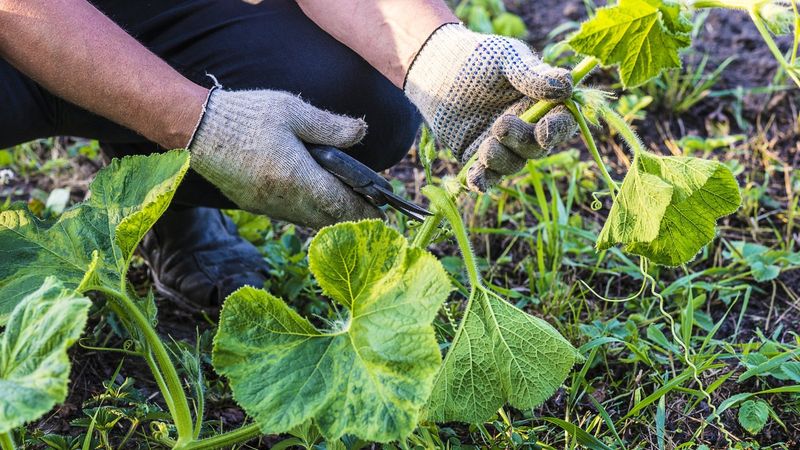
Pruning zucchini plants incorrectly can hinder fruit production. While removing dead or diseased leaves is beneficial, excessive pruning may reduce yield.
Focus on removing only what is necessary to improve air circulation and light penetration. Over-pruning can stress the plant and lead to a reduction in fruit set.
Learning proper pruning techniques helps maintain healthy plants and encourages a more productive harvest. Thoughtful pruning practices support vigorous growth and fruiting.
12. Using Wrong Varieties
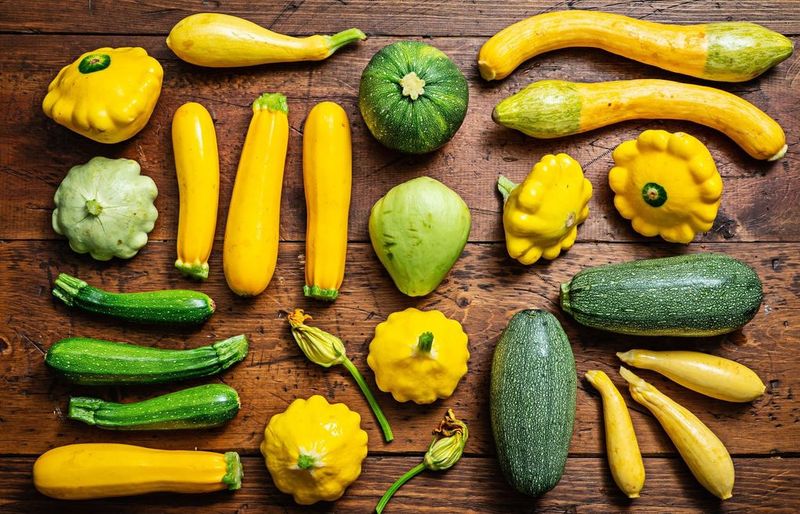
Choosing the wrong zucchini variety can affect fruit production. Some varieties are more suited to specific climates and growing conditions than others.
Researching and selecting varieties that match your local environment ensures better results. Consider factors like disease resistance, growth habit, and fruit characteristics.
By choosing the right variety, gardeners can enjoy a more successful and productive growing season. The right variety makes all the difference in achieving a bountiful zucchini harvest.
13. Companion Planting Mistakes
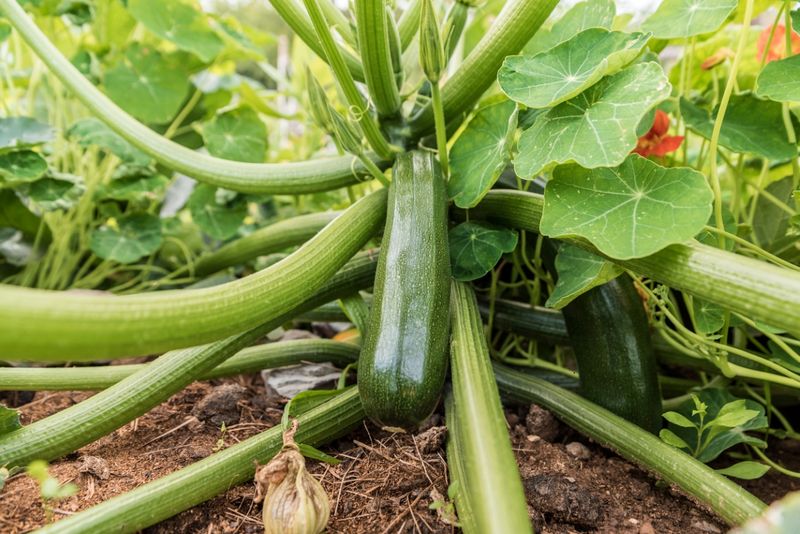
Companion planting can enhance zucchini growth, but mistakes can lead to reduced production. Incompatible plants may compete for nutrients or create unfavorable conditions.
Understanding which plants work well together improves garden health and productivity. Avoid planting zucchini near potatoes or large root crops that compete for resources.
Consider pairing zucchini with beans or corn to enhance growth. Thoughtful companion planting can lead to a thriving garden, boosting zucchini fruit yield.
14. Ignoring Plant Signs
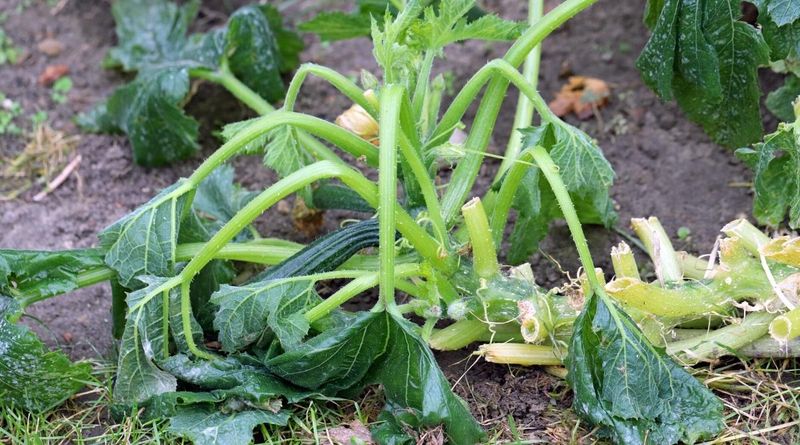
Ignoring the signs that zucchini plants give can lead to decreased fruit production. Plants often show early warning signs of stress, such as wilting or yellowing leaves.
Paying attention to these signs helps gardeners address issues before they escalate. Regularly inspecting plants and responding to their needs ensures healthy growth.
By being attentive to plant signals, gardeners can maintain vigorous plants that produce abundantly. Ignoring these signs can lead to missed opportunities for a successful harvest.
15. Improper Harvesting
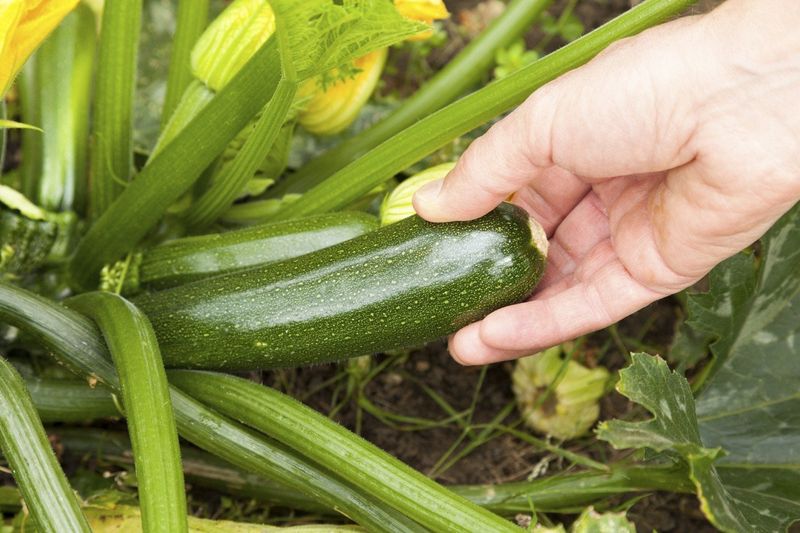
Harvesting zucchini at the wrong time can affect fruit quality and plant productivity. Picking too early may result in underdeveloped fruit, while late harvesting can lead to oversized, tough zucchini.
The ideal size for harvest is around six to eight inches, when the fruit is tender and flavorful. Regular harvesting encourages more fruit production and prevents the plant from becoming exhausted.
Understanding proper harvesting techniques ensures a steady supply of delicious zucchini throughout the season.
16. Neglecting Crop Rotation
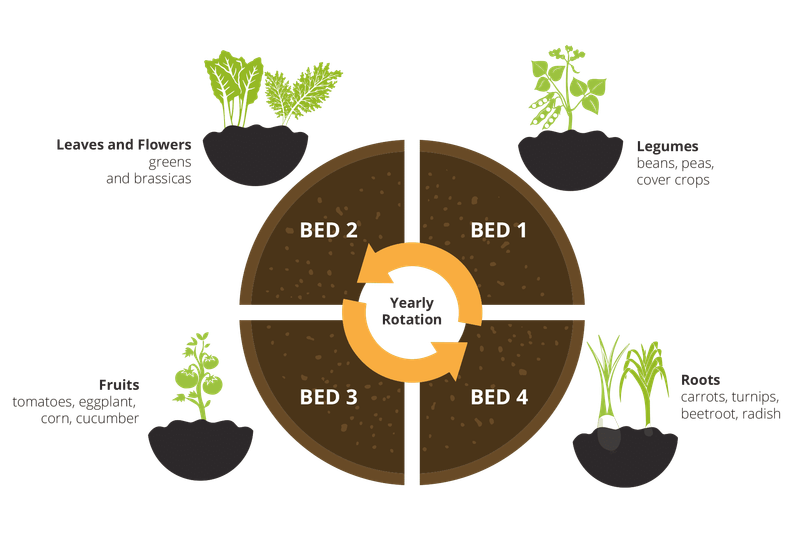
Neglecting crop rotation can lead to soil depletion and increased disease risk, affecting zucchini fruit production. Planting zucchini in the same location year after year can lead to nutrient deficiencies and pest buildup.
Rotating crops with different families helps maintain soil fertility and reduces pest pressure. Planning a thoughtful crop rotation schedule enhances garden health and productivity.
This practice ensures that soil remains fertile and plants grow vigorously, leading to a more successful zucchini harvest.
17. Overcrowded Planting
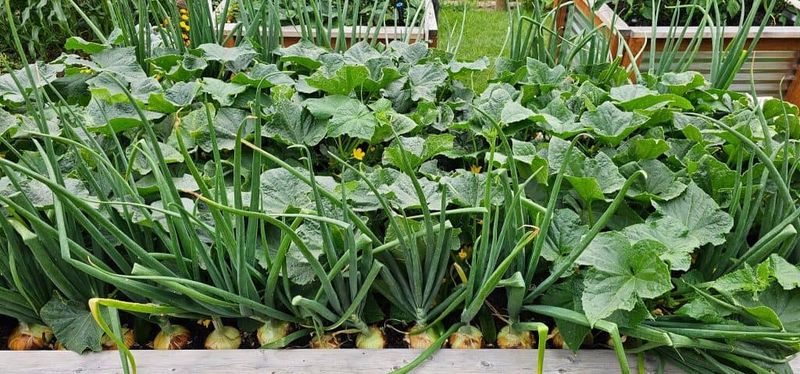
Imagine a bustling city where everyone tries to squeeze into the same apartment. That’s what happens when zucchini plants are overcrowded. With limited space, they compete for nutrients, sunlight, and air, stunting growth and fruit production.
Allowing ample room between plants lets them breathe and thrive. Adequate spacing ensures each plant receives enough sunlight and air circulation, reducing the risk of disease.
Did you know? The ideal spacing for zucchini plants is about 24 to 36 inches apart. This spacing allows for healthy growth, ensuring your zucchini plants have room to flourish and produce bountiful harvests.