
Native American cultures have long held a deep reverence for the natural world, with plants playing a crucial role in their spiritual practices. From healing rituals to ceremonial uses, these plants are not just seen as mere flora but as sacred entities carrying wisdom and power. This article explores 20 such plants, each with its own unique significance and story within Native American traditions.
1. Sweetgrass
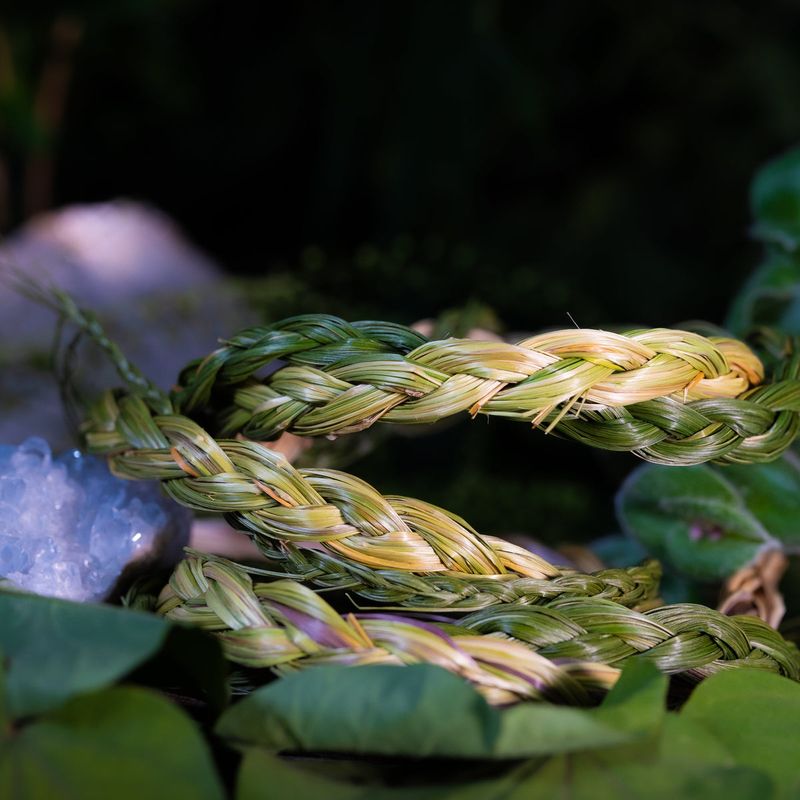
Known as the sacred hair of Mother Earth, sweetgrass is a symbol of positivity and healing. Its vanilla-scented blades are often braided and burned in ceremonies to invite good spirits. The smoke is believed to purify and protect, connecting the physical and spiritual worlds. For many tribes, sweetgrass is an emblem of kindness and love, reminding them to treat one another with compassion. Traditionally, it’s also woven into baskets and used in crafting. Its gentle presence is cherished for the peace it brings to both mind and heart. Sweetgrass can transform a space into a serene sanctuary.
2. Sage

Sage, often referred to as ‘the Spirit Caller,’ is revered for its cleansing properties. In Native American rituals, sage is burned to ward off negative energies and to invite peace. Its smoke is believed to carry prayers to the heavens, acting as a mediator between the earthly and spiritual realms. Beyond its use in ceremonies, sage holds medicinal properties, aiding in digestion and inflammation. Each leaf carries stories of its use in generations past, making it a cornerstone in spiritual practices. Its aromatic presence is both grounding and uplifting, guiding the spirit to tranquility.
3. Cedar
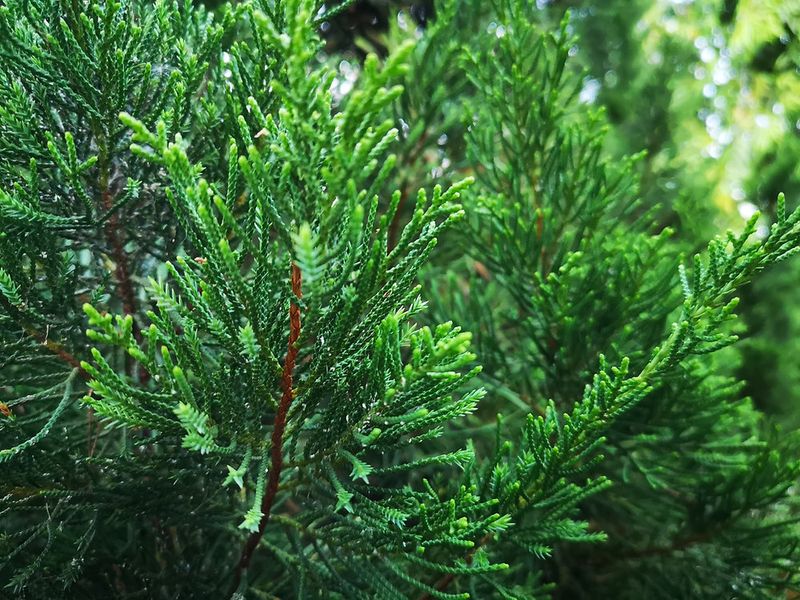
Cedar is a tree of wisdom and strength, often used in sweat lodge ceremonies. Its aromatic wood is burned for purification, symbolizing renewal and protection. Native Americans believe the cedar tree holds the teachings of the ancestors, standing as a guardian of sacred spaces. The oils extracted from its wood are used for healing, providing relief from ailments. Cedar’s robust presence in the forest is a reminder of strength and resilience. Its spirit is celebrated in songs and stories, offering comfort and guidance. Through cedar, one finds a connection to the earth’s enduring wisdom.
4. Tobacco
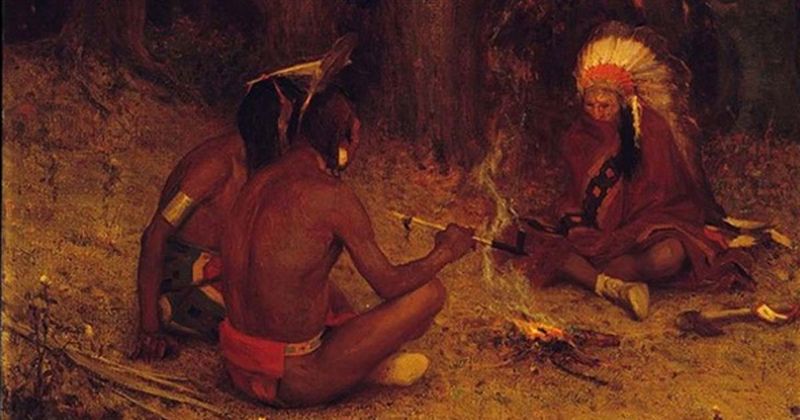
Tobacco holds a revered place in many Native American cultures as a sacred offering. It is used in prayers and ceremonies to communicate with the spirit world. When smoked or offered, tobacco is believed to carry intentions and gratitude to the Creator. Unlike commercial tobacco, traditional varieties are grown with respect and care. Its use is a commitment to honesty and truth in spiritual practice. Tobacco’s role is not just ceremonial but also a bridge to the ancestors and the divine. This plant teaches the importance of respect and mindfulness in spiritual journeys.
5. Corn
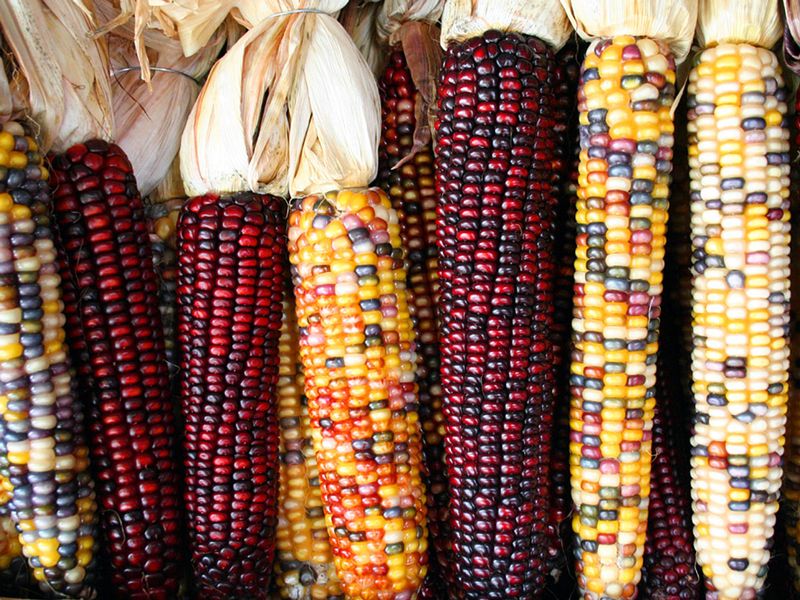
Corn, often referred to as ‘the gift of the Great Spirit,’ is a symbol of life and sustenance. It holds a central role in Native American agriculture and spirituality. Ceremonies around planting and harvesting corn are sacred, celebrating the cycles of life. Corn is not only food but a spiritual teacher, symbolizing growth, transformation, and nourishment. It’s a reminder of the interconnectedness of all living beings. The vibrant color of cornfields is a testament to abundance and prosperity. Through corn, lessons of gratitude and cooperation with nature are passed down through generations.
6. Cattail
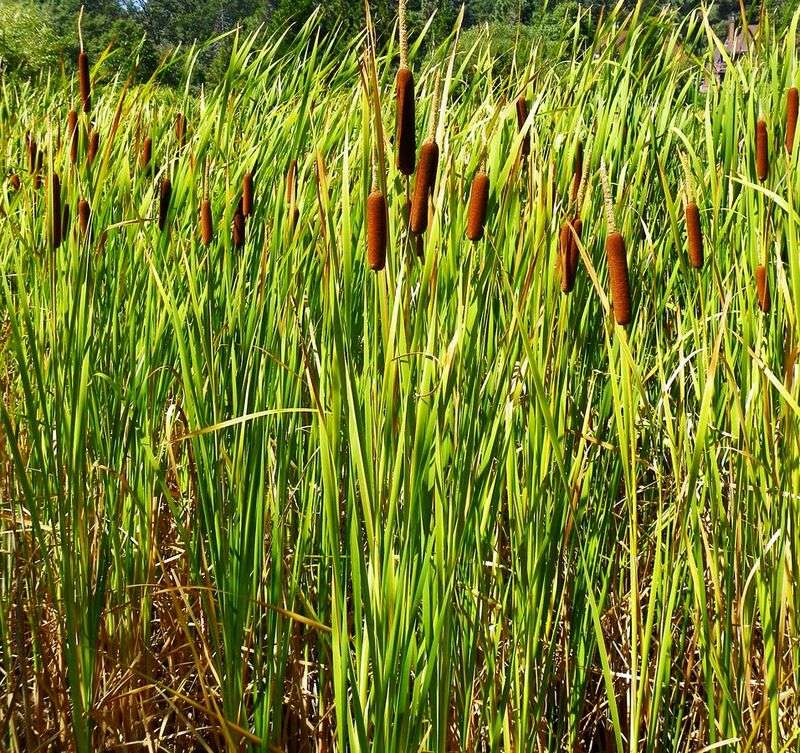
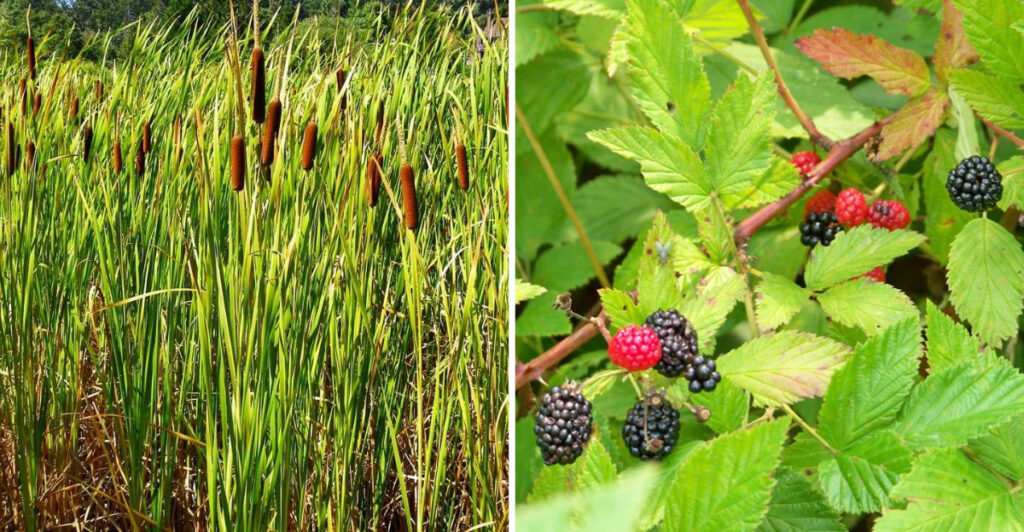
Cattails are known as the supermarket of the swamp in Native American culture. Every part of this plant is utilized, from roots to seeds, providing essential materials for crafting and survival. The fluffy seeds are used to line moccasins and blankets, while the stalks are woven into mats and baskets. Symbolically, cattails teach adaptability and resourcefulness, thriving in wetlands where few others can. They remind us of nature’s generosity, offering sustenance and tools. Cattails stand tall, a symbol of resilience and the ability to flourish in challenging environments, embodying the spirit of survival.
7. Yarrow
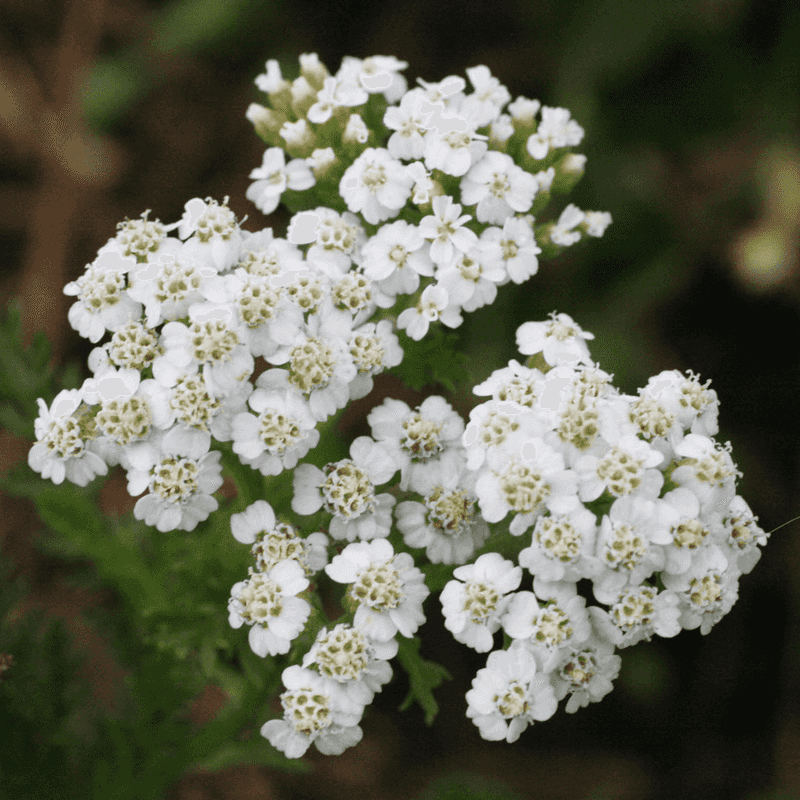
Yarrow, with its feathery leaves and clusters of white flowers, is a potent healer. Native American healers use it to treat wounds and fevers, thanks to its anti-inflammatory properties. Beyond its physical healing, yarrow is seen as a protector, shielding individuals from negative energies. Its presence in ceremonies is a call for courage and inner strength. Yarrow’s delicate appearance belies its powerful nature, making it a trusted ally in spiritual and medicinal practices. It stands as a testament to the healing power of nature, teaching harmony and balance. Yarrow encapsulates resilience and protection.
8. Blackberry
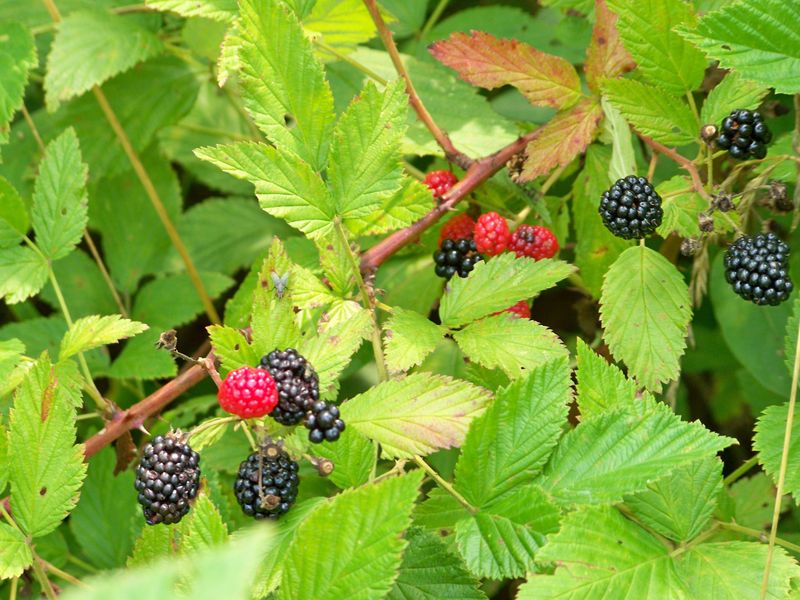
Blackberries, with their sweet and tart flavor, are more than just a fruit. In Native American traditions, they symbolize abundance and the sweetness of life. The vines teach the importance of staying grounded while reaching for the sky. Blackberry leaves are used in teas for their soothing properties, offering relief for sore throats. The plant stands for resilience, growing in challenging environments, and providing nourishment. Blackberries are embedded in folklore and stories, often celebrated in festivals. They remind us of nature’s generosity and the joy of simple pleasures. The blackberry’s spirit is one of gratitude and joy.
9. Juniper
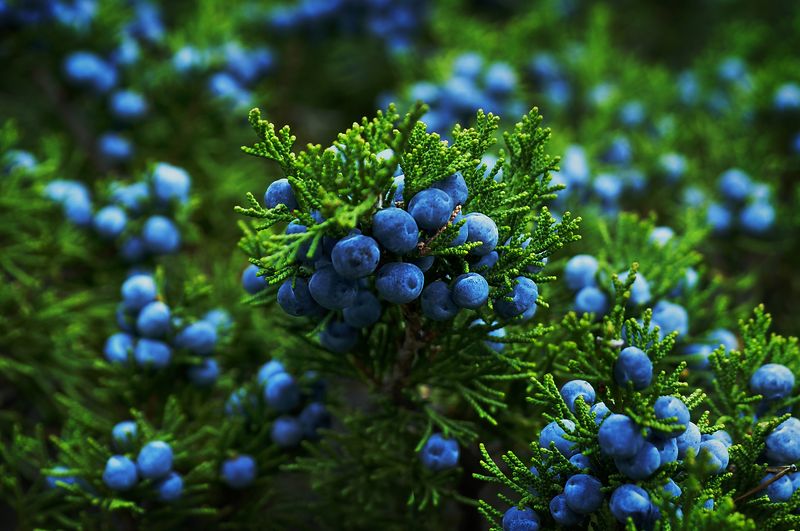
Juniper, with its aromatic berries, is a symbol of protection and healing. Native American tribes burn juniper branches in rituals to cleanse and purify spaces. The smoke is believed to drive away malevolent spirits and negative energies. Juniper berries are also used in medicine, aiding digestion and treating colds. It’s a plant that embodies resilience, thriving in arid conditions where few others can. The scent of juniper is a reminder of nature’s strength and healing powers. Its presence in ceremonies and homes is a testament to its protective spirit. Juniper’s legacy is one of strength and protection.
10. Mint
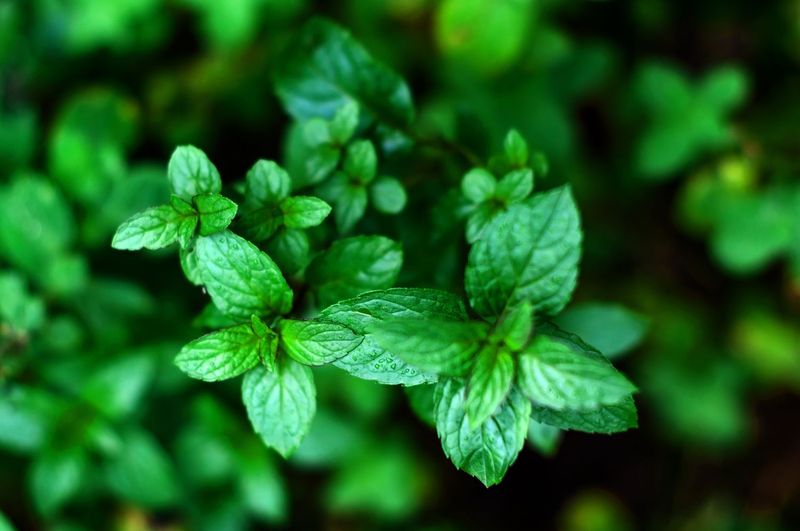
Mint, with its invigorating scent, is a symbol of hospitality and communication in Native American culture. It is often used in teas to soothe the mind and body, promoting relaxation. In ceremonies, mint is a tool for mental clarity, helping to open communication channels with the spiritual world. Its vibrant green leaves represent renewal and vitality, offering a fresh perspective. Mint teaches the importance of staying present and attentive, embracing each moment with awareness. It is a reminder of the simple joys found in nature, providing both comfort and invigoration. Mint’s spirit is one of hospitality and refreshment.
11. Wild Rose
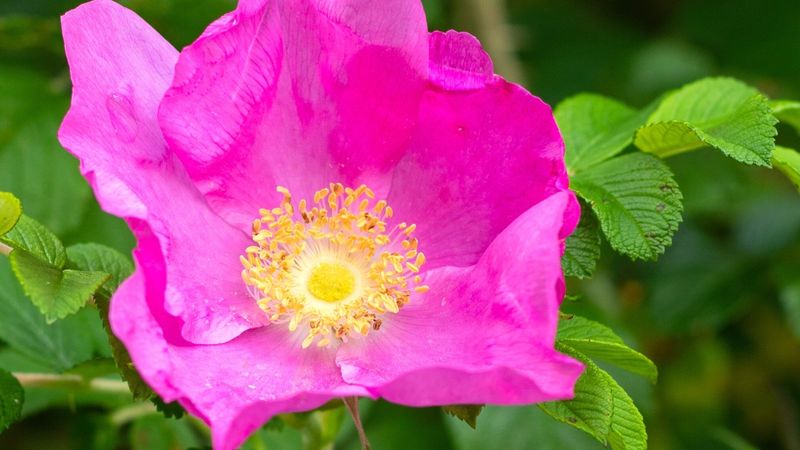
The wild rose, with its delicate petals, is a symbol of love and beauty in Native American lore. It is believed to have protective qualities, often used in charms and amulets. The rose’s fragrance is said to attract positive energies and spirits. Medicinally, rose petals are used in teas and ointments to soothe the skin and heart. The wild rose teaches compassion, encouraging individuals to open their hearts to love and kindness. Its beauty is a reminder of the gentle power of nature. Encapsulating love and protection, the wild rose offers solace and inspiration.
12. Elderberry
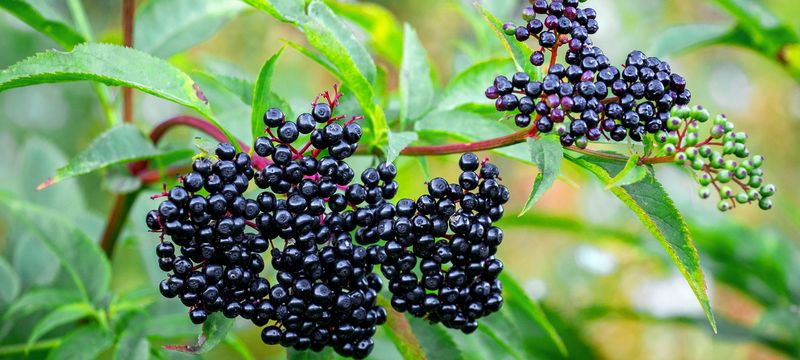
Elderberry is celebrated for its healing powers and is often used in teas and syrups. Native Americans regard it as a symbol of health and longevity. The berries are rich in antioxidants, supporting the immune system and offering protection against illness. In folklore, elderberry is said to harbor protective spirits, watching over those who respect the earth. Its flowers and fruits are a gift of health, embodying the spirit of nurturing and protection. The elderberry bush is a beacon of life, teaching harmony with nature. Its legacy is one of wellness, safeguarding the community’s health.
13. Blueberry
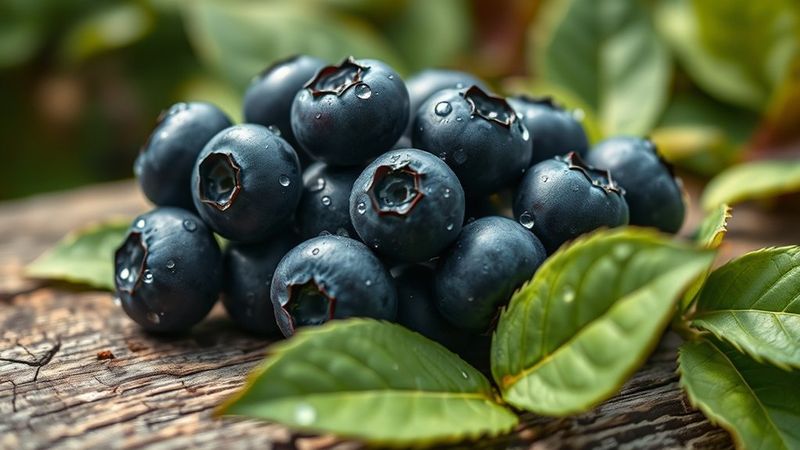
Blueberries are cherished not only for their taste but for their spiritual significance. In Native American cultures, they symbolize the connection between the earth and sky. The berry’s color represents the sky, carrying messages of wisdom and truth. Blueberries teach the importance of balance, thriving in harmony with their environment. They are used in ceremonies to foster communication and understanding. The berry’s presence is a reminder of life’s sweetness and the interconnectedness of all beings. Blueberries embody spiritual insight and the joy of living. Their spirit encourages unity and peace, weaving a tapestry of connection.
14. Willow

The willow tree, with its elegant branches, is a symbol of flexibility and resilience. In Native American traditions, it’s revered for its medicinal and spiritual properties. Willow bark is used to relieve pain and inflammation, while its wood is crafted into baskets and tools. Spiritually, the willow teaches adaptability, bending without breaking in the face of adversity. It stands as a guardian of water, often found near streams and lakes. The willow’s presence is calming, offering solace and reflection. Its graceful demeanor is a testament to the strength found in gentleness. The willow embodies resilience and healing.
15. Sunflower

The sunflower, with its radiant yellow petals, is a symbol of happiness and vitality. In Native American culture, it represents the sun’s life-giving energy, promoting growth and abundance. Sunflower seeds are a source of nourishment, while the petals are used in dyes and crafts. The plant stands tall, reaching for the sky, teaching the importance of positivity and resilience. Its cheerful presence brightens the spirit, embodying joy and renewal. The sunflower’s journey follows the sun, a reminder of life’s cycles and the potential for growth. Embracing the sunflower is to embrace the light and energy of life.
16. Birch

Birch trees, with their distinctive white bark, symbolize renewal and purification. In Native American culture, they are used in rituals to cleanse and rejuvenate the spirit. Birch bark is crafted into canoes, containers, and sacred items. The tree is a symbol of truth and protection, standing as a guardian in the forest. Its presence offers solace and inspiration, encouraging growth and transformation. Birch teaches the importance of shedding the old to make way for the new, embracing change with grace. Its spirit is one of renewal, guiding individuals on their spiritual journey. The birch embodies purification and clarity.
17. Lavender

Lavender, with its calming fragrance, is a symbol of peace and tranquility. It is often used in Native American ceremonies to soothe the spirit and calm the mind. The plant’s purple flowers are believed to attract positive energies and foster healing. Lavender’s presence is a balm for the senses, offering relaxation and clarity. Its soothing properties are utilized in teas and oils, promoting restful sleep and emotional balance. Lavender teaches the importance of self-care and mindfulness, embracing each moment with serenity. Its spirit is one of calm and healing, guiding individuals to inner peace.
18. Stinging Nettle
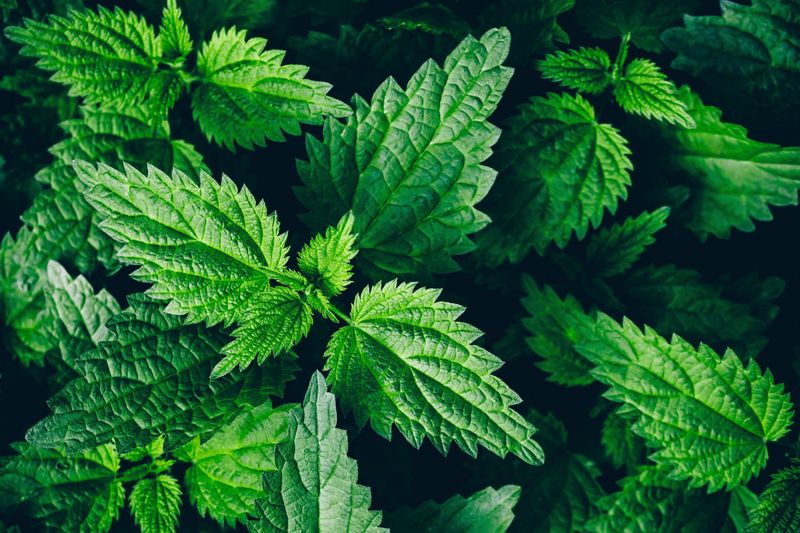
Stinging nettle, despite its prickly nature, is a powerful ally in Native American healing. Its leaves are rich in nutrients, offering vitality and strength. Used in teas and poultices, nettle aids in cleansing the body and enhancing energy. Spiritually, it teaches resilience, encouraging individuals to find strength in adversity. Nettle’s sting is a reminder of nature’s power and the importance of respect. It symbolizes protection and endurance, thriving in diverse environments. Nettle’s spirit is one of vitality and resilience, offering lessons of perseverance. Embracing nettle is to embrace the strength and wisdom of nature.
19. Oak
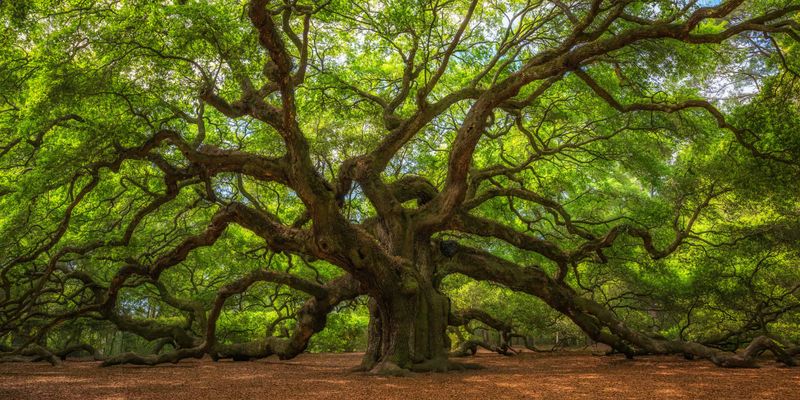
The oak tree, with its mighty stature, is a symbol of strength and endurance. In Native American traditions, it represents wisdom and protection. The acorns are a source of nourishment, while the wood is used in crafting and building. Oak teaches patience and perseverance, standing tall through the ages. Its presence in the forest is a reminder of the interconnectedness of life, offering shelter and sustenance. The oak’s spirit is one of resilience, guiding individuals to stand firm in their beliefs. Embracing the oak is to embrace the wisdom and strength of the earth.
20. Pine
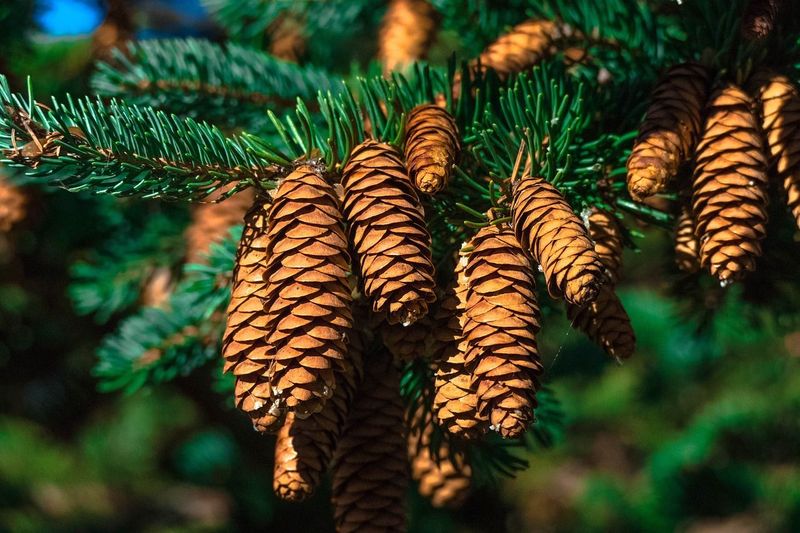
Pine trees, with their evergreen needles, symbolize longevity and wisdom. In Native American culture, they are often used in ceremonies to purify and protect. Pine needles and cones are used in crafting and medicine, embodying versatility and resourcefulness. The tree stands as a guardian, offering shelter and sustenance to wildlife. Pine teaches the importance of endurance and reaching for the sky, standing tall through seasons. Its presence is calming, a beacon of strength and continuity. The pine’s spirit is one of resilience and wisdom, guiding individuals on their spiritual path. Embracing pine is to embrace eternal life.