 Complete Gardening
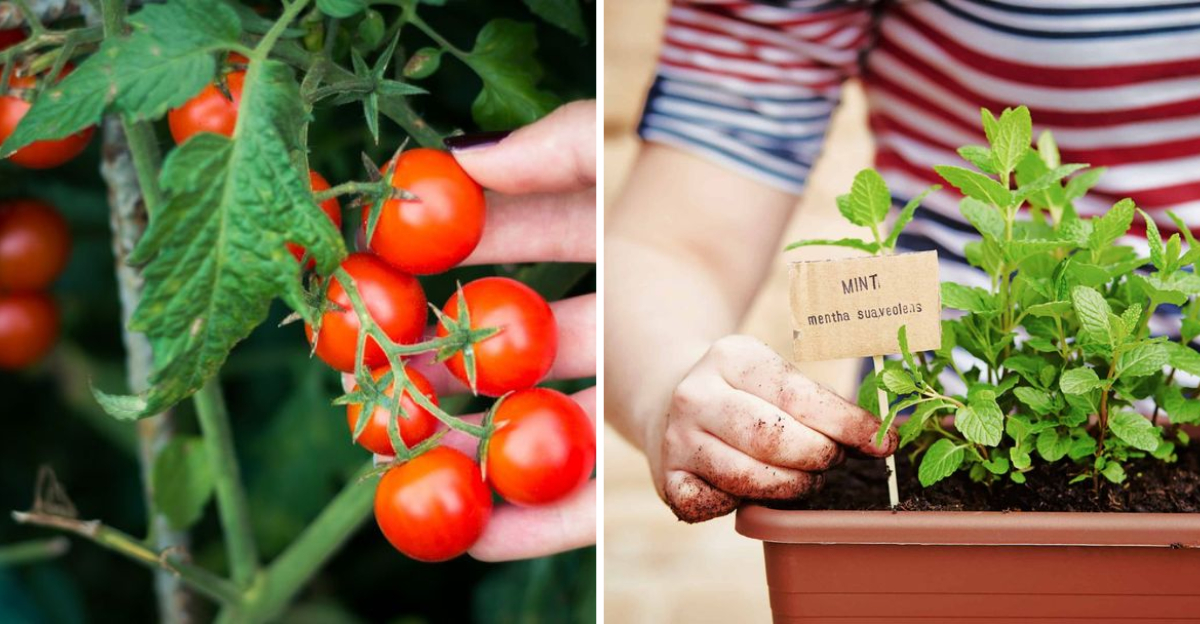
Gardening can be a magical experience for children. It’s not just about growing plants; it’s about nurturing life, understanding nature, and developing patience and responsibility. In this blog post, we explore the best plants for kids to grow, with options that are engaging, educational, and easy to manage. These plants can spark curiosity and provide endless learning opportunities for young gardeners.
1. Sunflowers
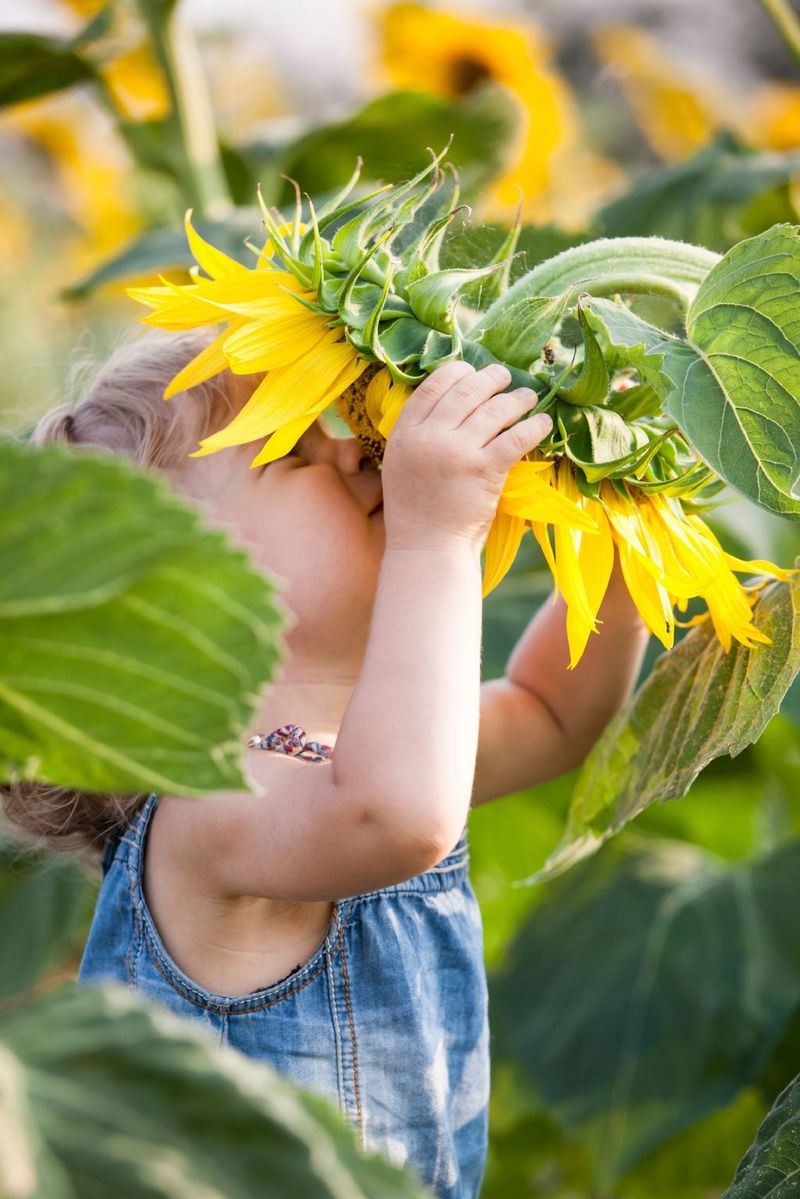
Sunflowers are the giants of the garden, capturing the hearts of young gardeners. Their towering height and vibrant blooms present a fantastic opportunity for children to learn about growth and care.
With their large seeds, planting sunflowers can be a fun and easy task for little hands. Their rapid growth quickly rewards kids with towering stalks and dazzling flowers.
A quirky fact: Sunflowers can grow up to 12 feet tall! This makes them perfect for measuring growth and teaching kids about time and patience.
2. Cherry Tomatoes
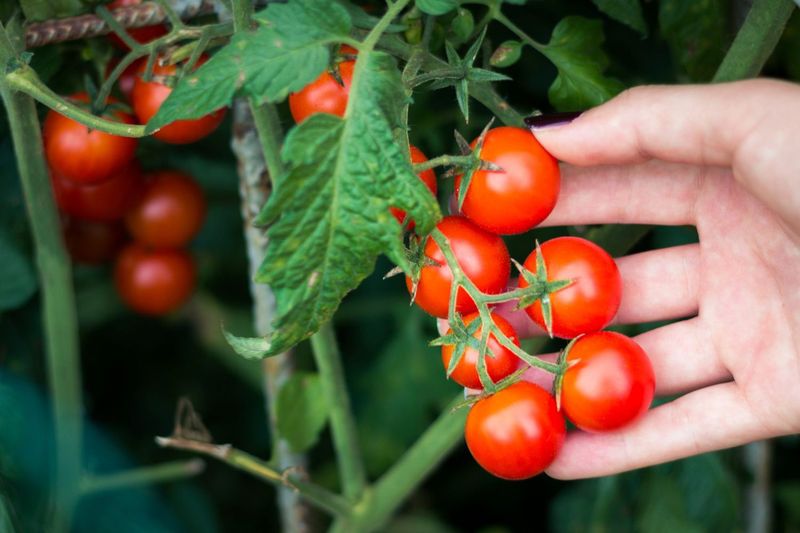
Cherry tomatoes offer a burst of color and flavor, making them a favorite among children. Their small size and sweet taste are perfect for little hands and curious taste buds.
Watching tomatoes change from green to red provides a visual delight and a practical lesson in patience. Their resilience also makes them a forgiving plant for beginner gardeners.
Fun fact: Tomatoes are technically berries! This surprising tidbit adds an educational twist to their gardening experience.
3. Basil
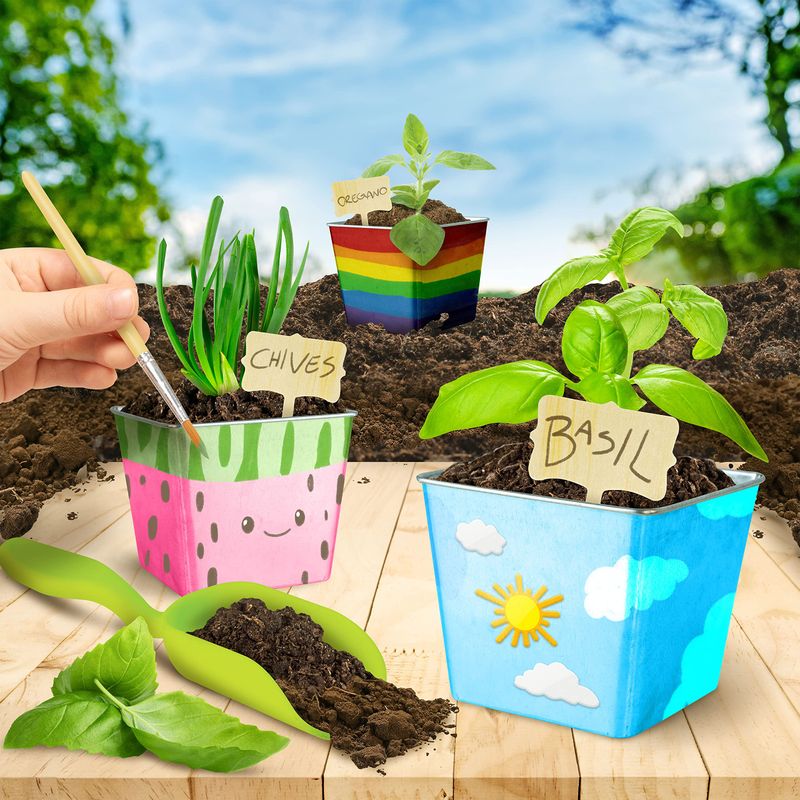
Basil is a fragrant delight that stimulates the senses and introduces children to the world of herbs. Its aromatic leaves are easy to grow and perfect for cultivating a love for cooking.
This hardy herb thrives with minimal care and can be grown indoors or out, making it versatile for different gardening spaces.
Did you know? Basil is a member of the mint family, adding a touch of history and botanical intrigue to its cultivation.
4. Carrots
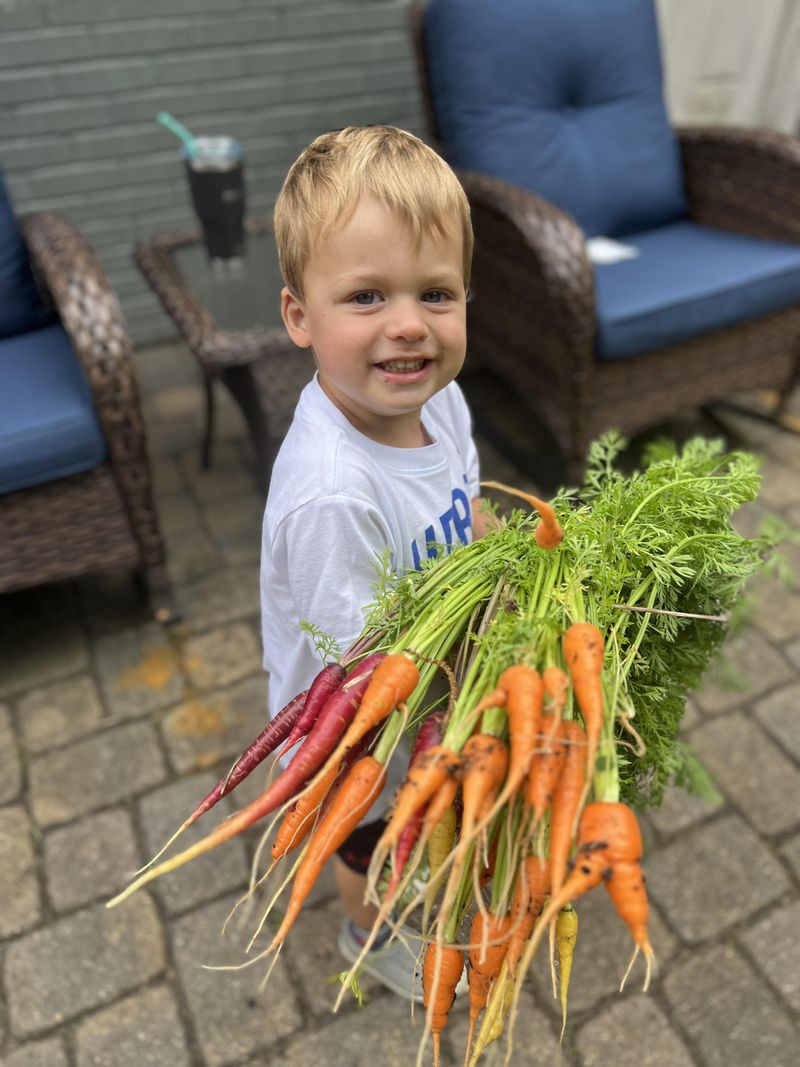
Carrots are like hidden treasures waiting to be unearthed by curious young gardeners. Their growth beneath the soil offers a mystery to solve and a satisfaction like no other.
The anticipation of pulling up a fully-grown carrot is unmatched, providing a sense of achievement and wonder.
A historical note: Carrots were not always orange. They were originally purple and red, making their evolution a story worth sharing with inquisitive minds.
5. Marigolds
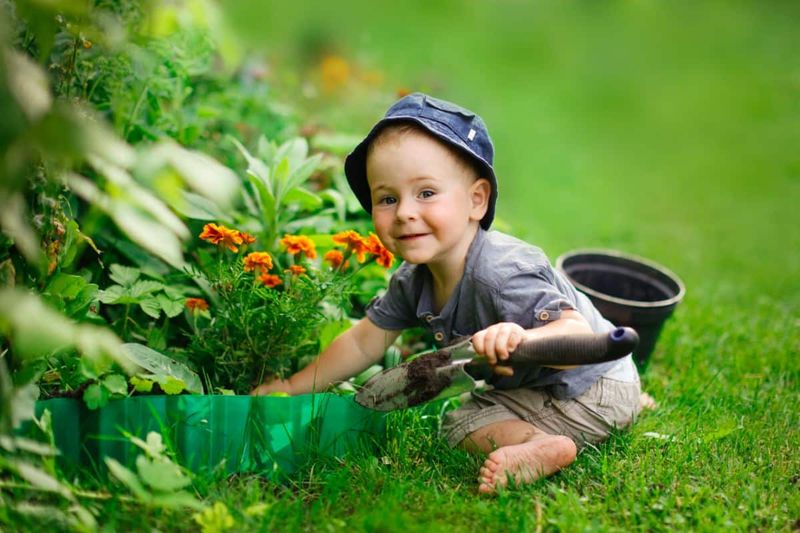
Marigolds are bright, cheerful flowers that attract attention and admiration from young gardeners. Their vivid colors and easy maintenance make them ideal for children.
These flowers are known for repelling garden pests, teaching kids about natural pest control.
A fun tidbit: Marigolds are often used in celebrations and are believed to bring good luck, adding cultural richness to their gardening journey.
6. Radishes
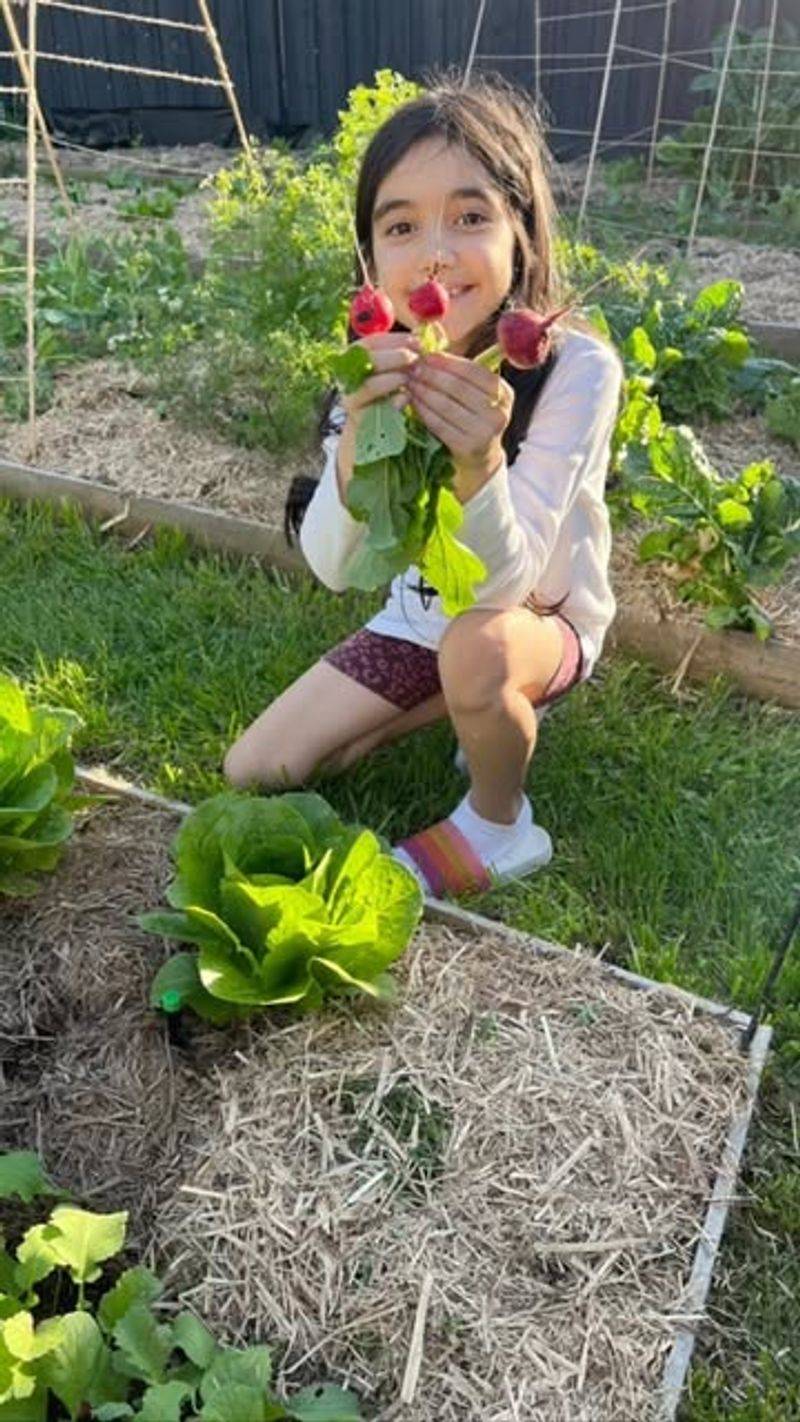
Radishes offer a quick and satisfying gardening experience for kids, with their rapid growth and crunchy texture.
Their peppery taste introduces young taste buds to new flavors, while their swift harvest time keeps children engaged.
Did you know? Radishes were once used as currency in ancient Egypt, underscoring their historical significance and adding an educational dimension to their cultivation.
7. Mint
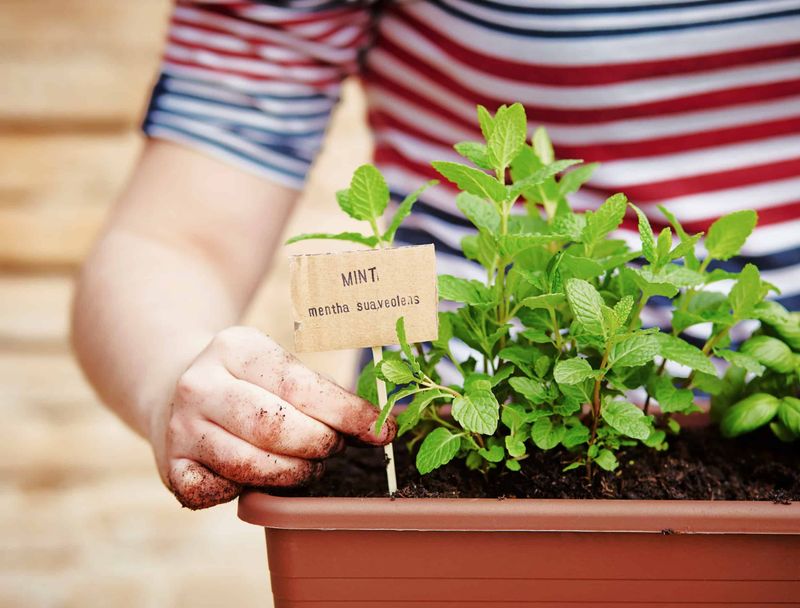
Mint is an invigorating plant that delights children with its refreshing scent and taste. It’s incredibly easy to grow, making it a perfect choice for young gardeners.
With its ability to thrive in various conditions, mint is a forgiving plant that encourages experimentation and exploration.
A quirky fact: Mint is known to repel ants and other insects, teaching kids about natural pest deterrence.
8. Strawberries
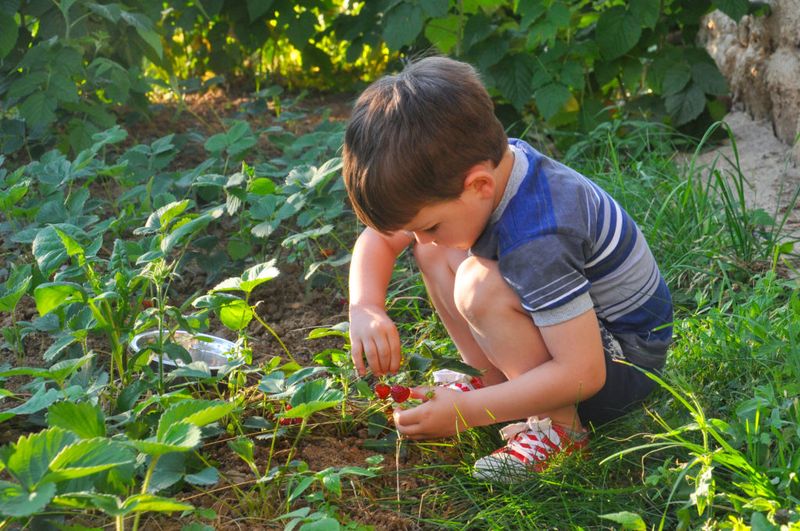
Strawberries are a delightful treat that combines the joy of gardening with the pleasure of tasting sweet, juicy fruits. Their transformation from flower to fruit is a captivating process for kids.
These plants do well in containers or garden beds, offering flexibility for various spaces.
Did you know? Strawberries are the only fruit with seeds on the outside, adding a fun fact to their gardening adventure.
9. Peas
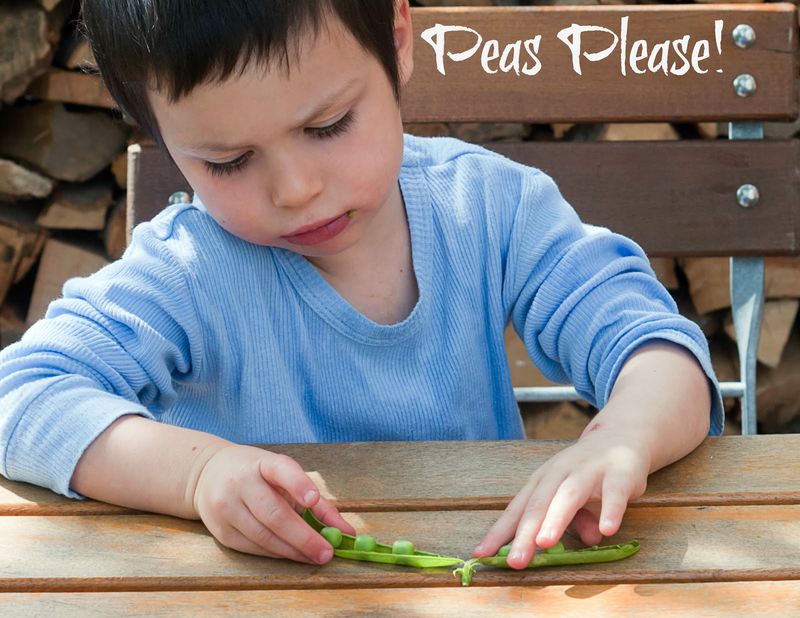
Peas bring a sense of wonder with their vibrant pods and delightful taste. Their climbing nature provides a unique opportunity to teach kids about plant support and growth.
Children will enjoy picking and tasting fresh peas straight from the pod, experiencing a farm-to-table moment.
A fun historical note: Peas were a staple in early civilizations, highlighting their significance and adding an educational layer to their cultivation.
10. Lavender
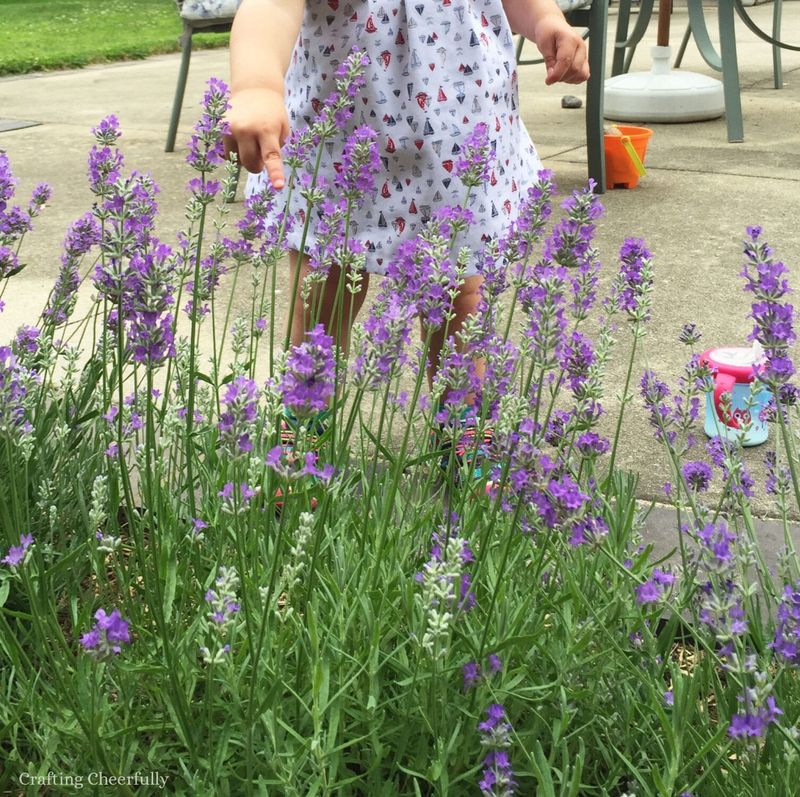
Lavender enchants with its soothing scent and beautiful purple hues, offering a calming experience for young gardeners.
This resilient plant thrives in sunny spots and requires minimal care, making it an ideal choice for beginners.
Did you know? Lavender has been used for centuries for relaxation and healing, adding historical depth to its cultivation and engaging young minds.
11. Nasturtiums
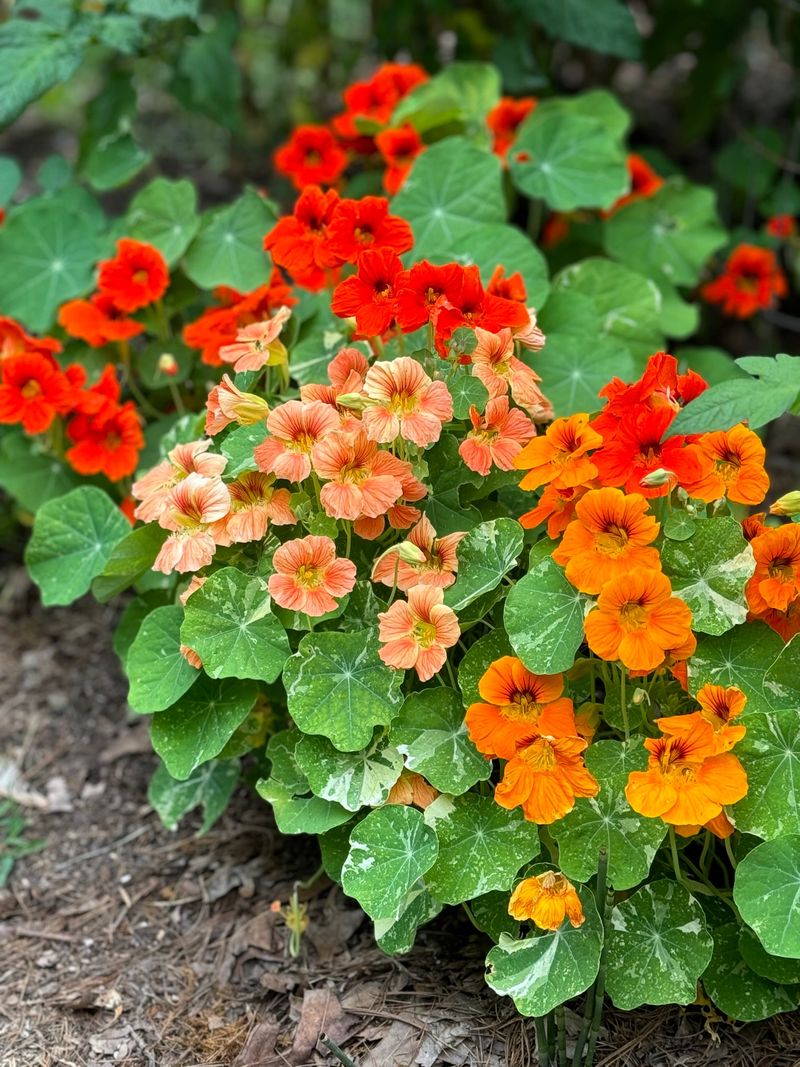
Nasturtiums burst with vibrant colors, charming both children and adults alike. These delightful flowers are not only easy to grow but also edible, adding a peppery zing to salads. Their rapid growth and cheerful blooms make them perfect for impatient young gardeners.
Planting nasturtiums near vegetable gardens can deter pests, offering a natural way to protect crops. Did you know? Their seeds resemble capers and can be pickled for a tangy treat. Introduce kids to these versatile flowers and watch their love for gardening blossom.
12. Snapdragons
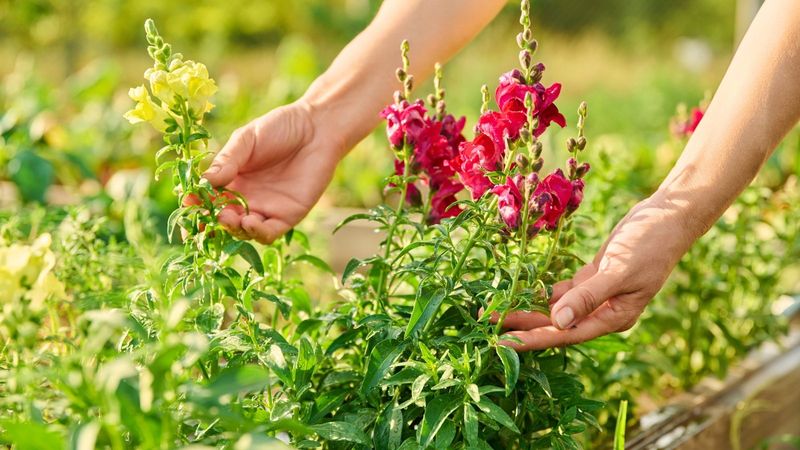
Snapdragons invite imagination with their dragon-shaped blooms that open and close with a pinch. Kids love the playful nature of these flowers, which come in a rainbow of colors.
Snapdragons thrive in sunny spots and are ideal for creating colorful borders. They attract pollinators like bees and butterflies, making gardens lively and vibrant. Fun fact: The name “snapdragon” comes from the resemblance of the flower to a dragon’s mouth. Engage young minds with these enchanting blossoms.
13. Pumpkins

Pumpkins captivate young gardeners with their sprawling vines and impressive fruits. Watching a small seed grow into a large pumpkin instills a sense of wonder and accomplishment.
These plants require space and sunlight, but the reward of carving a homegrown pumpkin for Halloween is unmatched. Did you know? Pumpkins are native to North America and have been cultivated for thousands of years. Inspire kids with this classic choice, sparking seasonal traditions and creativity.
14. Sweet Peas
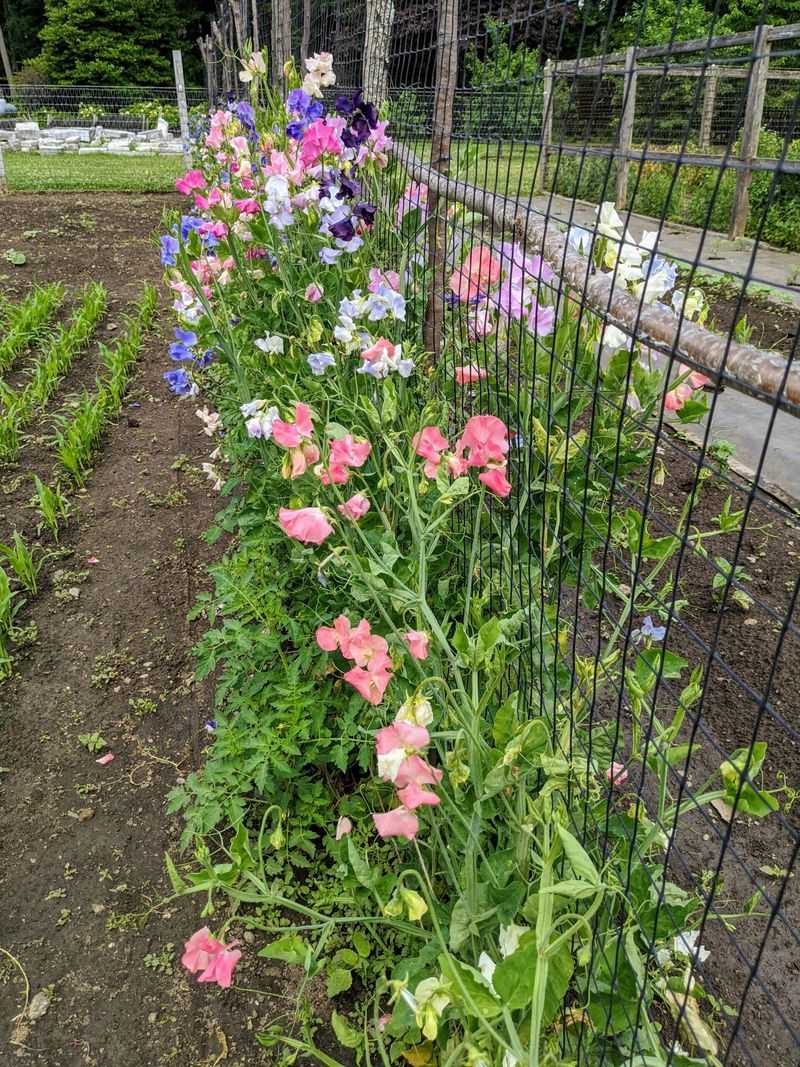
Sweet peas charm with their fragrant and delicate blooms, bringing a touch of elegance to any garden. Children enjoy their lovely scent and the variety of colors they offer.
These climbers are perfect for trellises, adding vertical interest to garden spaces. Sweet peas need support to reach their full potential, teaching kids about plant care. Bonus: The more you pick, the more they bloom, encouraging regular harvesting and interaction.
15. Sunset Cosmos
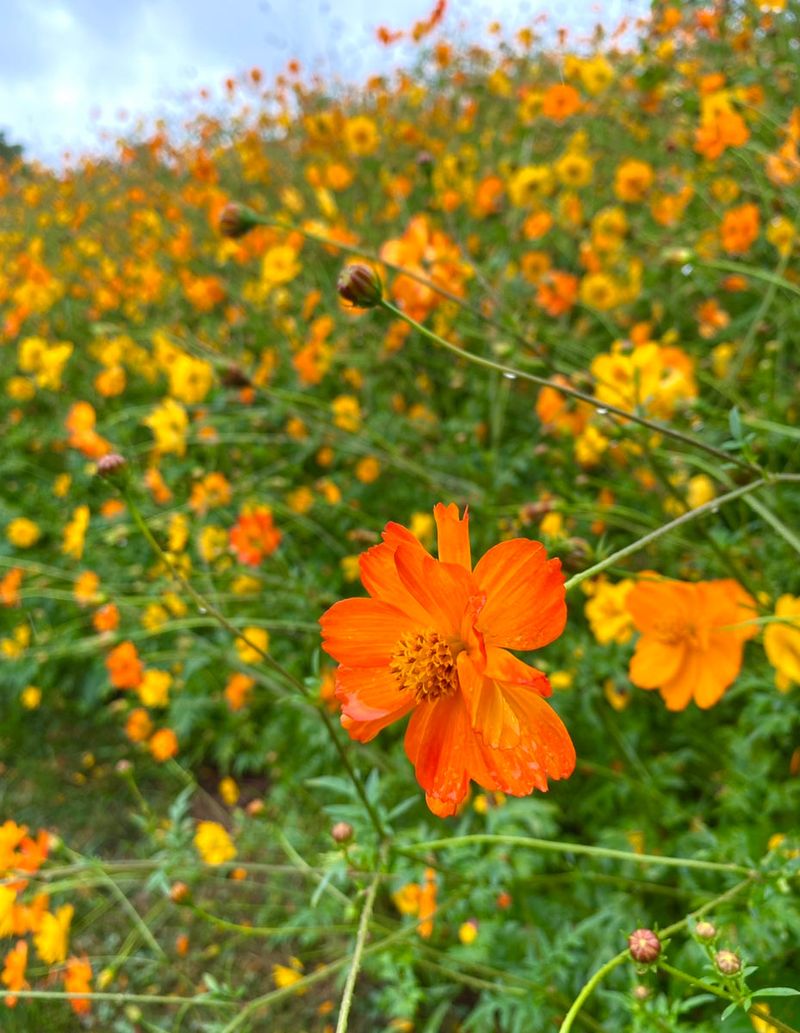
Sunset cosmos dazzle with their rich hues of orange and yellow, glowing like a summer sunset. These resilient annuals thrive in poor soil and withstand neglect, making them perfect for young hands.
Their feathery foliage and striking blooms draw butterflies, adding life to gardens. Sunset cosmos are self-seeding, ensuring a surprise return each year. With minimal care, kids can enjoy a vibrant display, learning about nature’s resilience.
16. Lettuce
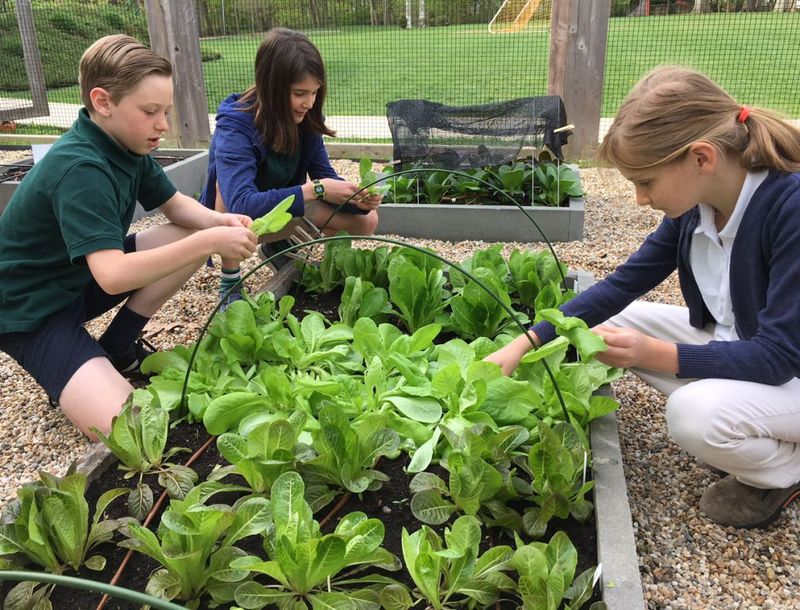
Lettuce offers quick gratification for young gardeners eager to see results. Its fast growth means kids can harvest fresh leaves in just a few weeks.
Planting lettuce teaches children about healthy eating, as they can pick their own salad ingredients. With many varieties to explore, such as crisp romaine or tender butterhead, kids experience diverse tastes and textures. Lettuce thrives in cooler weather, inviting kids outdoors in spring and fall.
17. Zinnias
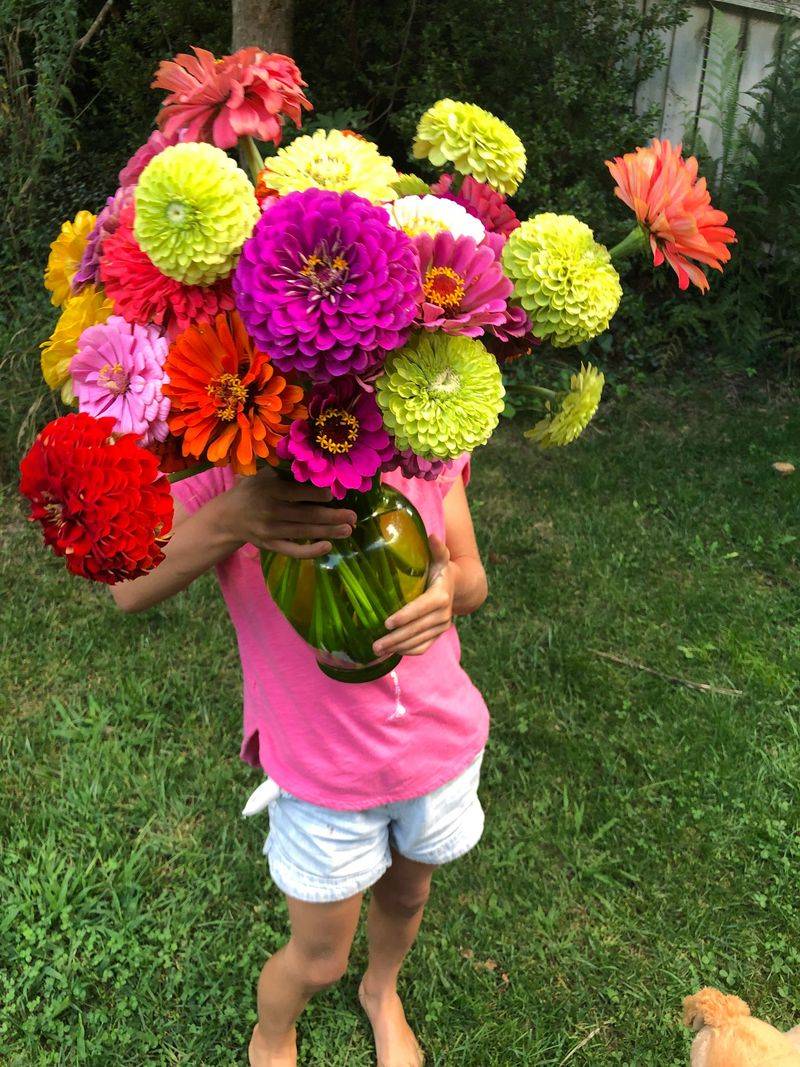
Zinnias bring a splash of color and a sense of joy to any garden. With their daisy-like blooms, they are a favorite among children who love picking flowers.
These hardy annuals come in vivid shades and are easy to grow from seed, thriving in full sun. Zinnias attract butterflies, turning gardens into lively ecosystems. Fun fact: Zinnias are native to Mexico and symbolize lasting affection. They’re a delightful choice for children to explore.