
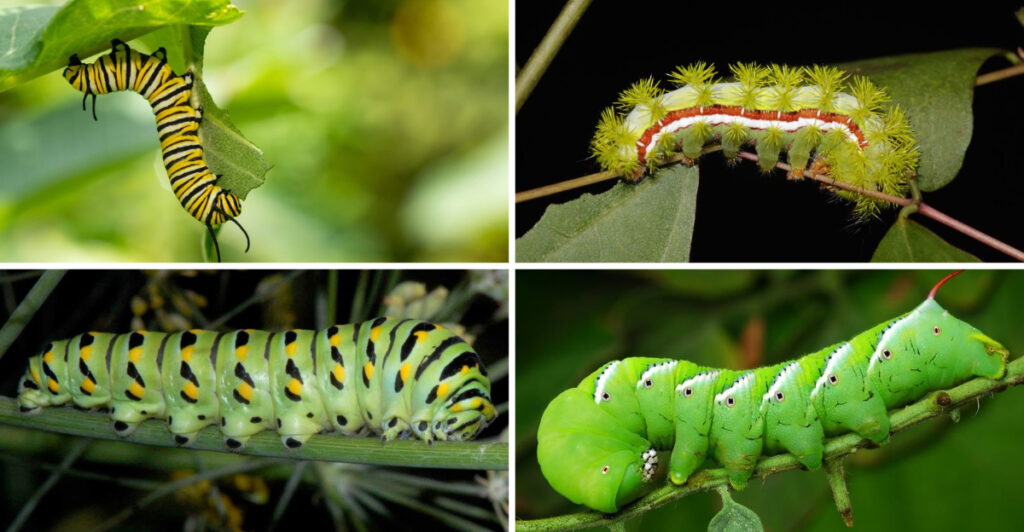
Are you finding your garden looking less vibrant each morning? The culprits may be lurking right under your nose. These voracious eaters, often unnoticed, are caterpillars that feast on your flowers overnight. In this article, we introduce you to 19 caterpillars that could be responsible for your garden’s overnight transformation.
1. Monarch Caterpillar
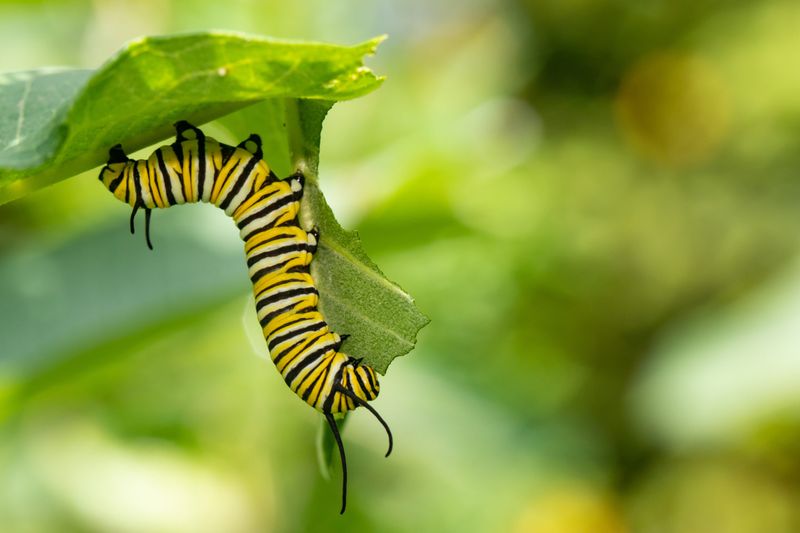
Adorning itself in striking black, white, and yellow stripes, the Monarch caterpillar is as eye-catching as it is hungry. Known for its exclusive diet of milkweed, this caterpillar plays a vital role in the Monarch butterfly lifecycle.
With each bite, it becomes more poisonous to predators, a clever defense mechanism. Monarch caterpillars are born wanderers, often traveling vast distances in search of food. This journey is not just about survival but also about transformation.
A fun fact: these caterpillars can grow up to 2,700 times their original weight before metamorphosis!
2. Swallowtail Caterpillar
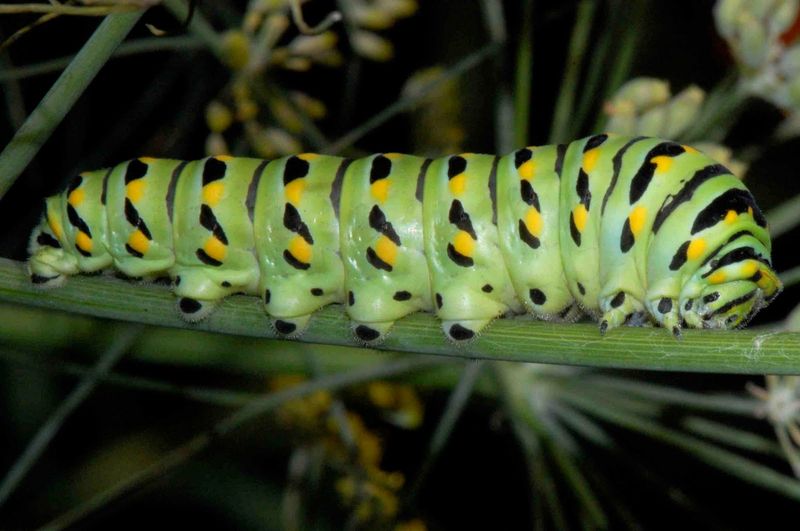
Sporting an elegant green body with black bands adorned with orange spots, the Swallowtail caterpillar is a true garden artist. Preferring parsley and dill, it’s a frequent visitor to herb gardens.
This caterpillar’s vibrant colors are a warning to potential predators of its distastefulness. Swallowtails are known for their unique osmeterium, a forked organ resembling a snake’s tongue, used for defense.
Interestingly, some cultures see them as symbols of transformation and hope, adding an enchanting layer to their presence in gardens.
3. Tomato Hornworm
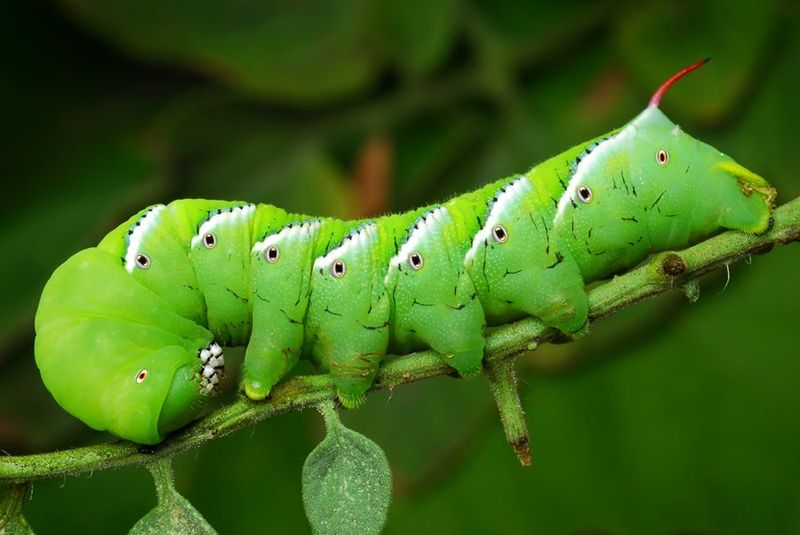
Lurking among your tomato plants, the Tomato Hornworm is a formidable eater. Its pale green body with diagonal white stripes and a curved horn makes it easy to recognize.
Despite its fearsome appearance, this caterpillar is harmless to humans. However, its appetite can decimate tomato crops overnight. Gardeners often struggle with these pests due to their camouflage among the leaves.
Interestingly, the hornworm is the larval stage of the Five-spotted Hawkmoth, a creature of dusk and dawn known for its swift flight.
4. Cabbage Looper
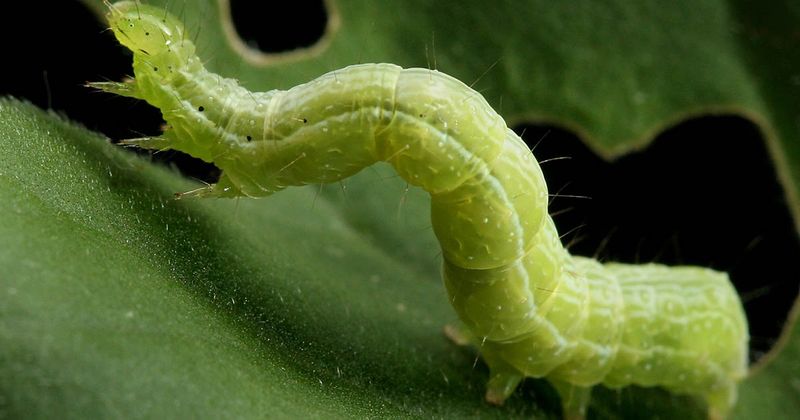
The Cabbage Looper, named for its looping movement, is a common sight in cabbage patches. Its light green body with subtle white stripes helps it blend seamlessly with its environment.
These caterpillars are notorious for their insatiable appetite for leafy greens, often leaving holes in their wake. What sets them apart is their unique movement, arching their bodies as they travel.
Cabbage Loopers can complete their life cycle in just three weeks, making them prolific growers. Keep an eye out for these agile eaters in your garden!
5. Gypsy Moth Caterpillar
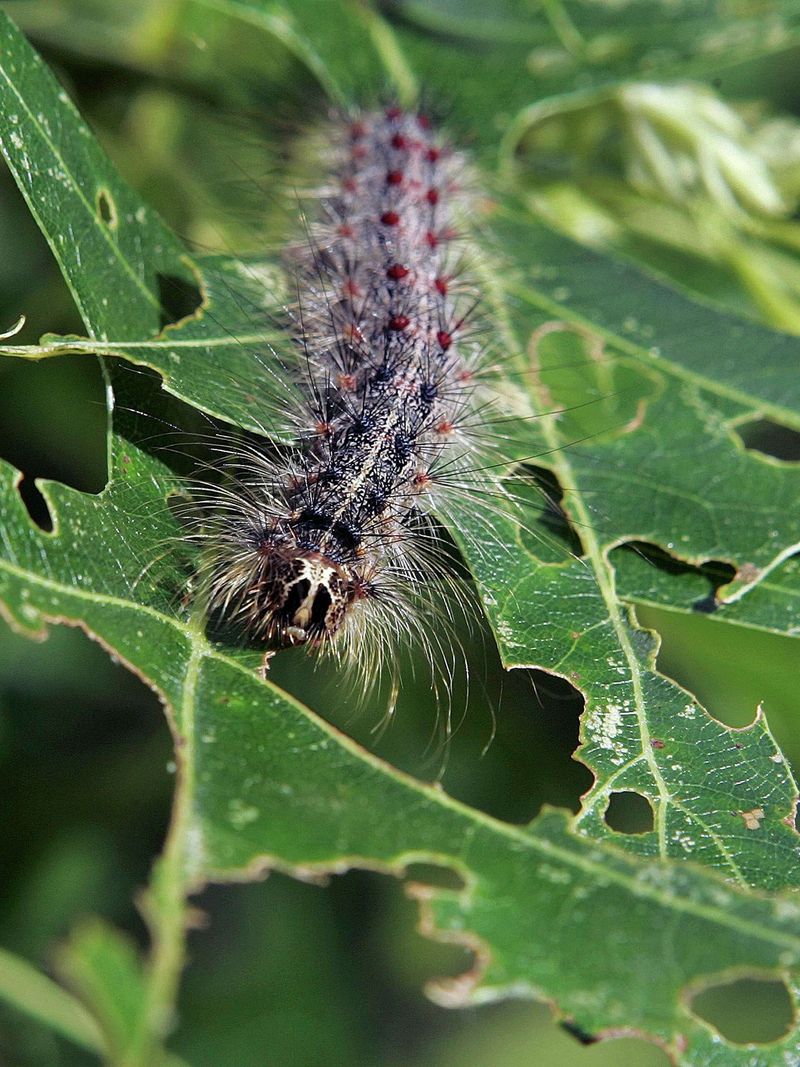
Known for its hairy appearance and distinctive blue and red dots, the Gypsy Moth caterpillar is a notorious defoliator. It primarily targets hardwood trees but won’t shy away from your flowers.
These caterpillars have a voracious appetite and can strip trees bare, impacting entire ecosystems. The Gypsy Moth’s history is intertwined with human error, as it was introduced to North America in the 1860s for silk production.
Their population explosions can lead to significant ecological damage, making them a significant concern for conservationists.
6. Buckeye Caterpillar
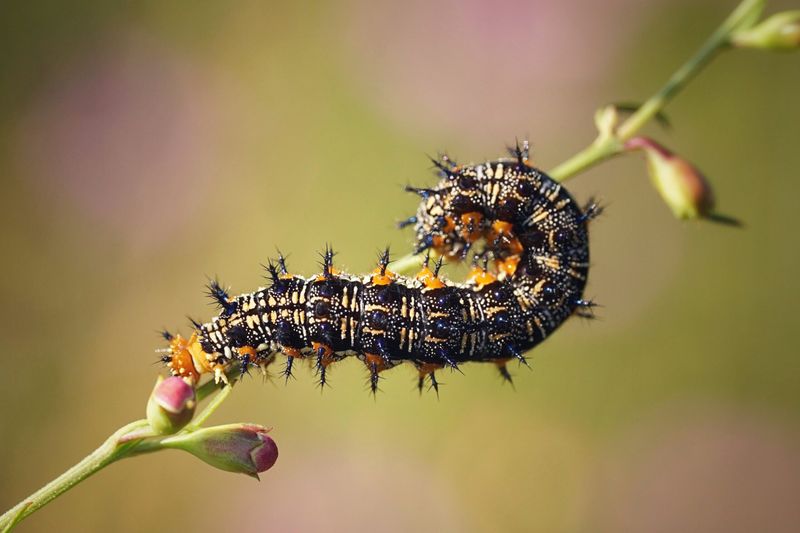
With its spiky bristles and brown-green mottling, the Buckeye caterpillar stands out in appearance. This caterpillar is particularly fond of snapdragons and plantains, often causing havoc in flower gardens.
Its intimidating look is a defense strategy, as the bristles can cause irritation to predators. Despite their fierce appearance, Buckeye caterpillars are an important food source for birds and small mammals.
In the world of butterflies, they transform into the stunning Common Buckeye, known for its vivid eye spots and rich, earthy colors.
7. Zebra Longwing Caterpillar
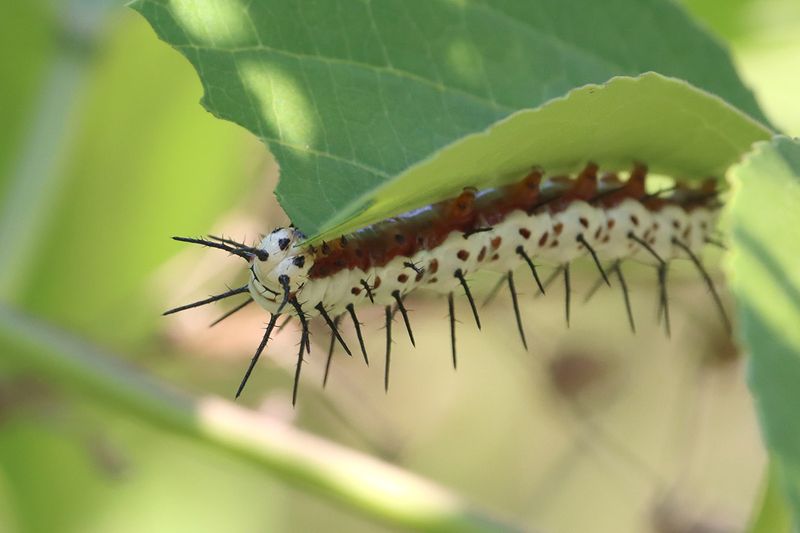
The Zebra Longwing caterpillar, with its white body and black spines, is as distinctive as its butterfly form. Often found on passionflower vines, this caterpillar is a master of disguise.
Its spines are not just for show; they’re a deterrent to potential predators. An interesting trait is its communal feeding habit, often seen sharing leaves with siblings.
As adults, they transform into the elegant Zebra Longwing butterfly, Florida’s state butterfly, cherished for its long, graceful wings marked with zebra-like stripes.
8. Eastern Tent Caterpillar
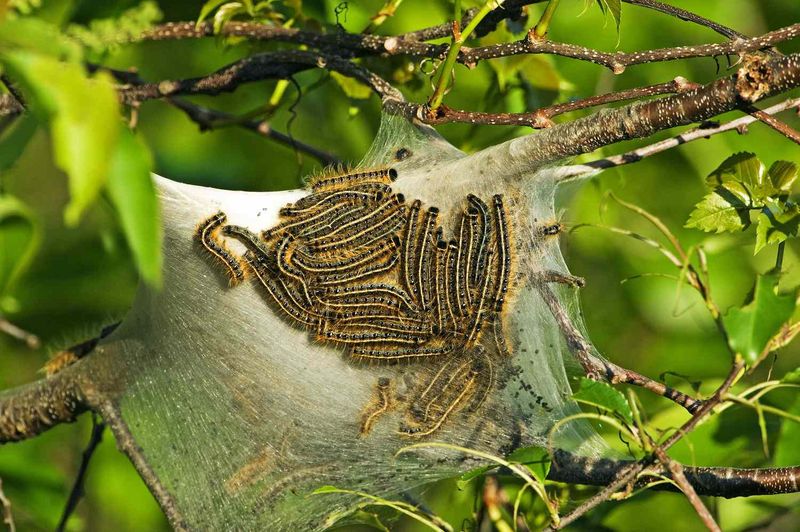
The Eastern Tent caterpillar is a social creature, often forming communal silk tents in trees. Its white stripe and blue and yellow markings make it easily identifiable.
These caterpillars prefer cherry and apple trees, and their tents can often be seen draped over branches. Despite their destructive reputation, they play a role in controlling overgrown vegetation.
Interestingly, they have a unique navigation system, using pheromone trails to find their way back to the tent. This social behavior helps them thrive in numbers.
9. Io Moth Caterpillar
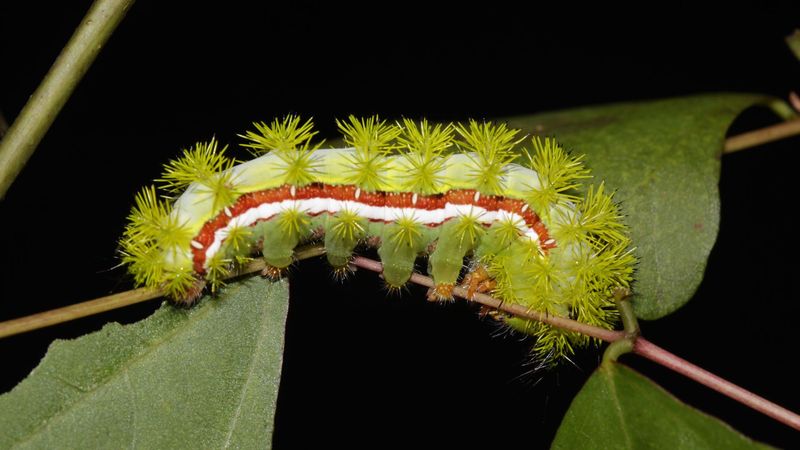
Bright green with red and white stripes, the Io Moth caterpillar is visually striking. Its venomous spines, however, are a warning to keep your distance.
These caterpillars are known for their painful sting, which they use as a defense against predators. Despite this, they are an important part of the ecosystem, feeding on a variety of trees and shrubs.
Io Moths transform into beautiful moths with large eye spots on their wings, designed to startle and confuse predators.
10. Woolly Bear Caterpillar
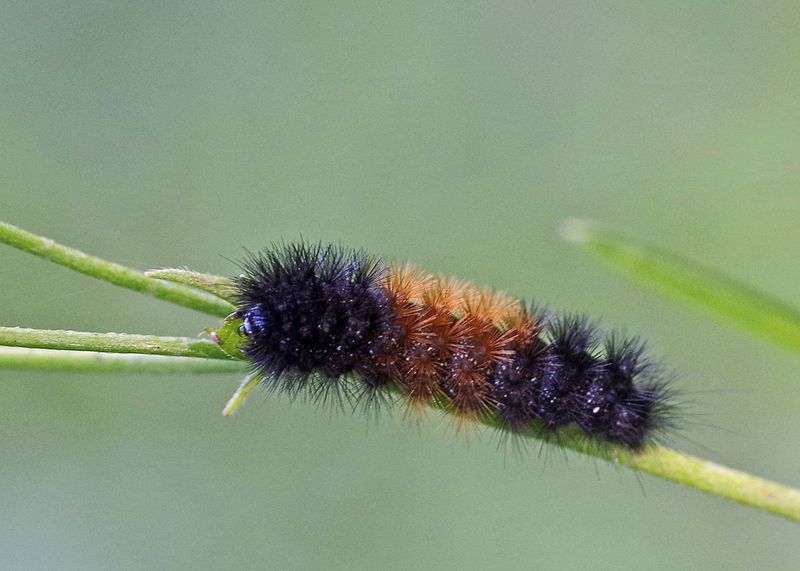
Known for its fuzzy black and rusty brown bands, the Woolly Bear caterpillar is often seen crossing garden paths in search of shelter. Its appearance is a source of folklore, with many believing it can predict the severity of winter.
Despite its formidable look, the Woolly Bear is harmless and a favorite among children. These caterpillars are hardy, often surviving harsh winters by freezing solid.
In spring, they metamorphose into the Isabella Tiger Moth, completing their journey from crawling curiosity to fluttering beauty.
11. Polyphemus Moth Caterpillar
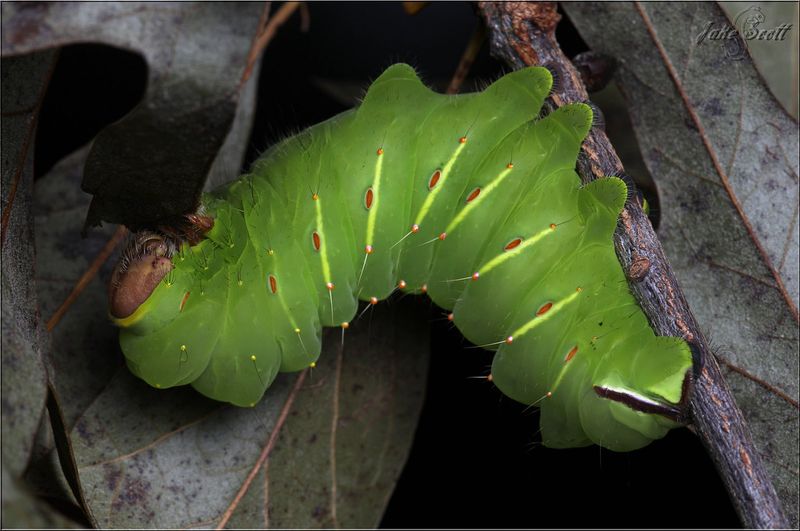
The Polyphemus Moth caterpillar is a gentle giant, characterized by its large green body and diagonal silver spots. Preferring oak leaves, it can grow quite large, making it a substantial presence in any garden.
Despite its size, it is non-threatening, focusing solely on consuming foliage to fuel its transformation. The name ‘Polyphemus’ comes from the Greek myth of the Cyclops, due to the large eye spots on the adult moth’s wings.
These caterpillars are a testament to nature’s grandeur and the cycle of life.
12. Spicebush Swallowtail Caterpillar
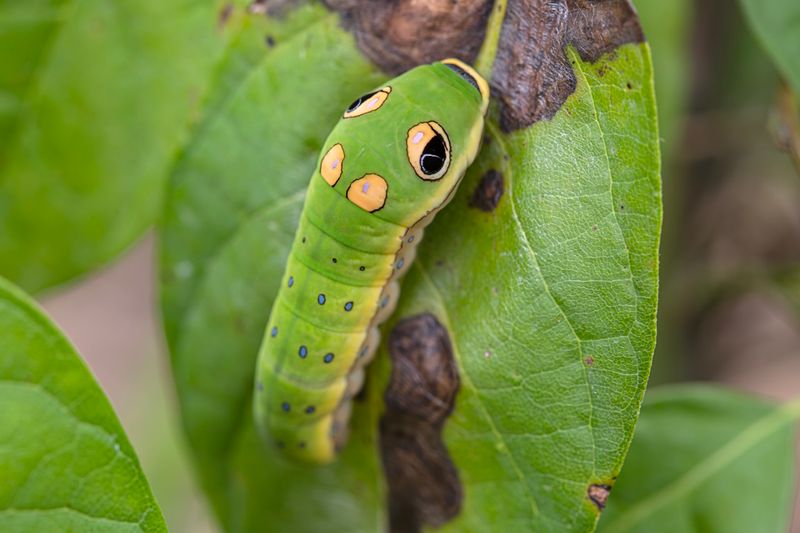
The Spicebush Swallowtail caterpillar is a master of disguise, often hiding within curled leaves. Its large eye spots and green body mimic a snake, deterring predators from making it a meal.
This clever adaptation helps it survive in the wild as it feeds on spicebush and sassafras leaves. As it grows, the caterpillar darkens, blending even better with its surroundings.
Upon metamorphosis, it becomes a stunning butterfly known for its iridescent blue and black wings, fluttering gracefully through the air.
13. Giant Leopard Moth Caterpillar
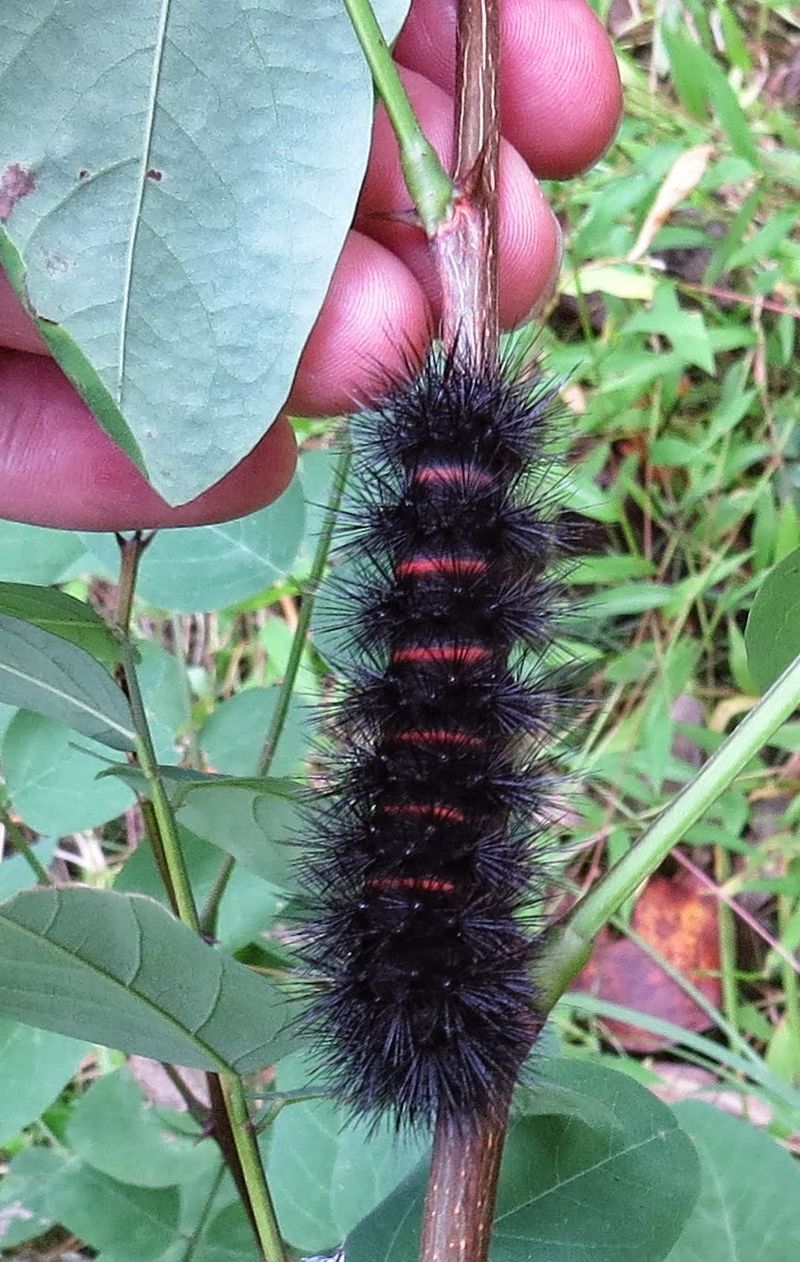
With its spiky black body and reddish bands, the Giant Leopard Moth caterpillar is a striking sight. Despite its intimidating appearance, it is harmless and prefers to travel alone, often seen wandering sidewalks.
This caterpillar is nocturnal and feeds on a wide variety of plants, showcasing its adaptability. Upon transformation, it becomes the Giant Leopard Moth, adorned with striking white wings and black spots.
Such a transformation highlights the beauty of nature’s design and the hidden wonders within a garden’s ecosystem.
14. Tobacco Hornworm
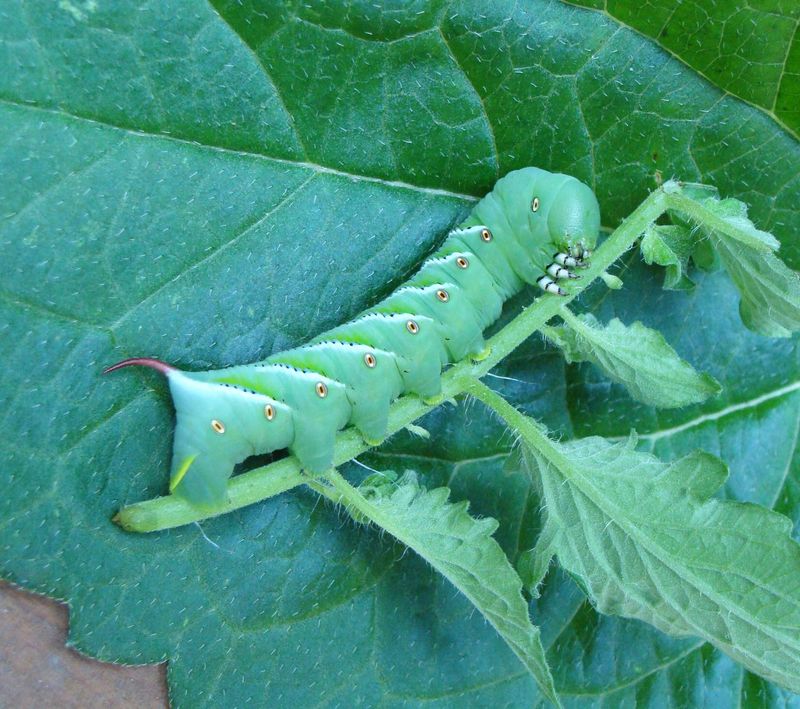
The Tobacco Hornworm, often confused with its tomato-loving cousin, is a major pest in its own right. Its green body with white diagonal stripes blends seamlessly with foliage, making it a stealthy eater.
Primarily feeding on tobacco and pepper plants, it can cause significant damage if left unchecked. Despite this, the hornworm is fascinating, eventually transforming into the Carolina Sphinx Moth, known for its rapid flight and long proboscis.
These caterpillars remind us of the delicate balance between pest and pollinator.
15. Variegated Fritillary Caterpillar
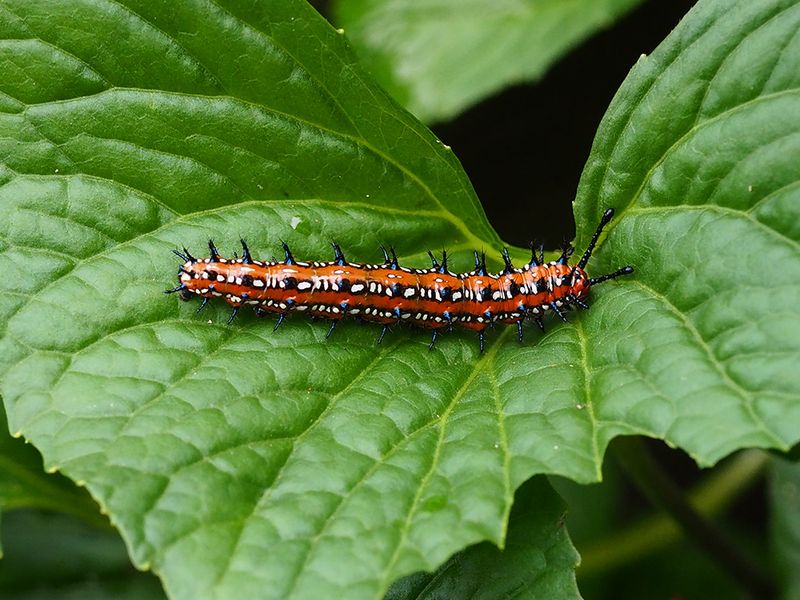
This vibrant caterpillar, with its bright orange body and black spikes, is a sight to behold. Found primarily on violets and passionflowers, the Variegated Fritillary caterpillar is a frequent garden visitor.
Its bright colors serve as a warning to predators about its unpalatability. As it matures, it metamorphoses into the Variegated Fritillary butterfly, known for its beautiful orange and brown patterned wings.
This transformation is a testament to nature’s artistry, offering a vivid example of growth and change within the garden.
16. Painted Lady Caterpillar
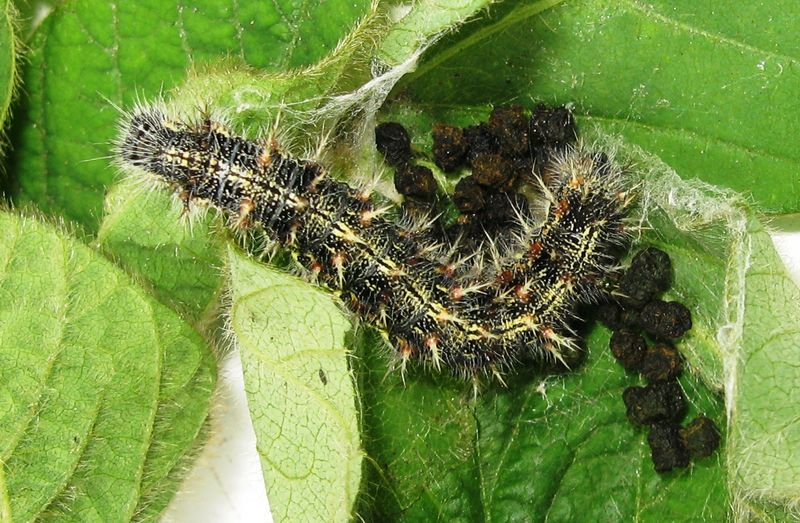
The Painted Lady caterpillar, with its spiny body and yellow stripes, is a common sight on thistle plants. This adventurous eater can be found across continents, showcasing its adaptability.
Its spines provide protection, making it a less appealing snack for predators. As they grow, these caterpillars can travel long distances, sometimes seen migrating en masse across landscapes.
Once they transform, Painted Lady butterflies captivate with their colorful patterns, making them a favorite among butterfly enthusiasts worldwide.
17. Tent Moth Caterpillar
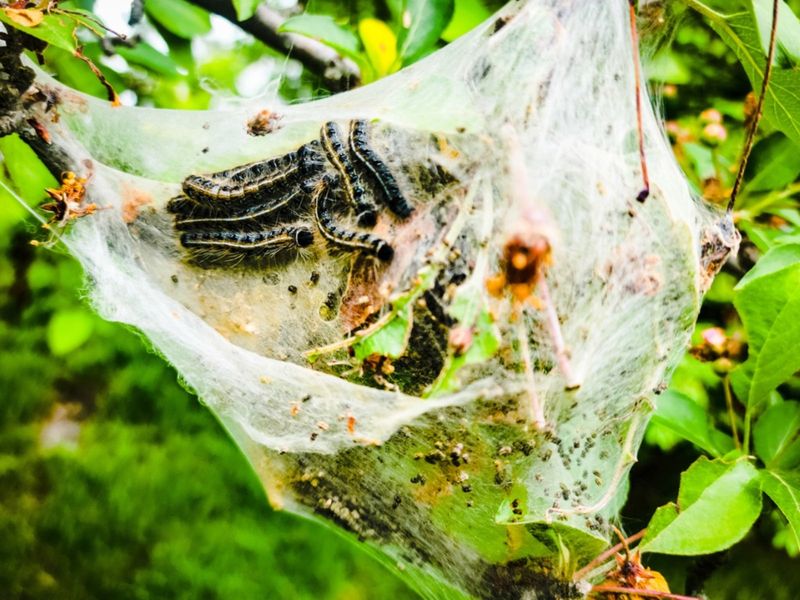
Often found nestled within silky webbing, the Tent Moth caterpillar is a master architect of communal homes. Its dark body, covered in fine hairs, can become a nuisance when populations explode.
These caterpillars prefer fruit trees, especially cherries, and can defoliate large sections if left unchecked. However, they play a role in maintaining the ecosystem, serving as prey for birds and other creatures.
Their transformation into adult moths is a reminder of life’s cycles and the interconnectedness of all living beings.
18. Hickory Horned Devil
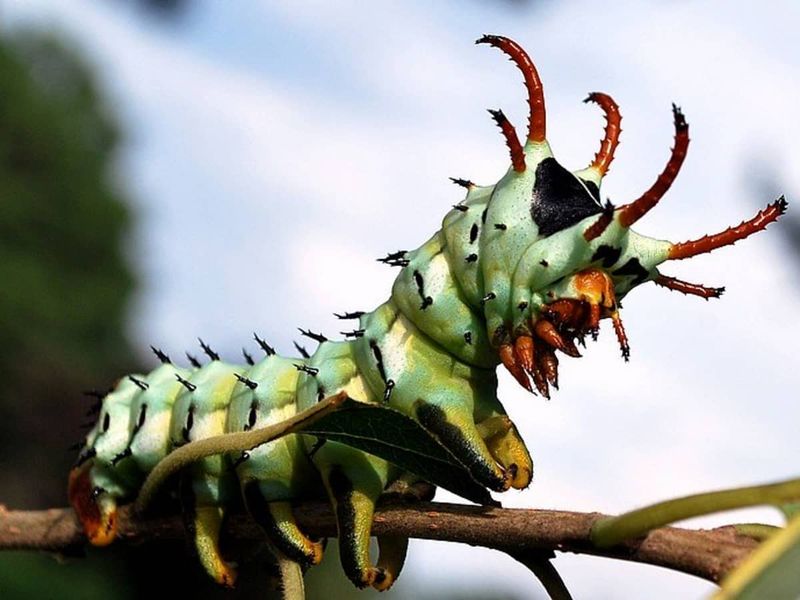
Perhaps the most intimidating of them all, the Hickory Horned Devil is a sight to behold. Its bright green body adorned with menacing orange horns is enough to deter any predator.
Despite its fearsome look, this caterpillar is harmless and destined to become the regal Royal Walnut Moth. Feeding on hickory, walnut, and persimmon trees, it completes its life cycle with grace.
This transformation is one of nature’s marvels, demonstrating resilience and the breathtaking beauty of change in the natural world.
19. Garden Tiger Moth Caterpillar
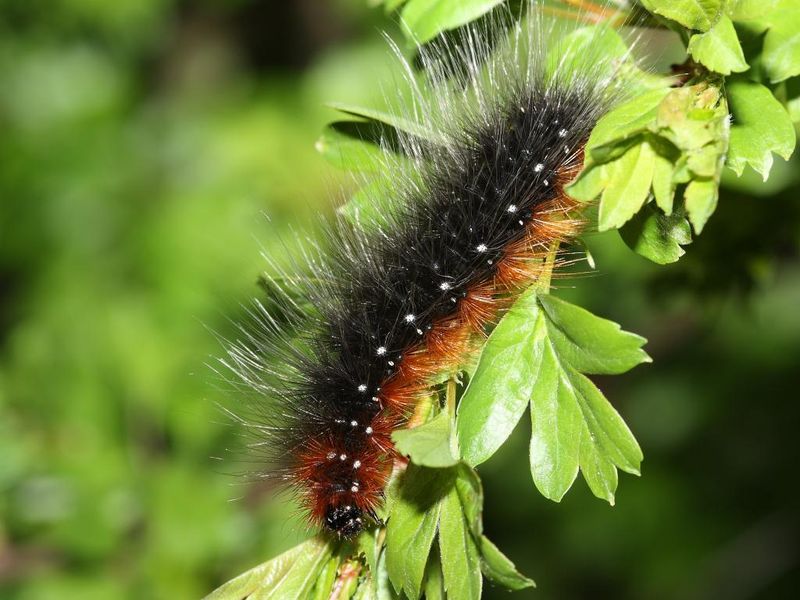
Known for its striking appearance, the Garden Tiger Moth Caterpillar, often referred to as the “woolly bear,” is a common nighttime visitor to gardens. Its dense covering of long, black and orange hairs makes it a recognizable presence.
These caterpillars have a particular fondness for a variety of flowering plants, making them both a gardener’s nightmare and a fascinating study in adaptation. Their fuzzy exterior isn’t just for show—it acts as a deterrent against predators.
Did you know? Despite their somewhat menacing appearance, these caterpillars turn into beautiful moths with vibrant wing patterns.