
Some flowers, while beautiful, tend to attract wasps more than any other insect. For gardeners looking to maintain a serene and less stinging environment, avoiding certain flowers is crucial. Here are nine flowers notorious for drawing wasps, along with alternatives that provide beauty without the buzz.
1. Goldenrod (Solidago)
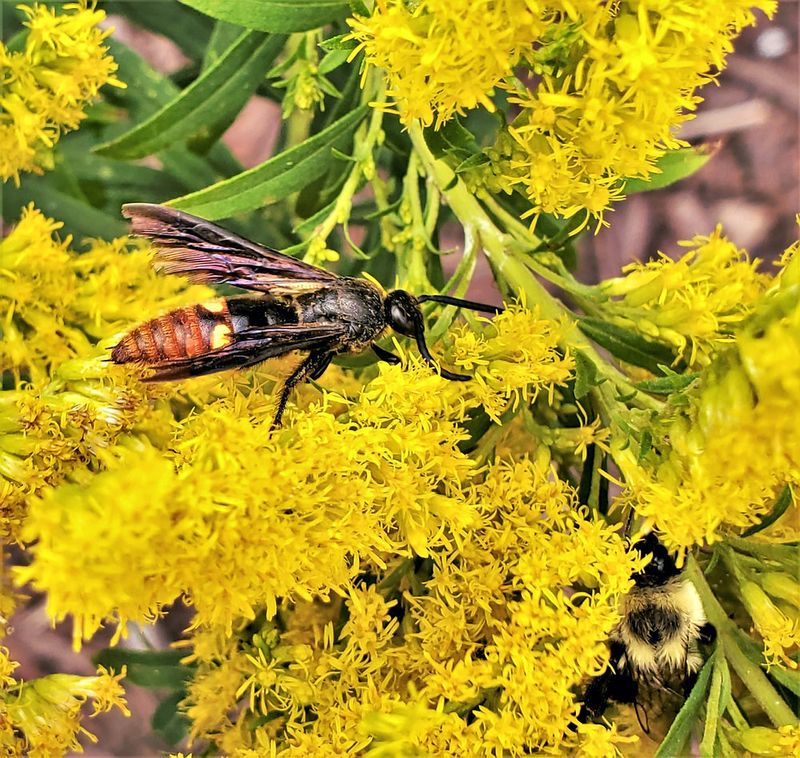
Goldenrod, with its luminous yellow blooms, becomes a beacon for wasps, especially in late summer. Its abundant nectar is precisely what wasps crave during this period. The striking yellow color makes these flowers highly noticeable to the foraging insects, making your garden a hotspot for them. As an alternative, consider Russian sage. It shares a similar hue, offering your garden vibrant color minus the wasp attraction.
2. Queen Anne’s Lace (Daucus carota)
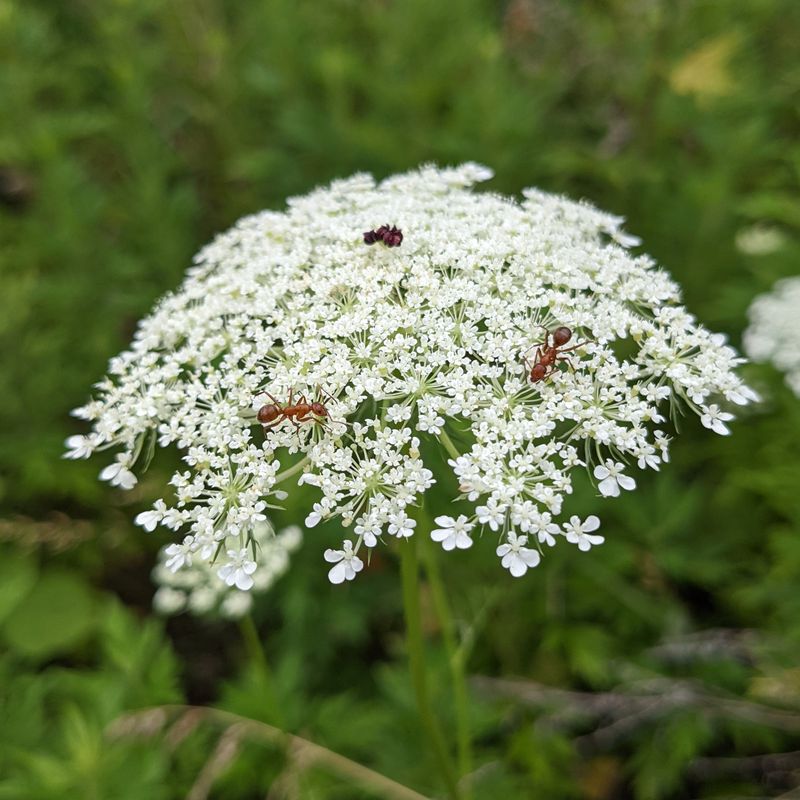
Queen Anne’s Lace, with its delicate, umbrella-shaped blooms, serves as a perfect landing pad for wasps. The tiny flowers on each bloom offer wasps quick and easy access to nectar. Despite its charm, it can become a hub for wasps. To avoid this, opt for yarrow in your garden. Yarrow attracts beneficial insects without creating a wasp magnet, ensuring a more balanced ecosystem.
3. Sweet Fennel (Foeniculum vulgare)
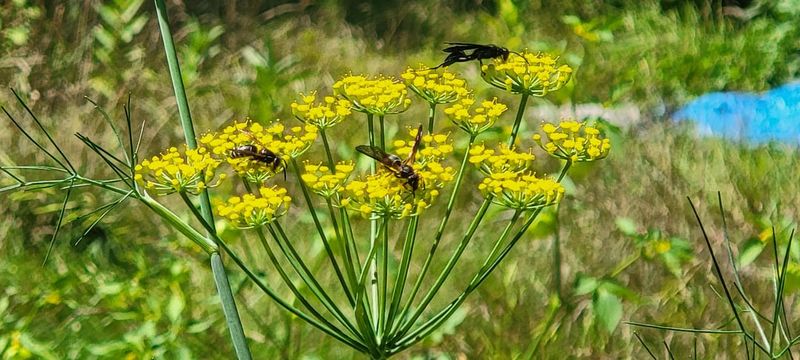
Sweet Fennel’s strong licorice-like aroma lures wasps from afar. The hollow stems are not just appealing for their scent but also offer potential nesting spots. This combination makes fennel a frequent haunt for wasps. For a similar aesthetic minus the wasps, consider planting dill. It provides the same feathery look but doesn’t invite as many unwelcome guests to your garden.
4. Butterfly Bush (Buddleia)
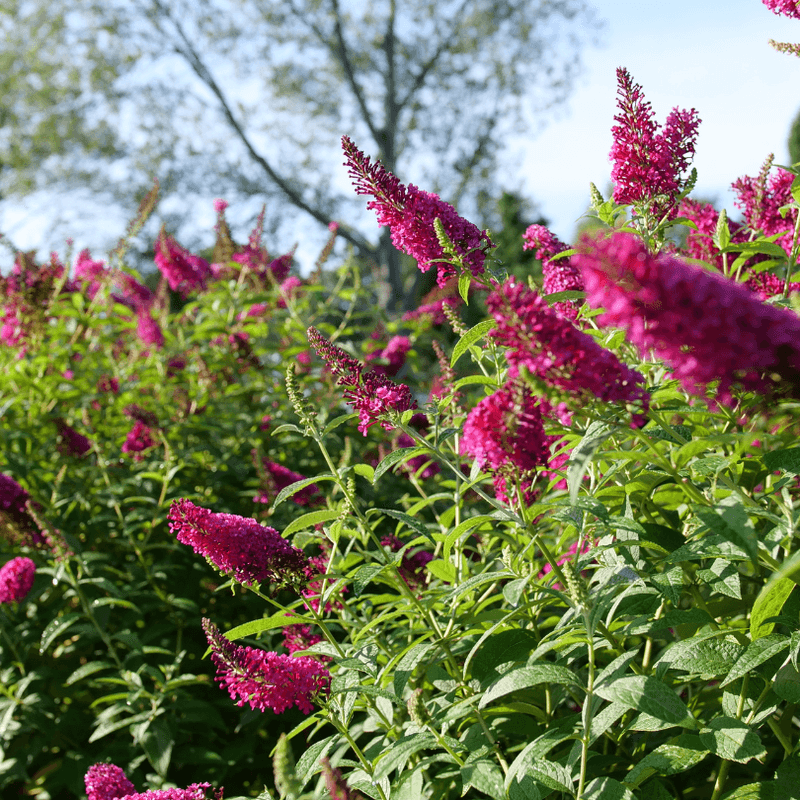
The Butterfly Bush is famous for its sweet nectar, drawing all sorts of pollinators, including wasps. Its large flower spikes provide multiple dining options for these buzzing visitors. While it graces gardens with beauty, it can easily become a wasp haven. To maintain a butterfly-friendly garden without wasps, try lantana. It attracts butterflies but is less appealing to wasps, preserving your peaceful garden atmosphere.
5. Mint Flowers (Mentha)
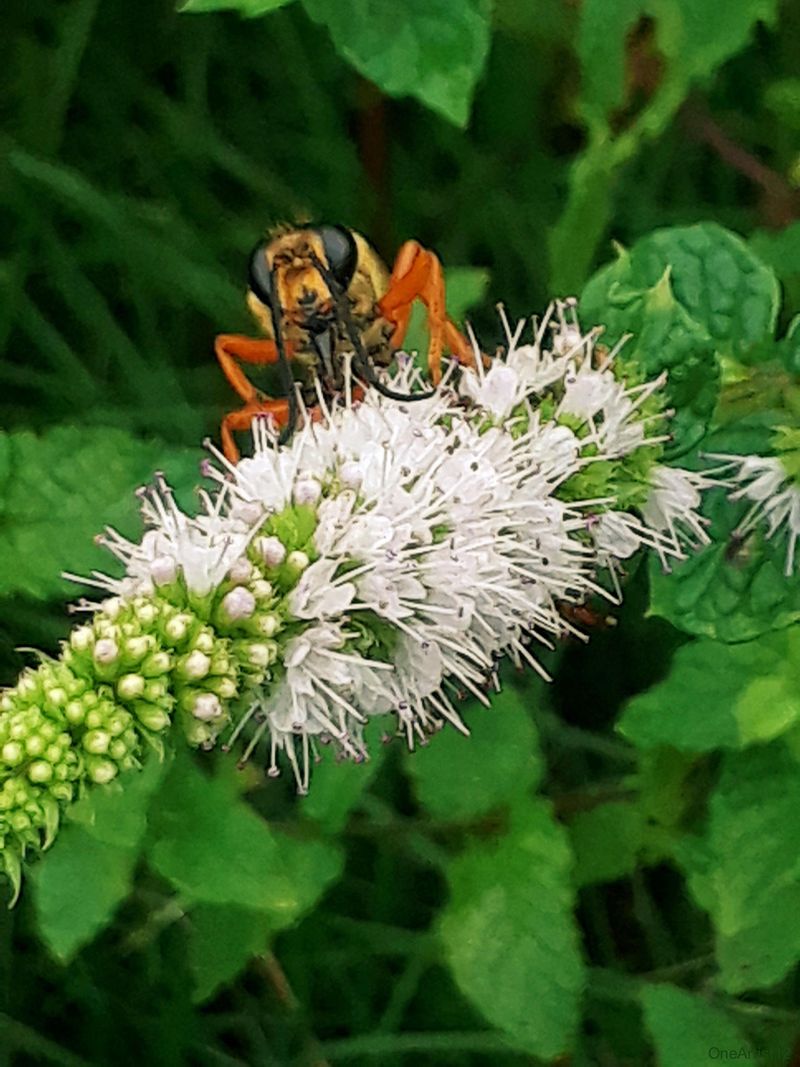
Mint flowers, with their potent fragrance, are a magnet for wasps on the hunt for food. The small clustered flowers offer efficient feeding stations for these insects. To prevent mint from becoming a wasp attraction, keep it well-trimmed to avoid flowering. Alternatively, grow lemon balm, which shares the aromatic quality without inviting as many wasps, keeping your herbal space serene.
6. Sedum (Stonecrop)
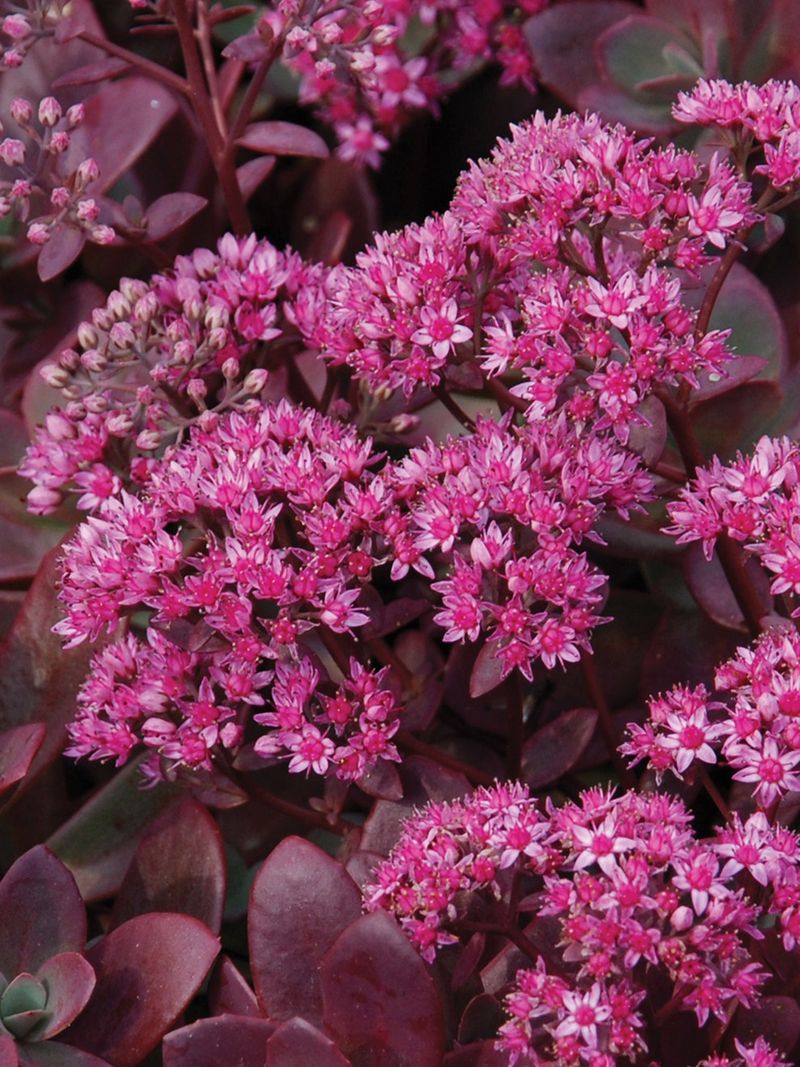
Sedum’s late-blooming flowers provide wasps with a crucial fall food source. The dense clusters of blossoms allow for efficient feeding, making it a favorite among these insects. If you’re aiming for late-season color without the wasps, asters are the way to go. Asters deliver similar hues and seasonal interest while keeping wasp visits to a minimum, ensuring a tranquil garden experience.
7. Thyme Flowers (Thymus)
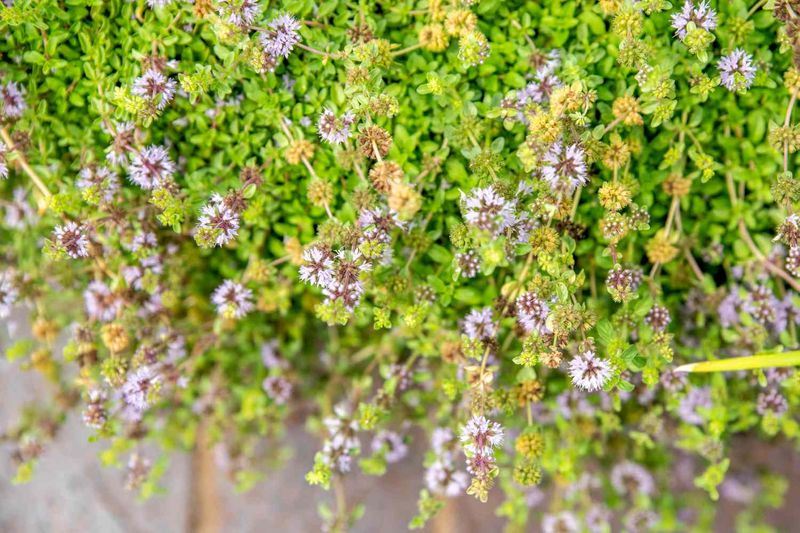
Thyme’s tiny flowers require wasps to linger as they feed, drawn in by the herb’s irresistible scent. This makes thyme flowers a popular stop for stinging insects. To prevent thyme from becoming a wasp magnet, harvest it before it flowers or opt for oregano instead. Oregano offers a similar herbal allure without attracting as many wasps, allowing for a more peaceful garden experience.
8. Sunflowers (Helianthus)
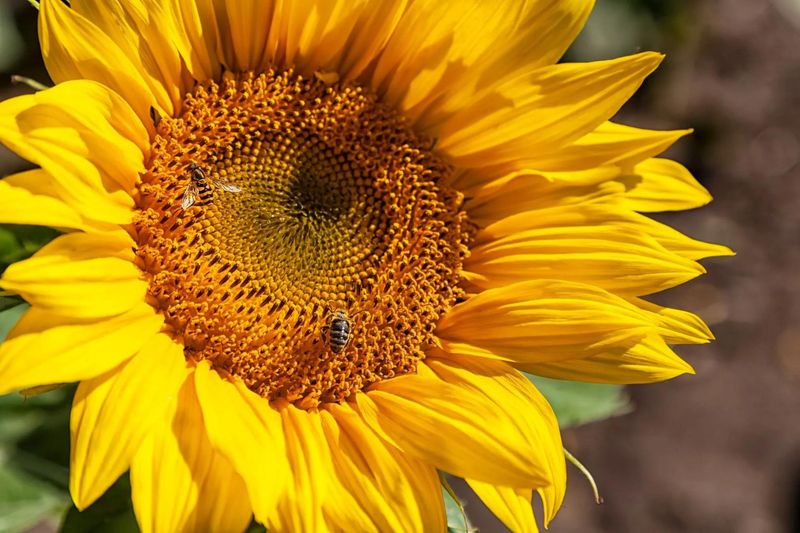
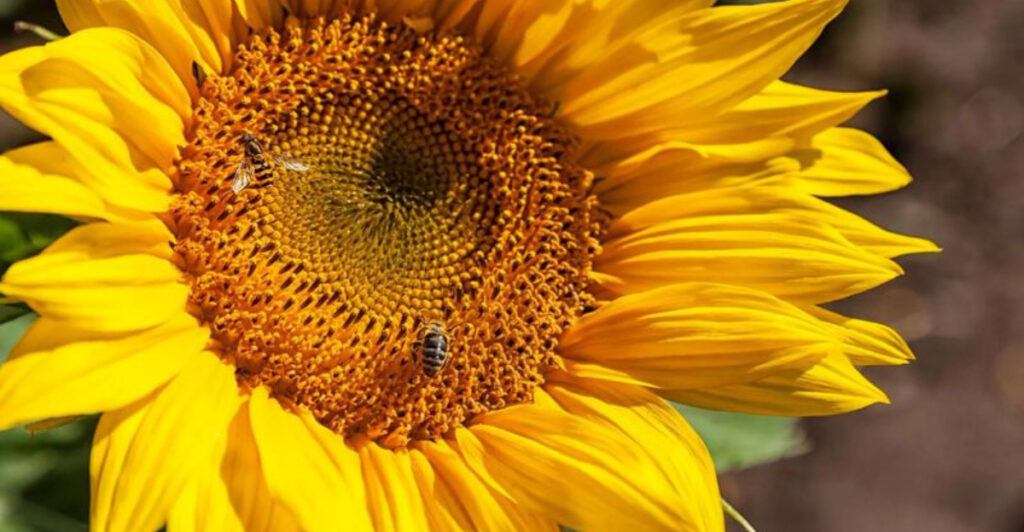
Sunflowers are nature’s grand display, with their large, pollen-rich centers drawing wasps in search of protein. The sticky sap can entrap insects, attracting predatory wasps to your garden. For a vibrant alternative that attracts fewer wasps, plant zinnias. Zinnias provide the same colorful spectacle without the buzzing influx, keeping your garden inviting and lively.
9. Lavender (Lavandula)
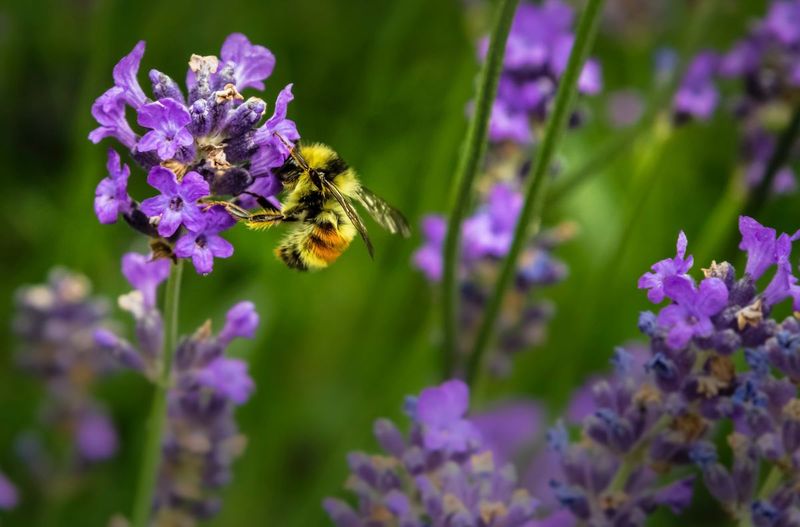
Lavender’s strong floral scent is a siren call for wasps, alongside bees. Its long blooming season ensures these visitors keep coming back. For a garden that maintains lavender’s charm without the wasps, consider catmint. It offers a similar look and fragrance while deterring wasps, preserving the tranquility of your outdoor space.