 Complete Gardening
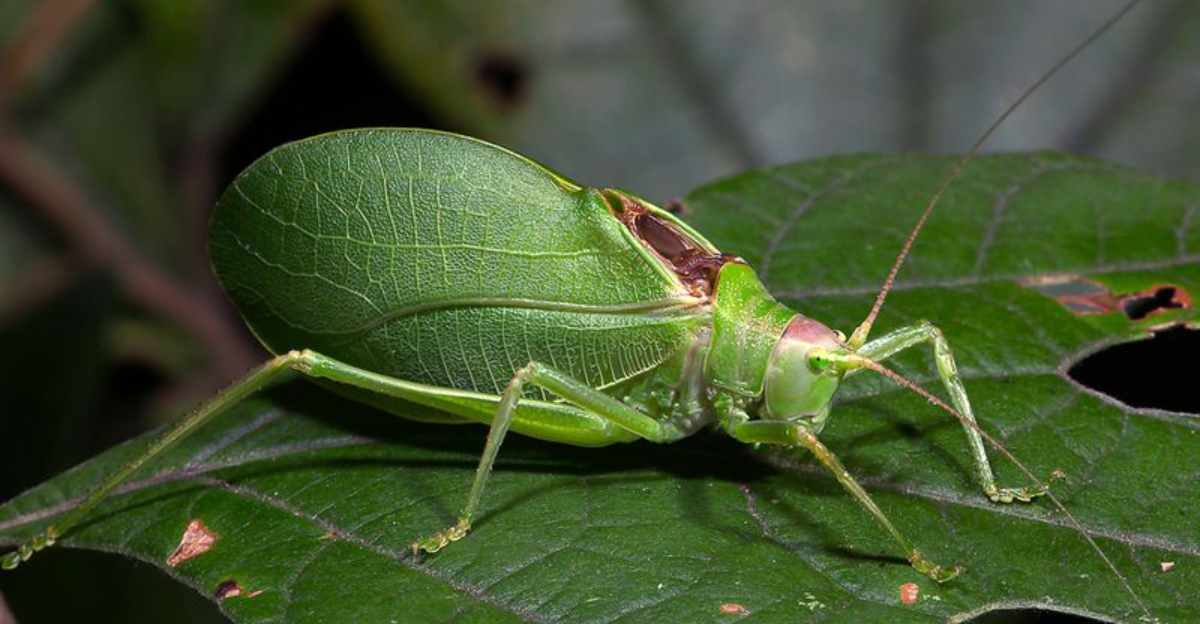
When darkness falls, our gardens transform into natural concert halls filled with the mesmerizing sounds of katydids and crickets.
These small insects create the soundtrack of summer nights, serenading us as we relax on porches or drift off to sleep.
Their musical abilities aren’t just entertainment for humans—they serve vital purposes in their survival and form an essential part of our ecosystem.
1. They’re Not Singing—They’re Stridulating
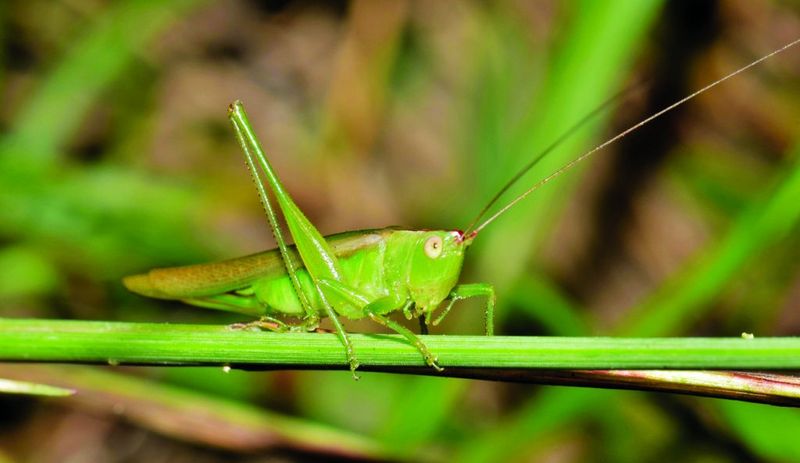
Forget tiny vocal cords—these insects are nature’s violinists! Katydids and crickets create their signature sounds by rubbing specialized body parts together in a process called stridulation. Males typically rub a scraper against a textured ridge on their wings.
The resulting vibration creates those familiar chirps and buzzes we hear on summer evenings. This method produces surprisingly loud sounds from such small creatures.
Each species has evolved unique structures that create distinct sound patterns, much like different musical instruments in an orchestra. The precision of these movements determines the quality and volume of their nighttime serenade.
2. Only the Males Make Music
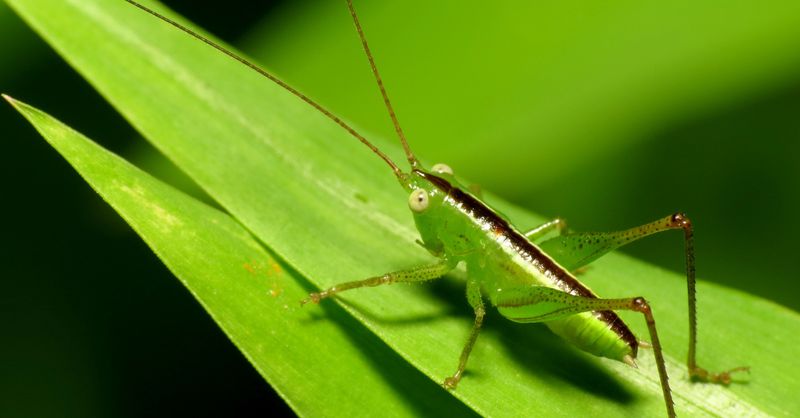
The nighttime symphony you hear is actually a bachelor party! In most katydid and cricket species, only the males produce those distinctive sounds that fill our gardens after dark. Their concerts serve two primary purposes: attracting potential mates and warning rival males to stay away.
Female crickets and katydids remain silent listeners, using the unique qualities of each song to identify suitable partners from their own species. This musical selection process helps maintain genetic boundaries between similar-looking species.
Males will often compete through volume and persistence, with the most energetic performers typically winning the attention of nearby females.
3. Their Songs Are Species-Specific
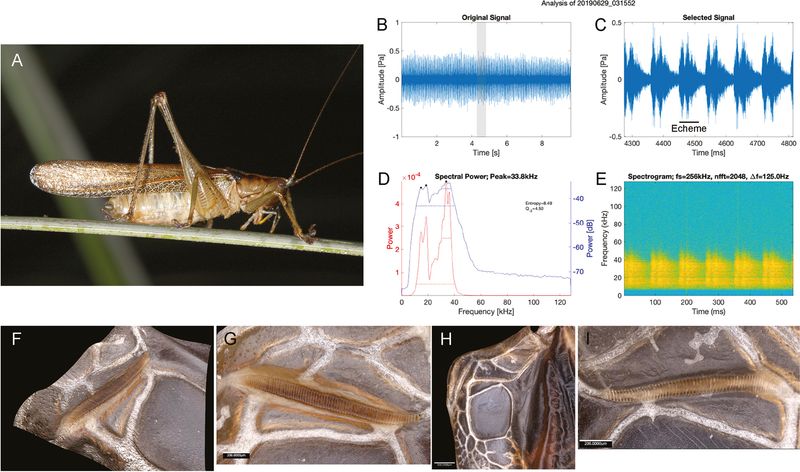
Nature’s version of musical fingerprints! Each cricket and katydid species produces a unique sound pattern that serves as an acoustic signature. These distinctive songs help females identify males of their own species in the darkness, preventing cross-breeding confusion.
Scientists can identify different species by analyzing their chirp rates, rhythms, and frequencies. Some related species sound nearly identical to human ears, but females can detect subtle differences we miss.
Remarkably, these sound patterns remain consistent within species across generations, encoded in their genetic makeup. This acoustic identification system has evolved over millions of years, creating the diverse symphony we enjoy on summer nights.
4. You Can Estimate Temperature by Cricket Chirps
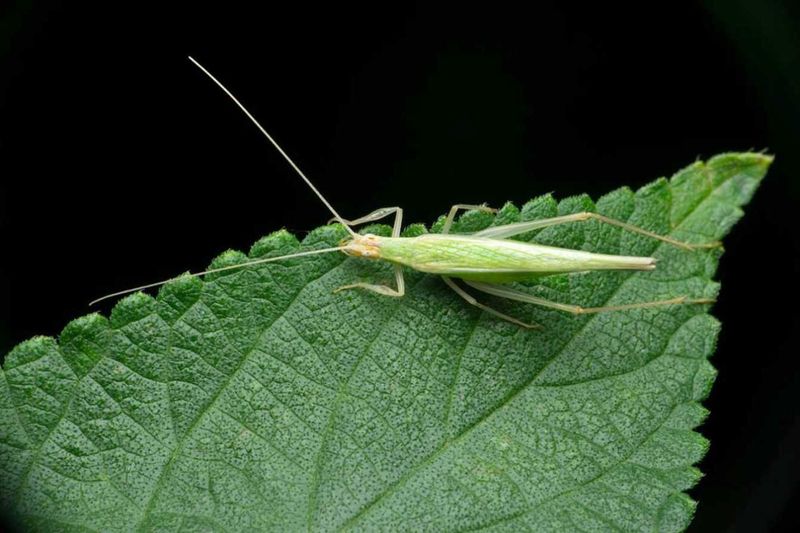
Cricket chirps aren’t just musical—they’re meteorological! The snowy tree cricket’s chirp rate is so reliable that it’s known as the “thermometer cricket.” As their body temperature changes with the environment, so does their chirping speed.
Dolbear’s Law, formulated in 1897 by physicist Amos Dolbear, provides a simple formula: count the chirps in 14 seconds and add 40 to get the temperature in Fahrenheit. For Celsius, count chirps in 25 seconds, divide by 3, then add 4.
This phenomenon occurs because crickets are cold-blooded, and the chemical reactions controlling their muscle movements speed up in warmer conditions. Next time you hear crickets, try this natural thermometer!
5. Katydids Get Their Name from Their Call
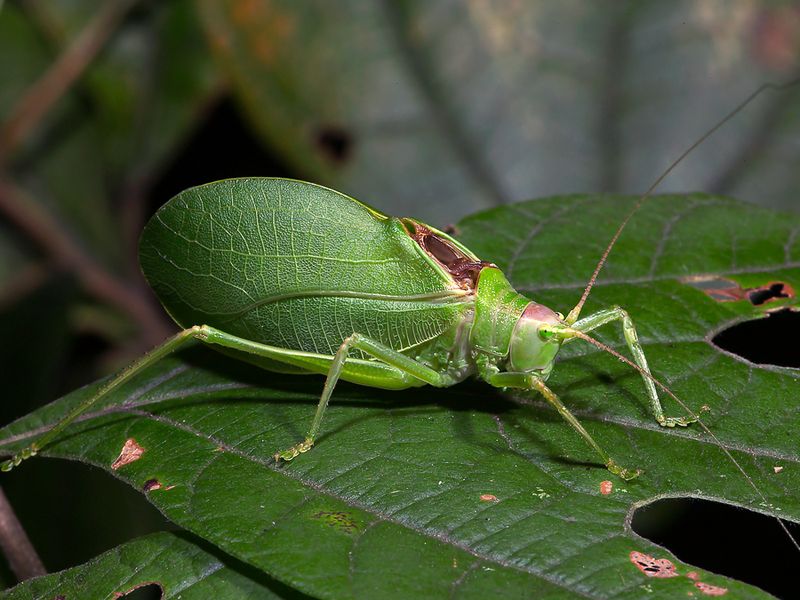
Listen carefully on a summer night, and you might hear what sounds like an ongoing debate: “Katy-did, Katy-didn’t, Katy-did…” This distinctive three-pulse rhythm gave the common true katydid its memorable name centuries ago.
Early American settlers heard these insects arguing about a mysterious woman named Katy and her unknown deed. The folk naming tradition stuck, eventually becoming the scientific family name Tettigoniidae.
Regional variations of this name exist across North America—some areas call them bush crickets or long-horned grasshoppers. But the poetic onomatopoeia of “katydid” perfectly captures both their sound and the whimsical human tendency to find meaning in nature’s voices.
6. Crickets Are Omnivores
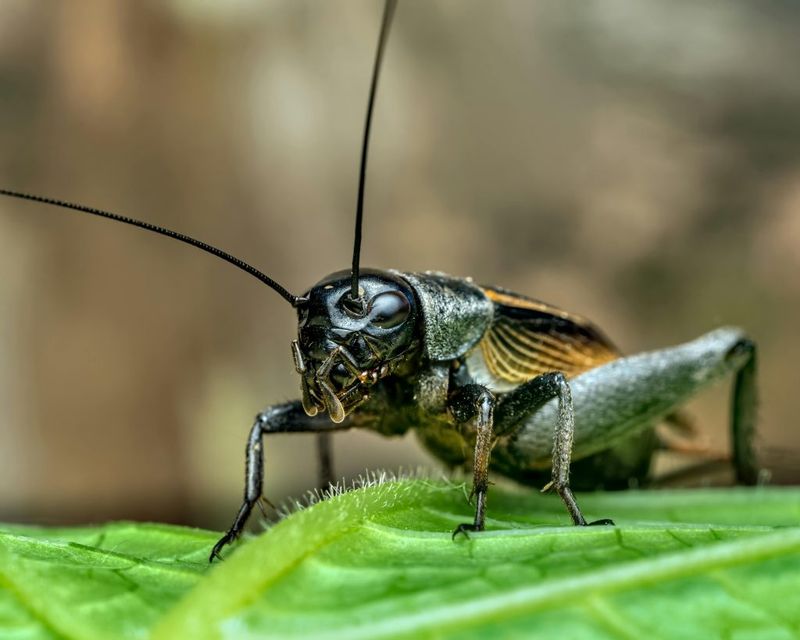
The tiny musicians moonlight as garden cleanup crews! Crickets possess surprisingly versatile appetites, happily consuming plant material, fungi, small insects, and even fabric when they find their way indoors. Their non-specialized diet makes them important decomposers in garden ecosystems.
Unlike many pests that target specific plants, crickets primarily feed on already decaying matter. They help break down fallen leaves, dead insects, and other organic debris, accelerating the nutrient recycling process in your garden soil.
Some cricket species have even evolved specialized tastes—house crickets particularly enjoy cotton and silk fabrics, while others prefer fungal growths on rotting wood. This adaptable diet helps them thrive in diverse environments worldwide.
7. Katydids Are Masters of Camouflage
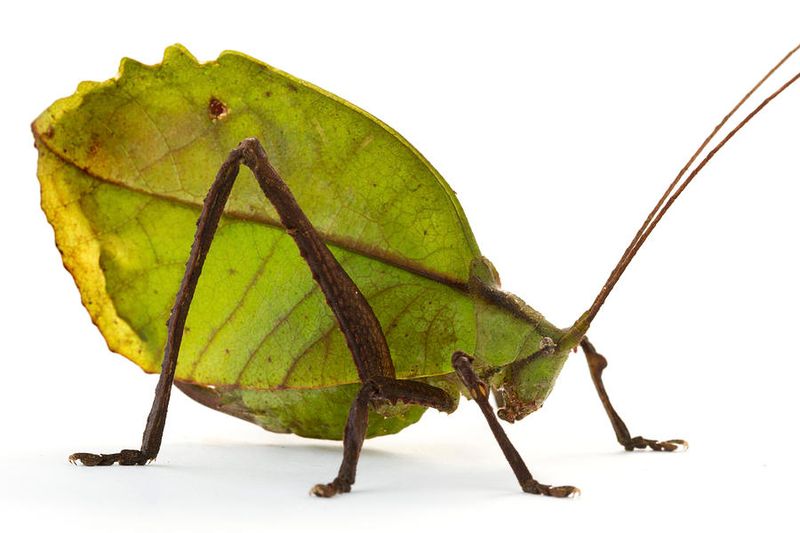
Leaf mimicry taken to artistic extremes! Katydids showcase some of nature’s most impressive camouflage, with bodies that mimic leaves down to detailed veins, spots of “decay,” and even the transparent bite marks left by caterpillars. Some species display vibrant greens while others match brown, yellow, or mottled autumn leaves.
This remarkable disguise isn’t just superficial—katydids move with gentle, leaf-like swaying motions when breezes blow. They’ll often freeze in position for hours, blending perfectly with surrounding foliage.
Evolution has fine-tuned this camouflage over millions of years, helping these vocal insects avoid birds, bats, and other predators that might otherwise locate them by their loud calls.
8. They’re Most Active in Warm Weather
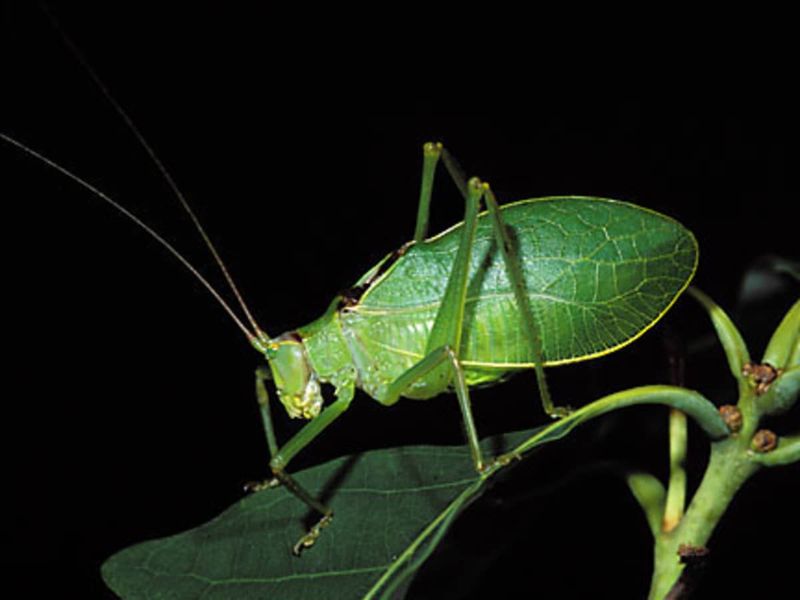
Summer nights get noisy for a scientific reason! Crickets and katydids reach peak activity during warm, humid conditions when temperatures hover between 75-95°F (24-35°C). Their metabolism and muscle function slow dramatically in cooler weather, eventually silencing their songs completely.
The first frost of autumn typically marks the end of their concert season in temperate regions. This temperature sensitivity explains why tropical areas enjoy year-round insect symphonies while northern gardens experience seasonal performances.
Humidity also plays a crucial role—dry conditions can dehydrate these small insects, reducing their energy for singing. The perfect cricket weather combines warmth, moisture, and still air, allowing their sounds to carry farther across your garden.
9. They Use Their Legs as Ears
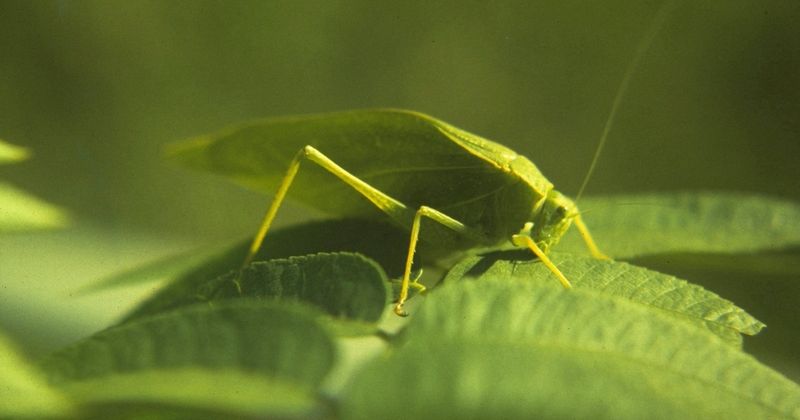
Cricket and katydid hearing systems would make an audiologist’s jaw drop! Unlike mammals with ears on their heads, these insects hear through specialized organs called tympana located on their front legs. These thin, membrane-covered structures function similarly to our eardrums.
Sound waves cause these membranes to vibrate, triggering sensory cells that transmit signals to the insect’s brain. This unique arrangement gives them nearly 360-degree hearing capability, crucial for detecting both approaching predators and potential mates.
Katydids can detect ultrasonic frequencies up to 100 kHz—far beyond human hearing range—allowing them to hear bat echolocation calls and escape before becoming dinner. This evolutionary adaptation gives them a survival edge in the nighttime garden.
10. Their Songs Can Be Surprisingly Loud
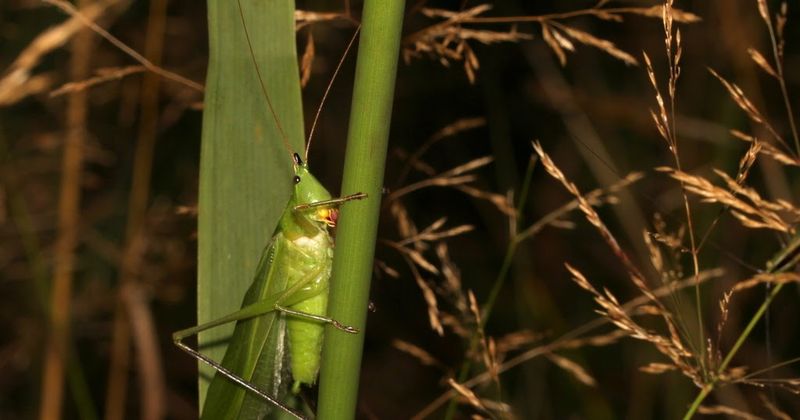
Tiny musicians with stadium-sized volume! Some katydid species produce sounds reaching an astonishing 100 decibels when measured at close range—comparable to a chainsaw or motorcycle. Cone-headed katydids are particularly notorious for their ear-piercing calls.
How do they achieve such volume? Their specialized sound-producing structures act as natural amplifiers, with body cavities that resonate like the chamber of a musical instrument. Males competing for females often engage in volume contests, each trying to outdo rivals.
Remarkably, these insects can sustain their calls for hours without vocal fatigue. Their efficient sound production uses minimal energy while maximizing acoustic output—a biological engineering feat that sound system designers still struggle to match!
11. Some Katydids Can Fly
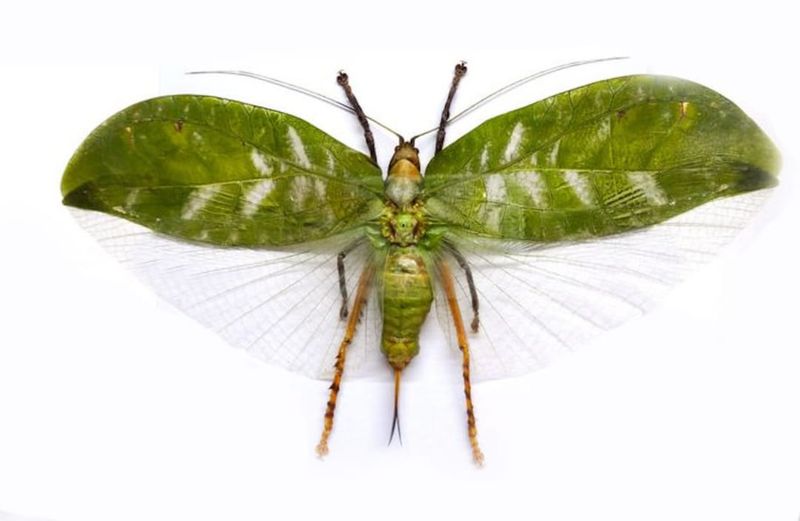
Those leaf-like wings aren’t just for show! While many people assume katydids are strictly crawlers like their cricket cousins, most species possess functional wings capable of flight. Their aerial abilities vary widely—some species fly gracefully for extended distances while others manage only short, awkward glides.
Katydid wings serve multiple purposes: sound production, camouflage, and transportation. When startled, many species will launch suddenly into flight, surprising predators and allowing quick escapes.
Interestingly, some katydid species have evolved reduced wings or become completely flightless, particularly those living in stable forest environments where flight offers fewer advantages. This evolutionary trade-off allows them to invest more energy in other survival strategies like camouflage or sound production.
12. Not All Chirps Are for Mating
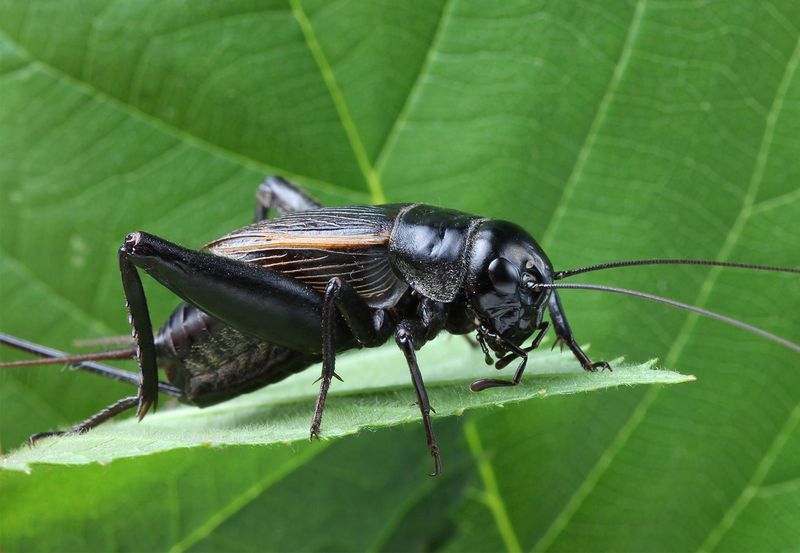
Cricket communication goes far beyond romantic serenades! These sophisticated insects produce distinct sound patterns for different social situations. The familiar evening chirps are indeed calling songs to attract females, but listen closely and you’ll hear their diverse acoustic vocabulary.
When a female approaches, males switch to softer, more rhythmic courtship songs. If another male invades territory, aggressive chirps warn the intruder away. Most dramatic are the short, sharp alarm calls produced when predators threaten.
Some cricket species even produce specialized post-mating songs that may prevent females from accepting other suitors. This complex sound repertoire reveals the surprising social sophistication of these small garden musicians, whose communication system rivals many vertebrate animals.
13. They’re Harmless to Humans
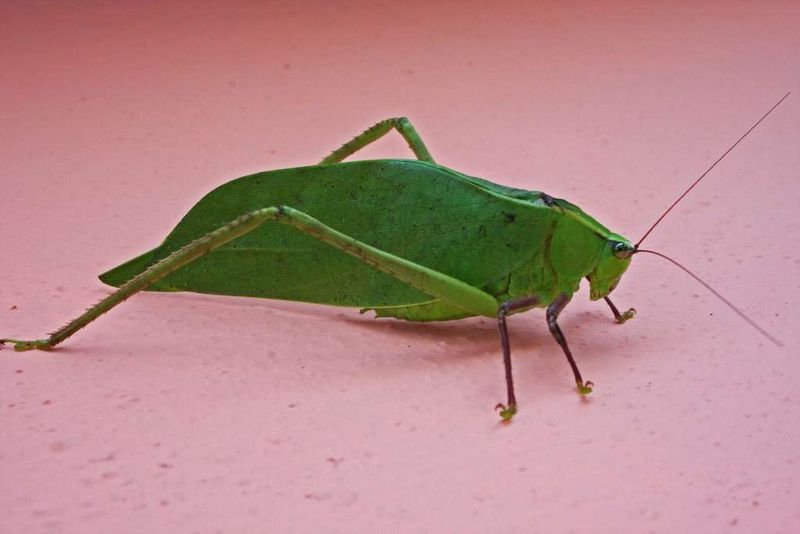
Nature’s musicians come with built-in manners! Despite their sometimes startling jumps or occasional indoor appearances, katydids and crickets pose absolutely no threat to humans. They don’t bite, sting, or carry diseases that affect people or pets.
Even when handling these insects, they typically respond by trying to hop away rather than defend themselves. The worst offense a house cricket might commit is nibbling on fabrics or paper if they find their way indoors in large numbers.
Garden plants remain safe too—unlike grasshoppers or locusts, most cricket and katydid species consume minimal living plant material. Their presence actually benefits gardens by controlling smaller pest insects and helping decompose organic matter, making them welcome ecological partners.
14. They Attract Predators Too
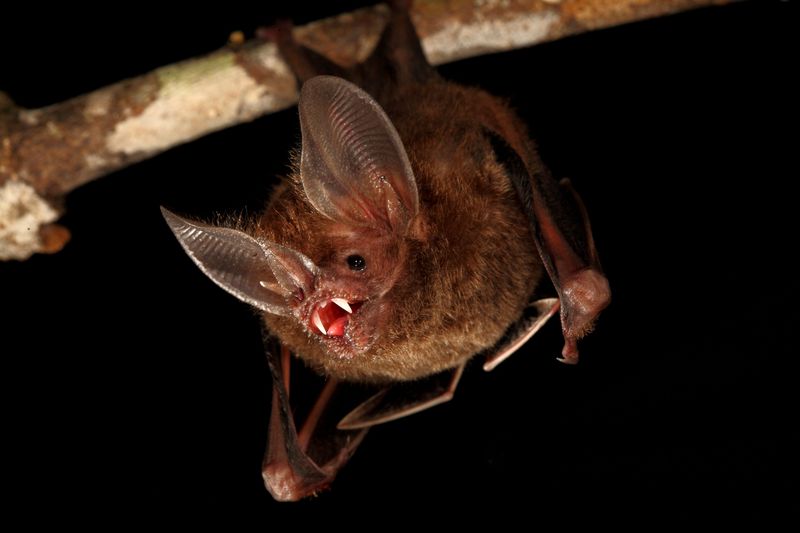
The price of being musical is becoming part of the food chain! While cricket and katydid songs effectively attract mates, they simultaneously serve as dinner bells for numerous predators with keen hearing. Bats are particularly efficient hunters, using their exceptional hearing to pinpoint singing males in complete darkness.
Birds, spiders, frogs, lizards, and small mammals all enjoy these protein-rich insects as regular meals. Many predators have specifically evolved to locate prey through sound rather than sight.
This predation pressure creates an evolutionary balancing act—males must sing loudly enough to attract females from a distance, yet minimize exposure to hungry listeners. Some species reduce this risk by singing from protected locations or developing escape strategies like instantly silencing when detecting predator movements.
15. Their Music Signals a Healthy Garden
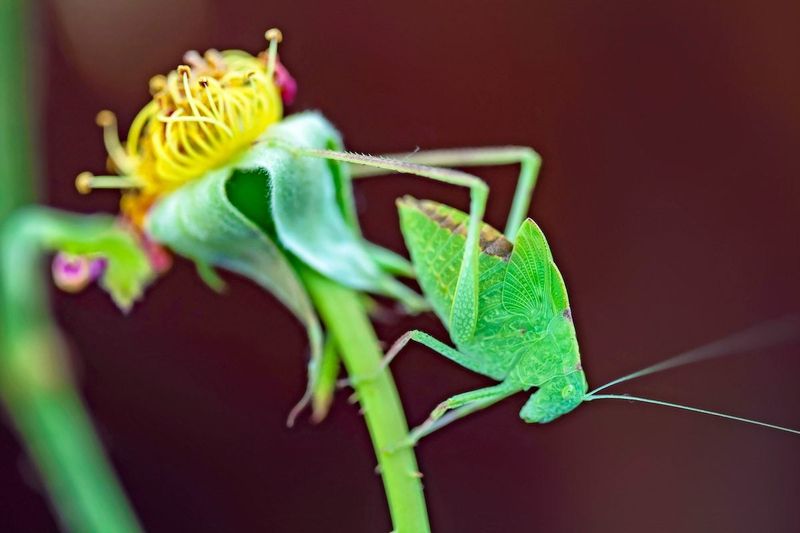
A robust evening insect chorus serves as nature’s seal of approval for your garden! Abundant cricket and katydid populations indicate a healthy, balanced ecosystem with minimal pesticide disruption. These insects require diverse plant life, clean water sources, and minimal chemical interventions to thrive.
Their presence supports larger wildlife too—from insect-eating birds to nocturnal mammals that rely on them for food. The complex food web they participate in helps maintain natural pest control throughout your garden.
Gardeners worldwide increasingly recognize these musical insects as valuable bioindicators. Their sensitivity to environmental toxins makes their abundance a reliable measure of ecological health, similar to how canaries once warned miners of dangerous gases. A garden filled with their songs is truly thriving!