
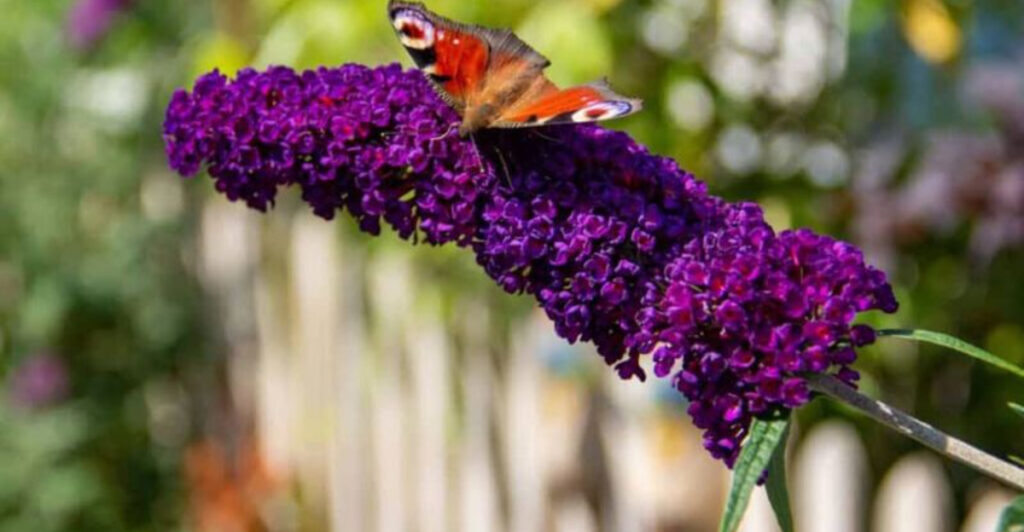
Summer gardens can transform into magical butterfly havens with the right nectar-rich flowers. These winged beauties need energy-packed blooms to fuel their flight and complete their life cycles.
By planting butterfly-friendly flowers, you’re not just creating a beautiful garden, but also supporting these important pollinators that help our ecosystem thrive.
1. Purple Coneflower (Echinacea)
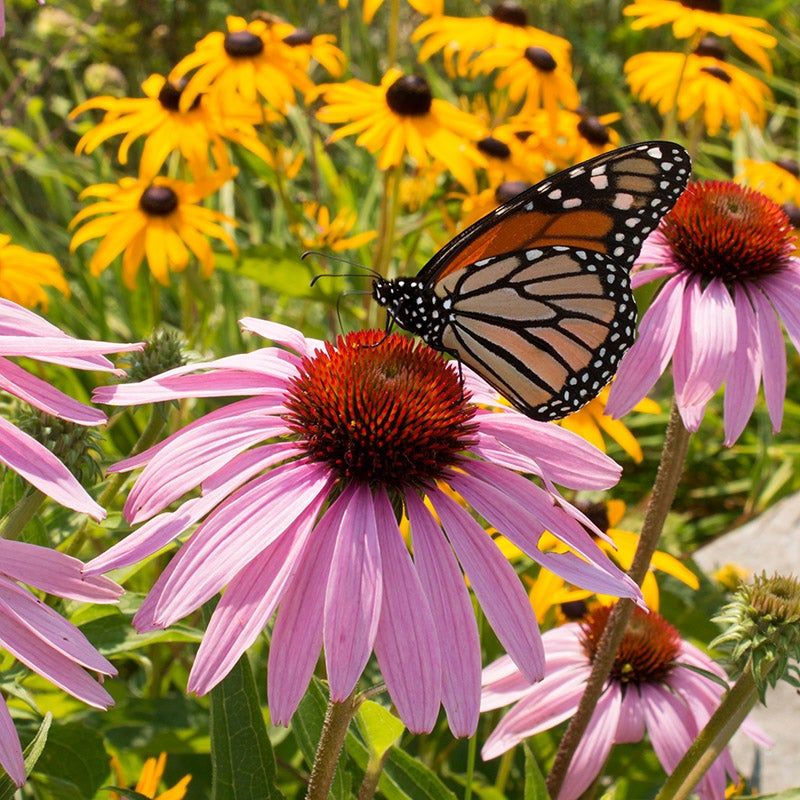
Standing tall with distinctive purple petals and spiky orange centers, purple coneflowers create natural landing pads for butterflies. Native to North America, these drought-resistant perennials bloom from June through October. Monarchs, painted ladies, and swallowtails flock to these flowers for their abundant nectar. The raised center cone makes it easy for butterflies to perch while feeding. Beyond attracting butterflies, coneflowers also support native bees and goldfinches, who love their seeds. Plant them in full sun with well-drained soil, and they’ll reward you with years of butterfly visits.
2. Blazing Star (Liatris)
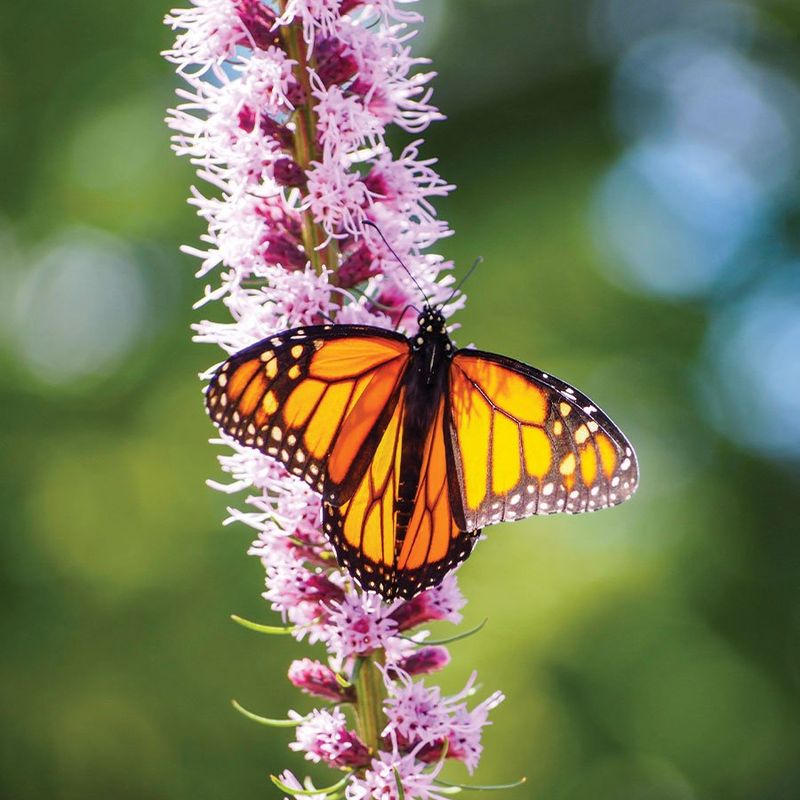
Reaching for the sky with dramatic purple spikes, blazing stars create vertical drama in any butterfly garden. Their unique blooming pattern—flowering from top to bottom—provides weeks of nectar for hungry butterflies. Monarchs find these flowers irresistible during their long migrations. The closely packed florets offer efficient feeding stations where butterflies can gather plenty of energy with minimal movement. A fun fact: Native Americans once used liatris roots medicinally. These prairie natives thrive in sunny spots with average soil and can handle heat and humidity with ease, making them perfect for low-maintenance butterfly gardens.
3. Butterfly Bush (Buddleia)
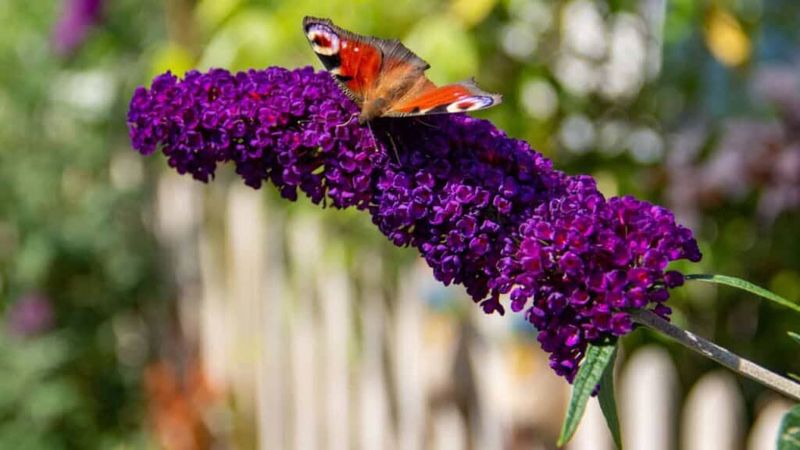
Living up to its name, the butterfly bush produces cone-shaped flower clusters packed with sweet nectar that butterflies simply can’t resist. The long, arching branches covered in blooms create a buffet for butterflies from July through frost. Available in purple, pink, white, and blue varieties, these shrubs offer something for every garden style. Their honey-like fragrance attracts butterflies from surprising distances, sometimes bringing species you’ve never seen before. Plant butterfly bushes in full sun where you can enjoy watching the butterfly visitors. Just remember to choose non-invasive varieties and prune them back in early spring for the best blooms.
4. Swamp Milkweed (Asclepias incarnata)
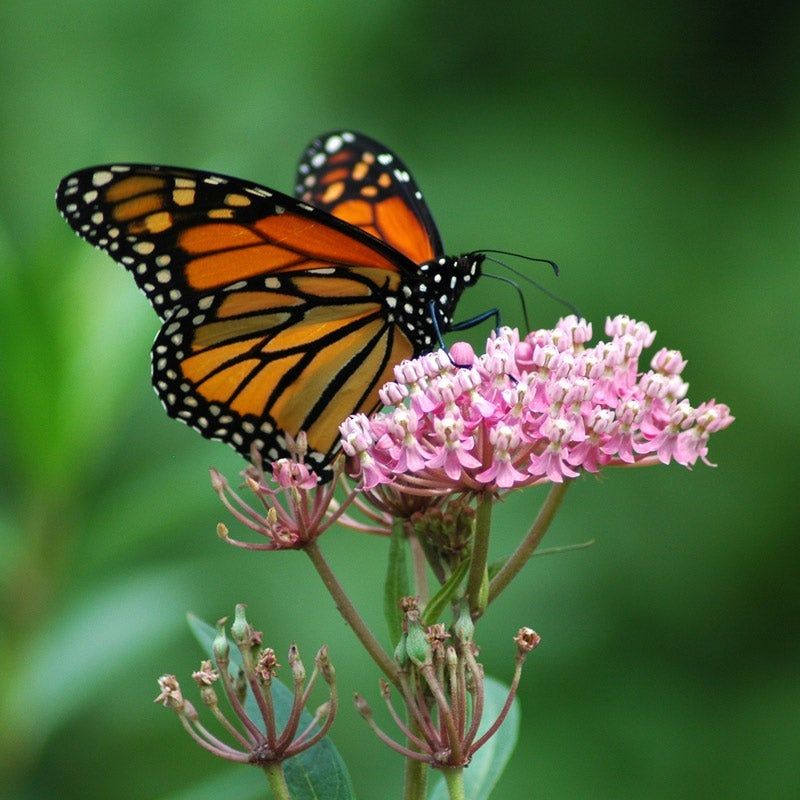
Despite its humble name, swamp milkweed produces gorgeous clusters of pink flowers that monarch butterflies find impossible to ignore. Unlike common milkweed, this well-behaved native fits perfectly into home gardens with its tidy growth habit. The sweet vanilla scent attracts numerous butterfly species, but monarchs have a special relationship with all milkweeds. Female monarchs lay eggs exclusively on milkweed plants, making them essential for the species’ survival. Happiest in moist soil but adaptable to average garden conditions, swamp milkweed grows 3-4 feet tall and blooms from mid-summer through early fall. The seed pods create interesting fall garden features after flowering.
5. Mexican Sunflower (Tithonia)
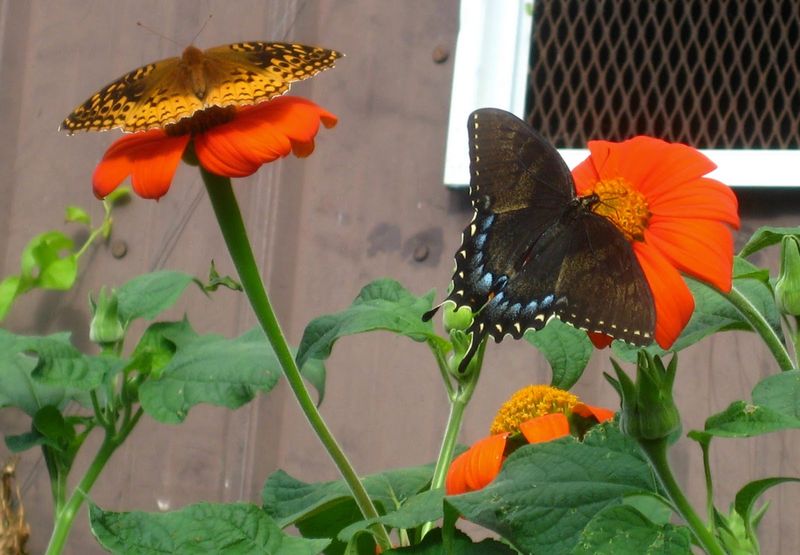
Fiery orange blooms atop tall stems make Mexican sunflowers spectacular butterfly magnets in summer gardens. These annual flowers grow quickly from seed, reaching 4-6 feet tall with multiple branches covered in 3-inch daisy-like flowers. Monarchs, painted ladies, and swallowtails compete for space on these nectar-rich blooms. The flat landing surface of each flower makes feeding easy for butterflies of all sizes. Originally from Mexico and Central America, these heat-loving plants thrive when others wilt in summer’s peak. Plant them at the back of borders or as a dramatic summer hedge, and enjoy the butterfly parade from July until frost cuts them down.
6. Joe-Pye Weed (Eutrochium)
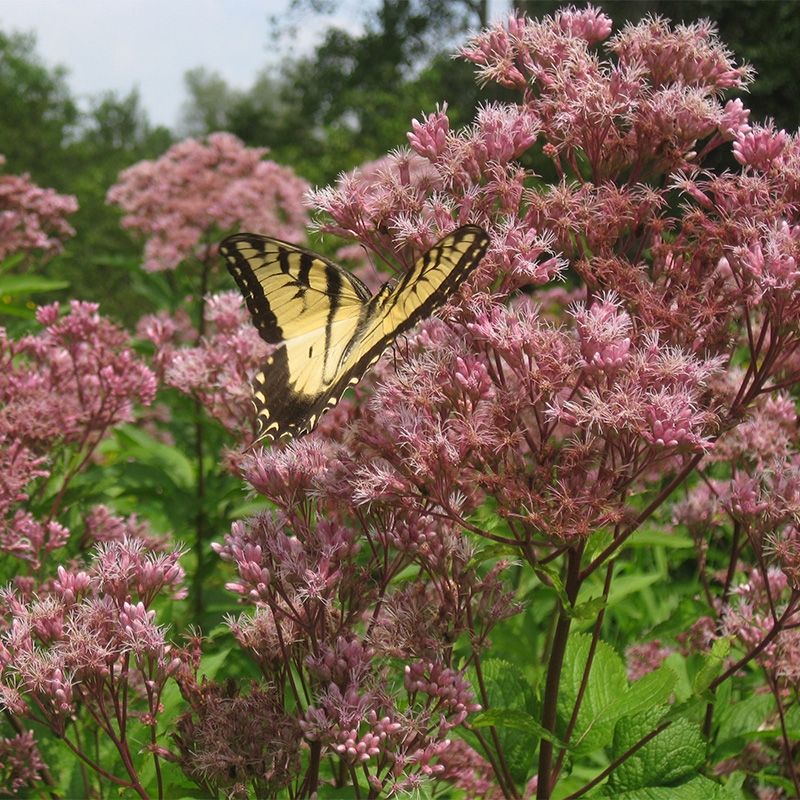
Majestic and native, Joe-Pye weed towers in the summer garden with dome-shaped clusters of tiny pink-purple flowers that butterflies adore. Growing 5-7 feet tall, these gentle giants create dramatic backdrops while serving as butterfly feeding stations. The story behind the name adds charm – Joe Pye was a Native American healer who used this plant medicinally. Swallowtails and monarchs particularly favor these flowers, often spending hours moving from bloom to bloom within a single plant. Despite the misleading “weed” in its name, this well-behaved perennial works beautifully in naturalistic gardens. Plant it where you can watch the butterfly activity from a distance and enjoy its height and structure.
7. Lantana (Lantana camara)
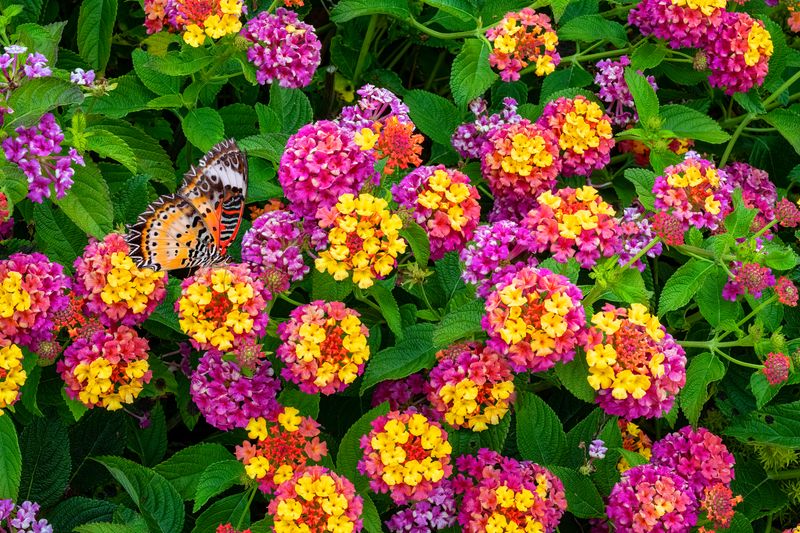
Bursting with clusters of tiny flowers in yellow, orange, pink, and red—often all on the same plant—lantana creates a kaleidoscope effect that butterflies find irresistible. The multi-colored blooms change hues as they age, creating a cheerful display from June until frost. Heat-loving and drought-tolerant, lantana keeps blooming when other flowers give up in summer’s peak. Each flower cluster contains dozens of tiny tubular blooms packed with nectar, providing efficient feeding stations for butterflies. Grown as annuals in cooler regions and perennials in zones 8-11, lantanas work beautifully in containers or garden beds. Their slightly citrusy scent repels deer and rabbits while attracting clouds of butterflies to your summer garden.
8. Zinnia (Zinnia elegans)
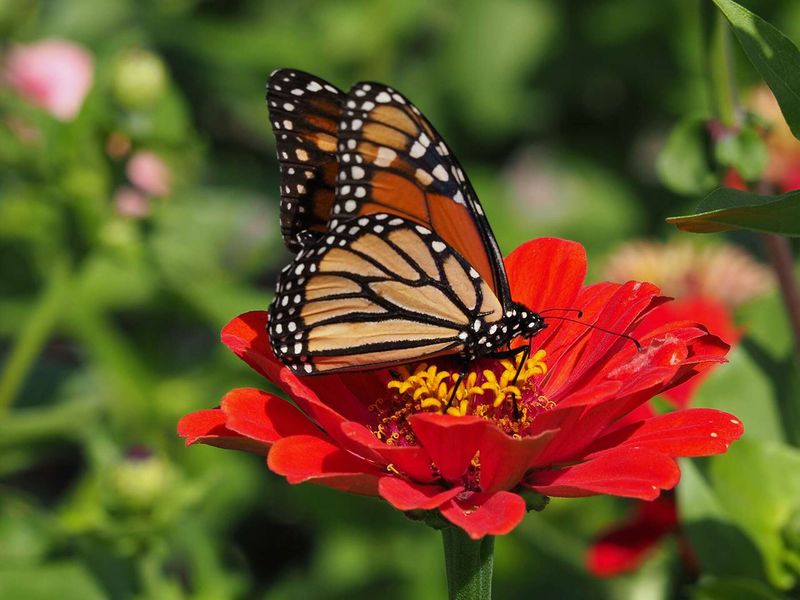
Cheerful and easy to grow from seed, zinnias offer a butterfly buffet in rainbow colors all summer long. Their flat, daisy-like flowers provide perfect landing pads where butterflies can rest while sipping nectar. Children love watching butterflies visit these bright blooms, making zinnias perfect for family gardens. Available in sizes from 6-inch dwarfs to 4-foot giants, there’s a zinnia for every garden space. For maximum butterfly attraction, choose single-flowered varieties rather than double forms. The simple flowers provide easier access to nectar. Cut zinnias regularly for bouquets and you’ll encourage even more blooms—and more butterfly visits throughout the summer.
9. Black-Eyed Susan (Rudbeckia)
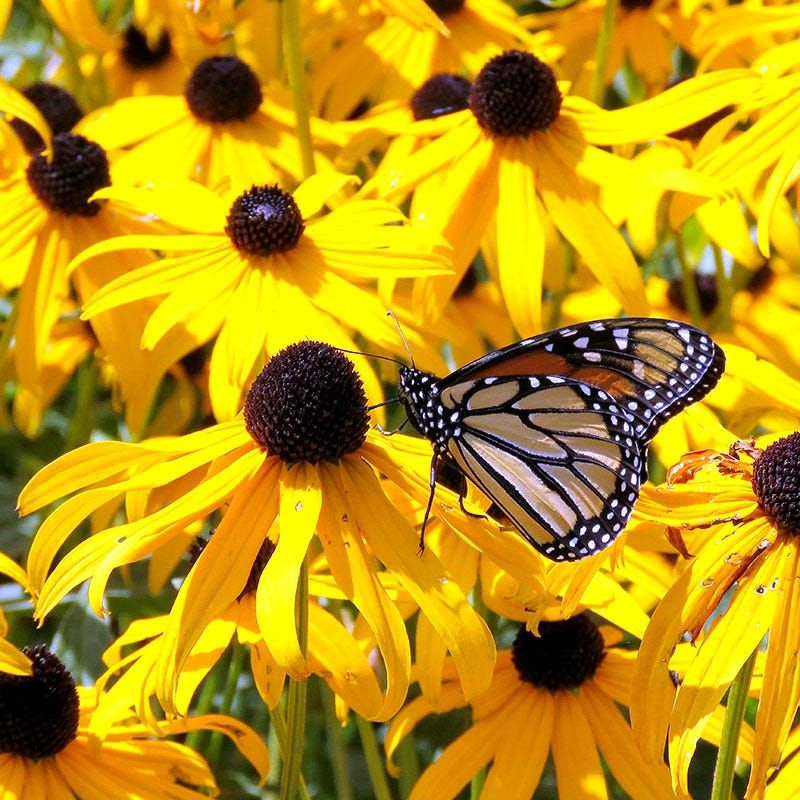
Golden petals surrounding dark centers make black-eyed Susans both beautiful garden additions and butterfly favorites. These native wildflowers bloom prolifically from July through September, creating seas of yellow that signal butterflies to come feast. Painted ladies and fritillaries especially love these sturdy flowers, which stand up to summer storms and keep blooming. The flat, open flower shape makes nectar easily accessible to butterflies with different proboscis lengths. Black-eyed Susans self-seed readily, creating new plants each year without becoming invasive. Plant them in sunny spots with average soil, and they’ll reward you with cheerful blooms and butterfly visits for many summers to come.
10. Verbena (Verbena bonariensis)
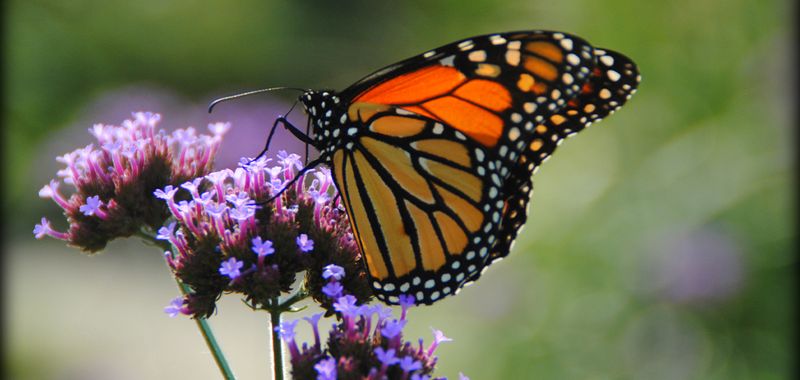
Tall, airy stems topped with small purple flower clusters give verbena an ethereal quality in the garden while providing butterfly dining platforms. The delicate appearance belies this plant’s tough nature—it blooms from June until frost without fading. Verbena’s see-through quality makes it perfect for planting throughout the garden, creating purple butterfly stations that don’t block views of other flowers. The tiny florets in each cluster contain rich nectar that attracts skippers, sulphurs, and swallowtails. Sometimes called “vervain” or “tall verbena,” this self-seeding perennial reaches 3-4 feet tall but needs no staking. Plant it once and enjoy for years as it gently moves around your garden, always finding the perfect spot to support butterfly visitors.