
Creating a garden that buzzes with life isn’t just beautiful—it’s vital for our ecosystem. Hummingbirds and butterflies are essential pollinators that help flowers reproduce and keep our gardens thriving.
By choosing plants that bloom for extended periods, you’ll not only enjoy a colorful yard all season but also provide a continuous food source for these delightful winged visitors.
1. Bee Balm (Monarda)
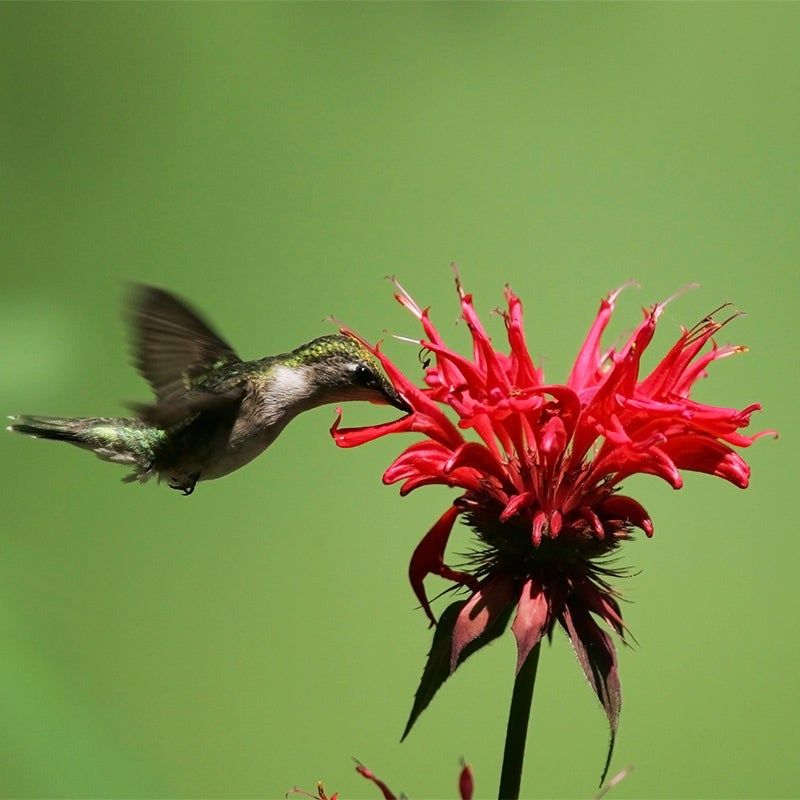
Crowned with spiky, firework-shaped blooms in vibrant reds, pinks, and purples, bee balm creates an irresistible beacon for hummingbirds. The tubular flowers perfectly match a hummingbird’s specialized bill, making nectar collection a breeze. This North American native plant flowers from early summer through fall, creating months of feeding opportunities. As a bonus, its aromatic foliage gives off a delightful minty-citrus scent when brushed against. Hardy in zones 4-9, bee balm thrives in sunny spots with moderate moisture. For maximum blooms and continued hummingbird visits, deadhead spent flowers regularly and divide plants every few years.
2. Butterfly Bush (Buddleja)
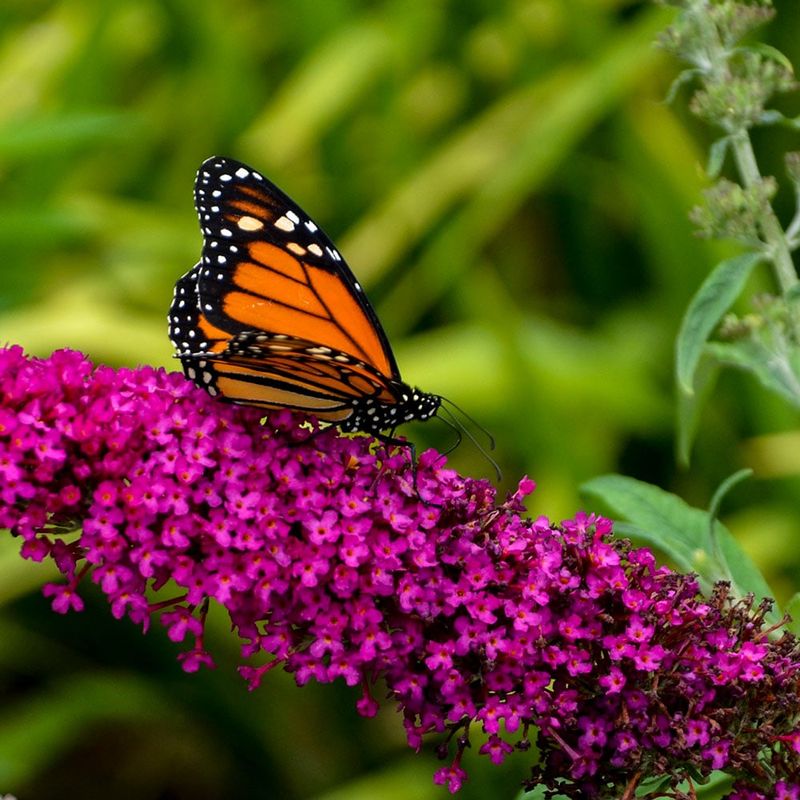
Long panicles of tiny, nectar-rich flowers create a butterfly magnet that lives up to its name. Available in purples, pinks, whites, and blues, these fragrant cone-shaped flower clusters bloom from summer until the first frost, providing a constant butterfly buffet. Despite its beauty, some butterfly bush varieties can become invasive in certain regions. Look for newer, sterile cultivars like ‘Miss Molly’ or ‘Blue Chip’ that won’t spread aggressively while still attracting pollinators. Plant in full sun and well-drained soil for best results. A light pruning in early spring encourages bushier growth and more prolific flowering throughout the season.
3. Salvia (Sage)
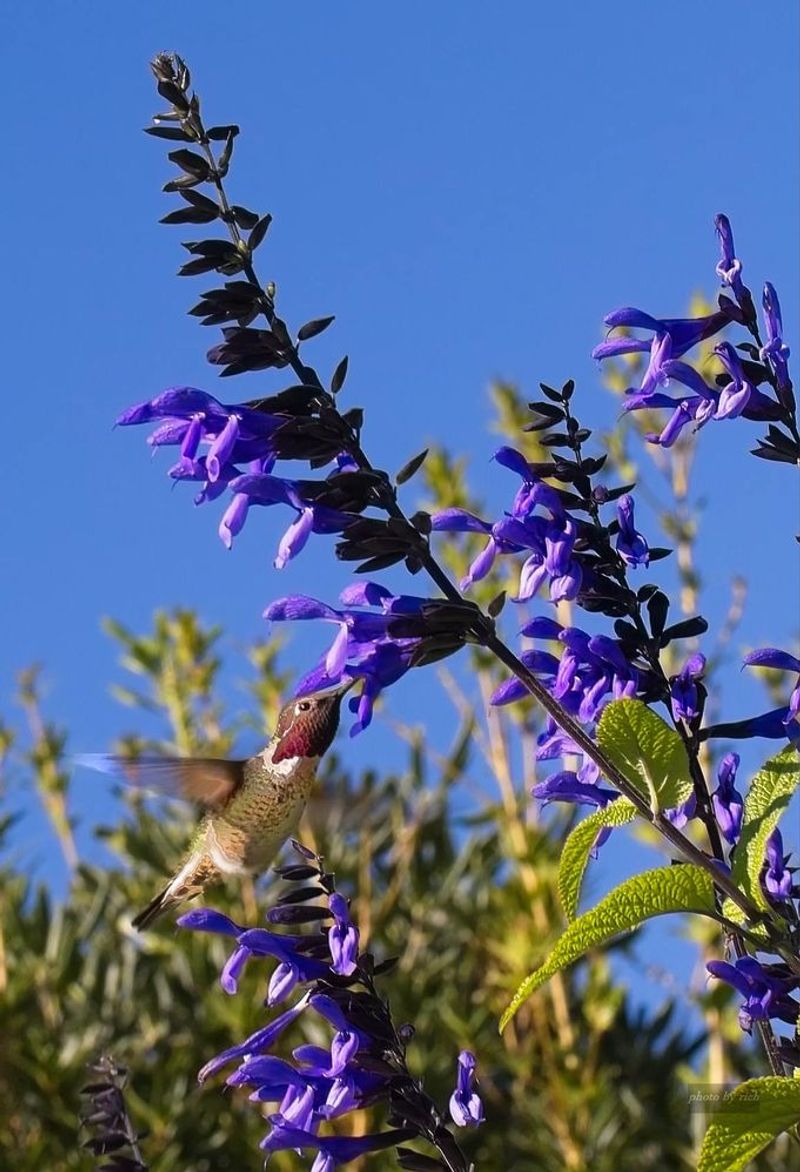
Spikes of tubular flowers in blues, purples, reds, and pinks make salvias a hummingbird paradise. Their long blooming period—often from spring through fall—provides reliable nectar sources when other plants have finished flowering. Both annual and perennial varieties offer excellent pollinator value. Perennial types like ‘May Night’ and ‘Hot Lips’ return year after year, while annual varieties like ‘Black and Blue’ deliver spectacular color until frost. Drought-tolerant once established, salvias need minimal care beyond occasional deadheading to keep the blooms coming. Their aromatic foliage naturally repels many garden pests while still welcoming beneficial pollinators to your garden.
4. Lantana
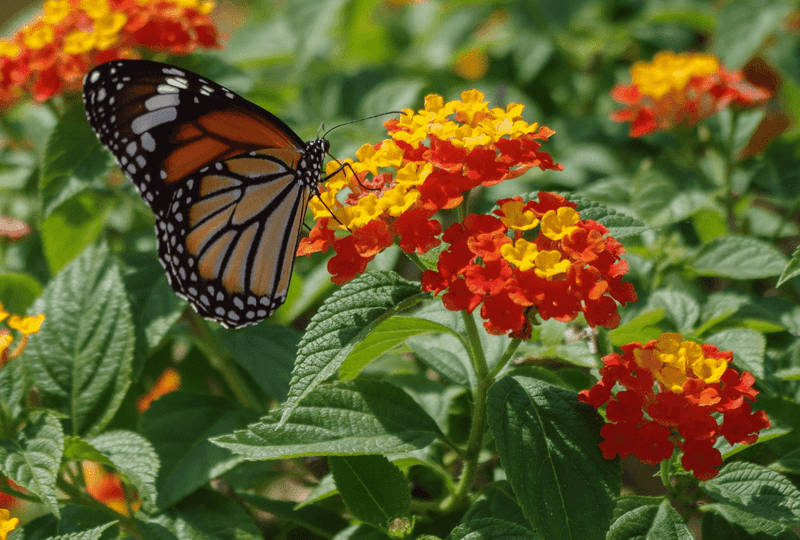
Clusters of tiny florets in multiple colors—often yellow, orange, pink, and red all in the same flower head—create a kaleidoscope effect butterflies simply cannot resist. As each floret ages, its color changes, creating a mesmerizing multi-hued display that can last from late spring until frost. Heat-loving and drought-tolerant, lantana thrives when other plants wilt in summer’s intensity. In warm zones 9-11, it grows as a woody perennial, while gardeners in cooler regions enjoy it as a spectacular annual. Beyond its beauty, lantana’s tough nature makes it perfect for containers or challenging spots in the landscape. For maximum butterfly attraction, plant in full sun where visitors can easily spot its bright blooms.
5. Zinnia
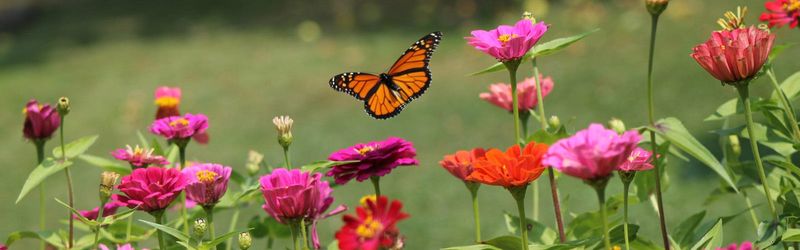
Bursting with cheerful blooms in practically every color of the rainbow, zinnias offer one of summer’s longest-lasting flower shows. From button-sized pompoms to dinner-plate blooms, these annual flowers provide landing pads perfectly sized for butterflies to rest while sipping nectar. Growing zinnias couldn’t be simpler—just sow seeds directly in the garden after the last frost. For continuous blooms from early summer until frost, plant successive batches every few weeks and deadhead regularly. Beyond their beauty, zinnias make excellent cut flowers, bringing both color indoors and butterflies to your garden. Choose single-flowered varieties over doubles for easier nectar access for your winged visitors.
6. Penstemon (Beardtongue)
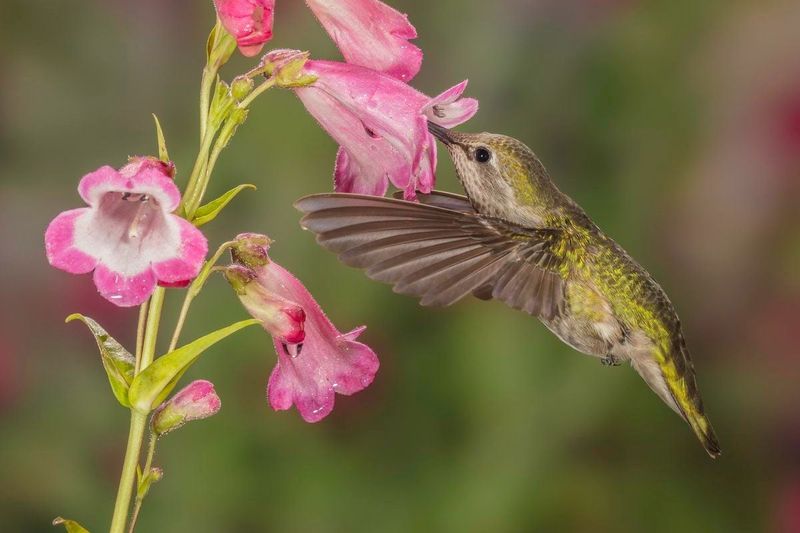
Bell-shaped blooms dangle from tall stems like tiny trumpets announcing a hummingbird feast. These native American wildflowers bloom for months, typically starting in late spring and continuing well into summer, with some varieties flowering into fall. Available in shades of pink, purple, red, and white, penstemons combine well with other perennials while creating vertical interest in the garden. Their tubular flowers are perfectly shaped for hummingbird bills, making them a favorite refueling stop. Most varieties thrive in full sun and well-drained soil, with excellent drought tolerance once established. Plant several different types to extend the blooming season and provide continuous nectar sources for your hovering garden visitors.
7. Coneflower (Echinacea)
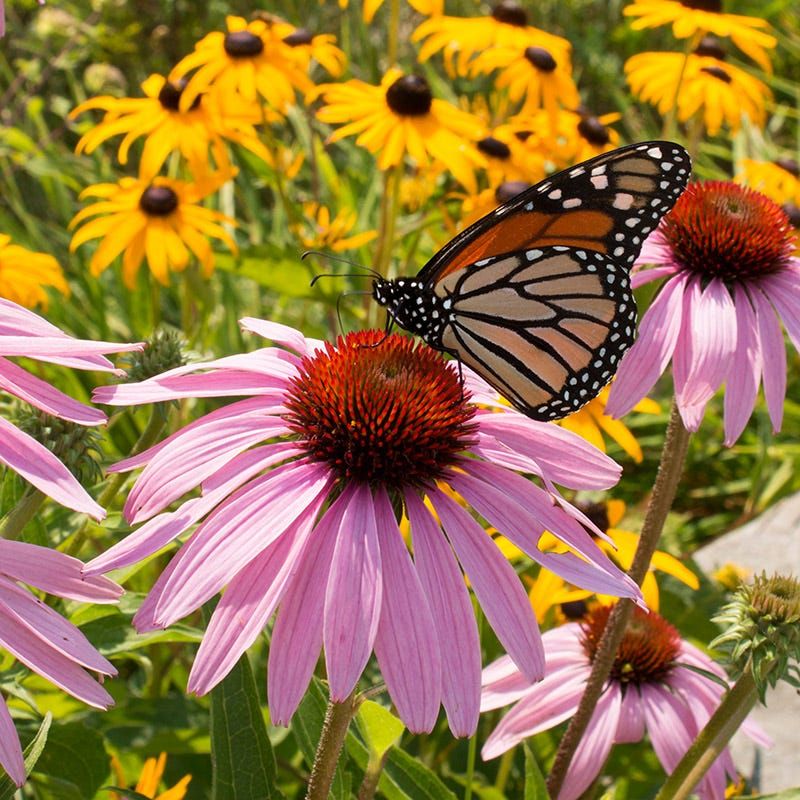
Sporting distinctive raised centers surrounded by colorful petals, coneflowers serve as butterfly dining tables from summer through fall. Originally found only in purple, today’s varieties offer a rainbow of options including white, yellow, orange, red, and even green blooms. Beyond their beauty, these native prairie plants boast impressive drought tolerance once established. Their sturdy stems withstand summer storms while providing stable landing platforms for butterflies. Leave some seedheads standing in fall—goldfinches and other birds will thank you by visiting to feast on the seeds. With minimal care requirements and maximum wildlife appeal, coneflowers deserve a prime spot in any pollinator garden.
8. Agastache (Hyssop)
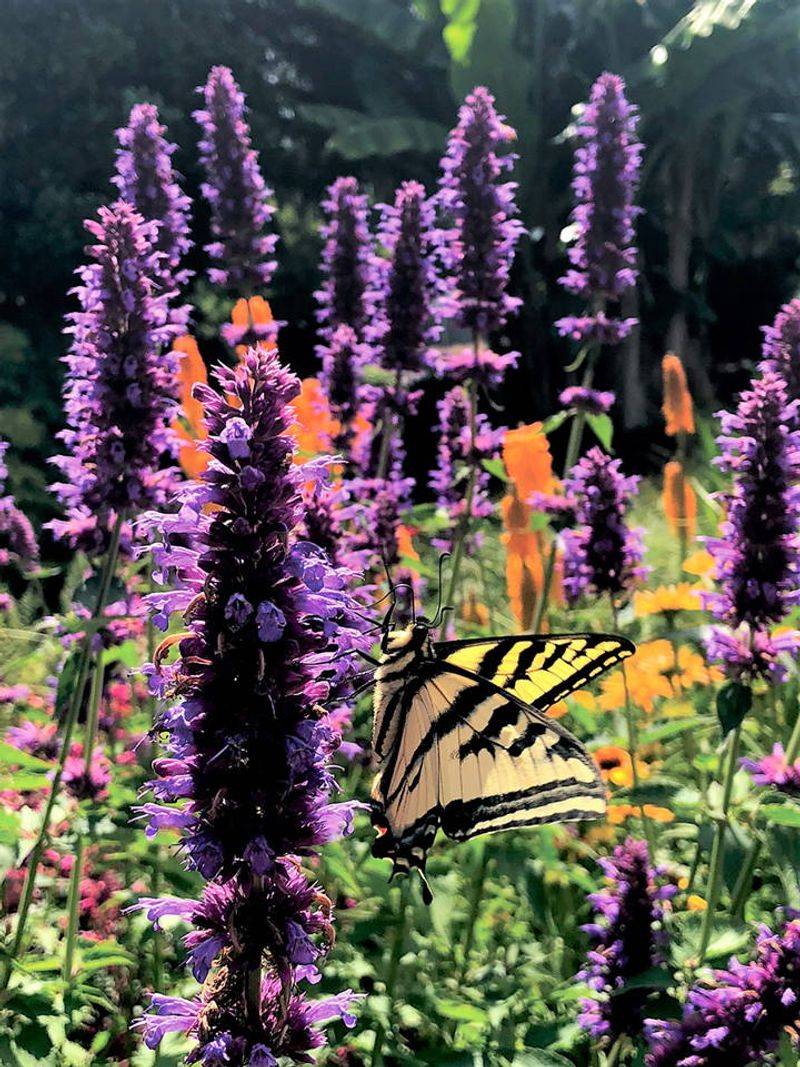
Spikes of tiny, tubular flowers in lavenders, blues, oranges, and pinks create vertical accents that hummingbirds spot from impressive distances. The aromatic foliage releases a refreshing anise or mint scent when brushed against, adding sensory appeal for human visitors too. Blooming from early summer until frost, agastache provides reliable nectar when many other plants have finished flowering. Drought-tolerant and deer-resistant, these easy-care perennials ask little while giving much. For best results, plant in full sun with well-drained soil. Avoid heavy fertilization, which produces floppy growth at the expense of flowers. With dozens of varieties available, from dwarf 12-inch plants to 5-foot giants, there’s an agastache perfect for every garden spot.
9. Phlox
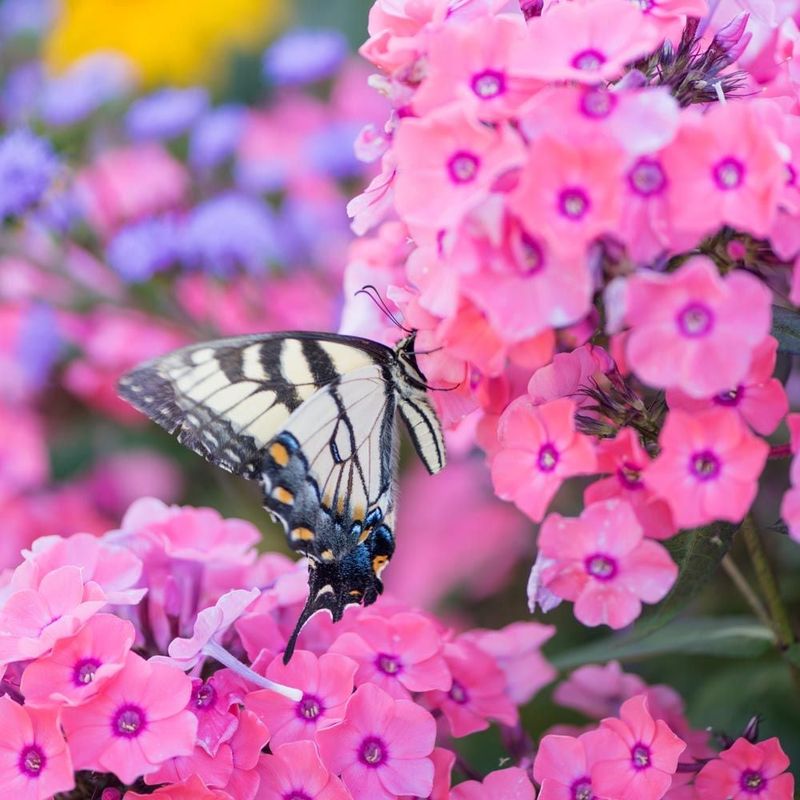
Fragrant clusters of star-shaped blooms create butterfly landing pads from spring through fall, depending on the variety. Creeping phlox carpets the ground with early spring color, while tall garden phlox adds midsummer fragrance that draws butterflies from afar. Available in whites, pinks, purples, and reds, phlox creates reliable color in the perennial garden. For best results, choose mildew-resistant varieties and provide good air circulation to keep the foliage healthy. Plant different types of phlox for season-long blooms—spring-flowering creeping phlox, midsummer garden phlox, and late-blooming fall phlox. This strategy ensures your garden remains a butterfly destination from the season’s first warm days until autumn’s chill.
10. Cuphea
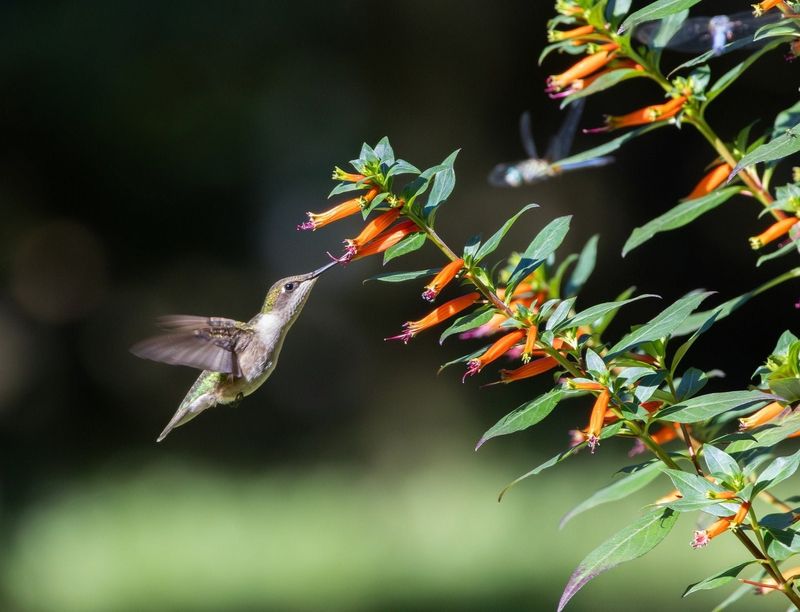
Whimsical tubular flowers in reds, oranges, and purples bloom continuously from late spring until frost, creating a hummingbird heaven. Popular varieties include ‘Bat Face’ with its distinctive markings and ‘Firecracker Plant’ with its tiny, cigar-shaped blooms. Heat-loving and low-maintenance, cupheas thrive when summer temperatures soar. Their compact growth habit makes them perfect for containers or front-of-border placements where hummingbirds can be easily observed. In zones 8-11, cupheas grow as perennials, while gardeners in cooler regions treat them as annuals or bring them indoors for winter. Regardless of your climate, these non-stop bloomers reward with months of flowers and constant hummingbird visits.
11. Coral Bells (Heuchera)
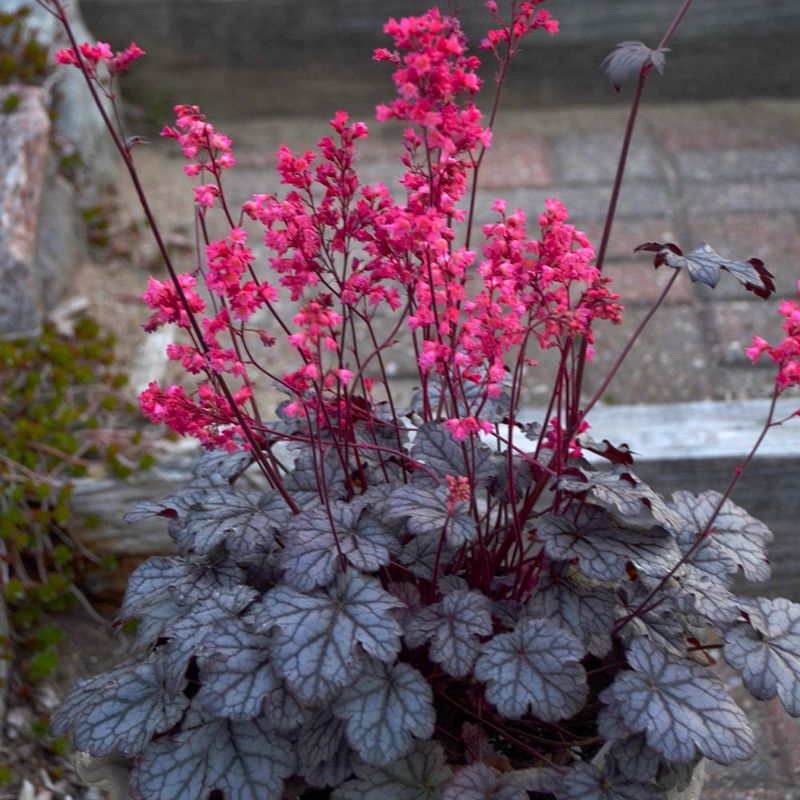
Delicate sprays of tiny bell-shaped flowers dance above colorful foliage, creating irresistible hummingbird nectar sources from late spring through summer. While the flowers steal the show for hummingbirds, the vibrant leaves—available in purples, silvers, ambers, and chartreuse—provide year-round garden interest. Modern varieties offer improved flowering with larger, more numerous blooms on stronger stems. Plant several different cultivars to extend the blooming season and provide continuous hummingbird food. These adaptable perennials thrive in partial shade but tolerate full sun in cooler climates. Their compact size makes them perfect for edging, containers, or woodland garden settings, bringing hummingbirds into even the smallest garden spaces.
12. Verbena
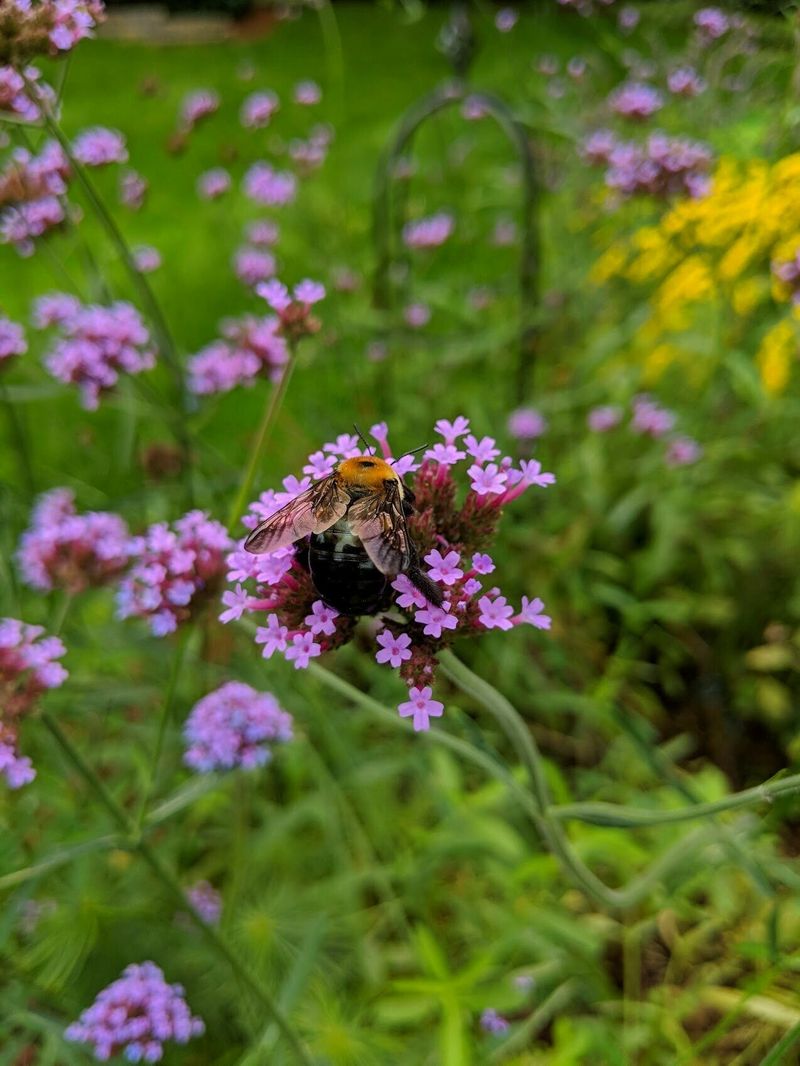
Flat-topped clusters of small, tubular flowers create perfect landing pads for butterflies from spring until frost. Available in vibrant purples, pinks, reds, and whites, verbenas provide reliable color even during summer’s hottest days. Both annual and perennial varieties offer excellent pollinator value. Trailing types spill beautifully from containers or over wall edges, while upright varieties add structure to perennial borders. All types bloom profusely with minimal deadheading. Drought-tolerant and sun-loving, verbenas ask little while giving much. Their ability to thrive in poor soils makes them perfect for challenging garden spots. For maximum butterfly attraction, plant in open, sunny areas where the bright blooms can easily catch a butterfly’s eye.
13. Fuchsia
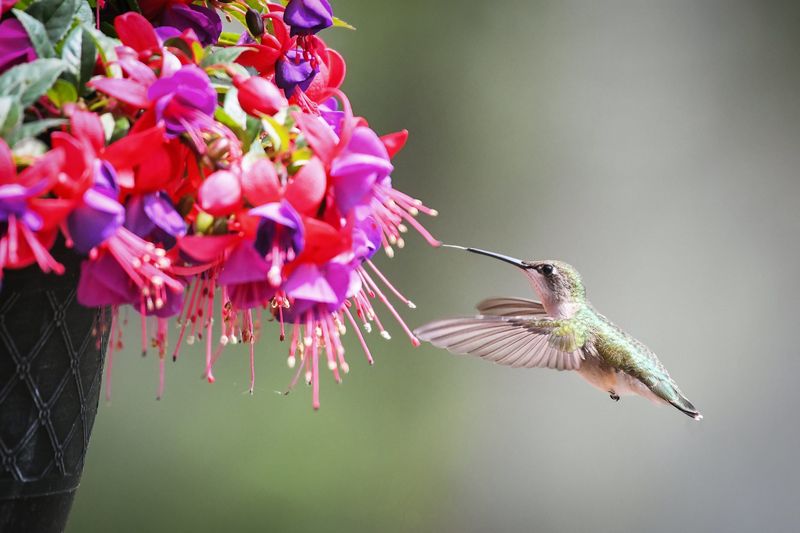
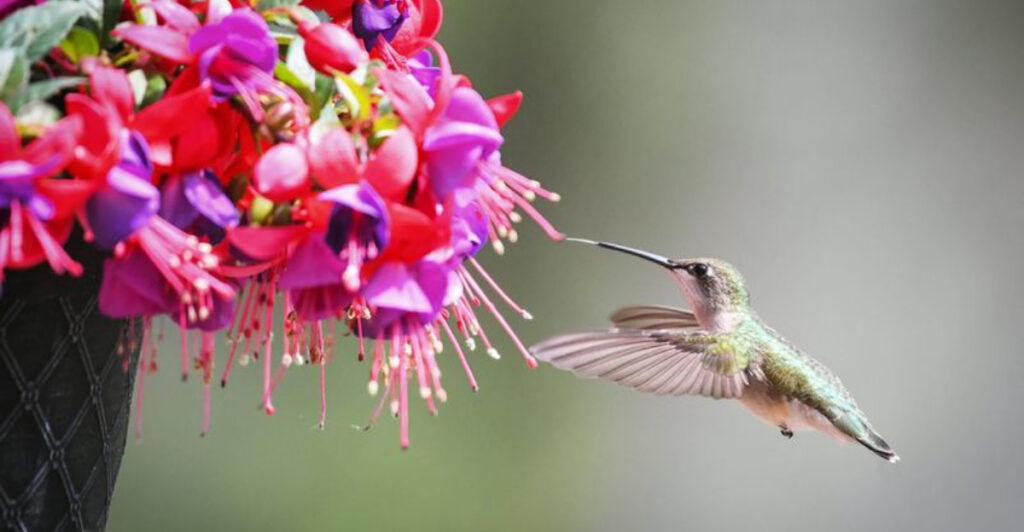
Dangling like tiny ballerinas on slender stems, fuchsia blooms in pinks, purples, whites, and reds create hummingbird magnets from spring until fall. Their unique pendant shape perfectly accommodates a hummingbird’s feeding style, allowing them to hover beneath the blooms while sipping nectar. Perfect for hanging baskets or containers in partial shade, fuchsias bring hummingbird activity to porches, patios, and shady garden corners. In mild climates (zones 8-10), hardy varieties return year after year, while gardeners in colder regions enjoy them as spectacular annuals. Keep blooms coming by pinching spent flowers and providing regular moisture—fuchsias prefer consistently damp (but not soggy) soil. Their preference for cooler conditions makes them excellent companions for shade-loving perennials.
14. Cape Fuchsia (Phygelius)
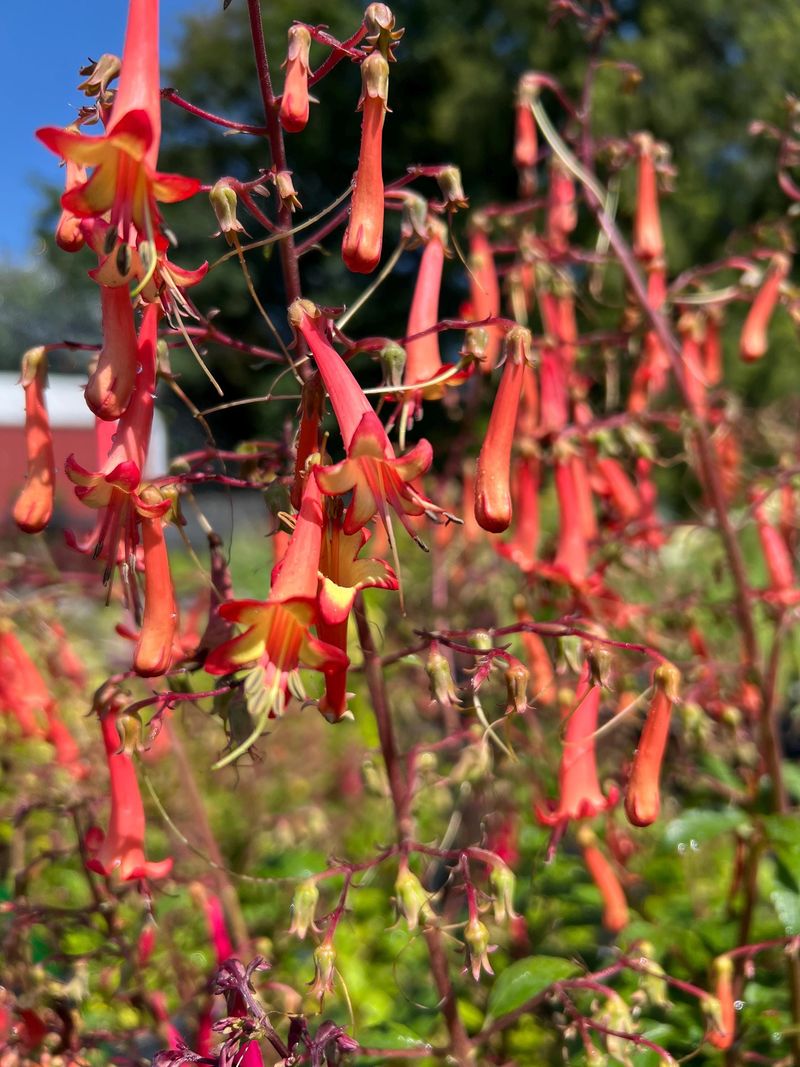
Resembling their namesake but unrelated, cape fuchsias produce pendulous, tubular flowers in coral, red, pink, and yellow that hummingbirds simply cannot resist. Unlike true fuchsias, these South African natives thrive in full sun and tolerate drought once established. Blooming from early summer until frost, cape fuchsias fill the critical late-season gap when many other perennials have finished flowering. Their upright growth habit (2-4 feet tall) works beautifully in the middle of borders or as container specimens. Hardy in zones 7-9, cape fuchsias may return in protected spots in zone 6. In colder regions, they make spectacular annuals or can be overwintered indoors. For maximum blooms, provide full sun and well-drained soil.
15. Catmint (Nepeta)
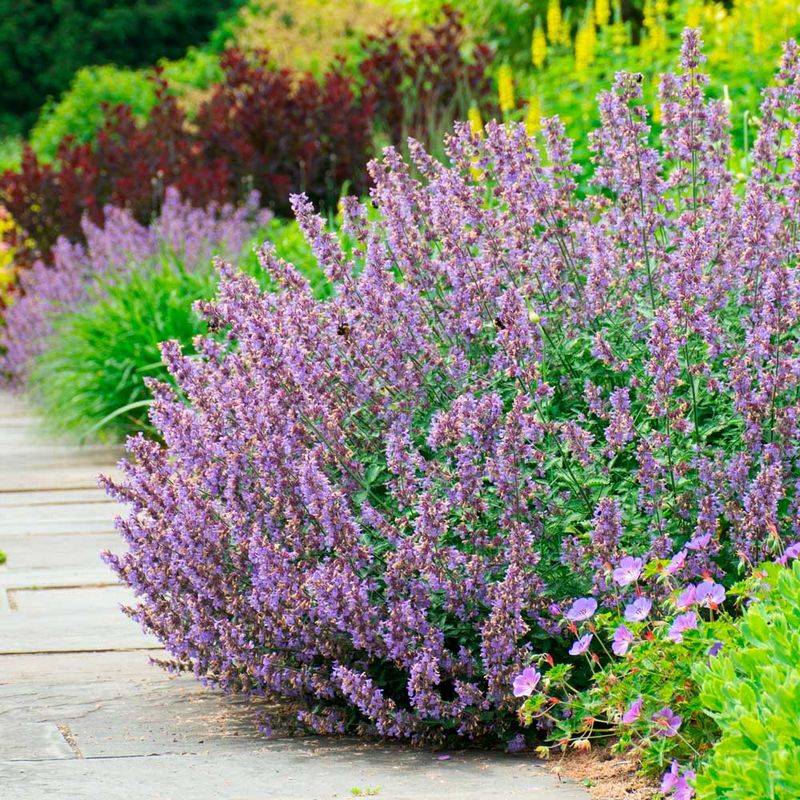
Clouds of lavender-blue flowers hover above aromatic gray-green foliage, creating butterfly and bee paradise from late spring through summer. With a simple trim after the first flush of bloom, catmint rewards with a second (and often third) flowering period, extending the show until fall. Unlike its cousin catnip, improved catmint varieties like ‘Walker’s Low’ maintain a tidy habit without flopping or aggressive spreading. Their drought tolerance and deer resistance make them problem-solving workhorses in the garden. Plant catmint in full sun and well-drained soil for best results. Its cool blue tones complement almost any garden color scheme while providing reliable pollinator food. The aromatic foliage naturally repels many garden pests while still attracting beneficial insects.
16. Pineapple Sage (Salvia elegans)
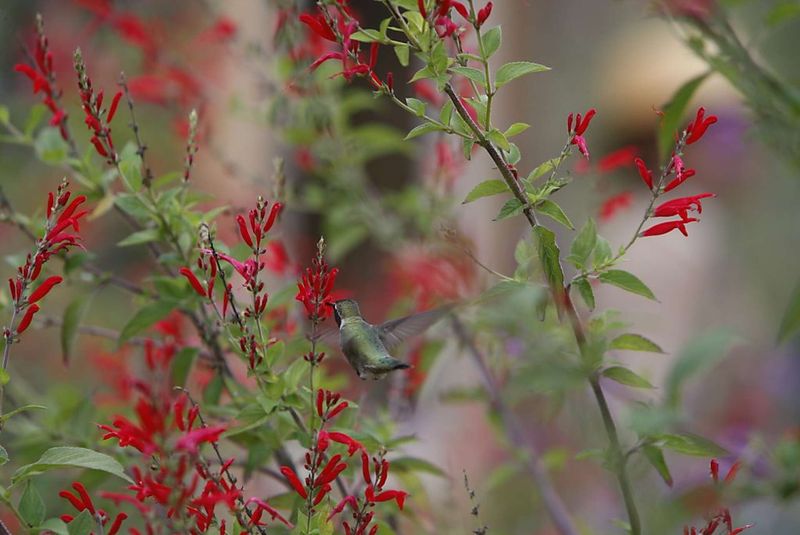
Brilliant scarlet flowers emerge in late summer and continue until frost, creating a hummingbird feeding frenzy when many other plants have finished blooming. Before flowering, the aromatic foliage provides garden interest with its fruity pineapple scent when touched or brushed against. Growing quickly to 3-4 feet tall, pineapple sage makes a dramatic annual or tender perennial in most regions. In zones 8-10, it returns reliably year after year, forming an impressive flowering shrub. Beyond its ornamental value, pineapple sage offers culinary uses—the leaves add fruity flavor to drinks and desserts, while the edible flowers make beautiful garnishes. Plant in full sun and well-drained soil for best flowering and strongest fragrance.
17. Cardinal Flower (Lobelia cardinalis)
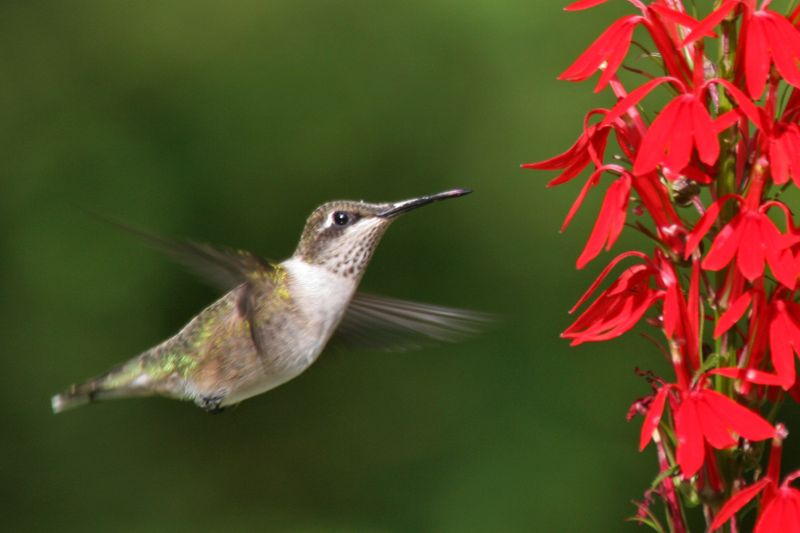
Spikes of intensely red tubular flowers rise like flames above dark green foliage, creating natural hummingbird feeders from midsummer through fall. This native North American wildflower evolved specifically to attract hummingbirds, with its tubular shape perfectly matching their specialized bills. Unlike many sun-loving pollinator plants, cardinal flower thrives in partial shade and consistently moist soil, bringing hummingbird activity to woodland gardens and pond edges. The brilliant red color stands out even in shady locations, helping hummingbirds spot this nectar source from a distance. Hardy in zones 3-9, cardinal flower returns reliably each year, often self-seeding gently to create naturalized colonies. For best results, avoid letting the soil dry out completely during the growing season.
18. Mexican Sunflower (Tithonia)
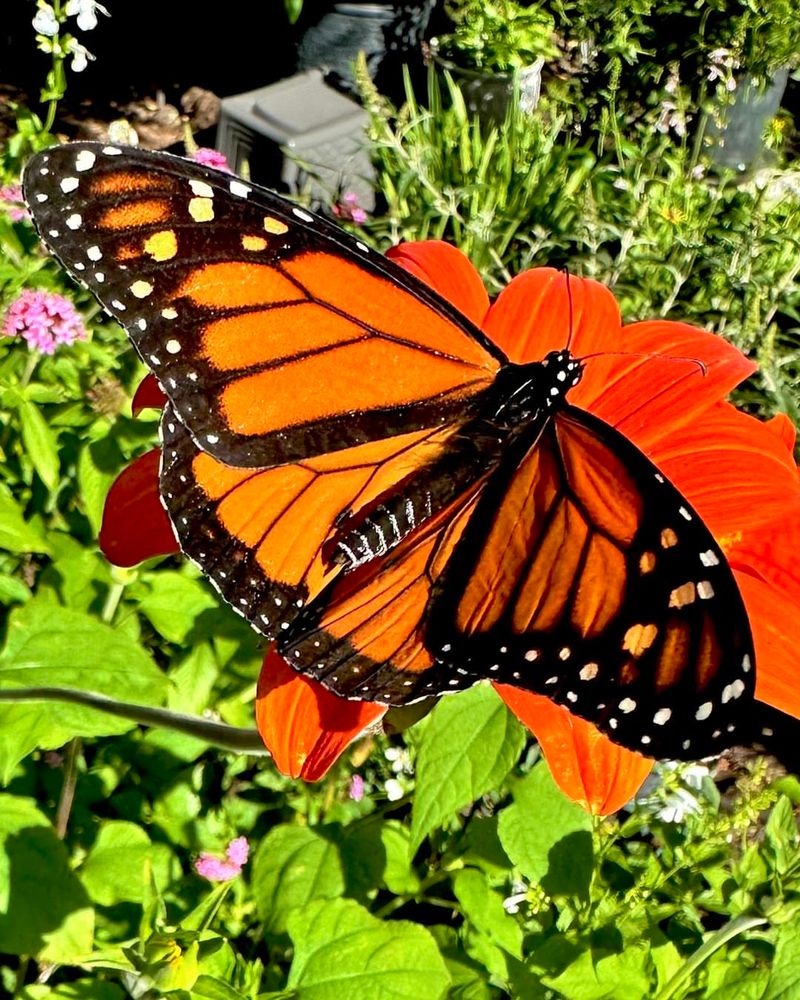
Vibrant orange-red daisy-like flowers perch atop velvety stems, creating butterfly magnets from midsummer until frost. Growing quickly from seed to reach impressive 4-6 foot heights, Mexican sunflowers create dramatic backdrops for other garden plants while serving as butterfly dining stations. Monarch butterflies show particular preference for these fiery blooms, often visiting in groups during migration. The large, flat flowers provide perfect landing pads, while abundant nectar fuels their long journeys. Heat-loving and drought-tolerant once established, Mexican sunflowers thrive when summer temperatures soar. Plant in full sun and well-drained soil, allowing plenty of space—these annuals grow quickly and need room to reach their full potential.