
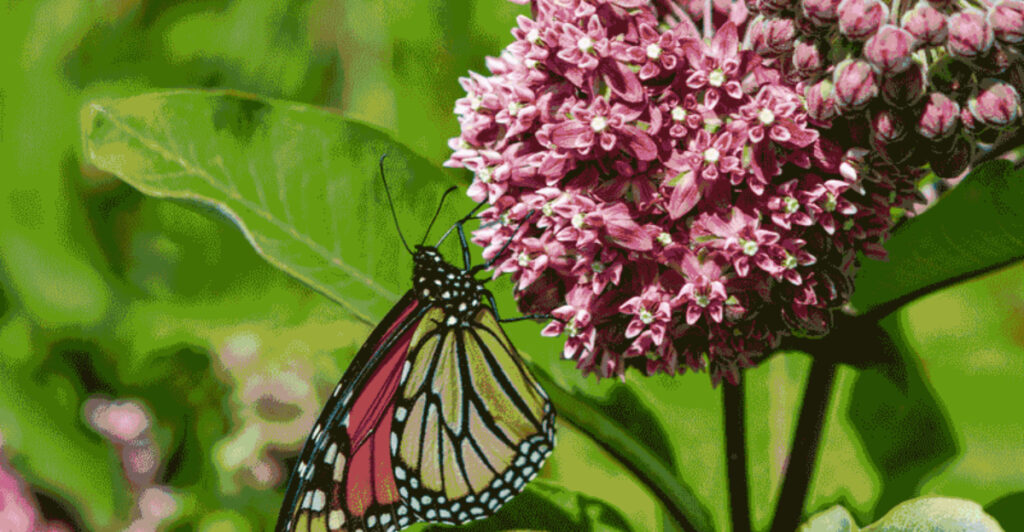
Exploring the benefits and drawbacks of cultivating common milkweed can guide gardeners in creating a balanced ecosystem while maintaining a beautiful garden.
This article delves into the alluring characteristics and challenges posed by this fascinating plant, providing insights for both novice and experienced gardeners alike.
1. Essential for Monarch Butterflies
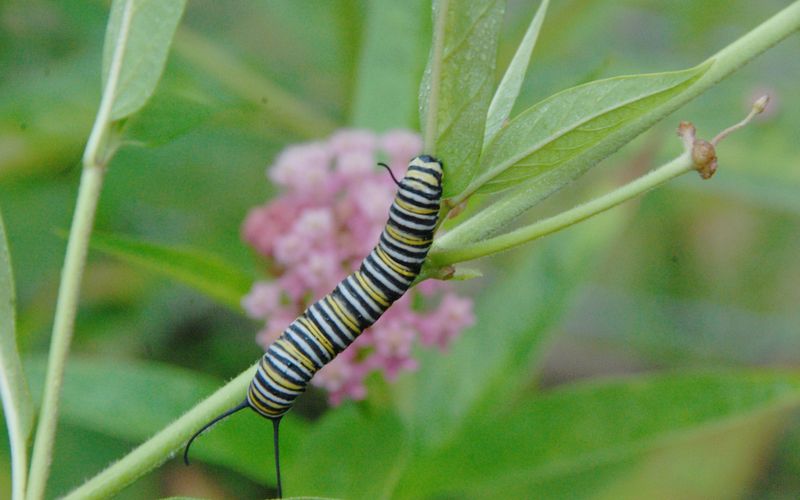
Imagine a garden teeming with fluttering Monarch butterflies. Common milkweed plays a crucial role in their lifecycle, serving as the exclusive host plant for Monarch caterpillars. Without milkweed, these regal butterflies struggle to survive and thrive. Planting milkweed can transform your garden into a sanctuary for these migratory wonders. Milkweed not only sustains Monarch populations but also contributes to the rich tapestry of biodiversity in your garden. By offering a safe haven for caterpillars, it becomes an essential component in the conservation effort for this beloved species. Embrace this symbiotic relationship and watch your garden come alive.
2. Pollinator Magnet
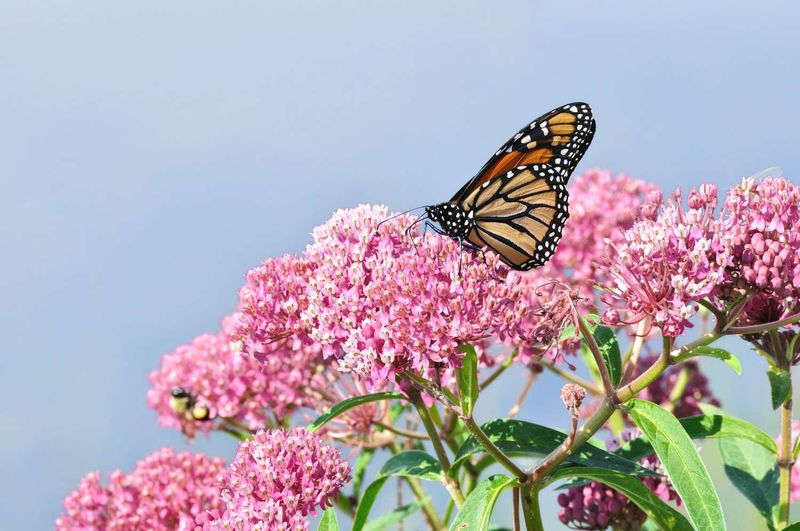
A garden buzzing with life reflects the impact of milkweed as a pollinator haven. Its pink-purple blooms exude a fragrance that irresistibly draws bees, butterflies, and a plethora of beneficial insects. The allure doesn’t stop there; these blooms play a vital role in supporting pollinator populations. In attracting such a diverse array of species, milkweed promotes a thriving ecosystem. This symphony of life not only enhances the beauty of your garden but also ensures the success of surrounding plants by improving pollination. A garden with milkweed is a vibrant, bustling hub of ecological activity.
3. Drought Tolerant
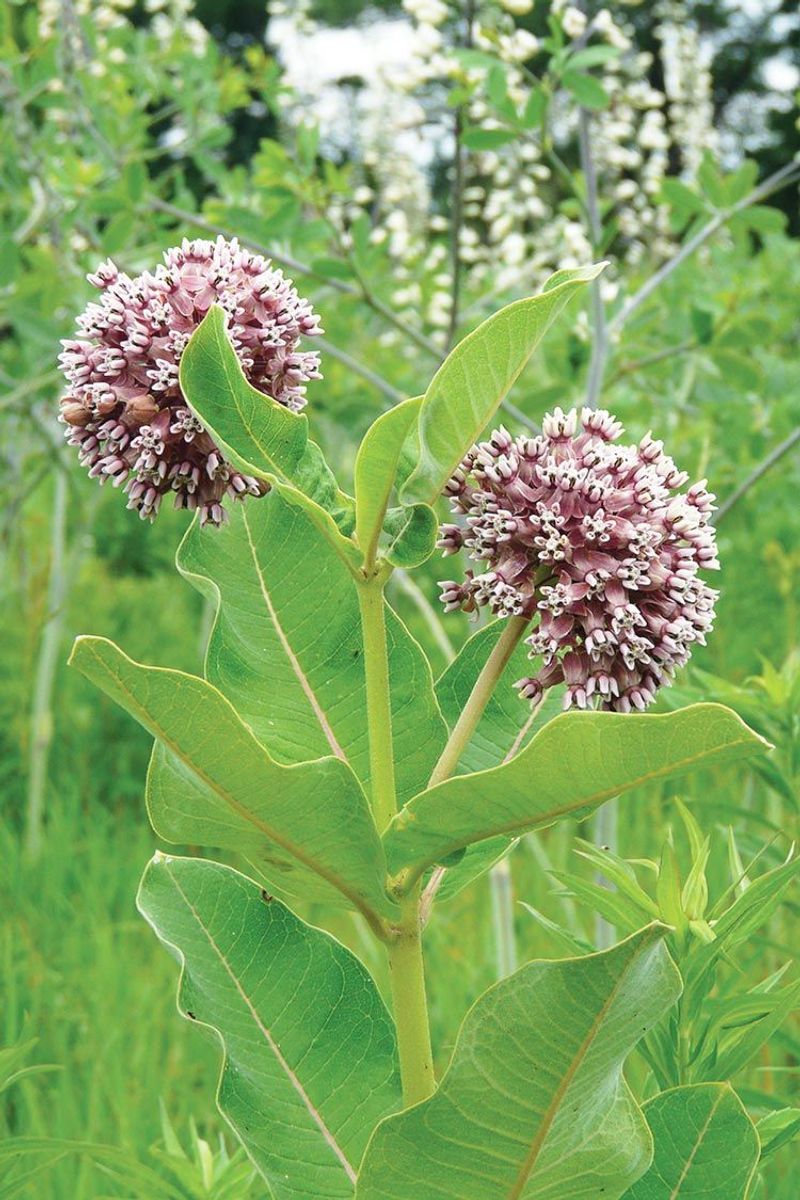
In a world where water conservation is crucial, common milkweed stands as a champion of resilience. Once established, it scarcely demands water, making it an ideal choice for arid regions or water-conscious gardeners. Its ability to flourish in dry conditions is a testament to its hardy nature. This drought tolerance doesn’t just benefit the plant; it supports a sustainable gardening practice that conserves vital resources. By incorporating milkweed into your landscape, you contribute to a garden that thrives even in challenging conditions. This plant’s tenacity adds a robust element to any outdoor space.
4. Low Maintenance
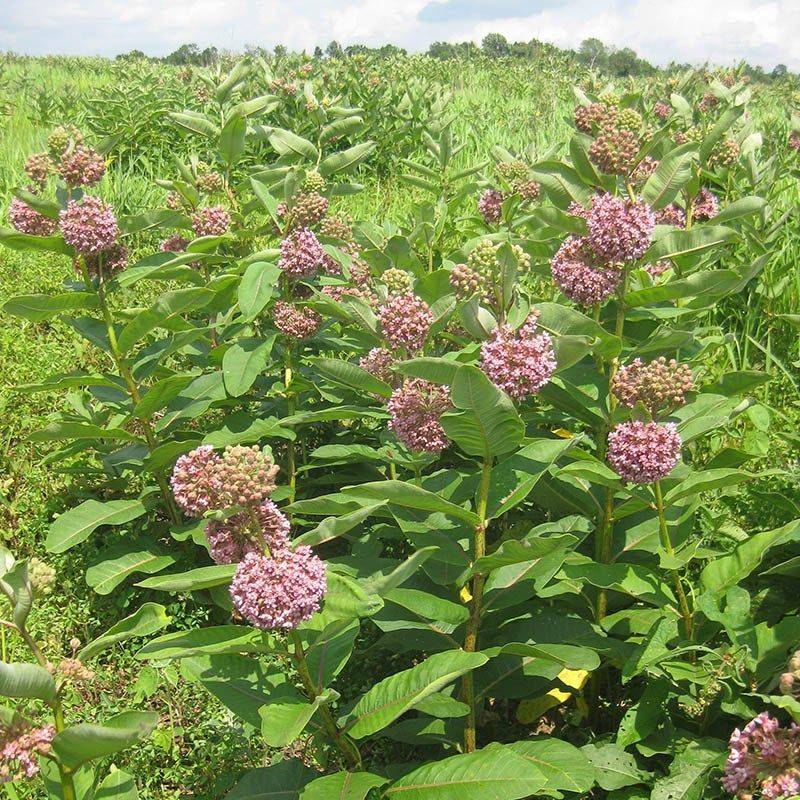
For gardeners seeking an easy-care option, milkweed is a top contender. It thrives in poor soils without the need for fertilizers or constant attention. This resilience makes it a perfect addition for those wanting a lush garden without the hassle. Its ability to grow where others may falter speaks volumes about its robustness. Imagine a plant that requires minimal intervention yet rewards you with beautiful blooms and ecological benefits. That’s the allure of milkweed. As a low-maintenance plant, it frees up time for you to enjoy the garden rather than laboring over it.
5. Improves Soil Health
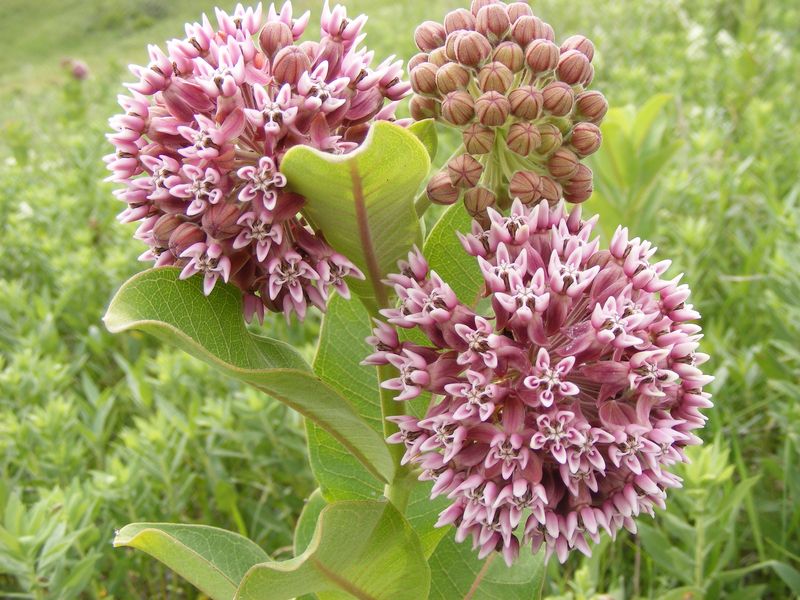
Milkweed doesn’t just beautify; it rejuvenates. Its deep taproots penetrate compacted soils, aerating and enriching them. This natural process prevents erosion and enhances soil structure, fostering healthier plant growth. Imagine a garden where soil health improves over time, thanks to this botanical ally. Milkweed supports this transformation, turning barren soil into a fertile bed for diverse plant life. It acts as an unseen hero, working tirelessly beneath the surface to promote a robust root environment. By planting milkweed, you invest in a garden foundation that supports long-term vitality and abundance.
6. Supports Biodiversity
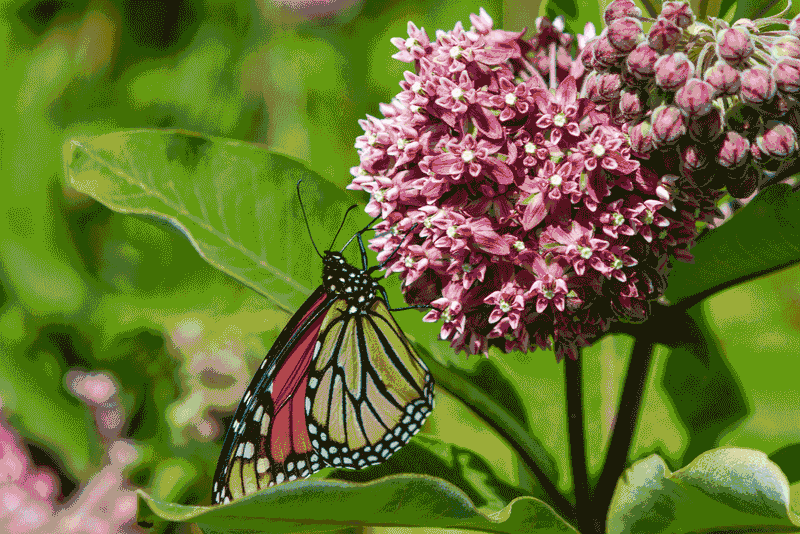
Common milkweed is a diverse species’ ally. Beyond Monarchs, it feeds a myriad of native insects, enriching biodiversity in your garden. This diverse feeding ground supports ecological balance, inviting a harmonious assembly of life. Imagine your garden as a vibrant tapestry, where each thread represents a unique species thriving. Milkweed contributes to this living artwork, offering sustenance and habitat. In fostering a biodiverse environment, your garden becomes a beacon of ecological harmony. This contribution not only benefits wildlife but also enhances your garden’s health and resilience, providing a dynamic, ever-evolving landscape.
7. Beautiful and Fragrant Blooms
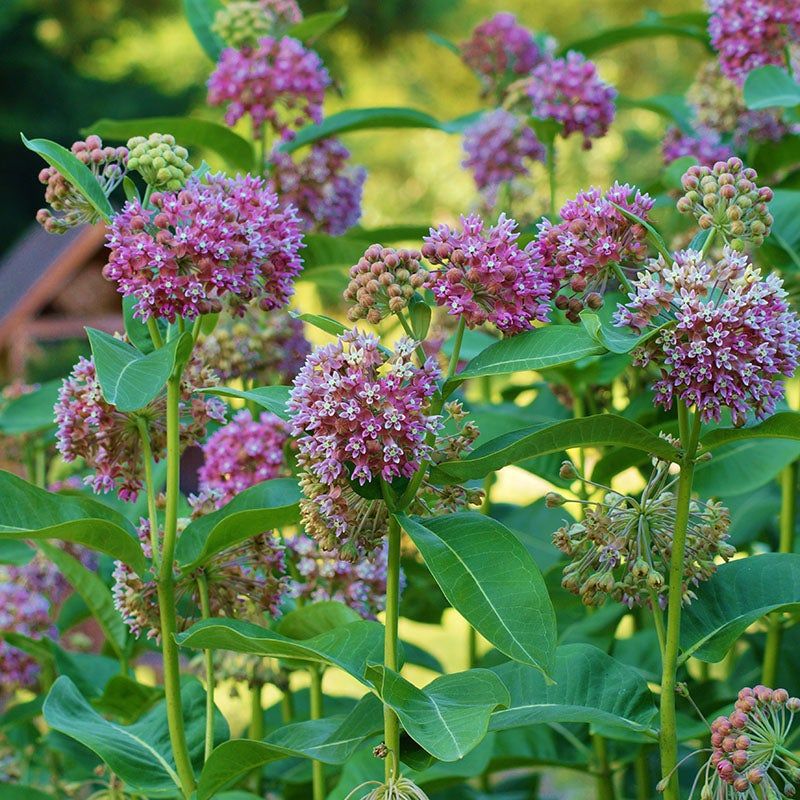
One can’t help but admire the exquisite beauty of milkweed blossoms. The starry clusters of pink and purple blooms add an enchanting touch to any garden. Their appearance is as captivating as their fragrance, which gently perfumes summer air. Imagine strolling through your garden, surrounded by these delicate blooms that evoke both visual and olfactory delight. The presence of milkweed transforms ordinary spaces into magical retreats. Its aesthetic appeal and sensory allure make milkweed a beloved choice for gardeners seeking both beauty and ecological value. This plant elegantly marries form and function.
1. Aggressive Spreader
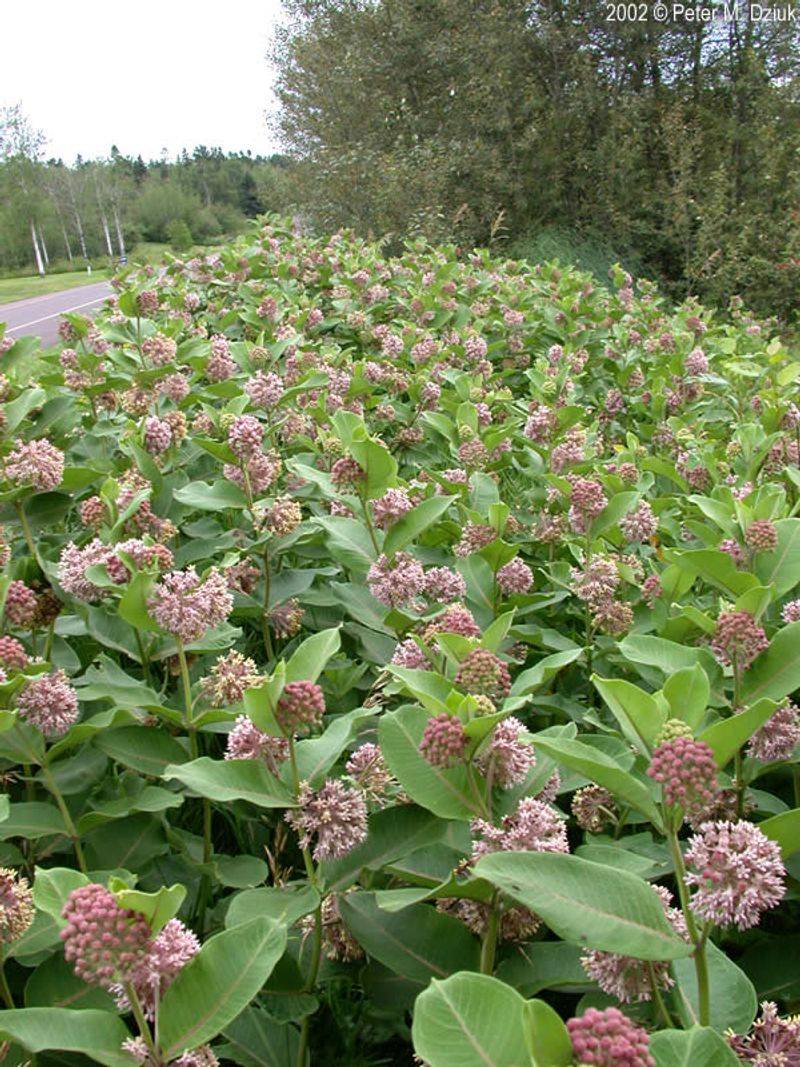
Common milkweed has a tendency to take over. Its underground rhizomes enable it to spread aggressively, often overwhelming garden beds. While this trait reflects its robust nature, it demands careful management. Without control, gardeners may find milkweed encroaching on other plants. This assertive growth requires vigilance and planning to maintain balance. It’s crucial to consider this dynamic characteristic when incorporating milkweed into your landscape. Knowing its spreading nature allows you to enjoy its benefits while curbing potential invasiveness. Embrace its vitality, but be prepared to guide its growth to harmonize with your garden.
2. Can Be Toxic to Pets and Livestock
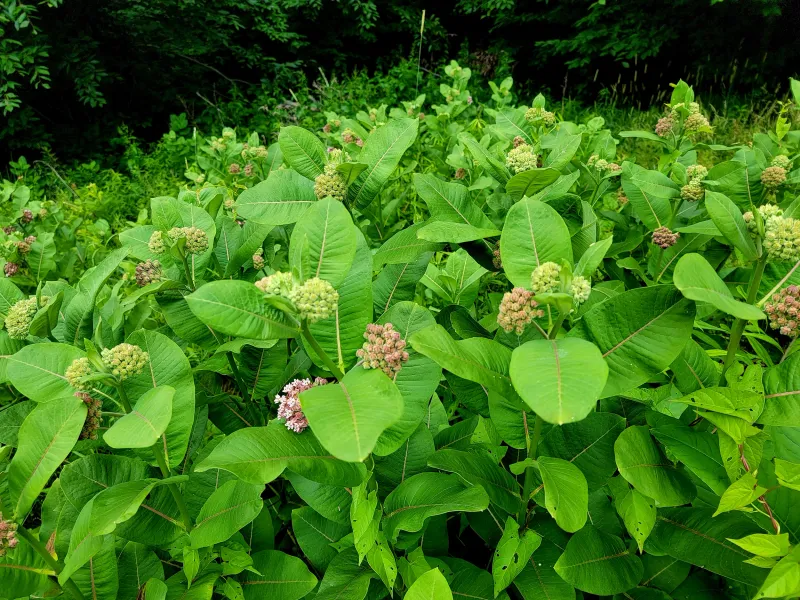
Caution is essential when planting milkweed, especially in areas accessible to pets and livestock. The plant contains cardiac glycosides, toxic if ingested in large amounts. This chemical defense protects the plant from pests but poses a risk to animals. It’s important to position milkweed thoughtfully, away from grazing areas or curious pets. Awareness of this potential hazard allows you to enjoy milkweed’s beauty without compromising animal safety. While its toxicity may seem daunting, informed placement and monitoring can mitigate risks. With the right precautions, milkweed can coexist safely in your garden environment.
3. Messy in Appearance After Bloom
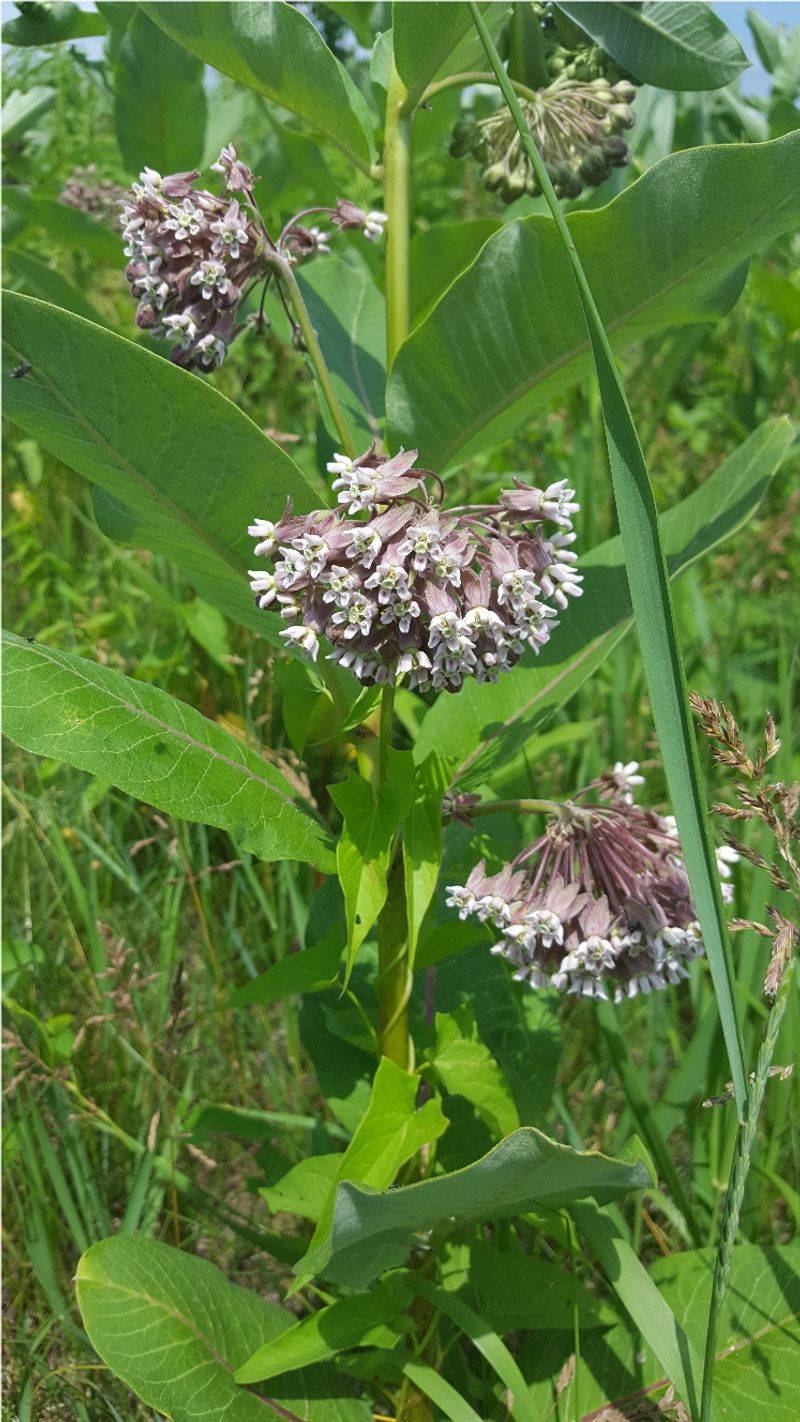
Once milkweed’s flowering ends, its appearance may become less appealing. The stalks can turn ragged and weedy, detracting from a tidy garden aesthetic. This transformation requires gardeners to reconsider the plant’s placement or prepare for cleanup. While the blooms captivate, their aftermath might challenge your garden’s visual harmony. Embracing the life cycle of milkweed involves accepting its less glamorous phase. Strategic planning and maintenance can mitigate this temporary decline. By integrating milkweed thoughtfully, you can balance its ecological benefits with the desire for a neat landscape, achieving a harmonious garden year-round.
4. May Be Considered a Nuisance in Formal Landscapes
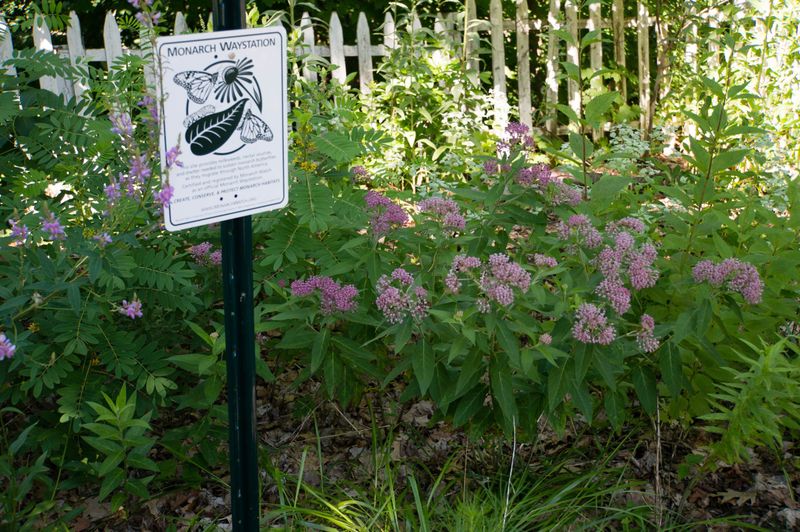
In formal landscapes, milkweed’s exuberant nature might be seen as disruptive. Its natural growth can clash with the manicured elegance of structured gardens. Some municipalities and HOAs may even classify it as a weed, requiring careful consideration. This perception suggests a need to blend milkweed thoughtfully with other elements. Planning its placement can mitigate its potential as a nuisance while preserving its ecological value. By creatively incorporating milkweed into your garden design, you can maintain both visual appeal and environmental benefits. Embrace its wild charm but ensure it complements your garden’s overall style.
5. Attracts Aphids
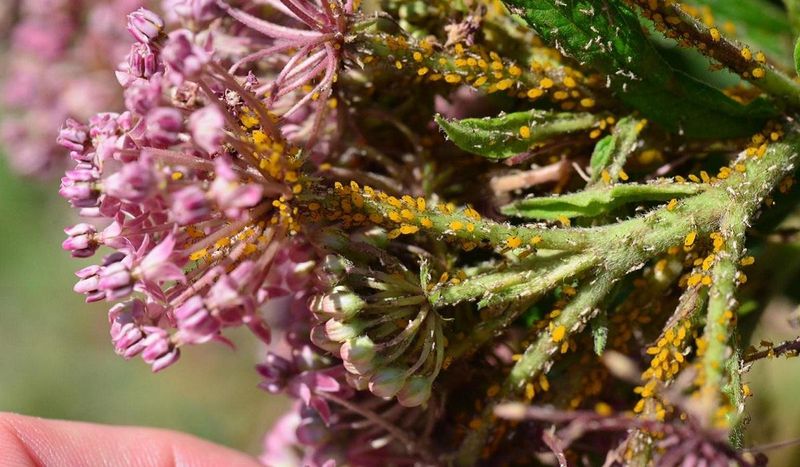
Milkweed’s appeal to aphids is a mixed blessing. While attracting beneficial insects, it also draws orange oleander aphids, which can damage plants. These pests mar milkweed’s beauty and may require management. Recognizing this challenge allows gardeners to prepare for potential infestations. Incorporating natural predators or organic solutions can help control aphid populations. By understanding this aspect of milkweed cultivation, you can enjoy its benefits while addressing pest issues proactively. Although aphids present a concern, they also highlight milkweed’s role in broader ecological dynamics, fostering awareness and action within your gardening practices.
6. Slow to Establish from Seed
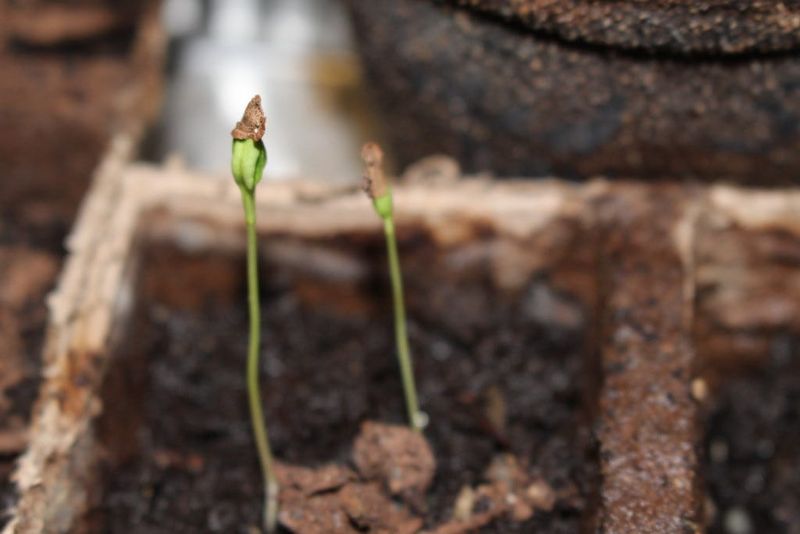
Patience is key when growing milkweed from seed. It can take two years or more to flower, requiring dedication from gardeners keen on nurturing it from scratch. This slow establishment phase may deter those seeking immediate results. However, the eventual rewards of vibrant blooms and ecological contributions are worth the wait. Understanding this timeline allows gardeners to plan accordingly, appreciating milkweed’s gradual growth. The slow journey from seedling to flowering plant offers a unique gardening experience, emphasizing patience and perseverance. Milkweed’s eventual blooming serves as a testament to the value of nurturing nature’s treasures.
7. Can Shade Out Other Plants
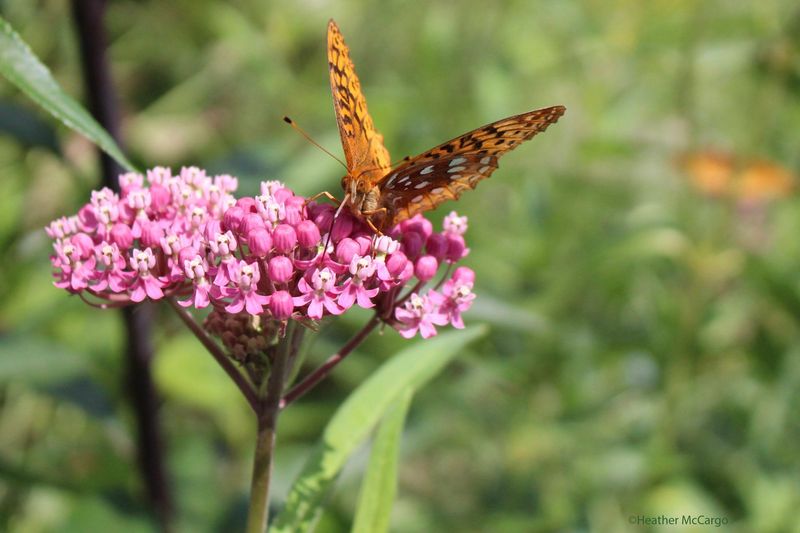
Milkweed’s impressive height and dense root system can overshadow nearby plants. Standing up to 6 feet tall, it casts significant shade, affecting the growth of surrounding flora. This characteristic necessitates careful planning to avoid unwanted competition in your garden. By considering its towering presence, gardeners can strategically position milkweed to prevent shading issues. This awareness ensures a harmonious plant community, where milkweed thrives without compromising others. Embracing its stature adds vertical interest to your landscape but requires thoughtful integration. With proper placement, milkweed enriches your garden’s vertical dimension while maintaining balance.
8. Requires Management to Stay Contained
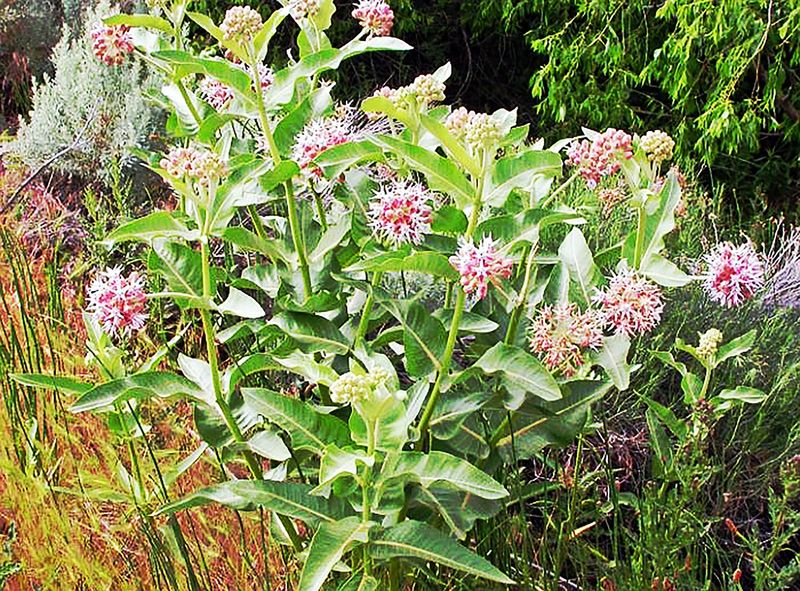
Managing milkweed’s spread is crucial for maintaining garden harmony. Its vigorous nature means it can quickly overrun spaces without intervention. Regular trimming of runners and deadheading blooms helps contain its growth, ensuring it remains a beneficial addition rather than a burden. This hands-on approach keeps milkweed from overshadowing its neighbors, preserving garden aesthetics and health. Recognizing the need for management empowers gardeners to enjoy milkweed’s advantages while keeping its assertiveness in check. With diligent care, milkweed becomes a well-behaved participant in your garden’s ecosystem, offering beauty and benefits without overwhelming other plants.