
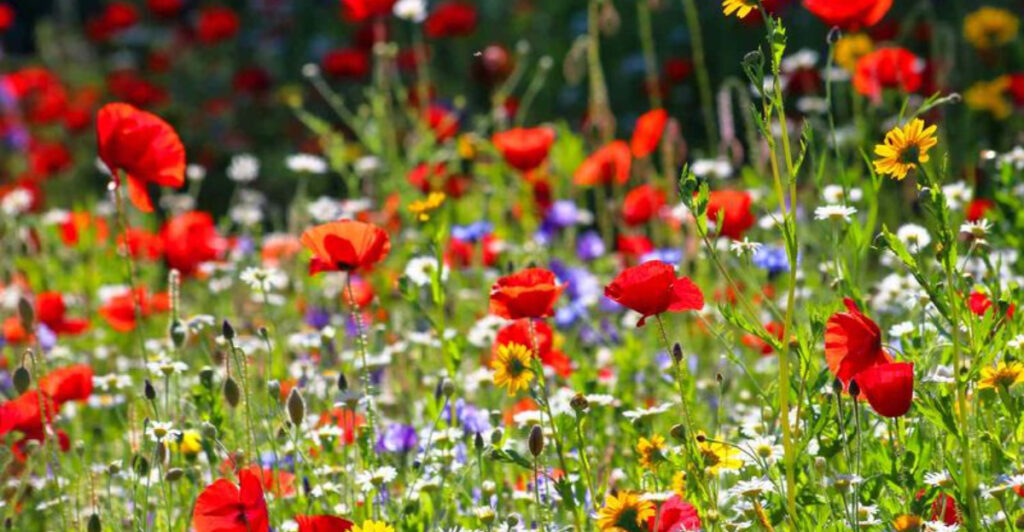
Starting a low-maintenance wildflower garden is an inspiring endeavor that connects you with nature. With ten essential tips, transform your space into a vibrant, self-sustaining habitat for local flora and fauna. Embrace the beauty of wildflowers with minimal effort and maximum enjoyment.
1. Choose the Right Location
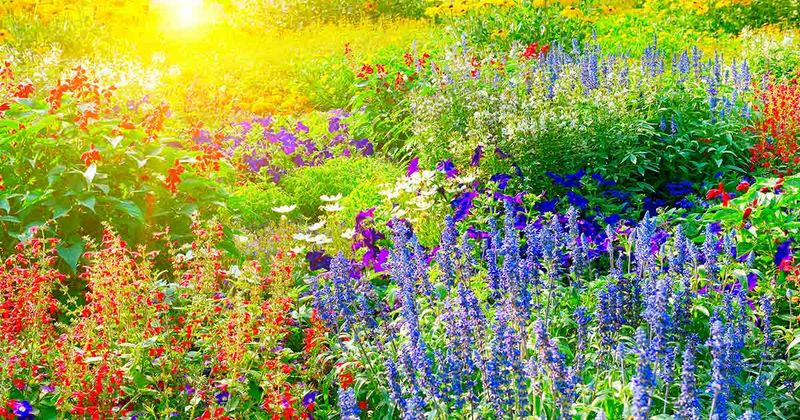
Most wildflowers need more than six hours of daylight to flourish, making sunny spots ideal. Avoid locations where water tends to pool, unless you’re planting species adapted to wetlands.
Consider the terrain and natural water drainage when selecting your site. A well-chosen location will ensure your wildflower garden’s resilience and beauty, reducing the need for intervention.
A sunlit area can transform into a vibrant tapestry of color with the right wildflowers. Choose wisely and let nature take its course.
2. Pick Native Wildflowers
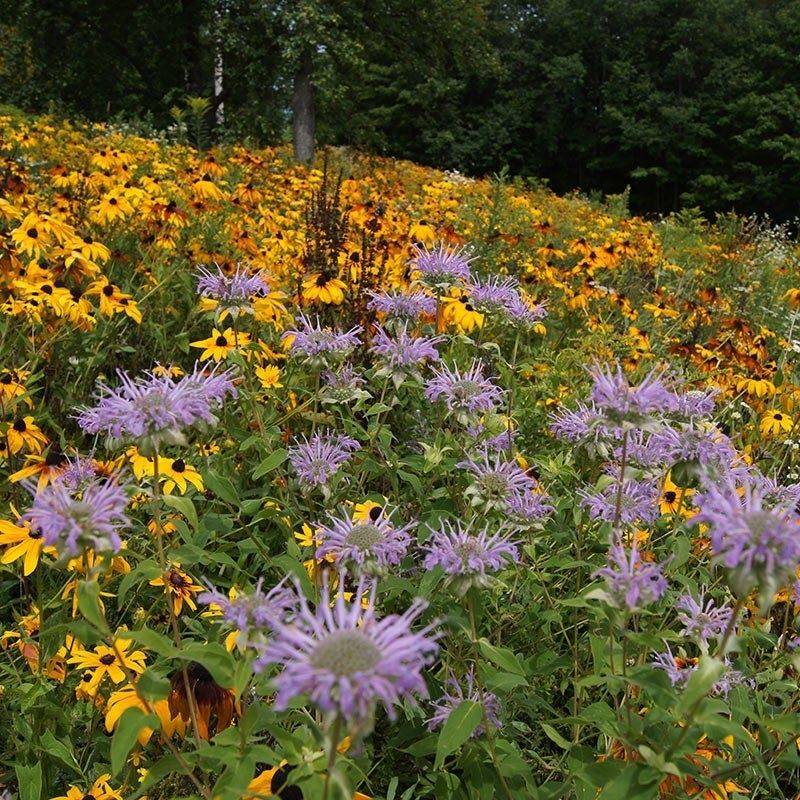
Incorporating native wildflowers is a nod to nature’s wisdom. These plants are tailored to your local climate, requiring minimal care. Black-eyed Susans, Coneflowers, and Lupines are just a few examples that vary by region.
Native species are more resistant to local pests and diseases. Their adaptability makes them a perfect choice for a low-maintenance garden.
By choosing natives, you contribute to preserving your local ecosystem while enjoying a garden that practically takes care of itself.
3. Prepare the Soil Simply
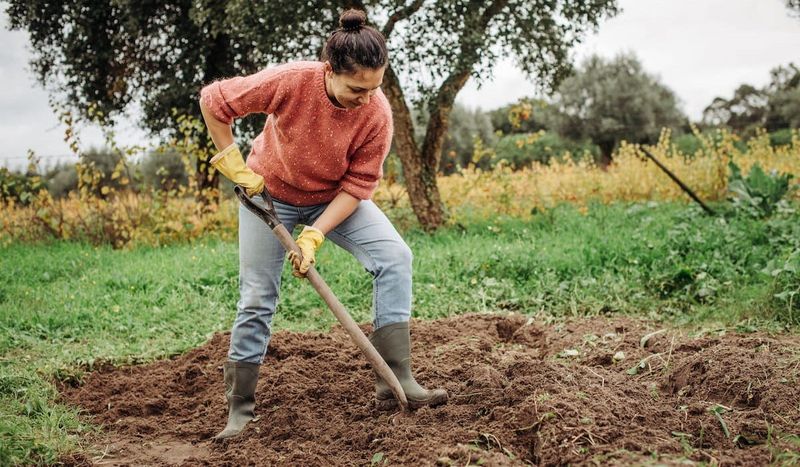
Wildflowers thrive on simplicity. They flourish in poor to average soil, avoiding the need for rich fertilizers. Begin by removing any weeds and grass from the area.
Lightly rake the soil to create a welcoming bed for the seeds. This minimal preparation encourages robust growth.
By keeping the soil preparation straightforward, you save time and effort, allowing nature to nurture your wildflower garden.
4. Sow Seeds at the Right Time
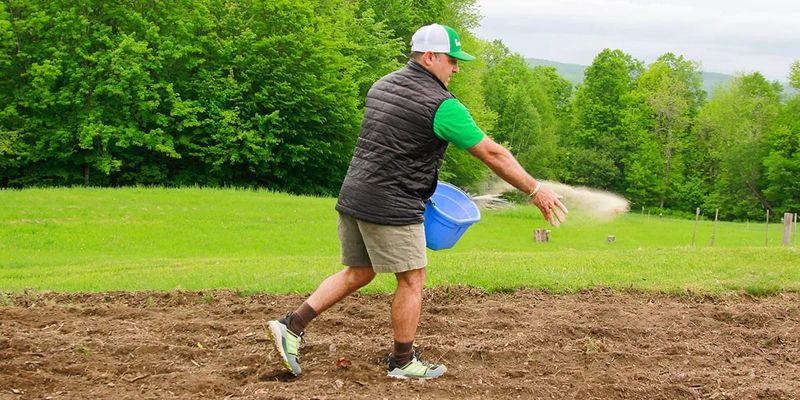
Timing is key to success. Spring or fall are optimal for sowing wildflower seeds, depending on your climate. Fall planting mimics nature’s cycle, leading to vigorous spring blooms.
Observing your region’s natural rhythms can guide your planting schedule. This approach strengthens the plants, making them more sustainable.
By aligning with nature’s timetable, you foster a garden that’s resilient and self-sufficient, requiring less human intervention.
5. Use a Seed Mix for Easy Diversity
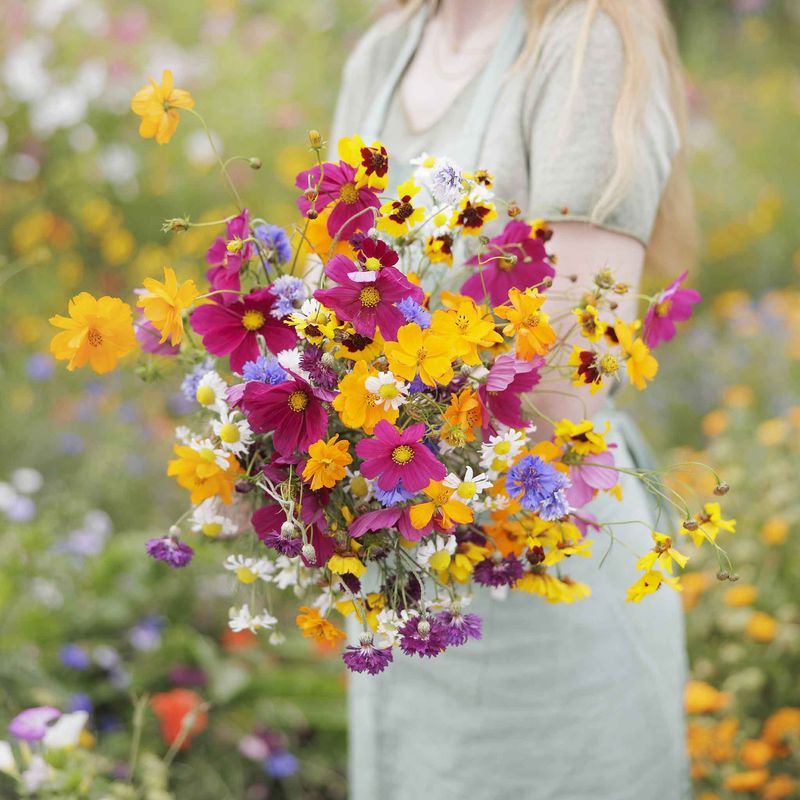
Diversity is nature’s secret to resilience. A regional wildflower seed mix ensures a rich tapestry of colors and species. These mixes are curated for your area, increasing the chances of success.
Avoid invasive species that could dominate and diminish the garden’s harmony. A balanced mix supports a thriving ecosystem.
By choosing a diverse seed mix, you create a garden that’s lively and ecologically balanced, celebrating nature’s variety.
6. Scatter Seeds Naturally
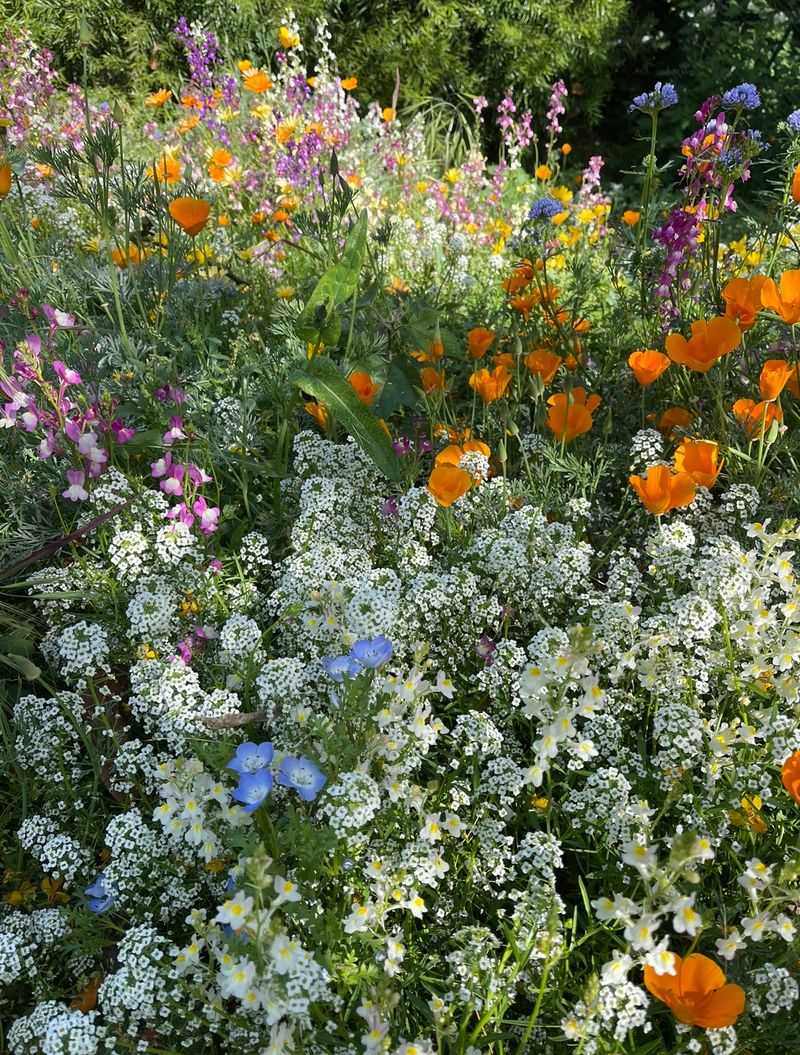
A gentle touch can yield splendid results. Mix your seeds with sand for an even distribution across your garden space. Press them lightly into the soil, as many wildflowers need light to germinate.
The sand acts as a medium to spread seeds uniformly, ensuring no area is overcrowded. Balance is key to a flourishing garden.
Embrace this simple technique to foster a wildflower patch that’s evenly planted and ready to bloom beautifully.
7. Water Wisely (Only at First)
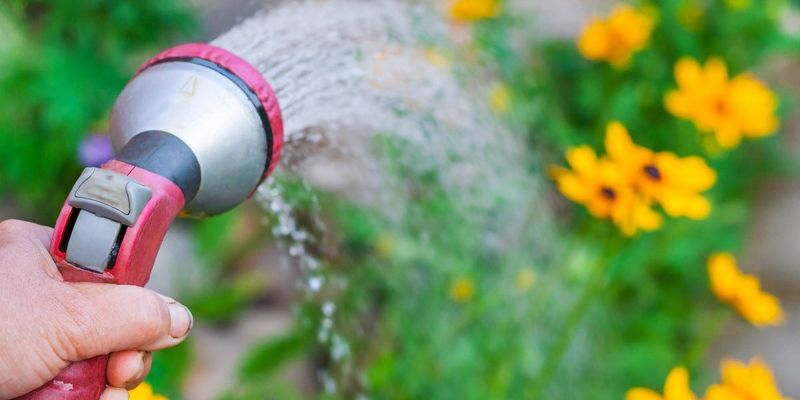
Water is vital but only initially. Keep the soil moist until the seeds sprout, generally within 2 to 4 weeks. Once established, most wildflowers become drought-tolerant, requiring minimal watering.
This initial care phase is crucial for strong root development. Nature’s design ensures wildflowers adapt to their environment.
Your attentiveness at the start pays off, as the garden thrives with little ongoing maintenance, embodying nature’s resilience.
8. Skip Fertilizers & Pesticides
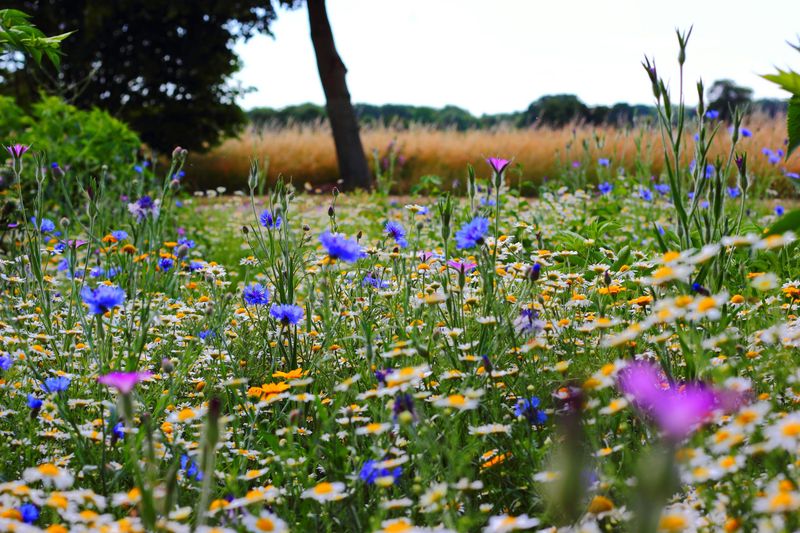
Embrace nature’s low-nutrient palette. Wildflowers flourish in soil free of fertilizers and pesticides. These chemicals can harm beneficial insects like bees and butterflies.
By skipping these additives, you protect the delicate balance of your garden’s ecosystem. Pollinators thrive, enhancing the vibrancy of your garden.
Allow your wildflower garden to flourish naturally, fostering a habitat that’s both beautiful and ecologically sound.
9. Let It Grow Naturally
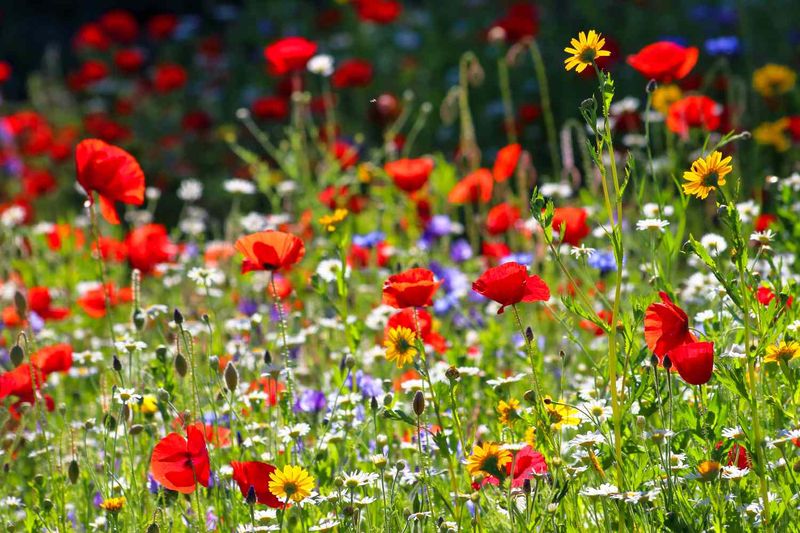
Patience and observation replace constant intervention. Instead of deadheading, let flowers go to seed, encouraging self-sowing and natural propagation. Once established, minimal weeding is required.
This hands-off approach supports biodiversity and creates a self-sustaining garden environment. The garden evolves naturally over time.
Celebrate the wild, untamed beauty of your garden as it develops its own unique character and charm.
10. Mow or Trim Once a Year
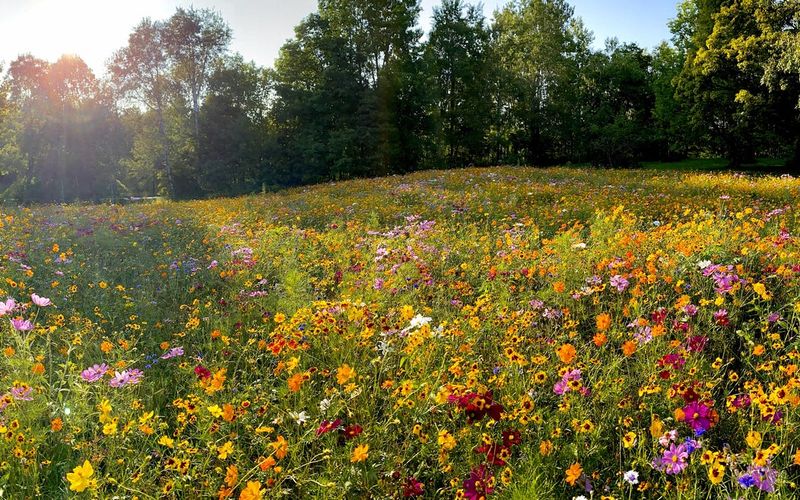
Annual care becomes a simple task. In late fall or early spring, cut back dead growth to make way for new blooms. This encourages rejuvenation and maintains the garden’s health.
Leaving some stems provides winter habitats for insects. This cycle honors nature’s processes, ensuring a thriving ecosystem.
With minimal effort, your wildflower garden remains vibrant and ready to greet each new season with fresh growth.